Top 15 Scary Animals in The World (With Images)
Did you know that the tiny box jellyfish, almost invisible in the water, carries enough venom to kill a person in just minutes? The animal kingdom is full of creatures that send shivers down our spines some with razor-sharp teeth, others with deadly venom, and a few that simply look like the stuff of nightmares.
But behind their frightening reputations, these animals are often just perfectly adapted survivors. In this guide, we’ll explore the top 15 scariest animals, uncovering what makes them so terrifying and why they deserve our respect.
List of Scary Animals in The World
| Rank | Animal | Scientific Name |
|---|---|---|
| 1 | Great White Shark | Carcharodon carcharias |
| 2 | Saltwater Crocodile | Crocodylus porosus |
| 3 | Box Jellyfish | Chironex fleckeri |
| 4 | Black Mamba | Dendroaspis polylepis |
| 5 | Komodo Dragon | Varanus komodoensis |
| 6 | Goliath Birdeater | Theraphosa blondi |
| 7 | Anglerfish | Melanocetus johnsonii |
| 8 | Vampire Bat | Desmodus rotundus |
| 9 | Piranha | Pygocentrus nattereri |
| 10 | Bull Shark | Carcharhinus leucas |
| 11 | Africanized Bee | Apis mellifera scutellata |
| 12 | Wolverine | Gulo gulo |
| 13 | Hyena | Crocuta crocuta |
| 14 | Scorpion | Androctonus |
| 15 | Naked Mole-Rat | Heterocephalus glaber |
Great White Shark
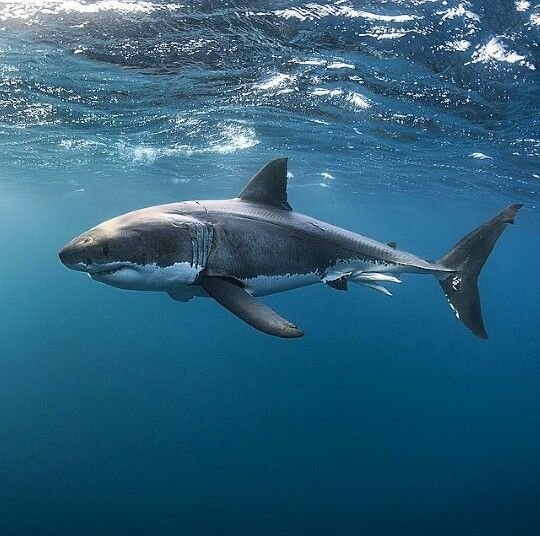
Scientific Name: Carcharodon carcharias
Class: Chondrichthyes
Diet: Carnivore
The great white shark is one of the ocean’s most feared predators, with rows of razor-sharp teeth. Its sheer size and power strike fear into swimmers.
Interestingly, the great white can detect a single drop of blood in the water from far away. It can also sense the faint electrical signals given off by living prey.
Great white sharks inhabit cool coastal waters around the world, hunting seals, fish, and other marine animals.
As apex predators, great whites keep ocean ecosystems in balance. Despite their fearsome image, they are Vulnerable and rarely target humans.
Fun Fact: A great white shark can have around 300 teeth arranged in several rows, replacing them throughout its life.
Saltwater Crocodile
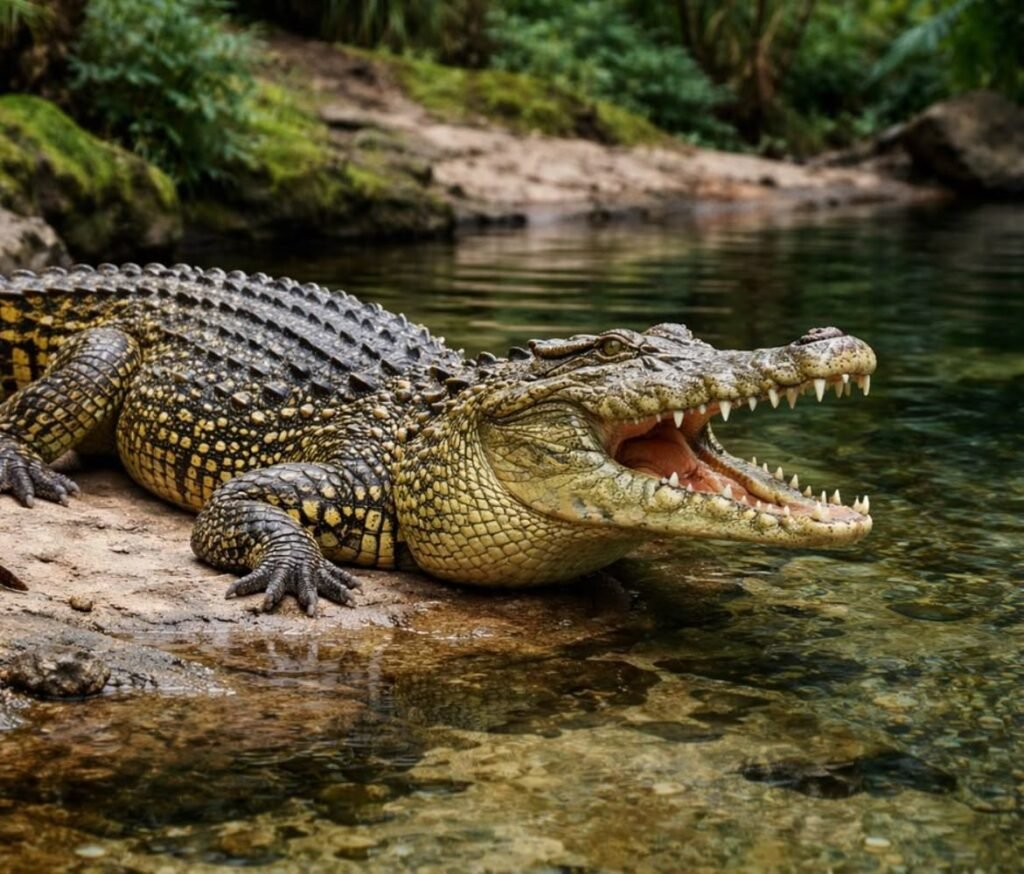
Scientific Name: Crocodylus porosus
Class: Reptilia
Diet: Carnivore
The saltwater crocodile is the largest living reptile and a terrifying ambush predator. It can take down prey as large as a buffalo.
Moreover, the saltwater crocodile has the strongest bite force of any living animal. It lurks silently beneath the water before lunging with explosive speed.
Saltwater crocodiles inhabit rivers, estuaries, and coasts across Southeast Asia and northern Australia, hunting fish, birds, and mammals.
As apex predators, crocodiles help balance their ecosystems. Once heavily hunted, they have recovered and are now of Least Concern.
Fun Fact: A saltwater crocodile can leap almost its full body length straight out of the water to snatch prey.
Box Jellyfish
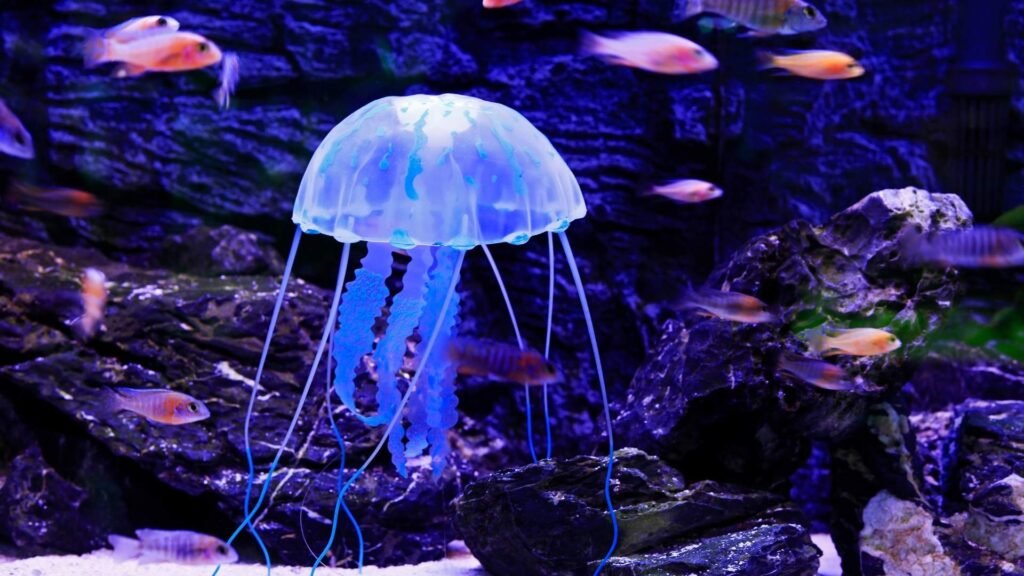
Scientific Name: Chironex fleckeri
Class: Cubozoa
Diet: Carnivore
The box jellyfish is one of the most venomous animals on Earth, despite being nearly transparent. Its sting can be deadly within minutes.
Interestingly, the box jellyfish has dozens of tentacles lined with millions of stinging cells. Its venom attacks the heart, nervous system, and skin all at once.
Box jellyfish inhabit the coastal waters of the Indo-Pacific and northern Australia, drifting in search of small fish and shrimp.
As drifting predators, box jellyfish are a natural part of ocean life. Their near-invisibility makes them especially dangerous to swimmers.
Fun Fact: The box jellyfish has 24 eyes, giving it surprisingly complex vision for an animal without a true brain.
Black Mamba
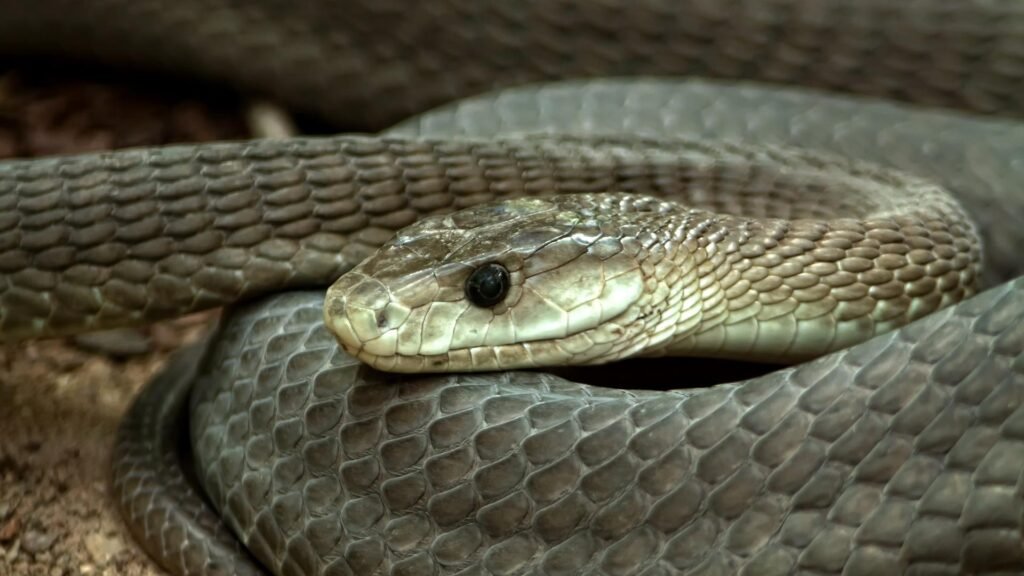
Scientific Name: Dendroaspis polylepis
Class: Reptilia
Diet: Carnivore
The black mamba is one of the deadliest and fastest snakes in the world. Its speed and potent venom make it deeply feared across Africa.
Moreover, the black mamba can slither at up to 12 miles per hour and strike repeatedly. Its venom is fast-acting and, without treatment, can be fatal.
Black mambas inhabit the savannas and rocky hills of sub-Saharan Africa, hunting small mammals and birds.
As efficient predators, black mambas help control rodent populations. Despite their reputation, they usually flee rather than attack.
Fun Fact: The black mamba is named not for its body color but for the inky-black inside of its mouth, shown as a warning.
Komodo Dragon
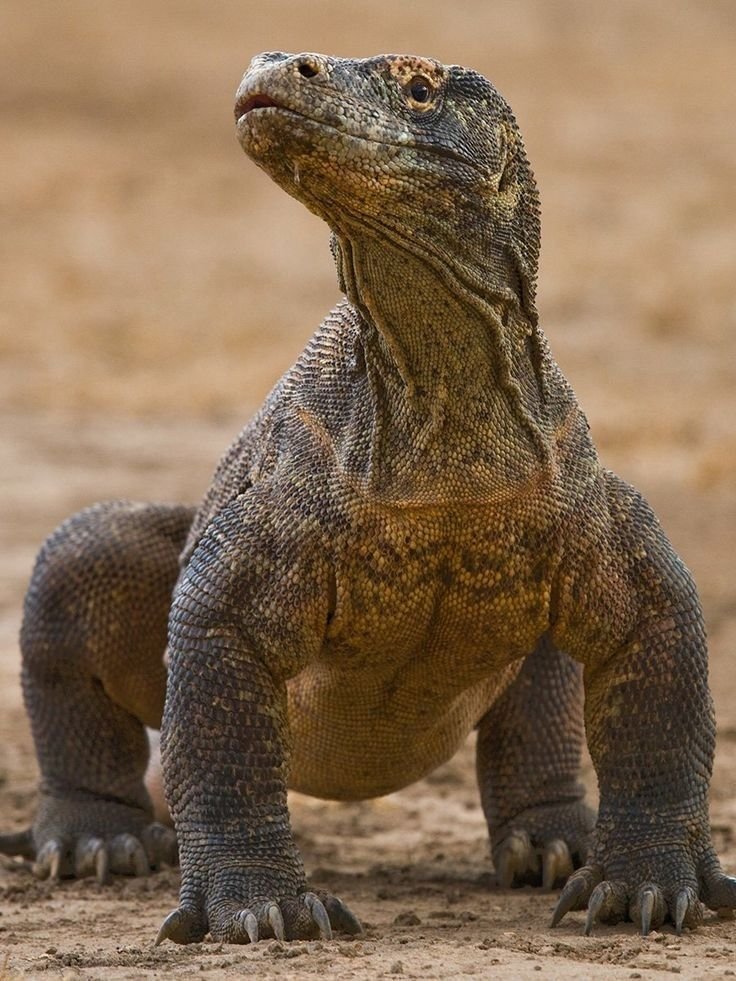
Scientific Name: Varanus komodoensis
Class: Reptilia
Diet: Carnivore
The Komodo dragon is the world’s largest lizard and a fearsome predator. It can take down prey as large as deer and water buffalo.
Interestingly, the Komodo dragon has a venomous bite and serrated teeth that cause serious wounds. It tracks wounded prey for miles using its keen sense of smell.
Komodo dragons inhabit a few islands in Indonesia, hunting deer, pigs, and smaller animals.
As apex predators, Komodo dragons dominate their island homes. With a limited range, they are Endangered.
Fun Fact: A Komodo dragon can smell rotting flesh or wounded prey from several miles away using its forked tongue.
Goliath Birdeater

Scientific Name: Theraphosa blondi
Class: Arachnida
Diet: Carnivore
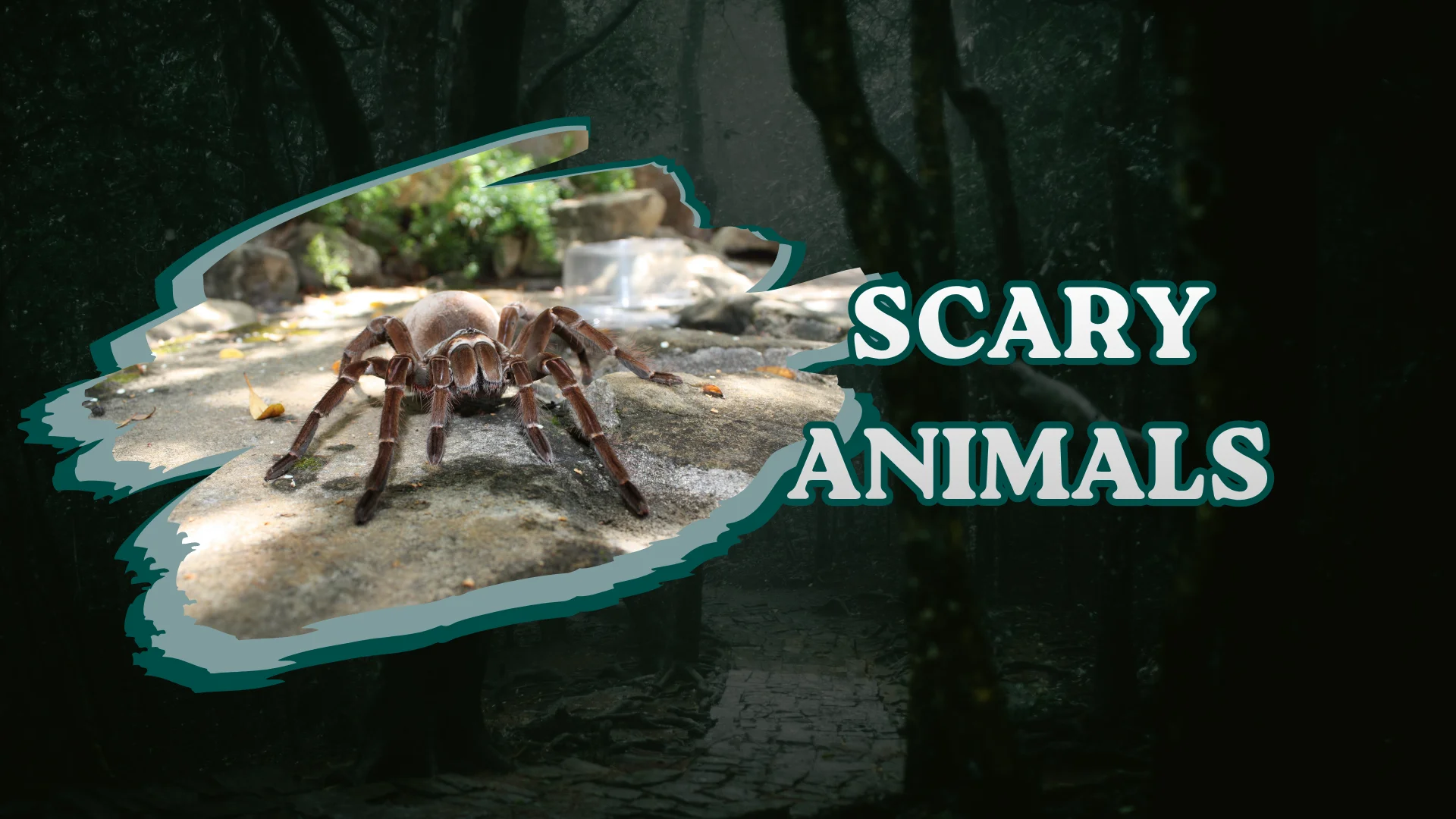
The Goliath birdeater is the largest spider in the world by mass, with a leg span the size of a dinner plate. Its size alone terrifies many people.
Moreover, the Goliath birdeater can flick tiny, irritating hairs at threats and deliver a painful bite. Despite its name, it mostly eats insects, worms, and small animals rather than birds. Note that spiders are arachnids, not insects.
Goliath birdeaters inhabit the rainforests of northern South America, hunting on the forest floor.
As large predators, they help control insect and small-animal populations. They remain widespread in their range.
Fun Fact: The Goliath birdeater can make a hissing sound by rubbing its legs together, loud enough to hear from several feet away.
Anglerfish
Scientific Name: Melanocetus johnsonii
Class: Actinopterygii
Diet: Carnivore
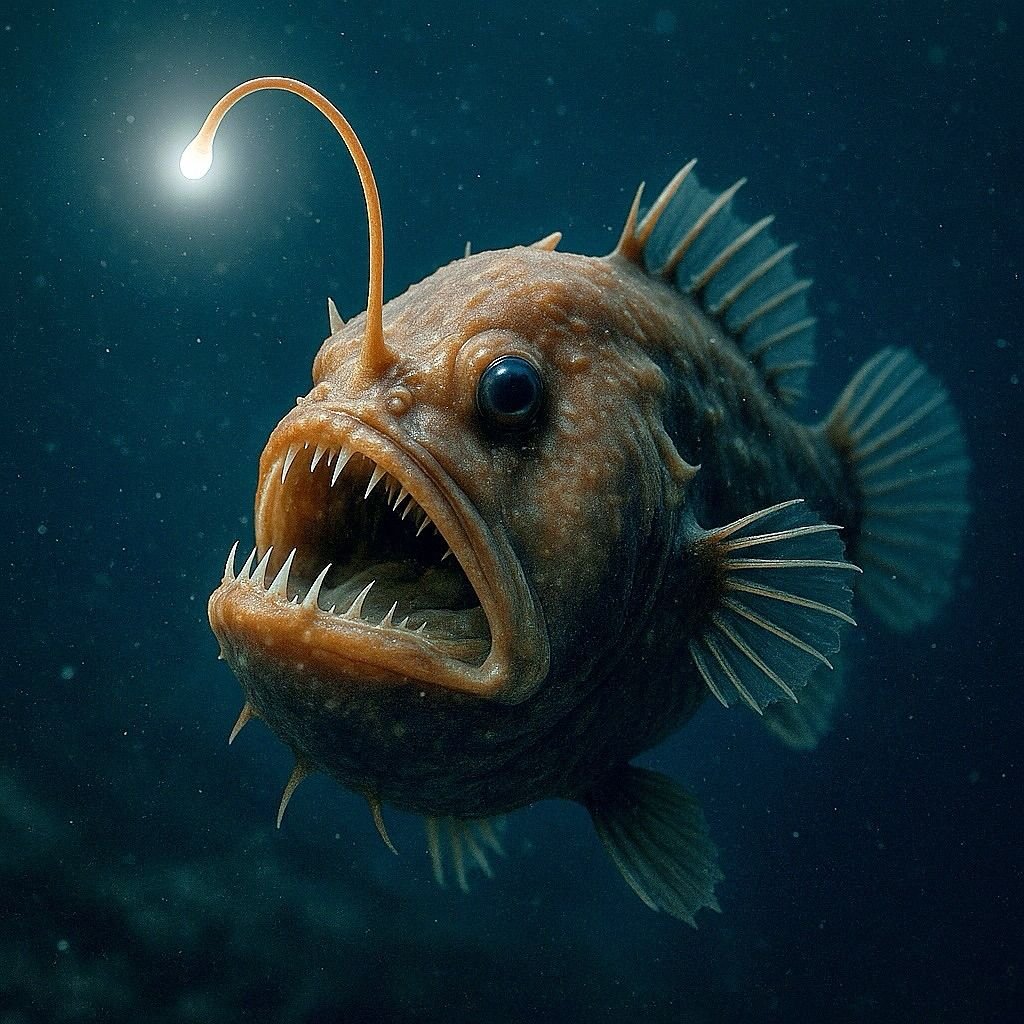
The anglerfish is a nightmarish deep-sea predator with huge jaws and needle-like teeth. Its eerie appearance makes it one of the ocean’s scariest fish.
Interestingly, the female anglerfish has a glowing lure that dangles above her mouth to attract prey in the dark. When a victim comes close, she engulfs it with her enormous jaws.
Anglerfish inhabit the deep, dark waters of oceans worldwide, ambushing fish and other prey.
As deep-sea hunters, anglerfish are perfectly adapted to a world without light. They remain widespread in the deep ocean.
Fun Fact: A female anglerfish’s glowing lure is powered by bioluminescent bacteria that live inside it.
Vampire Bat
Scientific Name: Desmodus rotundus
Class: Mammalia
Diet: Sanguivore
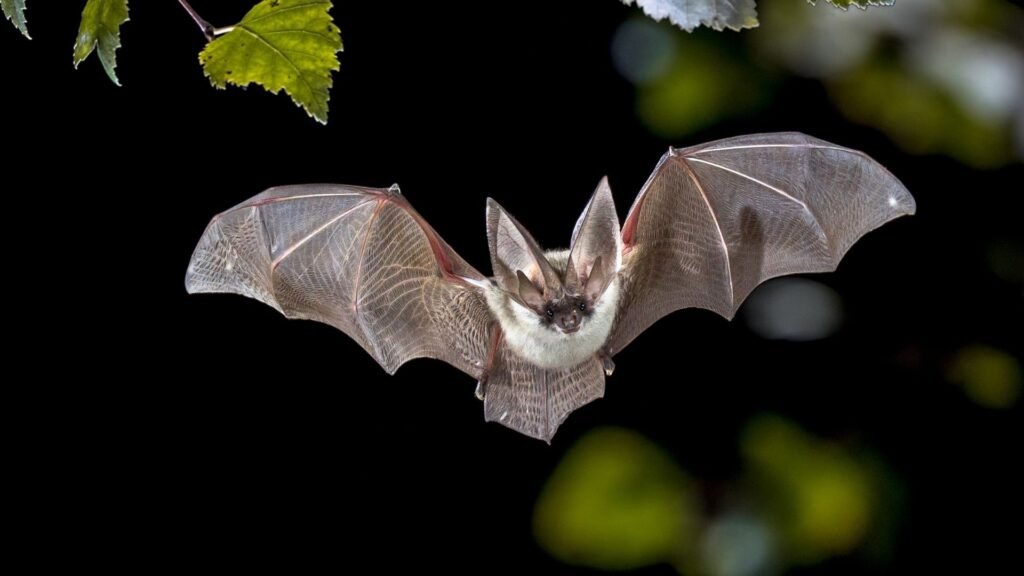
The vampire bat is the only mammal that feeds entirely on blood, giving it a spooky reputation. It feeds quietly on sleeping animals at night.
Moreover, the vampire bat has heat sensors on its nose to find blood vessels near the skin. Its saliva contains a substance that keeps blood flowing while it feeds.
Vampire bats inhabit the tropics of Central and South America, feeding on the blood of livestock and other animals.
As specialized feeders, vampire bats even share food with hungry roost mates. They remain widespread in their range.
Fun Fact: Vampire bats will share blood meals with hungry companions, one of the few animals known to do such favors.
Piranha
Scientific Name: Pygocentrus nattereri
Class: Actinopterygii
Diet: Omnivore
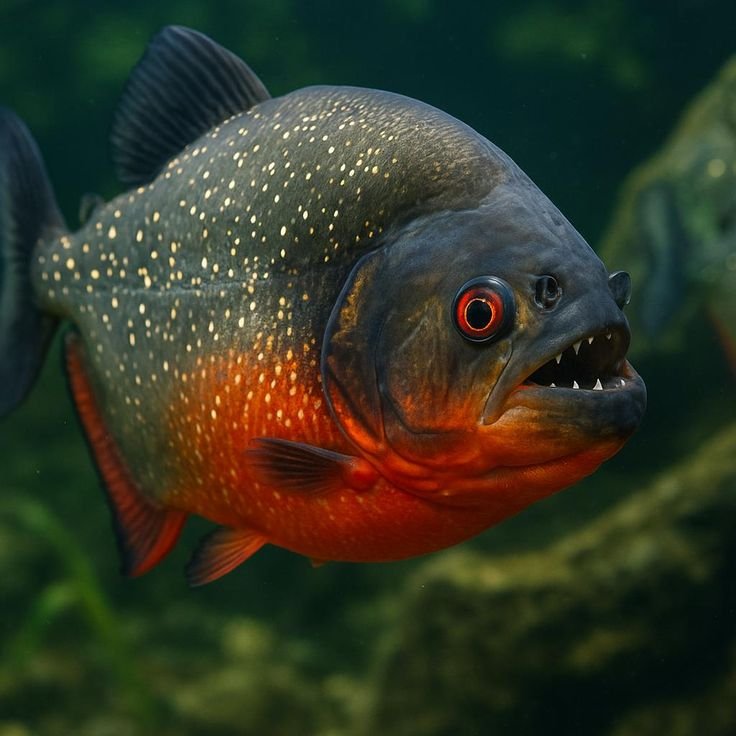
The piranha is famous for its razor-sharp teeth and fearsome feeding frenzies. Its reputation as a flesh-eater makes it one of the scariest fish.
Interestingly, the red-bellied piranha has interlocking, triangular teeth that can shear through flesh. While frenzies do happen, piranhas are also scavengers and are more cautious than legends suggest.
Piranhas inhabit the rivers and lakes of South America, feeding on fish, insects, plants, and carrion.
As opportunistic feeders, piranhas help clean rivers by eating dead animals. They remain widespread in their range.
Fun Fact: A piranha can replace its teeth throughout its life, keeping its bite razor-sharp at all times.
Bull Shark
Scientific Name: Carcharhinus leucas
Class: Chondrichthyes
Diet: Carnivore
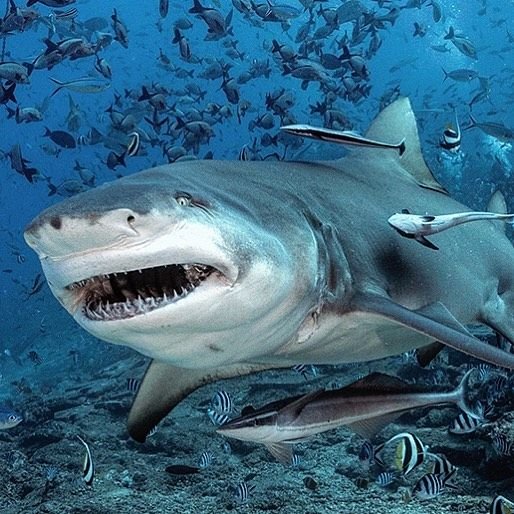
The bull shark is one of the most dangerous sharks because it can swim into rivers and shallow waters. This brings it close to where people swim.
Moreover, the bull shark is uniquely able to survive in both salt and fresh water. It is aggressive and powerful, with a strong bite and a bold nature.
Bull sharks inhabit warm coastal waters, rivers, and lakes worldwide, hunting fish, dolphins, and other prey.
As adaptable predators, bull sharks play an important role in both ocean and river ecosystems. They are considered Vulnerable.
Fun Fact: Bull sharks can swim far up rivers, and have been spotted thousands of miles inland along the Amazon and Mississippi.
Africanized Bee
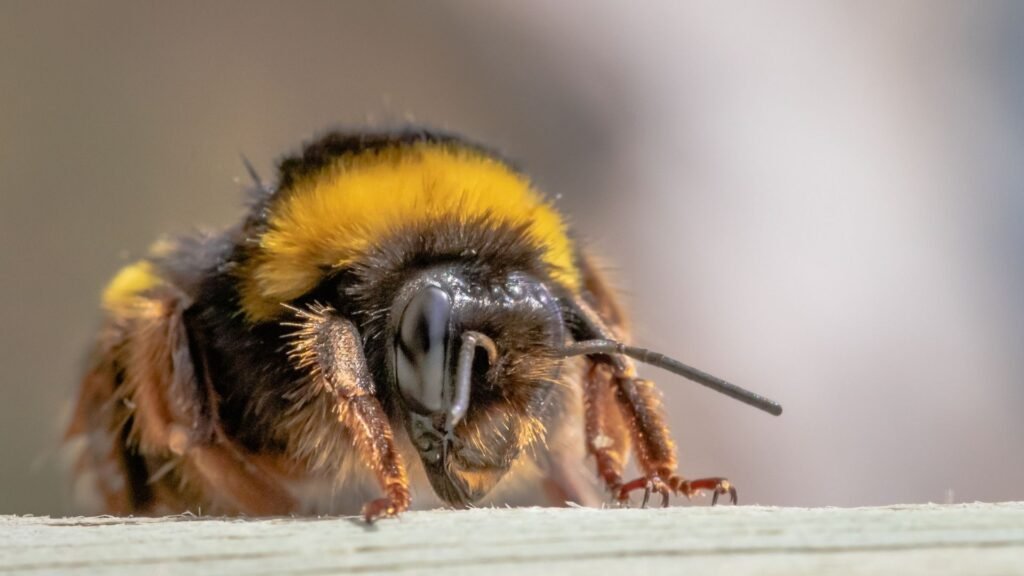
Scientific Name: Apis mellifera scutellata
Class: Insecta
Diet: Herbivore
The Africanized bee, or “killer bee,” is a highly defensive honeybee known for swarming attacks. Its aggressive nature makes it deeply feared.
Interestingly, Africanized bees defend their hives far more fiercely than ordinary honeybees. They can chase a perceived threat for long distances in large, angry swarms.
Africanized bees inhabit the Americas, gathering nectar and pollen from flowers.
As pollinators, these bees still play a vital ecological role despite their temper. Their spread has affected beekeeping across the Americas.
Fun Fact: Africanized bees can pursue a threat for over a quarter of a mile when defending their hive.
Wolverine
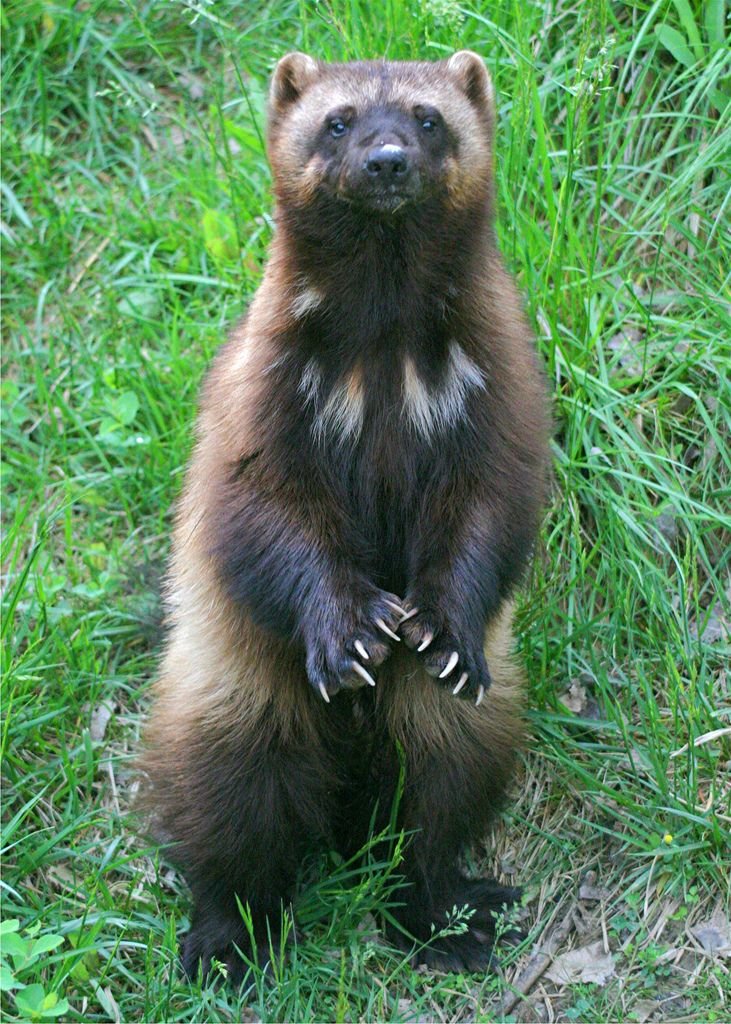
Scientific Name: Gulo gulo
Class: Mammalia
Diet: Carnivore
The wolverine is a small but ferocious predator with a fearsome reputation. It is famous for taking on animals far larger than itself.
Moreover, the wolverine’s powerful jaws can crush frozen bone, and it will fearlessly drive bears and wolves off a kill. Its strength and boldness are legendary among northern hunters.
Wolverines inhabit the forests and tundra of the northern hemisphere, feeding on carrion, small mammals, and large prey.
As tough scavengers, wolverines help clean up their ecosystems. Habitat loss and climate change threaten some populations.
Fun Fact: A wolverine’s scientific name, Gulo gulo, means “glutton glutton,” reflecting its huge appetite.
Hyena
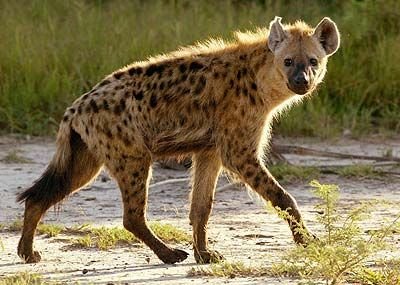
Scientific Name: Crocuta crocuta
Class: Mammalia
Diet: Carnivore
The spotted hyena is a powerful predator with bone-crushing jaws and an eerie, laughing call. Its haunting sounds and reputation make it deeply feared.
Interestingly, the hyena has one of the strongest bites of any mammal, able to crack open bones. Its “laugh” is actually a form of communication, often signaling excitement or stress.
Spotted hyenas inhabit the savannas and grasslands of sub-Saharan Africa, hunting and scavenging a wide range of prey.
As skilled hunters and scavengers, hyenas keep their ecosystems clean. They remain widespread and of Least Concern.
Fun Fact: Spotted hyenas are skilled hunters, catching most of their own prey rather than just scavenging as many believe.
Scorpion
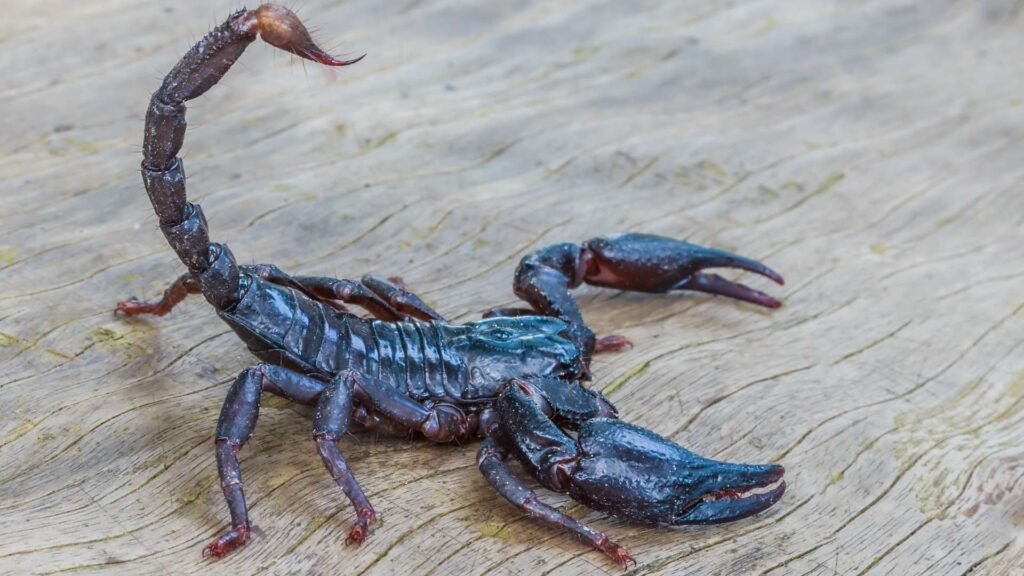
Scientific Name: Androctonus
Class: Arachnida
Diet: Carnivore
The scorpion is a fearsome arachnid armed with pincers and a venomous stinger. Some species carry venom powerful enough to kill a person.
Moreover, the scorpion uses its curved tail stinger to inject venom into prey and predators. The genus Androctonus, or “fat-tailed scorpion,” is among the most dangerous of all.
Scorpions inhabit deserts, forests, and grasslands worldwide, hunting insects and other small prey.
As ancient predators, scorpions help control insect populations. Most species are common in their ranges.
Fun Fact: Scorpions glow a bright blue-green under ultraviolet light, though scientists still debate exactly why.
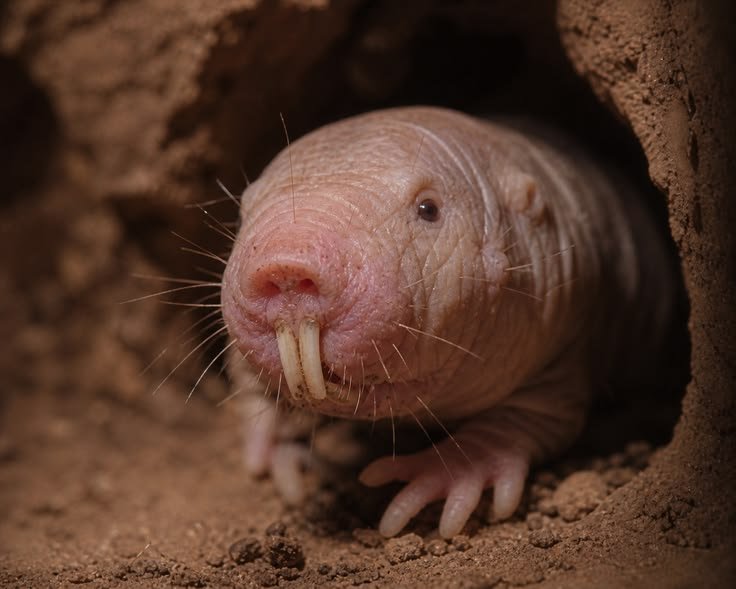
Naked Mole-Rat
Scientific Name: Heterocephalus glaber
Class: Mammalia
Diet: Herbivore
The naked mole-rat looks like something from a horror film, with wrinkled, hairless skin and large buck teeth. Its strange appearance unsettles many people.
Interestingly, the naked mole-rat’s frightening looks hide amazing abilities. It can survive with very little oxygen, feels almost no pain from certain sources, and rarely gets cancer.
Naked mole-rats live in underground colonies beneath the deserts of East Africa, feeding on roots and tubers.
As remarkable survivors, naked mole-rats fascinate scientists studying aging and disease. They remain widespread and of Least Concern.
Fun Fact: Despite its scary looks, the naked mole-rat can live over 30 years and almost never develops cancer.
Read: Small Monkey Breeds
Read: Chubby Animals
Read: Weird Animals in The World
Read: Birds With Long Legs
Read: Animals That Growl
Frequently Asked Questions
Conclusion
From ocean-dwelling great whites to venomous box jellyfish, the world’s scariest animals inspire both fear and fascination. Yet behind their frightening features lies incredible adaptation sharp teeth, potent venom, and powerful bodies that help them survive in a tough world. Most of these animals want nothing to do with humans and play vital roles in their ecosystems.