Top 18 Birds That Eat Fish in The World (With Images)
Did you know that fish make up 99% of an osprey’s entire diet? Across the world, many birds have become expert anglers, evolving razor-sharp eyesight, spear-like bills, and dramatic diving skills to catch slippery prey. Known as piscivorous birds, these fish-eaters plunge from the sky, dive beneath the waves, or wade patiently in the shallows to snatch their meals.
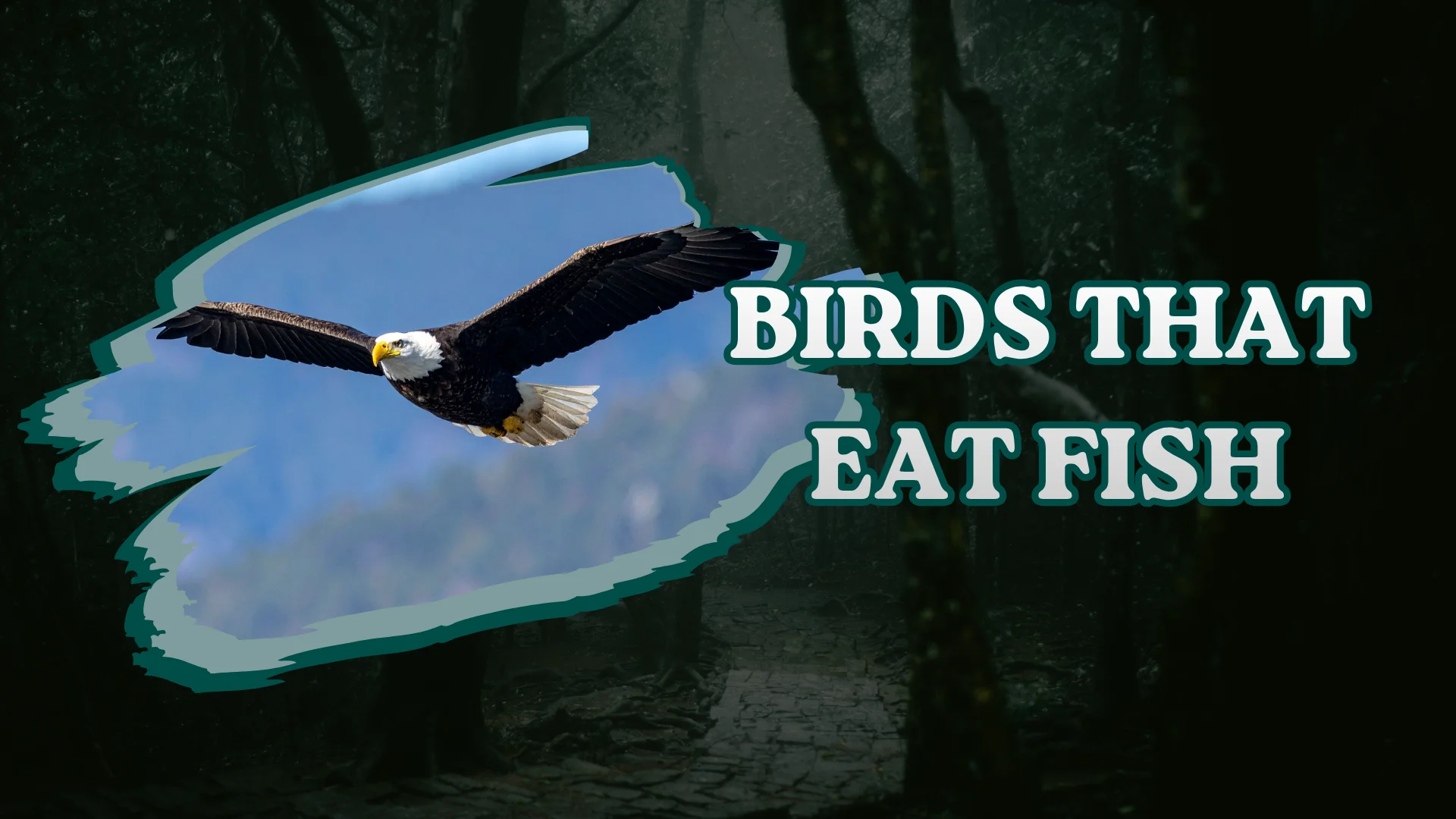
In this guide, we’ll explore the top 18 birds that eat fish, uncovering their amazing fishing techniques and why fish are such a vital food source for birds around the globe.
List of Birds That Eat Fish
| Rank | Animal | Scientific Name |
|---|---|---|
| 1 | Osprey | Pandion haliaetus |
| 2 | Bald Eagle | Haliaeetus leucocephalus |
| 3 | Great Blue Heron | Ardea herodias |
| 4 | Common Kingfisher | Alcedo atthis |
| 5 | Brown Pelican | Pelecanus occidentalis |
| 6 | African Fish Eagle | Haliaeetus vocifer |
| 7 | Great Cormorant | Phalacrocorax carbo |
| 8 | Northern Gannet | Morus bassanus |
| 9 | Common Loon | Gavia immer |
| 10 | Atlantic Puffin | Fratercula arctica |
| 11 | Common Merganser | Mergus merganser |
| 12 | Great Egret | Ardea alba |
| 13 | Common Tern | Sterna hirundo |
| 14 | Anhinga | Anhinga anhinga |
| 15 | Gentoo Penguin | Pygoscelis papua |
| 16 | Great Crested Grebe | Podiceps cristatus |
| 17 | Herring Gull | Larus argentatus |
| 18 | Black Skimmer | Rynchops niger |
Osprey
Scientific Name: Pandion haliaetus
Class: Aves
Diet: Carnivore
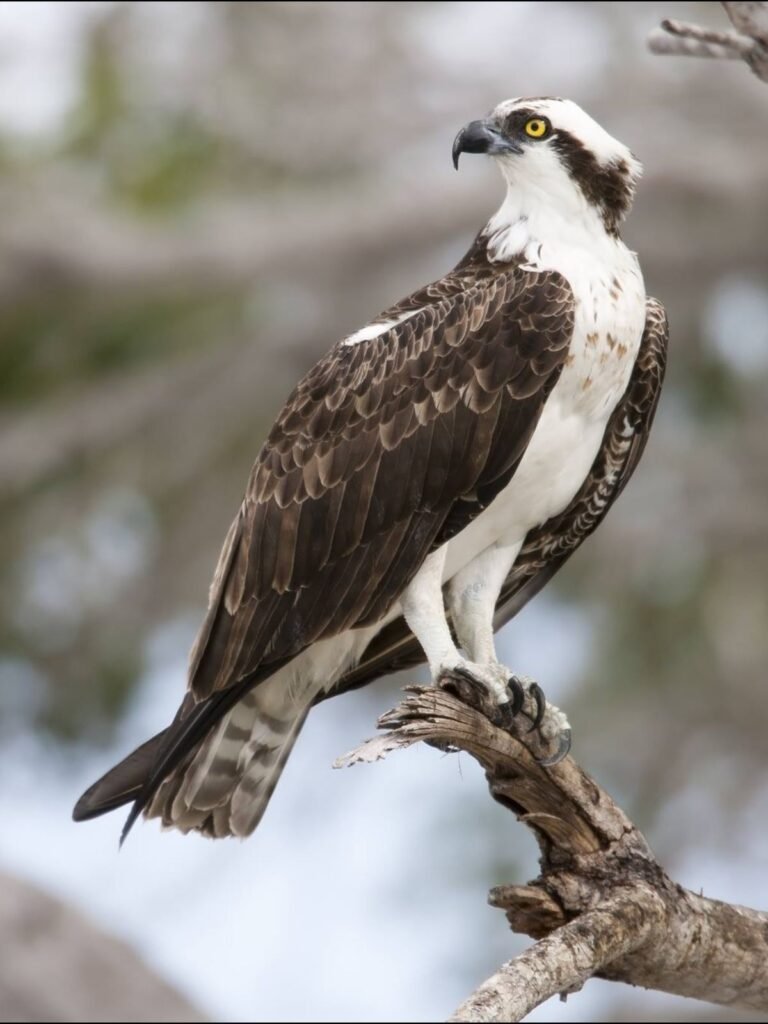
The osprey is the ultimate fishing bird, with fish making up around 99% of its diet. It is often called the “fish hawk” for good reason.
Interestingly, the osprey hovers above the water, then plunges feet-first to snatch fish with its sharp talons. Special spiny pads and a reversible toe help it grip slippery prey.
Ospreys inhabit coasts, lakes, and rivers on nearly every continent, hunting almost exclusively for fish.
As specialized predators, ospreys help balance fish populations. Widespread and recovering in many areas, they are of Least Concern.
Fun Fact: An osprey can carry a fish head-first in flight to reduce wind resistance as it flies back to its nest.
Bald Eagle
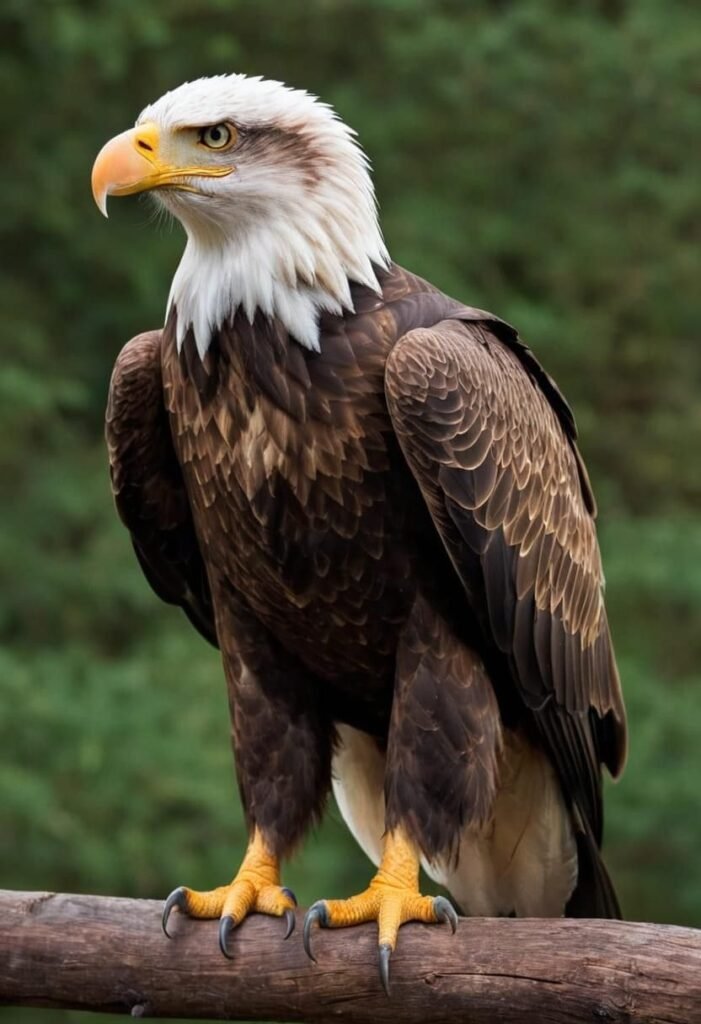
Scientific Name: Haliaeetus leucocephalus
Class: Aves
Diet: Carnivore
The bald eagle is a powerful sea eagle whose diet is made up mostly of fish. It is one of North America’s most iconic fish hunters.
Moreover, the eagle swoops low over water to snatch fish from the surface with its talons. It will also steal fish from ospreys and scavenge when the chance arises.
Bald eagles inhabit coasts, lakes, and rivers across North America, hunting fish, birds, and small mammals.
As apex predators, eagles help balance aquatic ecosystems. Once endangered, they have made a remarkable recovery and are of Least Concern.
Fun Fact: A bald eagle can spot a fish in the water from several kilometers away with its incredible eyesight.
Great Blue Heron

Scientific Name: Ardea herodias
Class: Aves
Diet: Carnivore
The great blue heron is a tall wading bird that spears fish with its long, dagger-like bill. Fish make up much of its diet.
Interestingly, the heron stands perfectly still in the shallows, then strikes with astonishing speed. Its long neck acts like a spring, launching its bill at passing fish.
Great blue herons inhabit wetlands, rivers, and coasts across North America, feeding on fish, frogs, and small animals.
As predators, herons help balance wetland ecosystems. Widespread and adaptable, they are of Least Concern.
Fun Fact: The great blue heron can hunt day or night, thanks to special eye cells that help it see in low light.
Common Kingfisher
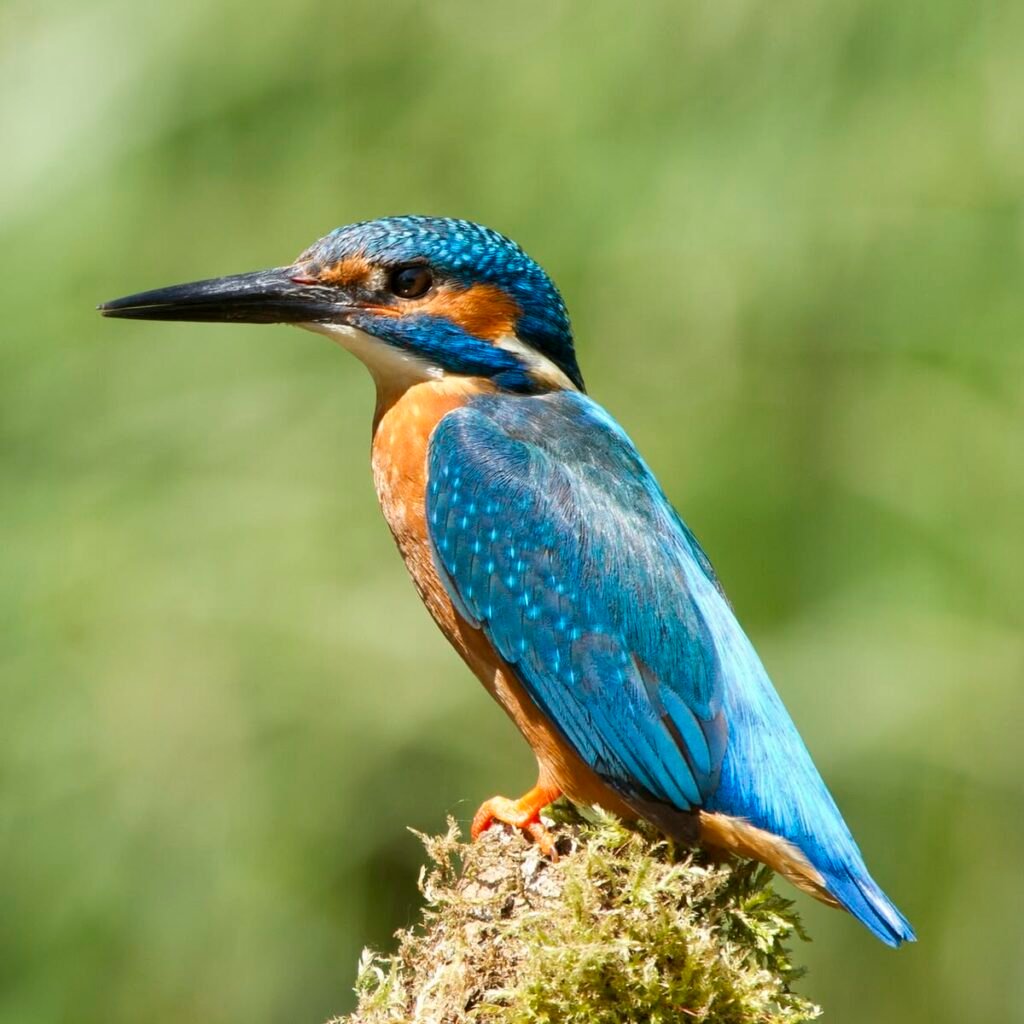
Scientific Name: Alcedo atthis
Class: Aves
Diet: Carnivore
The common kingfisher is a small, brilliantly colored bird that dives to catch fish. It hunts from perches overlooking clear, slow-moving water.
Moreover, the kingfisher plunges headfirst into the water, grabs a fish, and returns to its perch to swallow it. It corrects for the way water bends light to strike accurately.
Common kingfishers inhabit rivers, streams, and lakes across Europe, Asia, and North Africa, feeding on fish and aquatic insects.
As predators, kingfishers help balance freshwater ecosystems. Widespread across their range, they are of Least Concern.
Fun Fact: A kingfisher often beats a caught fish against a branch to stun it before swallowing it headfirst.
Brown Pelican

Scientific Name: Pelecanus occidentalis
Class: Aves
Diet: Carnivore
The brown pelican is famous for its spectacular plunge-diving to catch fish. It is one of the few pelicans that dives from the air.
Interestingly, the pelican folds its wings and crashes into the water, scooping up fish in its enormous, stretchy throat pouch. It then drains the water and swallows its catch.
Brown pelicans inhabit the coasts of the Americas, feeding mainly on fish.
As fish-eating birds, pelicans help regulate fish populations and signal healthy waters. Once endangered, they have recovered and are of Least Concern.
Fun Fact: A pelican’s throat pouch can hold up to three gallons of water, far more than its stomach can hold.
African Fish Eagle
Scientific Name: Haliaeetus vocifer
Class: Aves
Diet: Carnivore
The African fish eagle is a striking raptor whose diet is about 90% fish. Its ringing call is a signature sound of African waterways.
Moreover, the fish eagle swoops down to pluck fish from the surface with its powerful talons. It perches high above the water, watching patiently for prey.
African fish eagles inhabit the lakes, rivers, and coasts of sub-Saharan Africa, hunting mainly fish.
As apex predators, fish eagles help balance aquatic ecosystems. Widespread across their range, they are of Least Concern.
Fun Fact: The African fish eagle’s loud, yelping call has earned it the nickname “the voice of Africa.”
Great Cormorant

Scientific Name: Phalacrocorax carbo
Class: Aves
Diet: Carnivore
The great cormorant is an expert underwater fisher with fully webbed feet. It dives and chases fish through the water with powerful strokes.
Interestingly, the cormorant’s feathers are not fully waterproof, which helps it dive deeper. After fishing, it spreads its wings out to dry in the sun.
Great cormorants inhabit coasts, rivers, and lakes across much of the world, feeding mainly on fish.
As fish-eating birds, cormorants help balance aquatic ecosystems. Widespread and adaptable, they are of Least Concern.
Fun Fact: In parts of Asia, fishermen once trained cormorants to catch fish and bring them back to the boat.
Northern Gannet
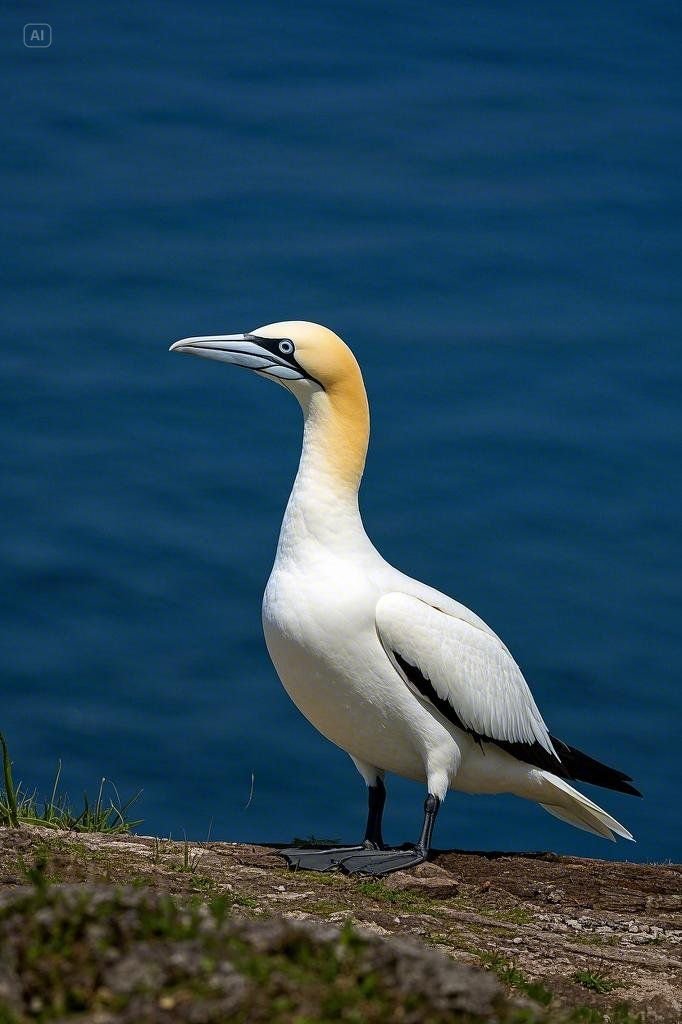
Scientific Name: Morus bassanus
Class: Aves
Diet: Carnivore
The northern gannet is a large seabird famous for its dramatic high-speed dives. It plunges into the sea like a living arrow to catch fish.
Moreover, the gannet folds its wings and hits the water at high speed, then uses its wings to “fly” underwater after fish. Air sacs in its face cushion the powerful impact.
Northern gannets inhabit the coasts and open waters of the North Atlantic, feeding on fish such as herring and mackerel.
As fish-eating seabirds, gannets help balance ocean ecosystems. Widespread across their range, they are of Least Concern.
Fun Fact: A gannet can dive into the sea at speeds of up to 100 kilometers per hour to catch fish.
Common Loon
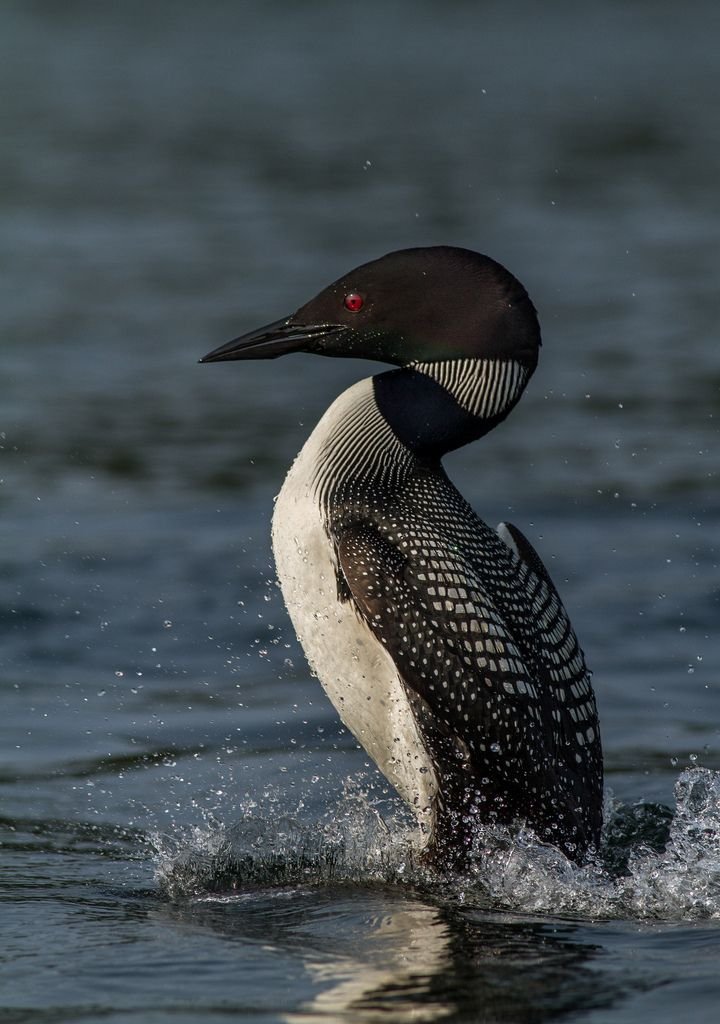
Scientific Name: Gavia immer
Class: Aves
Diet: Carnivore
The common loon is a superb underwater hunter that pursues fish by diving and kicking its webbed feet. It makes fishing look effortless.
Interestingly, the loon can dive deep and stay underwater for a minute or more while chasing fish. Its solid bones, unusual among birds, help it sink and dive with ease.
Common loons inhabit the lakes and coasts of North America and northern Europe, feeding mainly on fish.
As predators, loons help balance freshwater ecosystems. Widespread across their range, they are of Least Concern.
Fun Fact: Unlike most birds, loons have solid rather than hollow bones, which helps them dive underwater.
Atlantic Puffin
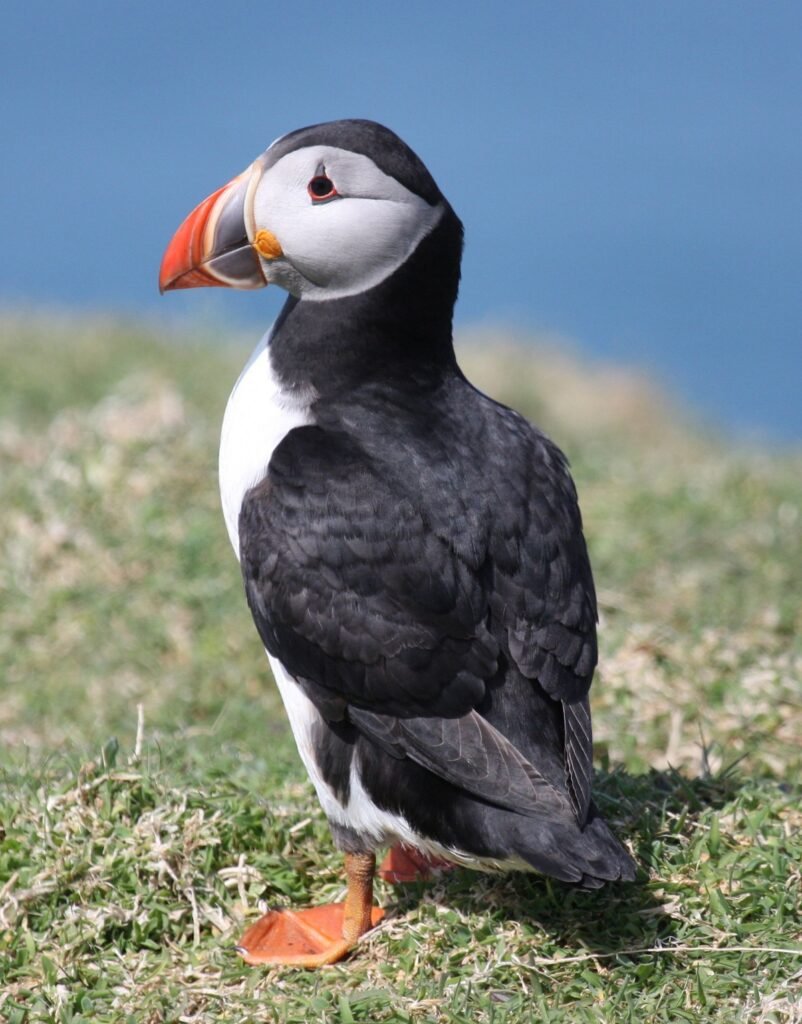
Scientific Name: Fratercula arctica
Class: Aves
Diet: Carnivore
The Atlantic puffin is a colorful seabird that “flies” underwater to catch small fish. It feeds mainly on sand eels and herring.
Moreover, the puffin can hold several small fish crosswise in its beak at once, thanks to backward-facing spines on its tongue. This lets it carry many fish back to its chick.
Atlantic puffins nest on the rocky cliffs and islands of the North Atlantic, feeding on small fish.
As fish-eating seabirds, puffins are important indicators of a healthy marine ecosystem. Overfishing and warming seas have made them Vulnerable.
Fun Fact: A puffin can carry around a dozen small fish in its beak at once without dropping any.
Common Merganser
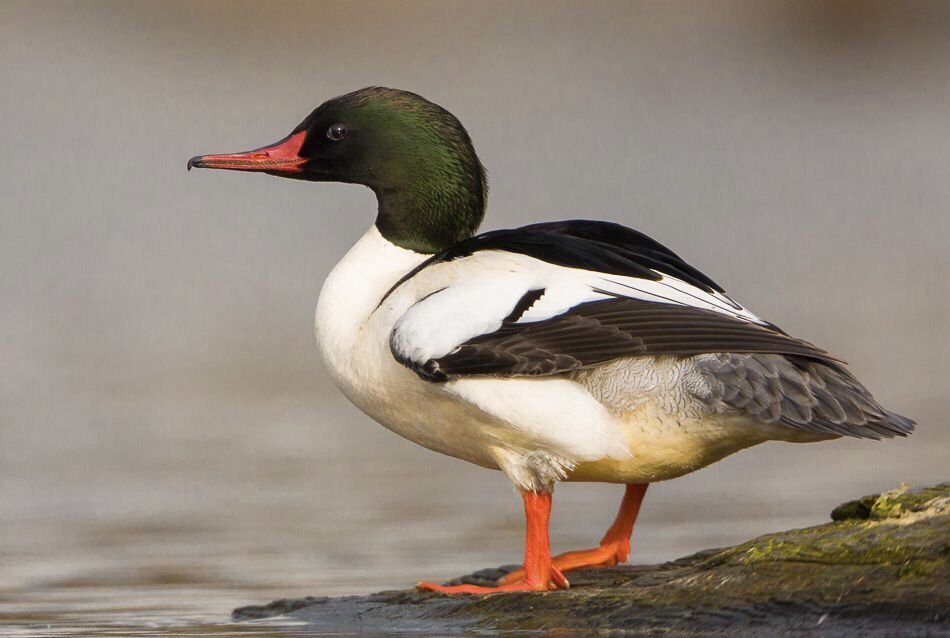
Scientific Name: Mergus merganser
Class: Aves
Diet: Carnivore
The common merganser is a fish-eating duck with a slender, serrated bill perfect for gripping slippery prey. It hunts much like a loon.
Interestingly, the merganser dives underwater and chases fish, using its saw-like bill to hold them tight. Males can even swallow fish up to a foot long.
Common mergansers inhabit clear freshwater lakes and rivers across North America, Europe, and Asia, feeding mainly on fish.
As predators, mergansers help balance freshwater ecosystems. Widespread across their range, they are of Least Concern.
Fun Fact: The merganser is nicknamed the “sawbill” because of the tooth-like serrations along its bill.
Great Egret
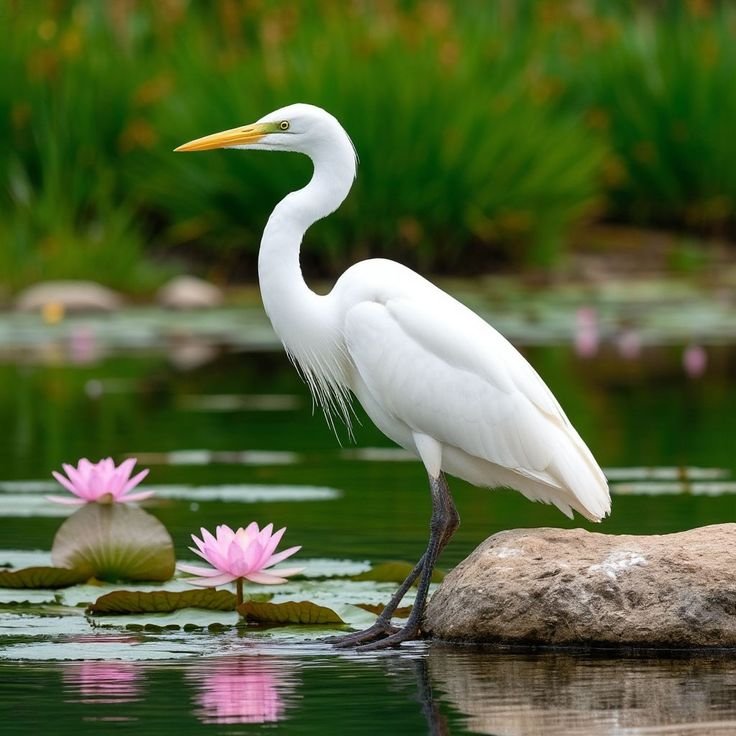
Scientific Name: Ardea alba
Class: Aves
Diet: Carnivore
The great egret is an elegant white wading bird that spears fish in shallow water. It hunts patiently along the water’s edge.
Moreover, the egret stands motionless, then strikes with sudden speed to grab fish with its sharp bill. Its long neck and legs make it a graceful, effective hunter.
Great egrets inhabit wetlands, marshes, and shorelines across much of the world, feeding on fish, amphibians, and small animals.
As predators, egrets help balance wetland ecosystems. Once hunted for their feathers, they have recovered and are of Least Concern.
Fun Fact: The great egret was once hunted nearly to extinction for its elegant plumes used in fashion.
Common Tern
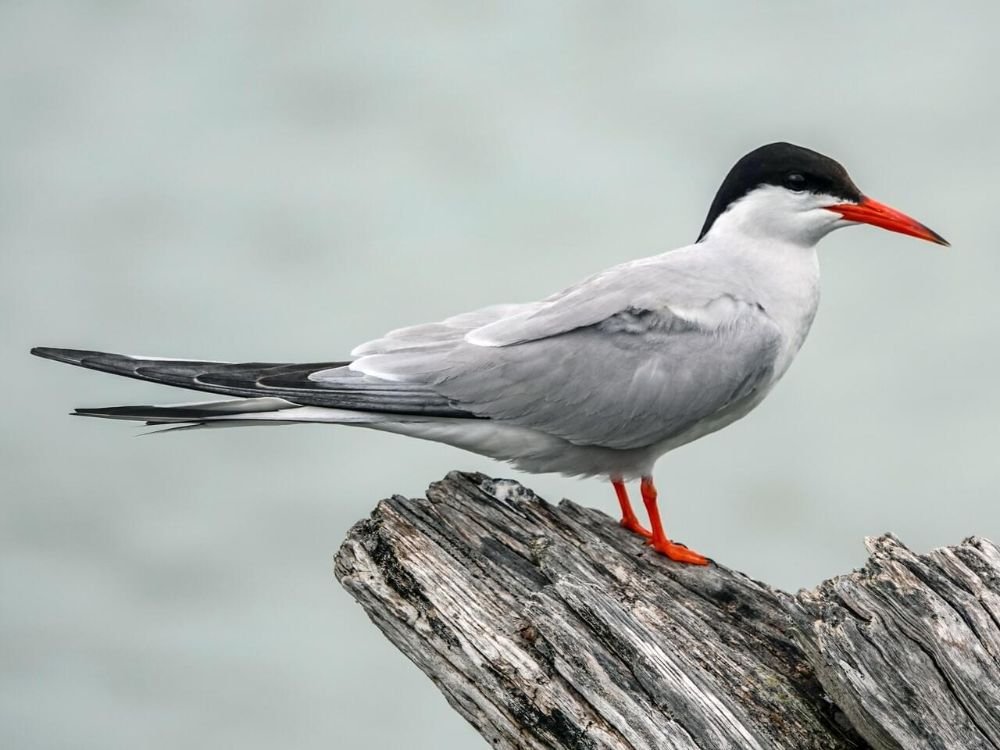
Scientific Name: Sterna hirundo
Class: Aves
Diet: Carnivore
The common tern is a graceful seabird that hovers and dives to catch small fish. It is a swift, agile flier over water.
Interestingly, the tern hovers above the surface, then plunges to snatch fish just below the water. It carries fish back to feed its chicks or to impress a mate.
Common terns inhabit coasts, lakes, and rivers across much of the world, feeding mainly on small fish.
As fish-eating seabirds, terns help balance aquatic ecosystems. Widespread across their range, they are of Least Concern.
Fun Fact: A male tern often presents a freshly caught fish to a female as a courtship gift.
Anhinga

Scientific Name: Anhinga anhinga
Class: Aves
Diet: Carnivore
The anhinga, or “snakebird,” is a fish hunter that spears prey underwater with its sharp, pointed bill. Only its snake-like neck often shows above the surface.
Moreover, the anhinga uses a hinge in its neck to jab its bill forward like a spear, impaling fish. It then surfaces, flips the fish off its bill, and swallows it.
Anhingas inhabit the warm freshwater wetlands and swamps of the Americas, hunting fish and other aquatic prey.
As underwater predators, anhingas help balance their wetland ecosystems. Widespread across their range, they are of Least Concern.
Fun Fact: The anhinga must dry its wings after fishing because its feathers are not waterproof.
Gentoo Penguin
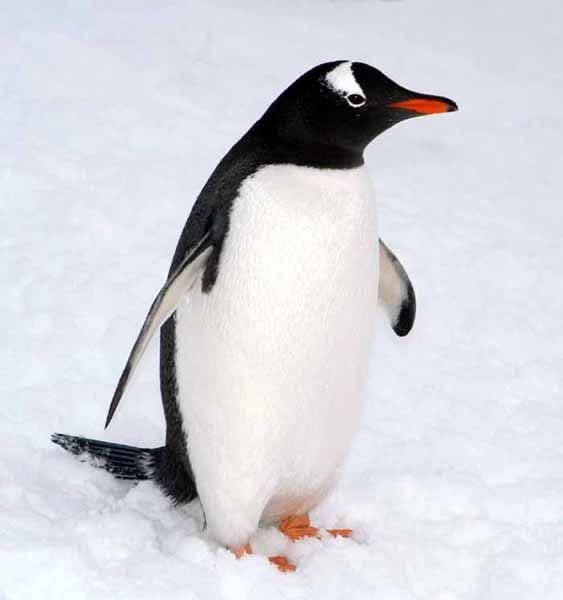
Scientific Name: Pygoscelis papua
Class: Aves
Diet: Carnivore
The gentoo penguin is the fastest swimming bird in the world, chasing fish underwater with flipper-like wings. Fish and krill are its main food.
Interestingly, the gentoo penguin can reach underwater speeds of over 20 miles per hour to catch fast-moving fish. Its streamlined body makes it a superb marine hunter.
Gentoo penguins inhabit the sub-Antarctic islands and Antarctic Peninsula, feeding on fish, krill, and squid.
As predators, penguins are important indicators of ocean health. Currently of Least Concern, they depend on healthy, cool seas.
Fun Fact: The gentoo penguin is the fastest underwater swimmer of all birds, powered entirely by its flippers.
Great Crested Grebe
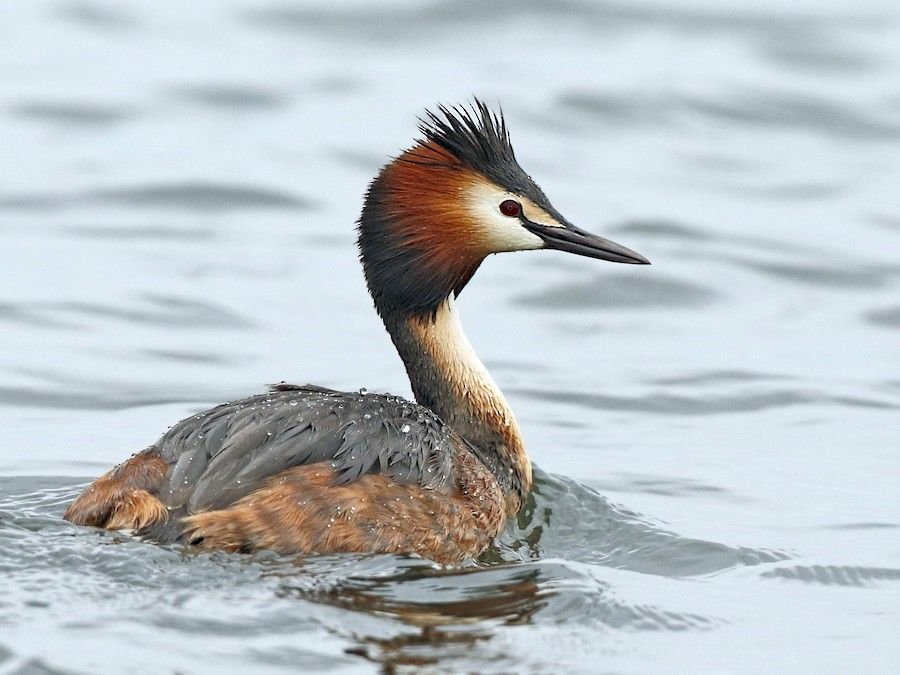
Scientific Name: Podiceps cristatus
Class: Aves
Diet: Carnivore
The great crested grebe is a graceful water bird that dives to catch fish. It is famous for its elaborate courtship dance.
Moreover, the grebe dives smoothly beneath the surface and pursues fish with its lobed feet. It swallows fish underwater or brings them up to the surface.
Great crested grebes inhabit lakes and wetlands across Europe, Asia, Africa, and Australia, feeding mainly on fish.
As predators, grebes help balance freshwater ecosystems. Widespread across their range, they are of Least Concern.
Fun Fact: Grebes even eat their own feathers, which may help protect their stomachs from sharp fish bones.
Herring Gull
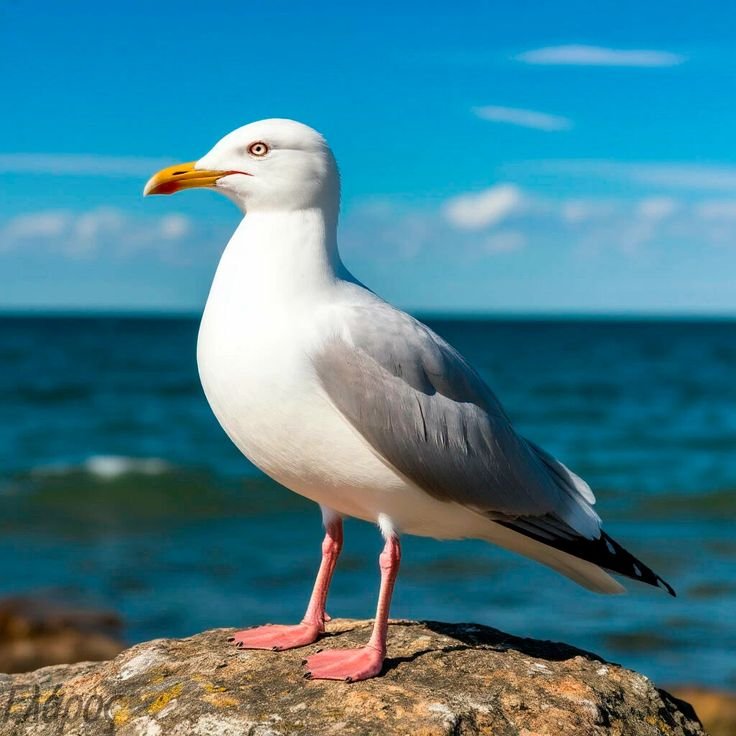
Scientific Name: Larus argentatus
Class: Aves
Diet: Omnivore
The herring gull is a familiar coastal bird that readily eats fish along with almost anything else. Fish are a key part of its varied diet.
Interestingly, the gull snatches fish from the surface, steals catches from other birds, and follows fishing boats for scraps. Its adaptability makes it a successful opportunist.
Herring gulls inhabit coasts, harbors, and inland areas across the Northern Hemisphere, feeding on fish, scraps, and more.
As opportunistic feeders, gulls help clean up waste and control populations. Widespread and adaptable, they are of Least Concern.
Fun Fact: Herring gulls are clever enough to drop shellfish onto rocks to crack them open.
Black Skimmer
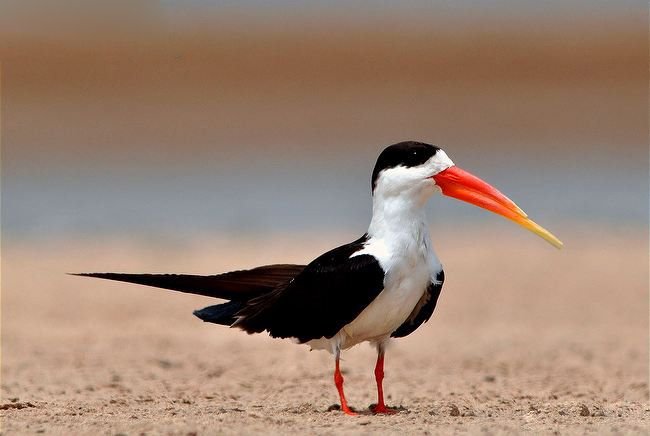
Scientific Name: Rynchops niger
Class: Aves
Diet: Carnivore
The black skimmer has a unique fishing technique found in few other birds. It flies low with its lower bill slicing through the water’s surface.
Moreover, the skimmer’s lower bill is longer than the upper one, letting it “skim” the water and snap shut on any fish it touches. This lets it fish even in the dark.
Black skimmers inhabit coasts, lagoons, and estuaries across the Americas, feeding mainly on small fish.
As fish-eating birds, skimmers help balance coastal ecosystems. Widespread across their range, they are of Least Concern.
Fun Fact: The black skimmer is the only bird whose lower bill is noticeably longer than its upper bill.
Read: Birds With Long Legs in The World
Read: Animals That Growl in The World
Read: Thickest Skin Animals in The World
Read: Animals Like Hamsters in The World
Read: Animals Like Mongoose in The World
Frequently Asked Questions
Conclusion
From plunge-diving ospreys to water-skimming skimmers, the world’s fish-eating birds are among nature’s most skilled anglers. Each species whether a spear-fishing heron, an underwater-flying puffin, or a high-diving gannet has evolved remarkable tools and techniques to catch slippery prey. Together, they play a vital role in balancing fish populations in oceans, lakes, and rivers.