Top 18 Animals That Growl in The World (With Images)
Did you know that a lion’s growl can carry for more than five miles across the savanna? In the animal kingdom, a growl is one of nature’s clearest warning signals, a low, rumbling sound made deep in the throat to say “back off.” Animals growl to threaten rivals, defend territory, show dominance, or express fear, and each species does it in its own unique pitch and power.
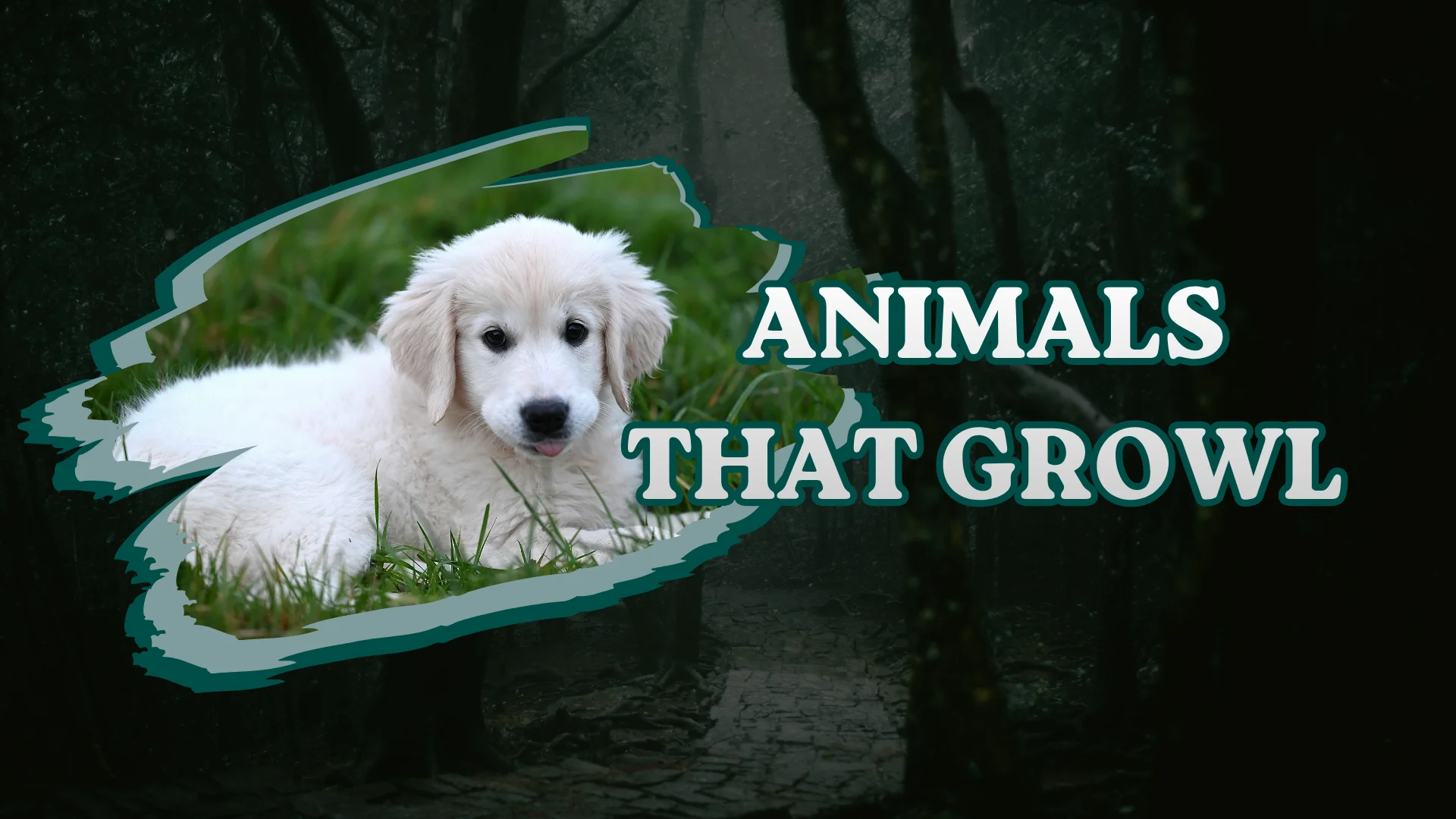
From roaring big cats to fierce little honey badgers, growling animals use this primal sound to communicate strength. In this guide, we’ll explore the top 18 animals that growl, uncovering why they make this fearsome sound and what it truly means.
List of Animals That Growl
| Rank | Animal | Scientific Name |
|---|---|---|
| 1 | Lion | Panthera leo |
| 2 | Tiger | Panthera tigris |
| 3 | Brown Bear | Ursus arctos |
| 4 | Gray Wolf | Canis lupus |
| 5 | Dog | Canis lupus familiaris |
| 6 | Leopard | Panthera pardus |
| 7 | Jaguar | Panthera onca |
| 8 | Cougar | Puma concolor |
| 9 | Gorilla | Gorilla gorilla |
| 10 | Spotted Hyena | Crocuta crocuta |
| 11 | Wolverine | Gulo gulo |
| 12 | Tasmanian Devil | Sarcophilus harrisii |
| 13 | American Alligator | Alligator mississippiensis |
| 14 | Nile Crocodile | Crocodylus niloticus |
| 15 | Domestic Cat | Felis catus |
| 16 | Honey Badger | Mellivora capensis |
| 17 | Baboon | Papio ursinus |
| 18 | Raccoon | Procyon lotor |
Lion

Scientific Name: Panthera leo
Class: Mammalia
Diet: Carnivore
The lion is famous for its powerful growls and roars, produced deep within its massive chest. These low, rumbling sounds are among the most intimidating in the animal kingdom.
Interestingly, a lion’s growl and roar can be heard from more than five miles away. It uses these sounds to warn off rival males, defend territory, and keep in contact with its pride.
Lions inhabit the savannas and grasslands of sub-Saharan Africa, with a small population in India, hunting large herbivores.
As apex predators, lions help regulate herbivore populations. Habitat loss and conflict have made them Vulnerable.
Fun Fact: A lion’s growl is powered by specially adapted vocal cords that let it produce deep, far-carrying sounds.
Tiger
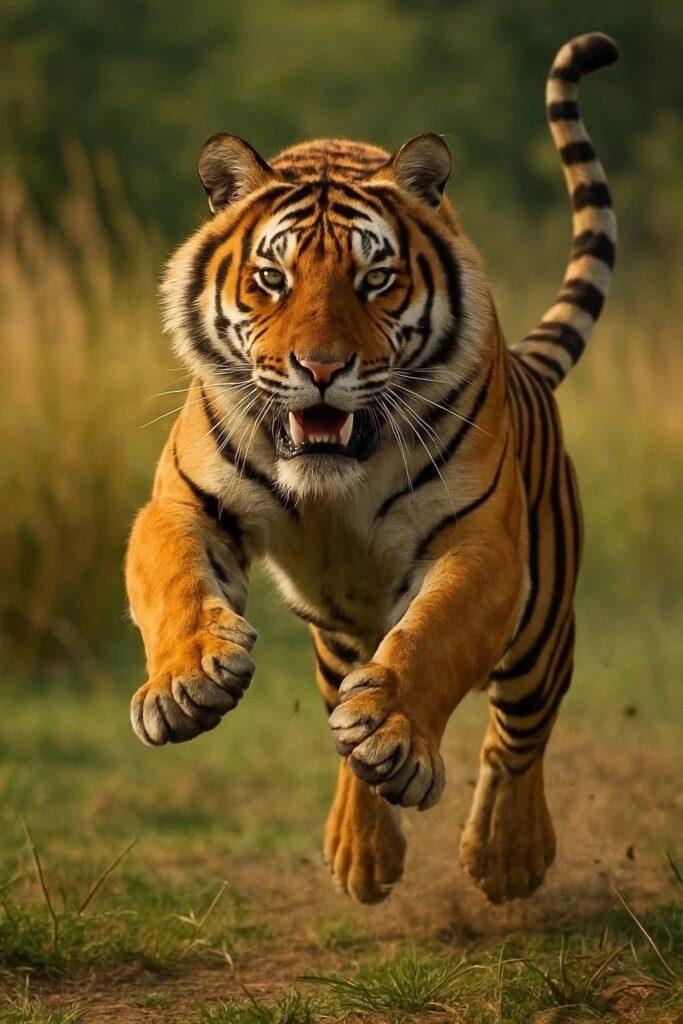
Scientific Name: Panthera tigris
Class: Mammalia
Diet: Carnivore
The tiger produces deep, menacing growls, along with roars and snarls, to communicate and intimidate. Its growl is a clear signal of warning or aggression.
Moreover, the tiger uses low growls to threaten rivals and defend its territory. It can even produce infrasound, deep vibrations below human hearing that can startle and unsettle other animals.
Tigers inhabit the forests, grasslands, and mangroves of Asia, hunting deer, wild boar, and other large animals.
As apex predators, tigers help maintain balance in their ecosystems. Habitat loss and poaching have made them Endangered.
Fun Fact: A tiger’s roar and growl contain infrasound so low that it can be felt as a vibration, even by humans.
Brown Bear
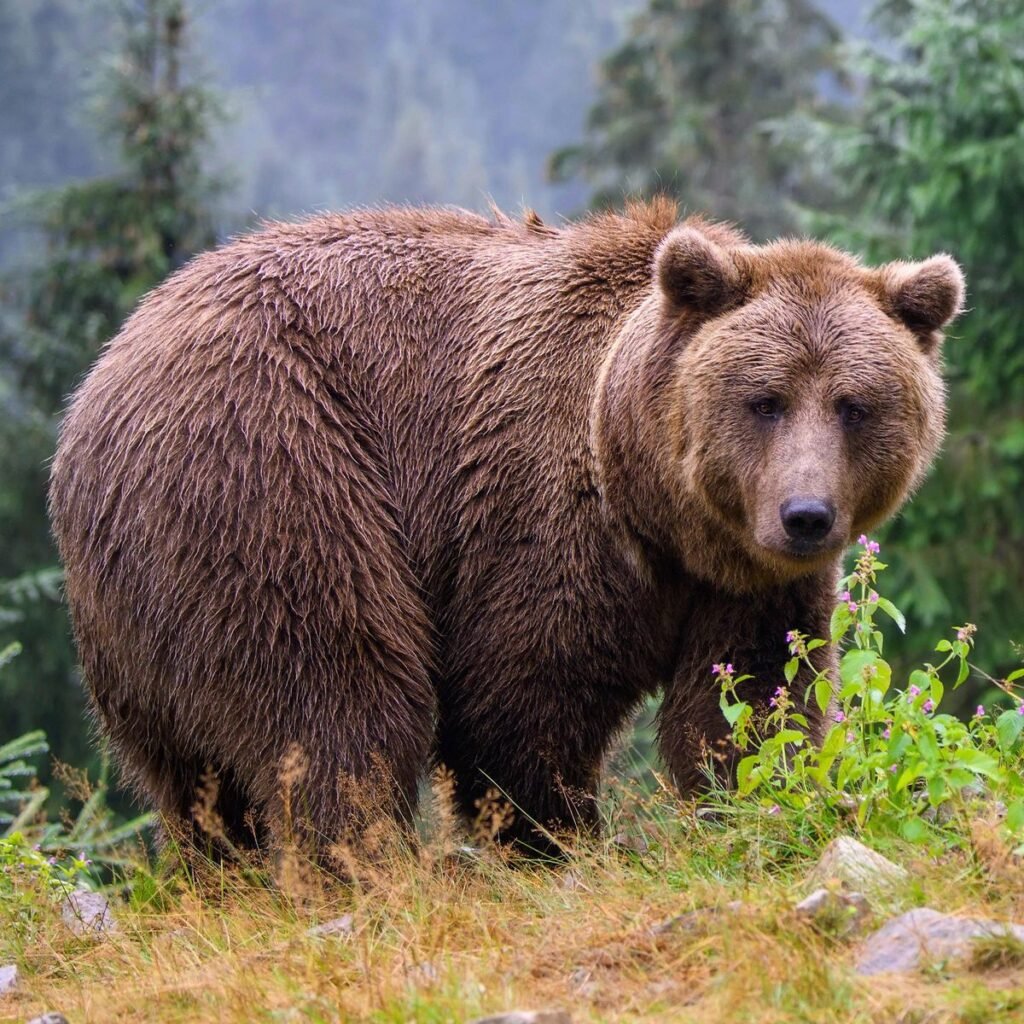
Scientific Name: Ursus arctos
Class: Mammalia
Diet: Omnivore
The brown bear is known for its loud, powerful growls, which it uses when threatened or to assert dominance. Its deep rumble is a serious warning to back away.
Interestingly, bears can produce growls across a wide range, from low rumbles to higher-pitched, scream-like sounds. These more intense growls often signal that an attack may be imminent.
Brown bears inhabit forests, mountains, and tundra across North America, Europe, and Asia, feeding on berries, plants, fish, and small mammals.
As apex omnivores, brown bears shape ecosystems by dispersing seeds and controlling prey. Widespread but locally threatened, they need large, wild habitats.
Fun Fact: A bear’s growl can shift from a low rumble to a high, scream-like sound just before it charges.
Gray Wolf

Scientific Name: Canis lupus
Class: Mammalia
Diet: Carnivore
The gray wolf uses growls as a key part of its rich vocal language. A low growl signals warning, dominance, or strong emotion within the pack.
Moreover, the wolf often pairs a growl with body language to reinforce its message. Bared teeth and a stiff posture make the growl an unmistakable order to back down.
Gray wolves inhabit forests, tundra, and mountains across North America, Europe, and Asia, preying on deer, elk, and other large mammals.
As apex predators, wolves shape entire ecosystems by controlling prey. Recovering in some regions, they remain threatened elsewhere.
Fun Fact: Wolves combine growls with howls, whines, and barks to form one of the richest vocal languages of any land mammal.
Dog

Scientific Name: Canis lupus familiaris
Class: Mammalia
Diet: Omnivore
The dog growls to express a wide range of feelings, from fear and discomfort to excitement or even happiness during play. It is one of the most familiar growling animals.
Interestingly, not all dog growls mean aggression. A “play growl” during a game is very different from a warning growl, which tells others to give the dog space.
Dogs are kept worldwide as companions, working animals, and helpers, descended from the gray wolf.
As domesticated animals, dogs have lived alongside humans for thousands of years. Understanding their growls helps build trust and safety.
Fun Fact: A dog’s growl is a form of honest communication, and it is important never to punish a warning growl.
Leopard
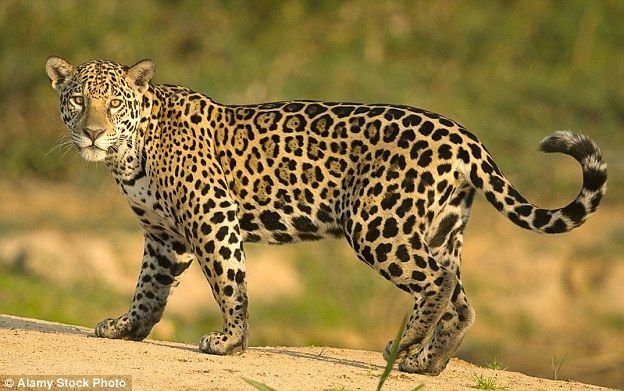
Scientific Name: Panthera pardus
Class: Mammalia
Diet: Carnivore
The leopard produces deep, rasping growls to warn off rivals and defend its space. Combined with a coughing “sawing” call, its growl is a clear threat.
Moreover, the leopard is a solitary, secretive cat that uses growls to avoid unnecessary fights. A warning growl often settles disputes before they turn physical.
Leopards inhabit a vast range across Africa and Asia, from rainforests and savannas to mountains and deserts, hunting a wide variety of prey.
As adaptable apex predators, leopards help regulate prey populations. Habitat loss, poaching, and conflict have made them Vulnerable.
Fun Fact: A leopard’s rough, sawing call sounds a bit like a handsaw cutting through wood.
Jaguar
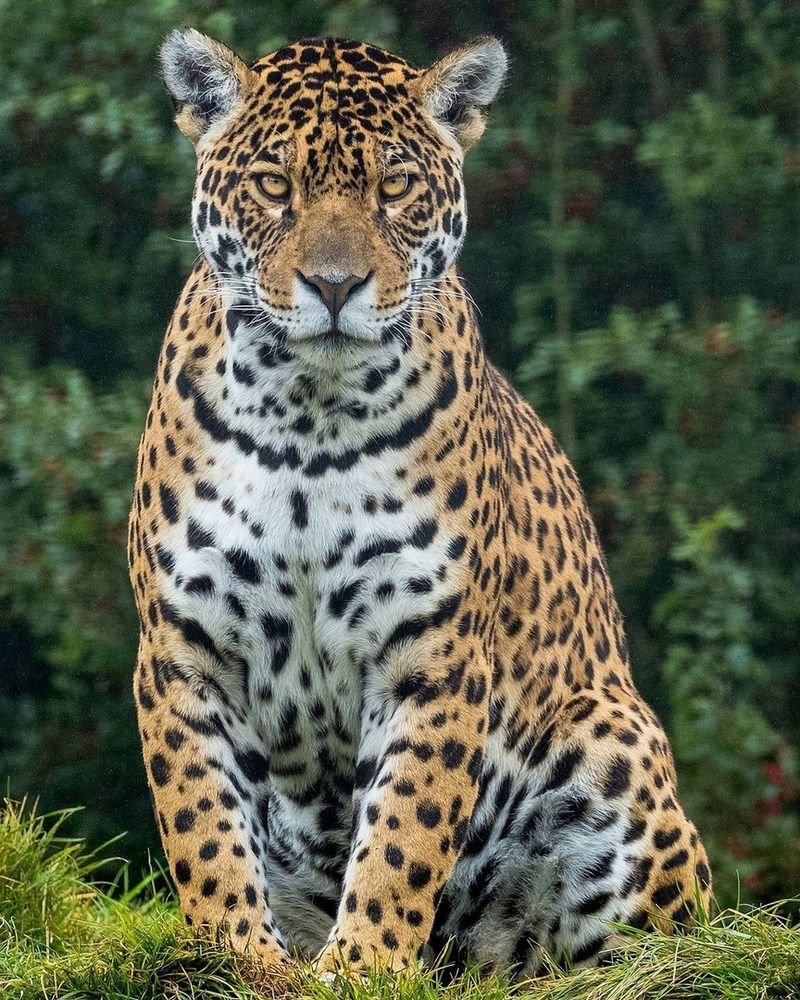
Scientific Name: Panthera onca
Class: Mammalia
Diet: Carnivore
The jaguar uses powerful growls and grunting roars to communicate across the dense rainforest. Its deep vocalizations carry through thick vegetation where sight is limited.
Interestingly, the jaguar growls to signal its presence, warn rivals, and defend its territory. Its sounds help solitary jaguars avoid one another in the crowded jungle.
Jaguars inhabit the rainforests, wetlands, and grasslands of Central and South America, hunting a wide range of prey.
As apex predators, jaguars help maintain balance in their ecosystems. Habitat loss and poaching have made them Near Threatened.
Fun Fact: The jaguar has the strongest bite of any big cat relative to its size, matching its formidable growl.
Cougar
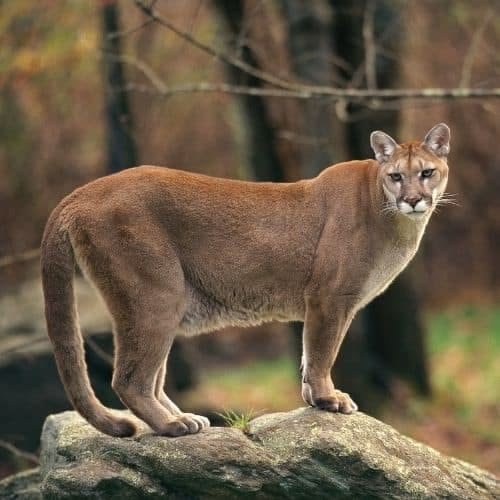
Scientific Name: Puma concolor
Class: Mammalia
Diet: Carnivore
The cougar, also called the mountain lion or puma, produces low growls, hisses, and eerie screams. Despite its size, it cannot truly roar like the big cats.
Moreover, the cougar uses growls as a warning and to defend its kills and territory. Its chilling, scream-like calls are used mostly during the mating season.
Cougars inhabit the mountains, forests, and deserts of the Americas, hunting deer and other prey.
As apex predators, cougars help control prey populations. Widespread across their range, they are of Least Concern.
Fun Fact: The cougar holds the record for the most names of any animal, including puma, mountain lion, panther, and catamount.
Gorilla

Scientific Name: Gorilla gorilla
Class: Mammalia
Diet: Herbivore
The gorilla produces deep growls and roars, especially dominant silverback males defending their group. These powerful sounds are a serious display of strength.
Interestingly, a gorilla often growls or roars alongside chest-beating and charging displays. Despite this fearsome show, gorillas are usually gentle and use growls to avoid actual fights.
Gorillas inhabit the tropical rainforests and mountain forests of central Africa, feeding mainly on leaves, stems, fruit, and shoots.
As seed dispersers and forest shapers, gorillas are vital to their ecosystems. Habitat loss, poaching, and disease have left them Critically Endangered.
Fun Fact: A silverback gorilla’s growl and chest-beating display can be heard echoing far through the forest.
Spotted Hyena
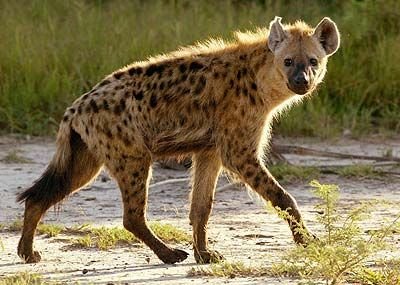
Scientific Name: Crocuta crocuta
Class: Mammalia
Diet: Carnivore
The spotted hyena growls as part of an incredibly varied vocal range, from giggles to whoops. Its low growls signal aggression and tension within the clan.
Moreover, the hyena uses growls to establish dominance and defend food. In the fierce competition around a carcass, growling helps sort out who eats first.
Spotted hyenas inhabit the savannas, grasslands, and woodlands of sub-Saharan Africa, hunting and scavenging a wide range of prey.
As hunters and scavengers, hyenas help clean up carcasses and control populations. Widespread and adaptable, they are of Least Concern.
Fun Fact: The spotted hyena’s famous “laugh” is actually a sign of stress or excitement, not amusement.
Wolverine
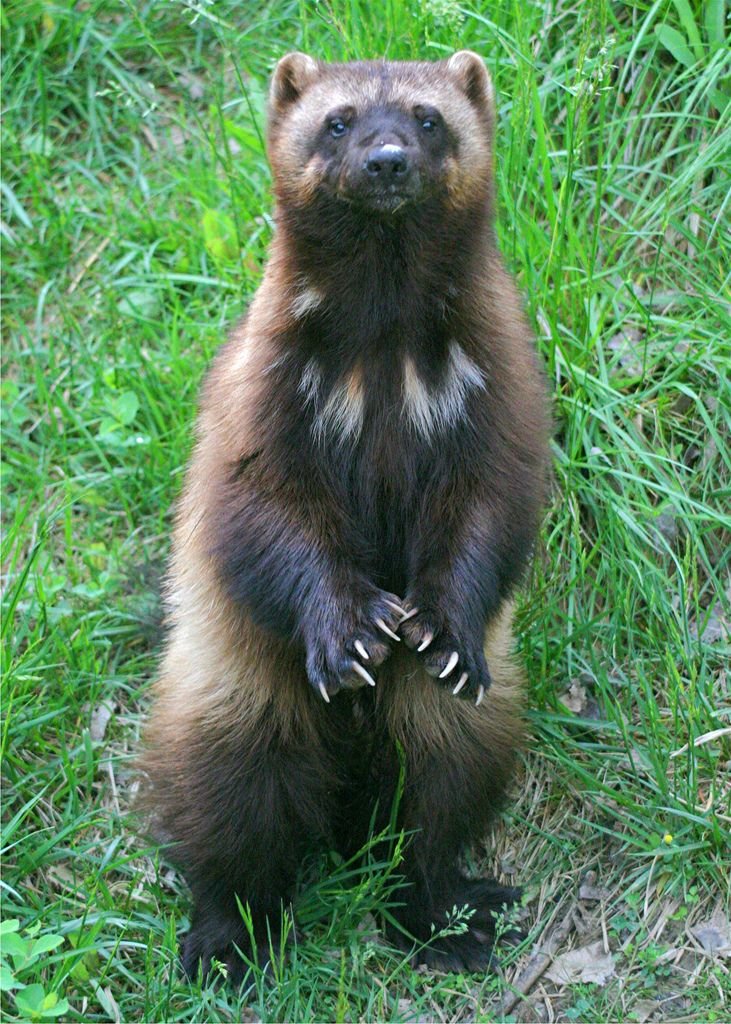
Scientific Name: Gulo gulo
Class: Mammalia
Diet: Carnivore
The wolverine is a small but ferocious animal known for its deep, aggressive growls. This fearless creature growls to defend food and territory against much larger animals.
Interestingly, the wolverine’s intimidating growl matches its bold attitude. It will growl and stand its ground even against bears and wolves to protect a hard-won meal.
Wolverines inhabit the remote forests and tundra of the Northern Hemisphere, roaming vast territories in search of food.
As scavengers and predators, wolverines help clean up carcasses and control prey. Habitat loss and climate change threaten their cold, wild homes.
Fun Fact: A wolverine can drive much larger predators, even bears, away from a meal with its ferocious growls.
Tasmanian Devil
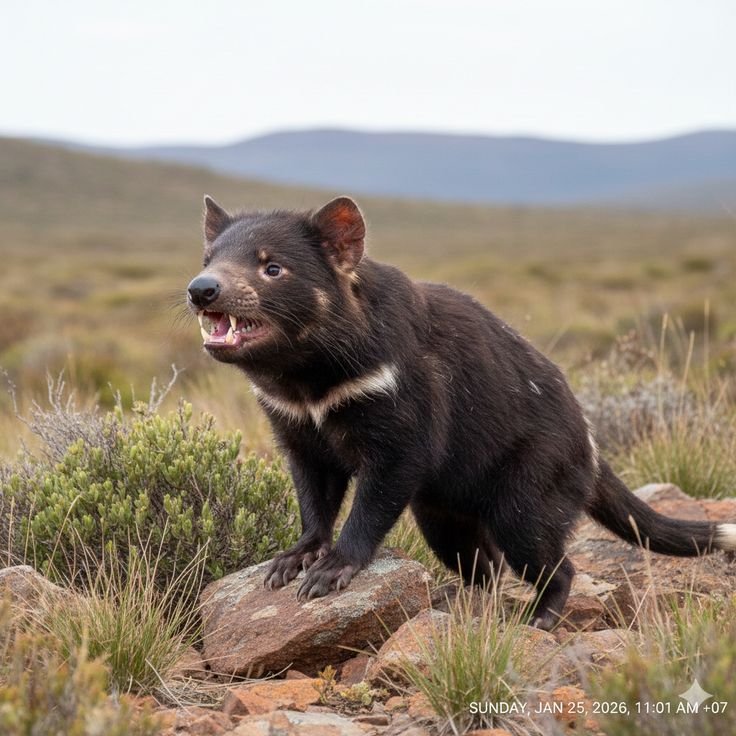
Scientific Name: Sarcophilus harrisii
Class: Mammalia
Diet: Carnivore
The Tasmanian devil is famous for its bone-chilling growls, screeches, and screams. These fierce sounds earned it a reputation as one of the noisiest small predators.
Moreover, the devil growls and screams loudly when competing over food. This dramatic vocal display helps it establish dominance and often avoids an actual fight.
Tasmanian devils are found only on the Australian island of Tasmania, scavenging and hunting for carrion, small mammals, and birds.
As scavengers, devils clean up carcasses and help limit disease. A contagious facial tumor disease has made them Endangered.
Fun Fact: Early European settlers named it the “devil” because of its terrifying growls and screams heard at night.
American Alligator
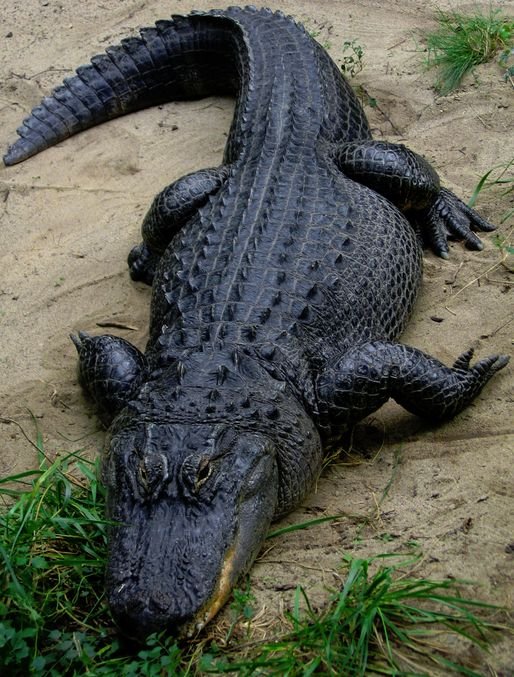
Scientific Name: Alligator mississippiensis
Class: Reptilia
Diet: Carnivore
The American alligator produces deep growls and bellows, especially during the breeding season. These powerful, rumbling sounds are surprising for a reptile.
Interestingly, the alligator growls and bellows to attract mates and warn rivals. Its low-frequency calls can be so deep they make the water above its back “dance” with vibrations.
American alligators inhabit the wetlands, swamps, and rivers of the southeastern United States, preying on fish, birds, and mammals.
As apex predators, alligators shape their wetland ecosystems. Once endangered, they have recovered and are now of Least Concern.
Fun Fact: A bellowing alligator can vibrate the water so powerfully that droplets appear to dance on its back.
Nile Crocodile
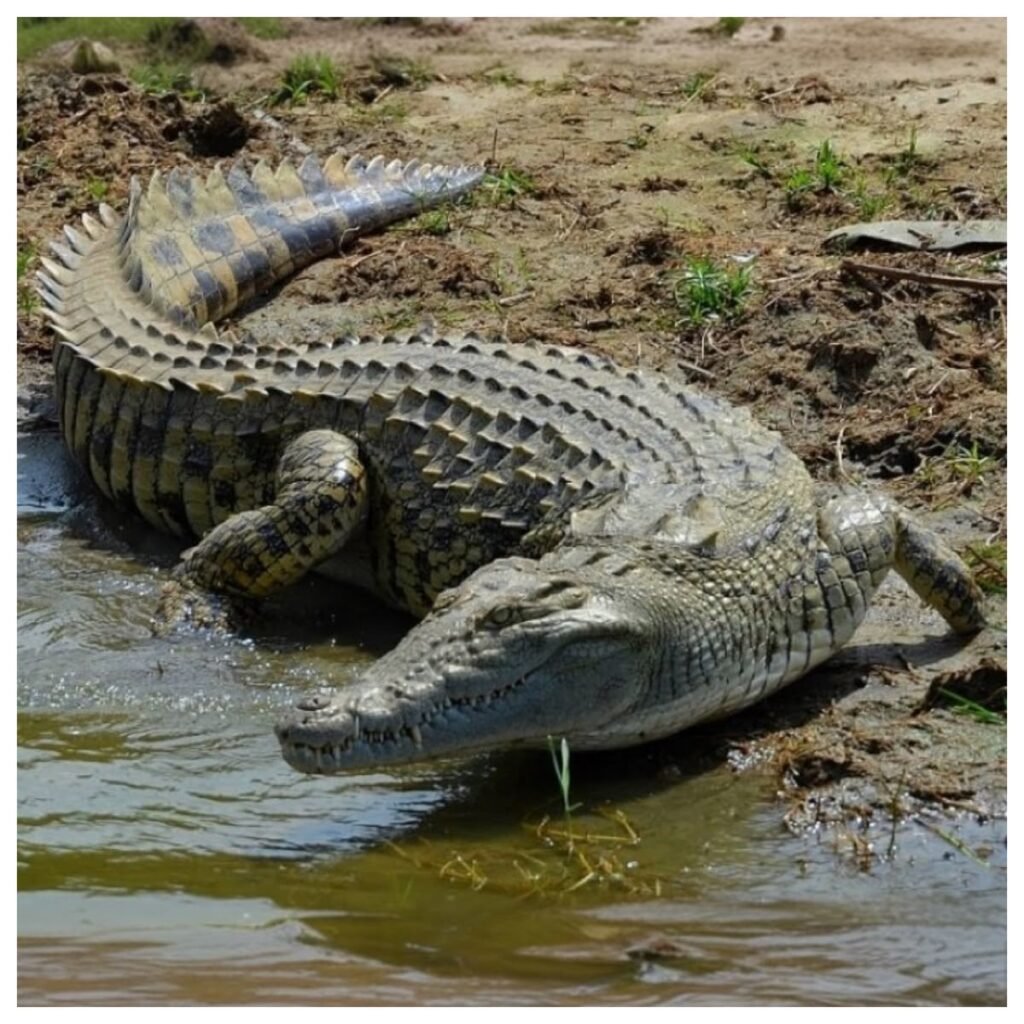
Scientific Name: Crocodylus niloticus
Class: Reptilia
Diet: Carnivore
The Nile crocodile uses a range of sounds, including growls, hisses, and grunts, to communicate. It growls most often when it feels threatened or defensive.
Moreover, the crocodile’s growls warn off rivals and intruders near its territory or nest. Mother crocodiles also communicate with their hatchlings using low sounds.
Nile crocodiles inhabit the rivers, lakes, and wetlands of sub-Saharan Africa, preying on fish, birds, and large mammals.
As apex predators, crocodiles help keep aquatic ecosystems balanced. Currently of Least Concern, they still face habitat loss and hunting.
Fun Fact: Baby crocodiles can even call out from inside their eggs, prompting their mother to help them hatch.
Domestic Cat
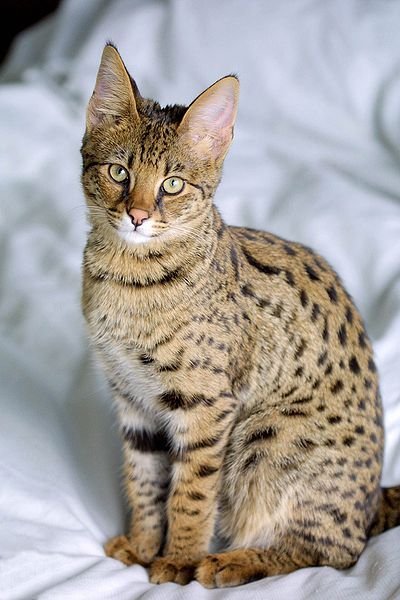
Scientific Name: Felis catus
Class: Mammalia
Diet: Carnivore
The domestic cat growls as a clear warning when it feels threatened, angry, or defensive. This low, rumbling sound tells others to keep their distance.
Interestingly, a cat often combines a growl with hissing, flattened ears, and an arched back. Together, these signals warn a rival or perceived threat to back off before any fight begins.
Domestic cats live worldwide as companions, descended from wild hunters and retaining their bold, defensive instincts.
As skilled hunters, cats have long helped humans control rodents. Their growls are an honest signal of discomfort or fear.
Fun Fact: A cat’s growl usually means “leave me alone,” and it is best to give a growling cat space.
Honey Badger
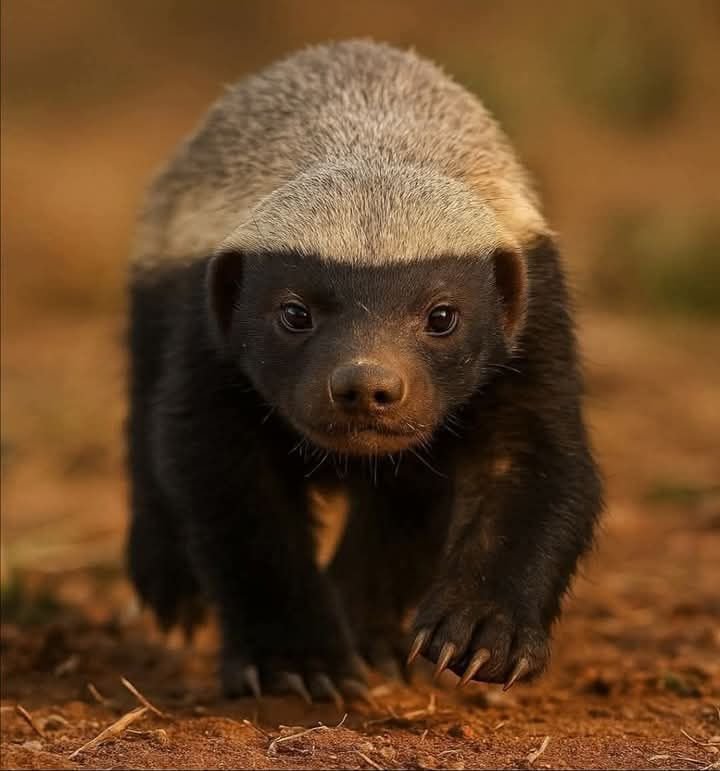
Scientific Name: Mellivora capensis
Class: Mammalia
Diet: Carnivore
The honey badger is a fearless little animal known for its aggressive growls and hisses. When threatened, it produces a fierce, rattling growl far bigger than its size suggests.
Moreover, the honey badger growls boldly to warn off predators many times larger than itself. Combined with its reckless courage, this intimidating sound often makes attackers think twice.
Honey badgers inhabit the savannas, forests, and mountains of sub-Saharan Africa, the Middle East, and Asia, eating a huge variety of foods.
As bold, opportunistic hunters, honey badgers help control insects, snakes, and rodents. Widespread and adaptable, they are of Least Concern.
Fun Fact: The honey badger is so fearless it will growl at and charge lions, hyenas, and other much larger animals.
Baboon
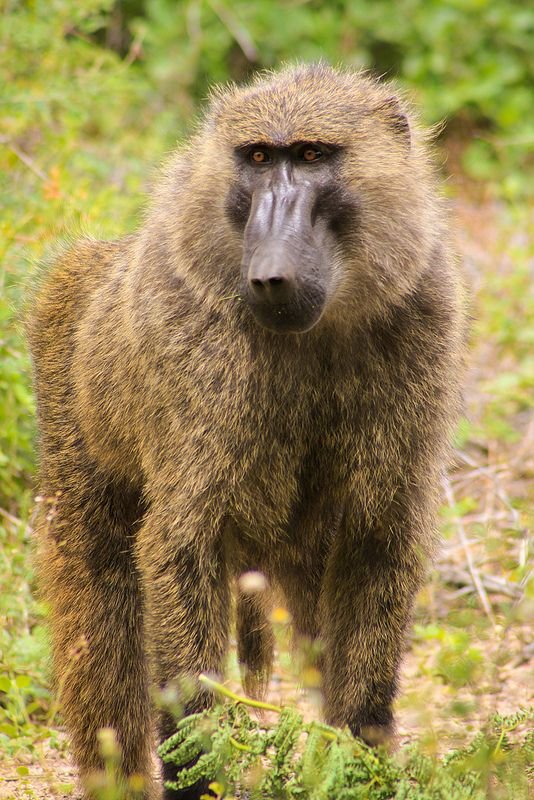
Scientific Name: Papio ursinus
Class: Mammalia
Diet: Omnivore
The baboon uses deep growls and barks to communicate within its large, social troops. These sounds help maintain order and signal threats.
Interestingly, dominant male baboons growl and bark to assert their status and warn of danger. Their loud calls can alert the whole troop to approaching predators.
Baboons inhabit the savannas, woodlands, and mountains of Africa, feeding on fruit, seeds, insects, and small animals.
As omnivores, baboons help disperse seeds across their range. Widespread and adaptable, they are of Least Concern.
Fun Fact: A baboon’s alarm bark can send its entire troop racing for the safety of trees or cliffs.
Raccoon
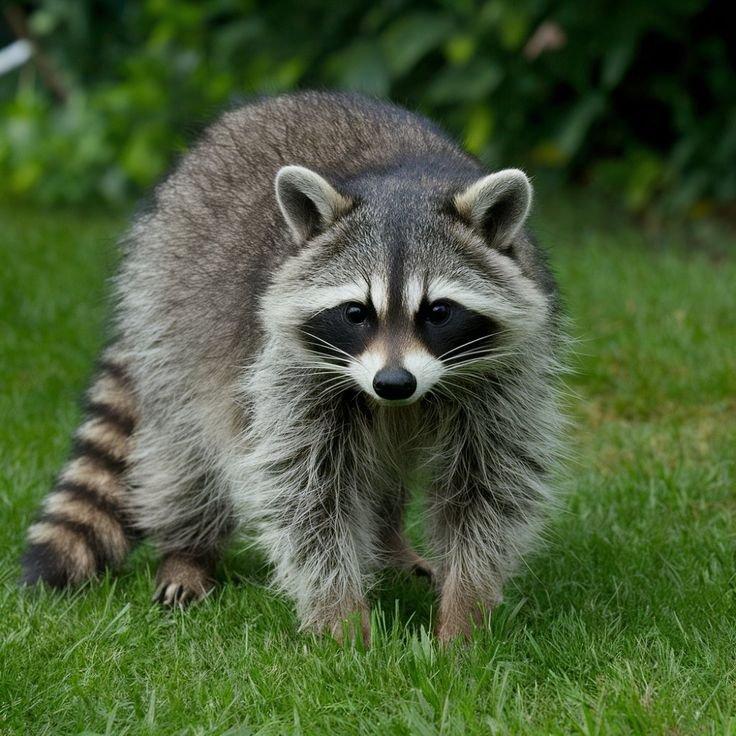
Scientific Name: Procyon lotor
Class: Mammalia
Diet: Omnivore
The raccoon growls when it feels cornered, threatened, or defensive. This low, guttural sound is one of many vocalizations in its surprisingly varied repertoire.
Moreover, the raccoon uses growls to warn off rivals and predators, especially when protecting food or young. A growling raccoon is a clear sign to keep away.
Raccoons inhabit forests, wetlands, and urban areas across North America and beyond, eating a remarkably varied diet.
As opportunistic omnivores, raccoons help disperse seeds and control pests. Highly adaptable, they are widespread and of Least Concern.
Fun Fact: Raccoons can make over 50 different sounds, from growls and hisses to purrs and chittering.
Read: Thickest Skin Animals in The World
Read: Animals Like Meerkats
Read: Animals Similar to Foxes
Read: Animals That Don’t Drink Water
Read: Animals That Look Like Deer
Frequently Asked Questions
Conclusion
From the earth-shaking roar of a lion to the fearless rattle of a honey badger, the world’s growling animals use this primal sound to communicate strength, fear, and warning. Each species whether a territorial jaguar, a bellowing alligator, or a defensive house cat growls in its own unique pitch and power to influence those around it. Understanding these sounds reveals just how rich and meaningful animal communication truly is.