Top 12 Animals Like Meerkats in The World (With Images)
Did you know that meerkats aren’t the only animals that stand tall on their hind legs to watch for danger? With their upright “sentry” pose, social lifestyle, and burrowing habits, meerkats are truly unique yet several other animals share many of their traits.
From close relatives like the mongoose to lookalikes like prairie dogs and ground squirrels, the animal kingdom is full of creatures that resemble these charming desert dwellers. In this guide, we’ll explore the top 12 animals like meerkats, uncovering how they look, live, and behave in similar ways.
List of Animals Like Meerkats in The World
| Rank | Animal | Scientific Name |
|---|---|---|
| 1 | Mongoose | Herpestes edwardsii |
| 2 | Prairie Dog | Cynomys ludovicianus |
| 3 | Ground Squirrel | Otospermophilus beecheyi |
| 4 | Yellow Mongoose | Cynictis penicillata |
| 5 | Marmot | Marmota marmota |
| 6 | Suricate (Slender Mongoose) | Galerella sanguinea |
| 7 | Prairie Dog’s Cousin (Gopher) | Geomyidae |
| 8 | Banded Mongoose | Mungos mungo |
| 9 | Kangaroo Rat | Dipodomys |
| 10 | Ferret | Mustela furo |
| 11 | Chipmunk | Tamias striatus |
| 12 | Dwarf Mongoose | Helogale parvula |
Mongoose
Scientific Name: Herpestes edwardsii
Class: Mammalia
Diet: Carnivore
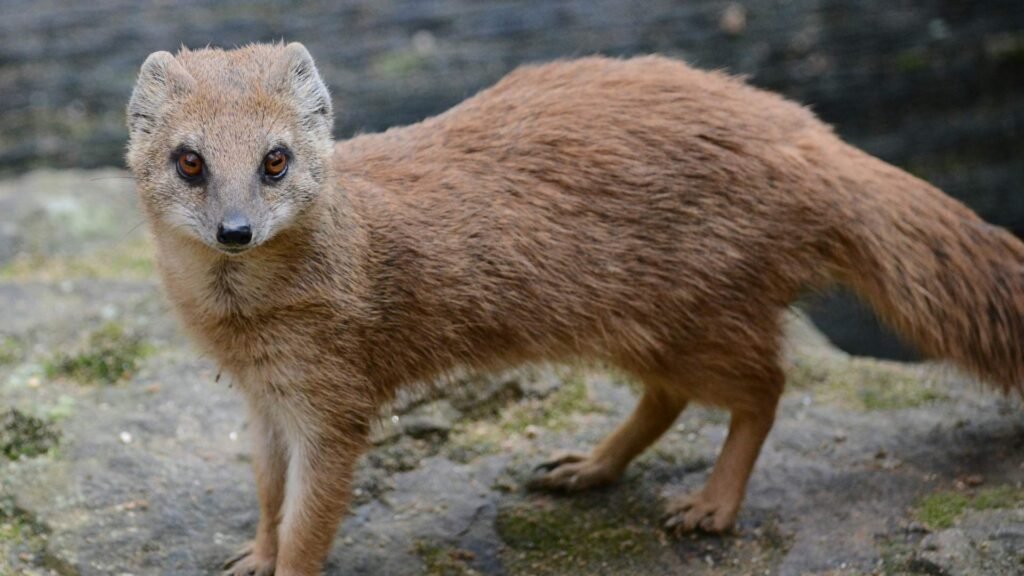
The mongoose is the closest relative to the meerkat, which itself is a type of mongoose. The two share a similar slender body and quick movements.
Interestingly, like meerkats, many mongooses live in social groups and are known for their agility and quick reflexes. Some species even stand upright to survey their surroundings.
Mongooses inhabit forests, grasslands, and scrublands across Africa and Asia, feeding on insects, reptiles, and small animals.
As agile predators, mongooses help control pests and snakes. Most species remain widespread and of Least Concern.
Fun Fact: The meerkat is actually a member of the mongoose family, making mongooses its closest relatives.
Prairie Dog
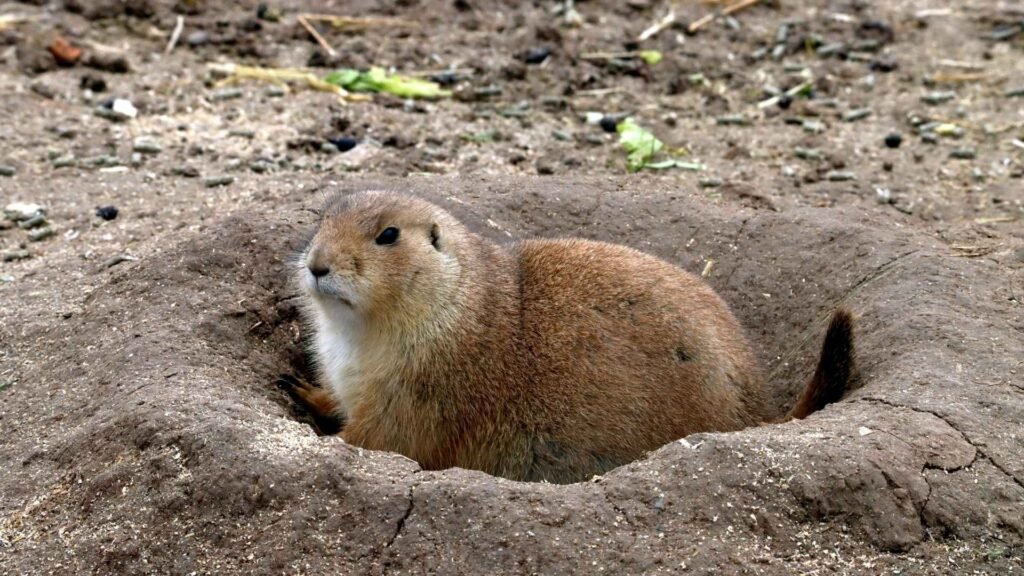
Scientific Name: Cynomys ludovicianus
Class: Mammalia
Diet: Herbivore
The prairie dog looks and behaves remarkably like a meerkat, standing upright to watch for danger. Both are highly social burrowers.
Moreover, like meerkats, prairie dogs live in large colonies and use alarm calls to warn of predators. They pop up from their burrows to scan the horizon, just as meerkats do.
Prairie dogs inhabit the grasslands of North America, living in vast burrow “towns” and feeding on grasses and seeds.
As keystone species, prairie dogs support many other animals. Habitat loss has reduced their numbers in some areas.
Fun Fact: Prairie dogs have one of the most complex alarm call systems of any animal, much like the meerkat’s warning calls.
California Ground Squirrel
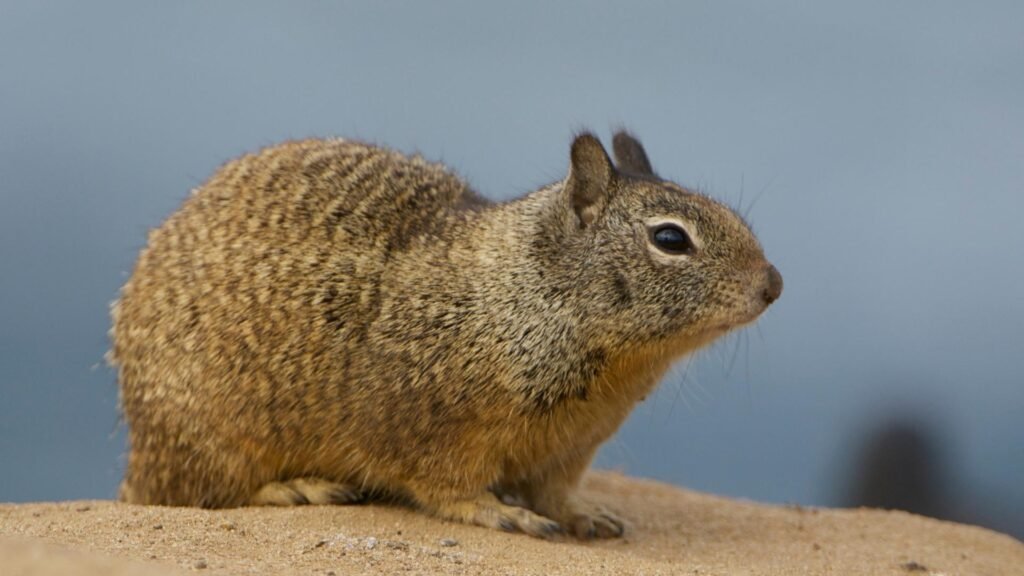
Scientific Name: Otospermophilus beecheyi
Class: Mammalia
Diet: Omnivore
The ground squirrel resembles a meerkat with its habit of standing upright and living in burrows. Both are alert, social diggers.
Interestingly, like meerkats, ground squirrels stand on their hind legs to watch for predators and give alarm calls. They live in colonies with extensive tunnel systems.
Ground squirrels inhabit grasslands and open country across North America, feeding on seeds, plants, and insects.
As burrowers, ground squirrels aerate soil and provide homes for other animals. They are widespread and common.
Fun Fact: Ground squirrels stand tall on their hind legs to watch for danger, striking almost the same pose as a meerkat.
Yellow Mongoose
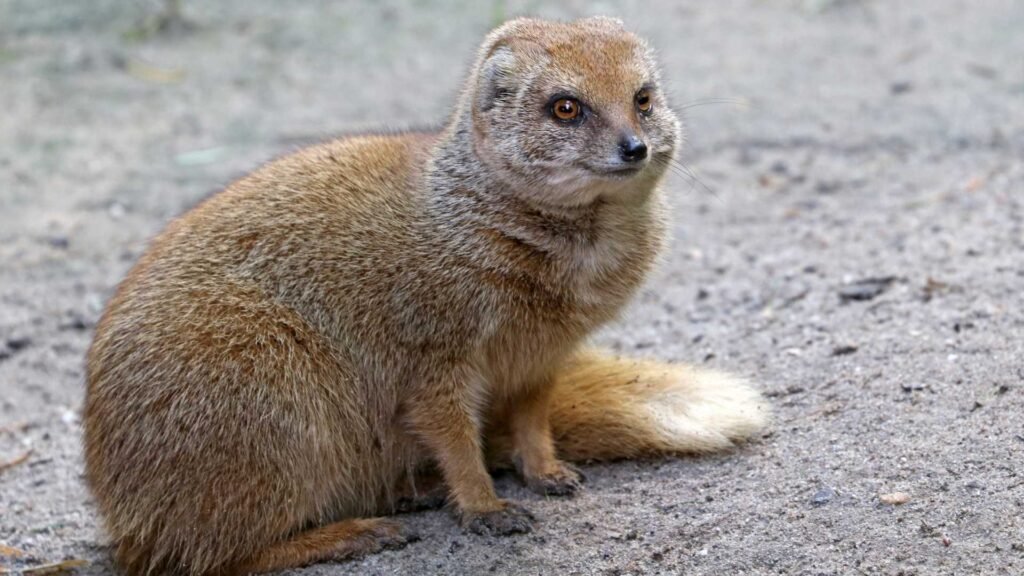
Scientific Name: Cynictis penicillata
Class: Mammalia
Diet: Carnivore
The yellow mongoose is a close African relative of the meerkat and shares many of its habits. It sometimes even shares burrows with meerkats.
Moreover, like the meerkat, the yellow mongoose lives in colonies and stands upright to look out for danger. The two species occasionally live side by side in the same burrow systems.
Yellow mongooses inhabit the grasslands and semi-deserts of southern Africa, feeding on insects, small animals, and eggs.
As social predators, yellow mongooses help control pests. They remain widespread and of Least Concern.
Fun Fact: Yellow mongooses sometimes share their burrow systems with meerkats and ground squirrels, living as neighbors.
Marmot
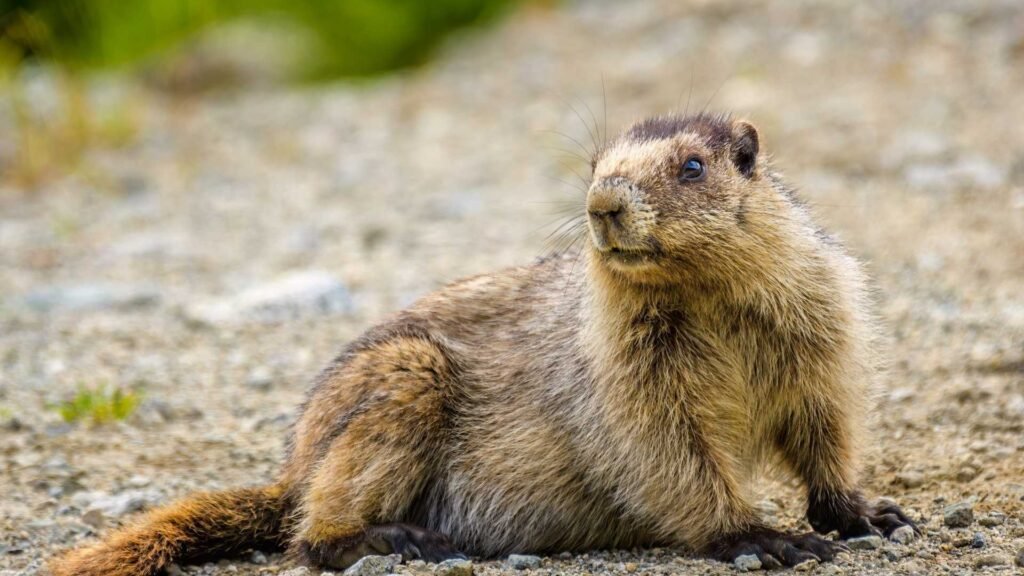
Scientific Name: Marmota marmota
Class: Mammalia
Diet: Herbivore
The marmot is a large ground squirrel that, like the meerkat, stands upright and lives in social burrow colonies. Both are alert lookouts.
Interestingly, marmots post sentries that whistle loudly to warn the colony of danger, much like meerkats do. They spend their days foraging and watching for predators.
Marmots inhabit mountains and grasslands across the Northern Hemisphere, feeding on grasses and plants.
As burrowers, marmots shape their alpine and grassland habitats. Most species remain common.
Fun Fact: Marmots are nicknamed “whistle pigs” because of the sharp whistle they use to warn others of danger.
Slender Mongoose
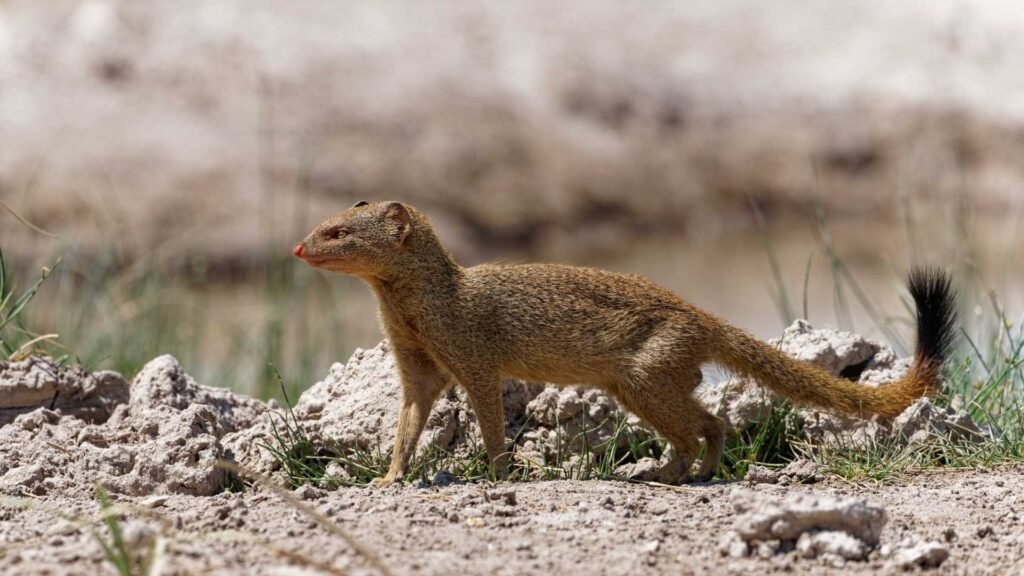
Scientific Name: Galerella sanguinea
Class: Mammalia
Diet: Carnivore
The slender mongoose is another close meerkat relative, sharing its agile body and quick movements. It is a nimble African hunter.
Moreover, like the meerkat, the slender mongoose is alert and fast, though it is more solitary. It has the same lithe build and sharp senses.
Slender mongooses inhabit the savannas and woodlands of sub-Saharan Africa, feeding on insects, reptiles, and small animals.
As agile predators, slender mongooses help control pests. They remain widespread and of Least Concern.
Fun Fact: The slender mongoose often holds its black-tipped tail straight up in the air as it moves through the grass.
Gopher
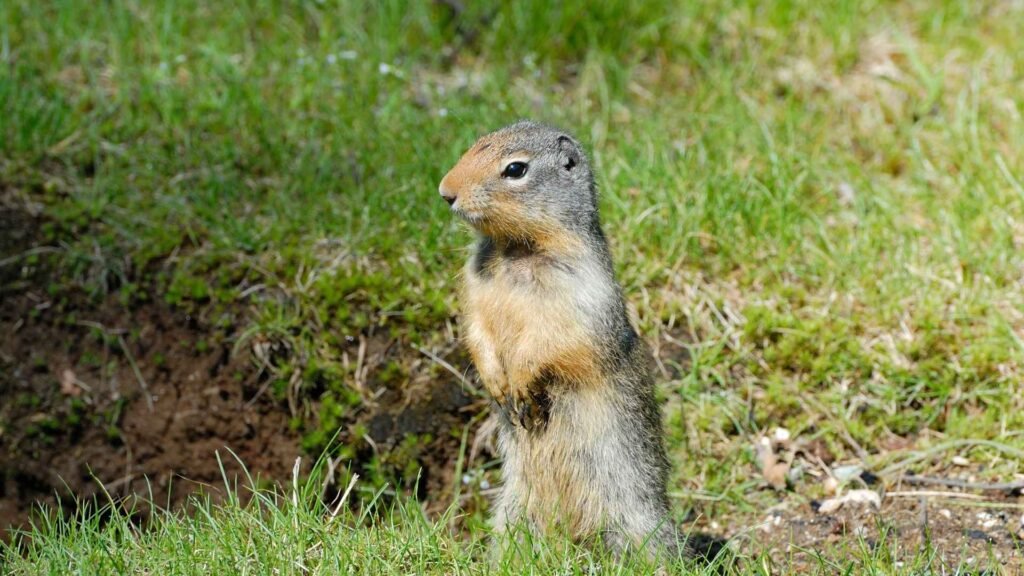
Scientific Name: Geomyidae
Class: Mammalia
Diet: Herbivore
The pocket gopher is a burrowing rodent that shares the meerkat’s underground lifestyle. Both spend much of their lives digging.
Interestingly, like meerkats, gophers create extensive tunnel systems and are expert diggers. They shape the land around them with their constant burrowing.
Gophers inhabit grasslands and farmland across the Americas, feeding on roots, tubers, and plants.
As diggers, gophers aerate soil and their burrows shelter other animals. They are widespread and common.
Fun Fact: A gopher can dig hundreds of feet of tunnels, using cheek pouches to carry soil and food as it works.
Banded Mongoose
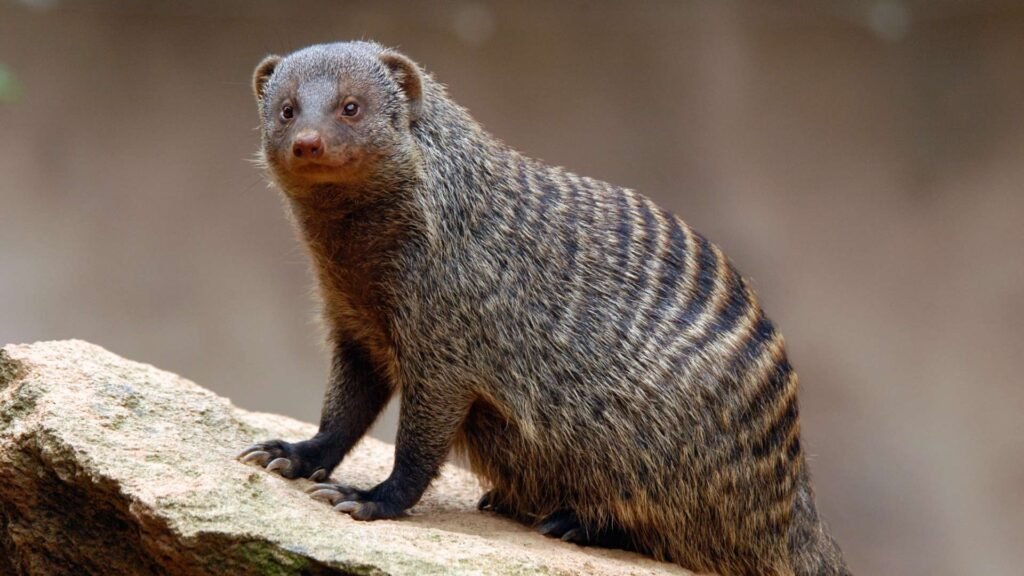
Scientific Name: Mungos mungo
Class: Mammalia
Diet: Carnivore
The banded mongoose is a highly social meerkat relative that lives in large, cooperative groups. Its lifestyle closely mirrors the meerkat’s.
Moreover, like meerkats, banded mongooses live in packs, forage together, and help raise one another’s young. They communicate constantly with a range of calls.
Banded mongooses inhabit the savannas and woodlands of sub-Saharan Africa, feeding on insects, reptiles, and small animals.
As social predators, banded mongooses help control pests. They remain widespread and of Least Concern.
Fun Fact: Banded mongooses raise their young cooperatively, with adults sharing the duties of guarding and feeding the pups.
Kangaroo Rat
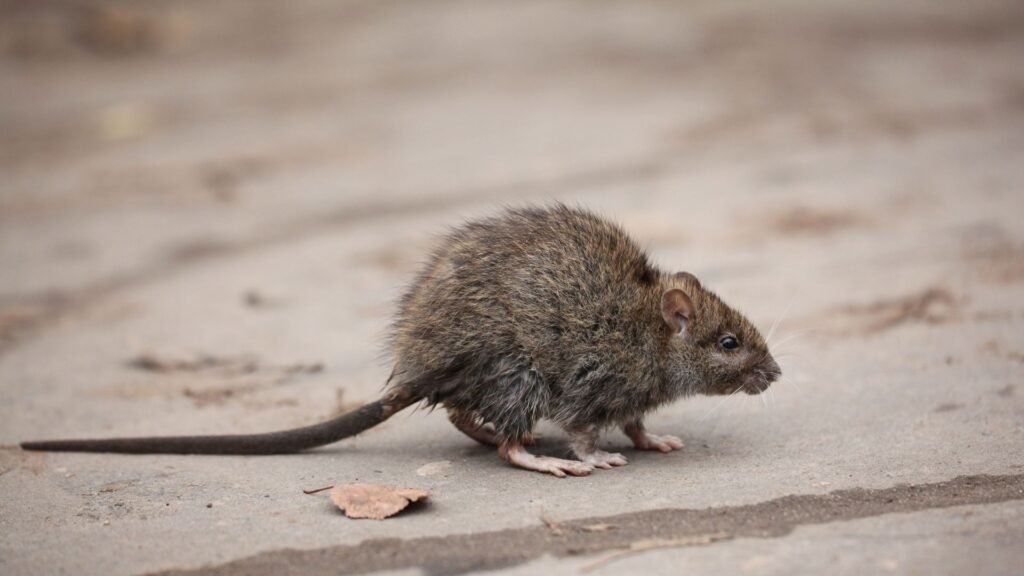
Scientific Name: Dipodomys
Class: Mammalia
Diet: Herbivore
The kangaroo rat is a small desert rodent that, like the meerkat, lives in burrows in dry, open country. Both are well adapted to arid life.
Interestingly, like meerkats, kangaroo rats dig burrows to escape the desert heat and predators. They are alert and quick, always ready to flee danger.
Kangaroo rats inhabit the deserts of western North America, feeding on seeds and rarely needing to drink.
As desert specialists, kangaroo rats help disperse seeds. Most species remain common.
Fun Fact: A kangaroo rat can survive its whole life without drinking water, getting all it needs from the seeds it eats.
Ferret
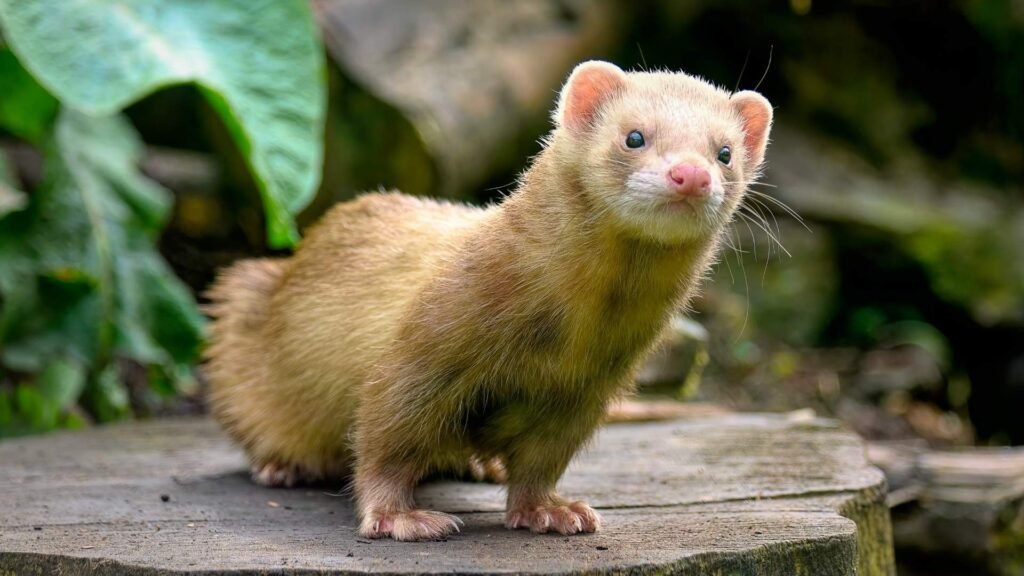
Scientific Name: Mustela furo
Class: Mammalia
Diet: Carnivore
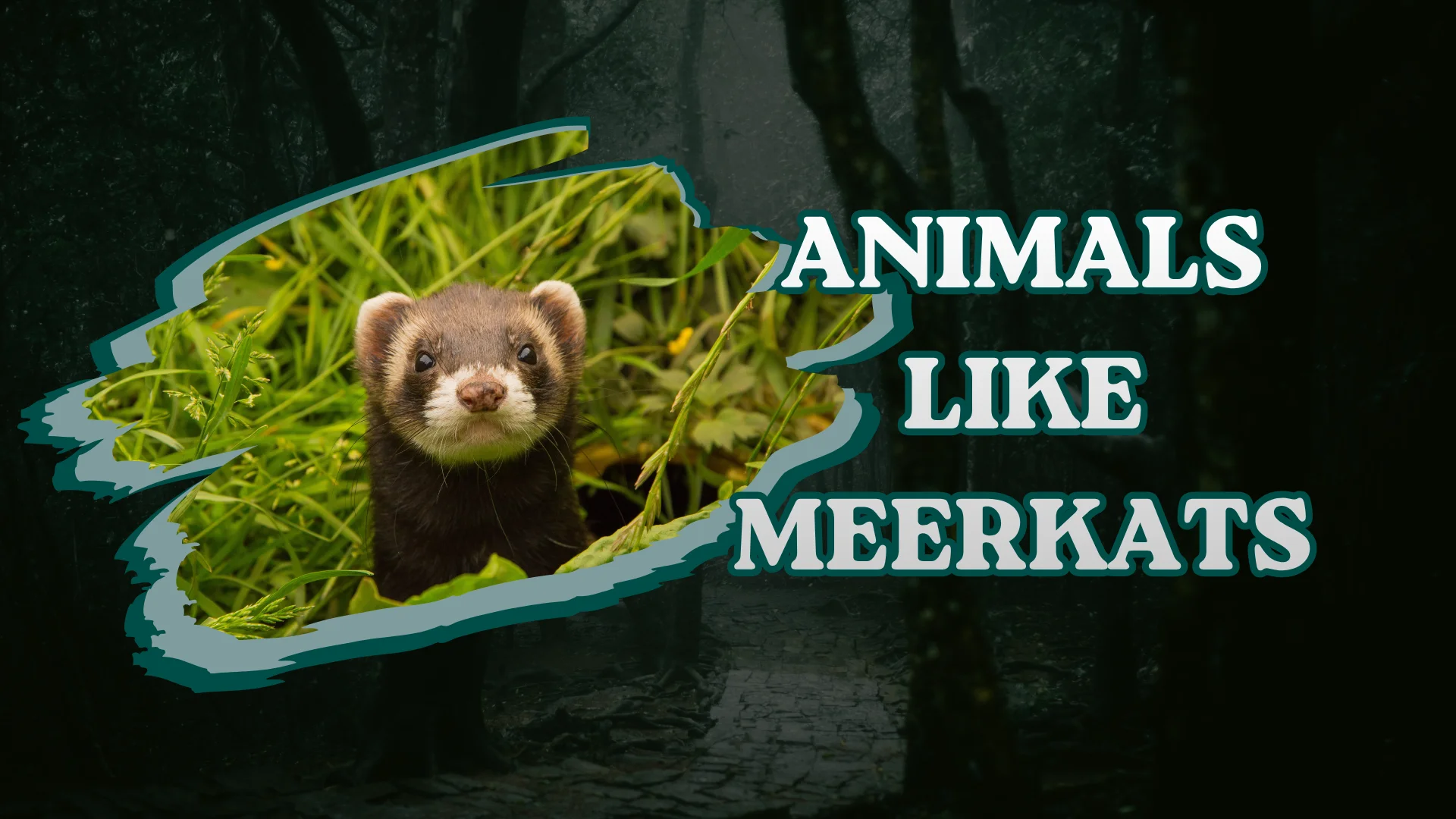
The ferret shares the meerkat’s slender, elongated body and curious, playful nature. Both are agile and energetic.
Moreover, like meerkats, ferrets are inquisitive, quick-moving animals that love to burrow and explore. Their long, lithe bodies help them slip through tunnels.
Ferrets are kept worldwide as pets and working animals, descended from the wild European polecat.
As agile hunters, ferrets have long helped humans control rodents. As a domestic species, they are not threatened.
Fun Fact: Ferrets do a playful, bouncy dance called the “weasel war dance” when they get excited, much like playful meerkats.
Chipmunk
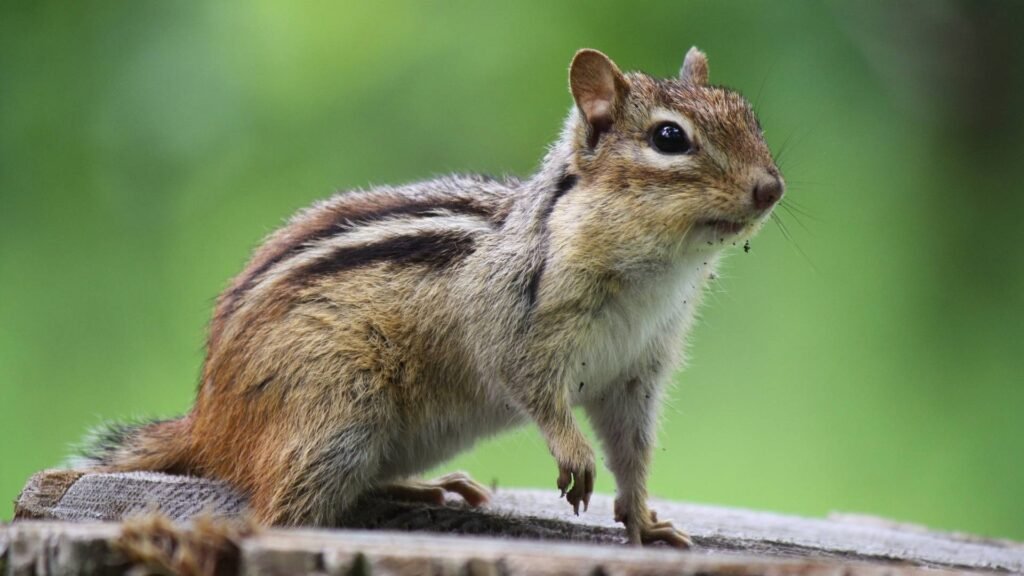
Scientific Name: Tamias striatus
Class: Mammalia
Diet: Omnivore
The chipmunk is a small, alert rodent that, like the meerkat, stands upright and lives in burrows. Both are quick and watchful.
Interestingly, like meerkats, chipmunks sit up on their hind legs to look around and give alarm calls when danger appears. They dig burrows for shelter and storing food.
Chipmunks inhabit forests, gardens, and woodlands across North America, feeding on seeds, nuts, and berries.
As burrowers and seed hoarders, chipmunks help disperse plants. They are common and widespread.
Fun Fact: A chipmunk often sits upright like a tiny meerkat, holding food in its paws while scanning for danger.
Dwarf Mongoose
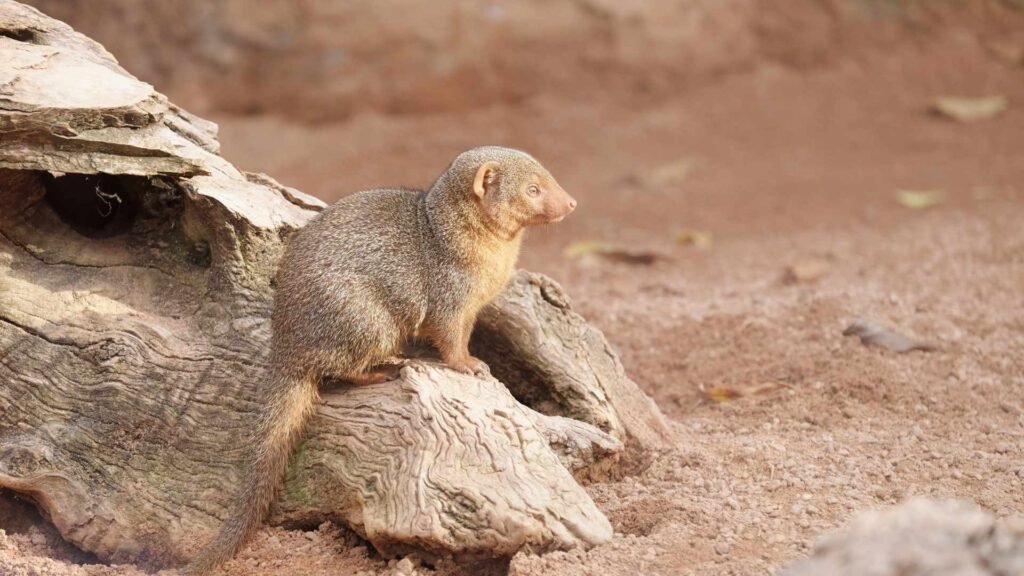
Scientific Name: Helogale parvula
Class: Mammalia
Diet: Carnivore
The dwarf mongoose is Africa’s smallest carnivore and a very close, meerkat-like relative. It lives in tight-knit family groups.
Moreover, like meerkats, dwarf mongooses live in cooperative colonies, post sentries, and use alarm calls. They even build partnerships with birds that help watch for predators.
Dwarf mongooses inhabit the savannas and woodlands of eastern and southern Africa, feeding on insects and small animals.
As social predators, dwarf mongooses help control pests. They remain widespread and of Least Concern.
Fun Fact: Dwarf mongooses team up with hornbill birds, sharing warnings about predators in a remarkable partnership.
Read: Animals Similar to Foxes
Read: Animals That Don’t Drink Water
Read: Animals That Look Like Deer
Read: Territorial Animals in the World
Read: Animals That Eat Bees
Frequently Asked Questions
Conclusion
Meerkats may be famous for their upright sentry pose and close-knit family life, but they’re far from the only animals with these charming traits. From their mongoose cousins to lookalikes like prairie dogs, ground squirrels, and marmots, many creatures share the meerkat’s habits of standing tall, digging burrows, and living in social groups. These similarities show how different animals across the world have evolved alike ways to survive in open, dangerous habitats.