
Top 15 Animals Like Weasels in The World (With Images)
Did you know that the weasel belongs to one of the largest and most successful predator families on Earth? With its long, slender body, short legs, and fearless nature, the weasel has many relatives and look-alikes across the globe. Most belong to the mustelid family, sharing the same sleek shape and bold hunting style, while a few simply resemble weasels through similar lifestyles.
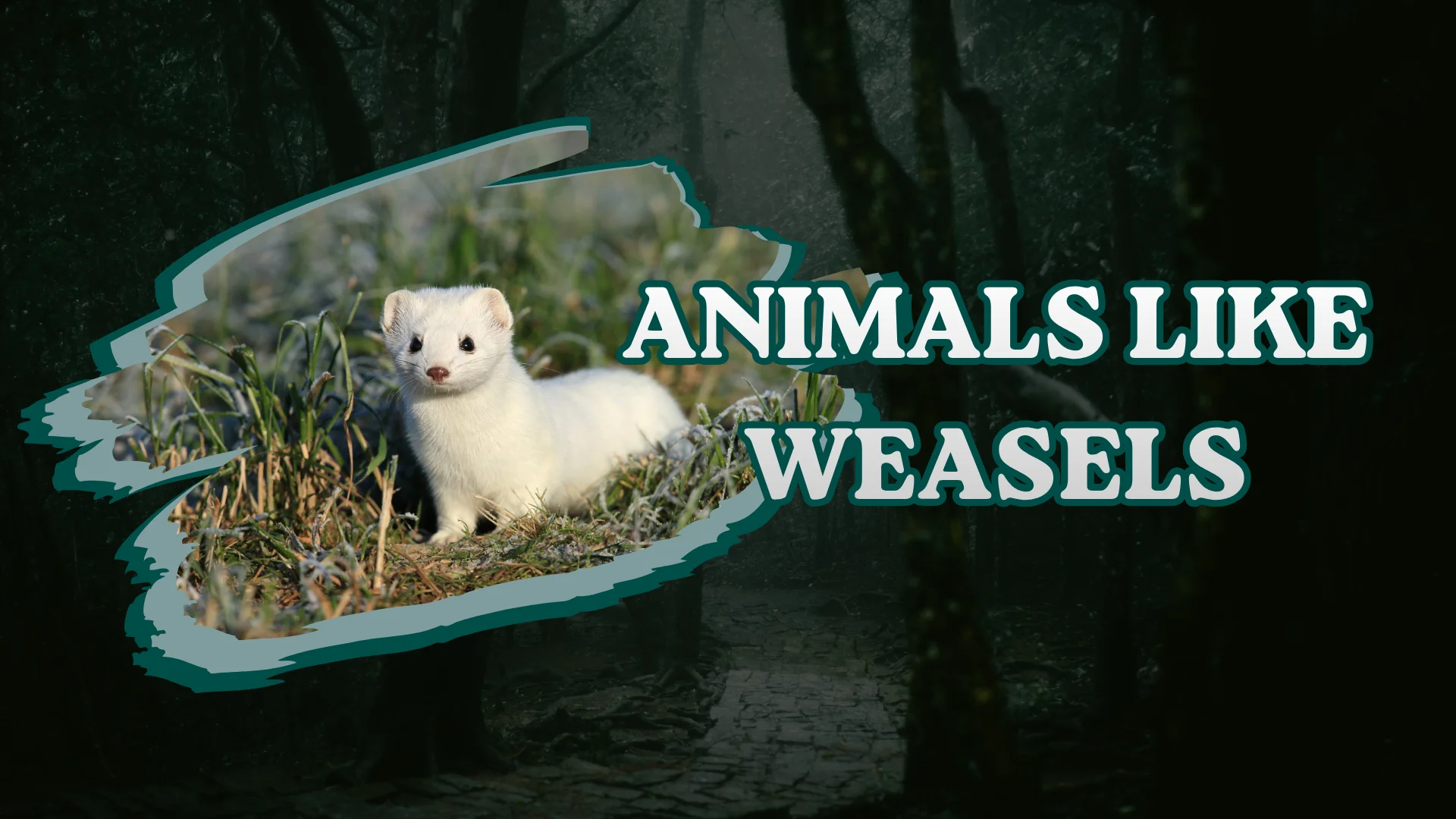
These agile, energetic hunters are found on nearly every continent. In this guide, we’ll explore the top 15 animals like weasels, uncovering how they compare and why these nimble predators are so successful.
List of Animals Like Weasels
| Rank | Animal | Scientific Name |
|---|---|---|
| 1 | Stoat | Mustela erminea |
| 2 | Ferret | Mustela putorius furo |
| 3 | European Polecat | Mustela putorius |
| 4 | American Mink | Neogale vison |
| 5 | Pine Marten | Martes martes |
| 6 | Fisher | Pekania pennanti |
| 7 | Wolverine | Gulo gulo |
| 8 | Tayra | Eira barbara |
| 9 | Grison | Galictis vittata |
| 10 | European Badger | Meles meles |
| 11 | Eurasian Otter | Lutra lutra |
| 12 | Sable | Martes zibellina |
| 13 | Black-footed Ferret | Mustela nigripes |
| 14 | Mongoose | Herpestes edwardsii |
| 15 | Common Genet | Genetta genetta |
Stoat
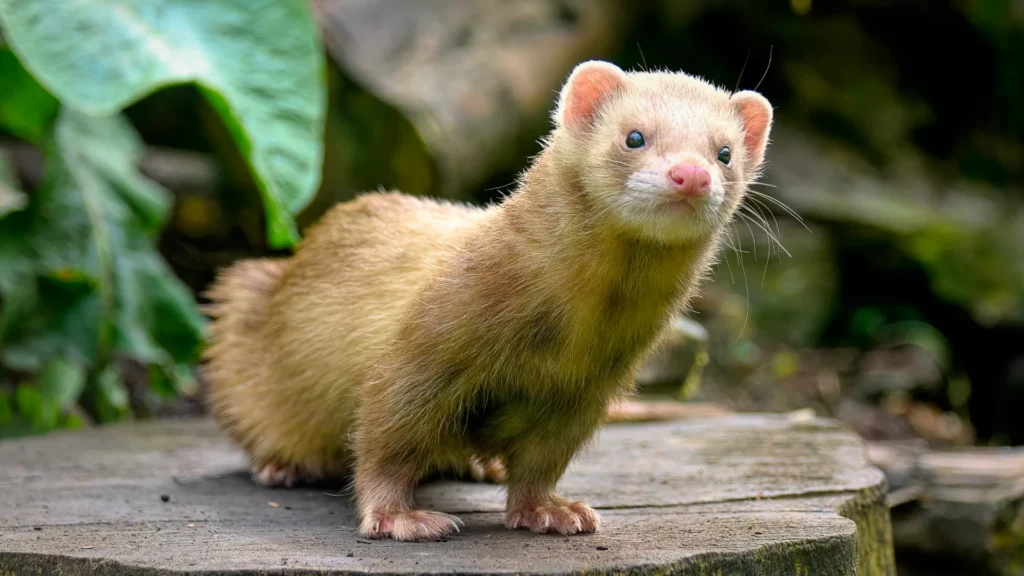
Scientific Name: Mustela erminea
Class: Mammalia
Diet: Carnivore
The stoat is the closest relative of the weasel, sharing the very same genus. It looks almost identical, with a long, tube-shaped body and short legs, though it is slightly larger.
Interestingly, like the weasel, the stoat is a fierce, relentless hunter that can chase prey right into burrows. In winter, its coat turns white, and it is then known as “ermine.”
Stoats range across the cooler regions of North America, Europe, and Asia, thriving in forests, grasslands, and tundra.
As agile predators, stoats help control rodent and rabbit populations. Widespread and adaptable, they are of Least Concern.
Fun Fact: The stoat can take down a rabbit many times its own size with a swift bite to the neck.
Ferret
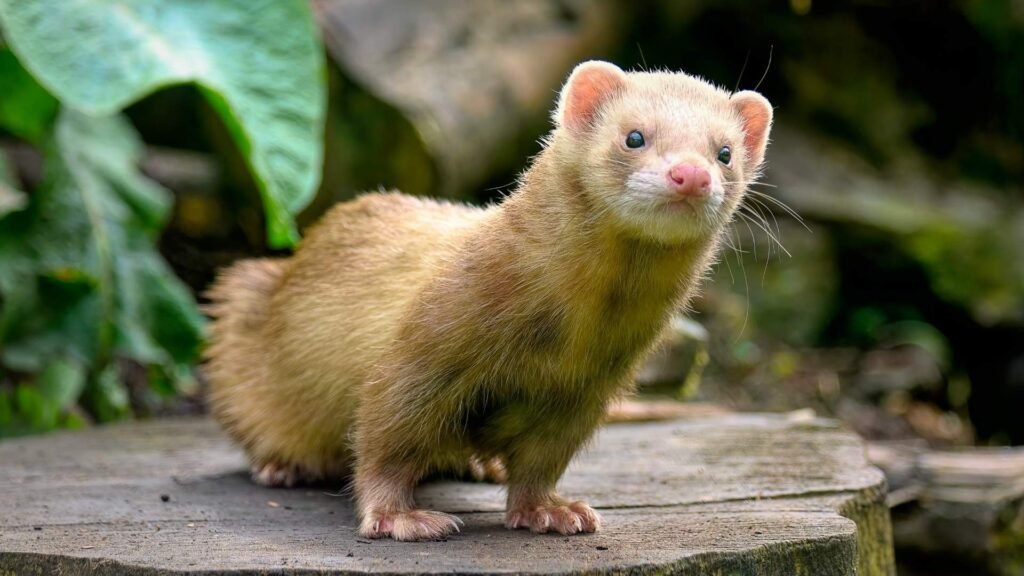
Scientific Name: Mustela putorius furo
Class: Mammalia
Diet: Carnivore
The ferret is a domesticated member of the weasel family, sharing the same long body, short legs, and playful energy. It is essentially a tamed relative of the weasel.
Moreover, like the weasel, the ferret is a natural burrow hunter, able to slip into tight spaces after rodents and rabbits. Humans have used this ability for hunting for centuries.
Ferrets are kept worldwide as pets and working animals, descended from the European polecat.
As domesticated carnivores, ferrets have long helped humans hunt burrowing prey. Their playful, energetic nature makes them entertaining companions.
Fun Fact: An excited ferret performs a bouncy “weasel war dance,” just like its wild relatives.
European Polecat
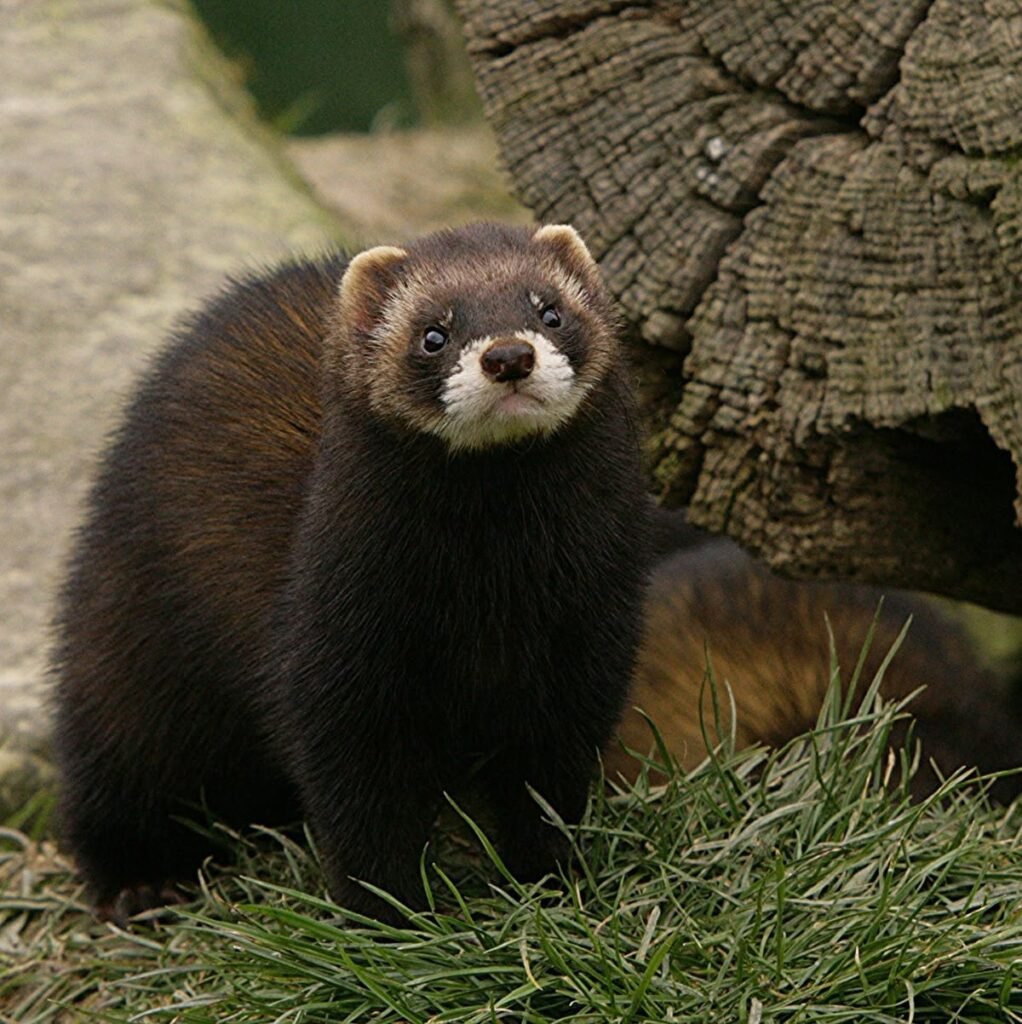
Scientific Name: Mustela putorius
Class: Mammalia
Diet: Carnivore
The European polecat is the wild ancestor of the ferret and a very close weasel relative. It shares the same slender build and fierce, solitary hunting style.
Interestingly, the polecat has a distinctive dark facial mask that gives it a bandit-like look. Like the weasel, it hunts rodents, frogs, and rabbits, slipping into their burrows.
European polecats inhabit forests, farmlands, and wetlands across Europe, hunting a variety of small animals.
As predators, polecats help control rodent and amphibian populations. Widespread across their range, they are of Least Concern.
Fun Fact: The polecat’s Latin name means “stinking weasel,” a nod to the strong scent it uses in defense.
American Mink
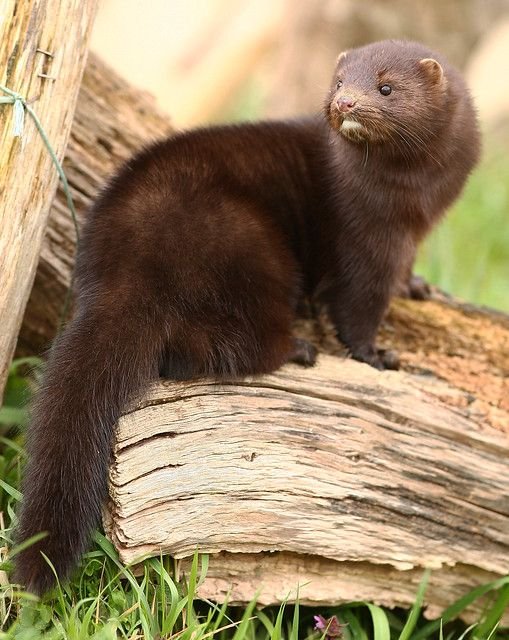
Scientific Name: Neogale vison
Class: Mammalia
Diet: Carnivore
The American mink is a semi-aquatic weasel relative with the same sleek, elongated body. It is equally at home hunting on land and in water.
Moreover, like the weasel, the mink is a bold and versatile predator. It hunts fish, frogs, and rodents, using its agile body to pursue prey through water and along riverbanks.
American minks inhabit the rivers, lakes, and wetlands of North America and have spread to other regions, hunting a wide range of prey.
As predators, minks help balance aquatic and land ecosystems. Widespread and adaptable, they are of Least Concern.
Fun Fact: The mink’s dense, waterproof fur keeps it warm and dry during long swims in cold water.
Pine Marten

Scientific Name: Martes martes
Class: Mammalia
Diet: Omnivore
The pine marten is a tree-climbing weasel relative with the same sleek, elongated body and remarkable agility. It moves through the forest canopy with grace.
Interestingly, like the weasel, the marten is a quick and versatile hunter. Its slender build and sharp reflexes let it chase prey through trees and dense undergrowth.
Pine martens inhabit the woodlands and forests of Europe and parts of Asia, feeding on small mammals, birds, insects, and fruit.
As agile predators, pine martens help control rodent and bird populations. Widespread in many areas, they are of Least Concern.
Fun Fact: Pine martens are one of the few predators skilled enough to hunt agile squirrels through the treetops.
Fisher
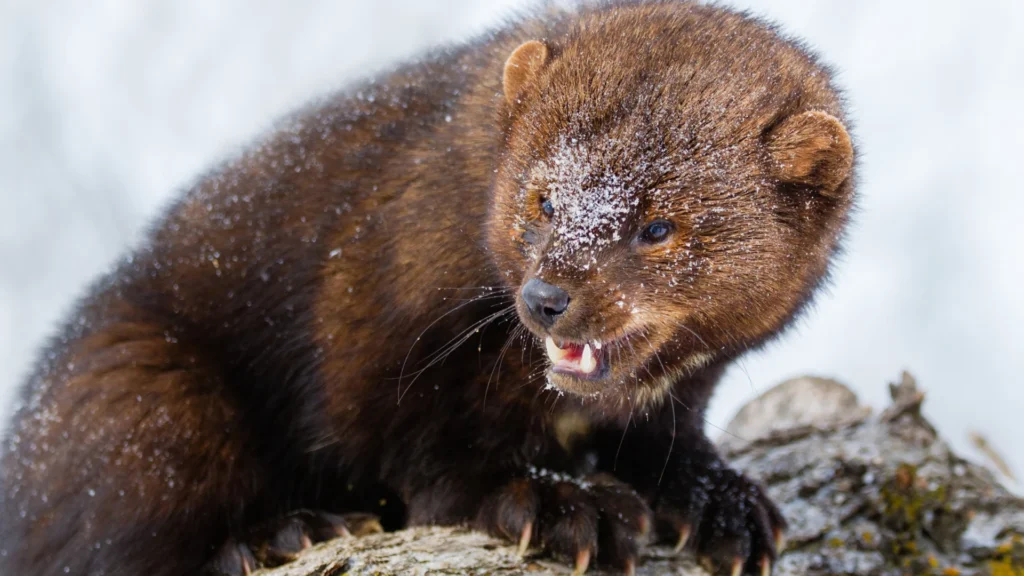
Scientific Name: Pekania pennanti
Class: Mammalia
Diet: Carnivore
The fisher is a large member of the weasel family with the same sleek body and fearless hunting style. Despite its name, it rarely eats fish.
Moreover, like the weasel, the fisher is a bold, versatile predator. It is one of the few animals skilled enough to hunt porcupines, attacking their vulnerable faces with speed and precision.
Fishers inhabit the forests of North America, hunting small mammals, birds, and porcupines.
As predators, fishers help control rodent and porcupine populations. Widespread in their range, they are of Least Concern.
Fun Fact: The fisher is one of the only predators that can successfully hunt and kill porcupines.
Wolverine
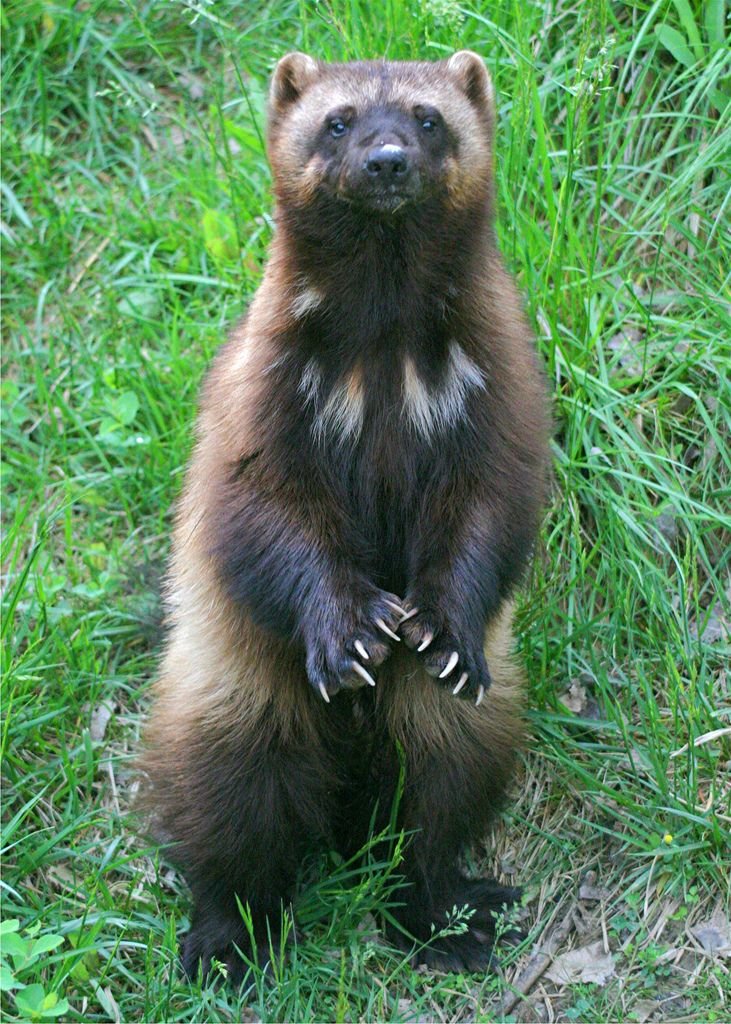
Scientific Name: Gulo gulo
Class: Mammalia
Diet: Carnivore
The wolverine is the largest member of the weasel family, with a stocky, muscular version of the classic weasel body. It shares the family’s fearless, tenacious nature.
Interestingly, like the weasel, the wolverine is astonishingly bold, defending food and taking on animals far larger than itself. Its strength lets it drive even bears from a meal.
Wolverines inhabit the remote forests and tundra of the Northern Hemisphere, roaming vast territories in search of food.
As scavengers and predators, wolverines help clean up carcasses and control prey. Habitat loss and climate change threaten their cold, wild homes.
Fun Fact: A wolverine can crush and eat frozen bones and meat that would defeat far larger predators.
Tayra
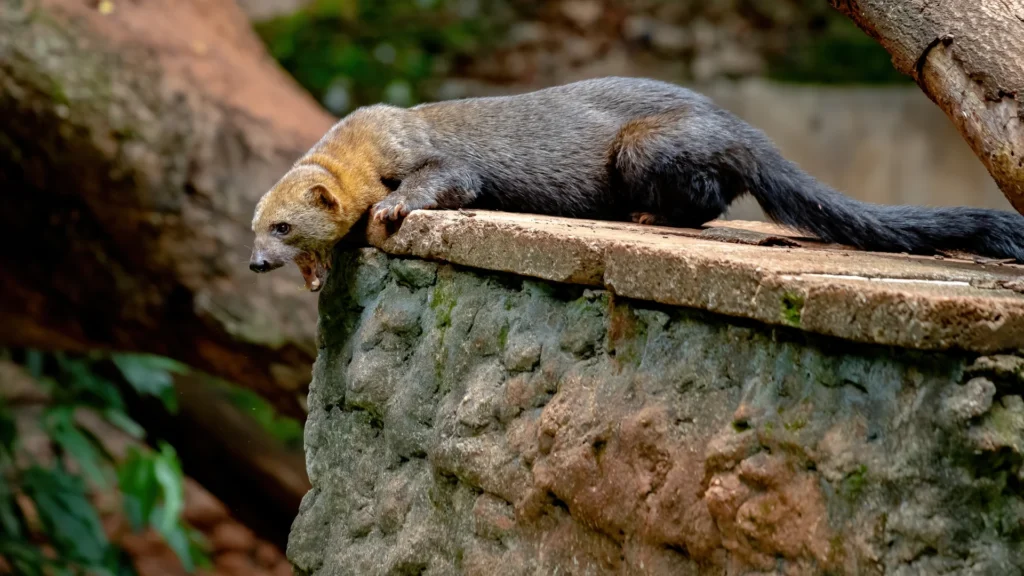
Scientific Name: Eira barbara
Class: Mammalia
Diet: Omnivore
The tayra is a large, agile weasel relative with the same long, slender body, long tail, and short legs. It is an energetic climber and forager.
Moreover, like the weasel, the tayra is quick, curious, and versatile. It bounds through forests hunting small animals, insects, and fruit with tireless enthusiasm.
Tayras inhabit the forests and grasslands of Central and South America, feeding on a varied diet.
As omnivores and seed dispersers, tayras play an important role in their ecosystems. They are currently of Least Concern.
Fun Fact: The tayra is one of the few animals known to stash unripe fruit and return to eat it once it ripens.
Grison
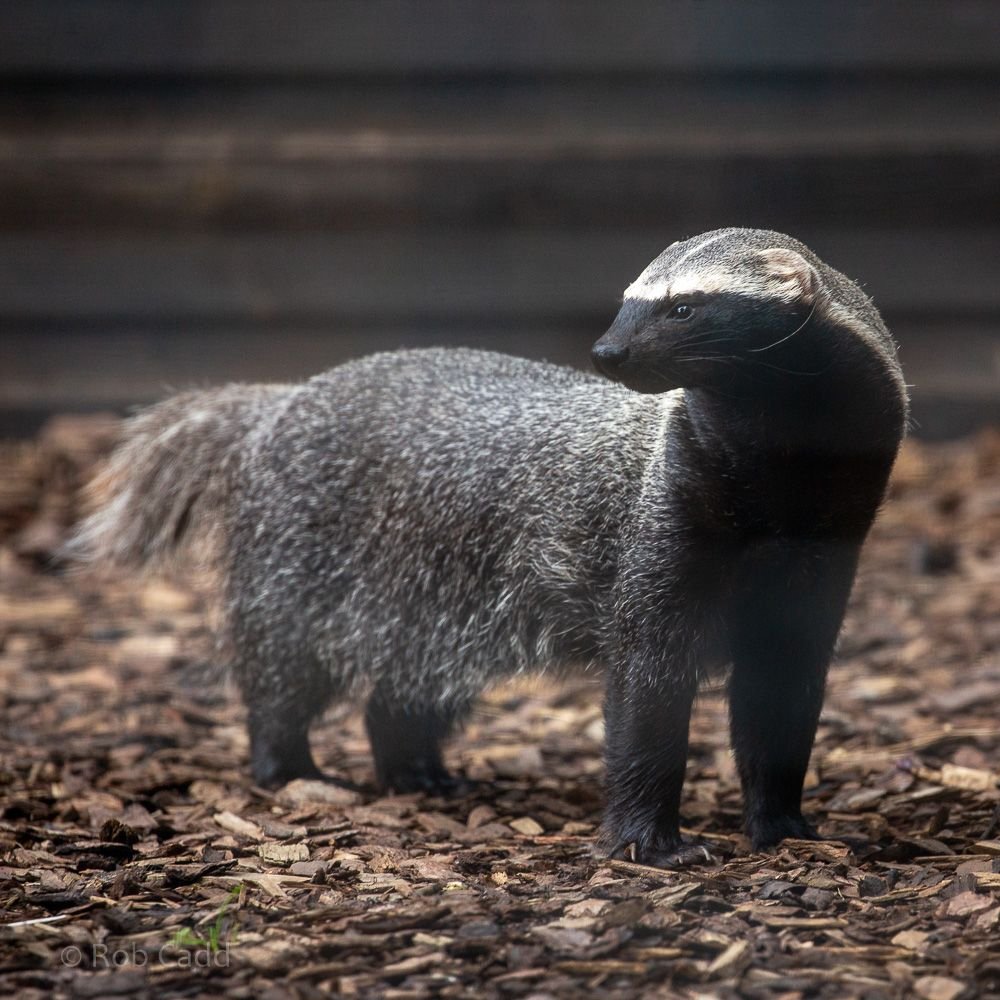
Scientific Name: Galictis vittata
Class: Mammalia
Diet: Carnivore
The grison is a low-slung weasel relative that looks strikingly like an oversized weasel. Its long body, short legs, and quick movements make the resemblance clear.
Interestingly, like the weasel, the grison is a bold and agile hunter. It pursues rodents, birds, and reptiles with fearless speed, both on the ground and in burrows.
Grisons inhabit the forests, grasslands, and wetlands of Central and South America, hunting small animals.
As predators, grisons help control rodent and reptile populations. Widespread across their range, they are of Least Concern.
Fun Fact: People in parts of South America once tamed grisons to help control rodents and hunt small game.
European Badger
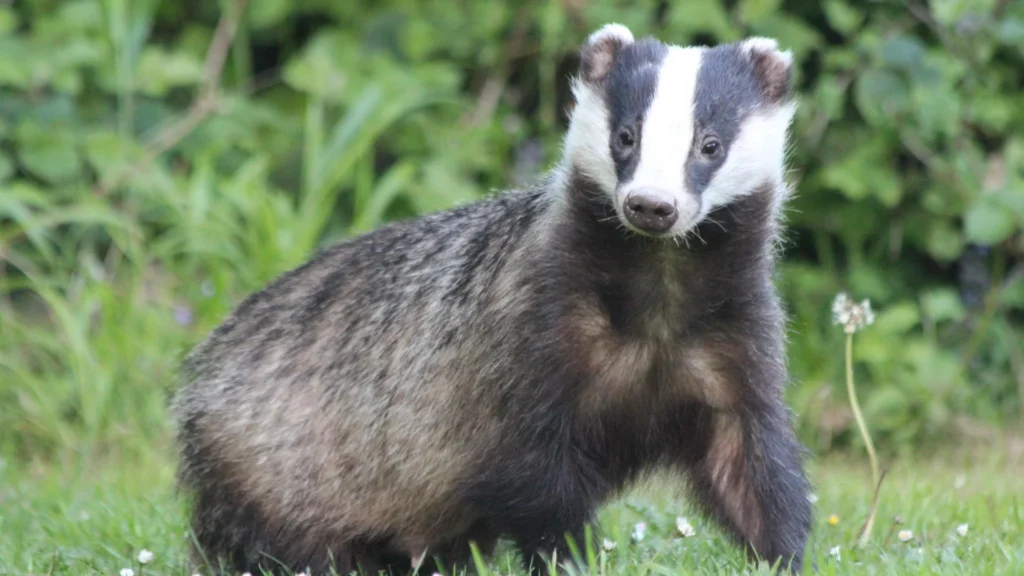
Scientific Name: Meles meles
Class: Mammalia
Diet: Omnivore
The European badger is a stocky member of the weasel family, sharing the same carnivorous ancestry despite its very different, squat shape. It is far larger and heavier than a weasel.
Moreover, like the weasel, the badger is a powerful digger and determined forager. It uses strong claws to excavate large burrow systems called setts.
European badgers inhabit woodlands, grasslands, and farmland across Europe and parts of Asia, feeding on earthworms, insects, fruit, and small animals.
As diggers and omnivores, badgers aerate soil and control pests. Widespread across their range, they are of Least Concern.
Fun Fact: A badger’s sett can have dozens of entrances and be used by many generations of badgers.
Eurasian Otter
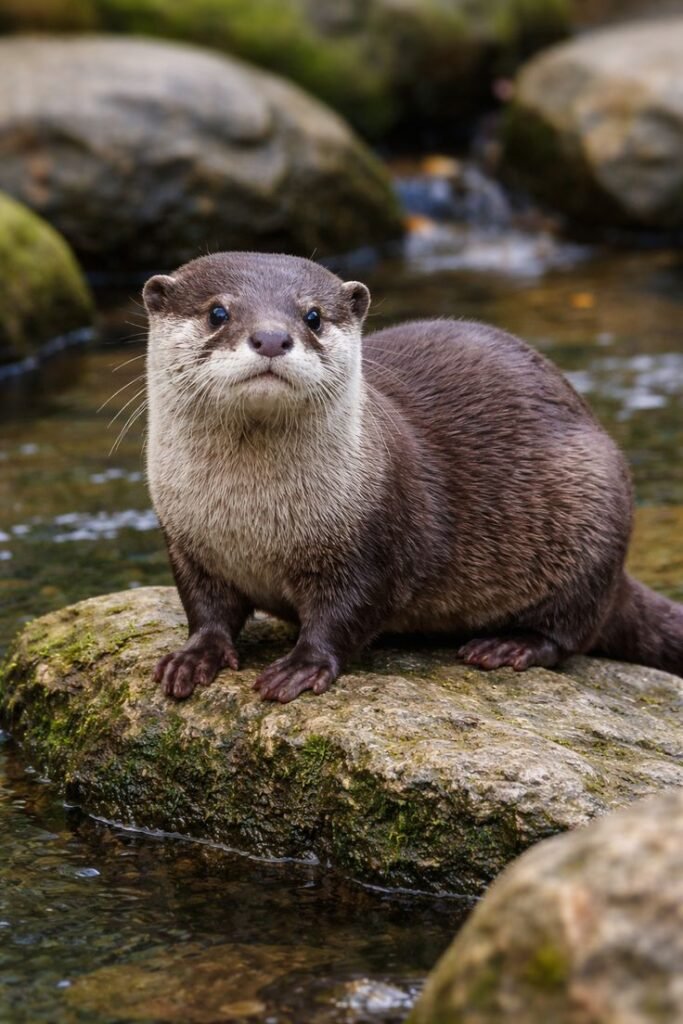
Scientific Name: Lutra lutra
Class: Mammalia
Diet: Carnivore
The Eurasian otter is a water-loving member of the weasel family, with the same long, sleek body built for agile hunting. It is superbly adapted to life in rivers and lakes.
Interestingly, like the weasel, the otter is a curious and skilled predator. Its streamlined body lets it twist and dart with ease, though it hunts mainly underwater.
Eurasian otters inhabit the rivers, lakes, and coasts of Europe, Asia, and North Africa, feeding on fish, amphibians, and crustaceans.
As agile predators, otters help balance aquatic ecosystems and signal clean water. Pollution and habitat loss have made them Near Threatened.
Fun Fact: Otters build slides along riverbanks and slide down them over and over, seemingly just for fun.
Sable
Scientific Name: Martes zibellina
Class: Mammalia
Diet: Omnivore
The sable is a marten and close weasel relative, famous for its luxurious fur. It shares the family’s sleek, elongated body and agile movements.
Moreover, like the weasel, the sable is a nimble hunter of the forest floor and trees. It preys on rodents, birds, and insects, and also eats berries and nuts.
Sables inhabit the cold forests of Russia and northern Asia, hunting small animals and foraging for plants.
As agile predators, sables help control rodent populations. Long hunted for their prized fur, they are now managed for conservation.
Fun Fact: Sable fur has been one of the most valuable furs in the world for centuries.
Black-footed Ferret
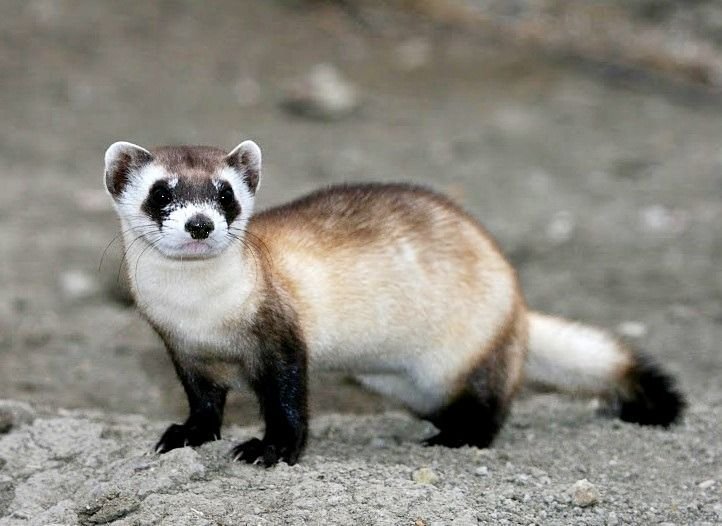
Scientific Name: Mustela nigripes
Class: Mammalia
Diet: Carnivore
The black-footed ferret is a wild North American weasel relative and one of the continent’s most endangered mammals. It shares the classic slender, masked weasel look.
Interestingly, like the weasel, it is a specialized burrow hunter, depending almost entirely on prairie dogs for food. It even lives in their abandoned burrows.
Black-footed ferrets inhabit the grasslands of North America, hunting mainly prairie dogs.
As specialized predators, ferrets are a symbol of prairie conservation. Once thought extinct, careful breeding programs have brought them back, though they remain Endangered.
Fun Fact: The black-footed ferret was declared extinct, then rediscovered, and saved through captive breeding.
Mongoose
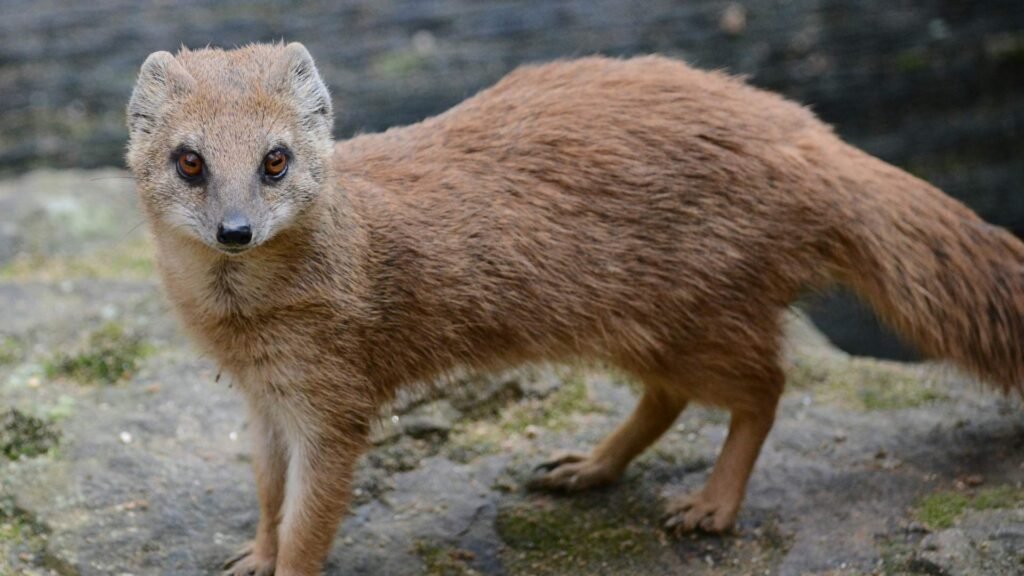
Scientific Name: Herpestes edwardsii
Class: Mammalia
Diet: Carnivore
The mongoose looks a lot like a weasel, with its long body, short legs, and quick, agile movements. However, it is not a true mustelid and belongs to a different family.
Moreover, like the weasel, the mongoose is a fearless hunter, famous for taking on venomous snakes. Its resemblance comes from a similar slender shape and bold hunting lifestyle.
Mongooses inhabit forests, grasslands, and scrublands across Africa and Asia, hunting insects, reptiles, and small animals.
As agile predators, mongooses help control pests and snakes. Widespread and adaptable, most species are of Least Concern.
Fun Fact: The mongoose has partial resistance to snake venom, letting it battle deadly cobras.
Common Genet
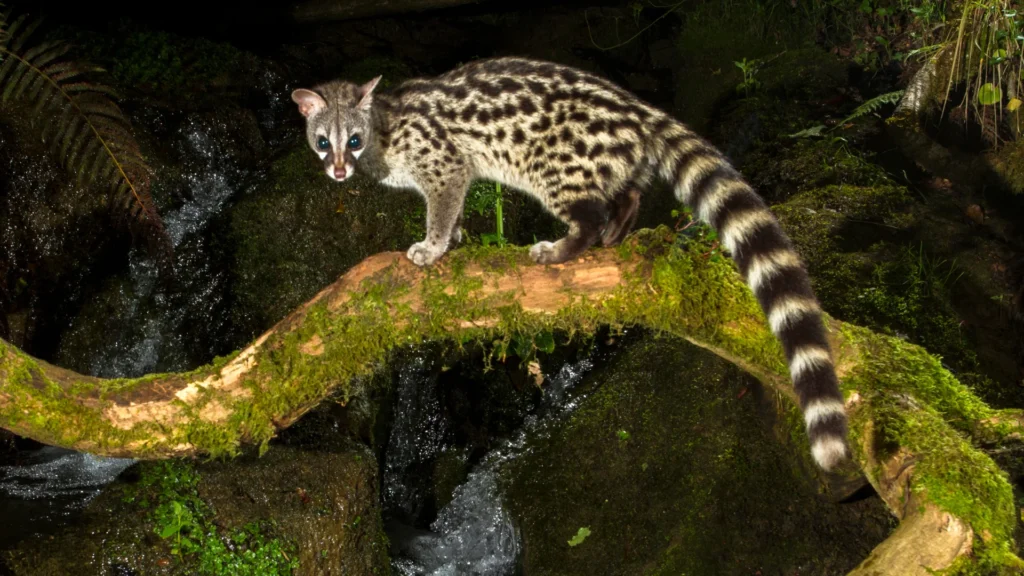
Scientific Name: Genetta genetta
Class: Mammalia
Diet: Carnivore
The common genet is a slender, spotted mammal that closely resembles a weasel, though it is more closely related to civets and cats. Its long body and tail make the likeness striking.
Interestingly, like the weasel, the genet is an agile, efficient hunter of small animals. Its slim frame and long tail make it an exceptional climber and stealthy stalker.
Common genets inhabit forests, scrublands, and rocky areas across Africa and parts of Europe, hunting small animals and insects.
As agile predators, genets help control rodent and insect populations. Widespread and adaptable, they are of Least Concern.
Fun Fact: A genet’s ringed tail can be nearly as long as its entire body, helping it balance in the trees.
Read: Scavenger Birds in The World
Read: Animals Like Groundhogs
Read: Animals Like Foxes
Read: Scary Animals in The World
Read: Small Monkey Breeds
Frequently Asked Questions
Conclusion
From the near-identical stoat to look-alikes like the mongoose and genet, the world is full of animals that resemble the weasel. Each species whether a porcupine-hunting fisher, a water-loving otter, or a fearless wolverine shares the weasel’s slender body, agility, and bold spirit. Most are true members of the weasel family, while a few simply evolved a similar shape and lifestyle.

2 Comments