
Top 20 Striped Animals in the World (With Images)
Did you know that no two zebras share the exact same pattern of stripes, much like human fingerprints? In the animal kingdom, stripes are far more than beautiful decoration they are powerful survival tools. Striped animals use their bold patterns to hide from predators, confuse attackers, warn of danger, deter biting insects, and even recognize one another.
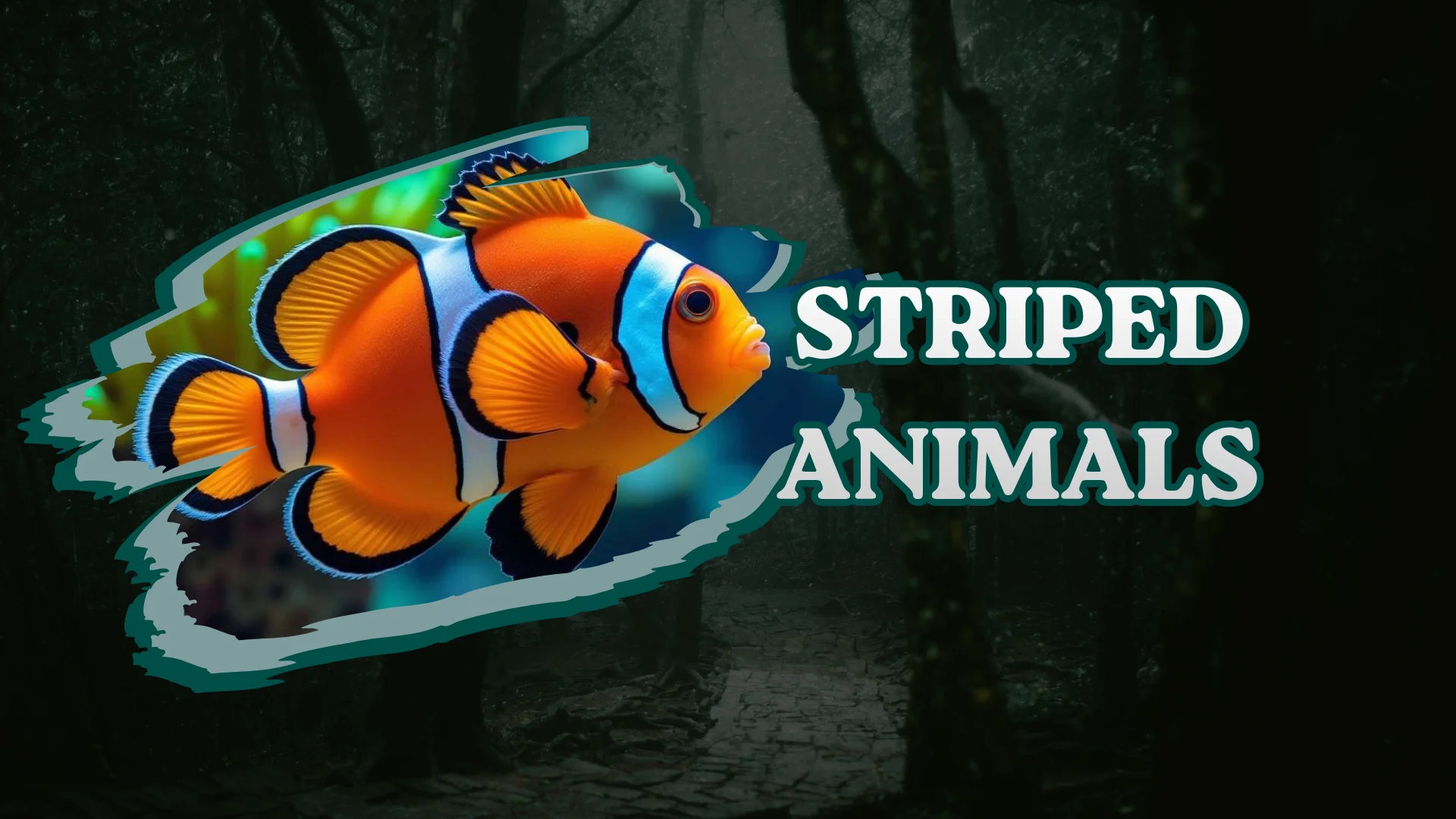
From the forests to the coral reefs, these striped creatures reveal how evolution paints patterns with a purpose. In this guide, we’ll explore the top 20 striped animals in the world, uncovering the fascinating reasons behind their stripes and why these remarkable species deserve our attention and protection.
List of Striped Animals in the World
| Rank | Animal | Scientific Name |
|---|---|---|
| 1 | Tiger | Panthera tigris |
| 2 | Zebra | Equus quagga |
| 3 | Okapi | Okapia johnstoni |
| 4 | Striped Skunk | Mephitis mephitis |
| 5 | Ring-tailed Lemur | Lemur catta |
| 6 | Bongo | Tragelaphus eurycerus |
| 7 | Numbat | Myrmecobius fasciatus |
| 8 | Chipmunk | Tamias striatus |
| 9 | Coral Snake | Micrurus fulvius |
| 10 | Clownfish | Amphiprion ocellaris |
| 11 | Striped Hyena | Hyaena hyaena |
| 12 | Honeybee | Apis mellifera |
| 13 | Emperor Angelfish | Pomacanthus imperator |
| 14 | European Badger | Meles meles |
| 15 | Garter Snake | Thamnophis sirtalis |
| 16 | Banded Sea Krait | Laticauda colubrina |
| 17 | Five-lined Skink | Plestiodon fasciatus |
| 18 | Zebra Finch | Taeniopygia guttata |
| 19 | Wasp | Vespula vulgaris |
| 20 | Zebra Duiker | Cephalophus zebra |
Tiger
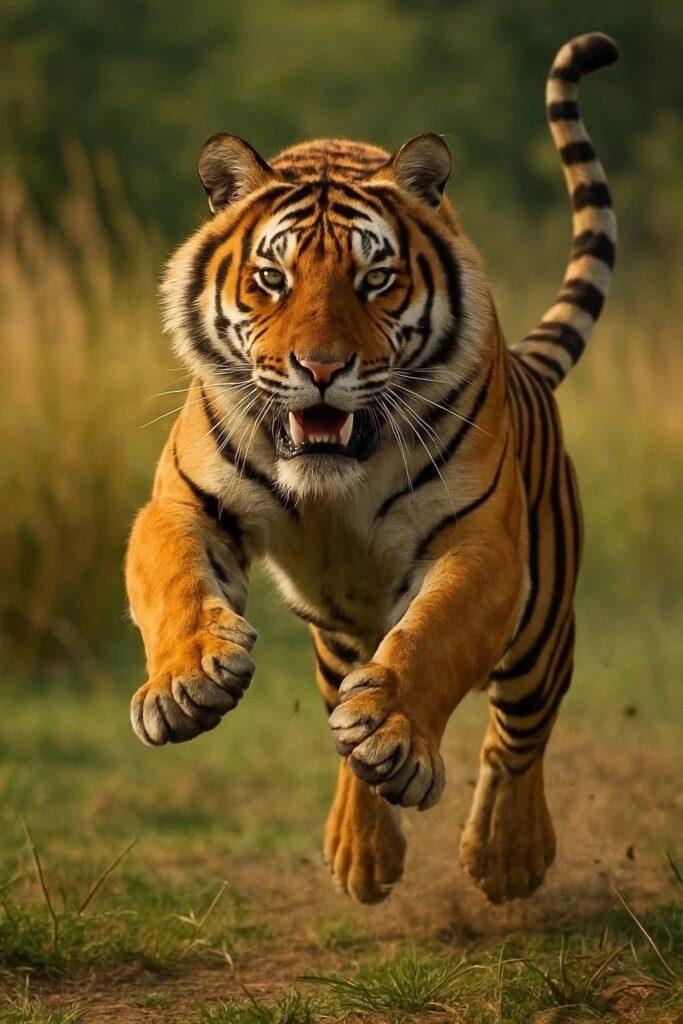
Scientific Name: Panthera tigris
Class: Mammalia
Diet: Carnivore
The tiger is the most iconic striped animal, wearing bold black vertical stripes over orange fur. These stripes are unique to each individual, like a fingerprint.
Interestingly, the tiger’s stripes are perfect camouflage. In the dappled light of forests and tall grass, they break up its outline, letting it stalk prey unseen until the final pounce.
Tigers inhabit the forests, grasslands, and mangroves of Asia, hunting deer, wild boar, and other large animals.
As apex predators, tigers help maintain balance in their ecosystems. Habitat loss and poaching have made them Endangered.
Fun Fact: A tiger’s stripes are also on its skin, not just its fur, so the pattern remains even if it were shaved.
Zebra
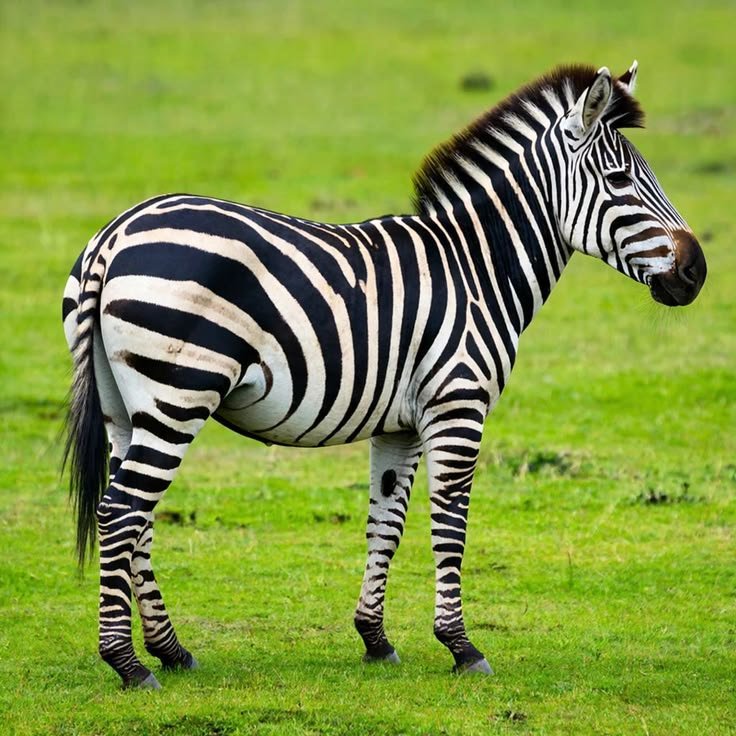
Scientific Name: Equus quagga
Class: Mammalia
Diet: Herbivore
The zebra is famous for its striking black-and-white stripes, with no two individuals sharing the exact same pattern. Its bold coat is one of nature’s most recognizable designs.
Moreover, zebra stripes serve several clever purposes. They help deter biting flies, confuse predators in a running herd, and allow zebras to recognize one another within the group.
Zebras inhabit the grasslands and savannas of Africa, grazing on grasses across vast, open plains.
As grazers and prey, zebras are central to their ecosystems, feeding many predators. The plains zebra faces pressure from habitat loss and hunting.
Fun Fact: When zebras stand together in a herd, their merging stripes make it hard for predators to single one out.
Okapi
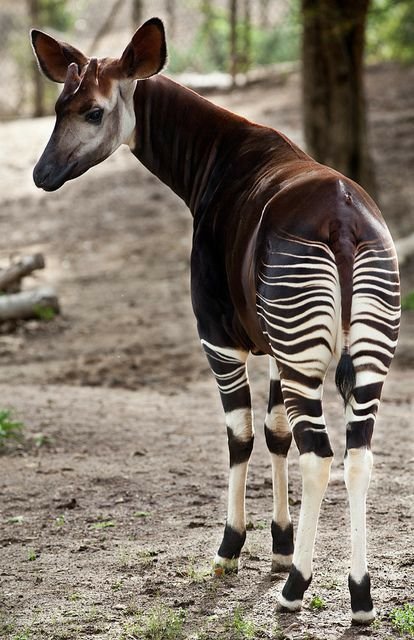
Scientific Name: Okapia johnstoni
Class: Mammalia
Diet: Herbivore
The okapi is a forest-dwelling relative of the giraffe, sporting striking zebra-like stripes on its legs and hindquarters. This elusive animal was unknown to Western science until 1901.
Interestingly, the okapi’s leg stripes provide excellent camouflage. They mimic streaks of sunlight filtering through the forest, helping it vanish into the dappled shadows of the rainforest.
The okapi is found only in the Ituri Rainforest of the Democratic Republic of Congo, browsing on leaves, buds, and fruit.
As a browser, the okapi helps shape its forest habitat. Habitat loss and unrest have made it Endangered.
Fun Fact: A baby okapi can follow its mother’s striped rear like a “follow-me” signal through the dark forest.
Striped Skunk
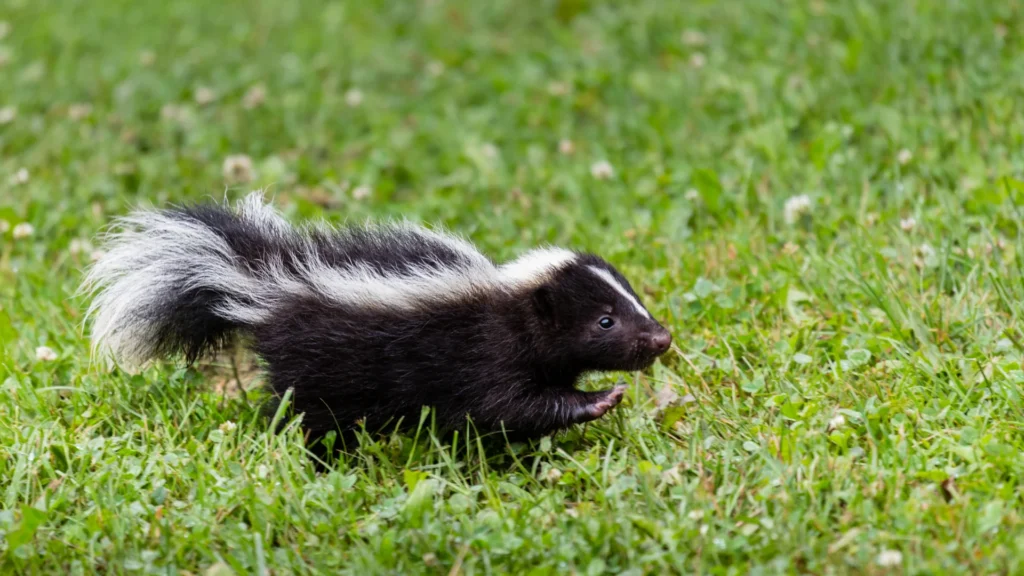
Scientific Name: Mephitis mephitis
Class: Mammalia
Diet: Omnivore
The striped skunk is one of the most recognizable striped animals, with bold white stripes running down its black body. This dramatic pattern is a clear warning to other animals.
Moreover, the skunk’s stripes advertise its infamous defense. Predators quickly learn that these black-and-white markings mean a foul, stinging spray is on the way if they come too close.
Striped skunks inhabit forests, grasslands, and suburban areas across North America, feeding on insects, small animals, fruit, and plants.
As insect and rodent controllers, skunks provide natural pest control. Widespread and adaptable, they are of Least Concern.
Fun Fact: A skunk can spray its powerful scent accurately up to about three meters as a last resort.
Ring-tailed Lemur
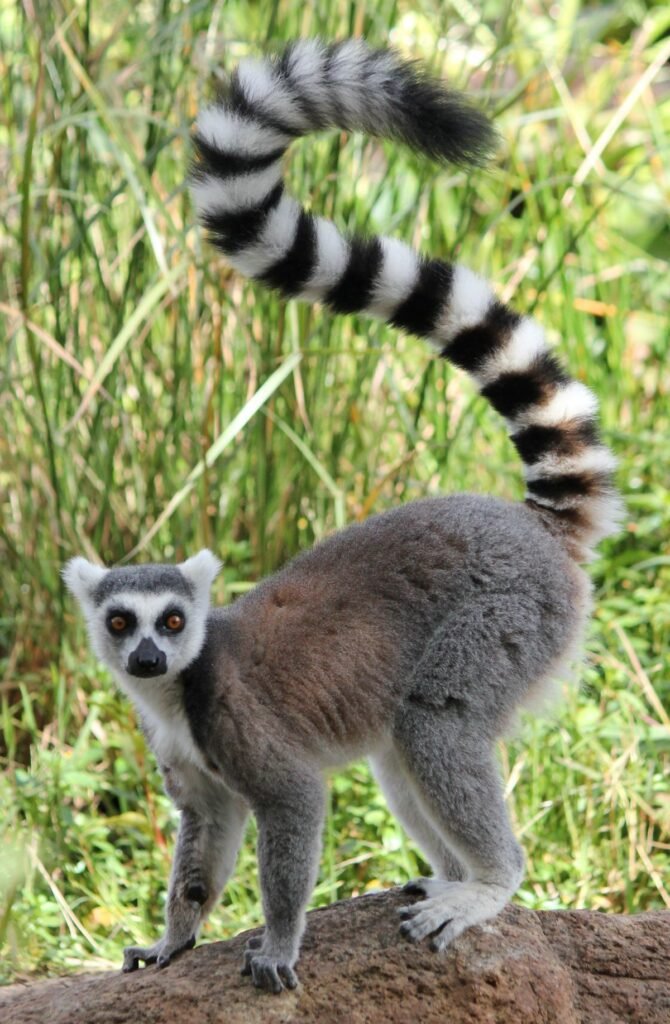
Scientific Name: Lemur catta
Class: Mammalia
Diet: Omnivore
The ring-tailed lemur is instantly recognized by its long tail striped with bold black-and-white rings. This eye-catching tail is longer than its own body.
Interestingly, the lemur uses its striped tail for communication. Troops hold their tails high like flags to stay together, and males wave scent-soaked tails in “stink fights” for dominance.
Ring-tailed lemurs inhabit the dry forests and scrublands of southern Madagascar, feeding on fruit, leaves, flowers, and insects.
As seed dispersers, lemurs are essential to their unique island ecosystem. Habitat loss and hunting have made them Endangered.
Fun Fact: A ring-tailed lemur’s tail has 13 alternating black-and-white rings, unique among lemurs.
Bongo
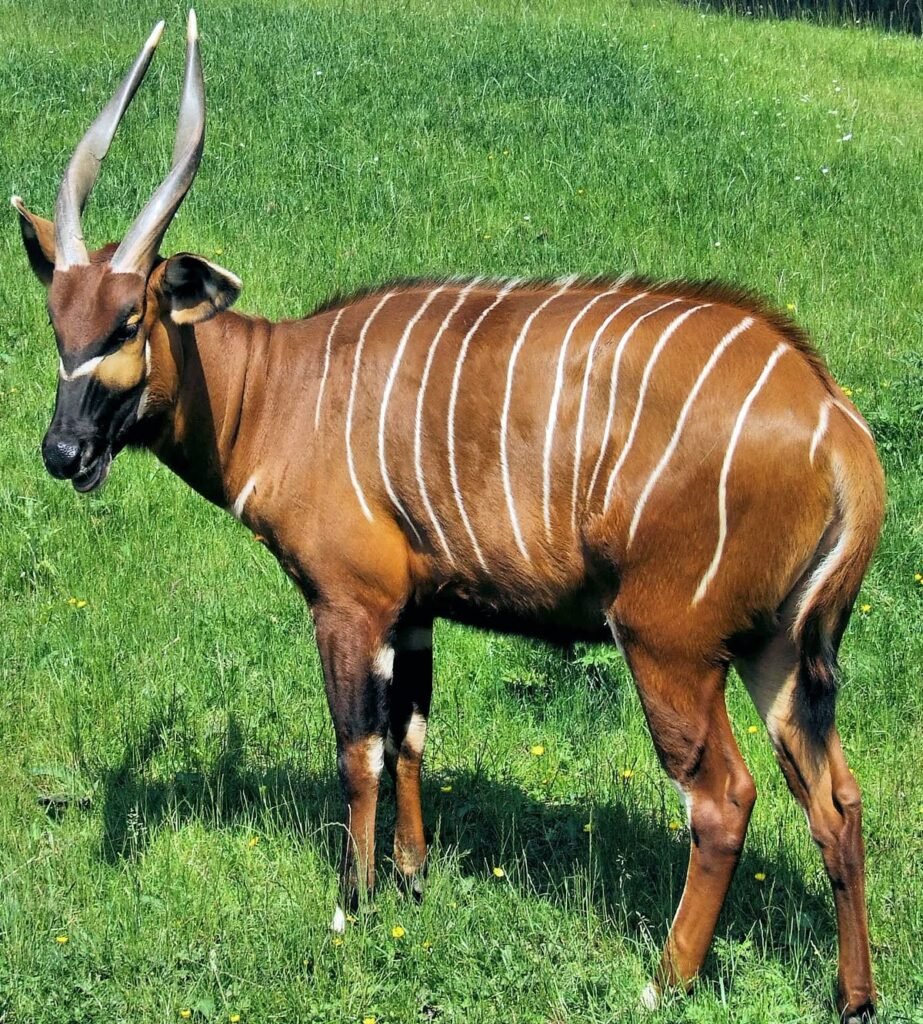
Scientific Name: Tragelaphus eurycerus
Class: Mammalia
Diet: Herbivore
The bongo is a large forest antelope with a reddish-brown coat crossed by striking white vertical stripes. This bold pattern makes it one of Africa’s most beautiful antelopes.
Moreover, the bongo’s stripes are surprisingly effective camouflage. They mimic sunlight filtering through the trees, breaking up its outline and helping it hide from predators in the dense forest.
Bongos inhabit the forests of Central and West Africa, browsing on leaves, shoots, and other vegetation at night.
As browsers, bongos help shape their forest habitat. Habitat loss and hunting have made them Near Threatened.
Fun Fact: Both male and female bongos have spiraled horns, unusual among antelopes.
Numbat
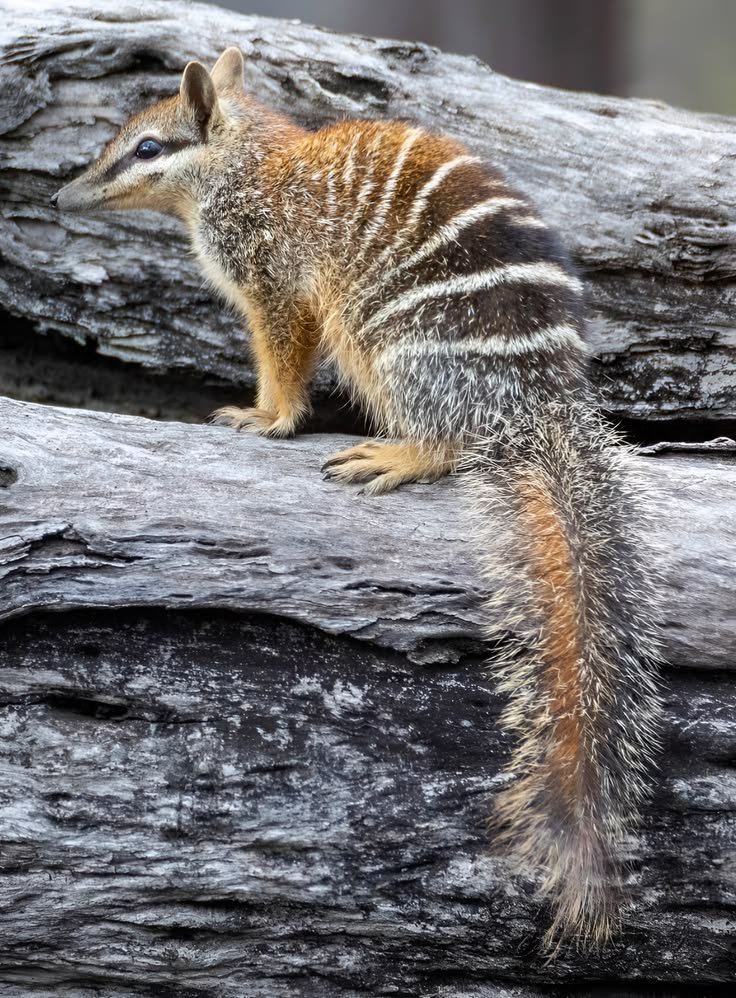
Scientific Name: Myrmecobius fasciatus
Class: Mammalia
Diet: Insectivore
The numbat, also called the banded anteater, has a slender body marked with distinctive white stripes across its reddish-brown back. These bold bands make it one of Australia’s most striking marsupials.
Interestingly, the numbat’s stripes help it blend into the dappled light of the woodland floor. This camouflage offers some protection as it forages by day for its favorite food.
Numbats inhabit the eucalyptus woodlands of southwestern Australia, feeding almost exclusively on termites.
As termite specialists, numbats help control termite populations. Habitat loss and introduced predators have made them Endangered.
Fun Fact: A numbat can eat up to 20,000 termites in a single day using its long, sticky tongue.
Chipmunk
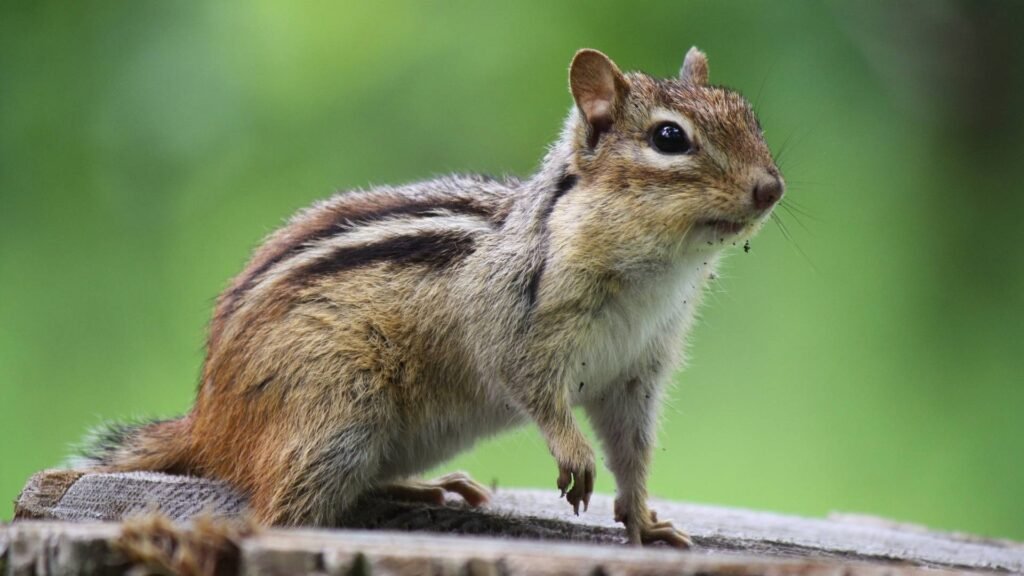
Scientific Name: Tamias striatus
Class: Mammalia
Diet: Omnivore
The chipmunk is a small, lively rodent marked with bold stripes running down its back and face. Its brown, black, and white pattern is both charming and practical.
Moreover, the chipmunk’s stripes help it blend in with the trees, leaves, and dappled forest floor. This camouflage offers protection as it darts about gathering food.
Chipmunks inhabit forests, woodlands, and gardens across North America and parts of Asia, feeding on seeds, nuts, fruit, and insects.
As seed gatherers, chipmunks help disperse plants and seeds. Widespread and adaptable, they are of Least Concern.
Fun Fact: A chipmunk can stuff its cheek pouches with food until they swell to three times the size of its head.
Coral Snake
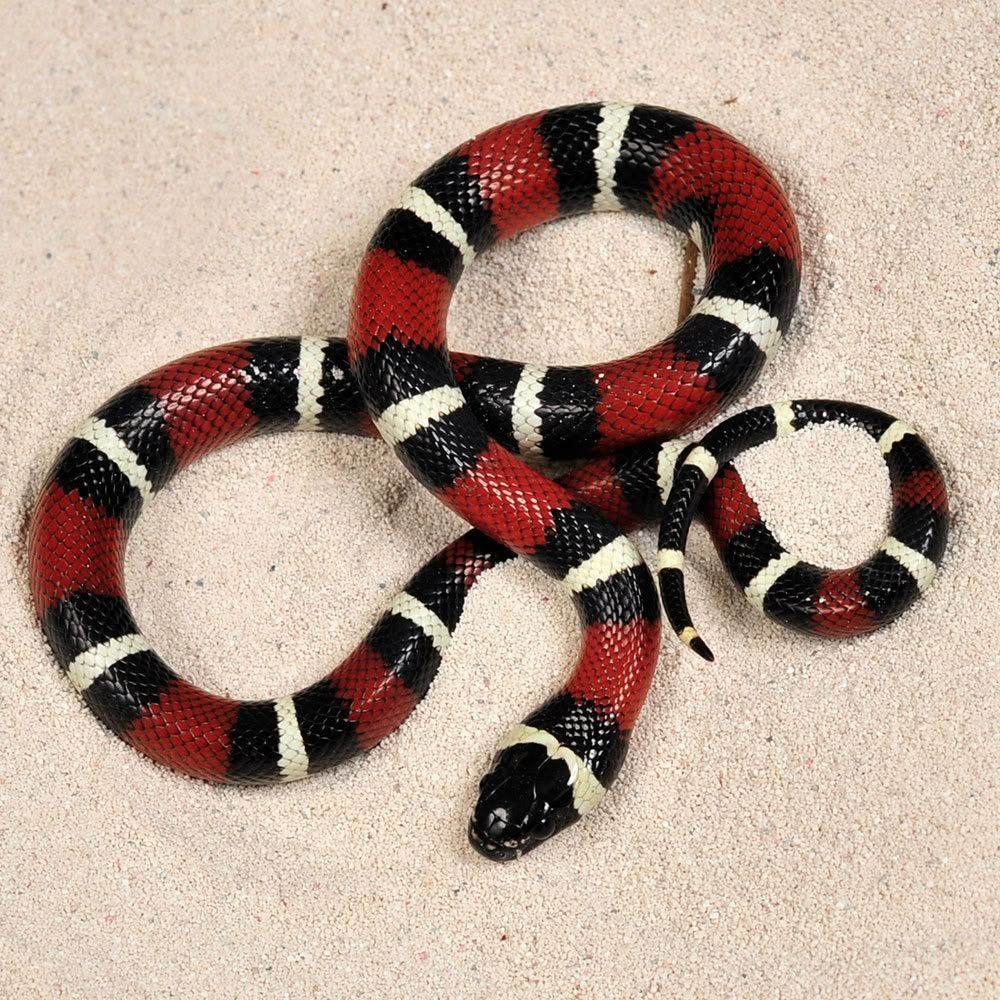
Scientific Name: Micrurus fulvius
Class: Reptilia
Diet: Carnivore
The coral snake is a strikingly beautiful yet dangerous reptile, banded in bold red, yellow, and black stripes. These vivid colors are a clear warning rather than camouflage.
Interestingly, the coral snake’s stripes advertise its potent venom. Predators learn to avoid the bright bands, and several harmless snakes even mimic this pattern for protection.
Coral snakes inhabit forests, marshes, and scrublands across the Americas, hunting small snakes, lizards, and frogs.
As venomous predators, coral snakes help control small reptile populations. They rely on healthy natural habitats to thrive.
Fun Fact: The rhyme “red touches yellow, kill a fellow” helps people tell venomous coral snakes from harmless mimics.
Clownfish
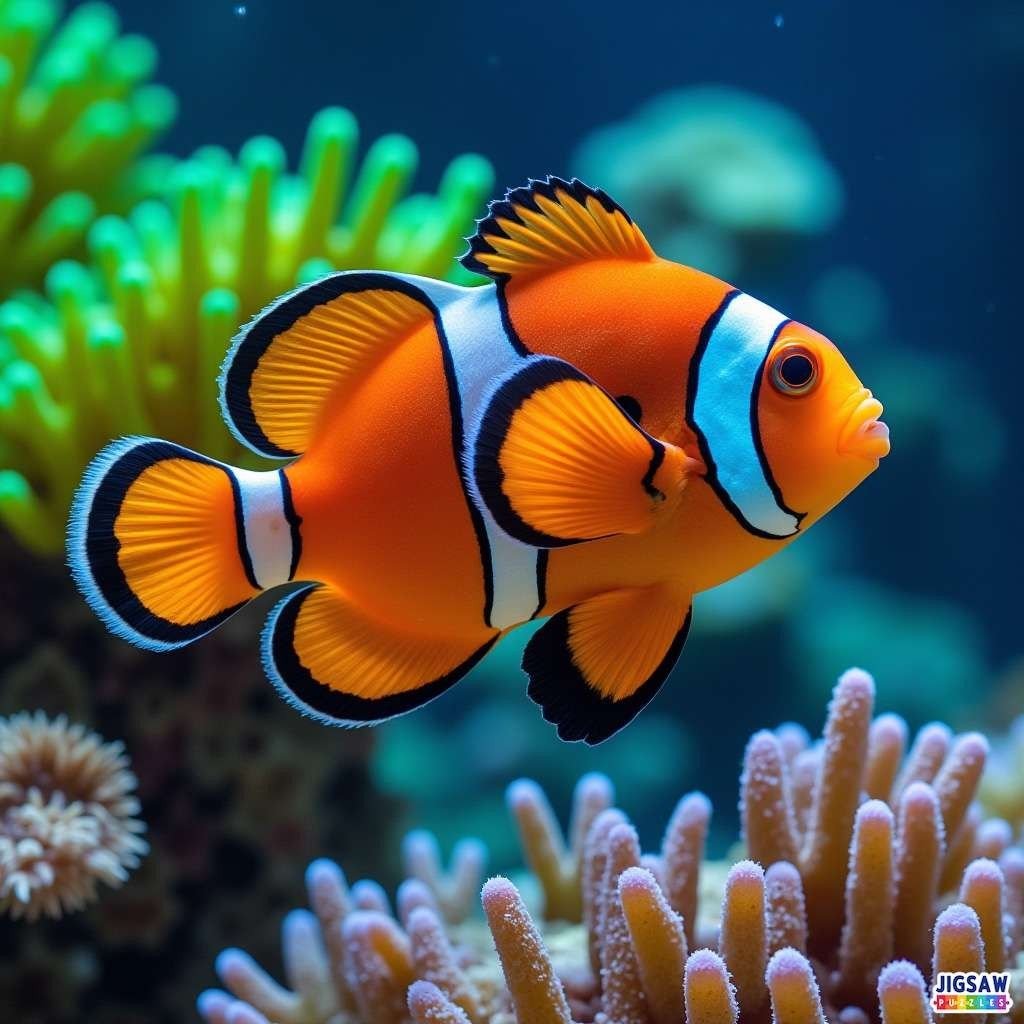
Scientific Name: Amphiprion ocellaris
Class: Actinopterygii
Diet: Omnivore
The clownfish is a small, vivid reef fish marked with bright white stripes on an orange body. Its bold pattern makes it one of the most beloved fish in the sea.
Moreover, the clownfish’s stripes help it stand out and recognize its own kind among the reef. It lives protected among the stinging tentacles of sea anemones, safe from predators.
Clownfish inhabit warm coral reefs of the Indian and Pacific Oceans, feeding on algae, plankton, and small invertebrates.
As reef dwellers, clownfish are part of vibrant coral ecosystems. Reef degradation and the aquarium trade threaten some populations.
Fun Fact: All clownfish are born male, and the largest one in a group can change into a female.
Striped Hyena
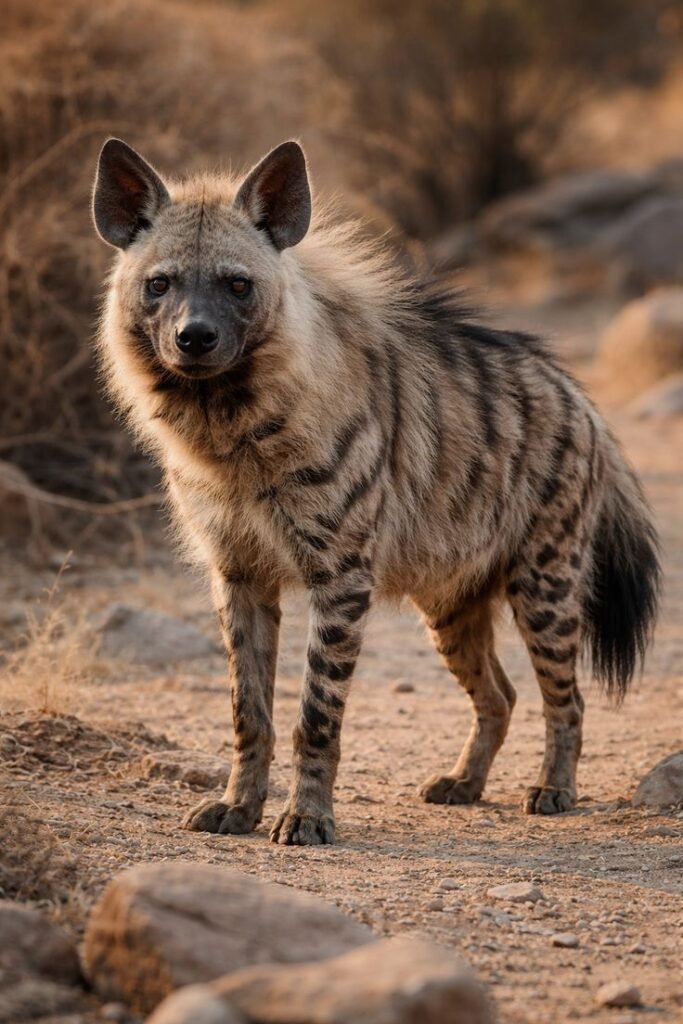
Scientific Name: Hyaena hyaena
Class: Mammalia
Diet: Carnivore
The striped hyena wears a coat of grayish fur marked with bold black stripes along its body and legs. A shaggy mane runs down its back, which it can raise to look larger.
Interestingly, the striped hyena’s pattern helps break up its outline in dry, scrubby terrain. When threatened, it erects its mane and stripes to appear much bigger and more intimidating.
Striped hyenas inhabit the savannas, grasslands, and deserts of Africa, the Middle East, and Asia, scavenging and hunting a wide range of food.
As scavengers, hyenas help clean up carcasses and limit disease. Habitat loss and persecution have made them Near Threatened.
Fun Fact: The striped hyena can raise its mane to make itself look up to 30% larger when facing a threat.
Honeybee
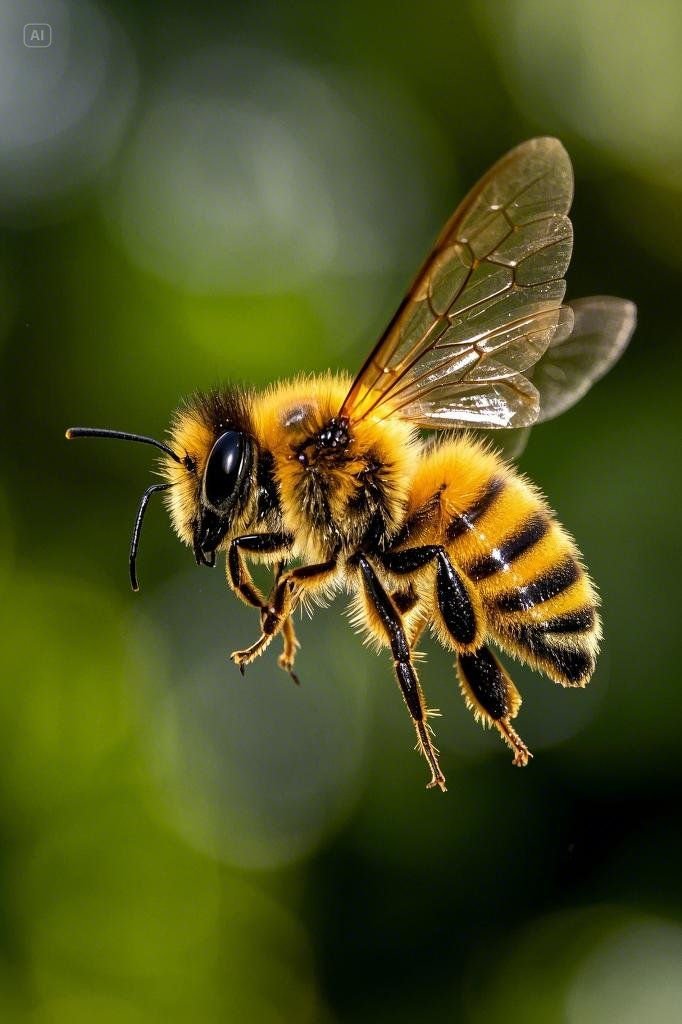
Scientific Name: Apis mellifera
Class: Insecta
Diet: Herbivore
The honeybee is a small insect marked with bold black-and-yellow stripes on its fuzzy body. This classic pattern is one of nature’s most famous warning signals.
Moreover, the honeybee’s stripes warn predators that it can sting. This “warning coloration” helps protect not just bees but many other striped insects that share the pattern.
Honeybees are found across nearly every continent, thriving in meadows, forests, and farmland wherever flowering plants grow.
As keystone pollinators, honeybees sustain countless wild plants and crops. Pesticides, disease, and habitat loss have triggered alarming declines.
Fun Fact: Honeybees communicate the location of flowers to the hive through an intricate “waggle dance.”
Emperor Angelfish
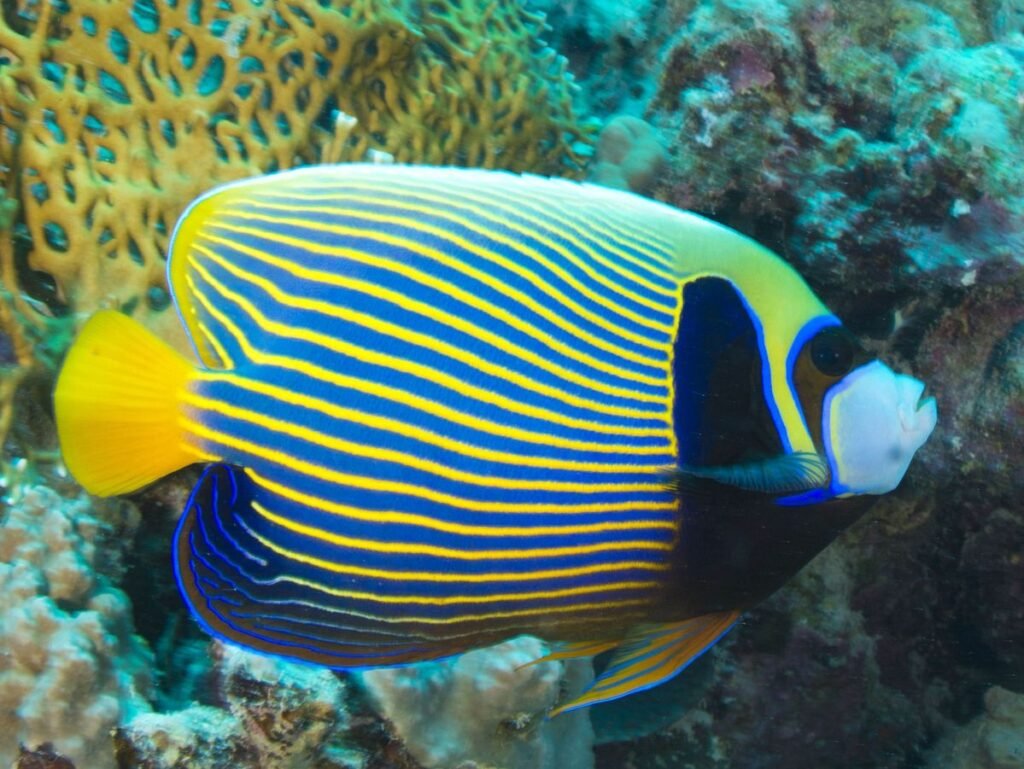
Scientific Name: Pomacanthus imperator
Class: Actinopterygii
Diet: Omnivore
The emperor angelfish is a dazzling reef fish covered in vivid blue-and-yellow horizontal stripes. Its bold, electric pattern makes it one of the most beautiful fish on the reef.
Interestingly, the angelfish’s stripes change dramatically as it grows. Juveniles wear a pattern of blue-and-white swirls, transforming into striking straight stripes as adults.
Emperor angelfish inhabit coral reefs of the Indian and Pacific Oceans, feeding on sponges, algae, and small invertebrates.
As reef grazers, angelfish help keep coral ecosystems balanced. Reef degradation threatens many reef fish populations.
Fun Fact: The emperor angelfish looks so different as a juvenile that it was once thought to be a separate species.
European Badger
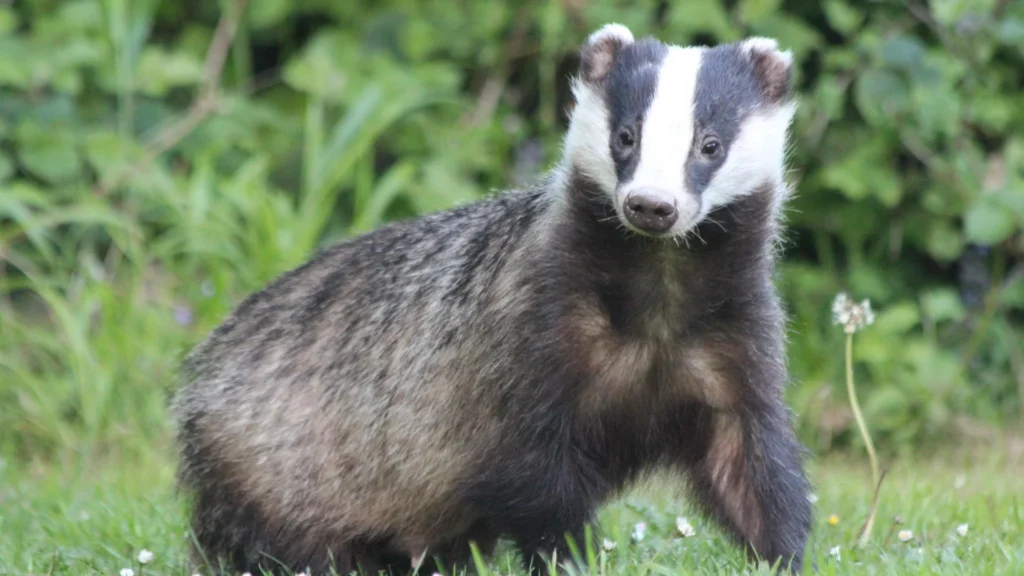
Scientific Name: Meles meles
Class: Mammalia
Diet: Omnivore
The European badger is easily recognized by the bold black-and-white stripes running along its face. This striking pattern stands out against its otherwise gray body.
Moreover, the badger’s facial stripes may serve as a warning to predators. They likely advertise that this powerful, well-armed digger is not an easy or safe target.
European badgers inhabit woodlands, grasslands, and farmland across Europe and parts of Asia, feeding on earthworms, insects, fruit, and small animals.
As diggers and omnivores, badgers aerate soil and control pests. Widespread across their range, they are of Least Concern.
Fun Fact: Badgers live in large underground burrow systems called “setts,” which can be used for many generations.
Garter Snake
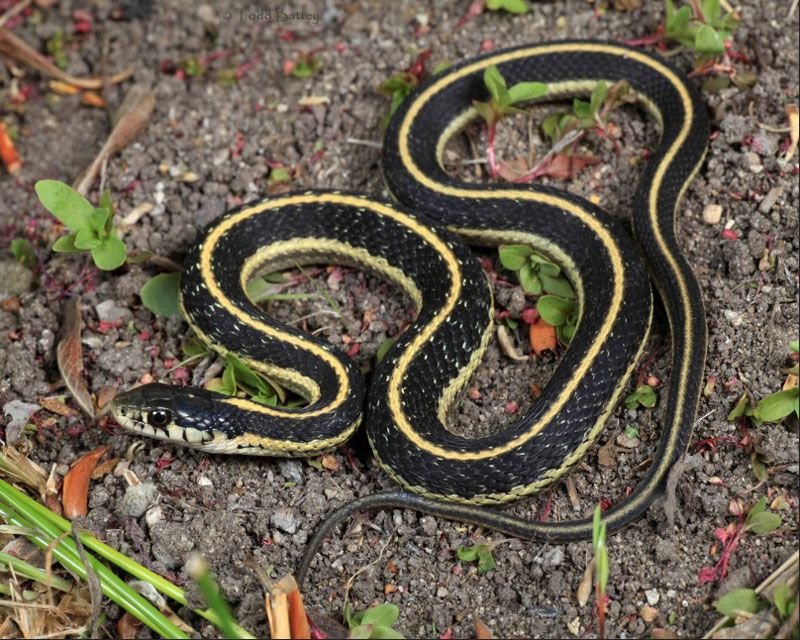
Scientific Name: Thamnophis sirtalis
Class: Reptilia
Diet: Carnivore
The garter snake is a slender, harmless reptile marked with long stripes running down the length of its body. These stripes come in shades of yellow, green, and brown.
Interestingly, the garter snake’s lengthwise stripes create an optical illusion when it moves. The pattern makes it hard for predators to judge its speed, helping it slip away to safety.
Garter snakes inhabit gardens, meadows, and wetlands across North America, hunting worms, frogs, and small fish.
As predators, garter snakes help control pest populations. Widespread and adaptable, they are of Least Concern.
Fun Fact: A garter snake’s stripes confuse predators about how fast it is moving, giving it a head start to escape.
Banded Sea Krait
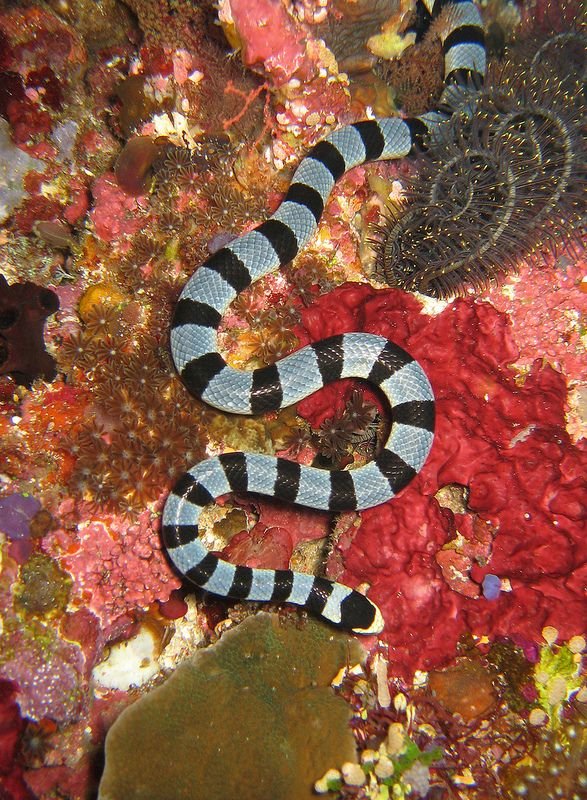
Scientific Name: Laticauda colubrina
Class: Reptilia
Diet: Carnivore
The banded sea krait is a marine snake wrapped in bold black-and-pale bands from head to paddle-shaped tail. Its striking stripes make it easy to spot in clear tropical waters.
Moreover, the sea krait’s bands serve as a warning of its potent venom. Highly venomous but generally shy, it relies on this bold pattern to keep predators at a safe distance.
Banded sea kraits inhabit the coral reefs and coastal waters of the Indo-Pacific, hunting eels and small fish.
As marine predators, sea kraits help balance reef ecosystems. They depend on healthy reefs and coastlines to thrive.
Fun Fact: The banded sea krait hunts in the ocean but returns to land to rest, digest, and lay its eggs.
Five-lined Skink
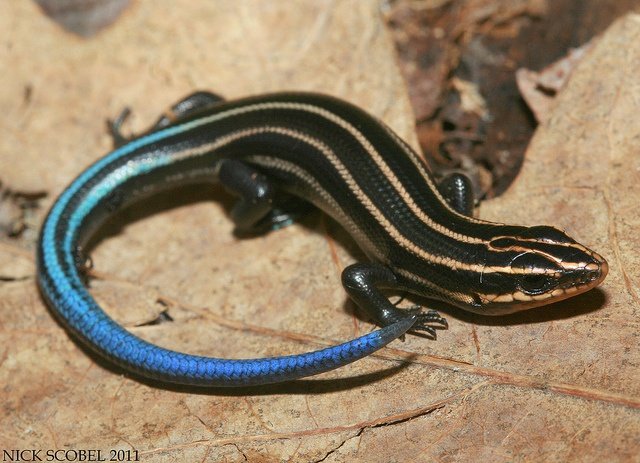
Scientific Name: Plestiodon fasciatus
Class: Reptilia
Diet: Carnivore
The five-lined skink is a small lizard marked with five pale stripes running along its dark body. Young skinks also sport a brilliant blue tail.
Interestingly, the skink’s stripes and bright tail work together to fool predators. The vivid tail draws attacks away from the body, and it can detach to let the skink escape.
Five-lined skinks inhabit forests, gardens, and rocky areas across North America, hunting insects and other small invertebrates.
As insect-eaters, skinks help control pest populations. Widespread and adaptable, they are of Least Concern.
Fun Fact: A five-lined skink can drop its bright blue tail to distract a predator, then slowly regrow it.
Zebra Finch
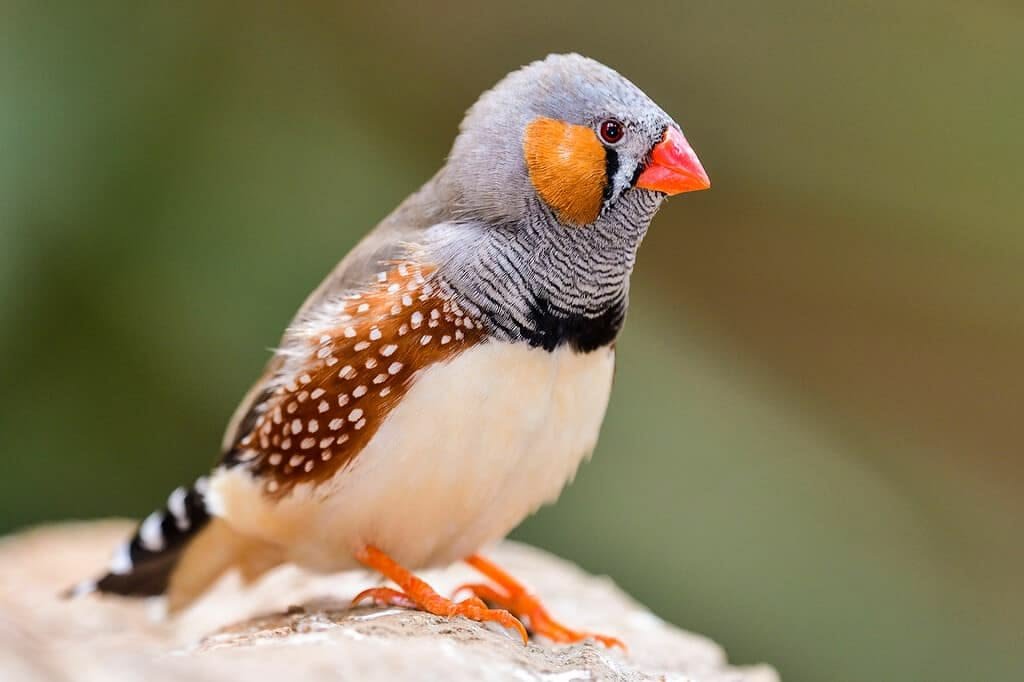
Scientific Name: Taeniopygia guttata
Class: Aves
Diet: Granivore
The zebra finch is a small, cheerful bird named for the black-and-white stripes across its throat and tail. Males also sport bright orange cheek patches.
Moreover, the zebra finch’s striped markings play a role in courtship and recognition. These bold patterns help the sociable birds identify and attract one another within busy flocks.
Zebra finches inhabit the grasslands and dry regions of Australia, feeding mainly on grass seeds.
As seed-eaters, zebra finches help disperse plants across their range. Widespread and abundant, they are of Least Concern.
Fun Fact: Zebra finches are popular in research and are famous for how they learn their songs from their fathers.
Wasp
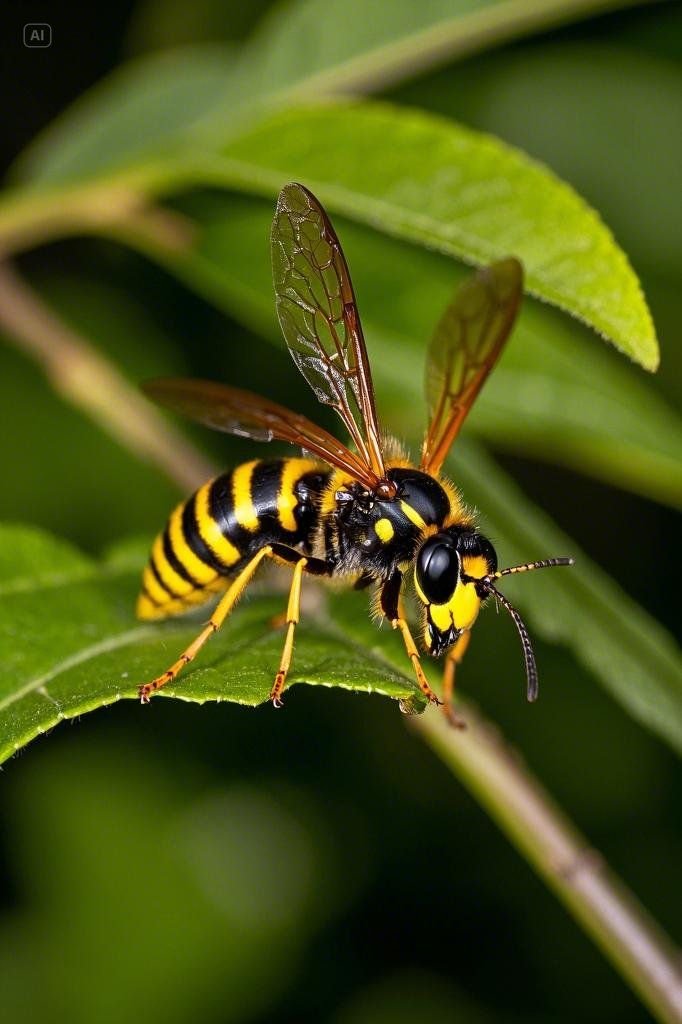
Scientific Name: Vespula vulgaris
Class: Insecta
Diet: Omnivore
The wasp is instantly recognized by the bold black-and-yellow stripes across its slender body. This classic pattern is one of nature’s clearest warning signals.
Interestingly, the wasp’s stripes advertise its painful sting. Predators quickly learn to avoid the black-and-yellow pattern, which many harmless insects mimic for their own protection.
Wasps are found across the world, from gardens and forests to cities, feeding on insects, nectar, and other foods.
As predators and pollinators, wasps help control pest insects and support plant life. They are widespread and abundant.
Fun Fact: Unlike honeybees, most wasps can sting multiple times without harming themselves.
Zebra Duiker
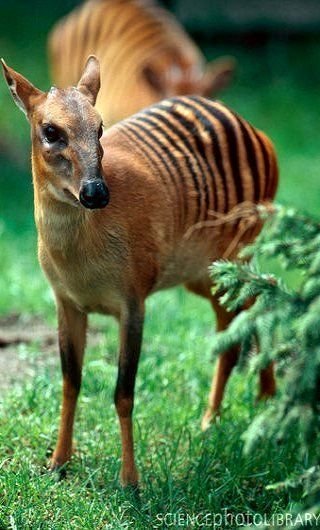
Scientific Name: Cephalophus zebra
Class: Mammalia
Diet: Herbivore
The zebra duiker is a small forest antelope with a golden-brown coat crossed by bold, zebra-like black stripes. These dramatic bands run across its back and sides.
Moreover, the zebra duiker’s stripes provide camouflage in its shadowy forest home. They help break up its outline among the dappled light and dense undergrowth.
Zebra duikers inhabit the rainforests of West Africa, feeding on fruit, leaves, and shoots on the forest floor.
As browsers and seed dispersers, zebra duikers play a role in their ecosystems. Habitat loss and hunting have made them Vulnerable.
Fun Fact: The zebra duiker has an unusually tough skull, which it may use to crack open hard fruits and nuts.
Read: Animals With Quills in The World
Read: Animals With No Legs in The World
Read: Animals With Shells in The World
Read: Animals With Sharp Teeth
Read: Animals With Long Tail
Frequently Asked Questions
Conclusion
From camouflaged tigers to warning-striped coral snakes, the world’s striped animals prove that patterns can be powerful survival tools. Each species whether a fly-deterring zebra, a communicating lemur, or a warning-signaling wasp uses its stripes in a way perfectly suited to its life. These bold designs remind us that in nature, beauty and function often go hand in hand.

One Comment