Top 18 Animals With Flippers in The World (With Images)
Did you know that the humpback whale has flippers up to 16 feet long, the largest of any animal on Earth? A flipper is a flattened, paddle-shaped limb built for moving gracefully through water, and it has evolved independently in birds, reptiles, and mammals. From gliding sea turtles to powerful whales, animals with flippers are some of the ocean’s most elegant swimmers.
These remarkable limbs help them steer, dive, and even “fly” underwater with astonishing ease. In this guide, we’ll explore the top 18 animals with flippers, uncovering how these paddle-shaped limbs work and why these fascinating creatures deserve our attention and protection.
List of Animals With Flippers
| Rank | Animal | Scientific Name |
|---|---|---|
| 1 | Harbor Seal | Phoca vitulina |
| 2 | California Sea Lion | Zalophus californianus |
| 3 | Walrus | Odobenus rosmarus |
| 4 | Emperor Penguin | Aptenodytes forsteri |
| 5 | Leatherback Sea Turtle | Dermochelys coriacea |
| 6 | Green Sea Turtle | Chelonia mydas |
| 7 | Bottlenose Dolphin | Tursiops truncatus |
| 8 | Orca | Orcinus orca |
| 9 | Humpback Whale | Megaptera novaeangliae |
| 10 | Blue Whale | Balaenoptera musculus |
| 11 | West Indian Manatee | Trichechus manatus |
| 12 | Dugong | Dugong dugon |
| 13 | Grey Seal | Halichoerus grypus |
| 14 | Antarctic Fur Seal | Arctocephalus gazella |
| 15 | Elephant Seal | Mirounga angustirostris |
| 16 | Leopard Seal | Hydrurga leptonyx |
| 17 | Gentoo Penguin | Pygoscelis papua |
| 18 | Narwhal | Monodon monoceros |
Harbor Seal
Scientific Name: Phoca vitulina
Class: Mammalia
Diet: Carnivore
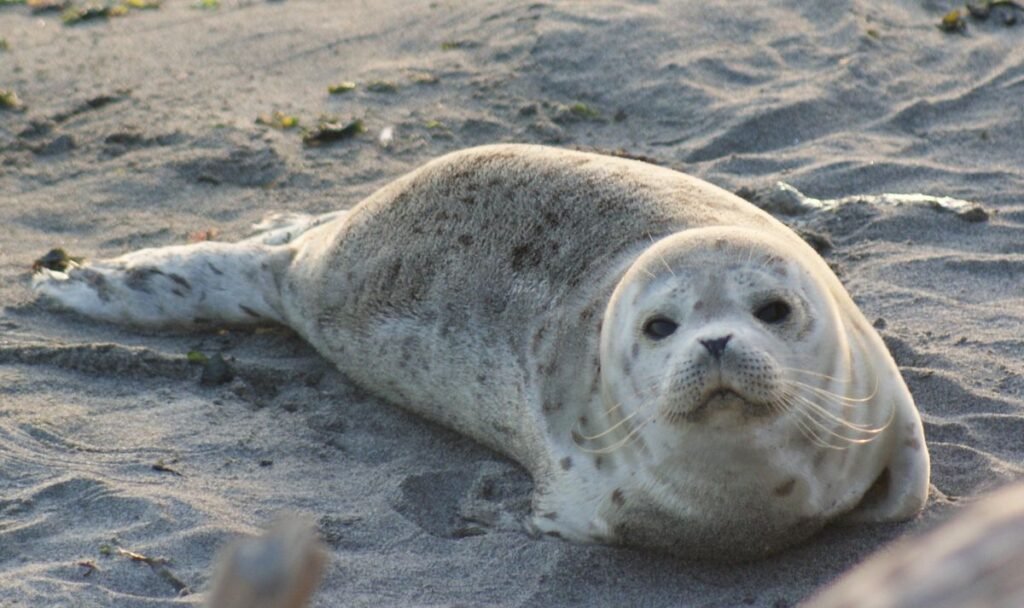
The harbor seal is a classic flippered animal, using its four flippers to swim gracefully through cold coastal waters. Its rounded body and paddle-like limbs make it a superb swimmer.
Interestingly, as an “earless” or true seal, the harbor seal uses its hind flippers for propulsion and its fore flippers for steering. On land, though, its flippers make movement slow and awkward.
Harbor seals inhabit the coastal waters and shorelines of the Northern Hemisphere, feeding on fish, squid, and crustaceans.
As marine predators, seals help balance ocean food webs. Widespread and adaptable, they are of Least Concern.
Fun Fact: A harbor seal can dive for up to 30 minutes and reach depths of over 1,500 feet while hunting.
California Sea Lion
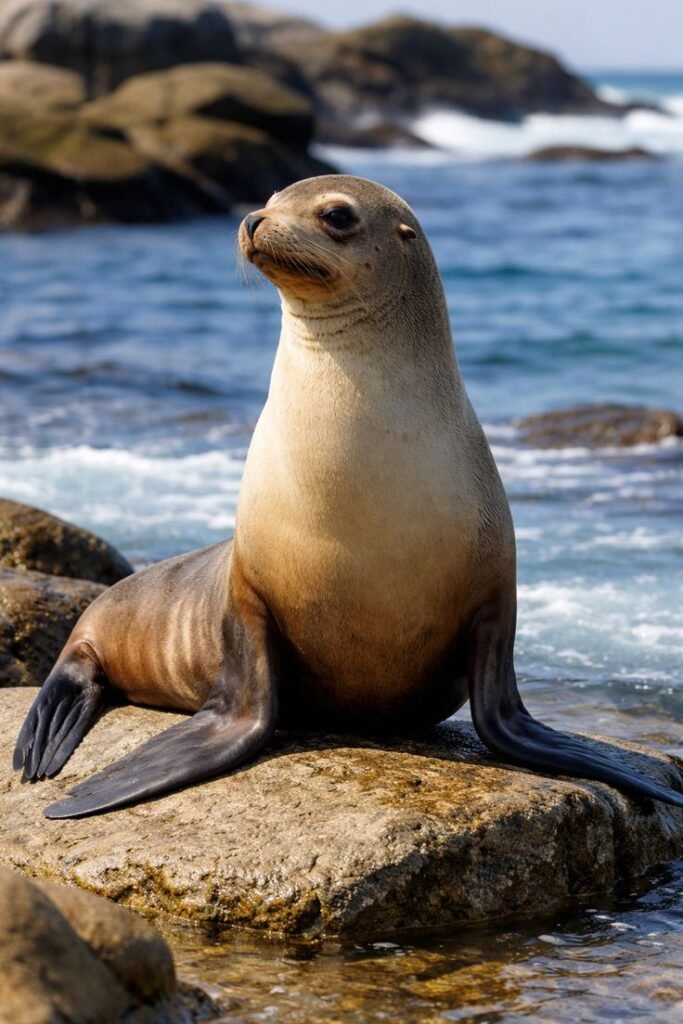
Scientific Name: Zalophus californianus
Class: Mammalia
Diet: Carnivore
The California sea lion is one of the fastest and most agile flippered swimmers in the sea. Unlike true seals, it can rotate its hind flippers forward to “walk” on all fours on land.
Moreover, the sea lion is the only aquatic mammal that swims with a “clap” motion of its powerful front flippers. This makes it the swiftest of all the pinnipeds.
California sea lions inhabit the coastal waters and rocky shorelines of the eastern Pacific, feeding on fish and squid.
As marine predators, sea lions help balance coastal food webs. Currently abundant, they are of Least Concern.
Fun Fact: California sea lions are so trainable that they are used by navies to detect objects underwater.
Walrus
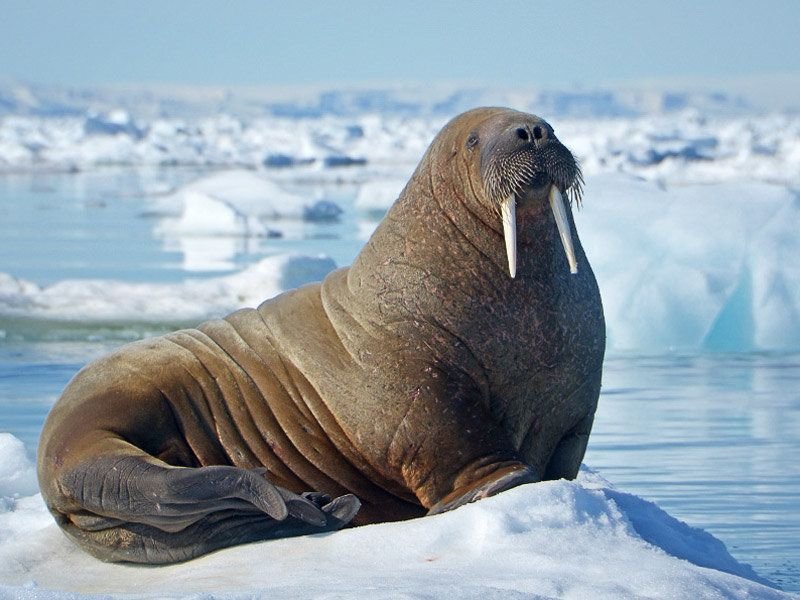
Scientific Name: Odobenus rosmarus
Class: Mammalia
Diet: Carnivore
The walrus is the largest flippered animal apart from whales and orcas, weighing up to 4,400 pounds. Its massive body is powered by strong, broad flippers.
Interestingly, the walrus can rotate its hind flippers forward to shuffle across ice and rocky shores. In the water, its flippers make it a surprisingly graceful and powerful swimmer.
Walruses inhabit the frigid Arctic waters and ice floes of the Northern Hemisphere, foraging on the seabed for clams and shellfish.
As bottom-feeders, walruses stir up nutrients that support the Arctic food web. Melting sea ice has made them Vulnerable.
Fun Fact: A walrus uses the sensitive whiskers on its snout to detect shellfish buried in the dark seabed.
Emperor Penguin
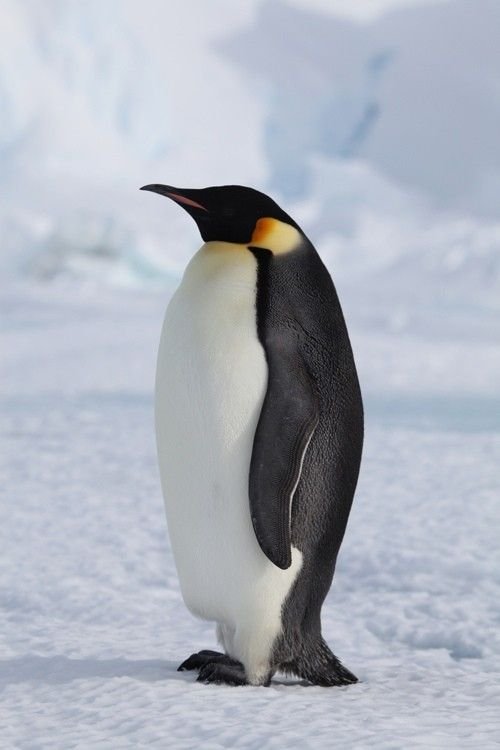
Scientific Name: Aptenodytes forsteri
Class: Aves
Diet: Carnivore
The emperor penguin is a flightless bird whose wings have evolved into stiff, powerful flippers. The largest of all penguins, it uses these flippers to “fly” through the water.
Moreover, the emperor penguin’s flippers make it an exceptional diver and swimmer. What its flippers cost it in the air, they more than repay beneath the waves, propelling it after fish and squid.
Emperor penguins inhabit the sea ice and frigid waters of Antarctica, enduring the harshest winters on Earth.
As key predators, penguins are important indicators of ocean health. Climate change and shrinking sea ice have made them Near Threatened.
Fun Fact: Emperor penguins can dive over 500 meters deep and hold their breath for more than 20 minutes.
Leatherback Sea Turtle
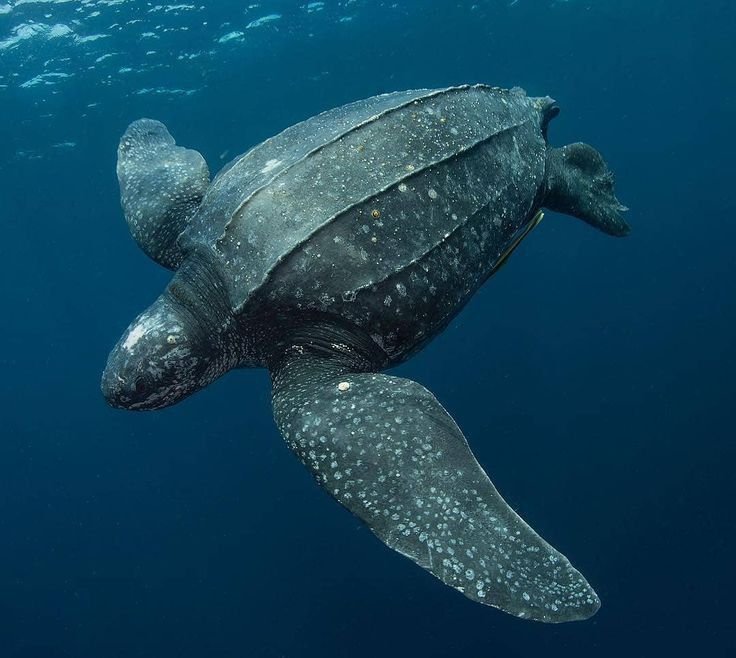
Scientific Name: Dermochelys coriacea
Class: Reptilia
Diet: Carnivore
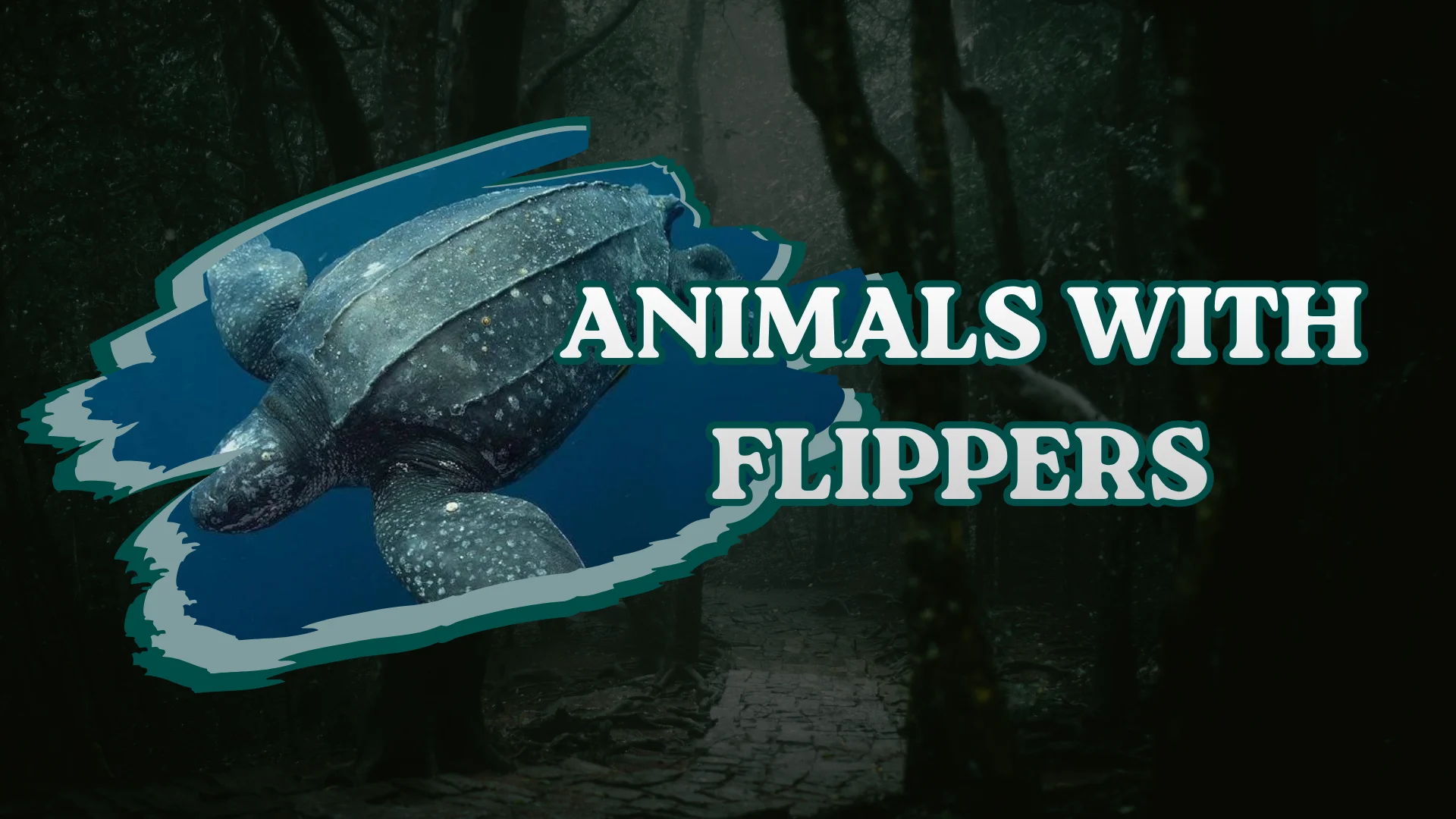
The leatherback sea turtle is the largest of all turtles, with the biggest flippers of any sea turtle. Its front flippers can measure up to nearly nine feet across.
Interestingly, the leatherback uses its enormous flippers both to swim and to dig nests in the sand. Unlike other turtles, it has a leathery shell that lets it dive deeper and swim faster.
Leatherbacks roam oceans worldwide, migrating vast distances and feeding almost entirely on jellyfish.
As jellyfish predators, leatherbacks help keep ocean populations in balance. Pollution and bycatch have made them Vulnerable.
Fun Fact: A leatherback can dive over 1,000 meters deep, deeper than almost any other reptile.
Green Sea Turtle
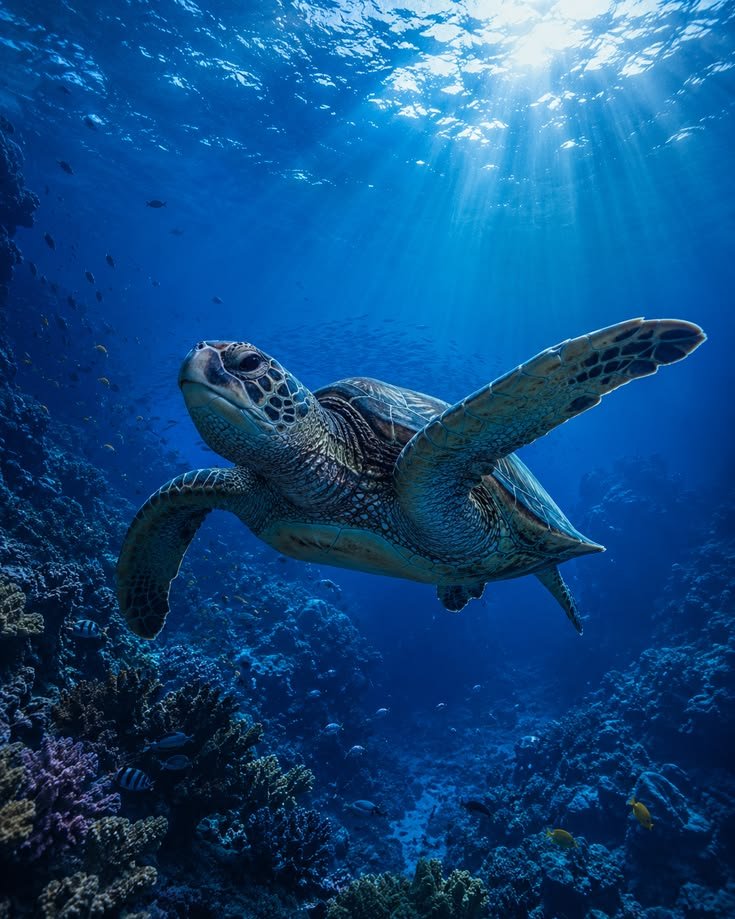
Scientific Name: Chelonia mydas
Class: Reptilia
Diet: Herbivore
The green sea turtle glides through the ocean using its long, paddle-shaped front flippers. These flippers power its graceful, wing-like swimming motion.
Moreover, the green turtle uses its flippers to swim vast distances and dig nests on sandy beaches. Unlike land turtles, it cannot pull its flippers inside its shell.
Green sea turtles inhabit tropical and subtropical seas worldwide, grazing on seagrass and algae in warm coastal waters.
As grazers, they keep seagrass meadows healthy. Sadly, green sea turtles are Endangered, threatened by fishing nets, pollution, and habitat loss.
Fun Fact: A green sea turtle can travel thousands of miles and return to the very beach where it hatched.
Bottlenose Dolphin

Scientific Name: Tursiops truncatus
Class: Mammalia
Diet: Carnivore
The bottlenose dolphin uses its curved pectoral flippers to steer with incredible precision. While its tail provides power, its flippers control every turn and dive.
Interestingly, the dolphin’s flippers contain bones similar to a human hand and arm, a reminder of its land-mammal ancestry. This lets it maneuver with remarkable agility.
Bottlenose dolphins inhabit temperate and tropical oceans worldwide, favoring coastal waters rich in fish and squid.
As intelligent marine predators, dolphins help maintain ocean balance. Pollution and fishing nets remain ongoing threats.
Fun Fact: Dolphins use their flippers to gently touch and “hold hands” with each other as a form of social bonding.
Orca
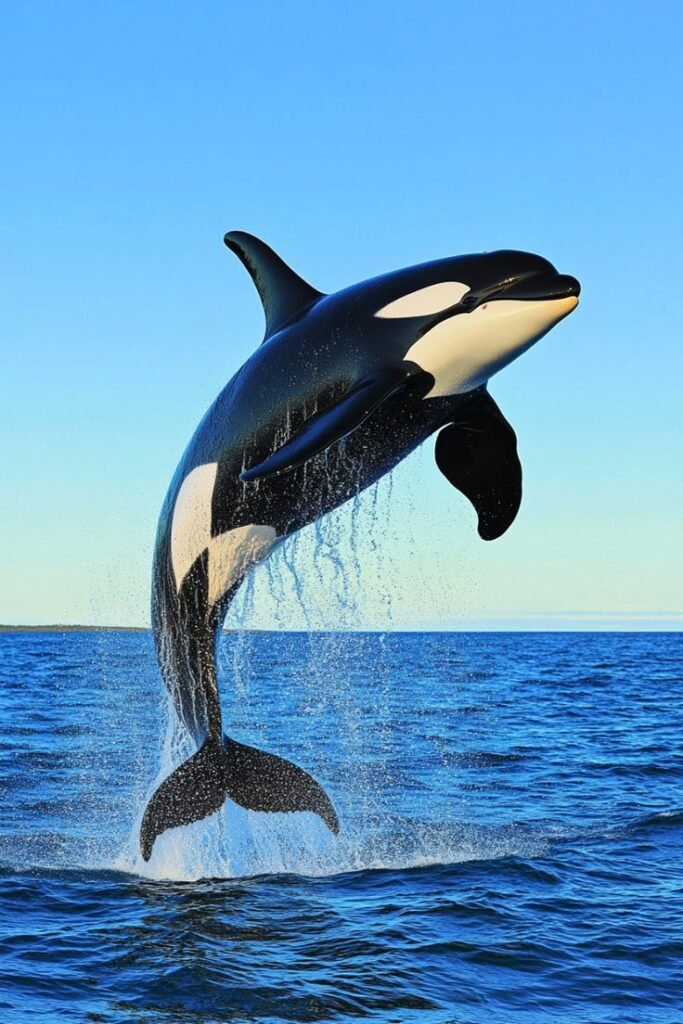
Scientific Name: Orcinus orca
Class: Mammalia
Diet: Carnivore
The orca, or killer whale, has large, paddle-shaped pectoral flippers used for agility and steering at high speeds. In big males, these flippers can reach nearly six feet long.
Moreover, the orca uses its powerful flippers not only to swim but also to play. It has even been seen using its flippers and tail to stun or throw prey during a hunt.
Orcas roam every ocean on Earth, hunting fish, seals, and even other whales in coordinated pods.
As apex ocean predators, orcas help keep marine ecosystems in balance. Pollution and prey loss threaten some populations.
Fun Fact: Orcas are actually the largest members of the dolphin family, not true whales.
Humpback Whale
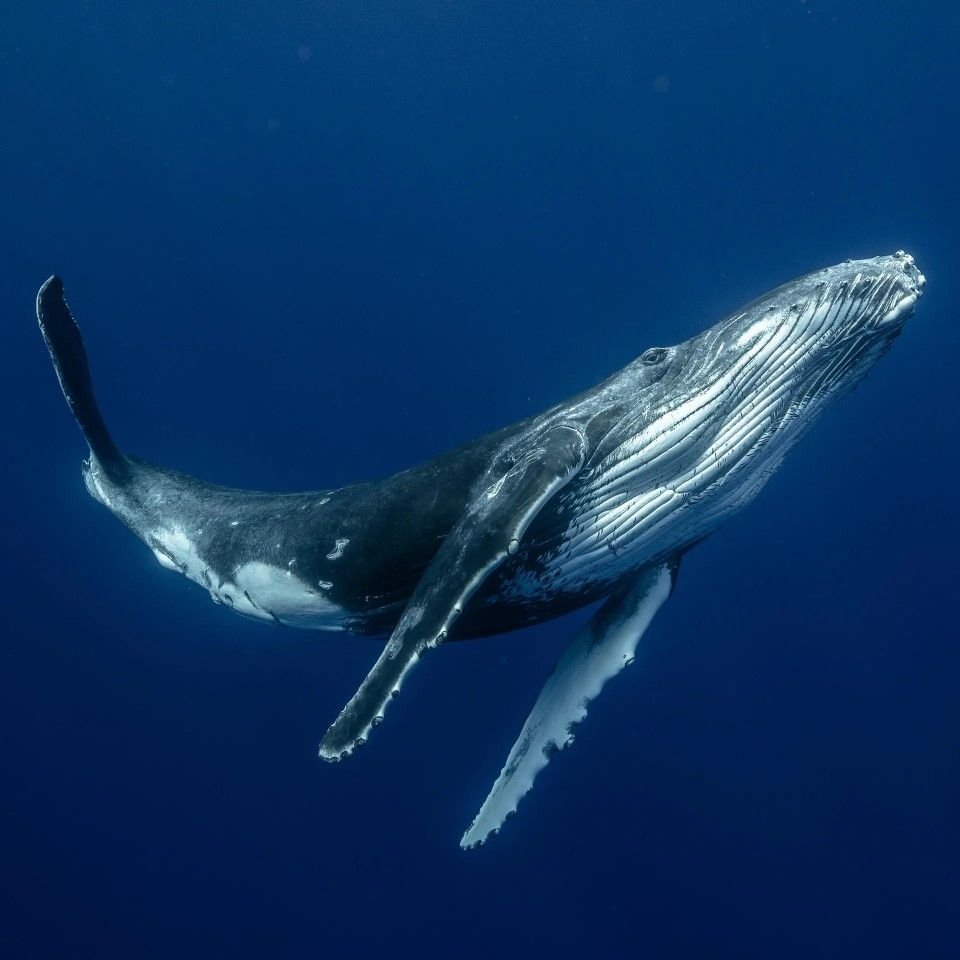
Scientific Name: Megaptera novaeangliae
Class: Mammalia
Diet: Carnivore
The humpback whale has the longest flippers of any animal on Earth, reaching up to 16 feet. Its scientific name even means “big-winged New Englander.”
Interestingly, the humpback uses its enormous flippers for tight, acrobatic maneuvers. It herds fish, slaps the water, and performs stunning breaches with the help of these massive limbs.
Humpback whales migrate across oceans worldwide, feeding on krill and small fish in cold waters and breeding in warmer seas.
As filter feeders, humpbacks help cycle nutrients through the ocean. Once hunted heavily, they have recovered and are now of Least Concern.
Fun Fact: A humpback whale’s flippers are nearly a third of its entire body length, the longest of any animal.
Blue Whale
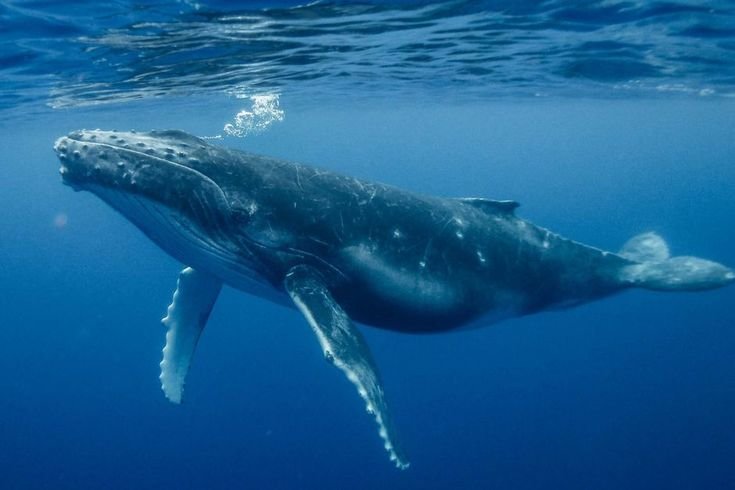
Scientific Name: Balaenoptera musculus
Class: Mammalia
Diet: Carnivore
The blue whale is the largest animal that has ever lived, and even its flippers are enormous, reaching several meters long. These flippers steer its colossal body through the sea.
Moreover, despite its immense size, the blue whale uses its flippers for graceful, precise turns. Its tail drives it forward while its flippers guide every movement.
Blue whales roam oceans worldwide, migrating between cold feeding grounds and warmer breeding waters, feeding on tiny krill.
As massive filter feeders, blue whales help cycle nutrients through the ocean. Once hunted to the brink, they remain Endangered.
Fun Fact: A blue whale’s heart is so large that a small child could theoretically crawl through its arteries.
West Indian Manatee
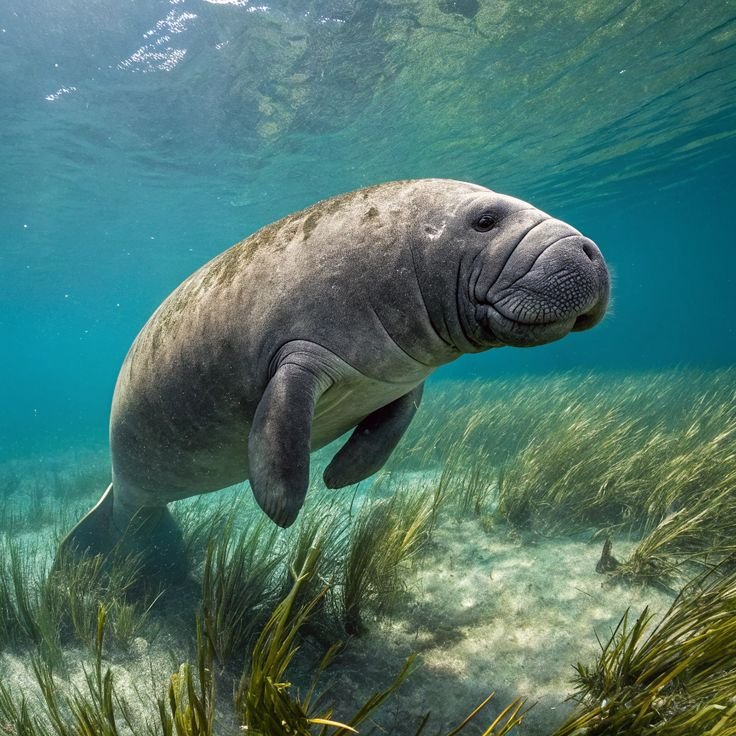
Scientific Name: Trichechus manatus
Class: Mammalia
Diet: Herbivore
The West Indian manatee is a gentle giant that uses its large, paddle-like flippers to swim slowly and gracefully. Remarkably, each flipper has five digits, much like a human hand.
Interestingly, the manatee uses these dexterous flippers to grasp and manipulate aquatic plants while feeding. It even “walks” along the seabed on its flippers in shallow water.
Manatees inhabit the warm coastal waters, rivers, and springs of the southeastern United States, the Caribbean, and parts of South America.
As voracious grazers, manatees keep waterways healthy. Boat collisions and habitat loss have made them Vulnerable.
Fun Fact: Some manatees have fingernails on their flippers, a leftover from their land-dwelling ancestors.
Dugong
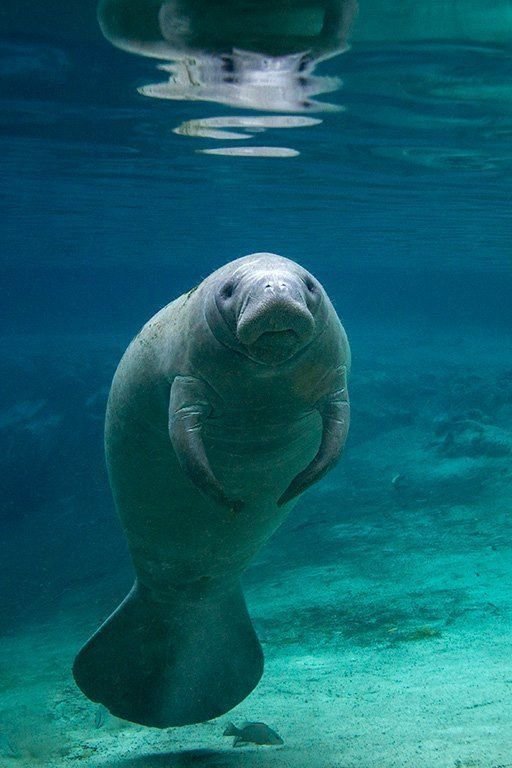
Scientific Name: Dugong dugon
Class: Mammalia
Diet: Herbivore
The dugong is a close relative of the manatee that uses its paddle-shaped flippers to glide gracefully through shallow seas. These flippers help it steer as it grazes.
Moreover, the dugong relies on its flippers to navigate seagrass meadows, its main source of food. Unlike the manatee, it has a fluked, dolphin-like tail for propulsion.
Dugongs inhabit the warm coastal waters of the Indian and Pacific Oceans, grazing almost entirely on seagrass.
As grazers, dugongs help keep seagrass meadows healthy. Habitat loss and fishing nets have made them Vulnerable.
Fun Fact: Dugongs are thought to have inspired ancient sailors’ legends of mermaids and sea nymphs.
Grey Seal
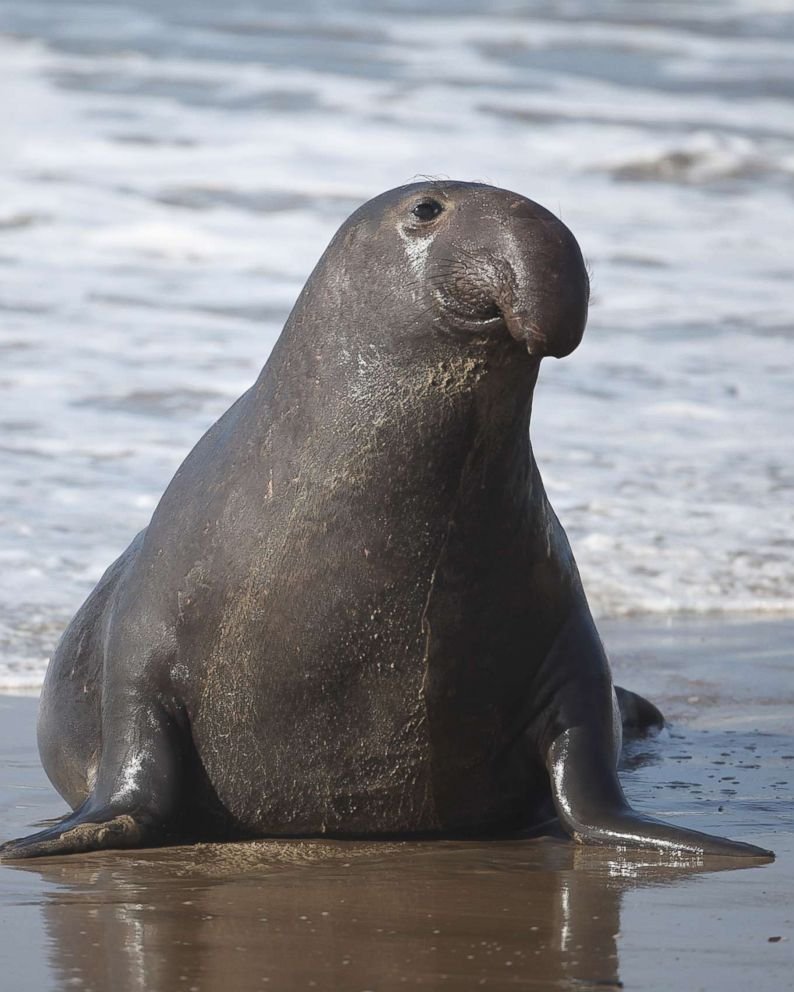
Scientific Name: Halichoerus grypus
Class: Mammalia
Diet: Carnivore
The grey seal is a large true seal that uses its flippers to swim powerfully through cold northern seas. Its strong hind flippers drive it forward with ease.
Interestingly, like other true seals, the grey seal cannot rotate its hind flippers forward. On land it hauls itself along awkwardly, but in the water it is swift and graceful.
Grey seals inhabit the coastal waters and rocky shores of the North Atlantic, feeding on fish, squid, and crustaceans.
As marine predators, grey seals help balance ocean ecosystems. Widespread and recovering in many areas, they are of Least Concern.
Fun Fact: A grey seal’s scientific name means “hook-nosed sea pig,” a nod to its distinctive long snout.
Antarctic Fur Seal
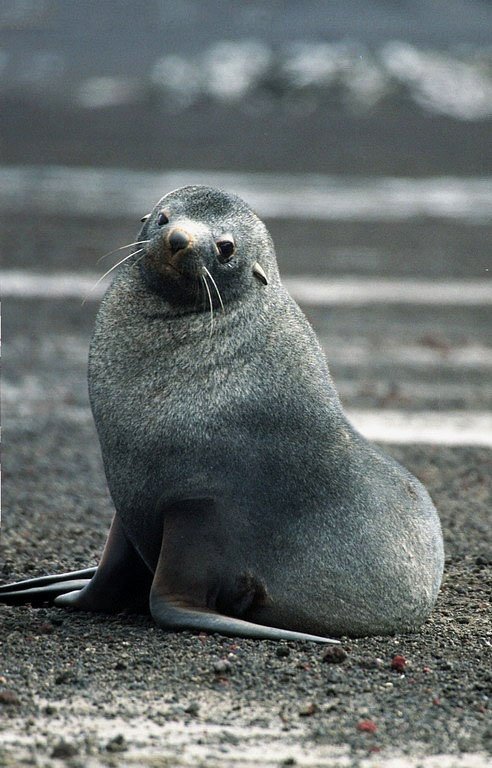
Scientific Name: Arctocephalus gazella
Class: Mammalia
Diet: Carnivore
The Antarctic fur seal is an agile pinniped that uses its long front flippers to swim and steer. Like sea lions, it can rotate its hind flippers to move nimbly on land.
Moreover, the fur seal relies on its thick fur coat and flippers to thrive in frigid southern seas. Its powerful flippers make it a fast, acrobatic swimmer.
Antarctic fur seals inhabit the cold waters and islands around Antarctica, feeding on krill, fish, and squid.
As marine predators, fur seals help balance the Southern Ocean food web. Once hunted heavily for their fur, they have recovered and are of Least Concern.
Fun Fact: The Antarctic fur seal was hunted almost to extinction for its fur but has since made a remarkable comeback.
Elephant Seal
Scientific Name: Mirounga angustirostris
Class: Mammalia
Diet: Carnivore
The elephant seal is a massive true seal that uses its flippers to power through the deep ocean. Despite its huge, blubbery body, it is a superb and tireless diver.
Interestingly, the elephant seal’s flippers help it undertake some of the deepest dives of any seal. It spends months at sea, using its limbs to hunt far below the surface.
Elephant seals inhabit the coasts and open oceans of the Pacific, hauling out on beaches to breed and molt.
As deep-diving predators, elephant seals connect surface and deep-ocean ecosystems. Once nearly hunted to extinction, they are now of Least Concern.
Fun Fact: Elephant seals can dive over 1,500 meters deep and hold their breath for up to two hours.
Leopard Seal
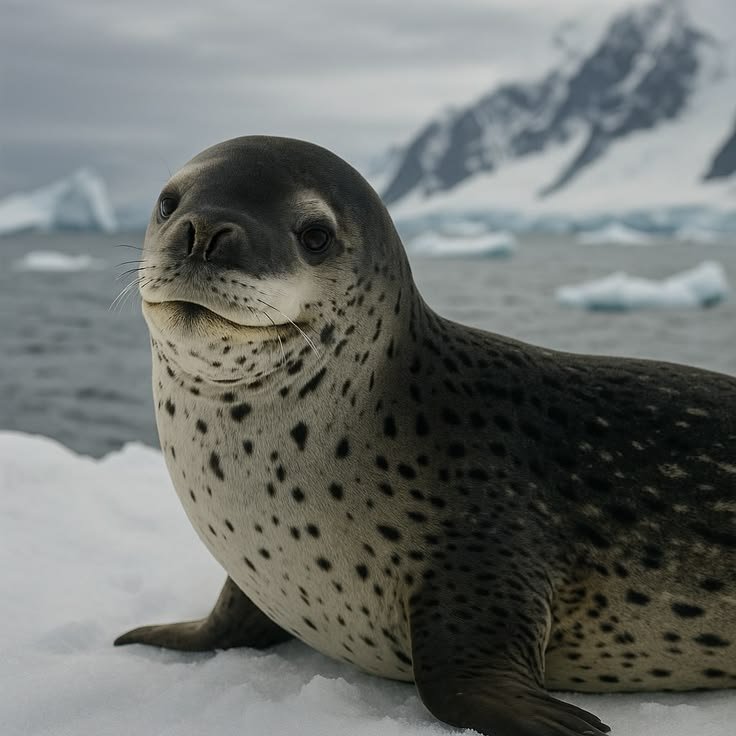
Scientific Name: Hydrurga leptonyx
Class: Mammalia
Diet: Carnivore
The leopard seal is a sleek, powerful predator that uses its long front flippers to swim with astonishing speed and agility. Its streamlined body makes it a formidable hunter.
Moreover, the leopard seal relies on its flippers for sharp, sudden turns while chasing prey. It is one of the top predators of the Antarctic, hunting penguins and other seals.
Leopard seals inhabit the cold waters and pack ice around Antarctica, hunting penguins, fish, krill, and other seals.
As apex predators, leopard seals help balance the Antarctic ecosystem. They are currently of Least Concern.
Fun Fact: The leopard seal is named for the dark spots on its coat and its fierce, predatory nature.
Gentoo Penguin
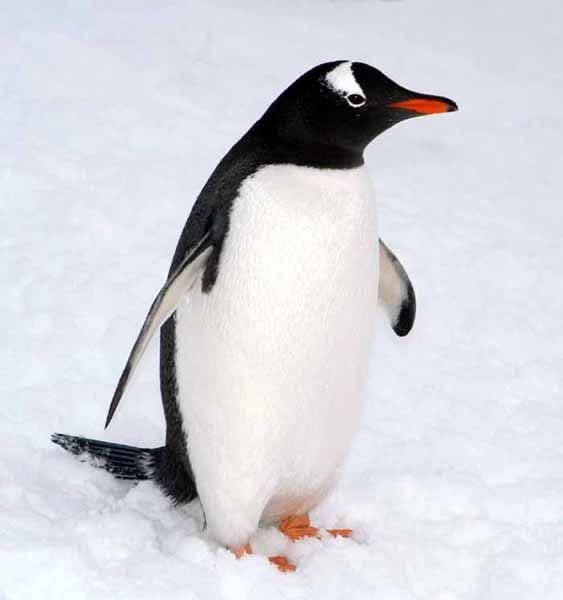
Scientific Name: Pygoscelis papua
Class: Aves
Diet: Carnivore
The gentoo penguin is the fastest swimming bird in the world, thanks to its powerful flipper-like wings. It can reach underwater speeds of over 20 miles per hour.
Interestingly, the gentoo penguin uses its stiff flippers to “fly” through the water in pursuit of fish. On land it waddles, but beneath the waves it is astonishingly swift.
Gentoo penguins inhabit the sub-Antarctic islands and Antarctic Peninsula, feeding on fish, krill, and squid.
As predators, penguins are important indicators of ocean health. Currently of Least Concern, they depend on healthy, cool seas.
Fun Fact: The gentoo penguin is the fastest underwater swimmer of all birds, powered entirely by its flippers.
Narwhal
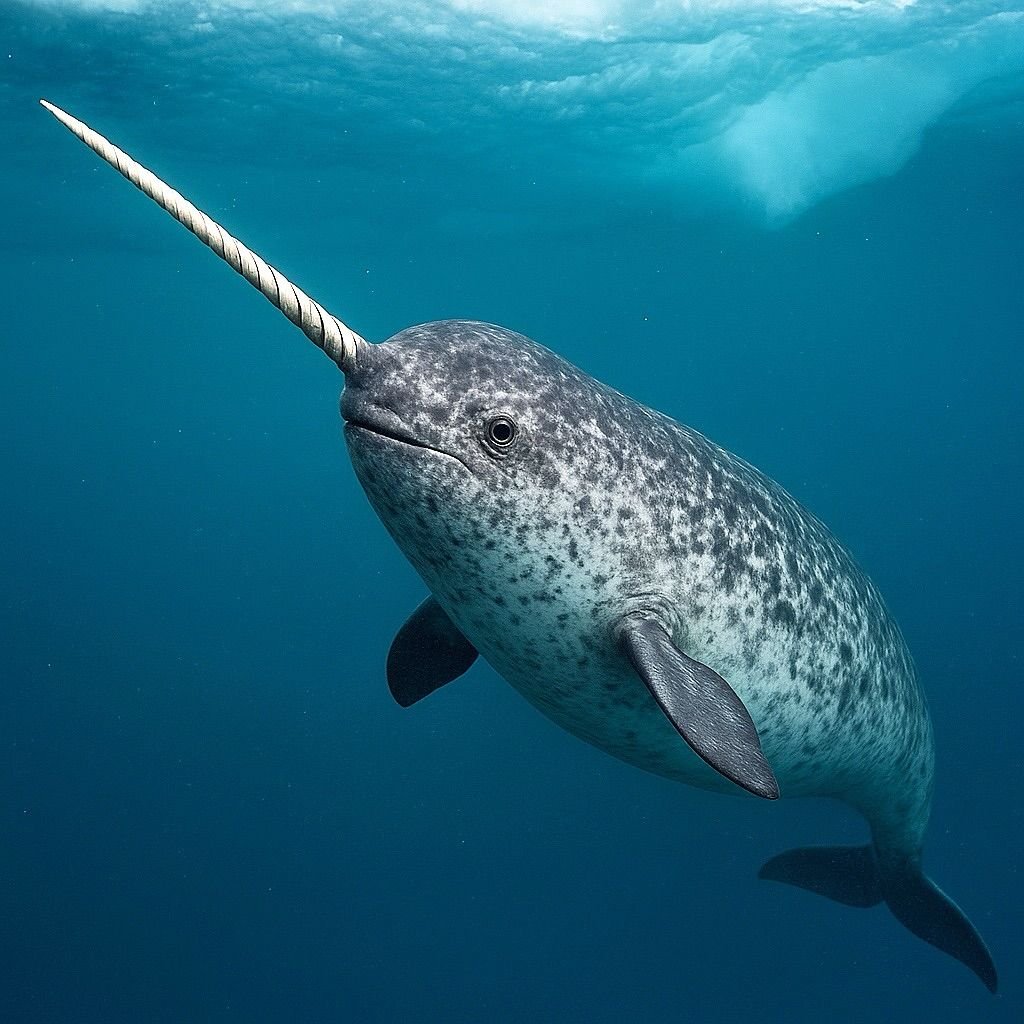
Scientific Name: Monodon monoceros
Class: Mammalia
Diet: Carnivore
The narwhal is a mysterious Arctic whale famous for its long, spiraled tusk, and it uses short, paddle-shaped flippers to steer through icy waters. These flippers guide its slow, graceful movements.
Moreover, the narwhal relies on its flippers for balance and turning while its tail drives it forward. It navigates the dark, frigid Arctic seas beneath the sea ice.
Narwhals inhabit the cold waters of the Arctic, feeding on fish, squid, and shrimp.
As Arctic predators, narwhals are part of the polar food web. Climate change and shrinking sea ice threaten their icy habitat.
Fun Fact: A narwhal’s famous “tusk” is actually a single, spiraled tooth that can grow up to 10 feet long.
Read: Striped Animals in the World
Read: Animals With Quills in The World
Read: Animals With No Legs
Read: Animals With Sharp Teeth
Read: Animals With Shells in The World
Frequently Asked Questions
Conclusion
From gliding sea turtles to the long-winged humpback whale, animals with flippers are among the most graceful swimmers on the planet. Each species whether a clapping sea lion, a five-fingered manatee, or a jet-fast gentoo penguin relies on its paddle-shaped limbs to steer, dive, and thrive in the water. These remarkable flippers, evolved separately in mammals, reptiles, and birds, show the many ways life adapts to the sea.