Top 12 Animals Similar to Foxes in The World (With Images)
Did you know that some animals are so fox-like in appearance that people often mistake them for foxes at a glance? With their pointed ears, bushy tails, slender bodies, and clever expressions, foxes have a look that’s shared by a surprising number of other animals. Some are close relatives in the dog family, while others simply evolved a similar appearance.
From jackals and coyotes to the raccoon dog and even some cats, the animal world is full of fox lookalikes. In this guide, we’ll explore the top 12 animals similar to foxes, uncovering what they share and how to tell them apart.
List of Animals Similar to Foxes in The World
| Rank | Animal | Scientific Name |
|---|---|---|
| 1 | Coyote | Canis latrans |
| 2 | Jackal | Canis aureus |
| 3 | Raccoon Dog | Nyctereutes procyonoides |
| 4 | Dhole | Cuon alpinus |
| 5 | Maned Wolf | Chrysocyon brachyurus |
| 6 | Fennec Fox | Vulpes zerda |
| 7 | Gray Wolf | Canis lupus |
| 8 | Dingo | Canis lupus dingo |
| 9 | African Wild Dog | Lycaon pictus |
| 10 | Bat-eared Fox | Otocyon megalotis |
| 11 | Corsac Fox | Vulpes corsac |
| 12 | Culpeo | Lycalopex culpaeus |
Coyote
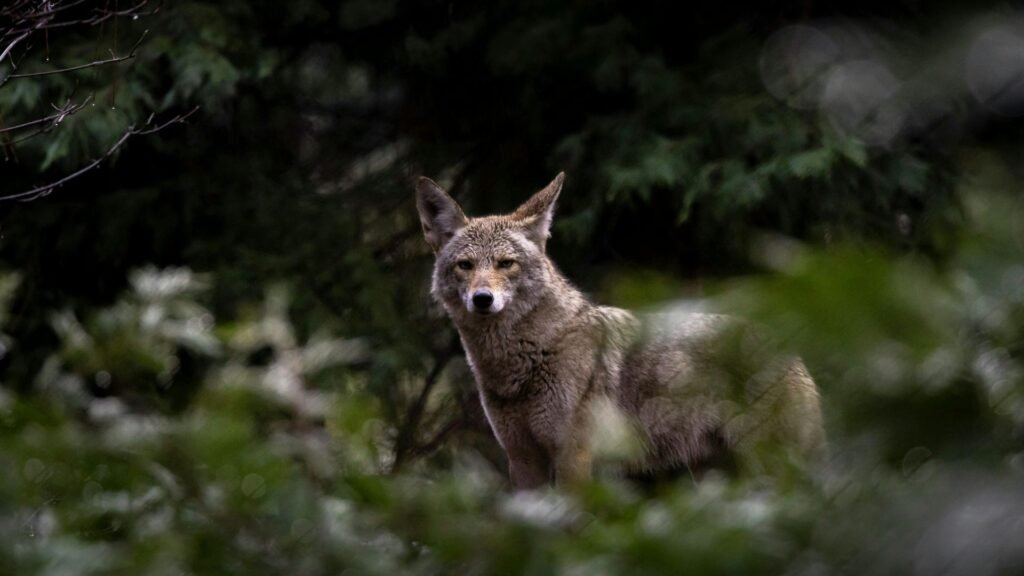
Scientific Name: Canis latrans
Class: Mammalia
Diet: Omnivore
The coyote is a close cousin of the fox and shares its slender build, pointed ears, and bushy tail. The two are often confused.
Interestingly, like the fox, the coyote is a clever, adaptable hunter that thrives near people. It is larger than a fox but has a similar pointed face and alert expression.
Coyotes inhabit a huge range across North and Central America, feeding on rodents, rabbits, and almost anything else.
As versatile predators, coyotes help control rodent populations. They are widespread and thriving.
Fun Fact: Coyotes and foxes are close relatives, but coyotes are larger and often avoid areas where coyotes and foxes overlap.
Golden Jackal
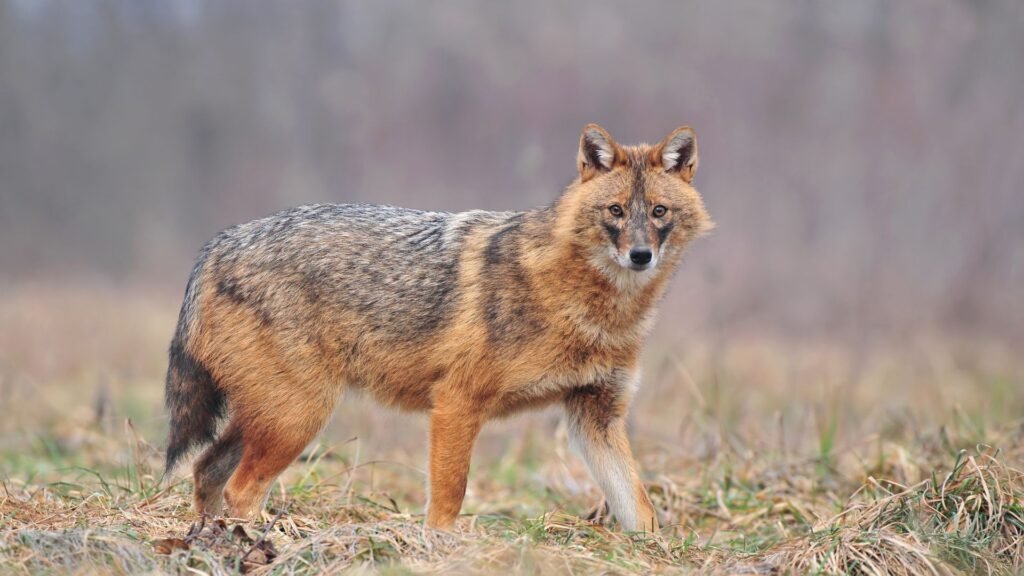
Scientific Name: Canis aureus
Class: Mammalia
Diet: Omnivore
The golden jackal looks strikingly like a fox, with its slim body, pointed ears, and bushy tail. The resemblance is often uncanny.
Moreover, like the fox, the jackal is a clever, opportunistic hunter and scavenger. Its golden coat and sharp features give it a very fox-like appearance.
Golden jackals inhabit grasslands, forests, and scrublands across Africa, Asia, and southeastern Europe, feeding on small animals, fruit, and carrion.
As adaptable omnivores, jackals help clean up carrion and control pests. They remain widespread and of Least Concern.
Fun Fact: Golden jackals are so fox-like that the two are sometimes confused, though jackals are more closely related to wolves.
Raccoon Dog
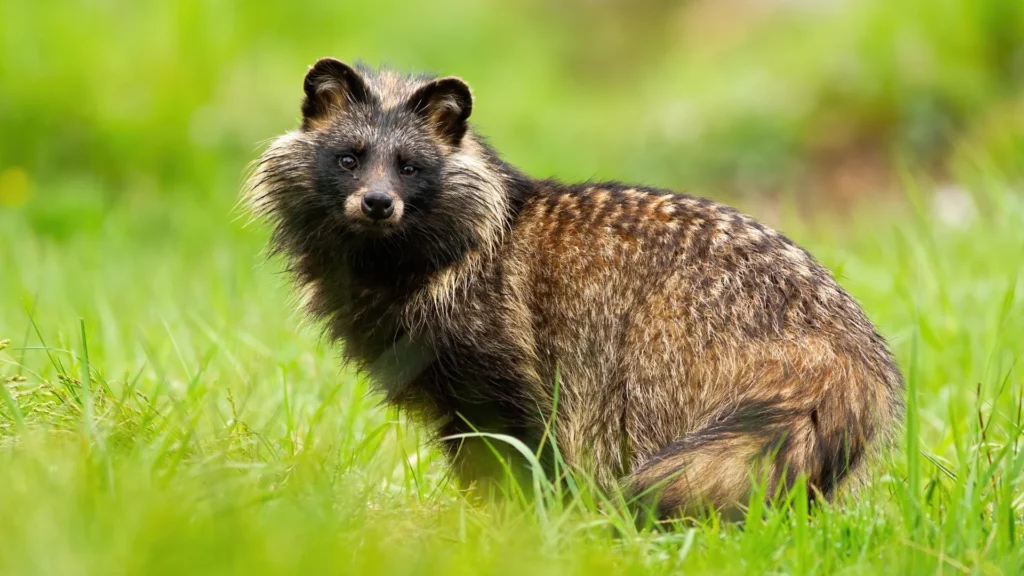
Scientific Name: Nyctereutes procyonoides
Class: Mammalia
Diet: Omnivore
The raccoon dog is a fox relative that looks like a cross between a fox and a raccoon. It is a true member of the dog family.
Interestingly, despite its raccoon-like face mask, the raccoon dog is closely related to foxes. Like some foxes, it is one of the few canids that can climb trees.
Raccoon dogs inhabit forests and wetlands across East Asia and parts of Europe, feeding on small animals, fruit, and insects.
As omnivores, raccoon dogs help disperse seeds and control pests. They remain widespread in their range.
Fun Fact: The raccoon dog is the only member of the dog family known to hibernate through the coldest winter months.
Dhole
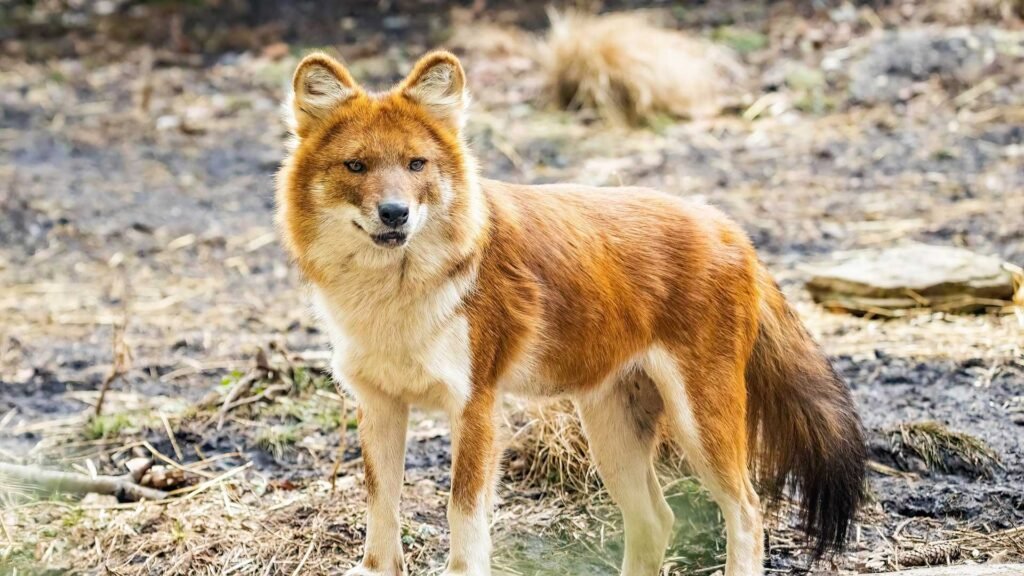
Scientific Name: Cuon alpinus
Class: Mammalia
Diet: Carnivore
The dhole, or Asian wild dog, has a reddish coat and bushy tail that give it a fox-like appearance. It is a social pack hunter.
Moreover, like a fox, the dhole has a rusty-red coat and a full, dark-tipped tail. However, unlike solitary foxes, it hunts in coordinated packs.
Dholes inhabit the forests and grasslands of Asia, hunting deer and other prey in groups.
As pack predators, dholes help balance prey populations. Habitat loss has made them Endangered.
Fun Fact: Dholes communicate with unusual whistling sounds, earning them the nickname “whistling dogs.”
Maned Wolf
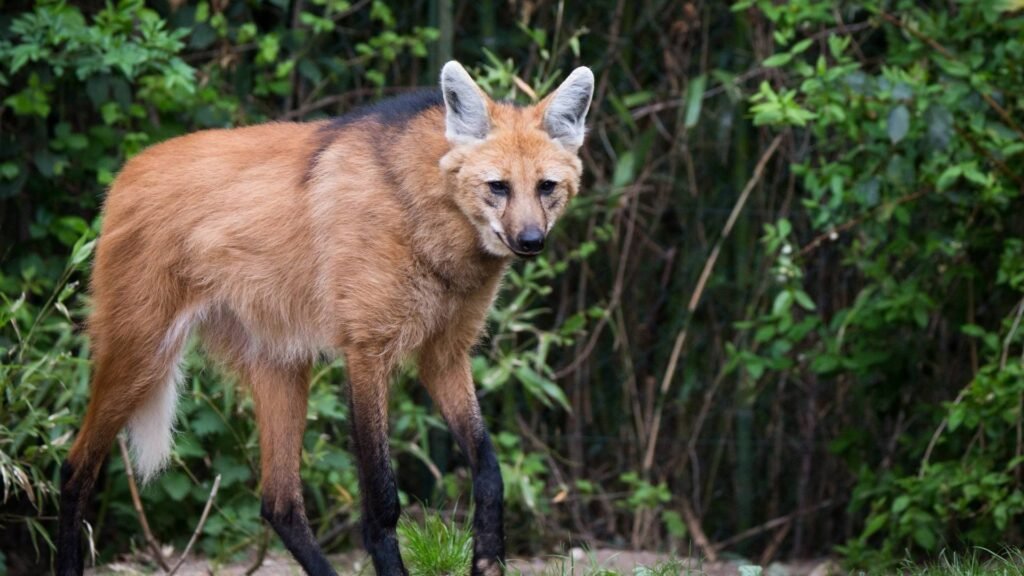
Scientific Name: Chrysocyon brachyurus
Class: Mammalia
Diet: Omnivore
The maned wolf looks like a fox on stilts, with a reddish coat, large ears, and a slender build. Despite its name, it is neither a wolf nor a fox.
Interestingly, the maned wolf has the coloring and features of a giant fox but stands tall on remarkably long legs. These long legs help it see over the tall grass of its home.
Maned wolves inhabit the grasslands of central South America, feeding on small animals, fruit, and plants.
As unique canids, maned wolves help disperse seeds. Habitat loss has made them Near Threatened.
Fun Fact: The maned wolf’s long legs make it look like a “fox on stilts,” perfect for peering over tall grasslands.
Fennec Fox
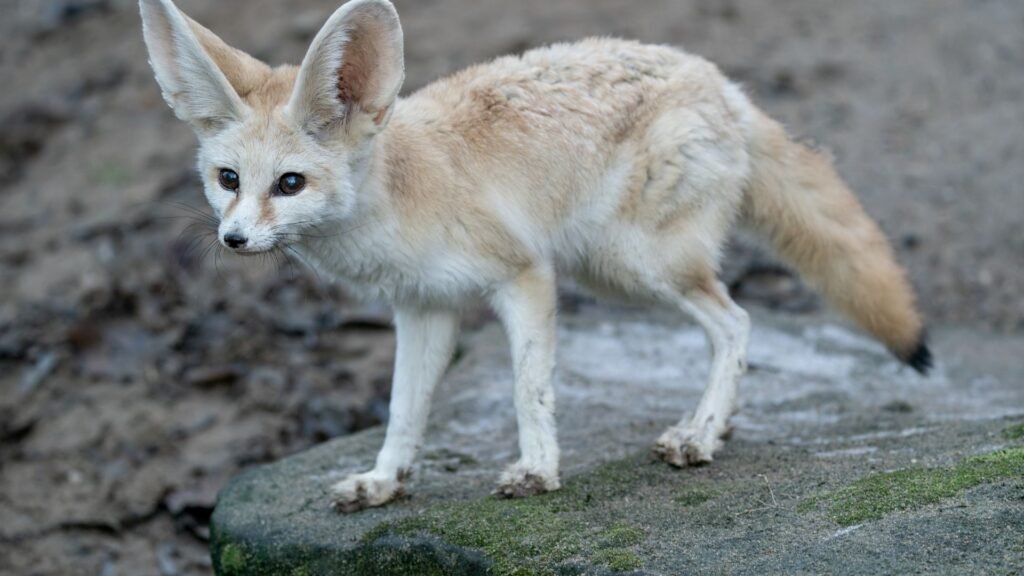
Scientific Name: Vulpes zerda
Class: Mammalia
Diet: Omnivore
The fennec fox is a true fox and the smallest of all, famous for its enormous ears. It is the classic tiny, adorable fox.
Moreover, like other foxes, the fennec has a pointed face and bushy tail, but its huge ears set it apart. These ears release heat and help it hear prey underground.
Fennec foxes inhabit the deserts of North Africa, feeding on insects, small animals, and plants.
As desert specialists, fennec foxes are superbly adapted to heat. They remain widespread in their range.
Fun Fact: The fennec fox’s ears can be up to six inches long, helping it stay cool and hear prey moving under the sand.
Gray Wolf

Scientific Name: Canis lupus
Class: Mammalia
Diet: Carnivore
The gray wolf is a larger relative of the fox, sharing the same pointed ears, bushy tail, and keen senses. Both belong to the dog family.
Interestingly, like the fox, the wolf has sharp senses and a similar body plan, though it is far larger and lives in packs. Young wolves can look especially fox-like.
Gray wolves inhabit forests, tundra, and grasslands across the Northern Hemisphere, hunting large prey in packs.
As apex predators, wolves help balance entire ecosystems. Their populations are recovering in some regions.
Fun Fact: Wolves and foxes both belong to the dog family, but wolves can be over ten times heavier than a red fox.
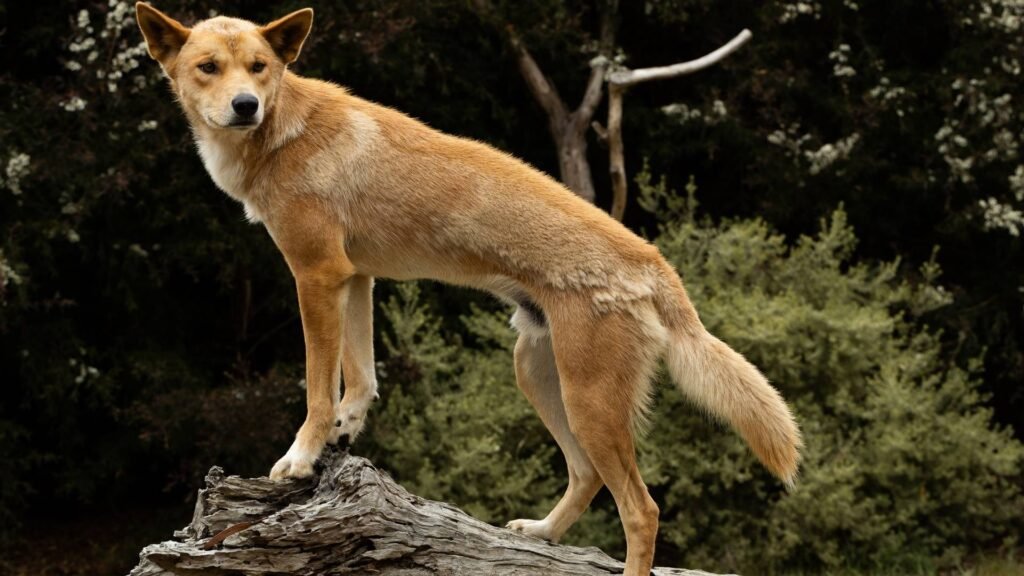
Dingo
Scientific Name: Canis lupus dingo
Class: Mammalia
Diet: Carnivore
The dingo is a wild dog with a slender build and pointed features that can appear fox-like. It is Australia’s native canid.
Moreover, like the fox, the dingo has a lean body, upright ears, and a bushy tail. Its sandy coat adds to the resemblance, though it is larger and more dog-like.
Dingoes inhabit the deserts, grasslands, and forests of Australia, hunting small to medium-sized prey.
As apex predators, dingoes help control prey and pest populations. Their status is a subject of ongoing conservation debate.
Fun Fact: Dingoes can rotate their wrists and turn their heads almost like a fox, helping them climb and hunt.
African Wild Dog
Scientific Name: Lycaon pictus
Class: Mammalia
Diet: Carnivore
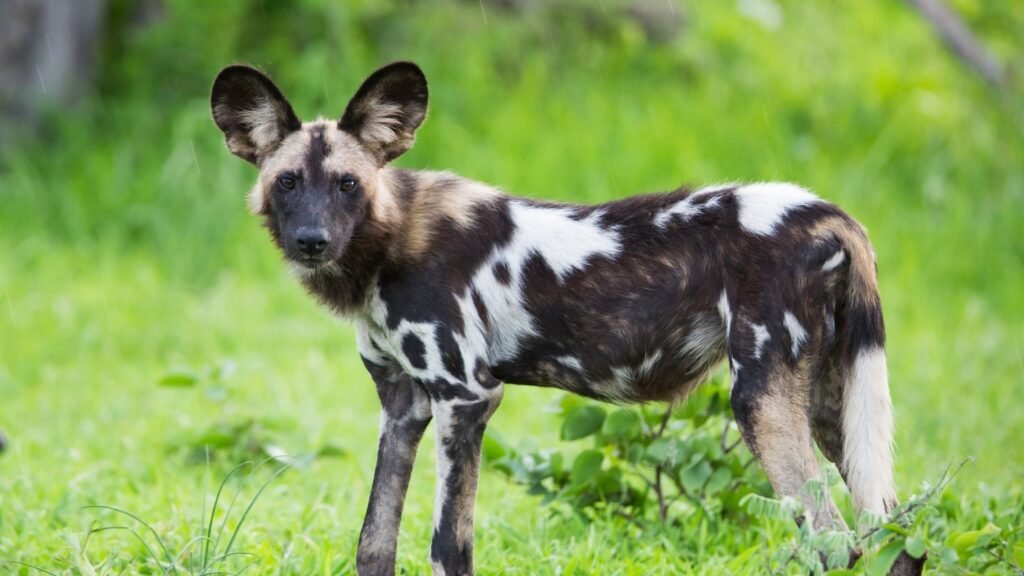
The African wild dog has large, rounded ears and a lean body that give it some fox-like features. Its mottled coat makes it unique.
Interestingly, like the fox, the wild dog has big ears and a slender frame, but its patchy coat and pack lifestyle set it apart. It is one of Africa’s most social predators.
African wild dogs inhabit the savannas and woodlands of sub-Saharan Africa, hunting antelope and other prey in packs.
As cooperative hunters, wild dogs help balance prey populations. Habitat loss has made them Endangered.
Fun Fact: Every African wild dog has a unique coat pattern, like a fingerprint, making each individual easy to identify.
Bat-eared Fox
Scientific Name: Otocyon megalotis
Class: Mammalia
Diet: Insectivore
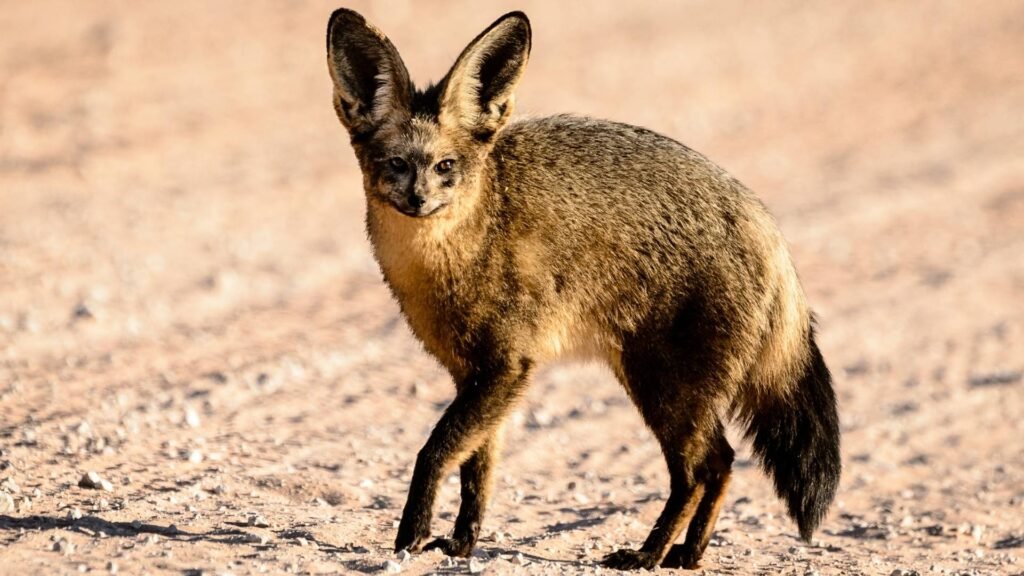
The bat-eared fox is a true fox with enormous ears, similar to the fennec. It is a small, insect-eating African fox.
Moreover, like other foxes, it has a pointed face and bushy tail, but its huge ears help it hear insects underground. It feeds mainly on termites and beetles.
Bat-eared foxes inhabit the savannas and grasslands of eastern and southern Africa, feeding mostly on insects.
As insect-eaters, bat-eared foxes help control pest populations. They remain widespread and of Least Concern.
Fun Fact: A bat-eared fox uses its huge ears to listen for termites and beetles moving beneath the ground.
Corsac Fox
Scientific Name: Vulpes corsac
Class: Mammalia
Diet: Omnivore
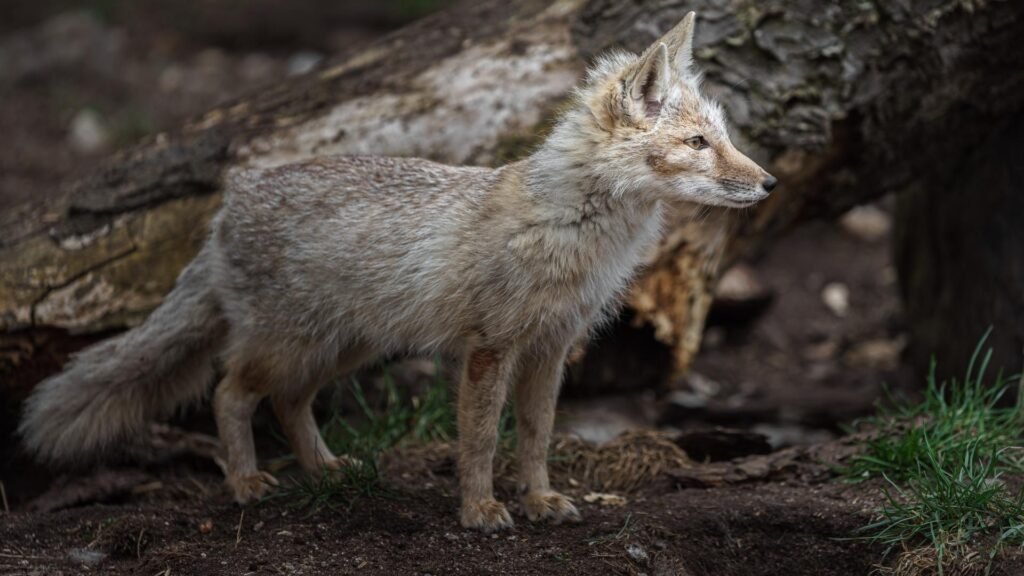
The corsac fox is a true fox of the Central Asian steppes, closely resembling the red fox. It is a social, burrowing fox.
Interestingly, unlike the mostly solitary red fox, the corsac fox is quite social and may share burrows. It has the classic fox look with a grayish coat suited to open grasslands.
Corsac foxes inhabit the steppes and semi-deserts of Central Asia, feeding on rodents, insects, and plants.
As adaptable hunters, corsac foxes help control rodent populations. They remain widespread and of Least Concern.
Fun Fact: Corsac foxes are excellent climbers and often take shelter in the burrows dug by marmots and other animals.
Culpeo
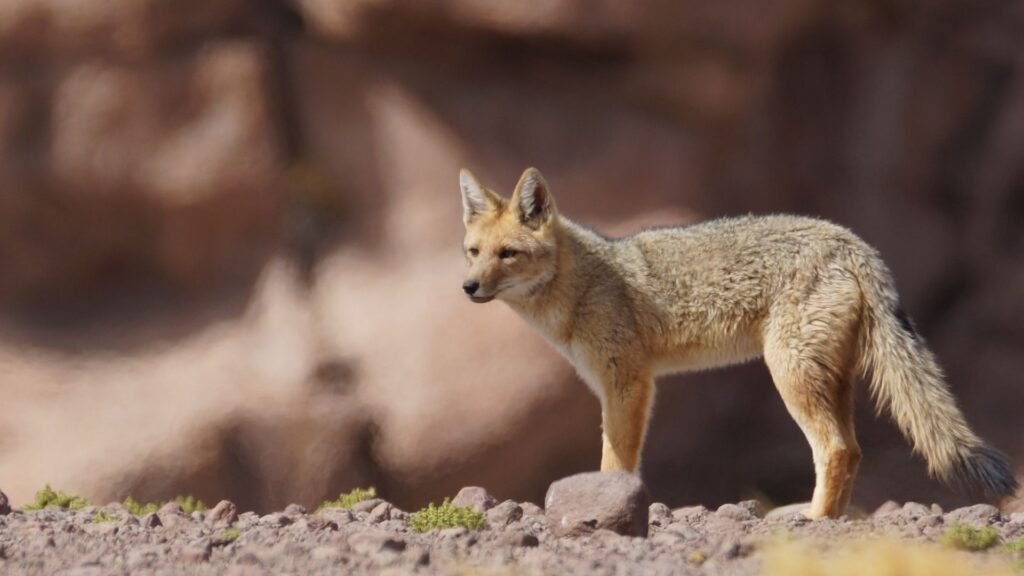
Scientific Name: Lycalopex culpaeus
Class: Mammalia
Diet: Omnivore
The culpeo, or Andean fox, is a South American canid that looks very much like a red fox. It is the continent’s second-largest wild canid.
Moreover, the culpeo has the reddish coat, bushy tail, and pointed features of a classic fox. Despite the resemblance, it is more closely related to wolves and jackals than to true foxes.
Culpeos inhabit the mountains and grasslands of South America, feeding on rodents, rabbits, and plants.
As adaptable predators, culpeos help control prey populations. They remain widespread and of Least Concern.
Fun Fact: Though it looks just like a red fox, the culpeo is actually more closely related to wolves and jackals.
Read: Animals That Don’t Drink Water
Read: Animals That Look Like Deer
Read: Territorial Animals in the World
Read: Animals That Eat Bees
Read: Animals That Eat Bones
Frequently Asked Questions
Conclusion
Foxes have such a distinctive look pointed ears, bushy tails, and clever faces that it’s no surprise many other animals resemble them. Some, like coyotes, jackals, and the fennec fox, are close relatives in the dog family, while others, like the maned wolf and raccoon dog, simply share a similar appearance. Learning to spot the differences between these fox-like animals helps us appreciate the incredible variety within the canid family and beyond.