Top 12 Animals That Eat Bones (With Images)
Could a meal of solid bone really keep an animal alive? As strange as it sounds, some remarkable creatures rely on bones for survival. The animals that eat bones, a behavior known as osteophagy, have evolved powerful jaws, strong stomach acid, and clever tricks to crack open and digest them. Bones are rich in fat, marrow, and minerals like calcium, making them a valuable food source.
From a vulture that drops bones onto rocks to a hyena that crushes them with ease, these animals turn nature’s leftovers into nourishment. Let’s explore the most fascinating animals that eat bones and the extraordinary adaptations behind this unusual diet.
Quick List Table
| Rank | Animal Name | Scientific Name |
|---|---|---|
| 1 | Bearded Vulture | Gypaetus barbatus |
| 2 | Spotted Hyena | Crocuta crocuta |
| 3 | Brown Hyena | Parahyaena brunnea |
| 4 | Wolverine | Gulo gulo |
| 5 | Tasmanian Devil | Sarcophilus harrisii |
| 6 | Gray Wolf | Canis lupus |
| 7 | Domestic Dog | Canis lupus familiaris |
| 8 | Lappet-Faced Vulture | Torgos tracheliotos |
| 9 | Crested Porcupine | Hystrix cristata |
| 10 | Bone-Eating Worm | Osedax species |
| 11 | Honey Badger | Mellivora capensis |
| 12 | Red Deer | Cervus elaphus |
Bearded Vulture
Scientific Name: Gypaetus barbatus
Class: Aves
Diet: Carnivore (bones)
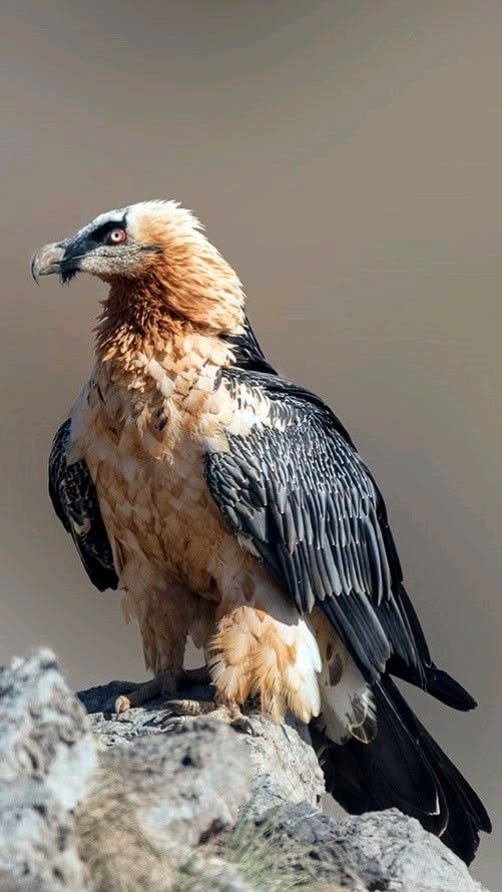
The bearded vulture, or lammergeier, is the only animal whose diet is almost entirely bone. Up to 90 percent of what it eats is bone. This makes it the ultimate bone specialist.
Interestingly, the bearded vulture carries large bones high into the air and drops them onto rocks to shatter them. It then swallows the fragments, which its extremely strong stomach acid dissolves. It even digests the nutritious marrow inside.
Bearded vultures live in the mountains of Europe, Africa, and Asia. As bone-eaters, they feed on the skeletal remains left by other predators and scavengers.
Moreover, bearded vultures clean the landscape by consuming bones others cannot. Poisoning and habitat loss have made them a species of concern.
Fun Fact: The bearded vulture drops bones from great heights to smash them into edible pieces.
Spotted Hyena
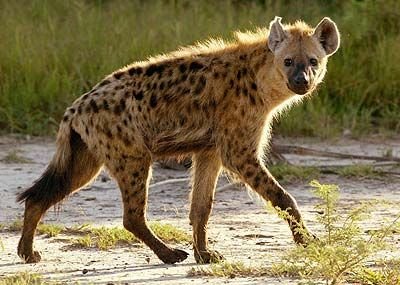
Scientific Name: Crocuta crocuta
Class: Mammalia
Diet: Carnivore
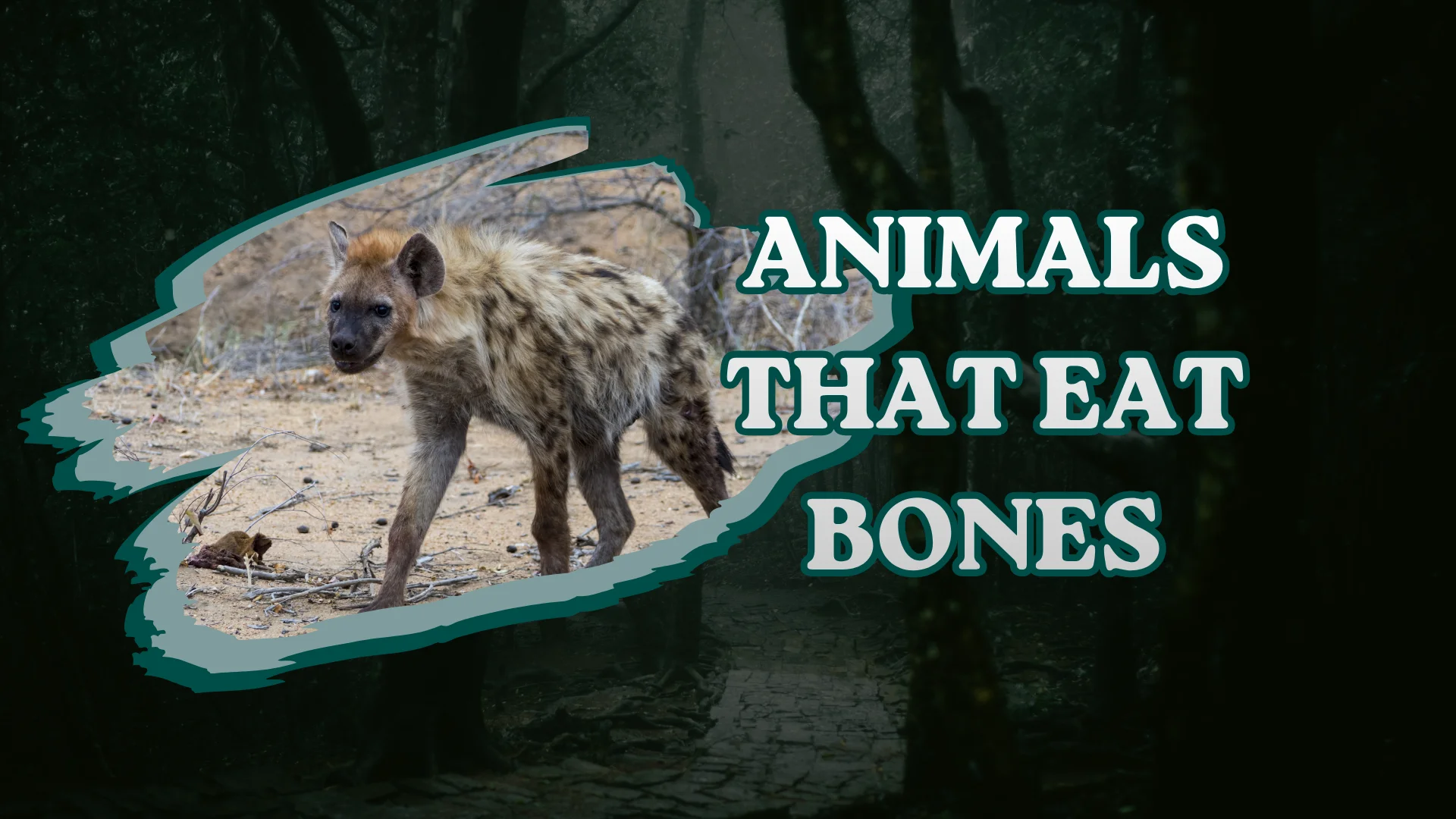
The spotted hyena is famous for its ability to crush and eat bone. It has one of the most powerful bites of any land mammal. Few animals can consume a carcass as completely.
What sets the hyena apart is its specialized teeth and jaws. Strong premolars shatter bone to reach the marrow inside, and its digestive system handles the fragments with ease. It wastes almost nothing of its prey.
Spotted hyenas live in the savannas and grasslands of sub-Saharan Africa. As carnivores, they both hunt and scavenge in coordinated clans.
Moreover, hyenas are essential cleanup crews that remove carcasses and curb disease. They remain widespread across their range.
Fun Fact: A hyena’s stomach acid is strong enough to digest bone, hooves, and even horns.
Brown Hyena
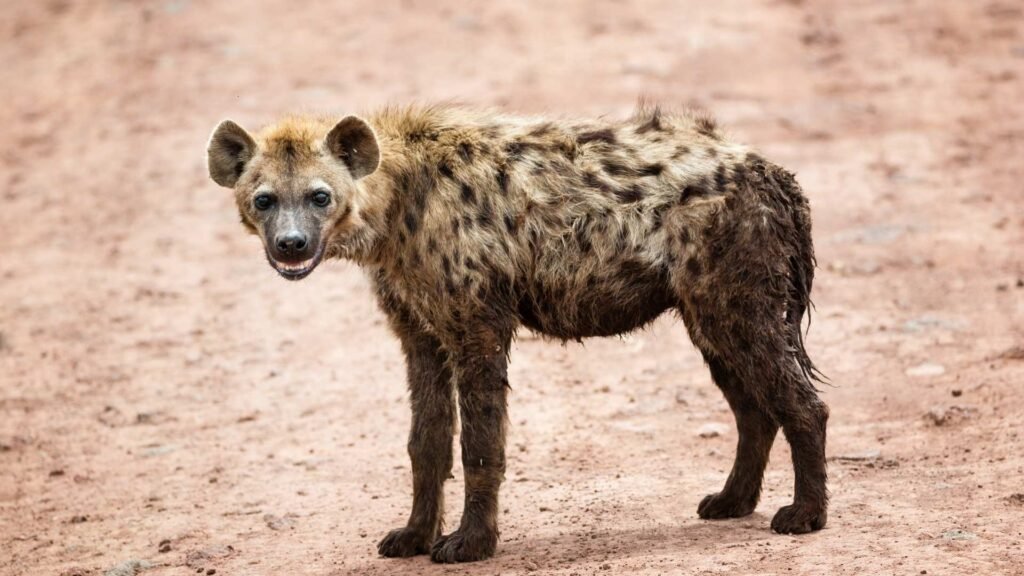
Scientific Name: Parahyaena brunnea
Class: Mammalia
Diet: Carnivore (mostly scavenger)
The brown hyena is a dedicated scavenger that regularly eats bones. It relies on carrion left by other predators. Bones and marrow are a key part of its diet.
Interestingly, the brown hyena has powerful jaws that crush bone to reach the rich marrow within. It can travel long distances at night in search of carcasses. Its keen sense of smell helps it find remains from far away.
Brown hyenas live in the deserts and grasslands of southern Africa. As scavengers, they feed on carrion, bones, and occasional small prey.
Moreover, brown hyenas clean the landscape by consuming remains. They remain near-threatened due to habitat loss and human conflict.
Wolverine
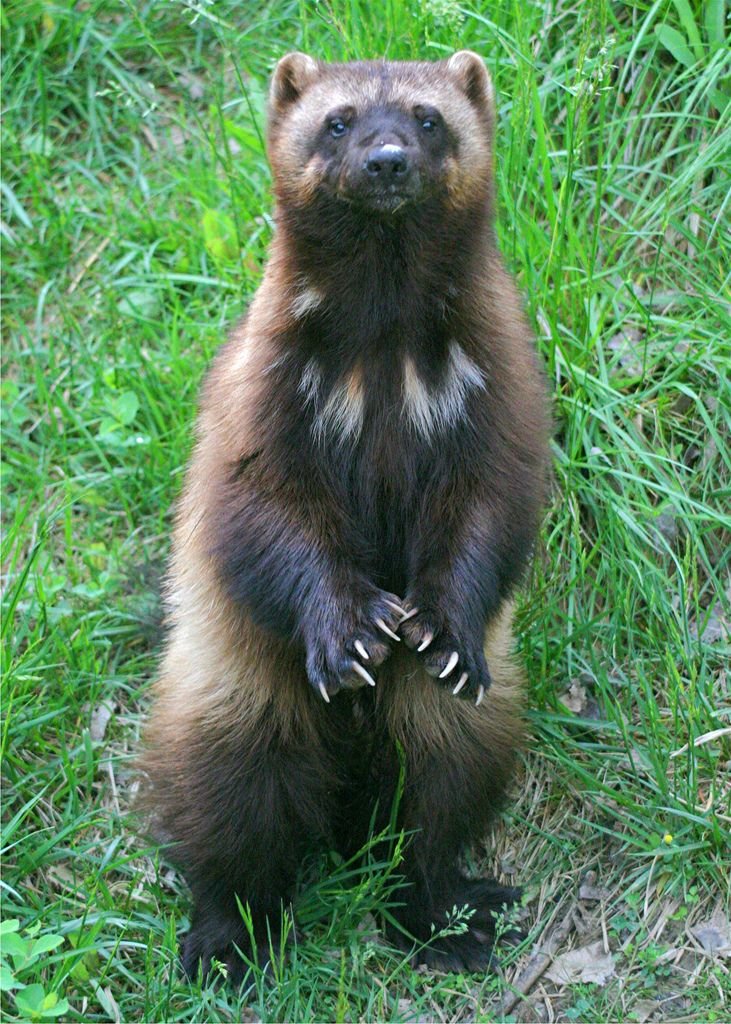
Scientific Name: Gulo gulo
Class: Mammalia
Diet: Carnivore
The wolverine is a fierce scavenger capable of eating frozen bone. Its powerful jaws crush through carcasses others leave behind. Bones and marrow help it survive the harsh winters.
What sets the wolverine apart is a special molar set sideways in its jaw. This tooth helps it tear and crush frozen meat and bone. Such strength lets it feed on carcasses locked in ice.
Wolverines live in the cold forests and tundra of the Northern Hemisphere. As carnivores and scavengers, they hunt small animals and feed on carrion.
Moreover, wolverines help clean the landscape by consuming carrion. Habitat loss and climate change threaten their remote homes.
Fun Fact: A special sideways molar helps the wolverine crush frozen bone in winter.
Tasmanian Devil
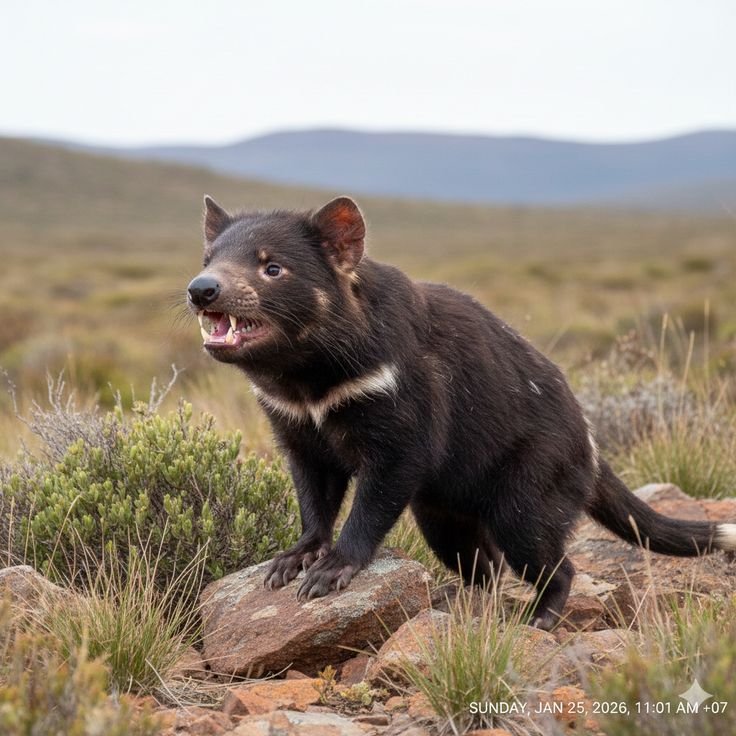
Scientific Name: Sarcophilus harrisii
Class: Mammalia
Diet: Carnivore
The Tasmanian devil devours its prey completely, bones and all. Relative to its size, it has one of the strongest bites of any mammal. Little is left after it finishes a meal.
Interestingly, the devil’s powerful jaws and teeth let it crush and swallow bone with ease. As a scavenger, it consumes entire carcasses, wasting nothing. Its bone-crushing ability makes it a vital cleaner of the landscape.
Tasmanian devils live only on the Australian island of Tasmania. As carnivores and scavengers, they feed on carrion and hunt small animals.
Moreover, devils clean the environment by consuming dead animals. A contagious facial cancer has devastated their numbers, making them endangered.
Gray Wolf

Scientific Name: Canis lupus
Class: Mammalia
Diet: Carnivore
The gray wolf regularly eats bones as part of consuming its prey. Its strong jaws crack bone to reach the marrow. Little of a kill goes to waste in a wolf pack.
What sets the wolf apart is its bite force and specialized carnassial teeth. These shear meat and crack bone, letting the pack extract every bit of nourishment. Bones provide valuable fat and minerals.
Gray wolves range across North America, Europe, and Asia. As carnivores, they hunt large prey through cooperation and stamina.
Moreover, wolves are keystone predators whose hunting shapes entire ecosystems. Once nearly wiped out in many areas, they have recovered in some.
Domestic Dog

Scientific Name: Canis lupus familiaris
Class: Mammalia
Diet: Omnivore
The domestic dog inherits its ancestors’ love of bones. It gnaws and eats bone for nourishment and enjoyment. This behavior echoes the wolf’s bone-crushing diet.
Interestingly, dogs chew bones to reach the marrow and to satisfy a natural instinct. Bones provide minerals and help keep their teeth clean. Their strong jaws are well suited to the task.
Domestic dogs live alongside humans across the globe. As omnivores, they thrive on balanced diets and fill many roles in human life.
Moreover, the dog’s bone-chewing habit reveals its deep connection to wolves. As a species they flourish worldwide.
Fun Fact: A dog’s love of chewing bones is an instinct inherited directly from wolves.
Lappet-Faced Vulture
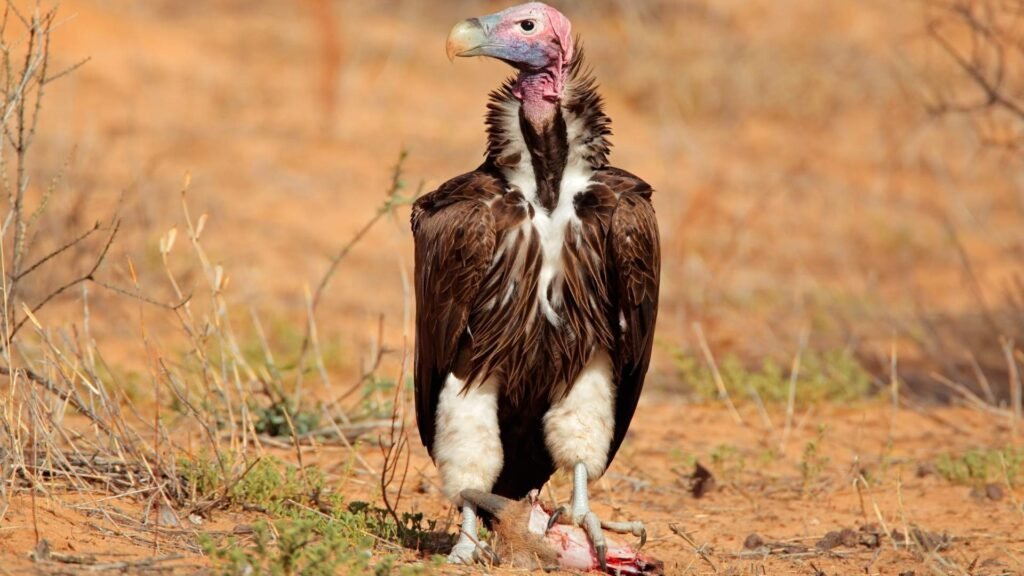
Scientific Name: Torgos tracheliotos
Class: Aves
Diet: Carnivore (carrion)
The lappet-faced vulture is a powerful scavenger that can tear through tough carcasses. It eats hide, tendons, and small bones others cannot. Its strength opens carcasses for the whole scavenger community.
What sets this vulture apart is its massive, powerful beak. It rips through skin and swallows small bones and coarse tissue that weaker scavengers avoid. This makes it a key player at any carcass.
Lappet-faced vultures live in the deserts and savannas of Africa. As scavengers, they feed on carrion, including tough parts other vultures leave.
Moreover, these vultures clean the landscape and limit the spread of disease. Poisoning and habitat loss have made them endangered.
Crested Porcupine
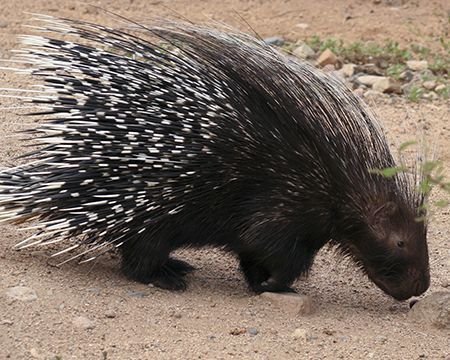
Scientific Name: Hystrix cristata
Class: Mammalia
Diet: Herbivore (also gnaws bone)
The crested porcupine surprises many by gnawing on bones despite being a herbivore. It collects and chews old bones for their minerals. This unusual habit supplements its plant-based diet.
Interestingly, the porcupine gnaws bones mainly for calcium and to keep its ever-growing teeth in check. It sometimes gathers bones in its burrow to chew over time. This mineral boost supports its heavy quills and strong teeth.
Crested porcupines live in the forests and grasslands of Africa and southern Europe. As herbivores, they eat roots, bark, fruit, and bulbs, along with the occasional bone.
Moreover, porcupines shape vegetation and recycle minerals in their habitat. They remain widespread across their range.
Fun Fact: Porcupines gnaw on old bones to get calcium and to wear down their growing teeth.
Bone-Eating Worm
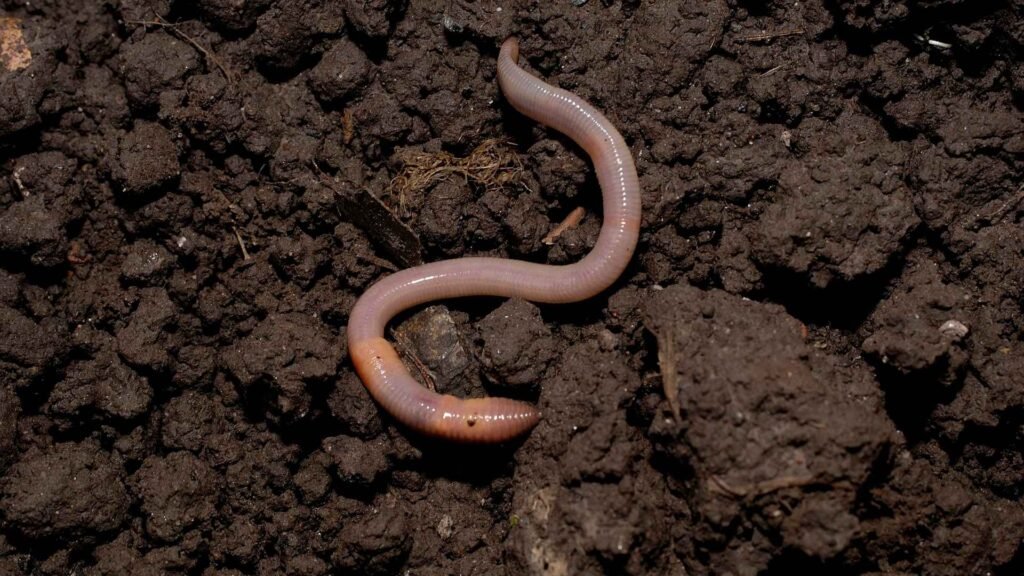
Scientific Name: Osedax species
Class: Polychaeta
Diet: Detritivore (bone)
The bone-eating worm, known as Osedax, feeds on the bones of dead whales on the seafloor. It has no mouth or stomach at all. Instead, it dissolves bone in an astonishing way.
What sets this worm apart is its unique feeding method. It sends root-like tissue into the bone and uses special bacteria to break down the fats and nutrients inside. This lets it thrive on whale skeletons in the deep sea.
Bone-eating worms live on the ocean floor wherever whale carcasses sink, worldwide. As specialized feeders, they consume the bones of whales and other large animals.
Moreover, these worms play a key role in recycling nutrients from whale falls. They remain a fascinating subject of deep-sea research.
Fun Fact: The bone-eating worm has no mouth and uses bacteria to digest whale bones.
Honey Badger
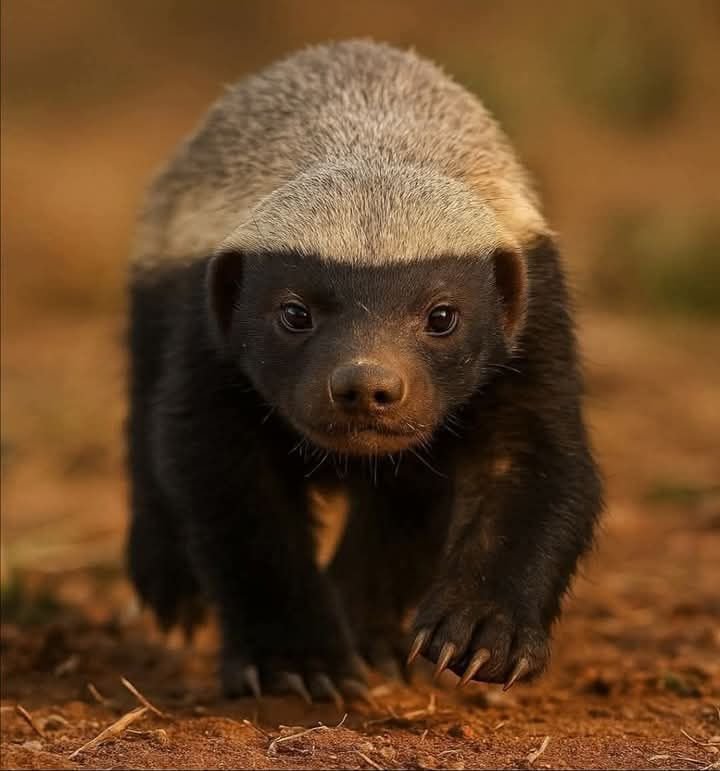
Scientific Name: Mellivora capensis
Class: Mammalia
Diet: Omnivore
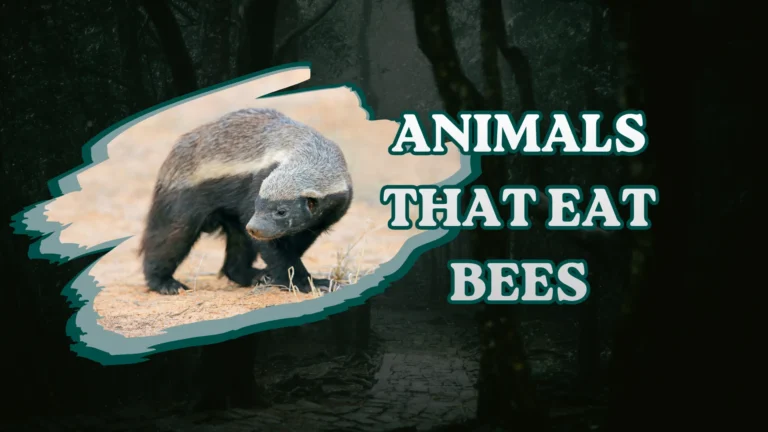
The honey badger is a fearless animal that will crush and eat bone. Its strong jaws let it consume small prey entirely. Bones are simply part of the meal.
Interestingly, the honey badger’s powerful bite lets it crack open small bones to reach the marrow. It eats almost anything, from insects to snakes, wasting little of its catch. This toughness matches its bold reputation.
Honey badgers live across Africa, the Middle East, and parts of Asia. As omnivores, they eat insects, small animals, snakes, and honey.
Moreover, honey badgers help control snake and insect populations. They remain widespread and adaptable across their large range.
Red Deer
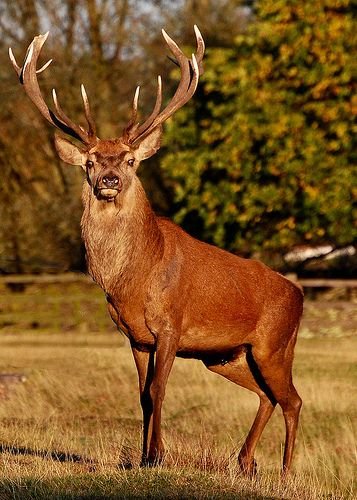
Scientific Name: Cervus elaphus
Class: Mammalia
Diet: Herbivore (also gnaws bone and antler)
The red deer is a grazing herbivore that sometimes chews on bones and shed antlers. It does so to gain extra minerals. This surprising habit supplements its diet of plants.
What sets the red deer apart is its occasional osteophagy. When minerals like calcium and phosphorus are scarce, it gnaws bones and antlers to make up the shortfall. This is especially important when growing new antlers.
Red deer live in the forests and grasslands of Europe, Asia, and beyond. As herbivores, they graze on grasses, leaves, and shoots.
Moreover, red deer shape vegetation and support their ecosystems. They remain widespread across much of their range.
Fun Fact: Deer sometimes chew on shed antlers and bones to recover valuable minerals.
Read: Animals That Eat Snakes
Read: Animals That Eat Fish
Read: Animals That Look Like Dogs
Read: Animals That Look Like Cats
Read: Animals with No Teeth
Frequently Asked Questions
Conclusion
From the bone-dropping bearded vulture to the deep-sea worm that dissolves whale skeletons, the animals that eat bones reveal nature’s remarkable resourcefulness. Through powerful jaws, potent stomach acid, and clever tricks, these creatures turn bones into a rich source of fat, marrow, and minerals. In doing so, they clean the landscape, recycle nutrients, and keep ecosystems healthy.