Top 15 Animals That Eat Ants in The World (With Images)
Did you know that a giant anteater can devour up to 30,000 ants and termites in a single day? Ants may be small, but they exist in staggering numbers, making them a reliable food source for a surprising variety of animals.
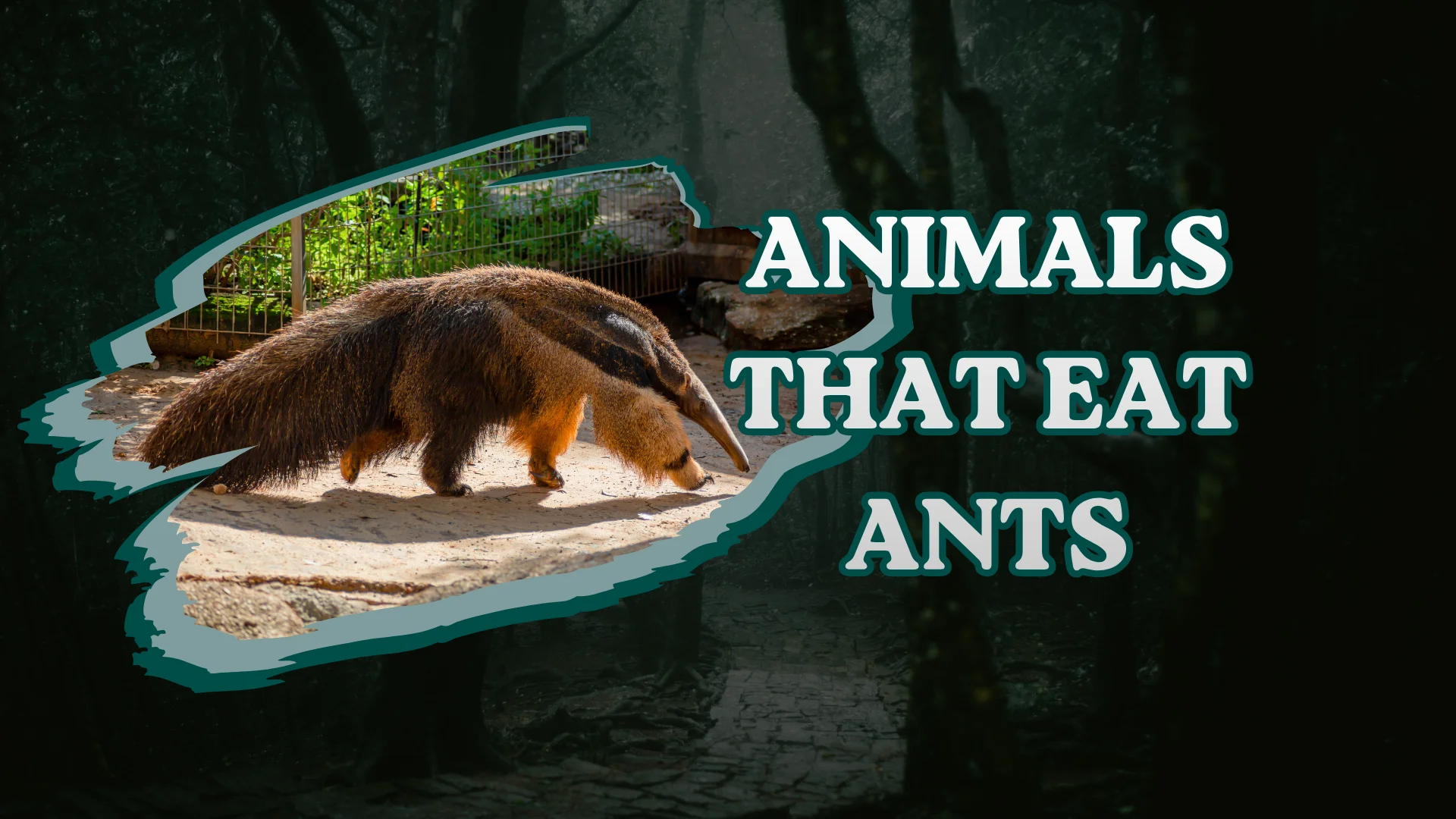
From specialized mammals with sticky tongues to birds, reptiles, and other insects, many creatures have evolved clever ways to feast on these tiny insects. In this guide, we’ll explore the top 15 animals that eat ants, uncovering the amazing adaptations that make them such successful ant hunters.
List of Animals That Eat Ants in The World
| Rank | Animal | Scientific Name |
|---|---|---|
| 1 | Giant Anteater | Myrmecophaga tridactyla |
| 2 | Pangolin | Manis |
| 3 | Aardvark | Orycteropus afer |
| 4 | Echidna | Tachyglossus aculeatus |
| 5 | Sloth Bear | Melursus ursinus |
| 6 | Armadillo | Dasypus novemcinctus |
| 7 | Woodpecker | Picidae |
| 8 | Horned Lizard | Phrynosoma |
| 9 | Antlion | Myrmeleontidae |
| 10 | Chimpanzee | Pan troglodytes |
| 11 | Numbat | Myrmecobius fasciatus |
| 12 | Anteater (Tamandua) | Tamandua tetradactyla |
| 13 | Flicker | Colaptes auratus |
| 14 | Toad | Bufo bufo |
| 15 | Assassin Bug | Reduviidae |
Giant Anteater
Scientific Name: Myrmecophaga tridactyla
Class: Mammalia
Diet: Insectivore
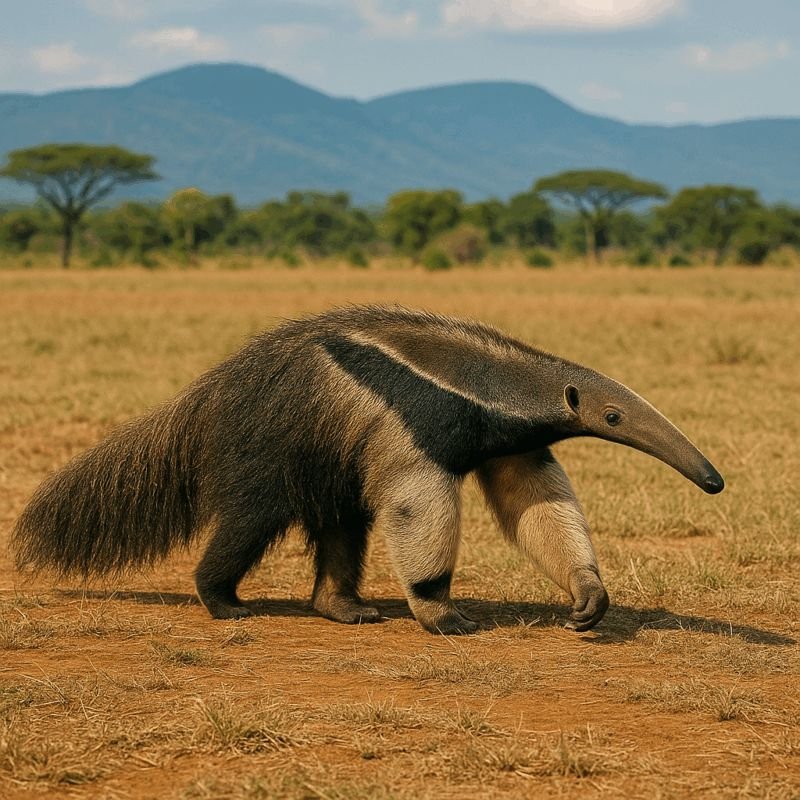
The giant anteater is the ultimate ant specialist, feeding almost entirely on ants and termites. Its whole body is built for this diet.
Interestingly, the giant anteater has a long, sticky tongue that can flick in and out up to 150 times a minute. It has no teeth, instead using powerful claws to tear open ant nests.
Giant anteaters inhabit the grasslands and forests of Central and South America, feeding on ants and termites.
As specialized insectivores, giant anteaters help control ant populations. Habitat loss has made them Vulnerable.
Fun Fact: A giant anteater’s tongue can be up to two feet long and is coated in sticky saliva to trap thousands of ants.
Pangolin
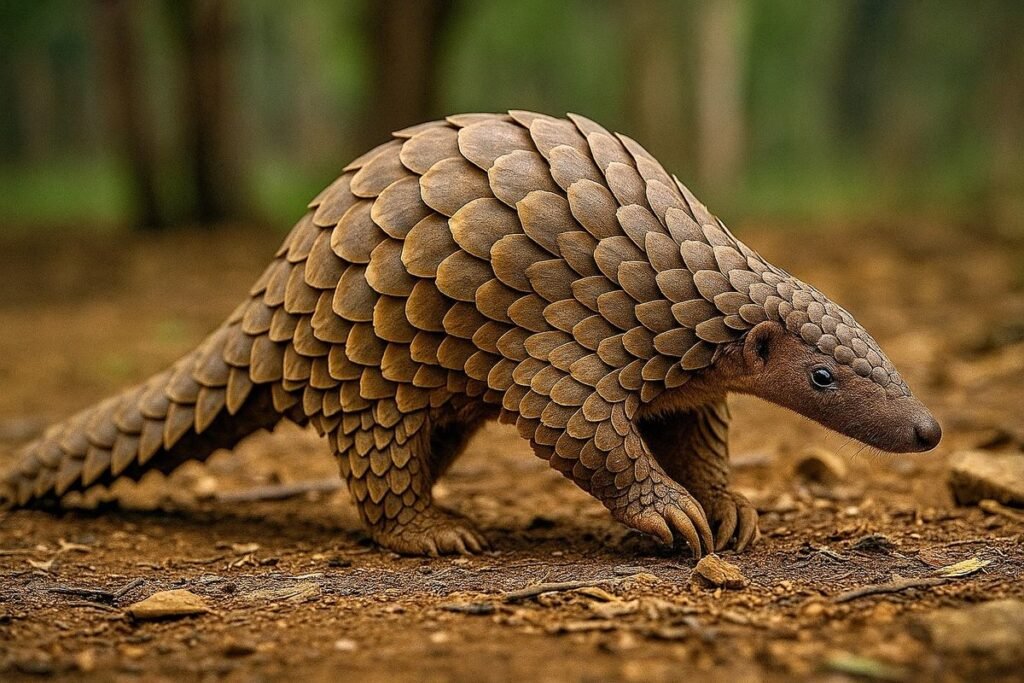
Scientific Name: Manis
Class: Mammalia
Diet: Insectivore
The pangolin is a scaly mammal that feeds almost exclusively on ants and termites. It is perfectly adapted for a life of ant-eating.
Moreover, the pangolin uses its long, sticky tongue and powerful claws to raid ant nests. It has special muscles that close its nostrils and ears to keep ants out while feeding.
Pangolins inhabit the forests and grasslands of Africa and Asia, feeding on ants and termites.
As unique scaly mammals, pangolins help control insect populations. Sadly, they are the most trafficked animals in the world and several species are Critically Endangered.
Fun Fact: A pangolin can eat up to 70 million insects a year, using a tongue that’s sometimes longer than its own body.
Aardvark
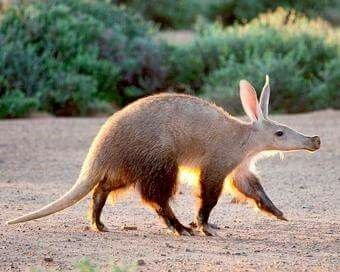
Scientific Name: Orycteropus afer
Class: Mammalia
Diet: Insectivore
The aardvark is a nocturnal African mammal that feeds mainly on ants and termites. It is a powerful digger with a keen sense of smell.
Interestingly, the aardvark uses its strong claws to rip open nests and its long, sticky tongue to lap up insects. It can eat tens of thousands of ants and termites in a single night.
Aardvarks inhabit the savannas and grasslands of sub-Saharan Africa, feeding on ants and termites.
As nighttime diggers, aardvarks create burrows that shelter many other animals. They remain widespread and of Least Concern.
Fun Fact: Old aardvark burrows provide vital shelter for countless other animals, from warthogs to hyenas and birds.
Echidna
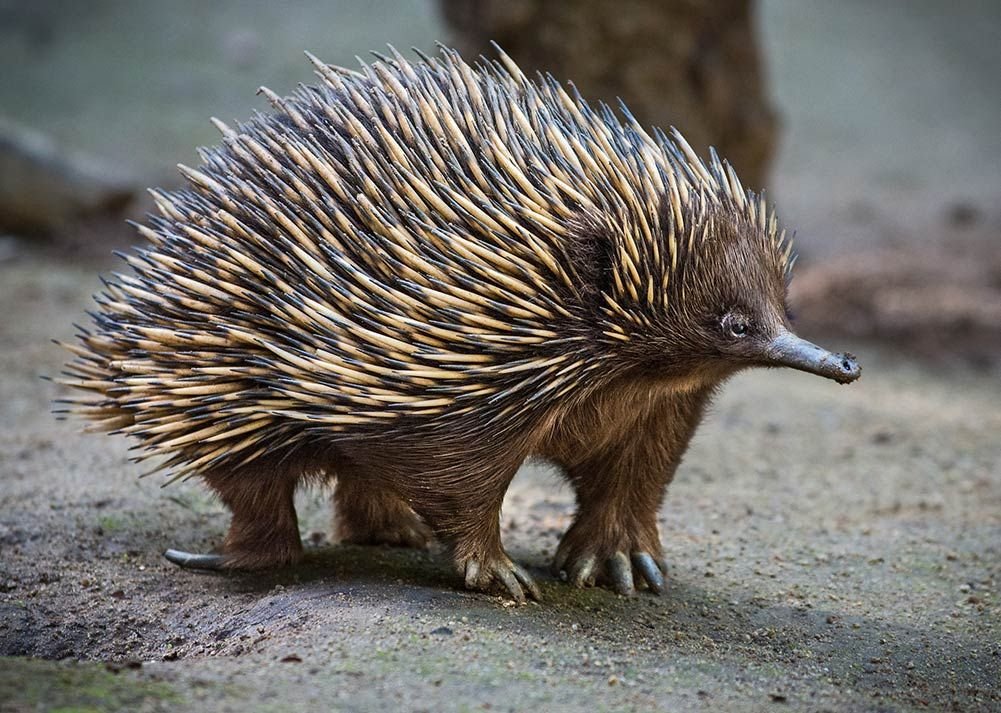
Scientific Name: Tachyglossus aculeatus
Class: Mammalia
Diet: Insectivore
The echidna is a spiny, egg-laying mammal that feeds heavily on ants and termites. It is one of the few mammals that lay eggs.
Moreover, the echidna uses its long, sticky tongue to slurp up ants after digging into their nests with strong claws. It has no teeth, grinding food between its tongue and mouth.
Echidnas inhabit forests, deserts, and grasslands across Australia and New Guinea, feeding on ants and termites.
As unique egg-laying mammals, echidnas help control insect populations. They remain widespread and of Least Concern.
Fun Fact: The echidna is one of only two types of egg-laying mammals in the world, the other being the platypus.
Sloth Bear
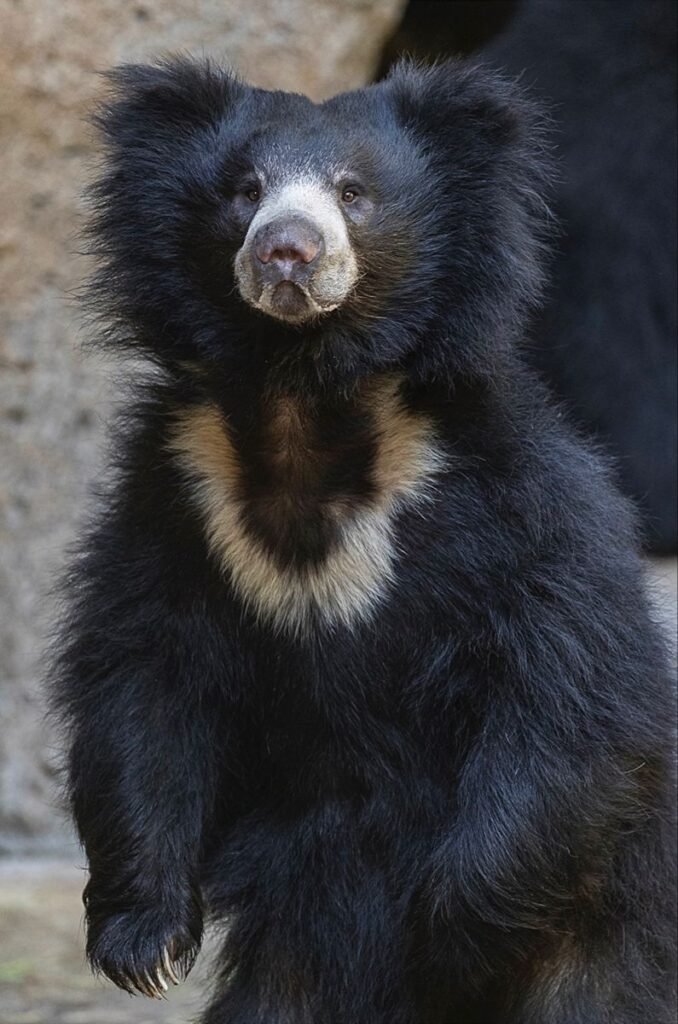
Scientific Name: Melursus ursinus
Class: Mammalia
Diet: Omnivore
The sloth bear is a shaggy bear that specializes in eating ants and termites. It has unique adaptations for slurping up insects.
Interestingly, the sloth bear can close its nostrils and has a gap in its front teeth to suck up insects like a vacuum. The loud slurping sound can be heard from far away.
Sloth bears inhabit the forests and grasslands of the Indian subcontinent, feeding on insects, fruit, and honey.
As insect-eaters, sloth bears help control ant and termite populations. Habitat loss has made them Vulnerable.
Fun Fact: A feeding sloth bear’s slurping is so loud it can be heard over 300 feet away.
Armadillo
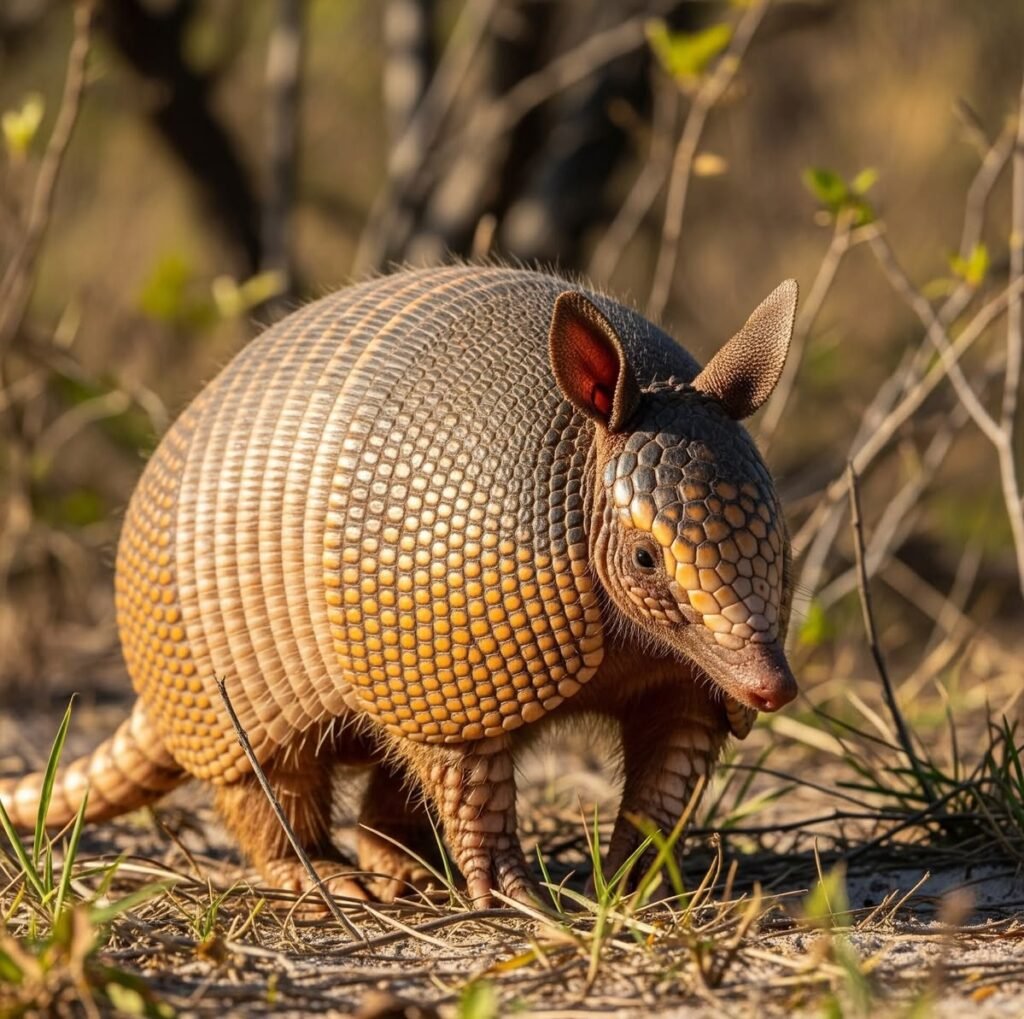
Scientific Name: Dasypus novemcinctus
Class: Mammalia
Diet: Omnivore
The armadillo is an armored mammal that feeds heavily on ants, termites, and other insects. It digs constantly in search of food.
Moreover, the armadillo uses its strong claws to dig into nests and its sticky tongue to gather ants. Its keen sense of smell helps it locate insects underground.
Armadillos inhabit forests and grasslands across the Americas, feeding on insects, grubs, and small animals.
As diggers, armadillos aerate soil and control insect pests. Most species are common and widespread.
Fun Fact: An armadillo can hold its breath for several minutes, letting it dig through insect nests without inhaling dust.
Woodpecker
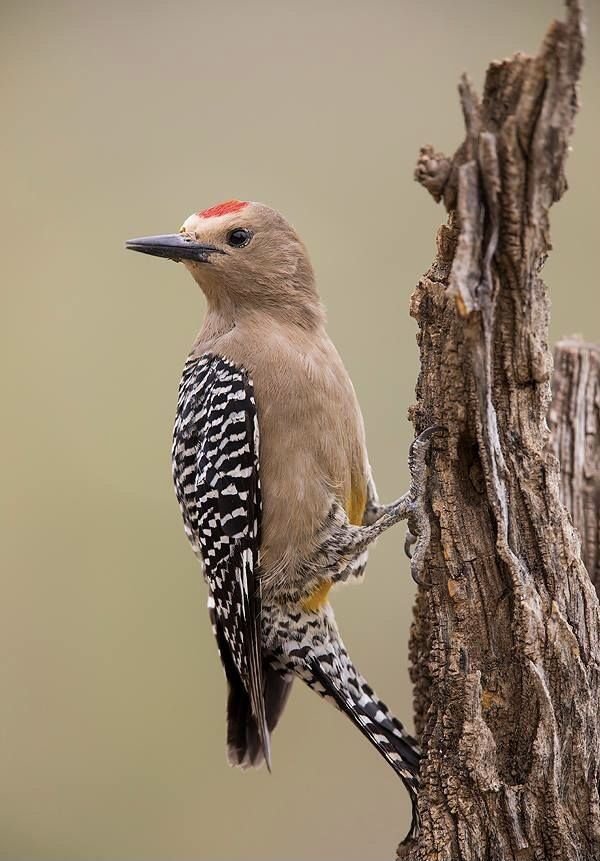
Scientific Name: Picidae
Class: Aves
Diet: Omnivore
The woodpecker is a bird that eats large numbers of ants, especially carpenter ants found in wood. Some species are true ant specialists.
Interestingly, the woodpecker uses its long, barbed, sticky tongue to extract ants from deep inside wood and nests. Its tongue can be surprisingly long, wrapping around inside its skull when not in use.
Woodpeckers inhabit forests and woodlands worldwide, feeding on insects, ants, seeds, and sap.
As insect-eaters, woodpeckers help protect trees from wood-boring pests. Most species are common.
Fun Fact: A woodpecker’s tongue can be up to a third of its body length and coils around its skull when not in use.
Horned Lizard
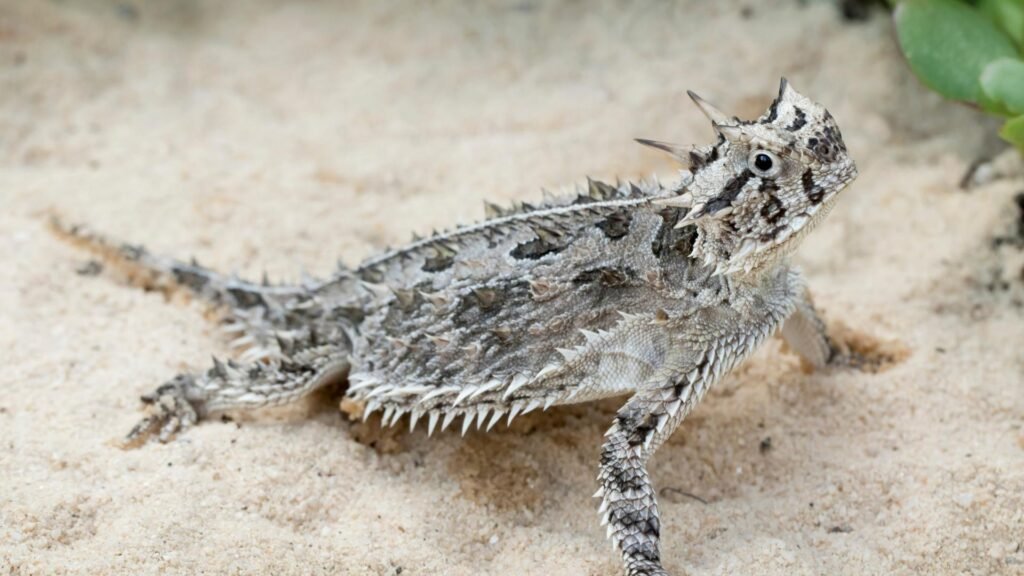
Scientific Name: Phrynosoma
Class: Reptilia
Diet: Insectivore
The horned lizard is a desert reptile that feeds primarily on ants, especially harvester ants. It can eat hundreds in a single meal.
Moreover, the horned lizard sits patiently near ant trails, snapping up insects one by one with its sticky tongue. Its slow metabolism suits a diet of small, low-calorie prey.
Horned lizards inhabit the deserts and dry regions of North and Central America, feeding mainly on ants.
As ant specialists, horned lizards help balance ant populations. Some species are threatened by habitat loss.
Fun Fact: When threatened, some horned lizards can squirt a jet of blood from their eyes to startle predators.
Antlion
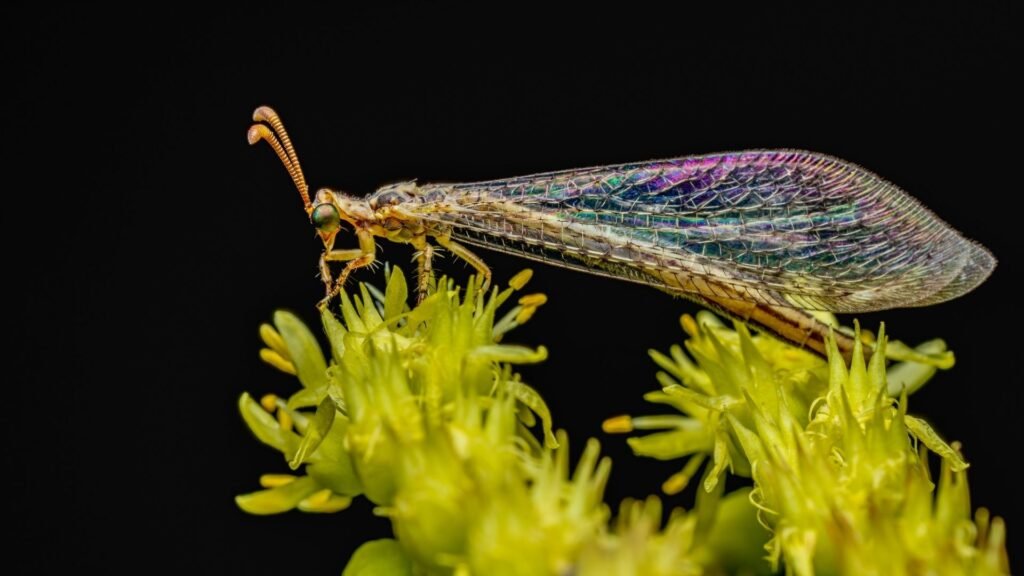
Scientific Name: Myrmeleontidae
Class: Insecta
Diet: Carnivore
The antlion is an insect whose larvae are famous for trapping and eating ants. It uses a clever pit trap to catch prey.
Interestingly, the antlion larva digs a cone-shaped pit in sand and waits at the bottom. When an ant slips in, the larva grabs it with large, pincer-like jaws.
Antlions inhabit sandy areas around the world, with the larvae feeding on ants and other small insects.
As predators, antlion larvae help control ant populations. They are widespread and common.
Fun Fact: An antlion larva flicks sand at ants trying to escape its pit, causing tiny landslides that pull them back down.
Chimpanzee

Scientific Name: Pan troglodytes
Class: Mammalia
Diet: Omnivore
The chimpanzee is a clever primate that eats ants by using tools, a behavior known as “ant-dipping.” It is a famous example of animal tool use.
Moreover, the chimpanzee strips a stick and dips it into an ant nest, then pulls it out covered in ants to eat. This learned skill is passed down through generations.
Chimpanzees inhabit the forests and savannas of central and western Africa, feeding on fruit, leaves, insects, and small animals.
As intelligent apes, chimps show remarkable problem-solving skills. Habitat loss and hunting have made them Endangered.
Fun Fact: Chimpanzees make their own “ant-dipping” tools, carefully choosing and trimming sticks to fish ants from their nests.
Numbat
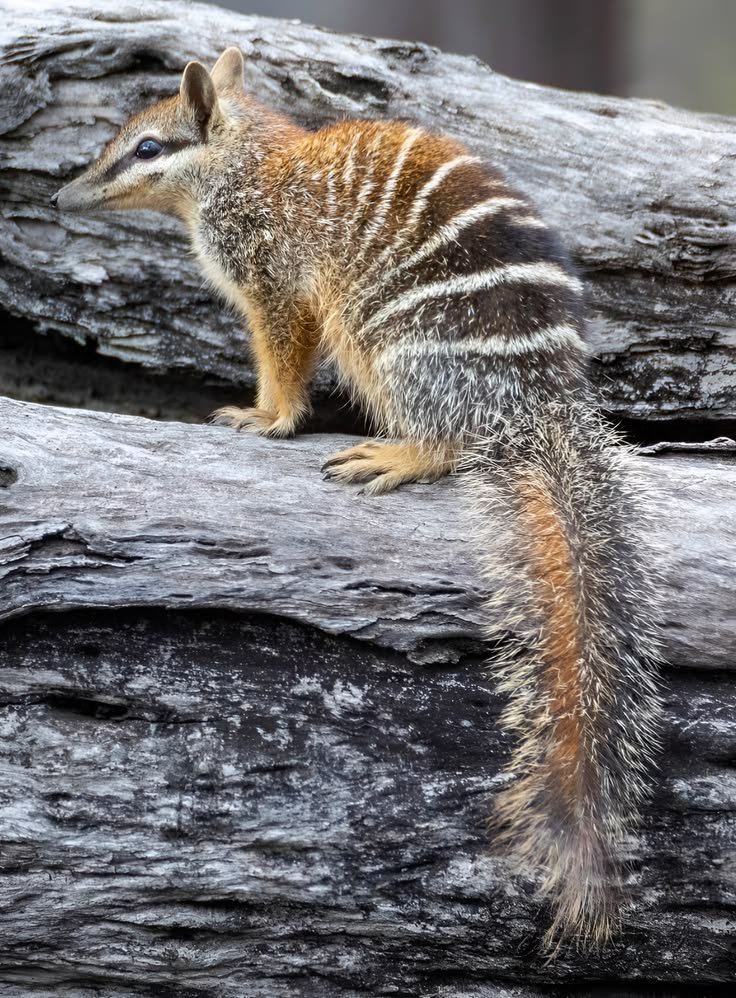
Scientific Name: Myrmecobius fasciatus
Class: Mammalia
Diet: Insectivore
The numbat is a small, striped Australian marsupial that eats almost nothing but termites and ants. It is a daytime insect specialist.
Interestingly, the numbat uses its long, sticky tongue to lap up termites and ants from shallow tunnels. Unlike most marsupials, it is active during the day when its prey is near the surface.
Numbats inhabit the woodlands of southwestern Australia, feeding mainly on termites and ants.
As specialized insectivores, numbats depend on healthy termite populations. Habitat loss has made them Endangered.
Fun Fact: A numbat can eat up to 20,000 termites in a single day, using a tongue nearly half the length of its body.
Tamandua
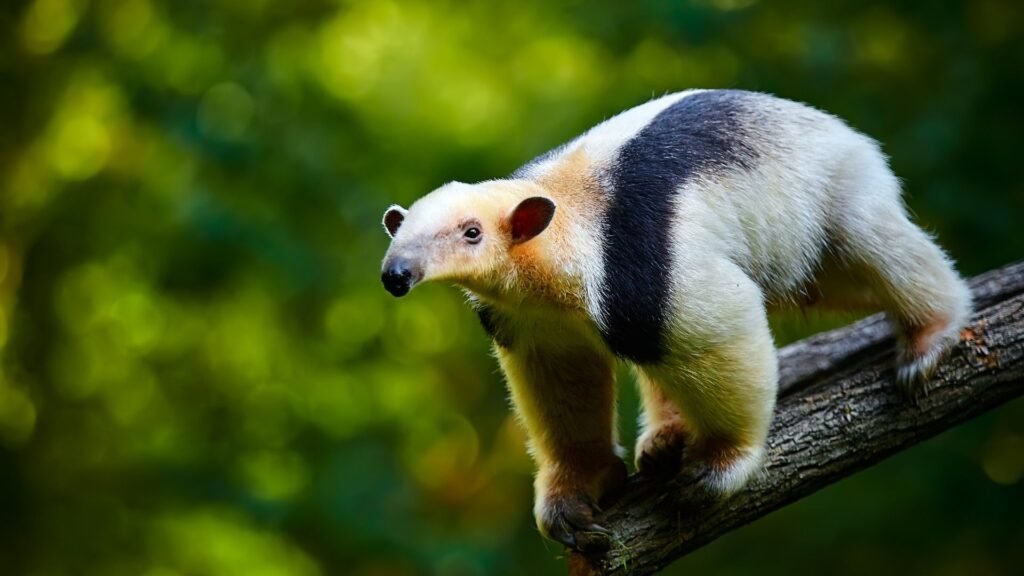
Scientific Name: Tamandua tetradactyla
Class: Mammalia
Diet: Insectivore
The tamandua, or lesser anteater, is a tree-climbing relative of the giant anteater that feeds on ants and termites. It hunts both in trees and on the ground.
Moreover, the tamandua uses its long, sticky tongue and strong claws to raid nests. Its prehensile tail helps it climb and balance while searching for insects.
Tamanduas inhabit the forests and grasslands of Central and South America, feeding on ants and termites.
As arboreal insectivores, tamanduas help control insect populations. They remain widespread in their range.
Fun Fact: The tamandua can avoid certain aggressive ant species by carefully choosing which nests to raid.
Northern Flicker
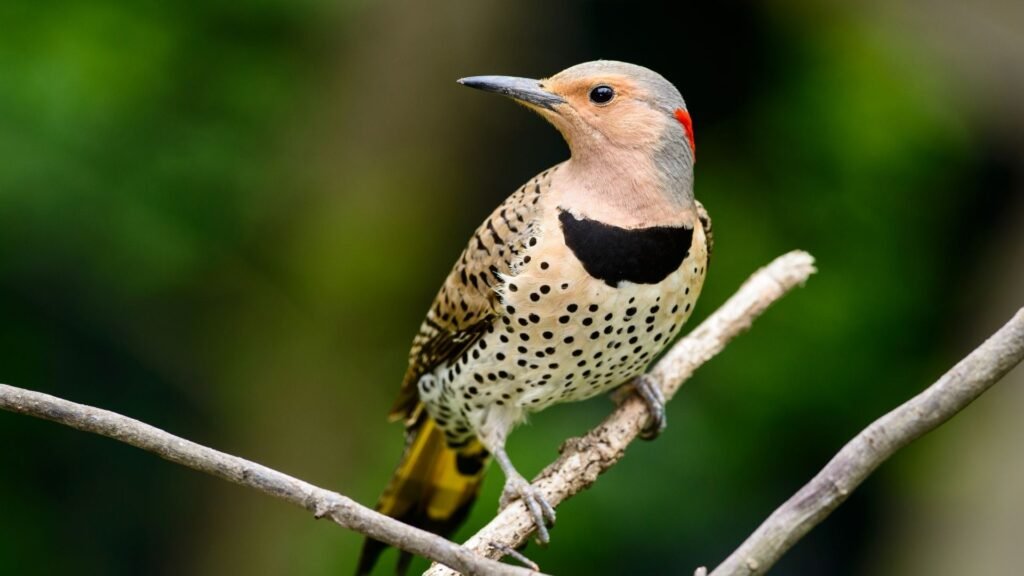
Scientific Name: Colaptes auratus
Class: Aves
Diet: Omnivore
The northern flicker is a type of woodpecker that eats more ants than almost any other North American bird. It often forages on the ground.
Interestingly, the flicker uses its long, sticky tongue to lap up ants from the soil and lawns. Ants can make up the majority of its diet during the warmer months.
Northern flickers inhabit woodlands, parks, and yards across North America, feeding on ants, insects, and berries.
As ground-foraging woodpeckers, flickers help control ant populations. They remain widespread and common.
Fun Fact: Unlike most woodpeckers, the northern flicker often hunts for ants on the ground rather than in trees.
Toad
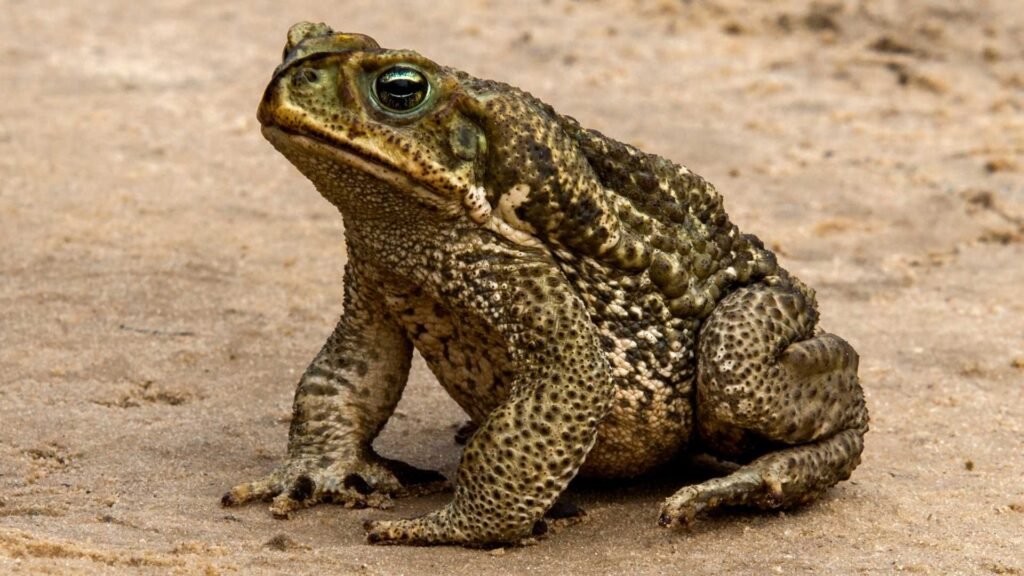
Scientific Name: Bufo bufo
Class: Amphibia
Diet: Insectivore
The toad is an amphibian that eats large numbers of ants, along with other small insects. It is a helpful natural pest controller.
Moreover, the toad flicks out its sticky tongue to snap up ants and insects one by one. A single toad can eat thousands of insects over a season.
Toads inhabit gardens, forests, and wetlands across much of the world, feeding on insects and other small prey.
As insect-eaters, toads are valuable allies to gardeners. Many species remain common, though some face threats.
Fun Fact: A single toad can eat thousands of insects in one summer, making it a gardener’s best friend.
Assassin Bug
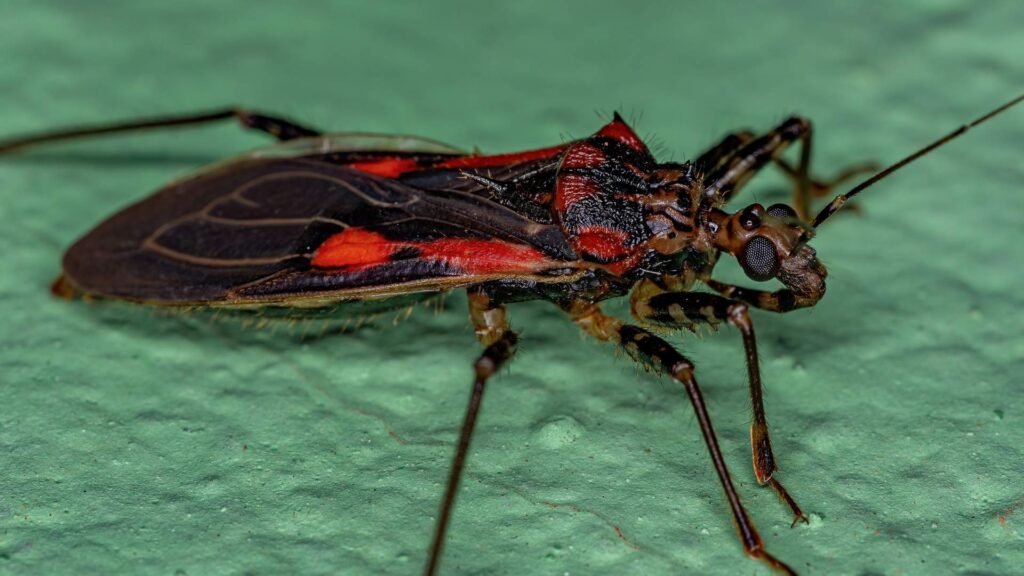
Scientific Name: Reduviidae
Class: Insecta
Diet: Carnivore
The assassin bug is a predatory insect that hunts and eats ants, among other prey. Some species specialize in ant-hunting.
Interestingly, the assassin bug uses a sharp, beak-like mouthpart to stab prey and inject digestive fluids. Some even camouflage themselves with the bodies of the ants they’ve eaten.
Assassin bugs inhabit gardens, forests, and grasslands worldwide, hunting insects including ants.
As predators, assassin bugs help control insect populations. They are widespread and common.
Fun Fact: Some assassin bugs stack the dried bodies of dead ants on their backs as camouflage and armor.
Frequently Asked Questions
Conclusion
Ants may be tiny, but their enormous numbers make them a vital food source across the animal kingdom. From the giant anteater’s two-foot tongue to the antlion’s clever sand traps and the chimpanzee’s homemade tools, animals have evolved incredible ways to feast on these insects. These ant-eaters play an important role in keeping insect populations in balance, benefiting entire ecosystems and even helping humans protect crops and homes.