Top 18 Animals That Sleep a Lot in The World (With Images)
Did you know that the koala can sleep for up to 22 hours a day, spending almost its entire life snoozing? In the animal kingdom, sleeping a lot is often a brilliant survival strategy rather than simple laziness. Animals doze away the hours to conserve energy, digest hard-to-process food, grow, or wait out extreme weather.

From leaf-eating koalas to hibernating bears, the world’s sleepiest animals have fascinating reasons for their long naps. In this guide, we’ll explore the top 18 animals that sleep a lot, revealing just how many hours they rest and why so much sleep helps them thrive.
List of Animals That Sleep a Lot
| Rank | Animal | Scientific Name |
|---|---|---|
| 1 | Koala | Phascolarctos cinereus |
| 2 | Little Brown Bat | Myotis lucifugus |
| 3 | Giant Armadillo | Priodontes maximus |
| 4 | Opossum | Didelphis virginiana |
| 5 | Python | Python bivittatus |
| 6 | Lion | Panthera leo |
| 7 | Tiger | Panthera tigris |
| 8 | Ring-tailed Lemur | Lemur catta |
| 9 | Cat | Felis catus |
| 10 | Hamster | Mesocricetus auratus |
| 11 | Squirrel | Sciurus carolinensis |
| 12 | Three-toed Sloth | Bradypus variegatus |
| 13 | Brown Bear | Ursus arctos |
| 14 | Hedgehog | Erinaceus europaeus |
| 15 | Hazel Dormouse | Muscardinus avellanarius |
| 16 | Owl Monkey | Aotus trivirgatus |
| 17 | Ferret | Mustela putorius furo |
| 18 | Fat-tailed Dwarf Lemur | Cheirogaleus medius |
Koala
Scientific Name: Phascolarctos cinereus
Class: Mammalia
Diet: Herbivore
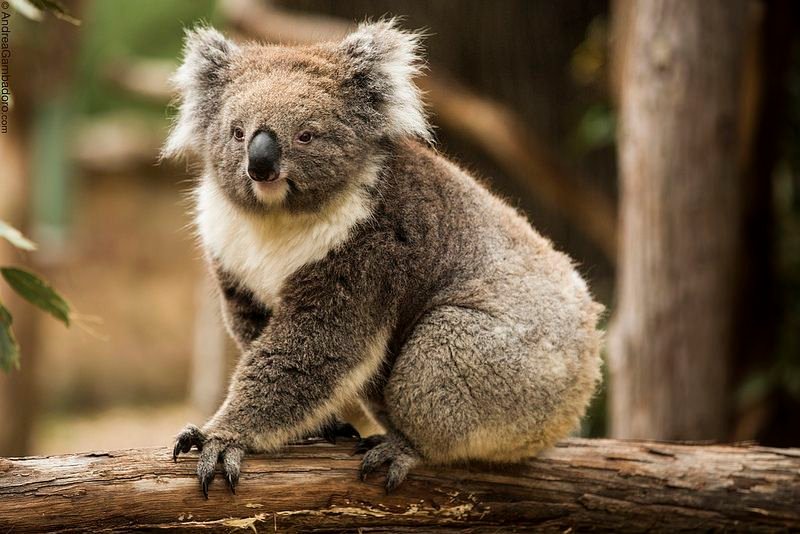
The koala is the champion sleeper of the animal kingdom, dozing for up to 22 hours a day. It spends nearly its entire life resting in eucalyptus trees.
Interestingly, the koala sleeps so much because of its diet. Eucalyptus leaves provide very little energy and are hard to digest, so the koala conserves energy by sleeping most of the day.
Koalas inhabit the eucalyptus woodlands of eastern and southeastern Australia, feeding almost exclusively on eucalyptus leaves.
As specialized browsers, koalas are woven into the health of their forests. Bushfires, disease, and habitat loss have made some populations Endangered.
Fun Fact: A koala sleeps so much that it is awake for only about two hours of the entire day.
Little Brown Bat
Scientific Name: Myotis lucifugus
Class: Mammalia
Diet: Insectivore
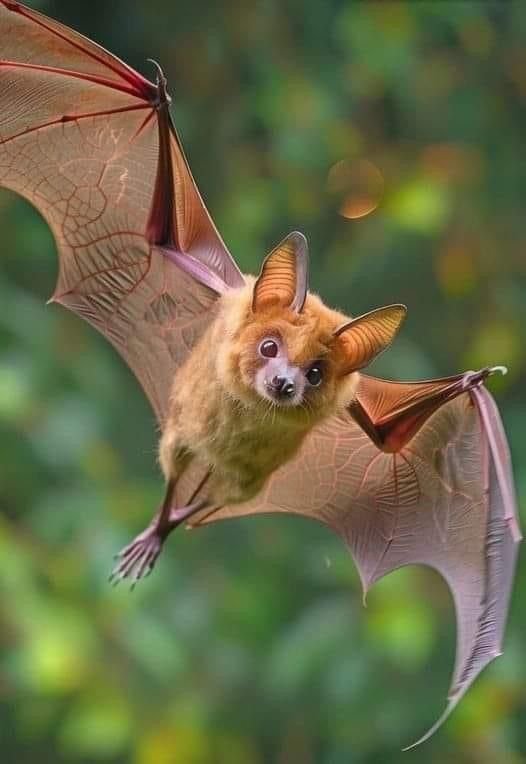
The little brown bat is one of the sleepiest mammals, resting up to 19 or 20 hours a day. It spends most of its time hanging upside down in caves and roosts.
Moreover, the bat conserves energy through long periods of sleep and torpor, a deep, sleep-like state. This helps it survive between its short, intense nighttime hunts for insects.
Little brown bats inhabit forests and caves across North America, feeding on mosquitoes and other flying insects.
As insect-eaters, bats provide invaluable natural pest control. A deadly fungal disease has made them Endangered in many regions.
Fun Fact: A single little brown bat can eat hundreds of mosquitoes in just one hour of nighttime hunting.
Giant Armadillo
Scientific Name: Priodontes maximus
Class: Mammalia
Diet: Insectivore
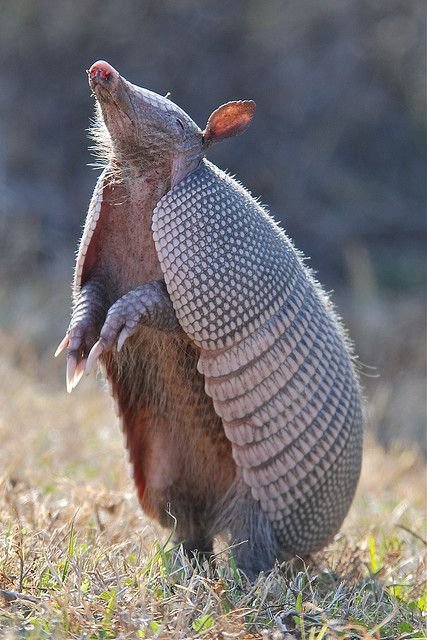
The giant armadillo is a serious sleeper, resting for around 18 hours each day in its burrow. It emerges only for short bursts of activity.
Interestingly, the armadillo conserves energy by sleeping through most of the day and night. Its long naps help it survive on a diet of ants and termites, which it digs up with powerful claws.
Giant armadillos inhabit the forests and grasslands of South America, feeding mainly on ants, termites, and other insects.
As diggers and insect-eaters, armadillos help control pests and aerate soil. Habitat loss has made them Vulnerable.
Fun Fact: The giant armadillo can have up to 100 teeth, more than almost any other land mammal.
Opossum

Scientific Name: Didelphis virginiana
Class: Mammalia
Diet: Omnivore
The opossum spends up to 18 hours a day sleeping, tucked away in nests, logs, or burrows. It conserves energy for short, active bursts at night.
Moreover, the opossum’s long sleep suits its slow, low-energy lifestyle. Resting for most of the day helps this nocturnal marsupial stay hidden and save energy for foraging.
Opossums inhabit forests, farmlands, and urban areas across the Americas, feeding on insects, fruit, small animals, and scraps.
As opportunistic omnivores, opossums help clean up carrion and control pests, including ticks. Adaptable and widespread, they are of Least Concern.
Fun Fact: When extremely frightened, an opossum “plays dead,” collapsing into a death-like state for hours.
Python

Scientific Name: Python bivittatus
Class: Reptilia
Diet: Carnivore
The python can sleep up to 18 hours a day, especially after a large meal. Digesting its enormous prey takes a great deal of time and energy.
Interestingly, once a python has eaten, it barely needs to move for days or even weeks. It simply rests while its body slowly digests a meal that can be larger than its own head.
Pythons are native to the grasslands and forests of Asia and Africa, ambushing prey such as rodents, birds, and larger mammals.
As ambush predators, pythons help control prey populations in their native range. In invasive areas, however, they can harm local wildlife.
Fun Fact: After swallowing a huge meal, a python can go weeks or even months before it needs to eat again.
Lion

Scientific Name: Panthera leo
Class: Mammalia
Diet: Carnivore
The lion is famous for lounging, resting and sleeping for up to 20 hours a day. It spends the vast majority of its time lying in the shade.
Moreover, the lion conserves energy for the intense, explosive effort of hunting. Since chases are exhausting and often fail, resting lets it save strength for the crucial moments.
Lions inhabit the savannas and grasslands of sub-Saharan Africa, with a small population in India, hunting large herbivores.
As apex predators, lions help regulate herbivore populations. Habitat loss and conflict have made them Vulnerable.
Fun Fact: A lion may rest for up to 20 hours a day, hunting mostly in short bursts during the cooler hours.
Tiger
Scientific Name: Panthera tigris
Class: Mammalia
Diet: Carnivore
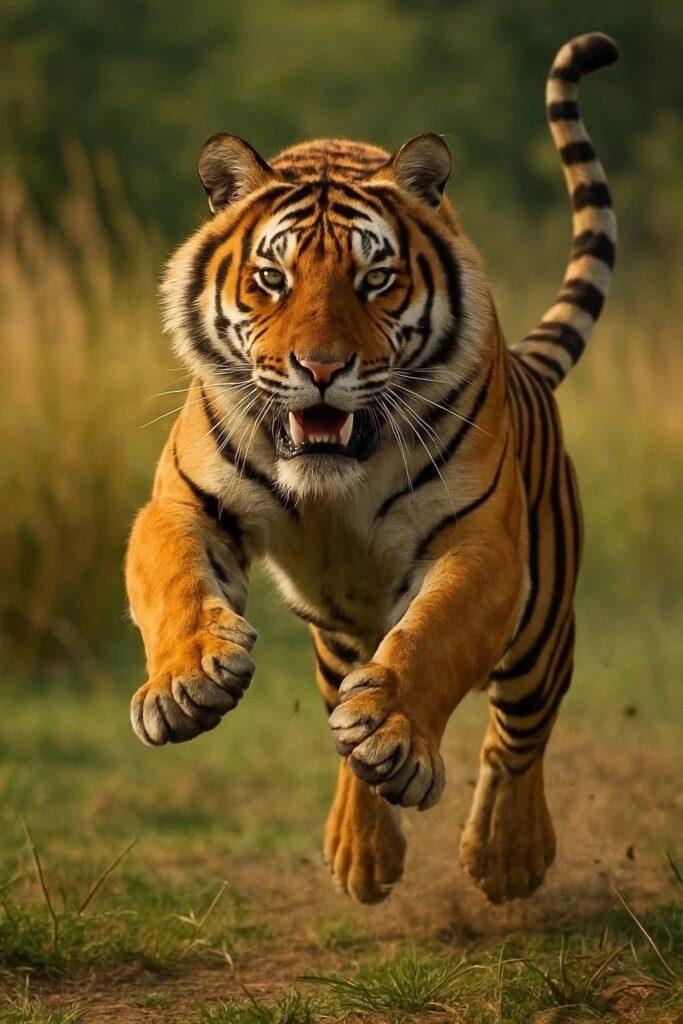
The tiger sleeps for around 16 hours a day, conserving energy between hunts. Like the lion, it spends most of its time resting.
Interestingly, the tiger is a solitary, mostly nocturnal hunter that saves its energy for stalking prey. Long naps help it stay powerful and ready for its explosive, ambush-style attacks.
Tigers inhabit the forests, grasslands, and mangroves of Asia, hunting deer, wild boar, and other large animals.
As apex predators, tigers help maintain balance in their ecosystems. Habitat loss and poaching have made them Endangered.
Fun Fact: After a big meal, a tiger may rest for days, returning to its kill to feed and then nap again.
Ring-tailed Lemur
Scientific Name: Lemur catta
Class: Mammalia
Diet: Omnivore
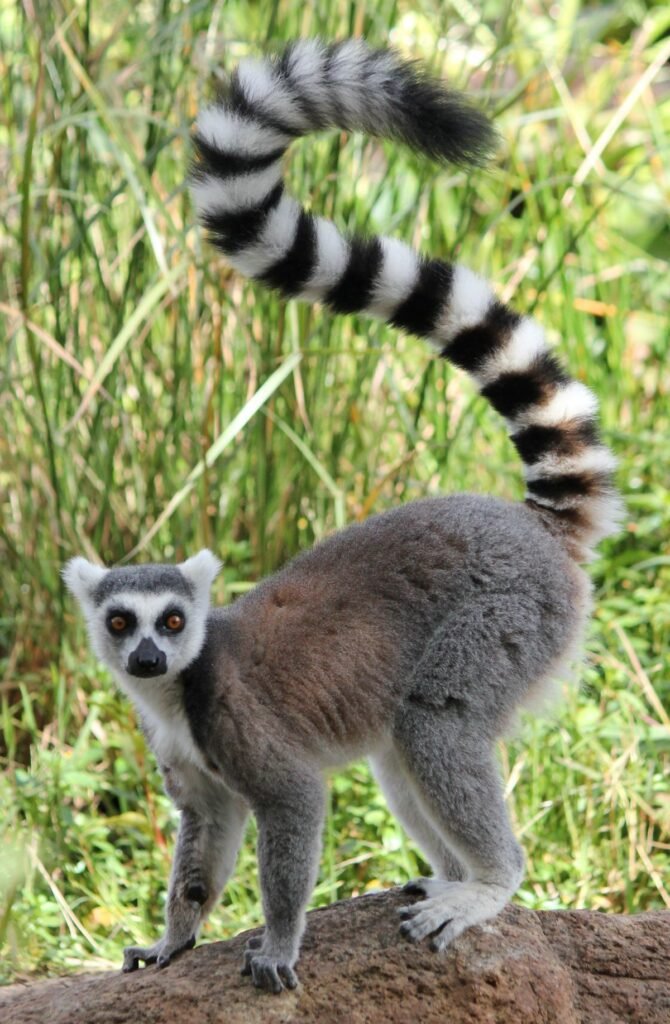
The ring-tailed lemur sleeps around 16 hours a day, resting through the night in the safety of the trees. It saves its energy for daytime foraging and socializing.
Moreover, the lemur often begins its day by sunbathing before becoming active. Long rest helps it conserve energy in the dry, resource-scarce forests of Madagascar.
Ring-tailed lemurs inhabit the dry forests and scrublands of southern Madagascar, feeding on fruit, leaves, flowers, and insects.
As seed dispersers, lemurs are essential to their unique island ecosystem. Habitat loss and hunting have made them Endangered.
Fun Fact: Ring-tailed lemurs love to sunbathe, sitting upright with their arms out to warm up in the morning sun.
Cat
Scientific Name: Felis catus
Class: Mammalia
Diet: Carnivore
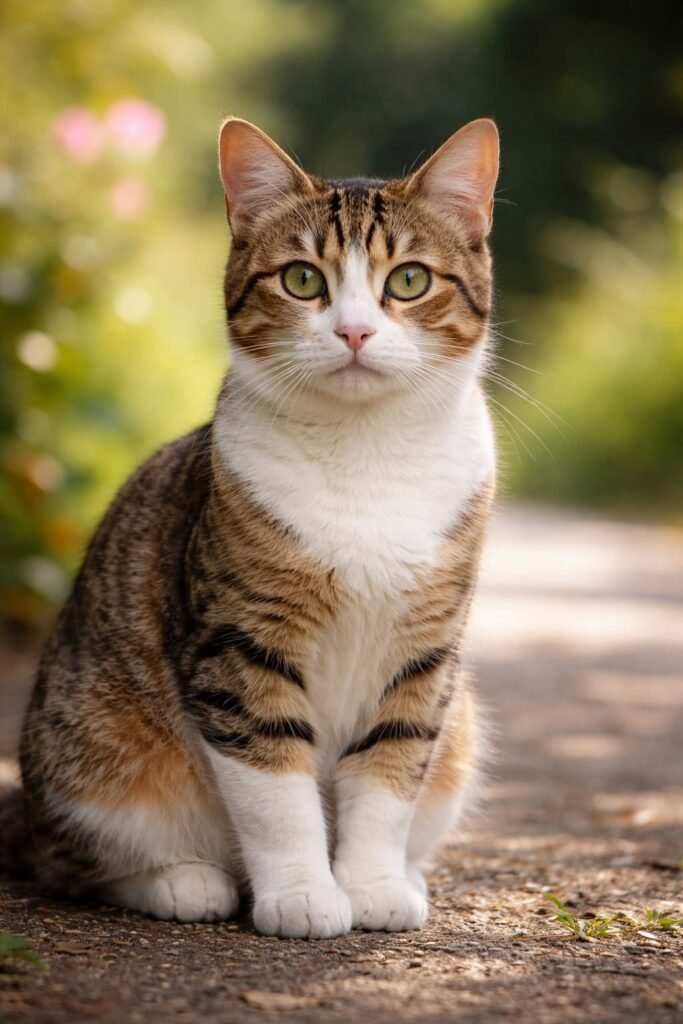
The cat is a champion napper, sleeping between 13 and 16 hours a day. Most pet owners know just how much their feline friends love to snooze.
Interestingly, the cat’s sleepy nature comes from its ancestry as a hunter. Sleeping conserves energy for the short, intense bursts of activity needed to stalk and pounce on prey.
Domestic cats live worldwide as companions, descended from wild hunters and retaining their instincts.
As skilled hunters, cats have long helped humans control rodents. Their long naps reflect the energy-saving habits of wild predators.
Fun Fact: Much of a cat’s sleep is light “cat napping,” letting it wake instantly at the slightest sound.
Hamster

Scientific Name: Mesocricetus auratus
Class: Mammalia
Diet: Omnivore
The hamster sleeps around 14 hours a day, usually curled up in a cozy burrow or nest. It is most active at dawn and dusk.
Moreover, the hamster’s long daytime sleep helps it avoid predators and conserve energy. As a crepuscular animal, it saves its bursts of activity for the safer, dimmer hours.
Hamsters originally come from the dry regions of Europe and Asia, where they dig burrows, but are now popular pets worldwide.
As seed and grain gatherers, wild hamsters influence local plant life. Some wild species are declining rapidly due to habitat loss.
Fun Fact: A hamster can stuff its cheek pouches with food before settling in for a long, cozy sleep.
Squirrel
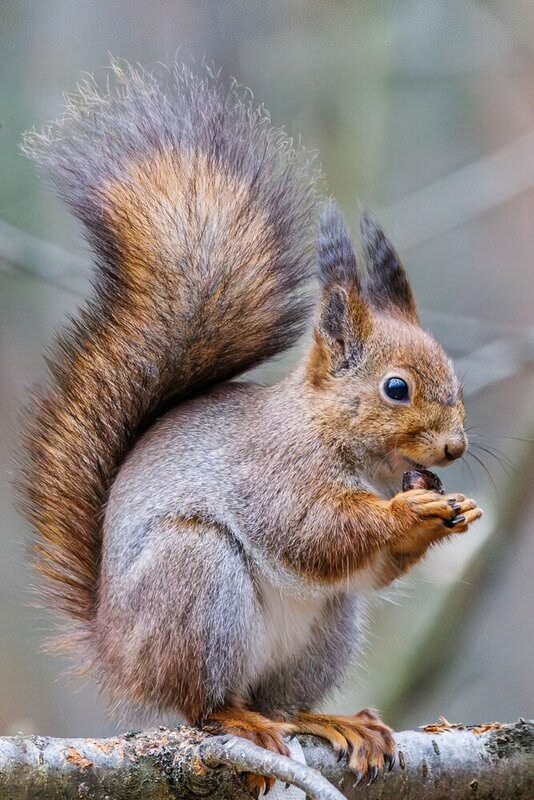
Scientific Name: Sciurus carolinensis
Class: Mammalia
Diet: Omnivore
The squirrel sleeps around 14 hours a day, resting in nests called dreys or in tree hollows. Despite its energetic reputation, it spends much of its time asleep.
Interestingly, the squirrel curls up and wraps its bushy tail around itself for warmth while sleeping. Long rest helps it conserve energy between busy bouts of foraging and hoarding.
Squirrels inhabit forests, woodlands, and city parks across much of the world, feeding on nuts, seeds, fruit, and fungi.
As seed hoarders, squirrels accidentally plant countless trees by forgetting buried caches. Most species thrive and are of Least Concern.
Fun Fact: Some ground squirrels hibernate for months, and their body temperature can drop close to freezing.
Three-toed Sloth

Scientific Name: Bradypus variegatus
Class: Mammalia
Diet: Herbivore
The three-toed sloth has a famous reputation for sleeping, though the truth is a little surprising. Wild sloths actually sleep around 9 to 10 hours a day, far less than the 20 hours once believed.
Moreover, the myth of the super-sleepy sloth came from studying captive animals. Even so, the sloth is incredibly slow and restful, moving as little as possible to conserve its limited energy.
Sloths inhabit the tropical rainforests of Central and South America, spending nearly their entire lives in the canopy, feeding on leaves.
As gentle herbivores, sloths support a tiny ecosystem in their fur. Deforestation is their greatest threat.
Fun Fact: Wild sloths actually sleep about half as much as people once thought, but they move so slowly that algae grows on them.
Brown Bear
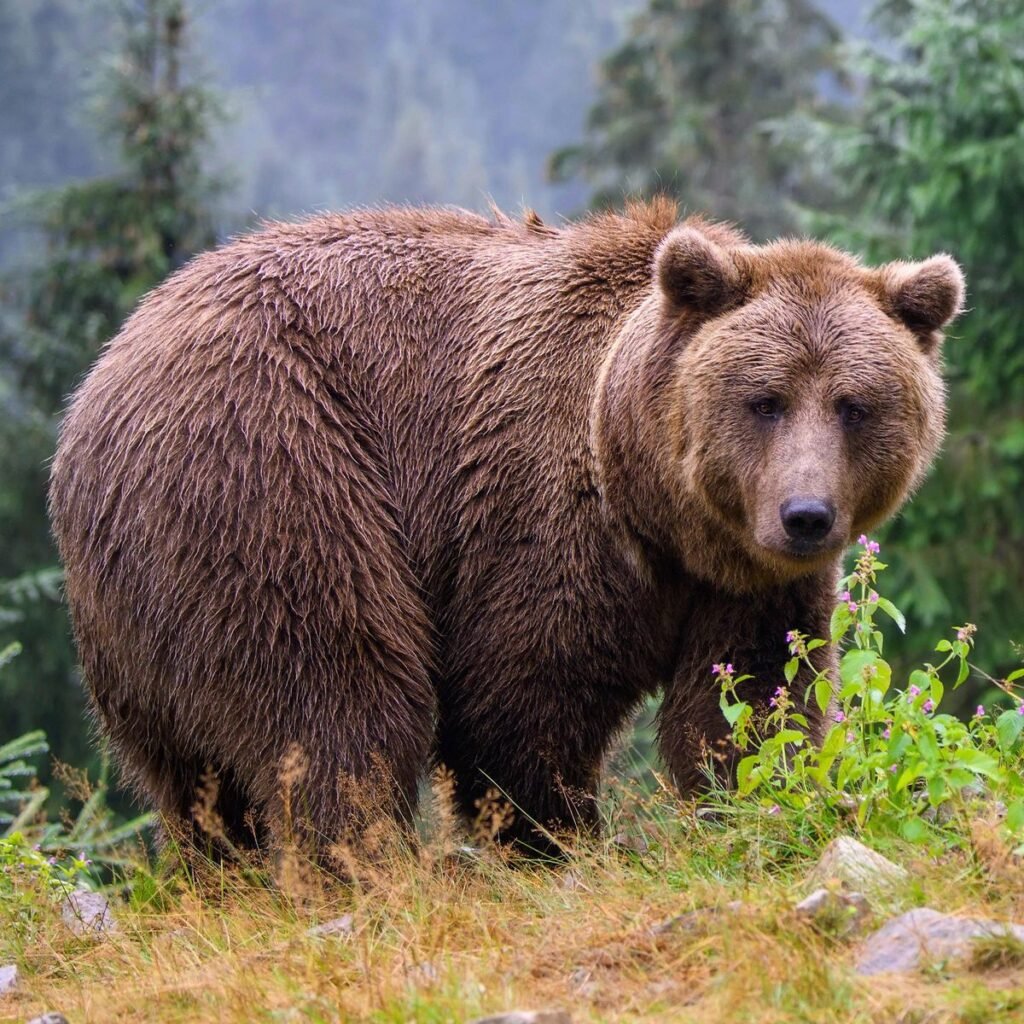
Scientific Name: Ursus arctos
Class: Mammalia
Diet: Omnivore
The brown bear takes sleeping to the extreme, hibernating for up to five to seven months through the winter. During this time, it barely stirs at all.
Interestingly, before hibernating, the bear eats enormously to build fat reserves. It then sleeps through the harsh, food-scarce winter, its heart rate and body temperature dropping dramatically.
Brown bears inhabit forests, mountains, and tundra across North America, Europe, and Asia, feeding on berries, plants, fish, and small mammals.
As apex omnivores, brown bears shape ecosystems by dispersing seeds and controlling prey. Widespread but locally threatened, they need large, wild habitats.
Fun Fact: A hibernating brown bear can go for months without eating, drinking, or leaving its den.
Hedgehog
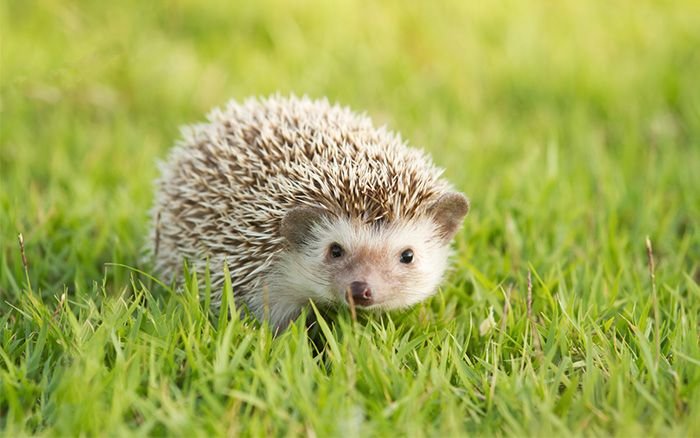
Scientific Name: Erinaceus europaeus
Class: Mammalia
Diet: Omnivore
The hedgehog sleeps around 18 hours a day and, in colder climates, hibernates through the winter. It is one of the sleepiest small mammals.
Moreover, the hedgehog rests through the day and forages at night, conserving energy for its nighttime insect hunts. During hibernation, its body slows down almost completely to survive the cold.
Hedgehogs inhabit woodlands, hedgerows, and gardens across Europe, Asia, and Africa, feeding on insects, worms, and other small creatures.
As natural pest controllers, hedgehogs are valuable garden allies. Populations in some regions are declining due to habitat loss and roads.
Fun Fact: A hibernating hedgehog’s heartbeat can slow from nearly 190 beats per minute to just about 20.
Hazel Dormouse
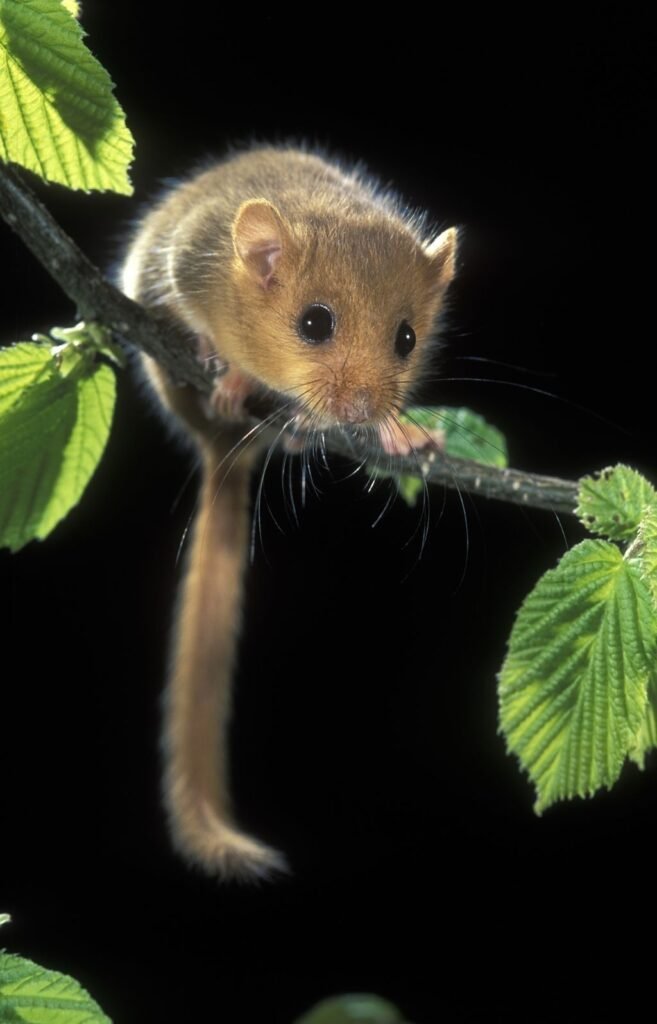
Scientific Name: Muscardinus avellanarius
Class: Mammalia
Diet: Omnivore
The hazel dormouse is one of the sleepiest animals of all, hibernating for up to six months of the year. Its name comes from a French word meaning “to sleep.”
Interestingly, the dormouse spends more than half its life asleep. On top of its long winter hibernation, it also enters torpor on cold days, dramatically slowing its body to save energy.
Hazel dormice inhabit the woodlands and hedgerows of Europe, feeding on nuts, berries, flowers, and insects.
As seed and fruit eaters, dormice help disperse plants in their habitats. Habitat loss has made them a species of conservation concern.
Fun Fact: The hazel dormouse can spend three-quarters of its entire life asleep, between hibernation and daily naps.
Owl Monkey

Scientific Name: Aotus trivirgatus
Class: Mammalia
Diet: Omnivore
The owl monkey, also called the night monkey, sleeps around 17 hours a day, resting throughout the daylight hours. It becomes active only after dark.
Moreover, as the world’s only truly nocturnal monkey, it saves its energy by sleeping all day in tree hollows. It emerges at night to forage, guided by its enormous, light-gathering eyes.
Owl monkeys inhabit the forests of Central and South America, feeding on fruit, insects, nectar, and leaves.
As nocturnal seed dispersers, owl monkeys occupy a niche few primates fill. Deforestation and the pet trade threaten several species.
Fun Fact: The owl monkey is the only monkey in the world that is truly active at night rather than during the day.
Ferret
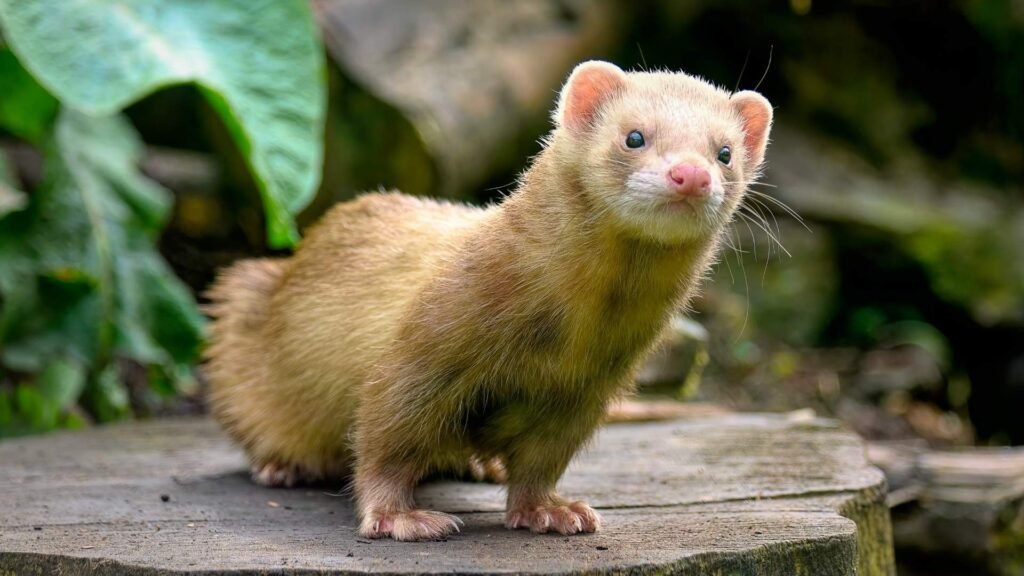
Scientific Name: Mustela putorius furo
Class: Mammalia
Diet: Carnivore
The ferret is a champion sleeper, dozing for 14 to 18 hours a day. Between naps, it bursts into bouts of frantic, playful energy.
Interestingly, the ferret sleeps so deeply that owners sometimes worry it won’t wake up, a phenomenon nicknamed “dead sleep.” This deep rest fuels its short, high-energy play sessions.
Ferrets are kept worldwide as pets and working animals, descended from the European polecat.
As domesticated carnivores, ferrets have long helped humans hunt rodents. Their long sleep and playful bursts make them entertaining companions.
Fun Fact: A ferret can fall into such a deep sleep that it may not react even when gently picked up.
Fat-tailed Dwarf Lemur
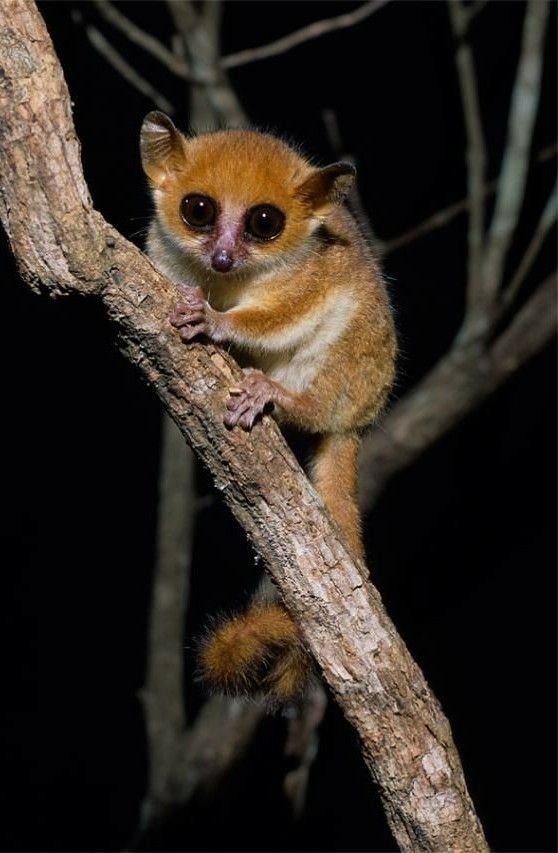
Scientific Name: Cheirogaleus medius
Class: Mammalia
Diet: Omnivore
The fat-tailed dwarf lemur is the only primate known to hibernate for long periods, sleeping away up to seven months of the year. This makes it one of nature’s ultimate sleepers.
Moreover, the lemur stores fat in its tail to fuel its long hibernation. As its name suggests, its plump tail becomes a built-in food supply during the dry season.
Fat-tailed dwarf lemurs inhabit the dry forests of Madagascar, feeding on fruit, flowers, and insects.
As seed dispersers, dwarf lemurs help shape their forest habitats. Habitat loss has made them Vulnerable.
Fun Fact: The fat-tailed dwarf lemur is the only primate that truly hibernates, sometimes for over half the year.
Frequently Asked Questions
Conclusion
From the 22-hour-napping koala to the seven-month-hibernating dwarf lemur, the world’s sleepiest animals prove that long rest is a powerful survival tool. Each species whether an energy-saving lion, a meal-digesting python, or a winter-sleeping bear sleeps for reasons perfectly suited to its lifestyle and environment. Far from laziness, all this shut-eye helps animals conserve energy, survive lean times, and stay ready for action.