
Top 12 Animals That Are Loners (With Images)
Is there strength in going it alone? While many animals thrive in herds and packs, some of nature’s most remarkable creatures prefer a solitary life. The animals that are loners live, hunt, and roam by themselves, meeting others only to mate. Far from lonely, this independent lifestyle is a smart adaptation that reduces competition for food and territory.
From the elusive snow leopard of the mountains to the tree-dwelling orangutan, these solitary animals reveal that self-reliance can be a powerful survival strategy. Let’s explore the world’s most independent animals and the fascinating reasons behind their solitary ways.
Quick List Table
| Rank | Animal Name | Scientific Name |
|---|---|---|
| 1 | Snow Leopard | Panthera uncia |
| 2 | Jaguar | Panthera onca |
| 3 | Orangutan | Pongo pygmaeus |
| 4 | Giant Panda | Ailuropoda melanoleuca |
| 5 | Platypus | Ornithorhynchus anatinus |
| 6 | Moose | Alces alces |
| 7 | Common Octopus | Octopus vulgaris |
| 8 | Striped Skunk | Mephitis mephitis |
| 9 | Black Rhinoceros | Diceros bicornis |
| 10 | Three-Toed Sloth | Bradypus variegatus |
| 11 | Aardvark | Orycteropus afer |
| 12 | Sun Bear | Helarctos malayanus |
Snow Leopard
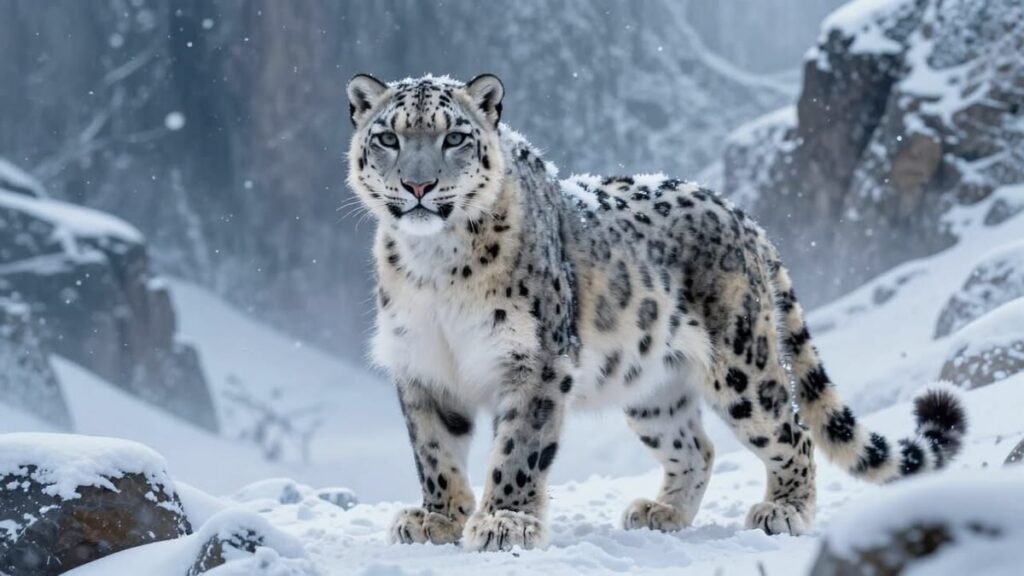
Scientific Name: Panthera uncia
Class: Mammalia
Diet: Carnivore
The snow leopard is a solitary ghost of the high mountains. It roams vast, rugged ranges entirely alone. Its independent lifestyle suits the sparse, remote world it inhabits.
Interestingly, the snow leopard’s solitary nature helps it survive where prey is scarce. Each cat patrols a large territory, meeting others only to mate. Its thick fur and long tail help it endure the harsh cold alone.
Snow leopards live in the mountain ranges of Central and South Asia. As carnivores, they hunt wild sheep, goats, and smaller mammals across steep terrain.
Moreover, snow leopards are top predators that help balance mountain ecosystems. Poaching and habitat loss have made them a vulnerable species.
Fun Fact: The snow leopard is so elusive it is often called the “ghost of the mountains.”
Jaguar
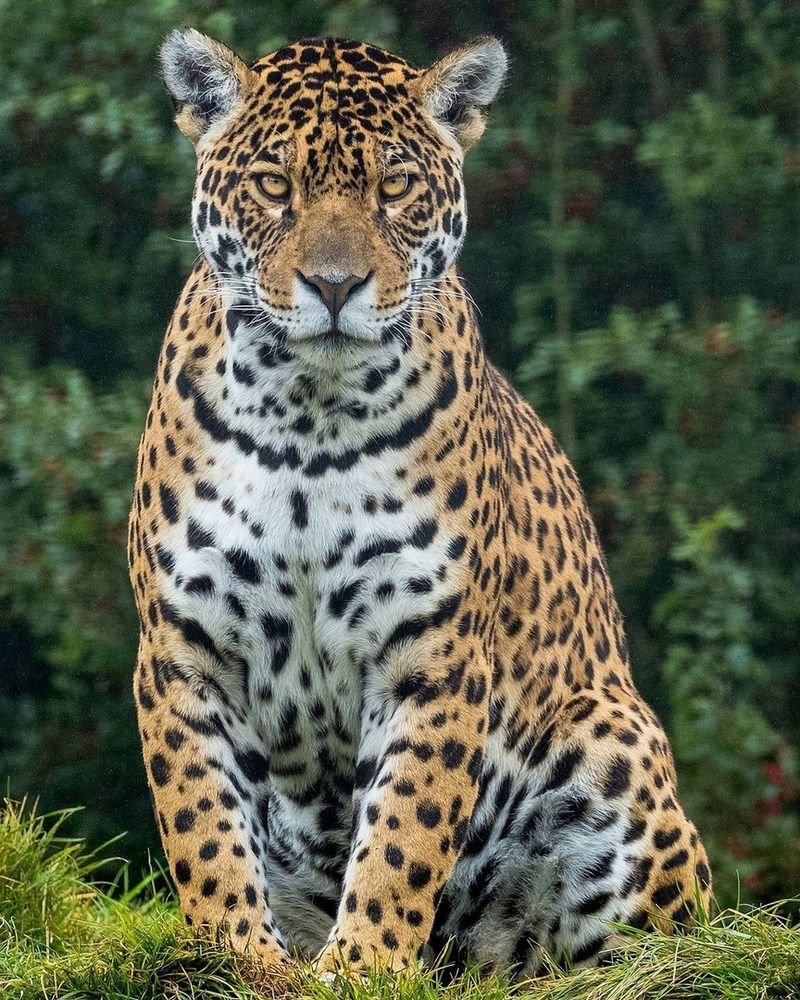
Scientific Name: Panthera onca
Class: Mammalia
Diet: Carnivore
The jaguar is a powerful, solitary big cat of the Americas. It hunts and lives alone across its forest territory. Only mothers with cubs break this solitary pattern.
What sets the jaguar apart is its independent, secretive lifestyle. Each jaguar marks and defends a large range, avoiding others except to breed. This solitude reduces competition for prey in its dense habitat.
Jaguars live in the rainforests, wetlands, and grasslands of Central and South America. As carnivores, they hunt a wide range of prey, from capybaras to caimans.
Moreover, jaguars are apex predators that keep their ecosystems healthy. Habitat loss and hunting have made them a species of concern.
Orangutan
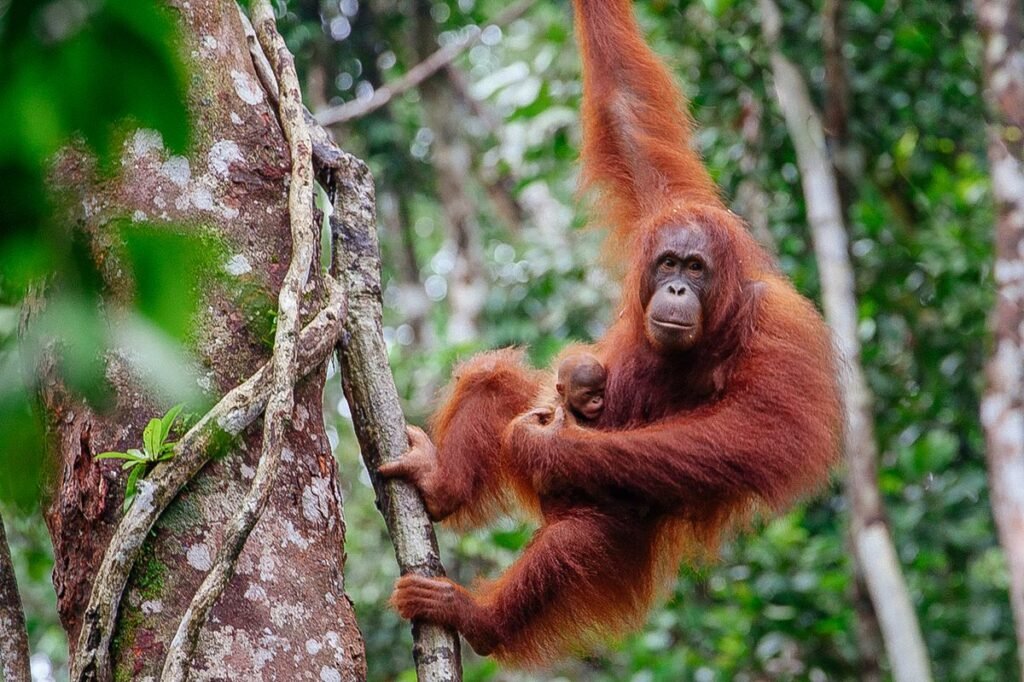
Scientific Name: Pongo pygmaeus
Class: Mammalia
Diet: Herbivore (mostly fruit)
The orangutan is the most solitary of all the great apes. Adults, especially males, spend most of their lives alone. This sets them apart from their highly social relatives.
Interestingly, orangutans lead independent lives high in the trees, foraging alone for fruit. Mothers stay with their young for years, but adult males roam solo. Their solitary nature suits a diet spread thinly across the forest.
Orangutans live in the rainforests of Borneo and Sumatra. As frugivores, they feed mainly on fruit, along with leaves, bark, and insects.
Moreover, orangutans disperse seeds and shape their forest habitat. Deforestation and the palm oil industry have made them critically endangered.
Fun Fact: Orangutans are the largest tree-dwelling animals and spend most of their lives alone in the canopy.
Giant Panda
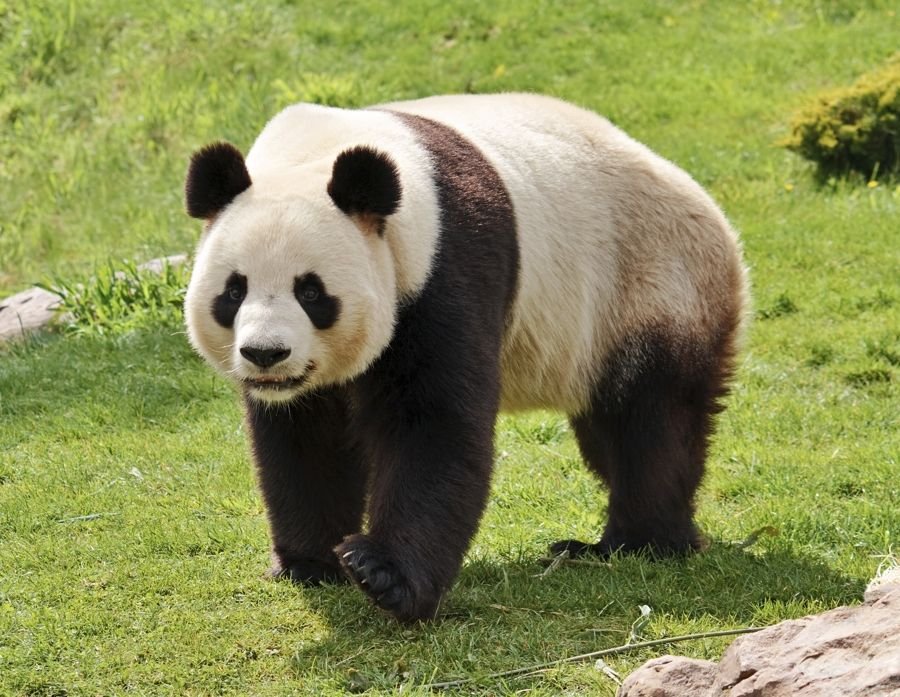
Scientific Name: Ailuropoda melanoleuca
Class: Mammalia
Diet: Herbivore (bamboo)
The giant panda leads a famously solitary life. Adults live and feed alone across their bamboo forests. They come together only briefly during the breeding season.
What sets the panda apart is how solitude suits its diet. Because bamboo is low in energy, each panda needs its own feeding area to survive. They use scent to communicate and avoid one another most of the year.
Giant pandas live in the misty bamboo forests of central China’s mountains. As herbivores, they eat huge amounts of bamboo each day.
Moreover, pandas help maintain healthy bamboo forests. Decades of protection have lifted them from endangered to vulnerable.
Platypus
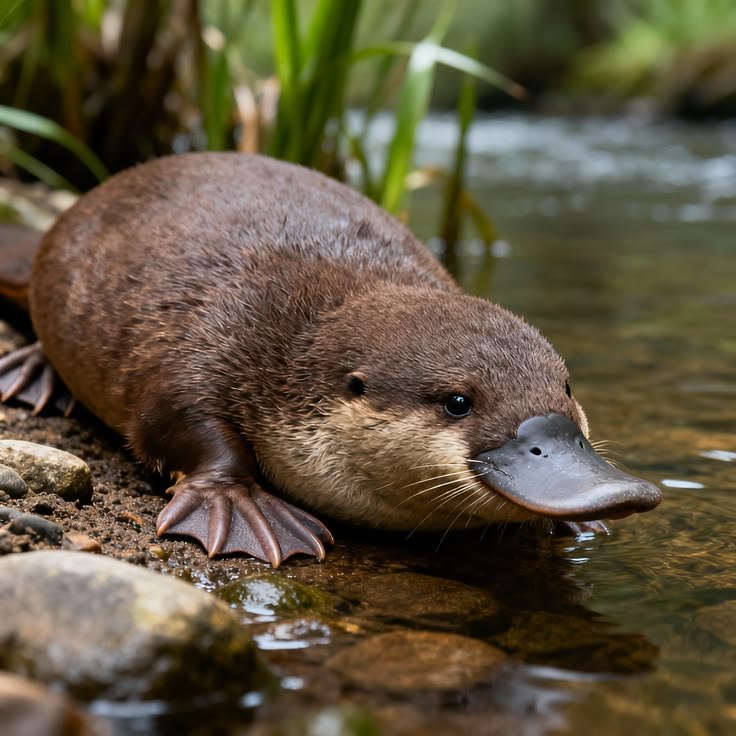
Scientific Name: Ornithorhynchus anatinus
Class: Mammalia
Diet: Carnivore (invertebrates)
The platypus is a solitary, secretive creature of Australia’s waterways. It hunts and rests alone in its riverbank burrow. This independence suits its shy, elusive nature.
Interestingly, platypuses avoid one another outside the breeding season, each keeping to its own stretch of water. They forage alone at dawn and dusk, using electroreception to find prey. Solitude helps them avoid competition.
Platypuses live in the freshwater rivers and streams of eastern Australia. As carnivores, they hunt insects, larvae, and small crustaceans underwater.
Moreover, the platypus is a unique indicator of healthy waterways. Habitat loss and drought have raised concern for its future.
Moose
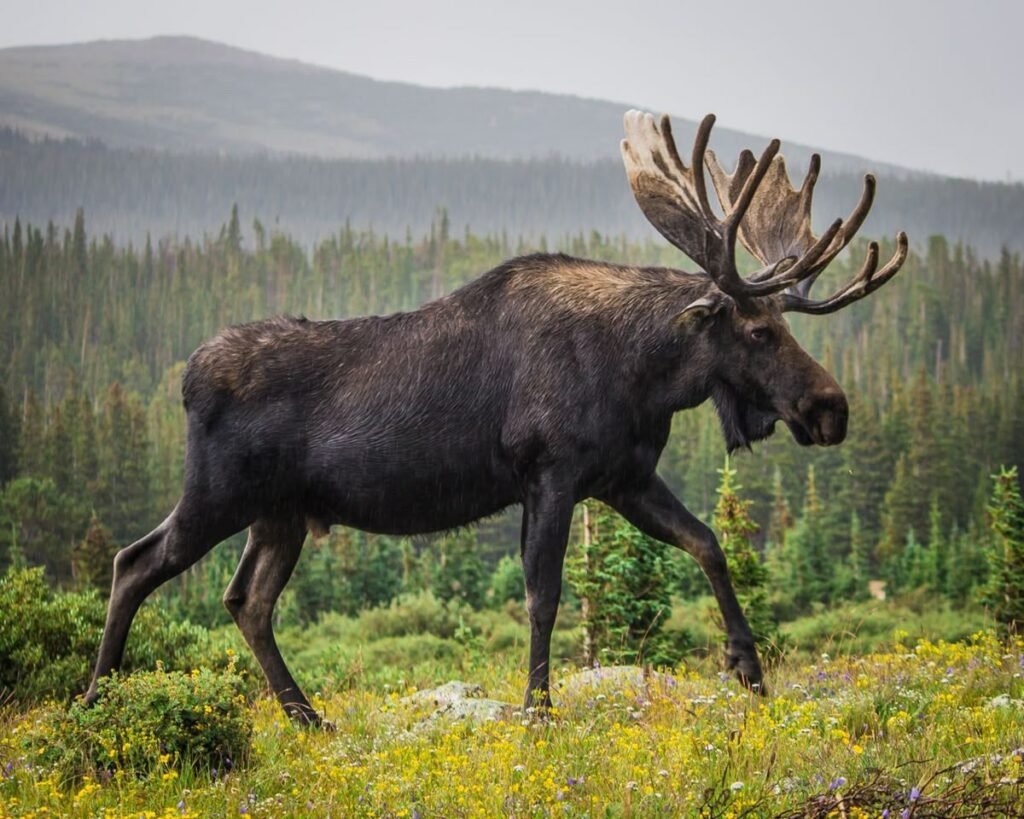
Scientific Name: Alces alces
Class: Mammalia
Diet: Herbivore
The moose is the largest member of the deer family and a natural loner. Unlike many deer, it does not form herds. It roams the northern forests almost entirely alone.
What sets the moose apart is its solitary browsing lifestyle. Each moose wanders its own range, coming together with others only to mate. Its large size means it needs plenty of space and food.
Moose live in the forests and wetlands of the northern Northern Hemisphere. As herbivores, they feed on leaves, twigs, and aquatic plants.
Moreover, moose shape forest vegetation through their browsing. They remain widespread across their cold, northern range.
Fun Fact: Unlike most deer, moose are loners and rarely gather in herds.
Common Octopus
Scientific Name: Octopus vulgaris
Class: Cephalopoda
Diet: Carnivore (crustaceans, mollusks)
The common octopus is a highly intelligent yet deeply solitary animal. It lives alone in a den on the seabed. It meets others only briefly to mate.
Interestingly, the octopus prefers a solitary life, hunting and hiding by itself. It guards its den and avoids other octopuses, which can even be aggressive toward one another. This independence suits its secretive nature.
Common octopuses live in warm and temperate coastal waters worldwide. As carnivores, they hunt crabs, clams, and fish using stealth and camouflage.
Moreover, octopuses are among the most intelligent invertebrates. They remain widespread, though fishing and habitat change affect them.
Striped Skunk
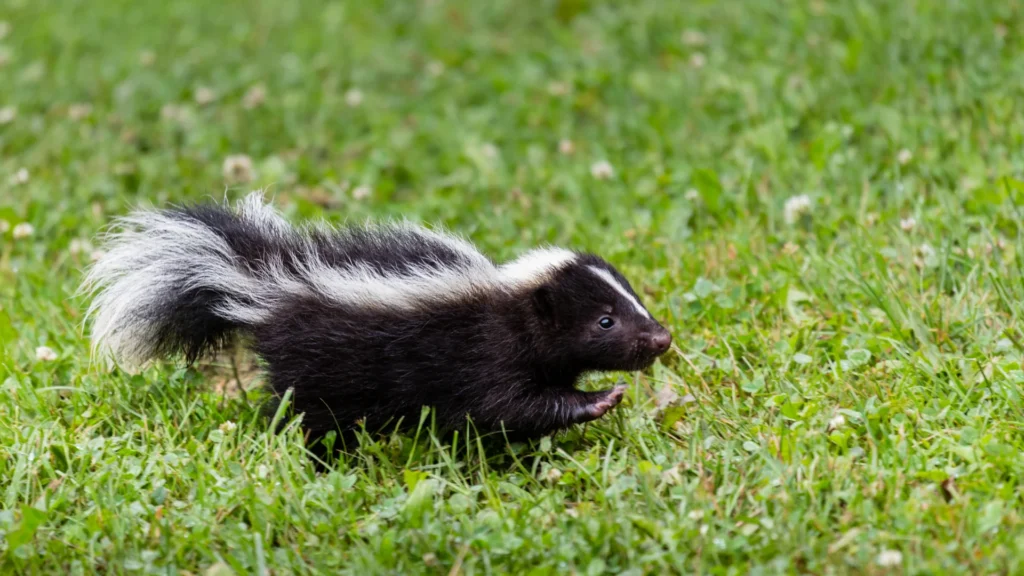
Scientific Name: Mephitis mephitis
Class: Mammalia
Diet: Omnivore
The striped skunk is a solitary, mostly nocturnal animal. It forages alone through the night. Skunks come together only to mate or, in cold regions, to share a winter den.
What sets the skunk apart is its confident solitude. Armed with its famous spray, it has little need for the safety of a group. It wanders and feeds on its own without fear of most predators.
Striped skunks live across North America, in forests, grasslands, and suburbs. As omnivores, they eat insects, small animals, fruit, and plants.
Moreover, skunks help control insect and rodent populations. They remain common and adaptable across their range.
Fun Fact: A skunk’s powerful spray lets it wander alone with little fear of predators.
Black Rhinoceros
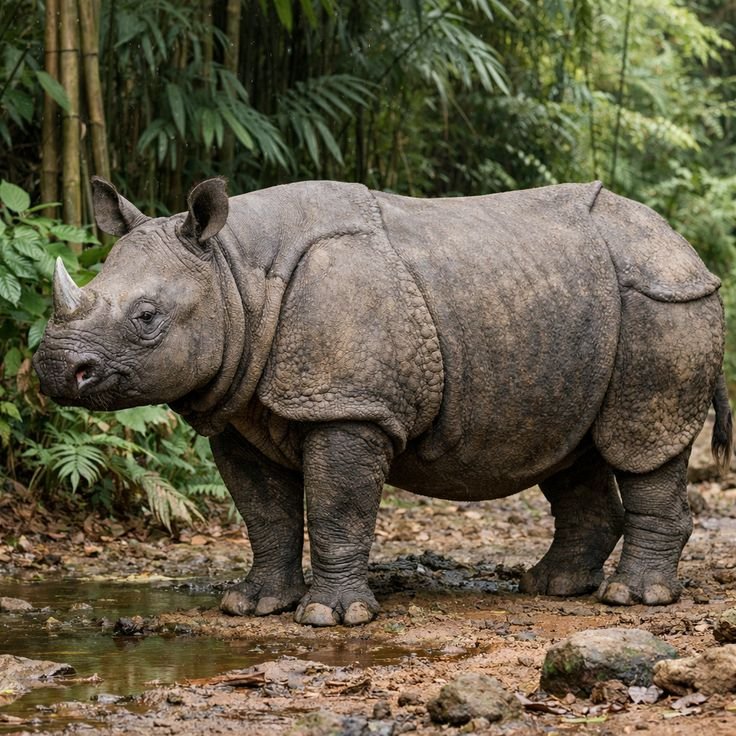
Scientific Name: Diceros bicornis
Class: Mammalia
Diet: Herbivore
The black rhinoceros leads a largely solitary life. Adults roam and browse alone across their range. They tolerate others only briefly and defend their space.
Interestingly, the black rhino’s solitary habits reduce competition for the browse it depends on. Each animal keeps to its own area, using scent to communicate. Mothers stay with their calves, but otherwise they prefer solitude.
Black rhinos live in the savannas and scrublands of eastern and southern Africa. As herbivores, they browse on leaves and branches with a hooked lip.
Moreover, black rhinos shape vegetation and support their ecosystems. Poaching for their horns has made them critically endangered.
Three-Toed Sloth

Scientific Name: Bradypus variegatus
Class: Mammalia
Diet: Herbivore (leaves)
The three-toed sloth is a gentle loner of the rainforest canopy. It spends its slow life hanging alone among the branches. Sloths meet only to mate before parting again.
What sets the sloth apart is how solitude suits its low-energy lifestyle. Living alone means less competition for the leaves it eats and less movement overall. Its slow, quiet life keeps it hidden from predators.
Three-toed sloths live in the tropical forests of Central and South America. As herbivores, they feed on leaves, which digest very slowly.
Moreover, sloths host tiny ecosystems of algae and insects in their fur. Deforestation threatens these gentle, solitary animals.
Fun Fact: A sloth is so solitary that it may spend its entire life in just a few trees.
Aardvark
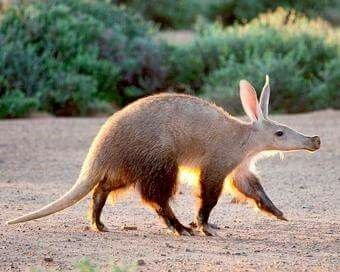
Scientific Name: Orycteropus afer
Class: Mammalia
Diet: Carnivore (insects)
The aardvark is a solitary, nocturnal digger of the African plains. It forages alone through the night. Aardvarks come together only briefly to mate.
Interestingly, the aardvark’s solitary habits suit its specialized diet of ants and termites. Each animal wanders its own range, digging burrows and nests without company. Its independence helps it cover large areas in search of insects.
Aardvarks live across much of sub-Saharan Africa, in savannas and grasslands. As insectivores, they feed almost entirely on ants and termites.
Moreover, aardvarks are ecosystem engineers whose burrows shelter many other animals. They remain fairly widespread across their range.
Sun Bear
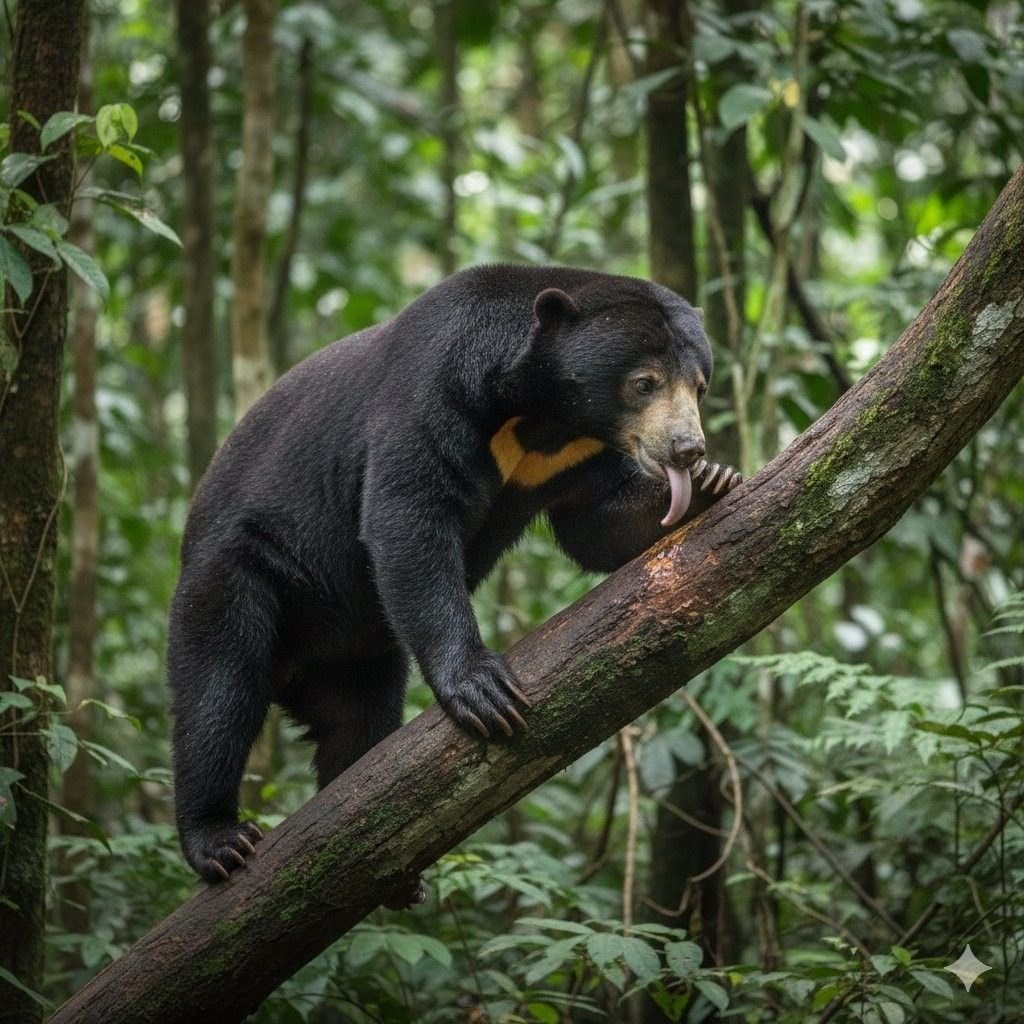
Scientific Name: Helarctos malayanus
Class: Mammalia
Diet: Omnivore
The sun bear is the smallest bear and a natural loner. It forages alone through the rainforest. Sun bears meet others only to mate or when raising cubs.
What sets the sun bear apart is its independent, secretive lifestyle. Each bear ranges alone in search of food, using its long tongue and strong claws. Solitude helps it find enough scattered food in the forest.
Sun bears live in the tropical forests of Southeast Asia. As omnivores, they feed on honey, insects, fruit, and small animals.
Moreover, sun bears disperse seeds and help control insect populations. Deforestation and poaching have made them vulnerable.
Fun Fact: The sun bear is the smallest bear species, yet it roams the forest entirely alone.
Read: Animals That Eat Grass
Read: Animals That Eat Bananas
Read: Animals That Eat Snakes
Read: Animals That Can Climb Trees
Read: Animals with No Teeth
Frequently Asked Questions
Conclusion
From the elusive snow leopard to the tree-dwelling orangutan, the animals that are loners prove that independence can be a powerful path to survival. By living alone, these creatures reduce competition, claim the resources they need, and thrive in habitats where food is scarce. Their solitary lives are not signs of loneliness but finely tuned strategies shaped by evolution.
One Comment