Top 12 Animals That Eat Grass (With Images)
How can an animal grow massive and strong on a diet of nothing but grass? It seems impossible, yet grass feeds some of the largest and most important creatures on Earth. The animals that eat grass, known as grazers, have evolved special stomachs, teeth, and digestive tricks to unlock the nutrients in this tough, fibrous plant. Far from simple lawn-mowers, these animals shape entire landscapes and support vast food webs.
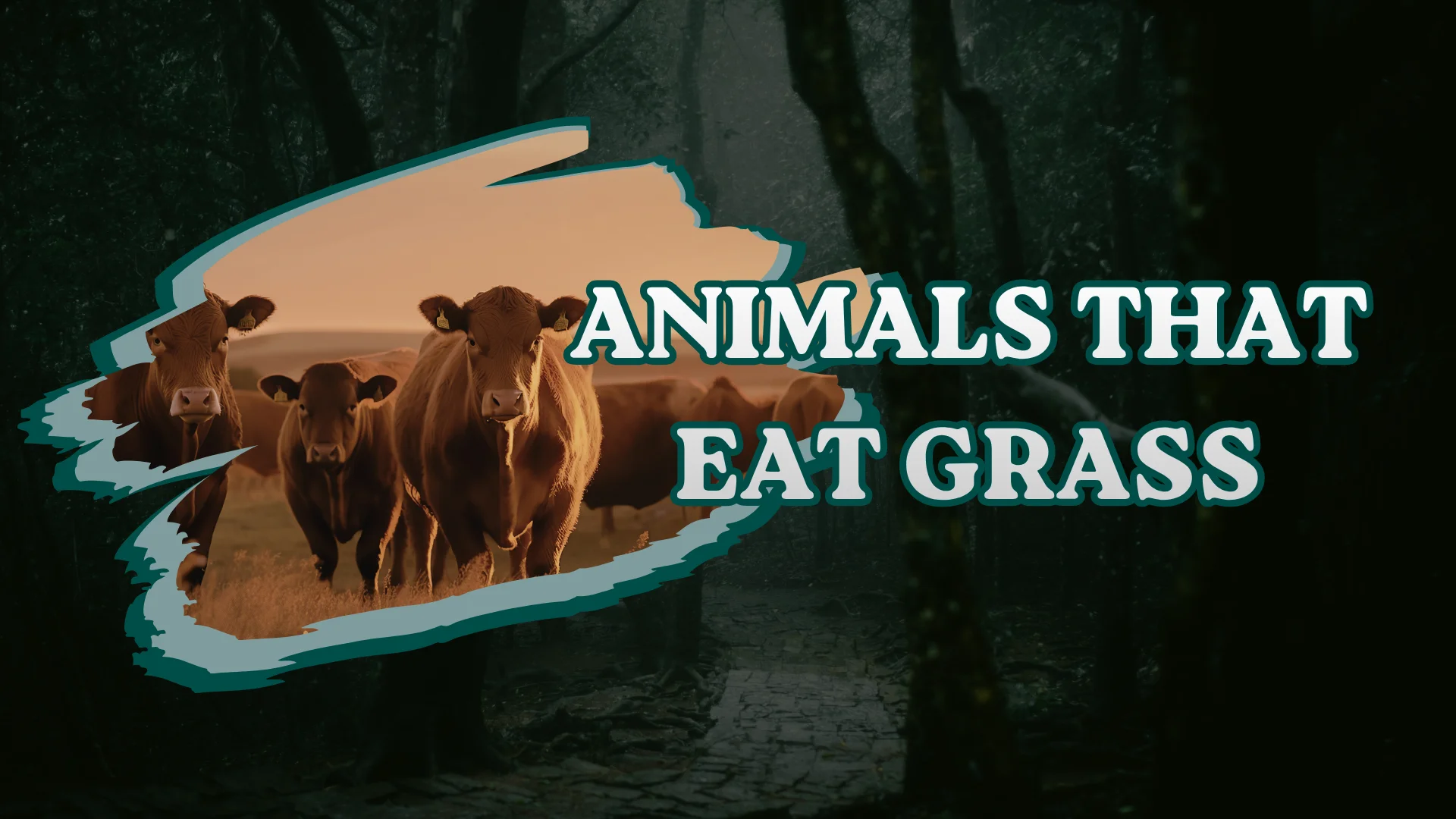
From herds of bison thundering across the plains to zebras grazing the savanna, grass-eaters are the engines of the world’s grasslands. Let’s explore the most fascinating animals that eat grass and the remarkable ways they turn it into life.
Quick List Table
| Rank | Animal Name | Scientific Name |
|---|---|---|
| 1 | Domestic Cattle | Bos taurus |
| 2 | Horse | Equus caballus |
| 3 | Sheep | Ovis aries |
| 4 | Goat | Capra hircus |
| 5 | American Bison | Bison bison |
| 6 | Plains Zebra | Equus quagga |
| 7 | Blue Wildebeest | Connochaetes taurinus |
| 8 | African Elephant | Loxodonta africana |
| 9 | Red Kangaroo | Osphranter rufus |
| 10 | Capybara | Hydrochoerus hydrochaeris |
| 11 | European Rabbit | Oryctolagus cuniculus |
| 12 | Hippopotamus | Hippopotamus amphibius |
Domestic Cattle
Scientific Name: Bos taurus
Class: Mammalia
Diet: Herbivore (grass)
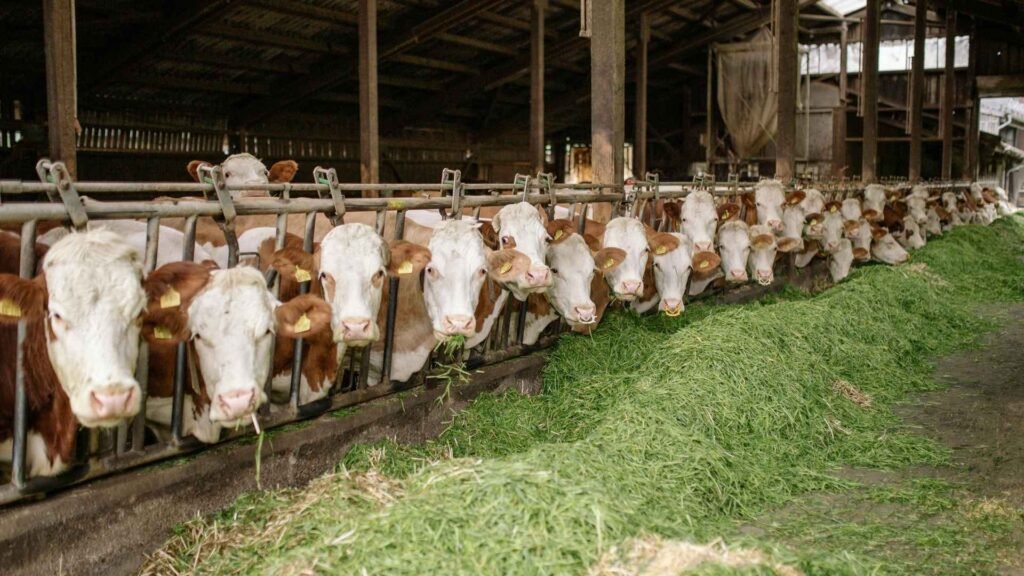
The domestic cow is one of the most familiar grass-eaters in the world. It spends much of the day grazing on pasture. Grass is the foundation of its diet.
Interestingly, the cow has a four-chambered stomach that digests grass in stages. It regurgitates and re-chews its food as cud, breaking down tough fibers with the help of gut microbes. This lets it extract nutrients grass alone could not provide.
Domestic cattle are raised across the world, on pastures and farms of every kind. As grazers, they feed mainly on grass and hay.
Moreover, cattle have shaped human agriculture for thousands of years. As a domestic species they are among the most numerous large animals on Earth.
Fun Fact: A cow spends up to eight hours a day chewing its cud to digest grass.
Horse
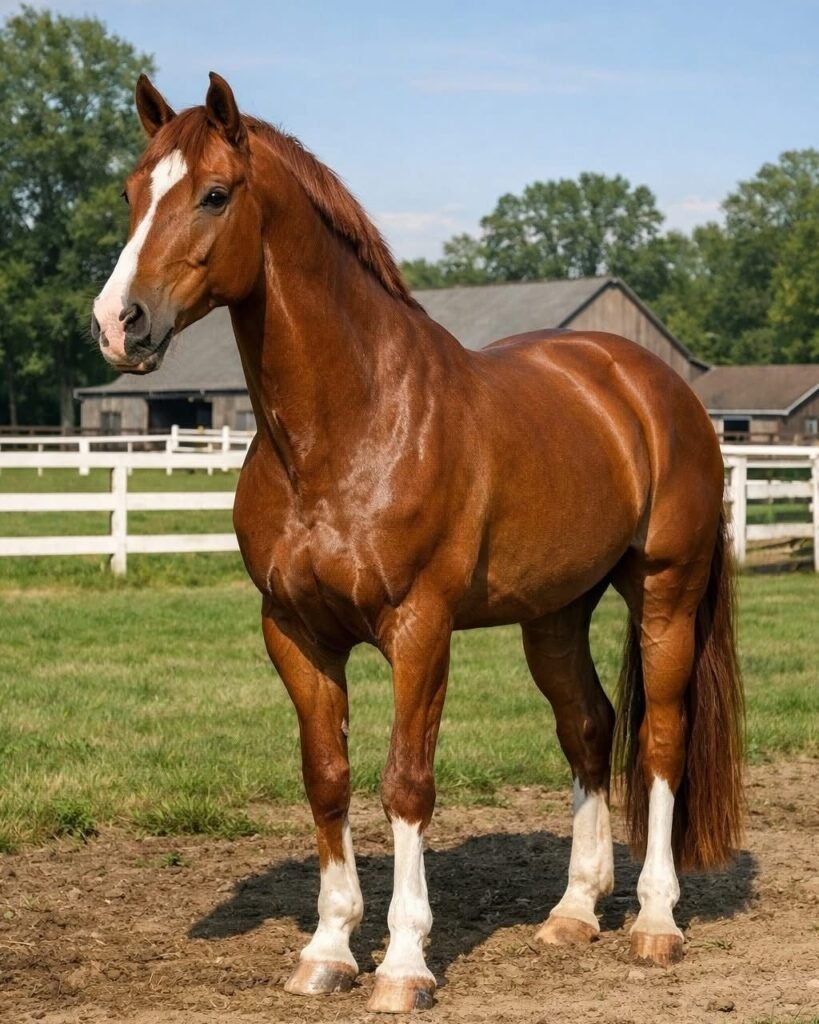
Scientific Name: Equus caballus
Class: Mammalia
Diet: Herbivore (grass)
The horse is a dedicated grazer that feeds on grass for much of the day. Its whole body is built around a grass diet. Grazing is central to its way of life.
What sets the horse apart is its single-chambered stomach and specialized hindgut. Unlike cows, it ferments grass in its large intestine, allowing it to eat almost continuously. Its high-crowned teeth grind down tough, gritty grass.
Domestic horses live worldwide, from open ranches to stables in every climate. As grazers, they feed on grass and hay throughout the day.
Moreover, horses have carried and worked alongside humans for millennia. Wild and feral herds also persist where open grassland allows.
Sheep
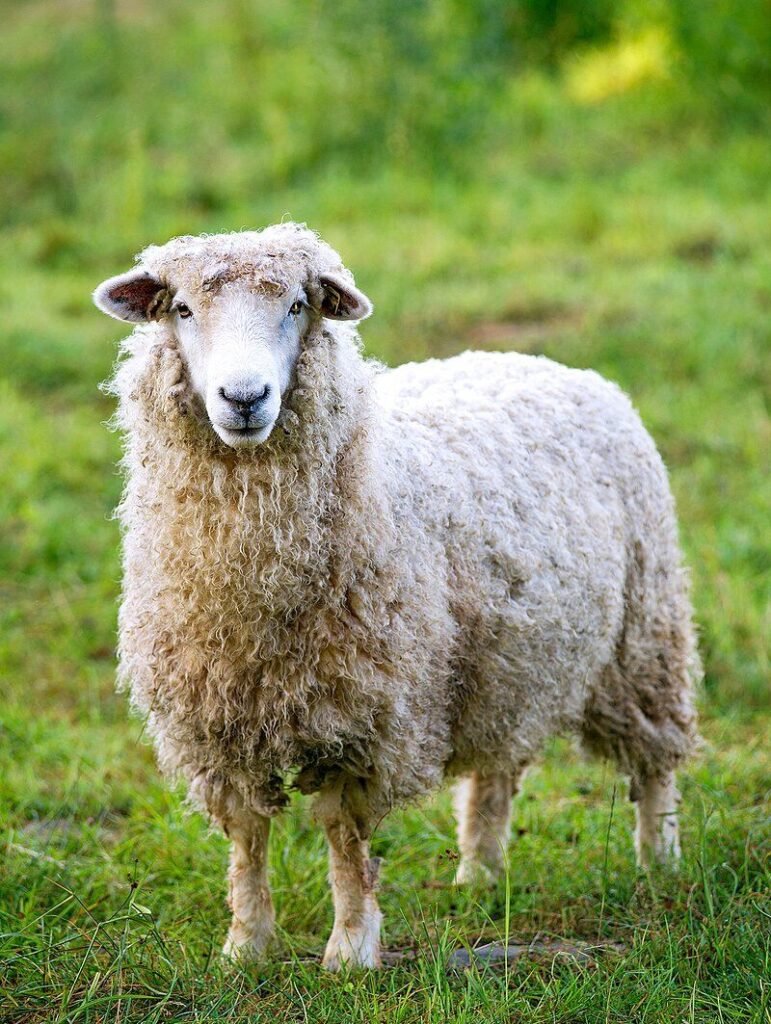
Scientific Name: Ovis aries
Class: Mammalia
Diet: Herbivore (grass)
The sheep is a classic grazing animal that feeds mainly on grass. It crops vegetation close to the ground. Grass makes up the heart of its diet.
Interestingly, the sheep, like the cow, is a ruminant with a four-chambered stomach. It re-chews its cud to break down fibrous grass. This efficient system lets it thrive on simple pasture.
Domesticated thousands of years ago, sheep now graze on farms across the world. As grazers, they feed on grass and other low vegetation.
Moreover, sheep have supported human life through wool, milk, and meat. As a domestic species they are abundant and widespread.
Goat
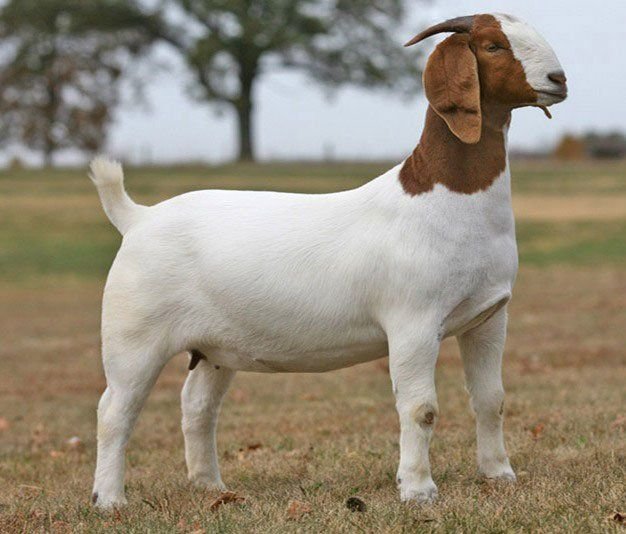
Scientific Name: Capra hircus
Class: Mammalia
Diet: Herbivore
The goat eats grass but also browses on a wide range of plants. It is a flexible feeder compared with most grazers. Grass is one of many foods it enjoys.
What sets the goat apart is its varied appetite. While it grazes on grass, it also nibbles shrubs, leaves, and bark, making it both a grazer and a browser. Its four-chambered stomach handles tough plant material with ease.
Domestic goats are raised around the world and descend from wild mountain goats. As herbivores, they eat grass, shrubs, and leaves.
Moreover, goats have supported human life for thousands of years. As a domestic species they are hardy and adaptable.
Fun Fact: Goats are known to eat almost any plant, from grass to bark and shrubs.
American Bison
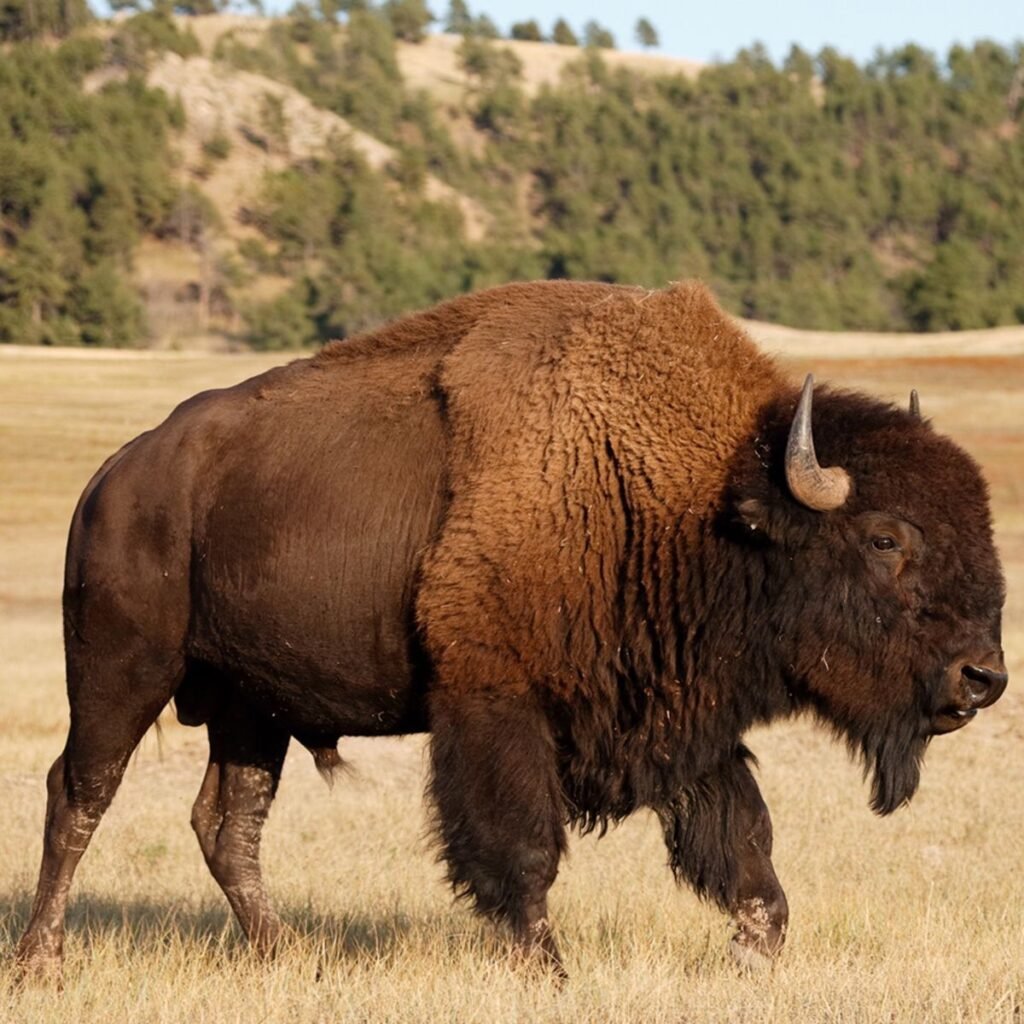
Scientific Name: Bison bison
Class: Mammalia
Diet: Herbivore (grass)
The American bison is a massive grazer that once roamed the plains in enormous herds. Grass makes up almost its entire diet. It is a true icon of the grasslands.
Interestingly, the bison’s grazing shaped the great prairies of North America. Its four-chambered stomach digests grass efficiently, and its heavy body helps it push through snow to reach food. Herds move constantly to fresh pasture.
American bison live in the grasslands and plains of North America. As grazers, they feed almost entirely on grasses and sedges.
Moreover, bison shape prairies through grazing, supporting many other species. Once nearly extinct, they have recovered through dedicated conservation.
Fun Fact: Bison use their massive heads to sweep snow aside and reach the grass beneath.
Plains Zebra
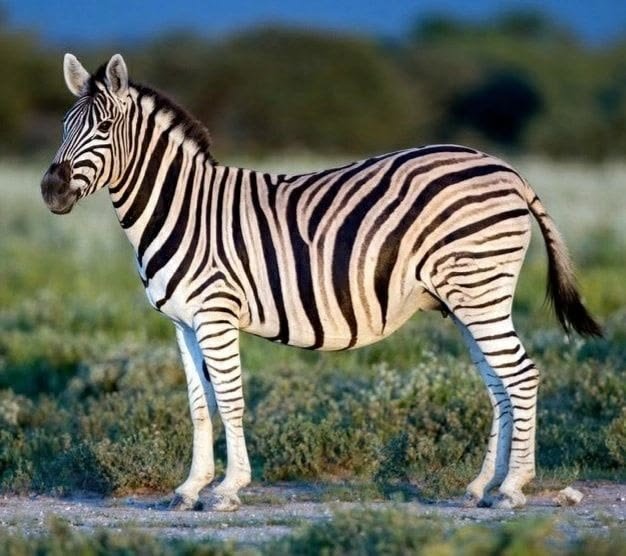
Scientific Name: Equus quagga
Class: Mammalia
Diet: Herbivore (grass)
The plains zebra is a striking grazer of the African savanna. It feeds mainly on grass, often in large herds. Grazing keeps it moving across the plains.
What sets the zebra apart is its ability to eat tough, coarse grass. Like the horse, it ferments food in its hindgut, letting it thrive on lower-quality grass. This lets it graze areas other animals avoid.
Plains zebras live in the grasslands and savannas of eastern and southern Africa. As grazers, they feed almost entirely on grass.
Moreover, zebras open up grasslands for other grazers and are key prey for predators. They remain widespread, though some populations face pressure.
Blue Wildebeest
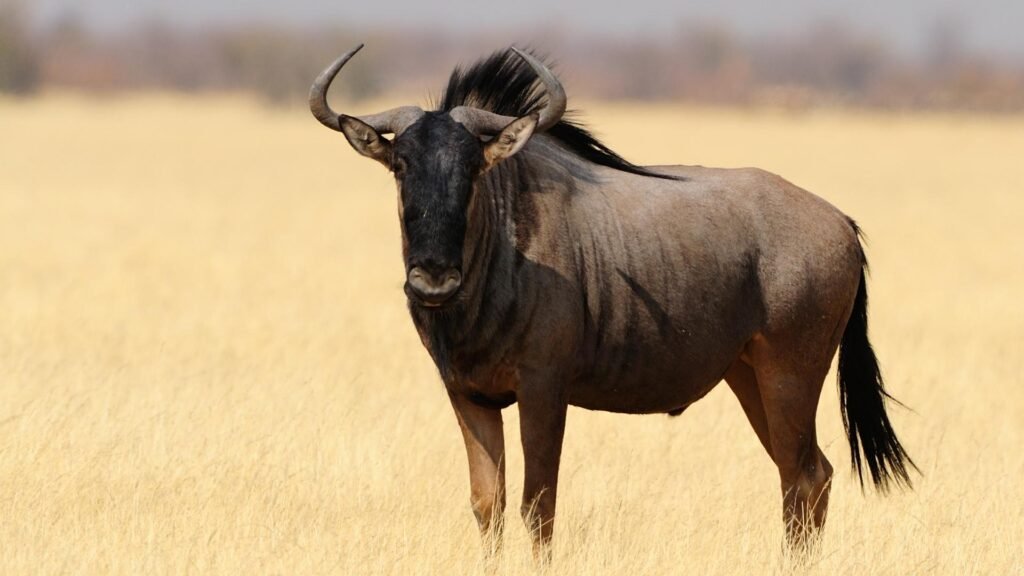
Scientific Name: Connochaetes taurinus
Class: Mammalia
Diet: Herbivore (grass)
The blue wildebeest is a grazer famous for its vast migrations in search of grass. Millions travel together following the rains. Grass drives their entire way of life.
Interestingly, wildebeest prefer short, fresh grass and follow seasonal rains to find it. Their great migration is one of nature’s most spectacular events, all in pursuit of green pasture. Grazing sustains their enormous herds.
Blue wildebeest live in the grasslands and savannas of eastern and southern Africa. As grazers, they feed mainly on short grasses.
Moreover, wildebeest shape grasslands through grazing and support countless predators. They remain abundant across their range.
Fun Fact: Over a million wildebeest migrate each year in search of fresh grass.
African Elephant
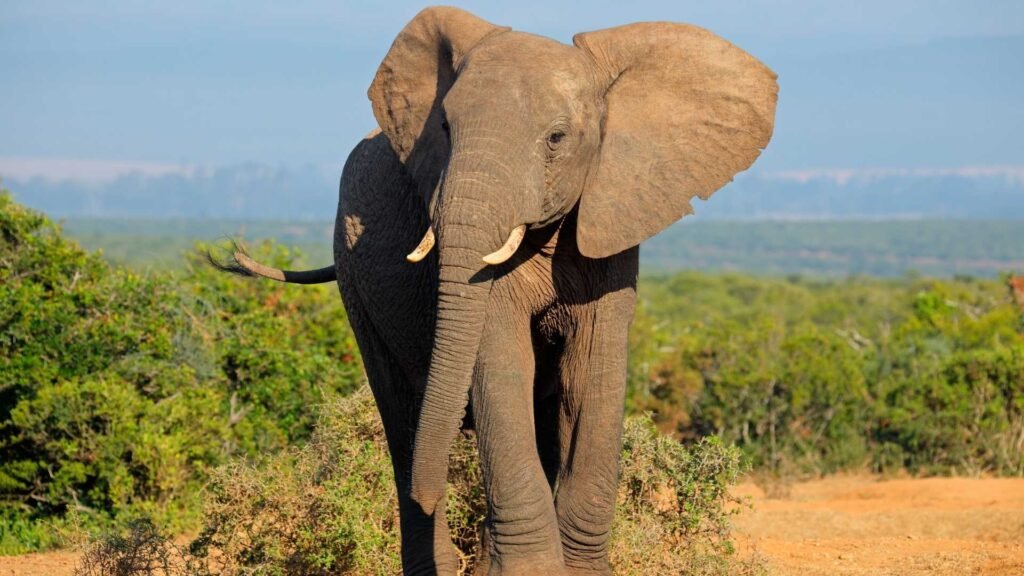
Scientific Name: Loxodonta africana
Class: Mammalia
Diet: Herbivore
The African elephant eats large amounts of grass as part of its huge diet. Grass is a major food, especially in the wet season. This giant consumes vegetation on an enormous scale.
What sets the elephant apart is its sheer appetite. It uses its trunk to gather grass and pull up whole clumps, eating hundreds of kilograms of plants daily. In dry times it shifts to leaves, bark, and branches.
African elephants roam the savannas, forests, and grasslands of sub-Saharan Africa. As herbivores, they eat grass, leaves, bark, and fruit.
Moreover, elephants are ecosystem engineers that shape landscapes and disperse seeds. Poaching and habitat loss have made them endangered.
Red Kangaroo
Scientific Name: Osphranter rufus
Class: Mammalia
Diet: Herbivore (grass)
The red kangaroo is the largest marsupial and a dedicated grazer. It feeds mainly on grass across the Australian outback. Grazing sustains it in a harsh, dry land.
Interestingly, the kangaroo’s specialized stomach ferments grass much like a cow’s, though through different means. It can survive long periods on tough, dry grass and little water. This makes it well suited to the arid outback.
Red kangaroos live in the grasslands and deserts of central Australia. As grazers, they feed mainly on grasses and low plants.
Moreover, kangaroos shape the vegetation of the outback through grazing. They remain widespread and abundant.
Fun Fact: The red kangaroo can survive on dry grass with very little drinking water.
Capybara
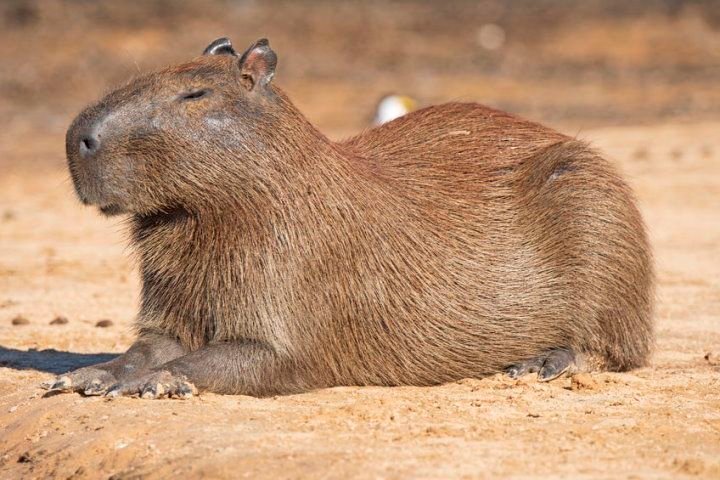
Scientific Name: Hydrochoerus hydrochaeris
Class: Mammalia
Diet: Herbivore (grass, aquatic plants)
The capybara, the world’s largest rodent, is a grazer that feeds heavily on grass. It grazes near water in relaxed groups. Grass and aquatic plants form the bulk of its diet.
What sets the capybara apart is its efficient digestion. It re-ingests some of its own droppings to extract more nutrients from tough grass, a process called coprophagy. Its ever-growing teeth handle abrasive plants with ease.
Capybaras live near rivers, lakes, and marshes across much of South America. As grazers, they feed on grasses and aquatic plants.
Moreover, capybaras shape wetland vegetation and support many predators. They remain common wherever water and grassland meet.
European Rabbit
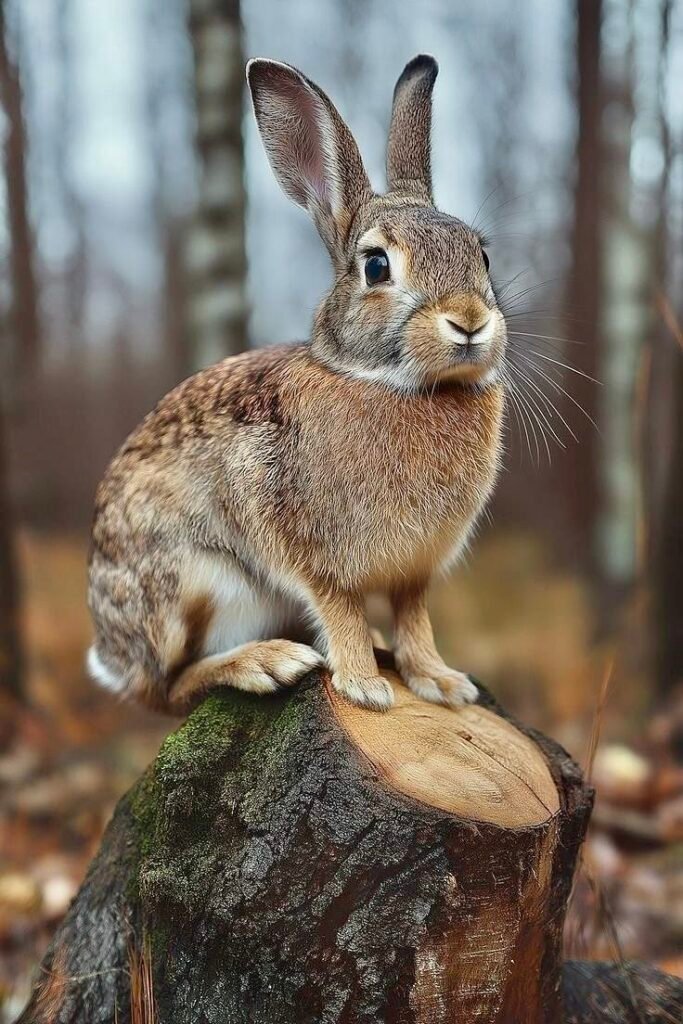
Scientific Name: Oryctolagus cuniculus
Class: Mammalia
Diet: Herbivore (grass)
The European rabbit is a small but dedicated grazer. It feeds mainly on grass near its burrow. Grazing fills much of its day.
Interestingly, the rabbit also practices coprophagy, re-eating special soft droppings to fully digest its grassy diet. This lets it extract the most nutrients from tough plants. Its constantly growing teeth are ground down by fibrous grass.
European rabbits inhabit grasslands, meadows, and woodland edges across Europe and beyond. As grazers, they feed on grass and herbs.
Moreover, rabbits are key prey that supports countless predators and shape vegetation. They remain widespread and adaptable.
Fun Fact: Rabbits re-eat certain soft droppings to squeeze every nutrient from grass.
Hippopotamus

Scientific Name: Hippopotamus amphibius
Class: Mammalia
Diet: Herbivore (grass)
The hippopotamus may live in water, but it is a grazer that feeds on grass. Each night it leaves the water to graze. Grass is the mainstay of its diet.
What sets the hippo apart is its nightly grazing routine. It walks several kilometers from the water to feed on grass, cropping it with tough, broad lips. It can eat around 35 kilograms of grass in a single night.
Hippos live in the rivers, lakes, and wetlands of sub-Saharan Africa. As grazers, they feed on grass at night and rest in water by day.
Moreover, hippos shape their ecosystems, enriching waterways and carving paths through vegetation. Habitat loss and poaching have made them vulnerable.
Fun Fact: A hippo crops grass with its wide lips rather than its enormous teeth.
Read: Aggressive Animals in the World
Read: Animals That Live on Mountains
Read: Animals With Webbed Feet
Read: Animals That Eat Ants in The World
Read: Animals That Eat Bananas
Frequently Asked Questions
Conclusion
From herds of bison to grazing zebras, the animals that eat grass are the beating heart of the world’s grasslands. Through remarkable digestive adaptations, these grazers turn tough, fibrous grass into the energy that powers vast food webs. As they feed, they shape landscapes, spread seeds, and sustain the predators that depend on them.