Top 12 Animals That Can Climb Trees (With Images)
What does it take to live life among the branches, high above the forest floor? For many animals, climbing trees is the key to finding food, escaping danger, and raising their young in safety. The animals that can climb trees have evolved gripping claws, prehensile tails, and powerful limbs to move through the canopy with ease. Far from a simple skill, tree-climbing opens up a whole world of resources hidden in the treetops.
From nimble squirrels to powerful leopards hauling prey aloft, these climbers reveal the incredible variety of life in the trees. Let’s explore the most remarkable animals that climb trees and the astonishing adaptations that carry them skyward.
Quick List Table
| Rank | Animal Name | Scientific Name |
|---|---|---|
| 1 | Eastern Gray Squirrel | Sciurus carolinensis |
| 2 | Koala | Phascolarctos cinereus |
| 3 | Leopard | Panthera pardus |
| 4 | Bornean Orangutan | Pongo pygmaeus |
| 5 | Tree Kangaroo | Dendrolagus species |
| 6 | Green Tree Python | Morelia viridis |
| 7 | Tokay Gecko | Gekko gecko |
| 8 | Margay | Leopardus wiedii |
| 9 | Raccoon | Procyon lotor |
| 10 | Binturong | Arctictis binturong |
| 11 | Panther Chameleon | Furcifer pardalis |
| 12 | Three-Toed Sloth | Bradypus variegatus |
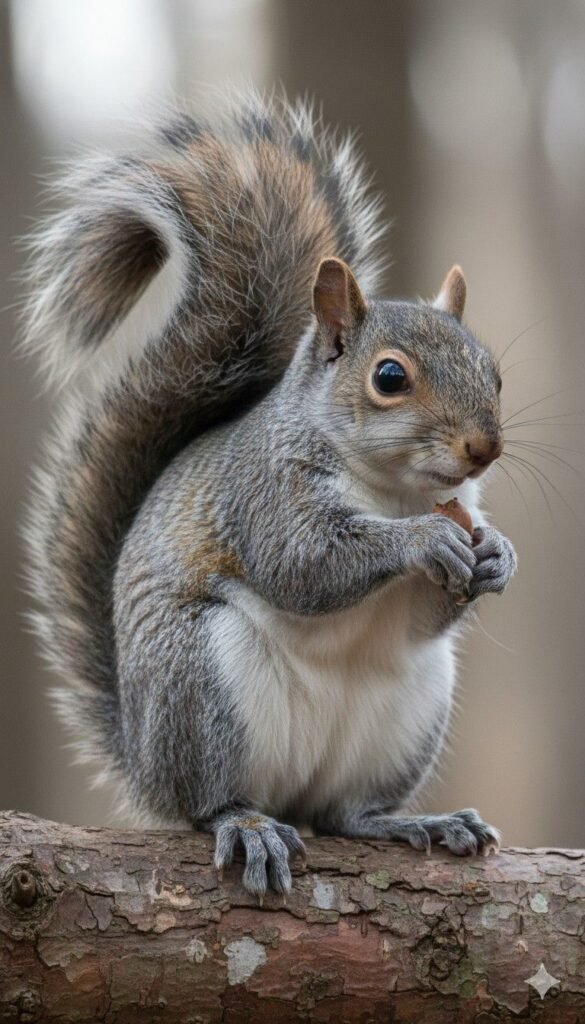
Eastern Gray Squirrel
Scientific Name: Sciurus carolinensis
Class: Mammalia
Diet: Omnivore
The eastern gray squirrel is one of the most agile tree-climbers in the world. It races up and down trunks with astonishing speed. The treetops are its natural home.
Interestingly, the squirrel has sharp claws and flexible ankles that can rotate to grip bark facing any direction. This lets it climb down trees headfirst, a rare skill. Its bushy tail helps it balance among the branches.
Eastern gray squirrels live in woodlands, parks, and suburbs of North America and beyond. As omnivores, they eat nuts, seeds, fruit, and buds.
Moreover, squirrels plant trees by burying and forgetting nuts. They remain abundant and highly adaptable.
Fun Fact: A squirrel can rotate its ankles to climb down a tree headfirst.
Koala
Scientific Name: Phascolarctos cinereus
Class: Mammalia
Diet: Herbivore (eucalyptus leaves)
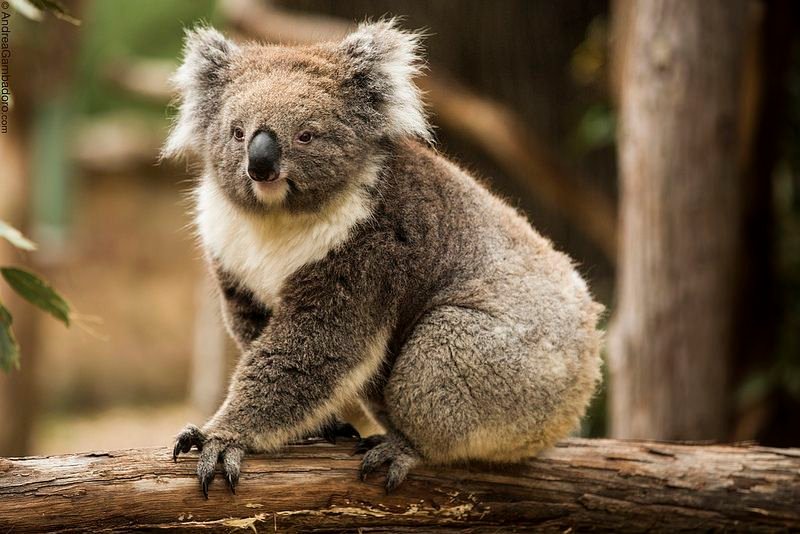
The koala spends almost its entire life climbing and resting in trees. It rarely comes down to the ground. The eucalyptus canopy is its whole world.
What sets the koala apart is its climbing grip. It has two opposable digits on each front paw and rough, padded palms to grasp bark. Sharp claws let it haul its body up smooth trunks with ease.
Koalas live in the eucalyptus forests of eastern and southern Australia. As herbivores, they feed almost entirely on eucalyptus leaves.
Moreover, koalas are icons of Australia’s woodlands and indicators of forest health. Habitat loss, bushfires, and disease have made them vulnerable.
Fun Fact: Koalas have two opposable digits on each front paw for a strong grip on bark.
Leopard
Scientific Name: Panthera pardus
Class: Mammalia
Diet: Carnivore
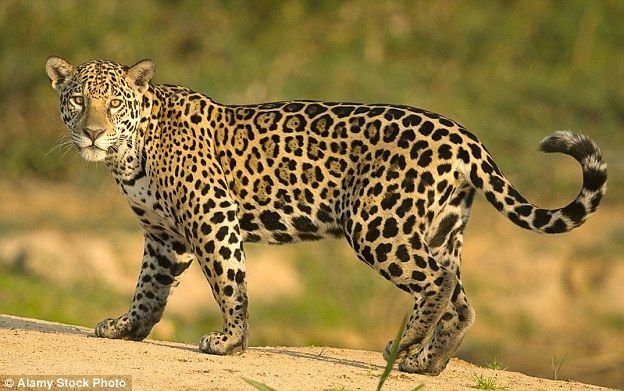
The leopard is a powerful climber that often carries prey high into the trees. It is one of the most skilled tree-climbers among big cats. The branches offer both larder and lookout.
Interestingly, the leopard hauls kills much heavier than itself into trees to keep them safe from lions and hyenas. Its strong muscles and sharp claws make it a superb climber. It also rests and watches for prey from high perches.
Leopards live across parts of Africa and Asia, in forests, grasslands, and mountains. As carnivores, they hunt a wide range of prey.
Moreover, leopards are adaptable apex predators that help balance their ecosystems. Habitat loss and poaching threaten many populations.
Fun Fact: A leopard can haul prey heavier than itself high into a tree for safekeeping.
Bornean Orangutan

Scientific Name: Pongo pygmaeus
Class: Mammalia
Diet: Herbivore (mostly fruit)
The Bornean orangutan is the largest tree-dwelling animal and a master climber. It spends most of its life high in the canopy. The treetops provide its food and shelter.
What sets the orangutan apart is its long, powerful arms and grasping hands and feet. It moves hand over hand through the branches and builds sleeping nests each night. Its flexible joints let it reach fruit at the ends of thin branches.
Bornean orangutans live in the rainforests of Borneo. As frugivores, they feed mainly on fruit, along with leaves, bark, and insects.
Moreover, orangutans disperse seeds and shape their forest habitat. Deforestation and the palm oil industry have made them critically endangered.
Tree Kangaroo
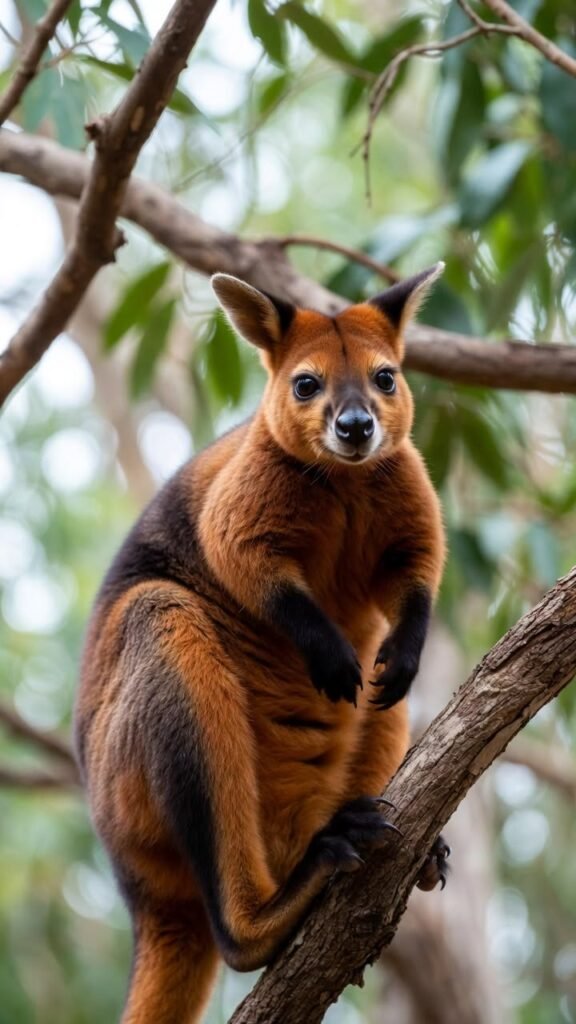
Scientific Name: Dendrolagus species
Class: Mammalia
Diet: Herbivore (leaves, fruit)
The tree kangaroo is a marsupial that has swapped the ground for the canopy. Unlike its hopping relatives, it lives in the trees. It is a surprising and skilled climber.
Interestingly, the tree kangaroo has strong forelimbs, gripping claws, and a long tail for balance. It climbs by wrapping its arms around trunks and can leap between branches. It can even jump great distances to the ground unharmed.
Tree kangaroos live in the rainforests of New Guinea and northern Australia. As herbivores, they feed on leaves, fruit, and flowers.
Moreover, tree kangaroos disperse seeds and shape their forest habitat. Habitat loss and hunting have made several species threatened.
Fun Fact: A tree kangaroo can leap from high branches to the ground without getting hurt.
Green Tree Python

Scientific Name: Morelia viridis
Class: Reptilia
Diet: Carnivore (small animals)
The green tree python is a snake perfectly built for life in the trees. It spends its days coiled elegantly on branches. Climbing is central to its way of life.
What sets this python apart is its muscular, prehensile body. It drapes itself in neat loops over a branch and can grip and climb with ease. Its bright green color hides it among the leaves.
Green tree pythons live in the rainforests of New Guinea, Indonesia, and northern Australia. As carnivores, they hunt small mammals, birds, and reptiles.
Moreover, green tree pythons help control small-animal populations. They remain fairly common in their forest range.
Tokay Gecko
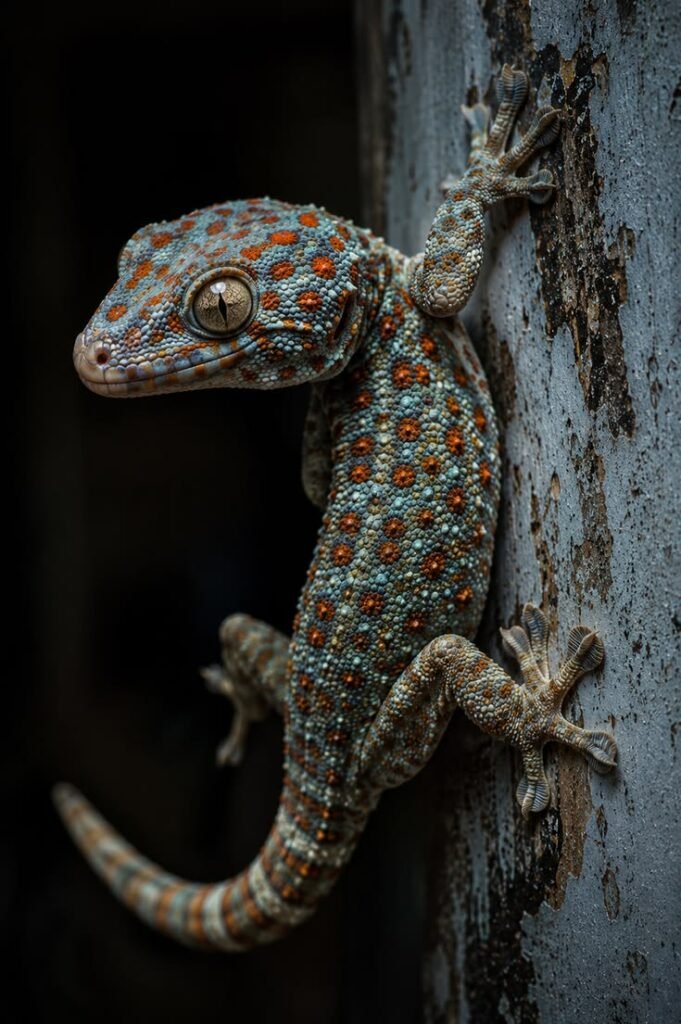
Scientific Name: Gekko gecko
Class: Reptilia
Diet: Carnivore (insects)
The tokay gecko is an expert climber that can scale even smooth, vertical surfaces. It clings to trees, walls, and glass with ease. Its climbing power seems almost magical.
Interestingly, the tokay gecko’s toes are covered with millions of microscopic hairs that grip surfaces through tiny molecular forces. This lets it walk up glass and hang upside down. It rarely loses its footing.
Tokay geckos live in the rainforests and villages of Southeast Asia. As insectivores, they hunt insects and other small creatures at night.
Moreover, tokay geckos help control insect populations. They remain common across their range.
Fun Fact: A gecko’s toes grip surfaces using millions of microscopic hairs, even on glass.
Margay
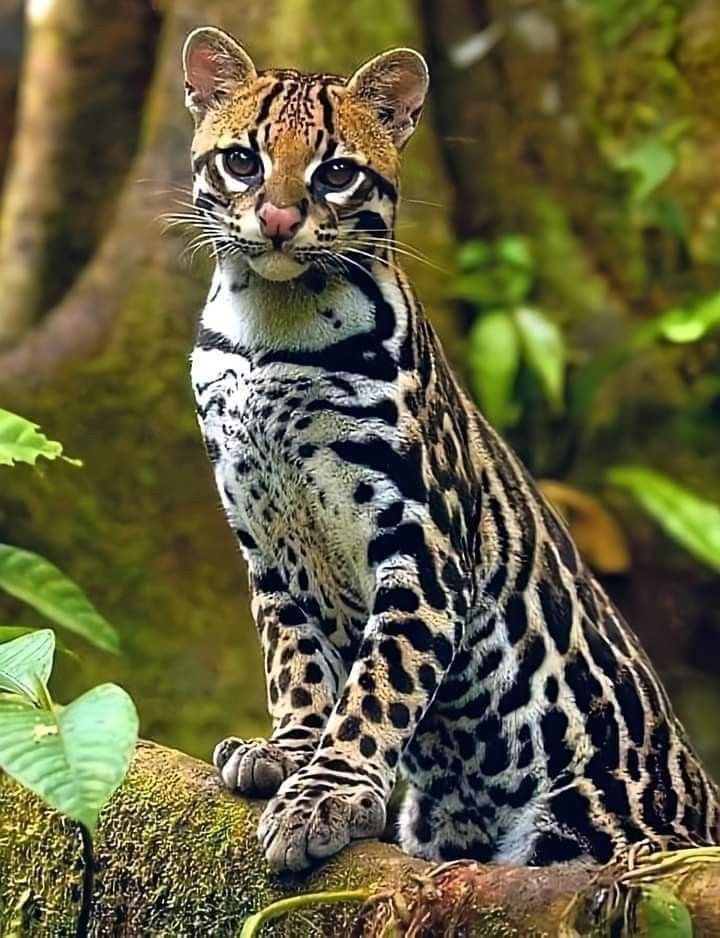
Scientific Name: Leopardus wiedii
Class: Mammalia
Diet: Carnivore
The margay is a small wild cat considered the best tree-climber of all felines. It spends most of its life in the canopy. Few cats can match its agility in the trees.
What sets the margay apart is its flexible ankles, which can rotate 180 degrees. This lets it climb down trees headfirst and hang from branches by its hind feet. It can even leap between trees with remarkable skill.
Margays live in the rainforests of Central and South America. As carnivores, they hunt birds, small mammals, and reptiles in the trees.
Moreover, margays help control small-animal populations. Habitat loss has made them a species of concern.
Fun Fact: The margay can rotate its ankles 180 degrees and hang from a branch by its back feet.
Raccoon
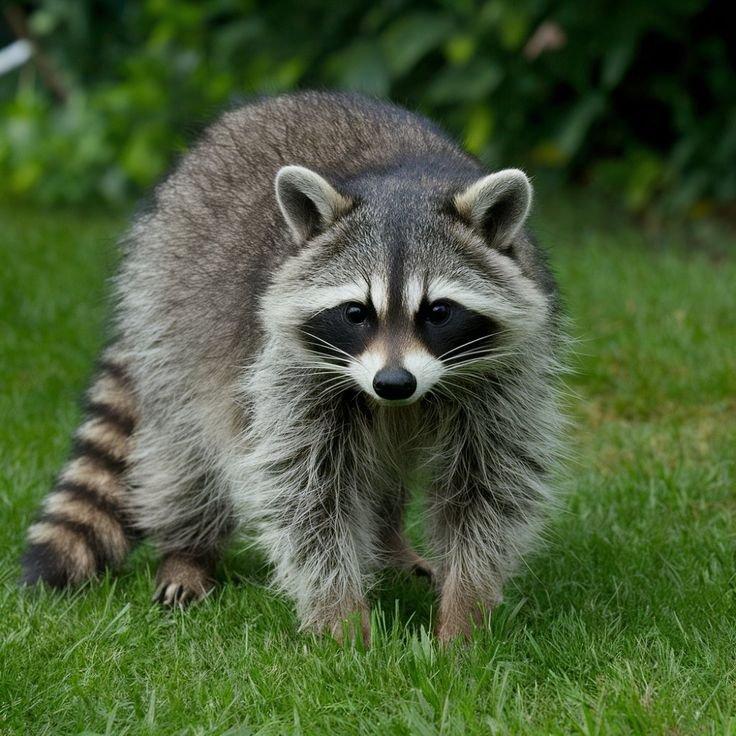
Scientific Name: Procyon lotor
Class: Mammalia
Diet: Omnivore
The raccoon is a nimble climber that readily scales trees. It climbs to find food, rest, and escape danger. Trees are an important part of its world.
Interestingly, the raccoon can descend trees headfirst by rotating its hind feet, much like a squirrel. Its nimble paws grip bark and branches with ease. It often dens in tree hollows high above the ground.
Raccoons live across North America and beyond, in forests, wetlands, and cities. As omnivores, they eat fruit, insects, small animals, and eggs.
Moreover, raccoons help control insects and disperse seeds. They thrive in many environments, including urban areas.
Binturong
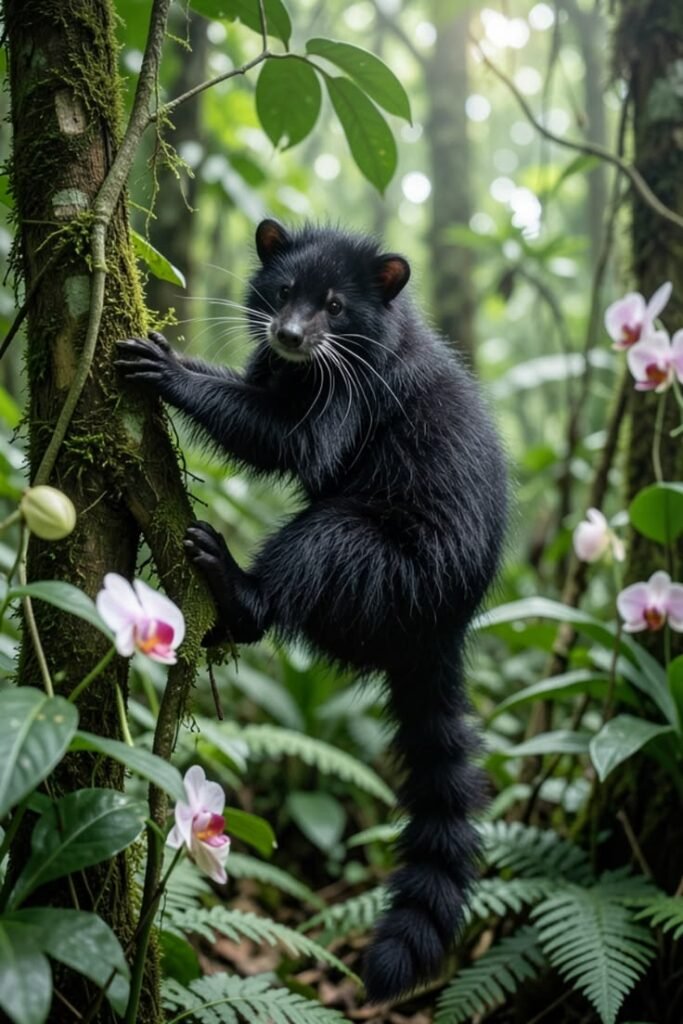
Scientific Name: Arctictis binturong
Class: Mammalia
Diet: Omnivore (mostly fruit)
The binturong, or bearcat, is a shaggy tree-dweller with a rare and useful tool. It uses its tail to help climb. This makes it one of the few mammals with a truly gripping tail.
What sets the binturong apart is its prehensile tail, which acts like a fifth limb. It wraps the tail around branches for support as it moves slowly through the canopy. Strong claws help it grip the bark.
Binturongs live in the rainforests of Southeast Asia. As omnivores, they feed mainly on fruit, along with small animals and insects.
Moreover, binturongs are important seed dispersers, especially for certain figs. Deforestation has made them a vulnerable species.
Fun Fact: The binturong is one of the few mammals with a prehensile tail that grips branches.
Panther Chameleon
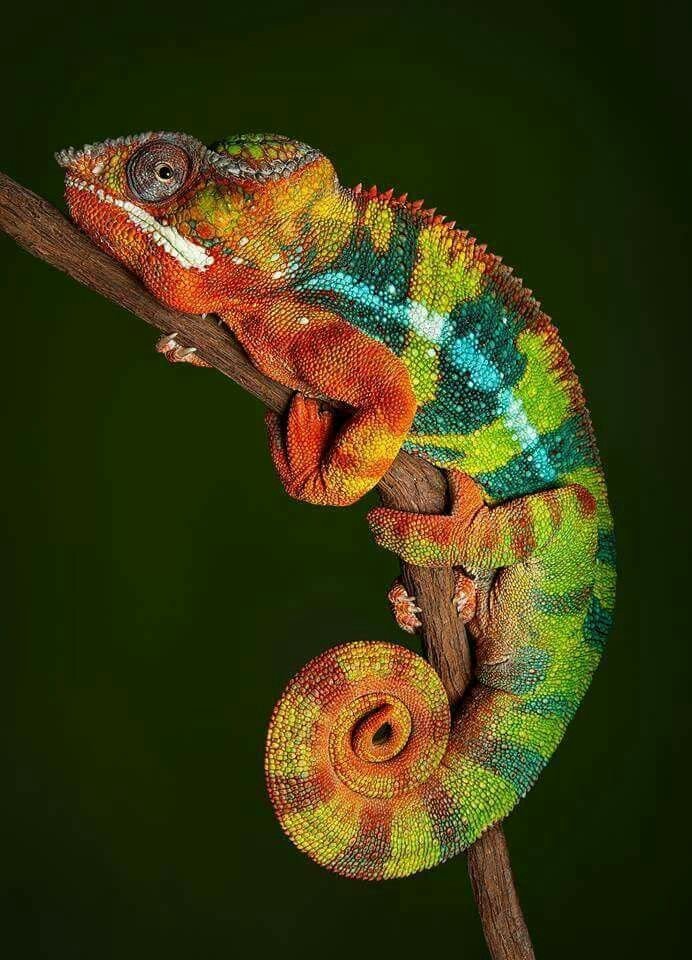
Scientific Name: Furcifer pardalis
Class: Reptilia
Diet: Carnivore (insects)
The panther chameleon is a slow but skilled climber of the treetops. It grips branches with specially shaped feet. Life among the leaves suits its patient hunting style.
Interestingly, the chameleon’s toes are fused into gripping clamps, two on one side and three on the other, perfect for grasping twigs. Its prehensile tail wraps around branches for extra support. It moves slowly and deliberately through the canopy.
Panther chameleons live in the tropical forests of Madagascar. As insectivores, they ambush flies, crickets, and other bugs from a perch.
Moreover, chameleons help control insect populations. Deforestation and the pet trade pressure many chameleon species.
Three-Toed Sloth

Scientific Name: Bradypus variegatus
Class: Mammalia
Diet: Herbivore (leaves)
The three-toed sloth is a slow but secure climber that lives almost entirely in trees. It hangs from branches with powerful, hooked claws. The canopy is its lifelong home.
What sets the sloth apart is its long, curved claws that lock onto branches. These let it hang upside down for hours with little effort. It moves slowly and carefully, rarely losing its grip.
Three-toed sloths live in the tropical forests of Central and South America. As herbivores, they feed on leaves, which digest very slowly.
Moreover, sloths host tiny ecosystems of algae and insects in their fur. Deforestation threatens these gentle climbers.
Fun Fact: A sloth’s hooked claws let it hang from a branch for hours without tiring.
Read: Animals That Eat Grass
Read: Animals That Eat Bananas
Read: Animals That Eat Snakes
Read: Animals That Eat Fish
Read: Animals That Look Like Dogs
Frequently Asked Questions
Conclusion
From the racing squirrel to the tree-hauling leopard, the animals that can climb trees reveal the astonishing diversity of life in the canopy. Through gripping claws, prehensile tails, and clever feet, these climbers unlock a world of food and safety high above the ground. In doing so, they disperse seeds, control prey, and shape the forests they call home.