Top 12 Animals That Eat Snakes (With Images)
What kind of animal is brave enough to hunt a venomous snake for dinner? Around the world, a remarkable group of predators does exactly that, turning one of nature’s most feared creatures into a meal. The animals that eat snakes, sometimes called ophiophages, use speed, armor, resistance to venom, and sheer courage to overpower their slithering prey.
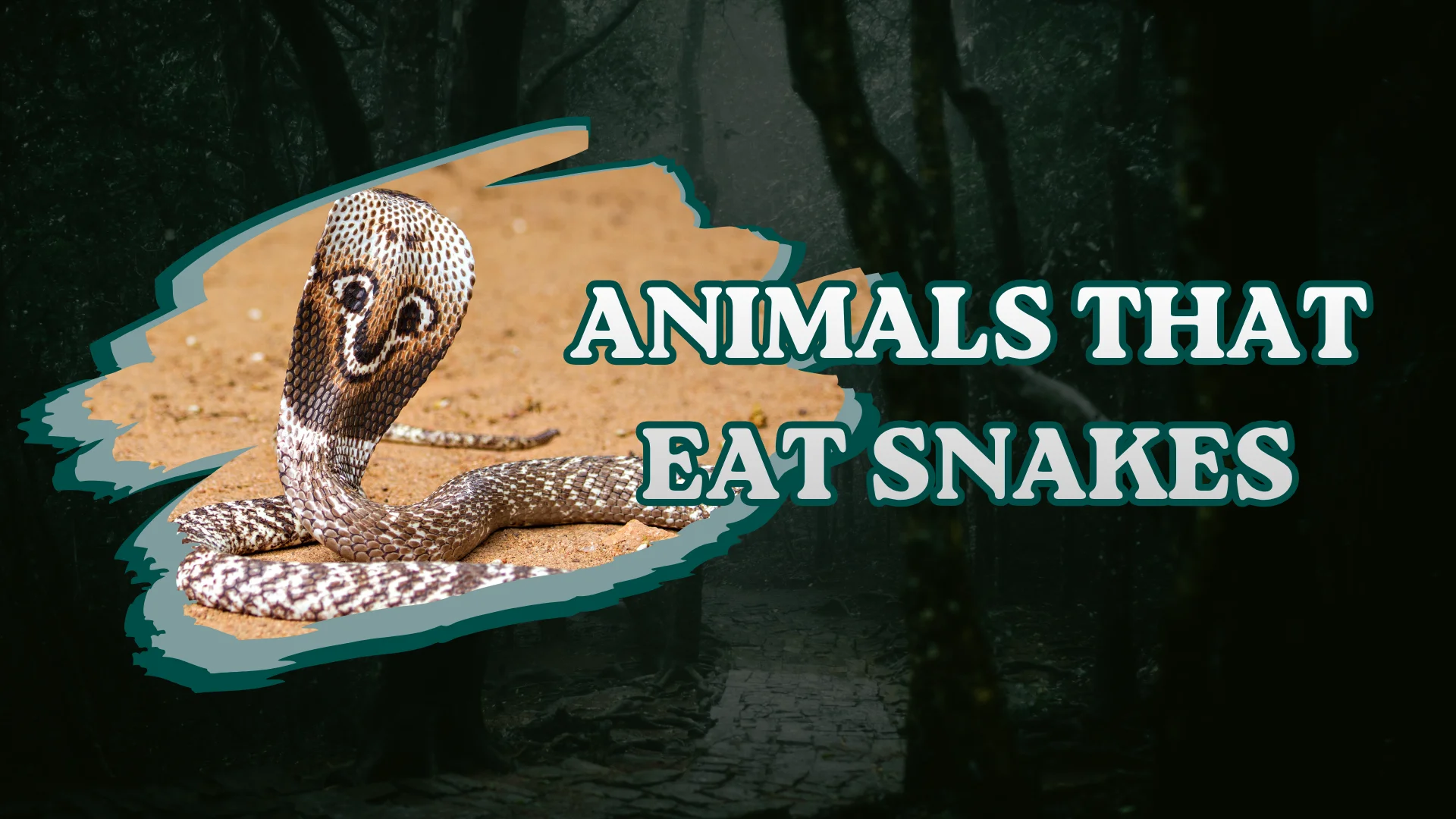
Far from reckless, they play a vital role in keeping snake populations in balance. From a bird that stomps snakes to death to a mongoose that dances around a cobra, snake-eaters are as clever as they are bold.
Quick List Table
| Rank | Animal Name | Scientific Name |
|---|---|---|
| 1 | King Cobra | Ophiophagus hannah |
| 2 | Indian Gray Mongoose | Herpestes edwardsii |
| 3 | Secretary Bird | Sagittarius serpentarius |
| 4 | Honey Badger | Mellivora capensis |
| 5 | California Kingsnake | Lampropeltis californiae |
| 6 | Greater Roadrunner | Geococcyx californianus |
| 7 | Short-Toed Snake Eagle | Circaetus gallicus |
| 8 | Laughing Kookaburra | Dacelo novaeguineae |
| 9 | European Hedgehog | Erinaceus europaeus |
| 10 | Bobcat | Lynx rufus |
| 11 | Nile Monitor | Varanus niloticus |
| 12 | Red-Tailed Hawk | Buteo jamaicensis |
King Cobra
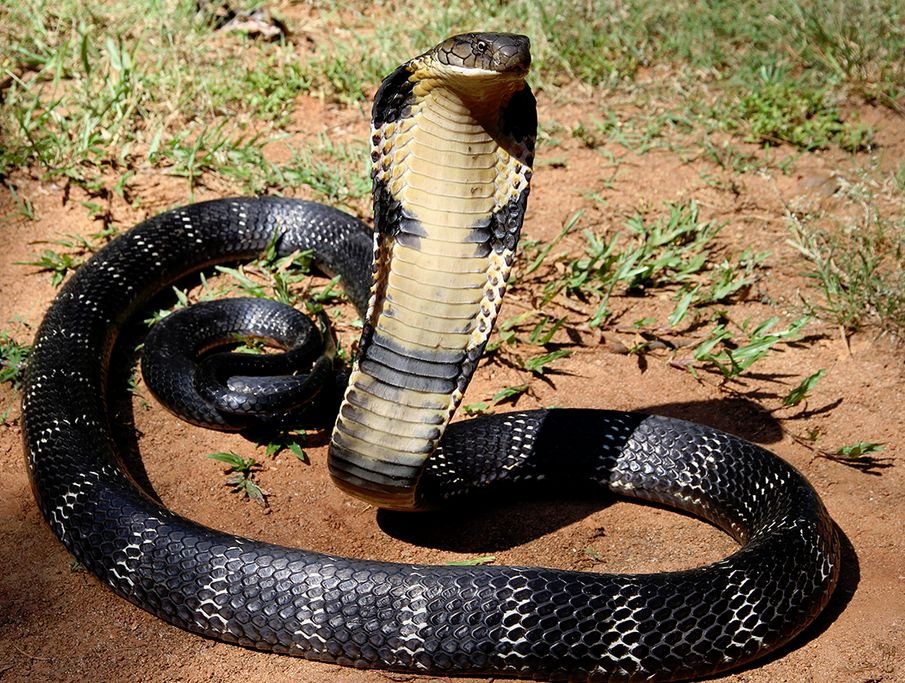
Scientific Name: Ophiophagus hannah
Class: Reptilia
Diet: Carnivore (mostly snakes)
The king cobra is the ultimate snake-eater, feeding almost entirely on other snakes. Its scientific name even means “snake eater.” This makes it a specialist among serpents.
Interestingly, the king cobra hunts and eats other snakes, including venomous ones. Its potent venom quickly subdues its prey, and it can swallow snakes nearly as long as itself. It is the world’s longest venomous snake.
King cobras live in the forests of South and Southeast Asia. As ophiophages, they hunt other snakes, along with the occasional lizard.
Moreover, king cobras help regulate snake populations across their range. Habitat loss and persecution have made them vulnerable.
Fun Fact: The king cobra’s name literally means “snake eater,” and it preys mostly on other snakes.
Indian Gray Mongoose

Scientific Name: Herpestes edwardsii
Class: Mammalia
Diet: Carnivore
The Indian gray mongoose is world-famous for its ability to kill and eat snakes. It fearlessly takes on even deadly cobras. This bold behavior has made it legendary.
What sets the mongoose apart is its speed, agility, and partial resistance to snake venom. It dodges strikes with lightning reflexes, tiring the snake before delivering a fatal bite. Its thick fur also offers some protection.
Indian gray mongooses live across South Asia, in forests, grasslands, and near villages. As carnivores, they eat snakes, rodents, insects, and eggs.
Moreover, mongooses help control snake and rodent populations. They remain widespread and adaptable.
Fun Fact: The mongoose has partial resistance to snake venom, helping it battle cobras.
Secretary Bird
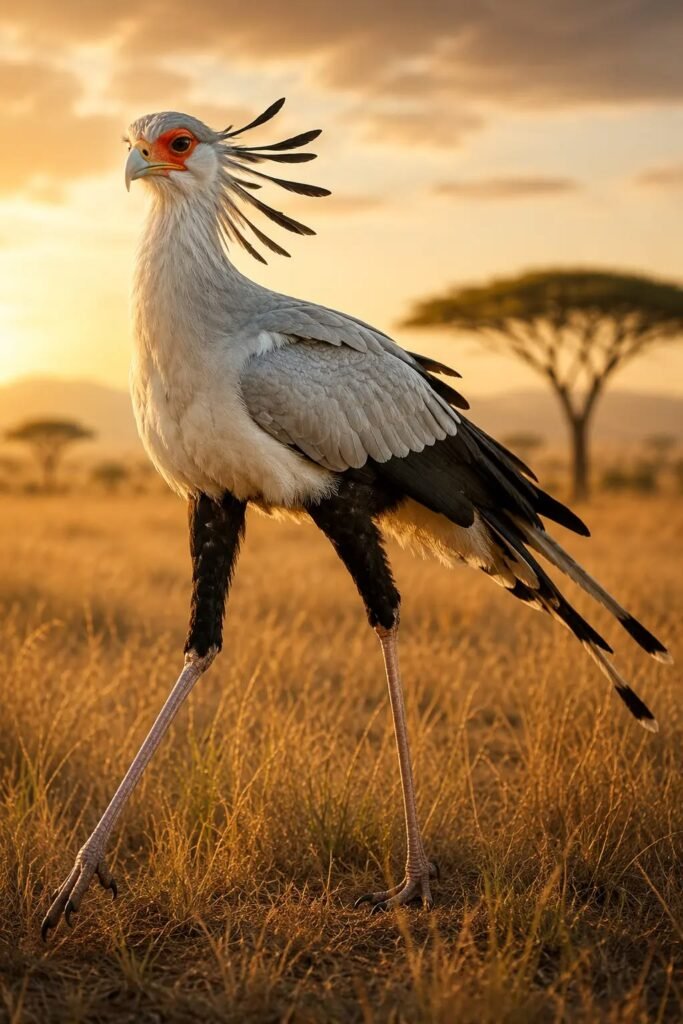
Scientific Name: Sagittarius serpentarius
Class: Aves
Diet: Carnivore
The secretary bird is a tall, long-legged raptor famous for hunting snakes on foot. It kills its prey with powerful stomps. This striking bird is a formidable snake predator.
Interestingly, the secretary bird strikes snakes with rapid, forceful kicks from its strong legs. It can deliver blows with remarkable speed and accuracy, stunning or killing snakes before eating them. Its long legs keep its body safely out of reach.
Secretary birds live in the grasslands and savannas of sub-Saharan Africa. As carnivores, they hunt snakes, insects, and small animals on the ground.
Moreover, secretary birds help control snake and pest populations. Habitat loss has made them a species of concern.
Fun Fact: A secretary bird can stomp a snake with a force many times its own body weight.
Honey Badger
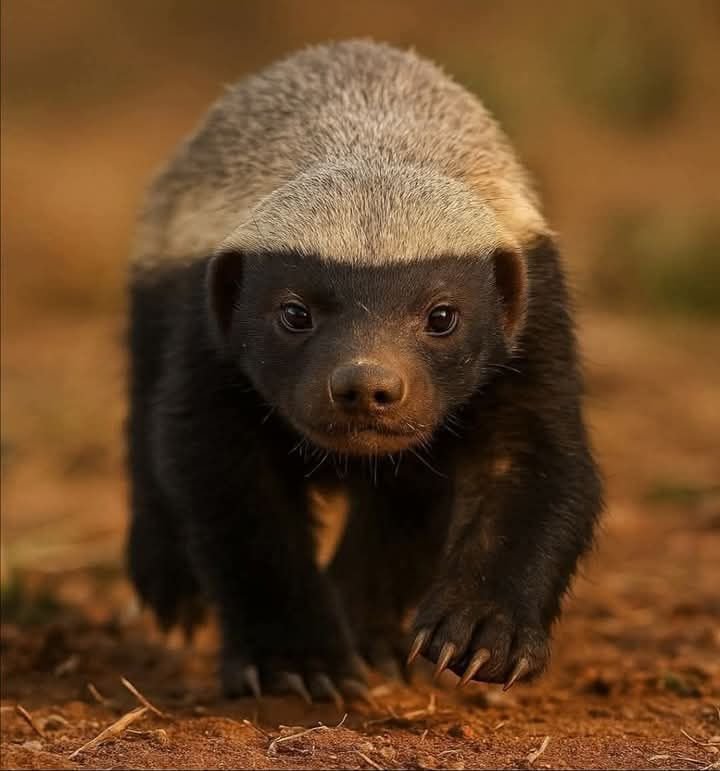
Scientific Name: Mellivora capensis
Class: Mammalia
Diet: Omnivore
The honey badger is a fearless animal that regularly hunts and eats snakes. It takes on even highly venomous species. Its boldness in the face of danger is remarkable.
What sets the honey badger apart is its resilience. It has some resistance to snake venom and a thick, loose hide that resists bites. Even if bitten by a venomous snake, it may recover and finish its meal.
Honey badgers live across Africa, the Middle East, and parts of Asia. As omnivores, they eat snakes, insects, small animals, and honey.
Moreover, honey badgers help control snake and insect populations. They remain widespread and adaptable.
California Kingsnake
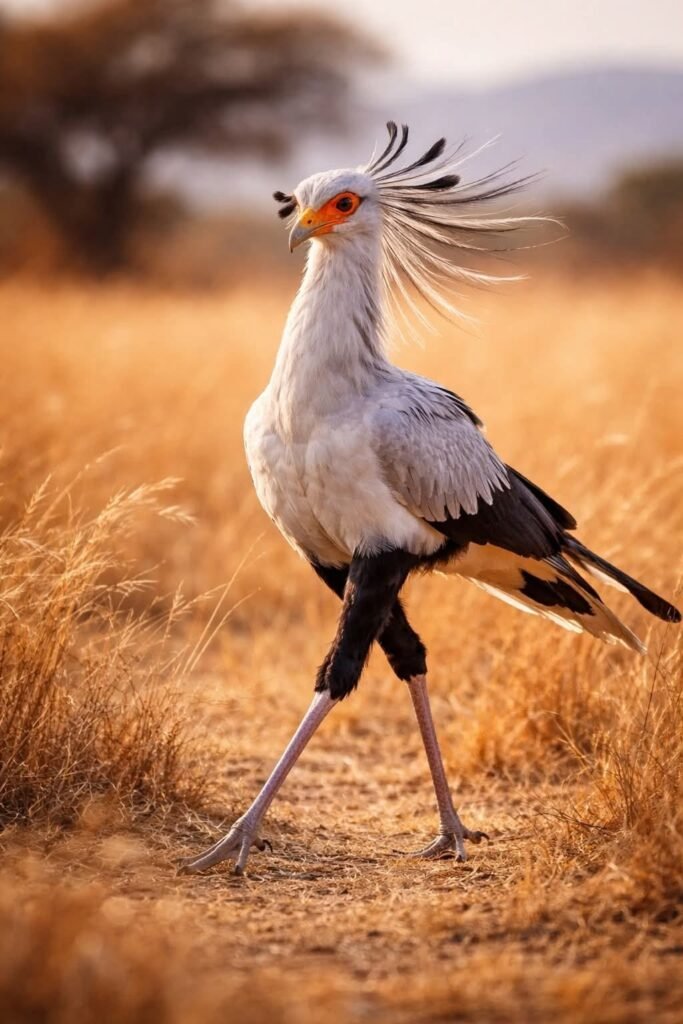
Scientific Name: Lampropeltis californiae
Class: Reptilia
Diet: Carnivore
The California kingsnake earns its royal name by eating other snakes. It even preys on venomous rattlesnakes. This makes it a powerful serpent hunter.
Interestingly, the kingsnake is largely immune to rattlesnake venom, allowing it to hunt them safely. It kills prey by constriction, squeezing until the snake can no longer breathe. Its resistance gives it a major advantage.
California kingsnakes live in the deserts, grasslands, and woodlands of the western United States and Mexico. As carnivores, they eat snakes, rodents, lizards, and eggs.
Moreover, kingsnakes help control both rodent and venomous snake populations. They remain common and are non-venomous.
Fun Fact: The kingsnake is immune to rattlesnake venom and can eat rattlers with ease.
Greater Roadrunner
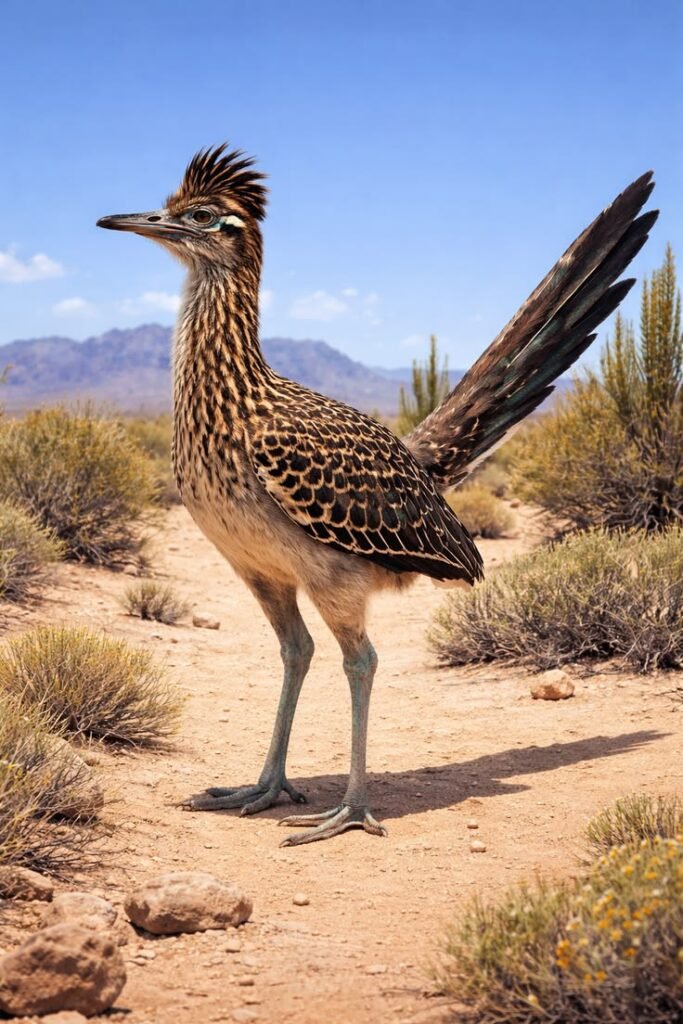
Scientific Name: Geococcyx californianus
Class: Aves
Diet: Carnivore
The greater roadrunner is a fast-running desert bird that hunts snakes. It even tackles rattlesnakes with daring skill. Snakes are a rewarding meal for this bold bird.
What sets the roadrunner apart is its speed and teamwork. Pairs sometimes work together to distract and strike a snake. It grabs the snake behind the head and beats it against the ground before swallowing.
Greater roadrunners live in the deserts and scrublands of the southwestern United States and Mexico. As carnivores, they eat snakes, insects, lizards, and small animals.
Moreover, roadrunners help control snake and pest populations. They remain common across their arid range.
Short-Toed Snake Eagle
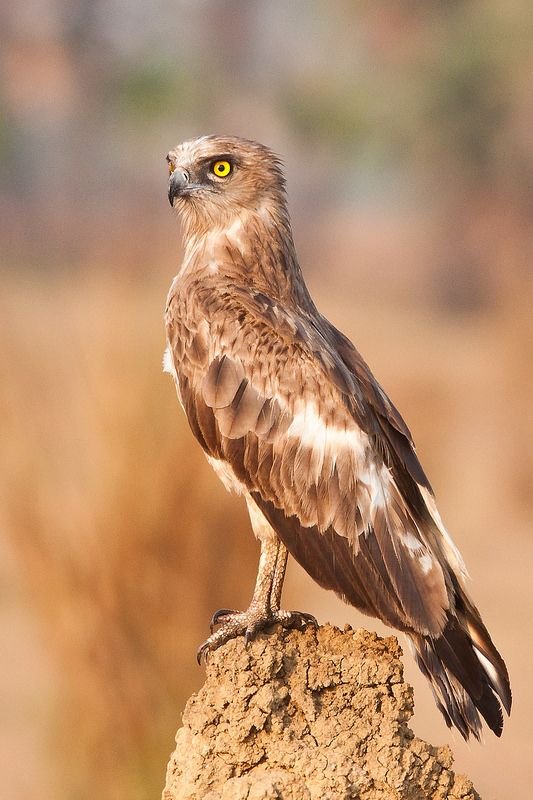
Scientific Name: Circaetus gallicus
Class: Aves
Diet: Carnivore (mostly snakes)
The short-toed snake eagle is a raptor that specializes in hunting snakes. Its diet is made up largely of serpents. It is superbly adapted to catching them from the air.
Interestingly, the snake eagle scans the ground from high above, then swoops down to seize snakes in its talons. Its thick leg scales help protect it from bites. It often kills the snake before carrying it off.
Short-toed snake eagles live in the open landscapes of Europe, Africa, and Asia. As ophiophages, they hunt snakes, along with lizards and small animals.
Moreover, these eagles help regulate snake populations across their range. Habitat loss can affect their numbers in some regions.
Fun Fact: The snake eagle’s thick leg scales help shield it from venomous bites.
Laughing Kookaburra
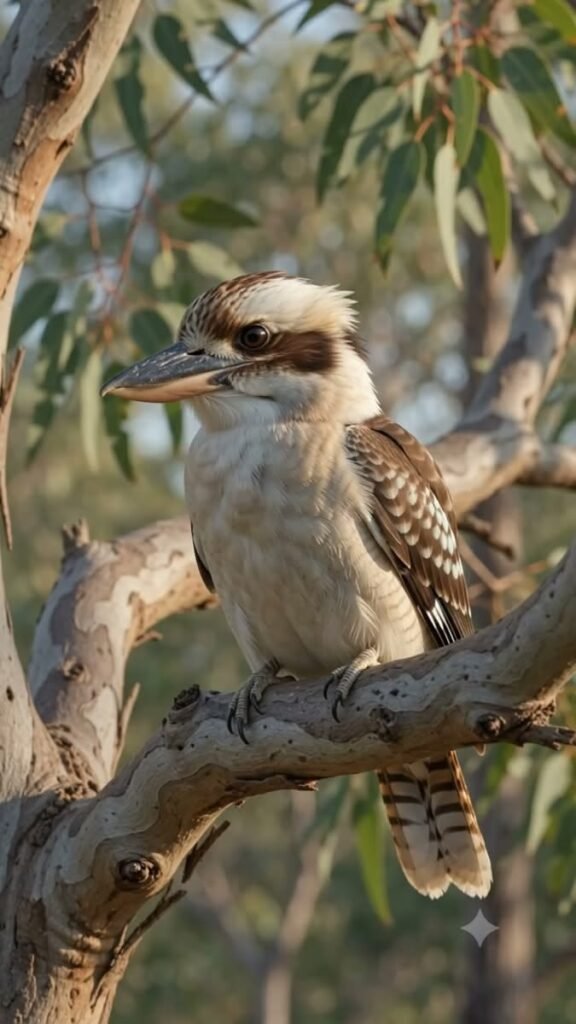
Scientific Name: Dacelo novaeguineae
Class: Aves
Diet: Carnivore
The laughing kookaburra is a large kingfisher known for eating snakes. It tackles serpents with surprising boldness. Snakes are a notable part of its varied diet.
What sets the kookaburra apart is its powerful beak and clever technique. It grabs a snake and repeatedly bashes it against a branch or the ground to kill it. This lets it safely handle even sizeable snakes.
Laughing kookaburras live in the woodlands and forests of Australia. As carnivores, they eat snakes, insects, lizards, and small animals.
Moreover, kookaburras help control snake and pest populations. They remain common and are famous for their laughing call.
Fun Fact: The kookaburra bashes snakes against branches to kill them before eating.
European Hedgehog
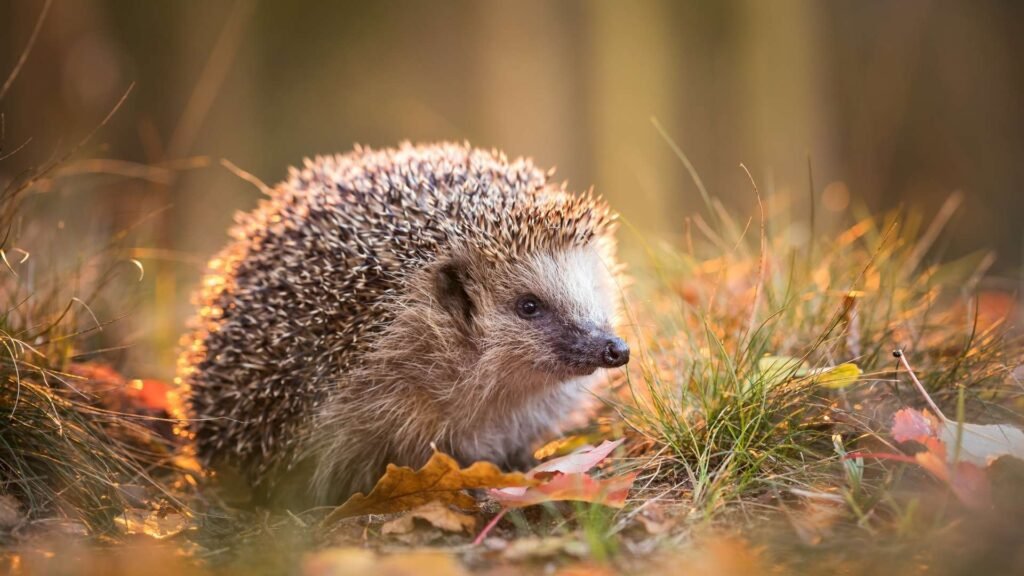
Scientific Name: Erinaceus europaeus
Class: Mammalia
Diet: Omnivore
The European hedgehog is a small animal that will hunt and eat snakes. Its spines give it a surprising advantage. Snakes are an occasional but valuable meal.
Interestingly, the hedgehog uses its spiny coat as both shield and weapon. It can curl up to fend off strikes, then bite the tired snake repeatedly. It also has some natural resistance to venom.
European hedgehogs live in gardens, woodlands, and hedgerows across Europe. As omnivores, they eat insects, worms, small animals, and snakes.
Moreover, hedgehogs help control pests and small reptiles. Habitat loss and roads have caused declines in some regions.
Bobcat
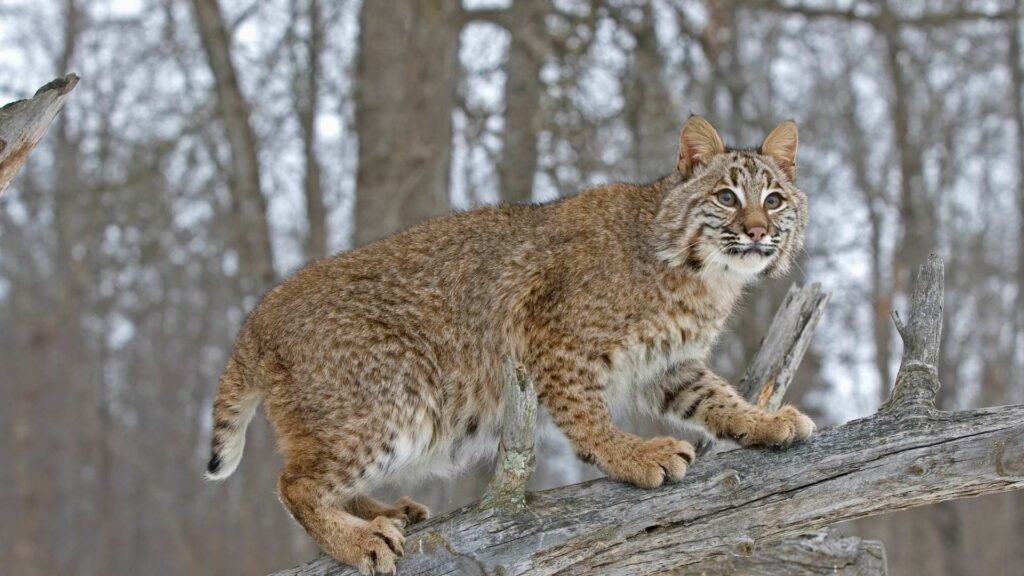
Scientific Name: Lynx rufus
Class: Mammalia
Diet: Carnivore
The bobcat is a stealthy wild cat that sometimes hunts snakes. Agile and quick, it strikes with sharp claws. Snakes are part of its wide-ranging diet.
What sets the bobcat apart is its patience and speed. It stalks close, then pins a snake with its paws before delivering a killing bite. Its quick reflexes help it avoid strikes.
Bobcats live across North America, in forests, deserts, and mountains. As carnivores, they hunt rabbits, rodents, birds, and snakes.
Moreover, bobcats help control rodent and snake populations. They remain widespread and adaptable.
Nile Monitor
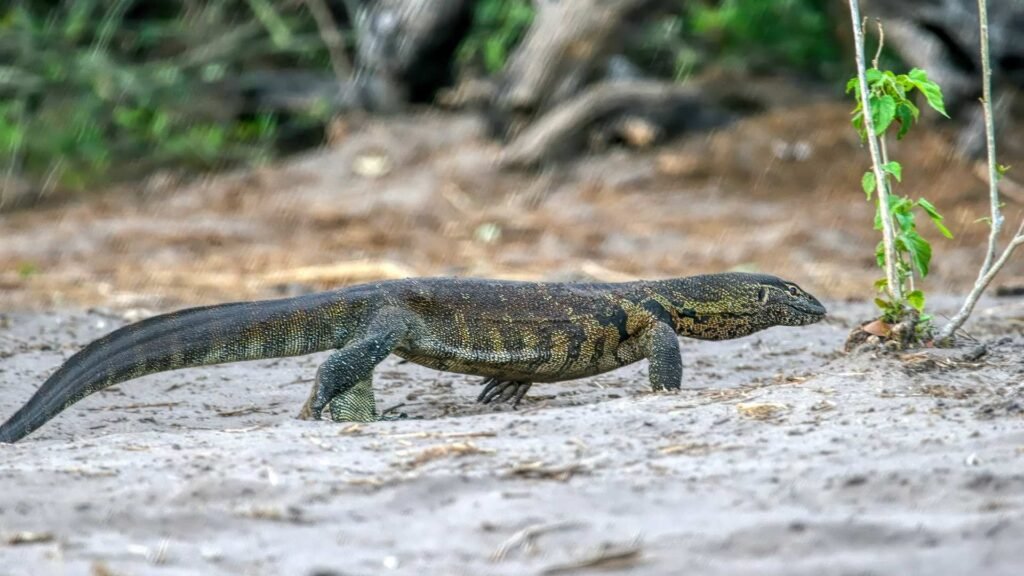
Scientific Name: Varanus niloticus
Class: Reptilia
Diet: Carnivore
The Nile monitor is a large, powerful lizard that eats snakes among its varied prey. It overpowers serpents with its strong jaws. Snakes are just one item on its broad menu.
Interestingly, the Nile monitor uses its size, speed, and sharp claws to subdue snakes. Its tough skin offers some protection during the struggle. It swallows smaller snakes whole.
Nile monitors live near rivers, lakes, and wetlands across sub-Saharan Africa. As carnivores, they eat snakes, eggs, fish, and small animals.
Moreover, monitors help regulate the populations of their prey. They remain widespread and adaptable.
Red-Tailed Hawk
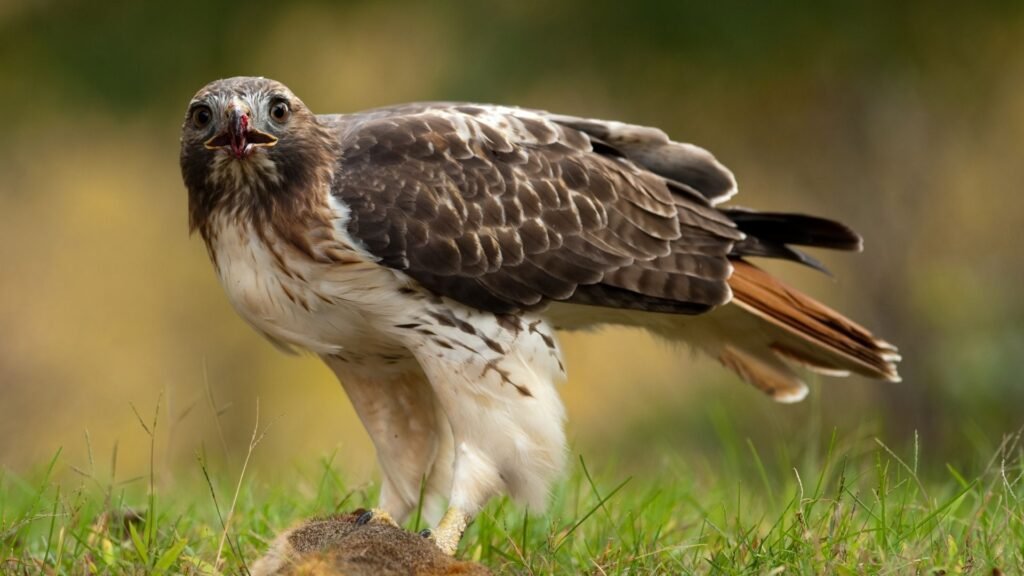
Scientific Name: Buteo jamaicensis
Class: Aves
Diet: Carnivore
The red-tailed hawk is a widespread raptor that regularly hunts snakes. It seizes them in powerful talons from above. Snakes are a common part of its diet.
What sets the hawk apart is its keen eyesight and strong grip. Spotting a snake from high above, it dives and grasps it firmly. It often kills the snake with its talons before eating.
Red-tailed hawks live across North America, in forests, deserts, and fields. As carnivores, they hunt rodents, birds, and snakes.
Moreover, hawks help control rodent and snake populations. They remain abundant and are among the most common raptors.
Fun Fact: The red-tailed hawk’s sharp eyesight lets it spot a snake from high in the sky.
Read: Animals That Live on Mountains
Read: Animals That Eat Corn in The World
Read: Animals With Webbed Feet
Read: Animals That Eat Ants in The World
Read: Animals That Sleep a Lot in The World
Frequently Asked Questions
Conclution
From the snake-eating king cobra to the stomping secretary bird, the animals that eat snakes reveal astonishing courage and clever adaptations. Whether through venom resistance, protective armor, or lightning reflexes, these predators turn one of nature’s most feared creatures into a meal. In doing so, they help keep snake populations in balance and ecosystems healthy.