
Top 12 Animals That Eat Coconuts in The World (With Images)
Did you know there’s a crab so large and strong it can crack open a coconut with its bare claws? Coconuts are tough, hard-shelled fruits that seem almost impossible to open, yet a surprising number of animals have found ways to feast on their rich, nutritious flesh and water.
From giant crabs and clever monkeys to rats, pigs, and elephants, these creatures have developed impressive techniques to reach the prize inside. In this guide, we’ll explore the top 12 animals that eat coconuts, uncovering how they crack into one of nature’s toughest snacks.
List of Animals That Eat Coconuts in The World
| Rank | Animal | Scientific Name |
|---|---|---|
| 1 | Coconut Crab | Birgus latro |
| 2 | Macaque Monkey | Macaca fascicularis |
| 3 | Rat | Rattus rattus |
| 4 | Asian Elephant | Elephas maximus |
| 5 | Wild Pig | Sus scrofa |
| 6 | Palm Cockatoo | Probosciger aterrimus |
| 7 | Squirrel | Callosciurus |
| 8 | Fruit Bat | Pteropus |
| 9 | Baboon | Papio |
| 10 | Domestic Cattle | Bos taurus |
| 11 | Monitor Lizard | Varanus |
| 12 | Human | Homo sapiens |
Coconut Crab
Scientific Name: Birgus latro
Class: Malacostraca
Diet: Omnivore
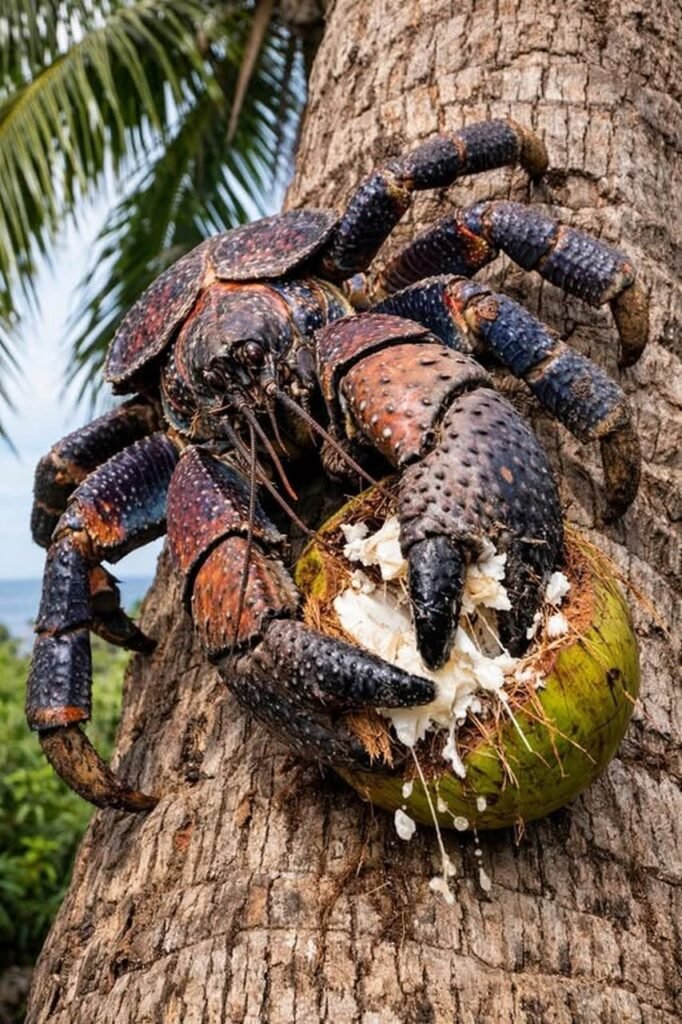
The coconut crab is the largest land-living crab and the most famous coconut eater of all. It is named for its ability to open coconuts.
Interestingly, the coconut crab has claws powerful enough to crack open a coconut’s hard shell. It can climb trees to reach the fruit and has one of the strongest grips of any animal.
Coconut crabs inhabit tropical islands across the Indian and Pacific Oceans, feeding on coconuts, fruit, and carrion.
As large scavengers, coconut crabs help recycle nutrients on island ecosystems. Habitat loss and hunting have made them Vulnerable.
Fun Fact: A coconut crab’s pinch is so powerful it rivals the bite force of a lion, letting it crack coconuts with ease.
Long-tailed Macaque
Scientific Name: Macaca fascicularis
Class: Mammalia
Diet: Omnivore
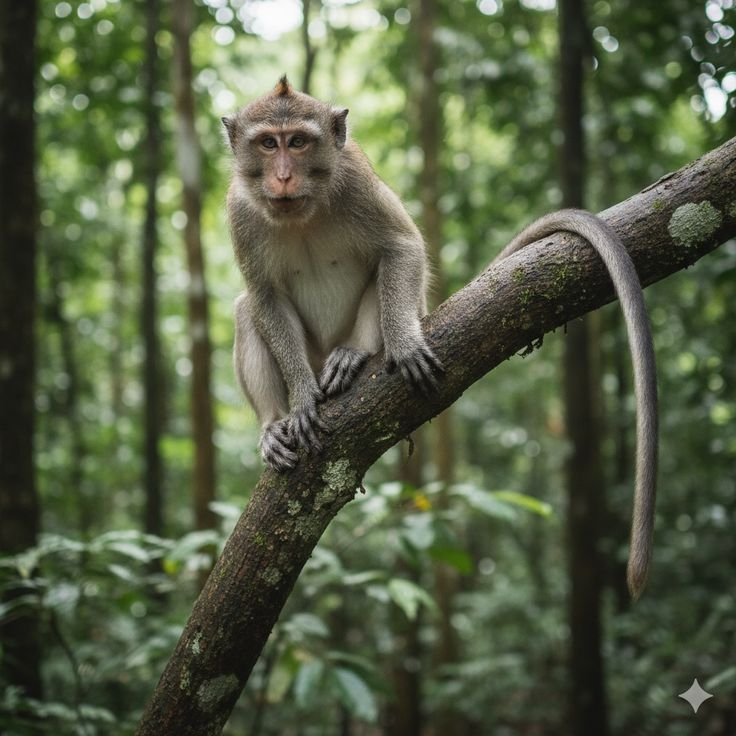
The long-tailed macaque is a clever monkey known for opening and eating coconuts. Some are even trained to harvest them.
Moreover, the macaque uses its strong hands and teeth to peel and crack coconuts. In parts of Southeast Asia, trained macaques are famous for picking coconuts from tall palms.
Long-tailed macaques inhabit the forests and coasts of Southeast Asia, feeding on fruit, seeds, and small animals.
As adaptable primates, macaques play a role in seed dispersal. They remain widespread, though some populations face pressure.
Fun Fact: In parts of Thailand, macaques have long been trained to climb palms and harvest thousands of coconuts a day.
Black Rat
Scientific Name: Rattus rattus
Class: Mammalia
Diet: Omnivore
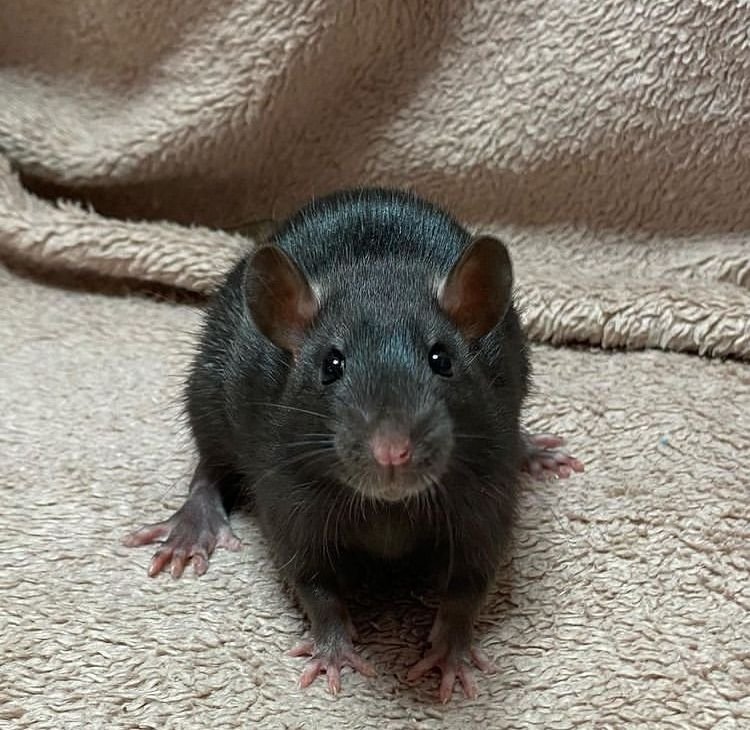
The black rat is a common coconut pest on tropical islands, gnawing through the husk to reach the flesh. It is a persistent feeder.
Interestingly, the rat uses its sharp, constantly growing teeth to chew a hole in the coconut. On some islands, rats cause major damage to coconut crops.
Black rats inhabit tropical and temperate regions worldwide, feeding on fruit, grains, and almost anything else.
As adaptable rodents, rats can be serious pests but also prey for many predators. They are widespread and abundant.
Fun Fact: Rats can gnaw a neat hole through a coconut’s tough husk using teeth that never stop growing.
Asian Elephant
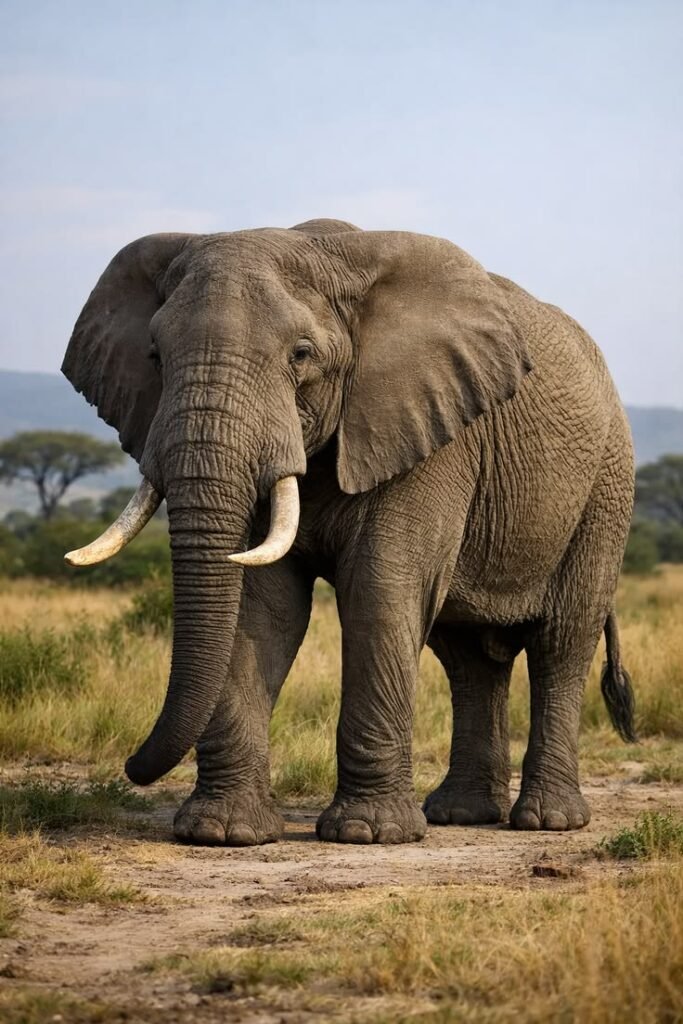
Scientific Name: Elephas maximus
Class: Mammalia
Diet: Herbivore
The Asian elephant will eat coconuts, easily crushing them with its powerful mouth and feet. Its size makes cracking them effortless.
Moreover, the elephant can step on or bite through a coconut to reach the flesh inside. It enjoys the fruit as a sweet, energy-rich treat.
Asian elephants inhabit the forests and grasslands of South and Southeast Asia, feeding on grasses, fruit, and bark.
As large herbivores, elephants shape their habitats and disperse seeds. Habitat loss has made them Endangered.
Fun Fact: An elephant can crush a whole coconut as easily as a person cracks a nut, using its immense strength.
Wild Pig
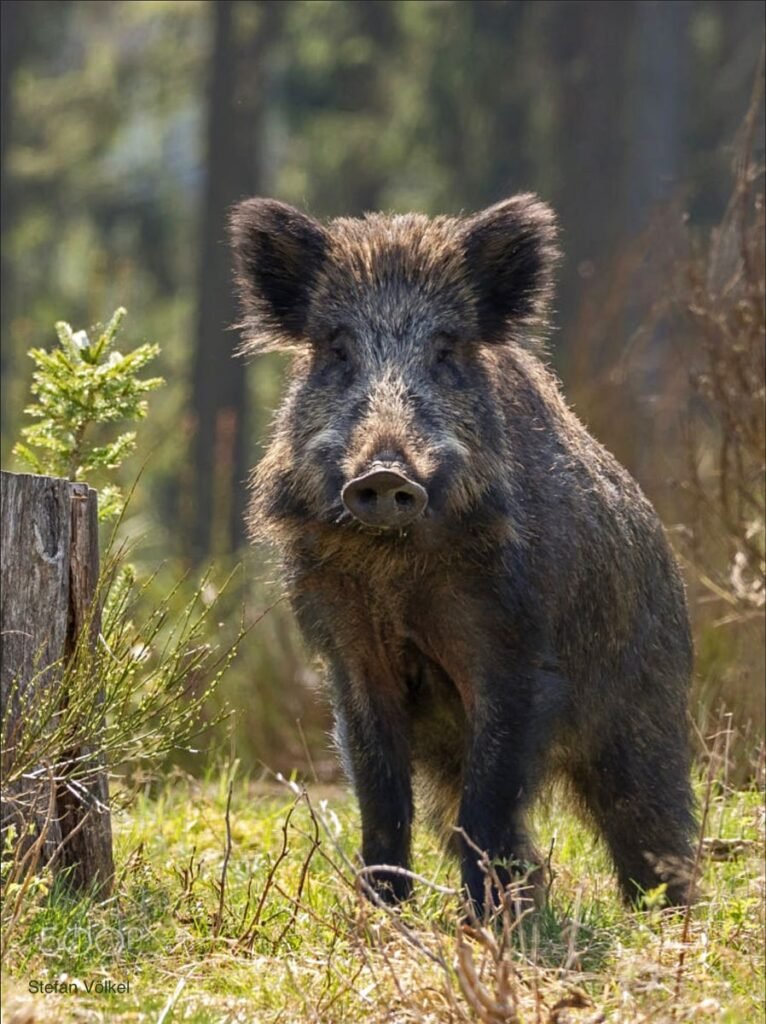
Scientific Name: Sus scrofa
Class: Mammalia
Diet: Omnivore
The wild pig eats fallen coconuts, using its strong jaws and snout to break them open. It is an opportunistic feeder.
Interestingly, the wild pig roots around beneath palms for fallen coconuts and other food. Its powerful bite can crack open cracked or softened shells.
Wild pigs inhabit forests, grasslands, and islands across many regions, feeding on roots, fruit, and small animals.
As foragers, wild pigs help turn over soil and disperse seeds. They are widespread and adaptable.
Fun Fact: Wild pigs often gather beneath coconut palms to feast on the fallen fruit littering the ground.
Palm Cockatoo
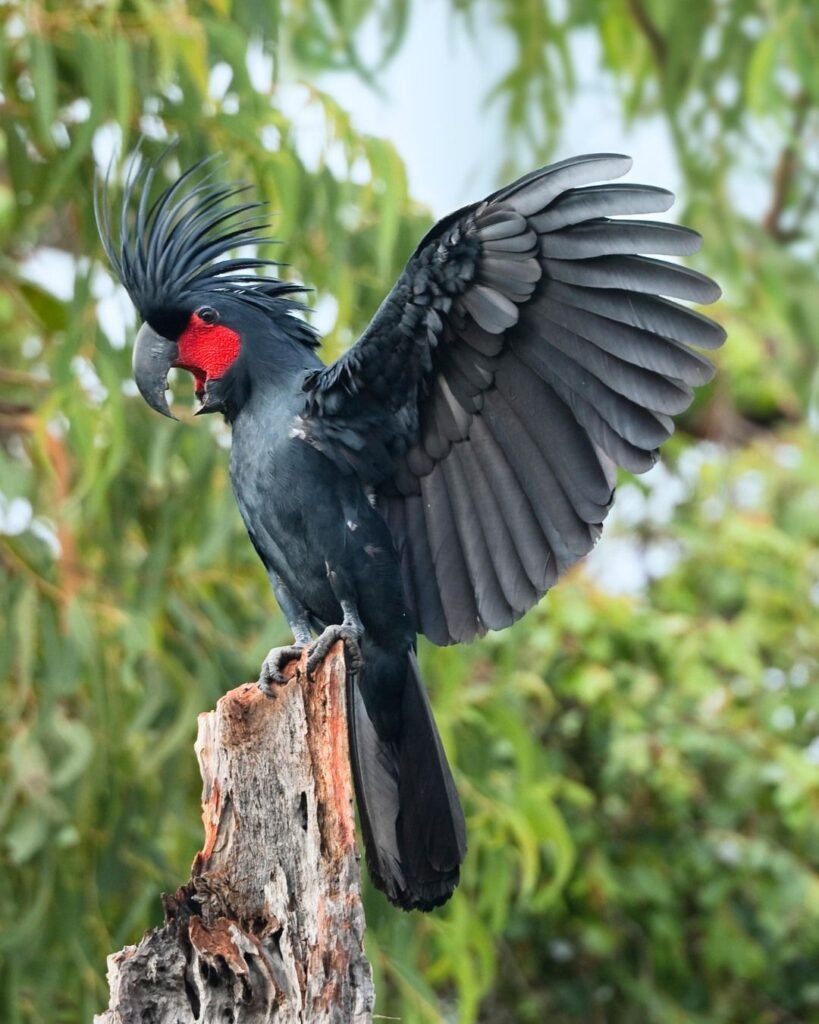
Scientific Name: Probosciger aterrimus
Class: Aves
Diet: Herbivore
The palm cockatoo is a large parrot with a massive beak capable of cracking hard nuts and coconuts. Its bill is one of the strongest of any bird.
Moreover, the palm cockatoo uses its powerful beak to break into tough seeds, nuts, and young coconuts. Its strength lets it access foods other birds cannot.
Palm cockatoos inhabit the rainforests of New Guinea and northern Australia, feeding on seeds, nuts, and fruit.
As seed-eaters, palm cockatoos help shape their forest habitats. Habitat loss threatens some populations.
Fun Fact: The palm cockatoo has such a powerful beak it can crack nuts too hard for almost any other bird to open.
Squirrel
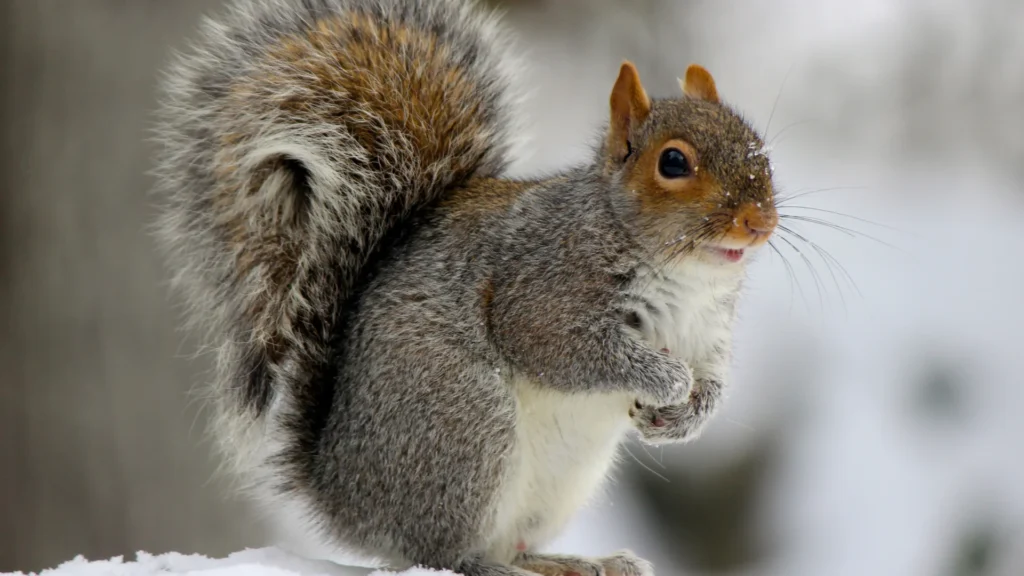
Scientific Name: Callosciurus
Class: Mammalia
Diet: Omnivore
The tropical squirrel gnaws into coconuts, especially younger, softer ones, to reach the flesh and water. It is an agile climber.
Interestingly, the squirrel uses its sharp teeth to chew through the husk of young coconuts. Its climbing ability lets it reach fruit high in the palms.
Tropical squirrels inhabit the forests of South and Southeast Asia, feeding on fruit, nuts, and seeds.
As climbers and seed hoarders, squirrels help disperse plants. Most species remain common.
Fun Fact: Tropical squirrels often target young, green coconuts, whose softer shells are easier to gnaw through.
Fruit Bat
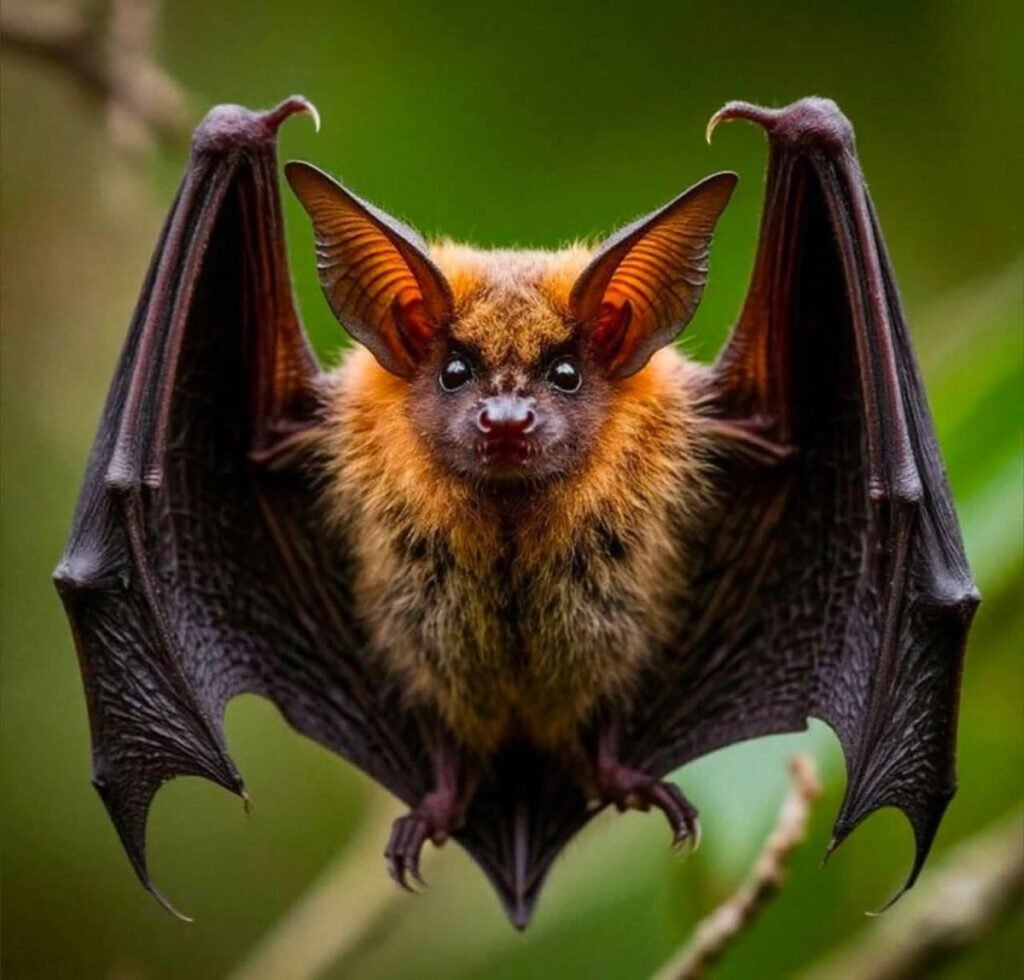
Scientific Name: Pteropus
Class: Mammalia
Diet: Frugivore
The fruit bat, or flying fox, feeds on coconut flowers and the soft flesh of young or damaged coconuts. It is an important pollinator.
Moreover, the fruit bat laps up nectar from coconut palm flowers, helping to pollinate them. It also feeds on the soft pulp of ripe or cracked fruit.
Fruit bats inhabit tropical regions across Asia, Africa, and Australia, feeding on fruit, nectar, and flowers.
As pollinators and seed dispersers, fruit bats are vital to tropical forests. Some species are threatened by hunting and habitat loss.
Fun Fact: By feeding on coconut palm flowers, fruit bats help pollinate the very trees that produce coconuts.
Baboon
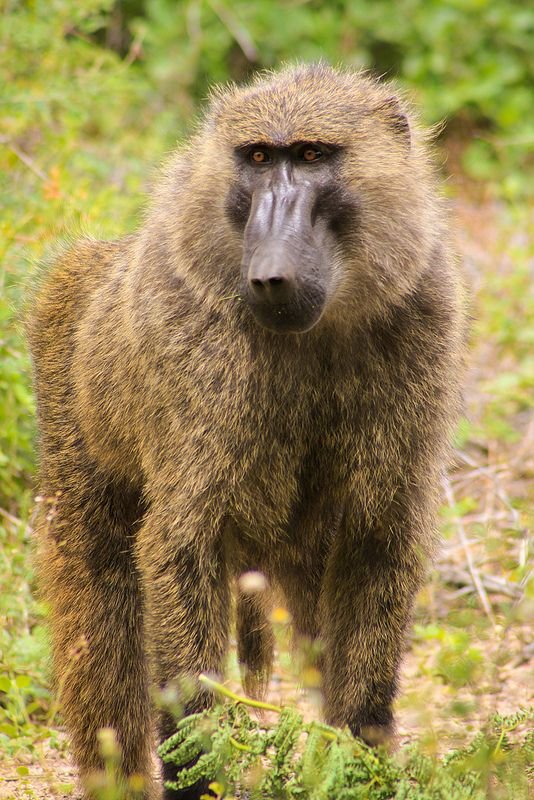
Scientific Name: Papio
Class: Mammalia
Diet: Omnivore
The baboon is a large, resourceful monkey that will eat coconuts when available. It uses its strength and intelligence to open them.
Interestingly, the baboon smashes coconuts against rocks or uses its powerful jaws to break them. Baboons are known for their clever problem-solving when finding food.
Baboons inhabit the savannas and woodlands of Africa and Arabia, feeding on fruit, seeds, insects, and small animals.
As adaptable primates, baboons help disperse seeds. They remain widespread and of Least Concern.
Fun Fact: Baboons will smash coconuts and other hard foods against rocks to break them open, showing clever tool-like behavior.
Cattle
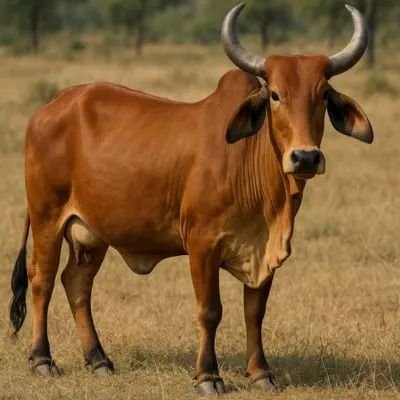
Scientific Name: Bos taurus
Class: Mammalia
Diet: Herbivore
Cattle are sometimes fed coconut and coconut products as a nutritious part of their diet. They eat the flesh and processed meal.
Moreover, farmers in tropical regions feed cattle coconut meal and husks as a source of energy and fiber. Cattle readily eat the soft flesh of split coconuts.
Cattle are raised worldwide, grazing on grass and feeding on grains and by-products.
As livestock, cattle turn coconut by-products into milk and meat. As a domestic species, they are not threatened.
Fun Fact: Leftover coconut meal from oil production is often used as a healthy, energy-rich feed for cattle.
Monitor Lizard
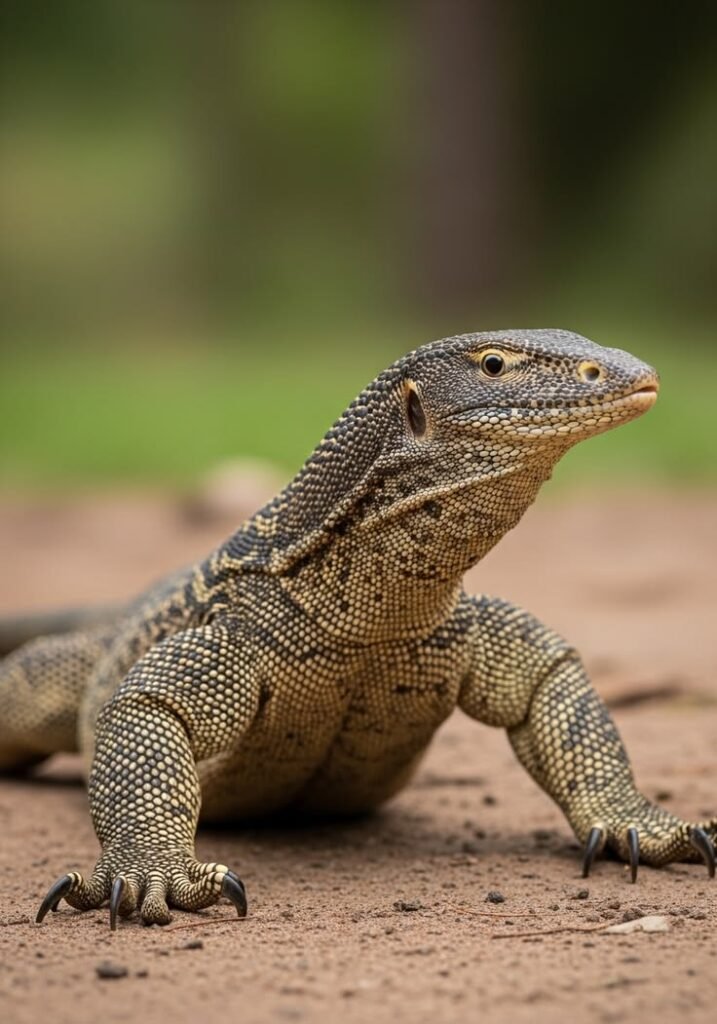
Scientific Name: Varanus
Class: Reptilia
Diet: Carnivore
The monitor lizard will feed on the flesh of cracked or rotting coconuts, though it mainly eats meat. It is an opportunistic feeder.
Interestingly, the monitor lizard scavenges soft coconut flesh from fruit already broken open by other animals or by falling. It won’t pass up an easy, nutritious meal.
Monitor lizards inhabit forests, coasts, and islands across Asia, Africa, and Australia, feeding on insects, eggs, and carrion.
As scavengers and predators, monitor lizards help clean up their ecosystems. Most species remain common.
Fun Fact: Monitor lizards have a keen sense of smell and will track down cracked coconuts and other food from far away.
Human

Scientific Name: Homo sapiens
Class: Mammalia
Diet: Omnivore
The human is perhaps the biggest coconut consumer of all, using the fruit for food, drink, and countless products. We’ve eaten coconuts for thousands of years.
Moreover, humans use tools to open coconuts and enjoy the flesh, water, milk, and oil. Coconuts are a staple food and important crop across the tropics.
Humans live across every continent, cultivating coconuts widely in tropical regions.
As the main harvesters, humans have spread coconut palms around the world. We are, of course, not threatened.
Fun Fact: Nearly every part of the coconut is useful to humans, from the water and flesh to the oil, husk, and shell.
Read: Animals That Eat Cactus
Read: Animals With No Tails in The World
Read: How High Can a Golden Eagle Fly
Read: Top 10 Animals That Can’t Swim
Read: Top 22 Quiet Animals in the World
Frequently Asked Questions
Conclusion
Coconuts may be one of nature’s toughest fruits, but that hasn’t stopped a remarkable range of animals from cracking them open. From the mighty coconut crab and clever macaques to rats, elephants, and powerful parrots, each creature has found its own way to reach the rich prize inside. These animals rely on coconuts as a valuable source of energy and nutrition across the tropics.
One Comment