
Top 15 Animals That Eat Corn in The World (With Images)
Did you know that a single raccoon can wipe out rows of a cornfield in just one night, peeling back the husks with its clever paws? Corn is one of the most popular crops on Earth, and it’s not just humans who love it. Its sweet, energy-rich kernels attract a huge variety of animals, from tiny insects to large mammals and hungry birds.
For farmers, these corn-loving creatures can be a real challenge. In this guide, we’ll explore the top 15 animals that eat corn, uncovering who’s raiding the fields and why they find corn so irresistible.
List of Animals That Eat Corn in The World
| Rank | Animal | Scientific Name |
|---|---|---|
| 1 | Raccoon | Procyon lotor |
| 2 | White-tailed Deer | Odocoileus virginianus |
| 3 | Crow | Corvus brachyrhynchos |
| 4 | Squirrel | Sciurus carolinensis |
| 5 | Wild Boar | Sus scrofa |
| 6 | Black Bear | Ursus americanus |
| 7 | Field Mouse | Apodemus sylvaticus |
| 8 | Canada Goose | Branta canadensis |
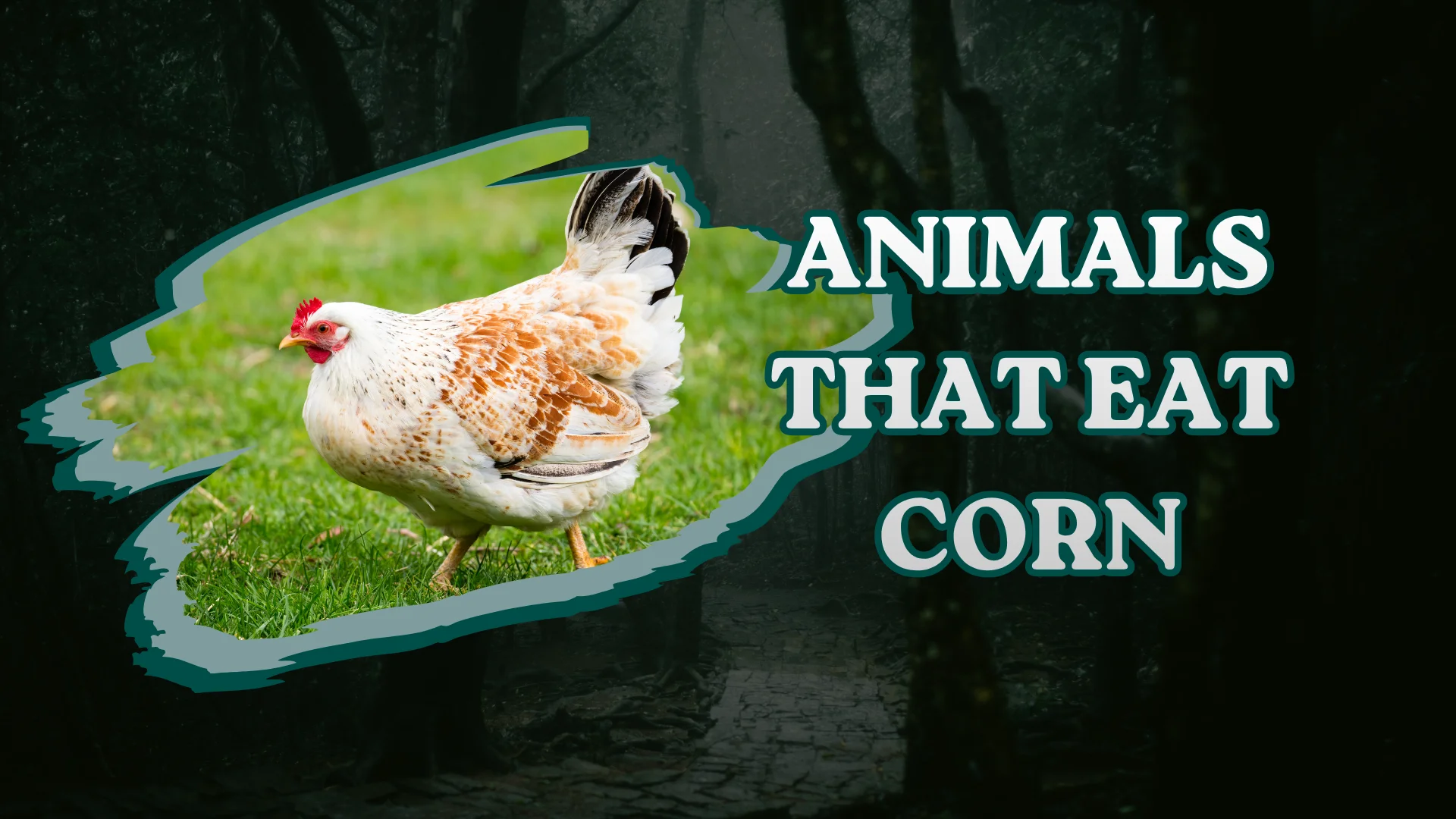
| 9 | Chicken | Gallus gallus domesticus |
| 10 | Groundhog | Marmota monax |
| 11 | Wild Turkey | Meleagris gallopavo |
| 12 | Chipmunk | Tamias striatus |
| 13 | Cow | Bos taurus |
| 14 | Pig | Sus scrofa domesticus |
| 15 | Blackbird | Agelaius phoeniceus |
Raccoon
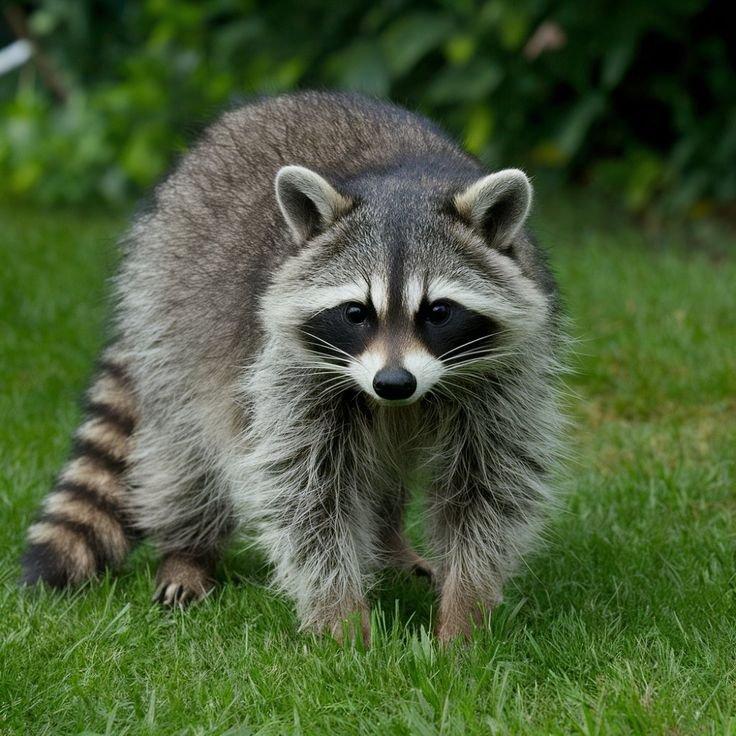
Scientific Name: Procyon lotor
Class: Mammalia
Diet: Omnivore
The raccoon is one of the most notorious corn raiders, capable of damaging entire rows overnight. Its clever paws make it a skilled thief.
Interestingly, the raccoon uses its nimble, hand-like paws to peel back husks and strip kernels from the cob. It often knocks down more stalks than it eats, frustrating farmers.
Raccoons inhabit forests, wetlands, and farmland across North America, feeding on almost anything.
As adaptable omnivores, raccoons play a role in seed dispersal and pest control. They are widespread and thriving.
Fun Fact: A raccoon can peel back a corn husk almost as neatly as a person, using its remarkably dexterous paws.
White-tailed Deer
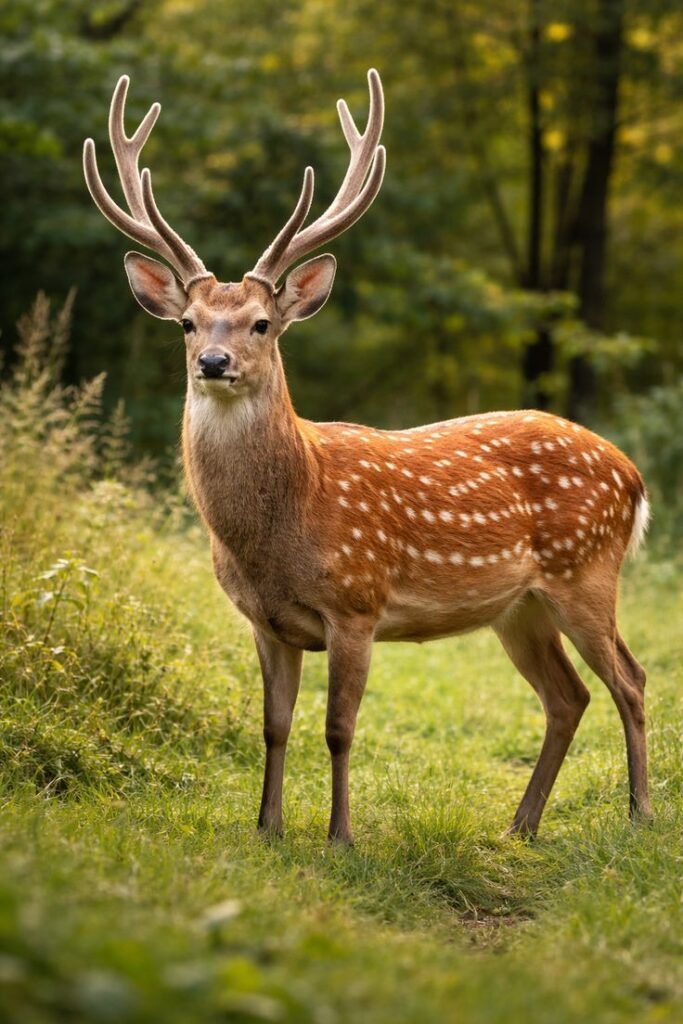
Scientific Name: Odocoileus virginianus
Class: Mammalia
Diet: Herbivore
The white-tailed deer is a frequent visitor to cornfields, feeding on both the plants and the ripe ears. It can cause major crop damage.
Moreover, the deer eats corn at every stage, from tender young shoots to mature kernels. A herd can consume large amounts of a crop in a short time.
White-tailed deer inhabit forests, farmland, and grasslands across the Americas, browsing on plants, crops, and nuts.
As grazers and browsers, deer shape plant growth in their habitats. They are widespread and of Least Concern.
Fun Fact: Corn is so appealing to deer that hunters and wildlife watchers often use it as bait to attract them.
Crow
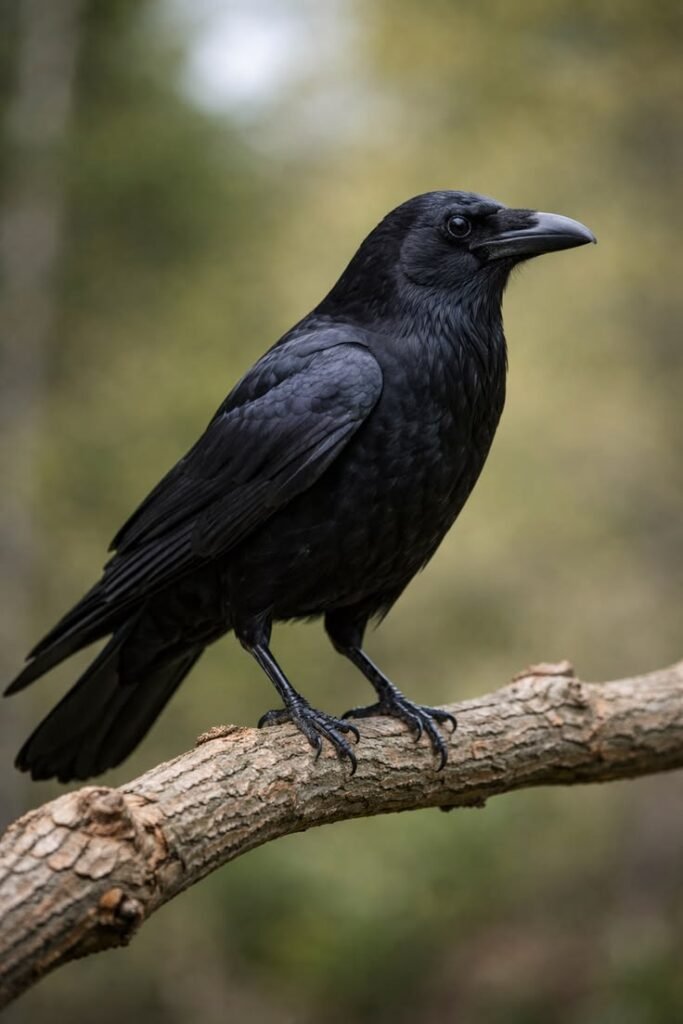
Scientific Name: Corvus brachyrhynchos
Class: Aves
Diet: Omnivore
The crow is a highly intelligent bird that loves to feast on corn, from freshly planted seeds to ripening ears. It has long been the farmer’s rival.
Interestingly, crows can remember exactly where corn is planted and return in groups to feed. Their cleverness is the very reason scarecrows were invented.
Crows inhabit farmland, forests, and cities across much of the world, feeding on grains, insects, and scraps.
As intelligent omnivores, crows help control insect pests even as they raid crops. They are widespread and thriving.
Fun Fact: Crows are so clever they quickly learn to ignore scarecrows once they realize the figures pose no real threat.
Squirrel
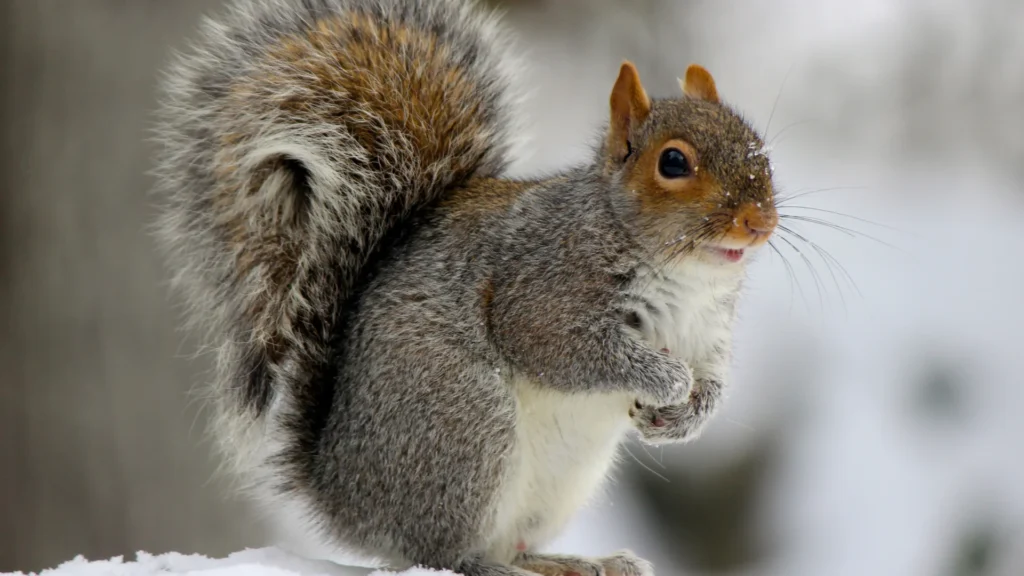
Scientific Name: Sciurus carolinensis
Class: Mammalia
Diet: Omnivore
The squirrel is a common corn eater that will happily raid fields, gardens, and even bird feeders for kernels. It is a persistent little thief.
Moreover, the squirrel gnaws kernels right off the cob and may carry corn away to store for later. Its climbing skills let it reach corn in many places.
Squirrels inhabit forests, parks, and farmland around the world, feeding on nuts, seeds, and grains.
As seed hoarders, squirrels help plant trees by burying food they forget. They are widespread and of Least Concern.
Fun Fact: Squirrels often stuff their cheeks with corn kernels to carry them off and bury for winter storage.
Wild Boar
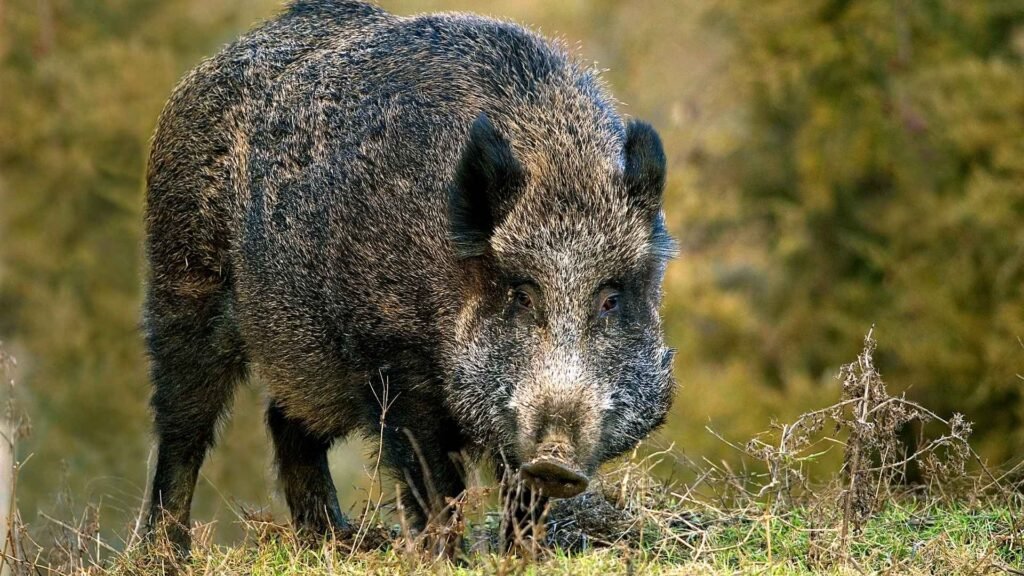
Scientific Name: Sus scrofa
Class: Mammalia
Diet: Omnivore
The wild boar is a powerful, destructive corn feeder that can devastate a field. It eats voraciously and tramples what it doesn’t consume.
Interestingly, wild boars use their strong snouts to root through fields, eating corn and churning up the soil. A group, called a sounder, can cause enormous damage overnight.
Wild boars inhabit forests, grasslands, and farmland across many parts of the world, feeding on roots, crops, and small animals.
As powerful foragers, wild boars turn over soil but can be serious agricultural pests. They are widespread and adaptable.
Fun Fact: A group of wild boars can flatten and devour a section of cornfield in a single night of feeding.
Black Bear
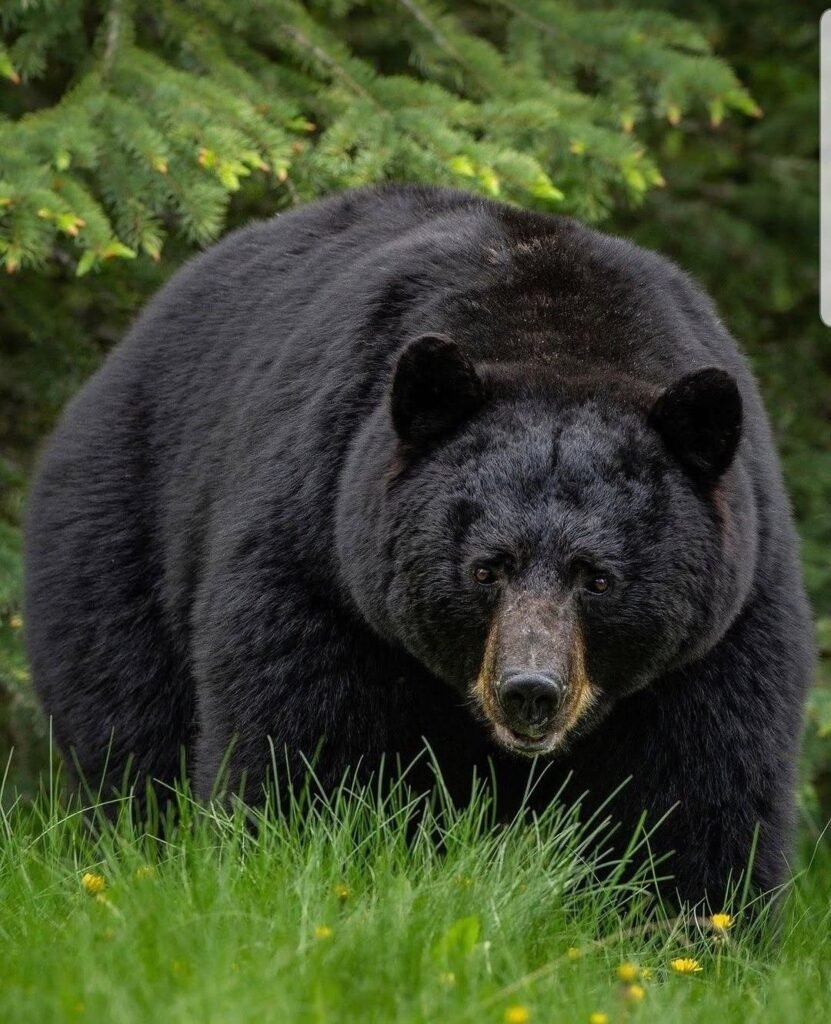
Scientific Name: Ursus americanus
Class: Mammalia
Diet: Omnivore
The black bear is a large omnivore that will raid cornfields, especially in late summer when building fat for winter. It can flatten crops as it feeds.
Moreover, the black bear eats corn eagerly for its high energy content. It often sits down in the middle of a field, pulling stalks toward itself to strip the ears.
Black bears inhabit forests across North America, feeding on berries, nuts, insects, and crops.
As opportunistic omnivores, black bears help disperse seeds. They remain widespread and of Least Concern.
Fun Fact: Black bears love corn so much they’ll flatten a patch of stalks to sit and feast right in the middle of a field.
Field Mouse
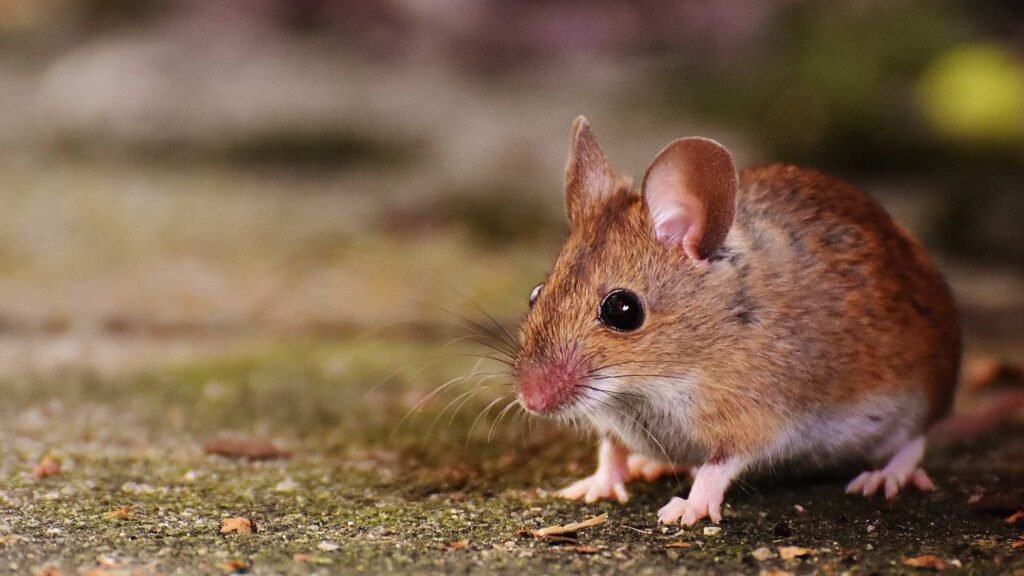
Scientific Name: Apodemus sylvaticus
Class: Mammalia
Diet: Omnivore
The field mouse is a tiny but persistent corn eater that feeds on kernels and stored grain. Its small size lets it slip in unnoticed.
Interestingly, field mice nibble corn in the field and raid storage areas, hoarding kernels for later. Their fast breeding means small numbers can grow quickly.
Field mice inhabit fields, forests, and farmland across Europe and Asia, feeding on seeds, grains, and insects.
As prey animals, field mice are a key food source for many predators. They are widespread and abundant.
Fun Fact: A single field mouse can hoard hundreds of corn kernels and seeds in hidden underground caches.
Canada Goose
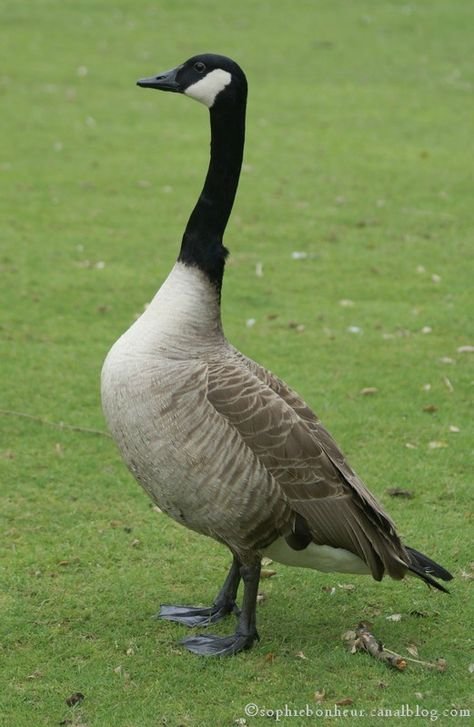
Scientific Name: Branta canadensis
Class: Aves
Diet: Herbivore
The Canada goose is a large bird that feeds heavily on corn, especially waste grain left in harvested fields. Big flocks can strip a field bare.
Moreover, geese graze on young corn shoots and glean leftover kernels after harvest. Their large flocks make them a common sight in farm country.
Canada geese inhabit lakes, rivers, and farmland across North America, grazing on grasses, grains, and crops.
As grazers, geese play a role in seed dispersal. They are widespread and thriving.
Fun Fact: Flocks of Canada geese often gather in harvested cornfields to feast on the kernels left behind.
Chicken
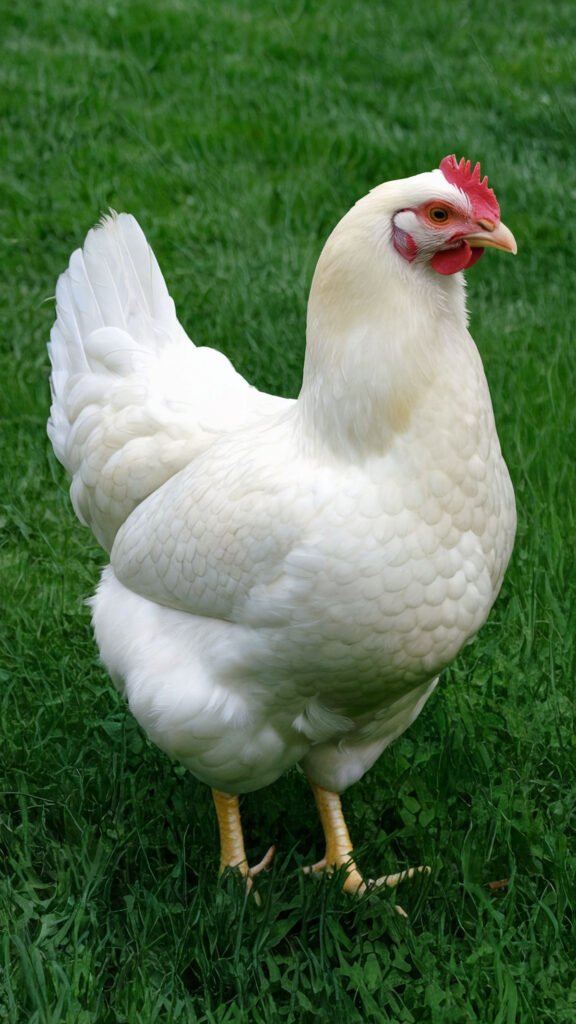
Scientific Name: Gallus gallus domesticus
Class: Aves
Diet: Omnivore
The chicken is a domestic bird that loves corn, which is a staple of many poultry feeds. It pecks eagerly at both whole and cracked kernels.
Interestingly, corn provides chickens with energy and helps keep them warm in cold weather. Farmers have fed corn to poultry for centuries.
Chickens are raised worldwide, descended from wild jungle fowl, and feed on seeds, insects, and grains.
As common farm birds, chickens turn corn into eggs and meat. As a domestic species, they are not threatened.
Fun Fact: Corn is a key ingredient in most chicken feed, giving hens the energy they need to lay eggs.
Groundhog
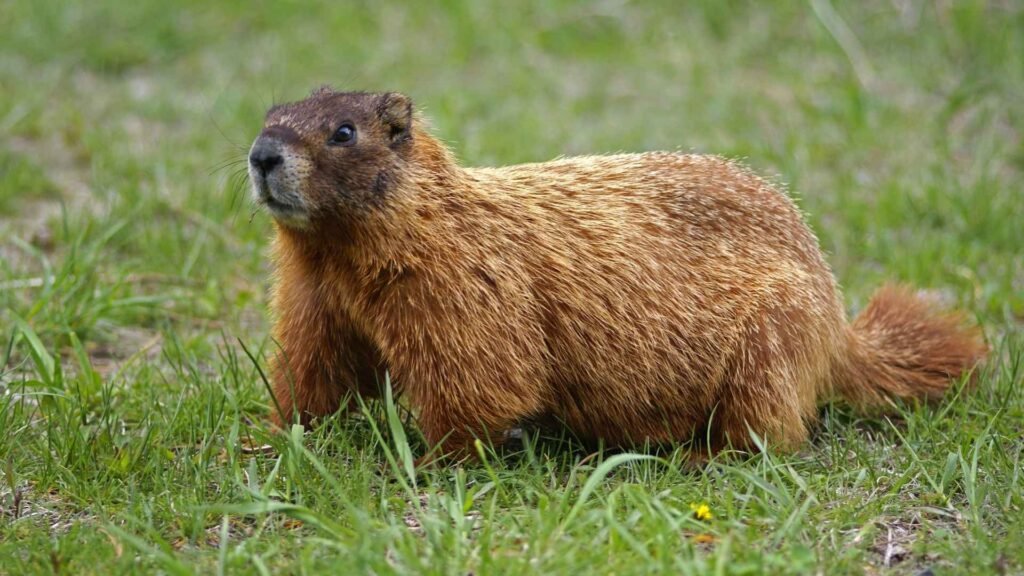
Scientific Name: Marmota monax
Class: Mammalia
Diet: Herbivore
The groundhog, or woodchuck, is a burrowing rodent that raids gardens and fields for corn. It has a big appetite for its size.
Moreover, the groundhog eats corn stalks and ears, often close to its burrow. It can clear a surprising amount of a garden crop in a short time.
Groundhogs inhabit fields, meadows, and forest edges across North America, feeding on grasses, crops, and vegetables.
As diggers, groundhogs aerate soil and their burrows shelter other animals. They are common and widespread.
Fun Fact: A groundhog usually feeds close to its burrow, so a cornfield near its den is an easy, tempting target.
Wild Turkey
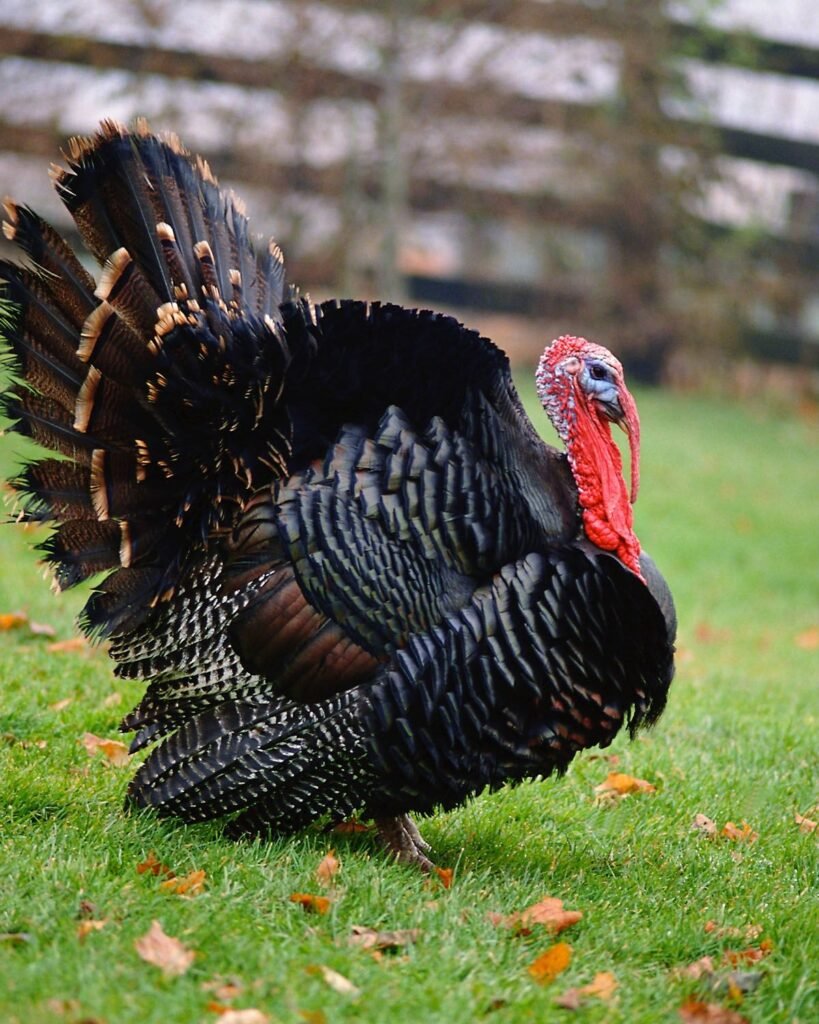
Scientific Name: Meleagris gallopavo
Class: Aves
Diet: Omnivore
The wild turkey is a large ground bird that feeds on corn, especially waste grain in harvested fields. It forages in flocks.
Interestingly, wild turkeys scratch through fields for fallen kernels and also eat standing corn. Corn is an important winter food that helps them survive the cold.
Wild turkeys inhabit forests and farmland across North America, feeding on seeds, nuts, insects, and grains.
As ground foragers, wild turkeys help disperse seeds. They are widespread and of Least Concern.
Fun Fact: Wild turkeys often flock into cornfields after harvest, scratching up leftover kernels to fuel up for winter.
Chipmunk
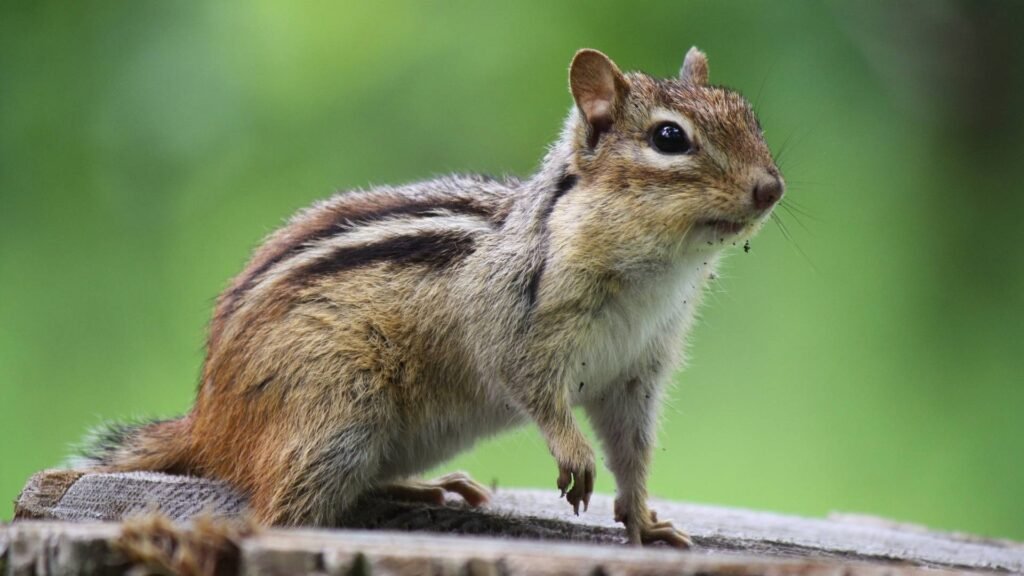
Scientific Name: Tamias striatus
Class: Mammalia
Diet: Omnivore
The chipmunk is a small striped rodent that eagerly eats and hoards corn. It stuffs kernels into its cheeks to carry away.
Moreover, the chipmunk gathers corn to store in its burrow for winter. Its expandable cheek pouches let it transport a surprising amount at once.
Chipmunks inhabit forests, gardens, and farmland across North America, feeding on seeds, nuts, and grains.
As seed hoarders, chipmunks help disperse plants. They are common and widespread.
Fun Fact: A chipmunk’s cheek pouches can stretch to three times the size of its head to carry corn and seeds.
Cow
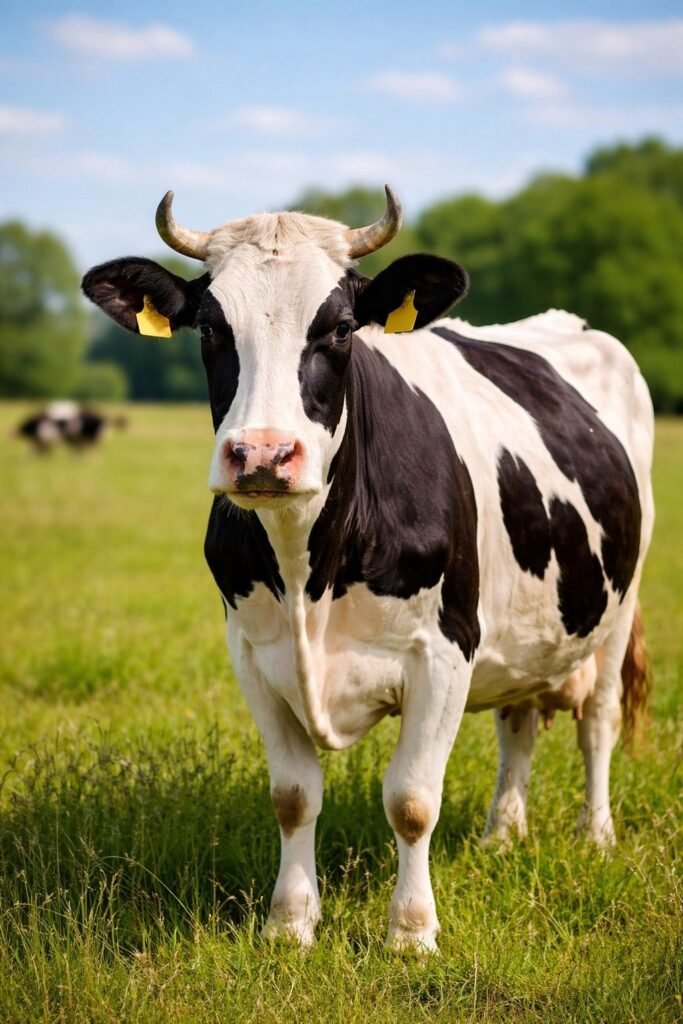
Scientific Name: Bos taurus
Class: Mammalia
Diet: Herbivore
The cow is a large farm animal that eats corn as a major part of its diet. Corn is a key feed for both dairy and beef cattle.
Interestingly, cattle eat not just the kernels but also the stalks and leaves, in a mixture called silage. Corn provides the energy they need to grow and produce milk.
Cattle are raised worldwide, grazing on grass and feeding on grains and silage.
As livestock, cows turn corn and grass into milk and meat. As a domestic species, they are not threatened.
Fun Fact: Whole corn plants are often chopped and fermented into “silage,” a nutritious winter feed for cattle.
Pig
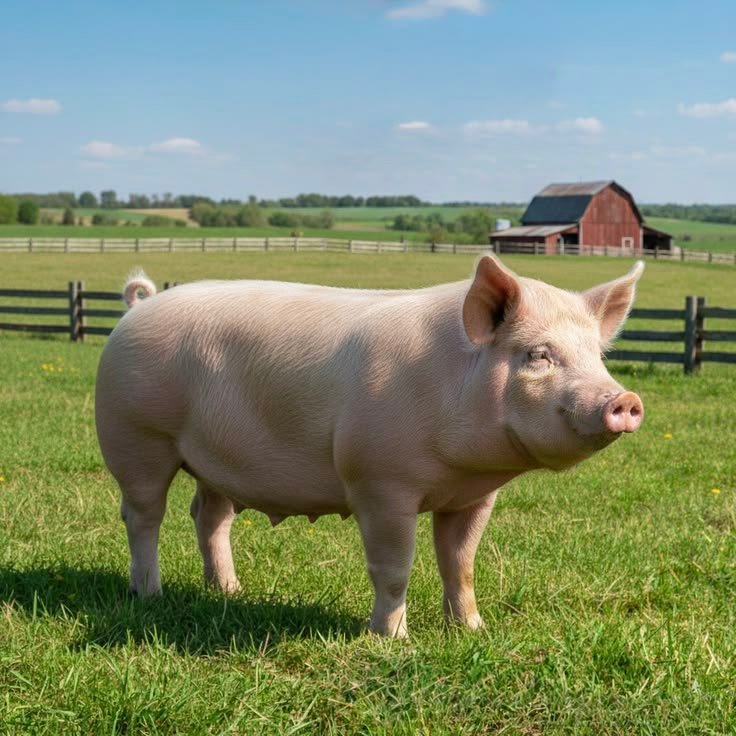
Scientific Name: Sus scrofa domesticus
Class: Mammalia
Diet: Omnivore
The pig is a farm animal that thrives on corn, which is a staple of most pig feed. It eats kernels eagerly and gains weight quickly.
Moreover, corn’s high energy content makes it ideal for fattening pigs. Farmers have relied on corn to raise healthy hogs for generations.
Pigs are raised worldwide and also live in wild forms, feeding on plants, roots, and grains.
As livestock, pigs efficiently convert corn into meat. As a domestic species, they are not threatened.
Fun Fact: Corn makes up the bulk of most commercial pig feed, helping hogs grow quickly and healthily.
Red-winged Blackbird
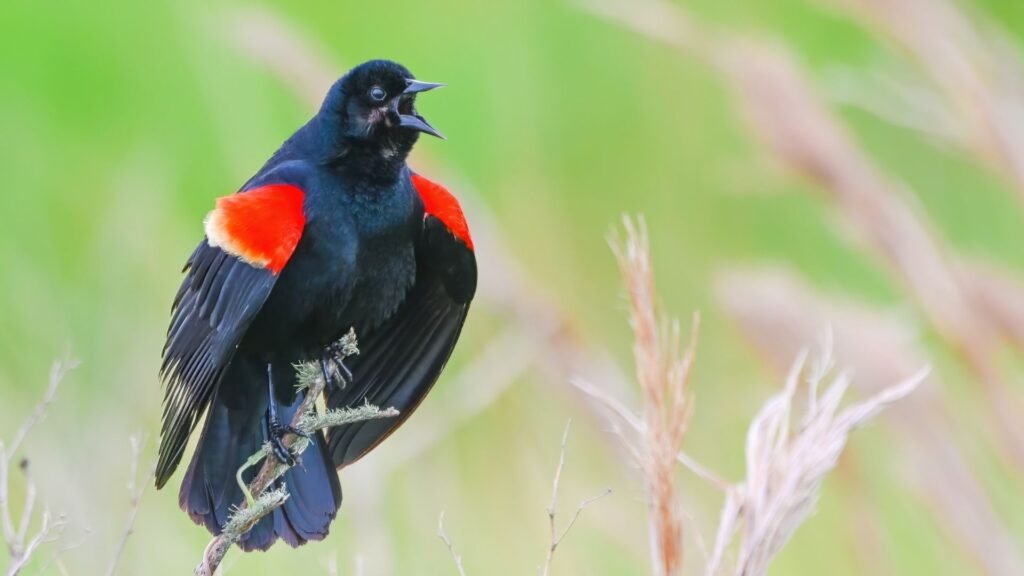
Scientific Name: Agelaius phoeniceus
Class: Aves
Diet: Omnivore
The red-winged blackbird is a small bird that feeds on corn in large, damaging flocks. Big numbers can seriously harm a crop.
Interestingly, these blackbirds descend on cornfields in huge flocks to feed on ripening kernels. Their sheer numbers make them one of the most costly bird pests for grain farmers.
Red-winged blackbirds inhabit marshes, fields, and farmland across North America, feeding on seeds, grains, and insects.
As flocking birds, blackbirds also eat many insect pests. They are widespread and abundant.
Fun Fact: Red-winged blackbirds can gather in flocks of thousands, descending on cornfields to feed all at once.
Frequently Asked Questions
Conclusion
Corn’s sweet, energy-packed kernels make it a favorite food for an incredible range of animals, from tiny field mice and chipmunks to deer, bears, and huge flocks of birds. While this makes corn a challenge for farmers, it also shows just how valuable this crop is within the food web. Wild animals rely on corn as a rich source of energy, especially heading into winter.
One Comment