Top 12 Animals That Eat Eggs (With Images)
What could be a more perfect meal than an egg, packed with protein and neatly wrapped in its own shell? Across the world, a surprising range of animals has learned to seek out this rich, nutritious prize. The animals that eat eggs, sometimes called egg predators, raid nests with cunning, strength, and specialized skills.
Far from simple thieves, they play an important role in shaping which nests survive and thrive. From a snake that swallows eggs whole to a mongoose that cracks them with ease, egg-eaters come in every form. Let’s explore the most fascinating animals that eat eggs and the clever adaptations that make them such successful nest raiders.
Quick List Table
| Rank | Animal Name | Scientific Name |
|---|---|---|
| 1 | African Egg-Eating Snake | Dasypeltis scabra |
| 2 | Banded Mongoose | Mungos mungo |
| 3 | Nile Monitor | Varanus niloticus |
| 4 | Raccoon | Procyon lotor |
| 5 | Virginia Opossum | Didelphis virginiana |
| 6 | Striped Skunk | Mephitis mephitis |
| 7 | Honey Badger | Mellivora capensis |
| 8 | Red Fox | Vulpes vulpes |
| 9 | American Crow | Corvus brachyrhynchos |
| 10 | European Hedgehog | Erinaceus europaeus |
| 11 | Stoat | Mustela erminea |
| 12 | South American Coati | Nasua nasua |
African Egg-Eating Snake
Scientific Name: Dasypeltis scabra
Class: Reptilia
Diet: Carnivore (eggs)
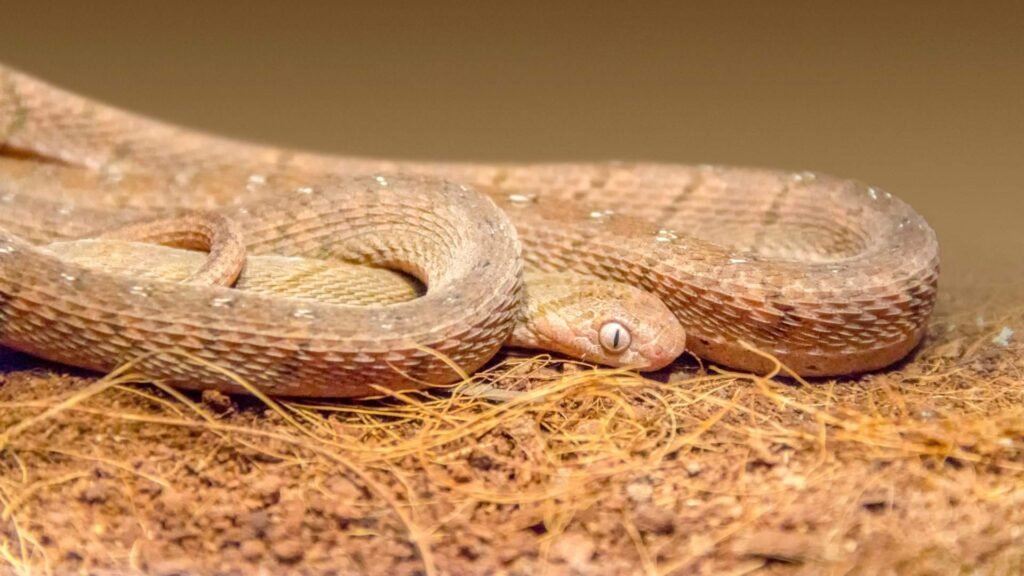
The African egg-eating snake is the ultimate egg specialist, feeding almost entirely on bird eggs. It swallows eggs far larger than its own head. This remarkable snake is built for one purpose.
Interestingly, this snake has bony projections along its spine that pierce and crack the shell inside its throat. It swallows the contents and then spits out the crushed, empty shell. It has almost no teeth, relying on this clever method.
African egg-eating snakes live in the savannas and woodlands of sub-Saharan Africa. As egg-eaters, they raid bird nests, timing their meals to breeding seasons.
Moreover, these snakes help influence which nests succeed. They remain widespread and harmless, being non-venomous.
Fun Fact: This snake can swallow an egg three times wider than its own head.
Banded Mongoose
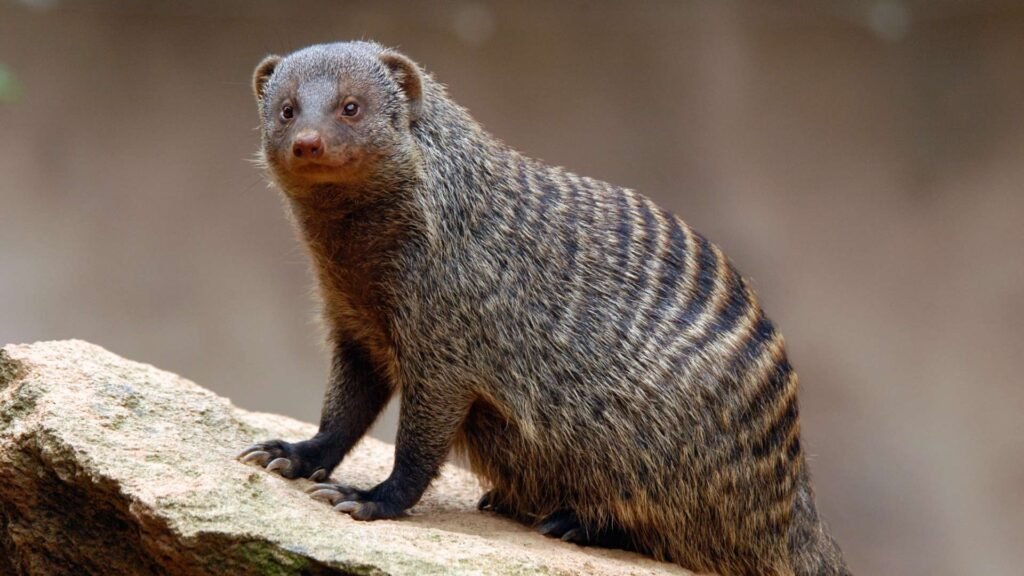
Scientific Name: Mungos mungo
Class: Mammalia
Diet: Omnivore
The banded mongoose is a clever, energetic animal that loves raiding nests for eggs. It cracks eggs open with skill and speed. Eggs are a protein-rich prize in its varied diet.
What sets the mongoose apart is its egg-cracking technique. It grips an egg and hurls it backward between its legs against a hard surface to break it. This resourceful trick lets it reach the nutritious contents.
Banded mongooses live across much of sub-Saharan Africa, in savannas and woodlands. As omnivores, they eat insects, eggs, small animals, and fruit.
Moreover, mongooses help control insect and reptile populations. They remain common wherever suitable cover and food exist.
Fun Fact: A mongoose throws eggs backward against rocks to crack open their tough shells.
Nile Monitor
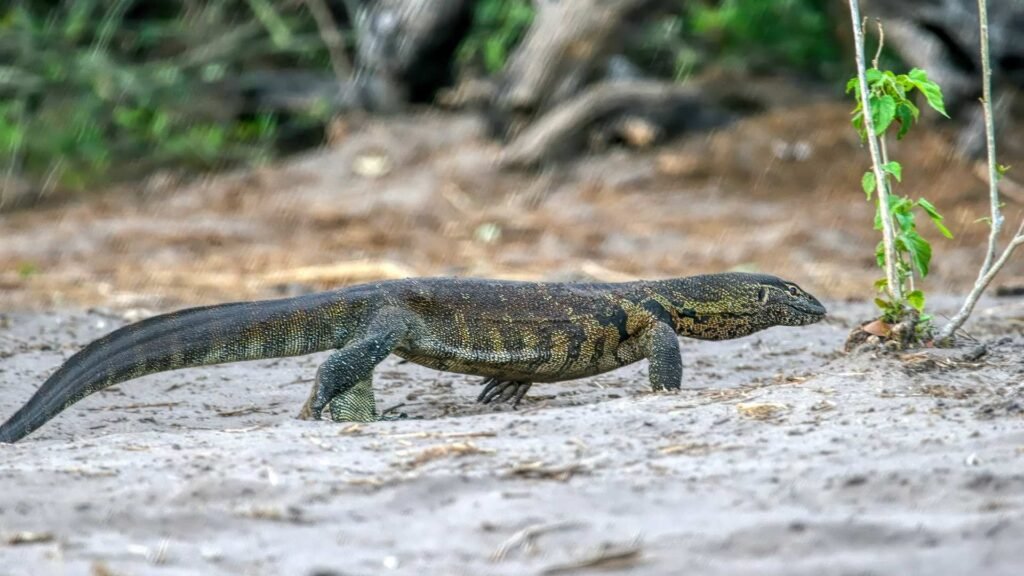
Scientific Name: Varanus niloticus
Class: Reptilia
Diet: Carnivore
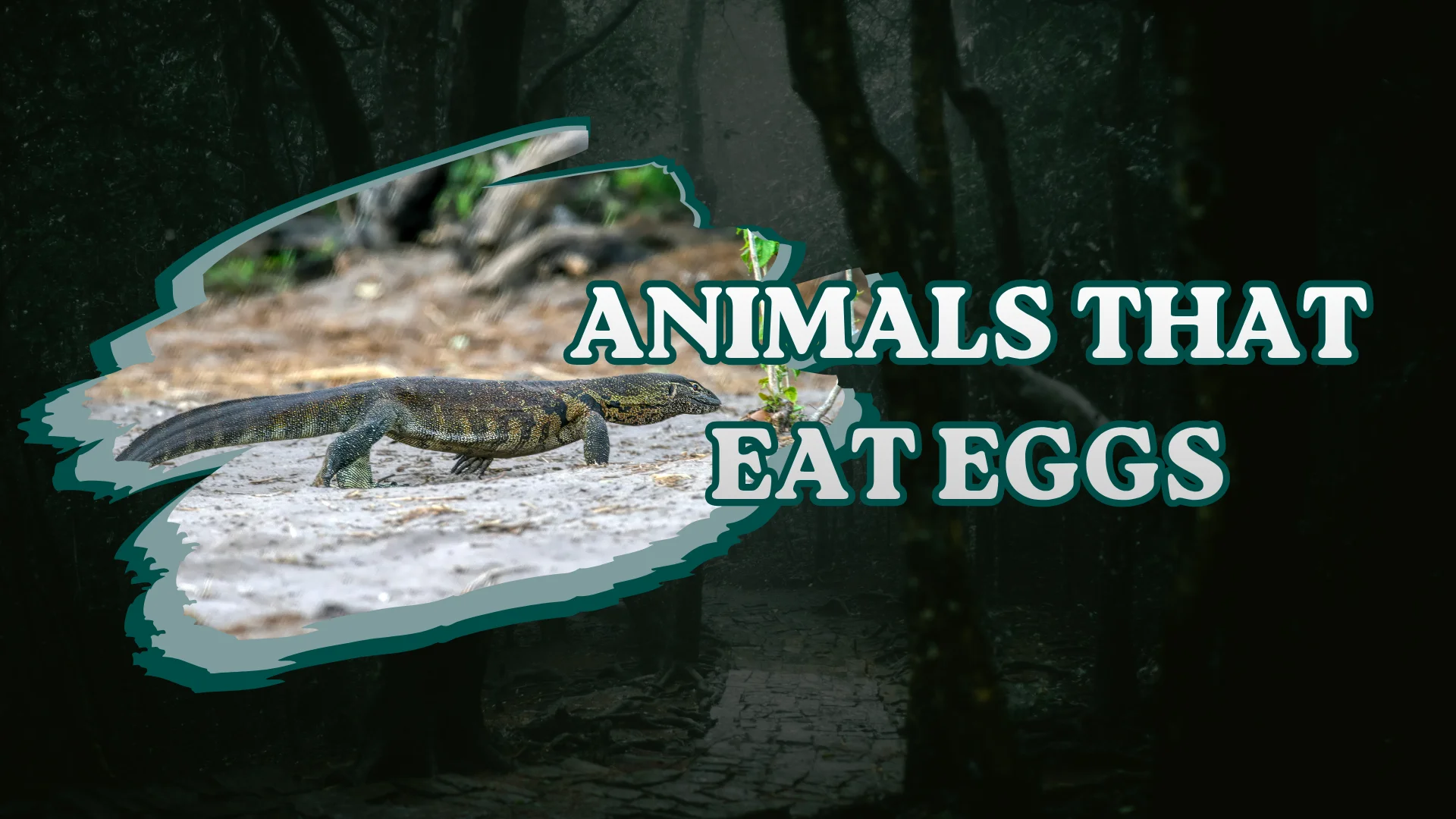
The Nile monitor is a large lizard and a notorious raider of nests. It digs up and devours the eggs of crocodiles, birds, and turtles. Eggs are a favorite, energy-rich food.
Interestingly, the Nile monitor uses its strong claws and keen sense of smell to find buried eggs. It boldly raids even crocodile nests, sometimes working in pairs to distract the parent. Its appetite for eggs is legendary.
Nile monitors live near rivers, lakes, and wetlands across sub-Saharan Africa. As carnivores, they eat eggs, fish, insects, and small animals.
Moreover, monitors help regulate the populations of the animals whose eggs they eat. They remain widespread and adaptable.
Raccoon
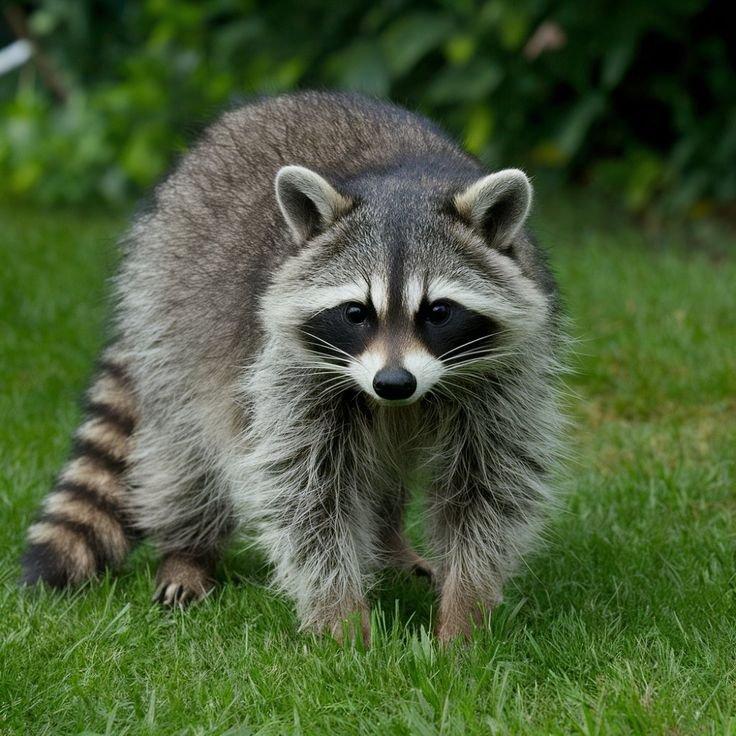
Scientific Name: Procyon lotor
Class: Mammalia
Diet: Omnivore
The raccoon is a resourceful animal that readily raids nests for eggs. With its nimble paws, it easily opens and eats them. Eggs are a rich treat in its varied diet.
What sets the raccoon apart is its dexterous hands and curiosity. It climbs trees and searches the ground to find bird and turtle nests. Its clever paws let it handle eggs with ease.
Raccoons live across North America and beyond, in forests, wetlands, and cities. As omnivores, they eat eggs, fruit, insects, and small animals.
Moreover, raccoons influence nesting success and disperse seeds. They thrive in many environments, including urban areas.
Virginia Opossum

Scientific Name: Didelphis virginiana
Class: Mammalia
Diet: Omnivore
The Virginia opossum is an opportunistic feeder that happily eats eggs. It raids nests on the ground and in trees. Eggs offer a valuable source of protein.
Interestingly, the opossum’s flexible diet lets it eat almost anything, including eggs whenever it finds them. Its grasping tail and hands help it reach nests. This adaptability helps it thrive nearly everywhere.
Virginia opossums range across much of North America. As omnivores, they eat insects, fruit, carrion, eggs, and even ticks.
Moreover, opossums are valuable cleanup crews that consume pests and carrion. They remain widespread and adaptable.
Striped Skunk
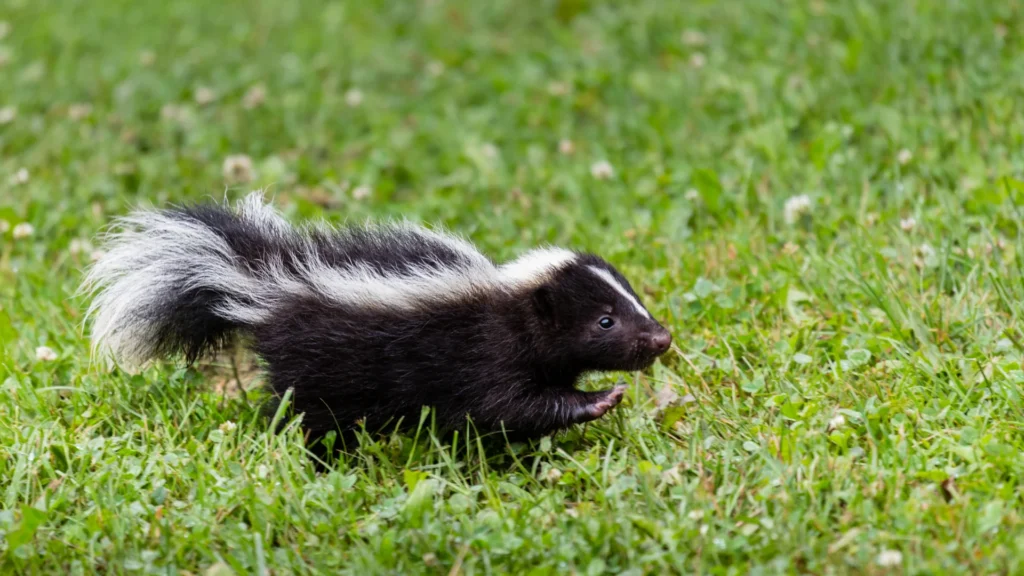
Scientific Name: Mephitis mephitis
Class: Mammalia
Diet: Omnivore
The striped skunk frequently digs up and eats eggs. It raids the ground nests of birds and reptiles. Eggs are a nutritious part of its nightly foraging.
What sets the skunk apart is its confident, unhurried search for food. Protected by its famous spray, it forages calmly for eggs and other treats. It uses its strong claws to dig up buried nests.
Striped skunks live across North America, in forests, grasslands, and suburbs. As omnivores, they eat insects, small animals, fruit, and eggs.
Moreover, skunks help control insect and rodent populations. They remain common and adaptable across their range.
Fun Fact: A skunk’s powerful spray lets it raid nests calmly, with little fear of predators.
Honey Badger
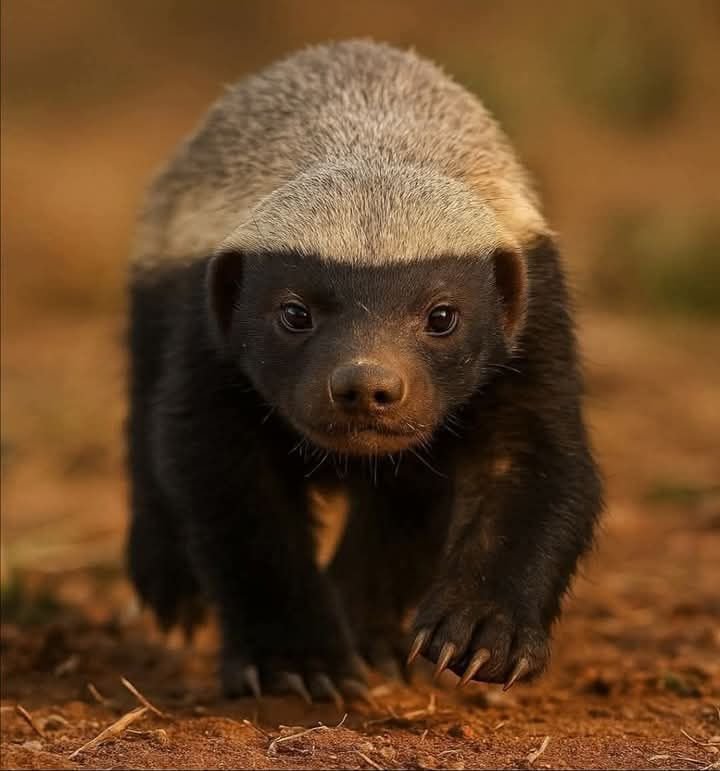
Scientific Name: Mellivora capensis
Class: Mammalia
Diet: Omnivore
The honey badger is a fearless animal that readily eats eggs. It raids nests for this easy, protein-rich meal. Eggs are just one part of its wide-ranging diet.
Interestingly, the honey badger’s strength and boldness let it dig up and crack eggs with ease. It eats almost anything it finds, from insects to snakes to eggs. Its tough hide protects it as it forages.
Honey badgers live across Africa, the Middle East, and parts of Asia. As omnivores, they eat insects, small animals, snakes, honey, and eggs.
Moreover, honey badgers help control snake and insect populations. They remain widespread and adaptable.
Red Fox
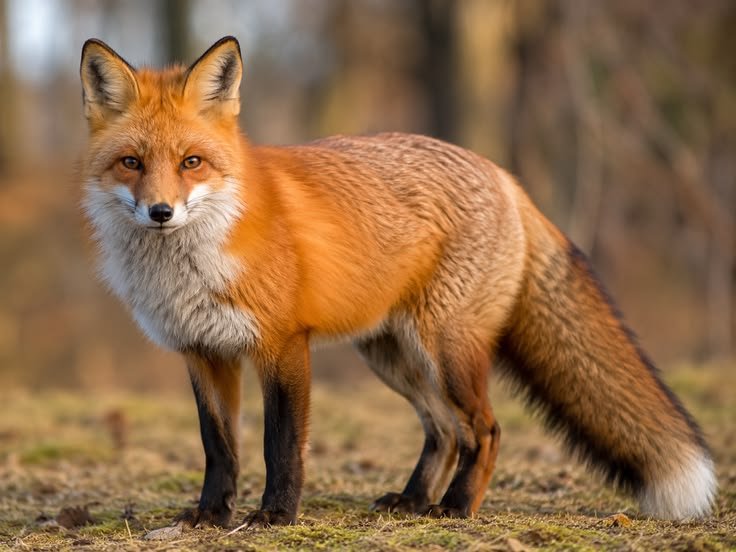
Scientific Name: Vulpes vulpes
Class: Mammalia
Diet: Omnivore
The red fox is a cunning hunter that often raids nests for eggs. It hunts ground-nesting birds and steals their eggs. Eggs provide a valuable, easy source of food.
What sets the fox apart is its clever, opportunistic nature. It even caches surplus eggs, burying them to eat later during lean times. Its sharp senses help it locate hidden nests.
Red foxes live across the Northern Hemisphere, in forests, farmland, and cities. As omnivores, they eat small animals, insects, fruit, and eggs.
Moreover, foxes help control rodent populations. They are highly adaptable and thrive in many environments.
Fun Fact: A red fox often buries surplus eggs to dig up and eat during harder times.
American Crow
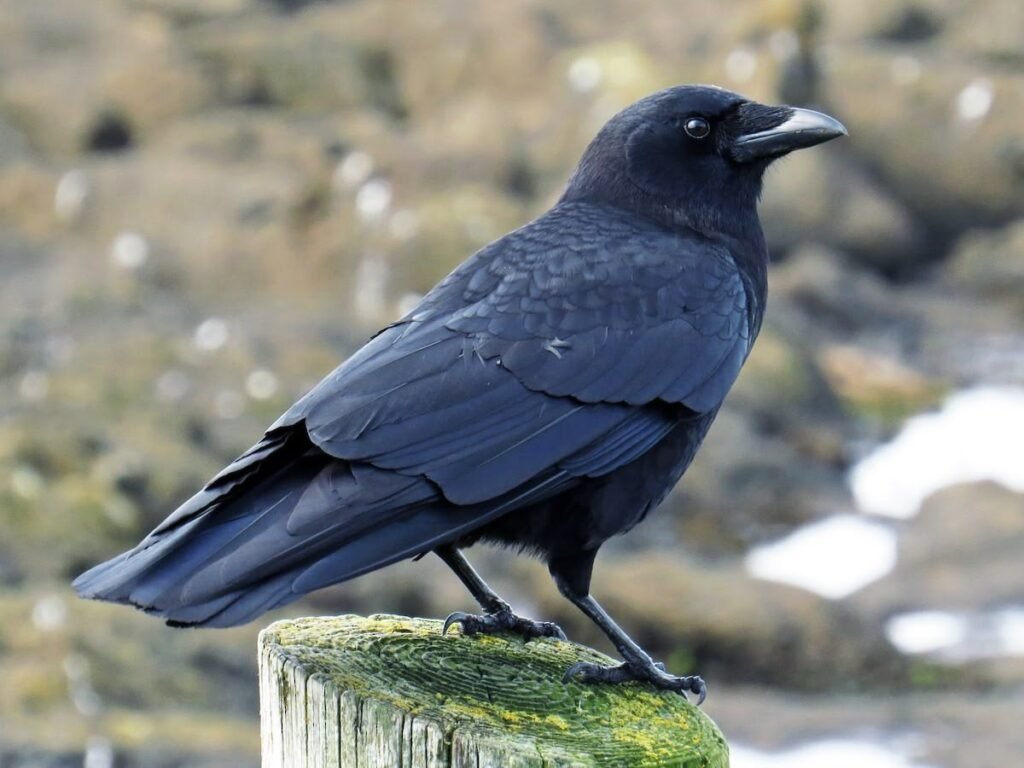
Scientific Name: Corvus brachyrhynchos
Class: Aves
Diet: Omnivore
The American crow is a highly intelligent bird that frequently eats the eggs of others. It raids nests with cunning and skill. Eggs are an easy, nutritious meal.
Interestingly, crows use their sharp memory and problem-solving skills to find and rob nests. They watch other birds to locate hidden eggs. Their intelligence makes them very successful nest raiders.
American crows live across North America, in forests, fields, and cities. As omnivores, they eat almost anything, from insects to grain to eggs.
Moreover, crows help clean up carrion and control insects. They remain abundant and highly adaptable.
European Hedgehog
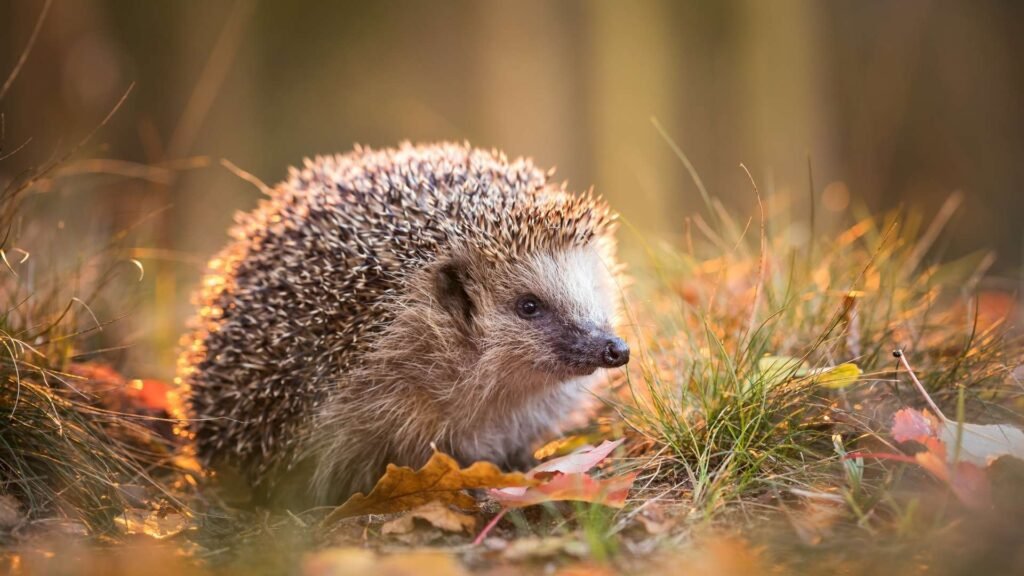
Scientific Name: Erinaceus europaeus
Class: Mammalia
Diet: Omnivore
The European hedgehog is a small, spiny animal that will eat eggs when it finds them. It raids ground nests during its nightly search for food. Eggs offer a welcome boost of protein.
What sets the hedgehog apart is its persistent foraging. Snuffling through undergrowth, it discovers nests hidden on the ground. It cracks small eggs open to reach the contents.
European hedgehogs live in gardens, woodlands, and hedgerows across Europe. As omnivores, they eat insects, worms, small animals, and eggs.
Moreover, hedgehogs help control garden pests. Habitat loss and roads have caused declines in some regions.
Stoat
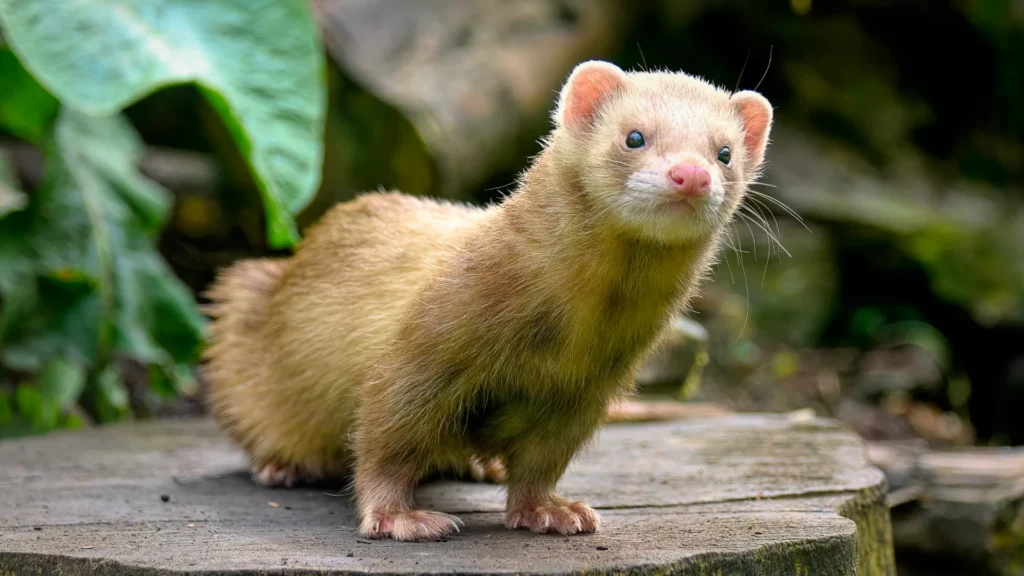
Scientific Name: Mustela erminea
Class: Mammalia
Diet: Carnivore
The stoat is a small, agile predator that eagerly raids nests for eggs. Slender and quick, it slips into tight spaces to reach them. Eggs are a valuable food for this energetic hunter.
Interestingly, the stoat’s long, thin body lets it enter burrows and reach nests other predators cannot. It hunts almost constantly to fuel its fast metabolism. Eggs provide easy, rich nourishment.
Stoats live across the Northern Hemisphere, in forests, grasslands, and tundra. As carnivores, they hunt small animals and raid nests for eggs.
Moreover, stoats help control rodent populations. They remain widespread, though they can threaten native birds where introduced.
South American Coati
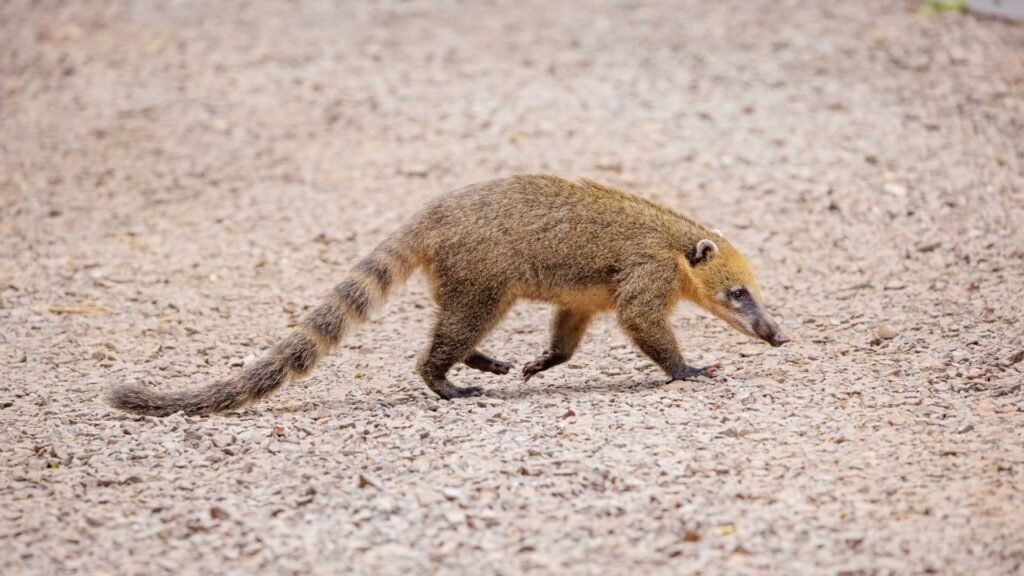
Scientific Name: Nasua nasua
Class: Mammalia
Diet: Omnivore
The South American coati is a curious relative of the raccoon that enjoys eating eggs. It uses its long snout and claws to raid nests. Eggs are a favorite in its diverse diet.
What sets the coati apart is its skillful foraging. It climbs trees and digs through leaf litter to find eggs and insects. Its flexible snout helps it root out hidden nests.
Coatis live in the forests and grasslands of South America. As omnivores, they eat fruit, insects, small animals, and eggs.
Moreover, coatis disperse seeds and control insects. They remain common across much of their range.
Fun Fact: Coatis use their long, flexible snouts to sniff out hidden eggs and insects.
Read: Aggressive Animals in the World
Read: Animals That Live on Mountains
Read: Animals That Are Loners
Read: Animals That Can Climb Trees
Read: Animals That Eat Grass
Frequently Asked Questions
Conclusion
From the specialized egg-eating snake to the clever mongoose, the animals that eat eggs reveal a fascinating range of nest-raiding skills. Rich in protein and nutrients, eggs are a rewarding meal, and these animals have evolved cunning tricks to reach and open them. As egg predators, they play an important role in shaping which nests survive across their habitats. Yet the balance can be upset when non-native egg-eaters threaten vulnerable birds.