
Top 12 Animals That Live on Mountains (With Images)
How do animals survive where the air is thin, the cold is brutal, and the ground drops away in dizzying cliffs? The world’s mountains are among the harshest habitats on Earth, yet a remarkable cast of creatures calls them home. The animals that live on mountains have evolved thick coats, powerful hooves, and specialized bodies to thrive at extreme heights.
Far from barren peaks, mountains support hardy grazers, soaring raptors, and elusive predators perfectly suited to the heights.
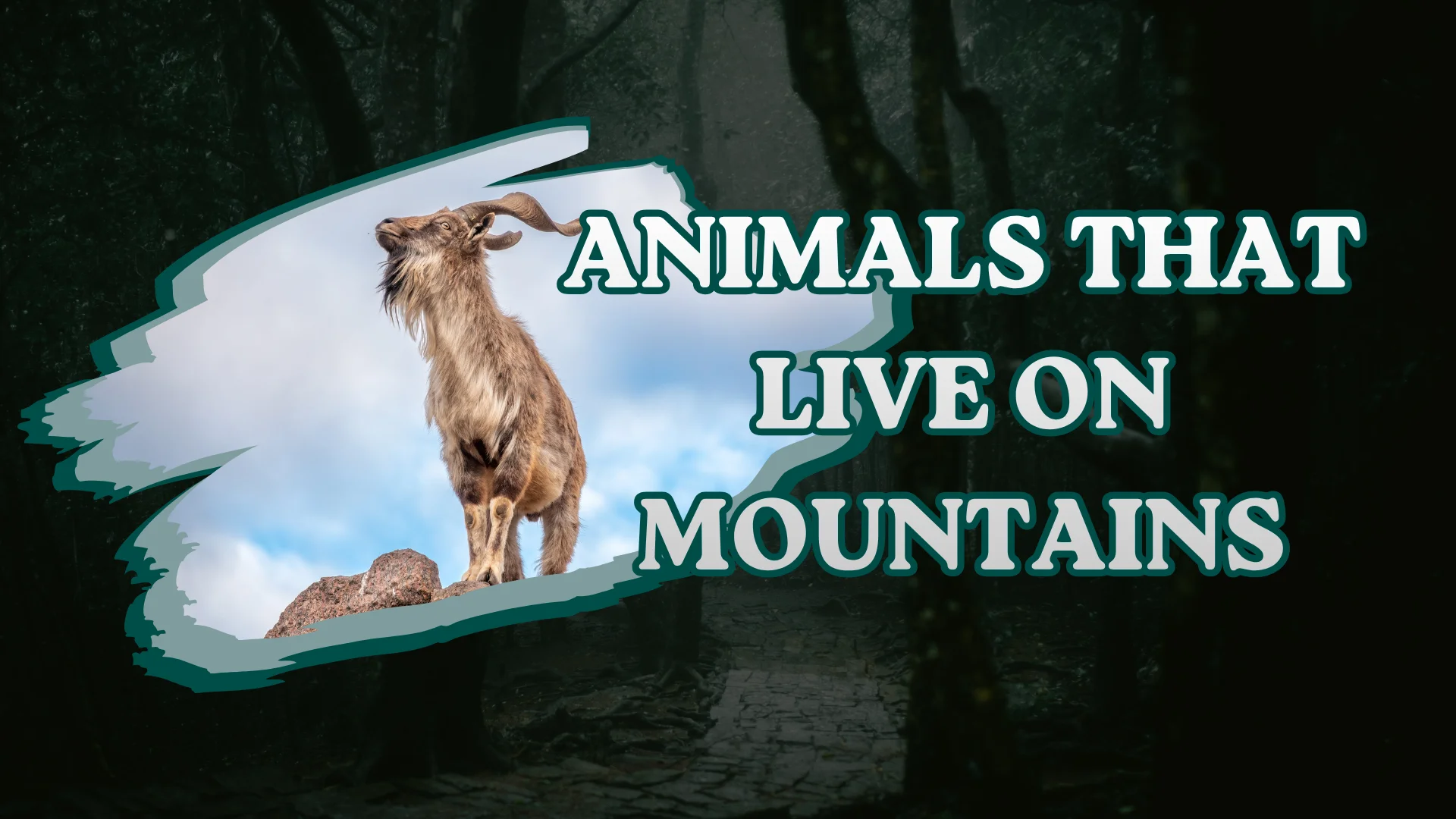
From surefooted goats scaling sheer rock to eagles riding mountain winds, these animals reveal the power of adaptation. Let’s explore the most fascinating animals that live on mountains and the incredible ways they conquer the peaks.
Quick List Table
| Rank | Animal Name | Scientific Name |
|---|---|---|
| 1 | Snow Leopard | Panthera uncia |
| 2 | Mountain Goat | Oreamnos americanus |
| 3 | Yak | Bos grunniens |
| 4 | Alpine Ibex | Capra ibex |
| 5 | Himalayan Tahr | Hemitragus jemlahicus |
| 6 | Golden Eagle | Aquila chrysaetos |
| 7 | Bighorn Sheep | Ovis canadensis |
| 8 | Andean Condor | Vultur gryphus |
| 9 | Chinchilla | Chinchilla lanigera |
| 10 | Markhor | Capra falconeri |
| 11 | Vicuña | Vicugna vicugna |
| 12 | American Pika | Ochotona princeps |
Snow Leopard
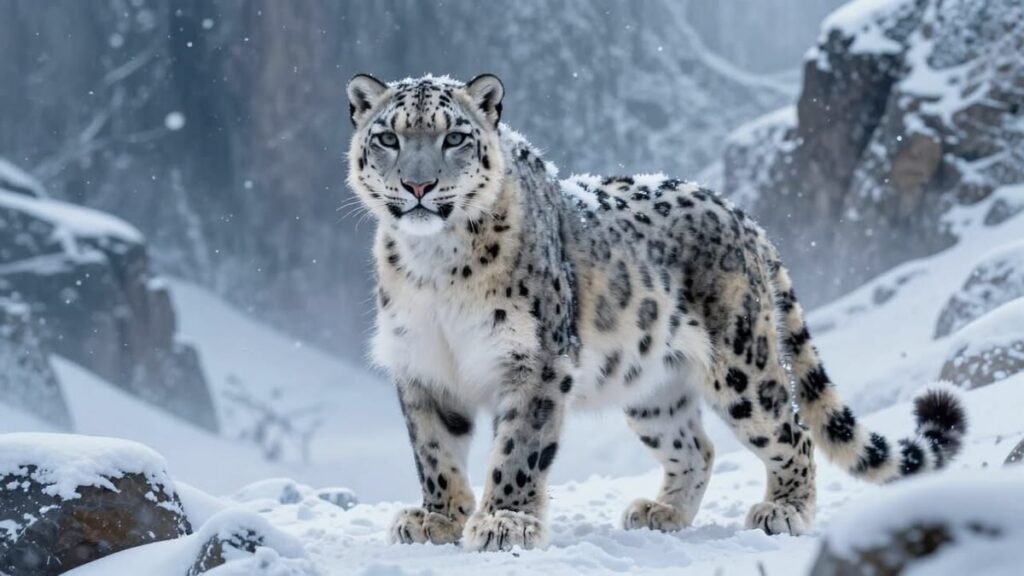
Scientific Name: Panthera uncia
Class: Mammalia
Diet: Carnivore
The snow leopard is the elusive ghost of the high mountains. It roams steep, rocky ranges at extreme altitudes. Few predators are so perfectly adapted to the peaks.
Interestingly, the snow leopard has thick fur, a long bushy tail for balance, and wide paws that act like snowshoes. Its enlarged nasal passages warm the thin, cold air it breathes. These traits let it thrive where few others can.
Snow leopards live in the mountain ranges of Central and South Asia. As carnivores, they hunt wild sheep, goats, and smaller mammals.
Moreover, snow leopards are top predators that balance mountain ecosystems. Poaching and habitat loss have made them vulnerable.
Fun Fact: A snow leopard wraps its long, thick tail around its body like a scarf for warmth.
Mountain Goat
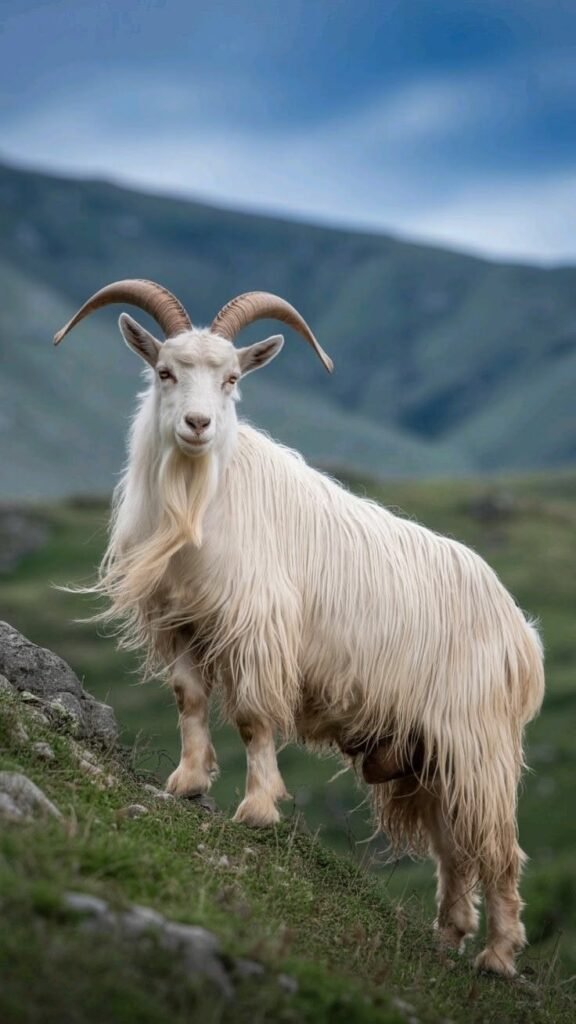
Scientific Name: Oreamnos americanus
Class: Mammalia
Diet: Herbivore
The mountain goat is a surefooted climber of steep, rocky peaks. It scales cliffs that would defeat almost any other animal. The high crags are its natural home.
What sets the mountain goat apart is its specialized hooves. Each hoof has a hard outer edge and a soft, grippy pad, giving it superb traction on rock and ice. It can climb near-vertical slopes with ease.
Mountain goats live in the rugged mountains of western North America. As herbivores, they feed on grasses, mosses, and alpine plants.
Moreover, mountain goats shape alpine vegetation and are icons of the high country. They remain fairly widespread across their range.
Fun Fact: A mountain goat’s hooves have soft, grippy pads that let it scale near-vertical cliffs.
Yak
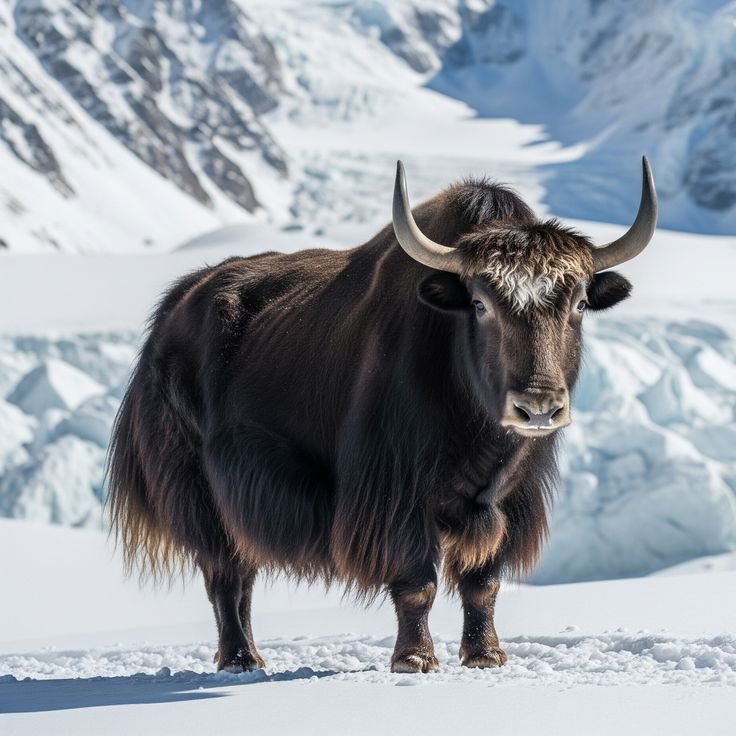
Scientific Name: Bos grunniens
Class: Mammalia
Diet: Herbivore
The yak is a massive, shaggy animal built for life on the high plateaus. It thrives at extreme altitudes where oxygen is scarce. It is essential to people living in the mountains.
Interestingly, the yak has a dense coat and large lungs and heart to cope with thin mountain air. Its thick fur keeps it warm in brutal cold. It can survive at some of the highest elevations of any large mammal.
Yaks live in the high plateaus and mountains of Central Asia, especially the Himalayas. As herbivores, they graze on grasses and alpine plants.
Moreover, yaks provide milk, wool, and transport for mountain communities. Wild yaks are now a vulnerable species.
Fun Fact: Yaks can live and graze at altitudes above 5,000 meters in the Himalayas.
Alpine Ibex
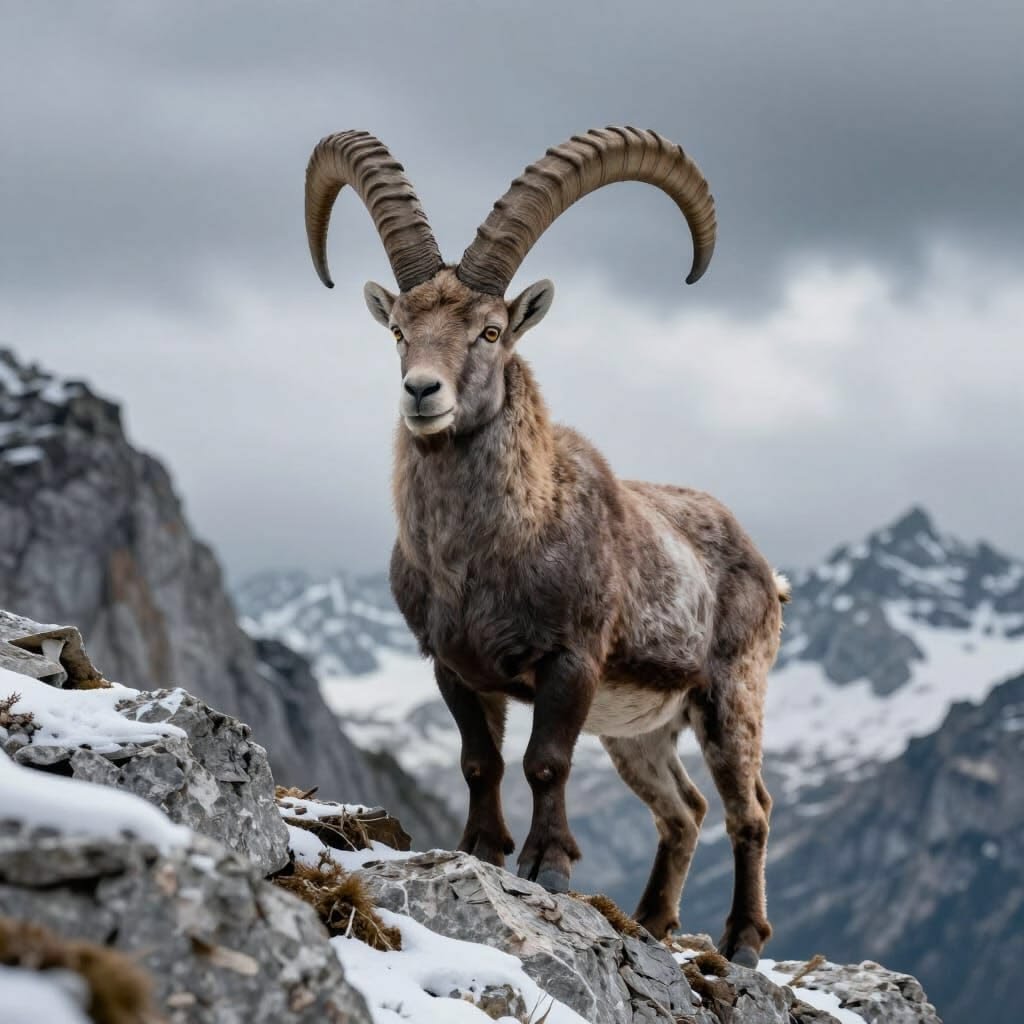
Scientific Name: Capra ibex
Class: Mammalia
Diet: Herbivore
The Alpine ibex is a wild goat famous for scaling steep mountain cliffs. It climbs sheer rock faces with astonishing skill. The high peaks of the Alps are its home.
What sets the ibex apart is its climbing ability and impressive curved horns. Its split hooves grip narrow ledges, letting it climb nearly vertical dam walls to lick minerals. Males clash with their long horns during the rut.
Alpine ibex live in the mountains of the European Alps. As herbivores, they feed on grasses and alpine plants.
Moreover, ibex shape alpine vegetation and are a conservation success. Once nearly extinct, they have recovered through protection.
Fun Fact: Alpine ibex have been seen climbing near-vertical dam walls to lick mineral salts.
Himalayan Tahr
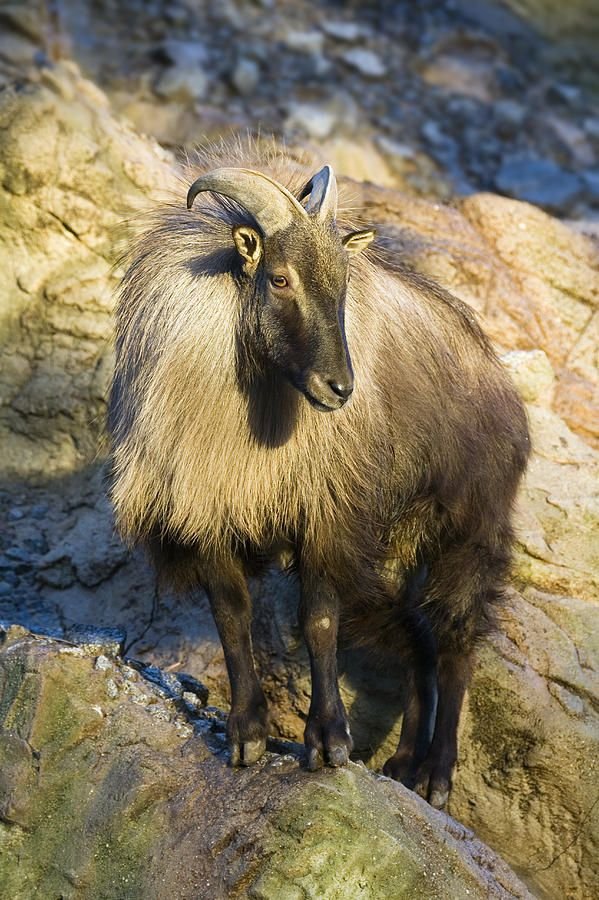
Scientific Name: Hemitragus jemlahicus
Class: Mammalia
Diet: Herbivore
The Himalayan tahr is a sturdy mountain goat relative built for cold, steep terrain. It grazes on rugged slopes at high altitude. The Himalayas are its rugged home.
Interestingly, the tahr grows a thick, reddish woolly coat to survive freezing mountain winters. Its flexible hooves grip rocky ground, letting it move confidently across steep slopes. It descends to lower ground in the harshest weather.
Himalayan tahr live in the mountains of the Himalayas. As herbivores, they feed on grasses, shrubs, and alpine plants.
Moreover, tahr shape mountain vegetation and are prey for predators like snow leopards. Habitat pressure affects some populations.
Golden Eagle

Scientific Name: Aquila chrysaetos
Class: Aves
Diet: Carnivore
The golden eagle is a powerful raptor that rules the mountain skies. It soars on rising air currents above the peaks. The heights are its hunting ground.
What sets the golden eagle apart is its soaring skill and keen eyesight. It rides mountain updrafts for hours, scanning far below for prey, then dives at great speed. Its powerful talons can seize animals as large as young deer.
Golden eagles live in the mountains and open country of the Northern Hemisphere. As carnivores, they hunt mammals and birds.
Moreover, golden eagles are top predators that help balance mountain ecosystems. They remain widespread, though some populations face threats.
Fun Fact: A golden eagle can spot prey from more than three kilometers away.
Bighorn Sheep
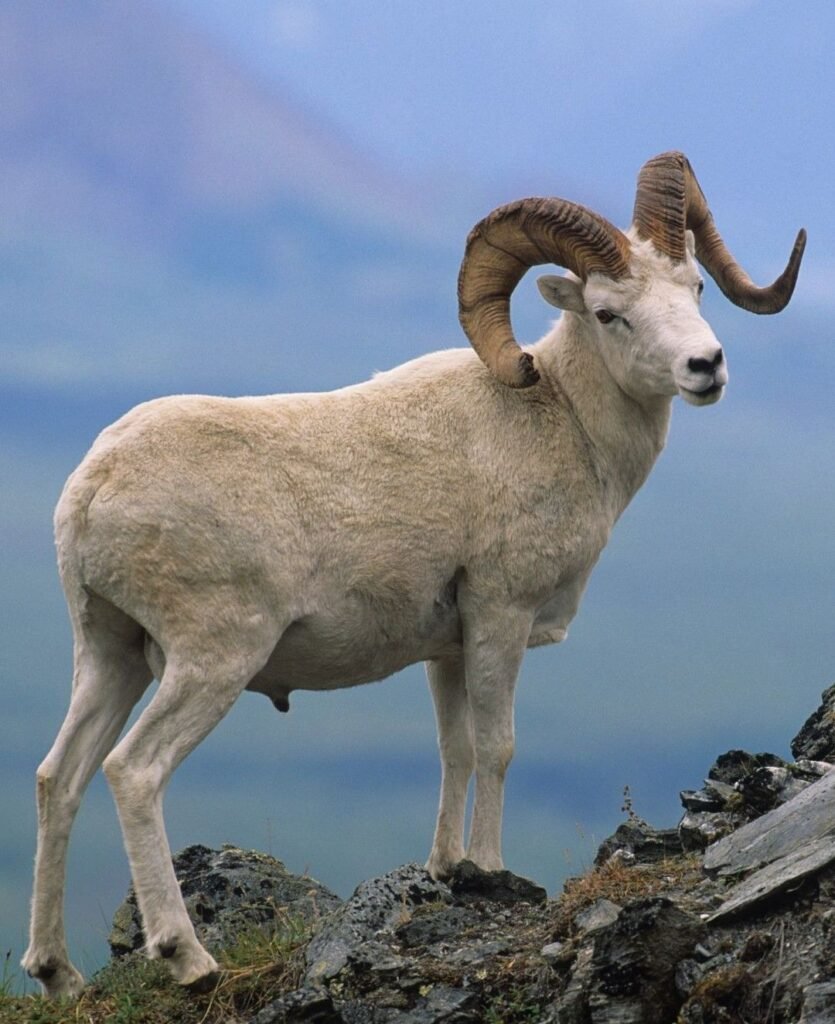
Scientific Name: Ovis canadensis
Class: Mammalia
Diet: Herbivore
The bighorn sheep is a rugged mountain dweller famous for its massive curled horns. It navigates steep, rocky slopes with ease. The mountains are its stronghold.
Interestingly, the bighorn’s split hooves and rough pads grip rock securely as it climbs. Males clash horns in dramatic, echoing battles during the rut. Their thick skulls absorb the powerful blows.
Bighorn sheep live in the mountains and foothills of western North America. As herbivores, they feed on grasses and shrubs.
Moreover, bighorn sheep shape mountain vegetation and are icons of the wild. Habitat loss and disease have affected some populations.
Fun Fact: A bighorn ram’s horns can weigh as much as all the bones in its body combined.
Andean Condor
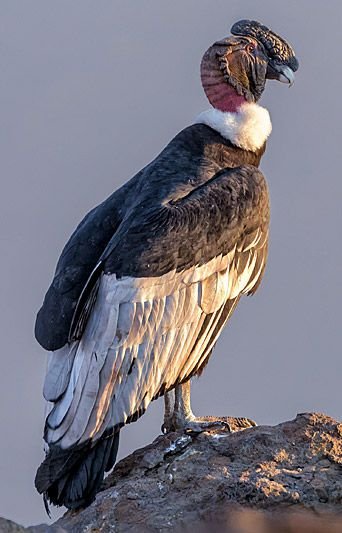
Scientific Name: Vultur gryphus
Class: Aves
Diet: Carnivore (carrion)
The Andean condor is one of the largest flying birds and a master of the mountain skies. It soars high above the Andes on enormous wings. The peaks are its endless highway.
What sets the condor apart is its immense wingspan, allowing it to glide for hours without flapping. It rides mountain thermals to great heights while searching for carrion. It can travel vast distances each day.
Andean condors live in the Andes mountains of South America. As scavengers, they feed on the carcasses of large animals.
Moreover, condors clean the landscape by consuming carrion. Habitat loss and poisoning have made them a species of concern.
Fun Fact: The Andean condor can soar for hours over the mountains without flapping its wings.
Chinchilla

Scientific Name: Chinchilla lanigera
Class: Mammalia
Diet: Herbivore
The chinchilla is a small rodent superbly adapted to cold, high mountains. It has the densest fur of any land mammal. The rocky heights of the Andes are its home.
Interestingly, the chinchilla’s incredibly thick fur keeps it warm in the freezing mountain cold. It shelters in rocky crevices and is remarkably agile among the stones. Its dense coat helps it survive the harsh climate.
Chinchillas live in the rocky mountains of the Andes in South America. As herbivores, they feed on grasses, seeds, and plants.
Moreover, chinchillas are part of the mountain food web. Hunting for their fur has made wild chinchillas endangered.
Fun Fact: The chinchilla has the densest fur of any land mammal, with dozens of hairs per follicle.
Markhor
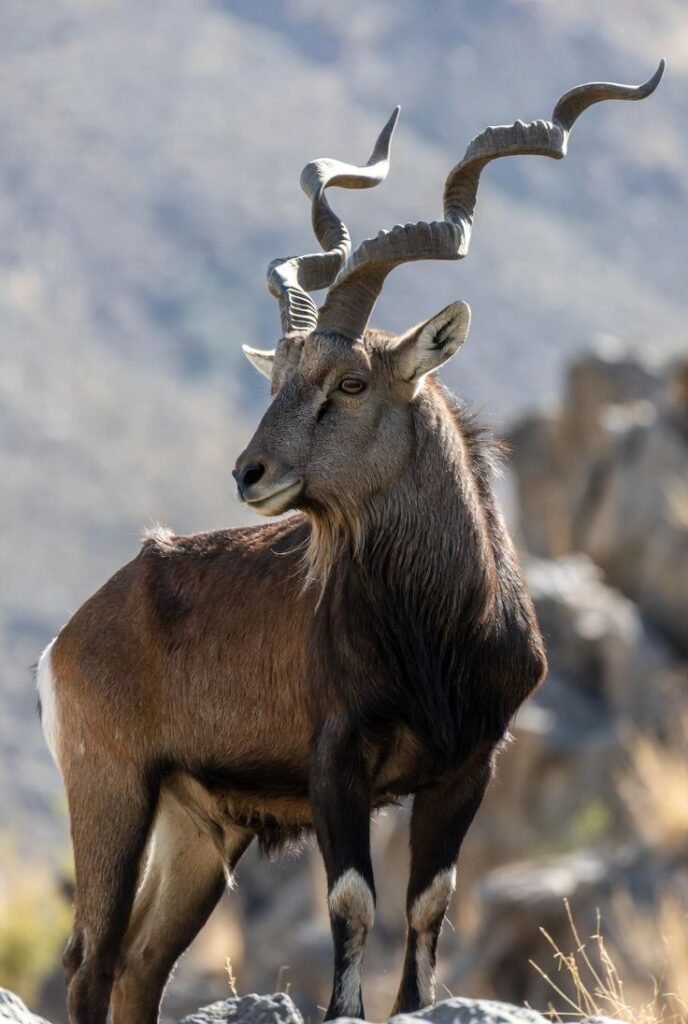
Scientific Name: Capra falconeri
Class: Mammalia
Diet: Herbivore
The markhor is a striking wild goat with spectacular spiraling horns. It scales steep, rugged mountains with ease. The high crags of Central Asia are its home.
What sets the markhor apart is its climbing skill and dramatic corkscrew horns. Surefooted on rocky slopes, it navigates cliffs and ledges confidently. Males use their long horns in contests during the breeding season.
Markhor live in the mountains of Central and South Asia. As herbivores, they graze and browse on grasses, leaves, and shrubs.
Moreover, markhor shape mountain vegetation and are prey for predators like snow leopards. Conservation has helped their numbers recover.
Fun Fact: The markhor’s dramatic spiraling horns can grow more than a meter long.
Vicuña

Scientific Name: Vicugna vicugna
Class: Mammalia
Diet: Herbivore
The vicuña is a graceful relative of the llama that lives high in the Andes. It grazes on the cold, windswept plateaus. The high mountains are its home.
Interestingly, the vicuña grows an extremely fine, warm coat to survive the freezing heights. Its blood is rich in red cells to cope with the thin air. It moves nimbly across the high grasslands.
Vicuñas live in the high Andes of South America. As herbivores, they graze on tough mountain grasses.
Moreover, vicuñas shape high-altitude grasslands and produce prized wool. Once endangered by hunting, they have recovered through protection.
Fun Fact: Vicuña wool is among the finest and most valuable in the world.
American Pika
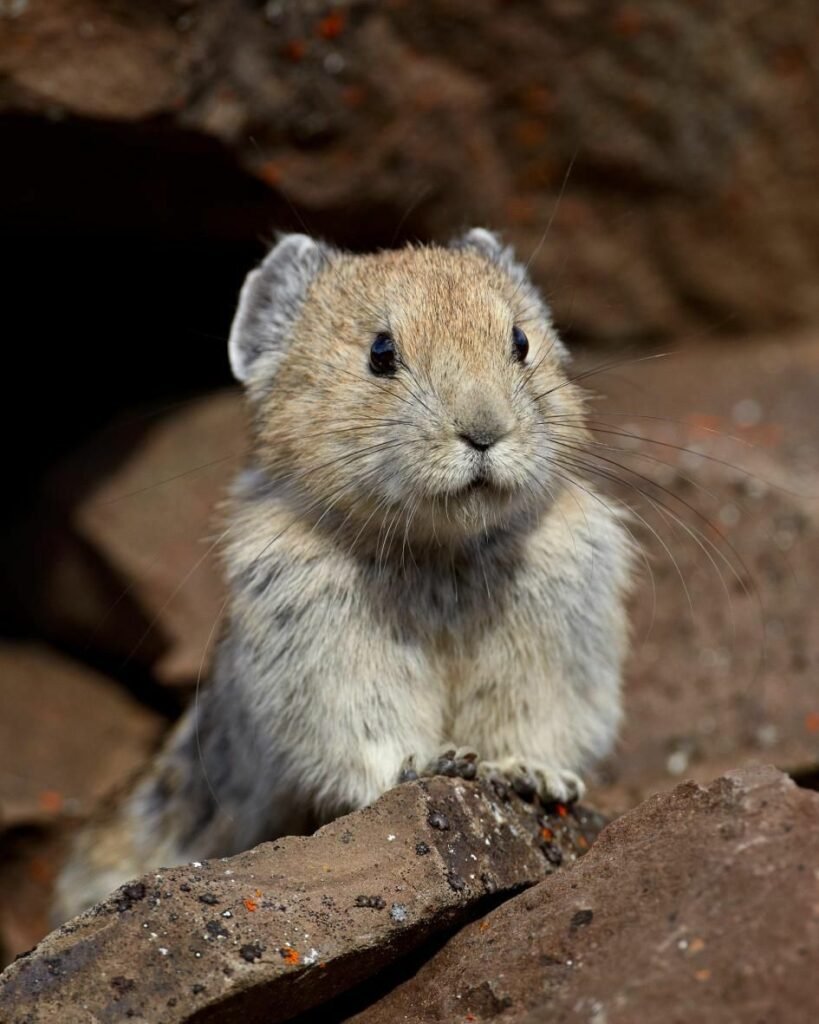
Scientific Name: Ochotona princeps
Class: Mammalia
Diet: Herbivore
The American pika is a tiny mammal that thrives among cold mountain rocks. It scurries across the high, rocky slopes. The alpine heights are its home.
What sets the pika apart is its preparation for winter. It gathers and dries piles of plants, called “haypiles,” to eat through the snowy months. It stays active all winter beneath the snow rather than hibernating.
American pikas live in the rocky mountains of western North America. As herbivores, they feed on grasses, wildflowers, and other plants.
Moreover, pikas are sensitive indicators of mountain climate. Warming temperatures pose a serious threat to their cool, high habitats.
Fun Fact: The pika gathers “haypiles” of dried plants to survive the long mountain winter.
Read: Animals That Eat Corn in The World
Read: Animals With Webbed Feet in The World
Read: Animals That Eat Ants in The World
Read: Animals That Sleep a Lot in The World
Read: How Strong is a Kangaroo?
Frequently Asked Questions
Conclusion
From the elusive snow leopard to the tiny pika, the animals that live on mountains reveal the astonishing power of adaptation to extreme heights. Through thick coats, gripping hooves, and bodies built for thin air, these creatures thrive where few others can survive. In doing so, they shape alpine landscapes and form the food webs of the peaks.