Top 12 Aggressive Animals in the World (With Images)
What makes an animal fearless enough to charge a creature many times its size? In the wild, aggression is often the difference between life and death. The most aggressive animals in the world use their fierce tempers to defend territory, protect their young, and survive in a dangerous world. Far from mindless rage, this behavior is a finely tuned survival tool shaped by evolution.
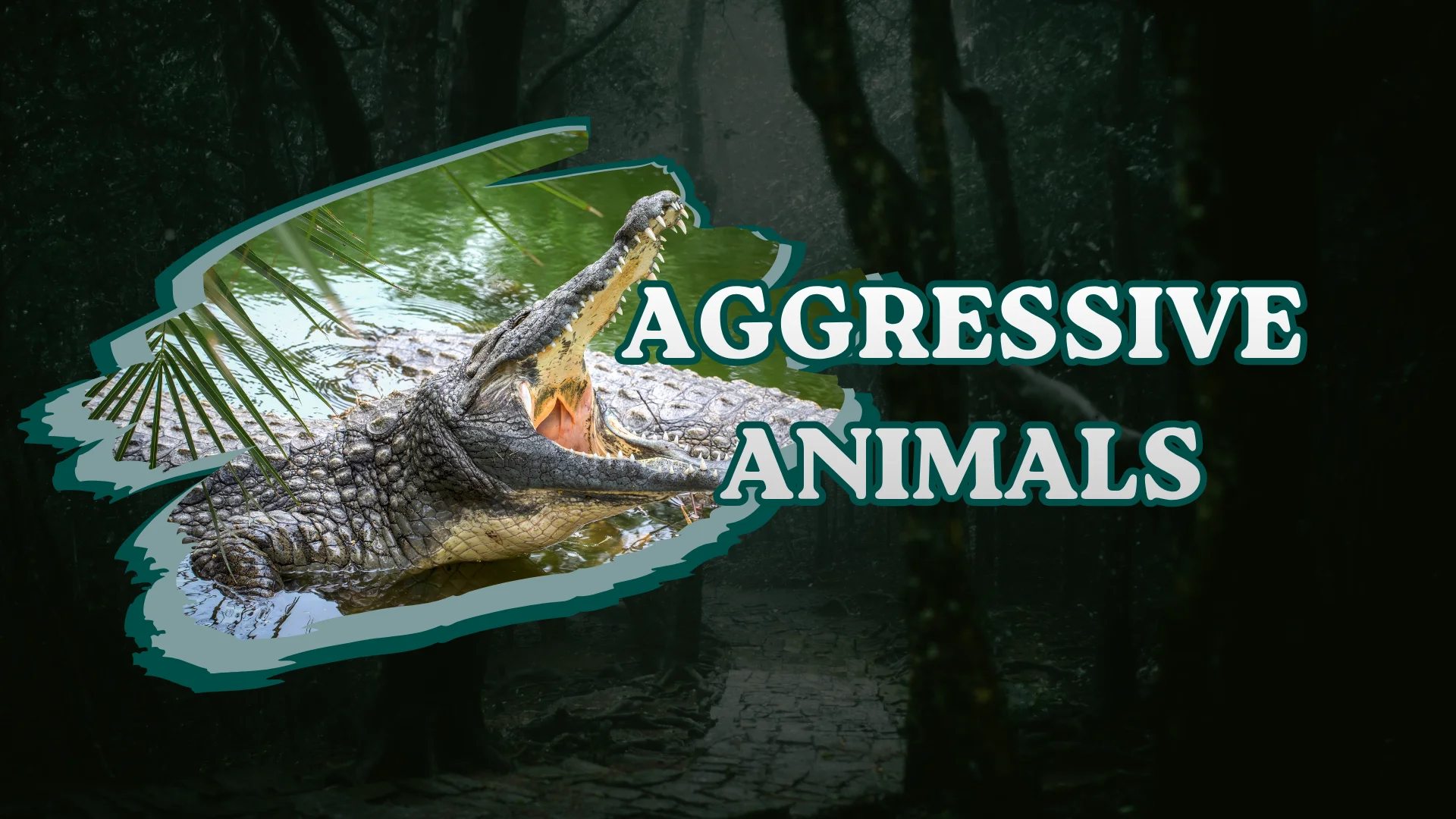
From the deceptively deadly hippo to the fearless honey badger, these animals command respect through sheer boldness. Let’s explore the most aggressive animals on Earth and the powerful instincts that drive their ferocity, while remembering the vital roles they play in nature.
Quick List Table
| Rank | Animal Name | Scientific Name |
|---|---|---|
| 1 | Hippopotamus | Hippopotamus amphibius |
| 2 | Cape Buffalo | Syncerus caffer |
| 3 | Saltwater Crocodile | Crocodylus porosus |
| 4 | Honey Badger | Mellivora capensis |
| 5 | Wolverine | Gulo gulo |
| 6 | Black Mamba | Dendroaspis polylepis |
| 7 | Africanized Honey Bee | Apis mellifera scutellata |
| 8 | Chimpanzee | Pan troglodytes |
| 9 | Wild Boar | Sus scrofa |
| 10 | Bull Shark | Carcharhinus leucas |
| 11 | Black Rhinoceros | Diceros bicornis |
| 12 | Tasmanian Devil | Sarcophilus harrisii |
Hippopotamus

Scientific Name: Hippopotamus amphibius
Class: Mammalia
Diet: Herbivore
The hippopotamus is widely considered one of the most aggressive and dangerous animals in Africa. Despite being a plant-eater, it is fiercely territorial and unpredictable. It is responsible for more human deaths in Africa than most large predators.
Interestingly, the hippo’s aggression peaks in the water, where it guards its territory relentlessly. Armed with enormous tusks and immense strength, it will charge boats and intruders without hesitation. Its gaping “yawn” is actually a serious threat display.
Hippos live in the rivers, lakes, and wetlands of sub-Saharan Africa. As herbivores, they graze on grass at night, returning to water by day to stay cool and defend their space.
Moreover, hippos shape their ecosystems, enriching waterways and carving paths through vegetation. Habitat loss and poaching have made them vulnerable in many regions.
Fun Fact: Hippos are considered among Africa’s deadliest large animals despite eating only plants.
Cape Buffalo
Scientific Name: Syncerus caffer
Class: Mammalia
Diet: Herbivore
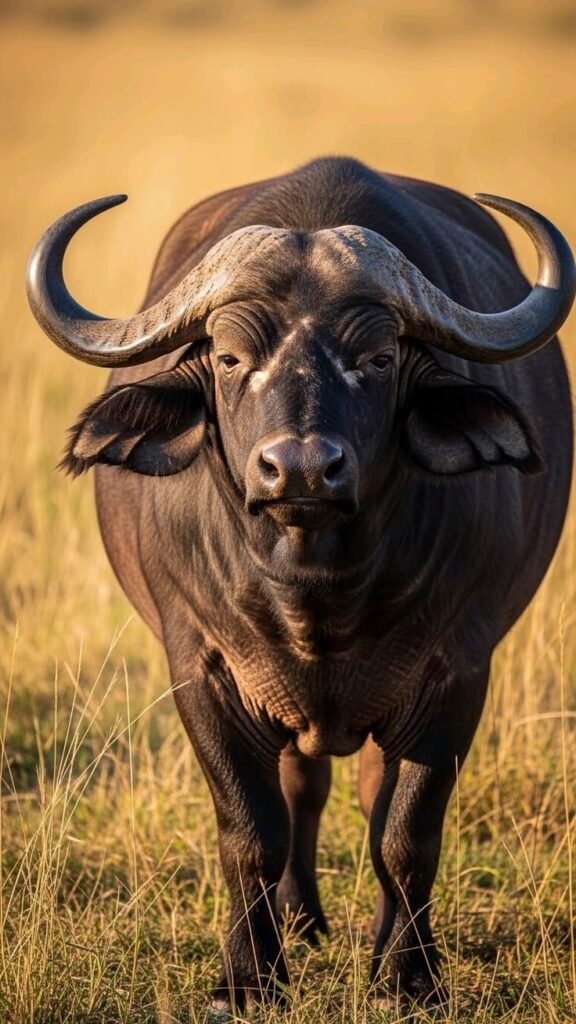
The Cape buffalo has earned the grim nickname “Black Death” for its dangerous temperament. Powerful and unpredictable, it is known to charge without warning. It is one of Africa’s most feared animals.
What sets the Cape buffalo apart is its willingness to fight back fiercely. When threatened, herds may mob predators such as lions, and lone bulls are especially bad-tempered. Their heavy, curved horns make them formidable opponents.
Cape buffalo live in the grasslands, savannas, and forests of sub-Saharan Africa. As herbivores, they graze in large herds, relying on numbers for protection.
Moreover, buffalo shape grasslands through grazing and are key prey for large predators. They remain widespread across much of their range.
Saltwater Crocodile
Scientific Name: Crocodylus porosus
Class: Reptilia
Diet: Carnivore
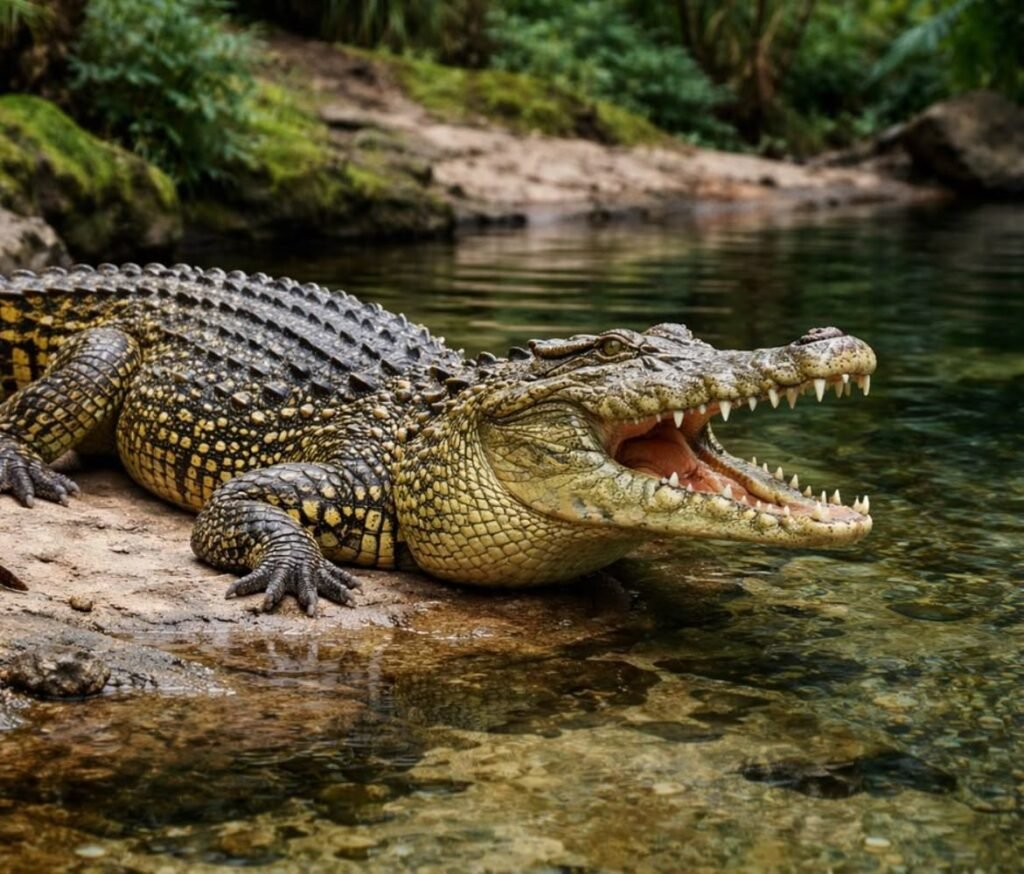
The saltwater crocodile is the largest living reptile and among the most aggressive predators on Earth. Territorial and powerful, it attacks almost anything that enters its domain. It commands the waterways it inhabits.
Interestingly, the saltwater crocodile combines aggression with the strongest bite force of any animal. It ambushes prey with explosive speed, dragging victims underwater in a deadly roll. Males fiercely defend their territory from rivals.
Saltwater crocodiles live in the rivers, estuaries, and coasts of Southeast Asia and northern Australia. As carnivores, they hunt fish, birds, and mammals of all sizes.
Moreover, these crocodiles are apex predators that keep their ecosystems in balance. Though widespread, they face pressure from habitat loss and human conflict.
Fun Fact: The saltwater crocodile has the strongest bite force ever measured in the animal kingdom.
Honey Badger
Scientific Name: Mellivora capensis
Class: Mammalia
Diet: Omnivore
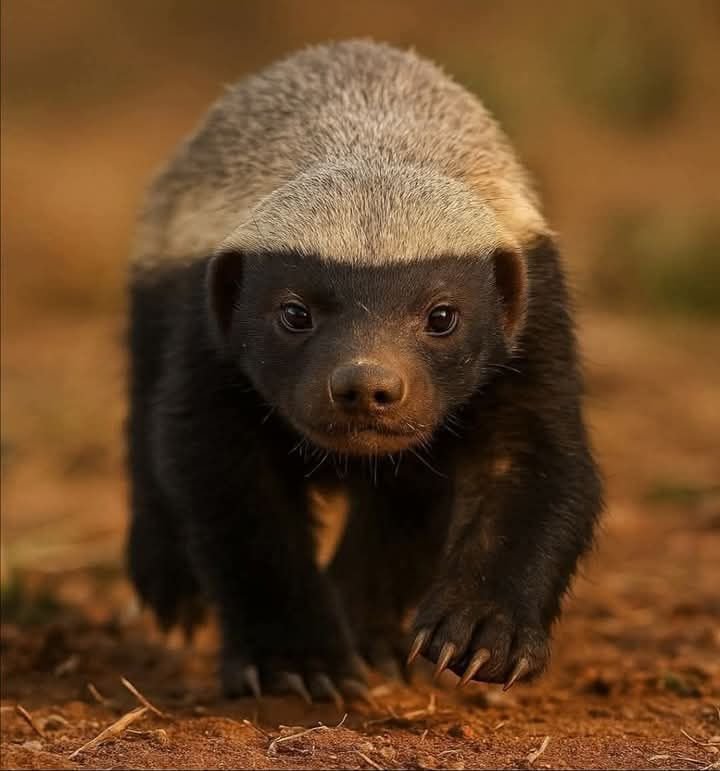
The honey badger is famous for its fearless, aggressive nature despite its modest size. It will stand its ground against lions, hyenas, and venomous snakes. Its boldness has made it a legend of the animal world.
What sets the honey badger apart is its tenacity and tough hide. Its loose, thick skin lets it twist and fight even when grabbed, and it shrugs off stings and bites. Few predators consider it worth the trouble.
Honey badgers live across Africa, the Middle East, and parts of Asia. As omnivores, they eat insects, small animals, snakes, and honey, digging tirelessly for food.
Moreover, honey badgers help control snake and insect populations. They remain widespread and adaptable across their large range.
Wolverine
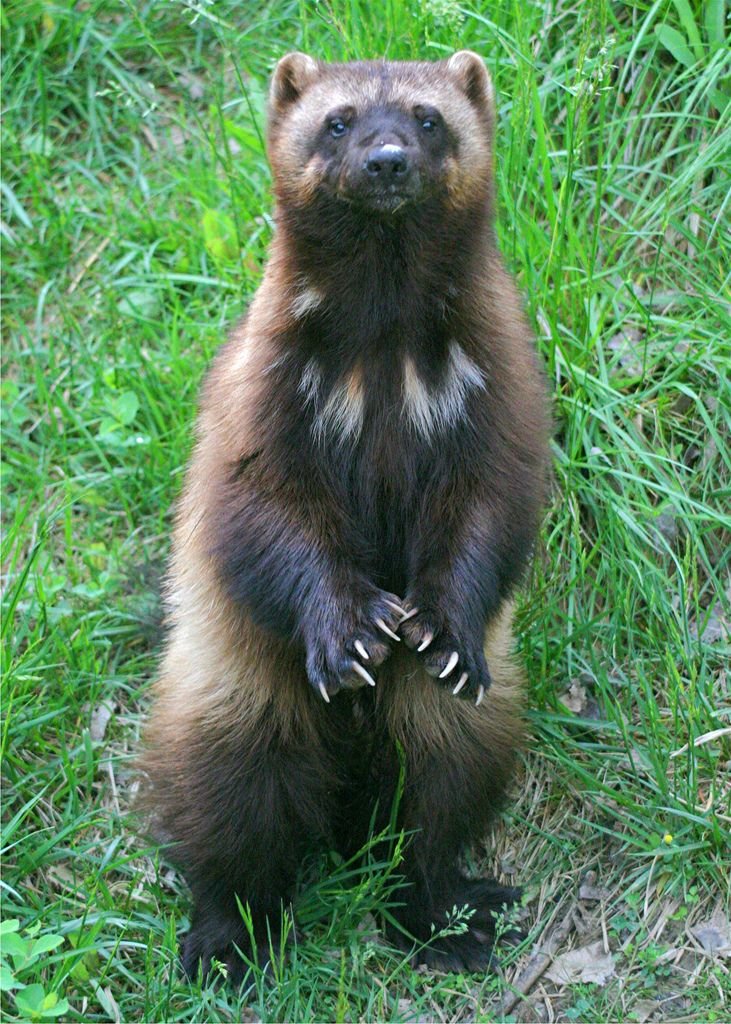
Scientific Name: Gulo gulo
Class: Mammalia
Diet: Carnivore
The wolverine is a small but astonishingly aggressive predator of the far north. Pound for pound, it is one of the strongest and fiercest mammals. It fearlessly defends its food from much larger animals.
Interestingly, the wolverine will drive wolves and bears away from a carcass through sheer ferocity. Its powerful jaws can crush frozen bone, and it travels vast distances in search of food. Its strength far exceeds its size.
Wolverines live in the cold forests and tundra of the Northern Hemisphere. As carnivores and scavengers, they hunt small animals and feed on carrion across huge territories.
Moreover, wolverines help clean the landscape by consuming carrion. Habitat loss and climate change threaten their cold, remote homes.
Fun Fact: A wolverine’s jaws are powerful enough to crush frozen bone and meat.
Black Mamba
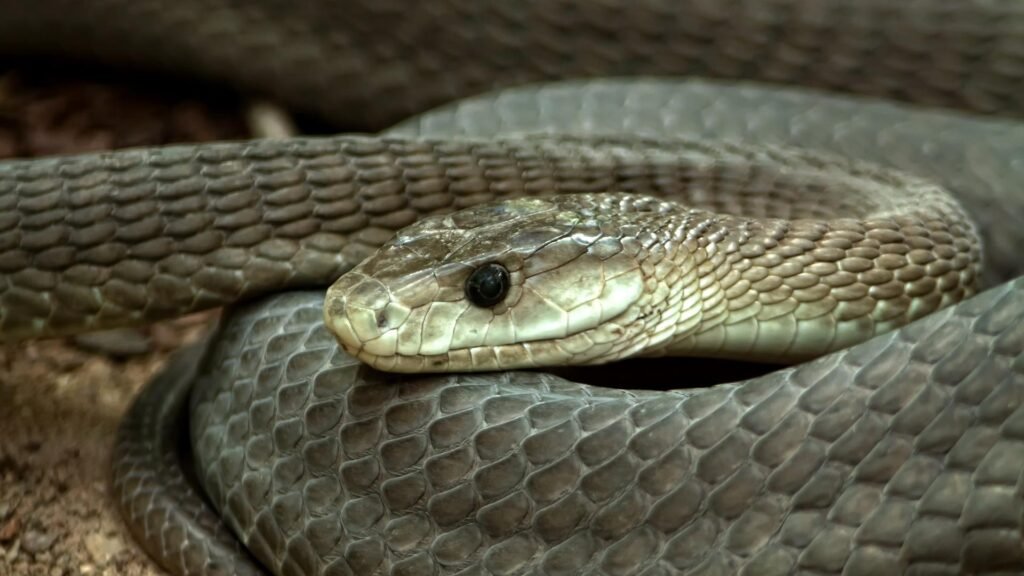
Scientific Name: Dendroaspis polylepis
Class: Reptilia
Diet: Carnivore (small mammals, birds)
The black mamba is one of the most feared and aggressive snakes in Africa. When cornered, it becomes highly defensive and strikes rapidly. Its speed and potent venom make it deeply respected.
What sets the black mamba apart is its combination of speed, agility, and venom. It is among the fastest snakes on land and can deliver several bites in quick succession. When threatened, it raises its head and gapes to reveal its dark mouth.
Black mambas live in the savannas and rocky hills of sub-Saharan Africa. As carnivores, they hunt small mammals and birds, striking with deadly precision.
Moreover, black mambas help control rodent populations across their range. Though feared, they usually prefer to flee rather than fight when given the chance.
Africanized Honey Bee
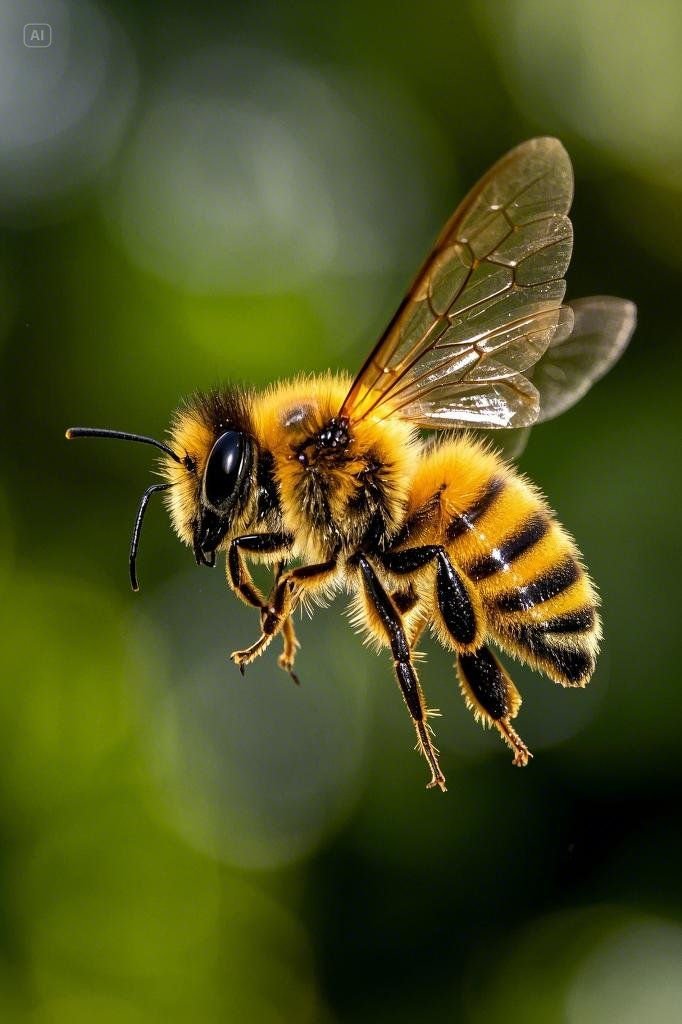
Scientific Name: Apis mellifera scutellata
Class: Insecta
Diet: Herbivore (nectar, pollen)
The Africanized honey bee, often called the “killer bee,” is famous for its highly aggressive defense. It reacts to threats faster and in far greater numbers than other bees. Its collective ferocity makes it a force to respect.
Interestingly, these bees defend their hive with overwhelming swarms. They respond to disturbances more quickly, pursue intruders farther, and attack in much larger numbers than gentler honey bees. This defensiveness protects the colony fiercely.
Africanized honey bees live across much of the Americas, in warm and tropical regions. As pollinators, they gather nectar and pollen, playing an important role in ecosystems.
Moreover, despite their reputation, these bees are valuable pollinators of many plants. Their aggression is purely defensive, aimed at protecting the hive.
Fun Fact: Africanized bees can chase a perceived threat for a quarter mile or more.
Chimpanzee

Scientific Name: Pan troglodytes
Class: Mammalia
Diet: Omnivore
The chimpanzee is highly intelligent but can also be surprisingly aggressive. Powerful and territorial, it engages in fierce conflicts within and between groups. Its strength far exceeds that of a human.
What sets the chimpanzee apart is its complex, sometimes violent social life. Rival groups may patrol borders and clash aggressively, and males compete fiercely for status. This aggression is tied to territory and dominance.
Chimpanzees live in the forests and savannas of central and West Africa. As omnivores, they eat fruit, leaves, insects, and occasionally hunt small mammals.
Moreover, chimpanzees disperse seeds and shape their forest habitats. Deforestation, poaching, and disease have made them endangered.
Wild Boar
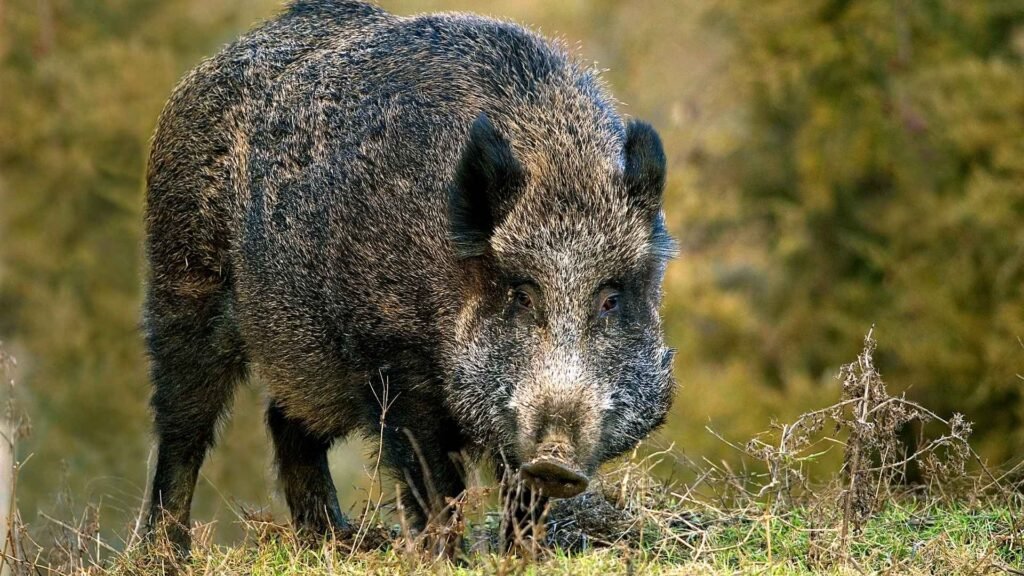
Scientific Name: Sus scrofa
Class: Mammalia
Diet: Omnivore
The wild boar is a powerful, unpredictable animal that can become highly aggressive when threatened. Protective mothers and cornered males are especially dangerous. Sharp tusks make it a formidable opponent.
Interestingly, the wild boar’s aggression rises sharply when it feels cornered or when defending its young. It can charge with surprising speed and slash with its tusks. Its boldness allows it to thrive in many environments.
Wild boars live across Europe, Asia, and beyond, in forests, grasslands, and farmland. As omnivores, they eat roots, plants, insects, and small animals.
Moreover, wild boars aerate soil through rooting and disperse seeds. In many regions they are abundant, sometimes to the point of becoming a pest.
Fun Fact: A charging wild boar can run at speeds of up to 40 kilometers per hour.
Bull Shark
Scientific Name: Carcharhinus leucas
Class: Chondrichthyes
Diet: Carnivore
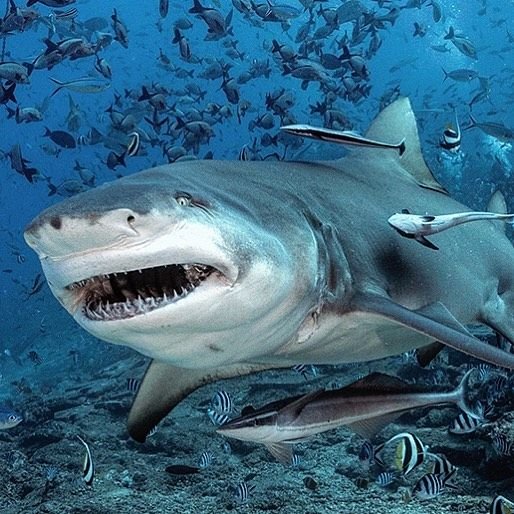
The bull shark is regarded as one of the most aggressive sharks in the ocean. Bold and unpredictable, it often hunts in shallow waters near shore. Its temperament makes it especially notable among sharks.
What sets the bull shark apart is its tolerance for fresh water. It can swim far up rivers into places other sharks never reach, bringing it into contact with more prey. This adaptability adds to its fearsome reputation.
Bull sharks live in warm coastal waters worldwide and venture into rivers and lakes. As carnivores, they hunt fish, dolphins, and other sharks with powerful bites.
Moreover, bull sharks are important predators that help keep marine ecosystems balanced. Overfishing has made them a near-threatened species.
Fun Fact: Bull sharks can swim far up freshwater rivers, sometimes hundreds of miles inland.
Black Rhinoceros
Scientific Name: Diceros bicornis
Class: Mammalia
Diet: Herbivore
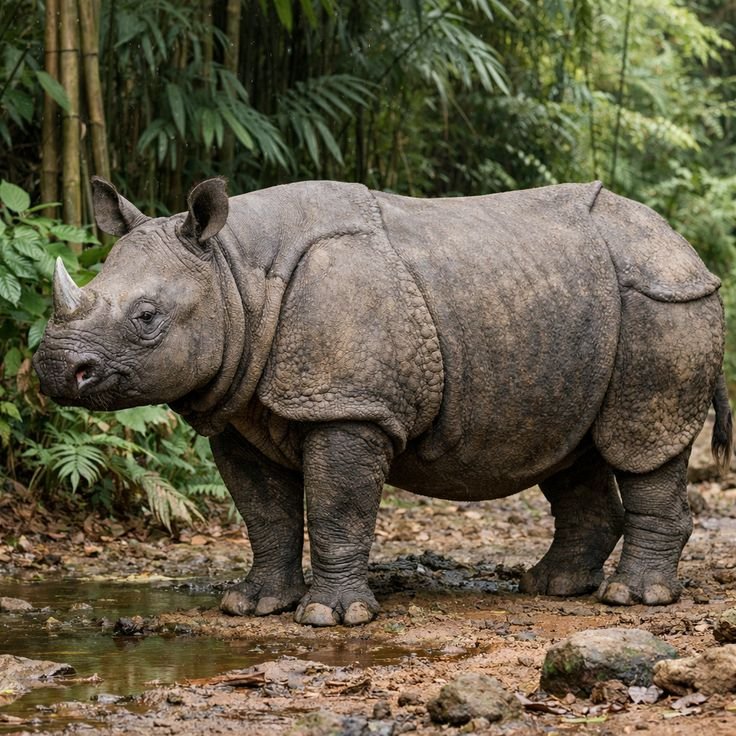
The black rhinoceros is known for its short temper and readiness to charge. More aggressive than its white rhino cousin, it will run at perceived threats. Its bulk and horns make such charges dangerous.
Interestingly, the black rhino’s aggression is partly due to its poor eyesight. Unable to see well, it may charge first when startled, relying on its powerful body and sharp horns. It can run surprisingly fast for its size.
Black rhinos live in the savannas and scrublands of eastern and southern Africa. As herbivores, they browse on leaves, shoots, and branches using a hooked upper lip.
Moreover, black rhinos shape vegetation and support their ecosystems. Poaching for their horns has made them critically endangered.
Tasmanian Devil
Scientific Name: Sarcophilus harrisii
Class: Mammalia
Diet: Carnivore
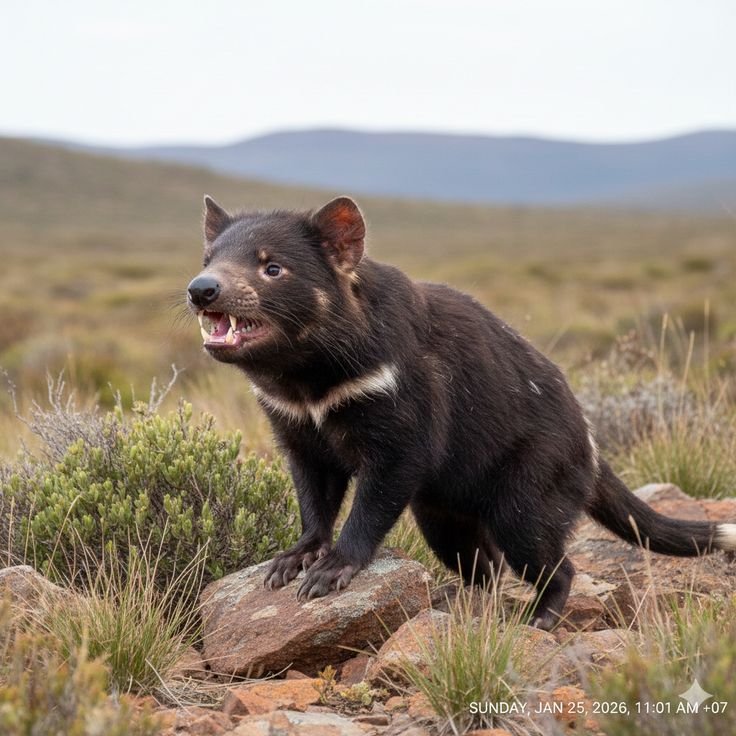
The Tasmanian devil is a small marsupial with a famously fierce temperament. It is known for loud, aggressive displays over food. Its ferocity is remarkable for an animal of its size.
What sets the devil apart is its powerful bite and noisy squabbles. When feeding, devils growl, screech, and bare their teeth to intimidate rivals. This aggression helps them compete for scarce carrion.
Tasmanian devils live only on the Australian island of Tasmania. As carnivores and scavengers, they feed on carrion and hunt small animals.
Moreover, devils clean the landscape by consuming dead animals. A contagious facial cancer has devastated their numbers, making them endangered.
Fun Fact: The Tasmanian devil’s fierce screeches once made settlers think of demons, inspiring its name.
Read: Most Energetic Animals in The World
Read: Animals That Are Like Raccoons in The World
Read: Can Wolves Purr?
Read: Animals That Live on Mountains
Read: Animals That Eat Corn in The World
Frequently Asked Questions
Conclusion
From the territorial hippo to the fearless honey badger, the most aggressive animals in the world reveal that ferocity is a powerful survival tool. Their boldness helps them defend territory, protect their young, and endure in a dangerous world where hesitation can be fatal. Yet behind their fierce reputations, these animals play vital roles, from shaping landscapes to balancing predator and prey.