Top 22 Most Energetic Animals in The World: With Names & Images
Did you know that a tiny hummingbird’s heart can beat over 1,200 times a minute just to keep it airborne? The world’s most energetic animals live life in perpetual motion, burning through calories at breathtaking rates to hunt, migrate, and survive. From sprinting predators to tireless pollinators, these dynamic creatures are far more than restless bundles of energy they are vital engines of their ecosystems.
Dispersing seeds, controlling pests, and shaping food chains. Their boundless stamina reflects some of nature’s most remarkable adaptations. In this guide, we’ll explore the top 22 most energetic animals in the world, uncovering the science behind their vitality and why protecting them matters.
List of Most Energetic Animals in The World
| Rank | Animal | Scientific Name |
|---|---|---|
| 1 | Hummingbird | Archilochus colubris |
| 2 | Etruscan Shrew | Suncus etruscus |
| 3 | Cheetah | Acinonyx jubatus |
| 4 | Pronghorn | Antilocapra americana |
| 5 | Arctic Tern | Sterna paradisaea |
| 6 | Dragonfly | Anax junius |
| 7 | Honeybee | Apis mellifera |
| 8 | Ant | Formicidae |
| 9 | Dolphin | Tursiops truncatus |
| 10 | Red Kangaroo | Osphranter rufus |
| 11 | Squirrel | Sciurus carolinensis |
| 12 | African Wild Dog | Lycaon pictus |
| 13 | Gray Wolf | Canis lupus |
| 14 | Chimpanzee | Pan troglodytes |
| 15 | Sea Otter | Enhydra lutris |
| 16 | Meerkat | Suricata suricatta |
| 17 | Stoat | Mustela erminea |
| 18 | Mustang Horse | Equus ferus caballus |
| 19 | Siberian Husky | Canis lupus familiaris |
| 20 | Border Collie | Canis lupus familiaris |
| 21 | Jack Russell Terrier | Canis lupus familiaris |
| 22 | Wildebeest | Connochaetes taurinus |
Hummingbird
Scientific Name: Archilochus colubris
Class: Aves
Diet: Nectarivore
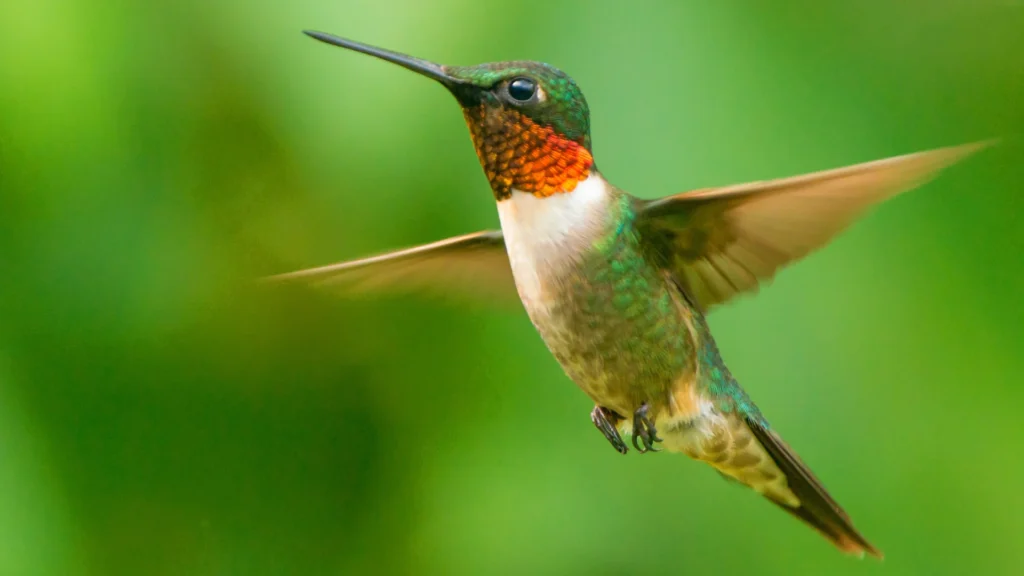
The hummingbird is often crowned the most energetic animal on Earth. To hover in mid-air, it beats its wings up to 80 times per second, and its heart can race past 1,200 beats per minute — a metabolic feat unmatched in the animal kingdom.
Interestingly, this extreme lifestyle demands constant fuel. Hummingbirds visit hundreds of flowers daily, sipping nectar and snapping up tiny insects, and they enter a deep, sleep-like state called torpor each night to conserve precious energy.
These jewel-toned birds inhabit the Americas, from Alaska to Argentina, favoring gardens, forests, and meadows rich in flowering plants.
As tireless pollinators, hummingbirds are essential to countless plant species. Habitat loss and climate change threaten many populations, making their protection vital for healthy ecosystems.
Fun Fact: A hummingbird’s wings move in a figure-eight pattern, letting it fly forward, backward, and even upside down.
Etruscan Shrew
Scientific Name: Suncus etruscus
Class: Mammalia
Diet: Insectivore
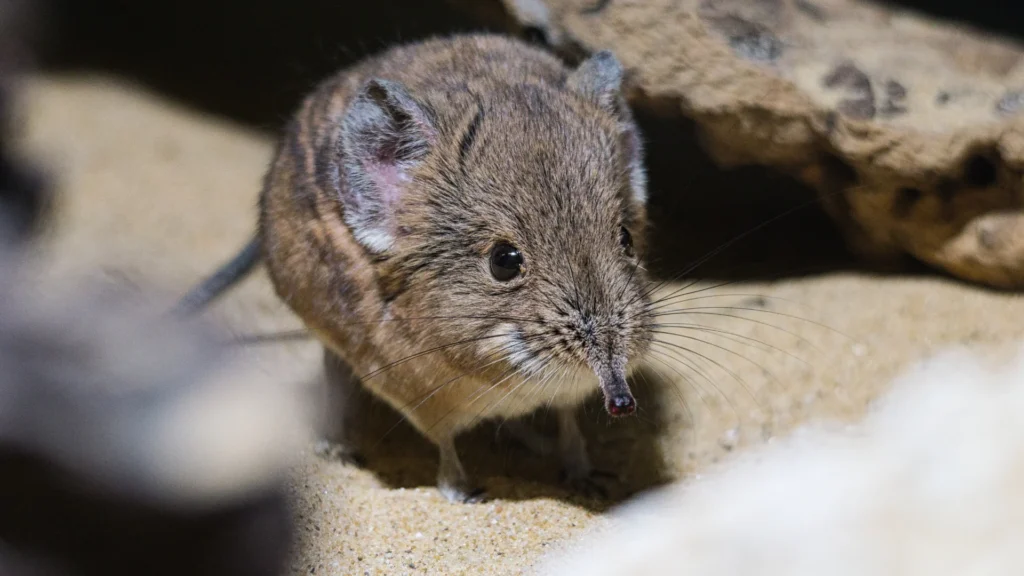
The Etruscan shrew is the world’s smallest mammal by mass, yet it packs the most explosive metabolism of any creature. Its tiny heart can beat up to 1,500 times per minute, driving a body that is almost never at rest.
Moreover, to fuel this relentless engine, the shrew must eat one to three times its own body weight every single day. It hunts insects and small invertebrates around the clock, never far from starvation.
This minuscule dynamo lives across southern Europe, North Africa, and parts of Asia, favoring warm scrublands, grasslands, and rocky terrain.
As a voracious insect hunter, the Etruscan shrew helps regulate invertebrate populations. Though currently of Least Concern, habitat destruction remains a quiet threat to its survival.
Fun Fact: The Etruscan shrew has the fastest heartbeat of any mammal — a blur of ceaseless energy in a body lighter than a coin.
Cheetah
Scientific Name: Acinonyx jubatus
Class: Mammalia
Diet: Carnivore
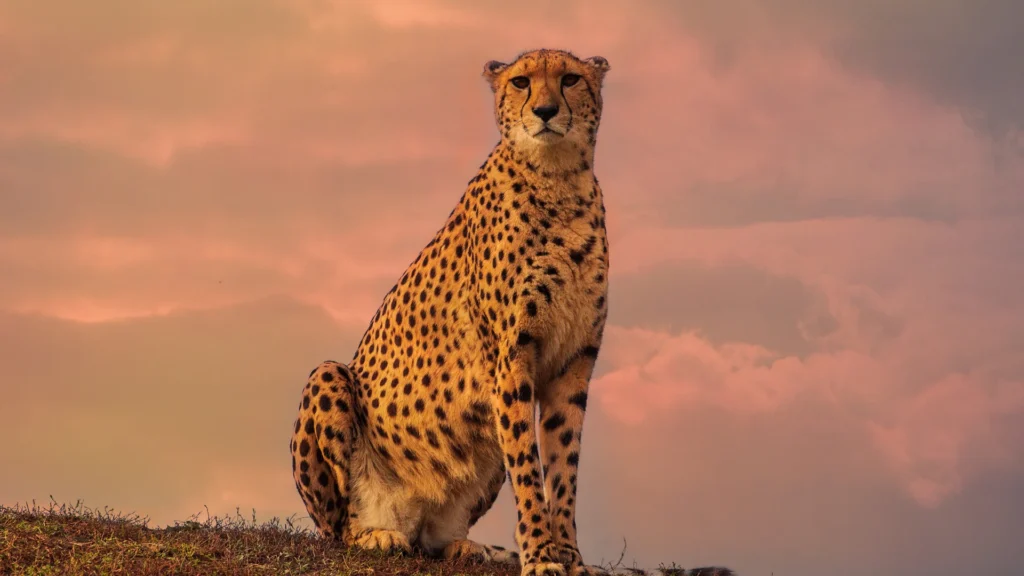
The cheetah is the ultimate burst of explosive energy, the fastest land animal on the planet. It can accelerate from 0 to 60 miles per hour in just three seconds, reaching top speeds near 70 miles per hour in a breathtaking sprint.
Beyond their raw speed, cheetahs are built entirely for the chase. Their flexible spine, lightweight frame, and enlarged nasal passages maximize oxygen intake, though each high-energy sprint lasts only seconds before they must rest.
Cheetahs roam the savannas and grasslands of sub-Saharan Africa, with a small population surviving in Iran, hunting gazelles and other swift prey.
As apex predators, cheetahs help keep herbivore populations in balance. Sadly, habitat loss and human conflict have made them Vulnerable, with numbers steadily declining.
Fun Fact: A cheetah’s sprint is so intense that its body temperature rises rapidly, forcing it to stop and cool down after just 20–30 seconds.
Pronghorn
Scientific Name: Antilocapra americana
Class: Mammalia
Diet: Herbivore
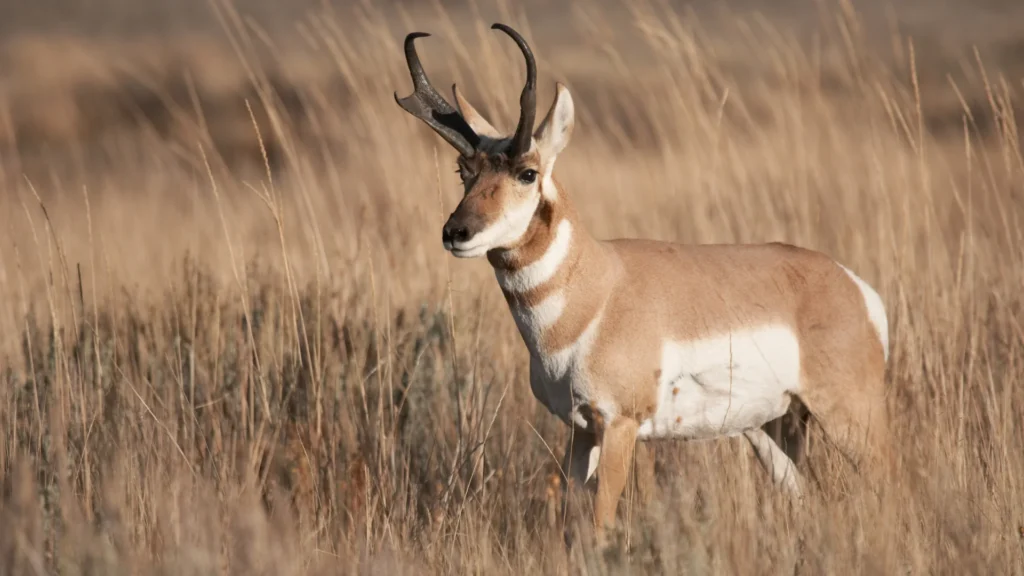
The pronghorn is North America’s endurance champion, blending remarkable speed with tireless stamina. It can run up to 55 miles per hour, making it the second-fastest land mammal, but its true gift is maintaining a brisk pace over vast distances.
What sets the pronghorn apart is its oversized heart and lungs, which flood its muscles with oxygen. This lets it outlast nearly every predator across the open plains without tiring.
Pronghorns inhabit the grasslands, deserts, and sagebrush plains of western North America, grazing on grasses, shrubs, and forbs.
As grazers, pronghorns shape prairie vegetation and support predator populations. While currently of Least Concern, fences and roads increasingly fragment their ancient migration routes.
Fun Fact: Pronghorns evolved their incredible speed to outrun the now-extinct American cheetah a ghost predator from the Ice Age.
Arctic Tern

Scientific Name: Sterna paradisaea
Class: Aves
Diet: Carnivore
The Arctic tern is the undisputed marathon champion of the animal world. Each year it flies from the Arctic to Antarctica and back, covering between 12,000 and 50,000 miles in a single migration.
Moreover, this ceaseless traveler chases an endless summer, experiencing more daylight than any other creature. Over a 20-year lifespan, a single Arctic tern may log around 1.5 million miles — the equivalent of three trips to the moon.
These slender seabirds breed in the Arctic tundra and coasts, wintering in the icy waters around Antarctica, where they dive for fish and small crustaceans.
As long-distance migrants, Arctic terns connect ecosystems across the globe. Currently of Least Concern, they remain sensitive to climate change and shifts in ocean prey.
Fun Fact: The Arctic tern sees two summers every year and more sunlight than any other animal on Earth.
Dragonfly

Scientific Name: Anax junius
Class: Insecta
Diet: Carnivore
The dragonfly is a marvel of aerial energy, one of the most agile fliers in the insect world. It can hover, fly backward, and change direction instantly, powered by four independently moving wings.
Interestingly, dragonflies are astonishingly effective hunters, catching prey in mid-air with a success rate of over 90%. Their enormous compound eyes give them near-360-degree vision to track fast-moving insects.
Dragonflies live near freshwater habitats worldwide, from ponds and marshes to slow rivers, where their aquatic larvae also develop.
As voracious predators of mosquitoes and other insects, dragonflies provide natural pest control. Wetland drainage and pollution pose the greatest threats to their populations.
Fun Fact: Some dragonfly species migrate thousands of miles across oceans, one of the longest insect migrations known.
Honeybee
Scientific Name: Apis mellifera
Class: Insecta
Diet: Herbivore
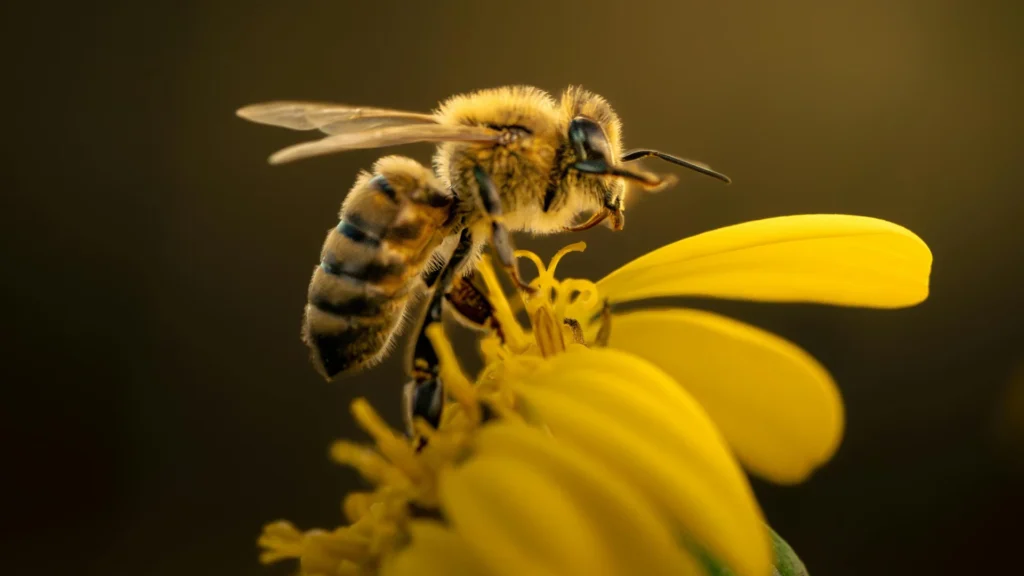
The honeybee is a tireless worker, embodying relentless energy in miniature. A single foraging bee may visit hundreds of flowers a day, beating its wings around 200 times per second as it darts between blooms.
Beyond their individual effort, honeybees are masters of teamwork. They communicate the location of food through an intricate “waggle dance,” coordinating the labor of tens of thousands of colony members.
Honeybees are found across nearly every continent, thriving in meadows, forests, and farmland wherever flowering plants grow.
As keystone pollinators, honeybees sustain countless wild plants and food crops. Pesticides, disease, and habitat loss have triggered alarming declines, making their conservation a global priority.
Fun Fact: A honeybee colony may fly the equivalent of several trips around the Earth to produce just one jar of honey.
Ant

Scientific Name: Formicidae
Class: Insecta
Diet: Omnivore
The ant is a symbol of ceaseless industry, maintaining intense activity for feeding, building, and defending its colony. Relative to their size, ants are astonishingly strong and rarely stop moving throughout their lives.
What sets ants apart is their extraordinary social organization. Colonies function as a single superorganism, with workers, soldiers, and queens cooperating in a constant flow of energy and labor.
Ants inhabit nearly every landmass on Earth, from rainforests to deserts, nesting in soil, wood, and even inside plants.
As ecosystem engineers, ants aerate soil, disperse seeds, and recycle nutrients. Most species are abundant, though habitat disruption can affect specialized ants and the species that depend on them.
Fun Fact: Some ants can carry objects up to 50 times their own body weight — a feat of pure, tireless power.
Dolphin

Scientific Name: Tursiops truncatus
Class: Mammalia
Diet: Carnivore
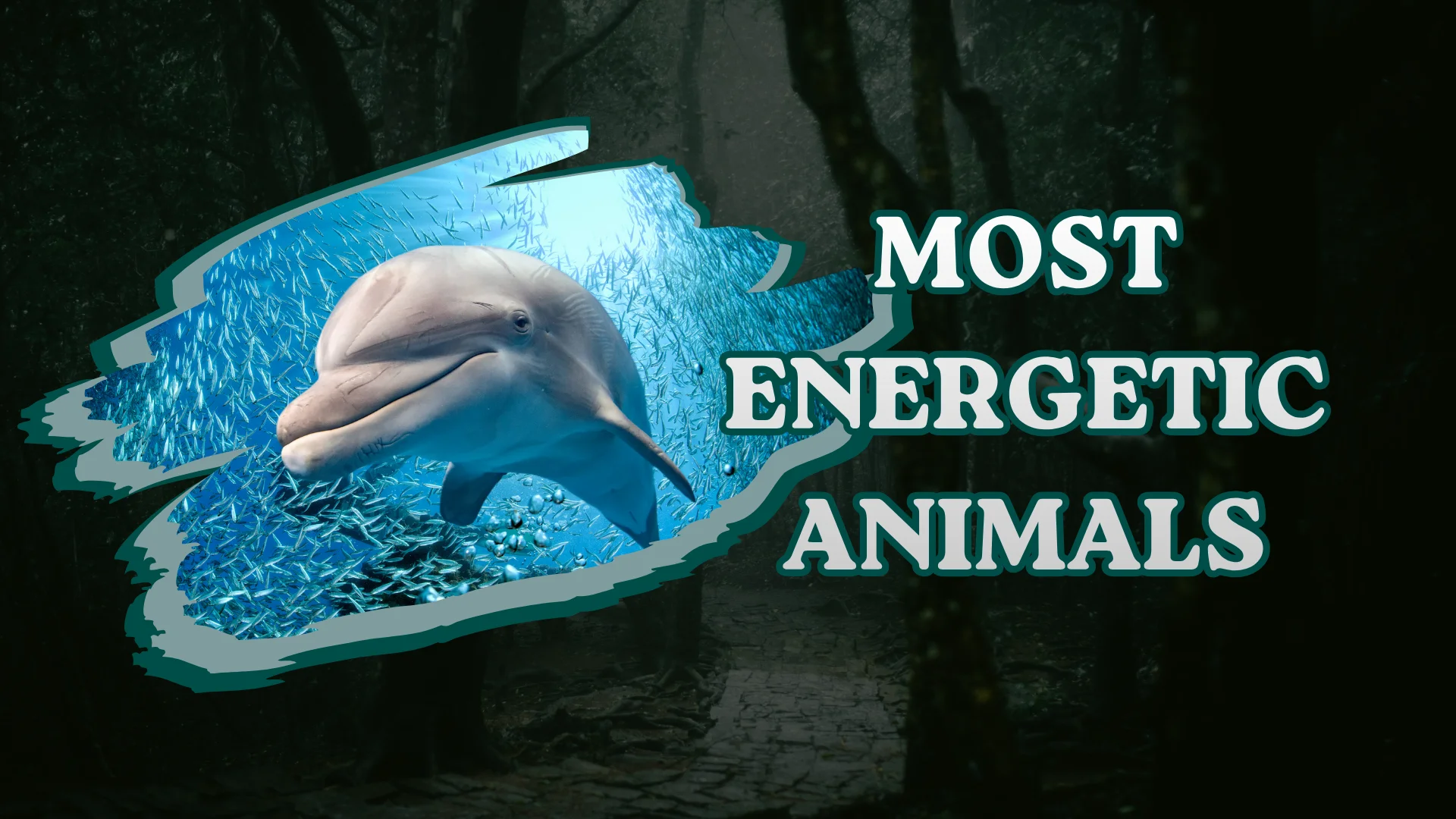
The dolphin is a whirlwind of energy and intelligence in the ocean. Streamlined and powerful, it can swim at speeds up to 37 miles per hour, leaping, spinning, and surfing waves with playful abandon.
Moreover, dolphins are deeply social, living in dynamic pods and cooperating to hunt, protect one another, and even display altruistic behavior. Their constant movement and complex play reflect boundless vitality.
Bottlenose dolphins inhabit temperate and tropical oceans worldwide, favoring coastal waters, bays, and estuaries rich in fish and squid.
As intelligent marine predators, dolphins help maintain balance in ocean food webs. Pollution, fishing nets, and habitat degradation remain ongoing threats to many populations.
Fun Fact: Dolphins sleep with only half their brain at a time, staying alert and active even while resting.
Red Kangaroo

Scientific Name: Osphranter rufus
Class: Mammalia
Diet: Herbivore
The red kangaroo is a powerhouse of energetic movement, the largest marsupial on Earth. Using its muscular hind legs, it can hop at speeds up to 35 miles per hour, with a single bound covering more than 25 feet.
Interestingly, the kangaroo’s hopping becomes more efficient the faster it goes. Elastic tendons in its legs store and release energy like springs, letting it travel long distances with remarkably little effort.
Red kangaroos roam the arid plains and grasslands of central Australia, grazing on grasses and shrubs across vast, open territory.
As large grazers, kangaroos shape the vegetation of the Australian outback. Currently of Least Concern, they still face pressure from drought, habitat change, and human activity.
Fun Fact: A kangaroo cannot hop backward — its powerful tail and large feet only work in forward motion.
Squirrel
Scientific Name: Sciurus carolinensis
Class: Mammalia
Diet: Omnivore
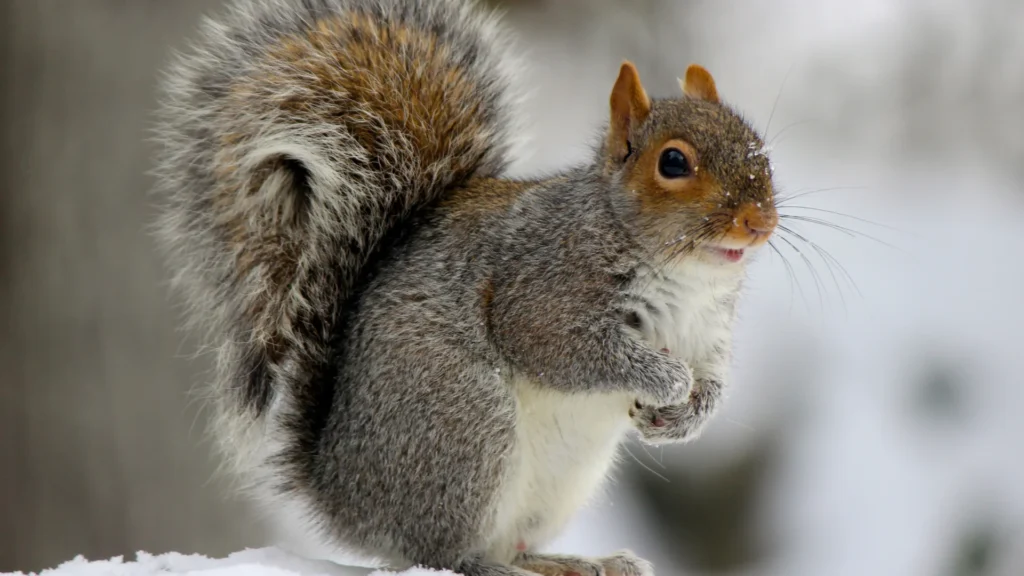
The squirrel is a bundle of restless, darting energy, forever climbing, leaping, and foraging. Its lightweight body and sharp claws let it dash up trees and spring between branches with astonishing agility.
Beyond their acrobatics, squirrels are remarkably intelligent, using complex problem-solving to raid feeders and outwit rivals. They spend their days in near-constant motion, gathering and burying food.
Squirrels inhabit forests, woodlands, and city parks across much of the world, feeding on nuts, seeds, fruit, and fungi.
As seed hoarders, squirrels unintentionally plant countless trees by forgetting buried caches. Most species thrive, though deforestation can threaten specialized populations.
Fun Fact: A squirrel’s forgotten buried nuts help grow new forests, making it an accidental gardener of the woodlands.
African Wild Dog
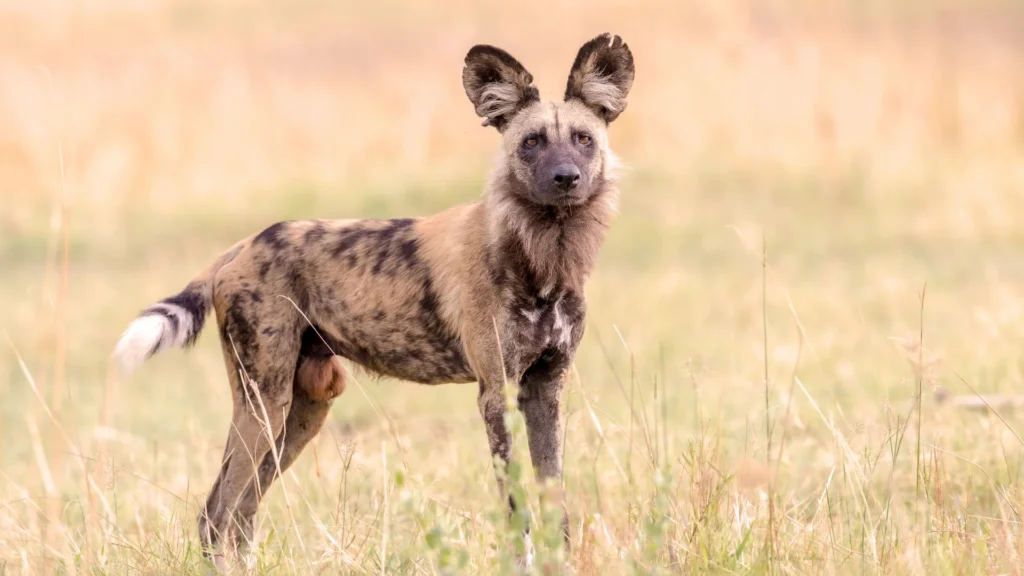
Scientific Name: Lycaon pictus
Class: Mammalia
Diet: Carnivore
The African wild dog, also called the painted wolf, is one of nature’s most energetic pack hunters. With mottled coats and lean, muscular bodies, these dogs can sustain speeds up to 37 miles per hour over long chases.
What sets them apart is their extraordinary teamwork. Wild dogs hunt in tightly coordinated packs, communicating through chirps and body language, and boast one of the highest hunting success rates of any predator.
They inhabit the savannas, grasslands, and open woodlands of sub-Saharan Africa, ranging across enormous territories in pursuit of antelope and other prey.
As efficient predators, wild dogs help keep herbivore numbers in check. Tragically, habitat fragmentation, disease, and human conflict have left them Endangered.
Fun Fact: African wild dogs “vote” on when to hunt by sneezing — the more sneezes, the more likely the pack sets off.
Gray Wolf

Scientific Name: Canis lupus
Class: Mammalia
Diet: Carnivore
The gray wolf is an emblem of tireless stamina, capable of covering up to 30 miles in a single hunt at a steady, ground-eating pace. Built for endurance, wolves can trot for hours across rugged terrain without rest.
Moreover, wolves are deeply social, living in structured packs bound by cooperation and communication. They coordinate hunts, defend territory, and raise pups together, their howls carrying for miles.
Gray wolves inhabit forests, tundra, and mountains across North America, Europe, and Asia, preying on deer, elk, and other large mammals.
As apex predators, wolves shape entire ecosystems, controlling prey and even reshaping landscapes. While recovering in some regions, they remain threatened by hunting and habitat loss elsewhere.
Fun Fact: A wolf pack’s howl can be heard up to 10 miles away, coordinating members across vast wilderness.
Chimpanzee

Scientific Name: Pan troglodytes
Class: Mammalia
Diet: Omnivore
The chimpanzee is an incredibly energetic and intelligent primate, spending its days climbing, swinging, foraging, and playing across the forest. Its powerful limbs and endless curiosity keep it in almost constant motion.
Interestingly, chimpanzees display remarkable problem-solving and tool use, cracking nuts with stones and fishing for termites with sticks. Their complex social lives brim with communication, cooperation, and even politics.
Chimpanzees inhabit the rainforests and savanna woodlands of central and western Africa, feeding on fruit, leaves, insects, and occasionally meat.
As seed dispersers and keystone forest animals, chimpanzees are vital to their ecosystems. Deforestation, poaching, and disease have made them Endangered.
Fun Fact: Chimpanzees share nearly 99% of their DNA with humans, making them our closest living relatives.
Sea Otter

Scientific Name: Enhydra lutris
Class: Mammalia
Diet: Carnivore
The sea otter is a bundle of playful, high-octane energy in the cold ocean. To survive frigid waters, it maintains an extremely high metabolism, eating around 25% of its body weight in food every single day.
Beyond their charm, sea otters are constantly active, diving for shellfish, grooming their dense fur, and using rocks as tools to crack open prey. This ceaseless effort is essential to their survival.
Sea otters inhabit the coastal waters of the northern Pacific, favoring kelp forests where food is abundant.
As a keystone species, sea otters protect kelp forests by controlling sea urchin populations. Once hunted to near extinction, they remain Endangered and dependent on ongoing conservation.
Fun Fact: Sea otters hold hands while sleeping so they don’t drift apart on the ocean’s surface.
Meerkat
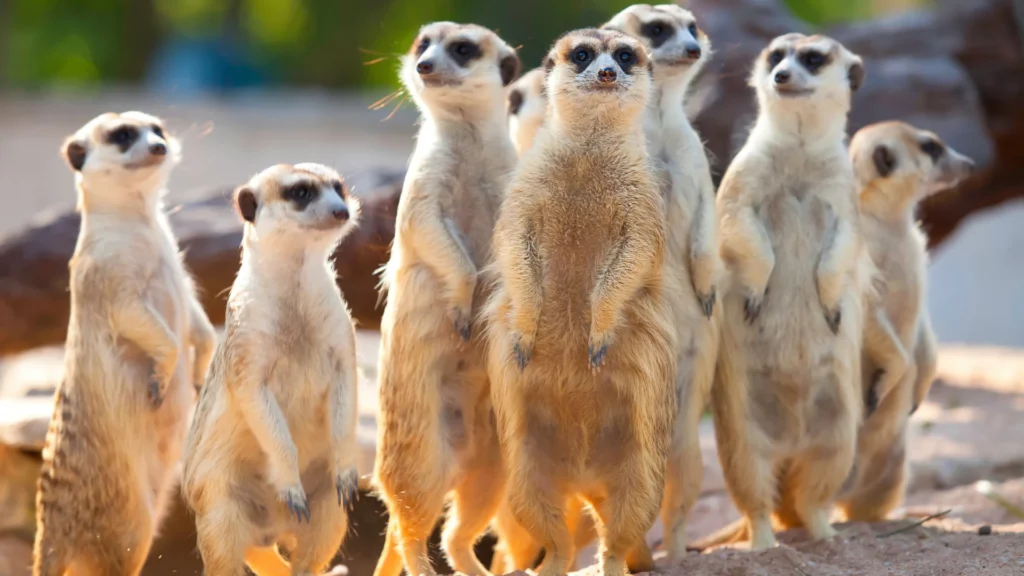
Scientific Name: Suricata suricatta
Class: Mammalia
Diet: Carnivore
The meerkat is a small, endlessly busy mammal, always digging, foraging, and standing sentinel. Slim and quick, it spends its waking hours in near-constant activity across the African plains.
What sets meerkats apart is their teamwork. Living in cooperative groups called mobs, they take turns as lookouts, babysitters, and foragers, communicating through a rich vocabulary of calls.
Meerkats inhabit the arid savannas and deserts of southern Africa, especially the Kalahari, feeding on insects, scorpions, and small reptiles.
As insect predators, meerkats help regulate invertebrate populations. Currently of Least Concern, they still depend on healthy, undisturbed desert habitats.
Fun Fact: Meerkats are immune to certain scorpion venom, allowing them to hunt these dangerous prey with ease.
Stoat
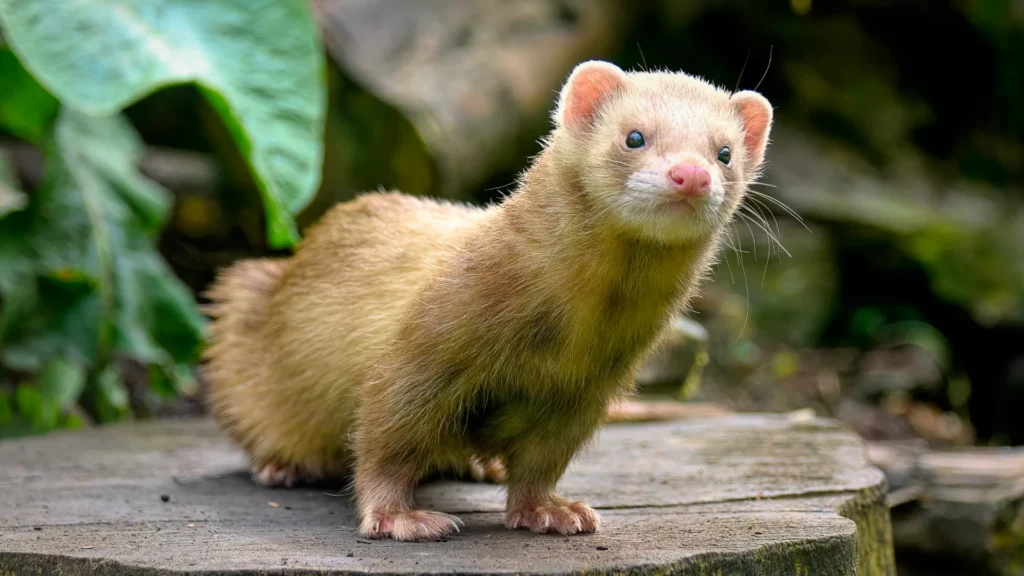
Scientific Name: Mustela erminea
Class: Mammalia
Diet: Carnivore
The stoat is a relentless little hunter with a metabolism to match. Slim and lightning-quick, it must hunt almost constantly to fuel its energetic body, rarely pausing between pursuits.
Moreover, the stoat is famous for its bold, acrobatic hunting style, even performing a hypnotic “dance” that appears to mesmerize prey. It can tackle animals many times its own size.
Stoats range across the cooler regions of North America, Europe, and Asia, thriving in forests, grasslands, and tundra.
As agile predators, stoats help control rodent and rabbit populations. Widespread and adaptable, they are of Least Concern, though in some regions they are invasive threats to native birds.
Fun Fact: In winter, the stoat’s coat turns pure white, and it is then known as “ermine,” historically prized for royal robes.
Mustang Horse
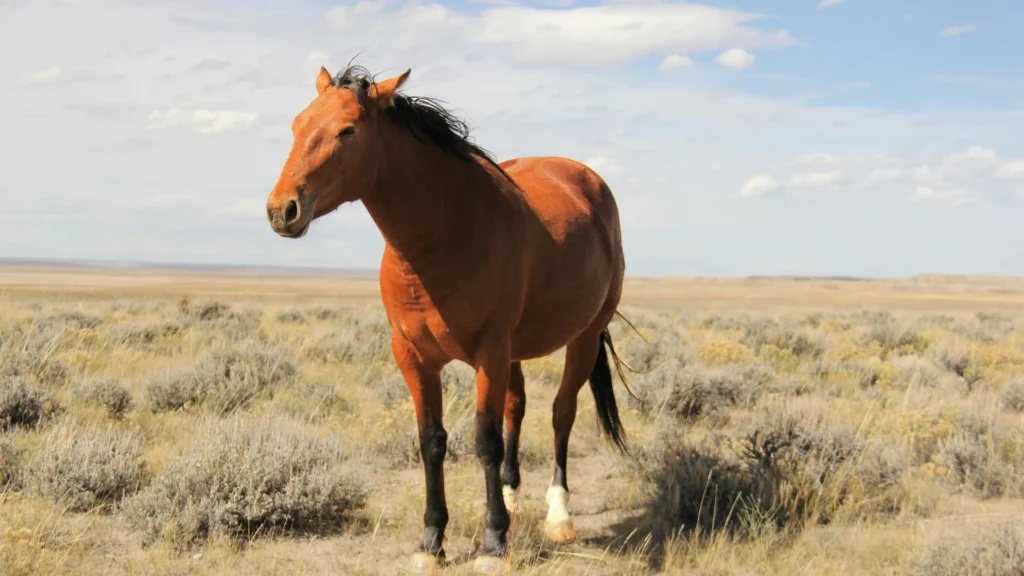
Scientific Name: Equus ferus caballus
Class: Mammalia
Diet: Herbivore
The mustang is a free-roaming symbol of raw energy and stamina. These wild horses can gallop at speeds up to 35 miles per hour, covering great distances across rugged, open country.
Beyond their speed, mustangs are hardy and enduring, shaped by generations of survival in the wild. They live in tight social bands led by a dominant mare, always alert and on the move.
Mustangs roam the plains, deserts, and grasslands of the western United States, grazing on grasses and hardy vegetation.
As large grazers, mustangs influence grassland ecosystems. Their populations are managed amid ongoing debate over land use, habitat, and conservation.
Fun Fact: Mustangs descend from horses brought to the Americas by Spanish explorers centuries ago.
Siberian Husky

Scientific Name: Canis lupus familiaris
Class: Mammalia
Diet: Carnivore
The Siberian husky is a legend of canine endurance, bred to run for hours across frozen wilderness. Originally developed by the Chukchi people to pull sleds, huskies possess extraordinary stamina and boundless energy.
Interestingly, huskies are built to conserve energy even while working hard, allowing them to travel vast distances on minimal food. Their thick coats and efficient metabolism make them Arctic athletes.
While domesticated worldwide, huskies trace their roots to the harsh, cold landscapes of northeastern Siberia.
As working dogs, huskies have shaped human survival in polar regions for centuries. Responsible ownership means meeting their intense need for exercise and mental stimulation.
Fun Fact: Sled dog teams, including huskies, once raced life-saving medicine across Alaska in the famous 1925 serum run to Nome.
Border Collie

Scientific Name: Canis lupus familiaris
Class: Mammalia
Diet: Carnivore
The border collie is widely regarded as the most energetic and intelligent dog breed. Bred for herding, it thrives on constant physical activity and mental challenge, rarely content to sit still.
What sets border collies apart is their razor-sharp mind. They can learn hundreds of commands, solve problems quickly, and control livestock with an intense, focused stare known as “the eye.”
Border collies originated in the hill country between Scotland and England, where their herding skills were prized on rugged farmland.
As working dogs, border collies remain essential to shepherding worldwide. Their extreme energy demands make them best suited to active homes and jobs.
Fun Fact: A border collie named Chaser learned the names of over 1,000 objects — a record for any animal.
Jack Russell Terrier
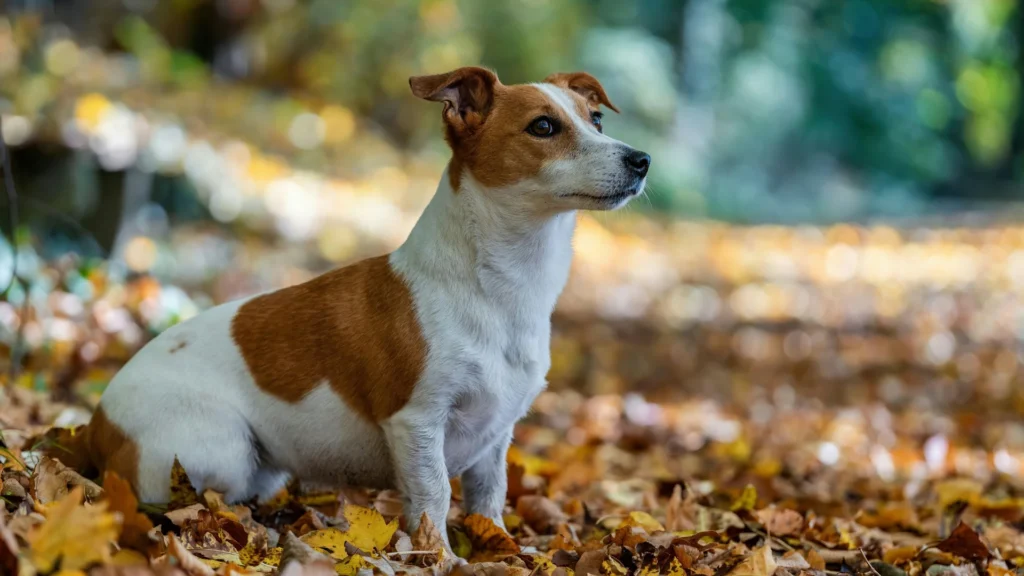
Scientific Name: Canis lupus familiaris
Class: Mammalia
Diet: Carnivore
The Jack Russell terrier is a small dog packed with astonishing energy and drive. Originally bred for fox hunting, it is fearless, fast, and almost impossible to tire out.
Moreover, Jack Russells are highly intelligent and endlessly curious, always digging, chasing, and exploring. Their bold personalities and relentless stamina make them true bundles of motion.
Developed in England for hunting, the breed is now a beloved companion around the world.
As energetic working terriers, they excel at pest control and canine sports. Their high drive means they need plenty of exercise and stimulation to stay happy and healthy.
Fun Fact: Despite their small size, Jack Russells can jump up to five feet high — several times their own height.
Wildebeest
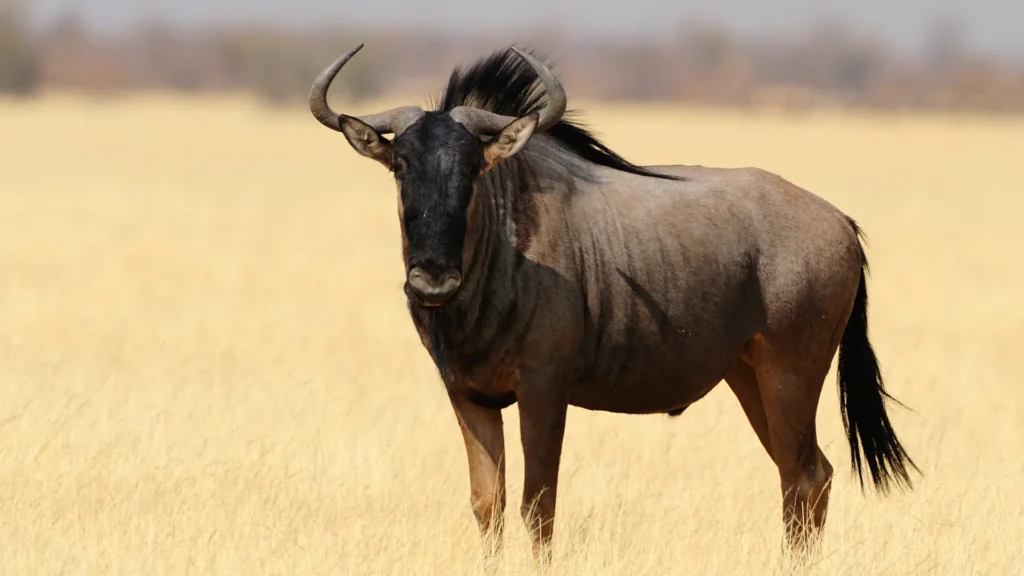
Scientific Name: Connochaetes taurinus
Class: Mammalia
Diet: Herbivore
The wildebeest is an icon of tireless movement, famous for one of the greatest migrations on Earth. Each year, over a million wildebeest trek hundreds of miles across the plains in search of fresh grass and water.
Interestingly, this endless journey is fueled by remarkable stamina. Wildebeest calves can stand and run within minutes of birth, keeping pace with the relentless, moving herd.
Wildebeest inhabit the savannas and grasslands of eastern and southern Africa, grazing almost continuously on short grasses.
As grazers and prey, wildebeest are central to the African ecosystem, sustaining predators and shaping the land. Currently of Least Concern, their migrations depend on unbroken, protected corridors.
Fun Fact: The great wildebeest migration is so vast it can be seen from space.
Frequently Asked Questions
Conclusion
From the blur of a hummingbird’s wings to the endless march of migrating wildebeest, the world’s most energetic animals reveal nature’s astonishing capacity for motion and endurance. Each species whether a tireless honeybee or a sprinting cheetah channels its boundless energy into survival while enriching the ecosystems around it.