
Top 18 Mischievous Animals in The World (With Images)
Did you know that some animals are clever enough to pick locks, steal snacks, and even play pranks on one another for fun? The world’s most mischievous animals combine sharp intelligence, boundless curiosity, and a playful streak that constantly gets them into trouble. Far from being simple troublemakers, these cunning creatures reveal remarkable problem-solving skills, social smarts, and even a sense of humor.
From lock-picking raccoons to backpack-raiding parrots, their antics both delight and frustrate humans. In this guide, we’ll explore the top 18 mischievous animals in the world, uncovering the cleverness behind their playful chaos and why these witty species are so fascinating.
List of Mischievous Animals in The World
| Rank | Animal | Scientific Name |
|---|---|---|
| 1 | Raccoon | Procyon lotor |
| 2 | Capuchin Monkey | Cebus capucinus |
| 3 | Crow | Corvus brachyrhynchos |
| 4 | River Otter | Lontra canadensis |
| 5 | Kea | Nestor notabilis |
| 6 | Octopus | Octopus vulgaris |
| 7 | Dolphin | Tursiops truncatus |
| 8 | Goat | Capra aegagrus hircus |
| 9 | Squirrel | Sciurus carolinensis |
| 10 | Ferret | Mustela putorius furo |
| 11 | Red Fox | Vulpes vulpes |
| 12 | Chimpanzee | Pan troglodytes |
| 13 | Magpie | Pica pica |
| 14 | Coyote | Canis latrans |
| 15 | Sea Lion | Zalophus californianus |
| 16 | Cat | Felis catus |
| 17 | Orangutan | Pongo pygmaeus |
| 18 | African Grey Parrot | Psittacus erithacus |
Raccoon
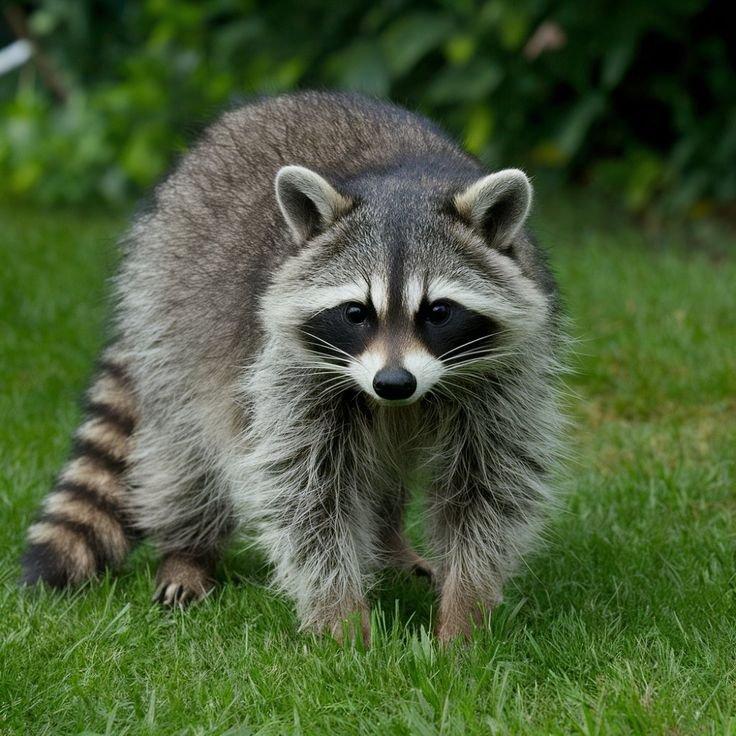
Scientific Name: Procyon lotor
Class: Mammalia
Diet: Omnivore
The raccoon is a legendary troublemaker, using its dexterous front paws and sharp mind to cause endless mischief. It can open containers, tip over trash bins, and even unlock simple latches.
Interestingly, the raccoon’s cleverness rivals that of some primates. Its nimble fingers and problem-solving skills let it raid gardens, kitchens, and campsites with astonishing success.
Raccoons inhabit forests, wetlands, and urban areas across North America and beyond, eating a remarkably varied diet of fruit, insects, and scraps.
As opportunistic omnivores, raccoons help disperse seeds and control pests. Highly adaptable, they are widespread and of Least Concern.
Fun Fact: Raccoons can remember the solution to a task for up to three years, making them expert repeat troublemakers.
Capuchin Monkey
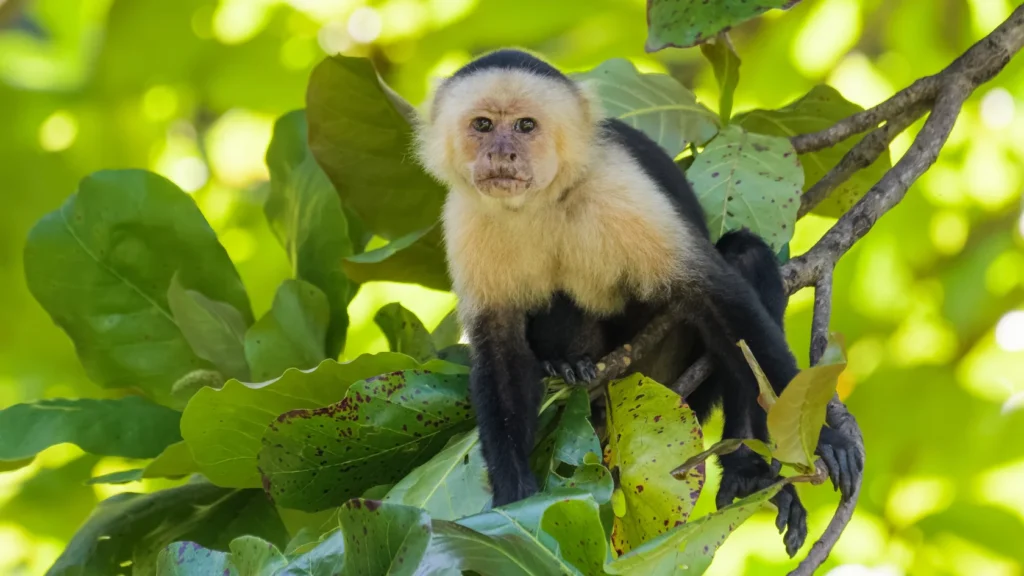
Scientific Name: Cebus capucinus
Class: Mammalia
Diet: Omnivore
The capuchin monkey is the quintessential trickster of the animal kingdom, famous for its agility and quirky, playful behavior. It often steals food and toys from others just for the thrill of it.
Moreover, the capuchin’s sharp intelligence fuels its mischief. It uses tools, solves puzzles, and pulls off cunning antics that leave observers amused and amazed at its cleverness.
Capuchins inhabit the forests of Central and South America, feeding on fruit, insects, small vertebrates, and seeds.
As intelligent foragers, capuchins are key seed dispersers. Most populations are of Least Concern, though habitat loss affects some species.
Fun Fact: Capuchins sometimes rub crushed insects or plants on their fur, possibly as a natural bug repellent.
Crow
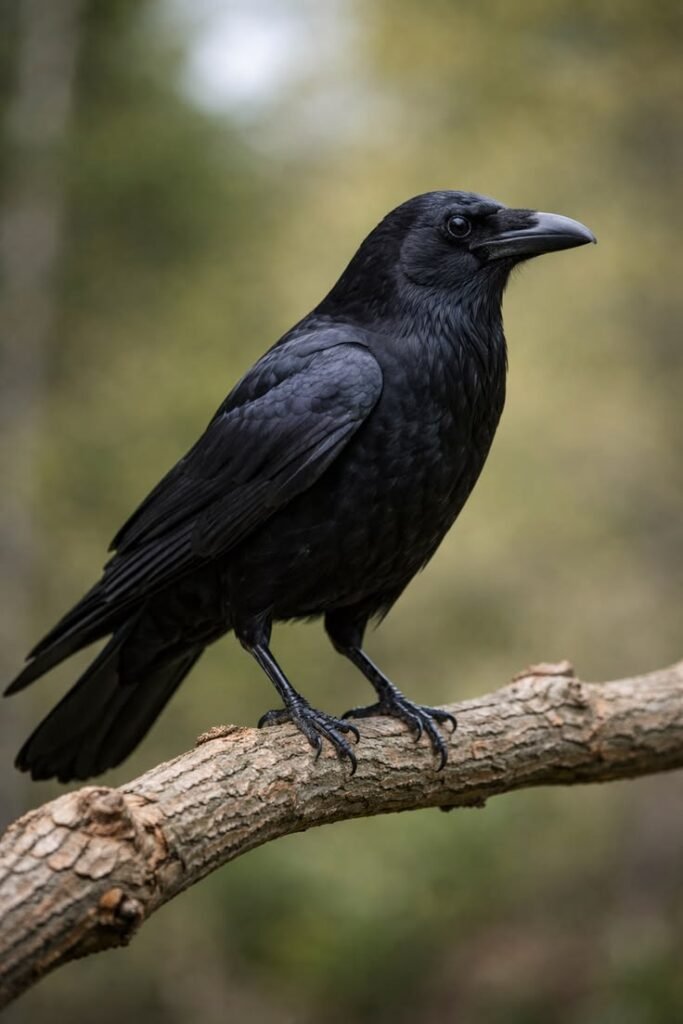
Scientific Name: Corvus brachyrhynchos
Class: Aves
Diet: Omnivore
The crow is one of the most intelligent and mischievous birds, famous for its clever use of tools. It solves problems, plays games, and even seems to enjoy teasing other animals.
Interestingly, crows can recognize human faces and hold grudges against people who have wronged them. They also drop nuts onto roads for cars to crack, showing remarkable ingenuity.
Crows inhabit forests, farmland, and cities across much of the world, feeding on almost anything, from insects to scraps.
As adaptable omnivores, crows help clean up waste and control pests. Widespread and thriving, they are of Least Concern.
Fun Fact: Crows have been seen sliding down snowy rooftops repeatedly, seemingly just for fun.
River Otter
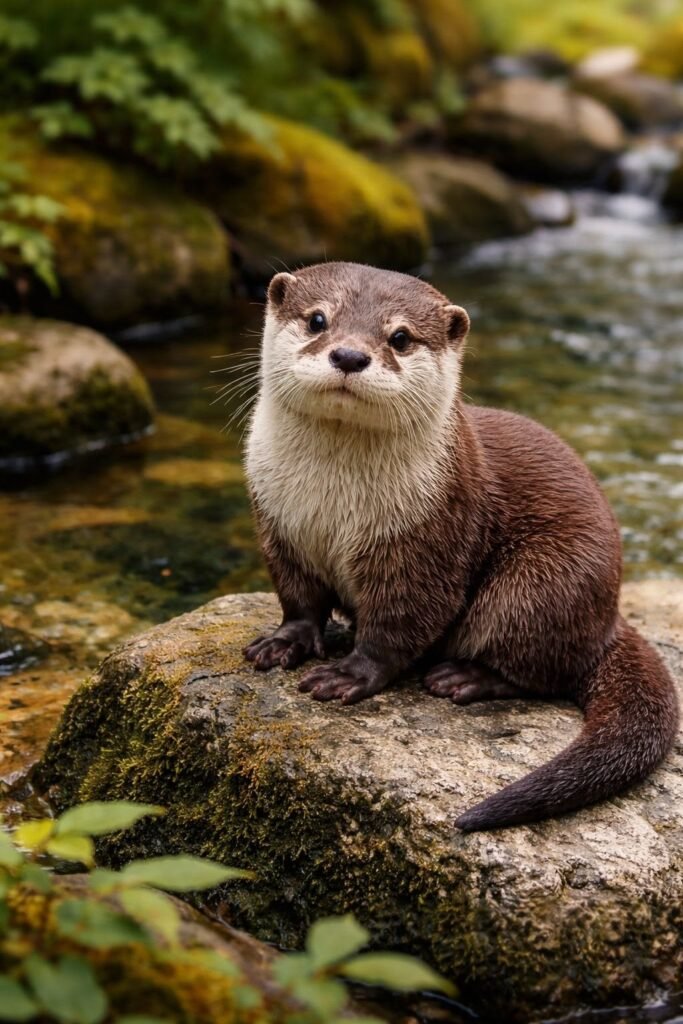
Scientific Name: Lontra canadensis
Class: Mammalia
Diet: Carnivore
The river otter is a playful, mischievous creature bursting with energy and curiosity. It plays tricks while swimming and explores every nook and cranny of its watery home.
Moreover, the otter’s endless antics reflect a bright, inquisitive mind. It slides down muddy banks, juggles stones, and invents games, truly embodying the spirit of a playful trickster.
River otters inhabit rivers, lakes, and coastal areas across North America, feeding on fish, crustaceans, and amphibians.
As agile predators, otters help balance aquatic ecosystems and signal clean water. Widespread in many regions, they are of Least Concern.
Fun Fact: Otters build muddy or snowy “slides” along riverbanks and slide down them over and over for pure fun.
Kea
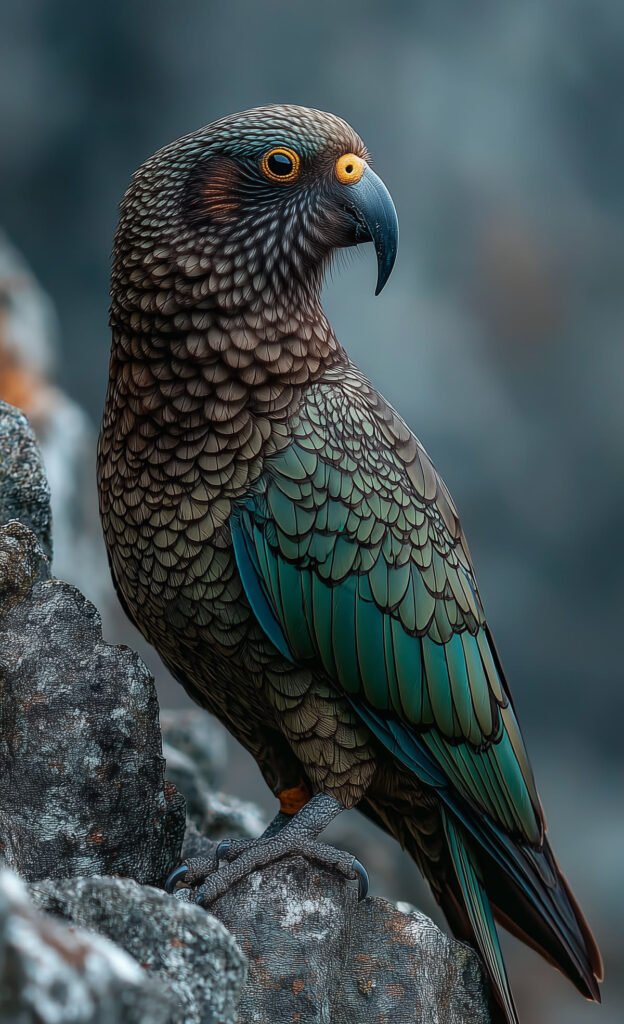
Scientific Name: Nestor notabilis
Class: Aves
Diet: Omnivore
The kea, a mountain parrot from New Zealand, is notorious for its trouble-making personality. Endlessly curious, it investigates backpacks, cars, and camping gear, often taking things apart.
Interestingly, the kea is one of the smartest birds in the world, capable of solving complex puzzles and working in teams. Its curiosity frequently turns into cheeky, destructive mischief.
Keas inhabit the forested and alpine regions of New Zealand’s South Island, feeding on plants, insects, and carrion.
As clever foragers, keas play a role in their mountain ecosystem. Habitat pressures and human conflict have made them Endangered.
Fun Fact: Keas are famous for stripping rubber seals and windshield wipers off parked cars out of sheer curiosity.
Octopus
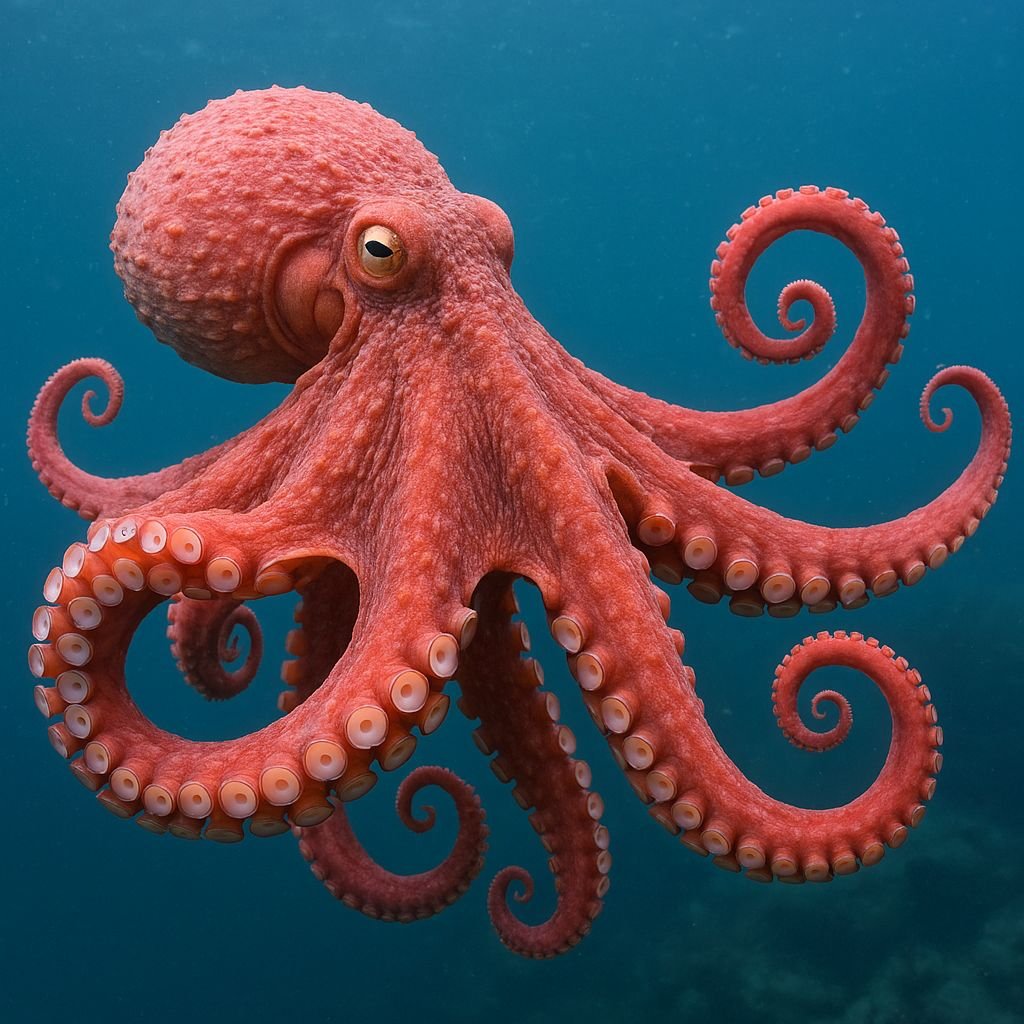
Scientific Name: Octopus vulgaris
Class: Cephalopoda
Diet: Carnivore
The octopus is a mischievous marine genius, able to squeeze in and out of astonishingly tight spaces. It is famous for maneuvering its way out of sealed aquarium enclosures.
Moreover, the octopus’s intelligence drives its escapades. It solves puzzles, opens jars, and has even been seen squirting water at aquarium lights or keepers it dislikes.
Octopuses inhabit oceans worldwide, from coral reefs to rocky seabeds, ambushing crabs, shrimp, and mollusks.
As both predator and prey, the octopus is key to marine food webs. Overfishing and habitat degradation threaten some populations.
Fun Fact: An octopus can squeeze its entire soft body through any gap larger than its beak — the only hard part of its body.
Dolphin

Scientific Name: Tursiops truncatus
Class: Mammalia
Diet: Carnivore
The dolphin is a highly intelligent, sociable prankster whose mischief is often a form of play and bonding. It steals objects from other pod members and invents games in the water.
Interestingly, dolphins have been seen sneaking up behind seabirds to startle them into flight. This playful teasing shows their curiosity, mental sharpness, and love of social fun.
Bottlenose dolphins inhabit temperate and tropical oceans worldwide, favoring coastal waters rich in fish and squid.
As intelligent marine predators, dolphins help maintain ocean balance. Pollution and fishing nets remain ongoing threats.
Fun Fact: Dolphins create bubble rings underwater and play with them like toys, purely for entertainment.
Goat
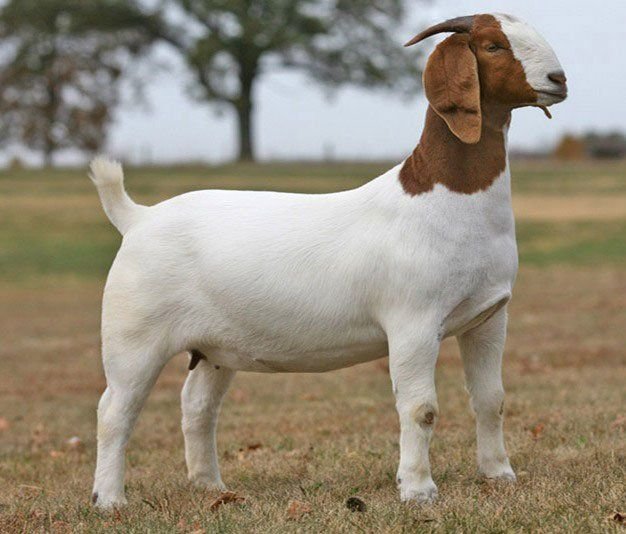
Scientific Name: Capra aegagrus hircus
Class: Mammalia
Diet: Herbivore
The goat is a social mastermind whose playful antics are often clever group efforts. It schemes to reach high hay bales, unfasten gates, and escape enclosures with surprising skill.
Moreover, the goat’s mischief comes from its curiosity and intelligence. Always testing boundaries, it explores, climbs, and nibbles anything that catches its interest.
Goats are found worldwide, from farms to steep mountains, feeding on leaves, shrubs, and grasses.
As hardy grazers, goats have supported human life for thousands of years. Their inquisitive, boundary-testing nature reflects their clever survival instincts.
Fun Fact: Goats are expert climbers and have been spotted balancing high in trees to reach tasty leaves.
Squirrel
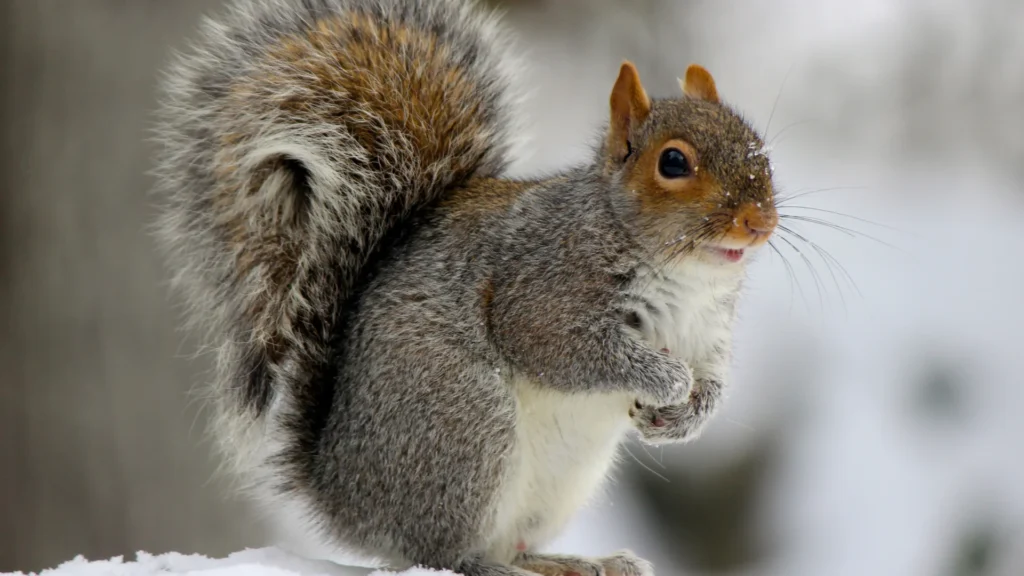
Scientific Name: Sciurus carolinensis
Class: Mammalia
Diet: Omnivore
The squirrel is a nimble, playful rodent famous for stealing food and outsmarting humans. It raids bird feeders, hides nuts, and chases rivals in a whirlwind of mischief.
Interestingly, the squirrel’s agility and quick thinking make it a skilled problem-solver. It even performs fake burials to trick would-be thieves watching its food caches.
Squirrels inhabit forests, woodlands, and city parks across much of the world, feeding on nuts, seeds, fruit, and fungi.
As seed hoarders, squirrels accidentally plant countless trees by forgetting buried caches. Most populations thrive and are of Least Concern.
Fun Fact: Squirrels sometimes pretend to bury food to fool onlookers, then hide the real stash elsewhere.
Ferret
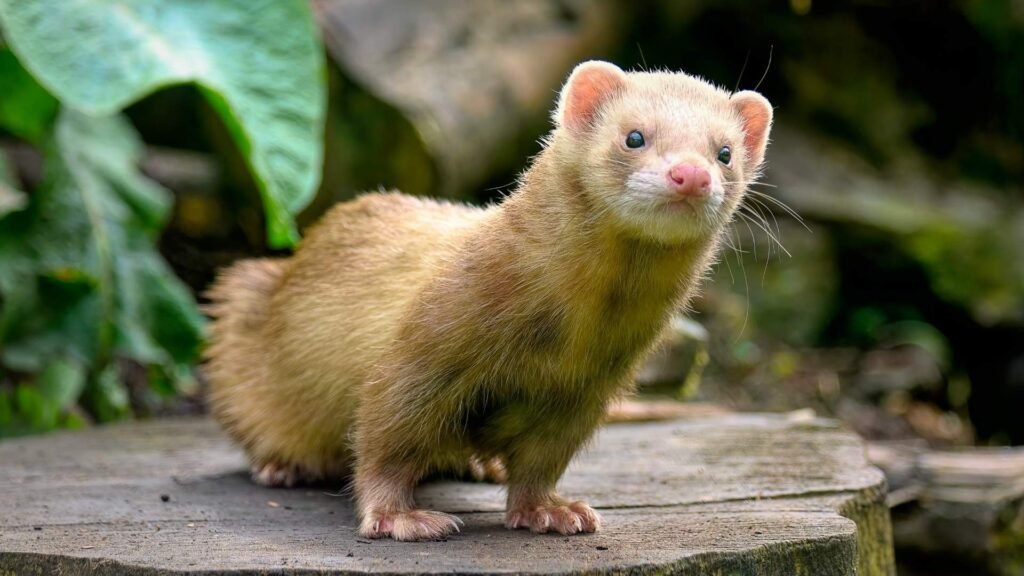
Scientific Name: Mustela putorius furo
Class: Mammalia
Diet: Carnivore
The ferret is a bundle of playful mischief, famous for its acrobatic antics and love of stealing small objects. It engages in elaborate wrestling matches full of flips and pounces.
Moreover, ferrets communicate their excitement with clucks and grunts known as “dooking,” often while performing a hilarious happy dance. Their curiosity constantly leads them into trouble.
Ferrets are kept worldwide as pets, descended from the European polecat, and thrive on a meat-based diet.
As domesticated carnivores, ferrets have long helped humans hunt rodents and rabbits. Their playful, mischievous nature makes them entertaining companions.
Fun Fact: A happy, excited ferret performs a frantic, bouncy “weasel war dance,” often while dooking with joy.
Red Fox
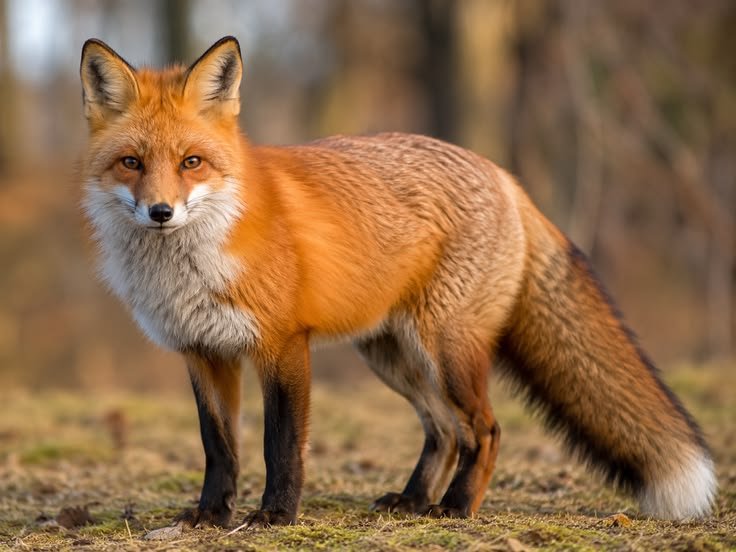
Scientific Name: Vulpes vulpes
Class: Mammalia
Diet: Omnivore
The red fox is the classic trickster of folklore, celebrated for its cleverness, cunning, and mischief. In fables around the world, it outwits others through sly, resourceful schemes.
Interestingly, the real red fox lives up to its reputation. It uses clever tactics to hunt, cache food, and raid farms, adapting quickly to outsmart both prey and people.
Red foxes inhabit an enormous range across the Northern Hemisphere, thriving in forests, grasslands, farmland, and cities.
As adaptable predators, red foxes help control rodent populations. Widespread and thriving, they are of Least Concern.
Fun Fact: The red fox is such a symbol of cunning that “outfoxing” someone means outsmarting them.
Chimpanzee
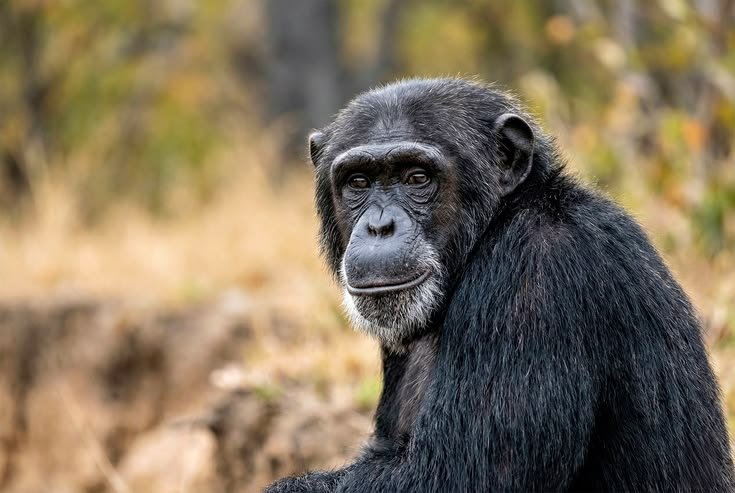
Scientific Name: Pan troglodytes
Class: Mammalia
Diet: Omnivore
The chimpanzee is a highly intelligent, mischievous primate known for its playful pranks and clever tricks. It teases others, plays games, and even seems to laugh during rough-and-tumble play.
Moreover, chimpanzees display remarkable cunning, using tools and planning ahead. Some have been known to plot mischief, hiding objects to throw or playfully deceiving their companions.
Chimpanzees inhabit the rainforests and savanna woodlands of central and western Africa, feeding on fruit, leaves, insects, and occasionally meat.
As seed dispersers, chimpanzees are essential to their ecosystems. Deforestation, poaching, and disease have made them Endangered.
Fun Fact: Chimpanzees tickle each other and produce panting “laughter,” showing a genuine sense of playful humor.
Magpie
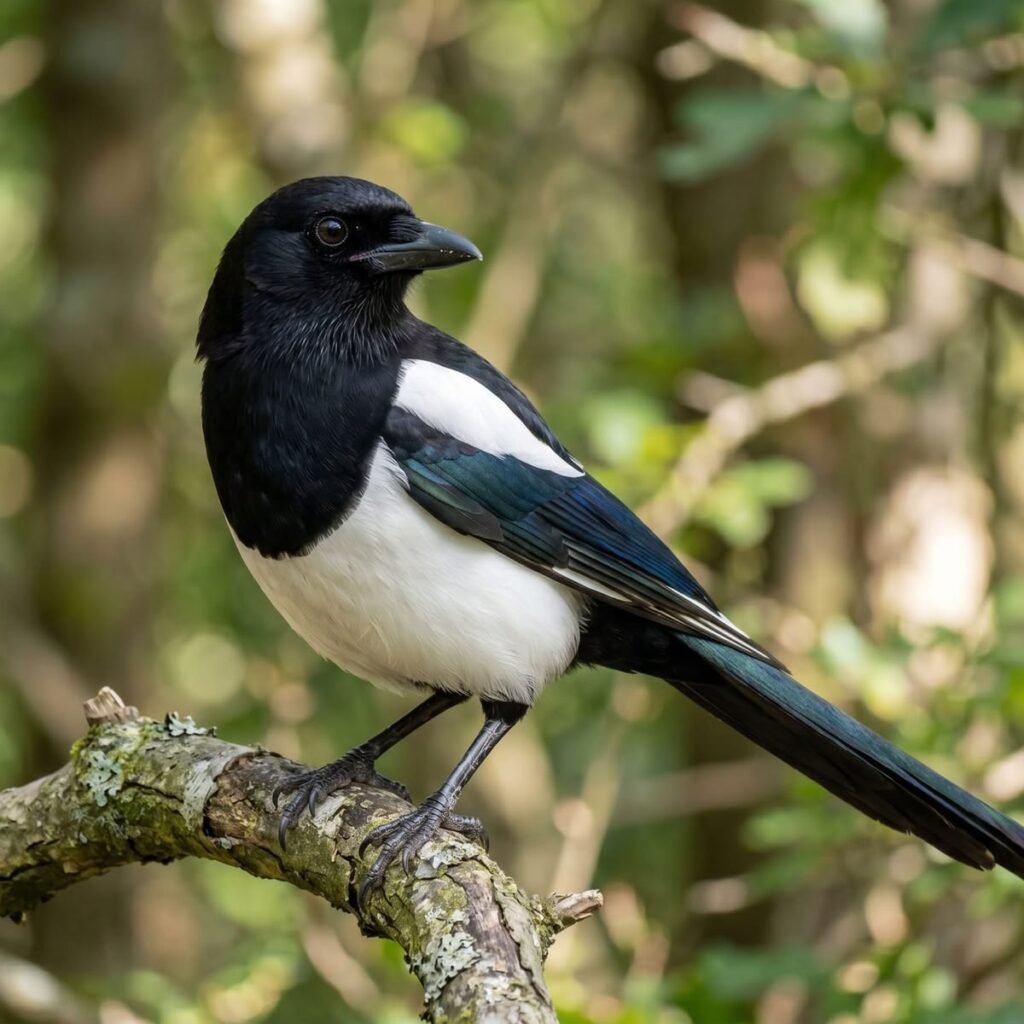
Scientific Name: Pica pica
Class: Aves
Diet: Omnivore
The magpie is a clever, mischievous bird with a reputation for curiosity and cheeky behavior. Bold and inquisitive, it investigates almost anything that catches its eye.
Interestingly, magpies are among the smartest birds, capable of recognizing themselves in mirrors. Their intelligence fuels playful antics and problem-solving that few other birds can match.
Magpies inhabit woodlands, farmland, and urban areas across Europe, Asia, and North America, feeding on insects, fruit, eggs, and scraps.
As adaptable omnivores, magpies help control pests and clean up waste. Widespread and thriving, they are of Least Concern.
Fun Fact: Despite the myth that magpies steal shiny objects, studies show they are actually often wary of unfamiliar things.
Coyote
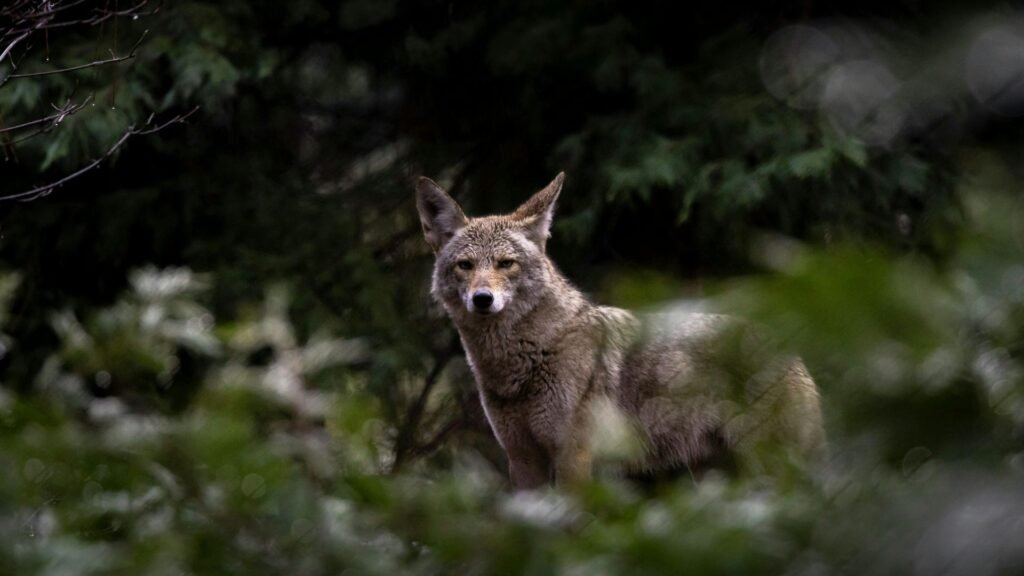
Scientific Name: Canis latrans
Class: Mammalia
Diet: Omnivore
The coyote is a famous trickster in Native American folklore, celebrated for its cleverness and mischievous cunning. In the wild, it lives up to this witty, resourceful reputation.
Moreover, the coyote’s intelligence makes it a master of adaptation. It devises clever hunting strategies, exploits new food sources, and thrives even in the heart of busy cities.
Coyotes inhabit forests, deserts, grasslands, and urban areas across North America, feeding on small mammals, fruit, insects, and carrion.
As adaptable predators, coyotes help control rodent populations. Highly successful, they are of Least Concern.
Fun Fact: Coyotes sometimes team up with badgers to hunt, combining speed and digging power in a clever partnership.
Sea Lion
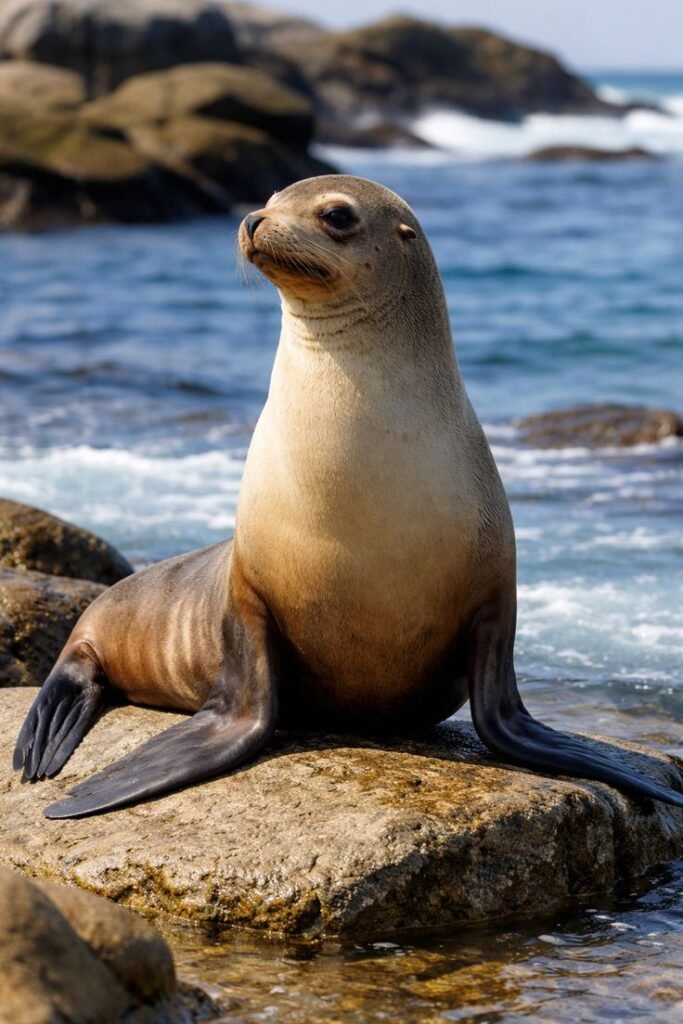
Scientific Name: Zalophus californianus
Class: Mammalia
Diet: Carnivore
The sea lion is a playful, mischievous marine mammal full of curiosity and charm. It loves to show off, tease, and interact with divers, other animals, and even boats.
Interestingly, sea lions are quick learners with a fun-loving streak. They perform acrobatic tricks, play games with objects, and sometimes cheekily steal fish straight from fishing lines.
California sea lions inhabit the coastal waters and shorelines of the eastern Pacific, feeding on fish and squid.
As marine predators, sea lions help balance coastal food webs. Currently abundant, they are of Least Concern.
Fun Fact: Sea lions are so clever they can be trained to perform complex tasks and even assist in underwater work.
Cat
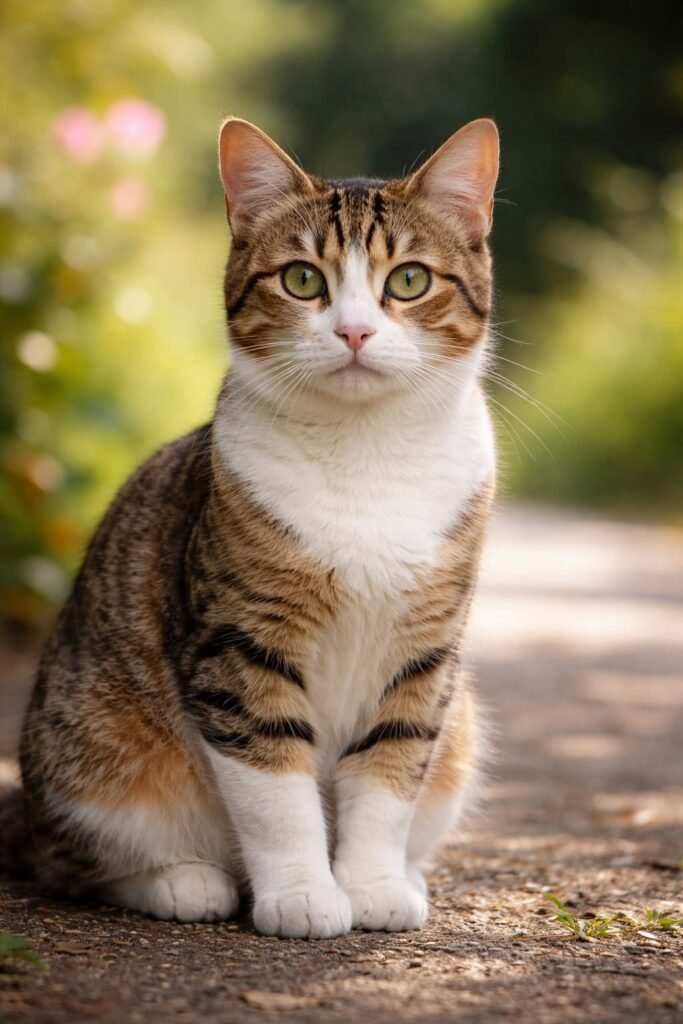
Scientific Name: Felis catus
Class: Mammalia
Diet: Carnivore
The cat is a beloved household mischief-maker, famous for knocking objects off shelves and pouncing on unsuspecting feet. Its playful curiosity constantly leads it into trouble.
Moreover, the cat’s mischief reflects its clever, independent mind. It explores forbidden spaces, hunts imaginary prey, and seems to delight in testing its owner’s patience.
Domestic cats live worldwide as companions, descended from wild hunters and retaining their playful, curious instincts.
As skilled hunters, cats have long helped humans control rodents. Their mischievous antics are simply an outlet for their sharp, playful minds.
Fun Fact: Cats often knock things off tables to explore how objects move, mixing curiosity with a dash of mischief.
Orangutan
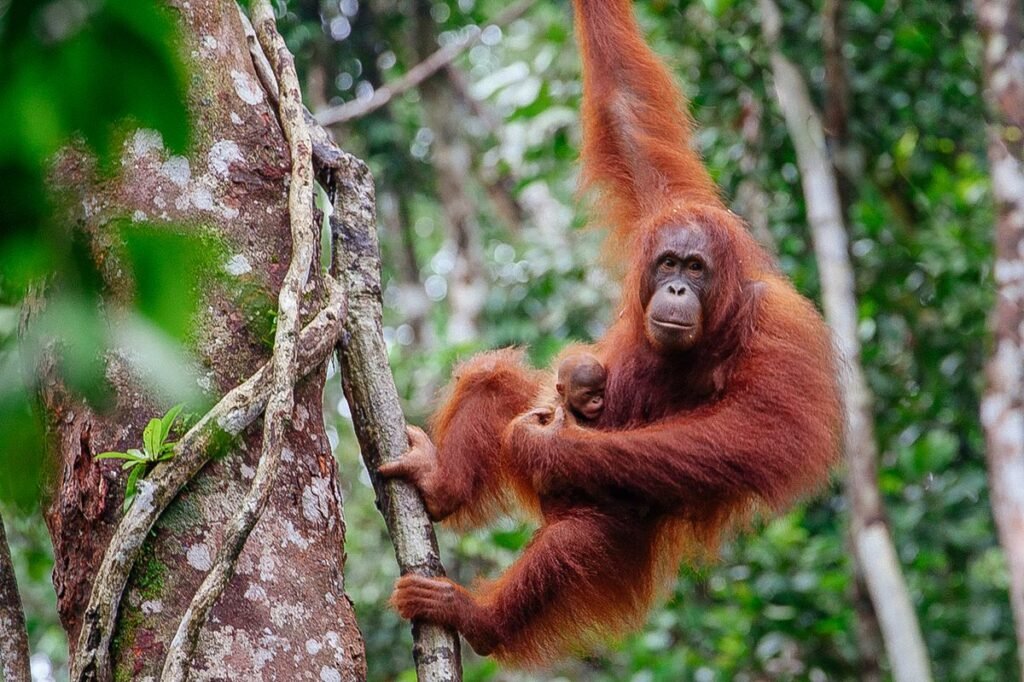
Scientific Name: Pongo pygmaeus
Class: Mammalia
Diet: Omnivore
The orangutan is a remarkably clever and mischievous great ape, famous for its problem-solving and escape artistry. In captivity, it is known to pick locks and dismantle enclosures.
Interestingly, the orangutan’s intelligence fuels its playful cunning. It uses tools, plans ahead, and has been seen hiding wire to unlock cages, showing extraordinary ingenuity.
Orangutans inhabit the rainforests of Borneo and Sumatra, feeding on fruit, leaves, bark, and insects.
As key seed dispersers, orangutans help regenerate tropical forests. Deforestation and the palm oil trade have made them Critically Endangered.
Fun Fact: Some orangutans have hidden tools for days, waiting for the perfect moment to unlock their enclosures.
African Grey Parrot
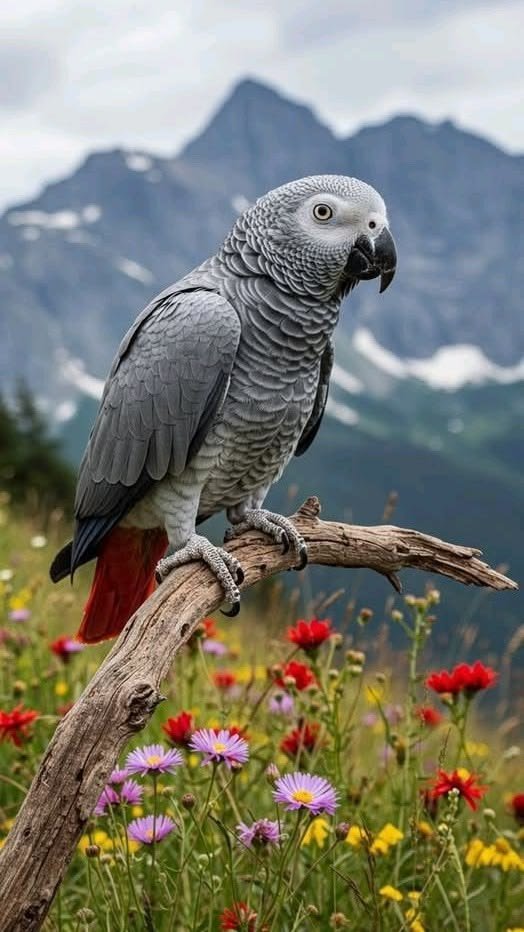
Scientific Name: Psittacus erithacus
Class: Aves
Diet: Herbivore
The African grey parrot is one of the most intelligent and mischievous birds, capable of learning hundreds of words. It uses its skills to demand treats, tease people, and cause playful chaos.
Moreover, the African grey’s cleverness rivals that of a young child. It can solve puzzles, mimic sounds to fool its owners, and even use words in cheeky, context-appropriate ways.
African grey parrots inhabit the rainforests of central and western Africa, feeding on fruit, seeds, and nuts.
As seed dispersers, parrots help maintain healthy forests. Habitat loss and the pet trade have made them Endangered.
Fun Fact: An African grey parrot named Alex learned over 100 words and could identify colors, shapes, and numbers.
Read: Most Docile Animals in the World
Read: Clumsy Animals in The World
Read: Animals That Eat Oranges
Read: Animals That Look Like Rats
Read: Ugliest Animals in the World
Frequently Asked Questions
Conclusion
From lock-picking raccoons to puzzle-solving keas, the world’s mischievous animals show that intelligence and playfulness often go hand in hand. Each species whether a prank-loving dolphin, a scheming goat, or an escape-artist orangutan reveals a sharp, curious mind behind the chaos. Their clever antics remind us that many animals are far smarter and more playful than we often assume.
One Comment