
Top 10 Animals That Look Like Rats (With Images)
Have you ever spotted a small, scurrying creature and instantly thought “rat,” only to be wrong? The animal kingdom is full of rat look-alikes, and many are not rats at all. The animals that look like rats share features such as pointed snouts, beady eyes, and long, bare tails, yet they belong to entirely different families. These resemblances often come from a shared life as small, ground-dwelling foragers.
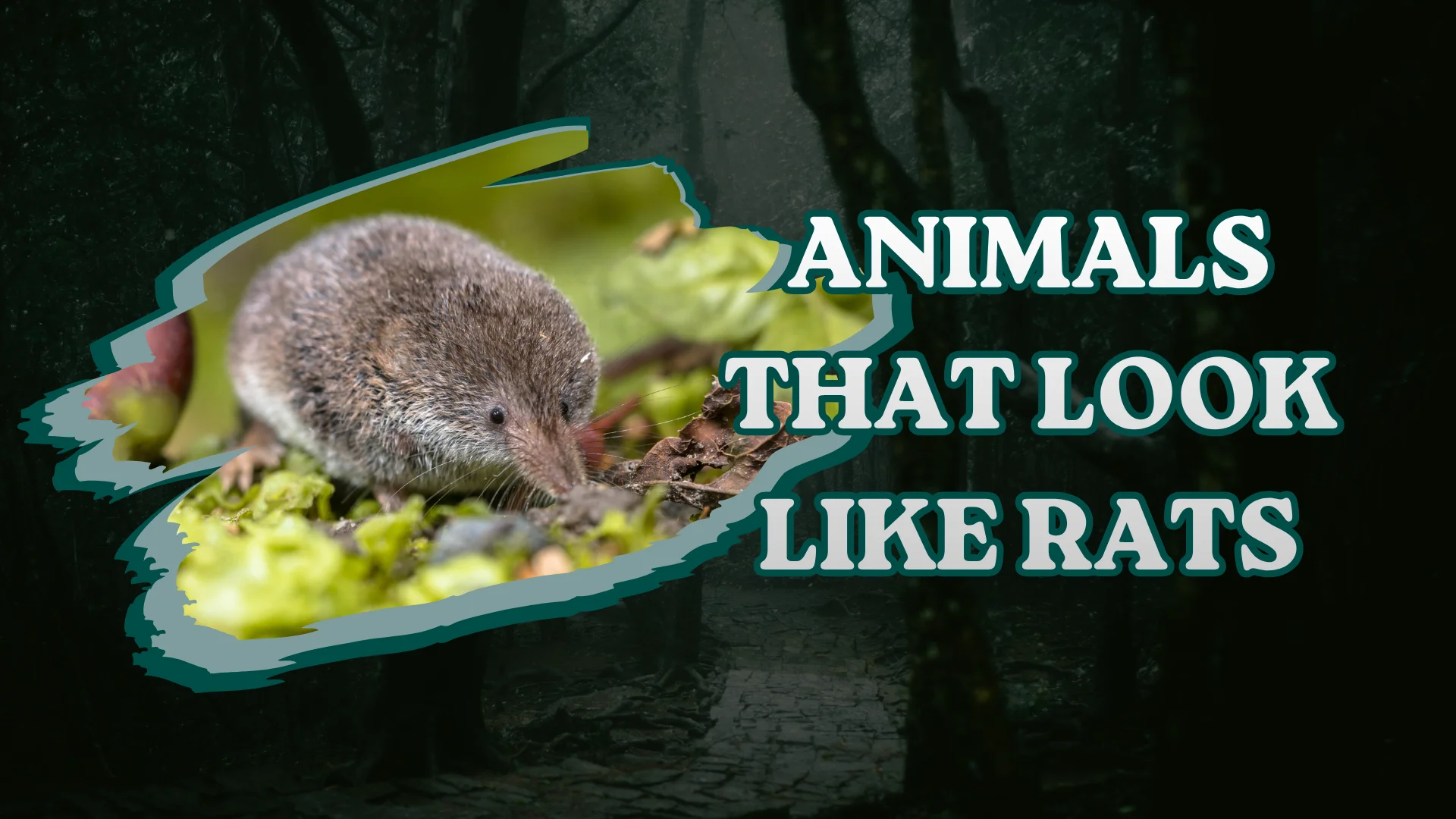
From water-loving muskrats to insect-hunting shrews, these creatures prove that a rat-like look can be deceiving. Let’s explore the most fascinating animals that look like rats and uncover the surprising truth about who they really are.
Quick List Table
| Rank | Animal Name | Scientific Name |
|---|---|---|
| 1 | Muskrat | Ondatra zibethicus |
| 2 | Nutria | Myocastor coypus |
| 3 | Virginia Opossum | Didelphis virginiana |
| 4 | Common Shrew | Sorex araneus |
| 5 | Meadow Vole | Microtus pennsylvanicus |
| 6 | Degu | Octodon degus |
| 7 | Bandicoot | Perameles species |
| 8 | Solenodon | Solenodon paradoxus |
| 9 | Elephant Shrew | Macroscelididae |
| 10 | Gerbil | Meriones unguiculatus |
Muskrat
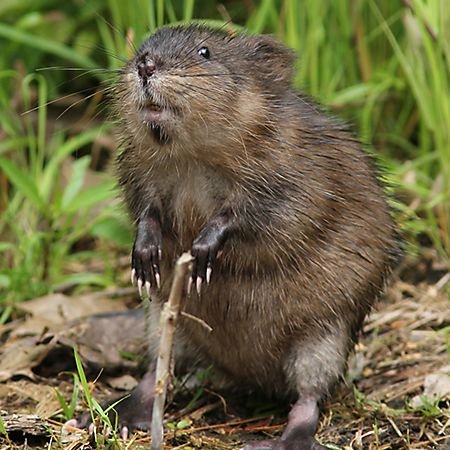
Scientific Name: Ondatra zibethicus Class: Mammalia Diet: Herbivore (mostly)
The muskrat looks like a large rat with a long tail, especially when swimming. Its rounded body and scaly tail give it a distinctly rat-like appearance. Yet it is more closely related to voles and lemmings.
Interestingly, the muskrat is a semi-aquatic animal with a flattened tail and partly webbed feet for swimming. Its rat-like look comes from a shared rodent ancestry, but it lives a very different, water-loving life. It builds dome-shaped lodges from plants.
Muskrats live in the wetlands of North America and beyond. As herbivores, they feed mainly on aquatic plants.
Moreover, muskrats shape wetland vegetation, and their lodges shelter other creatures. They remain common across their range.
Fun Fact: A muskrat can swim underwater for up to 15 minutes at a time.
Nutria
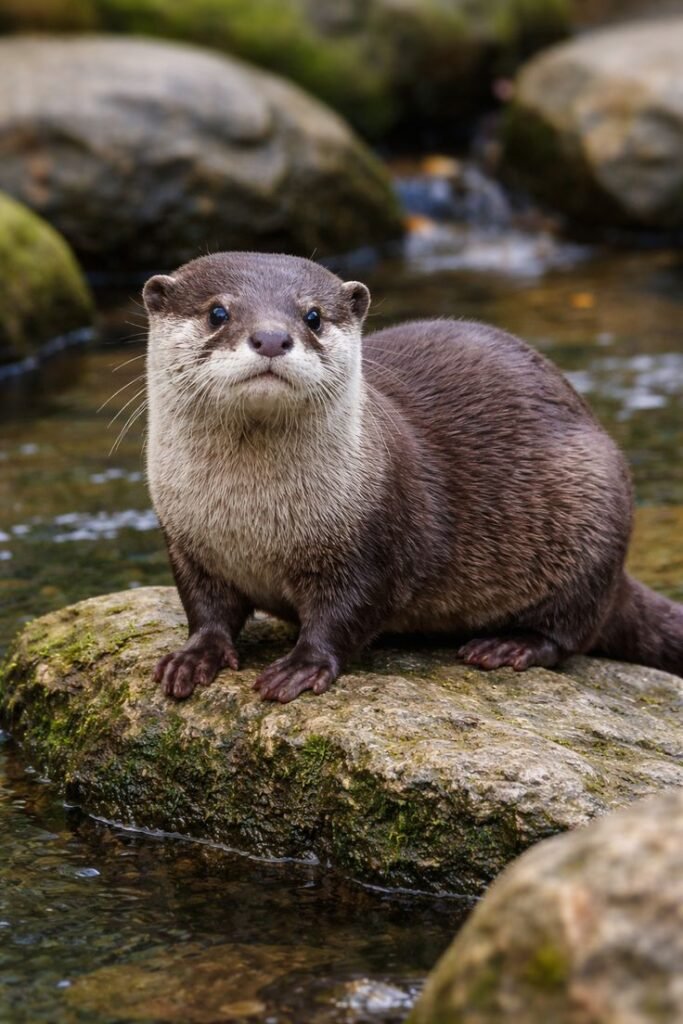
Scientific Name: Myocastor coypus Class: Mammalia Diet: Herbivore
The nutria, or coypu, looks like an enormous rat with a rounded tail. Its stocky body and long, scaly tail make it easy to mistake for a giant rat. It is a large rodent in its own distinct family.
What sets the nutria apart is its bright orange front teeth and webbed hind feet. It is a strong swimmer that thrives in wetlands, gnawing through plants with its striking teeth. Its size sets it well apart from true rats.
Nutria are native to South America but now live in wetlands worldwide. As herbivores, they feed on aquatic plants, roots, and stems.
Moreover, nutria shape wetland vegetation, though in some regions they are invasive. Where native, they are part of the local ecosystem.
Fun Fact: The nutria’s bright orange teeth are colored by iron that strengthens the enamel.
Virginia Opossum

Scientific Name: Didelphis virginiana Class: Mammalia Diet: Omnivore
The Virginia opossum is often mistaken for a giant rat because of its pointed face and long, bare tail. At a glance it can look very rat-like. Yet it is not a rodent at all, but a marsupial.
Interestingly, the opossum is North America’s only marsupial, carrying its young in a pouch. Its rat-like look comes from its similar size and long tail, but it belongs to a completely different group of mammals. It even uses its tail to grip and balance.
Virginia opossums range across much of North America. As omnivores, they eat insects, fruit, carrion, and even ticks.
Moreover, opossums are valuable cleanup crews that consume pests and carrion. They remain widespread and adaptable.
Fun Fact: The opossum is North America’s only marsupial, carrying its young in a pouch.
Common Shrew
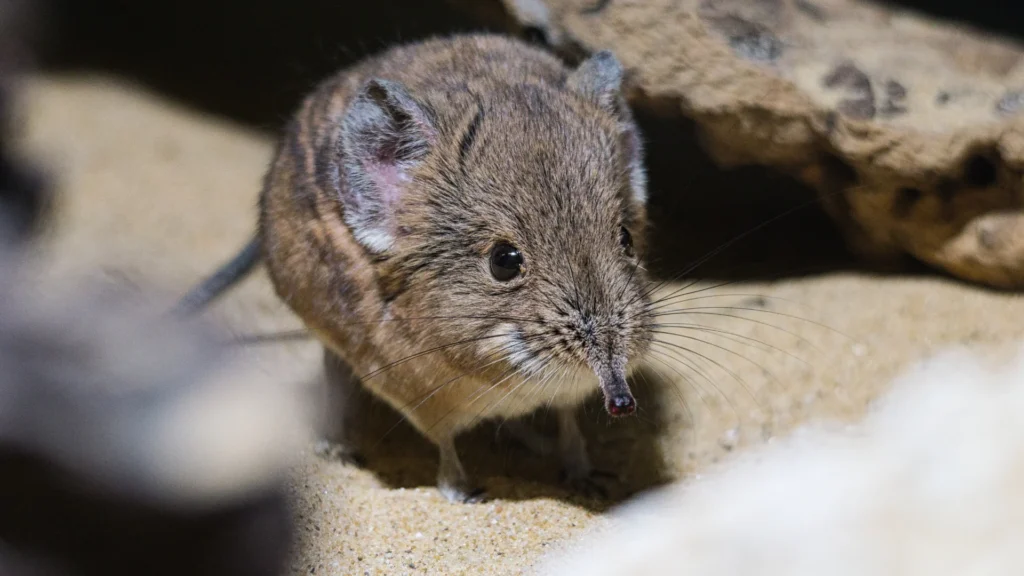
Scientific Name: Sorex araneus Class: Mammalia Diet: Carnivore (insects)
The common shrew looks like a tiny rat or mouse with a long, pointed snout. Small and scurrying, it is easily mistaken for a young rodent. Yet it is not a rodent at all.
What sets the shrew apart is that it belongs to a group of insect-eating mammals, not rodents. Its long, twitching nose helps it hunt insects and worms. It has an extremely fast metabolism and must eat almost constantly.
Common shrews live in the grasslands, woodlands, and hedgerows of Europe and Asia. As insectivores, they feed on insects, worms, and other invertebrates.
Moreover, shrews help control insect populations. They remain widespread across their range.
Fun Fact: A shrew must eat almost constantly, as it can starve within hours without food.
Meadow Vole

Scientific Name: Microtus pennsylvanicus Class: Mammalia Diet: Herbivore
The meadow vole looks like a small, chubby rat with a short tail. Its rounded body and beady eyes give it a rodent-like appearance. It is a rodent, but not a true rat.
Interestingly, the vole has a shorter tail and blunter face than a rat, suited to its life among grass. It makes networks of runways through the vegetation. Its rat-like look reflects its rodent family ties.
Meadow voles live in the grasslands and meadows of North America. As herbivores, they feed on grasses, seeds, and roots.
Moreover, voles are a key food source for many predators. They remain abundant across their range.
Degu
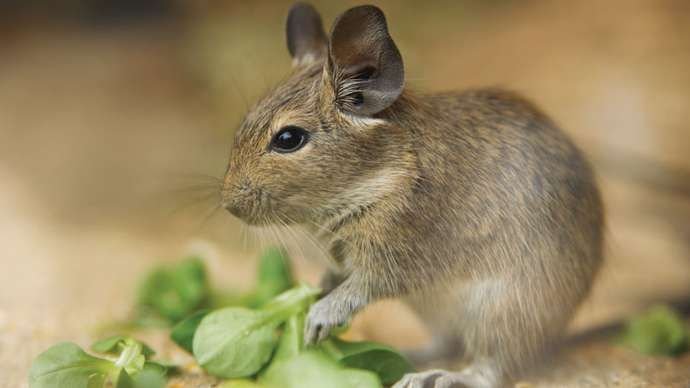
Scientific Name: Octodon degus Class: Mammalia Diet: Herbivore
The degu looks like a rat with a tufted tail. Its size, shape, and long tail give it a rat-like appearance. Yet it is a distinct rodent more closely related to chinchillas.
What sets the degu apart is its social, day-active lifestyle. Unlike most rats, it is highly social and active by day, living in colonies. Its brush-tipped tail helps set it apart from true rats.
Degus live in the scrublands of central Chile. As herbivores, they feed on grasses, seeds, and plants.
Moreover, degus are studied by scientists and kept as pets. In the wild, they remain common within their range.
Fun Fact: Like some lizards, a degu can lose the tuft of its tail to escape a predator.
Bandicoot
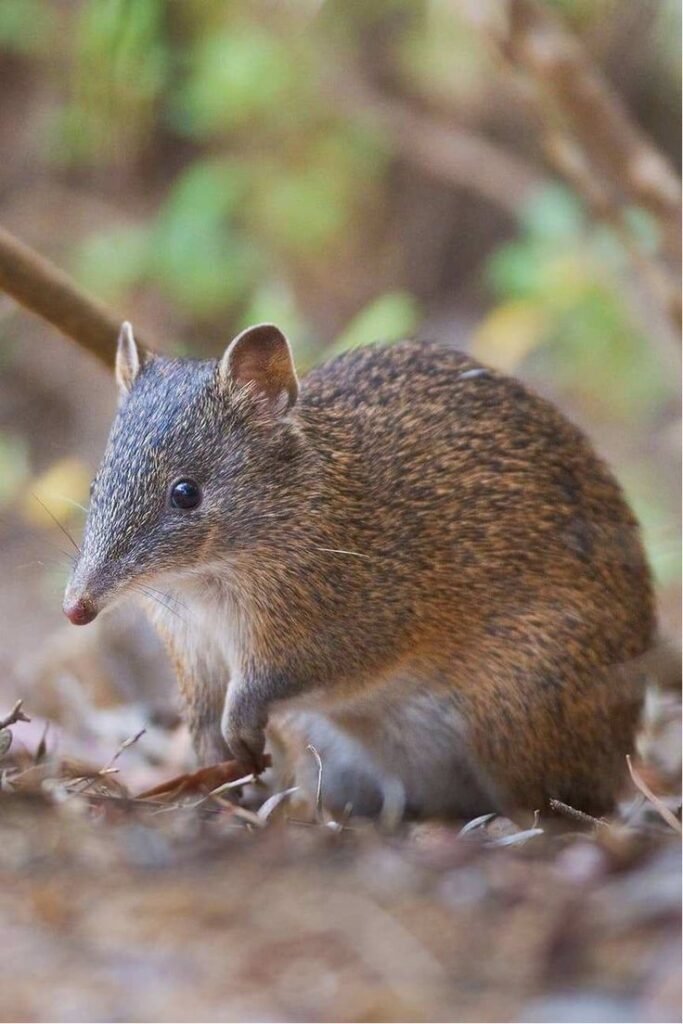
Scientific Name: Perameles species Class: Mammalia Diet: Omnivore
The bandicoot looks like a large rat with a pointed snout. Its size and shape make it easy to mistake for a rodent. Yet it is a marsupial, not a rat.
Interestingly, the bandicoot carries its young in a pouch, unlike any true rat. It uses its long snout and claws to dig for insects and roots. Its rat-like look hides its marsupial nature.
Bandicoots live in the forests and grasslands of Australia and New Guinea. As omnivores, they eat insects, worms, and plants.
Moreover, bandicoots aerate soil through digging and help control insects. Habitat loss has made some species threatened.
Fun Fact: A bandicoot digs small cone-shaped holes in the ground while hunting for insects.
Solenodon
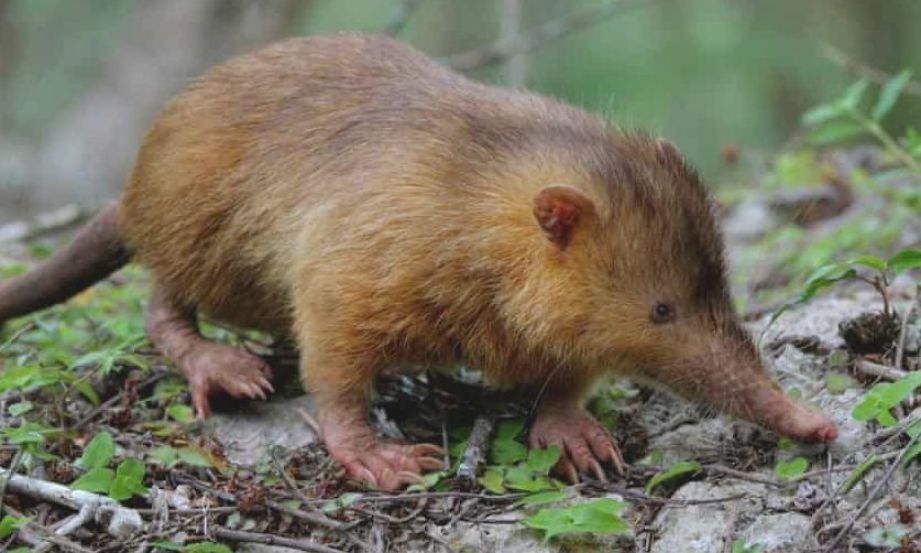
Scientific Name: Solenodon paradoxus Class: Mammalia Diet: Carnivore (insects)
The solenodon looks like a large rat with an extremely long, flexible snout. Its size and long tail give it a rat-like appearance. Yet it is a rare, ancient insect-eating mammal, not a rodent.
What sets the solenodon apart is its remarkable venom, delivered through grooved teeth. It is one of very few venomous mammals. Its flexible snout helps it root out insects.
Solenodons live in the forests of Hispaniola and Cuba in the Caribbean. As insectivores, they feed on insects and other small creatures.
Moreover, solenodons are living relics of ancient mammal groups. Habitat loss and introduced predators have made them endangered.
Fun Fact: The solenodon is one of the few mammals that can deliver a venomous bite.
Elephant Shrew
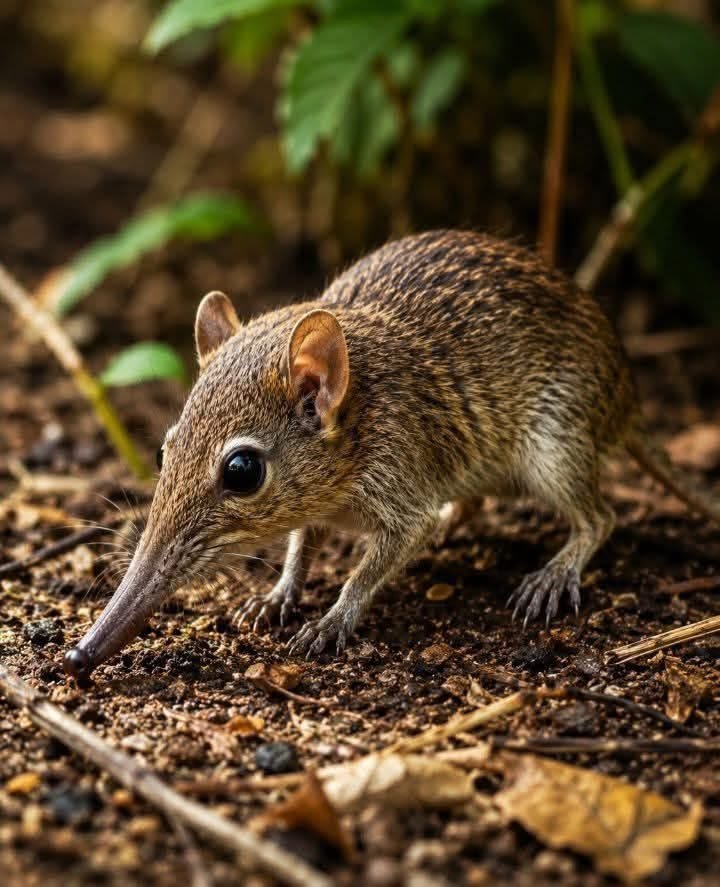
Scientific Name: Macroscelididae Class: Mammalia Diet: Carnivore (insects)
The elephant shrew, or sengi, looks like a mouse or rat with a long, trunk-like nose. Its slim body and long tail seem rodent-like. Yet it is not a rodent or a shrew at all.
Interestingly, the elephant shrew is surprisingly more closely related to elephants and aardvarks than to rats. It uses its flexible snout to hunt insects and can run remarkably fast. Its rat-like look is deceiving.
Elephant shrews live in the forests, grasslands, and deserts of Africa. As insectivores, they feed on insects and other small invertebrates.
Moreover, elephant shrews help control insect populations. They remain fairly widespread across their range.
Fun Fact: The elephant shrew is more closely related to elephants than to rats or true shrews.
Gerbil
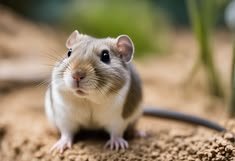
Scientific Name: Meriones unguiculatus Class: Mammalia Diet: Omnivore
The gerbil looks like a small rat with a furry, tufted tail. Its size and shape give it a rodent-like appearance. It is a rodent, but not a true rat.
What sets the gerbil apart is its desert-adapted body and furry tail, unlike a rat’s bare one. It is well suited to dry environments and needs very little water. Its social, active nature makes it a popular pet.
Gerbils live in the deserts and grasslands of Africa and Asia. As omnivores, they eat seeds, plants, and insects.
Moreover, gerbils help disperse seeds and are prey for many predators. They remain common across their range.
Fun Fact: A gerbil’s furry, tufted tail sets it apart from the bare tail of a true rat.
Read: Ugliest Animals in the World
Read: Most Colorful Animals in the World
Read: Animals with Long Tongues
Read: Slowest Animals in the World
Read: Birds With Long Necks
Frequently Asked Questions
Conclusion
From the water-loving muskrat to the venomous solenodon, the animals that look like rats show how easily appearances can fool us. While some are true rodents, others are marsupials, insect-eaters, or even distant relatives of elephants, all sharing a rat-like shape through similar lifestyles. Together they reveal the astonishing diversity hidden behind a familiar form.
2 Comments