Top 11 Slowest Animals in the World (With Images)
In a world that seems to reward speed, what advantage could there be in barely moving at all? Surprisingly, some of nature’s greatest survivors are also its slowest. The slowest animals in the world have transformed sluggishness into a powerful strategy, conserving energy, avoiding detection, and thriving where faster creatures might starve. Their unhurried lives are not signs of weakness but finely tuned adaptations to their environments.
From a sloth that takes a week to cross the forest to a snail leaving a silver trail, these animals reveal the quiet genius of slowness. Let’s explore the most wonderfully unhurried creatures on Earth and the science behind their gentle pace.
Quick List Table
| Rank | Animal Name | Scientific Name |
|---|---|---|
| 1 | Three-Toed Sloth | Bradypus variegatus |
| 2 | Garden Snail | Cornu aspersum |
| 3 | Galápagos Giant Tortoise | Chelonoidis niger |
| 4 | Dwarf Seahorse | Hippocampus zosterae |
| 5 | Banana Slug | Ariolimax columbianus |
| 6 | Common Starfish | Asterias rubens |
| 7 | Sea Anemone | Actinia equina |
| 8 | West Indian Manatee | Trichechus manatus |
| 9 | Gila Monster | Heloderma suspectum |
| 10 | Koala | Phascolarctos cinereus |
| 11 | Nudibranch | Order Nudibranchia |
Three-Toed Sloth

Scientific Name: Bradypus variegatus
Class: Mammalia
Diet: Herbivore (leaves, buds)
The three-toed sloth is widely regarded as the slowest mammal on Earth. It moves so gradually that green algae grows on its fur, giving it a natural camouflage. Every motion is careful, measured, and remarkably unhurried.
Interestingly, the sloth’s slowness is a survival masterstroke. Its extremely low metabolism suits a diet of nutrient-poor leaves, and its unhurried movement makes it nearly invisible to predators that hunt by spotting motion. It may travel only 40 meters in a single day.
Three-toed sloths inhabit the tropical rainforests of Central and South America. They feed on leaves and buds, which digest so slowly that a single meal can take up to a month to process.
Moreover, sloths serve as tiny ecosystems, hosting algae, moths, and other organisms in their fur. Deforestation threatens these gentle animals, making rainforest protection essential to their future.
Fun Fact: A sloth’s slow movement makes it almost invisible to predators that detect prey by motion.
Garden Snail
Scientific Name: Cornu aspersum
Class: Gastropoda
Diet: Herbivore (plants)
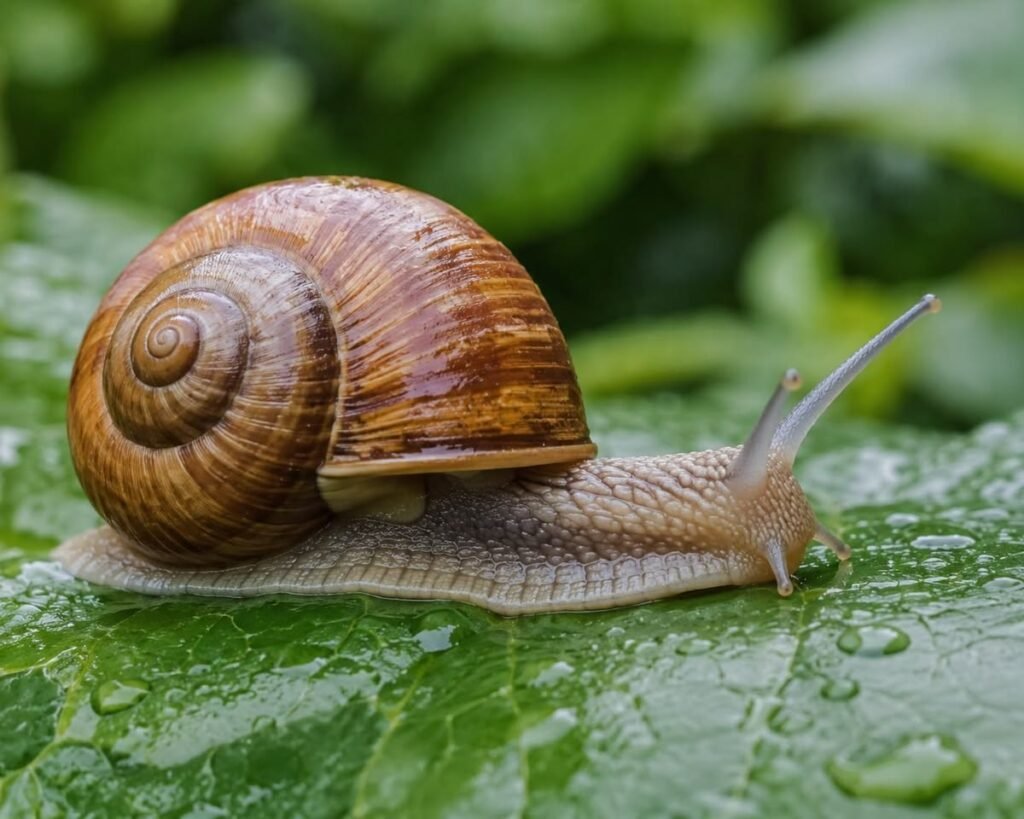
The garden snail is a classic symbol of slowness, gliding along at about one millimeter per second. It creeps forward on a single muscular foot, leaving a glistening trail of mucus behind. Its gentle pace is instantly recognizable around the world.
What sets the snail apart is how it moves. Waves of muscle contractions ripple along its foot, while the slippery mucus reduces friction and protects it from rough surfaces. This unhurried crawl lets it navigate almost any terrain.
Garden snails live in gardens, forests, and grasslands across much of the world. As herbivores, they feed on leaves, fruit, and vegetation, often active at night or after rain when conditions are moist.
Moreover, snails play an important role in recycling plant matter and enriching the soil. They are abundant and widespread, thriving in many climates and habitats.
Galápagos Giant Tortoise
Scientific Name: Chelonoidis niger
Class: Reptilia
Diet: Herbivore
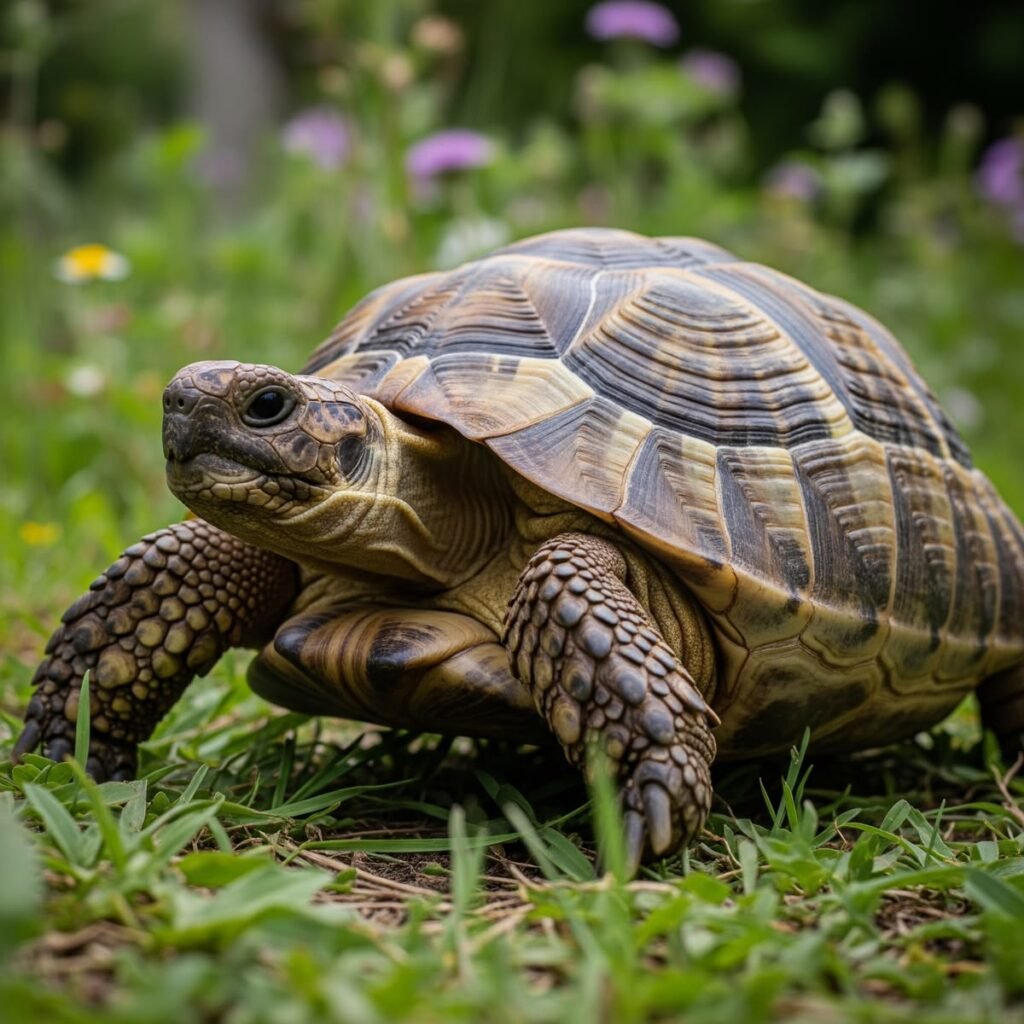
The Galápagos giant tortoise ambles through life at a leisurely pace of about 0.3 kilometers per hour. One of the largest tortoises on Earth, it carries its heavy shell with slow, deliberate steps. Its unhurried lifestyle matches its extraordinarily long lifespan.
Interestingly, this tortoise’s slowness pairs with remarkable longevity, as many live well over 100 years. With few natural predators and a plant-based diet, it has little need to hurry. It can also survive months without food or water.
Galápagos giant tortoises are found only on the Galápagos Islands off the coast of Ecuador. As herbivores, they graze on grasses, leaves, and cactus, shaping the vegetation of their island homes.
Beyond their iconic status, these tortoises are vital seed dispersers and ecosystem engineers. Once devastated by hunting and invasive species, they are now a focus of dedicated conservation efforts.
Fun Fact: Galápagos giant tortoises can live over a century, among the longest lifespans of any animal.
Dwarf Seahorse
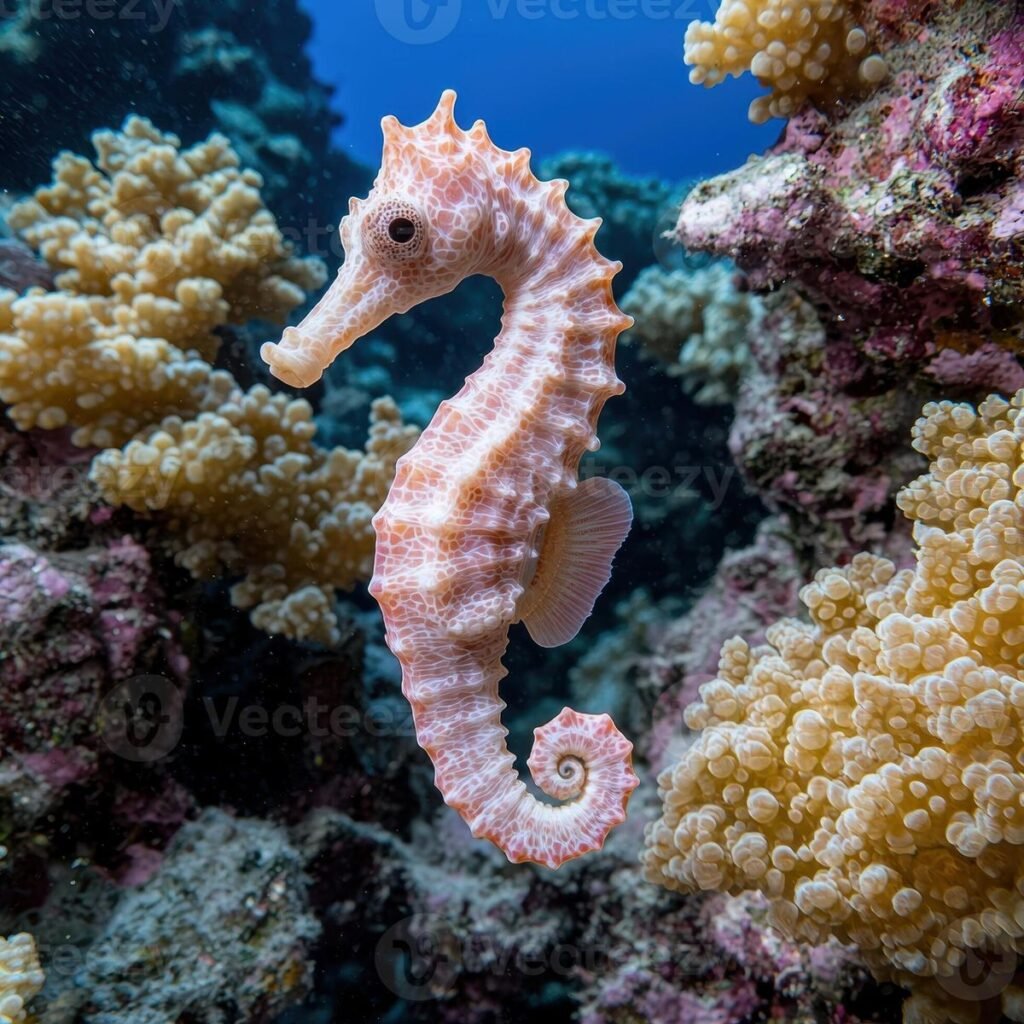
Scientific Name: Hippocampus zosterae
Class: Actinopterygii
Diet: Carnivore (tiny crustaceans)
The dwarf seahorse holds the record as the slowest-moving fish in the world. Propelled only by a tiny, rapidly fluttering fin, it drifts through the water at a snail’s pace. Its sluggish swimming is so slow it is almost imperceptible.
What sets the seahorse apart is how it compensates for its lack of speed. It anchors itself to seagrass with its curled tail and ambushes tiny prey that drift past. Its slowness and camouflage keep it hidden from larger fish.
Dwarf seahorses live among the seagrass beds of the Gulf of Mexico and the Caribbean. They feed on tiny crustaceans, sucking them up through their tube-shaped snouts with surprising speed.
Moreover, seahorses are indicators of healthy seagrass ecosystems. Habitat loss and collection for the aquarium and curio trades threaten many seahorse populations worldwide.
Banana Slug
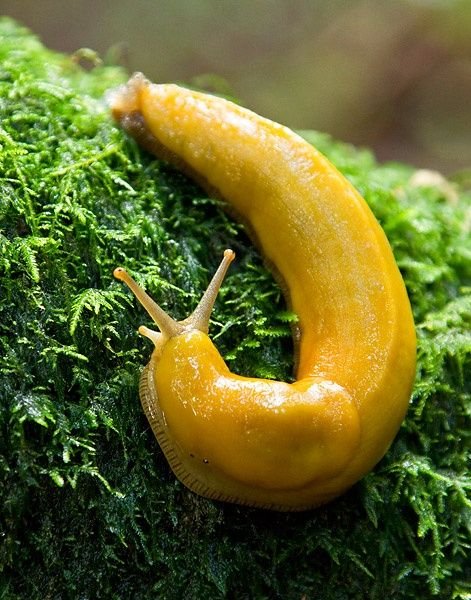
Scientific Name: Ariolimax columbianus
Class: Gastropoda
Diet: Detritivore (decaying matter)
The banana slug creeps along the forest floor at one of the slowest speeds in the animal kingdom. Bright yellow and shell-less, it glides on a single foot coated in thick mucus. Its unhurried journey through the woods is a study in patience.
Interestingly, the banana slug’s slime is remarkable. It keeps the slug moist, deters predators with a numbing effect, and helps it grip slippery surfaces. This slow, slimy traveler is perfectly suited to the damp forest.
Banana slugs live in the moist coniferous forests of North America’s Pacific coast. As detritivores, they feed on decaying leaves, mushrooms, and animal droppings, recycling nutrients back into the soil.
Beyond their sluggish charm, banana slugs are essential decomposers that keep forests healthy. They remain common in their cool, damp woodland homes.
Fun Fact: The banana slug’s slime can temporarily numb the tongue of any predator that tries to eat it.
Common Starfish

Scientific Name: Asterias rubens
Class: Asteroidea
Diet: Carnivore (mollusks)
The common starfish moves at a barely noticeable pace across the ocean floor. It creeps along using hundreds of tiny tube feet, covering only centimeters in a minute. Its slow, methodical motion is easy to overlook.
What sets the starfish apart is its unique method of movement. Hundreds of water-filled tube feet on its underside work together to pull it slowly forward. Despite its sluggishness, it is a patient and effective predator.
Common starfish inhabit the coastal waters and rocky seabeds of the North Atlantic. As carnivores, they prey on mussels and clams, prying open their shells and slowly digesting the animal inside.
Moreover, starfish are important predators that shape the balance of life on the seabed. They are widespread and abundant along many temperate coastlines.
Sea Anemone
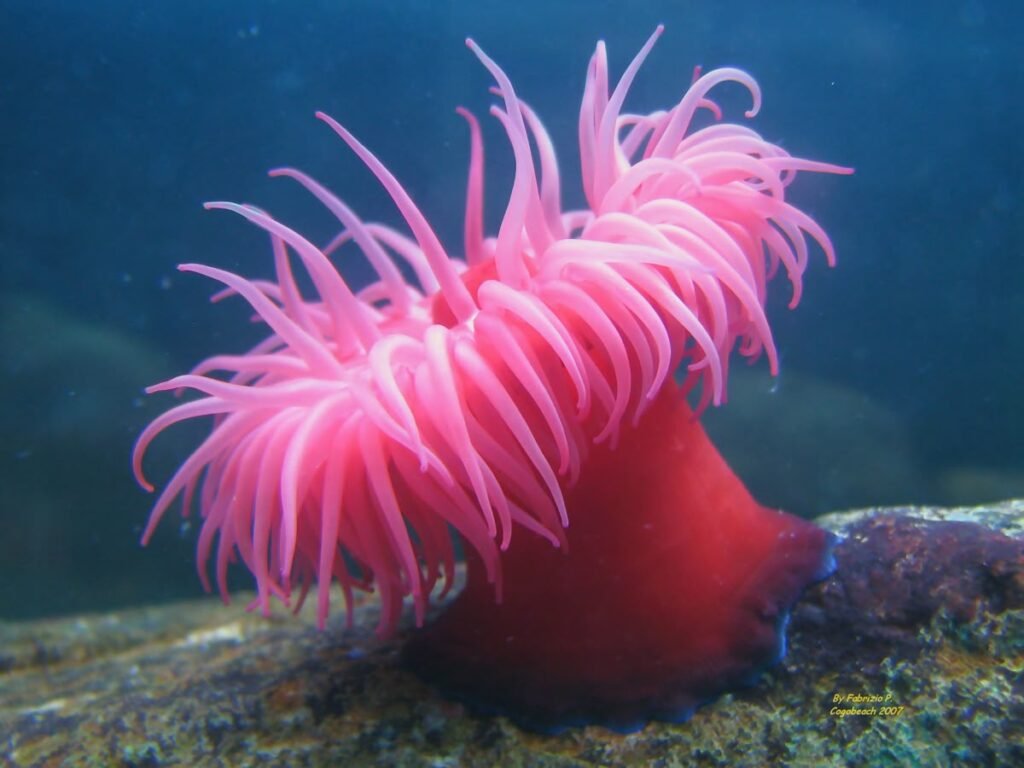
Scientific Name: Actinia equina
Class: Anthozoa
Diet: Carnivore (small fish, plankton)
The sea anemone is among the slowest animals alive, often remaining in one spot for its entire life. Anchored to rock, it moves only rarely and with imperceptible slowness. Its stillness is so complete it is easily mistaken for a plant.
Interestingly, the sea anemone can glide slowly on its base when it must, but it usually waits for food to come to it. Its stinging tentacles capture small fish and plankton that drift within reach, requiring almost no movement.
Sea anemones live attached to rocks and reefs in oceans around the world, especially in tide pools and shallow coasts. They feed on small fish, shrimp, and plankton snared by their venomous tentacles.
Beyond their beauty, anemones form partnerships with clownfish and other creatures, supporting reef biodiversity. Many remain common, though reef degradation threatens some populations.
Fun Fact: Some sea anemones can live for decades, or even over a century, in a single spot.
West Indian Manatee
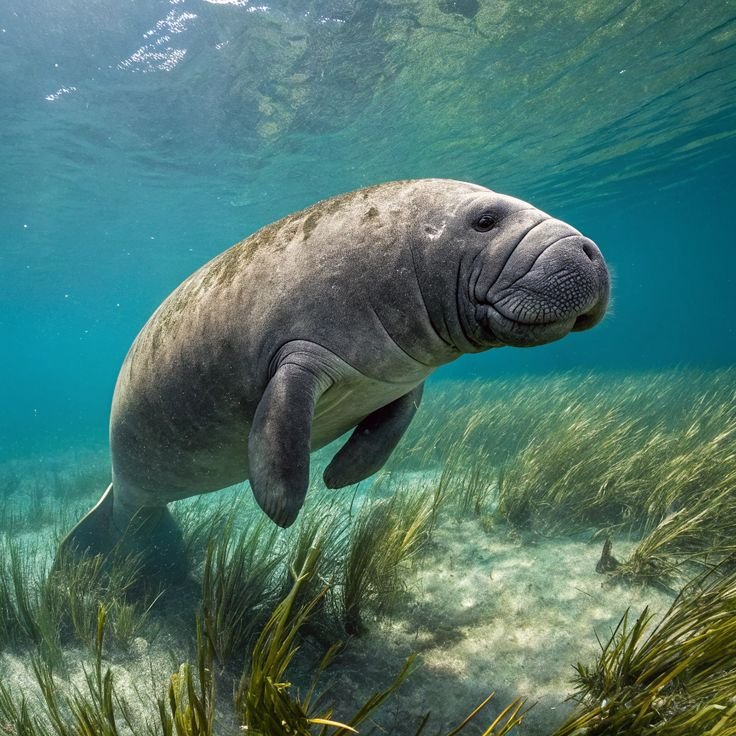
Scientific Name: Trichechus manatus
Class: Mammalia
Diet: Herbivore (aquatic plants)
The West Indian manatee drifts through warm waters at a gentle, unhurried pace of only a few kilometers per hour. This massive, peaceful herbivore rarely rushes, gliding slowly as it grazes. Its slow lifestyle suits its calm and gentle nature.
What sets the manatee apart is its relaxed metabolism and lack of natural predators. With little need to flee, it conserves energy by moving slowly and resting often. It can put on brief bursts of speed only when truly alarmed.
Manatees inhabit the warm coastal waters, rivers, and springs of the southeastern United States and the Caribbean. As herbivores, they graze lazily on seagrasses and aquatic plants for hours each day.
Moreover, manatees help maintain healthy waterways by controlling plant growth. Their slow pace makes them vulnerable to boat strikes, a leading threat alongside habitat loss and cold snaps.
Gila Monster
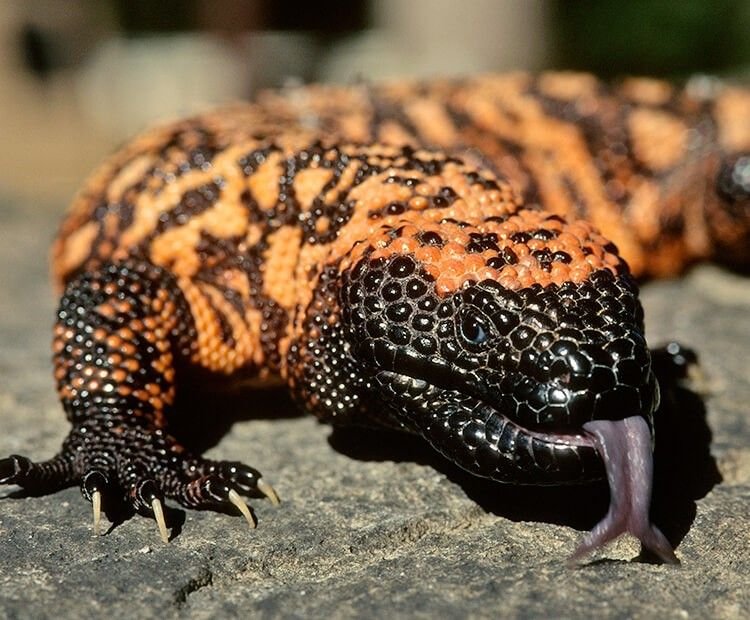
Scientific Name: Heloderma suspectum
Class: Reptilia
Diet: Carnivore (eggs, small animals)
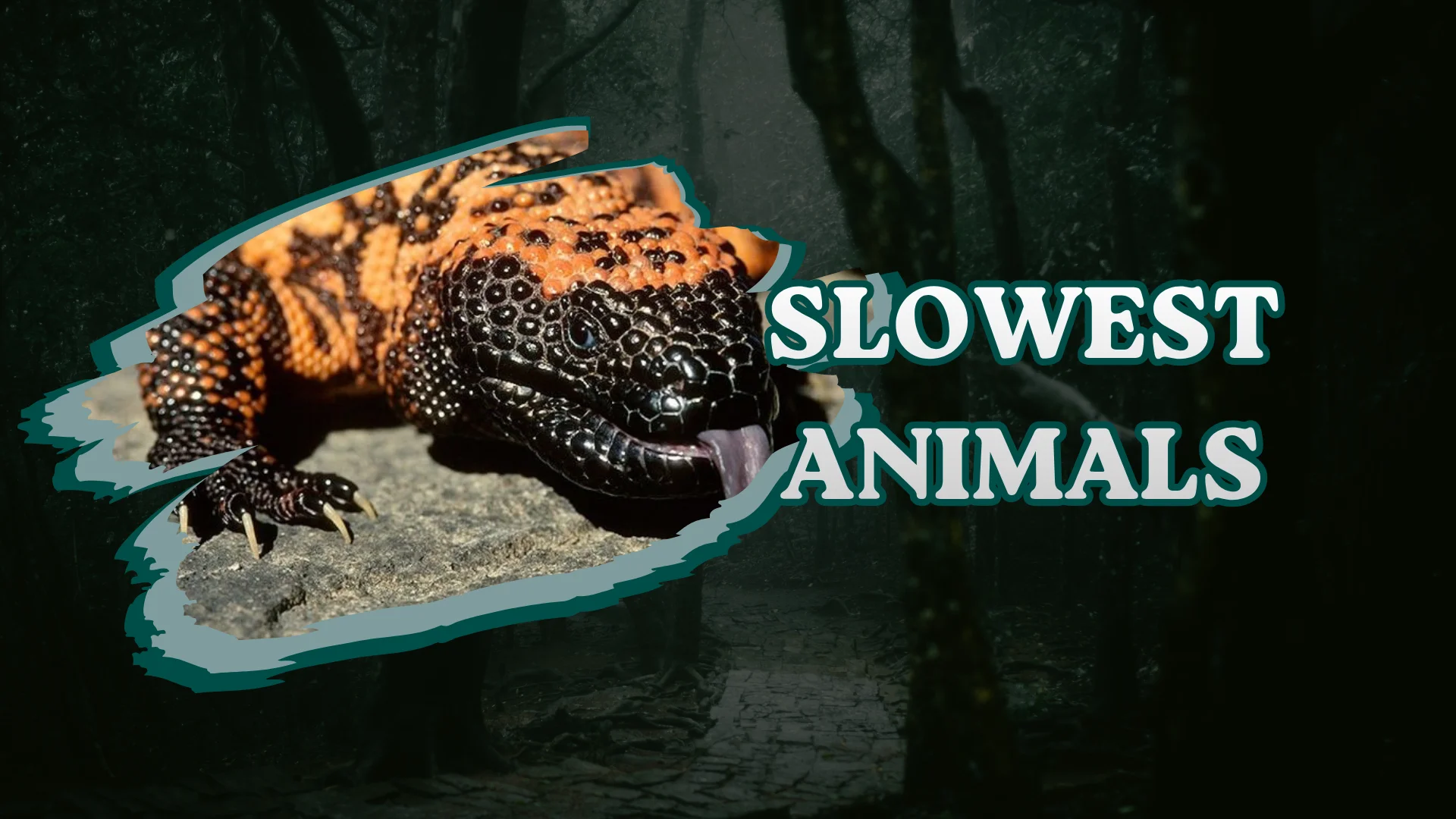
The Gila monster is one of the slowest-moving lizards in North America. This heavy-bodied, venomous reptile lumbers along the desert floor with slow, deliberate steps. It spends most of its life at rest, conserving precious energy.
Interestingly, the Gila monster’s slowness reflects an extremely efficient metabolism. It spends up to 95 percent of its time hidden underground, emerging only occasionally to feed. A few large meals a year can sustain it for long stretches.
Gila monsters live in the deserts and scrublands of the southwestern United States and northern Mexico. They feed on eggs, young birds, and small mammals, tracking prey with a slow, patient search.
Beyond their venom, Gila monsters play a role in controlling small-animal populations. Habitat loss and illegal collection have made them a protected species in parts of their range.
Fun Fact: A Gila monster can eat up to a third of its body weight in a single slow meal.
Koala
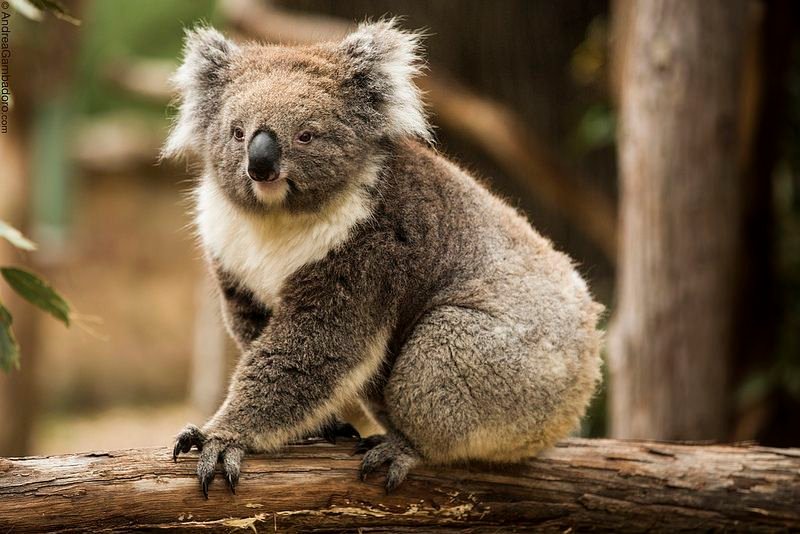
Scientific Name: Phascolarctos cinereus
Class: Mammalia
Diet: Herbivore (eucalyptus leaves)
The koala moves through the treetops with slow, careful deliberation, rarely in any hurry. It spends most of its time resting and climbs at an unhurried pace between feeding spots. This gentle slowness defines its quiet, tree-bound life.
What sets the koala apart is how its diet shapes its pace. Eucalyptus leaves are low in energy and hard to digest, so the koala conserves fuel by moving as little as possible. Even when awake, it favors slow, economical motion.
Koalas live in the eucalyptus forests of eastern and southern Australia. As herbivores, they feed almost exclusively on eucalyptus leaves, selecting particular trees within their home range.
Beyond their charm, koalas are icons of Australia’s woodlands and indicators of forest health. Habitat loss, bushfires, and disease have made them vulnerable across much of their range.
Nudibranch
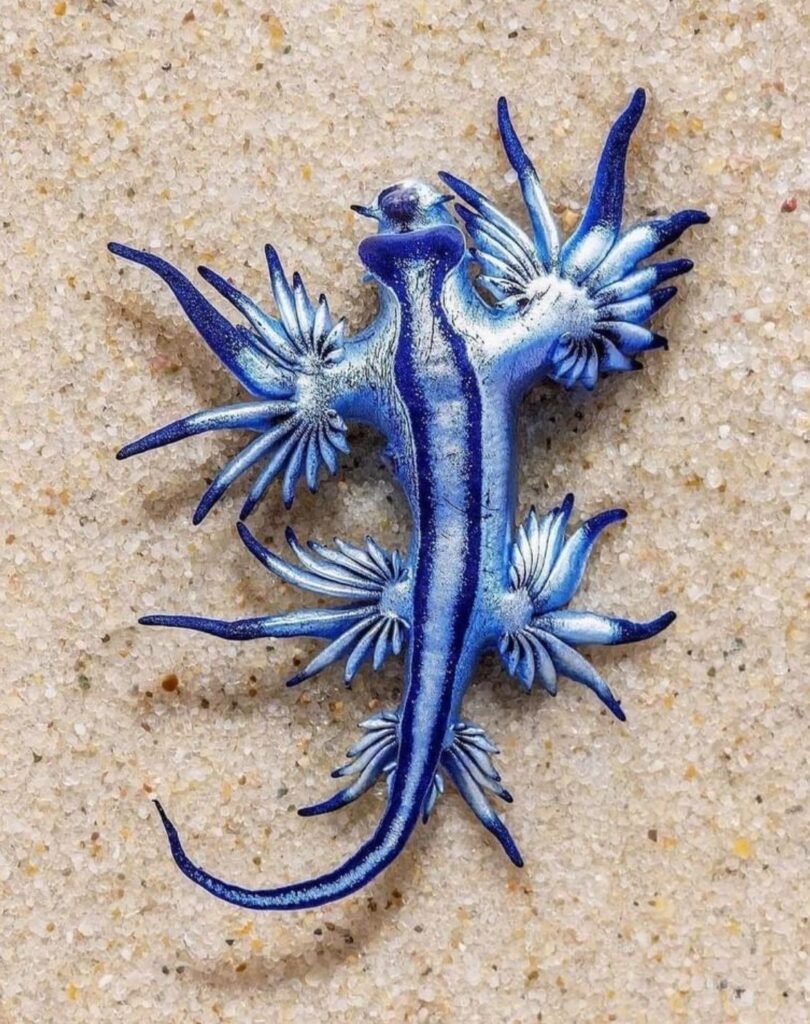
Scientific Name: Order Nudibranchia
Class: Gastropoda
Diet: Carnivore (sponges, hydroids)
The nudibranch, or sea slug, glides across the ocean floor at an extraordinarily slow pace. These soft-bodied, jewel-like creatures inch along on a muscular foot, in no rush whatsoever. Their dazzling colors more than make up for their lack of speed.
Interestingly, the nudibranch’s slowness is paired with clever chemical defenses. Its vivid colors warn predators that it is toxic or foul-tasting, so it has little need to flee. Some even absorb stinging cells from their prey for protection.
Nudibranchs live in oceans worldwide, from shallow reefs to the deep sea. As carnivores, they feed slowly on sponges, anemones, and other stationary prey they encounter on the seabed.
Moreover, nudibranchs are prized by divers and scientists for their stunning variety and beauty. Most remain common, though reef degradation can affect their specialized habitats.
Fun Fact: Some nudibranchs steal the stinging cells of their prey and use them for their own defense.
Read: Animals That Eat Corn
Read: Animals With Webbed Feet
Read: Animals That Eat Ants
Read: Animals That Sleep a Lot
Read: How Strong is a Kangaroo?
Read: Energetic Animals in The World
Frequently Asked Questions
Conclusion
From the algae-covered sloth to the jewel-like nudibranch, the slowest animals in the world prove that survival is not always about speed. Their unhurried lives conserve energy, provide camouflage, and allow them to flourish in environments where haste would be wasteful. Each of these gentle creatures plays a vital role, from recycling nutrients to shaping the seabed and dispersing seeds.