Top 15 Animals Like Mongoose in The World (With Images)
Did you know that the famous snake-fighting mongoose has many look-alikes, from tiny weasels to cat-like predators of Madagascar? With its slender body, pointed snout, and lightning-fast reflexes, the mongoose belongs to a group of agile hunters found across the globe. Many other animals share its sleek shape, quick movements, and fearless nature, whether they are close cousins or simply resemble it through a similar lifestyle.
These mongoose-like creatures are some of nature’s most nimble and efficient predators. In this guide, we’ll explore the top 15 animals like mongoose, uncovering how they compare and why these fascinating species deserve our attention.
List of Animals Like Mongoose
| Rank | Animal | Scientific Name |
|---|---|---|
| 1 | Meerkat | Suricata suricatta |
| 2 | Weasel | Mustela nivalis |
| 3 | Stoat | Mustela erminea |
| 4 | Ferret | Mustela putorius furo |
| 5 | European Polecat | Mustela putorius |
| 6 | American Mink | Neogale vison |
| 7 | Pine Marten | Martes martes |
| 8 | Common Genet | Genetta genetta |
| 9 | African Civet | Civettictis civetta |
| 10 | Fossa | Cryptoprocta ferox |
| 11 | River Otter | Lontra canadensis |
| 12 | Tayra | Eira barbara |
| 13 | Prairie Dog | Cynomys ludovicianus |
| 14 | Fisher | Pekania pennanti |
| 15 | Grison | Galictis vittata |
Meerkat
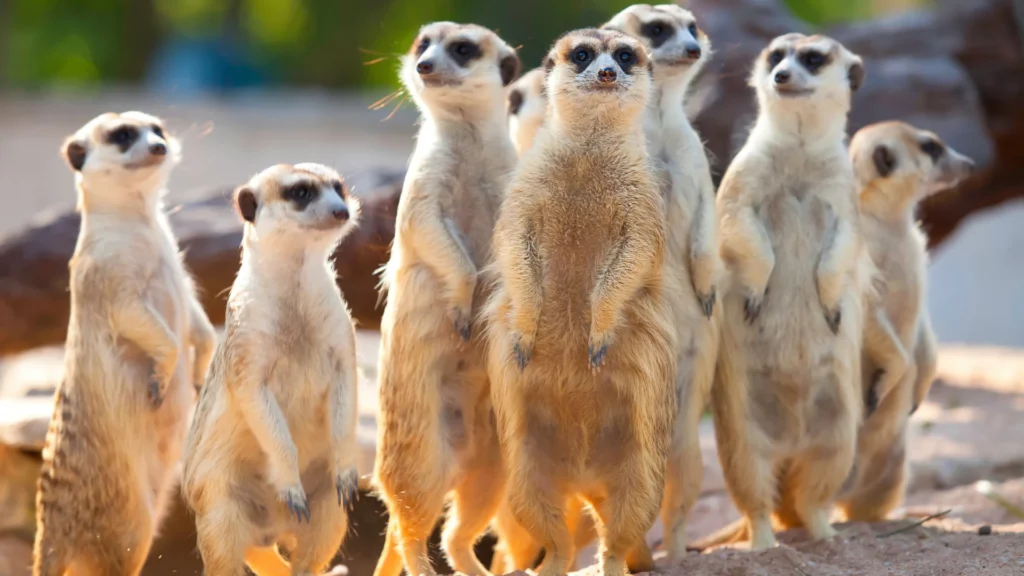
Scientific Name: Suricata suricatta
Class: Mammalia
Diet: Carnivore
The meerkat is the closest relative of the mongoose, belonging to the very same family, Herpestidae. It shares the mongoose’s slim body, pointed snout, and sharp, alert eyes.
Interestingly, the meerkat is far more social than most mongooses, living in cooperative groups called mobs. Members take turns as lookouts, standing upright to scan for danger while others forage.
Meerkats inhabit the arid savannas and deserts of southern Africa, especially the Kalahari, feeding on insects, scorpions, and small reptiles.
As insect predators, meerkats help regulate invertebrate populations. Currently of Least Concern, they depend on healthy desert habitats.
Fun Fact: Meerkats are immune to certain scorpion venom, allowing them to hunt these dangerous prey with ease.
Weasel
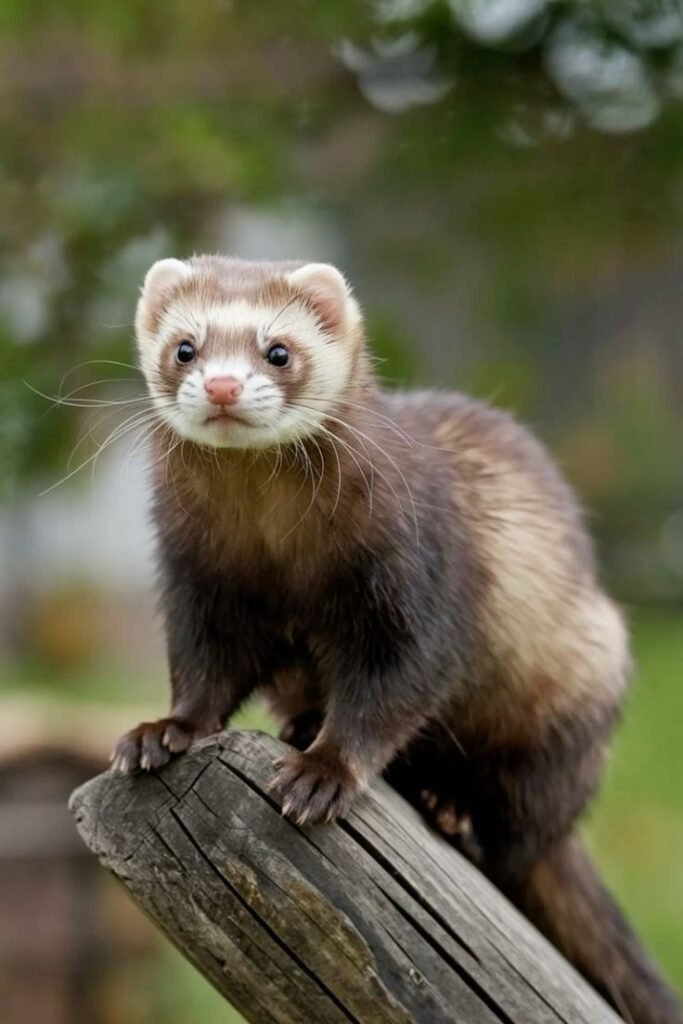
Scientific Name: Mustela nivalis
Class: Mammalia
Diet: Carnivore
The weasel closely resembles the mongoose with its long, slender body, short legs, and fearless hunting style. Both are agile predators that can tackle prey larger than themselves.
Moreover, like the mongoose, the weasel is a relentless hunter with lightning reflexes. Its slim shape lets it chase rodents right into their burrows, leaving them nowhere to hide.
Weasels inhabit forests, farmlands, and grasslands across much of the Northern Hemisphere, hunting mice, voles, and small birds.
As efficient predators, weasels help keep rodent populations in check. Widespread and adaptable, they are of Least Concern.
Fun Fact: A weasel must eat about a third of its body weight each day to fuel its high-speed metabolism.
Stoat
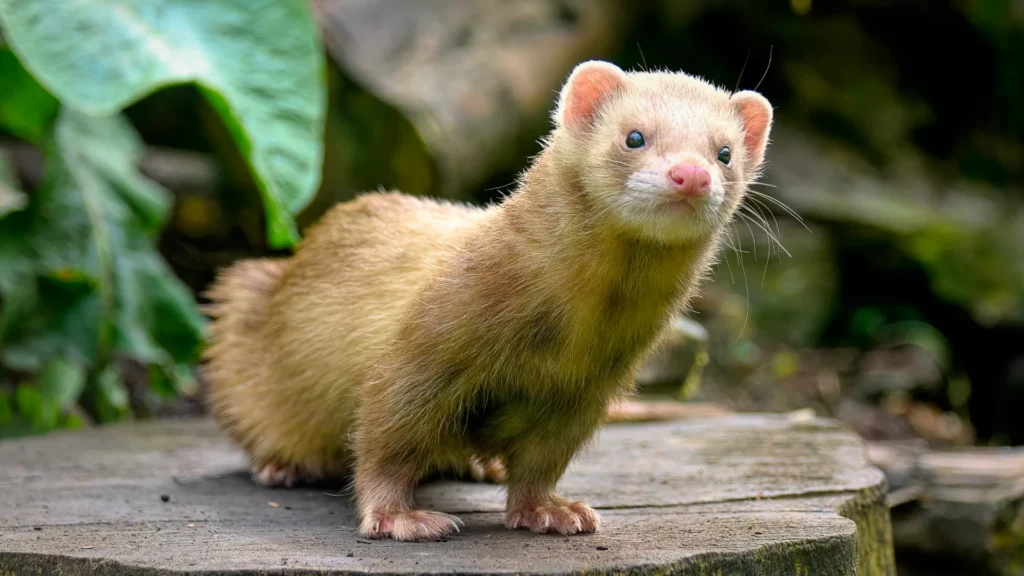
Scientific Name: Mustela erminea
Class: Mammalia
Diet: Carnivore
The stoat is a small, fierce predator that shares the mongoose’s agility and hunting prowess. Its long, tube-shaped body is built for chasing prey into tight spaces.
Interestingly, like the mongoose, the stoat has mastered survival across diverse habitats, from woodlands to tundra. It is bold enough to take on prey many times its own size.
Stoats range across the cooler regions of North America, Europe, and Asia, thriving in forests, grasslands, and tundra.
As agile predators, stoats help control rodent and rabbit populations. Widespread and adaptable, they are of Least Concern.
Fun Fact: In winter, the stoat’s coat turns pure white, and it is then known as “ermine.”
Ferret
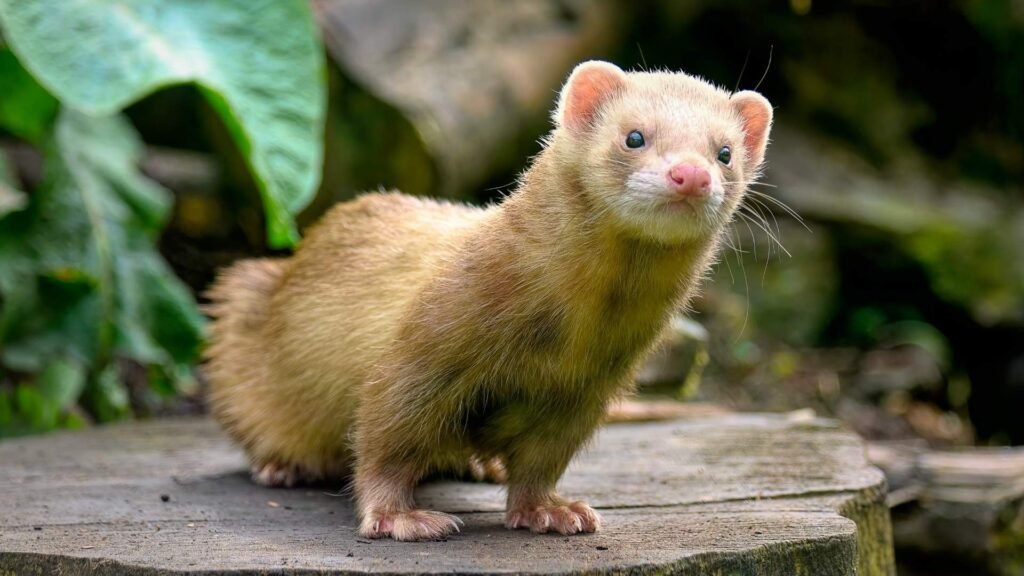
Scientific Name: Mustela putorius furo
Class: Mammalia
Diet: Carnivore
The ferret shares the mongoose’s long, slender body, cone-shaped nose, and playful, curious energy. Both are quick, flexible, and skilled at slipping into narrow spaces.
Moreover, like the mongoose, the ferret is a natural hunter of rodents and rabbits. Its supple body lets it wriggle into burrows to flush out prey, a trait humans have long put to use.
Ferrets are kept worldwide as pets and working animals, descended from the European polecat.
As domesticated carnivores, ferrets have long helped humans hunt rodents. Their playful, energetic nature makes them entertaining companions.
Fun Fact: An excited ferret performs a bouncy, frantic “weasel war dance” full of hops and twists.
European Polecat
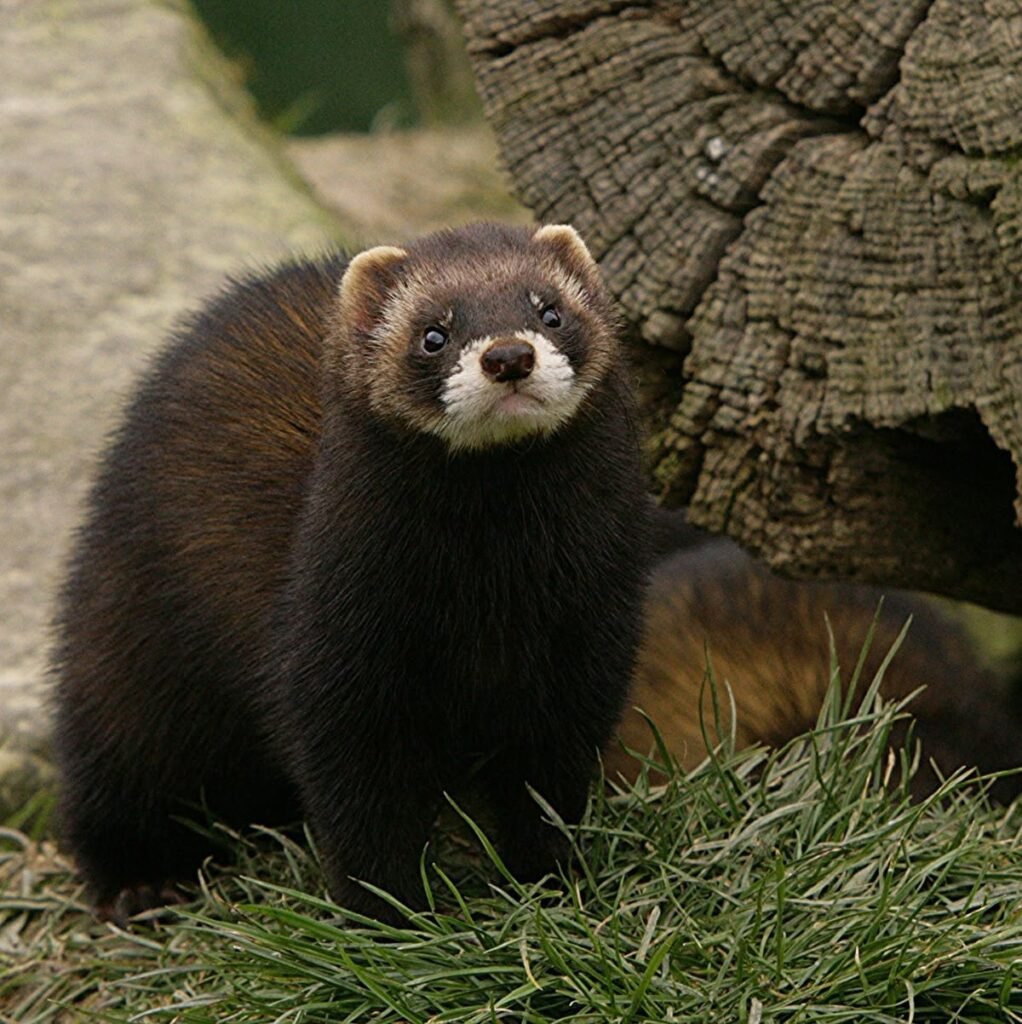
Scientific Name: Mustela putorius
Class: Mammalia
Diet: Carnivore
The European polecat is the wild ancestor of the ferret and, like the mongoose, is a slender, agile predator. It shares the same low-slung body and quick, darting movements.
Interestingly, the polecat is a solitary, fearless hunter much like the mongoose. It preys on rodents, frogs, and rabbits, using its flexible body to pursue them into tight spots.
European polecats inhabit forests, farmlands, and wetlands across Europe, hunting a variety of small animals.
As predators, polecats help control rodent and amphibian populations. Widespread across their range, they are of Least Concern.
Fun Fact: The polecat’s dark facial mask gives it a striking, bandit-like appearance.
American Mink
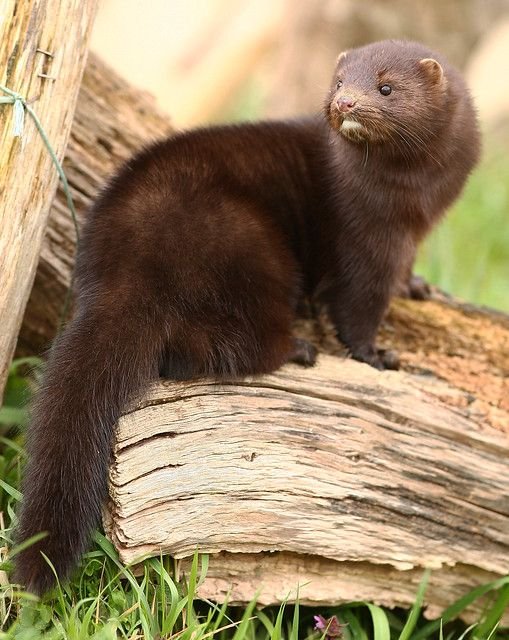
Scientific Name: Neogale vison
Class: Mammalia
Diet: Carnivore
The American mink shares the mongoose’s sleek, elongated body and fierce hunting instincts. A semi-aquatic member of the weasel family, it is equally at home on land and in water.
Moreover, like the mongoose, the mink is a bold and versatile predator. It hunts fish, frogs, and rodents, using its agile body to pursue prey through water and along riverbanks.
American minks inhabit the rivers, lakes, and wetlands of North America, and have spread to other regions, hunting a wide range of prey.
As predators, minks help balance aquatic and land ecosystems. Widespread and adaptable, they are of Least Concern.
Fun Fact: The mink’s dense, waterproof fur keeps it warm and dry during long swims in cold water.
Pine Marten

Scientific Name: Martes martes
Class: Mammalia
Diet: Omnivore
The pine marten shares the mongoose’s sleek, elongated body and remarkable agility. A skilled climber, it moves through the forest canopy with the same nimble grace.
Interestingly, like the mongoose, the pine marten is a quick and versatile hunter. Its slender build and sharp reflexes let it chase prey through trees and dense undergrowth.
Pine martens inhabit the woodlands and forests of Europe and parts of Asia, feeding on small mammals, birds, insects, and fruit.
As agile predators, pine martens help control rodent and bird populations. Widespread in many areas, they are of Least Concern.
Fun Fact: Pine martens are one of the few predators skilled enough to hunt agile squirrels through the treetops.
Common Genet
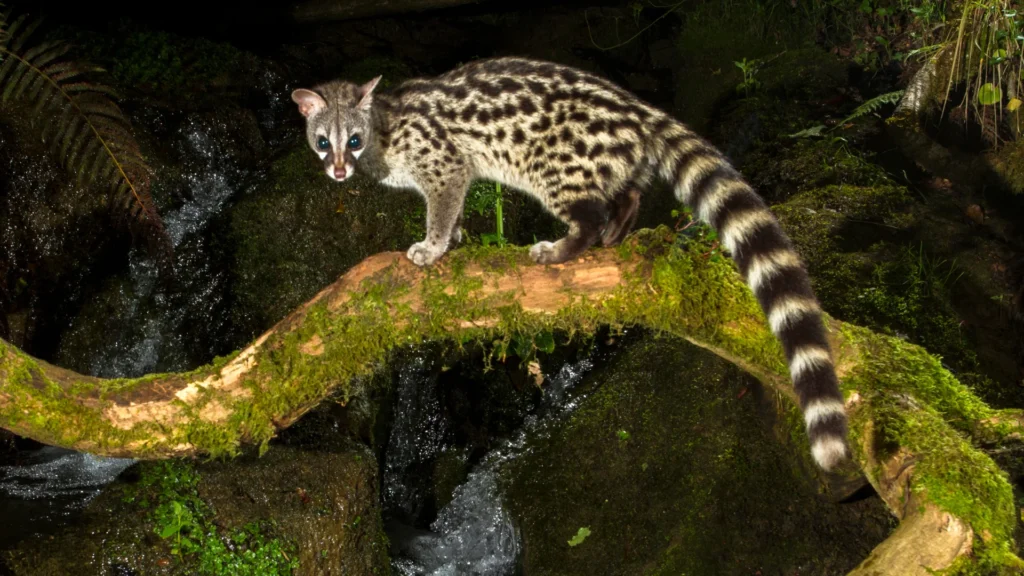
Scientific Name: Genetta genetta
Class: Mammalia
Diet: Carnivore
The common genet is a slender, cat-like mammal that closely resembles the mongoose, with a pointed muzzle and lean body. It is a viverrid, a close relative of the mongoose’s broader group.
Moreover, like the mongoose, the genet is an agile, efficient hunter of small mammals and birds. Its slim frame and long tail make it an exceptional climber and stealthy stalker.
Common genets inhabit forests, scrublands, and rocky areas across Africa and parts of Europe, hunting small animals and insects.
As agile predators, genets help control rodent and insect populations. Widespread and adaptable, they are of Least Concern.
Fun Fact: A genet’s ringed tail can be nearly as long as its entire body, helping it balance in the trees.
African Civet
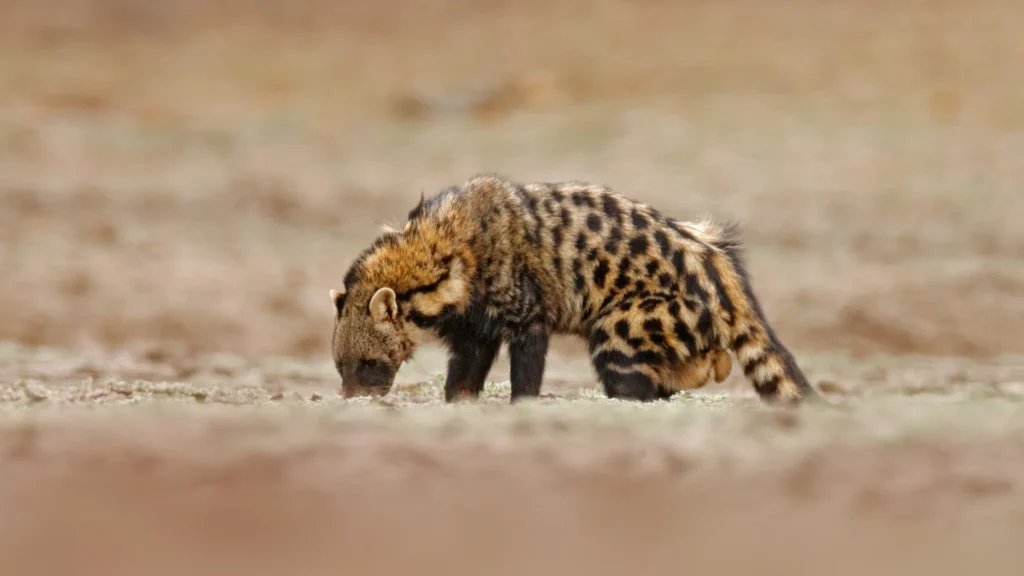
Scientific Name: Civettictis civetta
Class: Mammalia
Diet: Omnivore
The African civet is a lean mammal with small ears and a pointed snout much like a mongoose’s. In fact, civets are more closely related to mongooses than to cats.
Interestingly, like the mongoose, the civet is a nocturnal, ground-foraging hunter with a keen sense of smell. It seeks out small animals, insects, and fruit under the cover of darkness.
African civets inhabit the forests, savannas, and grasslands of sub-Saharan Africa, feeding on a varied diet.
As omnivores, civets help disperse seeds and control pests. Widespread across their range, they are of Least Concern.
Fun Fact: The African civet produces a musky secretion that was once widely used in the perfume industry.
Fossa
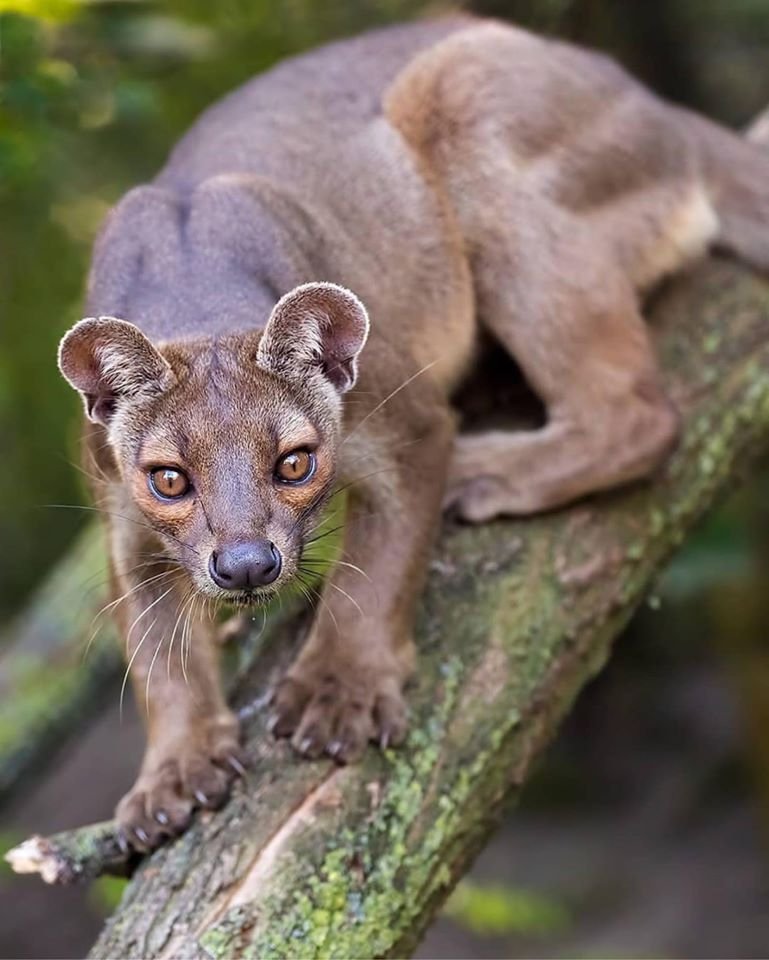
Scientific Name: Cryptoprocta ferox
Class: Mammalia
Diet: Carnivore
The fossa is a slender, cat-like predator from Madagascar that is actually related to the mongoose. It shares the mongoose’s elongated body, agility, and fierce hunting nature.
Moreover, like the mongoose, the fossa is a formidable and adaptable hunter. It climbs trees with ease, using its long tail for balance as it pursues lemurs and other prey.
Fossas inhabit the forests of Madagascar, hunting lemurs, birds, and small mammals.
As the island’s top predator, the fossa helps keep prey populations in balance. Habitat loss has made it Vulnerable.
Fun Fact: The fossa is Madagascar’s largest carnivore and a crucial predator of lemurs.
River Otter
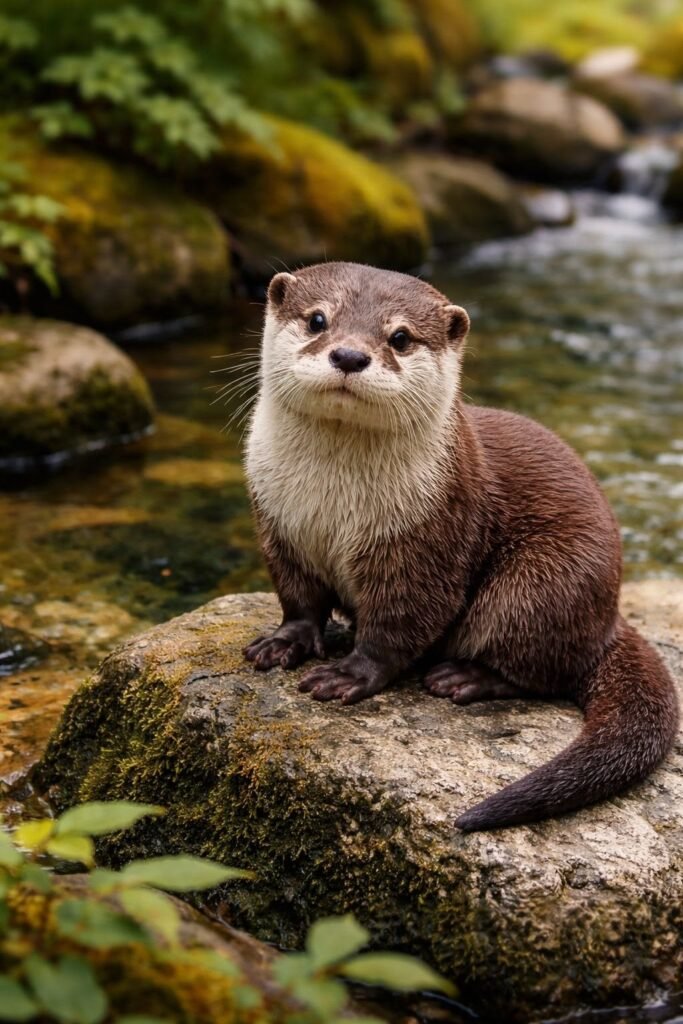
Scientific Name: Lontra canadensis
Class: Mammalia
Diet: Carnivore
The river otter shares the mongoose’s long, sleek body and playful, energetic nature. A member of the weasel family, it is built for a life of agile, active hunting.
Interestingly, like the mongoose, the otter is a curious and skilled predator. Its streamlined body lets it twist and dart with ease, though it hunts mainly in the water.
River otters inhabit rivers, lakes, and coastal areas across North America, feeding on fish, crustaceans, and amphibians.
As agile predators, otters help balance aquatic ecosystems and signal clean water. Widespread in many regions, they are of Least Concern.
Fun Fact: Otters build muddy or snowy “slides” along riverbanks and slide down them over and over for fun.
Tayra
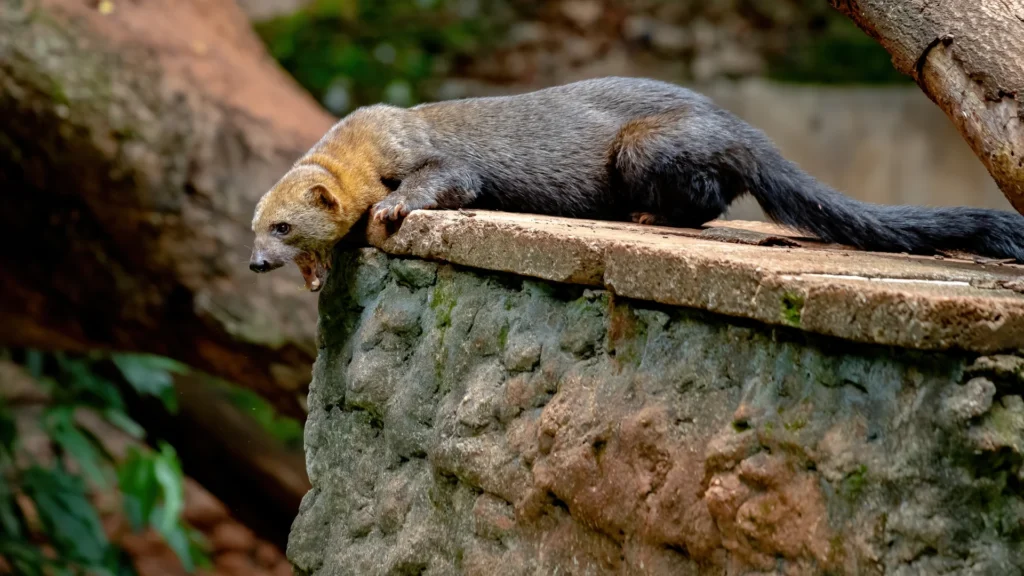
Scientific Name: Eira barbara
Class: Mammalia
Diet: Omnivore
The tayra is a large, agile member of the weasel family that shares the mongoose’s slender build and boundless energy. Quick and curious, it is an excellent climber and forager.
Moreover, like the mongoose, the tayra is an adaptable, versatile hunter. It bounds through forests in search of fruit, small animals, and insects with tireless enthusiasm.
Tayras inhabit the forests and grasslands of Central and South America, feeding on a varied diet.
As omnivores and seed dispersers, tayras play an important role in their ecosystems. They are currently of Least Concern.
Fun Fact: The tayra is one of the few animals known to stash unripe fruit and return to eat it once it ripens.
Prairie Dog
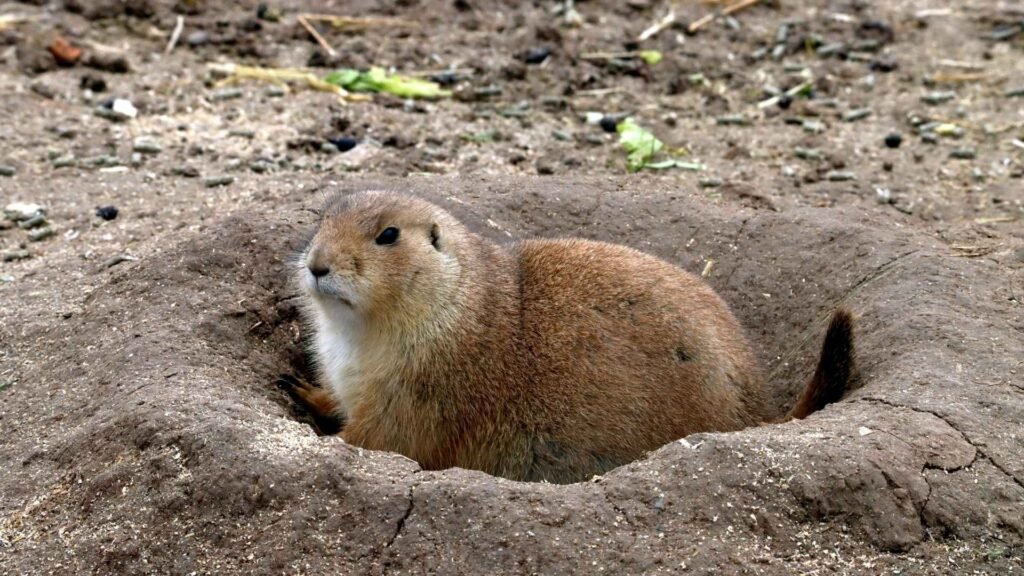
Scientific Name: Cynomys ludovicianus
Class: Mammalia
Diet: Herbivore
The prairie dog resembles the mongoose in its upright, alert posture and social, burrowing lifestyle. Though it is actually a rodent, it stands guard much like a meerkat or mongoose.
Interestingly, like social mongooses, prairie dogs live in large colonies and rely on teamwork. They post lookouts that give sharp warning calls to alert the group to approaching predators.
Prairie dogs inhabit the grasslands and prairies of North America, feeding on grasses, seeds, and roots.
As burrowing herbivores, prairie dogs aerate the soil and create homes for other species. Habitat loss has reduced many populations.
Fun Fact: Prairie dogs have one of the most complex animal languages known, with distinct calls for different predators.
Fisher
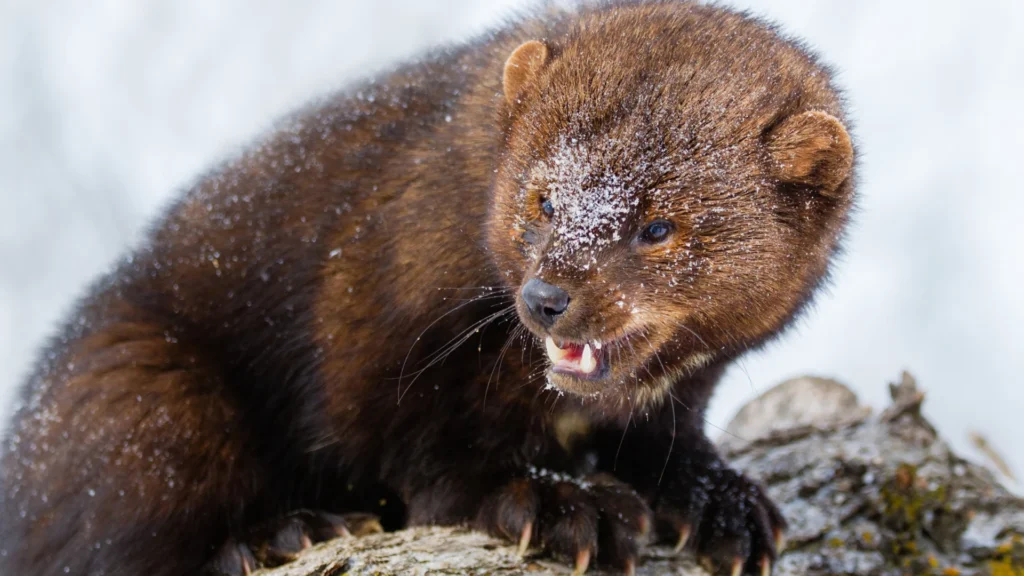
Scientific Name: Pekania pennanti
Class: Mammalia
Diet: Carnivore
The fisher is a large, agile member of the weasel family that shares the mongoose’s sleek body and fearless hunting style. Despite its name, it rarely eats fish.
Moreover, like the mongoose, the fisher is a bold and versatile predator. It is one of the few animals skilled enough to hunt porcupines, attacking their vulnerable faces with speed and precision.
Fishers inhabit the forests of North America, hunting small mammals, birds, and porcupines.
As predators, fishers help control rodent and porcupine populations. Widespread in their range, they are of Least Concern.
Fun Fact: The fisher is one of the only predators that can successfully hunt and kill porcupines.
Grison
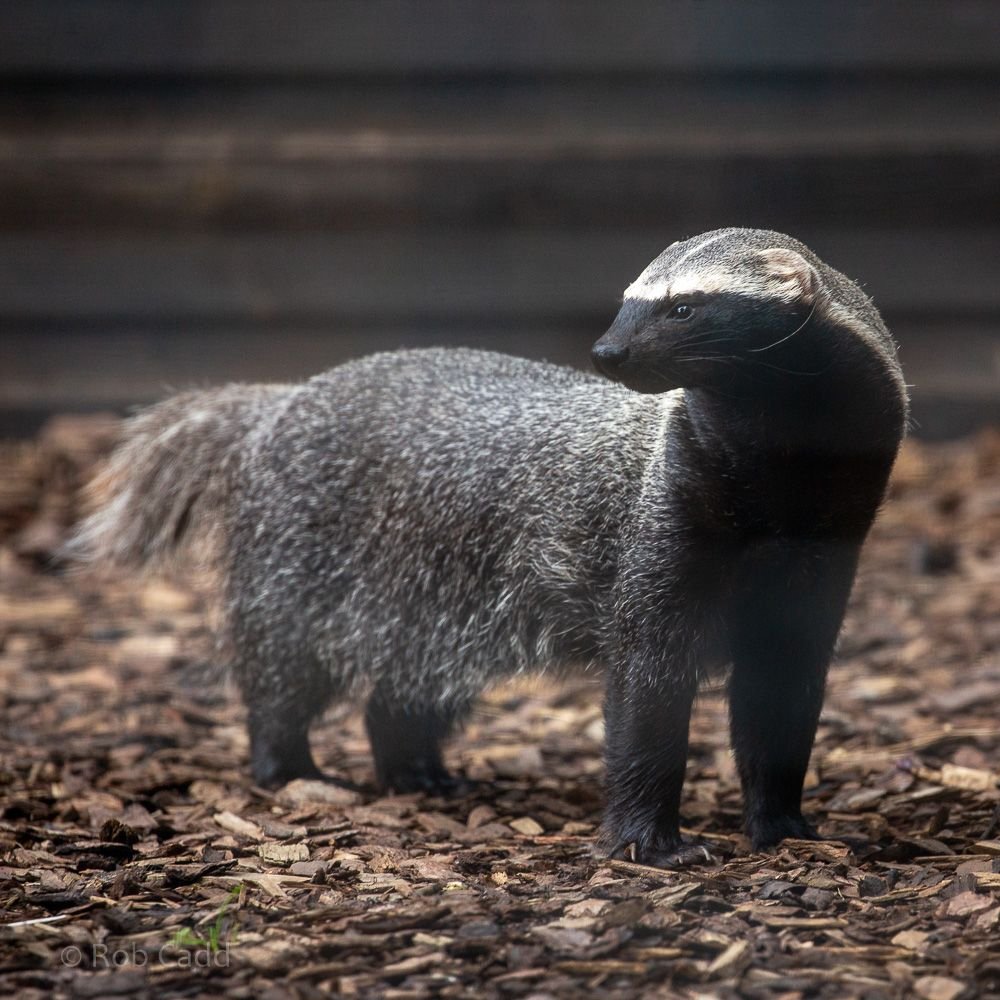
Scientific Name: Galictis vittata
Class: Mammalia
Diet: Carnivore
The grison is a low-slung, slender member of the weasel family that looks remarkably like a mongoose. Its long body, short legs, and quick movements make the resemblance striking.
Interestingly, like the mongoose, the grison is a bold and agile hunter. It pursues rodents, birds, and reptiles with fearless speed, both on the ground and in burrows.
Grisons inhabit the forests, grasslands, and wetlands of Central and South America, hunting small animals.
As predators, grisons help control rodent and reptile populations. Widespread across their range, they are of Least Concern.
Fun Fact: People in parts of South America once tamed grisons to help control rodents and hunt small game.
Read: Animals That Are Skinny
Read: Weakest Animals in The World
Read: Snakes With Triangular Heads
Read: Territorial Animals in the World
Read: Animals That Eat Bones
Frequently Asked Questions
Conclusion
From the closely related meerkat to look-alikes like the weasel, genet, and fossa, the world is full of animals that resemble the mongoose. Each species whether a burrow-diving stoat, a tree-climbing marten, or a lemur-hunting fossa shares the mongoose’s slender body, agility, and fearless spirit. Some are true relatives, while others simply evolved a similar shape and lifestyle, revealing the many paths evolution can take.