
Top 20 Animals With Long Tail in The World (With Images)
Did you know that some animals have tails longer than their entire bodies? From the scythe-like tail of a thresher shark to the flowing feathers of a peacock, long tails are among nature’s most striking tools. These remarkable appendages do far more than look impressive they provide balance, help with communication, aid in hunting, and attract mates.
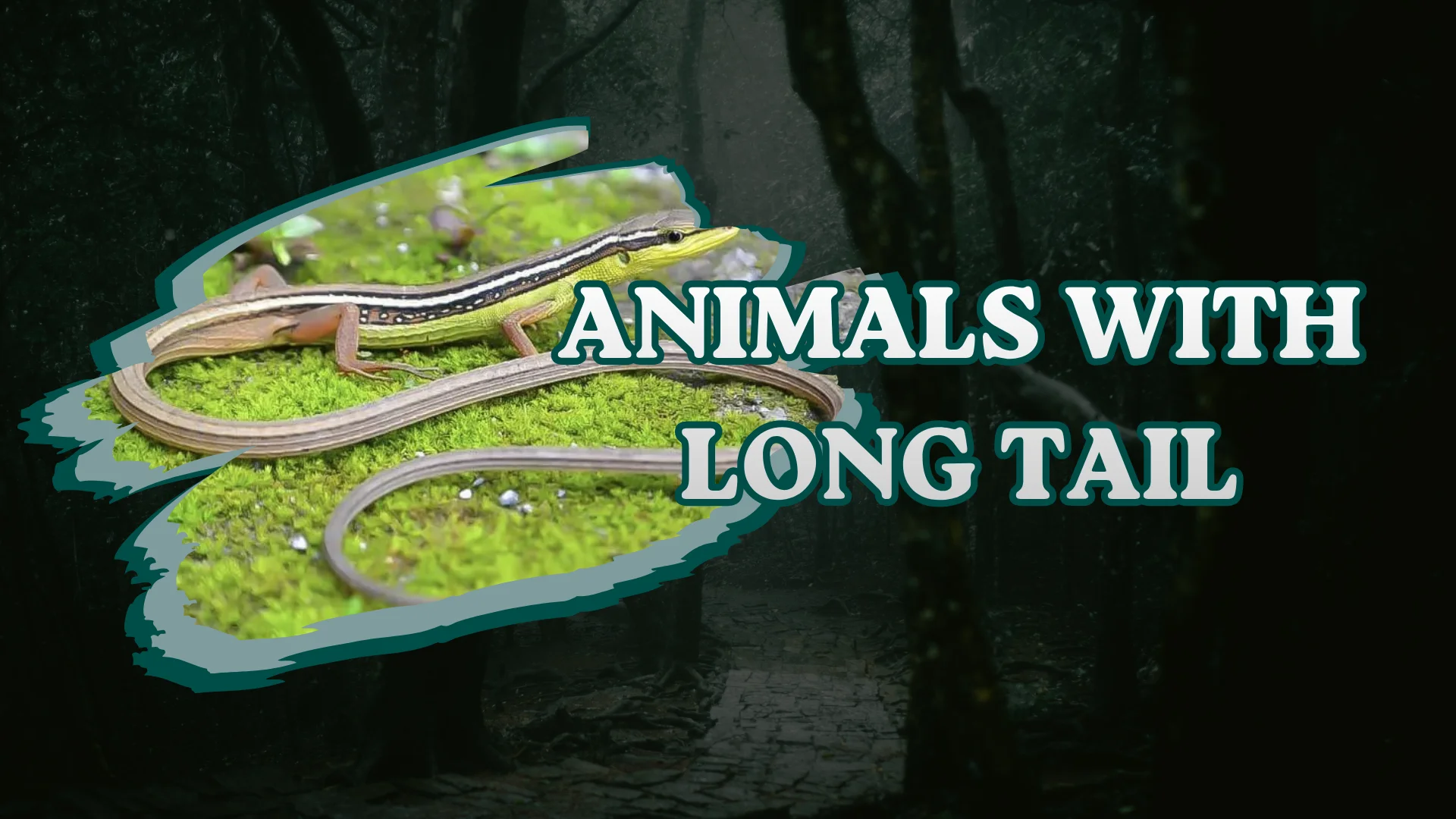
Far from mere decoration, long tails reveal some of evolution’s cleverest adaptations across mammals, birds, reptiles, and fish. In this guide, we’ll explore the top 20 animals with long tail features, uncovering how these extraordinary tails work and why these fascinating species deserve our attention and protection.
List of Animals With Long Tail
| Rank | Animal | Scientific Name |
|---|---|---|
| 1 | Giraffe | Giraffa camelopardalis |
| 2 | Common Thresher Shark | Alopias vulpinus |
| 3 | Ribbon-tailed Astrapia | Astrapia mayeri |
| 4 | Long-tailed Widowbird | Euplectes progne |
| 5 | Peacock | Pavo cristatus |
| 6 | Spider Monkey | Ateles paniscus |
| 7 | Ring-tailed Lemur | Lemur catta |
| 8 | Red Kangaroo | Osphranter rufus |
| 9 | Snow Leopard | Panthera uncia |
| 10 | Superb Lyrebird | Menura novaehollandiae |
| 11 | Long-tailed Grass Lizard | Takydromus sexlineatus |
| 12 | Red Fox | Vulpes vulpes |
| 13 | Leopard | Panthera pardus |
| 14 | Green Iguana | Iguana iguana |
| 15 | Squirrel | Sciurus carolinensis |
| 16 | Giant Anteater | Myrmecophaga tridactyla |
| 17 | Tree Pangolin | Phataginus tricuspis |
| 18 | Aye-aye | Daubentonia madagascariensis |
| 19 | Nile Crocodile | Crocodylus niloticus |
| 20 | Virginia Opossum | Didelphis virginiana |
Giraffe
Scientific Name: Giraffa camelopardalis
Class: Mammalia
Diet: Herbivore
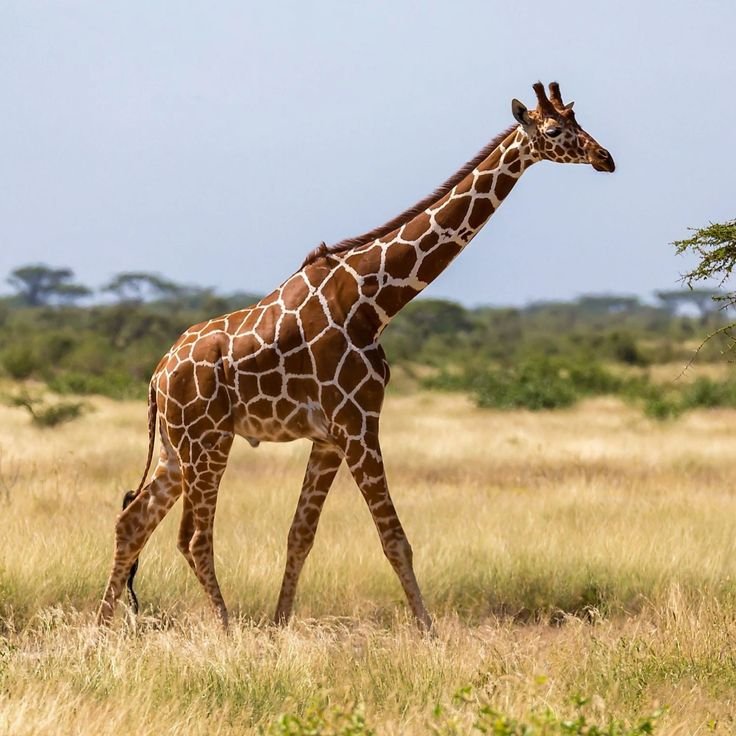
The giraffe boasts the longest tail of any land mammal, reaching up to eight feet in length — roughly as long as its own body. A tuft of dark hair tips this remarkably long tail.
Interestingly, the giraffe uses its lengthy tail like a built-in fly swatter, flicking away biting insects on the hot savanna. The long tail is a constant, gentle motion against pests.
Giraffes inhabit the savannas and open woodlands of sub-Saharan Africa, browsing on acacia leaves high above other herbivores.
As tall browsers, giraffes shape tree growth and disperse seeds across the plains. Sadly, habitat loss and poaching have made them Vulnerable.
Fun Fact: A giraffe’s tail is the longest of any land mammal, tipped with a whip of coarse black hair.
Common Thresher Shark

Scientific Name: Alopias vulpinus
Class: Chondrichthyes
Diet: Carnivore
The common thresher shark possesses the longest true tail of any animal, with a scythe-shaped upper lobe that can equal the length of its body — up to three meters in large individuals.
Moreover, this extraordinary tail is a deadly weapon. The thresher whips it like a bullwhip to stun and injure schools of fish, herding and striking prey with astonishing precision.
Thresher sharks roam the open oceans and coastal waters worldwide, hunting schooling fish such as sardines and mackerel.
As active predators, thresher sharks help balance ocean food webs. Overfishing for their fins and meat has made them Vulnerable.
Fun Fact: A thresher shark can leap completely out of the water, breaching like a dolphin despite its enormous tail.
Ribbon-tailed Astrapia
Scientific Name: Astrapia mayeri
Class: Aves
Diet: Omnivore
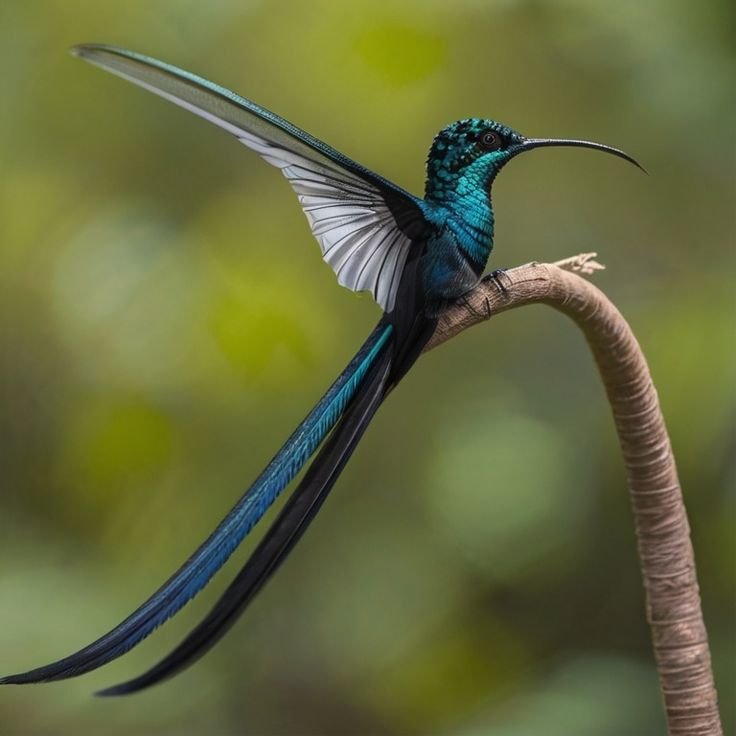
The ribbon-tailed astrapia has the longest tail feathers relative to body size of any bird. Its body is about a foot long, yet its ribbon-like tail feathers can stretch nearly one meter.
What sets this bird apart is the purpose of its dramatic tail. Males flaunt their gleaming white streamers in courtship displays, using length and beauty to win the attention of females.
The ribbon-tailed astrapia inhabits the high mountain forests of Papua New Guinea, feeding on fruit, insects, and small animals.
As a fruit-eater, it helps disperse seeds through the cloud forests. Restricted to a small range, it is considered Near Threatened due to habitat loss.
Fun Fact: The ribbon-tailed astrapia’s tail feathers are longer, relative to its body, than those of any other bird on Earth.
Long-tailed Widowbird
Scientific Name: Euplectes progne
Class: Aves
Diet: Granivore
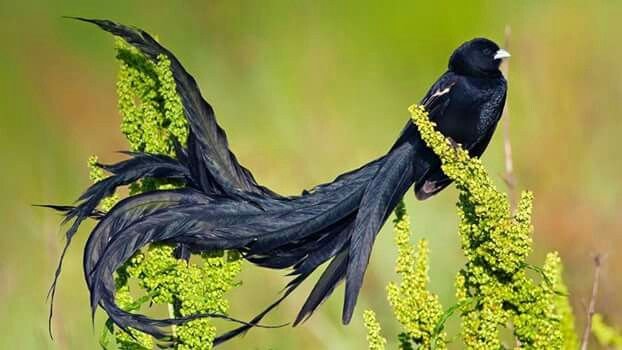
The long-tailed widowbird sports one of the most extreme tails in proportion to its body. The male’s tail can reach three feet — about four times the length of its nine-inch body.
Interestingly, the male trails this enormous tail during slow, flapping display flights over grasslands. The longer and more impressive the tail, the more likely he is to attract a mate.
Long-tailed widowbirds inhabit the open grasslands and wetlands of central and southern Africa, feeding mainly on seeds and grasses.
As seed-eaters, widowbirds are part of the grassland ecosystem. Currently of Least Concern, they still rely on healthy, undisturbed grasslands.
Fun Fact: The male long-tailed widowbird’s tail is so large it can make flying a slow, laborious effort during courtship.
Peacock
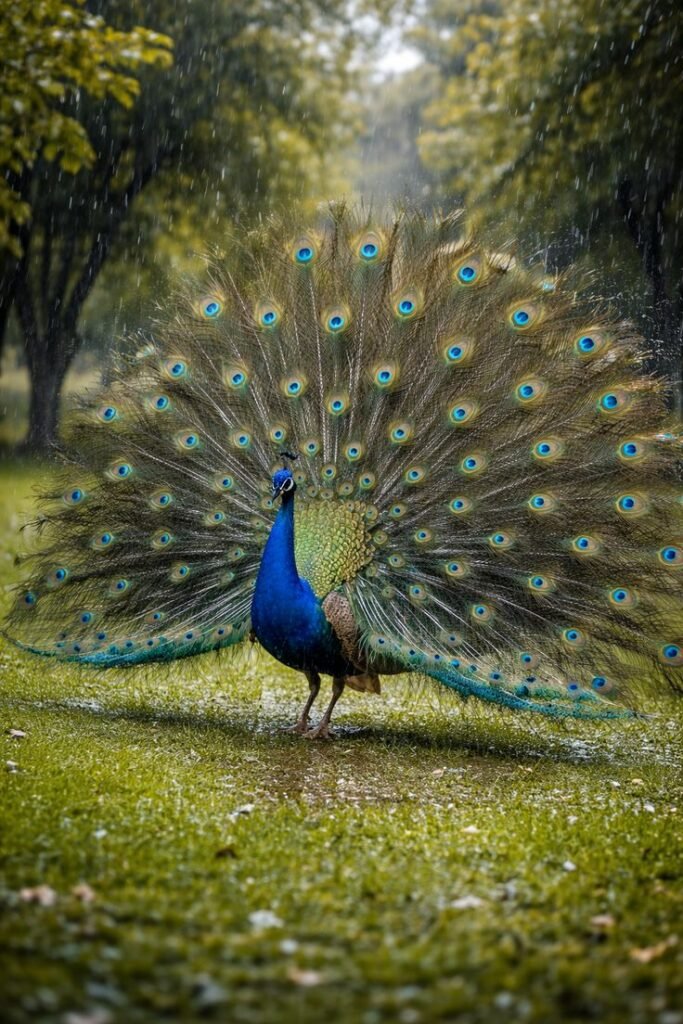
Scientific Name: Pavo cristatus
Class: Aves
Diet: Omnivore
The peacock is famous for its spectacular tail, or “train,” which can reach up to six feet long and makes up around 60 percent of its total body length. Shimmering eye-spots decorate its iridescent feathers.
Moreover, the peacock fans this magnificent tail into a dazzling display to court peahens. The size, color, and symmetry of the train signal the male’s health and vigor.
Peacocks are native to the forests and grasslands of South Asia but are now found in parks and reserves worldwide, feeding on seeds, insects, and small creatures.
As omnivorous foragers, peacocks help control insects and disperse seeds. The Indian peafowl is currently of Least Concern.
Fun Fact: A peacock sheds and regrows its entire train each year after the breeding season ends.
Spider Monkey
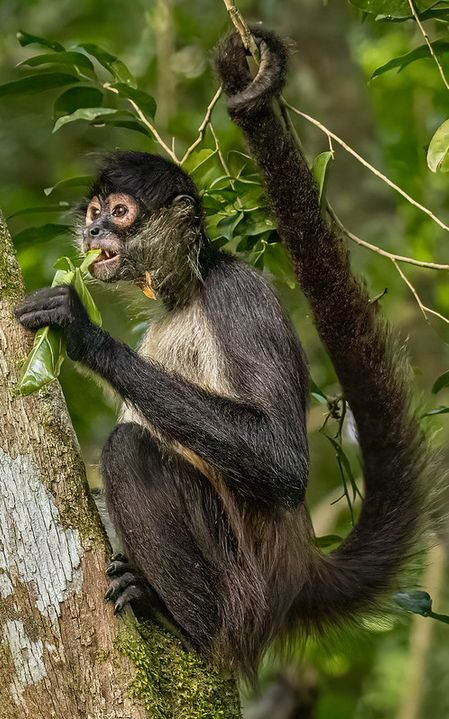
Scientific Name: Ateles paniscus
Class: Mammalia
Diet: Frugivore
The spider monkey has a remarkably long, prehensile tail that can reach up to 34 inches — longer than its 21-inch body. This tail acts like a powerful fifth limb.
Interestingly, the spider monkey’s tail is strong and dexterous enough to grip branches and support its entire weight. It can even pick up small objects, functioning almost like an extra hand.
Spider monkeys inhabit the tropical rainforests of Central and South America, feeding mainly on ripe fruit high in the canopy.
As seed dispersers, spider monkeys are vital to forest regeneration. Habitat loss and hunting have left many species Vulnerable or Endangered.
Fun Fact: A spider monkey’s tail has a hairless, grippy tip with ridges like fingerprints for a better grasp.
Ring-tailed Lemur
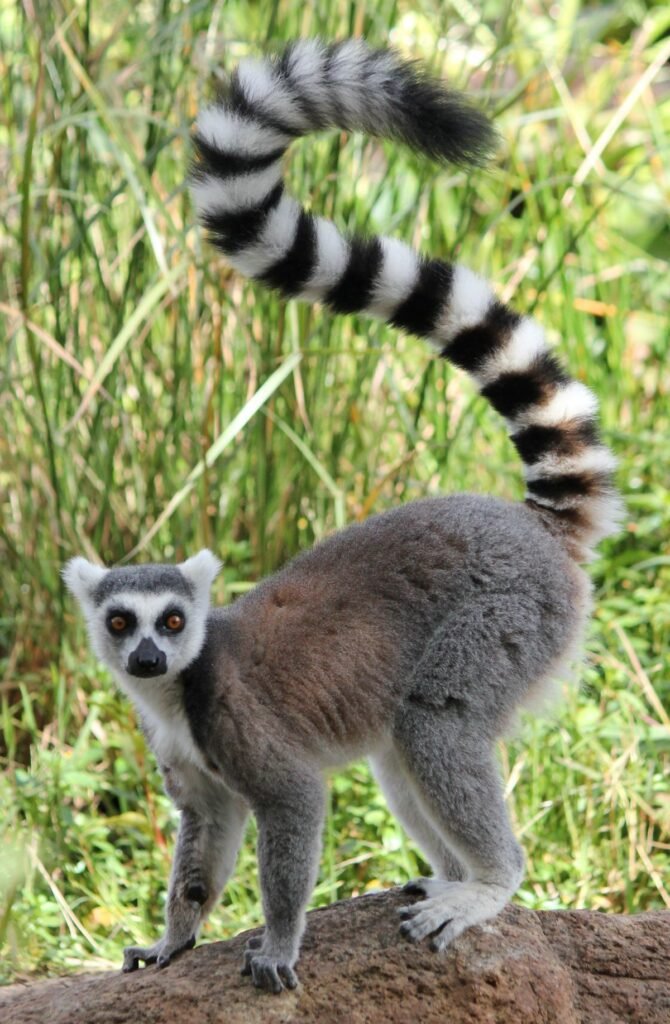
Scientific Name: Lemur catta
Class: Mammalia
Diet: Omnivore
The ring-tailed lemur is instantly recognizable by its long, bushy tail striped with bold black-and-white rings. At around 60 centimeters, the tail is longer than the lemur’s own body.
Moreover, the ring-tailed lemur uses its striking tail for communication and balance. Troops hold their tails high like flags to stay together, and males wave scent-soaked tails in “stink fights.”
Ring-tailed lemurs inhabit the dry forests and scrublands of southern Madagascar, feeding on fruit, leaves, flowers, and insects.
As seed dispersers, lemurs are essential to their unique island ecosystem. Habitat loss and hunting have made them Endangered.
Fun Fact: Ring-tailed lemurs love to sunbathe, sitting upright with their arms out and long tails curled beneath them.
Red Kangaroo

Scientific Name: Osphranter rufus
Class: Mammalia
Diet: Herbivore
The red kangaroo has a thick, muscular tail that can reach about one meter — nearly half its total body length. This powerful tail is far more than a counterweight.
Interestingly, the kangaroo uses its long tail as a “fifth leg,” pushing off the ground to help power its movement. When standing, it balances on its tail and hind legs like a sturdy tripod.
Red kangaroos roam the arid plains and grasslands of central Australia, grazing on grasses and shrubs.
As large grazers, kangaroos shape the vegetation of the outback. Currently of Least Concern, they still face pressure from drought and habitat change.
Fun Fact: A red kangaroo’s tail is so strong it can support the animal’s entire body weight while it kicks with both legs.
Snow Leopard
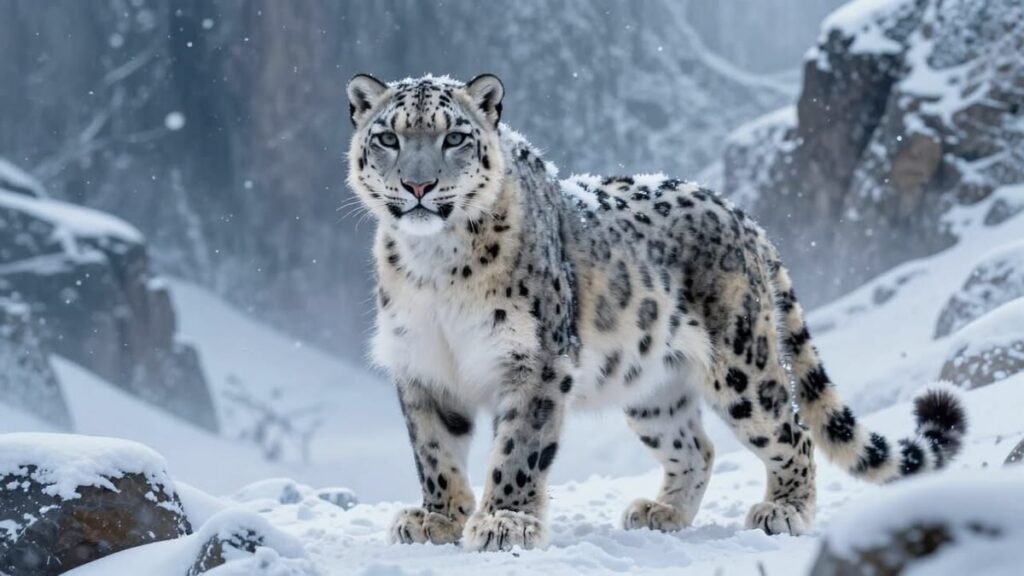
Scientific Name: Panthera uncia
Class: Mammalia
Diet: Carnivore
The snow leopard, the “ghost of the mountains,” has a thick, long tail that grows to over three feet — nearly as long as its body. This luxurious tail is vital in its harsh mountain home.
Moreover, the snow leopard relies on its long tail for balance while leaping and climbing across steep, rocky slopes. It also wraps the furry tail around its body like a scarf against the cold.
Snow leopards inhabit the rugged mountains of Central and South Asia, hunting wild sheep, goats, and smaller mammals.
As apex predators, snow leopards keep mountain ecosystems in balance. Poaching, habitat loss, and climate change have made them Vulnerable.
Fun Fact: A snow leopard’s tail is so thick and long it can be used as a built-in blanket in freezing temperatures.
Superb Lyrebird
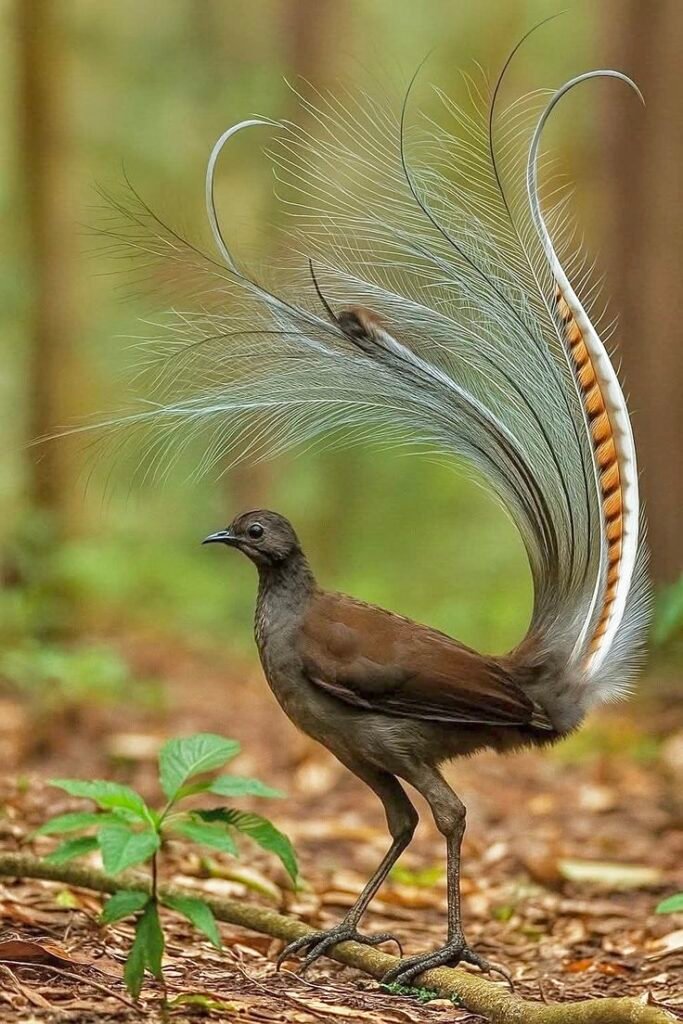
Scientific Name: Menura novaehollandiae
Class: Aves
Diet: Insectivore
The superb lyrebird is renowned for its elaborate, lyre-shaped tail, which the male fans into a shimmering veil during courtship. The elegant tail feathers can span most of the bird’s length.
What sets the lyrebird apart is the show it puts on with that tail. The male dances and spreads his gauzy plumes while mimicking dozens of sounds, from other birds to chainsaws.
Superb lyrebirds inhabit the forests and woodlands of southeastern Australia, foraging on the ground for insects, worms, and other invertebrates.
As ground foragers, lyrebirds help turn over soil and control invertebrates. Currently of Least Concern, they depend on healthy native forests.
Fun Fact: The superb lyrebird is one of the greatest vocal mimics on Earth, copying almost any sound it hears.
Long-tailed Grass Lizard
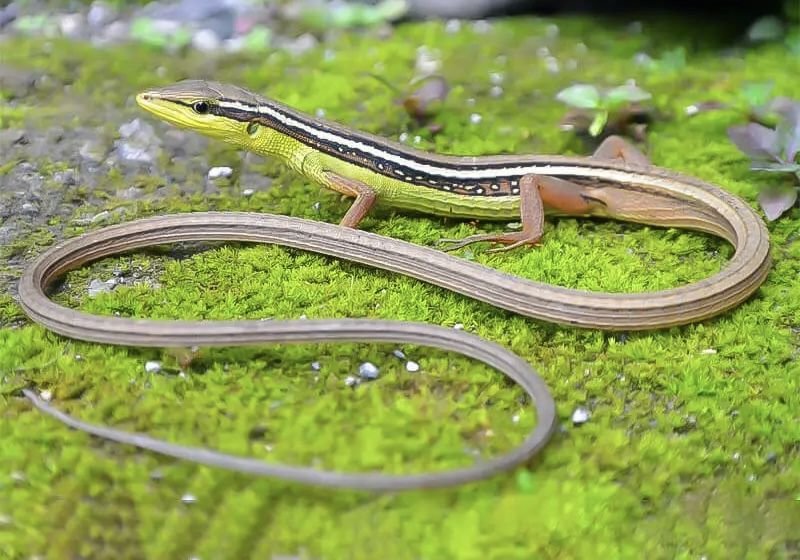
Scientific Name: Takydromus sexlineatus
Class: Reptilia
Diet: Insectivore
The long-tailed grass lizard has one of the longest tails relative to body size of any living animal. Its tail can be two to three times the length of its small, two-to-three-inch torso.
Interestingly, this slender lizard uses its extraordinary tail for balance as it moves through tall grass. The long tail helps it navigate blades and stems with remarkable agility.
Long-tailed grass lizards inhabit grasslands, meadows, and shrubby areas across Southeast Asia, hunting small insects.
As insect predators, these lizards help control pest populations. Currently common, they depend on healthy grassland habitats.
Fun Fact: In proportion to its body, the long-tailed grass lizard has one of the longest tails of any land animal.
Red Fox
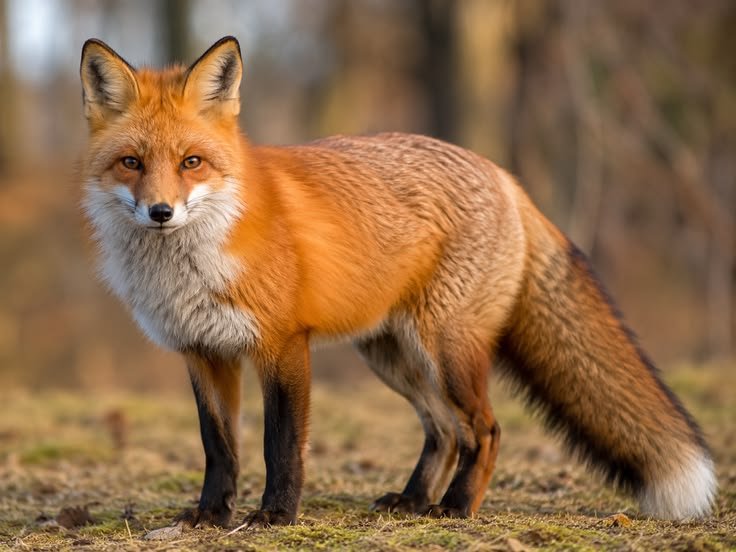
Scientific Name: Vulpes vulpes
Class: Mammalia
Diet: Omnivore
The red fox is famous for its long, bushy tail, called a “brush,” which can make up about a third of its total length. Tipped in white, it is one of the fox’s most striking features.
Moreover, the red fox uses its long tail for balance, warmth, and communication. It wraps the fluffy brush around its body in the cold and uses it to signal other foxes.
Red foxes inhabit an enormous range across the Northern Hemisphere, from forests and grasslands to farmland and cities, feeding on small mammals, birds, fruit, and insects.
As adaptable predators, red foxes help control rodent populations. Widespread and thriving, they are of Least Concern.
Fun Fact: A red fox uses its bushy tail as a warm cover and as a rudder to help it balance while running and jumping.
Leopard
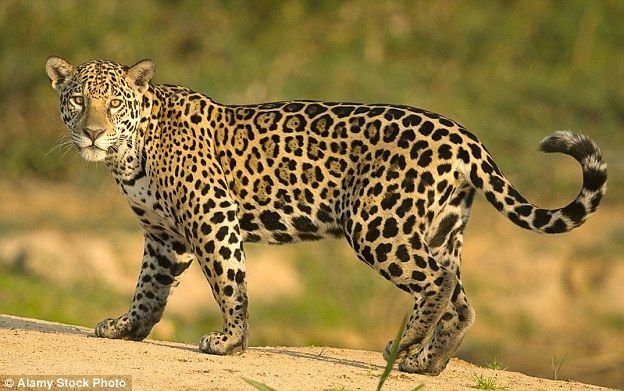
Scientific Name: Panthera pardus
Class: Mammalia
Diet: Carnivore
The leopard has a long, powerful tail that can measure nearly the length of its body. Spotted like the rest of its coat, the tail is essential to its stealthy, athletic lifestyle.
Interestingly, the leopard relies on its long tail for balance while climbing trees and dragging heavy prey into the branches. Quick tail movements help it turn sharply during a chase.
Leopards inhabit a vast range across Africa and Asia, from rainforests and savannas to mountains and deserts, hunting a wide variety of prey.
As adaptable apex predators, leopards help regulate prey populations. Habitat loss, poaching, and conflict have made them Vulnerable.
Fun Fact: A leopard often drapes its long tail over a branch for balance while resting high in a tree.
Green Iguana
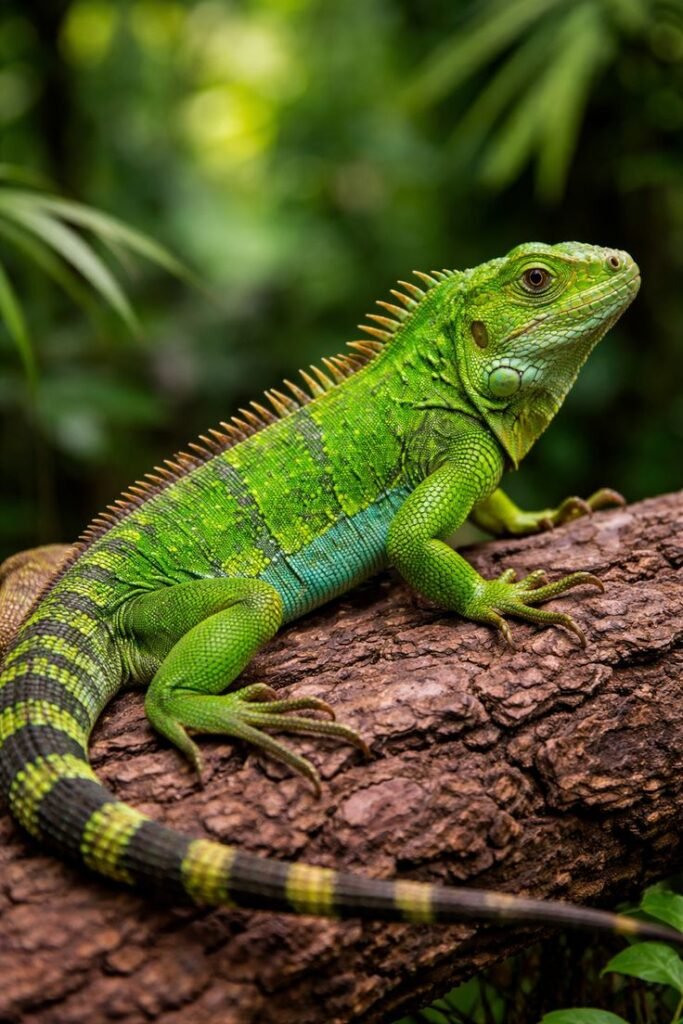
Scientific Name: Iguana iguana
Class: Reptilia
Diet: Herbivore
The green iguana has an exceptionally long tail that can make up more than half of its total length, which may exceed five feet. This whip-like tail is a key survival tool.
Moreover, the iguana uses its long tail as both a weapon and a rudder. It can deliver a stinging lash to deter predators and steer gracefully while swimming through water.
Green iguanas inhabit the tropical rainforests and coastal areas of Central and South America, feeding mainly on leaves, flowers, and fruit.
As herbivores, iguanas help disperse seeds through the forest. Currently of Least Concern, they still face pressure from the pet trade and habitat loss.
Fun Fact: A green iguana can detach part of its tail to escape a predator, then regrow it over time.
Squirrel
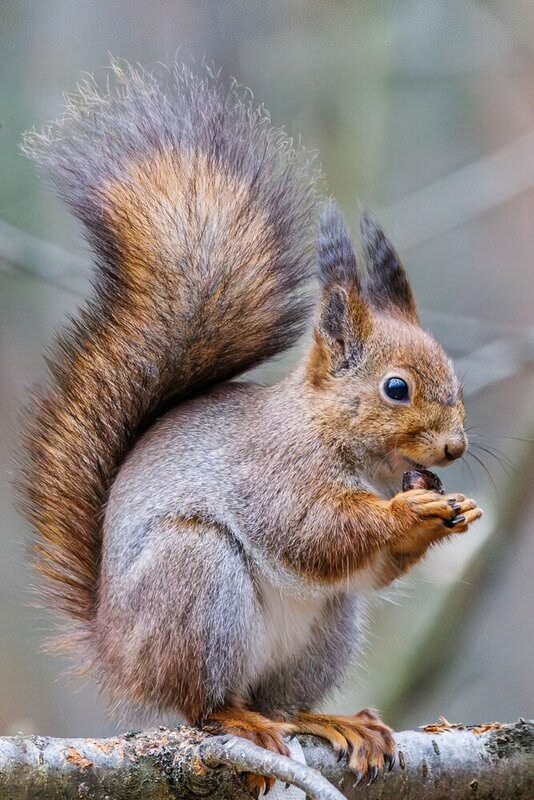
Scientific Name: Sciurus carolinensis
Class: Mammalia
Diet: Omnivore
The squirrel is well known for its long, fluffy tail, which can be nearly as long as its body. In fact, the name “Sciurus” comes from Greek words meaning “shadow tail.”
Interestingly, the squirrel’s bushy tail is a multi-tool. It provides balance during daring leaps, acts as a warm blanket, serves as a parachute in falls, and signals alarm to other squirrels.
Squirrels inhabit forests, woodlands, and city parks across much of the world, feeding on nuts, seeds, fruit, and fungi.
As seed hoarders, squirrels plant countless trees by forgetting buried caches. Most species thrive, though some specialized ones face habitat loss.
Fun Fact: A squirrel uses its long tail as a parachute, helping it survive falls from great heights unharmed.
Giant Anteater
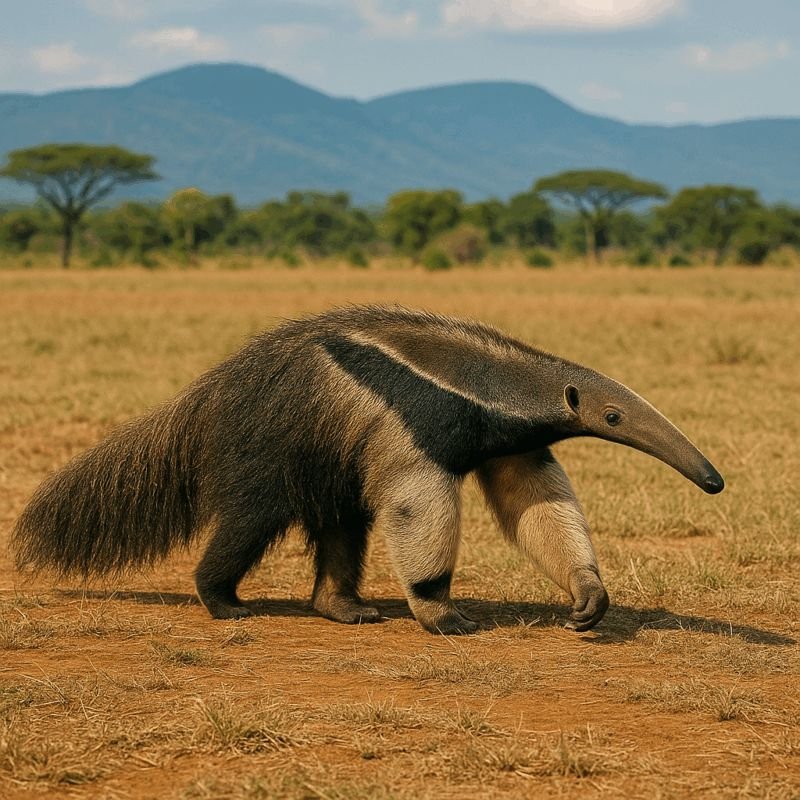
Scientific Name: Myrmecophaga tridactyla
Class: Mammalia
Diet: Insectivore
The giant anteater has a long, bushy tail nearly as long as its body, adding to its unmistakable, shaggy silhouette. The tail can reach around three feet in length.
Moreover, the anteater uses its enormous tail as a cozy blanket. It curls up and drapes the thick, hairy tail over its body for warmth and camouflage while sleeping.
Giant anteaters inhabit the grasslands, savannas, and rainforests of Central and South America, feeding on ants and termites.
As specialized insect-eaters, anteaters help control ant and termite populations. Habitat loss and road accidents have made them Vulnerable.
Fun Fact: A giant anteater’s tail is so large and bushy it can completely cover the animal’s body like a rug.
Tree Pangolin
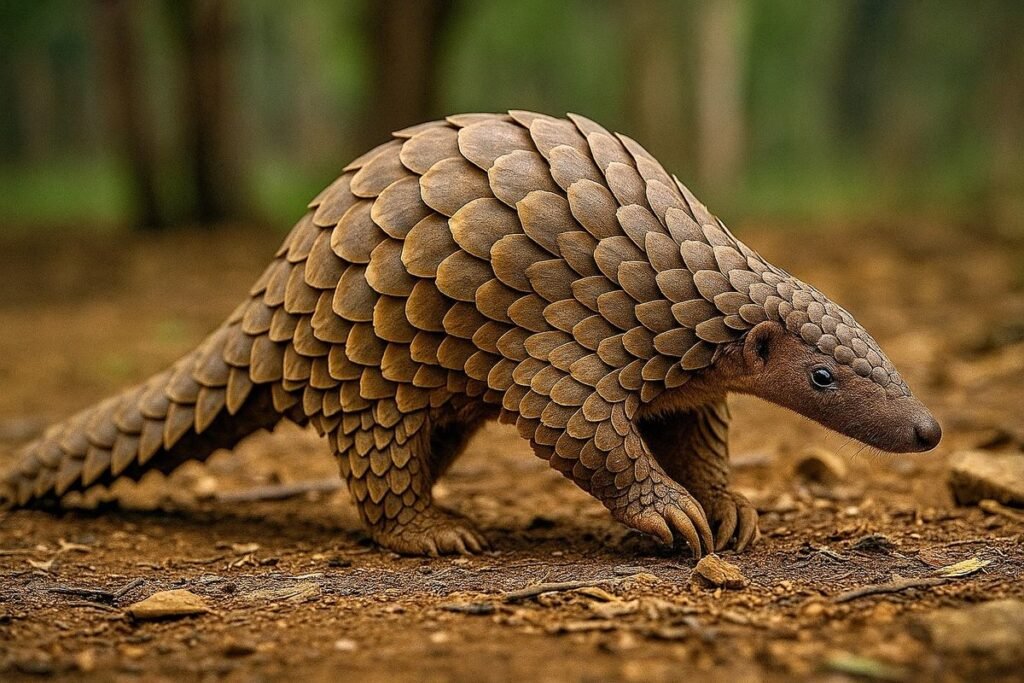
Scientific Name: Phataginus tricuspis
Class: Mammalia
Diet: Insectivore
The tree pangolin has a long, prehensile tail that it uses to grip branches as it climbs. Covered in overlapping scales, the tail can be longer than the pangolin’s body.
Interestingly, the pangolin’s tail is strong enough to support its full weight, letting it hang and maneuver through the canopy. It is also armored, offering protection against predators.
Tree pangolins inhabit the tropical forests of central and western Africa, feeding on ants and termites with their long, sticky tongues.
As insect-eaters, pangolins help regulate ant and termite numbers. Tragically, they are among the world’s most trafficked mammals and are Endangered.
Fun Fact: The pangolin is the only mammal completely covered in scales, which also armor its long, grasping tail.
Aye-aye
Scientific Name: Daubentonia madagascariensis
Class: Mammalia
Diet: Omnivore
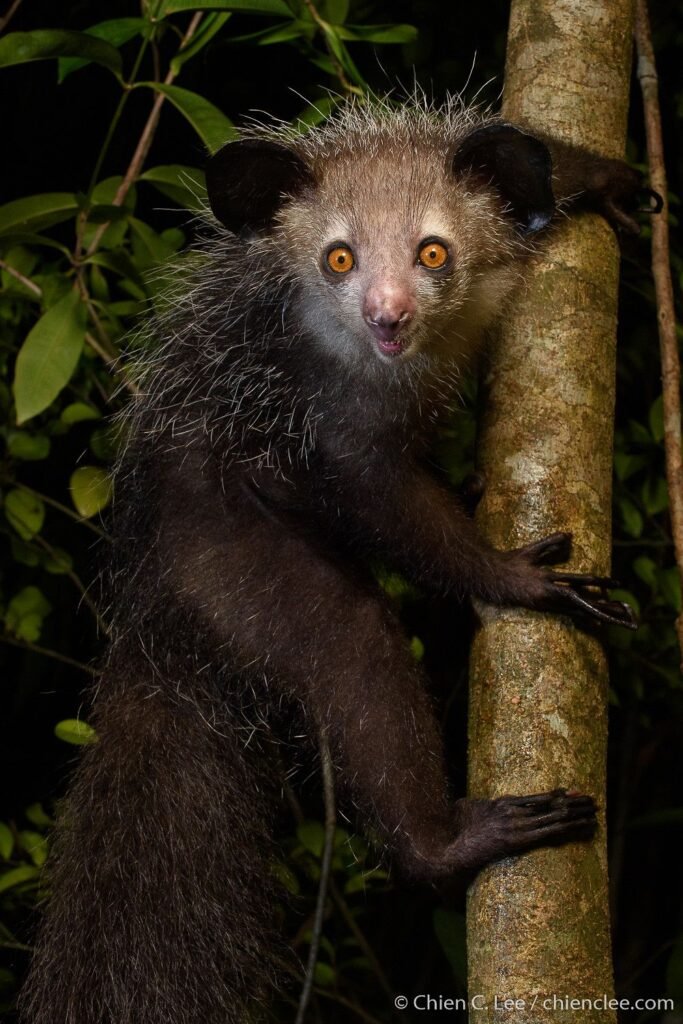
The aye-aye is a strange, nocturnal primate with a long, extraordinarily bushy tail that is larger than its body. The dark, shaggy tail dominates its eerie, unforgettable appearance.
Moreover, the aye-aye’s long tail helps it balance as it moves through the treetops at night. Its bushy form also adds to the camouflage that hides this elusive creature in the dark.
Aye-ayes inhabit the rainforests of Madagascar, foraging for insect larvae, fruit, and seeds using a specialized, elongated middle finger.
As unique foragers, aye-ayes fill an ecological niche like a woodpecker’s. Habitat loss and persecution have made them Endangered.
Fun Fact: The aye-aye taps on wood and listens for hollow tunnels, then fishes out grubs with its long, thin finger.
Nile Crocodile
Scientific Name: Crocodylus niloticus
Class: Reptilia
Diet: Carnivore
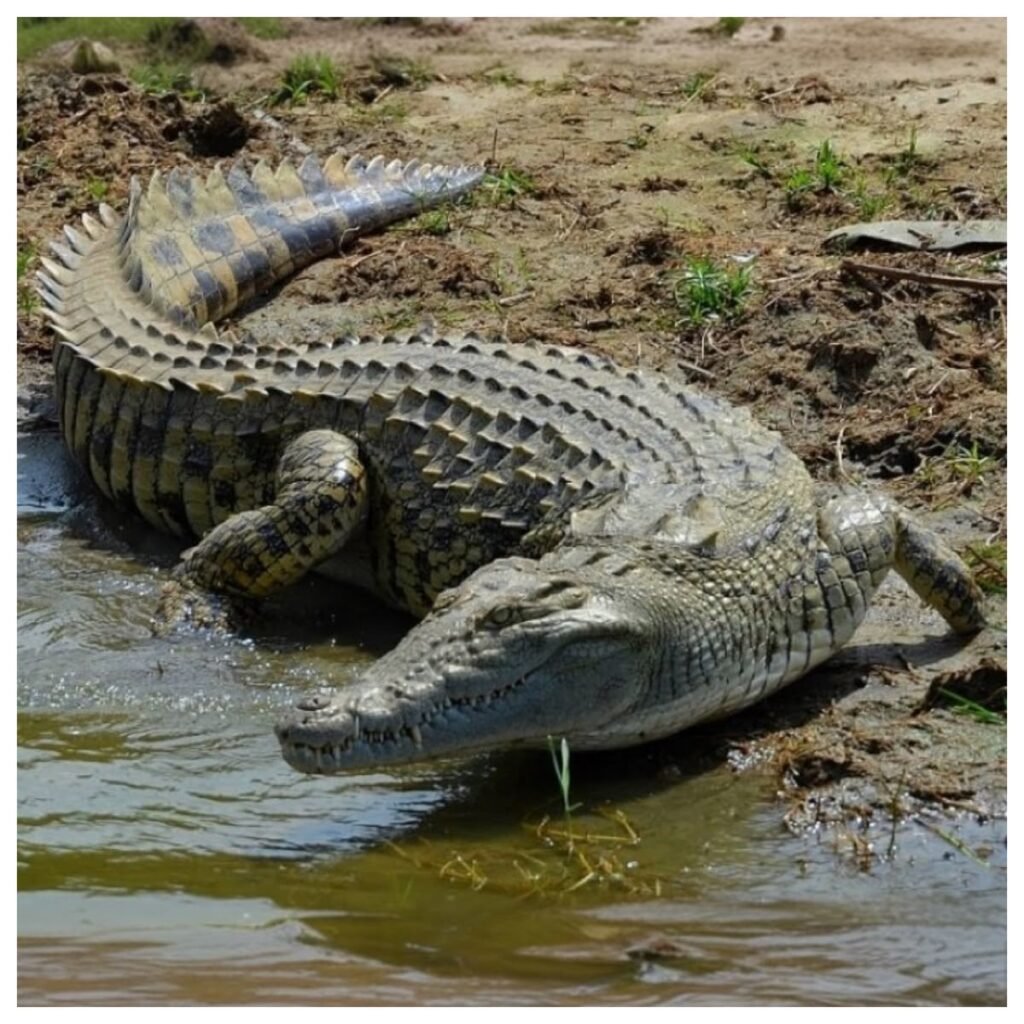
The Nile crocodile has a long, muscular tail that can make up about half of its total body length. Thick and powerful, the tail is central to its life as an ambush predator.
Interestingly, the crocodile uses its enormous tail to propel itself through water with sudden, explosive speed. On land, it can even use the tail to launch its body upward to snatch prey.
Nile crocodiles inhabit the rivers, lakes, and wetlands of sub-Saharan Africa, preying on fish, birds, and large mammals.
As apex predators, crocodiles help keep aquatic ecosystems in balance. Currently of Least Concern, they still face threats from habitat loss and hunting.
Fun Fact: A Nile crocodile’s tail is so powerful it can launch the animal’s whole body out of the water to catch prey.
Virginia Opossum

Scientific Name: Didelphis virginiana
Class: Mammalia
Diet: Omnivore
The Virginia opossum has a long, nearly hairless, prehensile tail that adds significantly to its overall length. This scaly tail is one of its most distinctive features.
Moreover, the opossum uses its prehensile tail to grip branches and carry bundles of nesting material. Young opossums can even hang briefly from their tails while learning to climb.
Virginia opossums inhabit forests, farmlands, and urban areas across North America, feeding on insects, fruit, small animals, and scraps.
As opportunistic omnivores, opossums help clean up carrion and control pests, including ticks. Widespread and adaptable, they are of Least Concern.
Fun Fact: The Virginia opossum is North America’s only marsupial, carrying its young in a pouch like a kangaroo.
Read: Animals That Eat Coconuts
Read: Animals That Eat Cactus
Read: Animals With No Tails in The World
Read: How High Can a Golden Eagle Fly?
Read: Badgers in Maine
Frequently Asked Questions
Conclusion
From the whip-like weapon of a thresher shark to the shimmering train of a peacock, animals with long tail features showcase the astonishing creativity of evolution. Each species whether a balancing snow leopard, a gripping spider monkey, or a displaying lyrebird uses its extraordinary tail to survive, communicate, or attract a mate. These remarkable adaptations remind us how varied and ingenious the natural world can be.
2 Comments