Top 10 Animals That Look Like Deer (With Images)
Have you ever seen a graceful, long-legged animal grazing in the distance and assumed it was a deer? Nature is full of deer look-alikes, and many are not deer at all. The animals that look like deer share slender legs, delicate faces, and elegant bodies built for a life of grazing and fleeing predators. Yet some belong to entirely different families, from antelopes to unique hoofed mammals.
These resemblances often come from a shared lifestyle in open landscapes. From the speedy pronghorn to the tiny mouse-deer, these creatures reveal fascinating surprises. Let’s explore the most captivating animals that look like deer and discover who they really are.
Quick List Table
| Rank | Animal Name | Scientific Name |
|---|---|---|
| 1 | Pronghorn | Antilocapra americana |
| 2 | Impala | Aepyceros melampus |
| 3 | Thomson’s Gazelle | Eudorcas thomsonii |
| 4 | Springbok | Antidorcas marsupialis |
| 5 | Lesser Mouse-Deer | Tragulus kanchil |
| 6 | Siberian Musk Deer | Moschus moschiferus |
| 7 | Common Duiker | Sylvicapra grimmia |
| 8 | Kirk’s Dik-dik | Madoqua kirkii |
| 9 | Klipspringer | Oreotragus oreotragus |
| 10 | Nilgai | Boselaphus tragocamelus |
Pronghorn
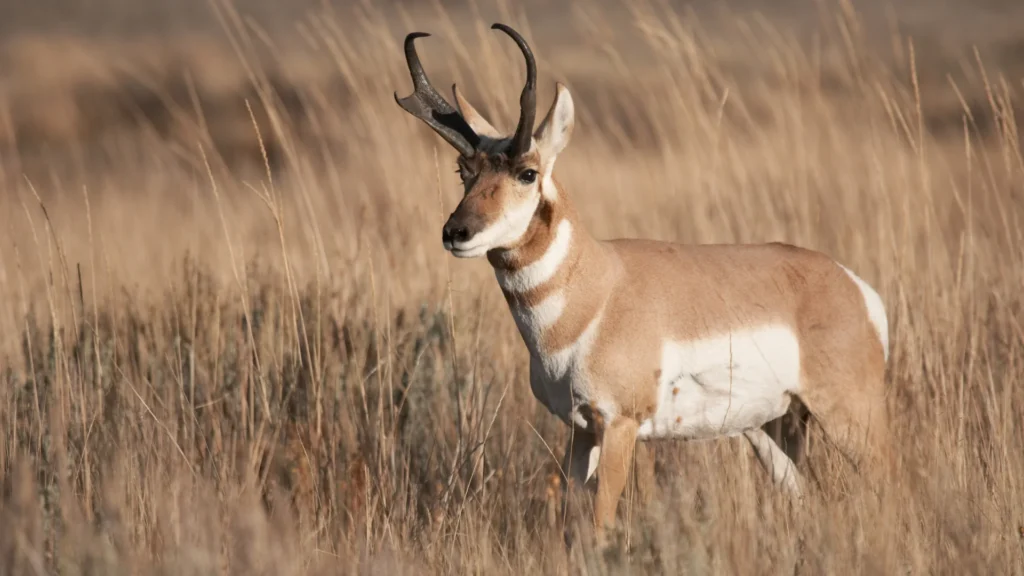
Scientific Name: Antilocapra americana
Class: Mammalia
Diet: Herbivore
The pronghorn looks so much like a deer or antelope that it is often called the “American antelope.” With its slender legs and tan coat, it seems deer-like at a glance. Yet it belongs to its own unique family.
Interestingly, the pronghorn is the fastest land animal in North America, able to run at incredible speeds. Unlike deer, it has branching horns with a bony core, not antlers. Its horns are shed and regrown each year, a trait unique among horned animals.
Pronghorns live in the grasslands and deserts of western North America. As herbivores, they feed on grasses, shrubs, and plants.
Moreover, pronghorns shape grasslands and are key prey for predators. They remain widespread across their range.
Fun Fact: The pronghorn is the fastest land animal in North America, reaching around 90 km/h.
Impala
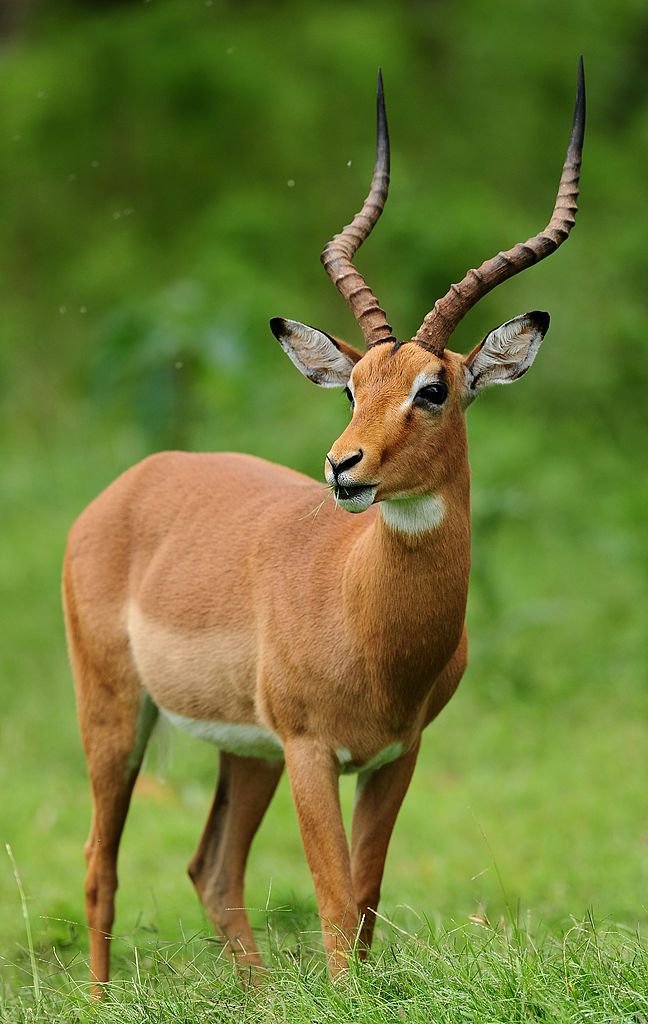
Scientific Name: Aepyceros melampus
Class: Mammalia
Diet: Herbivore
The impala looks like a graceful deer with slender legs and a reddish coat. Its elegant build and leaping ability make it seem deer-like. Yet it is an African antelope, not a deer.
What sets the impala apart is its spectacular leaping and its horns. Males have long, curved horns rather than branching antlers, and the animal can leap around 3 meters high. These jumps help it escape predators.
Impalas live in the savannas and woodlands of eastern and southern Africa. As herbivores, they graze and browse on grass and leaves.
Moreover, impalas are key prey that support many predators. They remain widespread and abundant.
Fun Fact: An impala can leap around 3 meters high and 10 meters in a single bound.
Thomson’s Gazelle
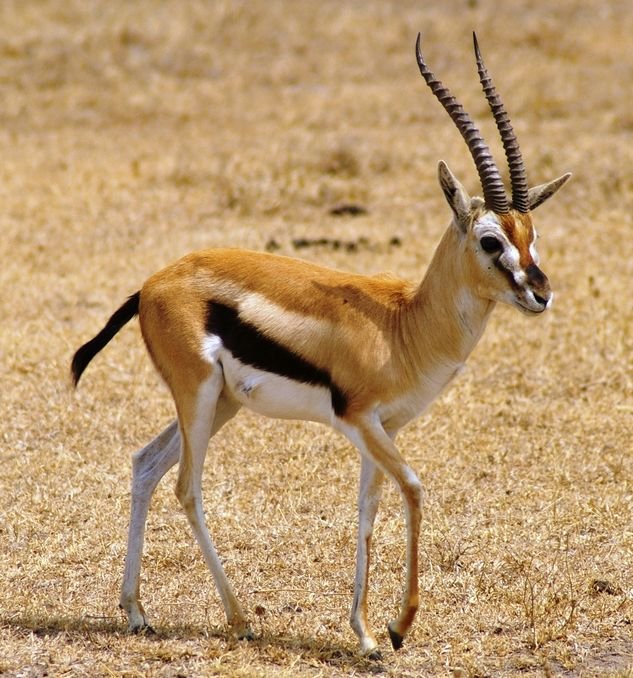
Scientific Name: Eudorcas thomsonii
Class: Mammalia
Diet: Herbivore
The Thomson’s gazelle is a small, graceful animal that closely resembles a deer. Its slim legs and delicate face give it a deer-like look. Yet it is an antelope of the African plains.
Interestingly, the gazelle is famous for its speed and its distinctive bouncing run called “stotting.” Males carry ringed horns instead of antlers. Stotting may signal to predators that it is fit and hard to catch.
Thomson’s gazelles live in the grasslands and savannas of East Africa. As herbivores, they graze mainly on short grass.
Moreover, gazelles are important prey for predators like cheetahs. They remain widespread across their range.
Fun Fact: A gazelle “stots,” bouncing on stiff legs, possibly to show predators it is too fit to catch.
Springbok
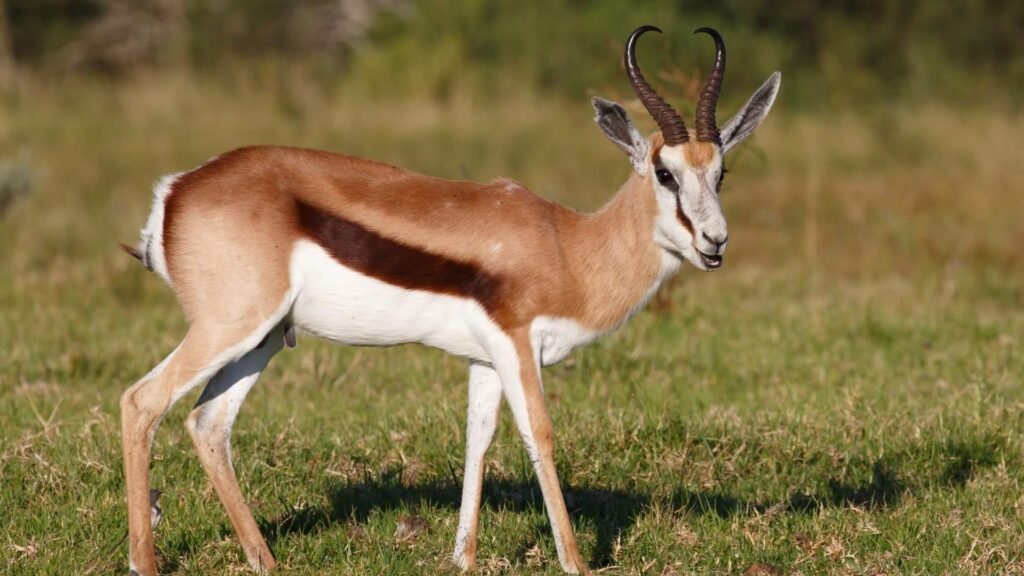
Scientific Name: Antidorcas marsupialis
Class: Mammalia
Diet: Herbivore
The springbok looks like a slender, graceful deer of the African plains. Its long legs and delicate build give it a deer-like appearance. Yet it is an antelope, not a deer.
What sets the springbok apart is its dramatic leaping display called “pronking.” It springs high into the air with a curved back and stiff legs. Both sexes carry ringed horns rather than antlers.
Springbok live in the grasslands and semi-deserts of southern Africa. As herbivores, they feed on grasses, shrubs, and roots.
Moreover, springbok shape vegetation and are important prey. They remain widespread and abundant.
Fun Fact: A springbok “pronks,” leaping high with an arched back, seemingly out of excitement.
Lesser Mouse-Deer

Scientific Name: Tragulus kanchil
Class: Mammalia
Diet: Herbivore
The lesser mouse-deer, or chevrotain, looks like a tiny deer no bigger than a rabbit. With its slim legs and delicate body, it seems like a miniature deer. Yet it belongs to its own ancient family.
Interestingly, the mouse-deer is one of the smallest hoofed animals in the world. Unlike true deer, males have small tusk-like fangs instead of antlers. It moves shyly through the forest undergrowth.
Lesser mouse-deer live in the rainforests of Southeast Asia. As herbivores, they feed on fallen fruit, leaves, and shoots.
Moreover, mouse-deer help disperse seeds through the forest. They remain fairly common but are elusive.
Fun Fact: Instead of antlers, the male mouse-deer has small tusk-like fangs.
Siberian Musk Deer
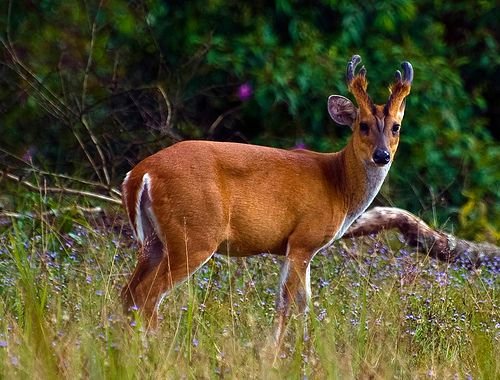
Scientific Name: Moschus moschiferus
Class: Mammalia
Diet: Herbivore
The Siberian musk deer looks like a small deer but has a startling feature. With its slender body and delicate legs, it seems deer-like. Yet it lacks antlers and belongs to its own family.
What sets the musk deer apart is its long, fang-like tusks. Males grow these saber-like canines instead of antlers, using them in contests. This gives it a striking, almost vampire-like appearance.
Siberian musk deer live in the forests and mountains of Asia. As herbivores, they feed on lichens, leaves, and shoots.
Moreover, musk deer are part of forest ecosystems. Hunting for their scent glands has made them a vulnerable species.
Fun Fact: Male musk deer grow long, fang-like tusks instead of antlers.
Common Duiker
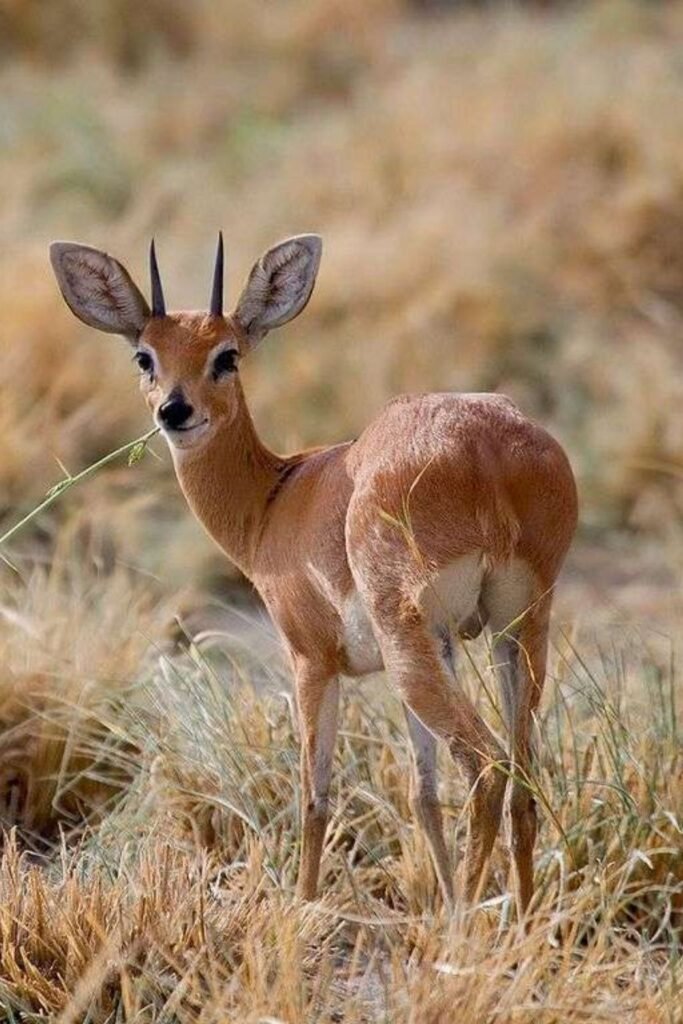
Scientific Name: Sylvicapra grimmia
Class: Mammalia
Diet: Herbivore (also some animal matter)
The common duiker is a small antelope that looks much like a young deer. Its slim legs and rounded body give it a deer-like appearance. Yet it is an antelope of the African bush.
Interestingly, the duiker’s name means “diver,” for the way it dives into cover when startled. It has short horns rather than antlers. Unusually for an antelope, it sometimes eats insects and small animals.
Common duikers live in the savannas and woodlands of sub-Saharan Africa. As herbivores, they feed mainly on leaves, fruit, and shoots.
Moreover, duikers help disperse seeds and are prey for predators. They remain widespread across their range.
Fun Fact: The duiker’s name means “diver,” for how it dives into cover to escape danger.
Kirk’s Dik-dik
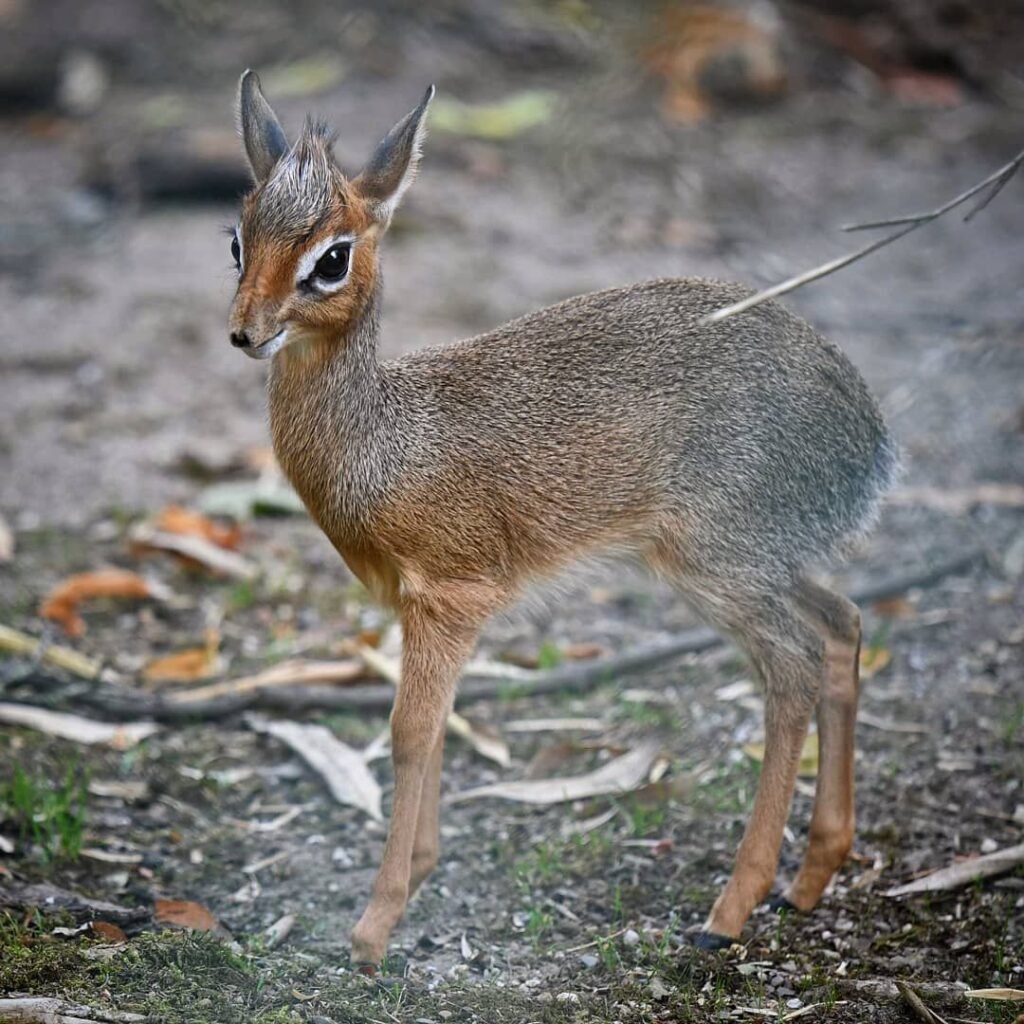
Scientific Name: Madoqua kirkii
Class: Mammalia
Diet: Herbivore
The Kirk’s dik-dik is a tiny antelope that looks like a miniature deer. With its slender legs and big eyes, it seems like a delicate baby deer. Yet it is a fully grown antelope.
What sets the dik-dik apart is its small size and elongated snout. Males have short, spiky horns instead of antlers. Its snout helps keep it cool in the heat, and it gets water from its food.
Kirk’s dik-diks live in the dry scrublands of eastern and southern Africa. As herbivores, they browse on leaves, shoots, and fruit.
Moreover, dik-diks help shape vegetation and are prey for many predators. They remain fairly common across their range.
Fun Fact: The dik-dik gets its name from the alarm call it makes when startled.
Klipspringer
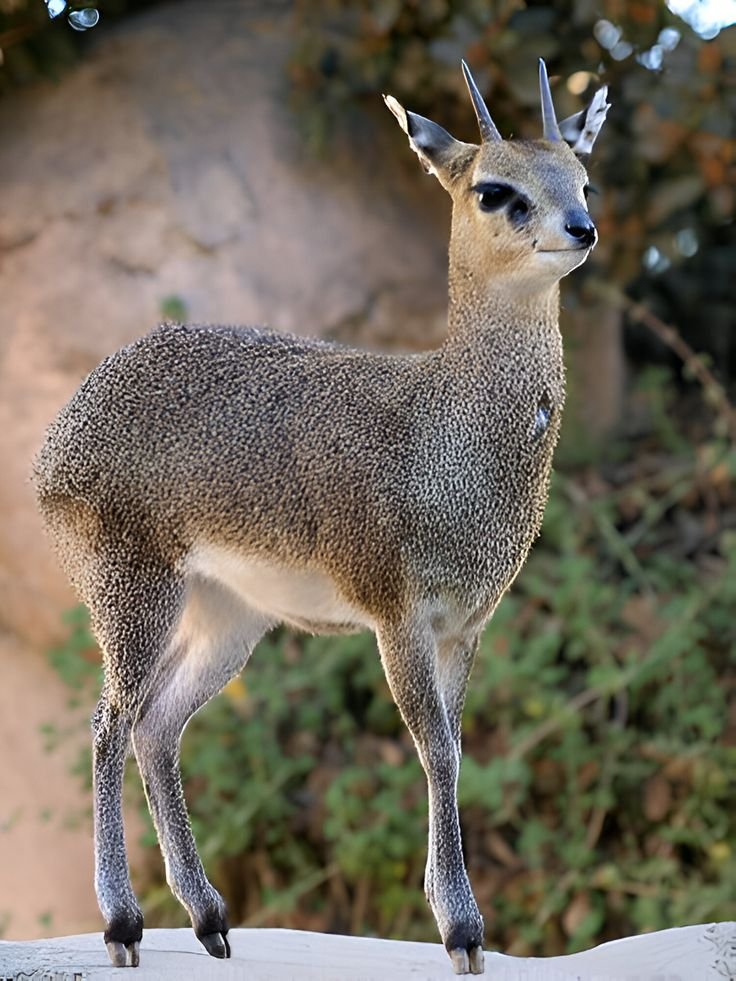
Scientific Name: Oreotragus oreotragus
Class: Mammalia
Diet: Herbivore
The klipspringer is a small antelope that resembles a compact, sturdy deer. Its delicate legs and rounded body give it a deer-like look. Yet it is an antelope built for rocky terrain.
Interestingly, the klipspringer walks and jumps on the very tips of its hooves, giving it great agility on rocks. Males, and sometimes females, have short, straight horns rather than antlers. Its thick coat cushions it against hard rock.
Klipspringers live in the rocky hills and mountains of eastern and southern Africa. As herbivores, they browse on leaves, shoots, and flowers.
Moreover, klipspringers are adapted to rugged terrain that many predators avoid. They remain fairly common across their range.
Fun Fact: The klipspringer walks and jumps on the very tips of its hooves.
Nilgai
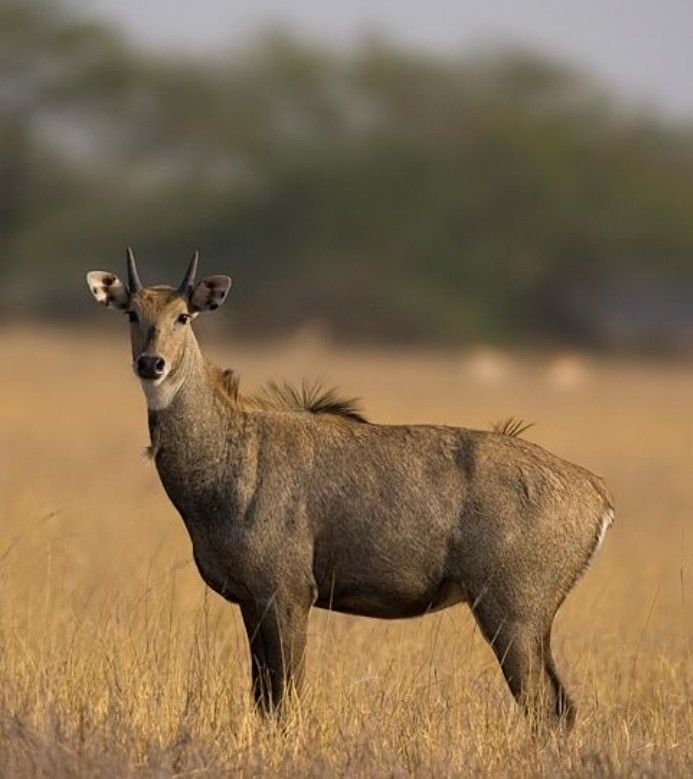
Scientific Name: Boselaphus tragocamelus
Class: Mammalia
Diet: Herbivore
The nilgai is a large animal that resembles a big, sturdy deer or horse. Its long legs and sloping body give it a deer-like look from afar. Yet it is the largest antelope in Asia.
What sets the nilgai apart is its size and unusual shape. Males are bluish-gray with short horns instead of antlers, earning the name “blue bull.” It stands taller and heavier than most deer.
Nilgai live in the grasslands and woodlands of the Indian subcontinent. As herbivores, they graze and browse on grass, leaves, and fruit.
Moreover, nilgai shape vegetation and are prey for large predators. They remain widespread across their range.
Fun Fact: The male nilgai’s bluish-gray coat earns it the name “blue bull.”
Read: Territorial Animals in the World
Read: Animals That Eat Bees
Read: Animals That Eat Bones
Read: Friendliest Animals in the World
Read: Animals That Eat Eggs
Frequently Asked Questions
Conclusion
From the record-breaking pronghorn to the tiny mouse-deer, the animals that look like deer reveal how a graceful, long-legged form appears again and again across the animal kingdom. Many of these look-alikes are antelopes or unique hoofed mammals that evolved similar bodies for a life of grazing and fleeing predators. Their resemblances are a beautiful example of nature’s shared designs.