Top 12 Friendliest Animals in the World (With Images)
Have you ever wondered which animals would greet you with genuine warmth rather than fear? While nature is often painted as a fierce battleground, many creatures are remarkably gentle, social, and eager to connect. The friendliest animals in the world thrive on cooperation, forming deep bonds that help their groups survive and flourish. Their kindness is more than charm it strengthens communities, aids survival, and even bridges the gap between wildlife and humans.
From loyal dogs to playful dolphins and unbothered capybaras, these animals remind us that friendship is a powerful force in nature. Let’s explore the gentlest, most sociable animals on Earth and the science behind their friendly natures.
Quick List Table
| Rank | Animal Name | Scientific Name |
|---|---|---|
| 1 | Dog | Canis lupus familiaris |
| 2 | Bottlenose Dolphin | Tursiops truncatus |
| 3 | Capybara | Hydrochoerus hydrochaeris |
| 4 | Horse | Equus caballus |
| 5 | Quokka | Setonix brachyurus |
| 6 | African Elephant | Loxodonta africana |
| 7 | West Indian Manatee | Trichechus manatus |
| 8 | Beluga Whale | Delphinapterus leucas |
| 9 | Guinea Pig | Cavia porcellus |
| 10 | Domestic Rabbit | Oryctolagus cuniculus |
| 11 | Sheep | Ovis aries |
| 12 | Alpaca | Vicugna pacos |
Dog

Scientific Name: Canis lupus familiaris
Class: Mammalia
Diet: Omnivore
The dog has earned its title as humanity’s best friend through thousands of years of companionship. Bred from wolves, it forms powerful emotional bonds with people and other animals alike. Few creatures embody friendliness as completely as the loyal, affectionate dog.
Interestingly, dogs read human emotions with remarkable skill, responding to our tone, gestures, and even facial expressions. They release bonding hormones when interacting with their owners, mirroring the connection between parent and child. This deep social intelligence sets them apart.
Domestic dogs live alongside humans across the entire globe, in nearly every climate and culture. As omnivores, they thrive on balanced diets and adapt to countless roles, from herding and guarding to guiding and comforting.
Beyond companionship, dogs assist people as service animals, rescuers, and therapy partners. As a species they flourish worldwide, their bond with humans one of the closest in the natural world.
Fun Fact: Dogs can learn hundreds of words and gestures, rivaling the vocabulary of a toddler.
Bottlenose Dolphin
Scientific Name: Tursiops truncatus
Class: Mammalia
Diet: Carnivore (fish, squid)
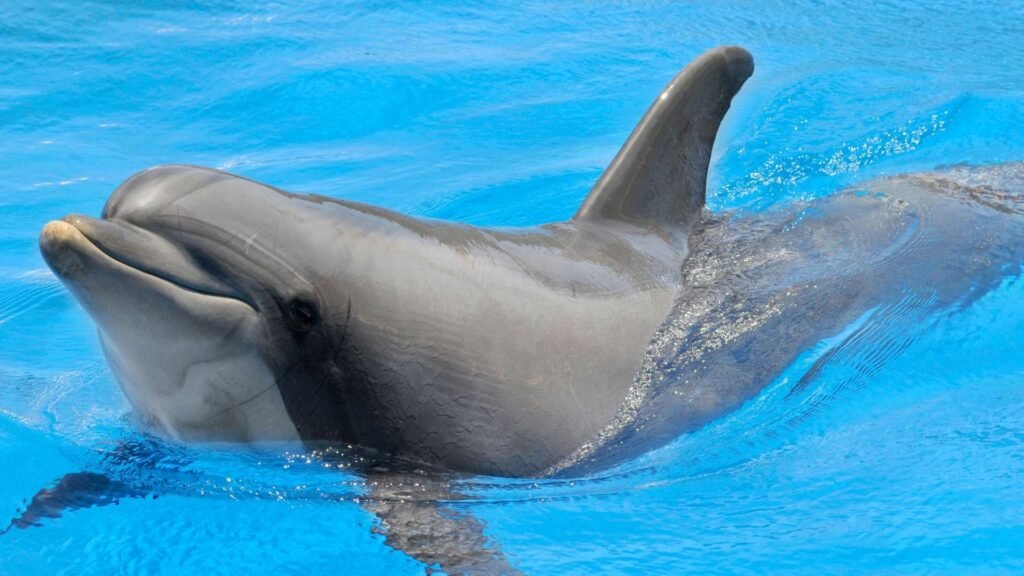
The bottlenose dolphin is famous for its playful, curious, and friendly nature. Often approaching boats and swimmers, it seems genuinely interested in interacting with humans. This sociability makes it one of the ocean’s most beloved animals.
What sets the dolphin apart is its rich social life. Living in tight pods, dolphins cooperate to hunt, protect one another, and even help injured companions to the surface to breathe. They communicate through clicks, whistles, and signature calls unique to each individual.
Bottlenose dolphins inhabit temperate and tropical oceans worldwide, from coasts to the open sea. They feed on fish and squid, often working together to herd prey into tight groups.
Beyond their charm, dolphins are top predators that reflect the health of marine ecosystems. Pollution, fishing nets, and noise pose ongoing threats, though the species remains widespread.
Capybara
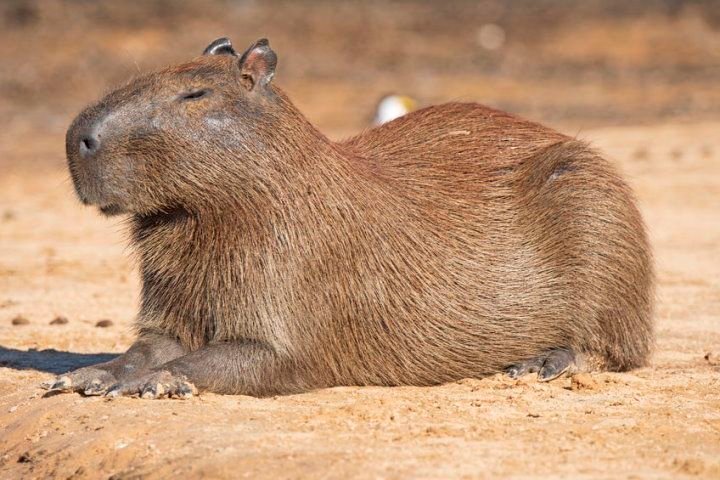
Scientific Name: Hydrochoerus hydrochaeris
Class: Mammalia
Diet: Herbivore (grasses, aquatic plants)
The capybara, the world’s largest rodent, is renowned for its astonishingly calm and friendly disposition. Famous online for lounging peacefully beside birds, monkeys, and even predators, it seems to get along with everyone. Its relaxed nature has made it an icon of animal friendliness.
Interestingly, capybaras are deeply social, living in groups of ten to twenty or more. They communicate through purrs, barks, and whistles, strengthening bonds within the herd. Their tolerant temperament allows other animals to rest safely nearby.
Capybaras live near rivers, lakes, and marshes across much of South America. As herbivores, they graze on grasses and aquatic plants, never straying far from the water they use for safety and cooling.
Moreover, capybaras support their ecosystems as prey and as grazers that shape wetland vegetation. They remain common, thriving wherever water and grassland meet.
Fun Fact: Capybaras are such easygoing hosts that birds and monkeys often perch on their backs.
Horse
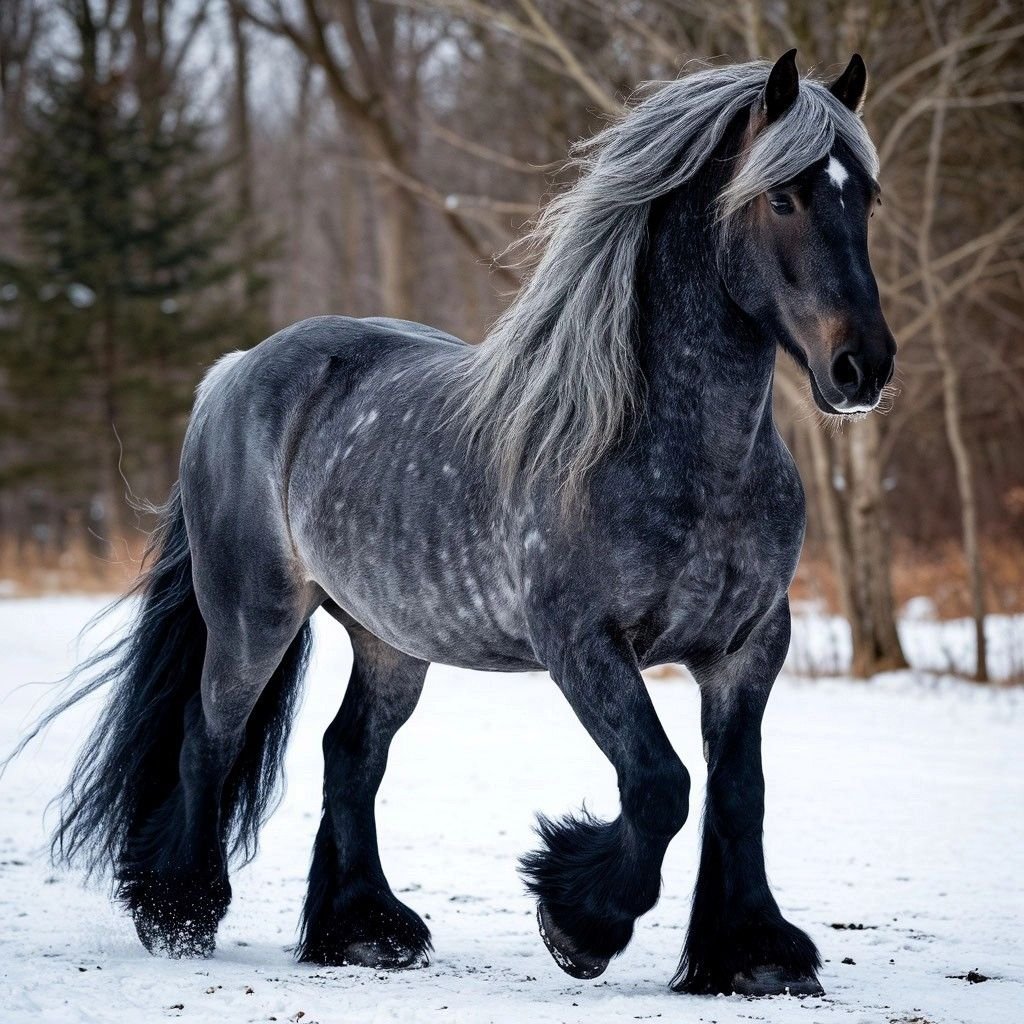
Scientific Name: Equus caballus
Class: Mammalia
Diet: Herbivore
The horse has partnered with humans for millennia, forming bonds built on trust and cooperation. Gentle and perceptive, it responds warmly to kind handling and familiar company. This deep connection makes the horse one of our most cherished animal friends.
What sets the horse apart is its sensitivity to emotion and body language. Herd animals by nature, horses seek companionship and can grow anxious when isolated. They recognize individual people and remember those who treat them well.
Domestic horses live worldwide, from open ranches to stables in every climate. As grazers, they feed on grass and hay, spending much of the day eating in the company of their herd.
Beyond their historical role in travel and farming, horses today support therapy, sport, and companionship. Wild and feral populations also persist, though they depend on open habitat to thrive.
Quokka
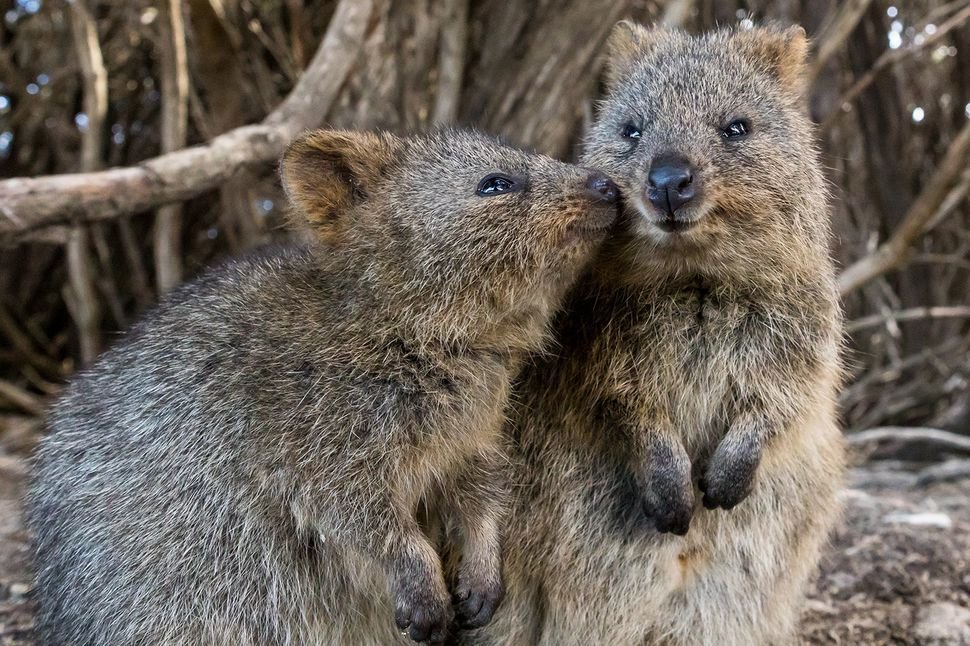
Scientific Name: Setonix brachyurus
Class: Mammalia
Diet: Herbivore
The quokka is often called the happiest animal in the world, thanks to its perpetually smiling face. This small marsupial is famously unafraid of people, often approaching curiously and posing for photos. Its gentle boldness has made it a global sensation.
Interestingly, the quokka’s friendly appearance comes from the natural shape of its mouth, which curves into a permanent grin. Living without many natural predators on isolated islands, it has little reason to fear humans and approaches them freely.
Quokkas are found mainly on Rottnest Island and a few areas of southwestern Australia. As herbivores, they browse on leaves, grasses, and shrubs, often active at night to avoid the heat.
Moreover, quokkas help shape island vegetation through their grazing. Sadly, habitat loss and introduced predators on the mainland have made them vulnerable, so their island refuges are vital.
Fun Fact: The quokka’s “smile” has made it one of the most photographed animals on Earth.
African Elephant
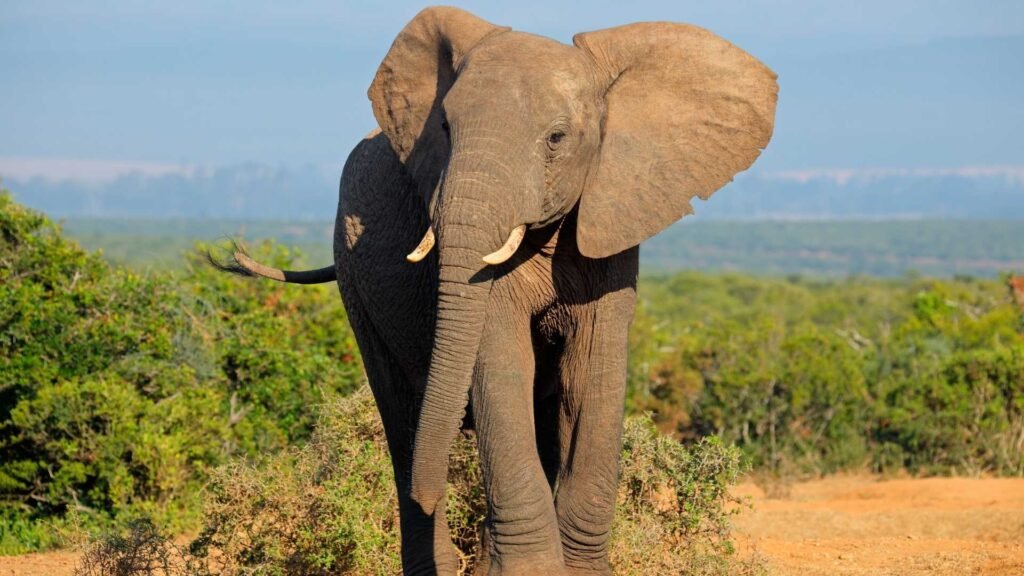
Scientific Name: Loxodonta africana
Class: Mammalia
Diet: Herbivore
The African elephant combines immense size with a gentle, deeply caring nature. Famous for their loyalty and emotional depth, elephants form some of the strongest social bonds in the animal kingdom. Their tenderness toward family reveals a profoundly friendly spirit.
What sets elephants apart is their empathy. They comfort distressed herd members, mourn their dead, and cooperate to protect calves. Led by a wise matriarch, herds communicate through rumbles, trumpets, and low-frequency sounds that travel for miles.
African elephants roam the savannas, forests, and grasslands of sub-Saharan Africa. As herbivores, they consume huge quantities of grass, leaves, bark, and fruit, traveling far to find food and water.
Beyond their gentleness, elephants are ecosystem engineers, creating water holes and dispersing seeds. Tragically, poaching and habitat loss have made them endangered, demanding urgent conservation.
West Indian Manatee
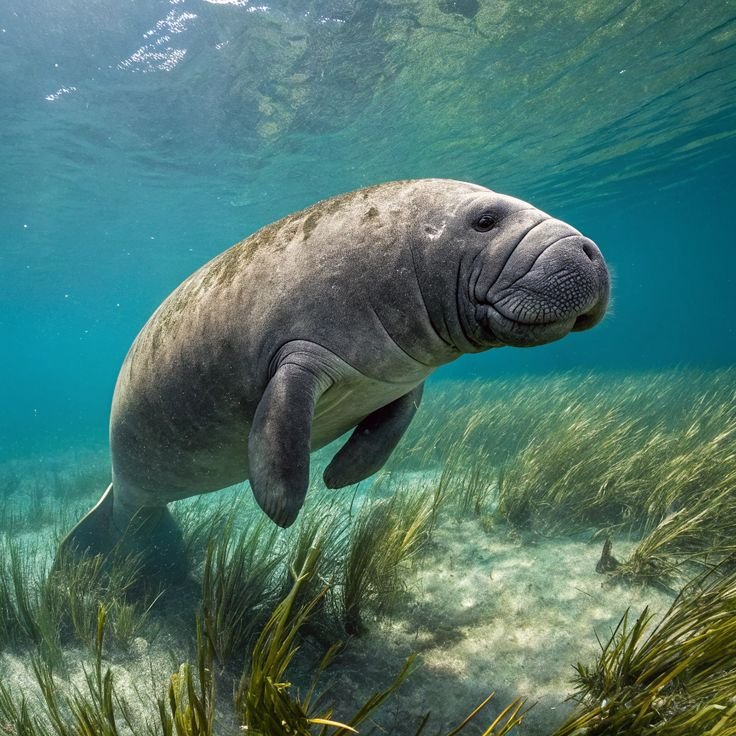
Scientific Name: Trichechus manatus
Class: Mammalia
Diet: Herbivore (aquatic plants)
The West Indian manatee, often called the “sea cow,” is a slow, gentle giant with a peaceful temperament. Curious and calm, it sometimes approaches swimmers and boats without fear. Its serene nature has earned it a reputation as one of the ocean’s friendliest animals.
Interestingly, manatees are entirely harmless herbivores, spending their days grazing lazily on underwater plants. They communicate through squeaks and chirps and share gentle, affectionate contact with one another. Their trusting nature, sadly, makes them vulnerable to boats.
Manatees inhabit warm coastal waters, rivers, and springs of the southeastern United States, the Caribbean, and beyond. They feed on seagrasses and aquatic vegetation, consuming large amounts daily.
Moreover, manatees help maintain healthy waterways by grazing on plant growth. Boat strikes, cold snaps, and habitat loss have made their conservation a pressing concern.
Beluga Whale
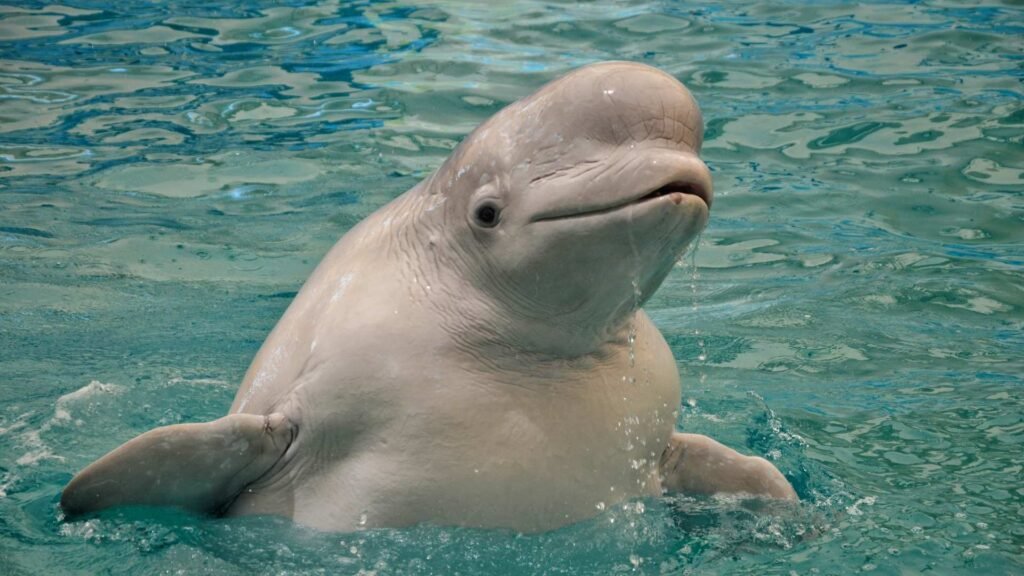
Scientific Name: Delphinapterus leucas Class: Mammalia Diet: Carnivore (fish, invertebrates)
The beluga whale, with its rounded head and gentle “smile,” is one of the most sociable creatures of the Arctic seas. Curious and vocal, belugas often interact playfully with one another and with people. Their friendly charm has earned them the nickname “sea canaries.”
What sets the beluga apart is its remarkable range of sounds. It chirps, whistles, and clicks so expressively that it appears almost talkative. Living in pods, belugas cooperate, play, and care for their young in close-knit family groups.
Beluga whales inhabit the cold coastal waters of the Arctic and subarctic. They feed on fish, squid, and crustaceans, often hunting cooperatively beneath the sea ice.
Beyond their charm, belugas are indicators of Arctic ocean health. Climate change, pollution, and industrial activity threaten their icy habitat, making their protection increasingly important.
Fun Fact: Belugas are so vocal and expressive they were nicknamed the “canaries of the sea.”
Guinea Pig
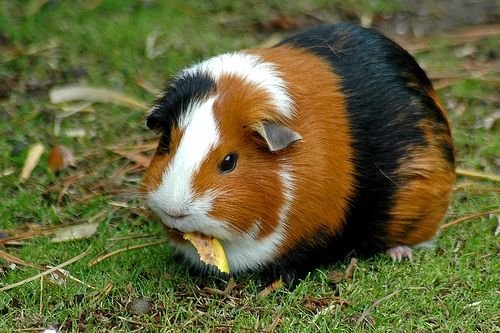
Scientific Name: Cavia porcellus
Class: Mammalia
Diet: Herbivore
The guinea pig is a gentle, affectionate companion that bonds warmly with its human caretakers. Rarely aggressive, it greets familiar people with excited squeaks and happy chatter. Its sweet temperament makes it one of the friendliest of all small pets.
Interestingly, guinea pigs are highly social and thrive in the company of others. They communicate through a wide range of sounds, from contented purrs to the excited “wheek” they make at feeding time. Kept alone, they can become lonely.
Domesticated from wild cavies of South America, guinea pigs now live as pets worldwide. As herbivores, they feed on hay, fresh vegetables, and grasses, needing vitamin C in their diet to stay healthy.
Beyond companionship, guinea pigs have a long history alongside Andean cultures. As domestic animals they are thriving, cherished for their gentle, sociable nature.
Domestic Rabbit
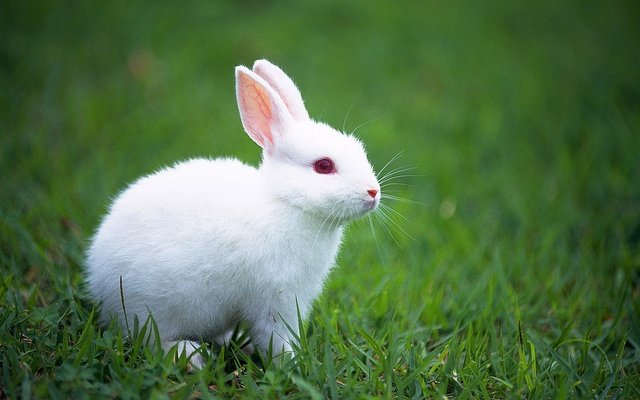
Scientific Name: Oryctolagus cuniculus
Class: Mammalia
Diet: Herbivore
The domestic rabbit is a soft-natured, affectionate animal that forms close bonds with gentle owners. Once it feels safe, it enjoys companionship and even seeks out gentle petting. Its calm, social temperament makes it a favorite friendly pet.
What sets rabbits apart is their expressive body language. A relaxed rabbit will flop over, nudge for attention, or perform a joyful leap known as a “binky.” Social by nature, they often thrive when kept with a bonded companion.
Domestic rabbits descend from the European wild rabbit and now live worldwide as pets. As herbivores, they need a diet rich in hay, leafy greens, and fresh vegetables to stay healthy.
Beyond companionship, rabbits’ wild relatives shape ecosystems as grazers and prey. As domestic animals they flourish, valued for their gentle and affectionate personalities.
Fun Fact: A happy rabbit expresses joy with a twisting midair jump called a “binky.”
Sheep
Scientific Name: Ovis aries
Class: Mammalia
Diet: Herbivore
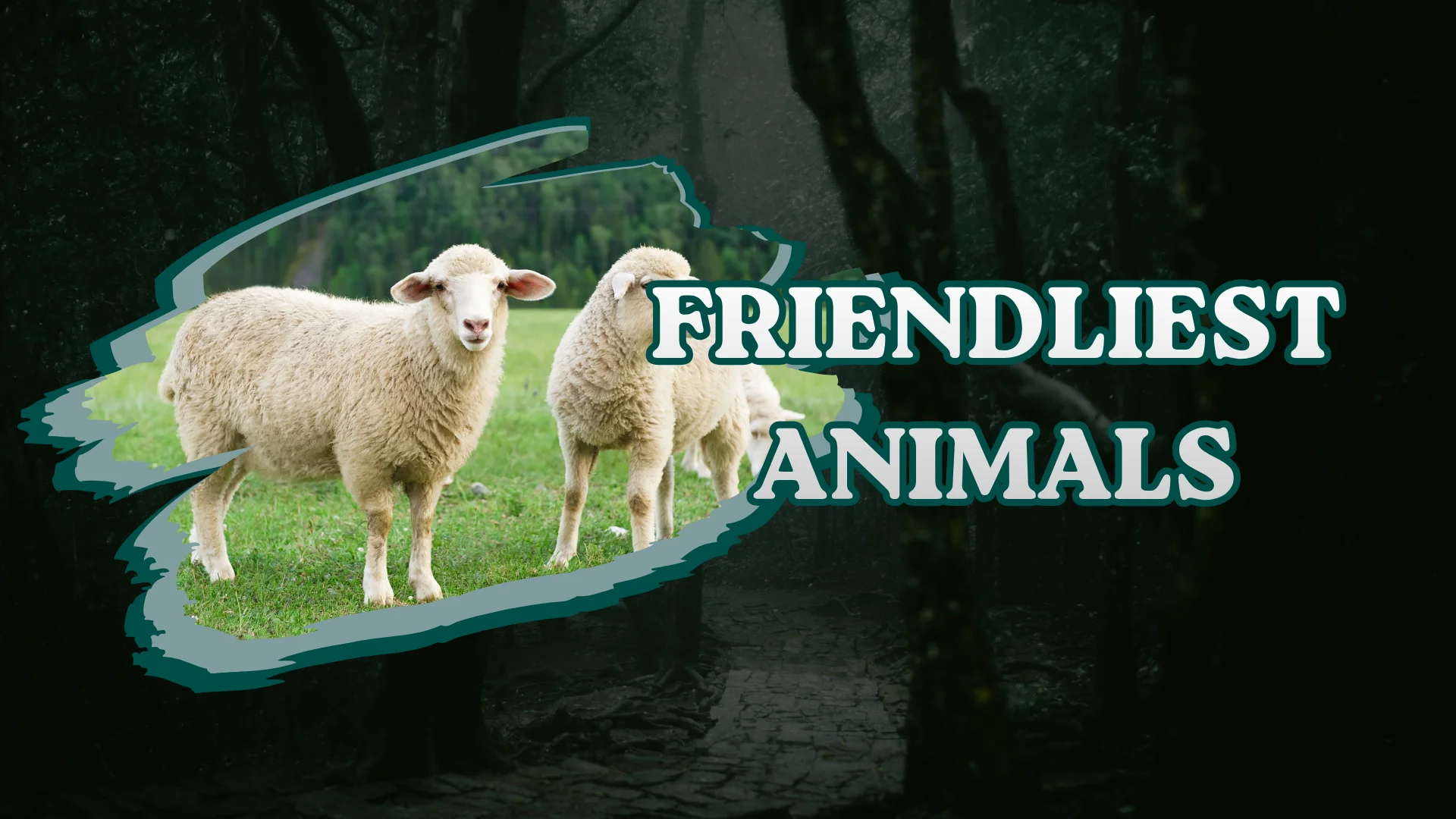
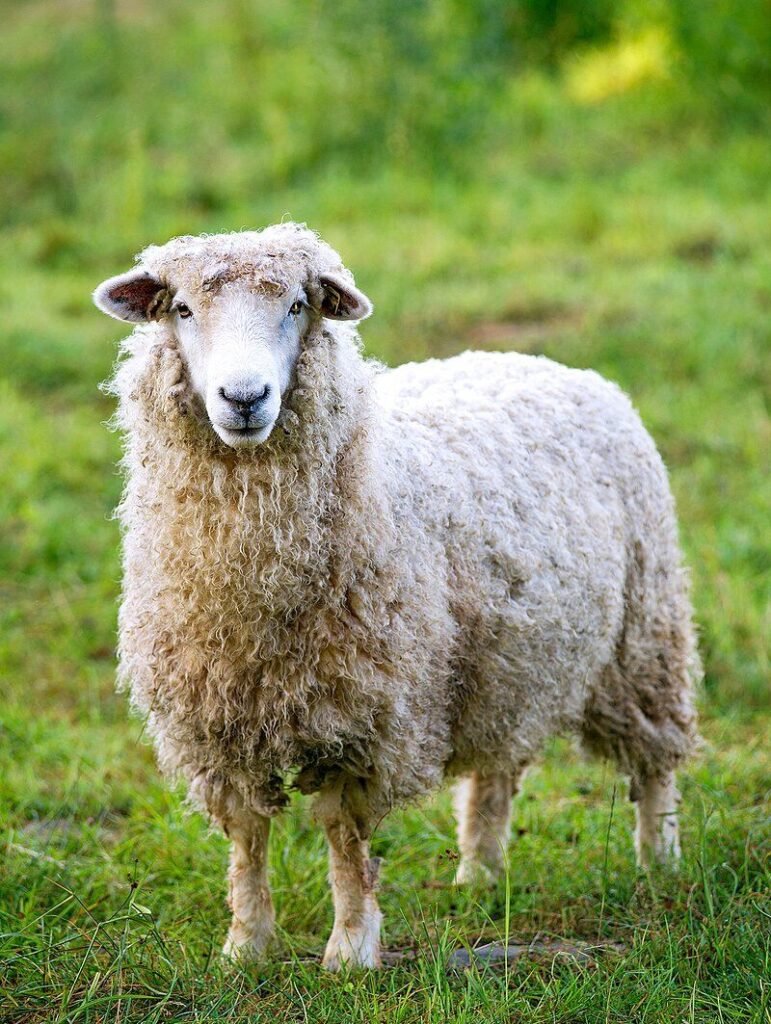
The sheep is a calm, gentle animal that thrives on companionship and rarely shows aggression. Deeply social, it feels safest surrounded by its flock and bonds with familiar caretakers. This peaceful nature makes the sheep a genuinely friendly creature.
Interestingly, sheep are smarter than their reputation suggests. They can recognize dozens of individual faces, both sheep and human, and remember them for years. They form friendships within the flock and may become distressed when separated.
Domesticated thousands of years ago, sheep now live on farms across the world. As grazers, they feed on grass and other vegetation, spending their days peacefully feeding together.
Beyond their gentle nature, sheep have shaped human agriculture through wool, milk, and companionship. As a domestic species they are abundant and closely tied to human life.
Alpaca
Scientific Name: Vicugna pacos
Class: Mammalia
Diet: Herbivore
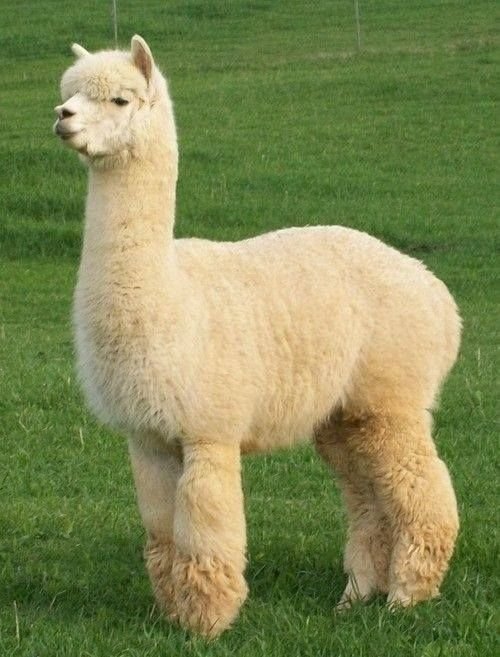
The alpaca is a gentle, curious animal known for its calm and friendly demeanor. Soft-eyed and sociable, it enjoys the company of its herd and warms quickly to gentle people. Its serene personality makes it a beloved farm companion.
What sets the alpaca apart is its peaceful, humming communication. Alpacas hum softly to express curiosity, contentment, or mild concern, staying in constant gentle contact with the herd. They are rarely aggressive and prefer calm interaction.
Alpacas originate from the high Andes of South America and are now raised worldwide. As herbivores, they graze on grasses and hay, thriving in cool, open pastures.
Beyond their charm, alpacas have supported Andean communities for centuries through their soft, prized fleece. As domestic animals they are thriving and increasingly popular around the globe.
Read: Animals That Eat Eggs
Read: Animals That Are Loners
Read: Animals That Can Climb Trees
Read: Animals That Eat Grass
Read: Animals That Eat Bananas
Frequently Asked Questions
Conclusion
From loyal dogs to smiling quokkas and gentle manatees, the friendliest animals in the world show that kindness and cooperation run deep in nature. Their social bonds help them survive, raise their young, and even connect with humans across the boundaries of species.