Top 15 Animals Like Ferrets in The World (With Images)
Did you know that the playful pet ferret is actually a domesticated version of a fierce wild hunter? With its long, low-slung body, short legs, and endless curiosity, the ferret has many wild relatives and look-alikes around the world. Most belong to the weasel family and share the same slinky shape and bold personality, while a few simply resemble ferrets through similar lifestyles.
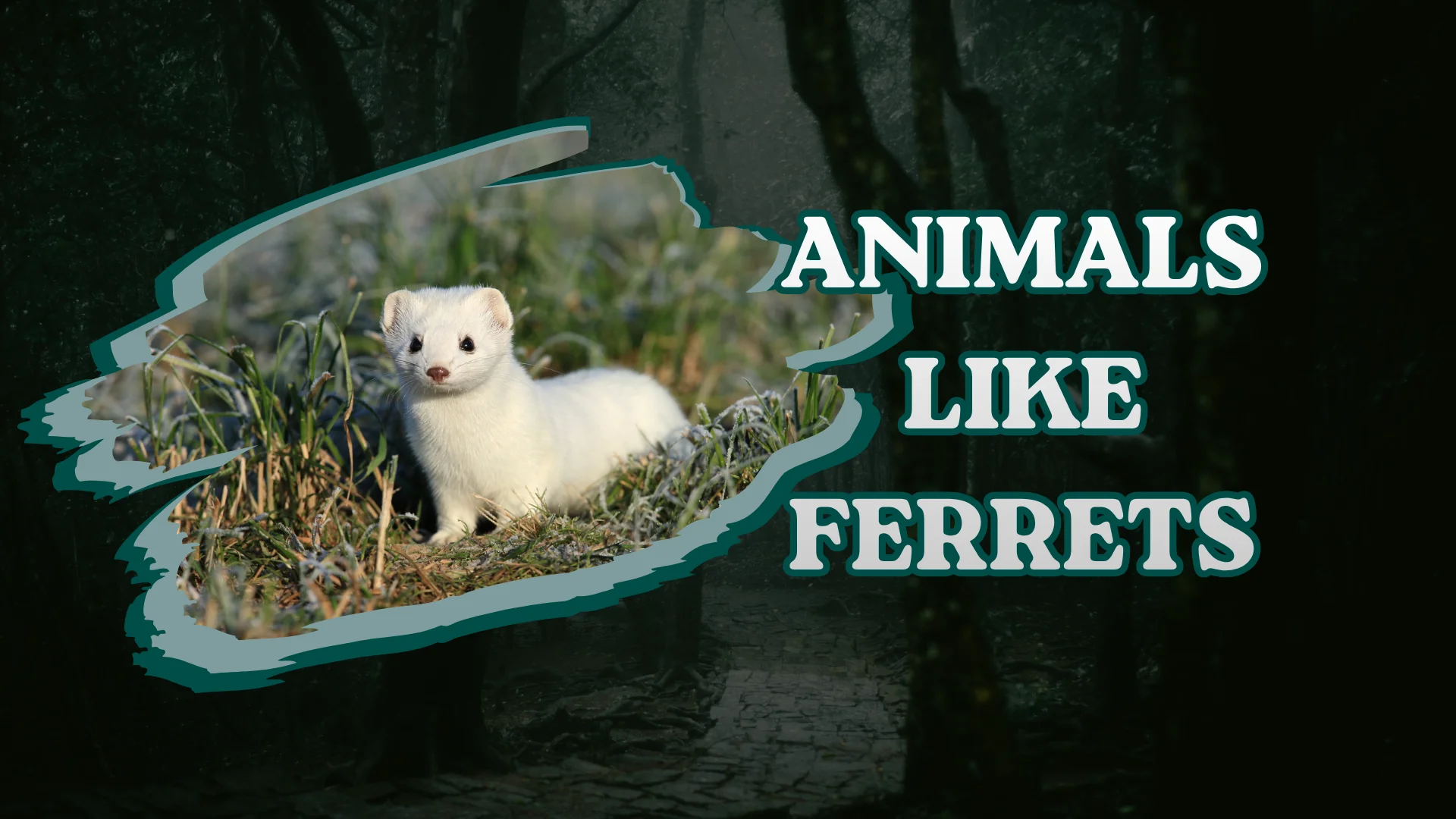
These agile, energetic animals are experts at squeezing into tight spaces. In this guide, we’ll explore the top 15 animals like ferrets, uncovering how they compare and why so many creatures share the ferret’s sleek design.
List of Animals Like Ferrets
| Rank | Animal | Scientific Name |
|---|---|---|
| 1 | European Polecat | Mustela putorius |
| 2 | Weasel | Mustela nivalis |
| 3 | Stoat | Mustela erminea |
| 4 | American Mink | Neogale vison |
| 5 | Black-footed Ferret | Mustela nigripes |
| 6 | Long-tailed Weasel | Mustela frenata |
| 7 | Meerkat | Suricata suricatta |
| 8 | Mongoose | Herpestes edwardsii |
| 9 | Striped Skunk | Mephitis mephitis |
| 10 | Pine Marten | Martes martes |
| 11 | Sable | Martes zibellina |
| 12 | Tayra | Eira barbara |
| 13 | Grison | Galictis vittata |
| 14 | Common Genet | Genetta genetta |
| 15 | Prairie Dog | Cynomys ludovicianus |
European Polecat
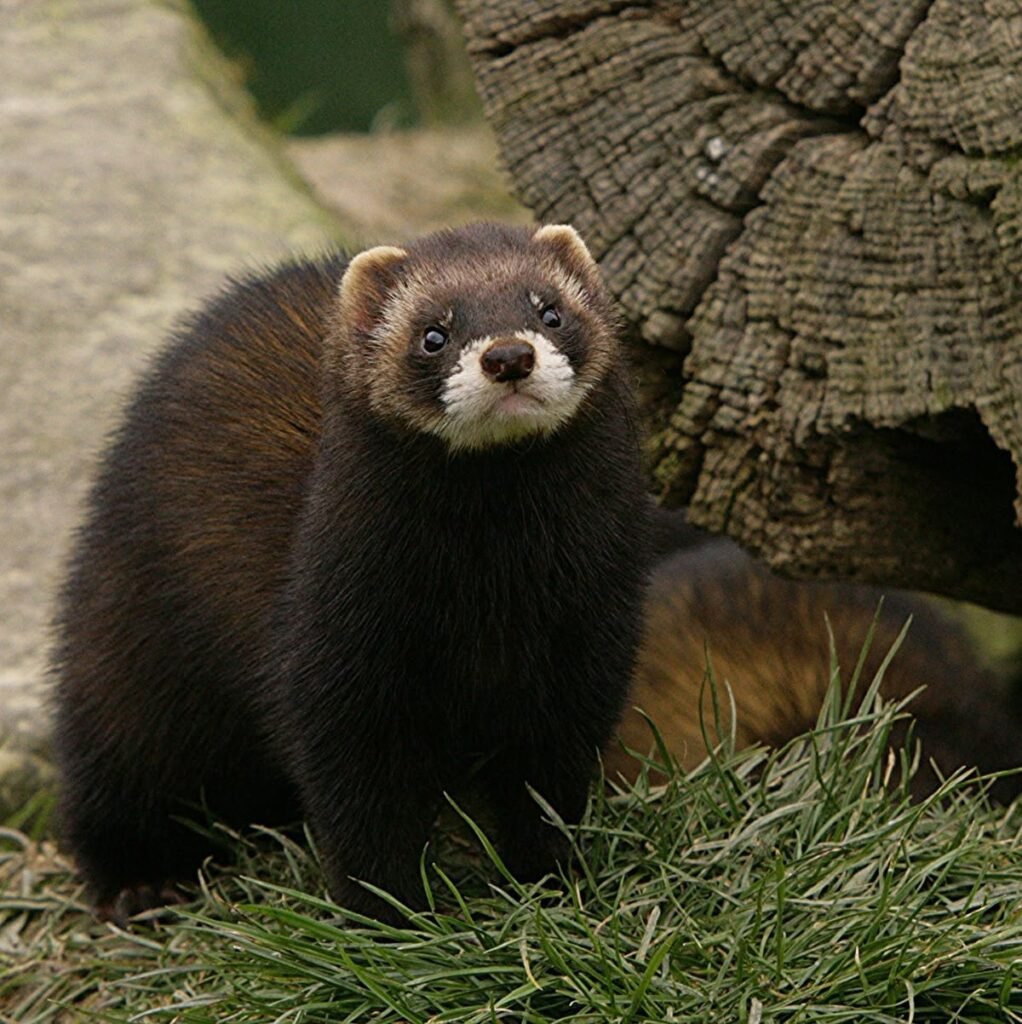
Scientific Name: Mustela putorius
Class: Mammalia
Diet: Carnivore
The European polecat is the wild ancestor of the domestic ferret and its closest relative. It shares the exact same long body, short legs, and dark facial mask.
Interestingly, the polecat looks so much like a ferret that the two can even interbreed. Like the pet ferret, it is a fierce burrow hunter of rodents, frogs, and rabbits.
European polecats inhabit forests, farmlands, and wetlands across Europe, hunting a variety of small animals.
As predators, polecats help control rodent and amphibian populations. Widespread across their range, they are of Least Concern.
Fun Fact: The domestic ferret was bred from the European polecat thousands of years ago to hunt rabbits.
Weasel
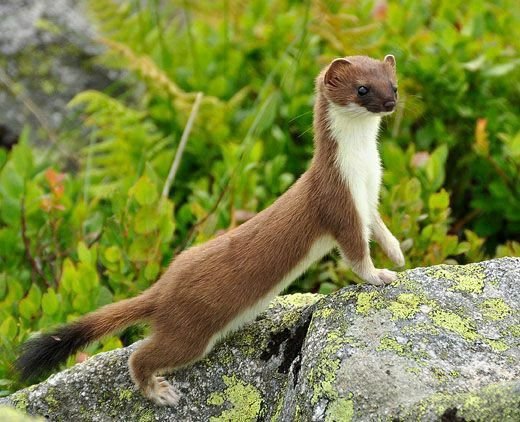
Scientific Name: Mustela nivalis
Class: Mammalia
Diet: Carnivore
The weasel is a close ferret relative and one of the smallest carnivores in the world. It shares the same slinky, tube-shaped body and fearless hunting style.
Moreover, like the ferret, the weasel can slip into burrows to chase prey larger than itself. Its slender build lets it corner rodents in their own tunnels.
Weasels inhabit forests, farmlands, and grasslands across much of the Northern Hemisphere, hunting mice, voles, and small birds.
As efficient predators, weasels help keep rodent populations in check. Widespread and adaptable, they are of Least Concern.
Fun Fact: A weasel must eat about a third of its body weight each day to fuel its high-speed metabolism.
Stoat
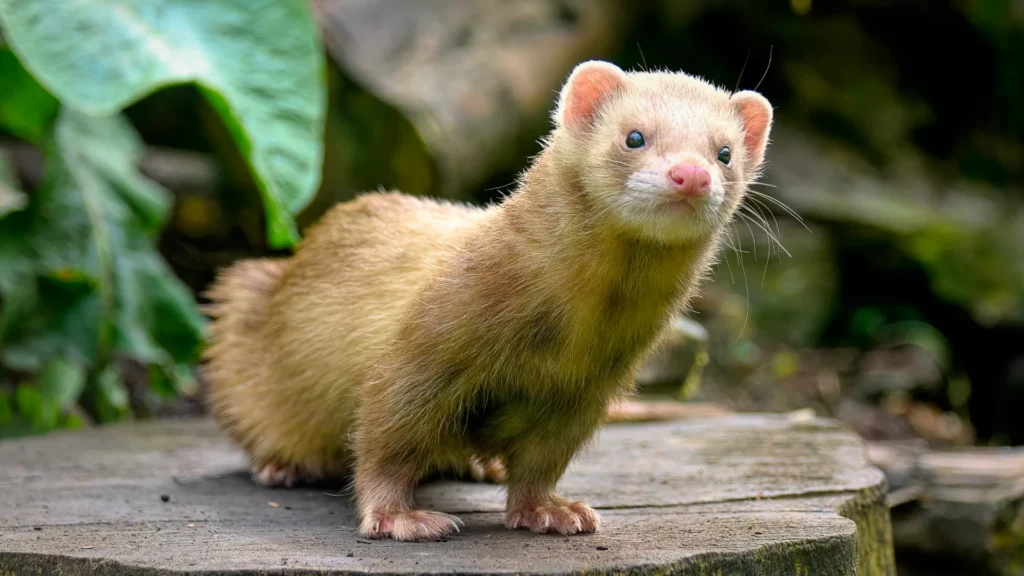
Scientific Name: Mustela erminea
Class: Mammalia
Diet: Carnivore
The stoat is a ferret relative that looks almost identical to a weasel, with a long, low body and short legs. It is a bold, tireless hunter.
Interestingly, like the ferret, the stoat is agile enough to chase rabbits into their burrows. In winter, its coat turns white, and it is then called “ermine.”
Stoats range across the cooler regions of North America, Europe, and Asia, thriving in forests, grasslands, and tundra.
As agile predators, stoats help control rodent and rabbit populations. Widespread and adaptable, they are of Least Concern.
Fun Fact: The stoat performs a hypnotic “dance” that seems to mesmerize prey before it attacks.
American Mink
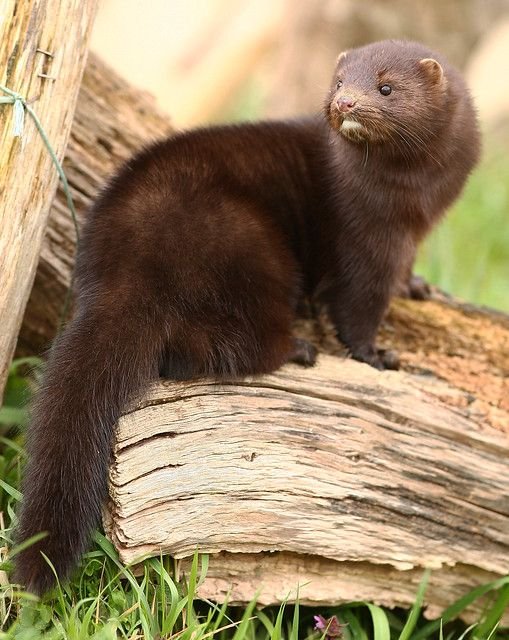
Scientific Name: Neogale vison
Class: Mammalia
Diet: Carnivore
The American mink is a semi-aquatic ferret relative with the same sleek, elongated body. It uses its slim shape to wriggle into tight spaces after prey.
Moreover, like the ferret, the mink is a bold and versatile hunter. It pursues fish, frogs, and rodents both on land and in the water.
American minks inhabit the rivers, lakes, and wetlands of North America and have spread to other regions, hunting a wide range of prey.
As predators, minks help balance aquatic and land ecosystems. Widespread and adaptable, they are of Least Concern.
Fun Fact: The mink’s dense, waterproof fur keeps it warm during long swims in cold water.
Black-footed Ferret
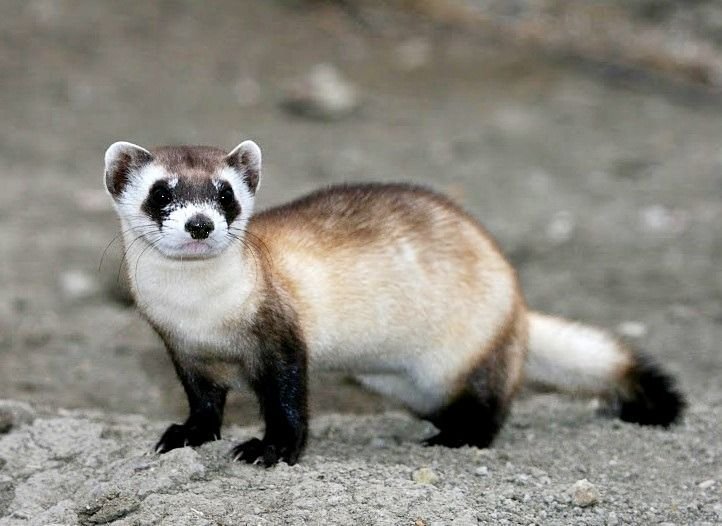
Scientific Name: Mustela nigripes
Class: Mammalia
Diet: Carnivore
The black-footed ferret is the only ferret species native to North America and a wild cousin of the pet ferret. It shares the same slender, masked appearance.
Interestingly, unlike the domestic ferret, it is a wild specialist that depends almost entirely on prairie dogs for food. It even lives in their abandoned burrows.
Black-footed ferrets inhabit the grasslands of North America, hunting mainly prairie dogs.
As specialized predators, ferrets are a symbol of prairie conservation. Once thought extinct, careful breeding programs have brought them back, though they remain Endangered.
Fun Fact: The black-footed ferret was declared extinct, then rediscovered, and saved through captive breeding.
Long-tailed Weasel
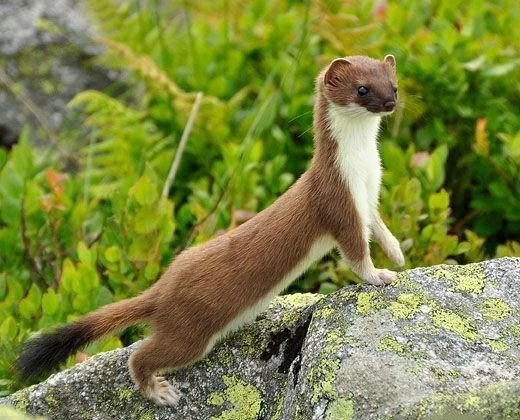
Scientific Name: Mustela frenata
Class: Mammalia
Diet: Carnivore
The long-tailed weasel is a ferret relative with an especially long, slender body and, as its name suggests, a long tail. It is a common weasel of the Americas.
Moreover, like the ferret, it is an energetic and fearless hunter. Its low, flexible body lets it pursue rodents into burrows and tight crevices.
Long-tailed weasels inhabit forests, grasslands, and farmlands across the Americas, hunting mice, voles, and other small animals.
As efficient predators, long-tailed weasels help control rodent populations. Widespread and adaptable, they are of Least Concern.
Fun Fact: Like the stoat, the long-tailed weasel turns white in winter in colder parts of its range.
Meerkat
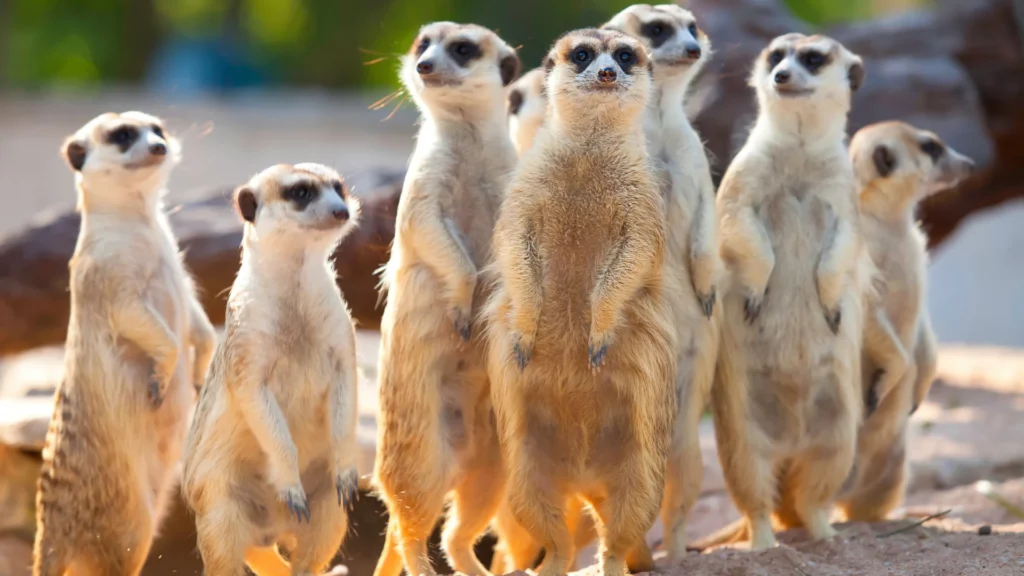
Scientific Name: Suricata suricatta
Class: Mammalia
Diet: Carnivore
The meerkat shares the ferret’s slender body, short legs, and long claws, along with a similar playful, curious energy. The two are roughly the same size.
Interestingly, unlike the solitary ferret, the meerkat is intensely social, living in large groups called mobs. Members take turns standing sentinel while others forage.
Meerkats inhabit the arid savannas and deserts of southern Africa, feeding on insects, scorpions, and small reptiles.
As insect predators, meerkats help regulate invertebrate populations. Currently of Least Concern, they depend on healthy desert habitats.
Fun Fact: Meerkats are immune to certain scorpion venom, allowing them to hunt these dangerous prey with ease.
Mongoose
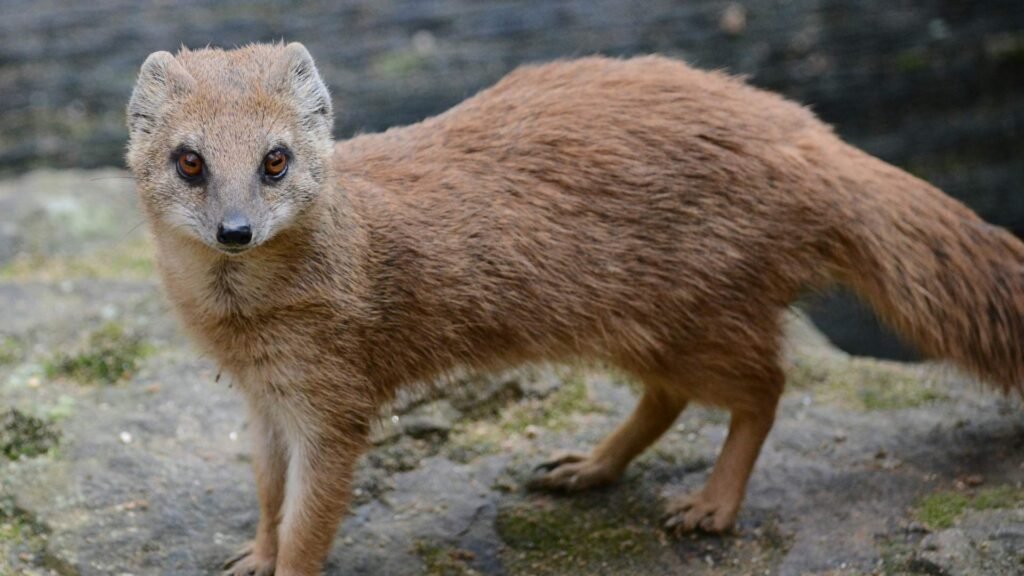
Scientific Name: Herpestes edwardsii
Class: Mammalia
Diet: Carnivore
The mongoose is often mistaken for a ferret thanks to its long body, short legs, and similar fur color. However, it belongs to a different family entirely.
Moreover, like the ferret, the mongoose is a bold, agile hunter. It is famous for taking on venomous snakes, using its speed and reflexes to avoid deadly strikes.
Mongooses inhabit forests, grasslands, and scrublands across Africa and Asia, hunting insects, reptiles, and small animals.
As agile predators, mongooses help control pests and snakes. Widespread and adaptable, most species are of Least Concern.
Fun Fact: Both ferrets and mongooses evolved long, low bodies to hunt small prey in tight burrows.
Striped Skunk
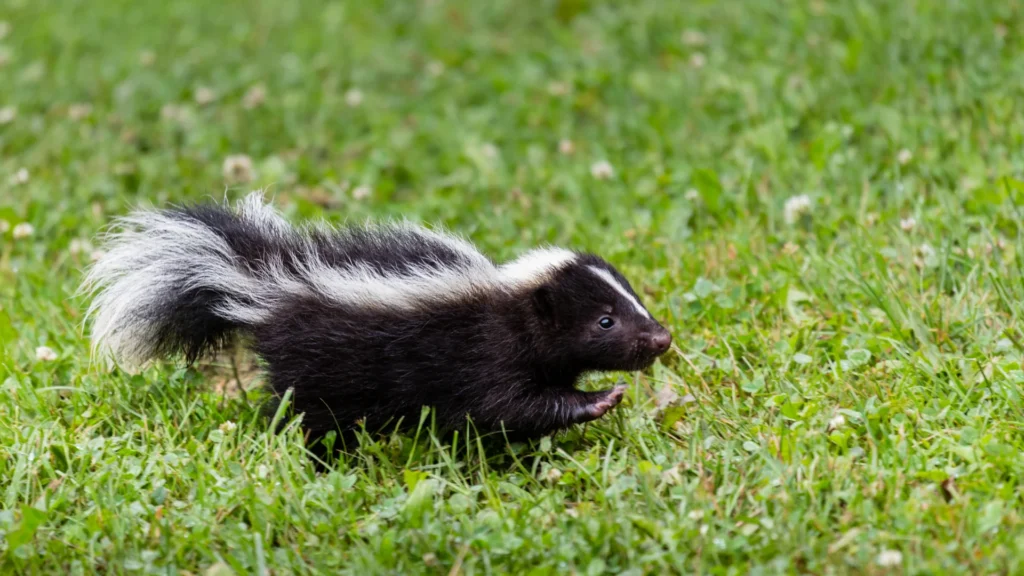
Scientific Name: Mephitis mephitis
Class: Mammalia
Diet: Omnivore
The striped skunk shares the ferret’s slender body, short legs, and long claws, and is even kept as an exotic pet by some. It is a distant relative in the broader weasel group.
Interestingly, like the ferret, the skunk is a curious, adaptable forager. Its most famous feature, however, is its powerful defensive spray, which ferrets lack.
Striped skunks inhabit forests, grasslands, and suburban areas across North America, feeding on insects, small animals, fruit, and plants.
As insect and rodent controllers, skunks provide natural pest control. Widespread and adaptable, they are of Least Concern.
Fun Fact: Pet skunks usually have their scent glands removed, but wild skunks can spray accurately up to three meters.
Pine Marten

Scientific Name: Martes martes
Class: Mammalia
Diet: Omnivore
The pine marten is a tree-climbing ferret relative with the same sleek body and remarkable agility. It moves through the forest canopy with ease.
Moreover, like the ferret, the marten is a quick and versatile hunter. Its slender build lets it chase prey through trees and dense undergrowth.
Pine martens inhabit the woodlands and forests of Europe and parts of Asia, feeding on small mammals, birds, insects, and fruit.
As agile predators, pine martens help control rodent and bird populations. Widespread in many areas, they are of Least Concern.
Fun Fact: Pine martens are among the few predators skilled enough to hunt agile squirrels through the treetops.
Sable
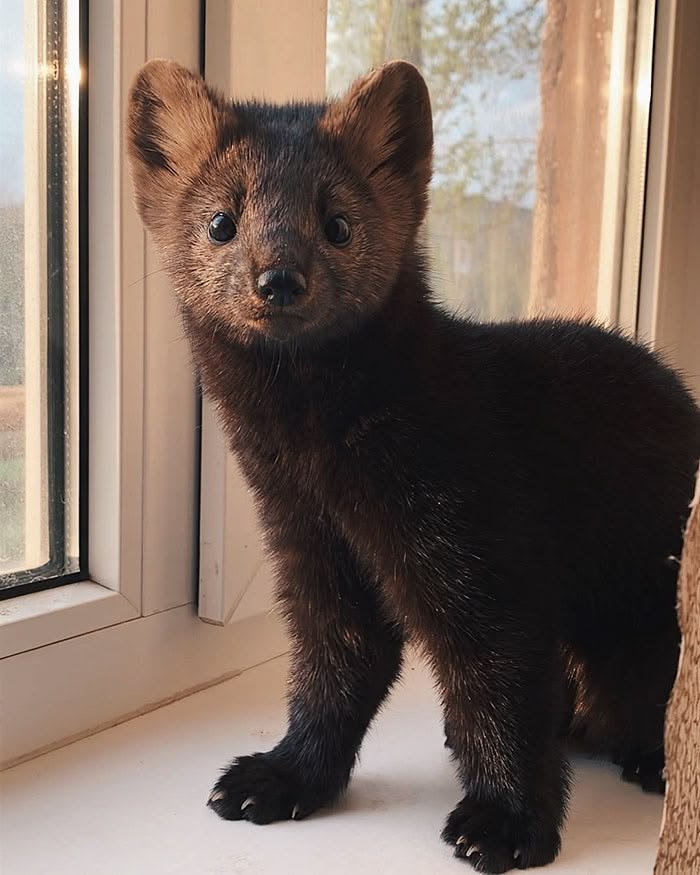
Scientific Name: Martes zibellina
Class: Mammalia
Diet: Omnivore
The sable is a marten and ferret relative famous for its luxurious fur. It shares the family’s sleek, elongated body and nimble movements.
Interestingly, like the ferret, the sable is an agile hunter of the forest floor and trees. It preys on rodents, birds, and insects, and also eats berries and nuts.
Sables inhabit the cold forests of Russia and northern Asia, hunting small animals and foraging for plants.
As agile predators, sables help control rodent populations. Long hunted for their prized fur, they are now managed for conservation.
Fun Fact: Sable fur has been one of the most valuable furs in the world for centuries.
Tayra
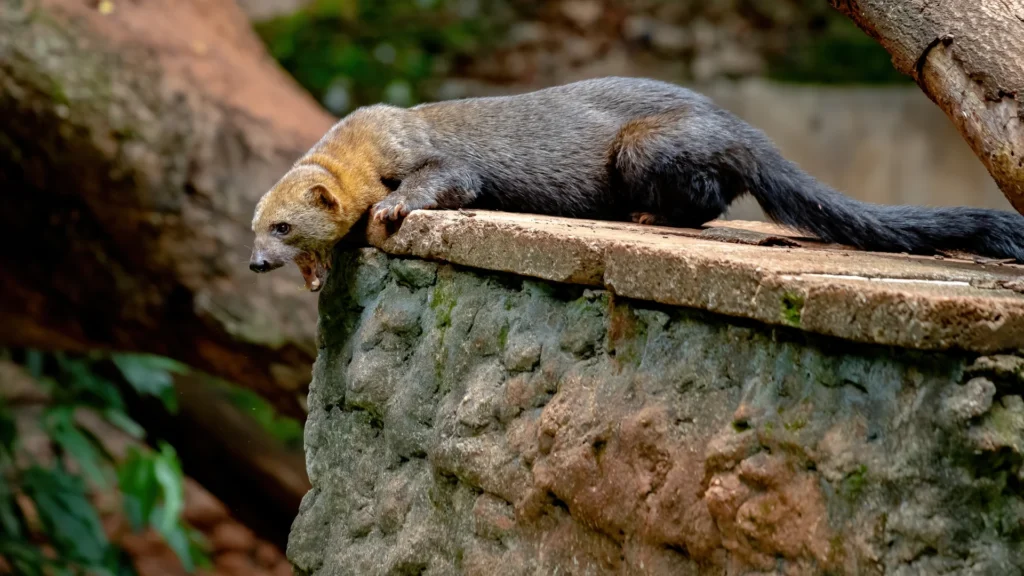
Scientific Name: Eira barbara
Class: Mammalia
Diet: Omnivore
The tayra is a large, energetic ferret relative with the same long body, long tail, and short legs. It is an agile climber and tireless forager.
Moreover, like the ferret, the tayra is quick, curious, and playful. It bounds through forests hunting small animals, insects, and fruit.
Tayras inhabit the forests and grasslands of Central and South America, feeding on a varied diet.
As omnivores and seed dispersers, tayras play an important role in their ecosystems. They are currently of Least Concern.
Fun Fact: The tayra is known to stash unripe fruit and return to eat it once it ripens.
Grison
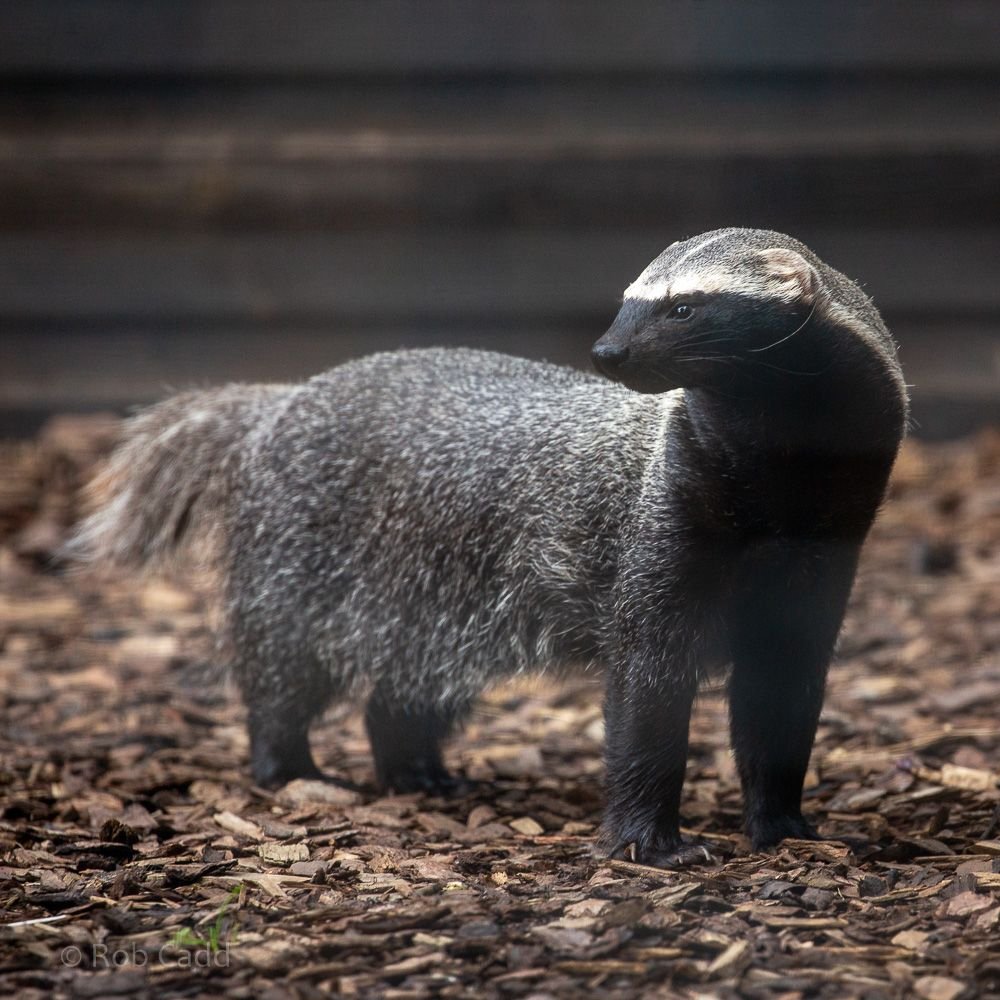
Scientific Name: Galictis vittata
Class: Mammalia
Diet: Carnivore
The grison is a low-slung ferret relative that looks like an oversized, gray-backed ferret. Its long body, short legs, and quick movements make the resemblance obvious.
Interestingly, like the ferret, the grison is a bold and agile hunter. It pursues rodents, birds, and reptiles with fearless speed on the ground and in burrows.
Grisons inhabit the forests, grasslands, and wetlands of Central and South America, hunting small animals.
As predators, grisons help control rodent and reptile populations. Widespread across their range, they are of Least Concern.
Fun Fact: People in parts of South America once tamed grisons to help control rodents, much as ferrets are used.
Common Genet
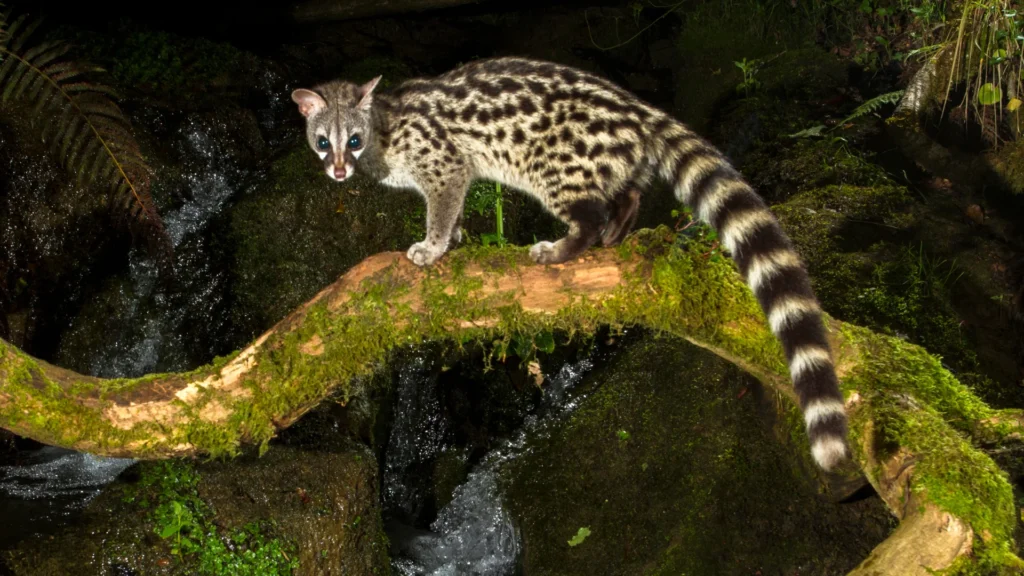
Scientific Name: Genetta genetta
Class: Mammalia
Diet: Carnivore
The common genet is a slender, spotted mammal that looks strikingly like a long-tailed ferret. It is sometimes kept as an exotic pet, though it is more closely related to cats and civets.
Moreover, like the ferret, the genet is an agile, efficient hunter of small animals. Its slim frame and long tail make it an exceptional climber.
Common genets inhabit forests, scrublands, and rocky areas across Africa and parts of Europe, hunting small animals and insects.
As agile predators, genets help control rodent and insect populations. Widespread and adaptable, they are of Least Concern.
Fun Fact: A genet’s ringed tail can be nearly as long as its entire body, helping it balance in the trees.
Prairie Dog
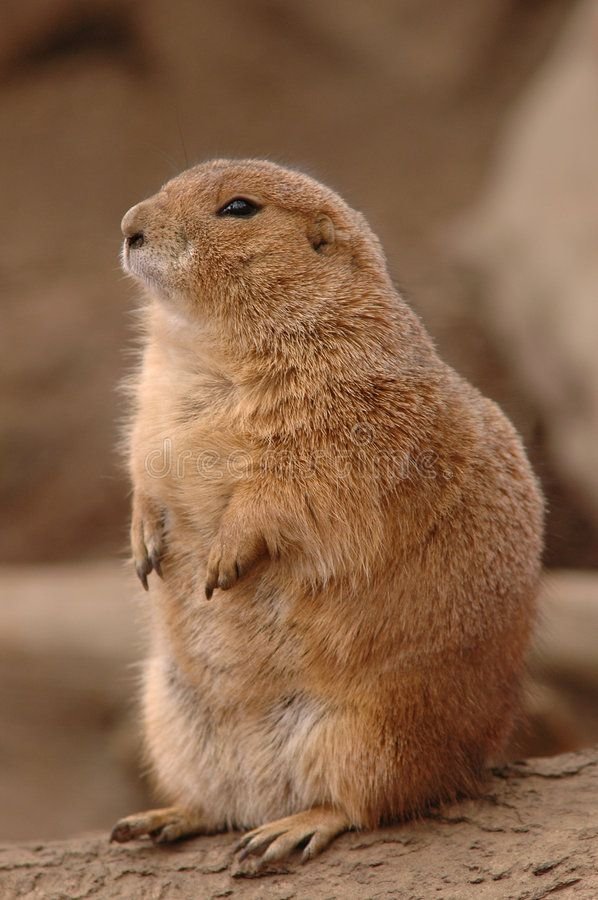
Scientific Name: Cynomys ludovicianus
Class: Mammalia
Diet: Herbivore
The prairie dog is a burrowing rodent sometimes compared to ferrets because both are small, social, and kept as pets. It shares the ferret’s love of tunnels and playful nature.
Interestingly, prairie dogs and ferrets are deeply linked in the wild, as black-footed ferrets rely on prairie dogs for food and shelter. Prairie dogs live in vast underground “towns.”
Prairie dogs inhabit the grasslands and prairies of North America, feeding on grasses, seeds, and roots.
As burrowing herbivores, prairie dogs are a keystone species, supporting many other animals. Habitat loss has reduced many populations.
Fun Fact: Prairie dogs have one of the most complex animal languages known, with distinct calls for different predators.
Read: Friendliest Animals in the World
Read: Animals That Eat Eggs
Read: Animals That Are Loners
Read: Animals That Eat Grass
Read: Animals That Eat Bananas
Frequently Asked Questions
Conclusion
From the ferret’s wild ancestor, the polecat, to look-alikes like the mongoose and genet, the world is full of animals that resemble the ferret. Each species whether a snake-fighting mongoose, a fish-hunting mink, or a social meerkat shares the ferret’s sleek body, agility, and bold, curious nature. Most are true members of the weasel family, while a few simply evolved a similar shape and lifestyle.