
Top 15 Weird Animals in The World (With Images)
Did you know there’s a mammal that lays eggs, has a duck-like bill, and can even sense electricity with its snout? Nature is full of surprises, and some animals are so strange they seem almost made up. From creatures with see-through bodies to animals that can regrow their brains, the natural world is stranger than any fiction.

In this guide, we’ll explore the top 15 weirdest animals, uncovering the bizarre features and amazing abilities that make them so wonderfully odd.
List of Weird Animals in The World
| Rank | Animal | Scientific Name |
|---|---|---|
| 1 | Platypus | Ornithorhynchus anatinus |
| 2 | Axolotl | Ambystoma mexicanum |
| 3 | Star-nosed Mole | Condylura cristata |
| 4 | Aye-aye | Daubentonia madagascariensis |
| 5 | Proboscis Monkey | Nasalis larvatus |
| 6 | Blobfish | Psychrolutes marcidus |
| 7 | Naked Mole-Rat | Heterocephalus glaber |
| 8 | Tardigrade | Tardigrada |
| 9 | Narwhal | Monodon monoceros |
| 10 | Sunda Colugo | Galeopterus variegatus |
| 11 | Mantis Shrimp | Odontodactylus scyllarus |
| 12 | Saiga Antelope | Saiga tatarica |
| 13 | Pangolin | Manis |
| 14 | Glass Frog | Centrolenidae |
| 15 | Sea Pig | Scotoplanes globosa |
Platypus
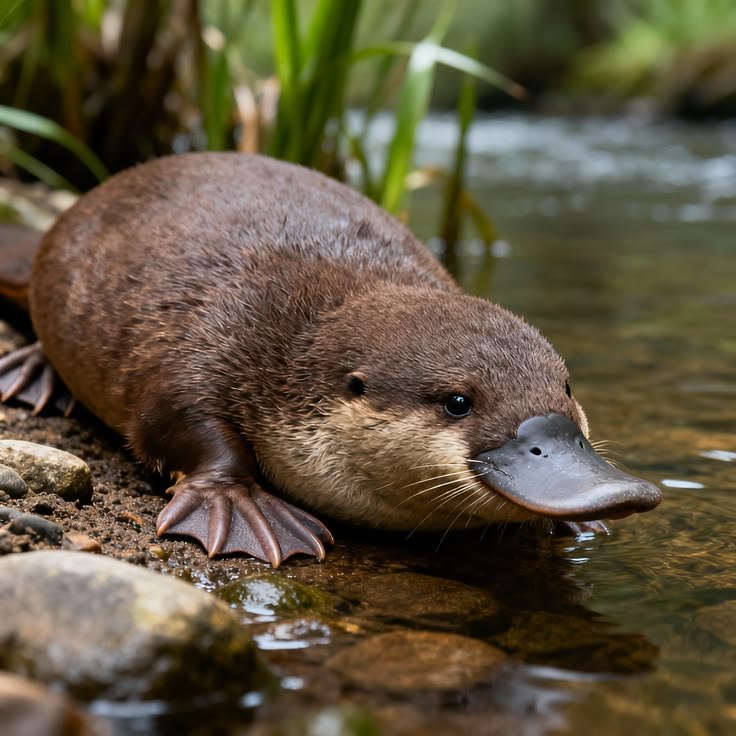
Scientific Name: Ornithorhynchus anatinus
Class: Mammalia
Diet: Carnivore
The platypus is one of the strangest animals alive, combining features of birds, reptiles, and mammals. It looks like several animals stitched together.
Interestingly, the platypus is a mammal that lays eggs, has a duck-like bill, and even senses electricity with that bill to find prey. Males also carry venomous spurs on their hind legs.
Platypuses inhabit the rivers and streams of eastern Australia, hunting insects, worms, and shellfish underwater.
As egg-laying mammals, platypuses are a link to our ancient ancestors. Habitat loss and pollution threaten their populations, and they are Near Threatened.
Fun Fact: The platypus has no stomach and senses the faint electrical signals of its prey using its sensitive bill.
Axolotl

Scientific Name: Ambystoma mexicanum
Class: Amphibia
Diet: Carnivore
The axolotl is a bizarre salamander that keeps its baby features for life, including feathery external gills. Its permanent smile makes it look almost cartoonish.
Moreover, the axolotl can regrow lost limbs, parts of its heart, and even portions of its brain. Unlike most amphibians, it never fully grows up, staying aquatic its whole life.
Axolotls are native to a few lakes near Mexico City, feeding on worms, insects, and small fish.
As remarkable regenerators, axolotls are important to medical research. In the wild, they are Critically Endangered.
Fun Fact: An axolotl can regrow entire lost limbs, and even parts of its heart and brain, without any scarring.
Star-nosed Mole
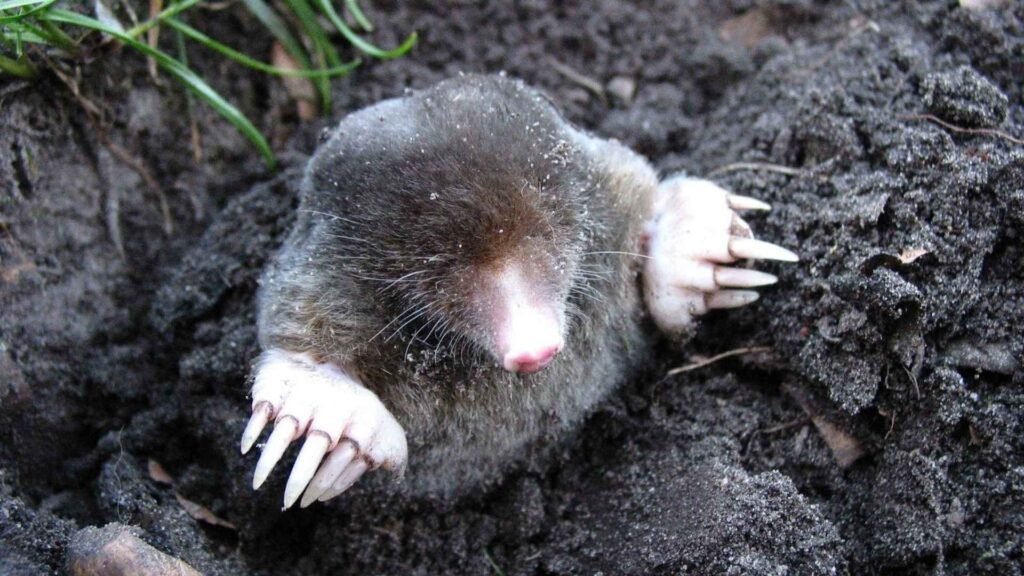
Scientific Name: Condylura cristata
Class: Mammalia
Diet: Carnivore
The star-nosed mole has one of the strangest faces in the animal kingdom, with a ring of fleshy tentacles on its nose. This bizarre “star” is a super-sensitive touch organ.
Interestingly, the star-nosed mole’s nose has 22 tentacles packed with over 100,000 nerve endings. It uses them to identify and eat prey faster than any other mammal on Earth.
Star-nosed moles inhabit the wetlands of eastern North America, hunting worms and insects underground and underwater.
As specialized diggers, star-nosed moles can even smell underwater by blowing and re-inhaling air bubbles. They remain of Least Concern.
Fun Fact: The star-nosed mole can find and eat a piece of food in about a quarter of a second, the fastest of any mammal.
Aye-aye
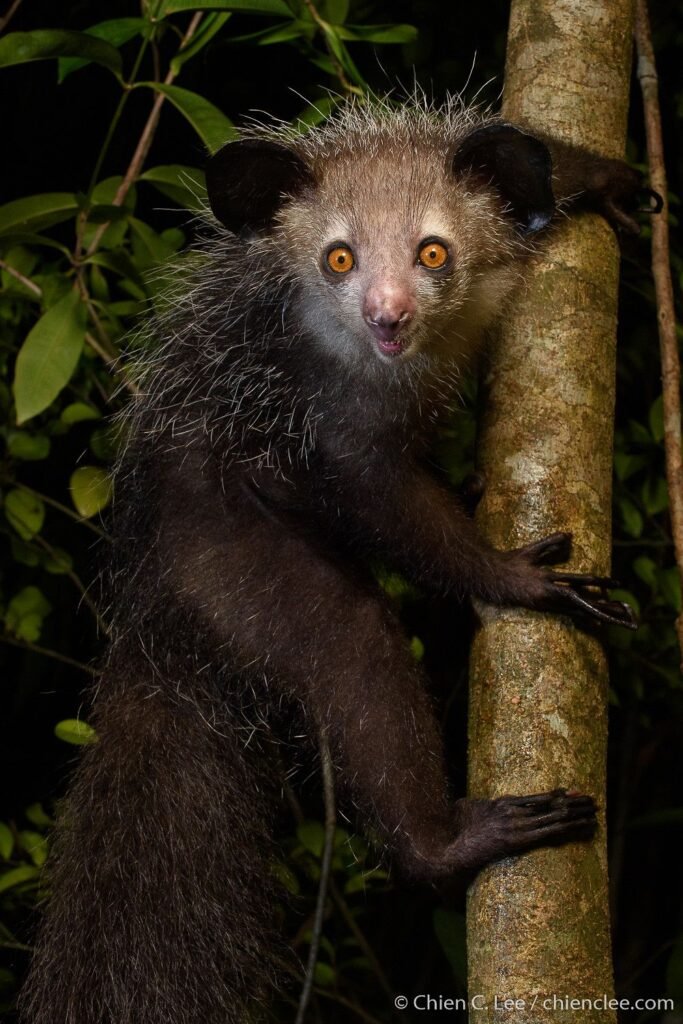
Scientific Name: Daubentonia madagascariensis
Class: Mammalia
Diet: Omnivore
The aye-aye is a strange-looking primate with huge eyes, big ears, and one extra-long, bony middle finger. Its eerie appearance has made it feared in local folklore.
Moreover, the aye-aye taps on tree bark with its long finger and listens for hollow tunnels made by grubs. It then gnaws a hole and fishes out the insects with that same finger.
Aye-ayes inhabit the rainforests of Madagascar, feeding on grubs, fruit, and seeds.
As unique nocturnal primates, aye-ayes fill a role usually taken by woodpeckers. Habitat loss has made them Endangered.
Fun Fact: The aye-aye finds grubs by tapping wood and listening, a hunting method called percussive foraging, unique among primates.
Proboscis Monkey
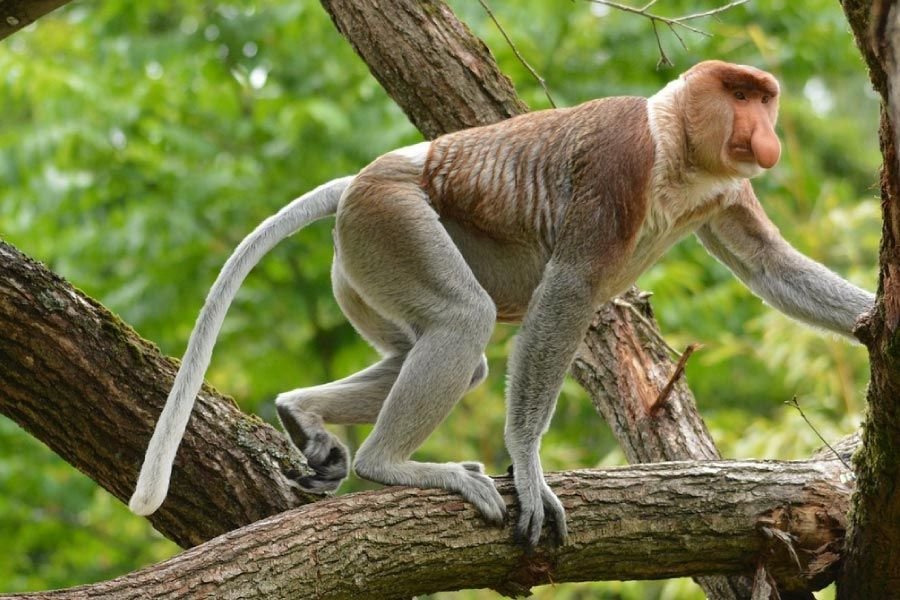
Scientific Name: Nasalis larvatus
Class: Mammalia
Diet: Herbivore
The proboscis monkey is famous for the male’s enormous, drooping nose. This oversized snout gives it one of the most comical faces in nature.
Interestingly, the male’s large nose amplifies its calls and is thought to attract females. It can grow so big it hangs down below the mouth.
Proboscis monkeys inhabit the mangrove forests and riverbanks of Borneo, feeding on leaves, seeds, and unripe fruit.
As excellent swimmers, proboscis monkeys even have partially webbed feet. Habitat loss has made them Endangered.
Fun Fact: The proboscis monkey is a strong swimmer and can leap into rivers, using partially webbed feet to paddle away from predators.
Blobfish

Scientific Name: Psychrolutes marcidus
Class: Actinopterygii
Diet: Carnivore
The blobfish became internet-famous for its droopy, gelatinous appearance out of water. It has been called one of the world’s ugliest animals.
Moreover, the blobfish only looks like a “blob” when brought up from the deep sea. In its natural high-pressure home, it looks like a fairly ordinary fish.
Blobfish inhabit the deep waters off Australia and New Zealand, feeding on whatever floats by, such as crustaceans and shellfish.
As deep-sea drifters, blobfish are perfectly adapted to crushing pressure. Deep-sea trawling poses a threat to them.
Fun Fact: The blobfish’s famously droopy look only appears at the surface — deep down, the pressure keeps its body in normal shape.
Naked Mole-Rat
Scientific Name: Heterocephalus glaber
Class: Mammalia
Diet: Herbivore
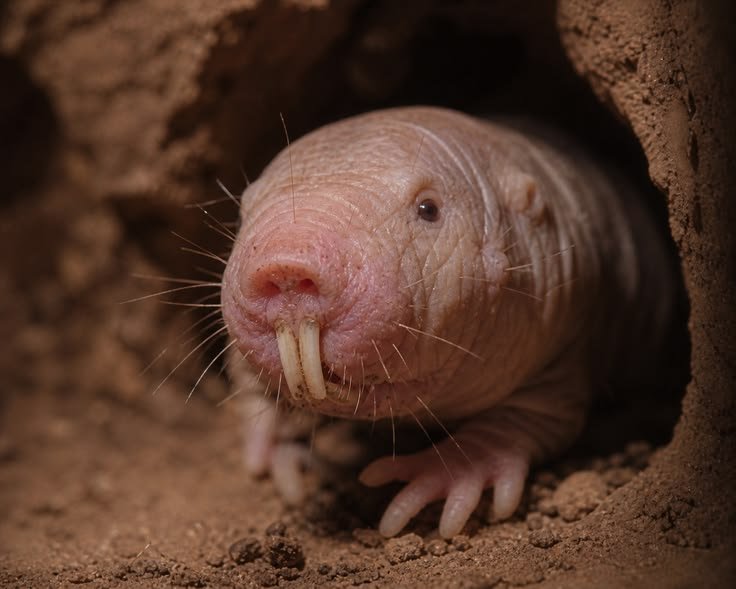
The naked mole-rat is a wrinkly, nearly hairless rodent with buck teeth and a truly weird lifestyle. It looks like little more than a wrinkled sausage with teeth.
Interestingly, the naked mole-rat lives in colonies with a single breeding queen, much like ants or bees. It can survive with almost no oxygen, feels little pain from certain sources, and rarely gets cancer.
Naked mole-rats live in underground colonies beneath the deserts of East Africa, feeding on roots and tubers.
As astonishing survivors, naked mole-rats can live over 30 years. They remain widespread and of Least Concern.
Fun Fact: A naked mole-rat can survive up to 18 minutes with no oxygen at all by switching how its body makes energy.
Tardigrade
Scientific Name: Tardigrada
Class: Eutardigrada
Diet: Omnivore
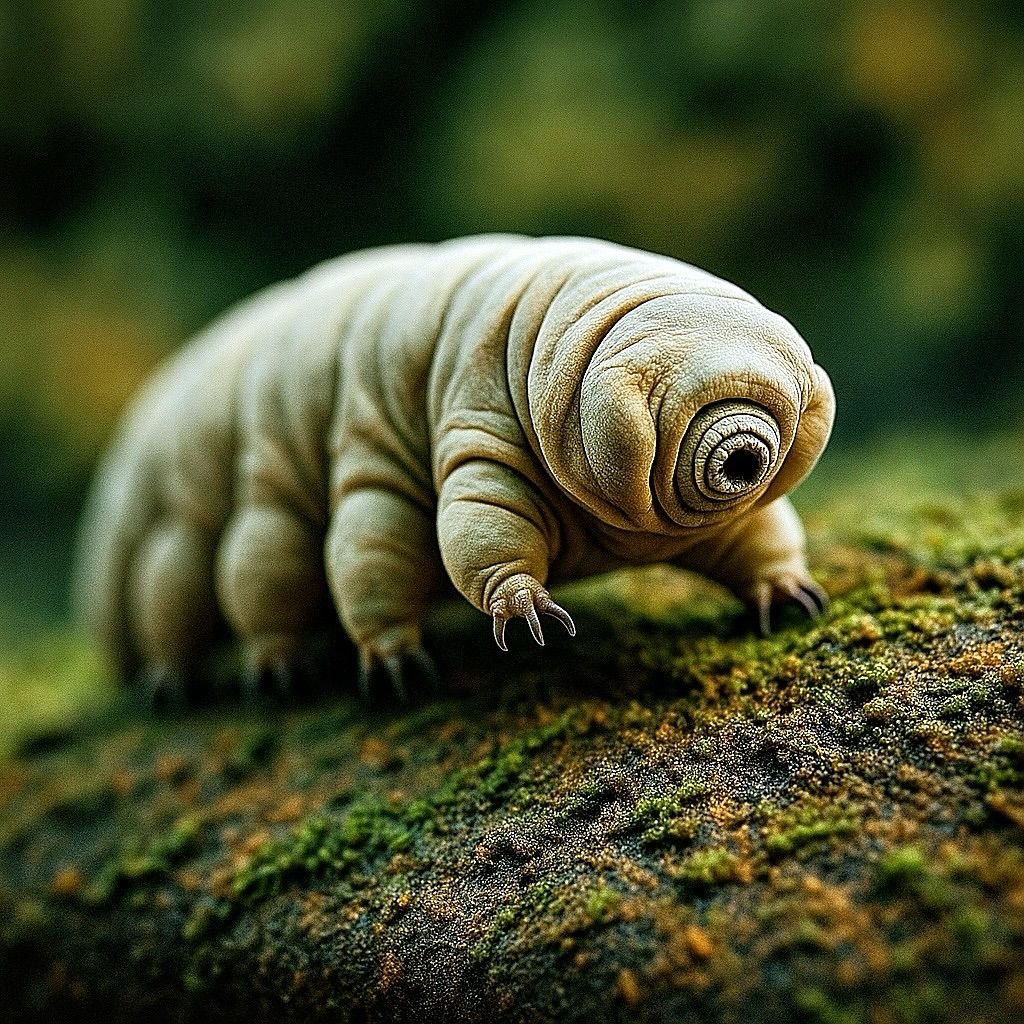
The tardigrade, or “water bear,” is a microscopic animal with one of the strangest survival abilities on Earth. It is nearly indestructible.
Moreover, the tardigrade can survive being frozen, boiled, dried out, and even exposed to the vacuum of space. It does this by curling into a dormant state called a “tun.”
Tardigrades live nearly everywhere on Earth, from mountaintops to deep sea, feeding on plant cells, algae, and tiny animals.
As ultimate survivors, tardigrades can revive after years of being completely dried out. They are among the toughest animals known.
Fun Fact: Tardigrades have survived the vacuum and radiation of open space, making them the only animals known to do so.
Narwhal
Scientific Name: Monodon monoceros
Class: Mammalia
Diet: Carnivore
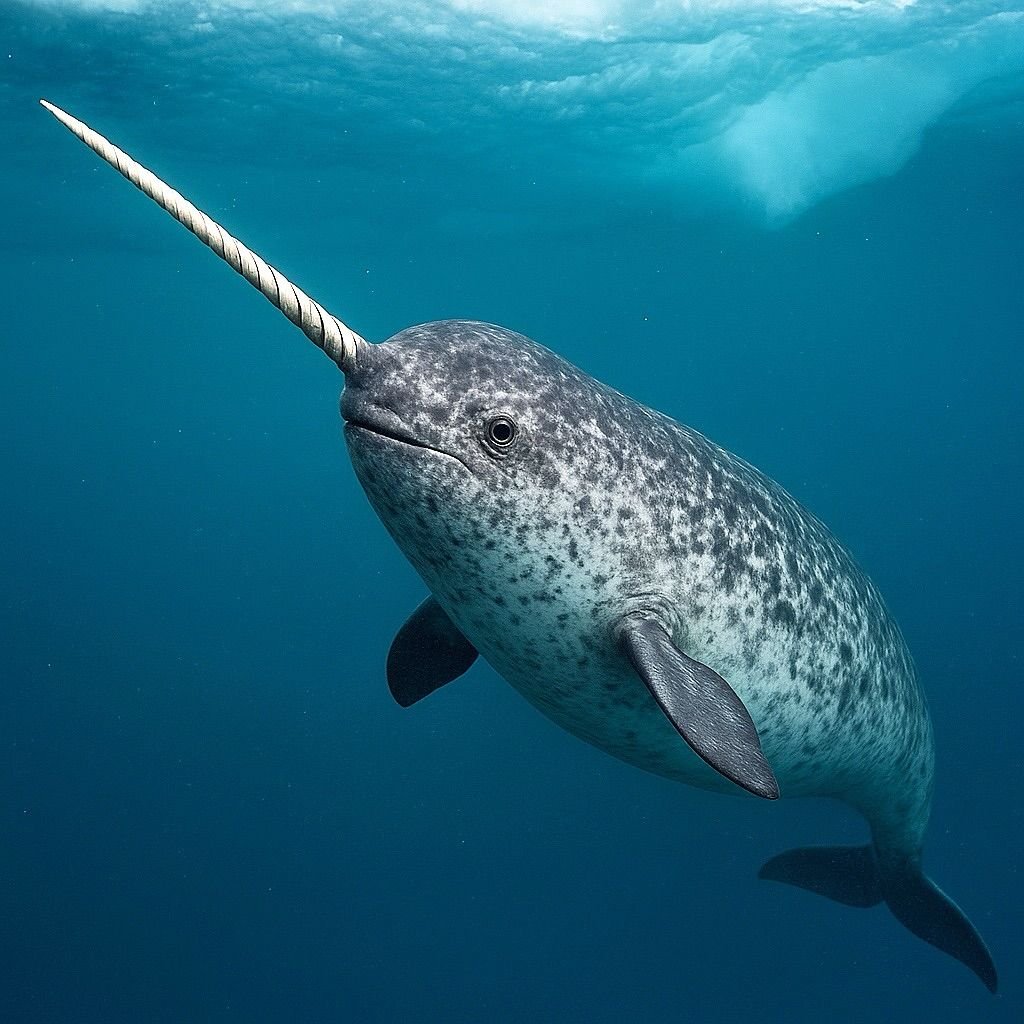
The narwhal is a strange Arctic whale famous for the long, spiral tusk jutting from its head. This tusk earned it the nickname “unicorn of the sea.”
Interestingly, the narwhal’s tusk is actually an enormous tooth that can grow up to 10 feet long. It is packed with nerves and may be used to sense the environment and attract mates.
Narwhals inhabit the icy waters of the Arctic, feeding on fish, squid, and shrimp.
As deep-diving whales, narwhals are perfectly adapted to cold Arctic seas. Climate change threatens their icy home.
Fun Fact: A narwhal’s tusk is a tooth grown through its lip, and it contains millions of nerve endings that sense the water.
Sunda Colugo
Scientific Name: Galeopterus variegatus
Class: Mammalia
Diet: Herbivore
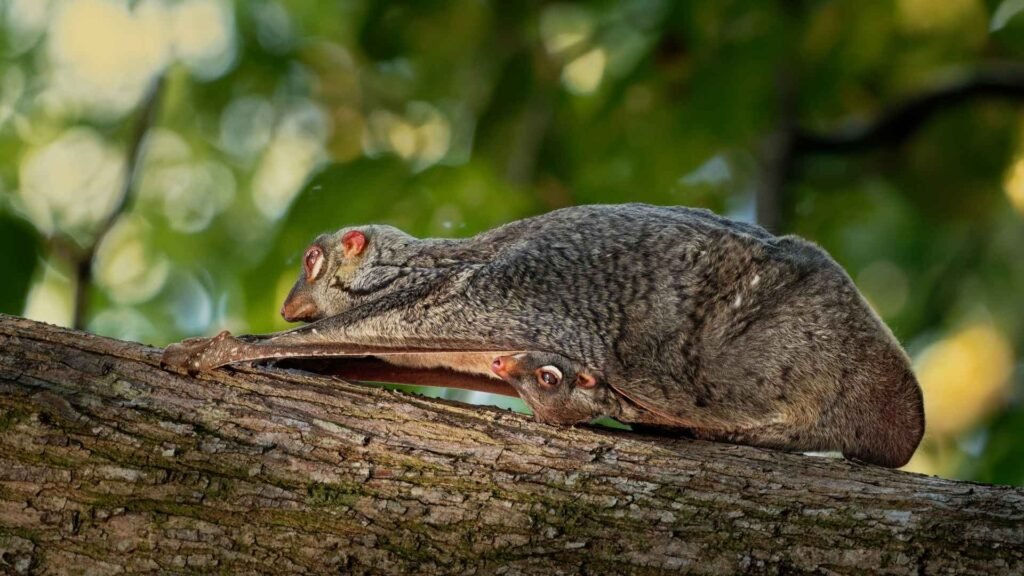
The Sunda colugo, or “flying lemur,” is a strange gliding mammal that is neither a lemur nor able to truly fly. It looks like a living kite when it leaps.
Moreover, the colugo has a large flap of skin stretching from its neck to its fingers and tail. This lets it glide over 300 feet between trees without touching the ground.
Sunda colugos inhabit the rainforests of Southeast Asia, feeding on leaves, buds, and flowers.
As gliding specialists, colugos are almost helpless on the ground but graceful in the air. They remain of Least Concern.
Fun Fact: A Sunda colugo can glide the length of a football field between trees, using the widest gliding membrane of any mammal.
Mantis Shrimp

Scientific Name: Odontodactylus scyllarus
Class: Malacostraca
Diet: Carnivore
The mantis shrimp is a small, colorful crustacean with astonishing eyes and a lightning-fast punch. It packs incredible power into a tiny body.
Interestingly, the mantis shrimp can strike with the speed of a bullet, creating shockwaves in the water. Its eyes are the most complex in the animal kingdom, seeing colors we cannot even imagine.
Mantis shrimp inhabit tropical and subtropical seas, especially coral reefs, hunting crabs, snails, and fish.
As powerful predators, mantis shrimp play an important role on reefs. Most species remain common.
Fun Fact: A mantis shrimp’s punch is so fast it boils the water around it, creating a flash of light and sound.
Saiga Antelope
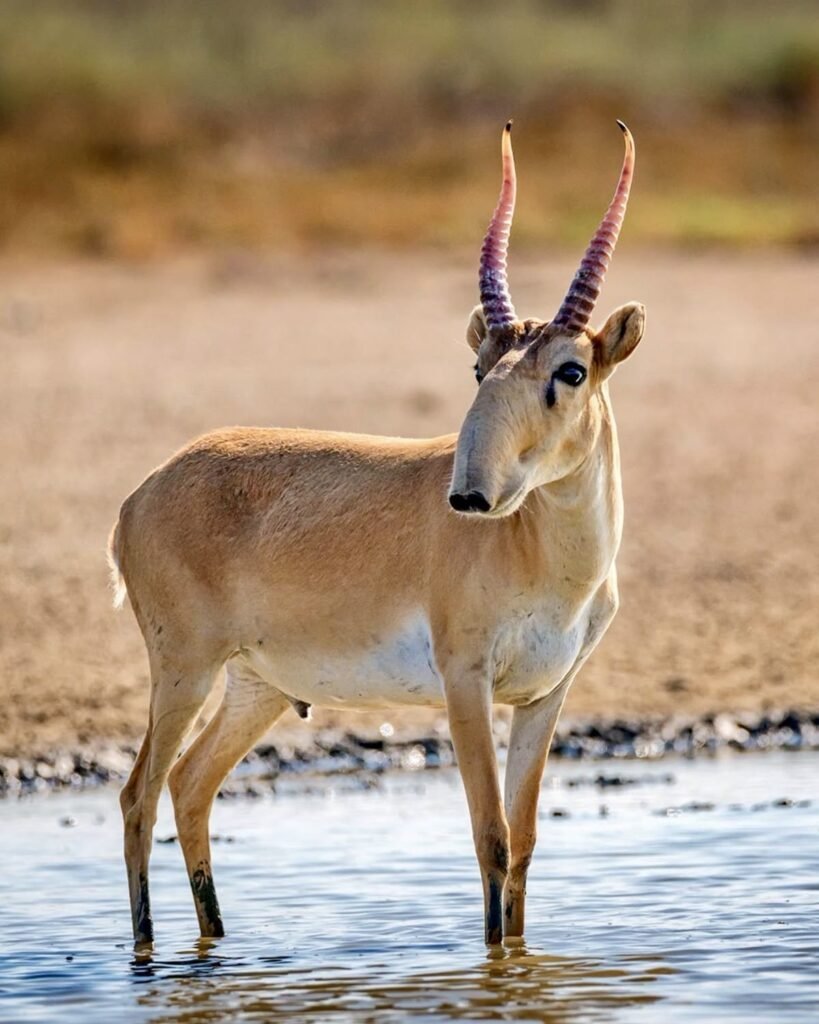
Scientific Name: Saiga tatarica
Class: Mammalia
Diet: Herbivore
The saiga antelope is a strange-looking grazer with a large, floppy, trunk-like nose. Its bulbous snout gives it an almost alien appearance.
Moreover, the saiga’s unusual nose filters out dust in summer and warms freezing air in winter. This helps it survive the harsh extremes of the open steppe.
Saiga antelope inhabit the grasslands and semi-deserts of Central Asia, grazing on grasses and herbs.
As hardy steppe grazers, saigas migrate across vast distances. Poaching and disease have made them Critically Endangered.
Fun Fact: The saiga’s oversized nose acts like an air filter and heater, protecting its lungs from dust and cold.
Pangolin
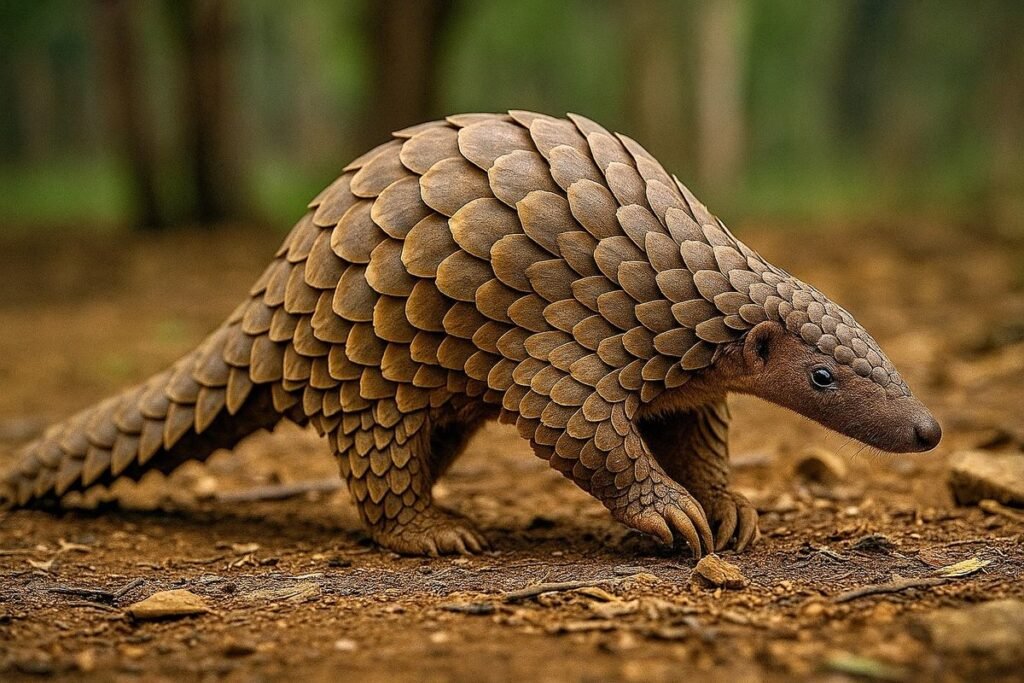
Scientific Name: Manis
Class: Mammalia
Diet: Insectivore
The pangolin is a strange, scaly mammal that looks like a walking pinecone. It is the only mammal in the world covered in true scales.
Interestingly, the pangolin rolls into a tight, armored ball when threatened, protected by its tough scales. It uses a long, sticky tongue, sometimes longer than its body, to slurp up ants and termites.
Pangolins inhabit the forests and grasslands of Africa and Asia, feeding on ants and termites.
As unique scaly mammals, pangolins are sadly the most trafficked animals in the world. Several species are Critically Endangered.
Fun Fact: A pangolin’s tongue can be longer than its entire body and is anchored deep near its pelvis.
Glass Frog
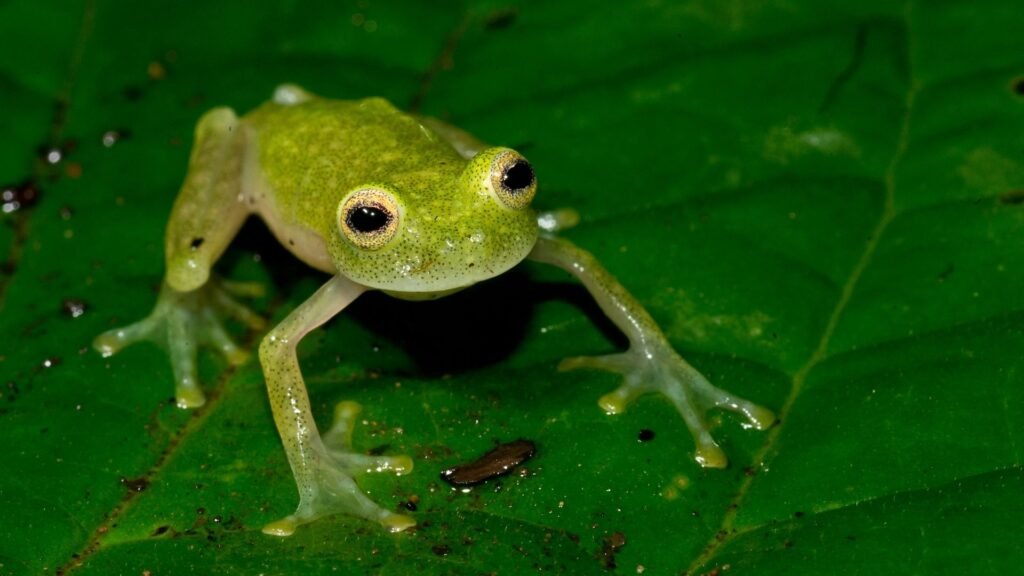
Scientific Name: Centrolenidae
Class: Amphibia
Diet: Carnivore
The glass frog is a tiny amphibian with astonishingly see-through skin on its belly. You can watch its heart beat right through its body.
Moreover, the glass frog’s transparent underside reveals its internal organs, including its heart, liver, and intestines. This see-through camouflage helps hide its outline from predators.
Glass frogs inhabit the rainforests of Central and South America, living near streams and feeding on small insects.
As delicate rainforest dwellers, glass frogs are sensitive to environmental change. Habitat loss threatens some species.
Fun Fact: Some glass frogs can hide their red blood inside their liver while sleeping, making themselves even more transparent.
Sea Pig
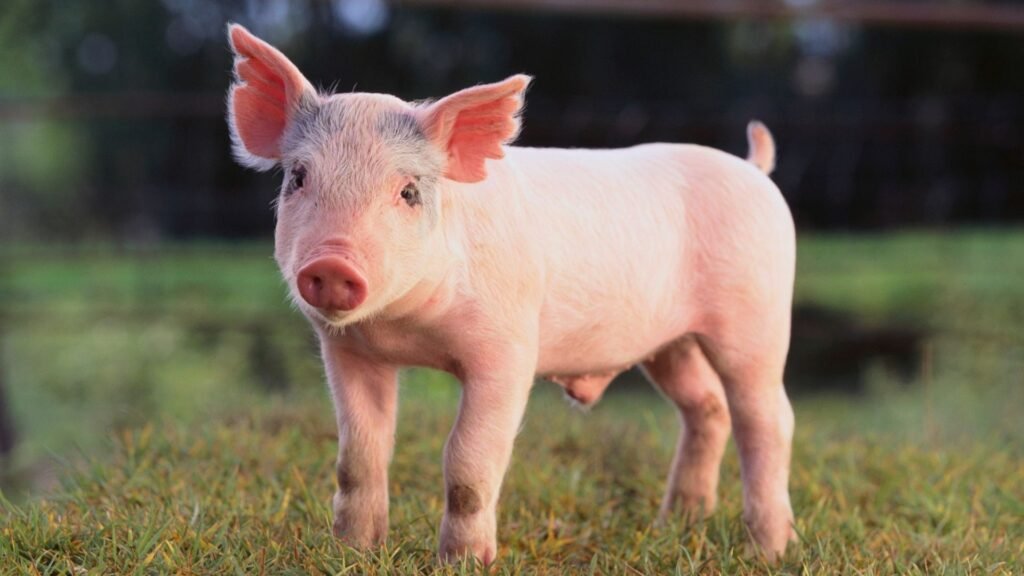
Scientific Name: Scotoplanes globosa
Class: Holothuroidea
Diet: Detritivore
The sea pig is a strange, pinkish deep-sea creature that looks like a tiny, plump balloon on legs. It is actually a type of sea cucumber.
Interestingly, the sea pig walks along the deep seafloor on rows of water-filled, leg-like tube feet. It feeds by sifting nutrients from the mud, cleaning up the ocean floor.
Sea pigs inhabit the deep, dark ocean floors around the world, feeding on organic material in the sediment.
As deep-sea recyclers, sea pigs help break down waste on the seabed. They remain widespread in the deep ocean.
Fun Fact: Sea pigs often gather in large herds on the deep seafloor, sometimes all facing the same direction into the current.
Read: Birds That Eat Fish in The World
Read: Birds With Long Legs in The World
Read: Animals That Growl in The World
Read: Thickest Skin Animals in The World
Read: Animals Like Meerkats in The World
Frequently Asked Questions
Conclusion
From egg-laying platypuses to nearly indestructible tardigrades, the world’s weirdest animals show just how creative nature can be. Each of these strange creatures whether a see-through glass frog, a tusked narwhal, or a herd of deep-sea pigs has evolved its bizarre features for a real purpose, from finding food to surviving harsh conditions.
One Comment