
Top 12 Animals with Wings That Can’t Fly (With Images)
Why would an animal keep its wings if it can never take to the sky? Across the world, a remarkable group of birds has done exactly that, trading flight for other extraordinary abilities. The animals with wings that can’t fly have evolved to run at incredible speeds, swim like torpedoes, or survive on isolated islands with no predators. Their grounded lives are not failures of evolution but brilliant adaptations to their environments.
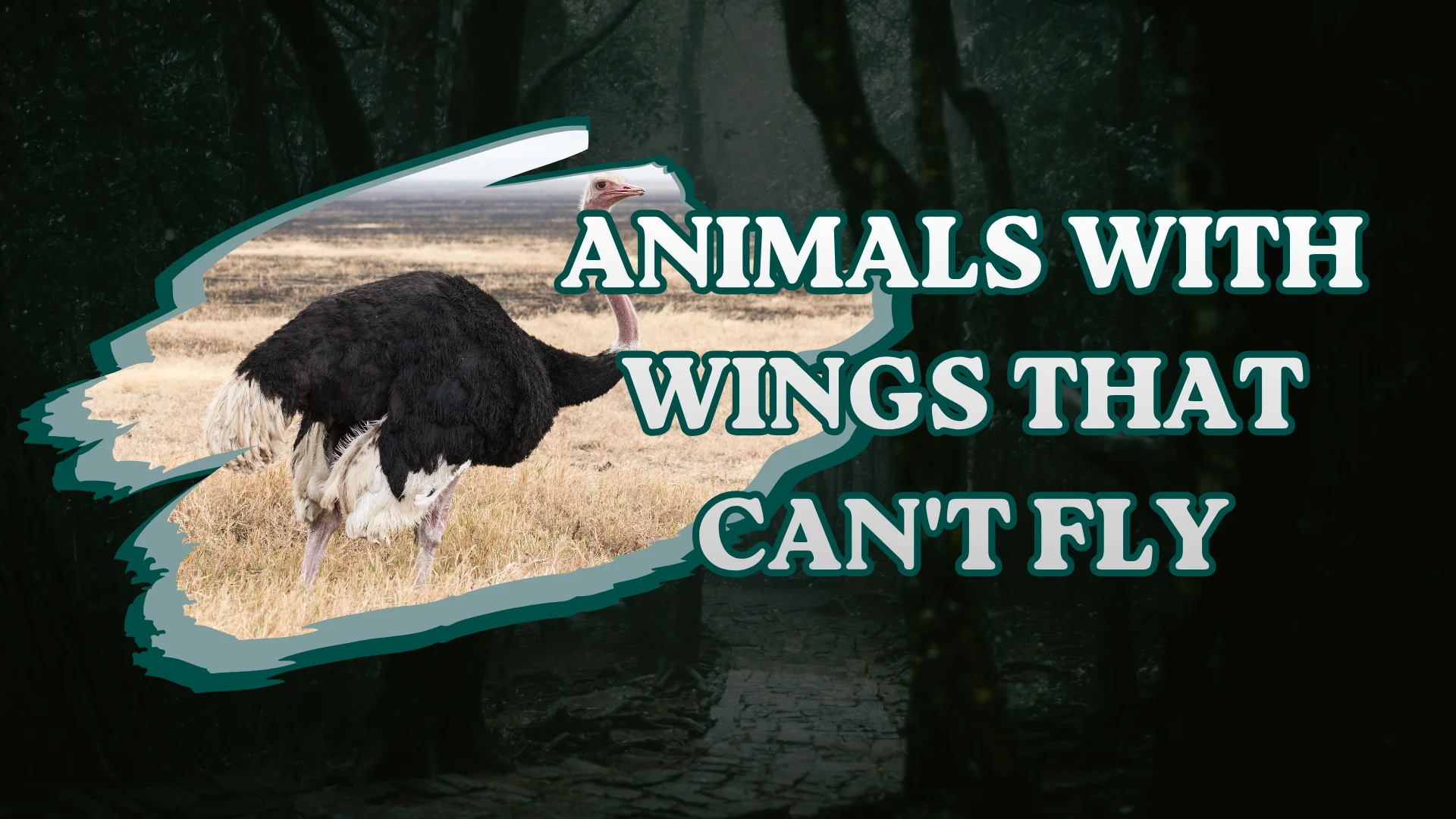
From the towering ostrich to the swimming penguin, these flightless birds reveal that wings can serve many purposes beyond flight. Let’s explore the most fascinating animals with wings that cannot fly and the clever ways they thrive.
Quick List Table
| Rank | Animal Name | Scientific Name |
|---|---|---|
| 1 | Ostrich | Struthio camelus |
| 2 | Emu | Dromaius novaehollandiae |
| 3 | Emperor Penguin | Aptenodytes forsteri |
| 4 | Southern Cassowary | Casuarius casuarius |
| 5 | North Island Brown Kiwi | Apteryx mantelli |
| 6 | Greater Rhea | Rhea americana |
| 7 | Kakapo | Strigops habroptilus |
| 8 | Flightless Cormorant | Nannopterum harrisi |
| 9 | Takahē | Porphyrio hochstetteri |
| 10 | Weka | Gallirallus australis |
| 11 | Flightless Steamer Duck | Tachyeres pteneres |
| 12 | Inaccessible Island Rail | Atlantisia rogersi |
Ostrich
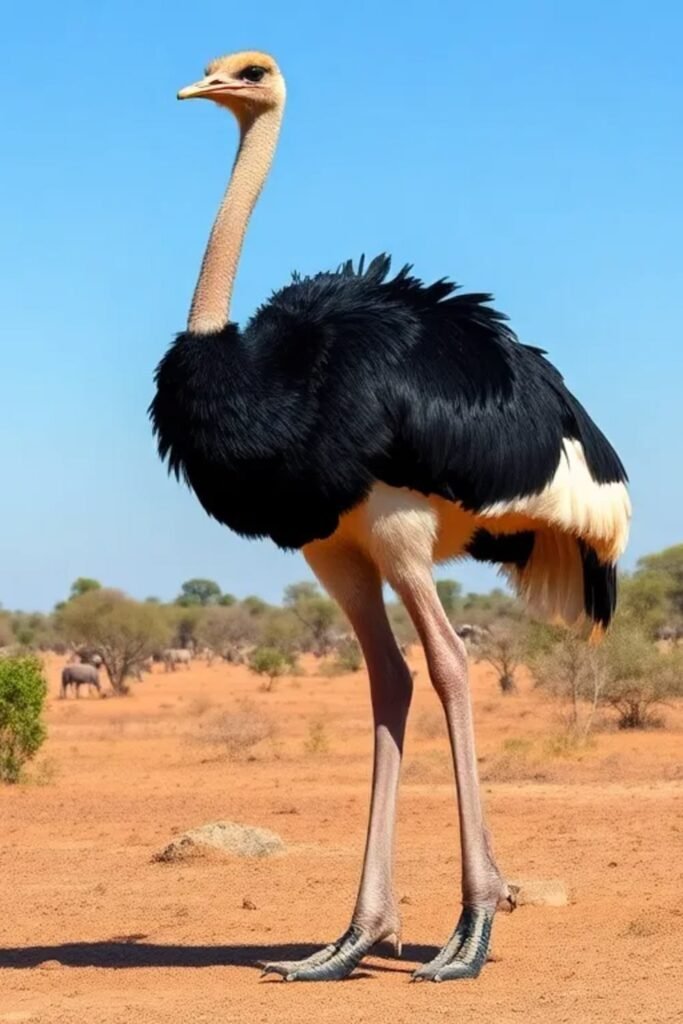
Scientific Name: Struthio camelus
Class: Aves
Diet: Omnivore
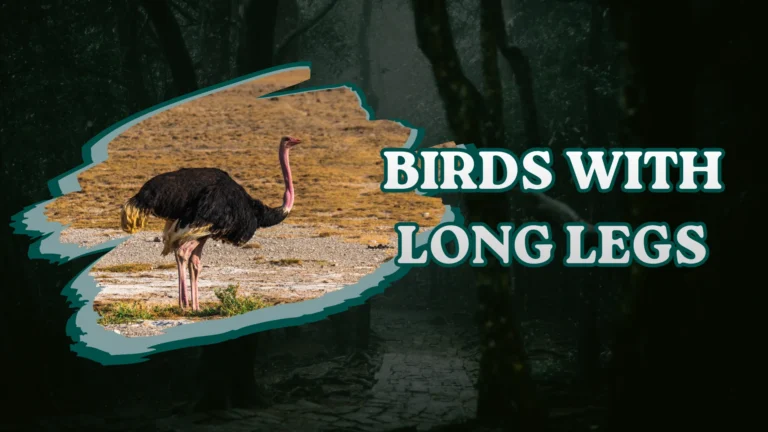
The ostrich is the largest bird in the world, yet it cannot fly a single meter. Its wings are far too small to lift its massive body. Instead, evolution gave it the gift of extraordinary speed.
Interestingly, the ostrich is the fastest bird on land, sprinting up to 70 kilometers per hour. Its wings, though useless for flight, help it balance and steer during high-speed runs. It also spreads them in courtship displays.
Ostriches live in the savannas and semi-deserts of Africa. As omnivores, they eat plants, seeds, insects, and small animals across wide, open landscapes.
Moreover, ostriches disperse seeds and are an iconic part of African grasslands. They remain widespread, thriving both in the wild and on farms.
Fun Fact: An ostrich can outrun most predators, sprinting up to 70 kilometers per hour.
Emu
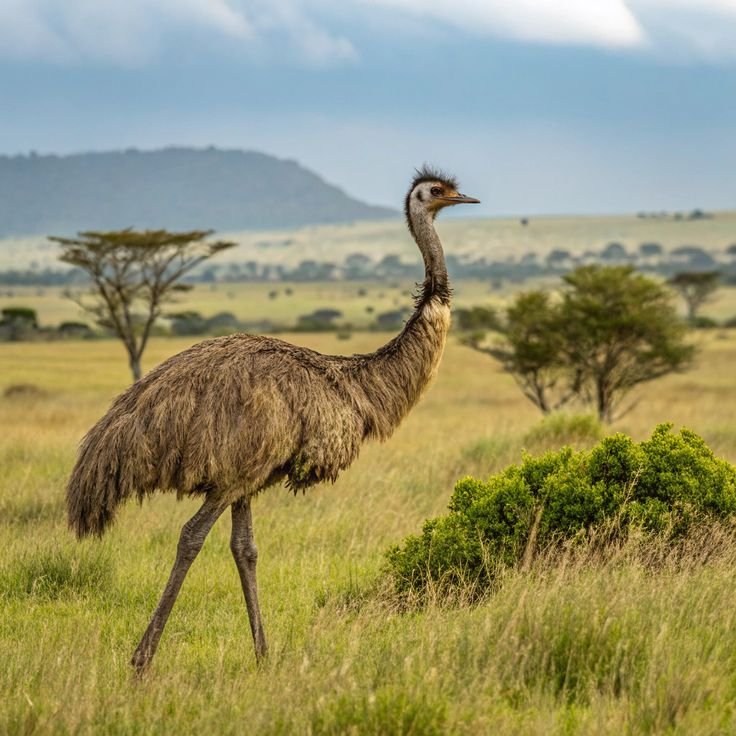
Scientific Name: Dromaius novaehollandiae
Class: Aves
Diet: Omnivore
The emu is Australia’s largest bird and the second tallest in the world, but it cannot fly. Its wings are tiny, hidden against its shaggy body. Like the ostrich, it relies on running to survive.
What sets the emu apart is its powerful legs and stamina. It can run up to 50 kilometers per hour and travel great distances in search of food and water. Its small wings help it balance while sprinting.
Emus live across much of mainland Australia, in forests, grasslands, and scrub. As omnivores, they feed on plants, seeds, fruit, and insects, roaming widely with the seasons.
Moreover, emus are important seed dispersers across the Australian landscape. They remain common and are a national symbol of Australia.
Emperor Penguin
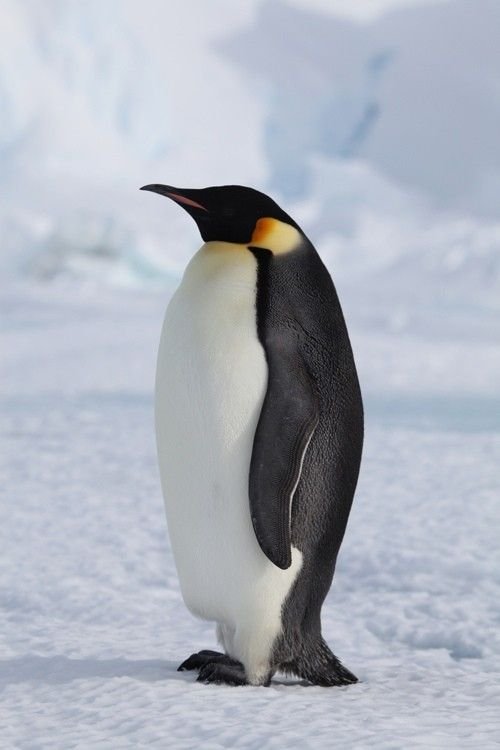
Scientific Name: Aptenodytes forsteri
Class: Aves
Diet: Carnivore (fish, squid, krill)
The emperor penguin has wings, but they are built for swimming rather than flying. Its wings have evolved into powerful flippers. In the water, this flightless bird becomes a graceful, speedy hunter.
Interestingly, the emperor penguin “flies” underwater, using its flippers to propel itself after prey. It can dive deeper than any other bird, reaching over 500 meters. On land, it waddles or slides on its belly across the ice.
Emperor penguins live on the sea ice and frigid waters of Antarctica. As carnivores, they hunt fish, squid, and krill during deep, prolonged dives.
Moreover, penguins are indicators of the health of the Antarctic ecosystem. Climate change and shrinking sea ice pose growing threats to their icy home.
Fun Fact: The emperor penguin can dive over 500 meters deep, deeper than any other bird.
Southern Cassowary
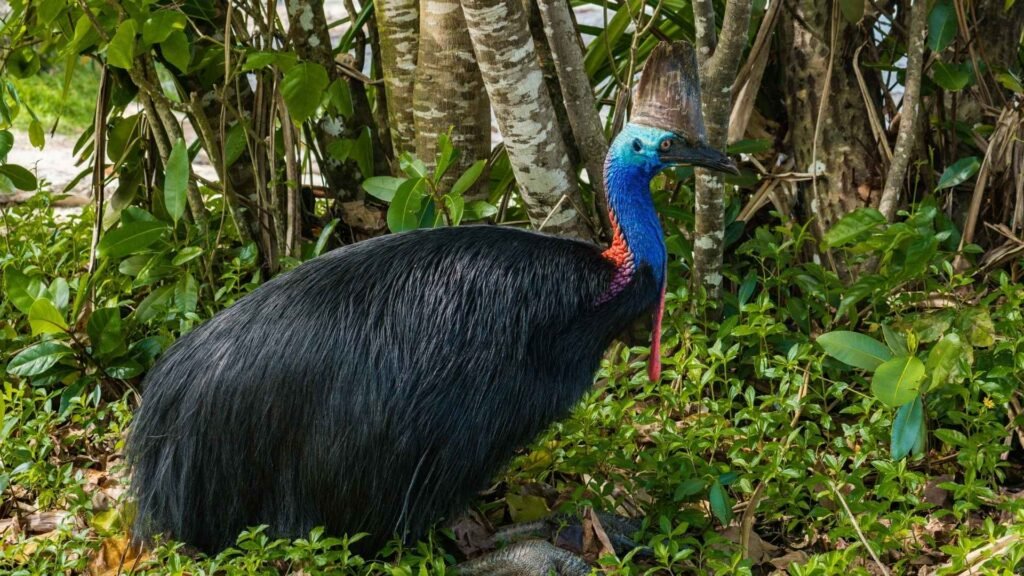
Scientific Name: Casuarius casuarius
Class: Aves
Diet: Omnivore (mostly fruit)
The southern cassowary is a large, striking flightless bird of the tropical rainforest. Its small wings are hidden beneath coarse, hair-like feathers. Powerful and shy, it is one of the world’s most formidable birds.
What sets the cassowary apart is its strength and dagger-like claws. Though it cannot fly, it can run swiftly and jump, and it delivers powerful kicks when threatened. A tall casque, or helmet, crowns its head.
Southern cassowaries live in the rainforests of northern Australia and New Guinea. As frugivores, they feed mainly on fallen fruit, playing a key role in the forest.
Moreover, cassowaries are vital seed dispersers, spreading the seeds of many rainforest trees. Habitat loss and vehicle strikes have made them a species of concern.
North Island Brown Kiwi
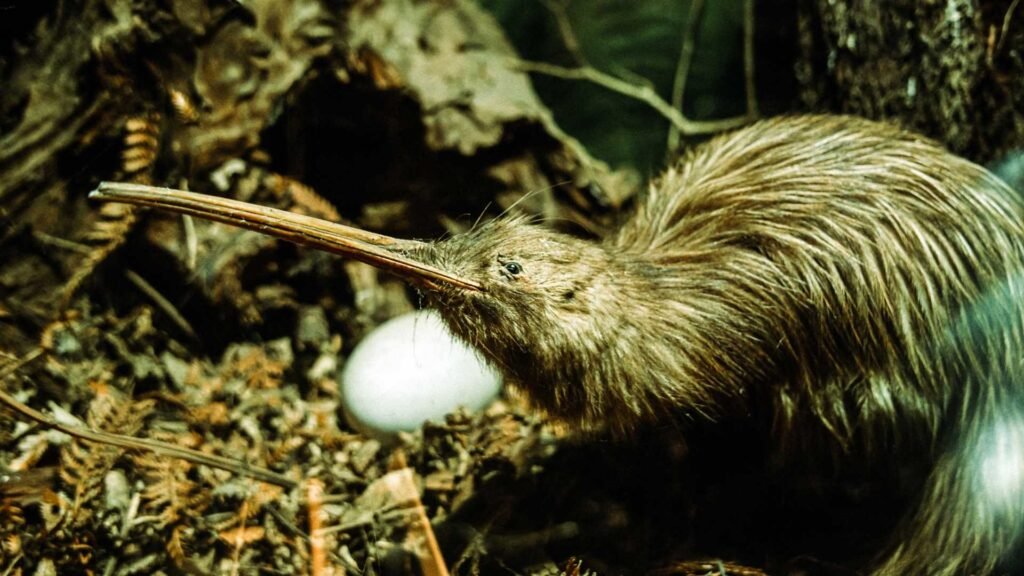
Scientific Name: Apteryx mantelli
Class: Aves
Diet: Omnivore (invertebrates)
The North Island brown kiwi is a small, flightless bird with wings so tiny they are nearly invisible. About the size of a chicken, it lives a hidden, nocturnal life. It is a beloved national symbol of New Zealand.
Interestingly, the kiwi has vestigial wings just a few centimeters long, tucked beneath shaggy feathers. Unable to fly, it relies on a keen sense of smell, unusual among birds, to find food. Its nostrils sit at the tip of its long bill.
North Island brown kiwis live in the forests and scrublands of New Zealand’s North Island. As omnivores, they probe the soil for worms, insects, and other invertebrates at night.
Moreover, kiwis are icons of New Zealand’s unique wildlife. Introduced predators have made them vulnerable, prompting intensive conservation efforts.
Fun Fact: The kiwi is the only bird with nostrils at the very tip of its bill.
Greater Rhea
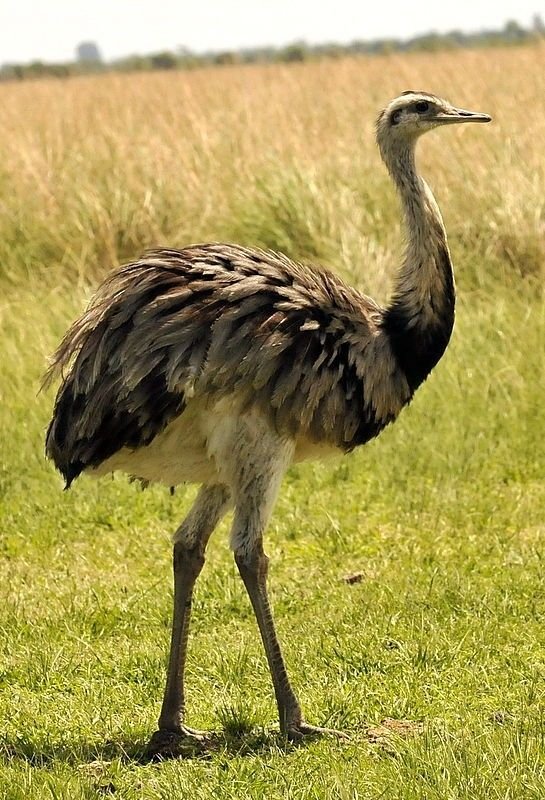
Scientific Name: Rhea americana
Class: Aves
Diet: Omnivore
The greater rhea is a large flightless bird of South America, resembling a smaller ostrich. Its wings are too small for flight but surprisingly useful. It thrives on the open grasslands of the continent.
What sets the rhea apart is how it uses its wings while running. Though flightless, it spreads its large wings like sails to help it balance and change direction at speed. This makes it a swift and agile runner.
Greater rheas live in the grasslands and open plains of South America. As omnivores, they feed on plants, seeds, insects, and small animals across the pampas.
Moreover, rheas disperse seeds and support their grassland ecosystems. Habitat loss and hunting have caused declines in parts of their range.
Kakapo
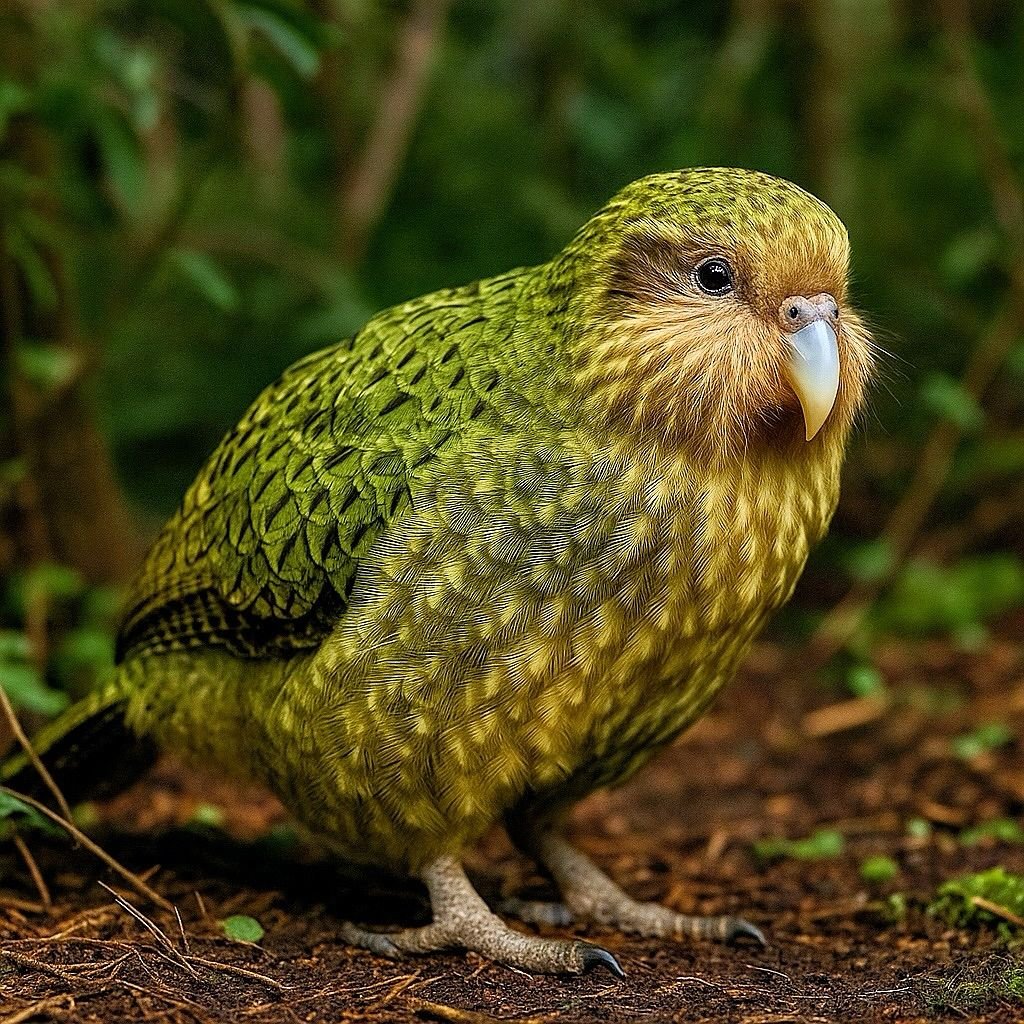
Scientific Name: Strigops habroptilus
Class: Aves
Diet: Herbivore
The kakapo is a rare, flightless parrot found only in New Zealand. The heaviest parrot in the world, it has wings but cannot fly. Instead, it climbs and walks through its forest home.
Interestingly, the kakapo uses its wings mainly for balance and to parachute gently when leaping from trees. Nocturnal and well camouflaged, it freezes to avoid detection. Males produce a deep booming call to attract mates.
Kakapos survive only on a few predator-free islands under intensive protection. As herbivores, they feed on native plants, seeds, fruits, and roots.
Moreover, the kakapo is a flagship of New Zealand conservation. Introduced predators nearly wiped it out, but careful management is slowly rebuilding its tiny population.
Fun Fact: The kakapo is the heaviest parrot on Earth and cannot fly at all.
Flightless Cormorant
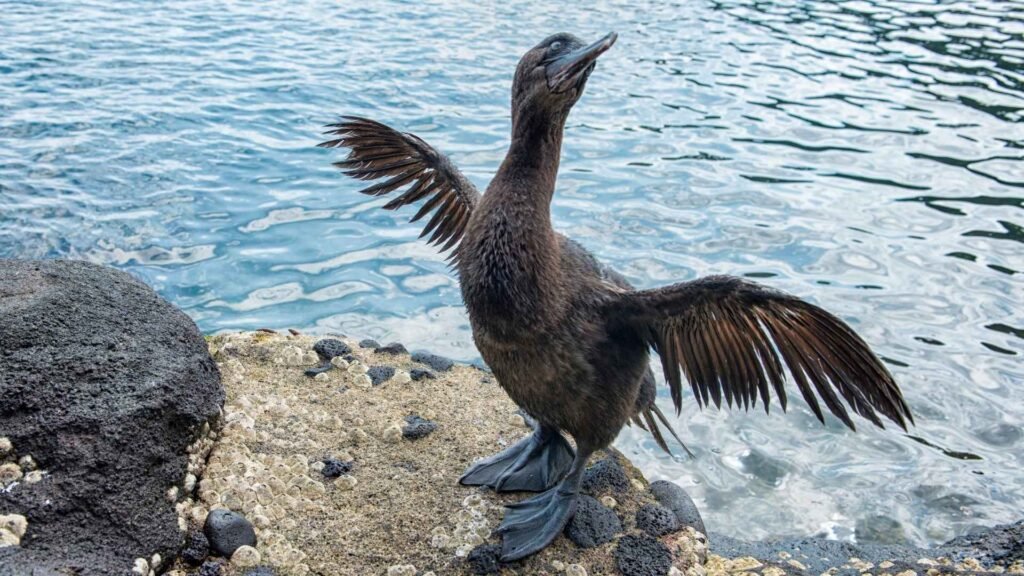
Scientific Name: Nannopterum harrisi
Class: Aves
Diet: Carnivore (fish, eels, octopus)
The flightless cormorant is the only cormorant in the world that has lost the ability to fly. Its wings are small and stubby, about a third the size needed for flight. Yet it is a superb swimmer and diver.
What sets this bird apart is its powerful legs and webbed feet. Instead of flying, it dives near the shore to hunt, propelling itself with strong kicks. Its reduced wings are a classic example of island evolution.
Flightless cormorants live only on the Galápagos Islands, where predators are few. As carnivores, they hunt fish, eels, and octopus in the cold, rich coastal waters.
Moreover, this cormorant is a striking symbol of evolution on isolated islands. Its tiny range and small population make it vulnerable to environmental change.
Takahē
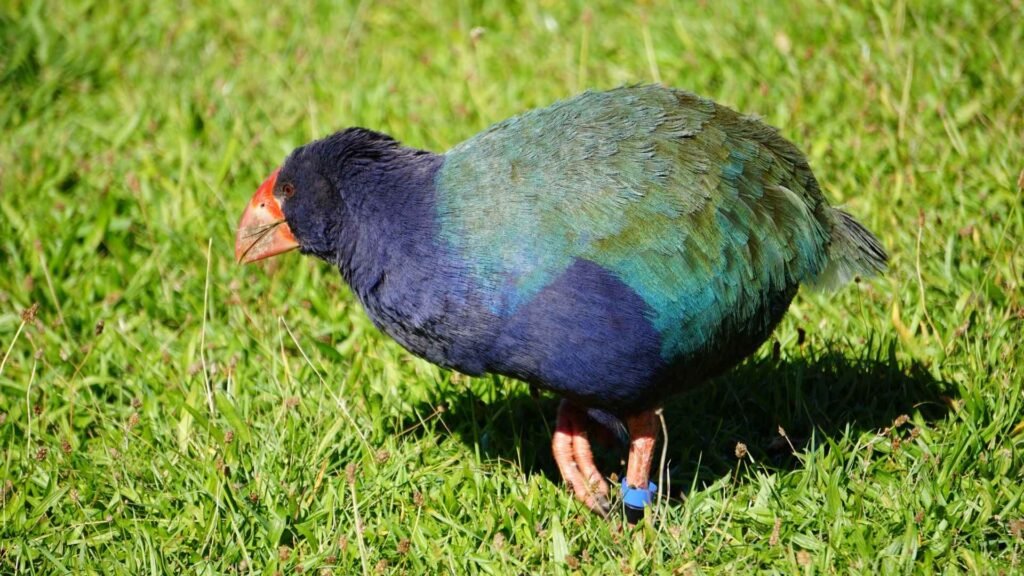
Scientific Name: Porphyrio hochstetteri
Class: Aves
Diet: Herbivore
The takahē is a large, colorful flightless bird once thought to be extinct. Rediscovered in 1948, it has become a conservation success story. Its small wings cannot lift its stocky, rounded body.
Interestingly, the takahē uses its wings mainly in courtship displays rather than flight. With bright blue and green plumage and a red beak, it is a striking sight. It plods through alpine grasslands in search of food.
Takahē live in the grasslands and reserves of New Zealand’s South Island. As herbivores, they feed on the bases and seeds of tussock grasses.
Moreover, the takahē’s recovery highlights the power of dedicated conservation. Introduced predators and habitat loss make continued protection essential.
Fun Fact: The takahē was believed extinct for 50 years before being rediscovered in 1948.
Weka
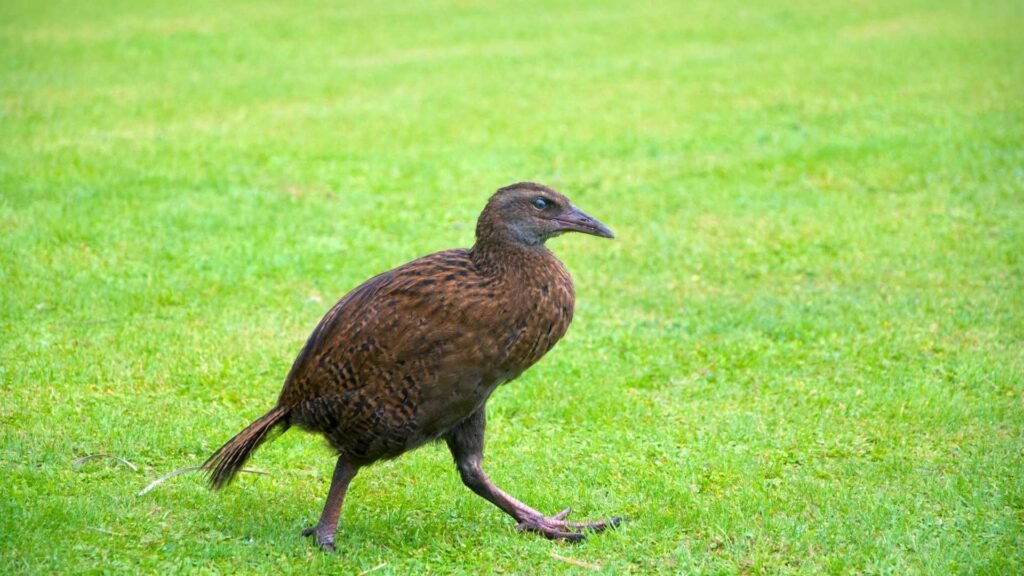
Scientific Name: Gallirallus australis
Class: Aves
Diet: Omnivore
The weka is a curious, flightless bird of New Zealand about the size of a chicken. Its wings are small and unable to lift it into the air. Bold and inquisitive, it is a familiar sight in its habitat.
What sets the weka apart is its cheeky, resourceful nature. Though flightless, it runs quickly and is famous for snatching small objects and food. Strong legs make it a capable ground forager.
Weka live in forests, grasslands, and coastal areas of New Zealand. As omnivores, they eat insects, fruit, seeds, and small animals, adapting to many environments.
Moreover, weka help disperse seeds and control insects across their range. Their numbers vary, with some populations threatened by predators and habitat change.
Flightless Steamer Duck
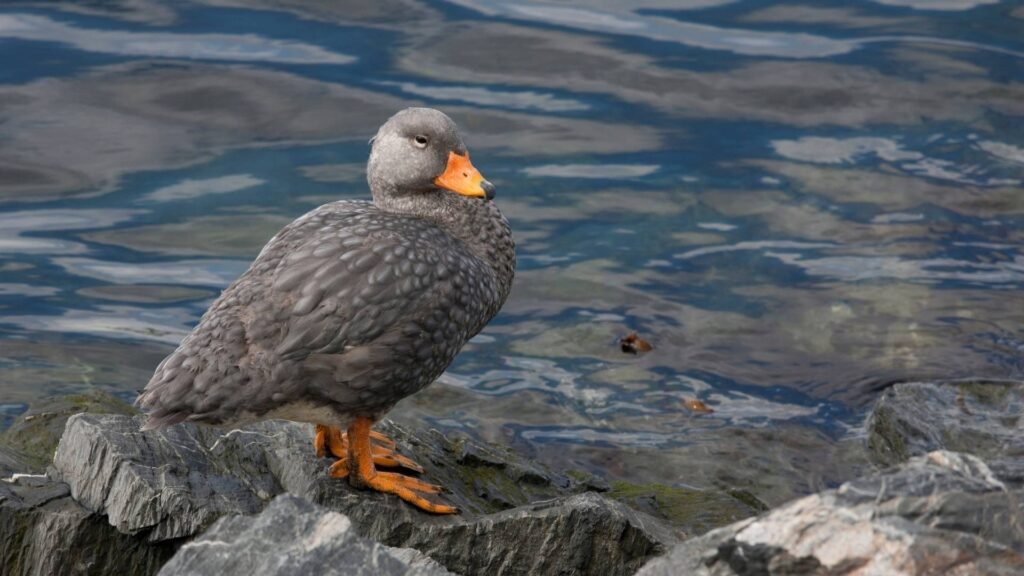
Scientific Name: Tachyeres pteneres
Class: Aves
Diet: Carnivore (mollusks, crustaceans)
The flightless steamer duck is a heavy, powerful waterbird that cannot take to the air. Its wings are too small to lift its bulky body. Instead, it churns across the water’s surface in a striking display.
Interestingly, the steamer duck gets its name from the way it thrashes its wings and feet through the water. This “steaming” motion resembles an old paddle steamer. It is also known for being aggressive and territorial.
Flightless steamer ducks live along the rocky coasts of southern South America. As carnivores, they dive for mollusks and crustaceans in cold coastal waters.
Moreover, these ducks are a hardy part of the southern coastal ecosystem. They remain fairly common within their range.
Fun Fact: The steamer duck “steams” across the water by thrashing its wings like a paddle boat.
Inaccessible Island Rail
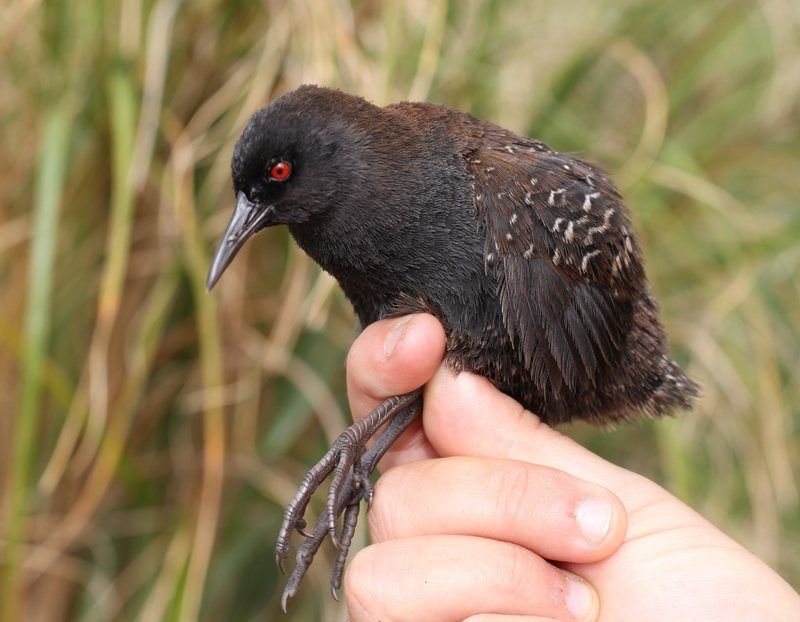
Scientific Name: Atlantisia rogersi
Class: Aves
Diet: Omnivore (invertebrates, seeds)
The Inaccessible Island rail is the smallest flightless bird in the world. No larger than a small chick, it has wings far too tiny for flight. It survives on one remote island in the South Atlantic.
What sets this rail apart is its extreme isolation. Living on a predator-free island, it never needed to fly and lost the ability entirely. It scurries through dense vegetation on its tiny legs.
The Inaccessible Island rail lives only on Inaccessible Island in the Tristan da Cunha group. As an omnivore, it feeds on insects, worms, seeds, and berries.
Moreover, this rail is a remarkable example of island evolution. Its single, tiny range makes it vulnerable to any introduced predators or disturbance.
Read: Animals That Can’t Swim
Read: Quiet Animals in the World
Read: Laziest Animals in the World
Read: Greedy Animals in the World
Read: Animals With Bushy Tails
Frequently Asked Questions
Conclusion
From the sprinting ostrich to the diving penguin, the animals with wings that can’t fly reveal that evolution has many paths to success. These flightless birds traded the sky for speed, swimming power, or a safe life on isolated islands, each perfectly adapted to its world. They disperse seeds, hunt in the oceans, and enrich the ecosystems they inhabit.

One Comment