
Top 18 Animals With No Legs in The World (With Images)
Did you know that some animals thrive without a single leg, gliding, slithering, and swimming through life with astonishing grace? In the animal kingdom, legs are far from essential. The world’s legless animals move using rippling muscles, mucus-covered feet, water jets, and wave-like motions perfected over millions of years. From burrowing worms to jet-propelled octopuses, these limbless creatures have mastered movement in their own remarkable ways.
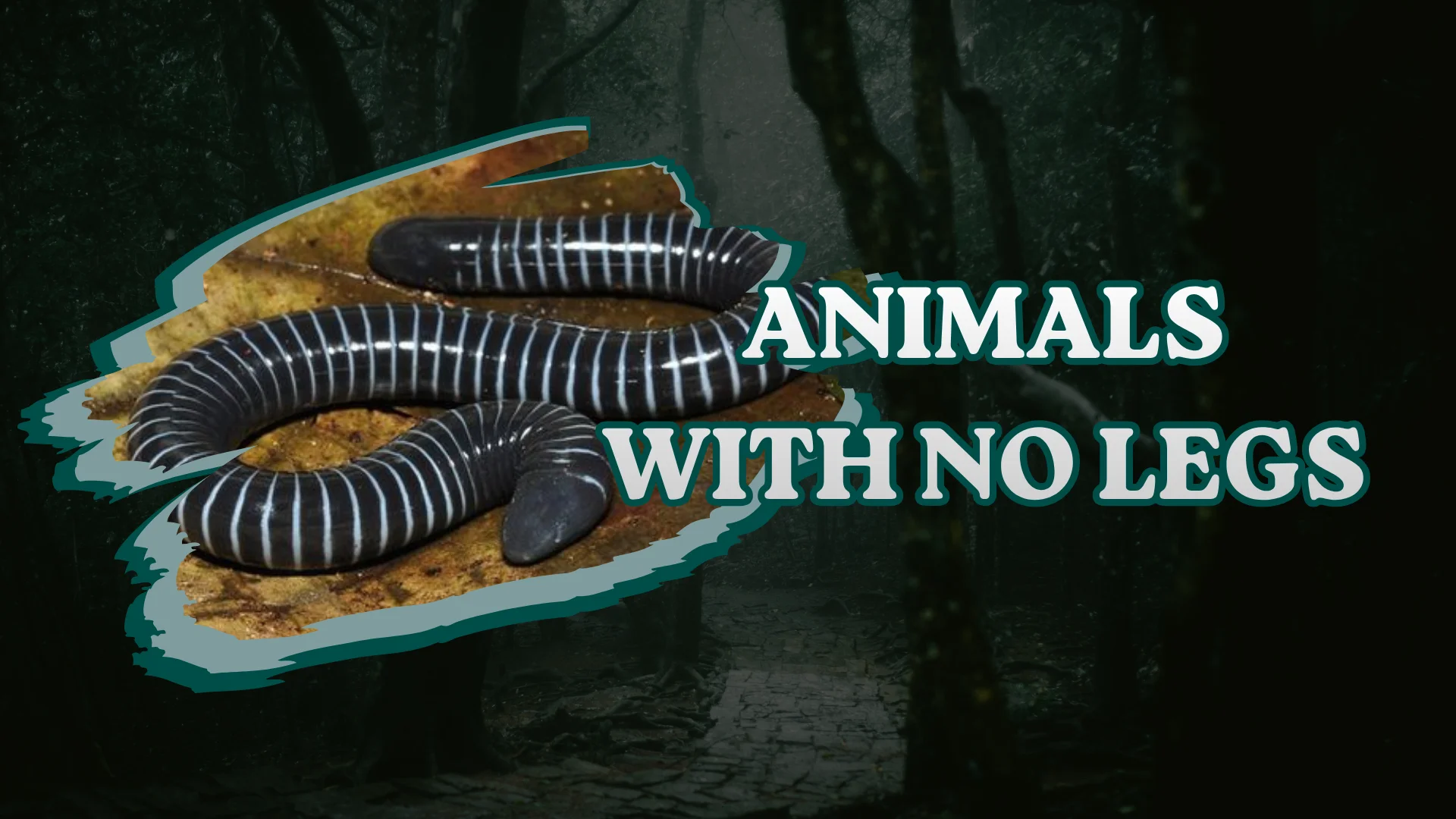
Far from being helpless, many are skilled hunters and vital members of their ecosystems. In this guide, we’ll explore the top 18 animals with no legs, uncovering how they get around and why these fascinating species deserve our attention and protection.
List of Animals With No Legs
| Rank | Animal | Scientific Name |
|---|---|---|
| 1 | Snake | Serpentes |
| 2 | Earthworm | Lumbricus terrestris |
| 3 | Slug | Arion ater |
| 4 | Snail | Cornu aspersum |
| 5 | Caecilian | Gymnophiona |
| 6 | Slow Worm | Anguis fragilis |
| 7 | Jellyfish | Aurelia aurita |
| 8 | Eel | Anguilla anguilla |
| 9 | Leech | Hirudo medicinalis |
| 10 | Octopus | Octopus vulgaris |
| 11 | Starfish | Asterias rubens |
| 12 | Sea Anemone | Actinia equina |
| 13 | Sea Cucumber | Holothuria forskali |
| 14 | Glass Lizard | Ophisaurus ventralis |
| 15 | Clam | Mercenaria mercenaria |
| 16 | Squid | Loligo vulgaris |
| 17 | Worm Lizard | Amphisbaena alba |
| 18 | Sea Snake | Hydrophis platurus |
Snake
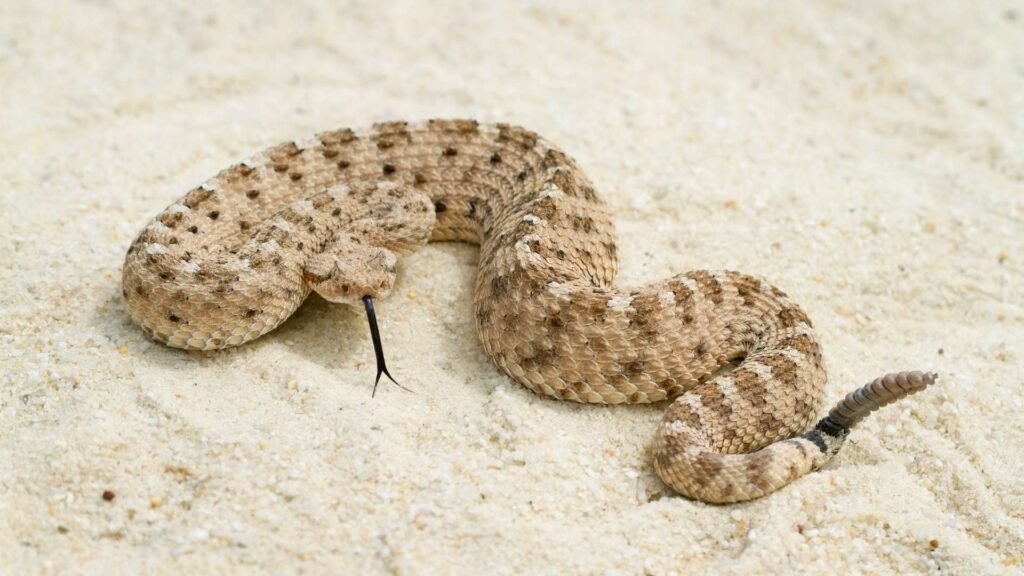
Scientific Name: Serpentes
Class: Reptilia
Diet: Carnivore
The snake is the most famous legless animal, moving with remarkable ease despite having no limbs at all. Its long, muscular body glides across almost any surface.
Interestingly, snakes evolved from lizard-like ancestors that once had legs. As they adapted to hunting and burrowing, they lost their limbs, developing a sleek, flexible body instead.
Snakes inhabit nearly every habitat on Earth, from deserts and forests to rivers and grasslands, preying on rodents, birds, and other animals.
As predators, snakes help control rodent and pest populations. Many species face threats from habitat loss and the illegal wildlife trade.
Fun Fact: A snake moves using its muscles and belly scales, gripping the ground to push itself forward.
Earthworm
Scientific Name: Lumbricus terrestris
Class: Clitellata
Diet: Detritivore
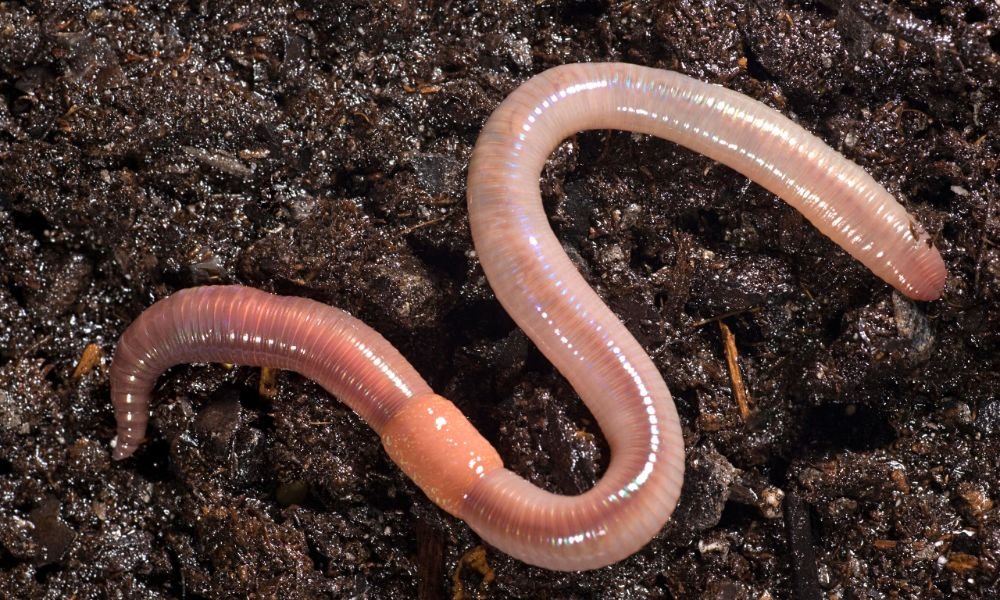
The earthworm is a soft, tube-like invertebrate with no legs, arms, or bones. It belongs to the phylum Annelida and breathes entirely through its moist skin.
Moreover, the earthworm moves using waves of muscle contractions along its body. Tiny bristles called setae grip the soil, letting it push and pull itself through the ground.
Earthworms live in soils around the world, feeding on decaying plant matter and organic material underground.
As nature’s recyclers, earthworms enrich and aerate the soil, making them vital to healthy ecosystems.
Fun Fact: An earthworm can regrow lost segments of its body, helping it recover from minor injuries.
Slug
Scientific Name: Arion ater
Class: Gastropoda
Diet: Herbivore
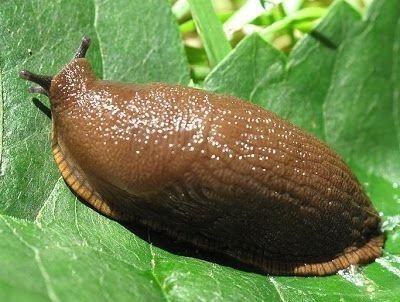
The slug is a soft-bodied gastropod with no legs, closely related to the snail but without a shell. Its smooth, muscular body carries it slowly across the ground.
Interestingly, the slug glides on a single muscular “foot” that secretes slippery mucus. This slime reduces friction and lets it travel over rough or even sharp surfaces unharmed.
Slugs are found in gardens, forests, and damp habitats around the world, feeding on leaves, fungi, and decaying plants.
As decomposers, slugs help recycle nutrients and enrich the soil. They thrive in moist environments and play a quiet role in their ecosystems.
Fun Fact: A slug’s slimy trail is so protective that it can crawl safely across the edge of a blade without harm.
Snail
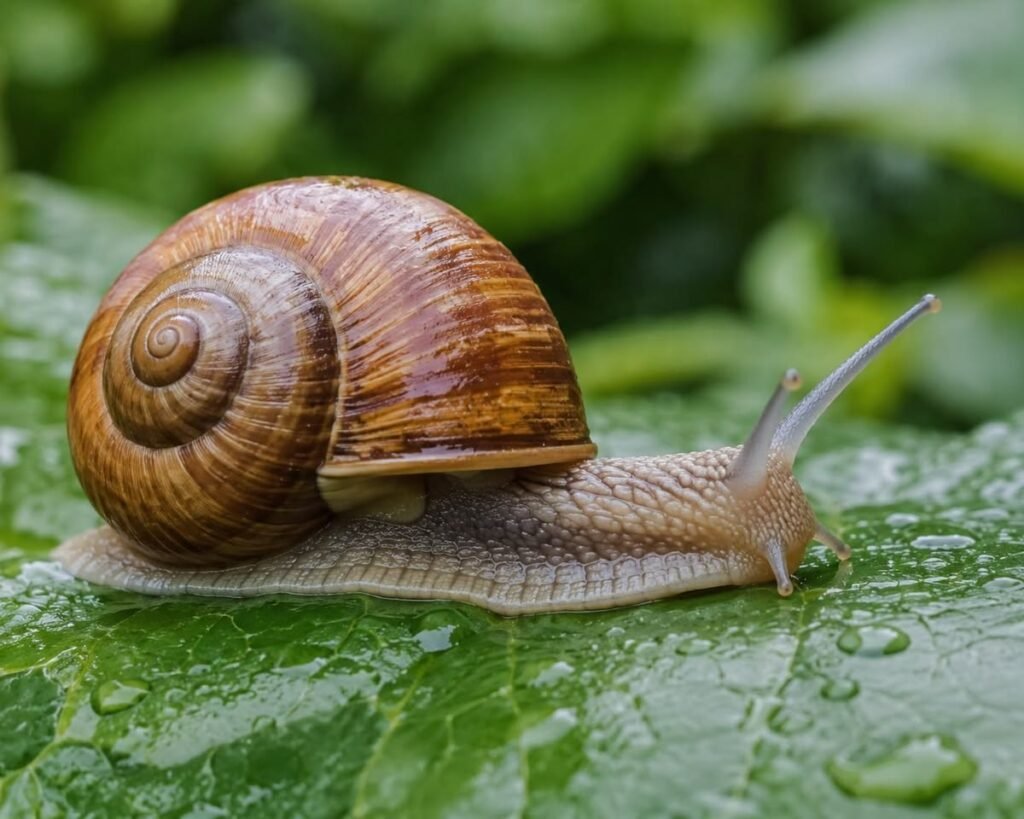
Scientific Name: Cornu aspersum
Class: Gastropoda
Diet: Herbivore
The snail is a legless gastropod that carries its spiral shell wherever it goes. Beneath the shell, its soft body glides along on a single muscular foot.
Moreover, the snail moves by rippling this foot and laying down a trail of mucus. Slow but steady, it can climb walls, cross rough ground, and even travel upside down.
Snails are found almost everywhere, from gardens and forests to wetlands, feeding on leaves, fungi, and decaying plants.
As decomposers, snails help recycle nutrients and enrich the soil. Habitat loss and pollution threaten specialized species.
Fun Fact: A snail can retreat completely into its shell and seal the opening to survive harsh conditions.
Caecilian
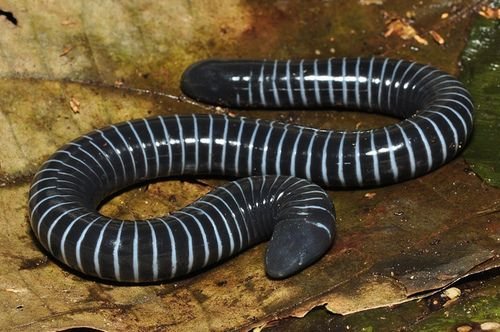
Scientific Name: Gymnophiona
Class: Amphibia
Diet: Carnivore
The caecilian is a legless amphibian that looks more like a worm or snake than a frog. Belonging to the same broad group as frogs, it has no legs or arms at all.
Interestingly, most caecilians are burrowers, tunneling through soil using a hard, pointed skull. Waves of muscle ripple from head to tail, pushing them through packed earth with surprising ease.
Caecilians inhabit the moist soils and streams of tropical regions across the world, feeding on worms and insects.
As underground predators, caecilians help control invertebrate populations. Many remain poorly studied, and some depend on undisturbed, moist habitats.
Fun Fact: Despite looking like worms, caecilians are true amphibians, closely related to frogs and salamanders.
Slow Worm
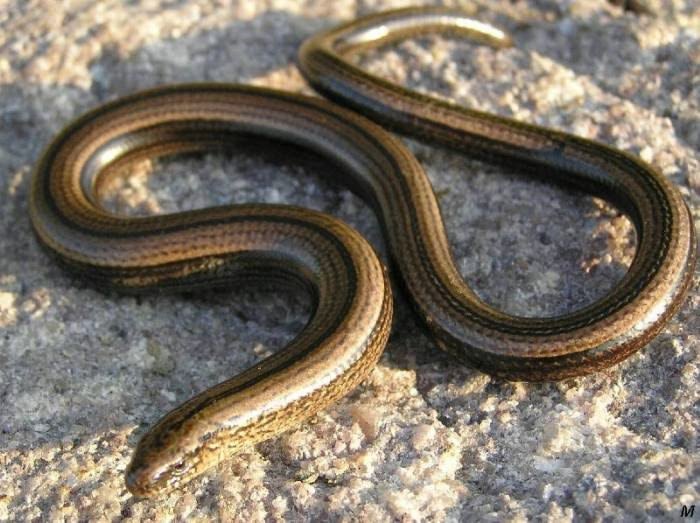
Scientific Name: Anguis fragilis
Class: Reptilia
Diet: Carnivore
The slow worm looks just like a snake, but it is actually a legless lizard. Unlike snakes, it has eyelids and external ear openings, revealing its true lizard nature.
Moreover, the slow worm moves with a smooth, snake-like glide across the ground. When threatened, it can even shed its tail to escape, a trick true snakes cannot perform.
Slow worms inhabit grasslands, gardens, and woodlands across Europe and parts of Asia, hunting slugs, worms, and insects.
As predators, slow worms help control garden pests like slugs. Habitat loss and predation by cats threaten some populations.
Fun Fact: Unlike snakes, the slow worm can blink, thanks to its movable eyelids.
Jellyfish
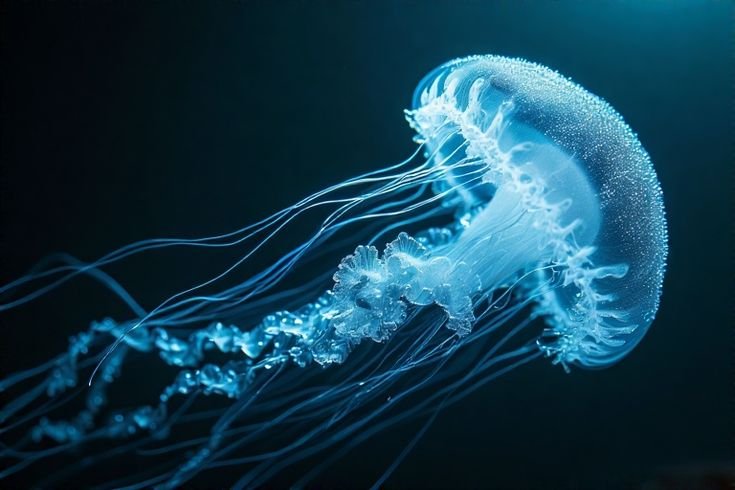
Scientific Name: Aurelia aurita
Class: Scyphozoa
Diet: Carnivore
The jellyfish is a legless, boneless animal made mostly of water, drifting through the ocean with no limbs at all. Its bell-shaped body trails delicate tentacles beneath it.
Interestingly, the jellyfish moves by rhythmically contracting its bell to push itself along. It relies largely on ocean currents and buoyancy rather than any true swimming power.
Jellyfish inhabit every ocean on Earth, from sunlit surface waters to the deep sea, feeding on plankton and small fish.
As both predator and prey, jellyfish are important to marine food webs. Warming seas and pollution are causing some jellyfish populations to surge.
Fun Fact: A jellyfish has no brain, heart, bones, or legs, yet has survived for over 500 million years.
Eel
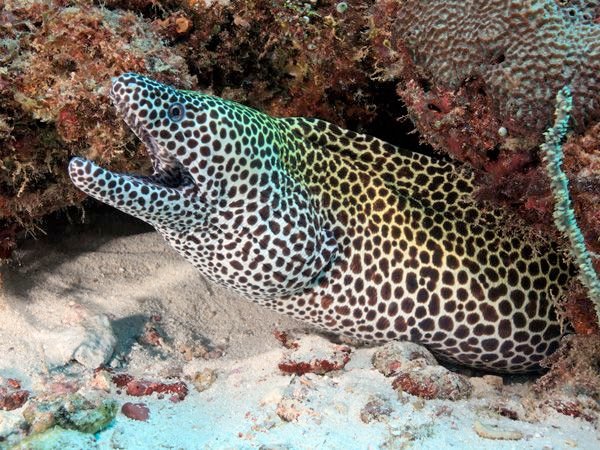
Scientific Name: Anguilla anguilla
Class: Actinopterygii
Diet: Carnivore
The eel is a snake-like fish with no legs, moving through the water in graceful, wave-like motions. Its long, slippery body lets it glide through tight underwater spaces.
Moreover, the eel swims by rippling its entire body from head to tail. It can even wriggle across damp land for short distances when moving between bodies of water.
Eels inhabit rivers, lakes, and oceans around the world, hunting fish, crustaceans, and other small animals.
As predators, eels help balance aquatic ecosystems. Overfishing and habitat loss have made some eel species Critically Endangered.
Fun Fact: Some eels migrate thousands of miles across the ocean to breed, guided by instinct alone.
Leech
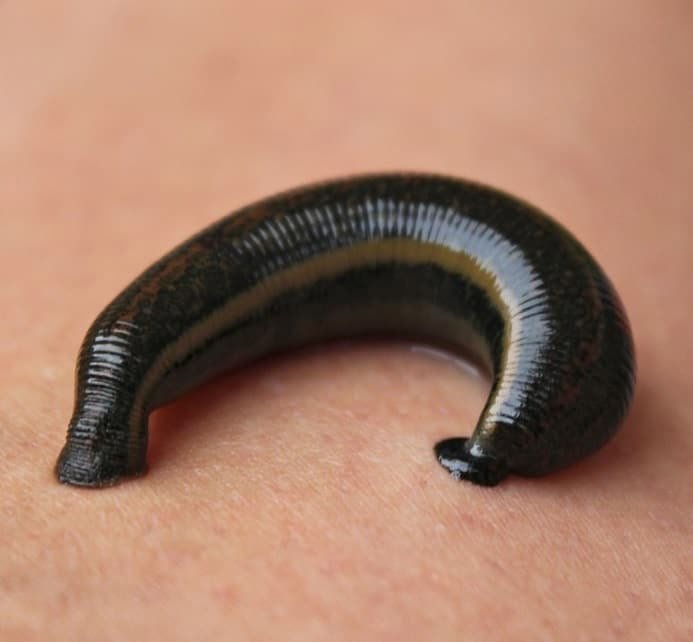
Scientific Name: Hirudo medicinalis
Class: Clitellata
Diet: Carnivore
The leech is a legless, segmented worm with a soft, flexible body and no limbs. Related to the earthworm, it relies entirely on muscle power to move.
Interestingly, the leech travels using suckers at each end of its body, looping along in an “inchworm” motion. Many species feed on blood, attaching firmly with their strong suckers.
Leeches inhabit ponds, wetlands, and damp habitats around the world, feeding on blood or small invertebrates.
As parasites and predators, leeches are part of many freshwater ecosystems. Some are even used in modern medicine to improve blood flow.
Fun Fact: Medicinal leeches are still used today to help restore circulation after delicate surgeries.
Octopus
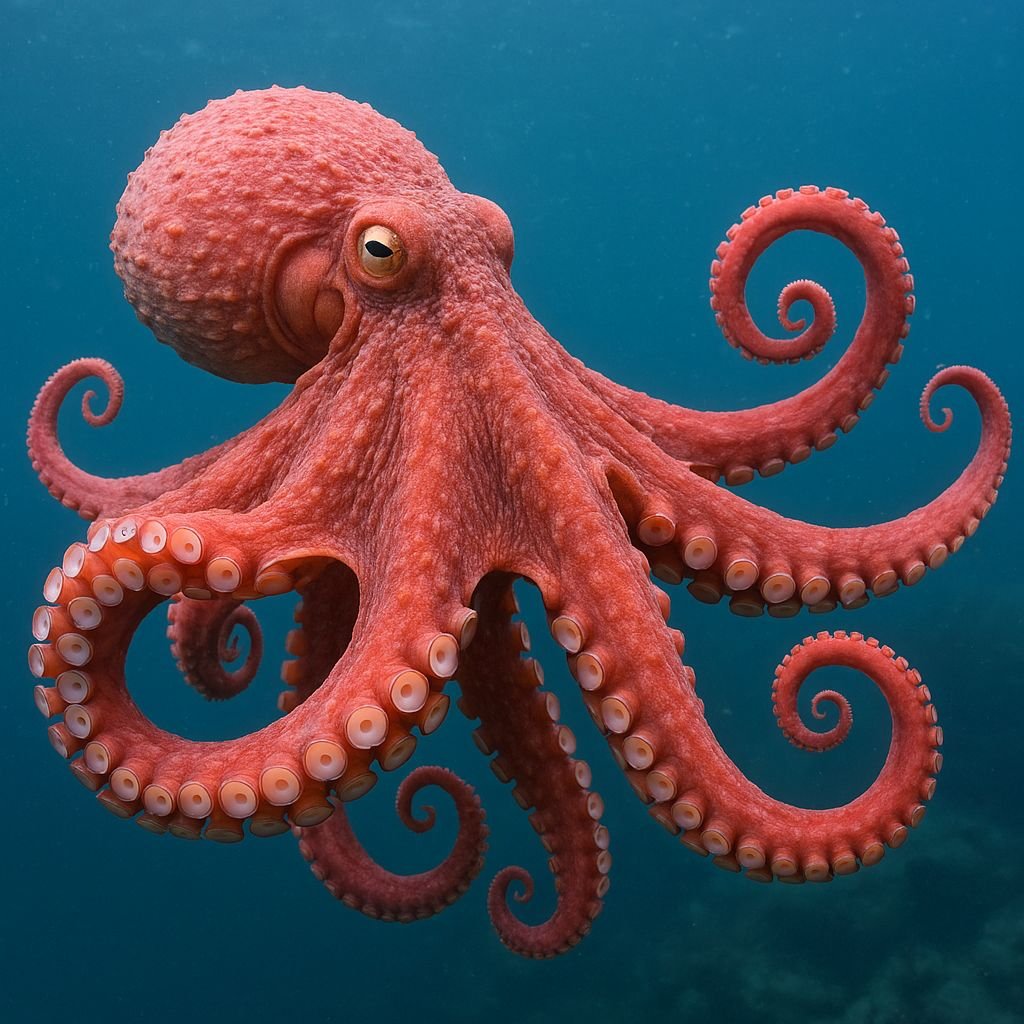
Scientific Name: Octopus vulgaris
Class: Cephalopoda
Diet: Carnivore
The octopus has eight arms but no legs, using its boneless, flexible body to move in remarkable ways. It crawls, grips, and manipulates objects with astonishing skill.
Moreover, the octopus jets through the water by expelling water from its body. Its sucker-covered arms let it grab prey, open shells, and squeeze through tiny gaps with ease.
Octopuses inhabit oceans worldwide, from coral reefs to rocky seabeds, ambushing crabs, shrimp, and mollusks.
As both predator and prey, the octopus is key to marine food webs. Overfishing and habitat degradation threaten some populations.
Fun Fact: An octopus can squeeze its entire soft body through any gap larger than its beak.
Starfish

Scientific Name: Asterias rubens
Class: Asteroidea
Diet: Carnivore
The starfish, or sea star, has arms radiating from a central disc but no true legs. Instead of limbs, it moves using a unique water-powered system.
Interestingly, the starfish glides on hundreds of tiny tube feet driven by hydraulic pressure. This same system is strong enough to pry open the shells of clams and mussels.
Starfish inhabit oceans worldwide, from tide pools to the deep sea, feeding on shellfish and other slow prey.
As predators, starfish help shape marine communities. Warming seas and disease outbreaks threaten some species.
Fun Fact: A starfish can regrow a lost arm, and some species can rebuild an entire body from a single limb.
Sea Anemone
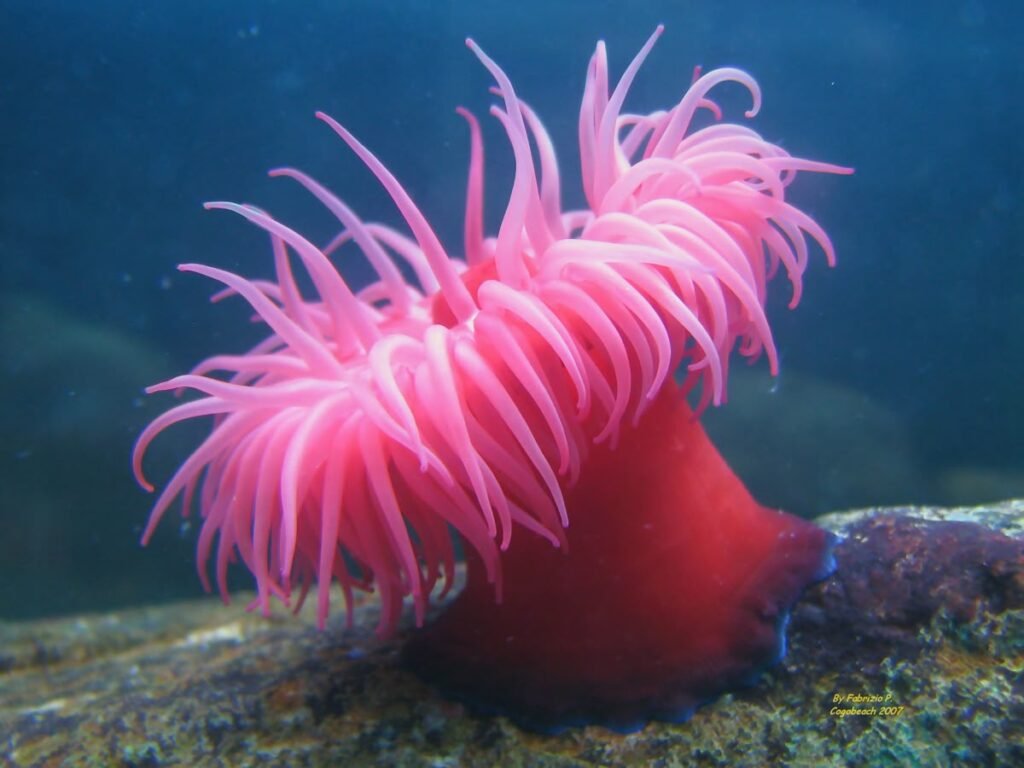
Scientific Name: Actinia equina
Class: Anthozoa
Diet: Carnivore
The sea anemone is a legless marine animal that spends most of its life anchored to one spot. Resembling a colorful underwater flower, it sways gently in the current.
Moreover, the sea anemone catches food with its stinging tentacles rather than moving to hunt. If needed, it can slowly glide on its base or detach and drift to a new location.
Sea anemones inhabit oceans worldwide, from tide pools to deep reefs, capturing small fish and plankton.
As predators, sea anemones are part of vibrant reef ecosystems and often shelter clownfish. Pollution and warming seas threaten many reef habitats.
Fun Fact: The sea anemone and clownfish share a famous partnership, protecting and feeding one another.
Sea Cucumber

Scientific Name: Holothuria forskali
Class: Holothuroidea
Diet: Detritivore
The sea cucumber is a soft, legless marine animal shaped like its vegetable namesake. Lying on the seafloor, it moves slowly with no limbs at all.
Interestingly, the sea cucumber creeps along using tiny tube feet, much like its relative the starfish. When threatened, it can even expel its internal organs to distract predators, later regrowing them.
Sea cucumbers inhabit ocean floors worldwide, from shallow reefs to the deep sea, feeding on decaying matter in the sediment.
As recyclers, sea cucumbers clean and enrich the seabed. Overharvesting for food threatens some populations around the world.
Fun Fact: A sea cucumber can eject its own organs to escape danger, then grow them back over time.
Glass Lizard
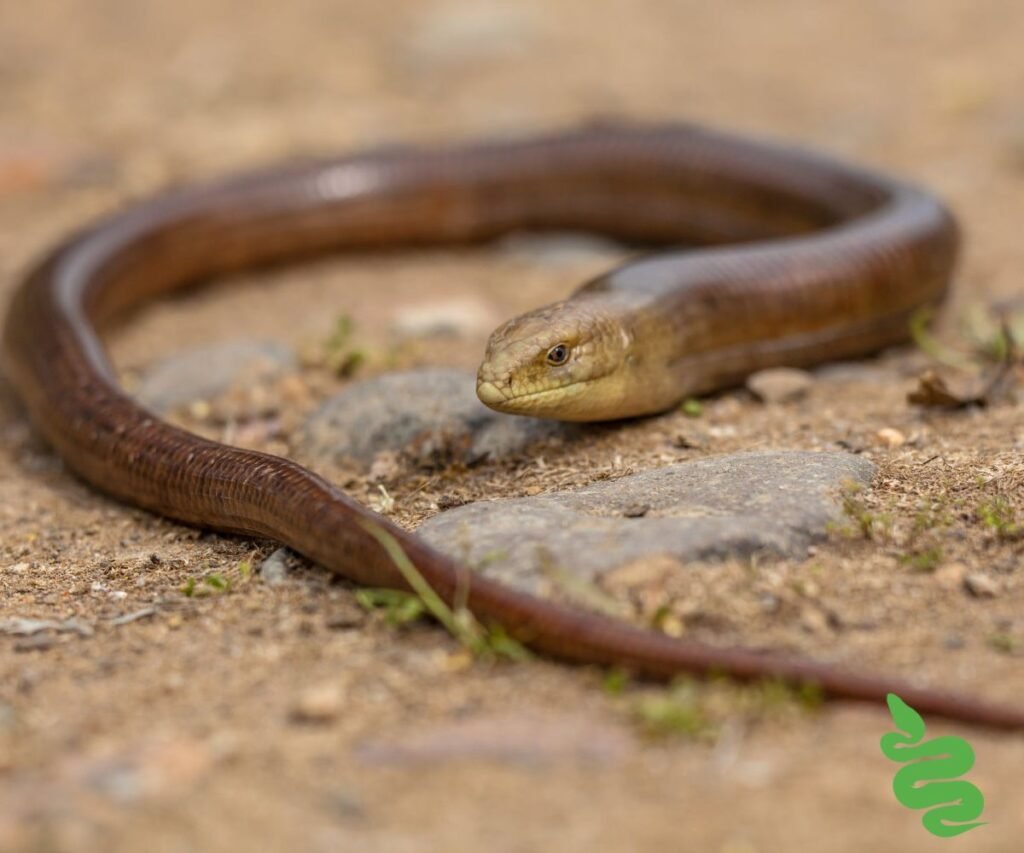
Scientific Name: Ophisaurus ventralis
Class: Reptilia
Diet: Carnivore
The glass lizard is another legless lizard often mistaken for a snake. Like the slow worm, it has eyelids and ear openings that reveal it is truly a lizard.
Moreover, the glass lizard earns its name from its fragile tail, which can shatter into pieces when grabbed. This lets it escape predators and slowly regrow the lost tail over time.
Glass lizards inhabit grasslands, woodlands, and gardens across parts of North America, Europe, and Asia, hunting insects and small prey.
As predators, glass lizards help control insect and pest populations. Habitat loss is a threat to some species.
Fun Fact: A glass lizard’s tail can make up more than half its length and breaks off easily to fool predators.
Clam
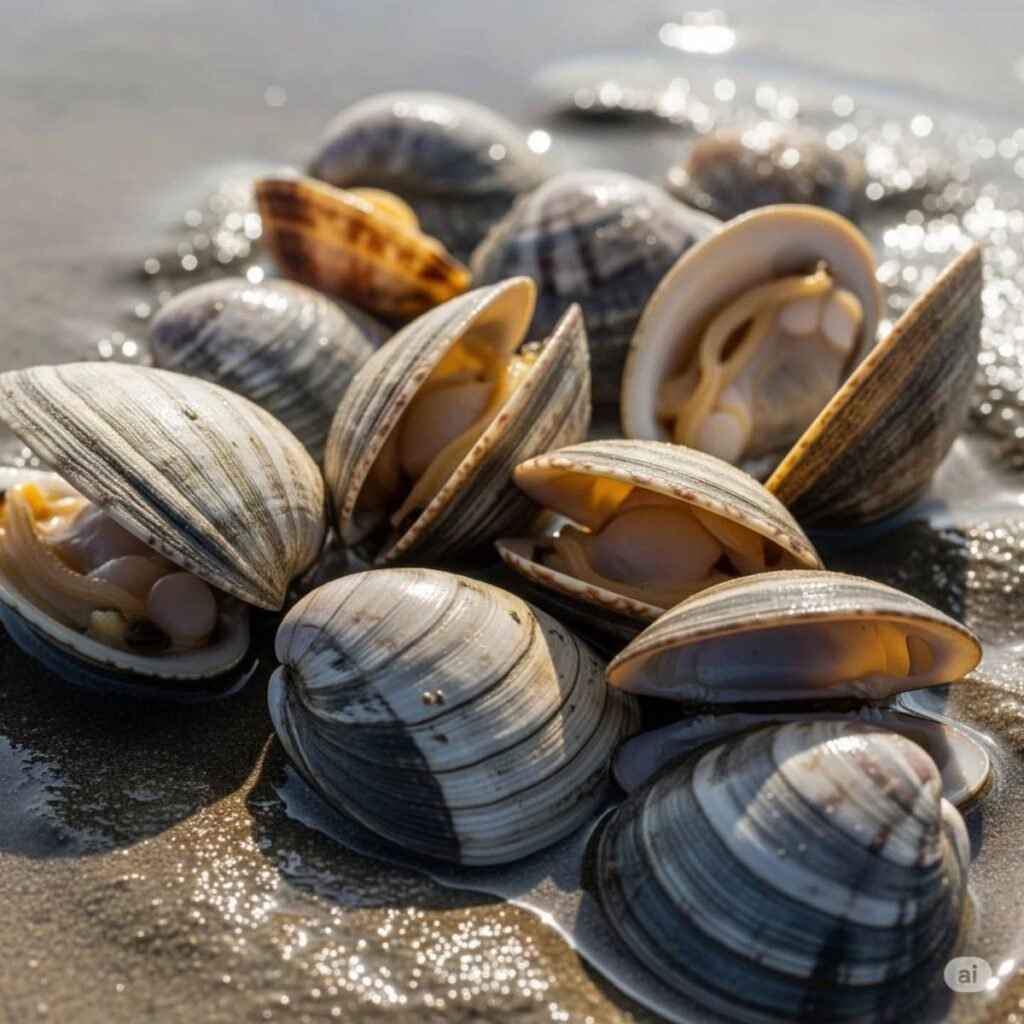
Scientific Name: Mercenaria mercenaria
Class: Bivalvia
Diet: Filter feeder
The clam is a legless bivalve mollusk enclosed in two hinged shells. It has no limbs, yet it can still dig and anchor itself in place.
Interestingly, the clam moves using a single muscular foot that it extends from between its shells. It pushes this foot into sand or mud to burrow and hold its position.
Clams inhabit oceans, rivers, and lakes worldwide, filtering plankton and organic matter from the water.
As filter feeders, clams help clean and purify their aquatic habitats. Overharvesting and pollution threaten some clam populations.
Fun Fact: Some clams can live for hundreds of years, making them among the longest-lived animals on Earth.
Squid
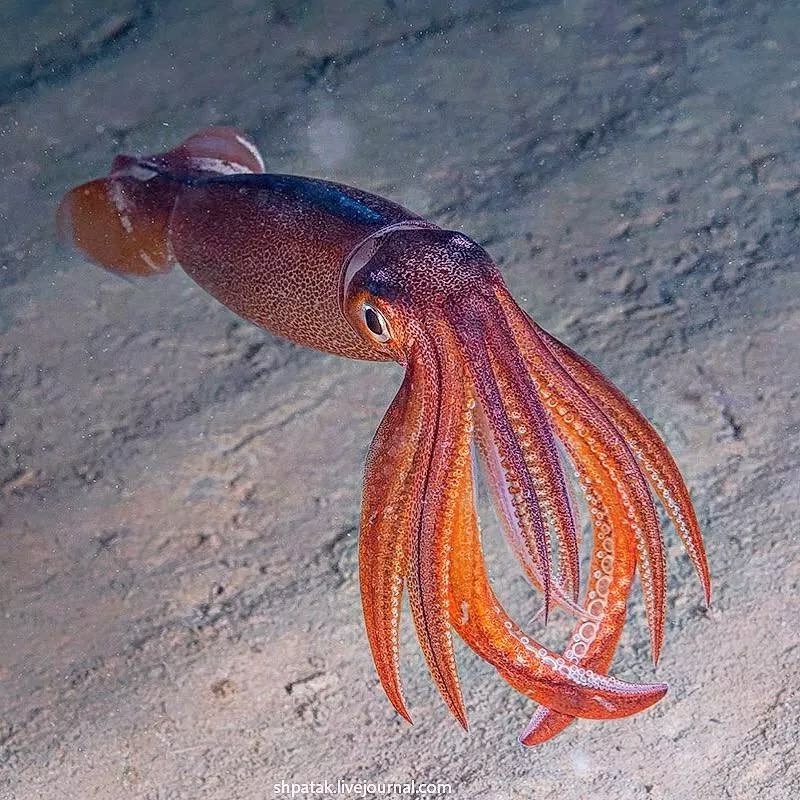
Scientific Name: Loligo vulgaris
Class: Cephalopoda
Diet: Carnivore
The squid has ten arms and tentacles but no legs, propelling itself through the ocean with remarkable speed. Its streamlined, boneless body is built for swift movement.
Moreover, the squid moves by jet propulsion, shooting water from its body to dart backward in a flash. Its arms and tentacles grab prey and steer it through the water.
Squid inhabit oceans worldwide, from surface waters to the deep sea, hunting fish, crustaceans, and other squid.
As both predator and prey, squid are vital to ocean food webs. Overfishing pressures some squid populations.
Fun Fact: Some squid can shoot a cloud of ink and jet away, vanishing from predators in an instant.
Worm Lizard
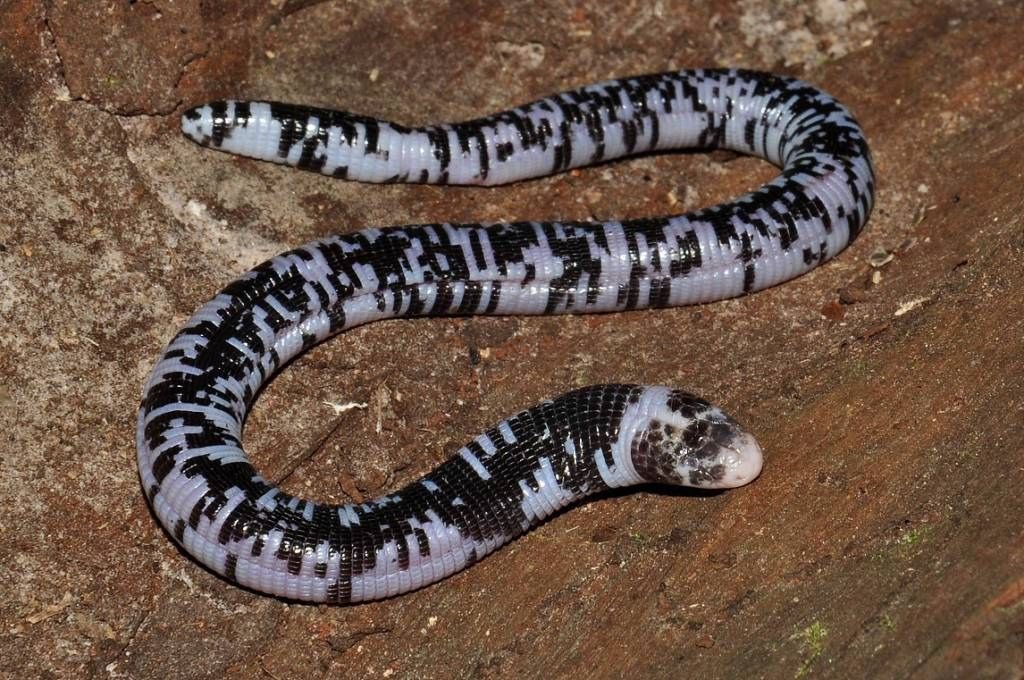
Scientific Name: Amphisbaena alba
Class: Reptilia
Diet: Carnivore
The worm lizard, or amphisbaenian, is a legless, burrowing reptile that looks like a large earthworm. Its ringed, segmented body is perfectly built for life underground.
Interestingly, the worm lizard tunnels through soil using its strong, blunt head and rippling body. Its skin moves in accordion-like folds, letting it push forward and even move backward.
Worm lizards inhabit soils and burrows across South America, Africa, and parts of Europe, hunting insects and worms.
As underground predators, worm lizards help control soil-dwelling pests. They rely on undisturbed soil habitats to survive.
Fun Fact: The worm lizard can move backward as easily as forward, giving it its name “amphisbaena,” meaning “moves both ways.”
Sea Snake
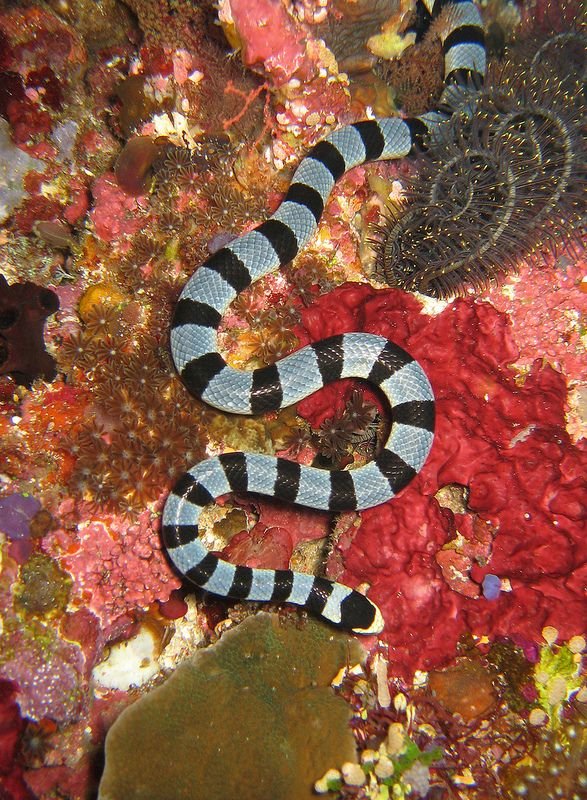
Scientific Name: Hydrophis platurus
Class: Reptilia
Diet: Carnivore
The sea snake is a legless reptile perfectly adapted to life in the ocean. Its flattened, paddle-like tail helps it swim, while its sleek body glides through the water.
Moreover, the sea snake moves with graceful, wave-like motions, just like its land-dwelling relatives. Highly venomous, it uses a swift strike to subdue fish and eels.
Sea snakes inhabit the warm coastal waters and open seas of the Indian and Pacific Oceans, hunting fish and eels.
As marine predators, sea snakes help balance ocean food webs. Habitat disturbance and bycatch threaten some populations.
Fun Fact: Some sea snakes can absorb oxygen through their skin, letting them stay underwater far longer.
Read: How High Can a Golden Eagle Fly
Read: Loyal Animals in the World
Read: Animals That Live in Swamps
Read: Animals with Wings That Can’t Fly
Read: Animals With Shells in The World
Frequently Asked Questions
Conclusion
From slithering snakes to jet-propelled squid, animals with no legs prove that limbs are far from necessary for a successful life. Each species whether a burrowing caecilian, a gliding slug, or a drifting jellyfish has evolved its own ingenious way to move, hunt, and survive. Their remarkable adaptations remind us just how varied and creative the natural world can be.
3 Comments