Top 10 Animals That Look Like Dogs (With Images)
Have you ever glimpsed a wild animal and thought you were looking at a stray dog? Around the world, many creatures share the familiar shape of our canine companions. The animals that look like dogs have long legs, pointed ears, bushy tails, and running builds that make them instantly dog-like.
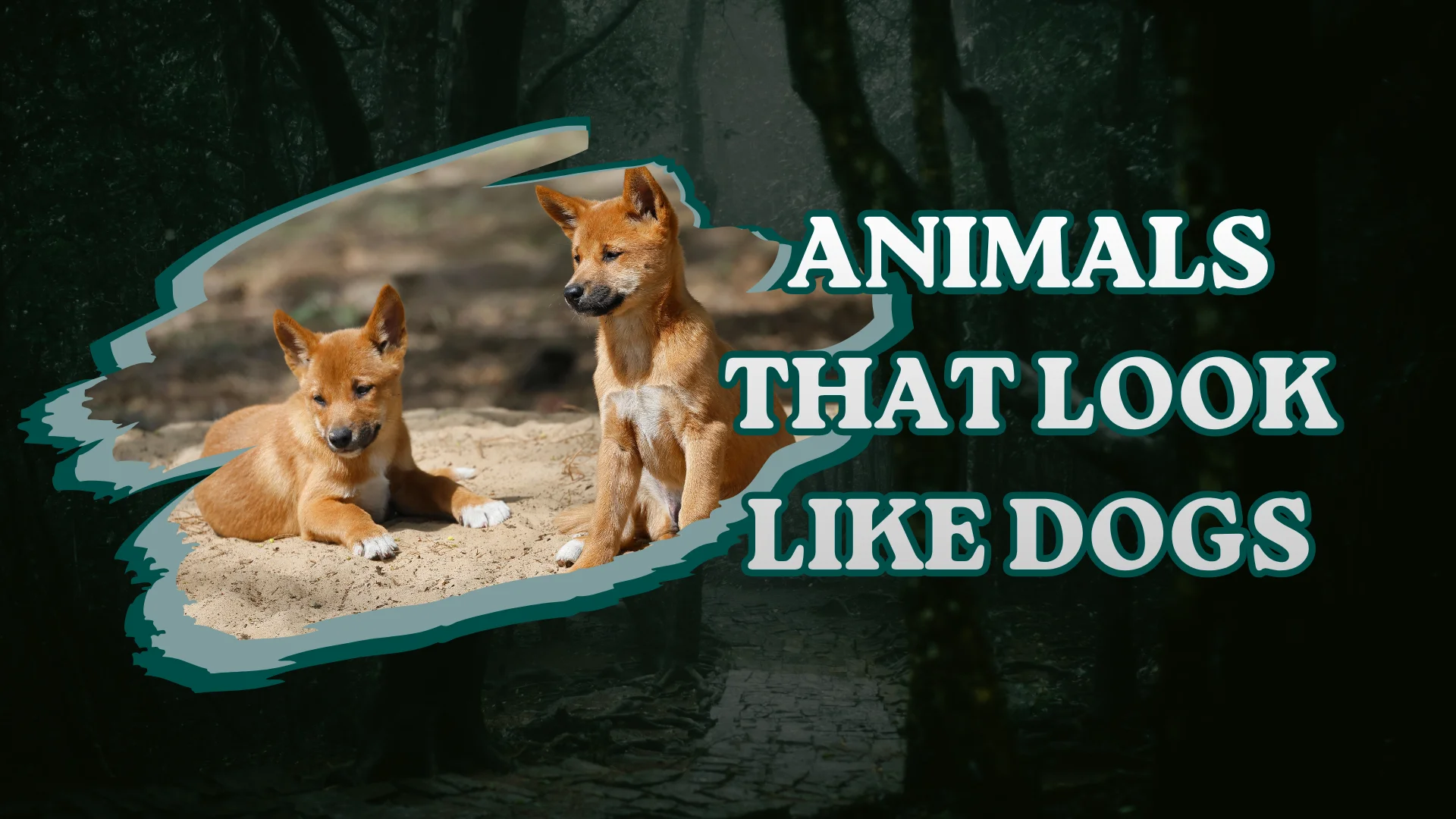
Yet some are wild cousins of the dog, while others are not canines at all. These resemblances often come from a shared life as swift, social hunters. From the whistling dhole to the surprising hyena, these look-alikes hold some fascinating secrets. Let’s explore the most intriguing animals that look like dogs and discover the truth about who they really are.
Quick List Table
| Rank | Animal Name | Scientific Name |
|---|---|---|
| 1 | Dhole | Cuon alpinus |
| 2 | African Wild Dog | Lycaon pictus |
| 3 | Maned Wolf | Chrysocyon brachyurus |
| 4 | Raccoon Dog | Nyctereutes procyonoides |
| 5 | Bush Dog | Speothos venaticus |
| 6 | Spotted Hyena | Crocuta crocuta |
| 7 | Aardwolf | Proteles cristata |
| 8 | Golden Jackal | Canis aureus |
| 9 | Coyote | Canis latrans |
| 10 | Dingo | Canis lupus dingo |
Dhole
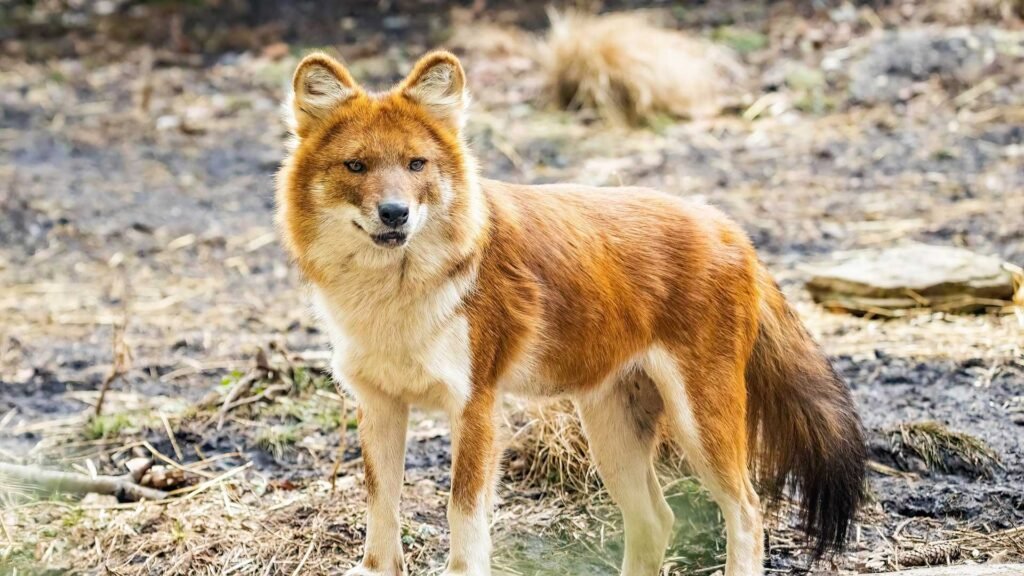
Scientific Name: Cuon alpinus
Class: Mammalia
Diet: Carnivore
The dhole, or Asian wild dog, looks much like a reddish domestic dog. With its bushy tail and lean build, it resembles a fox-colored hound. It is a true wild member of the dog family.
Interestingly, the dhole is a highly social pack hunter that communicates with eerie whistles. Its dog-like appearance reflects its life as a cooperative, swift predator. Packs work together to bring down prey much larger than themselves.
Dholes live in the forests and grasslands of Asia. As carnivores, they hunt deer and other mammals in coordinated packs.
Moreover, dholes are important predators that help balance their ecosystems. Habitat loss and dwindling prey have made them endangered.
Fun Fact: Dholes communicate with unusual whistling calls, earning them the name “whistling dogs.”
African Wild Dog
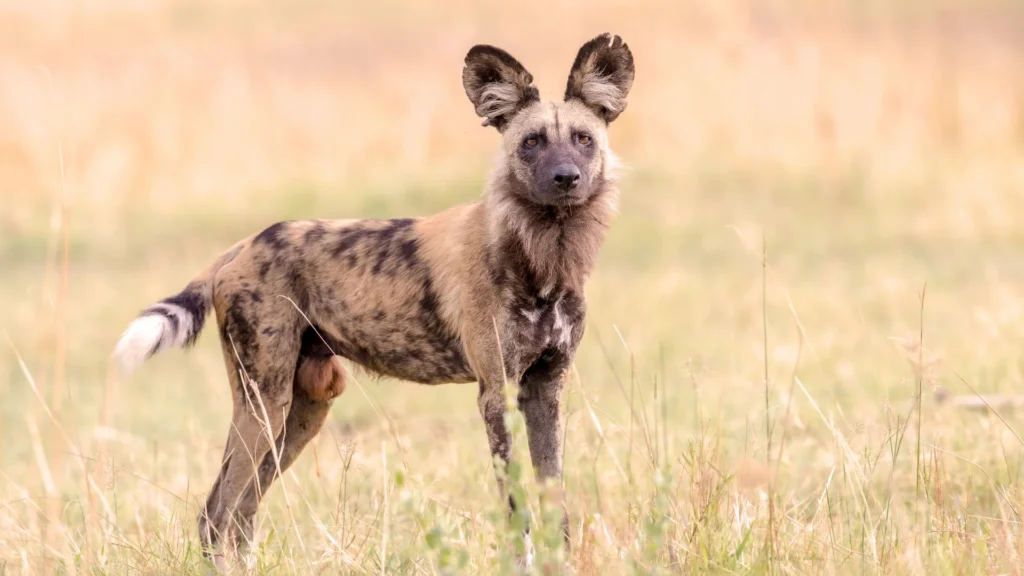
Scientific Name: Lycaon pictus
Class: Mammalia
Diet: Carnivore
The African wild dog clearly looks like a dog, with its lean body and large rounded ears. Its mottled coat gives it the name “painted dog.” It is a wild canine, though not closely related to domestic dogs.
What sets the African wild dog apart is its incredible teamwork. Packs cooperate closely to hunt, sharing food and caring for pups and injured members. Its huge ears help with hearing and staying cool.
African wild dogs live in the savannas and grasslands of sub-Saharan Africa. As carnivores, they hunt antelope and other prey in packs.
Moreover, wild dogs are efficient predators that help balance their ecosystems. Habitat loss and disease have made them endangered.
Fun Fact: No two African wild dogs have the same coat pattern, like a fingerprint.
Maned Wolf
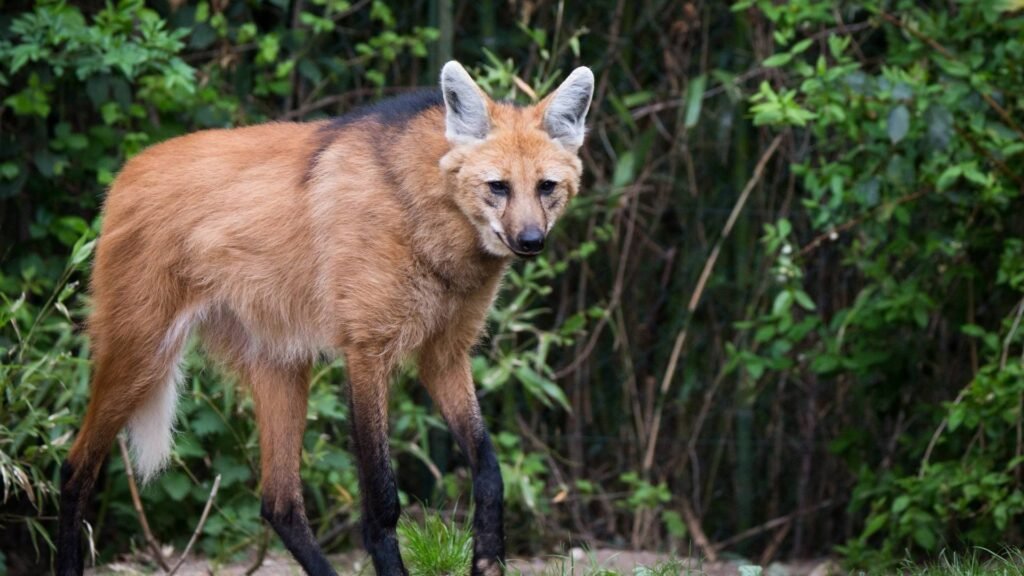
Scientific Name: Chrysocyon brachyurus
Class: Mammalia
Diet: Omnivore
The maned wolf looks like a fox on very long legs. With its reddish coat and dog-like face, it resembles a leggy hound. Despite its name, it is neither a true wolf nor a fox.
Interestingly, the maned wolf’s long legs help it see over the tall grass of its habitat. It is a solitary hunter, unlike most pack-living canines. Its unusual look makes it one of the most distinctive dog relatives.
Maned wolves live in the grasslands of central South America. As omnivores, they eat small animals, insects, and a surprising amount of fruit.
Moreover, maned wolves help disperse seeds and control small animals. Habitat loss has made them a near-threatened species.
Fun Fact: The maned wolf loves a fruit called the “wolf apple,” which makes up much of its diet.
Raccoon Dog
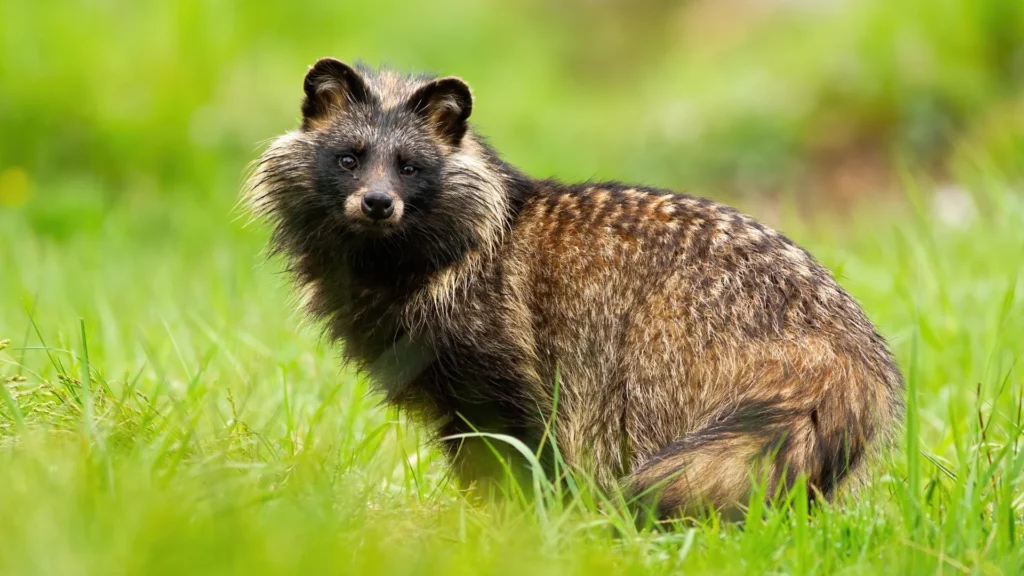
Scientific Name: Nyctereutes procyonoides
Class: Mammalia
Diet: Omnivore
The raccoon dog is a true canine that looks like a raccoon. With its masked face and stocky body, it seems part dog and part raccoon. Yet it is genuinely a member of the dog family.
What sets the raccoon dog apart is its unusual habits for a canine. It is the only dog relative known to enter a kind of winter dormancy in cold regions. Its dense fur and rounded body suit its varied lifestyle.
Raccoon dogs live in the forests and wetlands of East Asia and parts of Europe. As omnivores, they eat insects, small animals, fruit, and plants.
Moreover, raccoon dogs help control pests and disperse seeds. They remain widespread, though they can be invasive outside their native range.
Fun Fact: The raccoon dog is the only member of the dog family known to hibernate.
Bush Dog
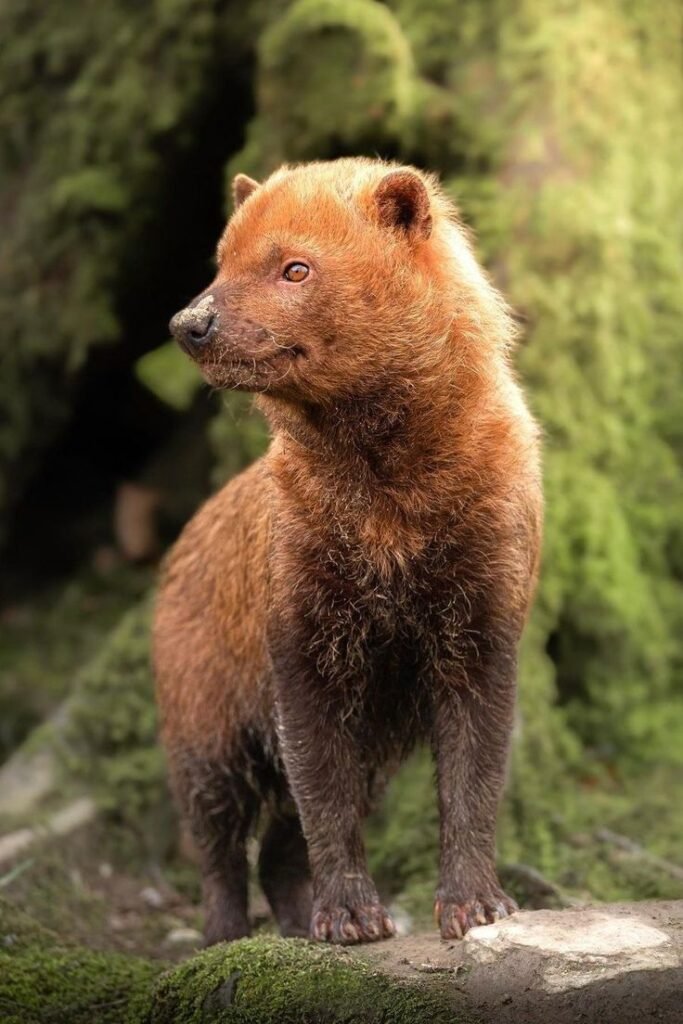
Scientific Name: Speothos venaticus
Class: Mammalia
Diet: Carnivore
The bush dog is a small, stocky canine that looks like a cross between a dog and a weasel. With its short legs and rounded ears, it has an unusual dog-like shape. It is a genuine but rarely seen member of the dog family.
Interestingly, the bush dog has partly webbed feet for swimming and hunts in cooperative packs. Its low, sturdy body helps it move through dense undergrowth. It is one of the most unusual wild dogs.
Bush dogs live in the forests and wetlands of Central and South America. As carnivores, they hunt rodents and other prey in packs.
Moreover, bush dogs help control prey populations. Habitat loss has made them a near-threatened species.
Spotted Hyena
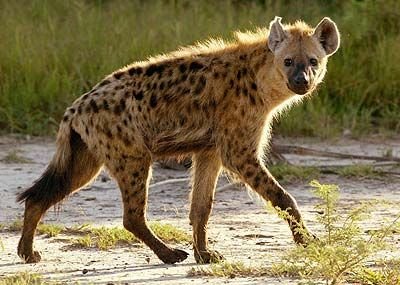
Scientific Name: Crocuta crocuta
Class: Mammalia
Diet: Carnivore
The spotted hyena looks strikingly dog-like, with its sloping back and canine face. Many assume it is a type of wild dog. Surprisingly, it is not a dog at all.
What sets the hyena apart is that it belongs to its own family, more closely related to cats and mongooses than to dogs. Its dog-like look comes from a shared life as a running, social hunter. It has one of the strongest bites of any mammal.
Spotted hyenas live in the savannas and grasslands of sub-Saharan Africa. As carnivores, they both hunt and scavenge in clans.
Moreover, hyenas are essential cleanup crews that remove carcasses. They remain widespread across their range.
Fun Fact: Despite looking like a dog, the hyena is more closely related to cats than to canines.
Aardwolf
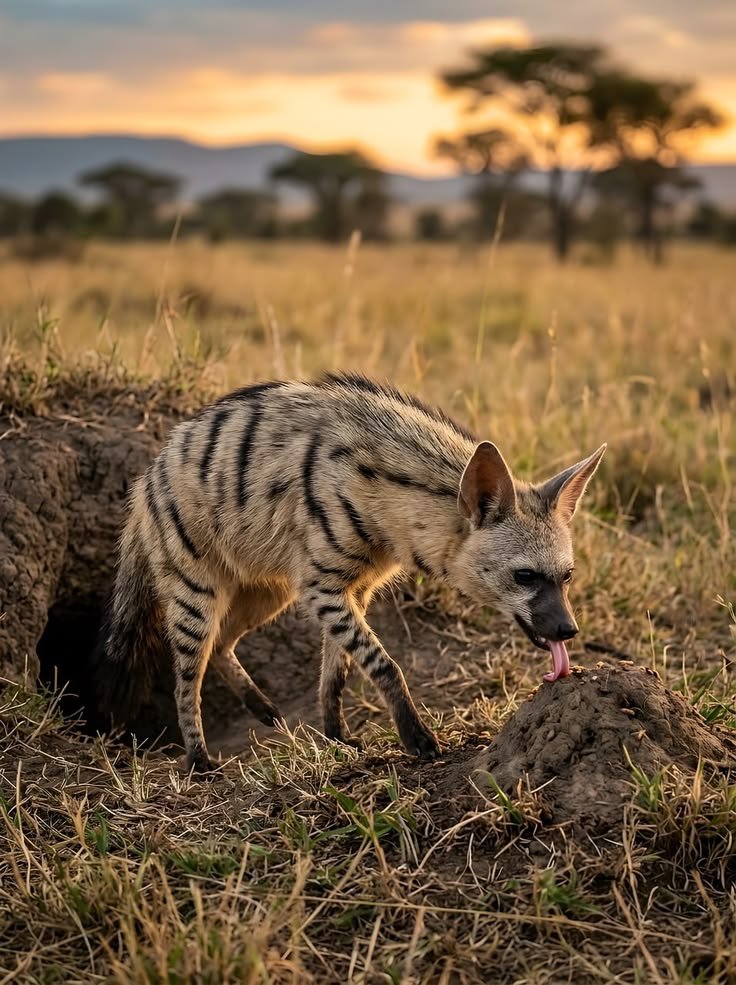
Scientific Name: Proteles cristata
Class: Mammalia
Diet: Carnivore (insects)
The aardwolf looks like a slender, striped dog with a bushy mane. At a glance it resembles a small wild dog or jackal. In truth, it is a member of the hyena family.
Interestingly, unlike its fierce hyena relatives, the aardwolf feeds almost entirely on termites. It laps up tens of thousands of insects each night with a sticky tongue. Its dog-like look hides its gentle, insect-eating lifestyle.
Aardwolves live in the grasslands and scrublands of eastern and southern Africa. As insectivores, they feed mainly on termites.
Moreover, aardwolves help control termite populations. They remain fairly widespread across their range.
Fun Fact: The aardwolf can eat up to 300,000 termites in a single night.
Golden Jackal
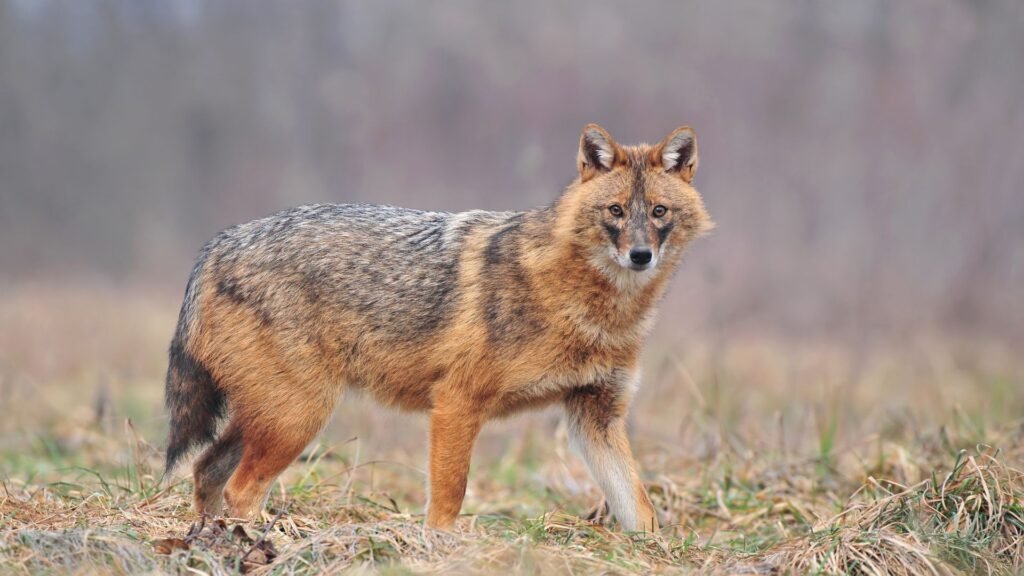
Scientific Name: Canis aureus
Class: Mammalia
Diet: Omnivore
The golden jackal looks very much like a slender, wild dog. With its pointed ears and bushy tail, it resembles a small wolf or coyote. It is a genuine member of the dog family.
What sets the golden jackal apart is its adaptability. It lives in pairs or small family groups and thrives in many environments, even near people. Its dog-like build suits its opportunistic lifestyle.
Golden jackals live across parts of Africa, the Middle East, Asia, and southeastern Europe. As omnivores, they eat small animals, insects, fruit, and carrion.
Moreover, jackals help control pests and clean up carrion. They remain widespread and adaptable.
Coyote
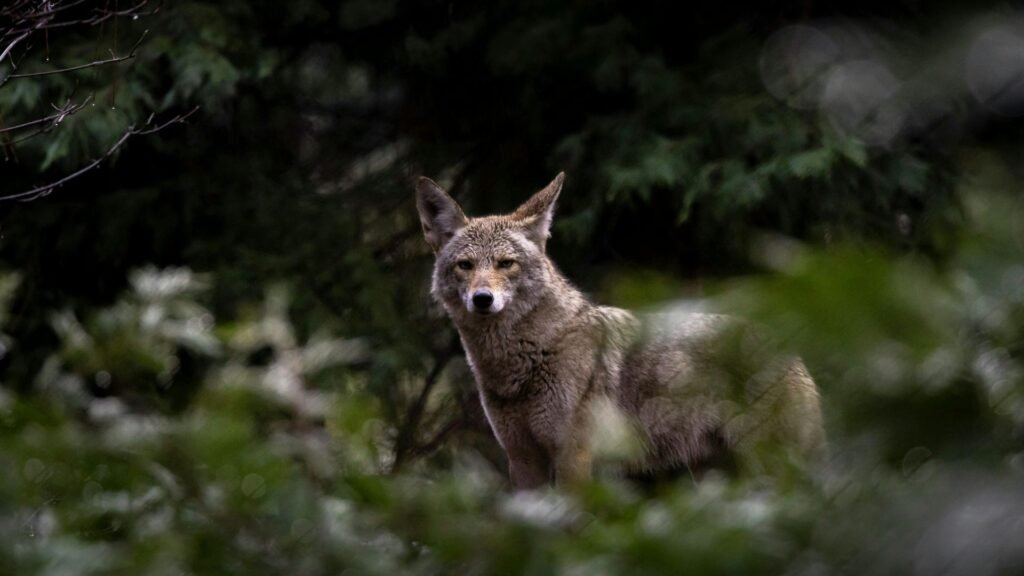
Scientific Name: Canis latrans
Class: Mammalia
Diet: Omnivore
The coyote is easily mistaken for a medium-sized dog. With its pointed ears, bushy tail, and lean build, it looks like a wild version of a domestic dog. It is indeed a close relative.
Interestingly, the coyote is highly adaptable and thrives from wilderness to city streets. It is a close cousin of the wolf and dog, and can even interbreed with them. Its dog-like look reflects this close kinship.
Coyotes live across North and Central America, in forests, deserts, and cities. As omnivores, they eat small animals, insects, fruit, and scraps.
Moreover, coyotes help control rodent populations. They remain abundant and highly adaptable.
Fun Fact: Coyotes have expanded across cities, thriving right alongside people.
Dingo
Scientific Name: Canis lupus dingo
Class: Mammalia
Diet: Carnivore
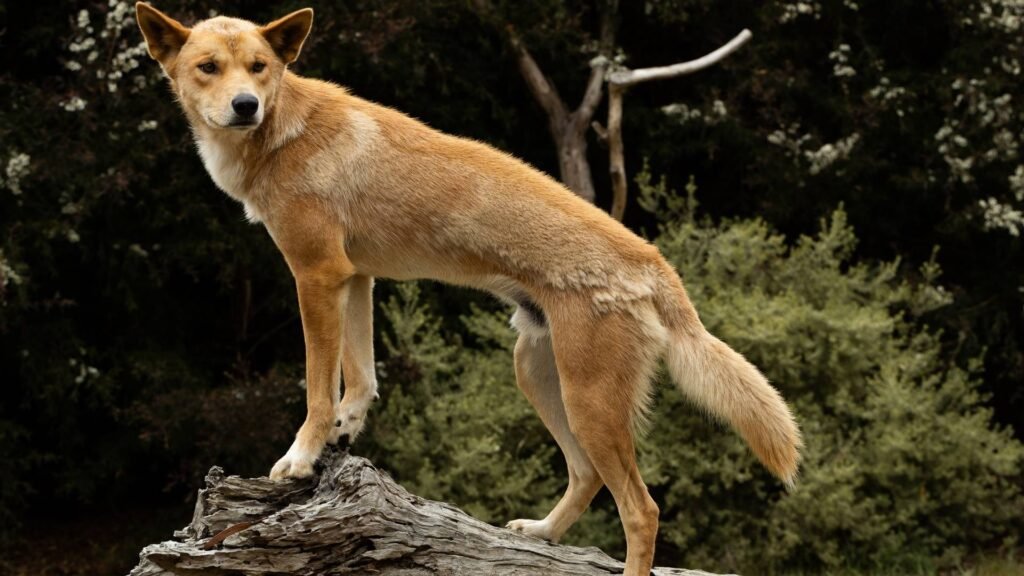
The dingo looks like a sandy-colored domestic dog. With its lean body and upright ears, it closely resembles a pet dog. In fact, it is a wild dog descended from ancient domestic dogs.
What sets the dingo apart is its wild, self-reliant lifestyle. It lives and hunts in Australia, sometimes alone and sometimes in packs. Though dog-like, it behaves as a true wild predator.
Dingoes live across mainland Australia, in deserts, grasslands, and forests. As carnivores, they hunt small and medium-sized animals.
Moreover, dingoes are Australia’s top land predator and help balance ecosystems. Interbreeding with domestic dogs threatens pure dingo populations.
Fun Fact: The dingo is one of the few dogs that can turn its head almost 180 degrees.
Read: Animals That Look Like Cats
Read: Animals with No Teeth
Read: Aggressive Animals in the World
Read: Animals That Live on Mountains
Read: Most Energetic Animals in The World
Frequently Asked Questions
Conclusion
From the whistling dhole to the surprising hyena, the animals that look like dogs reveal how appearances can both connect and deceive. Some are genuine wild cousins of our canine companions, while others, like the hyena and aardwolf, only resemble dogs through a shared hunting lifestyle. Together they showcase the fascinating diversity of the animal kingdom and the power of convergent evolution.