
Top 15 Animals With Quills in The World (With Images)
Did you know that a single North American porcupine can carry more than 30,000 sharp quills across its body? In the animal kingdom, quills and spines are among nature’s most effective defenses, turning an otherwise vulnerable creature into a walking fortress. True quills are actually modified hairs, stiffened with keratin and found only in mammals, while many other animals wield sharp spines that work in a similar way.
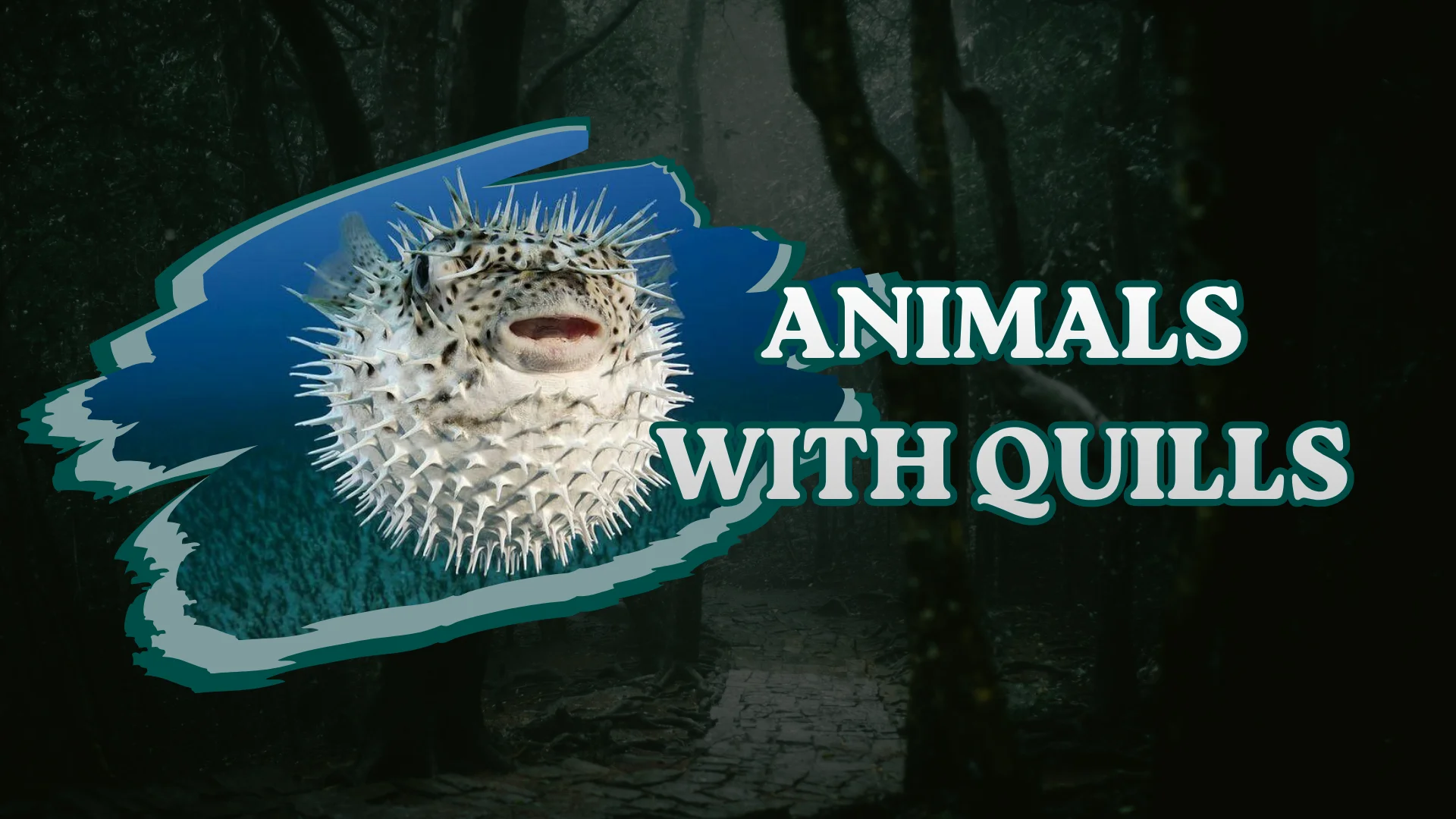
From barbed porcupines to inflating porcupinefish, these spiky survivors deter predators with a painful warning. In this guide, we’ll explore the top 15 animals with quills and spines, uncovering how their prickly armor works and why these fascinating species thrive.
List of Animals With Quills
| Rank | Animal | Scientific Name |
|---|---|---|
| 1 | North American Porcupine | Erethizon dorsatum |
| 2 | African Crested Porcupine | Hystrix cristata |
| 3 | Hedgehog | Erinaceus europaeus |
| 4 | Short-beaked Echidna | Tachyglossus aculeatus |
| 5 | Lowland Streaked Tenrec | Hemicentetes semispinosus |
| 6 | Cape Spiny Mouse | Acomys subspinosus |
| 7 | Brush-tailed Porcupine | Atherurus africanus |
| 8 | Porcupinefish | Diodon hystrix |
| 9 | Lionfish | Pterois volitans |
| 10 | Sea Urchin | Echinus esculentus |
| 11 | Thorny Devil | Moloch horridus |
| 12 | Horned Lizard | Phrynosoma cornutum |
| 13 | Spiny Dogfish | Squalus acanthias |
| 14 | Stingray | Dasyatis pastinaca |
| 15 | Pufferfish | Tetraodon lineatus |
North American Porcupine
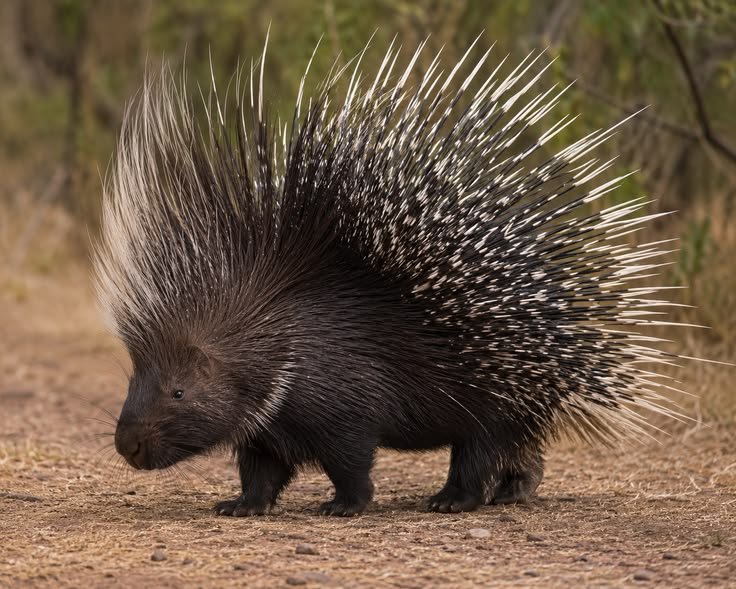
Scientific Name: Erethizon dorsatum
Class: Mammalia
Diet: Herbivore
The North American porcupine is the ultimate quill-bearer, armed with more than 30,000 sharp quills across its body. Each quill is a hollow, keratin-coated hair tipped with tiny, backward-facing barbs.
Interestingly, these microscopic barbs make the quills easy to embed but painfully hard to remove. When threatened, the porcupine turns its back, raises its quills, and lashes out with its spiny tail.
North American porcupines inhabit forests and woodlands across North America, feeding on bark, leaves, twigs, and buds.
As herbivores, porcupines help shape forest vegetation. Widespread and adaptable, they are of Least Concern.
Fun Fact: Contrary to popular myth, a porcupine cannot “shoot” its quills; they simply detach on contact with a predator.
African Crested Porcupine
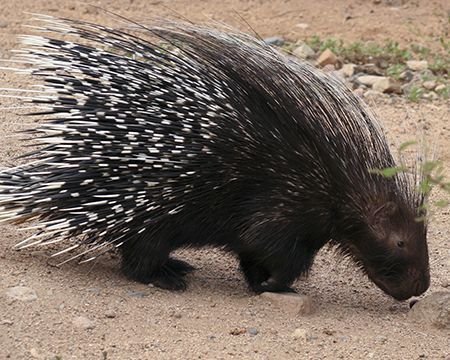
Scientific Name: Hystrix cristata
Class: Mammalia
Diet: Herbivore
The African crested porcupine is one of the largest rodents in the world, cloaked in long, banded quills. Its dramatic black-and-white spines can reach up to a foot in length.
Moreover, this porcupine rattles special hollow quills on its tail to warn off predators. If the warning fails, it charges backward to drive its sharp quills into the attacker.
African crested porcupines inhabit forests, grasslands, and rocky areas across Africa and parts of Italy, feeding on roots, bark, fruit, and tubers.
As herbivores, they help disperse seeds and shape vegetation. Widespread and adaptable, they are of Least Concern.
Fun Fact: The crested porcupine can raise its long quills into a towering crest to look far bigger and more threatening.
Hedgehog
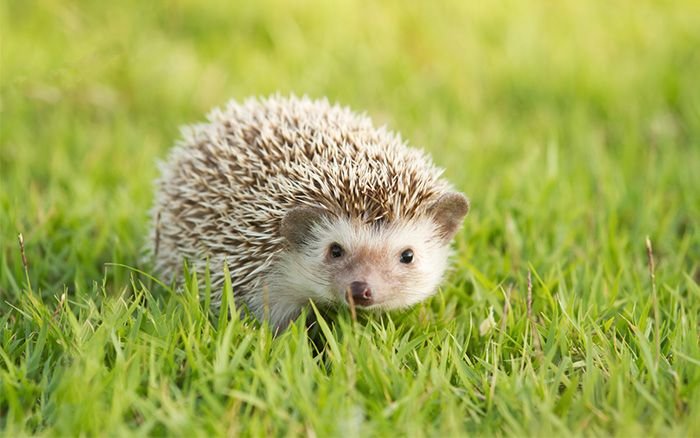
Scientific Name: Erinaceus europaeus
Class: Mammalia
Diet: Omnivore
The hedgehog is a small mammal defended by around 5,000 to 7,000 spines. Unlike porcupine quills, these spines are smoother and lack the tiny barbs, so they do not detach easily.
Interestingly, when threatened, the hedgehog curls into a tight, prickly ball. This tucks away its soft face and legs, leaving only a sphere of sharp spines for a predator to face.
Hedgehogs inhabit woodlands, hedgerows, and gardens across Europe, Asia, and Africa, feeding on insects, worms, and other small creatures.
As natural pest controllers, hedgehogs are valuable garden allies. Populations in some regions are declining due to habitat loss and roads.
Fun Fact: Each hedgehog spine lasts about a year before falling out and being replaced by a new one.
Short-beaked Echidna
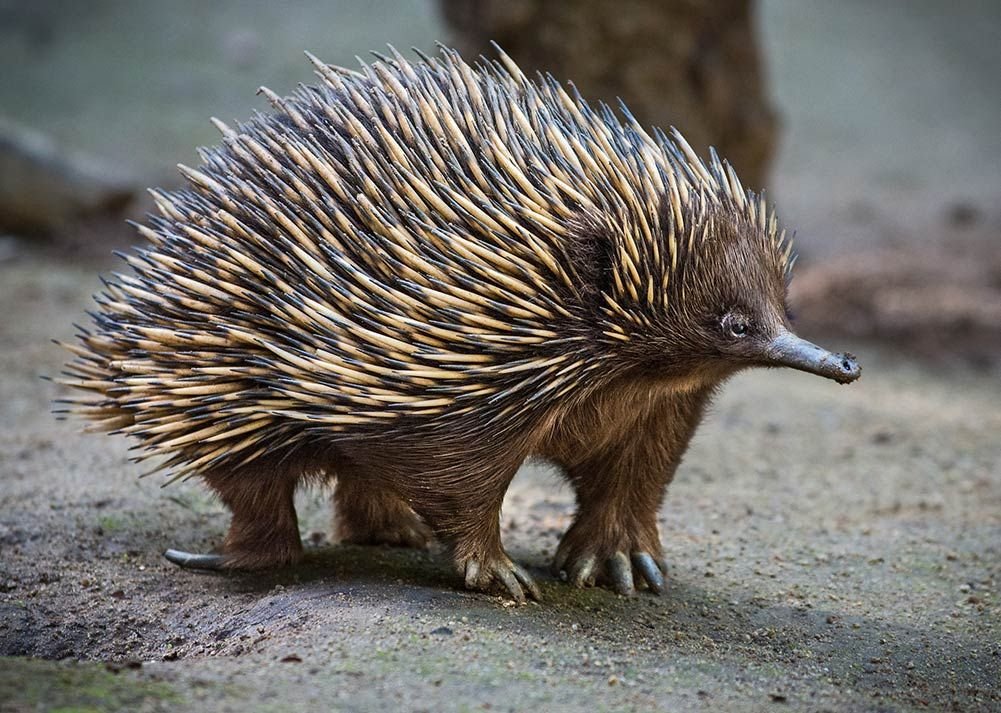
Scientific Name: Tachyglossus aculeatus
Class: Mammalia
Diet: Insectivore
The short-beaked echidna is a spiny, egg-laying mammal covered in sharp, keratin spines up to 50 millimeters long. Unlike porcupine quills, these robust spines do not readily detach.
Moreover, the echidna’s spines are filled with a foam-like core, making them extremely resistant to bending. When threatened, it curls up or digs down, leaving only its spines exposed.
Echidnas inhabit forests, deserts, and grasslands across Australia and New Guinea, feeding on ants, termites, and worms.
As one of the world’s few egg-laying mammals, the echidna is a living link to ancient wildlife. It is currently of Least Concern.
Fun Fact: The echidna is one of only two types of egg-laying mammals on Earth, alongside the platypus.
Lowland Streaked Tenrec
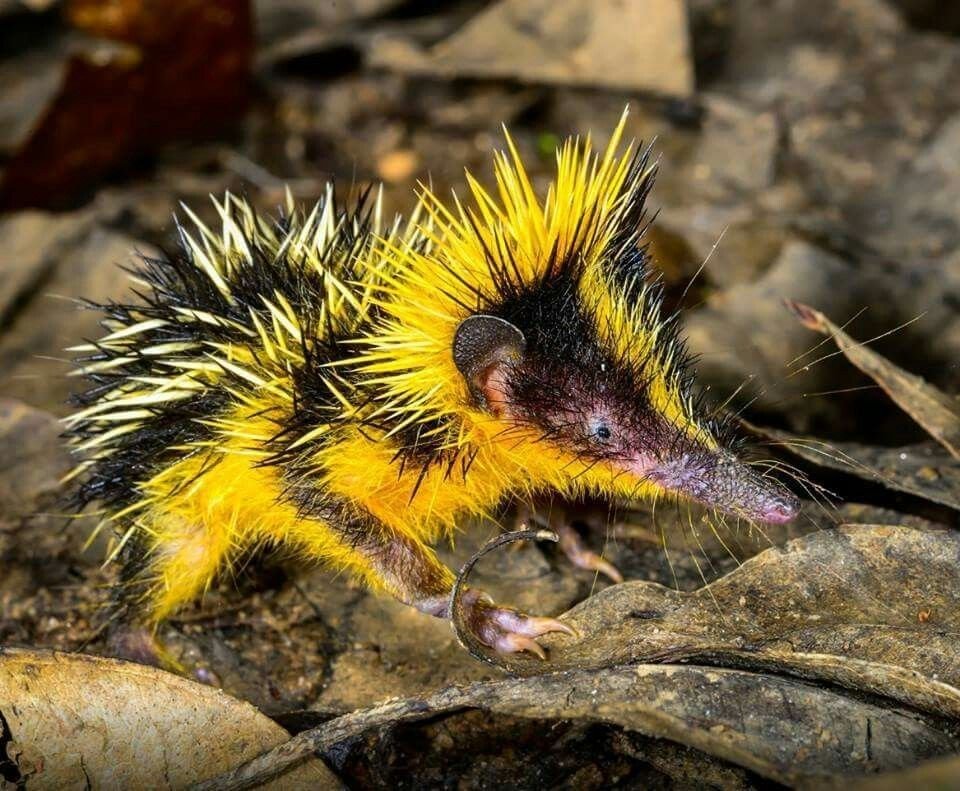
Scientific Name: Hemicentetes semispinosus
Class: Mammalia
Diet: Insectivore
The lowland streaked tenrec is a small, spiky mammal from Madagascar, covered in sharp, colorful quills. Its striking black-and-yellow spines make it look like a tiny, walking pincushion.
Interestingly, the tenrec has specialized muscles that let it erect and curl its quills for defense. It can even rub certain quills together to create vibrations that communicate with others.
Lowland streaked tenrecs inhabit the tropical forests of Madagascar, feeding mainly on earthworms and insects.
As insect-eaters, tenrecs help control invertebrate populations. Habitat loss on their island home is a growing concern.
Fun Fact: The streaked tenrec is the only mammal known to communicate by rubbing its quills together to make sound.
Cape Spiny Mouse
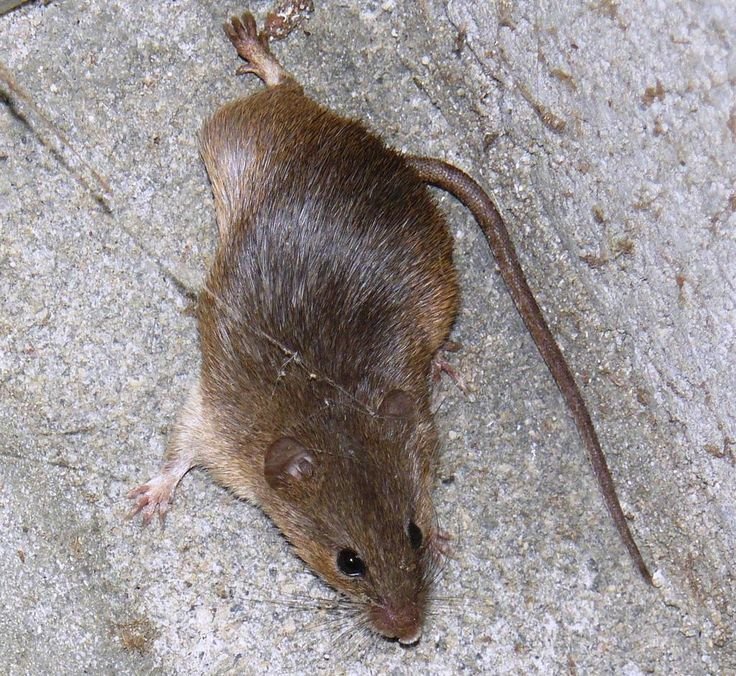
Scientific Name: Acomys subspinosus
Class: Mammalia
Diet: Omnivore
The Cape spiny mouse is a small rodent whose back is covered in stiff, spiny hairs. These coarse, quill-like spines give it a surprising layer of protection for such a tiny animal.
Moreover, the spiny mouse has a remarkable survival trick: it can shed patches of skin to escape predators. Astonishingly, it then regenerates the lost skin, complete with new spines and fur.
Spiny mice inhabit rocky, dry regions of Africa and the Middle East, feeding on seeds, insects, and plant matter.
As seed-eaters and prey, spiny mice are part of their desert ecosystems. Most species are of Least Concern.
Fun Fact: The spiny mouse can regrow lost skin, hair, and spines with almost no scarring, a rare feat among mammals.
Brush-tailed Porcupine
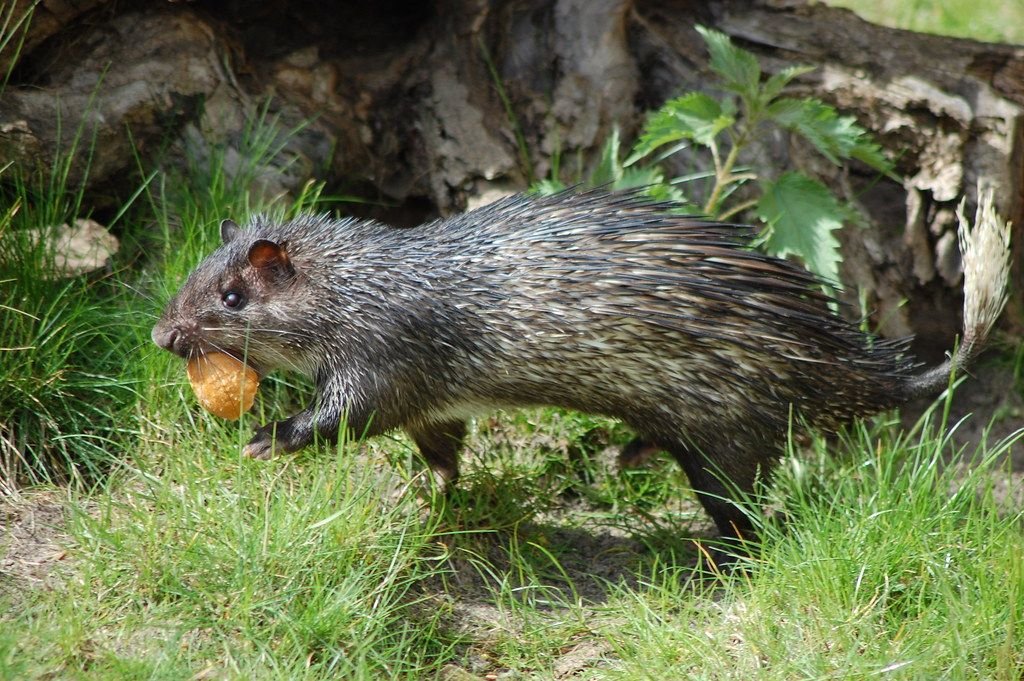
Scientific Name: Atherurus africanus
Class: Mammalia
Diet: Herbivore
The brush-tailed porcupine is a slender Old World porcupine covered in flattened, bristle-like quills. Its most distinctive feature is a long tail tipped with a brush of hollow, rattling quills.
Interestingly, this porcupine shakes its brush-like tail to create a rattling sound that warns off predators. Its sharp body quills provide an extra layer of defense if the warning is ignored.
Brush-tailed porcupines inhabit the rainforests of central and western Africa, feeding on fruit, roots, and vegetation.
As herbivores, they help disperse seeds through the forest. They are currently of Least Concern.
Fun Fact: The brush-tailed porcupine is an excellent swimmer, unusual for a spiny, ground-dwelling rodent.
Porcupinefish
Scientific Name: Diodon hystrix
Class: Actinopterygii
Diet: Carnivore
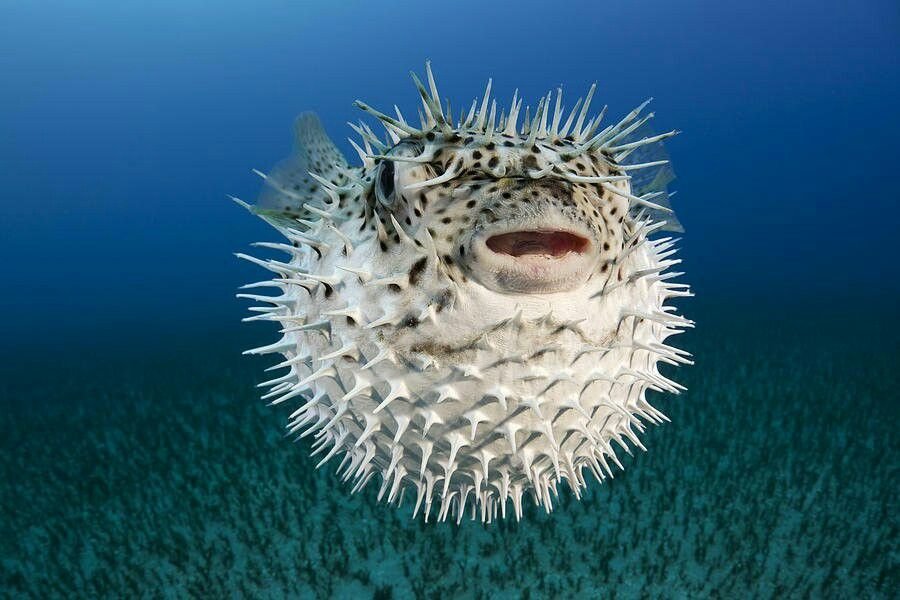
The porcupinefish carries sharp, rigid spines that normally lie flat against its body. When threatened, it transforms into a spiky ball in seconds.
Moreover, the porcupinefish gulps water rapidly to inflate its body two or three times its normal size. This causes all its spines to stand out at 90-degree angles, making it nearly impossible to swallow.
Porcupinefish inhabit warm, shallow tropical seas and reefs worldwide, feeding on hard-shelled prey like crabs and snails.
As reef predators, porcupinefish help control shellfish populations. They depend on healthy reef ecosystems to thrive.
Fun Fact: A porcupinefish can inflate into a spiky balloon that is far too large and prickly for most predators to eat.
Lionfish
Scientific Name: Pterois volitans
Class: Actinopterygii
Diet: Carnivore
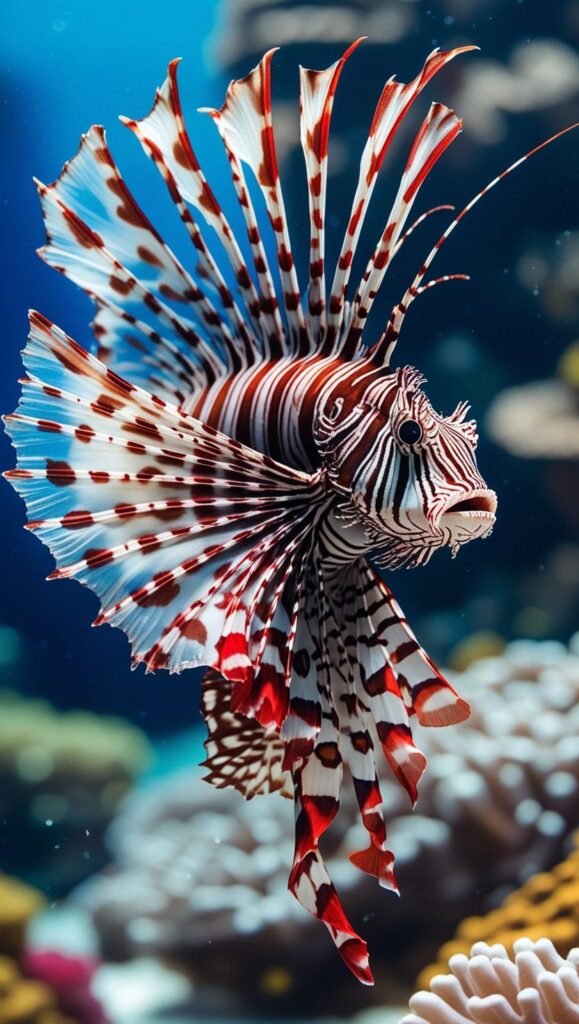
The lionfish is a strikingly beautiful reef fish armed with long, venomous spines. Its fan-like fins and dramatic spines make it both dazzling and dangerous.
Interestingly, the lionfish’s dorsal spines inject venom directly into anything that touches them. These spines are purely defensive, delivering a painful sting to would-be predators.
Lionfish are native to the Indo-Pacific but have become invasive in the Atlantic and Caribbean, hunting small fish and crustaceans.
As predators, lionfish play a role in reef ecosystems, but as invaders they can devastate native fish populations, making them a conservation concern.
Fun Fact: A single lionfish can consume large numbers of small fish, making invasive populations especially harmful to reefs.
Sea Urchin
Scientific Name: Echinus esculentus
Class: Echinoidea
Diet: Herbivore
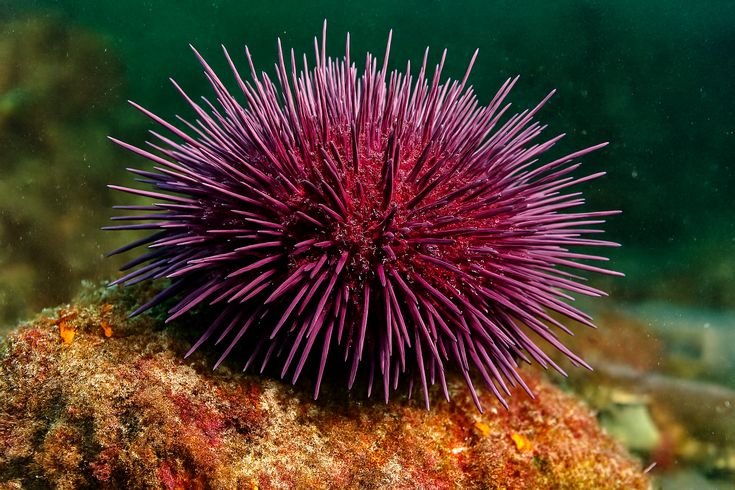
The sea urchin is a round marine animal covered entirely in sharp, movable spines. These spines provide protection and even help the urchin move slowly across the seabed.
Moreover, the sea urchin’s spines deter most predators with their painful, sometimes venomous, points. Between the spines, tiny tube feet help it grip surfaces and gather food.
Sea urchins inhabit oceans worldwide, from shallow reefs to the deep sea, grazing mainly on algae and kelp.
As grazers, sea urchins help regulate algae and shape underwater ecosystems. When their predators decline, urchin numbers can explode and harm kelp forests.
Fun Fact: A sea urchin’s mouth, called “Aristotle’s lantern,” has five tooth-like plates for scraping algae.
Thorny Devil
Scientific Name: Moloch horridus
Class: Reptilia
Diet: Insectivore
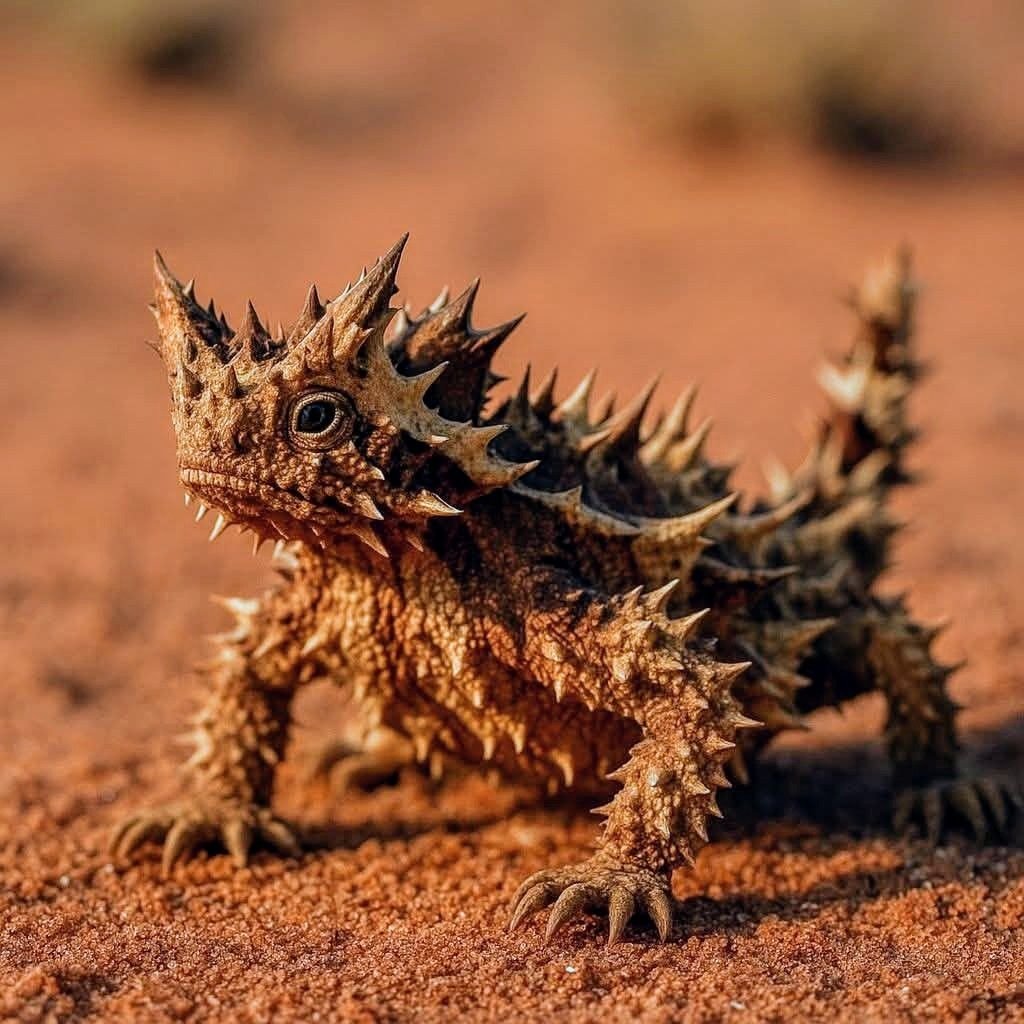
The thorny devil is a small desert lizard covered from head to tail in sharp, conical spines. This spiky armor makes it extremely difficult for predators to swallow.
Interestingly, the thorny devil’s spines do more than defend. Grooves between them channel water directly to its mouth, letting it “drink” dew and moisture straight from its skin.
Thorny devils inhabit the arid deserts and scrublands of Australia, feeding almost exclusively on ants.
As ant specialists, thorny devils help control ant populations. They rely on healthy, undisturbed desert habitat to survive.
Fun Fact: The thorny devil can drink water through its skin, funneling dew along tiny grooves straight to its mouth.
Horned Lizard
Scientific Name: Phrynosoma cornutum
Class: Reptilia
Diet: Insectivore
The horned lizard is a flat, spiny reptile crowned with sharp horns and covered in pointed scales. Its spiky body makes it a painful and awkward mouthful for predators.
Moreover, the horned lizard has a bizarre extra defense: some species can squirt a jet of blood from their eyes. This startles and repels predators such as coyotes and foxes.
Horned lizards inhabit the deserts and grasslands of North America, feeding mainly on ants and other insects.
As insect-eaters, horned lizards help control ant populations. Habitat loss and the pet trade threaten some species.
Fun Fact: Some horned lizards can shoot a stream of foul-tasting blood from the corners of their eyes to deter predators.
Spiny Dogfish
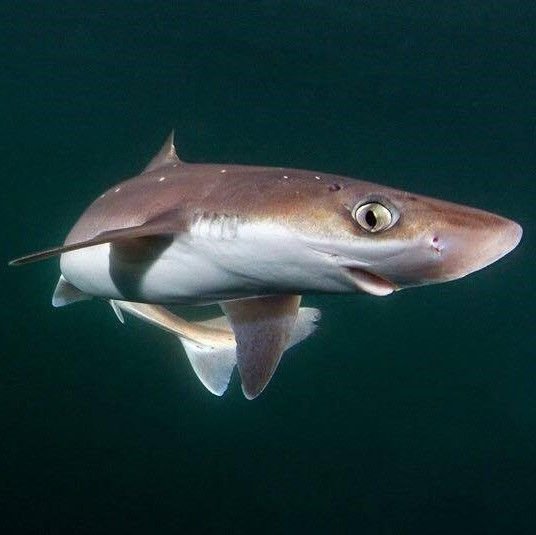
Scientific Name: Squalus acanthias
Class: Chondrichthyes
Diet: Carnivore
The spiny dogfish is a small shark named for the sharp, mildly venomous spines in front of its two dorsal fins. These spines give it a rare defensive weapon among sharks.
Interestingly, the spiny dogfish can arch its back to jab its spines into a predator that tries to bite it. This clever defense helps protect a shark that is otherwise fairly small.
Spiny dogfish inhabit temperate coastal waters worldwide, hunting fish, squid, and crustaceans.
As predators, spiny dogfish help balance marine food webs. Overfishing has made them Vulnerable in many regions.
Fun Fact: The spiny dogfish is one of the longest-lived sharks, sometimes surviving for over 70 years.
Stingray
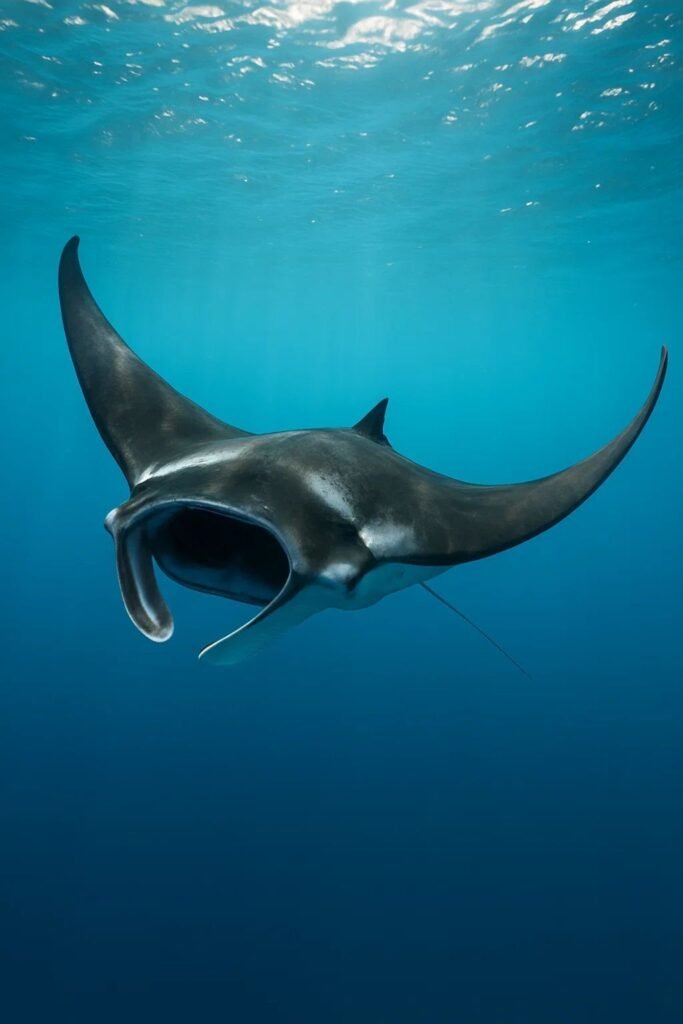
Scientific Name: Dasyatis pastinaca
Class: Chondrichthyes
Diet: Carnivore
The stingray carries a sharp, barbed spine on its whip-like tail, used purely for defense. This serrated stinger can deliver a painful, venomous wound to attackers.
Moreover, the stingray keeps its spine hidden until threatened, then lashes its tail to strike. It relies on camouflage and its buried body far more than on attacking.
Stingrays inhabit coastal seas, rivers, and estuaries around the world, feeding on shellfish, worms, and small fish on the seabed.
As bottom-feeders, stingrays help control invertebrate populations. Habitat loss and overfishing threaten some species.
Fun Fact: A stingray’s venomous barb is a modified scale and can be replaced if it breaks off.
Pufferfish
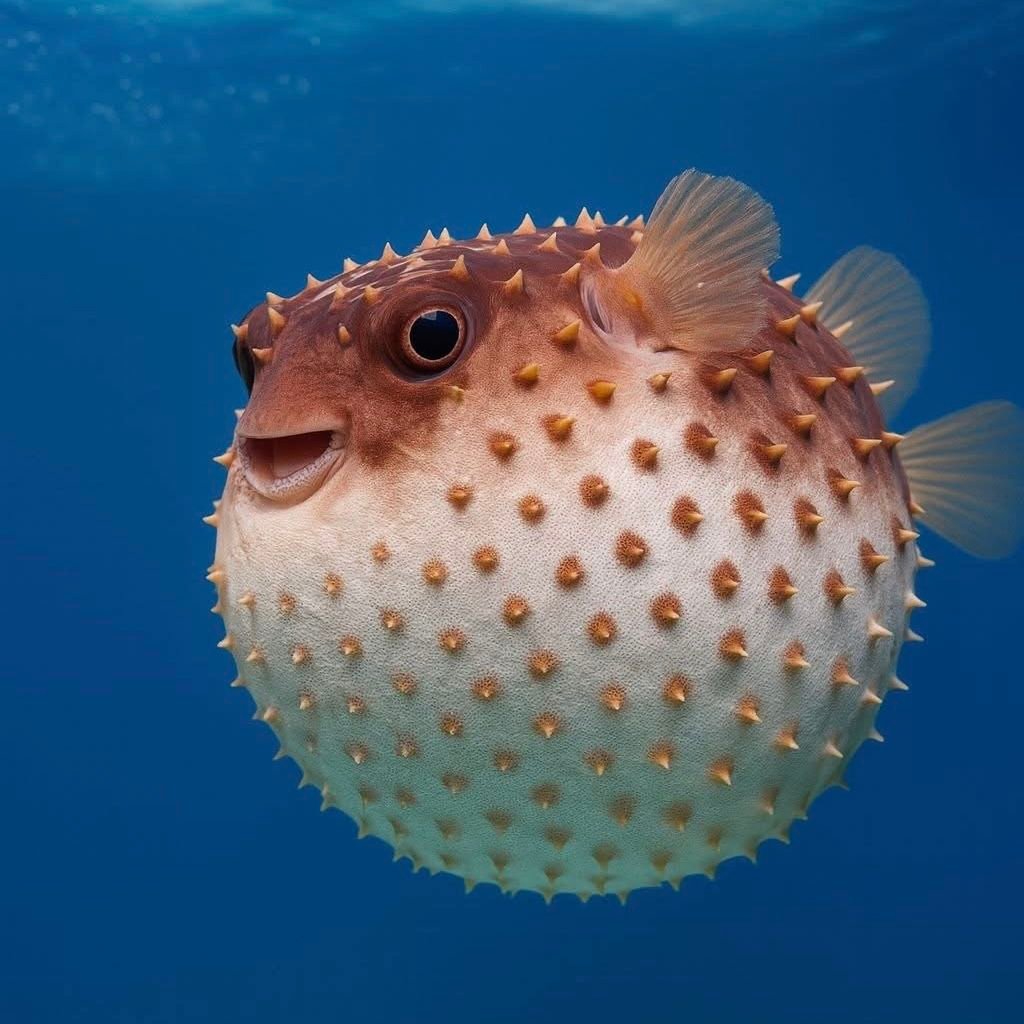
Scientific Name: Tetraodon lineatus
Class: Actinopterygii
Diet: Omnivore
The pufferfish is famous for inflating into a spiny ball when threatened. As it swells, small spines across its skin rise up to deter any predator.
Interestingly, the pufferfish pairs its spines with a powerful toxin. Most species contain tetrodotoxin, making them one of the most poisonous animals in the sea, as well as prickly to swallow.
Pufferfish inhabit warm coastal waters, reefs, and rivers around the world, feeding on algae, invertebrates, and shellfish.
As reef and river dwellers, pufferfish are part of diverse aquatic ecosystems. Pollution and habitat loss threaten some species.
Fun Fact: A pufferfish’s toxin can be many times more deadly than cyanide, yet it is considered a delicacy in some countries.
Read: Animals With No Legs
Read: Animals With Shells in The World
Read: Animals With Sharp Teeth
Read: Animals With Long Tail
Read: Animals That Eat Coconuts
Frequently Asked Questions
Conclusion
From barbed porcupines to inflating porcupinefish, animals with quills and spines showcase one of nature’s most striking defenses. Each species whether a curled-up hedgehog, a spiky echidna, or a venomous lionfish uses its prickly armor to survive in a world full of predators. While true quills are the specialty of mammals, many other animals have independently evolved their own sharp spines, proving how powerful this strategy can be.
2 Comments