Top 20 Chubby Animals in The World (With Images)
Did you know that many of the world’s roundest animals owe their plump shapes to brilliant survival strategies rather than simple overeating? From blubbery seals braving icy seas to barrel-bodied wombats built like living tanks, chubby animals are as fascinating as they are adorable. Their rounded forms often store life-saving fat, provide insulation, or reflect a unique body plan perfected over millions of years.
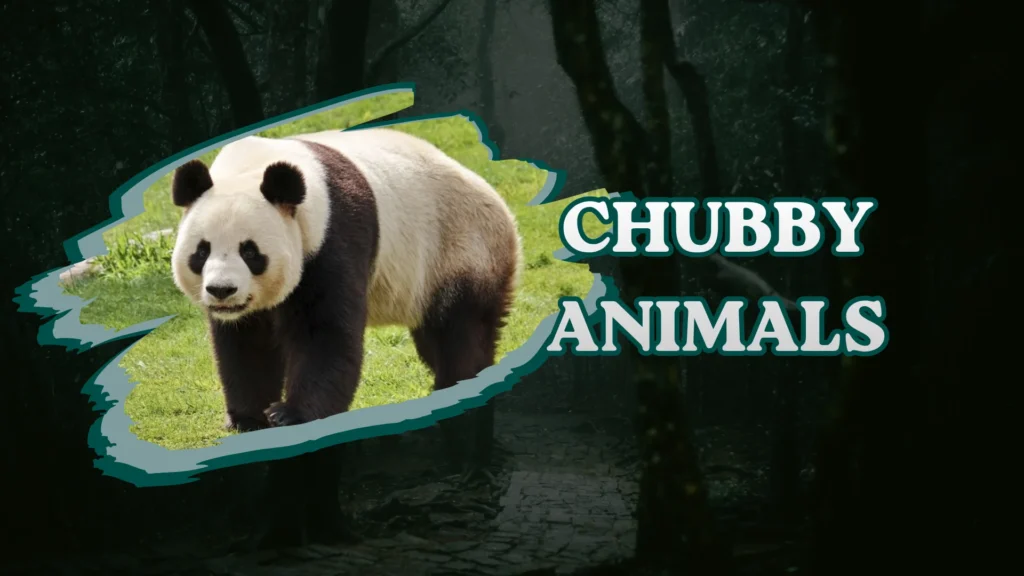
Far more than cute internet stars, these creatures play vital roles in their ecosystems. In this guide, we’ll explore the top 20 chubby animals in the world, uncovering the science behind their charming roundness and why these lovable, cuddly-looking species deserve our protection.
List of Chubby Animals in The World
| Rank | Animal | Scientific Name |
|---|---|---|
| 1 | Manatee | Trichechus manatus |
| 2 | Walrus | Odobenus rosmarus |
| 3 | Hippopotamus | Hippopotamus amphibius |
| 4 | Giant Panda | Ailuropoda melanoleuca |
| 5 | Quokka | Setonix brachyurus |
| 6 | Pika | Ochotona princeps |
| 7 | Wombat | Vombatus ursinus |
| 8 | Capybara | Hydrochoerus hydrochaeris |
| 9 | Guinea Pig | Cavia porcellus |
| 10 | Harbor Seal | Phoca vitulina |
| 11 | Elephant Seal | Mirounga angustirostris |
| 12 | Pot-bellied Pig | Sus scrofa domesticus |
| 13 | Beaver | Castor canadensis |
| 14 | Tasmanian Devil | Sarcophilus harrisii |
| 15 | Red Panda | Ailurus fulgens |
| 16 | Hamster | Mesocricetus auratus |
| 17 | Emperor Penguin | Aptenodytes forsteri |
| 18 | Pufferfish | Tetraodontidae |
| 19 | Corgi | Canis lupus familiaris |
| 20 | Brown Bear | Ursus arctos |
Manatee
Scientific Name: Trichechus manatus
Class: Mammalia
Diet: Herbivore
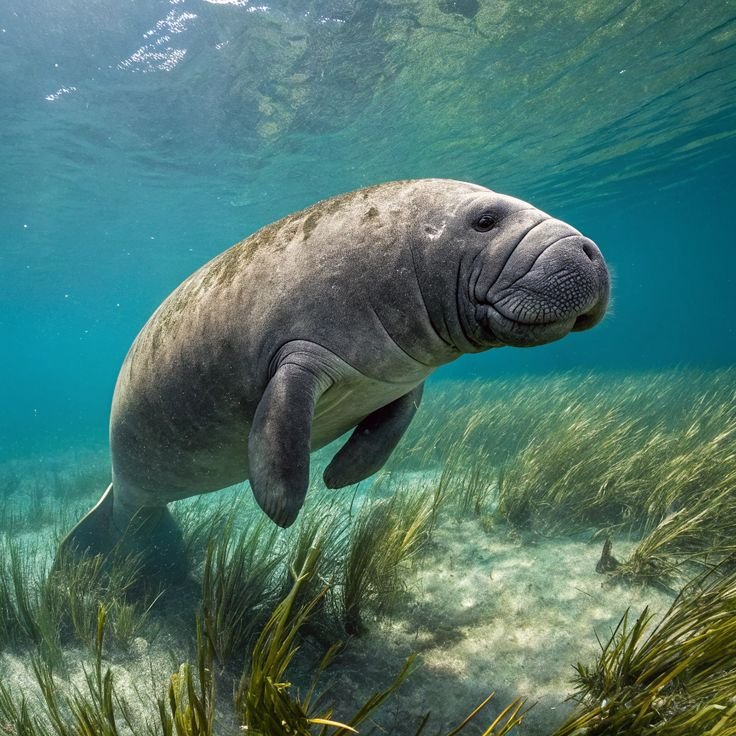
The manatee, affectionately called the “sea cow,” is a gentle giant with a wonderfully rotund body. Typically weighing between 880 and 1,200 pounds, its plump shape glides slowly through warm, shallow waters.
Interestingly, the manatee’s roundness comes largely from its enormous digestive system, needed to process huge amounts of aquatic plants. Its bulk helps it stay stable and buoyant while grazing for hours each day.
Manatees inhabit the warm coastal waters, rivers, and springs of the southeastern United States, the Caribbean, and parts of South America.
As voracious grazers, manatees keep waterways healthy by trimming aquatic vegetation. Boat collisions, habitat loss, and cold stress have made them Vulnerable.
Fun Fact: A manatee can eat up to 10% of its body weight in plants every single day.
Walrus
Scientific Name: Odobenus rosmarus
Class: Mammalia
Diet: Carnivore
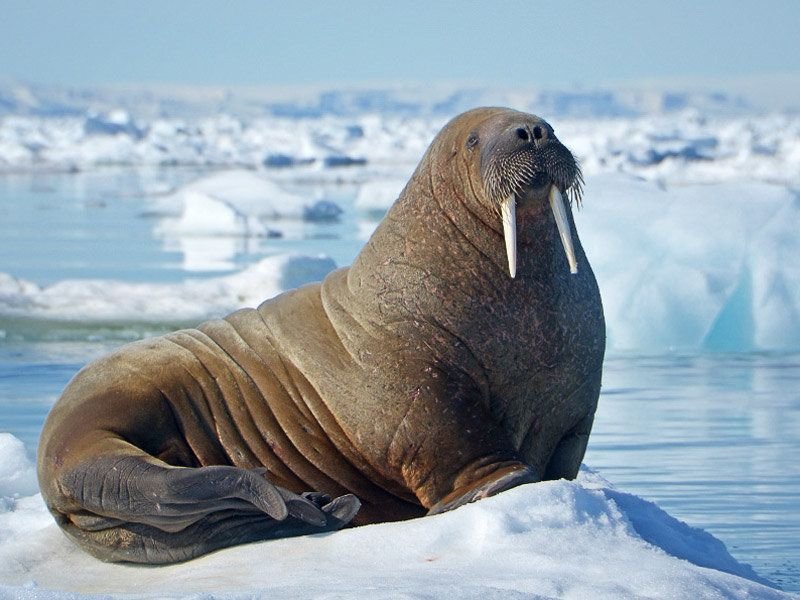
The walrus is a massive, blubbery marine mammal whose rounded body is a marvel of cold-weather engineering. Weighing up to 1.5 tons, it carries a thick layer of fat that keeps it warm in frigid Arctic seas.
Moreover, the walrus’s blubber is far more than padding. This insulating fat lets it survive icy waters, fuels long dives, and provides energy during lean months when food is scarce.
Walruses inhabit the Arctic waters and ice floes of the Northern Hemisphere, foraging on the seabed for clams and other shellfish.
As bottom-feeders, walruses stir up nutrients that support the Arctic food web. Melting sea ice from climate change poses a serious threat, leaving them Vulnerable.
Fun Fact: A walrus uses the sensitive whiskers on its snout to detect shellfish buried in the dark seabed.
Hippopotamus

Scientific Name: Hippopotamus amphibius
Class: Mammalia
Diet: Herbivore
The hippopotamus is one of the bulkiest land animals, with an enormous, barrel-shaped body and a thick layer of fat. Despite its rounded frame, it is powerful, fast, and surprisingly agile.
Interestingly, the hippo’s chunky build helps it stay buoyant, allowing it to walk and glide along riverbeds with ease. Much of its bulk is muscle beneath a rounded, fatty exterior.
Hippos inhabit the rivers, lakes, and wetlands of sub-Saharan Africa, grazing on grasses at night after spending hot days submerged.
As semi-aquatic grazers, hippos enrich aquatic ecosystems by moving nutrients between land and water. Habitat loss and poaching have left them Vulnerable.
Fun Fact: Hippos secrete a reddish “blood sweat” that acts as a natural sunscreen and antibiotic.
Giant Panda
Scientific Name: Ailuropoda melanoleuca
Class: Mammalia
Diet: Herbivore
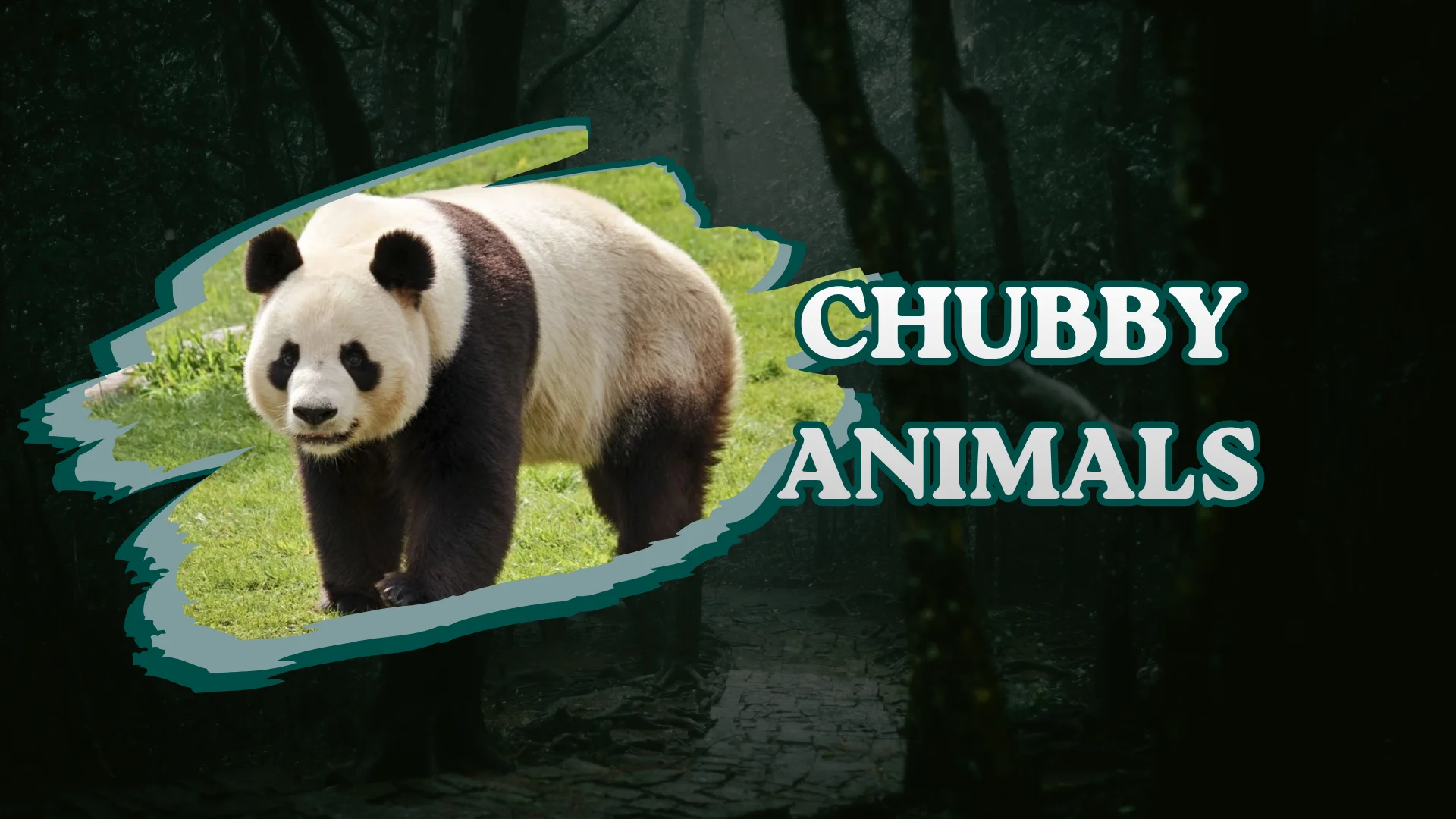
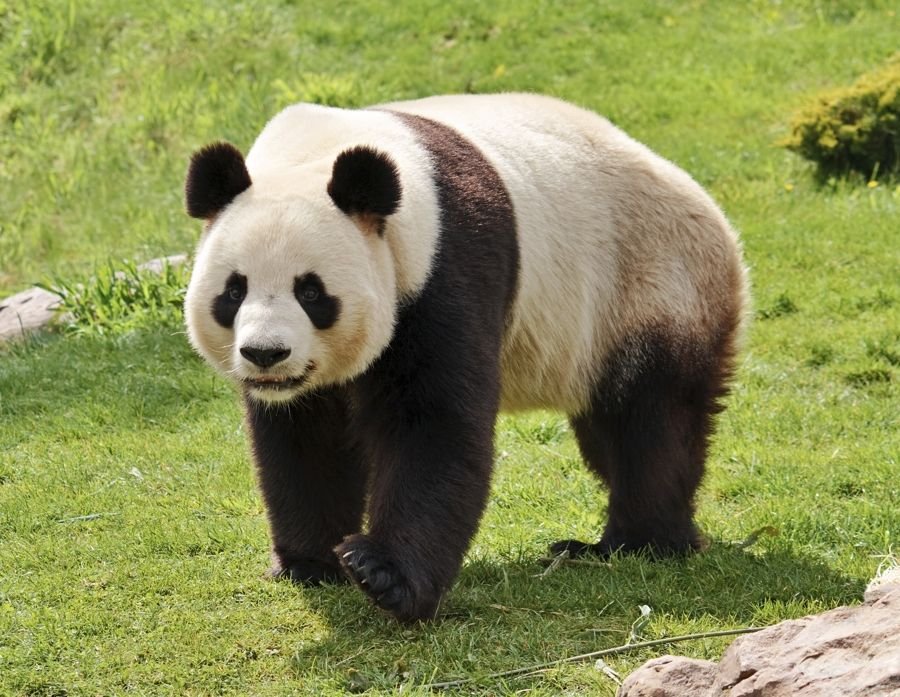
The giant panda is a beloved symbol of cuddly roundness, with a plump body and famously chubby cheeks. Weighing up to 300 pounds, its full, rounded shape makes it look endlessly huggable.
Moreover, the panda’s bulk is fueled by its bamboo-heavy diet. It eats for up to 14 hours a day, and its round body and strong jaw muscles help it process enormous quantities of tough bamboo.
Giant pandas inhabit the misty mountain forests of central China, depending almost entirely on dense bamboo groves.
As bamboo consumers, pandas help shape forest growth. Thanks to conservation efforts, they were downgraded from endangered to Vulnerable, though habitat loss remains a threat.
Fun Fact: A panda’s round face is powered by large jaw muscles built for crushing tough bamboo stalks.
Quokka
Scientific Name: Setonix brachyurus
Class: Mammalia
Diet: Herbivore
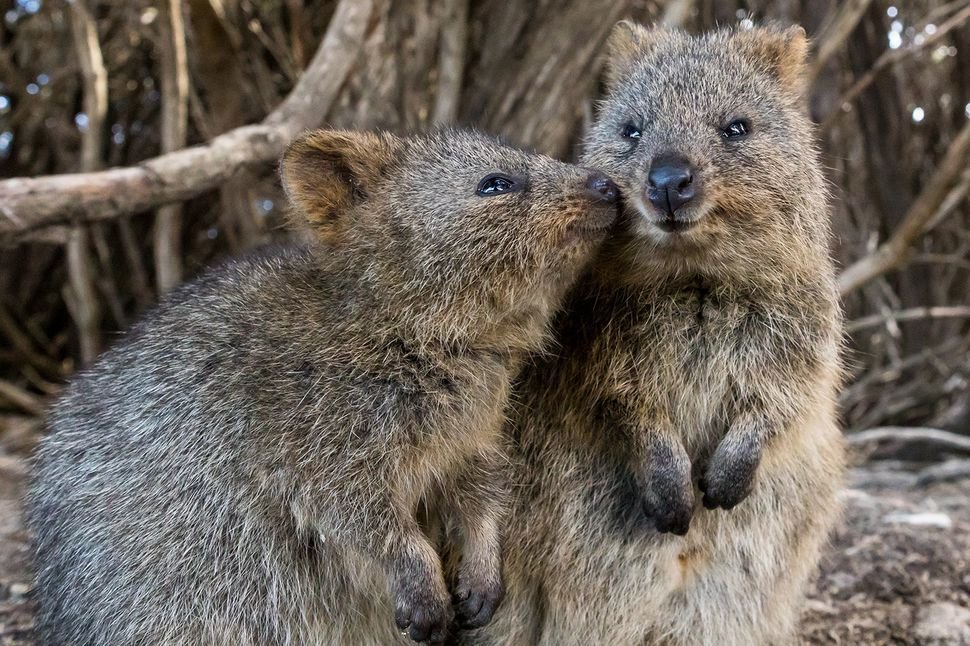
The quokka is a small, round marsupial famous for its plump body and permanent “smile.” Often called the happiest animal in the world, its chubby cheeks and cheerful face have made it an internet sensation.
Interestingly, the quokka stores fat in its stubby tail and rounded body to survive dry seasons when food is scarce. This reserve helps it endure long periods with little to eat.
Quokkas live on a few islands and small mainland areas off Western Australia, especially Rottnest Island, feeding on grasses, leaves, and shrubs.
As grazers, quokkas play a role in shaping their island vegetation. Habitat loss and introduced predators have made them Vulnerable.
Fun Fact: Quokkas can climb small trees and shrubs to reach tasty leaves, despite their round, low-slung bodies.
Pika

Scientific Name: Ochotona princeps
Class: Mammalia
Diet: Herbivore
The pika is a pint-sized, mountain-dwelling mammal and arguably the chubbiest member of the rabbit family. Its round, compact body and dense fur give it an irresistibly plump appearance.
Moreover, the pika’s rounded shape is an adaptation to the cold. A stocky body loses heat more slowly, helping this tiny creature survive freezing alpine winters.
Pikas inhabit rocky mountain slopes and talus fields across Asia and North America, feeding on grasses, herbs, and wildflowers.
As alpine herbivores, pikas are important prey and sensitive indicators of climate change. Rising temperatures threaten many pika populations in their cool, high habitats.
Fun Fact: Pikas gather “haypiles” of dried plants in summer to eat through the long mountain winter.
Wombat
Scientific Name: Vombatus ursinus
Class: Mammalia
Diet: Herbivore
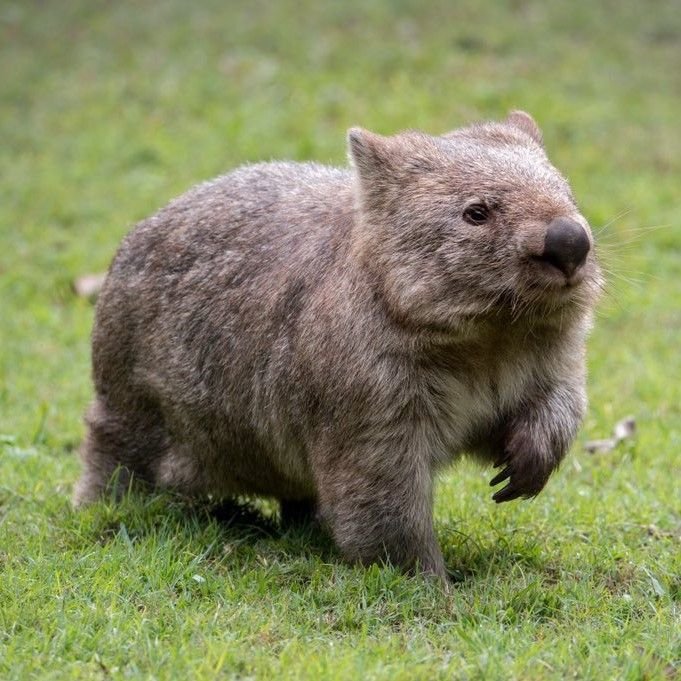
The wombat is a stocky, barrel-shaped marsupial often described as a cuddly living tank. Its low, rounded body and sturdy build give it a wonderfully chubby, solid appearance.
Interestingly, the wombat’s muscular, compact frame is built for powerful digging. Its rounded rear is reinforced with tough cartilage, which it uses to block burrow entrances against predators.
Wombats inhabit the forests, grasslands, and mountains of southern and eastern Australia, spending much of their time underground.
As burrowing herbivores, wombats aerate the soil and create shelters used by other animals. Habitat loss, disease, and road collisions threaten some populations.
Fun Fact: Wombats are the only animals known to produce cube-shaped droppings.
Capybara
Scientific Name: Hydrochoerus hydrochaeris
Class: Mammalia
Diet: Herbivore
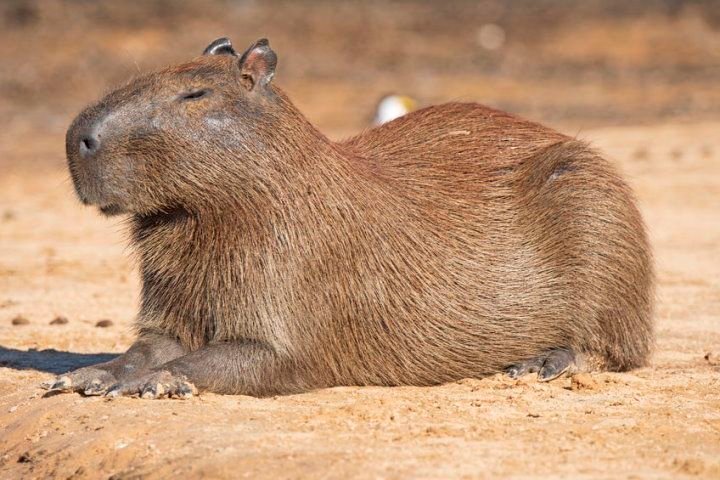
The capybara is the world’s largest rodent, with a barrel-shaped body that makes it look perpetually plump. Though not truly fat, its rounded frame gives it a cuddly, chubby charm.
Moreover, the capybara’s sturdy, rounded body suits its semi-aquatic lifestyle. Partially webbed feet and a buoyant build make it an excellent swimmer in rivers and wetlands.
Capybaras inhabit the wetlands, rivers, and grasslands of South America, grazing on grasses and aquatic plants.
As grazers and prey, capybaras are central to their ecosystems. Currently of Least Concern, they depend on healthy wetlands and waterways.
Fun Fact: Capybaras are famously calm and social, often seen with birds and other animals resting on their backs.
Guinea Pig
Scientific Name: Cavia porcellus
Class: Mammalia
Diet: Herbivore
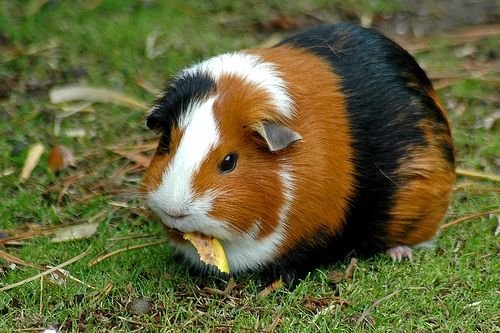
The guinea pig is one of the chubbiest small pets in the world, adored for its round body, short legs, and soft fur. Its plump, compact shape has made it a favorite companion for centuries.
Interestingly, the guinea pig’s rounded body reflects both its social nature and its plant-rich diet. A steady supply of hay and vegetables keeps it healthy and gives it that iconic cuddly look.
Originally from the Andes of South America, guinea pigs now live worldwide as pets, thriving in the company of others.
As domesticated herbivores, guinea pigs have a long history alongside humans. Their wild relatives depend on healthy grasslands across South America.
Fun Fact: Guinea pigs “popcorn,” leaping joyfully into the air when they are excited or happy.
Harbor Seal
Scientific Name: Phoca vitulina
Class: Mammalia
Diet: Carnivore
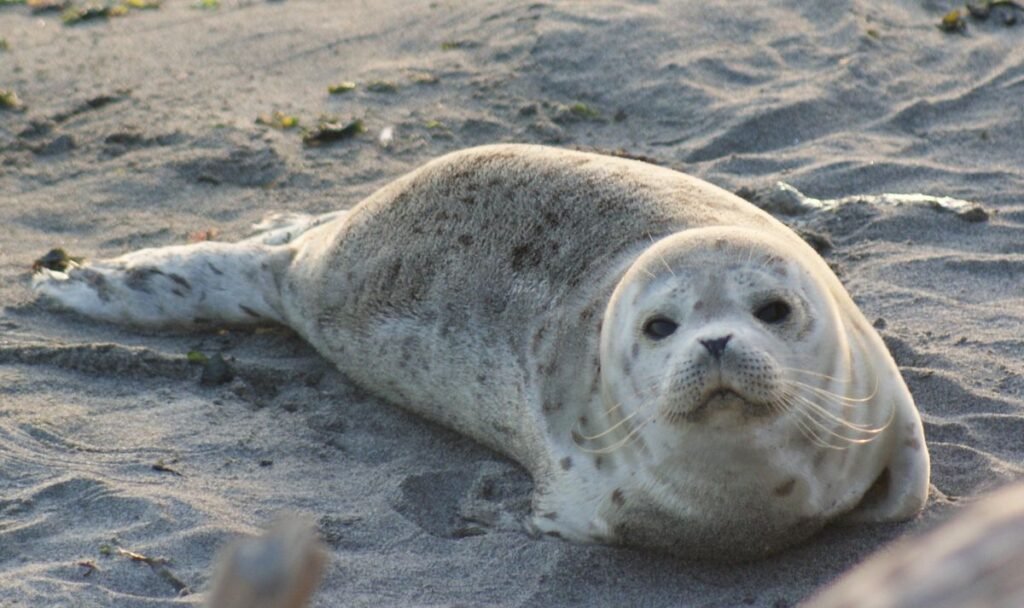
The harbor seal is one of nature’s most charming buoyant buddies, with a round, blubbery body perfectly suited to cold water. Its plump physique is an evolutionary triumph, not a sign of laziness.
Moreover, the seal’s thick blubber keeps it warm in frigid seas, stores energy, and adds buoyancy. On land it may look clumsy, but in water its rounded body glides with grace.
Harbor seals inhabit the coastal waters and shorelines of the Northern Hemisphere, feeding on fish, squid, and crustaceans.
As marine predators, seals help balance ocean food webs. Pollution, entanglement, and habitat disturbance threaten some seal populations.
Fun Fact: A seal’s blubber can make up a large portion of its body weight, acting like a built-in wetsuit.
Elephant Seal
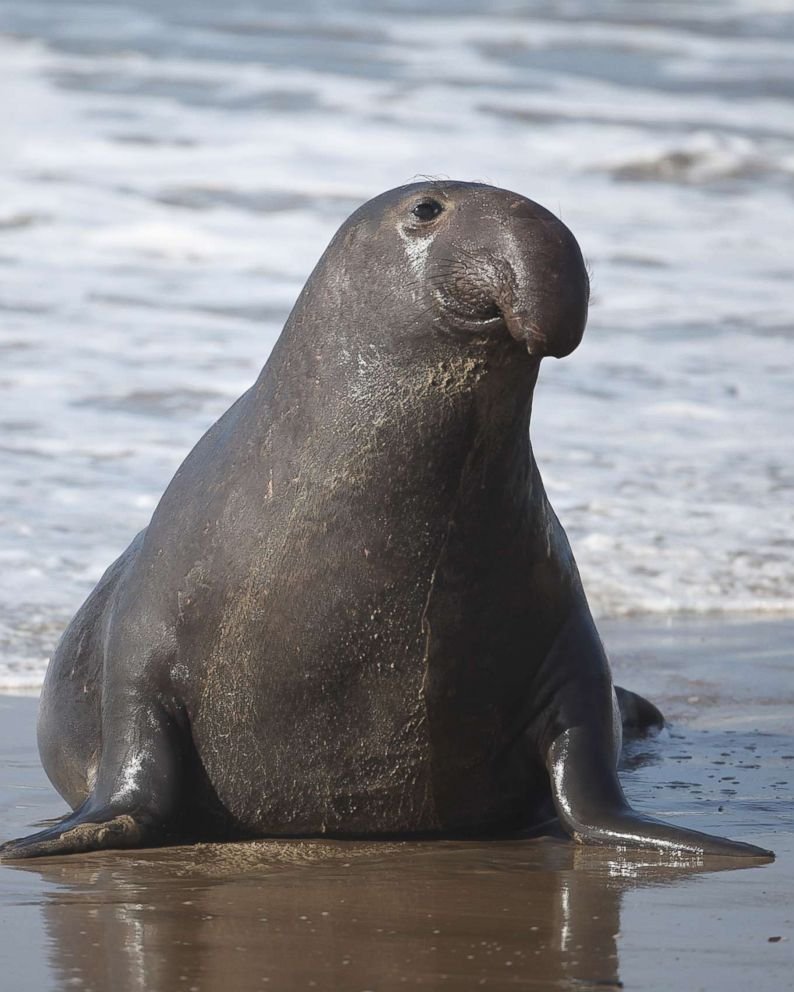
Scientific Name: Mirounga angustirostris
Class: Mammalia
Diet: Carnivore
The elephant seal is among the blubbiest animals on Earth, with a massive, rounded body wrapped in thick fat. Males can weigh several tons, their bulky forms dominating the beaches where they gather.
Interestingly, the elephant seal’s enormous fat reserves fuel months at sea and long fasting periods on land. During breeding season, males may go weeks without eating, living entirely off their blubber.
Elephant seals inhabit the coasts and open oceans of the Pacific, hauling out on beaches to breed and molt while feeding on fish and squid at sea.
As deep-diving predators, elephant seals connect surface and deep-ocean ecosystems. Once hunted nearly to extinction, they have recovered and are now of Least Concern.
Fun Fact: Elephant seals can dive over 1,500 meters deep and hold their breath for up to two hours.
Pot-bellied Pig
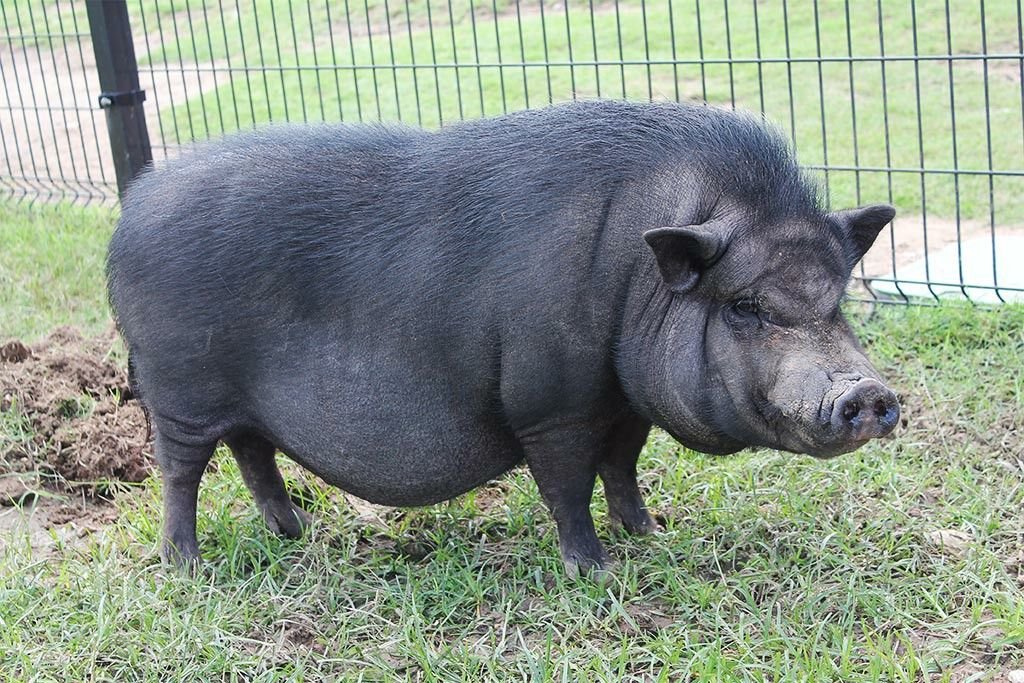
Scientific Name: Sus scrofa domesticus
Class: Mammalia
Diet: Omnivore
The pot-bellied pig is famous for its round, sagging belly and stout, chubby frame. Smaller than farm pigs, it carries a distinctive plump middle that nearly touches the ground.
Moreover, the pot-bellied pig is highly intelligent and social, easily forming bonds with humans. Its rounded body reflects both its hearty appetite and its relaxed, food-loving lifestyle.
Originally from Vietnam, pot-bellied pigs are now kept worldwide as pets and companions, thriving on a balanced diet of vegetables, grains, and greens.
As domesticated omnivores, they show the friendly, adaptable side of pigs. Responsible feeding is essential, as they easily become overweight and unhealthy.
Fun Fact: Pot-bellied pigs are considered smarter than dogs and can learn tricks and even use litter trays.
Beaver
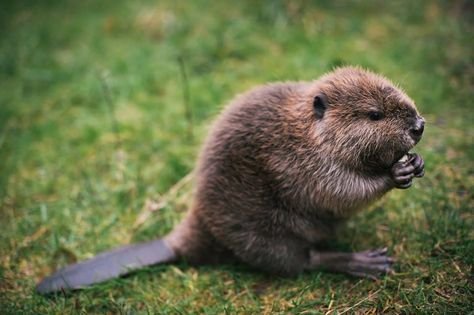
Scientific Name: Castor canadensis
Class: Mammalia
Diet: Herbivore
The beaver is a large, chunky rodent with a rounded, sturdy body and a broad, flat tail. Its thickset frame and dense fur give it a solid, plump appearance well suited to cold rivers.
Interestingly, the beaver’s stocky build stores fat and keeps it warm in chilly water. Combined with waterproof fur, its rounded body lets it work tirelessly in and out of the water.
Beavers inhabit rivers, streams, and wetlands across North America and Eurasia, feeding on bark, leaves, and aquatic plants.
As nature’s engineers, beavers build dams that create wetlands and support countless other species. Widespread today, they were once heavily hunted for their fur.
Fun Fact: Beavers can hold their breath underwater for up to 15 minutes while building and repairing their dams.
Tasmanian Devil
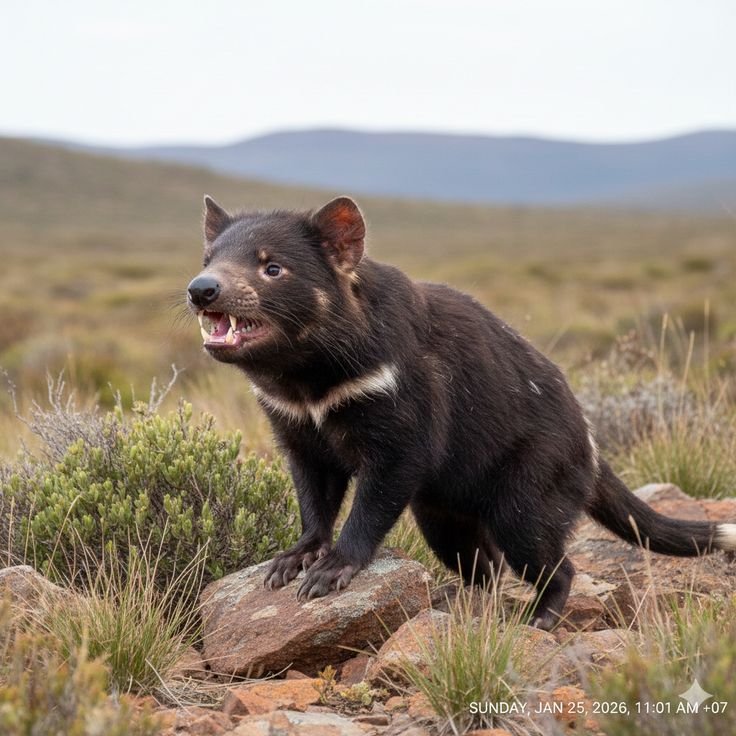
Scientific Name: Sarcophilus harrisii
Class: Mammalia
Diet: Carnivore
The Tasmanian devil is a stocky, muscular marsupial with a surprisingly round, chunky body. Despite its fierce reputation, its plump frame and short legs give it a stout, tank-like build.
Moreover, the devil stores fat in its tail, which plumps up when it is healthy and well-fed. A thick, rounded tail is a clear sign of a strong, thriving animal.
Tasmanian devils are found only on the Australian island of Tasmania, scavenging and hunting for carrion, small mammals, and birds.
As scavengers, devils clean up carcasses and help control disease in their ecosystem. A contagious facial tumor disease has made them Endangered.
Fun Fact: The Tasmanian devil has one of the strongest bites, relative to body size, of any mammal.
Red Panda
Scientific Name: Ailurus fulgens
Class: Mammalia
Diet: Herbivore
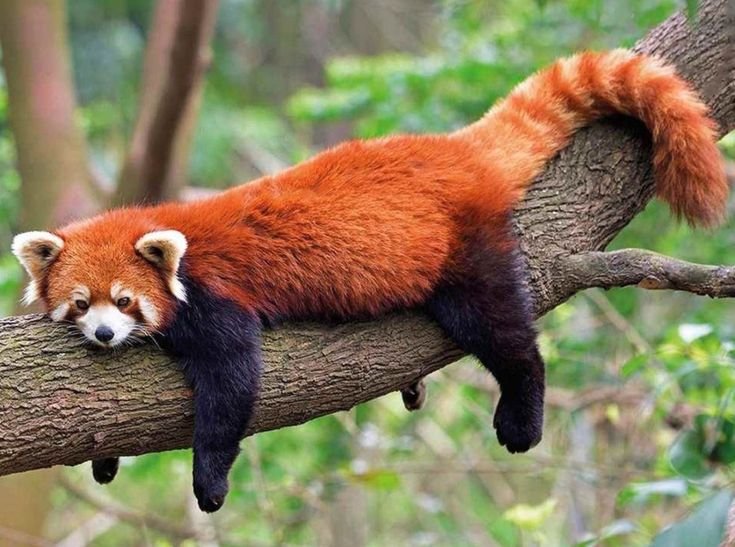
The red panda is a small, fluffy mammal whose thick fur and rounded body make it look wonderfully chubby. Its dense coat and bushy tail give it a soft, plump silhouette.
Interestingly, much of the red panda’s roundness comes from its fluffy fur, which keeps it warm in cool mountain forests. Beneath the fluff lies a slender, agile climber.
Red pandas inhabit the temperate forests of the Himalayas and southwestern China, feeding mainly on bamboo, along with fruit and insects.
As bamboo eaters, red pandas are part of the delicate balance of their forest homes. Habitat loss and poaching have made them Endangered.
Fun Fact: The red panda uses its long, bushy tail as a cozy blanket, wrapping it around its body in the cold.
Hamster

Scientific Name: Mesocricetus auratus
Class: Mammalia
Diet: Omnivore
The hamster is a tiny, round rodent beloved for its plump body and bulging cheek pouches. When stuffed with food, its cheeks make it look even chubbier and more endearing.
Moreover, the hamster’s rounded shape and cheek pouches are practical adaptations. It gathers and carries large amounts of food to store in its burrow, ready for leaner times.
Hamsters originally come from the dry regions of Europe and Asia, where they dig burrows, but are now kept worldwide as popular pets.
As seed and grain gatherers, wild hamsters influence their local plant life. Some wild species are declining rapidly due to habitat loss.
Fun Fact: A hamster’s cheek pouches can stretch all the way back to its shoulders when full of food.
Emperor Penguin
Scientific Name: Aptenodytes forsteri
Class: Aves
Diet: Carnivore
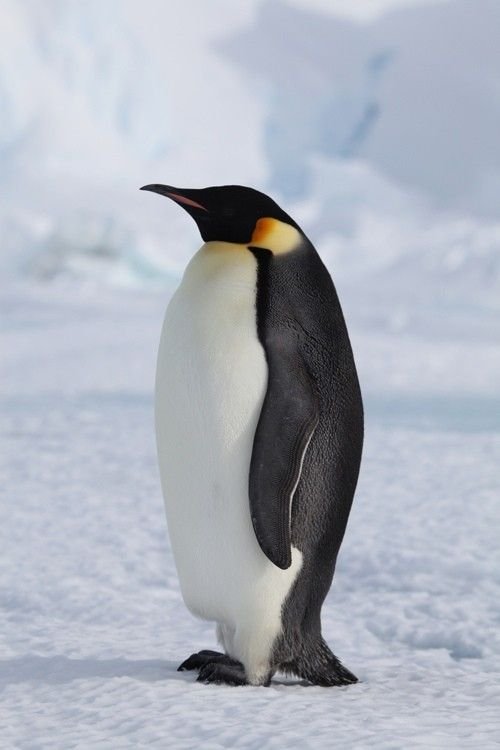
The emperor penguin is a large, rounded seabird whose plump, blubbery body helps it survive the harshest place on Earth. Its full shape is essential armor against Antarctic cold.
Interestingly, the emperor penguin builds up thick fat and dense feathers to endure temperatures far below freezing. Its rounded body conserves heat during brutal winter months.
Emperor penguins inhabit the sea ice and frigid waters of Antarctica, diving deep to hunt fish, squid, and krill.
As key predators, penguins are important indicators of ocean health. Climate change and shrinking sea ice threaten their breeding grounds, raising conservation concerns.
Fun Fact: Emperor penguins can dive over 500 meters deep and hold their breath for more than 20 minutes.
Pufferfish
Scientific Name: Tetraodontidae
Class: Actinopterygii
Diet: Carnivore
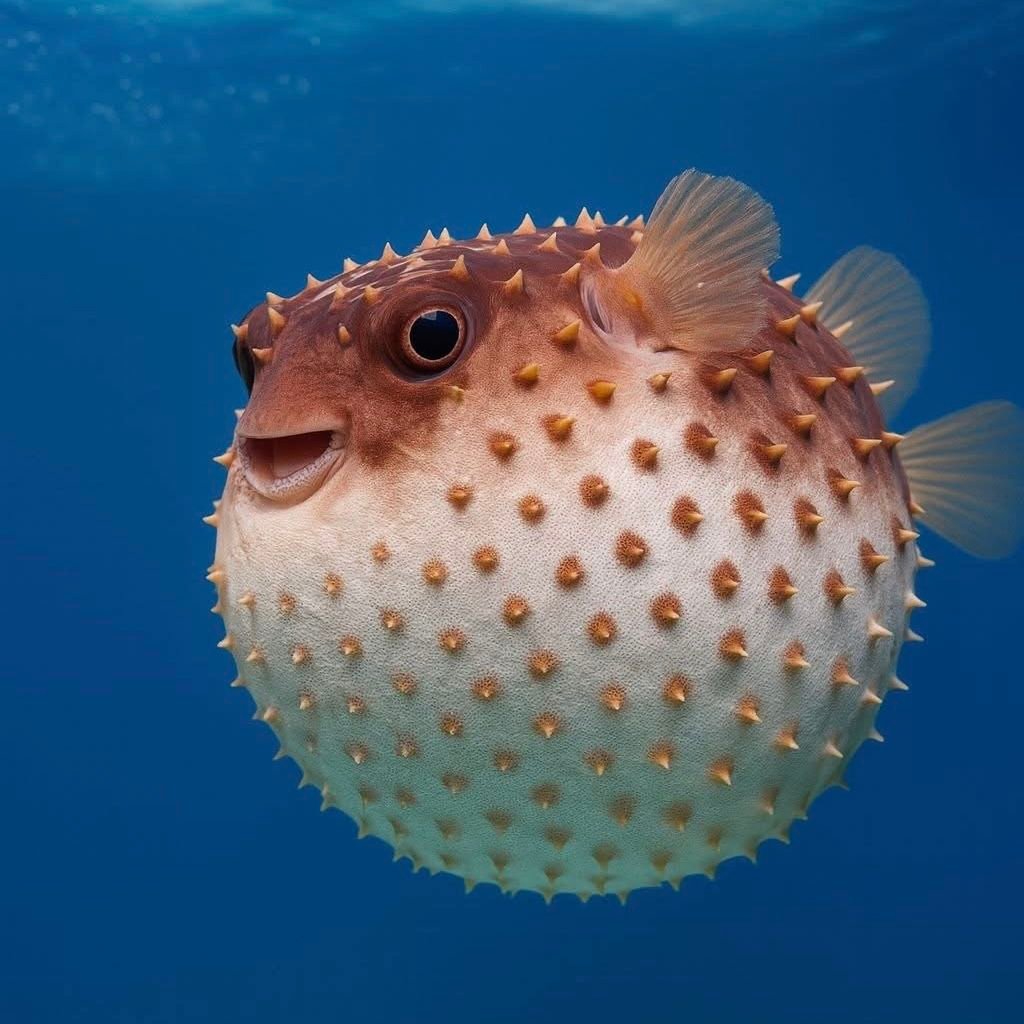
The pufferfish takes chubbiness to a whole new level, able to inflate its body into a round, balloon-like shape. When threatened, it gulps water and swells into a spiky, chubby sphere.
Moreover, this dramatic puffing is a clever defense. By ballooning up, the pufferfish becomes too large and prickly for most predators to swallow, turning its round shape into armor.
Pufferfish inhabit warm coastal waters, reefs, and estuaries around the world, feeding on algae, invertebrates, and shellfish.
As reef dwellers, pufferfish are part of diverse marine ecosystems. Pollution and habitat loss threaten some species, along with pressure from the seafood trade.
Fun Fact: Most pufferfish contain a powerful toxin, making them one of the most poisonous animals in the sea.
Corgi
Scientific Name: Canis lupus familiaris
Class: Mammalia
Diet: Omnivore
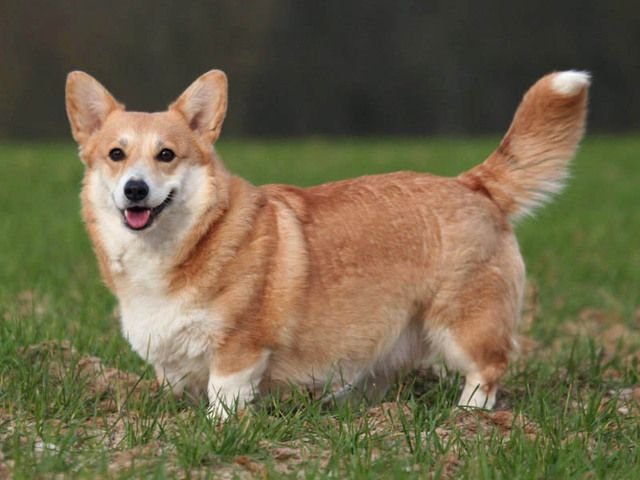
The corgi is a beloved dog breed famous for its short legs, long body, and rounded, chubby-looking frame. Its low, plump build and fluffy coat give it an endlessly charming shape.
Interestingly, the corgi’s sturdy, rounded body was originally bred for herding cattle. Its low stance let it nip at heels while dodging kicks, all packed into a compact, cuddly form.
Originating in Wales, corgis are now popular companions worldwide, thriving as active, affectionate family pets.
As working and companion dogs, corgis show the playful, hardy side of herding breeds. Their build means owners must manage weight carefully to keep them healthy.
Fun Fact: Corgis were a favorite of Queen Elizabeth II, who owned more than 30 during her lifetime.
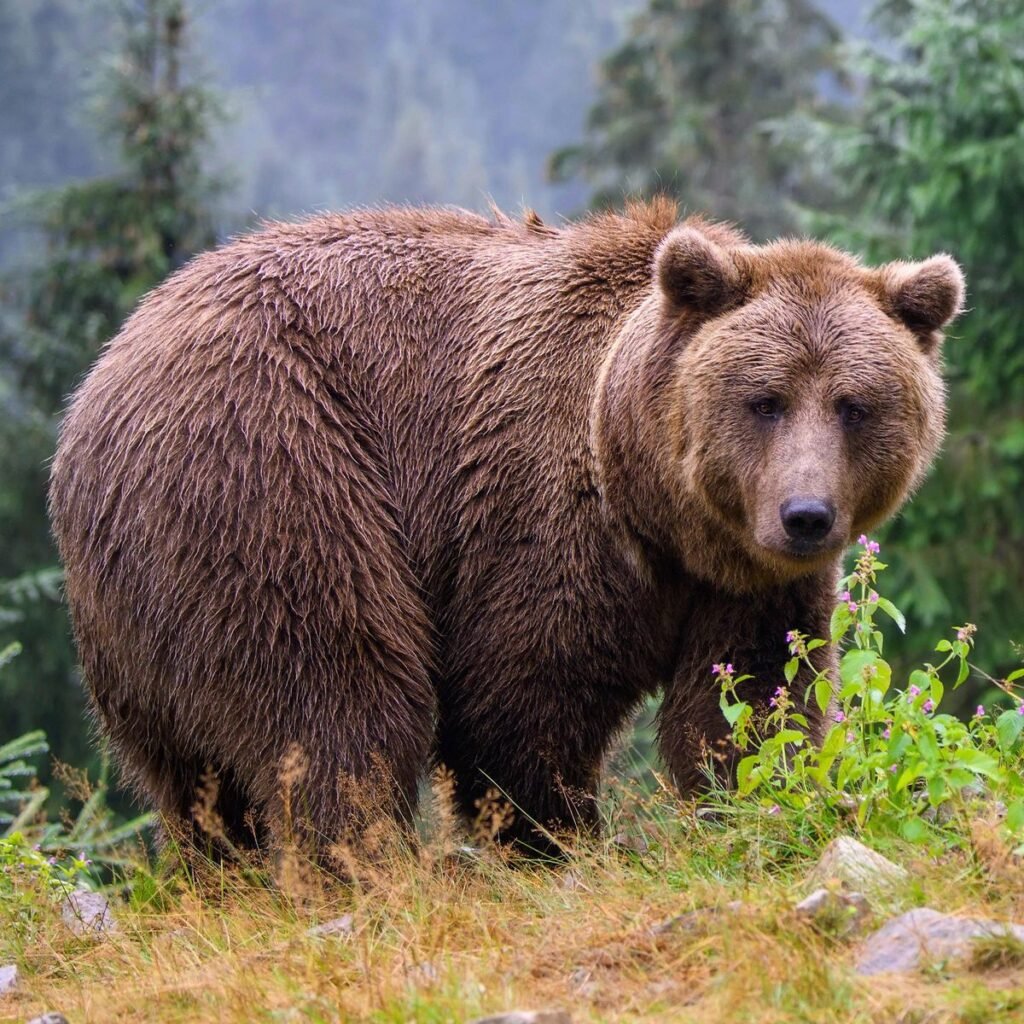
Brown Bear
Scientific Name: Ursus arctos
Class: Mammalia
Diet: Omnivore
The brown bear becomes one of the chubbiest animals on Earth each autumn, packing on enormous amounts of fat before winter. In this season it can look remarkably round and plump.
Moreover, this dramatic weight gain is essential for survival. The brown bear feasts heavily in a phase called hyperphagia, building fat reserves to sustain it through months of hibernation.
Brown bears inhabit forests, mountains, and tundra across North America, Europe, and Asia, feeding on berries, plants, fish, and small mammals.
As apex omnivores, brown bears shape their ecosystems by dispersing seeds and controlling prey. Widespread but locally threatened, they need large, wild habitats.
Fun Fact: Before hibernation, a brown bear can eat enough to gain several pounds of fat every single day.
Read: Weird Animals in The World
Read: Birds That Eat Fish in The World
Read: Birds With Long Legs in The World
Read: Animals That Growl in The World
Read: Thickest Skin Animals in The World
Read: Animals Like Hamsters
Frequently Asked Questions
Conclusion
From blubber-wrapped seals to bamboo-fed pandas, the world’s chubby animals prove that roundness is often a sign of remarkable adaptation, not indulgence. Each species whether a haypile-hoarding pika or a fasting elephant seal uses its plump shape to survive cold, hunger, or a life in the water. Their cuddly appearances hide impressive evolutionary stories and vital ecological roles.