Top 18 Birds With Long Necks in The World (With Images)
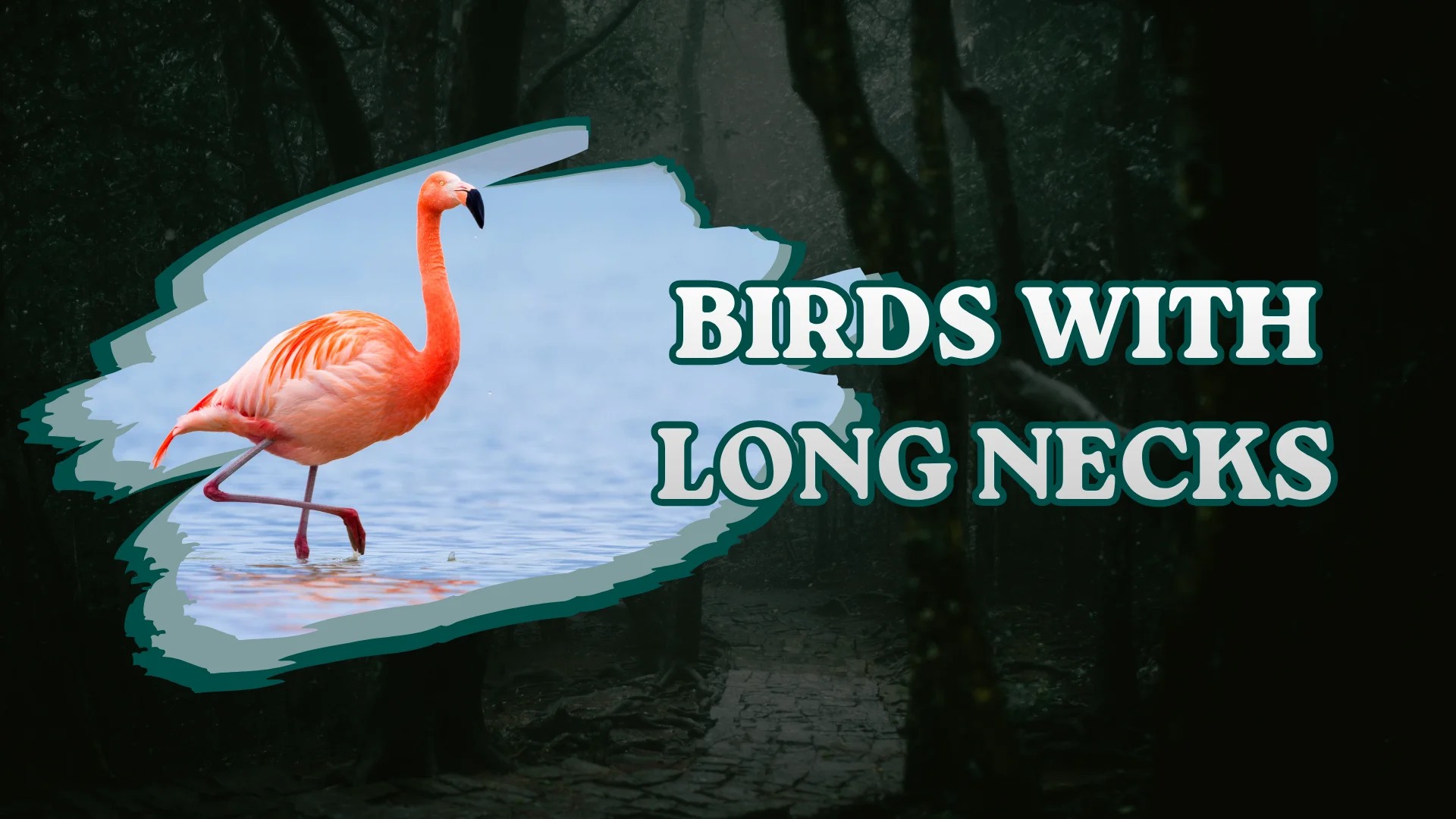
Did you know that a flamingo has 19 bones in its neck, more than twice as many as a giraffe? While mammals almost always have just seven neck bones, birds can have anywhere from 13 to 25, giving many species astonishingly long, flexible necks. These long necks help birds wade in deep water, spear fish, reach food, and watch for danger across open land.
In this guide, we’ll explore the top 18 birds with long necks, uncovering how their remarkable necks work and why they are so useful for survival.
List of Birds With Long Necks
| Rank | Animal | Scientific Name |
|---|---|---|
| 1 | Ostrich | Struthio camelus |
| 2 | Greater Flamingo | Phoenicopterus roseus |
| 3 | Trumpeter Swan | Cygnus buccinator |
| 4 | Great Blue Heron | Ardea herodias |
| 5 | Sarus Crane | Antigone antigone |
| 6 | Marabou Stork | Leptoptilos crumenifer |
| 7 | Great Egret | Ardea alba |
| 8 | Anhinga | Anhinga anhinga |
| 9 | Canada Goose | Branta canadensis |
| 10 | Emu | Dromaius novaehollandiae |
| 11 | Roseate Spoonbill | Platalea ajaja |
| 12 | Whooping Crane | Grus americana |
| 13 | Great Cormorant | Phalacrocorax carbo |
| 14 | Grey Heron | Ardea cinerea |
| 15 | Black-necked Stork | Ephippiorhynchus asiaticus |
| 16 | Giant Ibis | Thaumatibis gigantea |
| 17 | Mute Swan | Cygnus olor |
| 18 | Greater Rhea | Rhea americana |
Ostrich
Scientific Name: Struthio camelus
Class: Aves
Diet: Omnivore
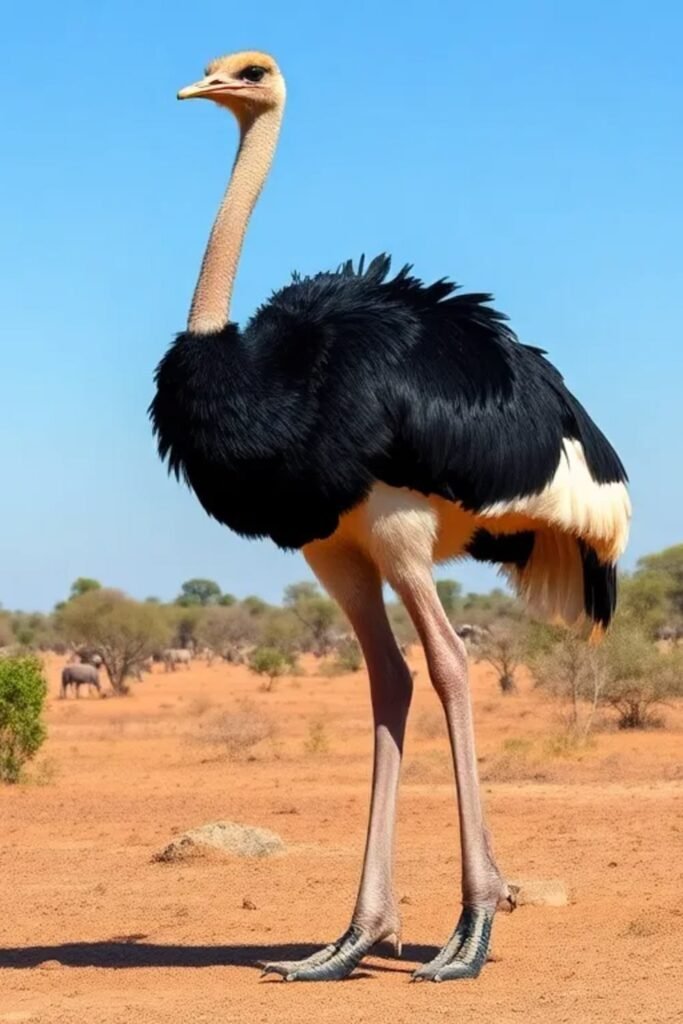
The ostrich is the tallest bird in the world, with a long neck making up about a third of its towering height. Its neck can reach nearly two meters.
Interestingly, the ostrich uses its long neck as a lookout tower, spotting predators across the open savanna. Its height and keen eyesight give it plenty of warning.
Ostriches inhabit the savannas and deserts of Africa, feeding on plants, seeds, and insects.
As large omnivores, ostriches help disperse seeds and control insects. Currently of Least Concern, they still face pressure in some regions.
Fun Fact: Contrary to the myth, ostriches do not bury their heads in the sand; they lower their long necks to rest.
Greater Flamingo

Scientific Name: Phoenicopterus roseus
Class: Aves
Diet: Omnivore
The greater flamingo is the tallest flamingo, with an S-shaped neck up to four feet long. It has 19 neck vertebrae, giving it incredible flexibility.
Moreover, the flamingo bends its long neck down and holds its head upside down to filter-feed. It strains tiny algae and shrimp from the water, which give it its pink color.
Flamingos gather in large flocks across shallow lakes and lagoons in Africa, the Americas, Europe, and Asia.
As filter feeders, flamingos help regulate algae and shrimp populations. Pollution and habitat loss threaten some colonies.
Fun Fact: A flamingo has nearly three times as many neck bones as a human, letting it curl its neck into loops.
Trumpeter Swan
Scientific Name: Cygnus buccinator
Class: Aves
Diet: Herbivore
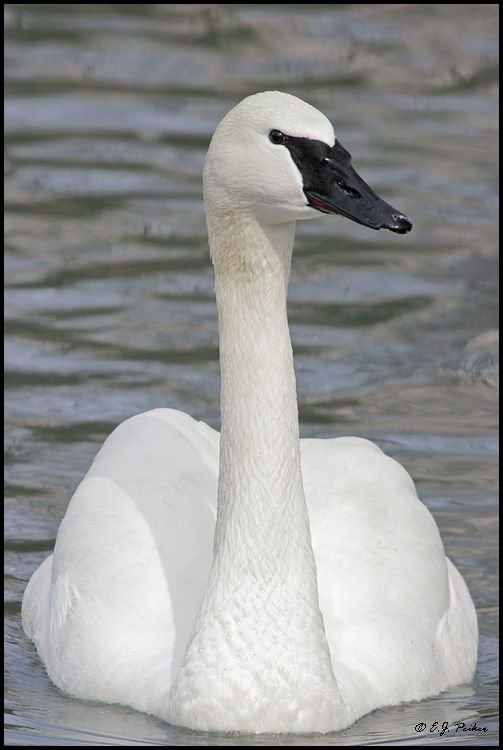
The trumpeter swan is the largest waterfowl in North America, with a long, elegant neck it uses to reach underwater plants. Its neck is often held straight and tall.
Interestingly, the swan uses its long neck to reach deep beneath the surface while feeding. Its many neck vertebrae give it graceful, flexible movement.
Trumpeter swans inhabit lakes, rivers, and wetlands across North America, feeding on aquatic plants.
As waterfowl, swans help shape their wetland habitats. Once nearly hunted to extinction, they have recovered and are of Least Concern.
Fun Fact: The trumpeter swan is named for its loud, trumpet-like call, one of the deepest of any bird.
Great Blue Heron

Scientific Name: Ardea herodias
Class: Aves
Diet: Carnivore
The great blue heron has a long, slender neck it folds into an S-shape while hunting. This neck is a lightning-fast weapon for catching prey.
Moreover, the heron holds its neck coiled, then unleashes it like a spring to spear fish. Its long reach lets it strike prey from a safe distance.
Great blue herons inhabit wetlands, rivers, and coasts across North America, feeding on fish, frogs, and small animals.
As predators, herons help balance wetland ecosystems. Widespread and adaptable, they are of Least Concern.
Fun Fact: A heron folds its long neck into an S-shape in flight, unlike storks and cranes, which fly with necks outstretched.
Sarus Crane
Scientific Name: Antigone antigone
Class: Aves
Diet: Omnivore
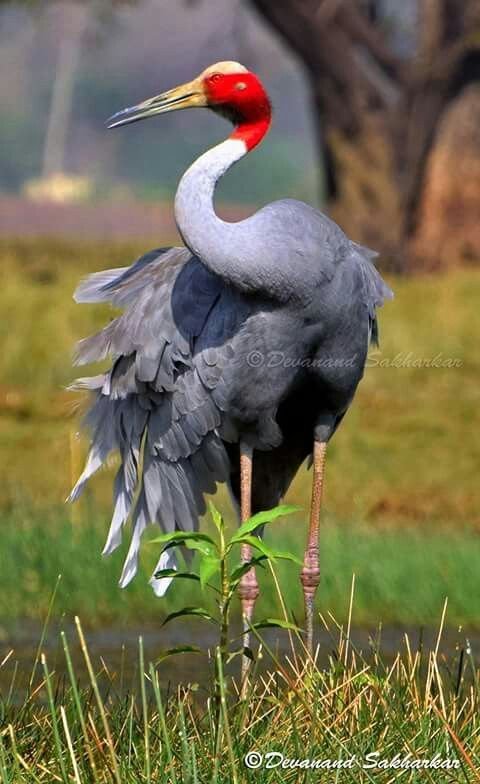
The sarus crane is the tallest flying bird in the world, standing up to six feet tall on long legs and a long neck. Its towering neck adds to its majestic height.
Interestingly, the crane uses its long neck to forage in wetlands and to perform graceful courtship dances. Pairs bow and stretch their necks together in elegant displays.
Sarus cranes inhabit the wetlands and farmlands of the Indian subcontinent, Southeast Asia, and Australia, feeding on plants, insects, and small animals.
As wetland dwellers, sarus cranes help balance their ecosystems. Habitat loss has made them Vulnerable.
Fun Fact: Sarus cranes mate for life and are celebrated in many cultures as symbols of lasting love.
Marabou Stork
Scientific Name: Leptoptilos crumenifer
Class: Aves
Diet: Carnivore
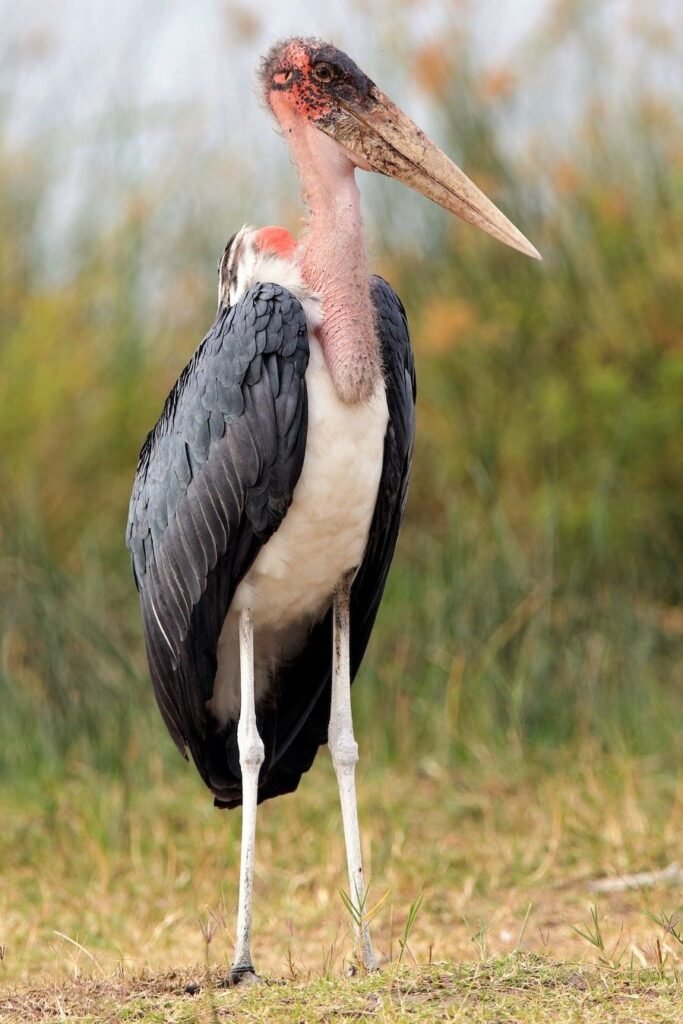
The marabou stork is a huge scavenging bird with a long, bare neck that can reach up to three feet. Its towering body stands up to five feet tall.
Moreover, the stork’s long, mostly featherless neck stays clean while it feeds on messy carcasses. Its height and reach help it spot and grab food from afar.
Marabou storks inhabit the savannas, wetlands, and open areas of sub-Saharan Africa, feeding on carrion, fish, and scraps.
As scavengers, marabou storks help clean up carcasses and limit disease. Widespread across their range, they are of Least Concern.
Fun Fact: The marabou stork has one of the largest wingspans of any land bird, reaching up to ten feet.
Great Egret
Scientific Name: Ardea alba
Class: Aves
Diet: Carnivore
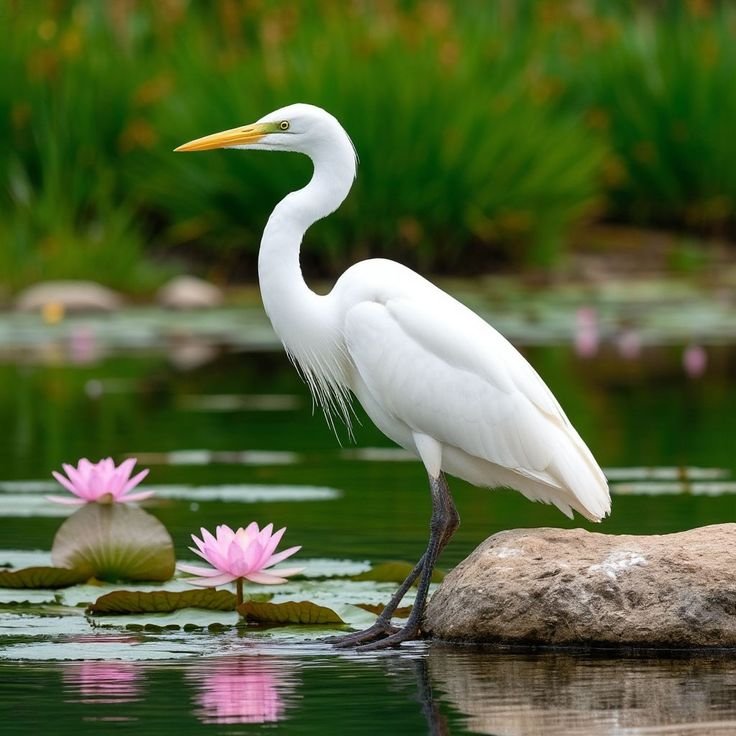
The great egret is a tall, elegant wading bird with a long neck nearly as long as its body. This graceful neck is perfect for hunting.
Interestingly, the egret holds its long neck poised, then strikes with sudden speed to spear fish. Its long reach lets it catch prey without disturbing the water too soon.
Great egrets inhabit wetlands, marshes, and shorelines across much of the world, feeding on fish, amphibians, and small animals.
As predators, egrets help balance wetland ecosystems. Once hunted for their feathers, they have recovered and are of Least Concern.
Fun Fact: The great egret was once hunted nearly to extinction for the elegant plumes on its neck and back.
Anhinga

Scientific Name: Anhinga anhinga
Class: Aves
Diet: Carnivore
The anhinga, or “snakebird,” has a long, thin neck that sticks out of the water as it swims, looking just like a snake. Its neck is a specialized hunting tool.
Moreover, the anhinga uses a hinge in its long neck to strike like a spear, impaling fish underwater. It then surfaces and flips the fish off its bill.
Anhingas inhabit the warm freshwater wetlands and swamps of the Americas, hunting fish and other aquatic prey.
As underwater predators, anhingas help balance their wetland ecosystems. Widespread across their range, they are of Least Concern.
Fun Fact: The anhinga swims with only its long neck and head above water, earning it the nickname “snakebird.”
Canada Goose
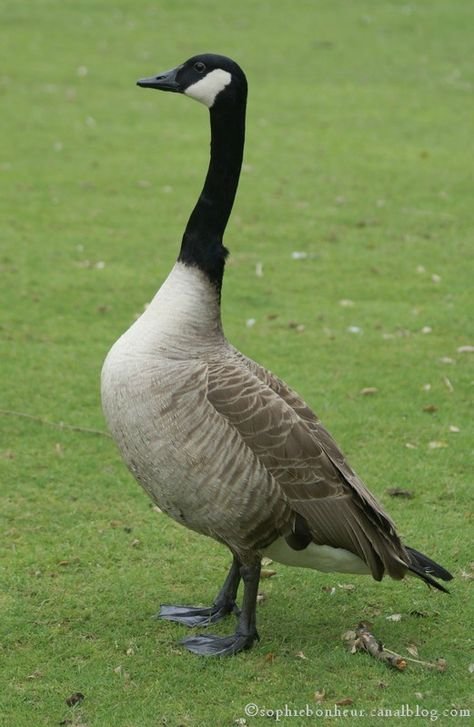
Scientific Name: Branta canadensis
Class: Aves
Diet: Herbivore
The Canada goose is easily recognized by its long black neck and distinctive white chin strap. This elegant neck sets it apart from many other waterfowl.
Interestingly, the goose uses its long neck to graze on grasses and reach underwater plants. It also stretches and lowers its neck in displays to warn off rivals.
Canada geese inhabit lakes, rivers, and grasslands across North America and beyond, feeding on grasses, grains, and aquatic plants.
As grazers, geese help shape their habitats. Widespread and highly adaptable, they are of Least Concern.
Fun Fact: A Canada goose stretches its long neck low to the ground and hisses loudly to warn off intruders.
Emu
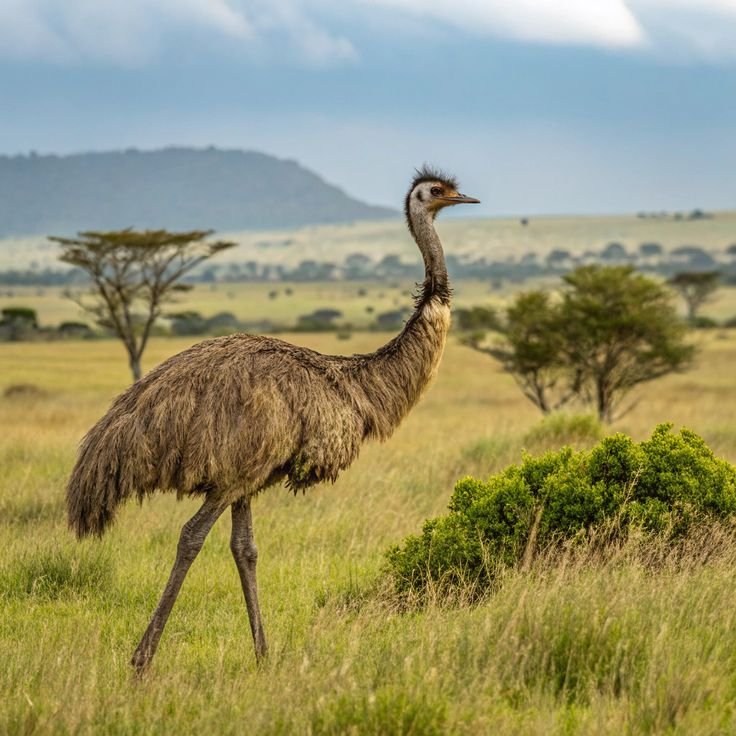
Scientific Name: Dromaius novaehollandiae
Class: Aves
Diet: Omnivore
The emu is the second-tallest bird in the world, with a long neck that adds to its impressive height. This neck helps it feed and watch for danger.
Moreover, the emu uses its long neck to forage on the ground and peer over tall grass across the Australian outback. Its height helps it spot threats from far away.
Emus inhabit the grasslands and forests of Australia, feeding on plants, seeds, fruit, and insects.
As large omnivores, emus help disperse seeds across their range. Widespread across Australia, they are of Least Concern.
Fun Fact: During the breeding season, the emu’s long neck can turn a bluish color as its skin shows through thin feathers.
Roseate Spoonbill
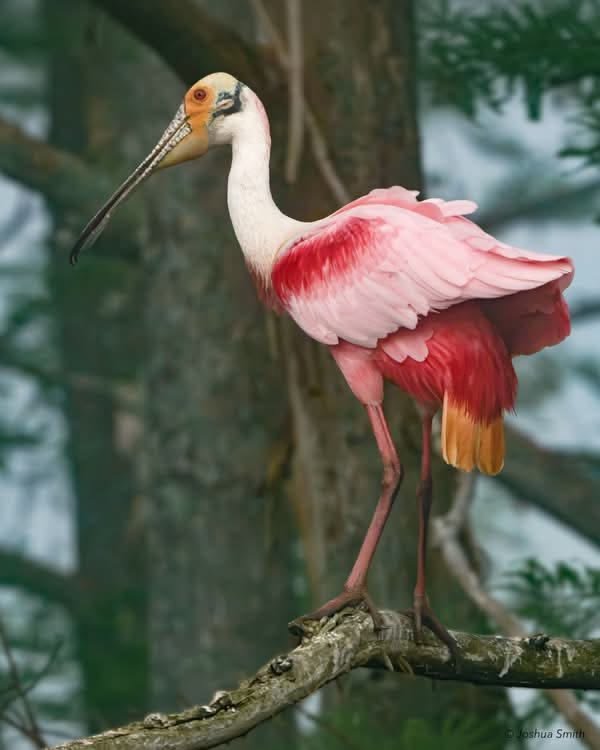
Scientific Name: Platalea ajaja
Class: Aves
Diet: Carnivore
The roseate spoonbill is a striking pink wading bird with a long neck and a distinctive spoon-shaped bill. Its neck helps it sweep the shallows for food.
Interestingly, the spoonbill swings its long neck and open bill side to side through the water. When it feels prey, it snaps the bill shut to catch fish and shrimp.
Roseate spoonbills inhabit the coastal and freshwater wetlands of the Americas, feeding on fish, shrimp, and insects.
As waders, spoonbills help balance wetland ecosystems. Widespread across their range, they are of Least Concern.
Fun Fact: Like the flamingo, the roseate spoonbill gets its pink color from the shrimp and crustaceans it eats.
Whooping Crane
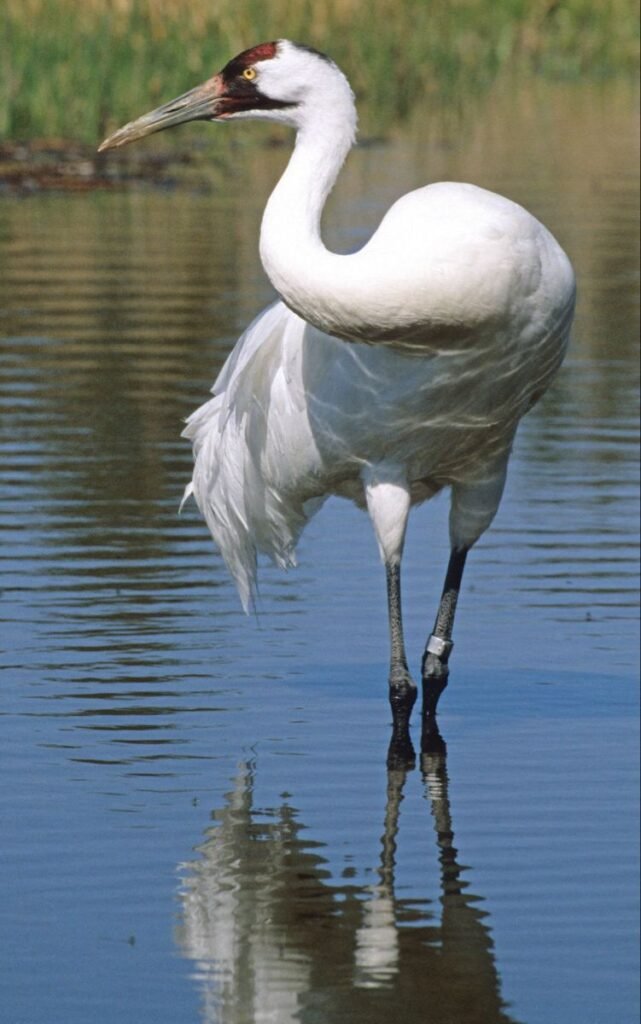
Scientific Name: Grus americana
Class: Aves
Diet: Omnivore
The whooping crane is the tallest bird in North America, standing up to five feet tall on long legs and a long neck. It is also one of the rarest.
Moreover, the crane uses its long neck to forage in wetlands and to trumpet its far-carrying call. Pairs perform elegant dances, stretching their necks together.
Whooping cranes inhabit the wetlands and marshes of North America, feeding on plants, insects, and small animals.
As wetland dwellers, cranes help balance their ecosystems. Once nearly extinct, they remain Endangered despite careful recovery efforts.
Fun Fact: The whooping crane’s bugling call can be heard up to several kilometers away across the wetlands.
Great Cormorant
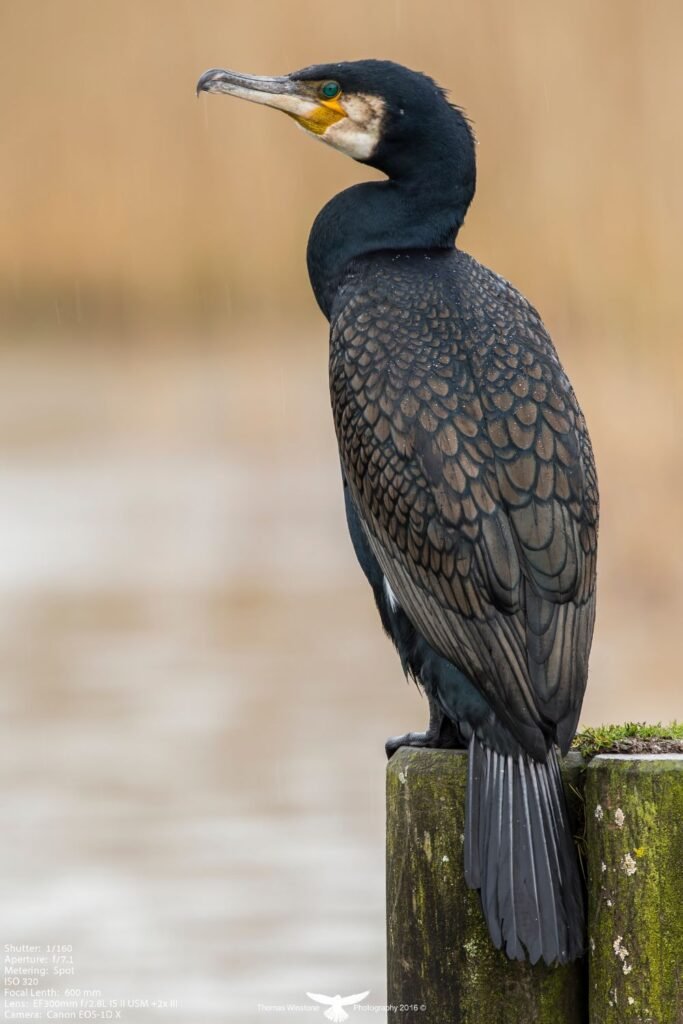
Scientific Name: Phalacrocorax carbo
Class: Aves
Diet: Carnivore
The great cormorant has a long, flexible neck it uses to chase and catch fish underwater. Its snake-like neck helps it maneuver after prey.
Interestingly, the cormorant dives and pursues fish with powerful strokes, striking with its long neck. After fishing, it spreads its wings to dry its non-waterproof feathers.
Great cormorants inhabit coasts, rivers, and lakes across much of the world, feeding mainly on fish.
As fish-eating birds, cormorants help balance aquatic ecosystems. Widespread and adaptable, they are of Least Concern.
Fun Fact: In parts of Asia, fishermen once trained cormorants to catch fish and bring them back to the boat.
Grey Heron
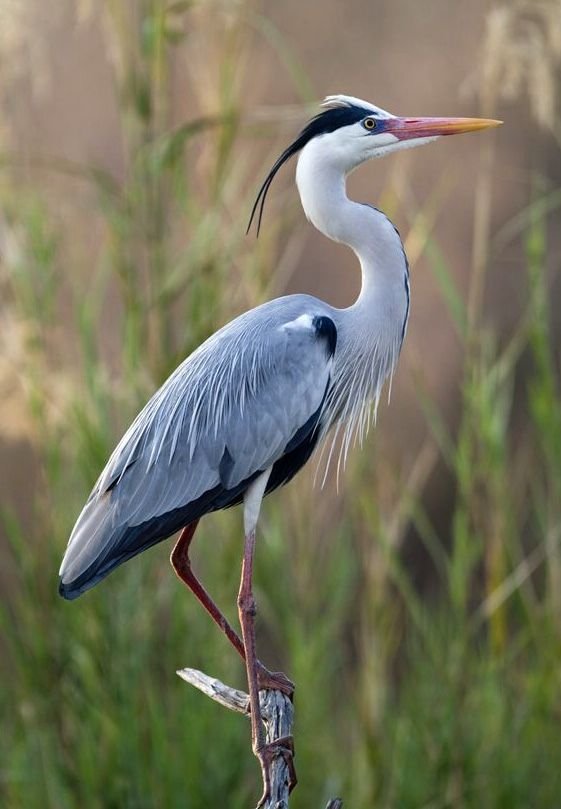
Scientific Name: Ardea cinerea
Class: Aves
Diet: Carnivore
The grey heron has a long, slender neck it folds into an S-shape while hunting in shallow water. This neck is a fast, precise weapon.
Moreover, the heron holds its neck coiled, then unleashes it to spear fish, frogs, and small animals. Its long reach lets it fish from the water’s edge.
Grey herons inhabit rivers, lakes, and wetlands across Europe, Asia, and Africa, feeding on fish, amphibians, and small mammals.
As predators, herons help balance wetland ecosystems. Widespread and adaptable, they are of Least Concern.
Fun Fact: A grey heron can tuck its long neck and legs close to its body to fly efficiently over long distances.
Black-necked Stork
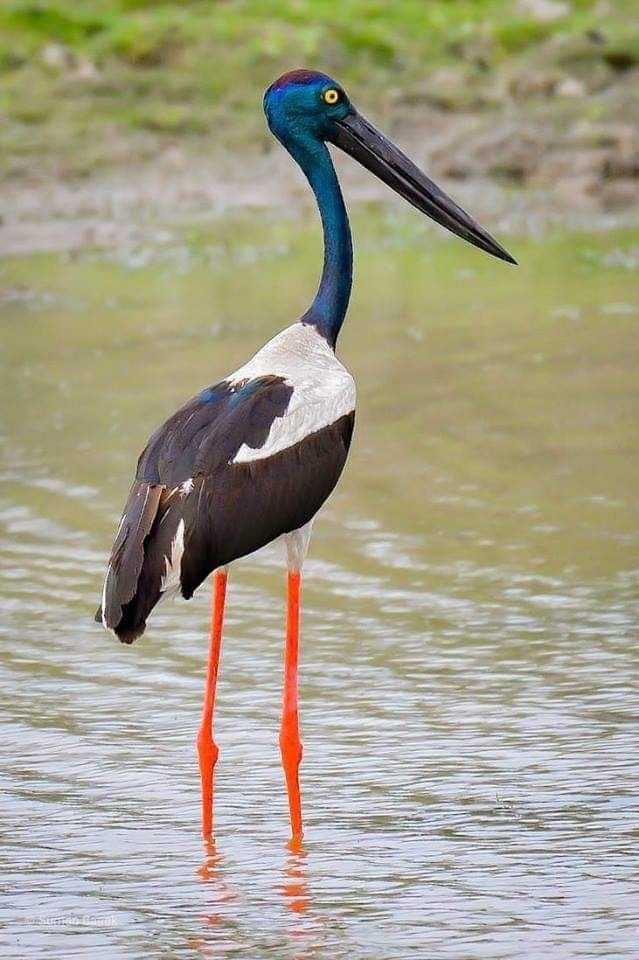
Scientific Name: Ephippiorhynchus asiaticus
Class: Aves
Diet: Carnivore
The black-necked stork, sometimes called the jabiru in Australia, is a tall wading bird with a long, glossy black neck. It stands nearly five feet tall.
Interestingly, the stork uses its long neck and heavy bill to hunt fish, frogs, and reptiles in wetlands. It strides through the shallows spearing and grabbing prey.
Black-necked storks inhabit the wetlands and floodplains of South Asia and Australia, feeding on fish, frogs, and small animals.
As waders, storks help balance wetland ecosystems. Habitat loss has made them Near Threatened.
Fun Fact: The black-necked stork’s neck shimmers with iridescent green and purple in bright sunlight.
Giant Ibis
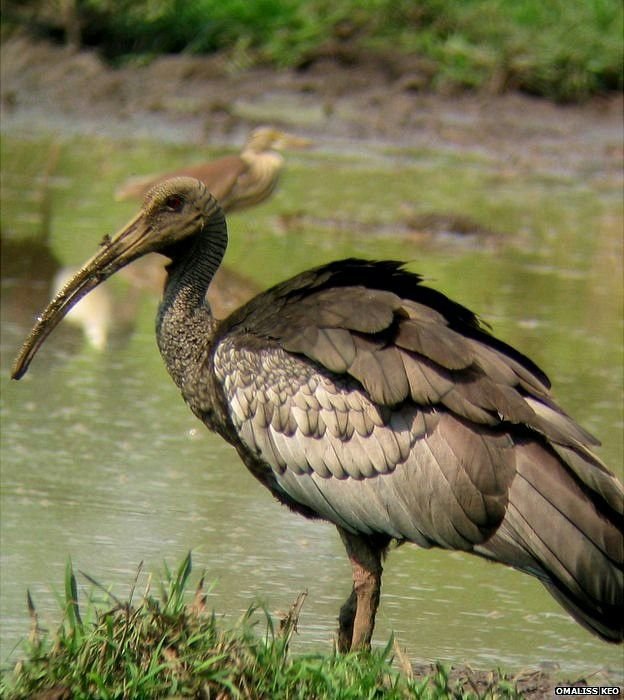
Scientific Name: Thaumatibis gigantea
Class: Aves
Diet: Carnivore
The giant ibis is the largest ibis in the world, with a long neck and a long, curved bill. It is an extremely rare and elusive wetland bird.
Moreover, the ibis uses its long neck and downcurved bill to probe mud for food. It searches wetlands and pools for insects, worms, and small animals.
Giant ibises inhabit the wetlands and forests of Cambodia, Laos, and Vietnam, feeding on invertebrates and small creatures.
As wetland foragers, giant ibises are part of their ecosystems. Habitat loss and hunting have made them Critically Endangered.
Fun Fact: The giant ibis is so rare that it is the national bird of Cambodia and a symbol of conservation.
Mute Swan
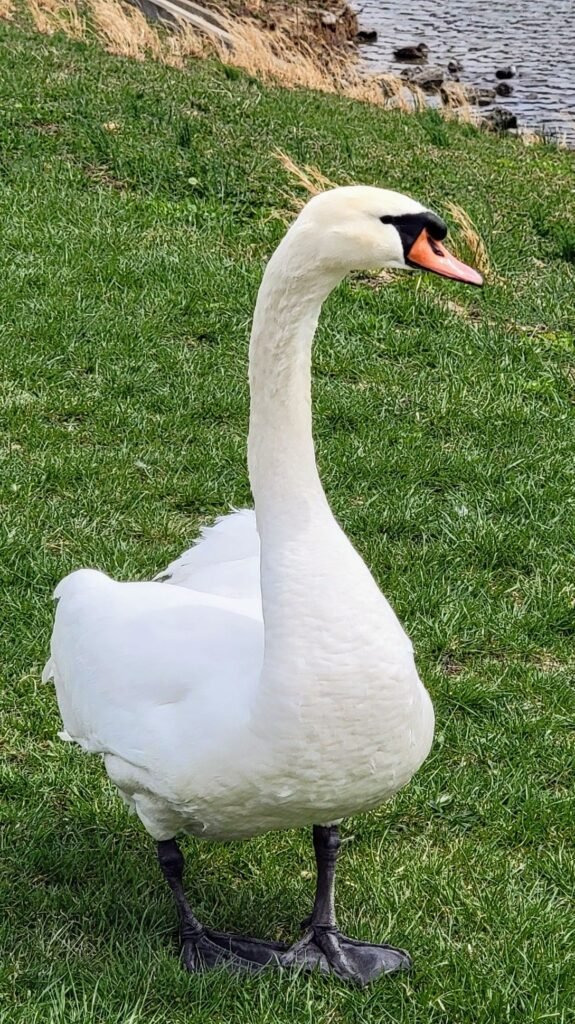
Scientific Name: Cygnus olor
Class: Aves
Diet: Herbivore
The mute swan is famous for its graceful, curved neck, which can reach up to three feet long. Its elegant S-shaped neck is a symbol of beauty.
Interestingly, the swan has more neck vertebrae than almost any other animal, giving its neck great flexibility. It uses this neck to reach underwater plants while floating.
Mute swans inhabit lakes, rivers, and ponds across Europe and Asia, feeding on aquatic plants and grasses.
As waterfowl, swans help shape their wetland habitats. Widespread and often introduced worldwide, they are of Least Concern.
Fun Fact: A swan can have over 20 vertebrae in its neck, far more than the seven found in a giraffe.
Greater Rhea
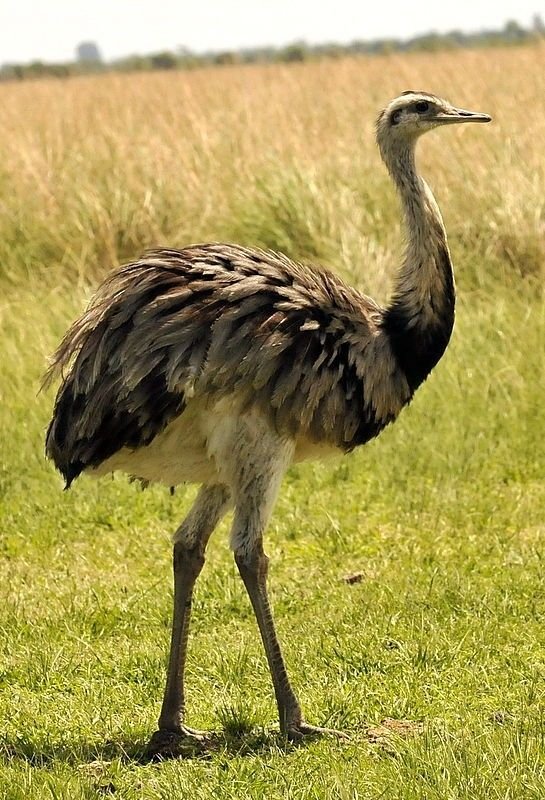
Scientific Name: Rhea americana
Class: Aves
Diet: Omnivore
The greater rhea is a large flightless bird with a long neck and legs, similar to an ostrich. It is the biggest bird in the Americas.
Moreover, the rhea uses its long neck to forage and to watch for predators across open grasslands. Its height gives it a valuable vantage point.
Greater rheas inhabit the grasslands and open plains of South America, feeding on plants, seeds, and insects.
As large omnivores, rheas help disperse seeds across their range. Habitat loss has made them Near Threatened.
Fun Fact: Male rheas raise the chicks alone, leading and guarding the young with their long necks held high.
Read: Small Monkey Breeds in The World
Read: Chubby Animals in The World
Read: Weird Animals in The World
Read: Birds That Eat Fish in The World
Read: Rarest Animals in the World
Read: Animals Like Weasels in The World
Frequently Asked Questions
Conclusion
From the towering ostrich to the graceful swan, the world’s birds with long necks are among nature’s most elegant creatures. Each species whether a fish-spearing heron, a filter-feeding flamingo, or a lookout ostrich uses its long neck in a way perfectly suited to its life. Thanks to their many flexible neck bones, birds achieve necks far longer and more nimble than most mammals ever could.