Top 26 Weakest Animals in The World (With Images)
Did you know that one of the world’s weakest animals has no brain, no bones, and is made almost entirely of water? In the animal kingdom, weakness usually means a lack of speed, strength, or defenses leaving a creature vulnerable to predators at almost every turn. Yet these fragile animals survive through clever tricks: camouflage, hiding, playing dead, or breeding in huge numbers.

Far from useless, the weakest animals form the foundation of food chains and keep entire ecosystems in balance. In this guide, we’ll explore the top 26 weakest animals in the world, uncovering how such delicate creatures manage to survive against the odds.
List of Weakest Animals in The World
| Rank | Animal | Scientific Name |
|---|---|---|
| 1 | Jellyfish | Aurelia aurita |
| 2 | Sloth | Bradypus variegatus |
| 3 | Butterfly | Danaus plexippus |
| 4 | Earthworm | Lumbricus terrestris |
| 5 | Rabbit | Oryctolagus cuniculus |
| 6 | Mouse | Mus musculus |
| 7 | Shrew | Sorex araneus |
| 8 | Snail | Cornu aspersum |
| 9 | Guinea Pig | Cavia porcellus |
| 10 | Tree Frog | Hyla cinerea |
| 11 | Goldfish | Carassius auratus |
| 12 | Opossum | Didelphis virginiana |
| 13 | Koala | Phascolarctos cinereus |
| 14 | Chicken | Gallus gallus domesticus |
| 15 | Pigeon | Columba livia |
| 16 | Sheep | Ovis aries |
| 17 | Deer | Odocoileus virginianus |
| 18 | Hedgehog | Erinaceus europaeus |
| 19 | Kiwi | Apteryx mantelli |
| 20 | Leafcutter Ant | Atta cephalotes |
| 21 | Sea Cucumber | Holothuria forskali |
| 22 | Starfish | Asterias rubens |
| 23 | Moth | Actias luna |
| 24 | Newt | Lissotriton vulgaris |
| 25 | Quokka | Setonix brachyurus |
| 26 | Seahorse | Hippocampus hippocampus |
Jellyfish
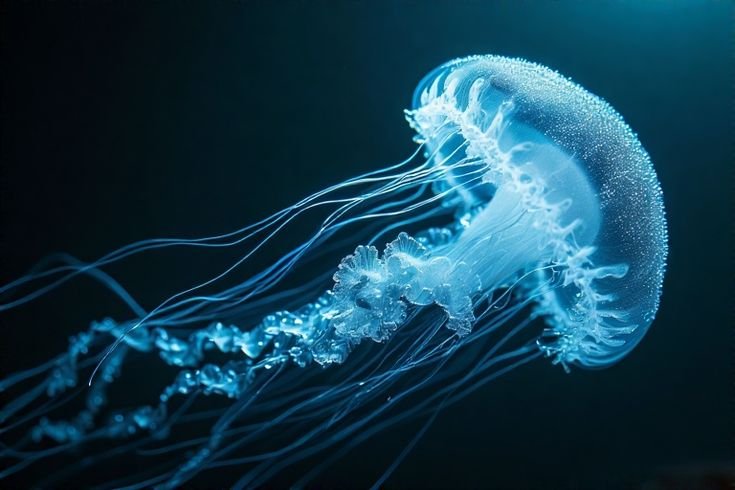
Scientific Name: Aurelia aurita
Class: Scyphozoa
Diet: Carnivore
The jellyfish is often named the weakest animal in the world, with no brain, no bones, and no real muscle strength. Its body is about 95% water, making it incredibly fragile and delicate.
Interestingly, the jellyfish cannot truly swim against the ocean. It drifts almost entirely on the currents, pulsing gently to stay afloat rather than to travel with any real power.
Jellyfish inhabit every ocean on Earth, from sunlit surface waters to the deep sea, feeding on plankton and tiny fish caught in their stinging tentacles.
As both predator and prey, jellyfish are important to marine food webs despite their fragility. Warming seas and pollution are causing some jellyfish populations to surge.
Fun Fact: A jellyfish has survived for over 500 million years without a heart, brain, or bones.
Sloth
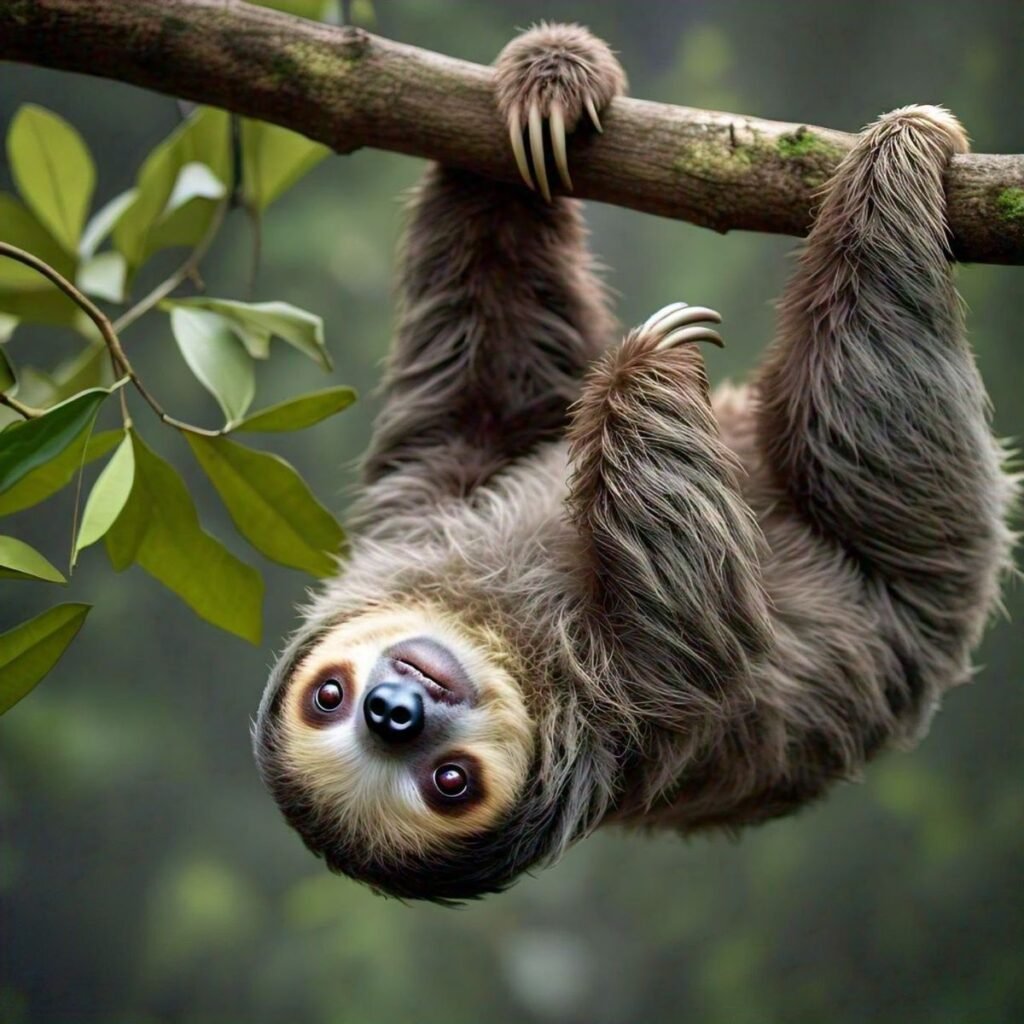
Scientific Name: Bradypus variegatus
Class: Mammalia
Diet: Herbivore
The sloth is one of the weakest mammals, defined by its slow movement and extremely low energy. It has one of the slowest metabolisms of any mammal, leaving it with little strength or speed.
Moreover, this sluggishness makes the sloth highly vulnerable. When a predator appears, it simply cannot escape quickly, relying on stillness and camouflage instead of a fast getaway.
Sloths inhabit the tropical rainforests of Central and South America, spending nearly their entire lives hanging in the canopy and feeding on leaves.
As gentle herbivores, sloths support a tiny ecosystem in their fur. Deforestation is their greatest threat, shrinking the trees they depend on.
Fun Fact: A sloth moves so slowly that algae grows on its fur, giving it natural green camouflage.
Butterfly
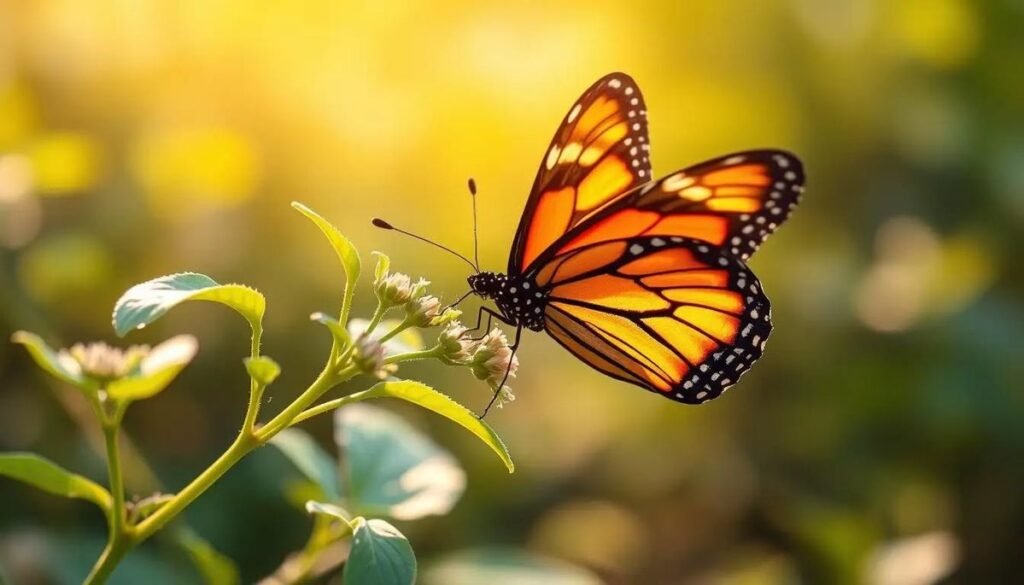
Scientific Name: Danaus plexippus
Class: Insecta
Diet: Nectarivore
The butterfly is one of the most defenseless animals, with a delicate body and fragile, papery wings. It has no bite, sting, or speed to protect itself from hungry predators.
Interestingly, the butterfly relies entirely on other tricks to survive. It uses camouflage, bright warning colors, and erratic flight to confuse birds, spiders, and other threats.
Monarch butterflies range across the Americas, migrating between breeding and wintering grounds rich in milkweed and nectar plants.
As pollinators, butterflies help countless flowering plants reproduce. Habitat loss, pesticides, and climate change threaten many species.
Fun Fact: A butterfly’s wings are so delicate that a single touch can rub off the tiny scales that color them.
Earthworm
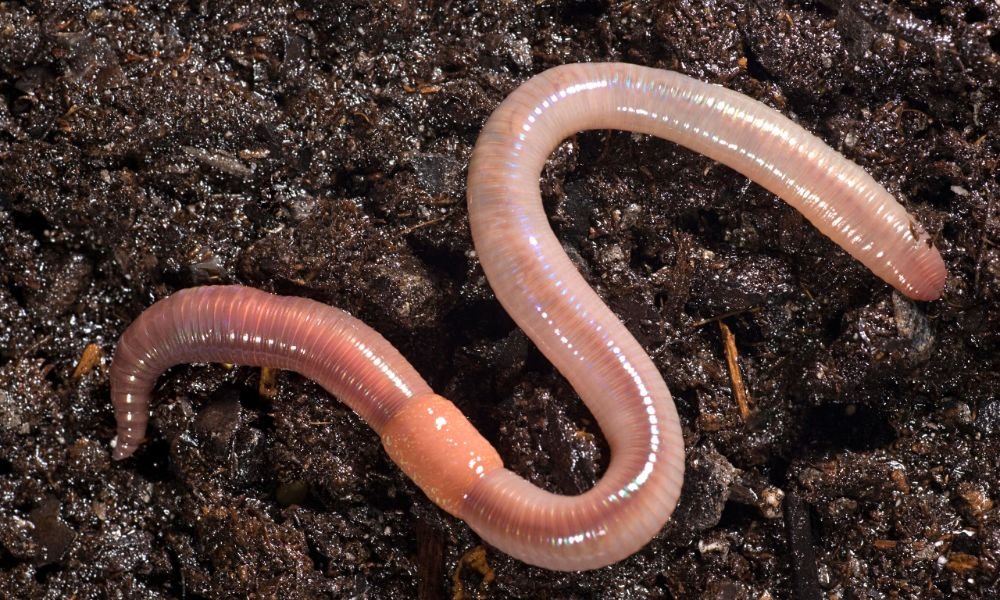
Scientific Name: Lumbricus terrestris
Class: Clitellata
Diet: Detritivore
The earthworm is among the weakest and most defenseless creatures on Earth, with a soft, boneless body and no way to fight back. It has no teeth, claws, eyes, or protective shell.
Moreover, the earthworm survives almost entirely by hiding. It stays buried in the soil, emerging mainly at night or after rain, when it is quickly snapped up by birds and other predators.
Earthworms live in soils around the world, feeding on decaying plant matter and organic material underground.
As nature’s recyclers, earthworms enrich and aerate the soil, making them vital to healthy ecosystems despite their fragility.
Fun Fact: An earthworm can regrow lost segments of its body, helping it survive minor injuries.
Rabbit
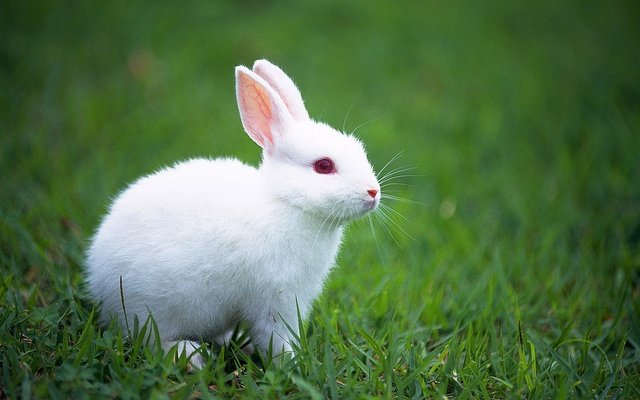
Scientific Name: Oryctolagus cuniculus
Class: Mammalia
Diet: Herbivore
The rabbit is a classic weak prey animal, soft-bodied and lacking any serious means of defense. With no sharp claws or teeth for fighting, it is hunted by a huge range of predators.
Interestingly, the rabbit’s survival depends on speed and hiding. It relies on quick bursts of running, sharp senses, and warren burrows to escape the many animals that hunt it.
Rabbits inhabit grasslands, forests, and meadows across much of the world, feeding on grasses, leaves, and other vegetation.
As grazers and prey, rabbits are vital to countless food chains. In their native range, the European rabbit is now listed as Endangered due to disease and habitat loss.
Fun Fact: A frightened rabbit thumps its hind legs on the ground to silently warn others of danger.
Mouse
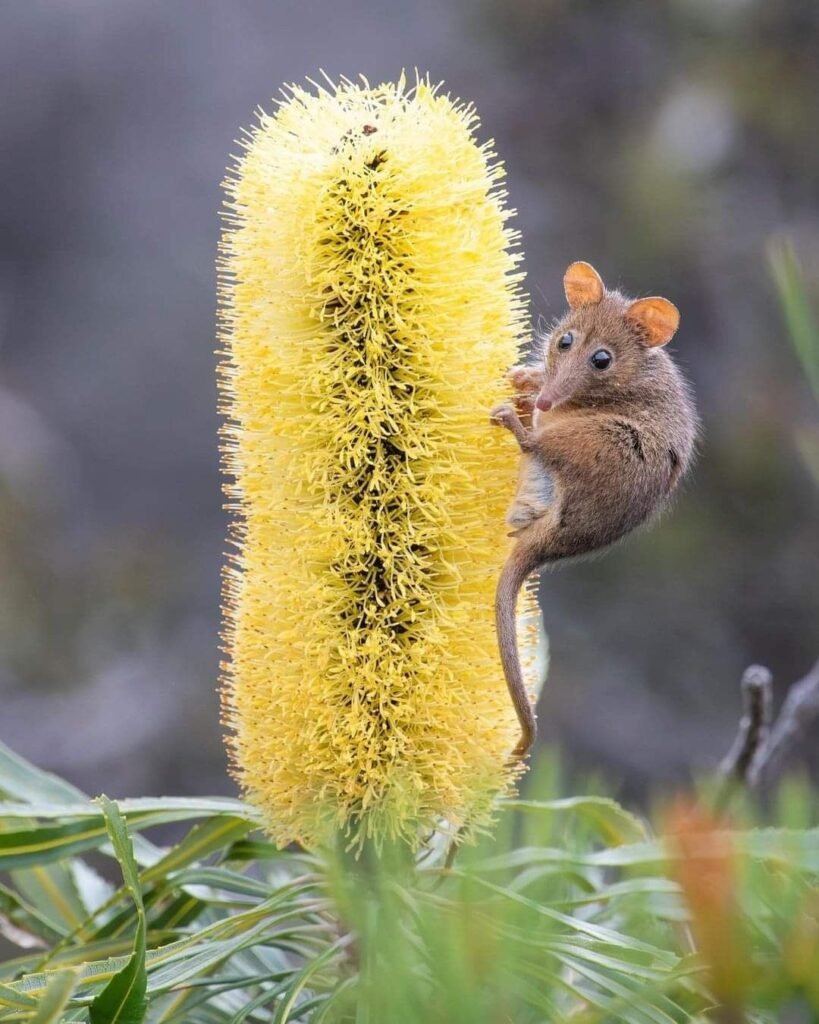
Scientific Name: Mus musculus
Class: Mammalia
Diet: Omnivore
The mouse is a tiny, fragile mammal that ranks among the weakest and most hunted animals in the world. With its small size and lack of defenses, it is prey for cats, snakes, owls, and many more.
Moreover, the mouse survives by staying hidden and breeding rapidly. It scurries through cracks and burrows, relying on stealth and sheer numbers rather than strength.
Mice inhabit nearly every environment on Earth, from fields and forests to homes and cities, feeding on seeds, grains, and scraps.
As prey, mice are a crucial food source for countless predators. Adaptable and widespread, most species are of Least Concern.
Fun Fact: A single pair of mice can produce dozens of offspring in a year, helping the species survive heavy predation.
Shrew
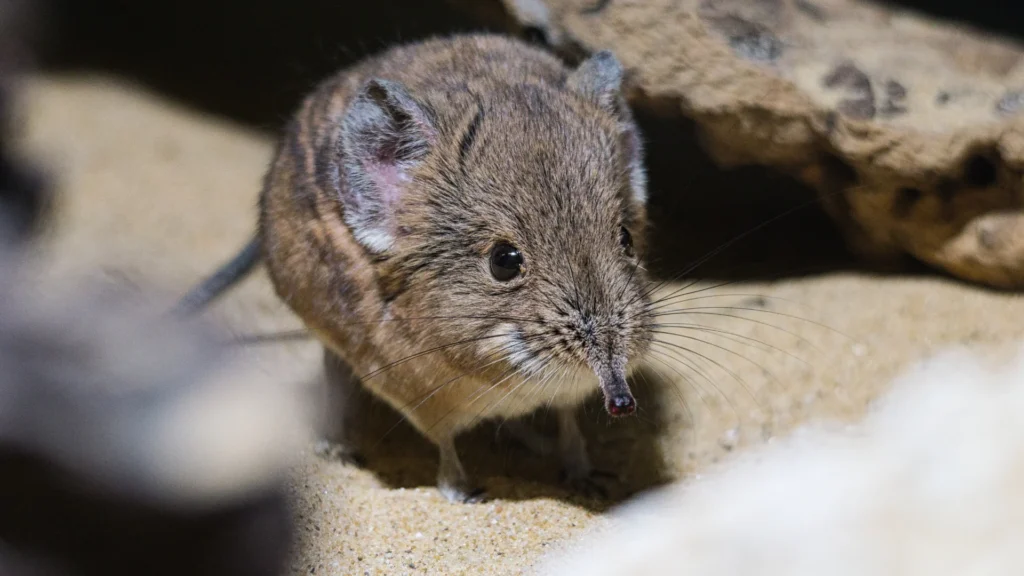
Scientific Name: Sorex araneus
Class: Mammalia
Diet: Insectivore
The shrew is one of the tiniest and most fragile mammals, with a delicate body and almost no defenses. Despite its ferocious appetite, it is easily overpowered by larger predators.
Interestingly, the shrew’s greatest weakness is its own metabolism. It must eat constantly to survive and can die within hours without food, leaving it in a permanent race against starvation.
Shrews inhabit forests, grasslands, and wetlands across much of the world, hunting insects and small invertebrates through leaf litter.
As voracious insect hunters, shrews help control invertebrate populations. Habitat destruction is a quiet threat to some populations.
Fun Fact: A shrew’s heart can beat over 1,000 times per minute to fuel its frantic, high-energy life.
Snail
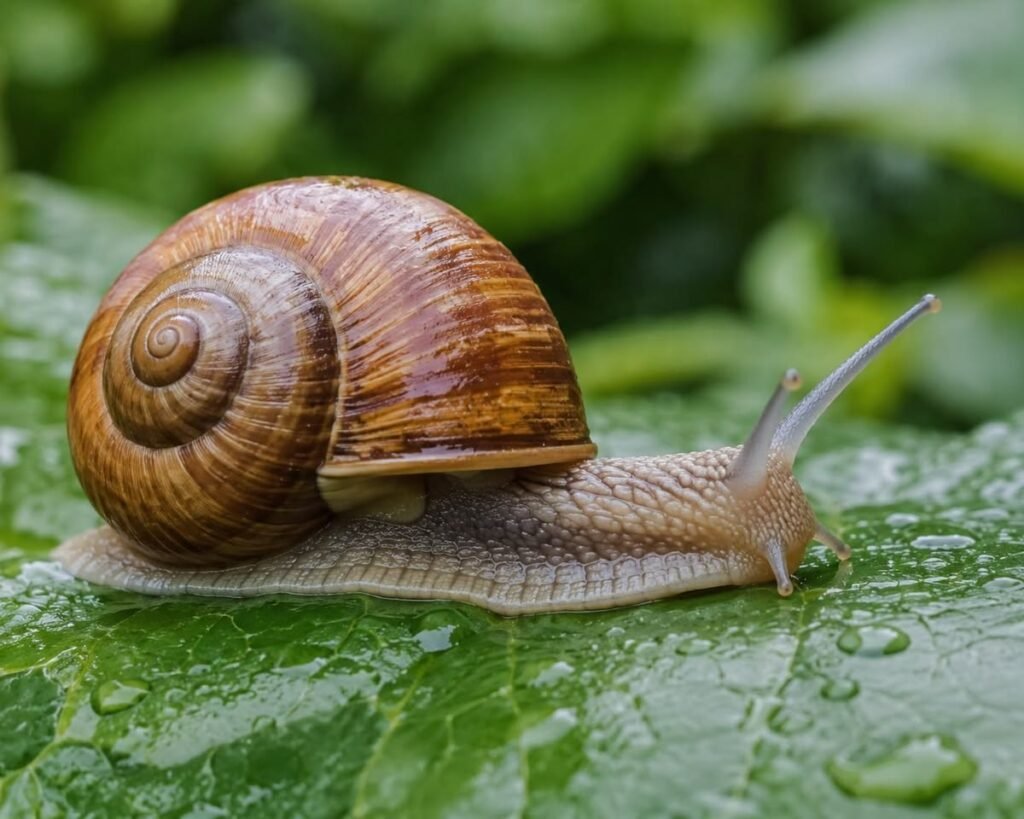
Scientific Name: Cornu aspersum
Class: Gastropoda
Diet: Herbivore
The snail is a slow, soft-bodied creature and one of the weakest animals on Earth. It cannot run, fight, or flee, moving at a famously sluggish pace on a trail of mucus.
Moreover, the snail’s only real defense is its spiral shell. It retreats inside when threatened and can seal itself away to survive dry or cold conditions, but it remains helpless against many predators.
Snails are found almost everywhere, from gardens and forests to wetlands, feeding on leaves, fungi, and decaying plants.
As decomposers, snails help recycle nutrients and enrich the soil. Habitat loss and pollution threaten specialized species.
Fun Fact: A snail can retreat entirely into its shell and seal the opening to survive months of harsh weather.
Guinea Pig
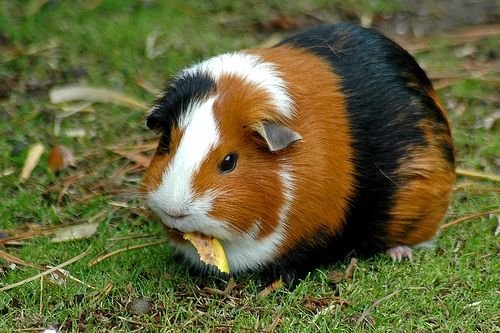
Scientific Name: Cavia porcellus
Class: Mammalia
Diet: Herbivore
The guinea pig is one of the most defenseless small mammals, with flat grinding teeth, no sharp claws, no shell, and little speed. In the wild, it has almost no way to fight off predators.
Interestingly, the guinea pig survives through social living and alertness. It stays close to its group and squeaks loud warnings to the others the moment danger appears.
Originally from the Andes of South America, guinea pigs now live worldwide as pets, feeding on hay, grasses, and vegetables.
As gentle herbivores, guinea pigs are cherished companions. Their wild relatives depend on the safety of numbers to endure constant predation.
Fun Fact: Wild guinea pigs rely on teamwork, with the whole group staying alert to warn each other of predators.
Tree Frog

Scientific Name: Hyla cinerea
Class: Amphibia
Diet: Carnivore
The tree frog is a small, soft-skinned amphibian with weak muscles and a fragile body. Its thin, moist skin offers little protection, making it easy prey for snakes, birds, and larger animals.
Moreover, the tree frog survives through camouflage and stealth. Its green or brown coloring helps it vanish among leaves, while it stays perfectly still to avoid being noticed.
Tree frogs inhabit forests, wetlands, and gardens across warm regions, hunting insects and other small invertebrates at night.
As both predator and prey, tree frogs are important indicators of environmental health. Pollution and habitat loss threaten many amphibians.
Fun Fact: Some tree frogs can change color slightly to better blend in with their surroundings.
Goldfish
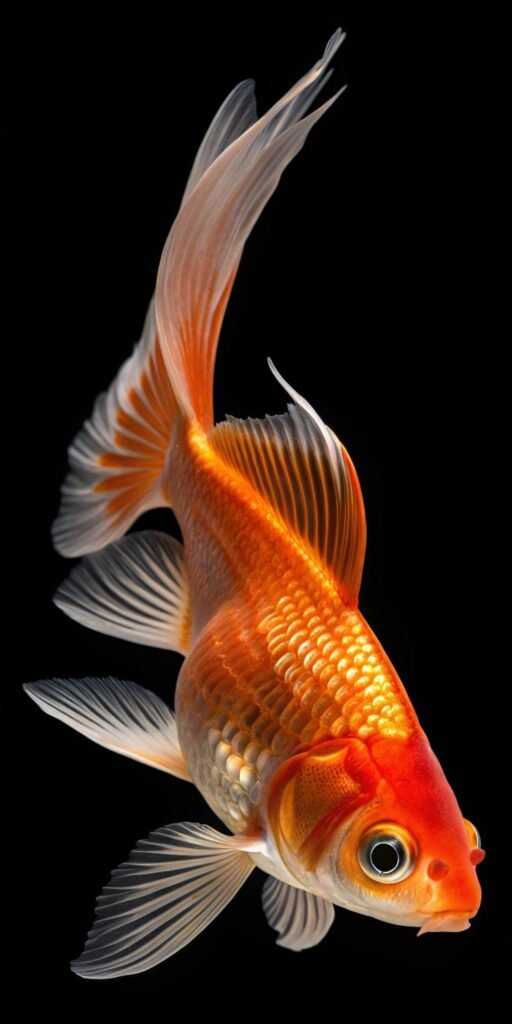
Scientific Name: Carassius auratus
Class: Actinopterygii
Diet: Omnivore
The goldfish is a gentle, weak-swimming fish with no natural defenses against predators. Slow and brightly colored, it is easily spotted and caught in the wild.
Interestingly, the goldfish’s bright coloring, bred for beauty, actually makes it more vulnerable. In natural waters, its lack of camouflage and slow movement leave it exposed to many hunters.
Originally from East Asia, goldfish now live in ponds and aquariums worldwide, feeding on plants, insects, and small aquatic creatures.
As adaptable omnivores, goldfish reflect the fragility of many small fish. Released pets can, however, become invasive and disrupt wild waterways.
Fun Fact: Goldfish have a far better memory than the myth suggests, able to remember things for months.
Opossum

Scientific Name: Didelphis virginiana
Class: Mammalia
Diet: Omnivore
The opossum is a small marsupial with very limited physical defenses and teeth not built for fighting. Slow and mild-mannered, it is easily overpowered by predators.
Moreover, the opossum’s most famous trick is “playing dead.” When terrified, it collapses and mimics a corpse, even producing a foul smell, hoping predators lose interest.
Opossums inhabit forests, farmlands, and urban areas across the Americas, feeding on insects, fruit, small animals, and scraps.
As opportunistic omnivores, opossums help clean up carrion and control pests, including ticks. Adaptable and widespread, they are of Least Concern.
Fun Fact: An opossum “playing possum” can stay in its death-like trance for hours until danger passes.
Koala
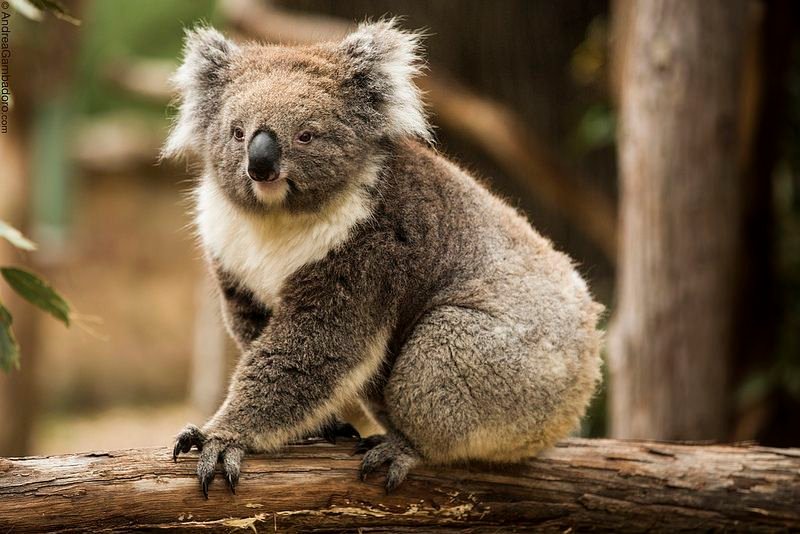
Scientific Name: Phascolarctos cinereus
Class: Mammalia
Diet: Herbivore
The koala is a slow, low-energy marsupial with little strength or speed to defend itself. Its nutrient-poor eucalyptus diet leaves it sleeping up to 20 hours a day.
Interestingly, this sluggish lifestyle makes the koala vulnerable on the ground. It moves awkwardly and slowly when it must leave the trees, unable to flee quickly from danger.
Koalas inhabit the eucalyptus woodlands of eastern and southeastern Australia, feeding almost exclusively on eucalyptus leaves.
As specialized browsers, koalas are woven into the health of their forests. Bushfires, disease, and habitat loss have made some populations Endangered.
Fun Fact: Koalas get so little energy from eucalyptus that they must rest most of the day to survive.
Chicken
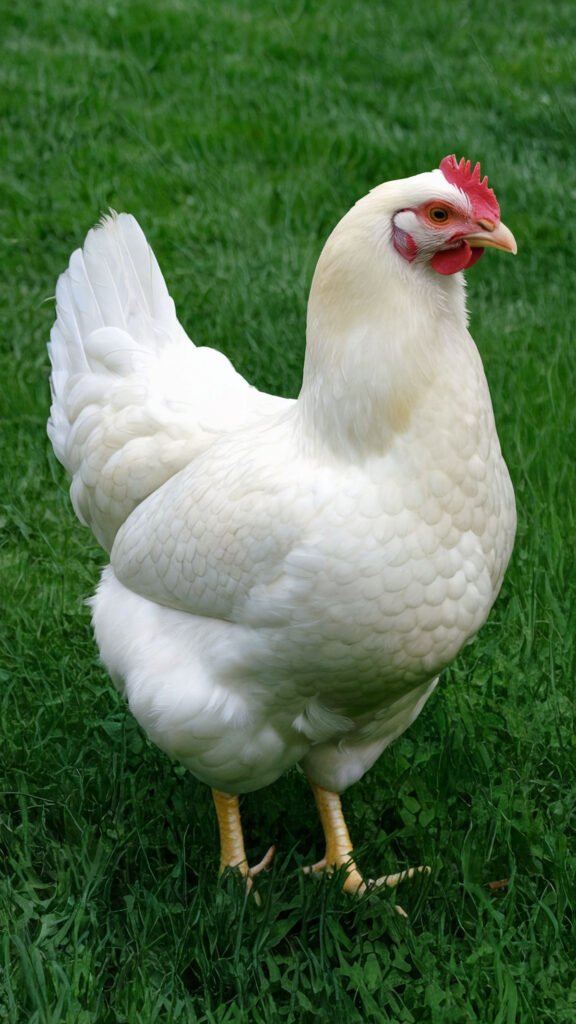
Scientific Name: Gallus gallus domesticus
Class: Aves
Diet: Omnivore
The chicken is a largely defenseless bird, poorly equipped to escape or fight off predators. It can barely fly and is an easy target for foxes, hawks, and other hunters.
Moreover, the domestic chicken has become even more vulnerable through breeding. Bred for size and eggs rather than survival, it relies almost entirely on human protection to stay safe.
Chickens are kept worldwide as farm birds, descended from wild jungle fowl, and feed on seeds, insects, and scraps.
As domesticated birds, chickens are among the most common animals on Earth. Their weakness in the wild is offset by living under human care.
Fun Fact: Despite their reputation, chickens are surprisingly intelligent and can recognize dozens of individual faces.
Pigeon

Scientific Name: Columba livia
Class: Aves
Diet: Herbivore
The pigeon is a soft, mild bird with few defenses beyond its ability to fly. Gentle and trusting, it is frequently hunted by hawks, falcons, and cats in cities and countryside alike.
Interestingly, the pigeon survives largely through numbers and flight. Flocking together and taking off quickly are its main ways to avoid the many predators that target it.
Pigeons inhabit cities, farmland, and cliffs across much of the world, feeding on seeds, grains, and scraps.
As adaptable birds, pigeons thrive alongside humans despite heavy predation. Widespread and successful, they are of Least Concern.
Fun Fact: Pigeons are remarkable navigators and were once used to carry messages across great distances.
Sheep
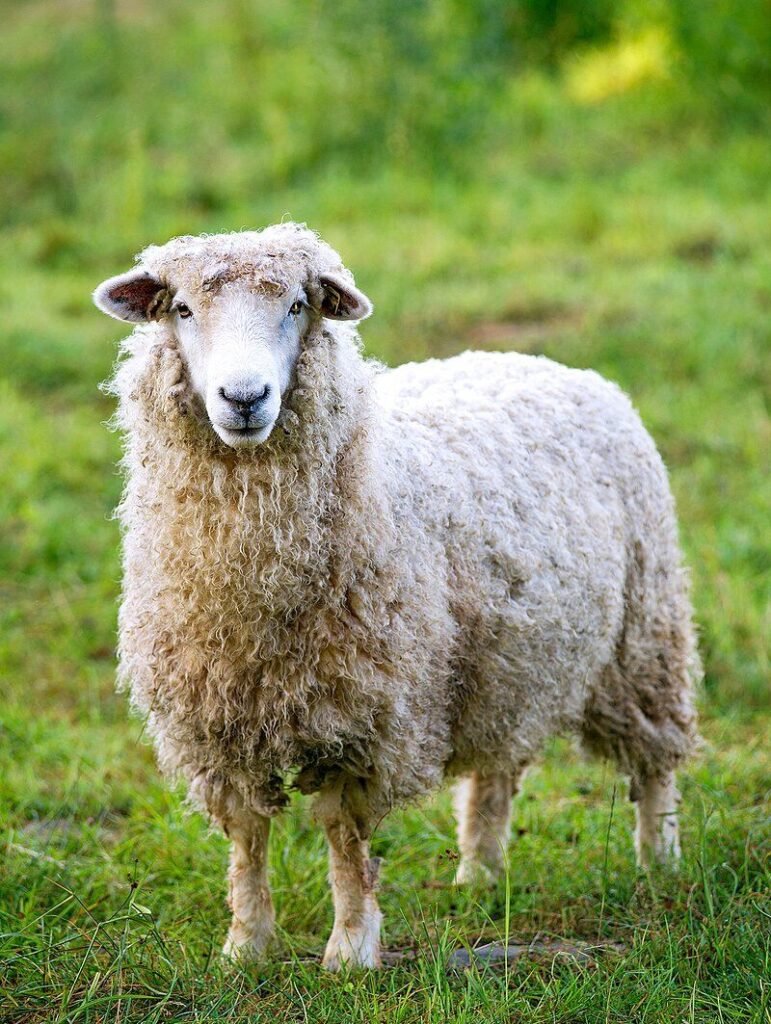
Scientific Name: Ovis aries
Class: Mammalia
Diet: Herbivore
The sheep is a gentle, weak prey animal with no real means of defense against predators. Without sharp claws, strong jaws, or great speed, it depends heavily on the safety of the flock.
Moreover, the sheep’s timid nature adds to its vulnerability. It panics easily and scatters when threatened, relying on numbers and human protection rather than fighting back.
Sheep are raised worldwide as livestock, grazing on grasses and other low vegetation across pastures and hillsides.
As domesticated grazers, sheep have provided wool and food for thousands of years. Their weakness in the wild is offset by living under human care.
Fun Fact: Sheep have excellent memories and can recognize the faces of dozens of other sheep and humans.
Deer
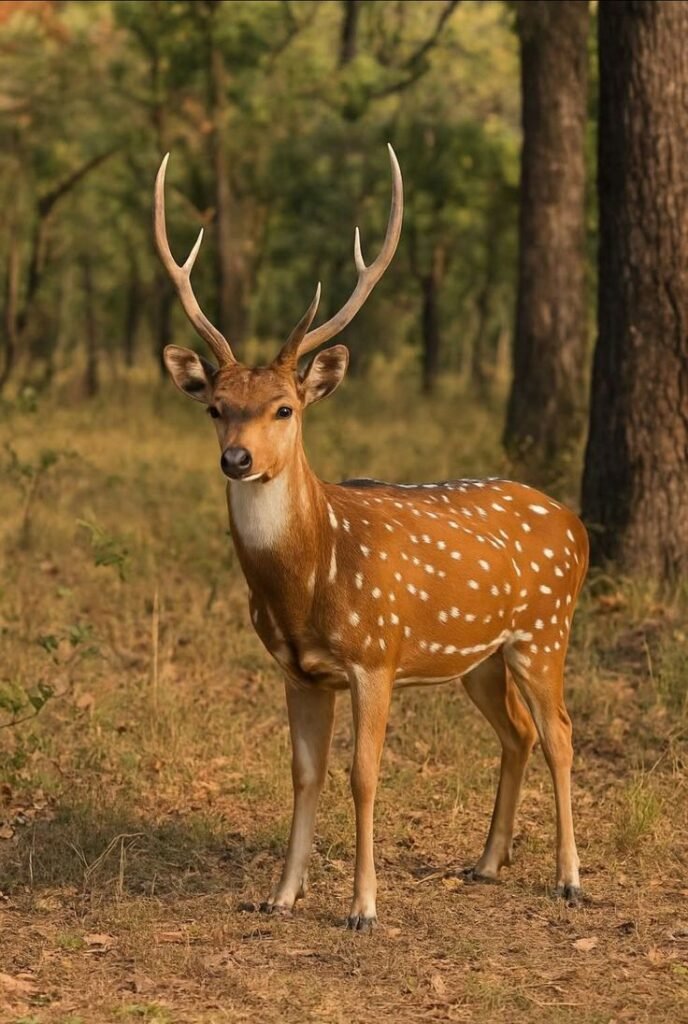
Scientific Name: Odocoileus virginianus
Class: Mammalia
Diet: Herbivore
The deer may be graceful, but it is a fundamentally weak prey animal that avoids all confrontation. Apart from a buck’s seasonal antlers, it has little means to fight off predators.
Interestingly, the deer’s survival depends entirely on alertness and escape. It relies on keen senses, camouflage, and explosive bursts of speed to flee danger rather than stand its ground.
White-tailed deer inhabit the forests, grasslands, and farmlands of the Americas, browsing on leaves, twigs, fruit, and grasses.
As browsers, deer shape plant communities and support predators. Widespread and adaptable, they are of Least Concern.
Fun Fact: A deer raises its white tail like a flag to silently warn the herd of approaching danger.
Hedgehog
Scientific Name: Erinaceus europaeus
Class: Mammalia
Diet: Omnivore
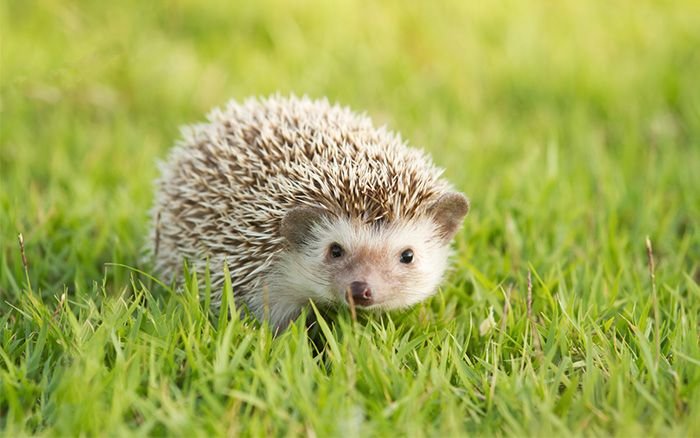
The hedgehog is a small, physically weak mammal whose only real defense is its coat of spines. Without them, it would be almost helpless against predators.
Moreover, when threatened, the hedgehog curls into a tight, prickly ball, tucking away its soft face and legs. Beyond this trick, it has little strength or speed to protect itself.
Hedgehogs inhabit woodlands, hedgerows, and gardens across Europe, Asia, and Africa, feeding on insects, worms, and other small creatures.
As natural pest controllers, hedgehogs are valuable garden allies. Populations in some regions are declining due to habitat loss and roads.
Fun Fact: A hedgehog can have around 5,000 spines, each lasting about a year before being replaced.
Kiwi

Scientific Name: Apteryx mantelli
Class: Aves
Diet: Omnivore
The kiwi is a small, flightless bird from New Zealand that is remarkably weak and defenseless. Unable to fly and lacking strong defenses, it is easily attacked by introduced predators.
Interestingly, the kiwi evolved in a land without native mammalian hunters. This left it poorly equipped to deal with dogs, cats, and stoats brought by humans, relying only on nocturnal hiding.
Kiwis inhabit the forests and grasslands of New Zealand, foraging at night for insects, worms, and fallen fruit.
As ground foragers, kiwis are cultural icons of New Zealand. Habitat loss and introduced predators have made several species Vulnerable.
Fun Fact: The kiwi lays one of the largest eggs relative to body size of any bird in the world.
Leafcutter Ant
Scientific Name: Atta cephalotes
Class: Insecta
Diet: Herbivore
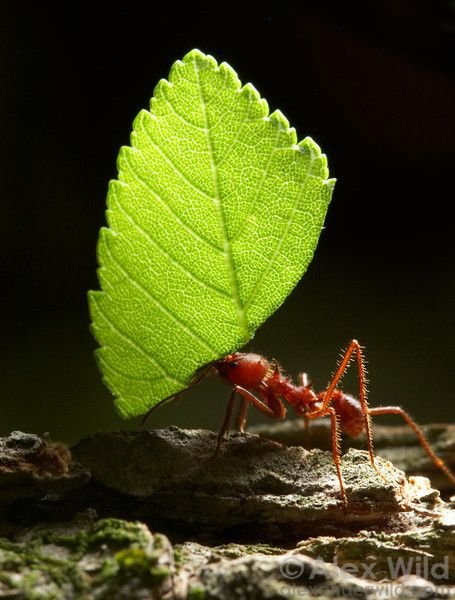
The leafcutter ant is tiny and defenseless as an individual, easily falling prey to larger insects, birds, and other predators. Alone, a single ant stands almost no chance.
Moreover, the leafcutter ant’s strength lies entirely in its colony. Working together in the millions, these ants achieve incredible feats, but each one is fragile and expendable on its own.
Leafcutter ants inhabit the forests and grasslands of Central and South America, cutting leaves to farm the fungus they eat.
As farmers and recyclers, leafcutter ants shape their ecosystems. Individually weak, they thrive through the sheer power of cooperation.
Fun Fact: Leafcutter ants can carry pieces of leaf up to 50 times their own body weight.
Sea Cucumber

Scientific Name: Holothuria forskali
Class: Holothuroidea
Diet: Detritivore
The sea cucumber is a soft, slow, and utterly weak marine animal with no bones or fast movement. Lying on the seafloor, it seems almost completely helpless.
Interestingly, the sea cucumber has a bizarre last-ditch defense. When threatened, it can expel its sticky internal organs to entangle or distract a predator, later regenerating the lost parts.
Sea cucumbers inhabit ocean floors worldwide, from shallow reefs to the deep sea, feeding on decaying matter in the sediment.
As recyclers, sea cucumbers clean and enrich the seabed. Overharvesting for food threatens some populations around the world.
Fun Fact: A sea cucumber can eject its own organs to escape danger, then grow them back over time.
Starfish

Scientific Name: Asterias rubens
Class: Asteroidea
Diet: Carnivore
The starfish is a slow-moving marine invertebrate with no brain and very little strength. Gliding on tiny tube feet, it cannot flee quickly from danger.
Moreover, the starfish’s main survival trick is regeneration. If a predator tears off an arm, it can regrow the limb, and some species can even rebuild an entire body from a single arm.
Starfish inhabit oceans worldwide, from tide pools to the deep sea, feeding on clams, mussels, and other slow prey.
As predators, starfish help shape marine communities. Warming seas and disease outbreaks threaten some species.
Fun Fact: A starfish has no blood, using filtered seawater to move its hundreds of tiny tube feet.
Moth
Scientific Name: Actias luna
Class: Insecta
Diet: Herbivore
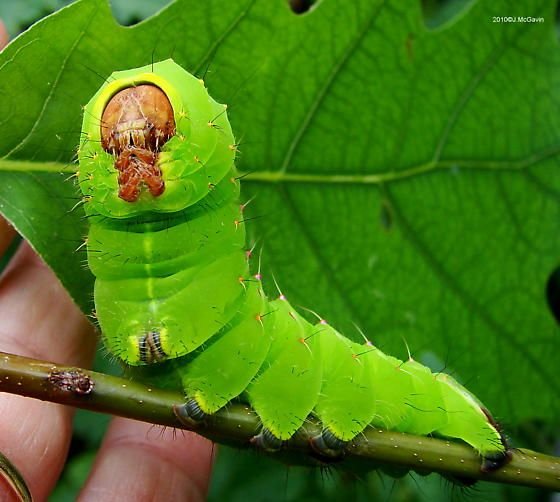
The moth is a fragile, soft-bodied insect with delicate wings and no real defenses. Slow and easily caught, it is a favorite meal for bats, birds, and spiders.
Interestingly, the moth relies entirely on camouflage and trickery. Many blend into bark or leaves, while others flash large eyespots to startle predators for a precious moment.
Moths are found across the world, from forests to gardens, with many species feeding on nectar, though some adults do not eat at all.
As pollinators and prey, moths are vital to many ecosystems. Light pollution and habitat loss threaten numerous moth species.
Fun Fact: The luna moth has no mouth as an adult and lives only about a week, relying on stored energy.
Newt
Scientific Name: Lissotriton vulgaris
Class: Amphibia
Diet: Carnivore
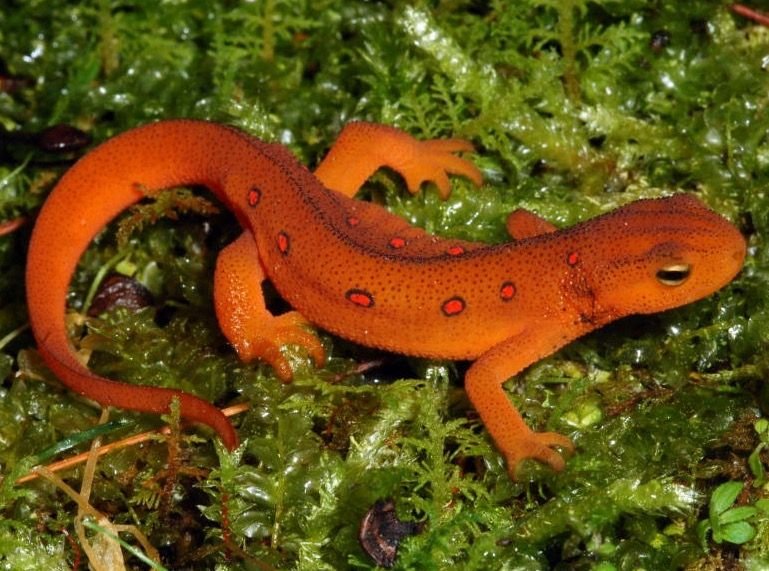
The newt is a small, soft-bodied amphibian with weak limbs and fragile, moist skin. Slow-moving on land and delicate all over, it is easily caught by many predators.
Moreover, the newt’s main defense is a mild toxin in its skin, which makes it unpleasant to eat. Beyond this, it has little strength or speed to protect itself.
Newts inhabit ponds, wetlands, and damp woodlands across Europe and Asia, feeding on insects, worms, and other small invertebrates.
As both predator and prey, newts are important indicators of a healthy environment. Pollution and habitat loss threaten many amphibians.
Fun Fact: Newts can regrow lost limbs, tails, and even parts of their eyes and hearts.
Quokka
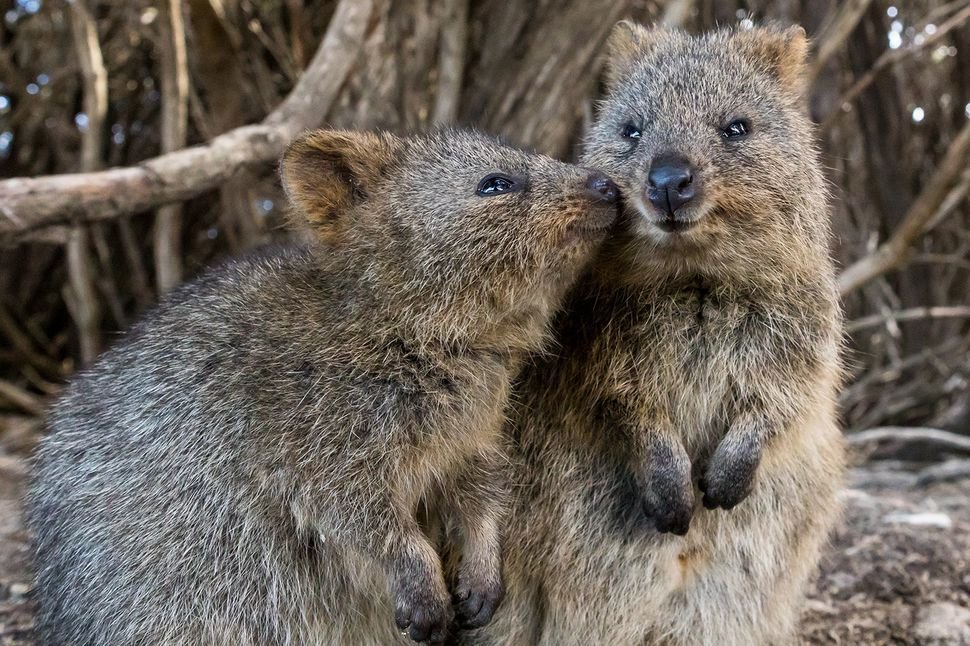
Scientific Name: Setonix brachyurus
Class: Mammalia
Diet: Herbivore
The quokka is a small, gentle marsupial with almost no defenses against predators. Friendly and slow, it is easily caught by introduced animals like foxes and cats.
Interestingly, the quokka evolved on predator-free islands, which left it trusting and defenseless. This makes it especially vulnerable wherever new predators have been introduced.
Quokkas live on a few islands off Western Australia, especially Rottnest Island, feeding on grasses, leaves, and shrubs.
As grazers, quokkas help shape their island vegetation. Habitat loss and introduced predators have made them Vulnerable.
Fun Fact: The quokka is often called “the happiest animal in the world” because of its smiling face.
Seahorse
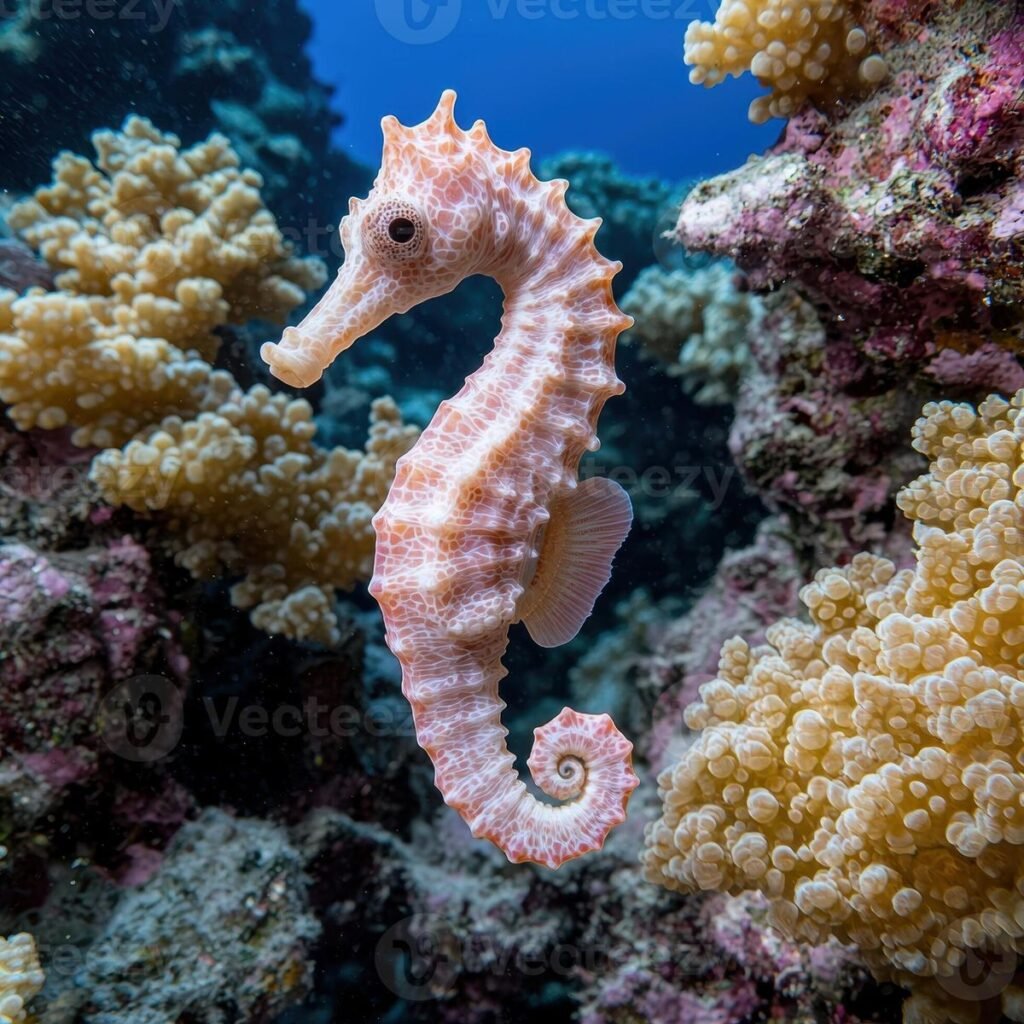
Scientific Name: Hippocampus hippocampus
Class: Actinopterygii
Diet: Carnivore
The seahorse is one of the weakest swimmers in the ocean, drifting slowly and easily swept away by currents. Tiny and fragile, it is poorly equipped to escape predators.
Moreover, the seahorse’s main survival strategy is hiding. It anchors itself to seagrass or coral with its tail and uses camouflage to blend in, since it cannot flee with any speed.
Seahorses inhabit shallow tropical and temperate waters, especially seagrass beds, coral reefs, and mangroves around the world.
As delicate predators, seahorses help control tiny crustacean populations. Habitat loss and overharvesting threaten many seahorse species.
Fun Fact: The seahorse is one of the slowest fish in the world, and in seahorses it is the male that gives birth.
Read: Snakes With Triangular Heads
Read: Animals Like Meerkats in The World
Read: Animals Similar to Foxes
Read: Animals That Live on Mountains
Read: Animals That Eat Corn
Frequently Asked Questions
Conclusion
From brainless jellyfish to slow-moving sloths, the world’s weakest animals prove that survival does not always depend on strength. Each species whether a defenseless earthworm, a trusting quokka, or a fragile seahorse has found clever ways to endure through camouflage, hiding, playing dead, or the safety of numbers. Though physically frail, these creatures form the very foundation of food chains and keep entire ecosystems alive.