Top 10 Animals with No Teeth (With Images)
How do you eat when you have no teeth at all? For a surprising number of animals, the answer is a masterclass in adaptation. The animals with no teeth have traded jaws full of teeth for sticky tongues, filtering plates, powerful beaks, and grinding pads. Far from a disadvantage, toothlessness is often perfectly suited to their diets and lifestyles.
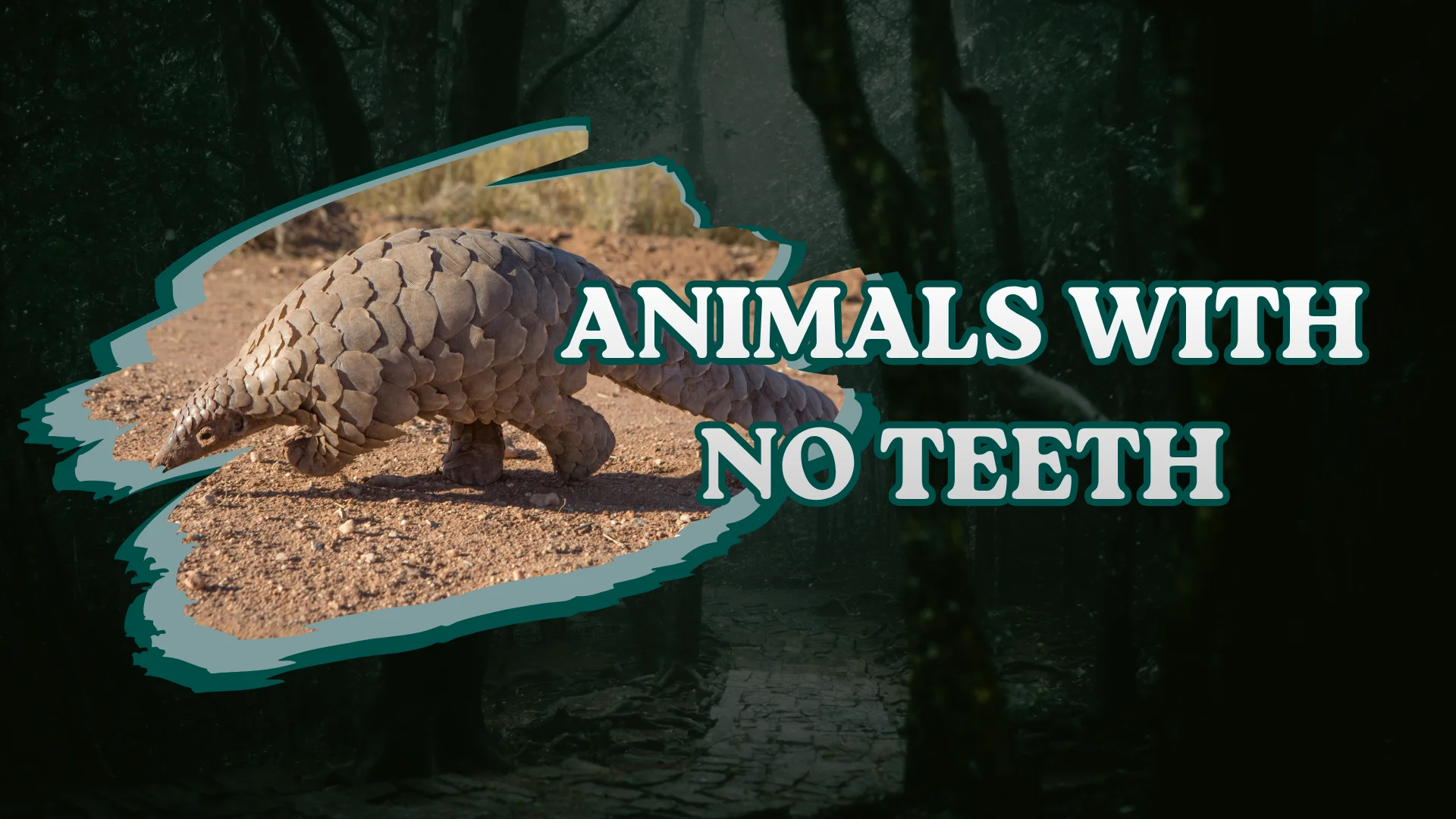
From the largest animal that ever lived to a tiny seahorse sipping its meals, these creatures thrive without ever taking a bite. Let’s explore the most fascinating toothless animals on Earth and the ingenious ways they feed and survive without a single tooth.
Quick List Table
| Rank | Animal Name | Scientific Name |
|---|---|---|
| 1 | Giant Anteater | Myrmecophaga tridactyla |
| 2 | Giant Pangolin | Smutsia gigantea |
| 3 | Blue Whale | Balaenoptera musculus |
| 4 | Green Sea Turtle | Chelonia mydas |
| 5 | Ostrich | Struthio camelus |
| 6 | Short-Beaked Echidna | Tachyglossus aculeatus |
| 7 | Seahorse | Hippocampus species |
| 8 | Platypus | Ornithorhynchus anatinus |
| 9 | Cane Toad | Rhinella marina |
| 10 | Galápagos Giant Tortoise | Chelonoidis niger |
Giant Anteater
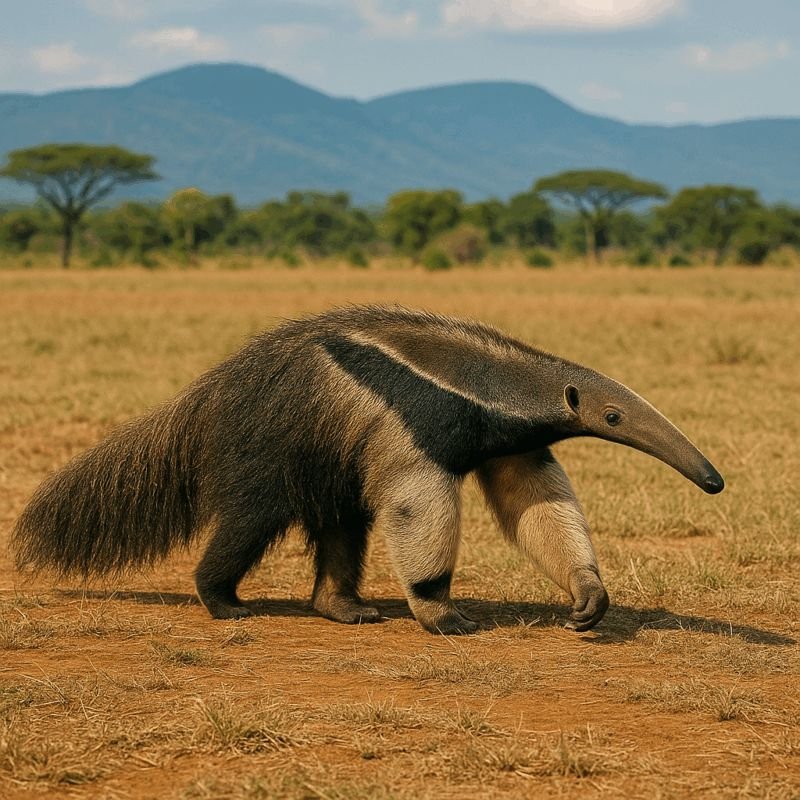
Scientific Name: Myrmecophaga tridactyla
Class: Mammalia
Diet: Carnivore (insects)
The giant anteater is one of the most famous toothless animals in the world. Despite eating tens of thousands of insects daily, it has no teeth at all. Instead, it relies entirely on a long, sticky tongue to feed.
Interestingly, the anteater swallows ants and termites whole without chewing. Hard plates and strong muscles in its stomach grind up the insects, along with small stones it swallows. This clever system replaces the need for teeth entirely.
Giant anteaters live in the grasslands and rainforests of Central and South America. As insectivores, they lap up ants and termites from nests, moving on before depleting any single colony.
Moreover, anteaters help regulate insect populations across their range. Habitat loss and hunting have made them vulnerable, highlighting the need for grassland conservation.
Fun Fact: The anteater swallows small stones that help grind up insects inside its stomach.
Giant Pangolin
Scientific Name: Smutsia gigantea
Class: Mammalia
Diet: Carnivore (insects)
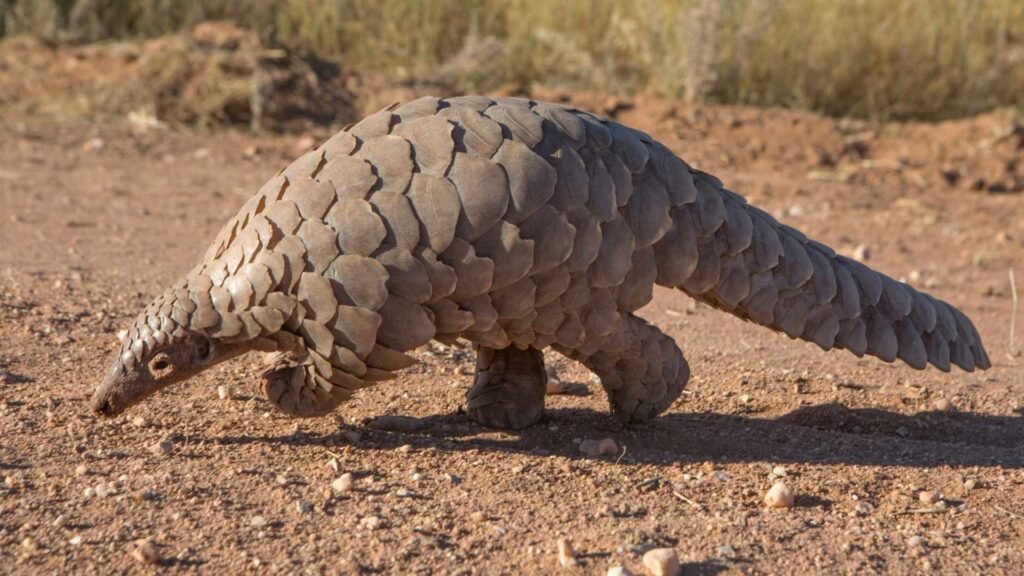
The giant pangolin is another toothless insect-eater, feeding entirely with its long tongue. It swallows ants and termites whole, without a single tooth to chew them. Its unique body has evolved to handle this specialized diet.
What sets the pangolin apart is its muscular, keratin-lined stomach. Like the anteater, it swallows small stones that grind up insects internally. Its powerful claws break open nests, and its tongue does the rest.
Giant pangolins live in the forests and savannas of central and West Africa. As insectivores, they feed on ants and termites, playing a valuable role in controlling insect numbers.
Moreover, pangolins are important for healthy ecosystems. Tragically, they are among the most trafficked mammals on Earth, making them critically threatened.
Blue Whale
Scientific Name: Balaenoptera musculus
Class: Mammalia
Diet: Carnivore (krill)
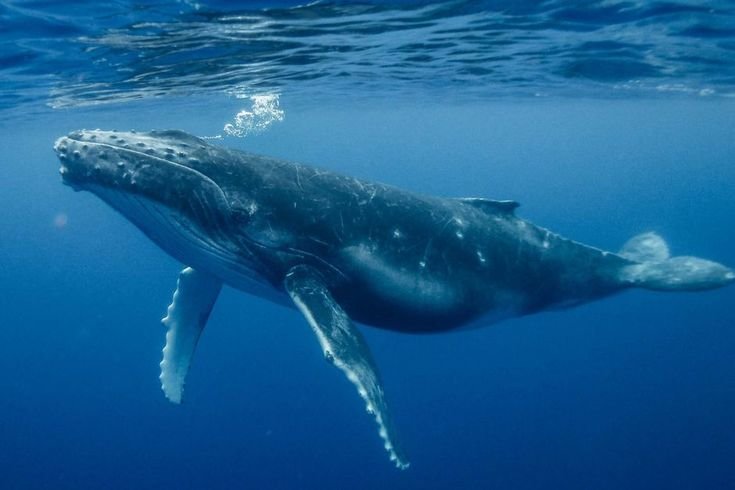
The blue whale, the largest animal that has ever lived, has no teeth whatsoever. Instead of teeth, it has plates of baleen that filter tiny prey from the water. This filtering system feeds the biggest body on the planet.
Interestingly, the blue whale takes in huge mouthfuls of water swarming with krill. It then pushes the water out through its baleen plates, trapping the krill inside to swallow. This lets it consume several tons of food each day.
Blue whales live in oceans around the world, migrating vast distances between feeding and breeding grounds. As filter feeders, they rely almost entirely on tiny shrimp-like krill.
Moreover, blue whales play a key role in ocean nutrient cycles. Once nearly hunted to extinction, they remain endangered and depend on continued protection.
Fun Fact: A blue whale can eat several tons of tiny krill in a single day using only baleen.
Green Sea Turtle
Scientific Name: Chelonia mydas
Class: Reptilia
Diet: Herbivore (seagrass, algae)
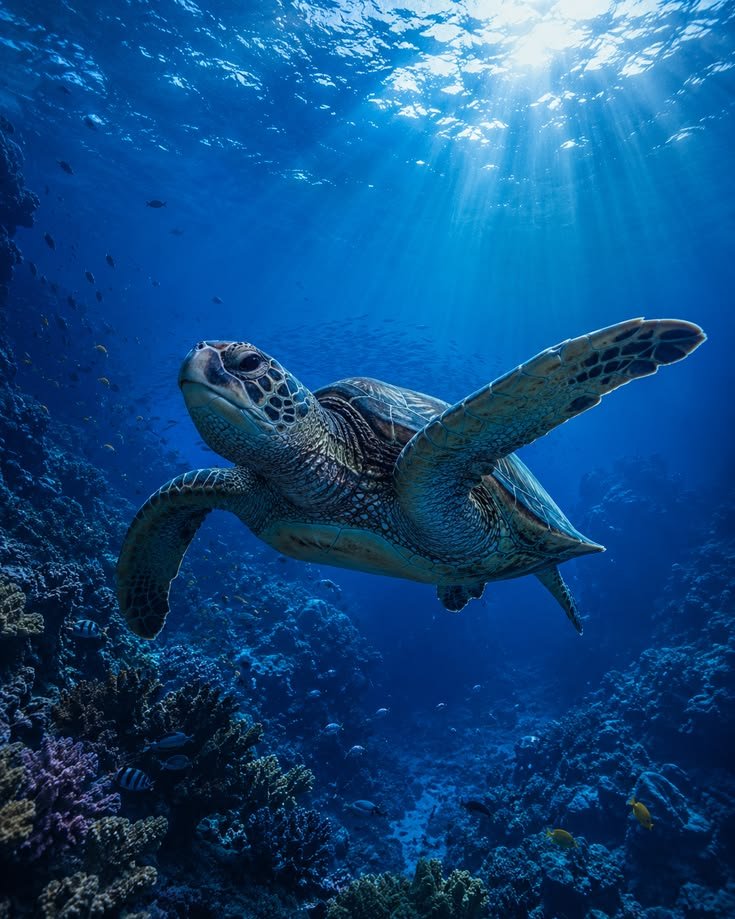
The green sea turtle has no teeth, relying instead on a sharp, beak-like mouth. Its serrated jaw edges are perfect for tearing plants. This toothless design suits its largely vegetarian diet.
What sets the green turtle apart is its finely serrated beak. The jagged edges act like a saw, slicing through tough seagrass and algae. Adult green turtles are among the few reptiles that eat mostly plants.
Green sea turtles live in warm coastal waters and seagrass beds around the world. As herbivores, they graze on seagrass and algae, helping keep these underwater meadows healthy.
Moreover, green turtles maintain seagrass beds that support countless marine species. Threats such as bycatch, pollution, and habitat loss have made them endangered.
Ostrich
Scientific Name: Struthio camelus
Class: Aves
Diet: Omnivore
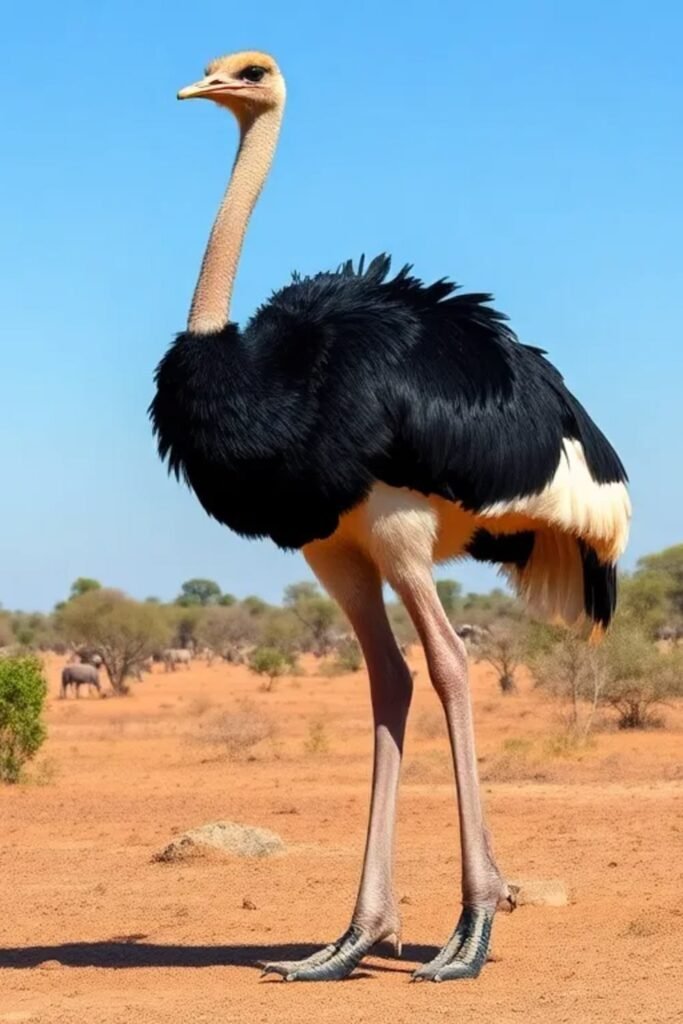
The ostrich, like all birds, has no teeth in its beak. The largest and heaviest living bird, it swallows its food whole. It relies on a special internal organ to break down meals.
Interestingly, the ostrich swallows pebbles and grit that collect in its muscular gizzard. There, the stones grind up seeds, plants, and insects, doing the work that teeth would otherwise perform. This is common to many birds.
Ostriches live in the savannas and semi-deserts of Africa. As omnivores, they eat plants, seeds, insects, and small animals, foraging across wide open landscapes.
Moreover, ostriches disperse seeds and are an iconic part of African grasslands. They remain widespread, both in the wild and on farms.
Fun Fact: An ostrich swallows stones to help grind up food inside its muscular gizzard.
Short-Beaked Echidna
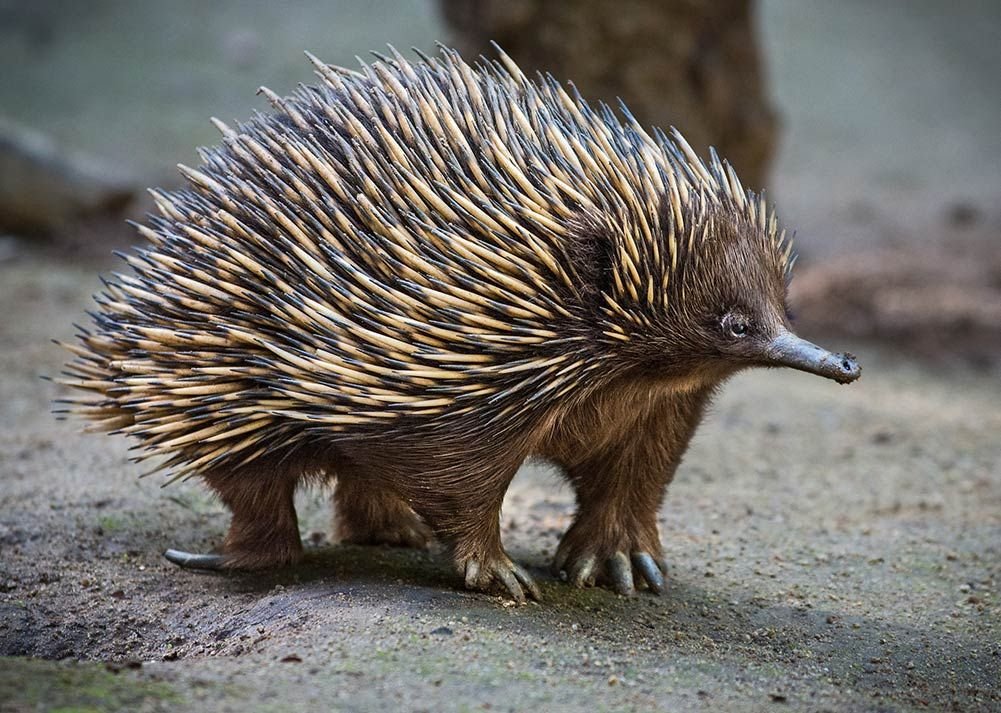
Scientific Name: Tachyglossus aculeatus
Class: Mammalia
Diet: Carnivore (ants, termites)
The short-beaked echidna is a toothless, egg-laying mammal that feeds on ants and termites. It has no teeth to chew its prey. Instead, it uses a long, sticky tongue and a clever grinding method.
What sets the echidna apart is how it processes food. It crushes insects between hard pads at the base of its tongue and the roof of its mouth. This toothless grinding lets it survive on a diet of tiny insects.
Echidnas live across Australia and New Guinea, in habitats from deserts to forests. As insectivores, they use strong claws to open nests and lap up ants and termites.
Moreover, echidnas help control insect populations. They remain widespread and are among Australia’s most successful native mammals.
Seahorse
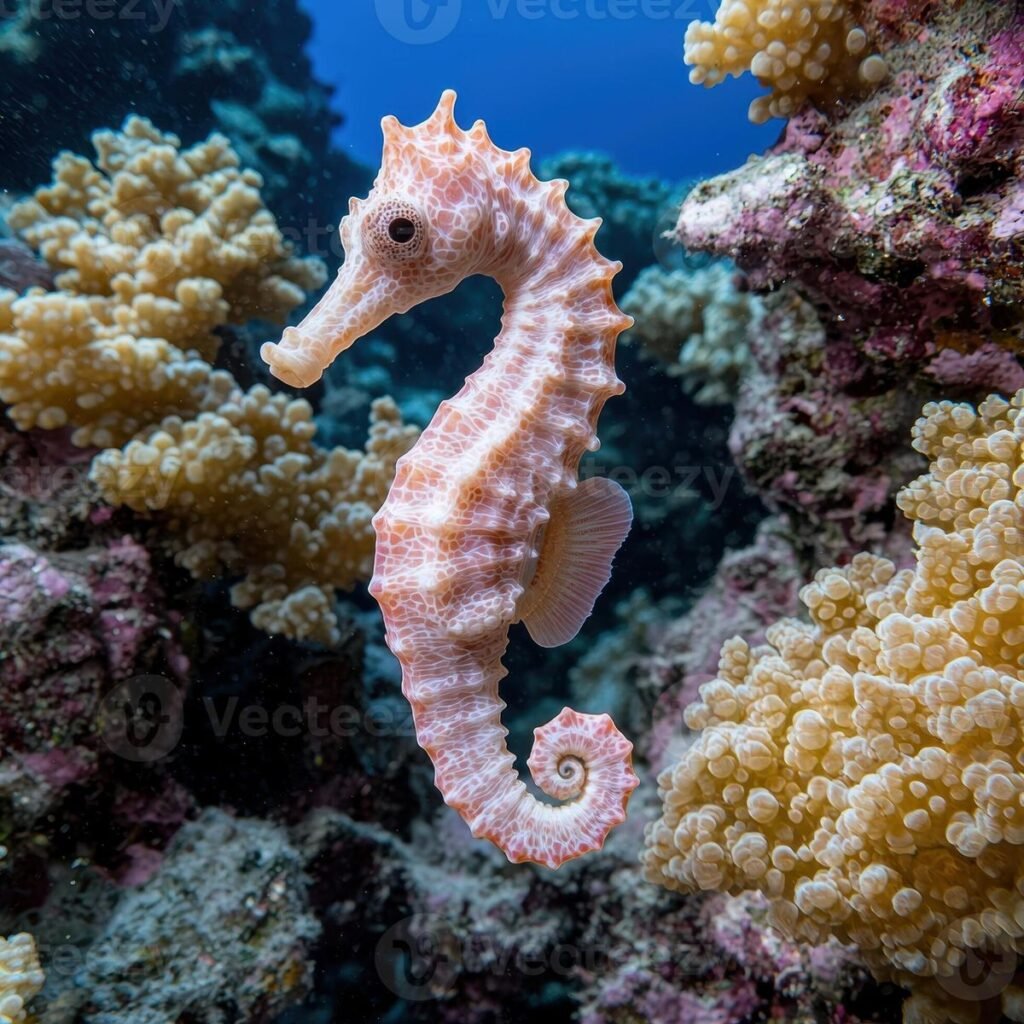
Scientific Name: Hippocampus species
Class: Actinopterygii
Diet: Carnivore (tiny crustaceans)
The seahorse is a toothless fish that feeds in a truly unusual way. With no teeth and no true stomach, it relies entirely on suction. Its tube-shaped snout is the secret to its feeding.
Interestingly, the seahorse sucks up tiny prey through its long snout like a straw. Because it cannot chew, it must eat almost constantly to get enough nutrients. Its lack of teeth is no obstacle to its steady appetite.
Seahorses live among seagrass beds, reefs, and mangroves in oceans worldwide. As carnivores, they feed on tiny crustaceans and plankton drifting within reach.
Moreover, seahorses are indicators of healthy coastal ecosystems. Habitat loss and collection for trade threaten many seahorse populations.
Fun Fact: With no teeth or stomach, a seahorse must eat almost constantly to survive.
Platypus
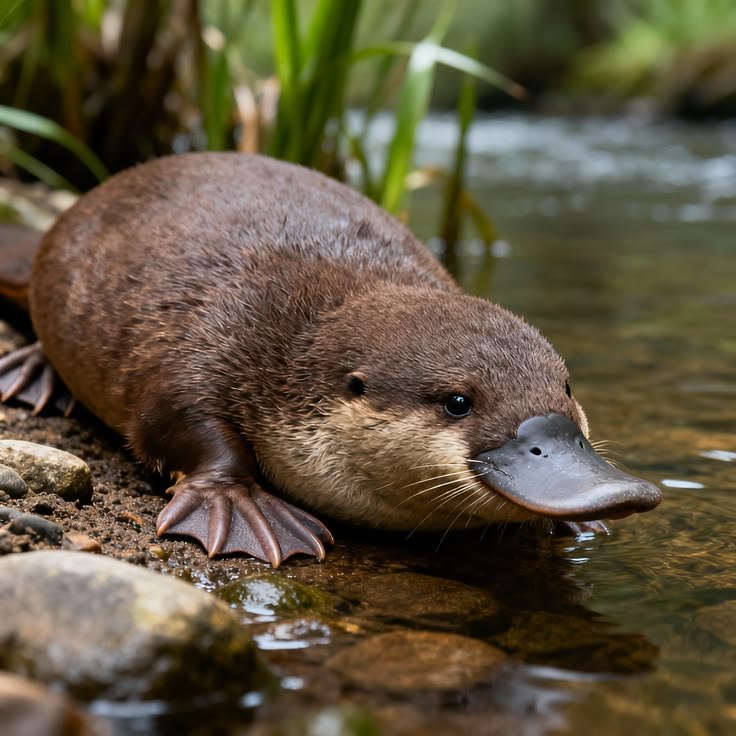
Scientific Name: Ornithorhynchus anatinus
Class: Mammalia
Diet: Carnivore (invertebrates)
The platypus is a toothless oddity, one of the world’s few egg-laying mammals. Adult platypuses have no teeth at all. Instead, they use tough grinding pads inside their bills.
What sets the platypus apart is its feeding method. It scoops up prey and gravel from the riverbed, storing them in cheek pouches. At the surface, it grinds the food between horny pads that replace teeth entirely.
Platypuses live in the freshwater rivers and streams of eastern Australia. As carnivores, they hunt insects, larvae, and small crustaceans, detecting prey with electroreceptors in their bills.
Moreover, the platypus is a unique indicator of healthy waterways. Habitat loss and drought have raised growing concern for its future.
Cane Toad
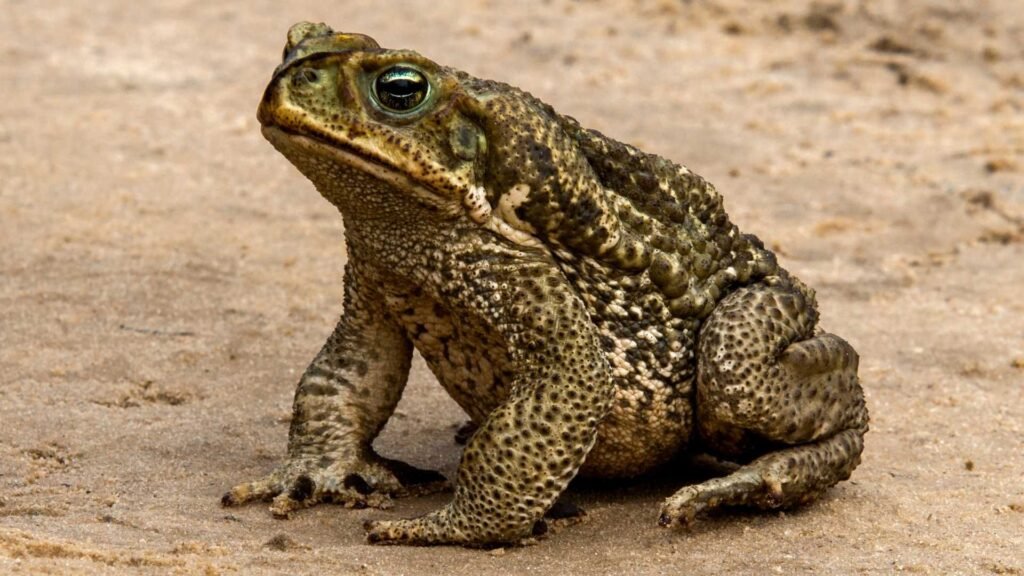
Scientific Name: Rhinella marina
Class: Amphibia
Diet: Carnivore (insects, small animals)
The cane toad, like other true toads, has no teeth in its lower jaw and cannot chew. This large amphibian simply swallows its prey whole. Its feeding relies on a fast, sticky tongue rather than teeth.
Interestingly, the cane toad flicks out its tongue to grab insects and gulps them down entire. It even uses its eyes to help swallow, pressing them downward to push food into its throat. Chewing is unnecessary for this ambush eater.
Cane toads are native to Central and South America but have spread widely elsewhere. As carnivores, they eat insects, spiders, and small animals, adapting to many environments.
Moreover, cane toads are a cautionary example of an invasive species outside their native range. Where native, they are simply part of the local food web.
Fun Fact: A toad presses its eyes down into its mouth to help push food down its throat.
Galápagos Giant Tortoise
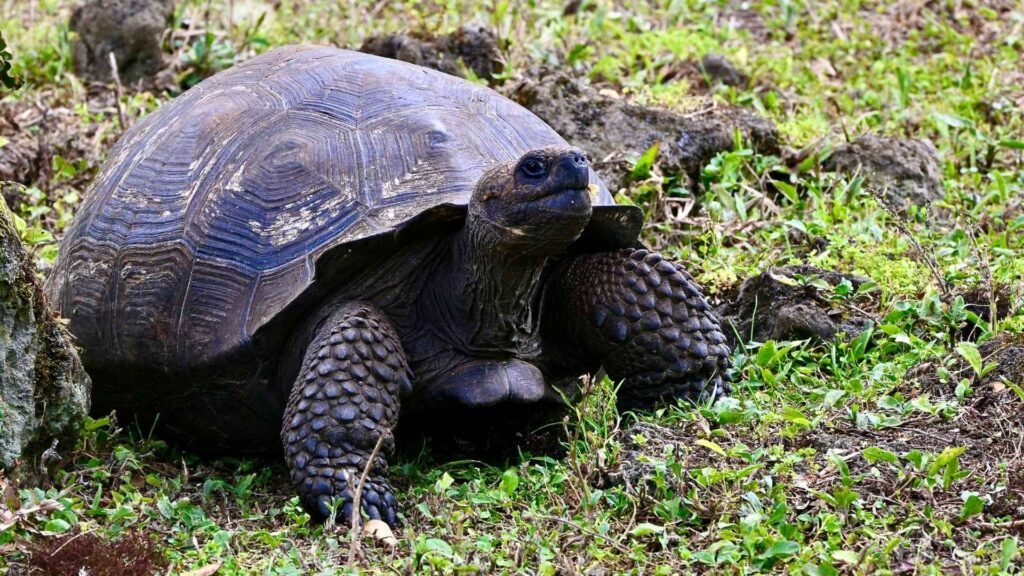
Scientific Name: Chelonoidis niger
Class: Reptilia
Diet: Herbivore
The Galápagos giant tortoise has no teeth, feeding instead with a strong, horny beak. One of the largest tortoises on Earth, it crops plants with sharp jaw edges. This toothless mouth suits its slow, plant-based lifestyle.
What sets this tortoise apart is its powerful beak. The hard, sharp edges slice through grasses, leaves, and cactus with ease. It grinds tough plants using the beak rather than any teeth.
Galápagos giant tortoises live only on the Galápagos Islands off Ecuador. As herbivores, they feed on grasses, leaves, and cactus, shaping the vegetation of their island homes.
Moreover, these tortoises are vital seed dispersers and ecosystem engineers. Once devastated by hunting, they are now a focus of dedicated conservation.
Fun Fact: Galápagos giant tortoises can live over a century, cropping plants with their sharp beaks.
Read: Animals That Live on Mountains
Read: Aggressive Animals in the World
Read: Animals With Webbed Feet in The World
Read: Animals That Sleep a Lot in The World
Frequently Asked Questions
Conclusion
From the mighty blue whale to the tiny seahorse, the animals with no teeth prove that survival never depends on a single design. Each has evolved an ingenious alternative, whether a filtering baleen, a grinding gizzard, or a sharp horny beak, perfectly matched to its diet. In feeding without teeth, these animals fill vital roles, from controlling insects to maintaining seagrass meadows and dispersing seeds.