Top 20 Animals That Are Skinny in The World (With Images)
Did you know that one of the world’s skinniest snakes is as thin as a strand of spaghetti? In the animal kingdom, a slender body is rarely a sign of poor health it is often a brilliant adaptation for speed, stealth, or survival. The world’s skinniest animals use their lean frames to sprint across plains, slip into tight burrows, or vanish among twigs and reeds.
From aerodynamic cheetahs to twig-like stick insects, these thin creatures reveal how evolution shapes bodies for a purpose. In this guide, we’ll explore the top 20 animals that are skinny, uncovering the fascinating reasons behind their slender forms and why they thrive.
List of Animals That Are Skinny
| Rank | Animal | Scientific Name |
|---|---|---|
| 1 | Cheetah | Acinonyx jubatus |
| 2 | Greyhound | Canis lupus familiaris |
| 3 | Whippet | Canis lupus familiaris |
| 4 | Saluki | Canis lupus familiaris |
| 5 | Flamingo | Phoenicopterus roseus |
| 6 | Great Egret | Ardea alba |
| 7 | Thomson’s Gazelle | Eudorcas thomsonii |
| 8 | Stick Insect | Carausius morosus |
| 9 | Praying Mantis | Mantis religiosa |
| 10 | Weasel | Mustela nivalis |
| 11 | Stoat | Mustela erminea |
| 12 | Slender Loris | Loris tardigradus |
| 13 | Vine Snake | Ahaetulla nasuta |
| 14 | Barbados Threadsnake | Tetracheilostoma carinatum |
| 15 | Needlefish | Belone belone |
| 16 | Sphynx Cat | Felis catus |
| 17 | Meerkat | Suricata suricatta |
| 18 | Impala | Aepyceros melampus |
| 19 | Roadrunner | Geococcyx californianus |
| 20 | Grey Heron | Ardea cinerea |
Cheetah
Scientific Name: Acinonyx jubatus
Class: Mammalia
Diet: Carnivore
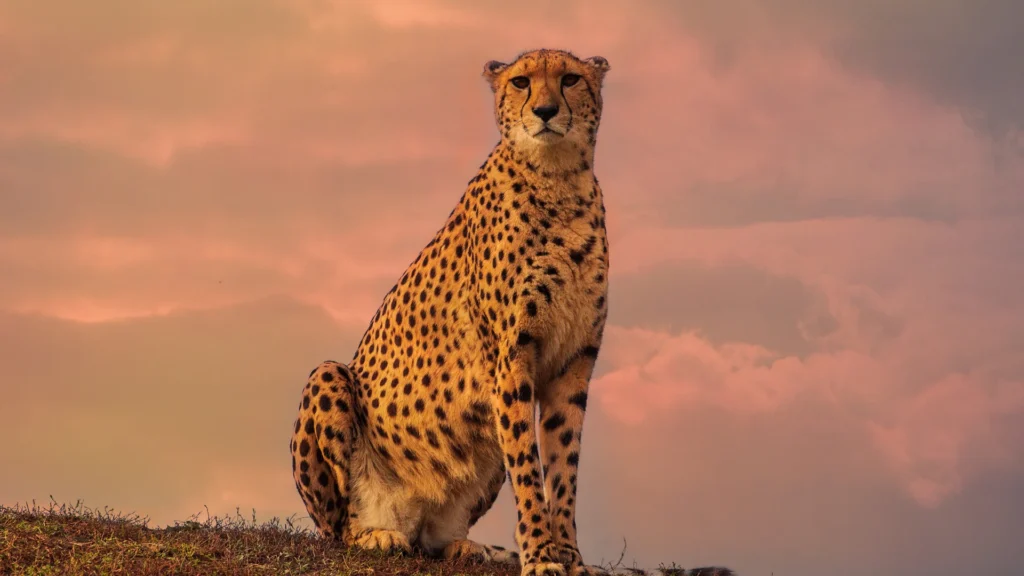
The cheetah is a sleek, skinny big cat built entirely for speed. Its narrow frame, lightweight bones, and flexible spine make it the fastest land animal, reaching around 70 miles per hour.
Interestingly, the cheetah’s slender body is a finely tuned racing machine. Its lean muscles and small head reduce weight, while its long legs and spine stretch to cover enormous ground in each stride.
Cheetahs roam the savannas and grasslands of sub-Saharan Africa, with a small population in Iran, hunting swift prey like gazelles.
As specialized predators, cheetahs help keep herbivore populations in balance. Habitat loss and human conflict have made them Vulnerable.
Fun Fact: A cheetah can accelerate from 0 to 60 miles per hour in just three seconds, faster than most cars.
Greyhound
Scientific Name: Canis lupus familiaris
Class: Mammalia
Diet: Carnivore
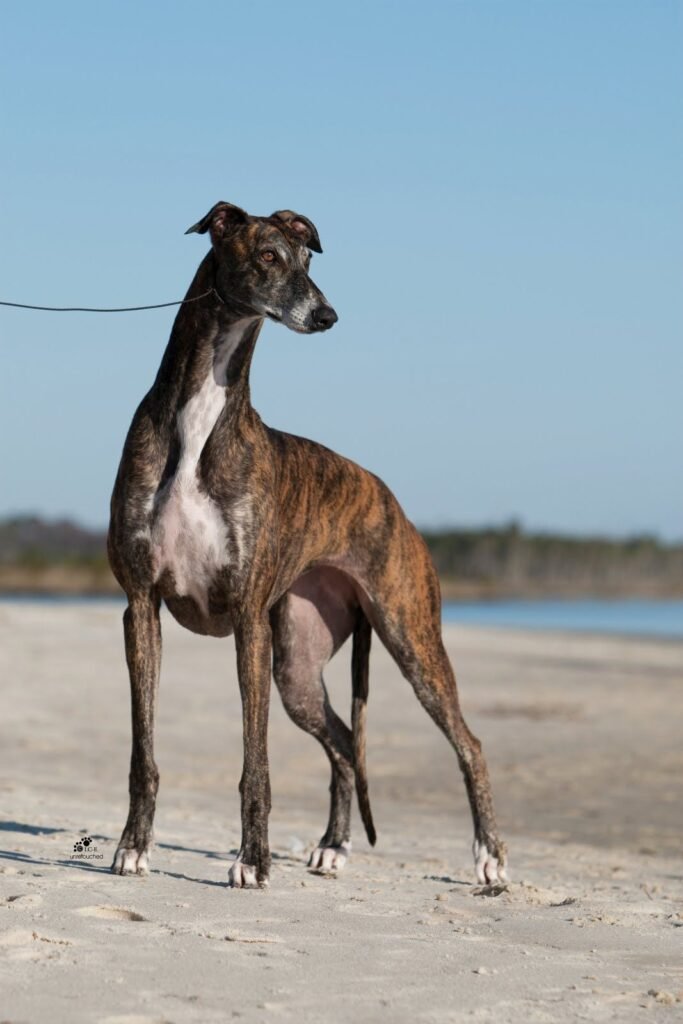
The greyhound is one of the skinniest dog breeds, with a thin, aerodynamic body built for racing. Its deep chest, narrow waist, and long legs give it a famously lean silhouette.
Moreover, the greyhound’s slender frame makes it the fastest dog on Earth, capable of sprinting over 40 miles per hour. Its lightweight body and flexible spine allow long, ground-covering strides.
Greyhounds are kept worldwide as racing dogs and gentle companions, thriving in loving, active homes.
As a domesticated breed, the greyhound shows how selective breeding shapes lean, athletic bodies. Despite their speed, they are calm and affectionate pets.
Fun Fact: Despite being record-breaking sprinters, greyhounds are famously lazy and love to sleep for hours.
Whippet
Scientific Name: Canis lupus familiaris
Class: Mammalia
Diet: Carnivore
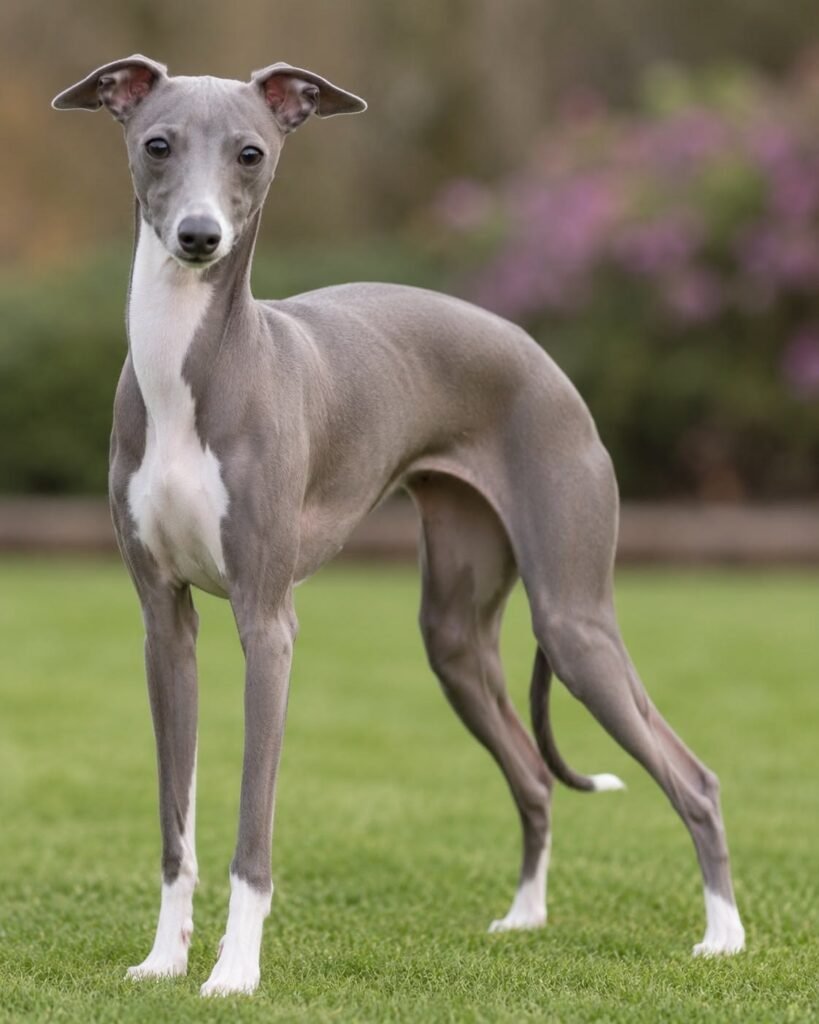
The whippet looks like a miniature greyhound, with the same thin, elegant, and aerodynamic build. Its slim body and slender legs make it one of the skinniest dog breeds around.
Interestingly, the whippet can sprint up to 35 miles per hour in short bursts. Its lightweight, streamlined frame lets it accelerate explosively, making it a champion of speed for its size.
Whippets are kept worldwide as companion and racing dogs, thriving as affectionate, gentle family pets.
As a domesticated breed, the whippet demonstrates how a lean body maximizes speed. Off the track, it is calm, quiet, and loves to relax.
Fun Fact: A whippet can reach its top speed in just a few strides, making it incredibly quick off the mark.
Saluki
Scientific Name: Canis lupus familiaris
Class: Mammalia
Diet: Carnivore
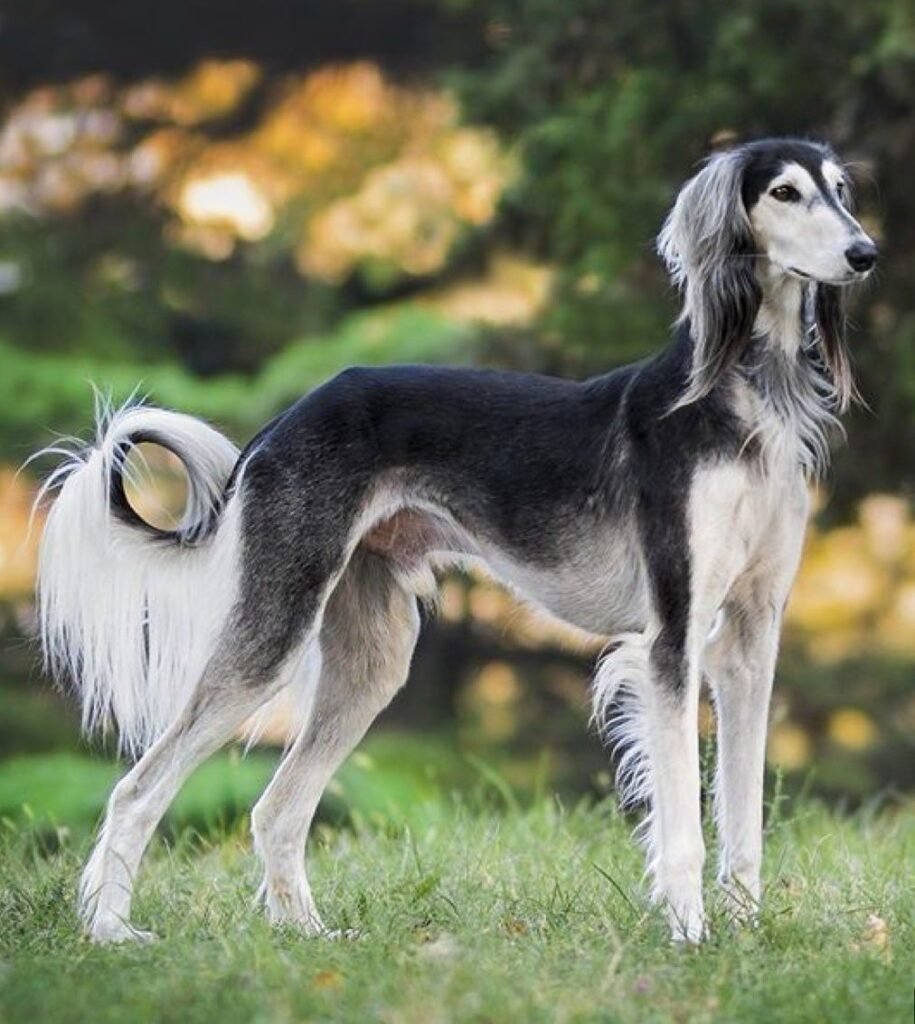
The saluki is an ancient, elegant breed with a strikingly slim, athletic body. Often called the “royal dog of Egypt,” its slender frame is built for endurance and speed.
Moreover, the saluki’s lean body helps it chase prey across vast deserts. Its long legs and light build let it run tirelessly over sand and rough terrain in pursuit of fast game.
Salukis are kept worldwide as companions and sighthounds, tracing back thousands of years to the Middle East.
As a domesticated breed, the saluki reflects a lean design perfected for the desert. Graceful and dignified, it remains a devoted companion.
Fun Fact: The saluki is one of the oldest known dog breeds, prized by royalty for thousands of years.
Flamingo
Scientific Name: Phoenicopterus roseus
Class: Aves
Diet: Omnivore
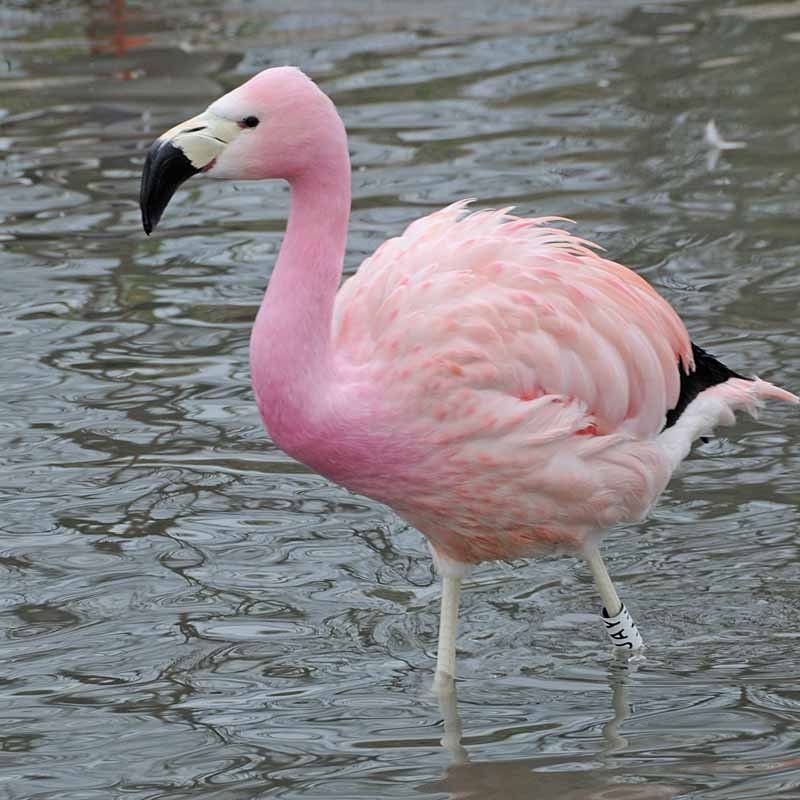
The flamingo is famous for its tall, thin frame and remarkably long, stick-like legs. Its slender build and slim neck give it one of the most delicate silhouettes of any bird.
Interestingly, the flamingo’s thin legs let it wade through deep water while feeding. It holds its head upside down to filter tiny algae and shrimp, which give it its iconic pink color.
Flamingos gather in large flocks across shallow lakes and lagoons in Africa, the Americas, Europe, and Asia.
As filter feeders, flamingos help regulate algae and brine shrimp populations. Pollution and habitat loss threaten some flamingo colonies.
Fun Fact: Flamingos often stand on one thin leg for hours, a posture believed to help conserve body heat.
Great Egret
Scientific Name: Ardea alba
Class: Aves
Diet: Carnivore
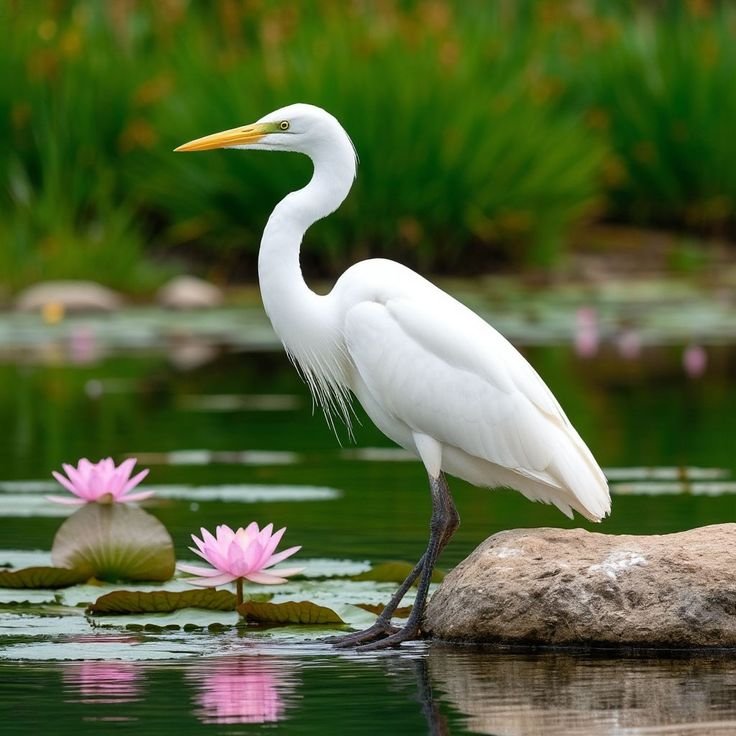
The great egret is a tall, elegant wading bird with an exceptionally slim body and long, thin legs. Its slender neck and lean frame make it a graceful figure in the wetlands.
Moreover, the egret’s skinny build is perfect for hunting. It wades silently through shallow water on its thin legs, then strikes with lightning speed to snatch fish and frogs.
Great egrets inhabit wetlands, marshes, and shorelines across much of the world, feeding on fish, amphibians, and small animals.
As predators, egrets help balance wetland ecosystems. Once hunted for their feathers, they have recovered and are of Least Concern.
Fun Fact: The great egret was once hunted nearly to extinction for its elegant plumes used in fashion.
Thomson’s Gazelle
Scientific Name: Eudorcas thomsonii
Class: Mammalia
Diet: Herbivore
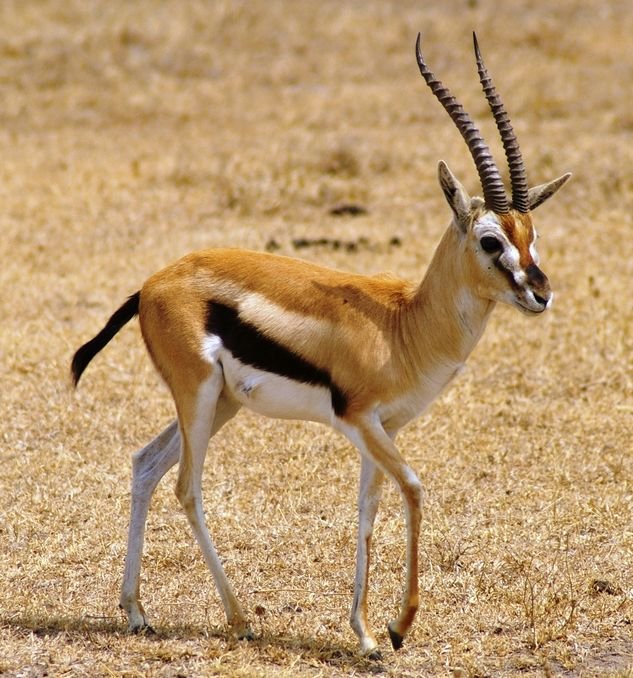
The Thomson’s gazelle is a slim, lightweight antelope built entirely for speed. Its thin legs and lean body let it bound across the savanna to escape predators.
Interestingly, the gazelle’s slender frame allows it to reach speeds near 60 miles per hour. It also uses sharp turns and leaps, called “pronking,” to confuse and outmaneuver hunters.
Thomson’s gazelles inhabit the grasslands and savannas of East Africa, grazing on grasses and shrubs.
As grazers and prey, gazelles are central to their ecosystems, feeding many predators. Currently widespread, they depend on healthy open habitats.
Fun Fact: A gazelle leaps high into the air in a bouncy display called “pronking” to warn predators it is fit and fast.
Stick Insect
Scientific Name: Carausius morosus
Class: Insecta
Diet: Herbivore
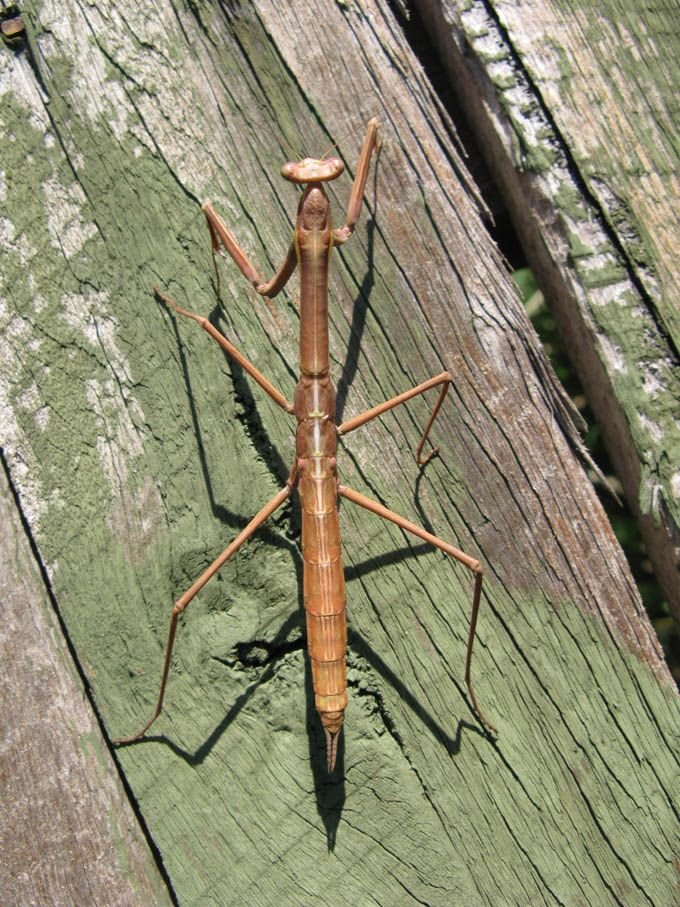
The stick insect takes skinniness to the extreme, with a long, twig-like body that blends perfectly into branches. Its slender form is one of nature’s finest disguises.
Moreover, the stick insect’s thin body is pure camouflage. By staying motionless and swaying gently like a branch in the breeze, it becomes nearly invisible to predators.
Stick insects inhabit forests and woodlands across the world’s warmer regions, feeding quietly on leaves at night.
As leaf-eaters, stick insects are part of the delicate balance of their forest homes. Habitat loss threatens some specialized species.
Fun Fact: Some female stick insects can reproduce without a mate, laying eggs that hatch into identical copies.
Praying Mantis
Scientific Name: Mantis religiosa
Class: Insecta
Diet: Carnivore
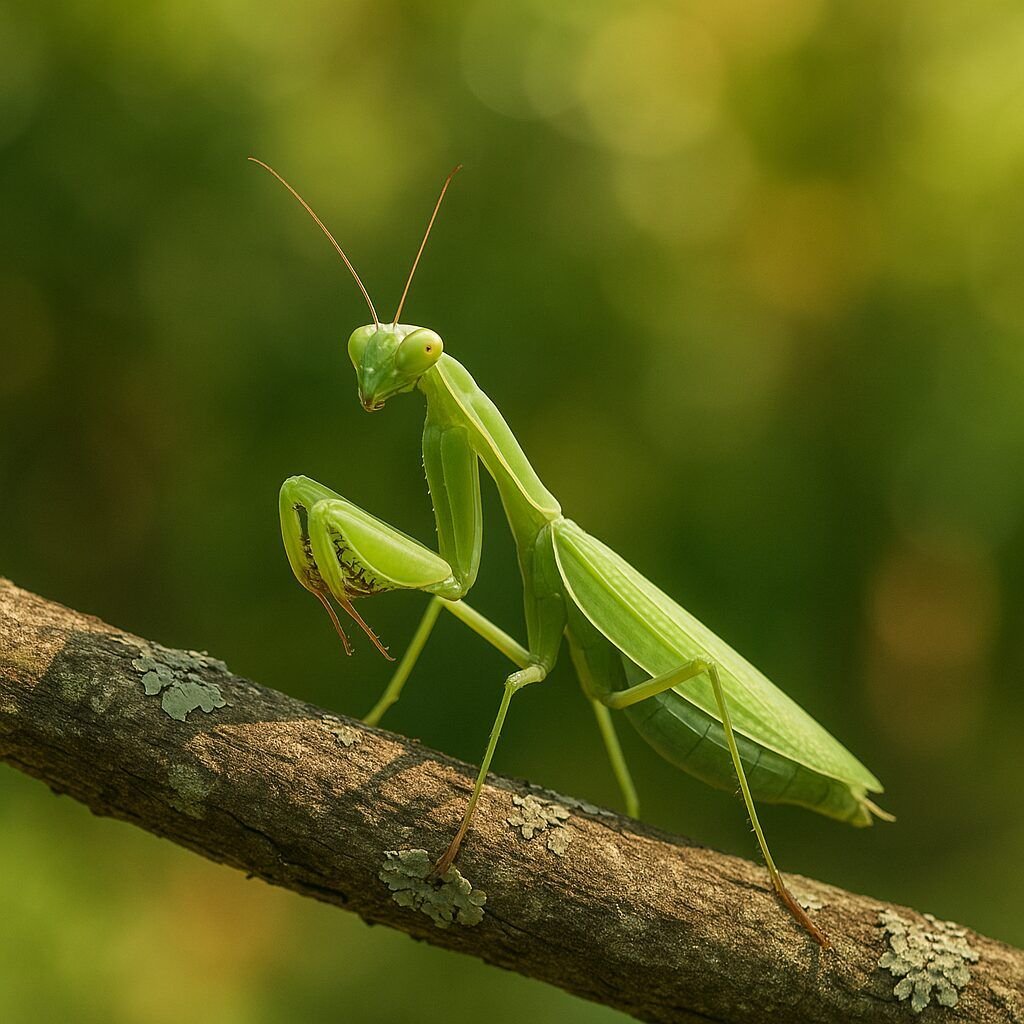
The praying mantis has a long, slim body that closely resembles a twig or blade of grass. Its slender build helps it stay hidden as it waits to ambush prey.
Interestingly, the mantis is the only insect that can turn its head a full 180 degrees. This lets it track prey over its shoulder before striking with forelegs that snap shut in milliseconds.
Praying mantises inhabit gardens, grasslands, and forests across temperate and tropical regions, hunting flies, moths, and other insects.
As insect predators, mantises provide natural pest control. Most species are common, though habitat loss can affect local populations.
Fun Fact: A praying mantis can strike and capture prey in just 30 to 60 milliseconds, faster than the human eye can follow.
Weasel
Scientific Name: Mustela nivalis
Class: Mammalia
Diet: Carnivore
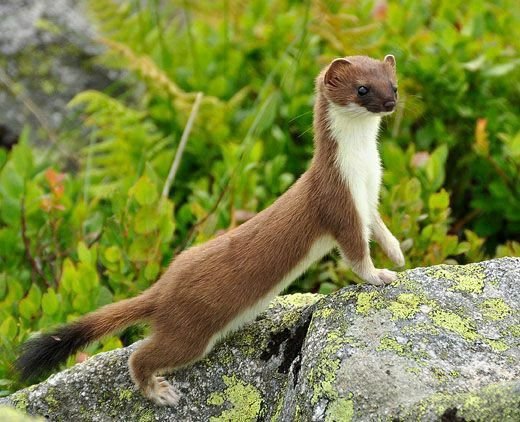
The weasel is a small, slender predator with a sleek, tube-shaped body. Its skinny frame lets it slip into narrow spaces that larger hunters cannot reach.
Moreover, the weasel’s thin body is a hunting advantage. It can chase mice and voles right into their burrows, cornering prey in tunnels far underground.
Weasels inhabit forests, farmlands, and grasslands across much of the Northern Hemisphere, hunting small mammals.
As efficient predators, weasels help keep rodent populations in check. Widespread and adaptable, they are of Least Concern.
Fun Fact: A weasel must eat about a third of its body weight each day to fuel its high-speed metabolism.
Stoat
Scientific Name: Mustela erminea
Class: Mammalia
Diet: Carnivore
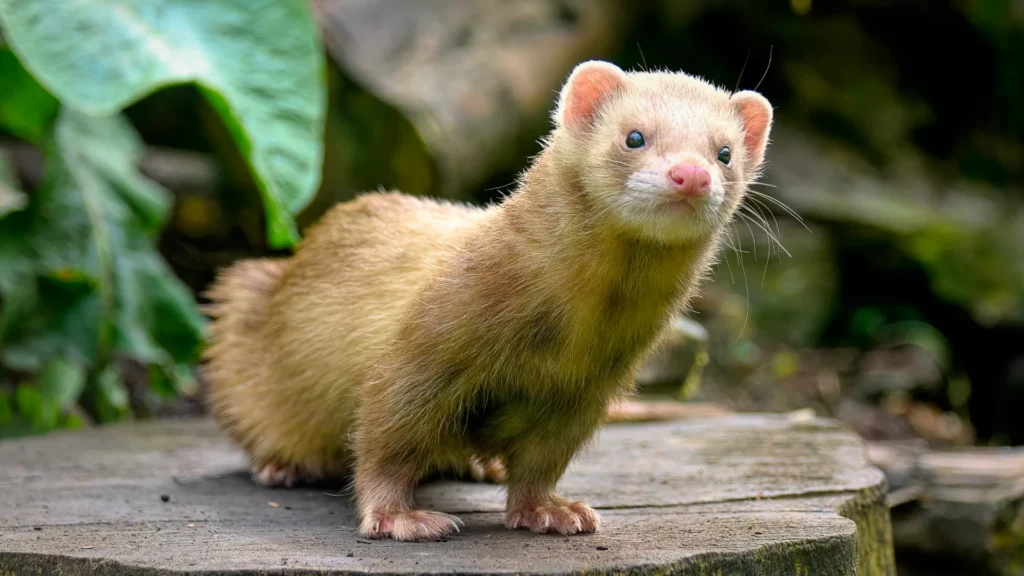
The stoat has a long, thin, almost cylindrical body perfectly shaped for chasing prey into tight spaces. Its skull is so slim it can follow rabbits directly into their burrows.
Interestingly, the stoat’s tunnel-shaped body makes it a relentless underground hunter. It can pursue prey far larger than itself through narrow, twisting passages.
Stoats range across the cooler regions of North America, Europe, and Asia, thriving in forests, grasslands, and tundra.
As agile predators, stoats help control rodent and rabbit populations. Widespread and adaptable, they are of Least Concern.
Fun Fact: In winter, the stoat’s coat turns pure white, and it is then known as “ermine.”
Slender Loris
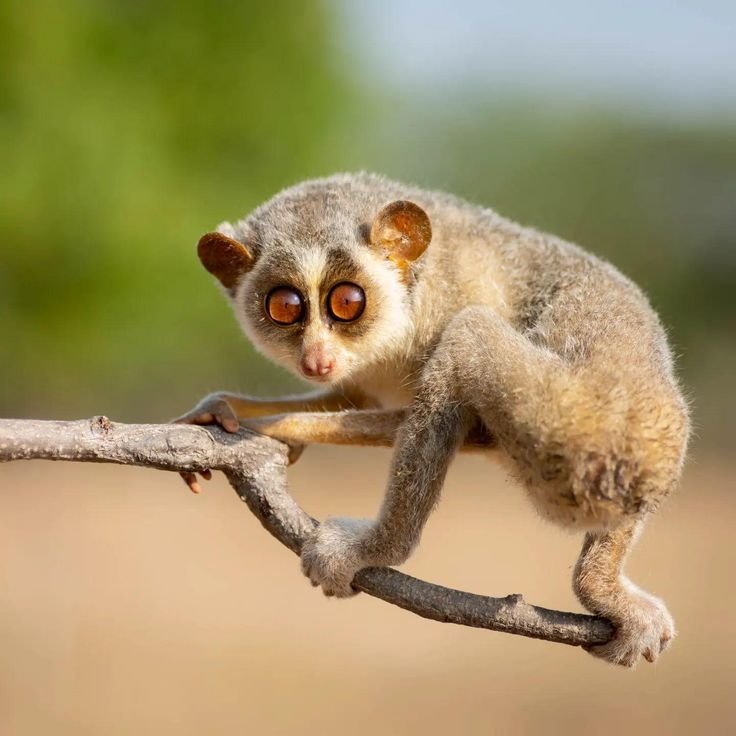
Scientific Name: Loris tardigradus
Class: Mammalia
Diet: Omnivore
The slender loris is a small, wide-eyed primate famous for its extremely thin arms and legs. Its skinny, spindly limbs give it a delicate, otherworldly appearance.
Moreover, the slender loris uses its thin limbs to move slowly and silently through the trees. Creeping with careful, deliberate motions, it sneaks up on insects without a sound.
Slender lorises inhabit the tropical forests of Sri Lanka and southern India, feeding on insects, fruit, and shoots.
As quiet foragers, slender lorises help control insect populations. Habitat loss and the pet trade have made some species Endangered.
Fun Fact: The slender loris has enormous eyes that let it hunt insects in near-total darkness.
Vine Snake
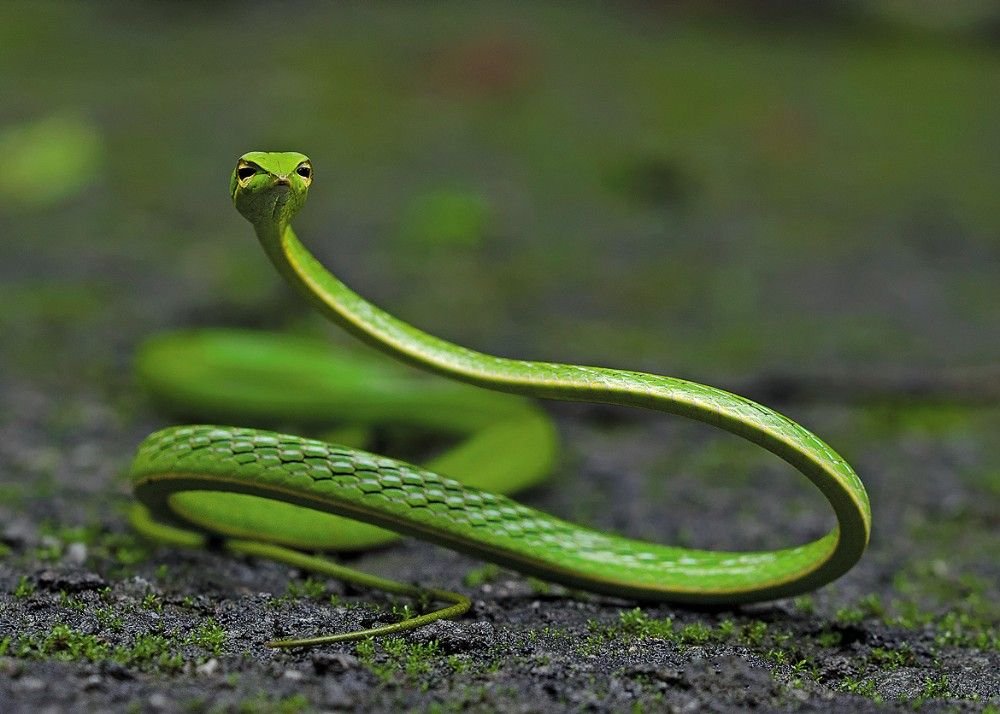
Scientific Name: Ahaetulla nasuta
Class: Reptilia
Diet: Carnivore
The vine snake is astonishingly thin, with a body as slender as a vine or twig. Its pencil-thin shape lets it stretch between branches almost undetected.
Interestingly, the vine snake’s skinny body is perfect camouflage among leaves and stems. It sways gently with the breeze, mimicking a vine as it ambushes lizards and frogs.
Vine snakes inhabit the forests and shrublands of South and Southeast Asia, hunting small reptiles and amphibians.
As predators, vine snakes help control lizard and frog populations. They rely on healthy forest habitats to thrive.
Fun Fact: The vine snake has unusual horizontal, keyhole-shaped pupils that give it sharp, binocular-like vision.
Barbados Threadsnake
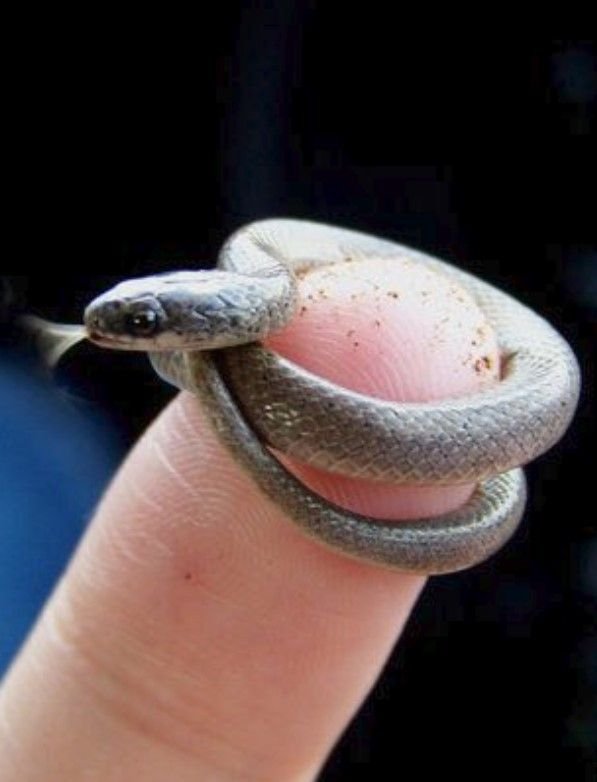
Scientific Name: Tetracheilostoma carinatum
Class: Reptilia
Diet: Carnivore
The Barbados threadsnake is the thinnest and smallest known snake in the world, no wider than a strand of spaghetti. Its incredibly slender body is barely thicker than a piece of thread.
Moreover, this tiny snake’s skinny form lets it burrow through soil and slip into narrow cracks. It hunts the eggs and larvae of ants and termites in hidden underground spaces.
The Barbados threadsnake is found only on the Caribbean island of Barbados, living in forested areas under rocks and leaf litter.
As a tiny predator, it helps control insect populations. With such a small range, it is highly vulnerable to habitat loss.
Fun Fact: The Barbados threadsnake is so small that a fully grown adult can curl up on a coin.
Needlefish
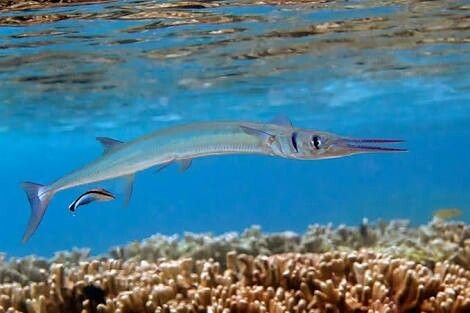
Scientific Name: Belone belone
Class: Actinopterygii
Diet: Carnivore
The needlefish has an extremely long, thin body that looks just like a floating needle. Its slim, elongated shape and narrow beak make it one of the skinniest fish in the sea.
Interestingly, the needlefish’s slender build makes it a fast, agile hunter near the surface. It darts after small fish and can even leap from the water at high speed.
Needlefish inhabit the coastal and surface waters of oceans worldwide, hunting small fish and invertebrates.
As surface predators, needlefish help balance marine food webs. They are widespread and depend on healthy coastal waters.
Fun Fact: Needlefish can leap out of the water and skim the surface at high speed to escape predators.
Sphynx Cat

Scientific Name: Felis catus
Class: Mammalia
Diet: Carnivore
The Sphynx cat is famous for its hairless, lean body that shows off its thin, muscular frame. Without fur to soften its shape, it appears especially slim and angular.
Moreover, the Sphynx’s skinny appearance is partly an illusion created by its lack of hair. Beneath the wrinkled skin lies a wiry, athletic body that is surprisingly warm to the touch.
Sphynx cats are kept worldwide as affectionate companions, bred specifically for their hairless coats.
As a domesticated breed, the Sphynx shows how a lean, hairless body can arise through selective breeding. Playful and loving, it craves human warmth and company.
Fun Fact: Because it has no fur, the Sphynx cat feels warm like a suede hot-water bottle and often seeks cozy spots.
Meerkat
Scientific Name: Suricata suricatta
Class: Mammalia
Diet: Carnivore
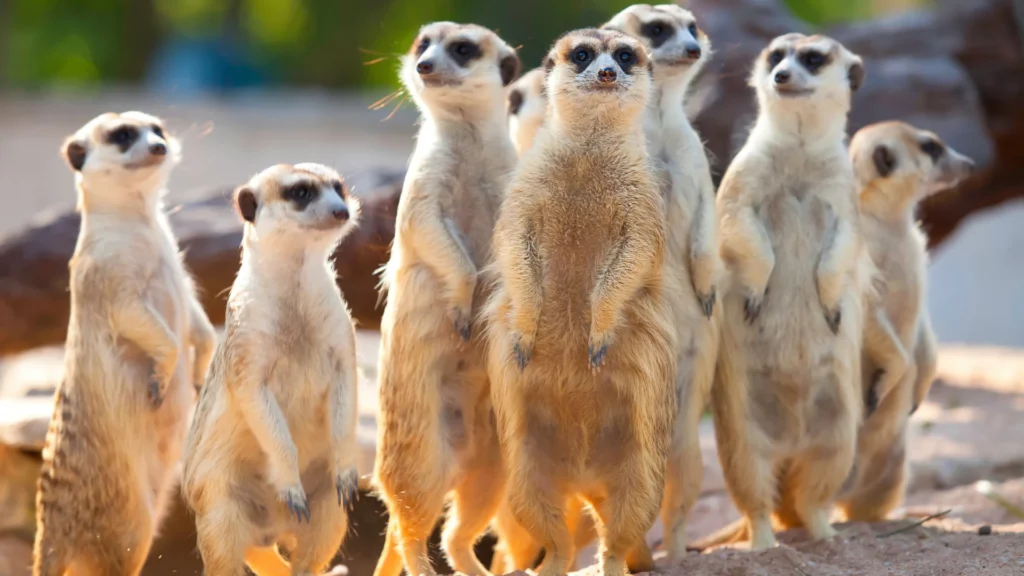
The meerkat is a small, slim mammal with a slender body and thin limbs. When it stands upright on its hind legs to keep watch, its skinny frame is especially noticeable.
Interestingly, the meerkat’s lean, lightweight body suits its busy, active lifestyle. It spends its days digging, foraging, and standing sentinel across the open desert.
Meerkats inhabit the arid savannas and deserts of southern Africa, especially the Kalahari, feeding on insects and small reptiles.
As insect predators, meerkats help regulate invertebrate populations. Currently of Least Concern, they depend on healthy desert habitats.
Fun Fact: Meerkats take turns as lookouts, standing tall on their thin legs to watch for danger while others forage.
Impala
Scientific Name: Aepyceros melampus
Class: Mammalia
Diet: Herbivore
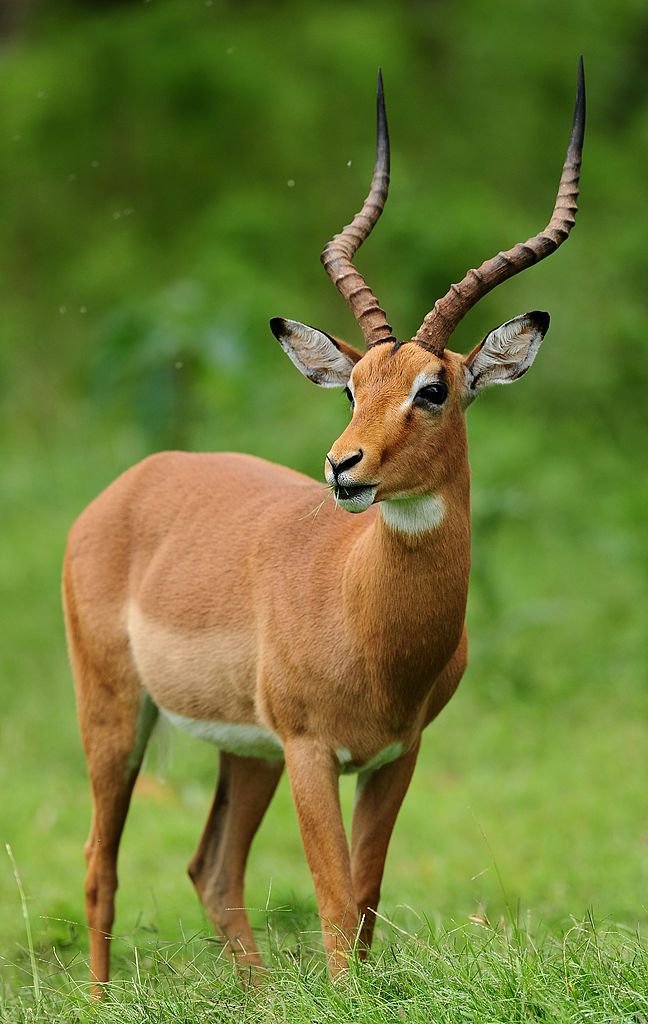
The impala is a graceful, slim antelope with long, thin legs and a lean, athletic body. Its slender build makes it one of the most elegant grazers of the African plains.
Moreover, the impala’s skinny frame is built for explosive escapes. It can leap up to 10 feet high and 30 feet in a single bound to evade predators.
Impalas inhabit the savannas and woodlands of eastern and southern Africa, grazing on grasses and browsing on leaves.
As grazers and prey, impalas are central to their ecosystems, feeding many predators. Currently widespread, they are of Least Concern.
Fun Fact: When startled, a herd of impalas scatters in explosive leaps, confusing predators with a burst of chaos.
Roadrunner
Scientific Name: Geococcyx californianus
Class: Aves
Diet: Carnivore
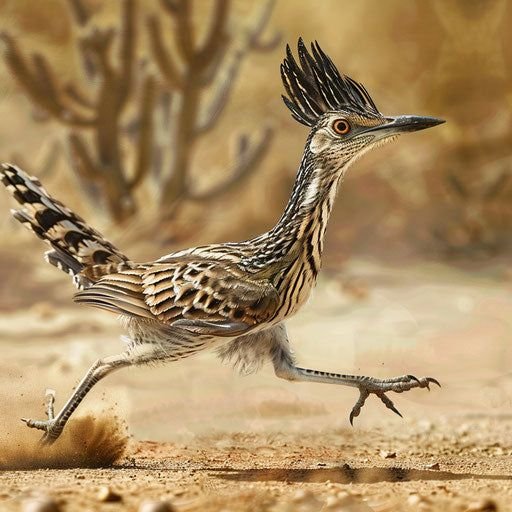
The roadrunner is a lean, long-legged bird built for life on the run. Its slim body, thin legs, and long tail give it a streamlined, skinny profile.
Interestingly, the roadrunner’s lightweight frame lets it sprint at over 20 miles per hour. It prefers running to flying, chasing down lizards, insects, and even snakes on foot.
Roadrunners inhabit the deserts and scrublands of the southwestern United States and Mexico, hunting a variety of small prey.
As ground predators, roadrunners help control insect and reptile populations. Widespread in their range, they are of Least Concern.
Fun Fact: The roadrunner is fast and bold enough to hunt and kill venomous rattlesnakes.
Grey Heron
Scientific Name: Ardea cinerea
Class: Aves
Diet: Carnivore
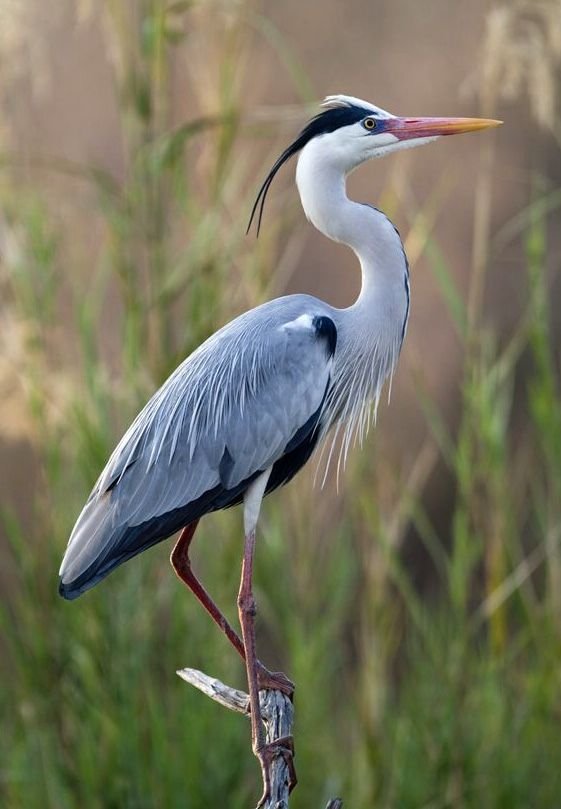
The grey heron is a tall, slender wading bird with an especially thin neck and long, stilt-like legs. Its lean, angular body makes it a striking figure at the water’s edge.
Moreover, the heron’s skinny build is ideal for patient hunting. It stands motionless in shallow water on its thin legs, then strikes with a lightning-fast jab to spear fish.
Grey herons inhabit rivers, lakes, and wetlands across Europe, Asia, and Africa, feeding on fish, amphibians, and small animals.
As predators, herons help balance wetland ecosystems. Widespread and adaptable, they are of Least Concern.
Fun Fact: A grey heron can fold its long, thin neck into an S-shape and unleash it like a spring to catch fish.
Read: Weakest Animals in The World
Read: Snakes With Triangular Heads
Read: Animals Like Meerkats in The World
Read: Animals That Don’t Drink Water
Read: Animals That Look Like Deer
Frequently Asked Questions
Conclusion
From sprinting cheetahs to twig-like stick insects, the world’s skinniest animals prove that a lean body is a powerful advantage. Each species whether a burrow-chasing weasel, a spaghetti-thin threadsnake, or an elegant flamingo uses its slender frame for speed, stealth, or survival in its own environment. Far from a weakness, their skinniness is a finely tuned adaptation shaped by nature.