
Top 18 Animals With Shells in The World (With Images)
Did you know that some animals carry a home on their back so tough it can protect them for over 100 years? From spiral sea snails to armored tortoises, animals with shells have evolved one of nature’s most brilliant defenses. These hard, protective coverings guard soft bodies against predators, harsh weather, and crashing waves, while some even help their owners float, swim, or filter clean water.
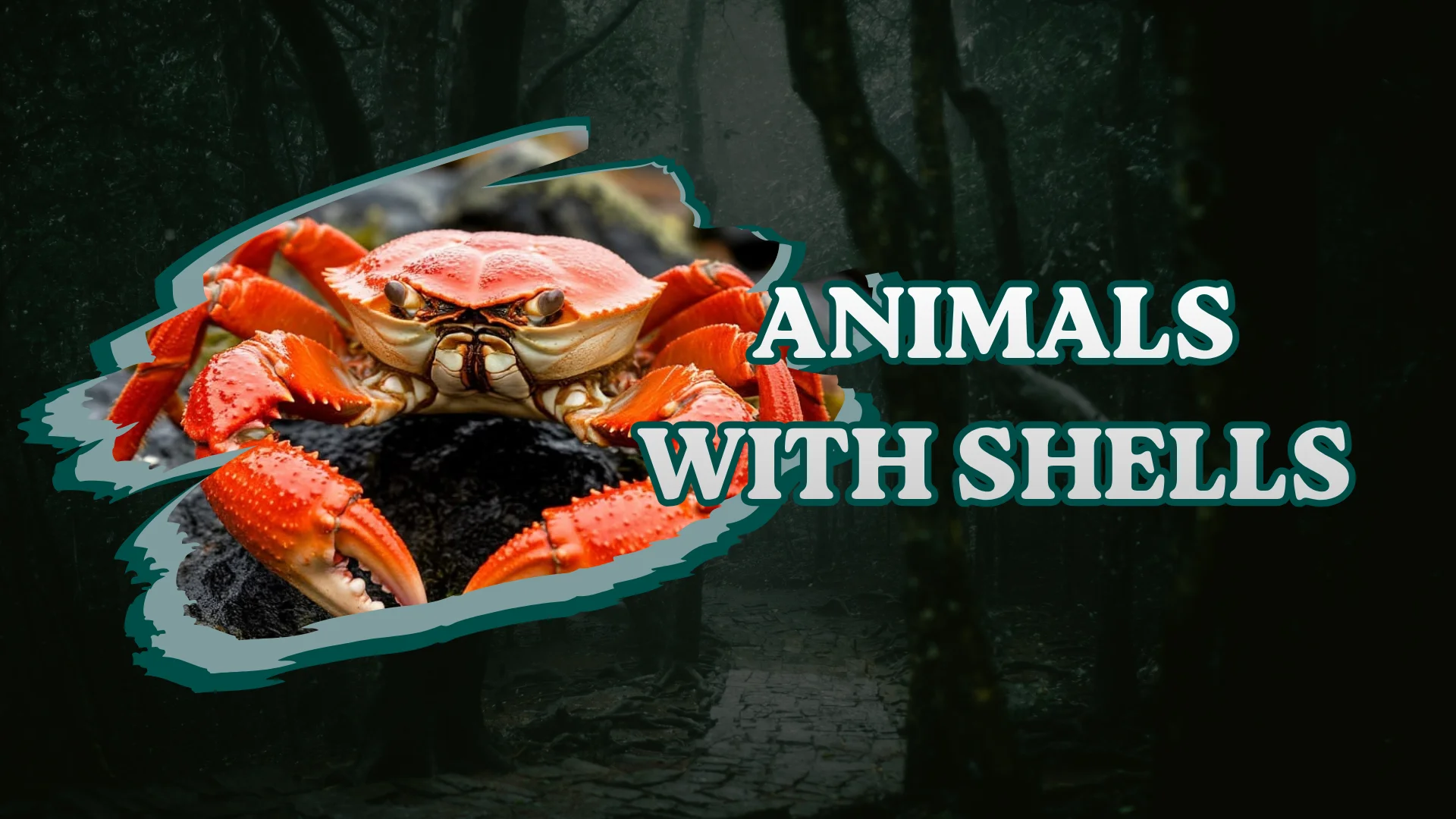
Found on land and deep beneath the sea, shelled creatures come in astonishing variety. In this guide, we’ll explore the top 18 animals with shells, uncovering how their remarkable armor works and why these fascinating species deserve our attention and protection.
List of Animals With Shells
| Rank | Animal | Scientific Name |
|---|---|---|
| 1 | Tortoise | Aldabrachelys gigantea |
| 2 | Sea Turtle | Chelonia mydas |
| 3 | Snail | Cornu aspersum |
| 4 | Hermit Crab | Coenobita clypeatus |
| 5 | Clam | Mercenaria mercenaria |
| 6 | Nautilus | Nautilus pompilius |
| 7 | Scallop | Pecten maximus |
| 8 | Oyster | Ostrea edulis |
| 9 | Mussel | Mytilus edulis |
| 10 | Conch | Lobatus gigas |
| 11 | Lobster | Homarus americanus |
| 12 | Barnacle | Semibalanus balanoides |
| 13 | Armadillo | Dasypus novemcinctus |
| 14 | Crab | Cancer pagurus |
| 15 | Abalone | Haliotis |
| 16 | Whelk | Buccinum undatum |
| 17 | Giant Clam | Tridacna gigas |
| 18 | Cowrie | Cypraea tigris |
Tortoise
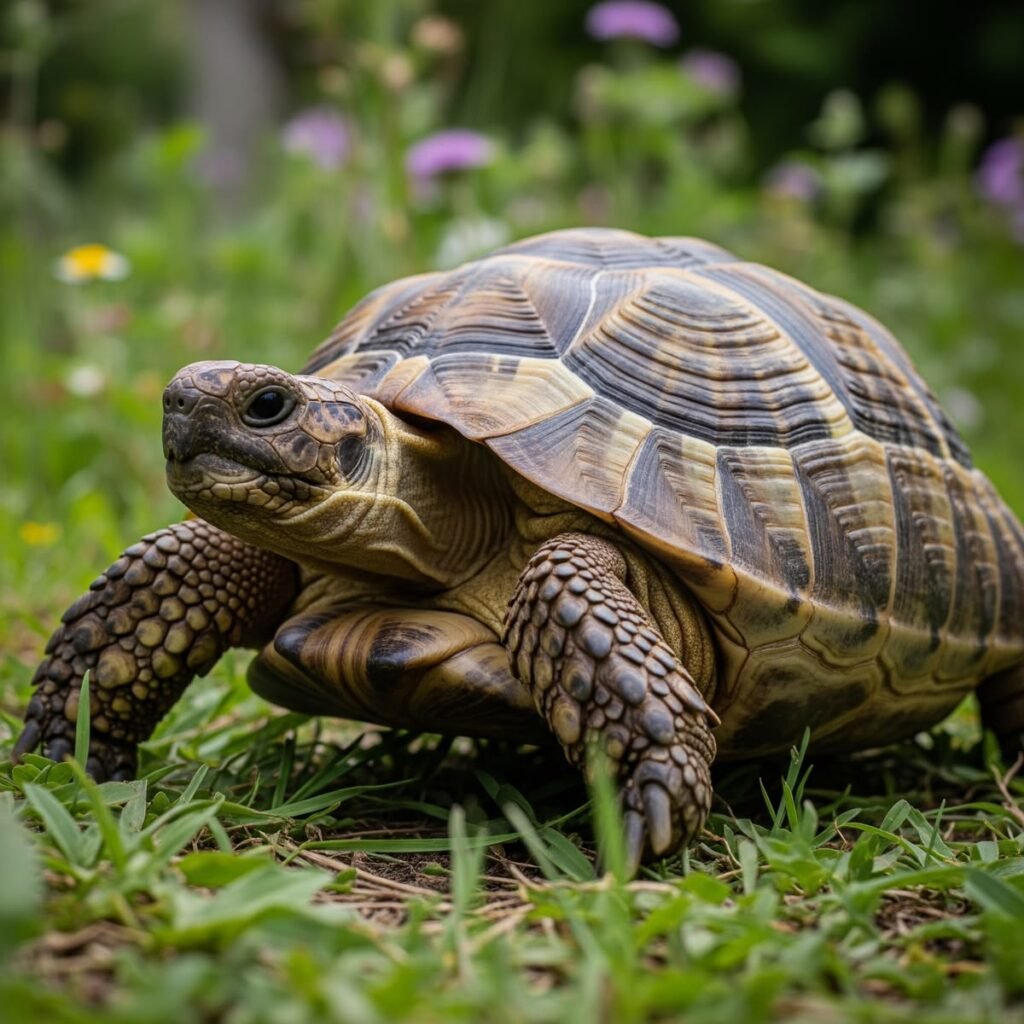
Scientific Name: Aldabrachelys gigantea
Class: Reptilia
Diet: Herbivore
The tortoise is famous for its high, dome-shaped shell, one of the toughest natural defenses on land. This hard shell is part of its skeleton, formed from fused bones and attached to its spine and ribs.
Interestingly, the tortoise can pull its head and legs inside its shell for near-total protection. This permanent armor shields it from predators, sun, and injury throughout its remarkably long life.
Tortoises inhabit grasslands, deserts, and islands around the world, grazing on grasses, leaves, and other vegetation.
As grazers, tortoises help shape their habitats and disperse seeds. Habitat loss and past hunting have made several species, including giant tortoises, Vulnerable.
Fun Fact: Some tortoises live for over 100 years, protected all their lives by their sturdy, built-in shells.
Sea Turtle
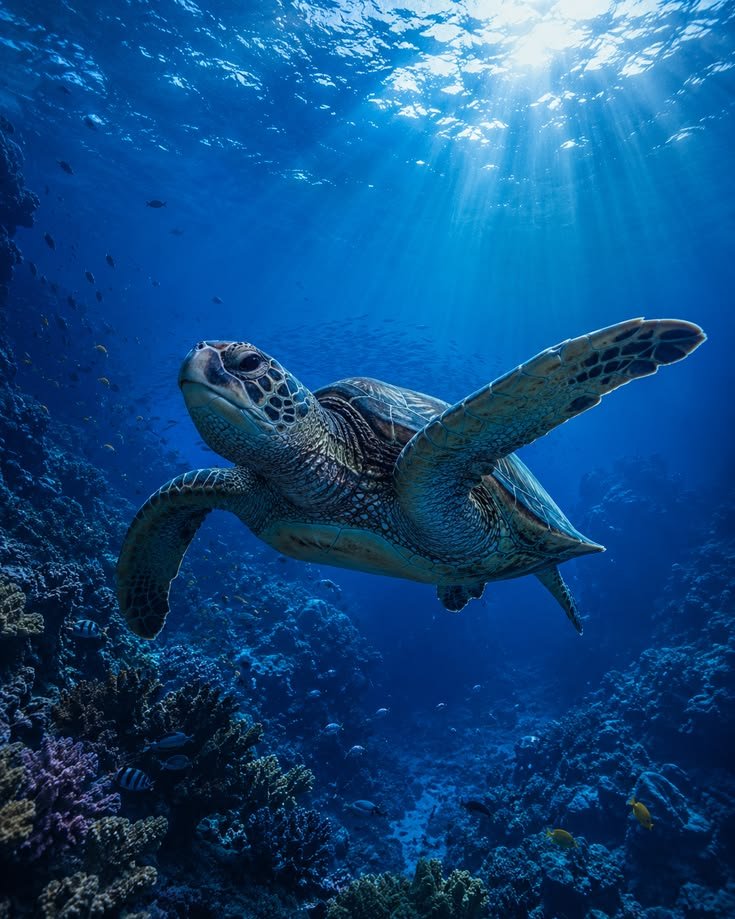
Scientific Name: Chelonia mydas
Class: Reptilia
Diet: Herbivore
The sea turtle carries a streamlined, protective shell perfectly suited to life in the ocean. Flatter and lighter than a tortoise’s, its shell helps it glide gracefully through the water.
Moreover, the sea turtle’s shell shields it from predators and rough seas while it travels vast distances. Unlike land turtles, it cannot retract fully into its shell, relying on swimming to escape danger.
Green sea turtles inhabit tropical and subtropical seas worldwide, grazing on seagrass and algae in warm coastal waters.
As grazers, sea turtles keep seagrass meadows healthy. Sadly, green sea turtles are Endangered, threatened by fishing nets, pollution, and habitat loss.
Fun Fact: A sea turtle can travel thousands of miles across the ocean and return to the very beach where it hatched.
Snail
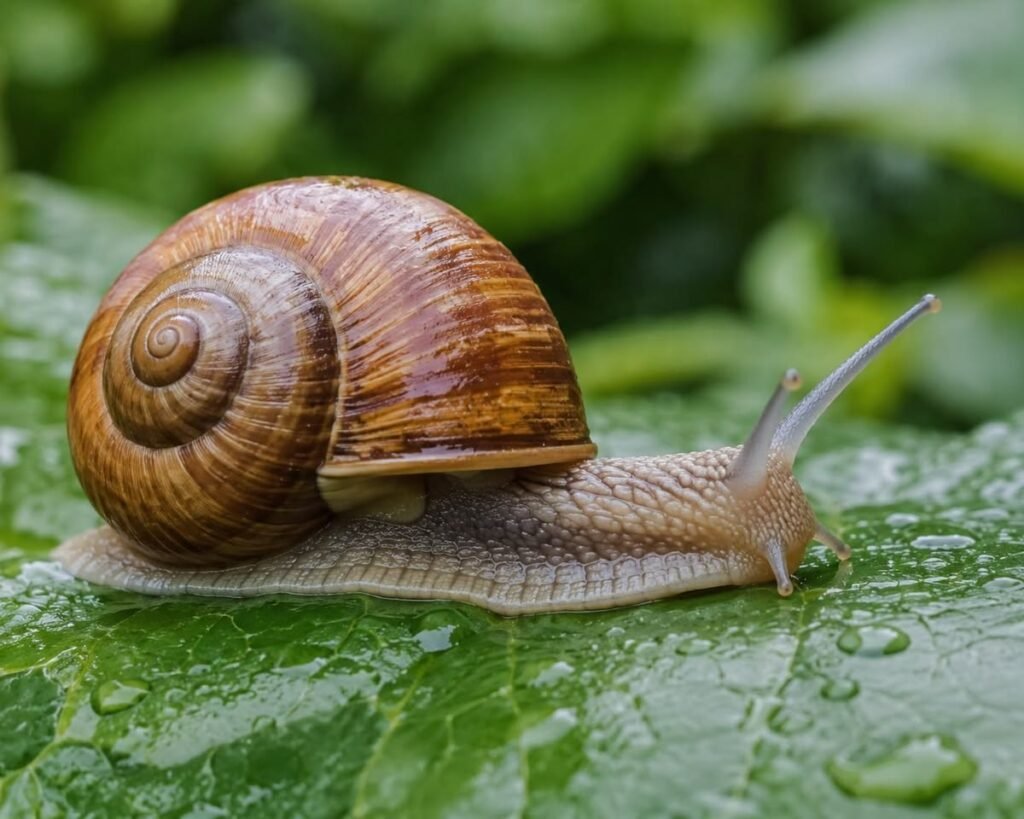
Scientific Name: Cornu aspersum
Class: Gastropoda
Diet: Herbivore
The snail is a soft-bodied creature protected by a beautiful spiral shell that it carries everywhere. Grown from its own body, the shell is a permanent, lifelong home.
Interestingly, the snail can retreat entirely into its shell when threatened and seal the opening shut. This lets it survive dry or cold conditions and hide from many predators.
Snails are found almost everywhere, from gardens and forests to wetlands, feeding on leaves, fungi, and decaying plants.
As decomposers, snails help recycle nutrients and enrich the soil. Habitat loss and pollution threaten specialized species.
Fun Fact: A snail’s spiral shell grows with it throughout its life, adding new material at the opening.
Hermit Crab
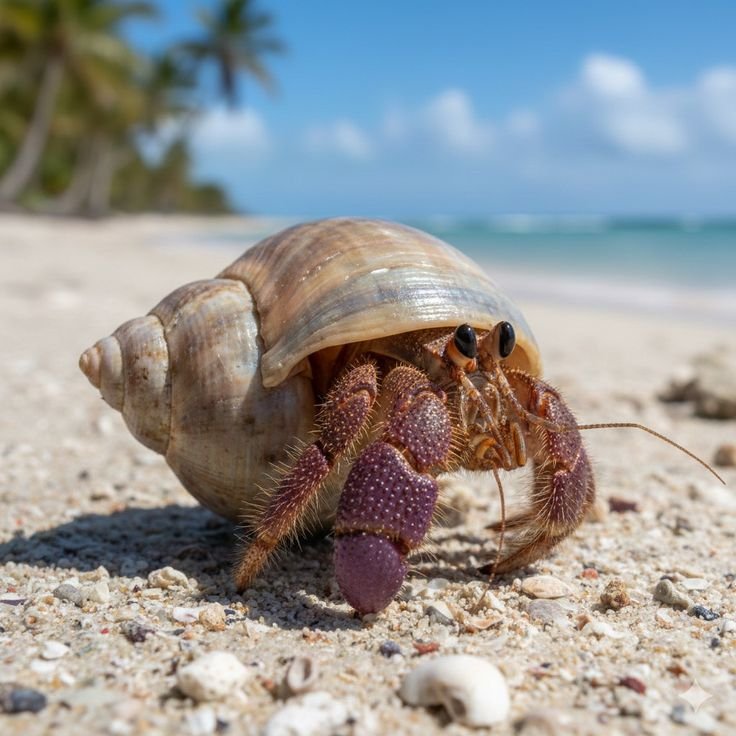
Scientific Name: Coenobita clypeatus
Class: Malacostraca
Diet: Omnivore
The hermit crab is unusual among shelled animals because it doesn’t grow its own shell. Instead, it borrows empty snail shells to protect its soft, vulnerable abdomen.
Moreover, as it grows, the hermit crab must find larger shells to move into. It carefully inspects and “tries on” new shells, sometimes even lining up to swap homes in a group.
Hermit crabs inhabit beaches, tide pools, and coastal waters around the world, scavenging on plants, algae, and small animals.
As scavengers, hermit crabs help clean up their environments. Healthy shell supplies and clean habitats are essential to their survival.
Fun Fact: There are over 800 species of hermit crab, most of which live inside scavenged snail shells.
Clam
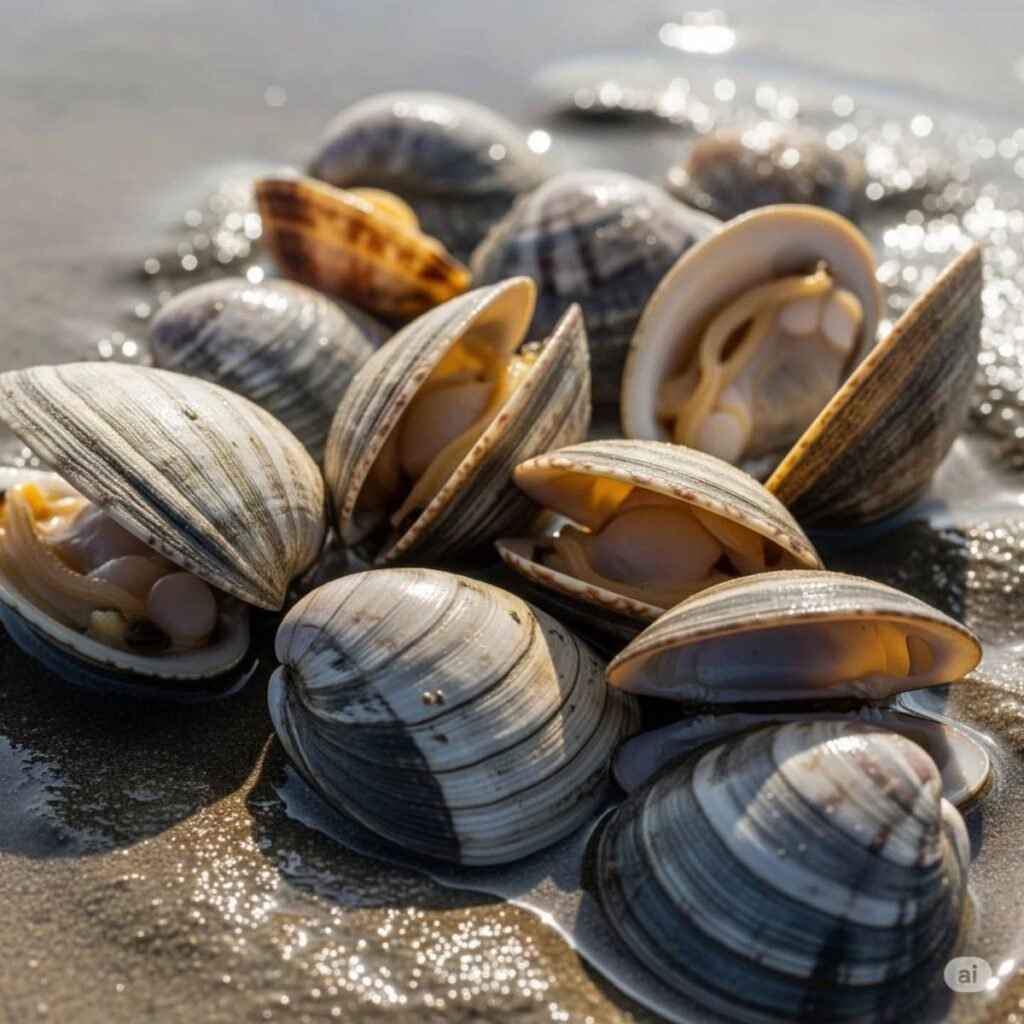
Scientific Name: Mercenaria mercenaria
Class: Bivalvia
Diet: Filter feeder
The clam is a bivalve mollusk protected by two symmetrical shells joined together by a strong hinge. It can clamp these shells tightly shut to guard its soft body inside.
Interestingly, the clam is a filter feeder, drawing in water to strain out tiny food particles. It buries itself in sand or mud, extending a foot to dig and anchor in place.
Clams inhabit oceans, rivers, and lakes worldwide, filtering plankton and organic matter from the water.
As filter feeders, clams help clean and purify their aquatic habitats. Overharvesting and pollution threaten some clam populations.
Fun Fact: Some clams can live for hundreds of years, making them among the longest-lived animals on Earth.
Nautilus
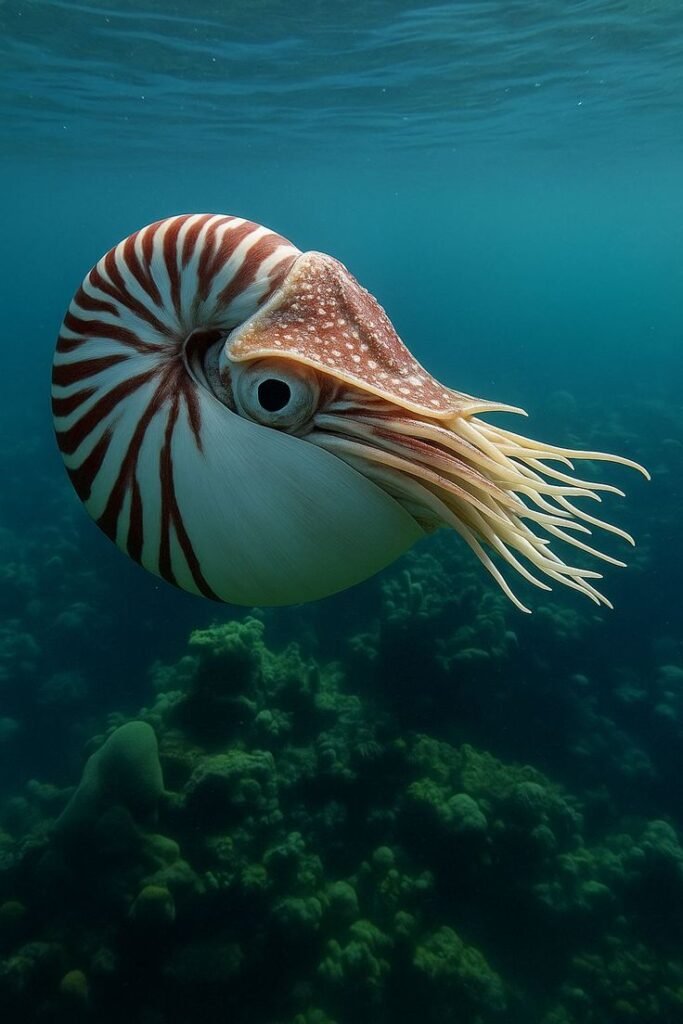
Scientific Name: Nautilus pompilius
Class: Cephalopoda
Diet: Carnivore
The nautilus is a marine animal famous for its stunning spiral shell divided into many sealed chambers. This elegant shell is both protection and a built-in flotation device.
Moreover, the nautilus controls its buoyancy by filling these chambers with gas or liquid, allowing it to rise and sink in the ocean. It is often called a “living fossil,” barely changed for millions of years.
Nautiluses inhabit the deep waters of the Indo-Pacific, hunting small fish, crustaceans, and carrion.
As deep-sea predators and scavengers, nautiluses are part of the ocean’s ancient food web. Overharvesting for their shells threatens some populations.
Fun Fact: The nautilus has remained largely unchanged for around 500 million years, earning its “living fossil” title.
Scallop
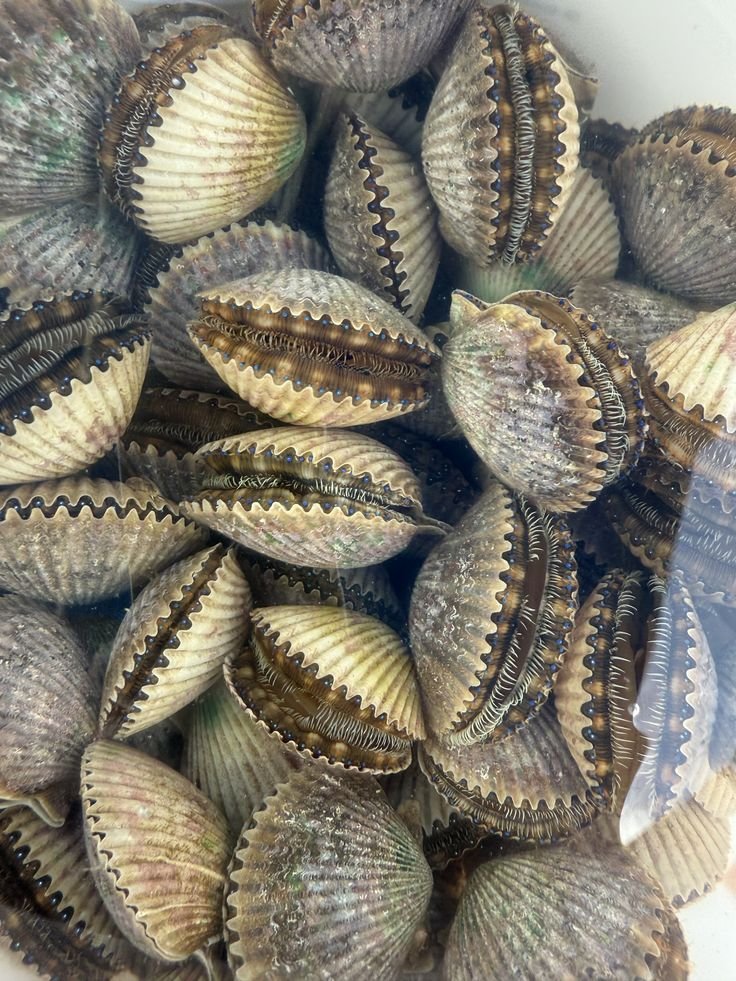
Scientific Name: Pecten maximus
Class: Bivalvia
Diet: Filter feeder
The scallop is a marine mollusk known for its beautiful, fan-shaped, ridged shell. Unlike many shelled animals, it can actually swim to escape predators.
Interestingly, the scallop propels itself by rapidly opening and closing its two shells, shooting jets of water to dart away. Rows of tiny eyes along its shell edge help it detect danger.
Scallops usually live on sandy ocean floors, filtering plankton from the water around them.
As filter feeders, scallops help keep ocean water clean. Overfishing and habitat disturbance threaten some scallop populations.
Fun Fact: A scallop can have dozens of tiny blue eyes lining the edge of its shell.
Oyster
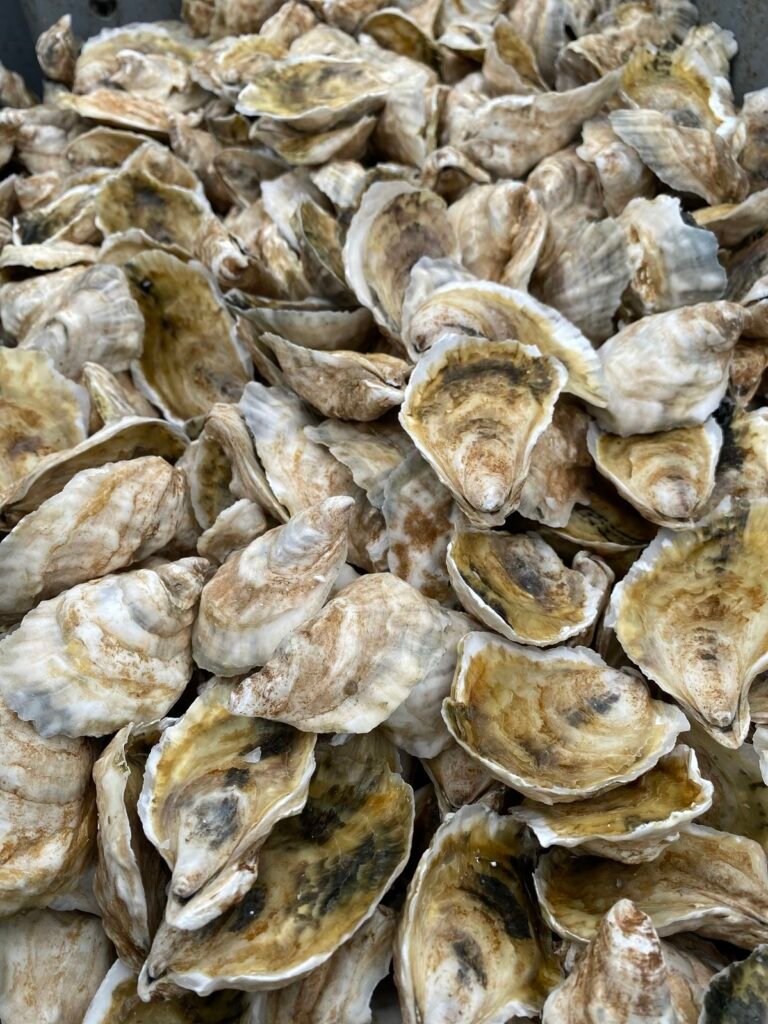
Scientific Name: Ostrea edulis
Class: Bivalvia
Diet: Filter feeder
The oyster is a bivalve with a rough, irregular shell that clamps shut to protect its soft body. Often cemented to rocks or reefs, it forms dense beds along coastlines.
Moreover, the oyster is an incredible water purifier. A single oyster can filter up to 50 gallons of water each day, removing particles and improving water quality.
Oysters inhabit coastal waters and estuaries around the world, filtering plankton and organic matter from the sea.
As filter feeders and reef builders, oysters are vital to healthy coastal ecosystems. Overharvesting and pollution have harmed many oyster reefs.
Fun Fact: Oysters can create pearls by coating irritating particles inside their shells with smooth layers of nacre.
Mussel
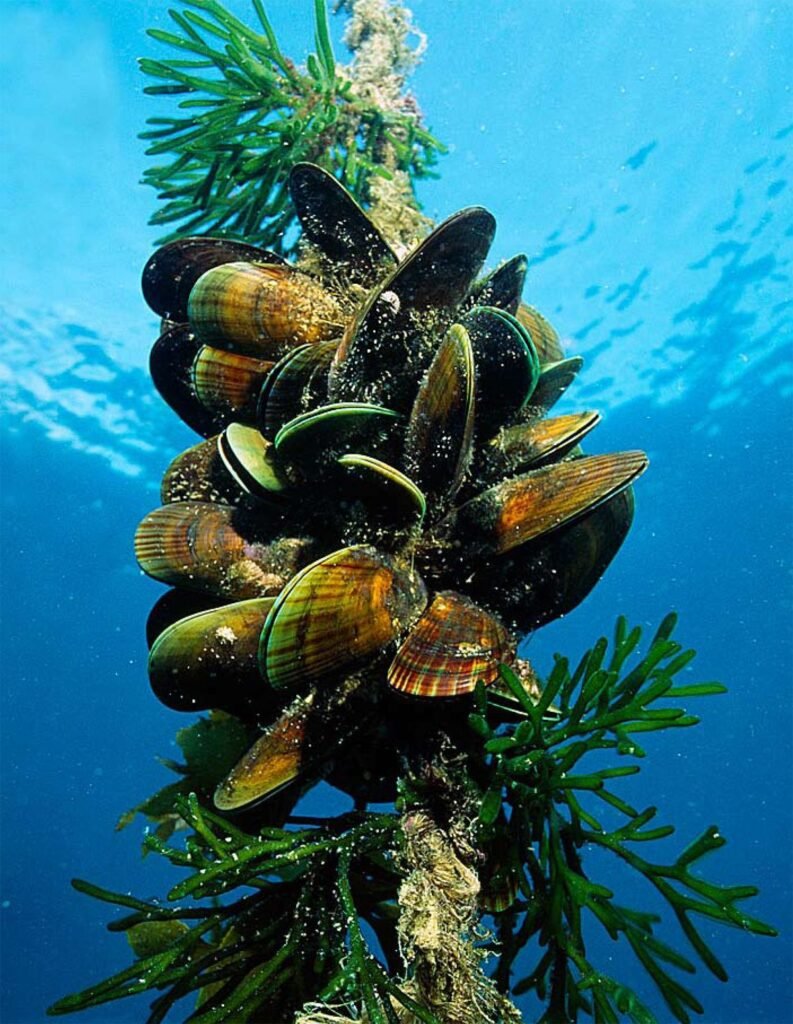
Scientific Name: Mytilus edulis
Class: Bivalvia
Diet: Filter feeder
The mussel is a bivalve mollusk with a dark, elongated shell that protects its soft interior. It often lives in large colonies clustered tightly together on rocks and surfaces.
Interestingly, the mussel anchors itself using strong fibers called byssal threads. These natural “ropes” hold it firmly in place against pounding waves and strong currents.
Mussels inhabit oceans, rivers, and lakes worldwide, filtering plankton and tiny particles from the water.
As filter feeders, mussels are essential for water purification and healthy aquatic ecosystems. Pollution and habitat loss threaten some species.
Fun Fact: A mussel’s byssal threads are so strong that scientists study them to design powerful new adhesives.
Conch
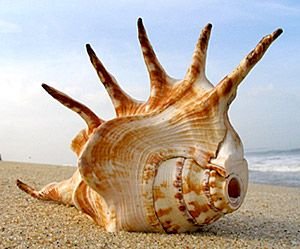
Scientific Name: Lobatus gigas
Class: Gastropoda
Diet: Herbivore
The conch is a large sea snail famous for its beautiful, spiraled shell with a flared, pink-lipped opening. This sturdy shell offers strong protection against ocean predators.
Moreover, the conch is a slow-moving grazer that roams seagrass beds. It uses a strong, claw-like foot to hop and drag itself across the ocean floor.
Conchs inhabit warm, shallow tropical waters, especially seagrass meadows in the Caribbean and beyond.
As grazers, conchs help maintain healthy seagrass beds. Overharvesting for their meat and shells has made the queen conch a protected species.
Fun Fact: The queen conch’s large, spiral shell is famous for producing a deep, horn-like sound when blown.
Lobster
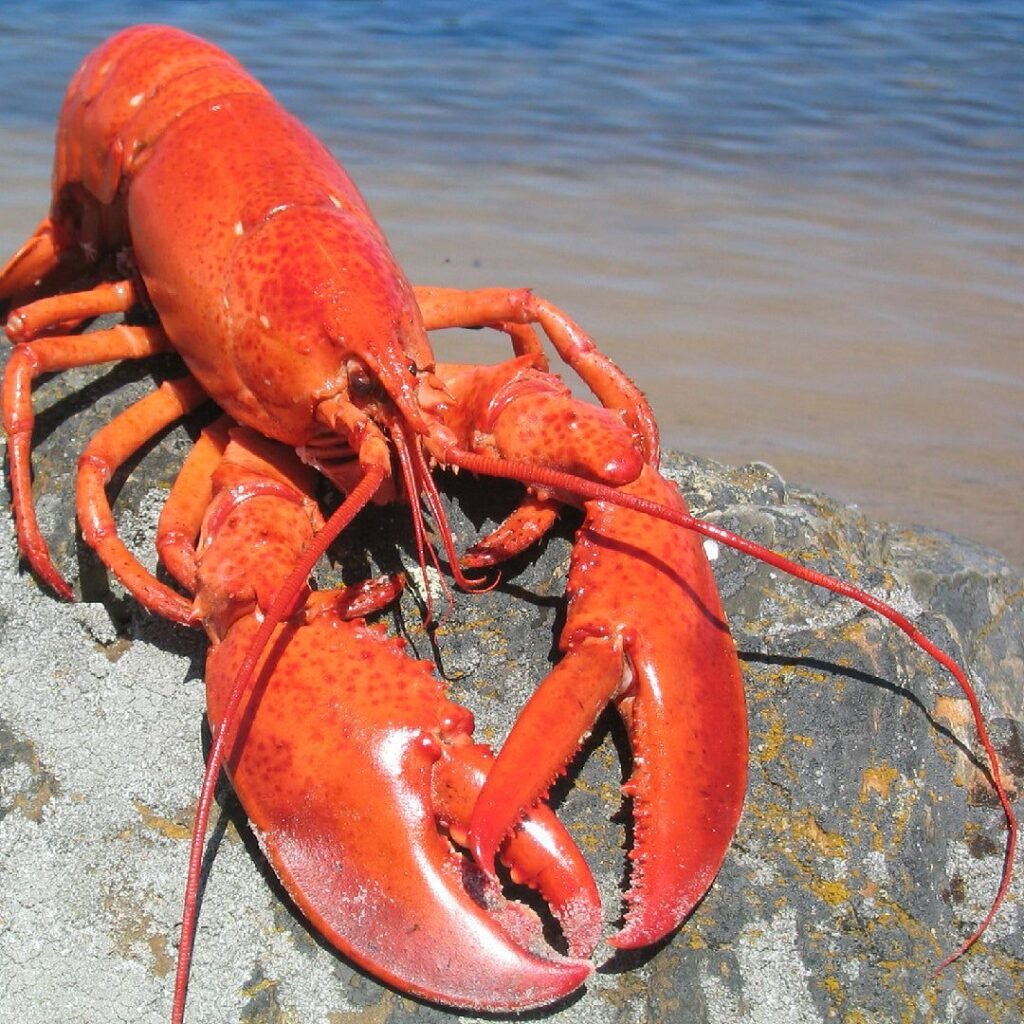
Scientific Name: Homarus americanus
Class: Malacostraca
Diet: Omnivore
The lobster is protected by a hard exoskeleton that acts as a suit of armor. This tough outer shell shields its body while its flexible joints still allow full movement.
Interestingly, as the lobster grows, it must molt, shedding its old shell and growing a larger one. During this vulnerable time, it hides until its new shell hardens.
Lobsters inhabit rocky and sandy seabeds in oceans worldwide, scavenging on fish, mollusks, and other small animals.
As scavengers and predators, lobsters help keep the seafloor clean. Overfishing pressures some lobster populations around the world.
Fun Fact: Lobsters keep growing throughout their lives and can live for over 50 years in the wild.
Barnacle
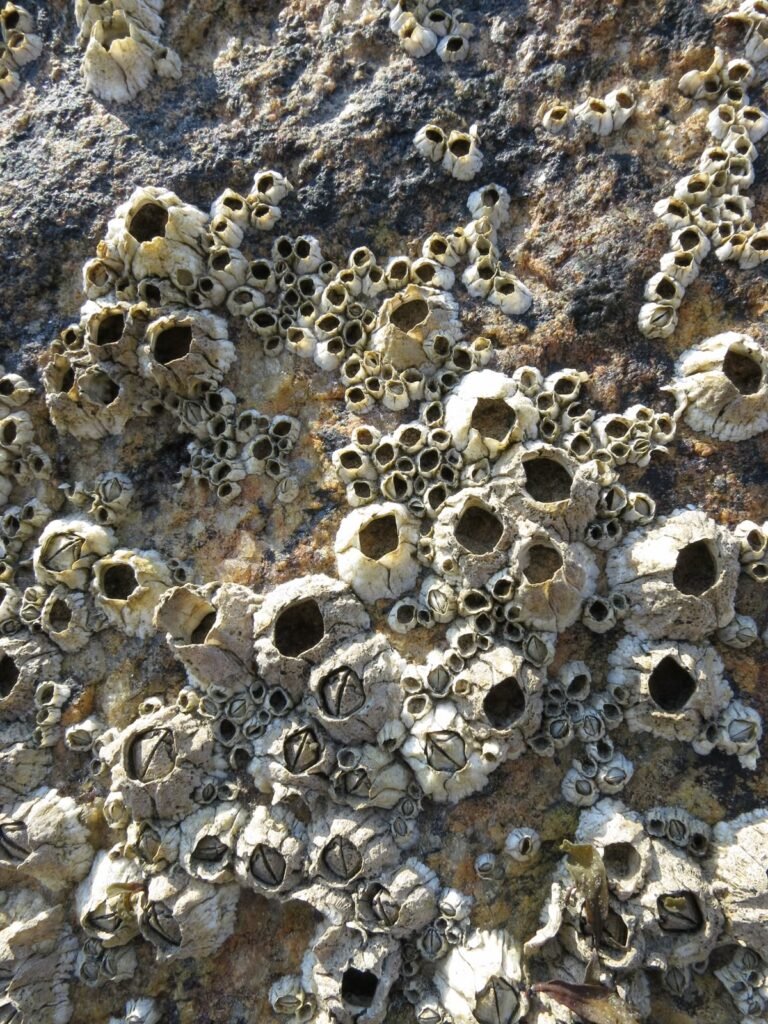
Scientific Name: Semibalanus balanoides
Class: Thecostraca
Diet: Filter feeder
The barnacle may look like a shelled mollusk, but it is actually a crustacean that builds a shell of hard, calcareous plates. Once settled, it stays permanently attached to a surface.
Moreover, the barnacle cements itself to rocks, ships, and even whales, then sweeps food from the water with feathery legs. Its protective plates shield it from waves and predators.
Barnacles inhabit rocky shores, tide pools, and floating objects across the world’s oceans, filtering plankton from the water.
As filter feeders, barnacles are part of the coastal food web. They are widespread and abundant along shorelines everywhere.
Fun Fact: A barnacle produces one of the strongest natural glues known, cementing itself firmly for life.
Armadillo
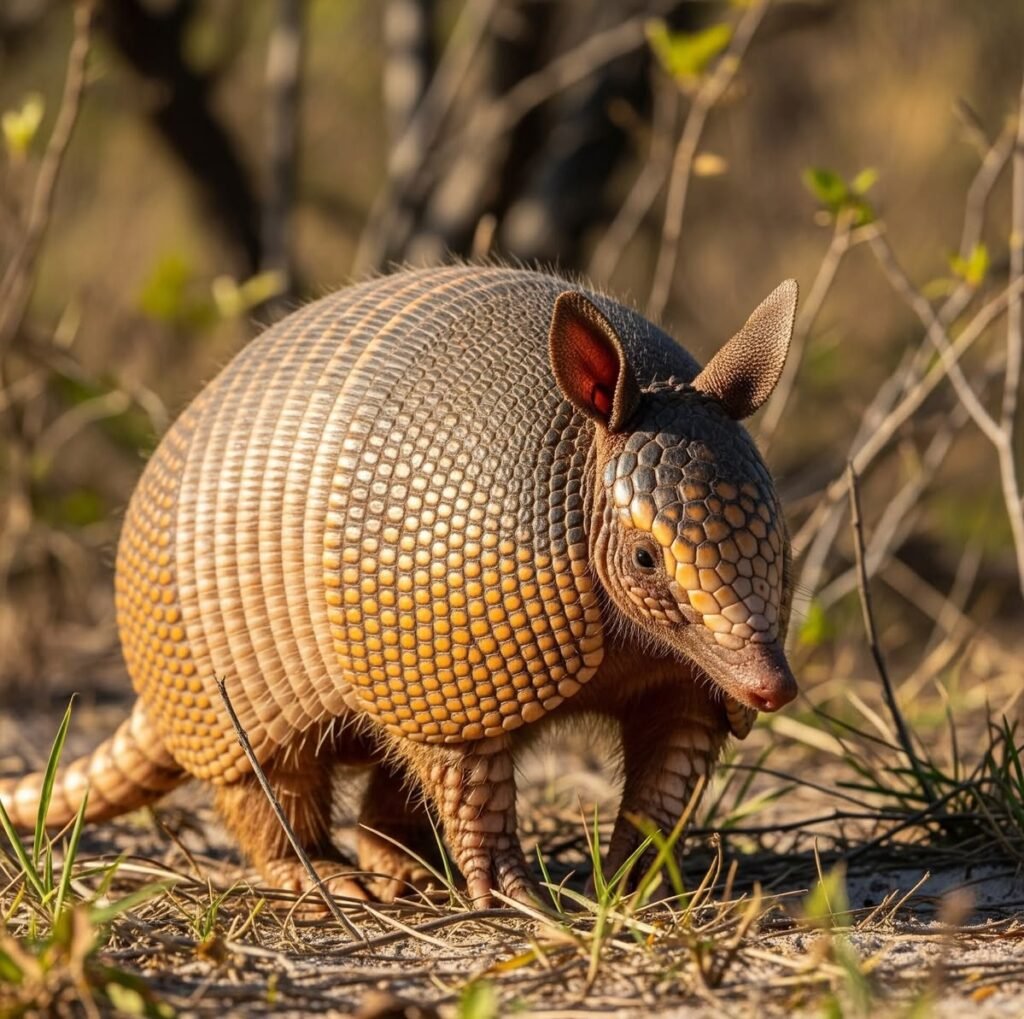
Scientific Name: Dasypus novemcinctus
Class: Mammalia
Diet: Insectivore
The armadillo is a unique mammal whose “shell” is formed from bony plates covered in tough, leathery skin. This natural armor provides both protection and surprising flexibility.
Interestingly, some armadillos can curl into a tight ball, tucking away their soft parts inside their armored shell. Others simply rely on the plates to shield them while they dig.
Armadillos inhabit forests, grasslands, and deserts across the Americas, feeding on insects, grubs, and other small creatures.
As diggers and insect-eaters, armadillos help control pests and aerate soil. Most species are of Least Concern, though some are threatened.
Fun Fact: The three-banded armadillo is the only armadillo that can roll into a complete, protective ball.
Crab
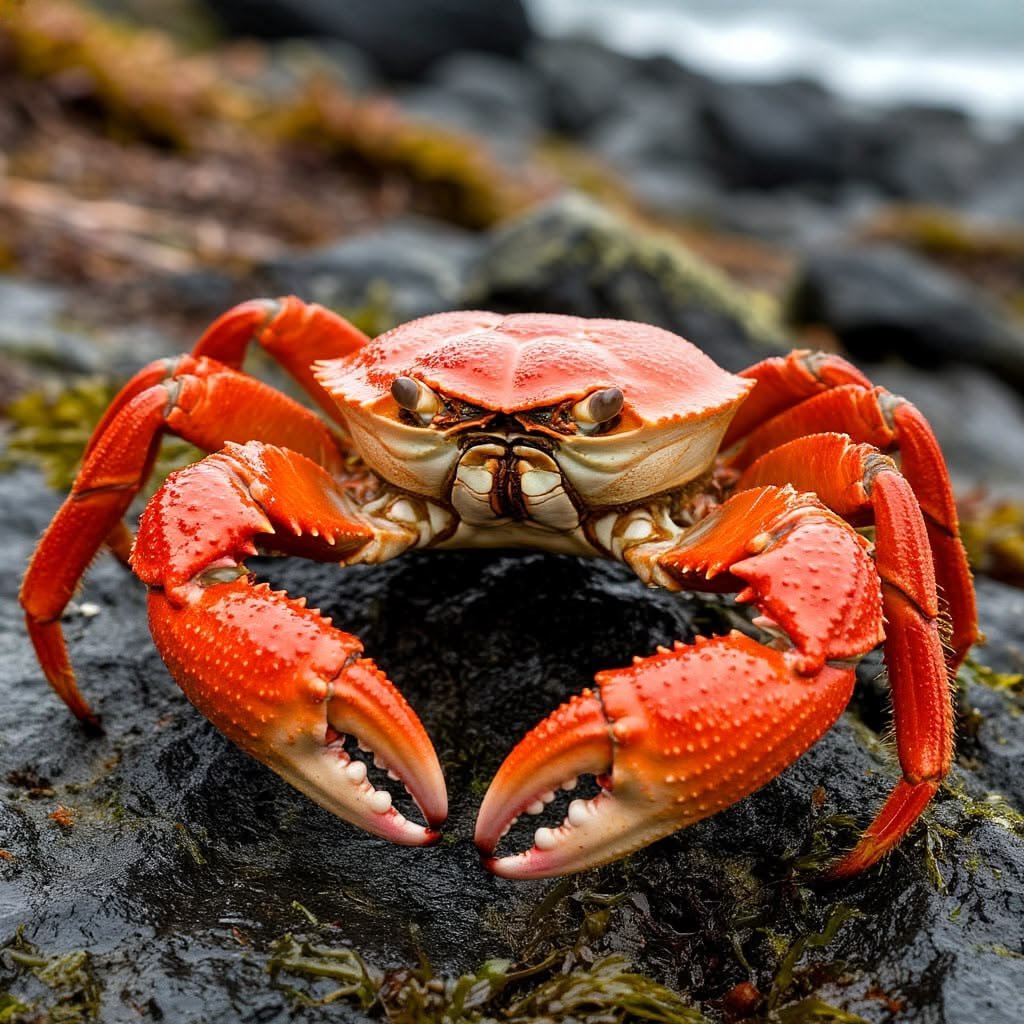
Scientific Name: Cancer pagurus
Class: Malacostraca
Diet: Omnivore
The crab is protected by a hard exoskeleton, or carapace, that covers its body like a shield. Sturdy yet jointed, this shell allows movement while guarding against predators.
Moreover, like the lobster, the crab must molt to grow, shedding its old shell for a larger one. Its powerful claws add another layer of defense and help it gather food.
Crabs inhabit oceans, shorelines, rivers, and even land across the world, feeding on plants, algae, and small animals.
As scavengers and predators, crabs play an important role in cleaning and balancing their ecosystems. Overfishing affects some crab populations.
Fun Fact: A crab can regrow a lost claw or leg over successive molts, gradually restoring its full armor.
Abalone
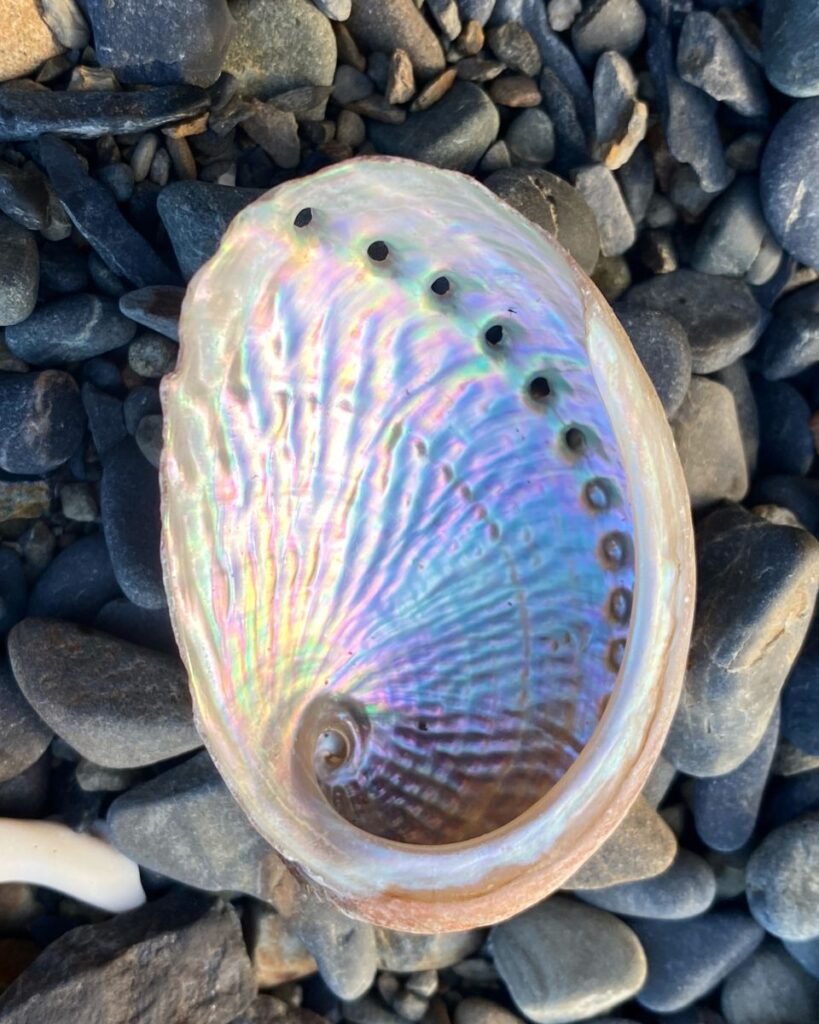
Scientific Name: Haliotis
Class: Gastropoda
Diet: Herbivore
The abalone is a sea snail with a beautiful, ear-shaped shell lined with shimmering, rainbow-colored mother-of-pearl. Small holes along the shell’s edge release water and waste.
Interestingly, the abalone clings tightly to rocks with a powerful muscular foot. This strong grip, combined with its low, sturdy shell, helps it resist both waves and predators.
Abalone inhabit rocky coastal waters around the world, grazing on algae and seaweed.
As grazers, abalone help control algae growth on reefs. Overharvesting and disease have made several abalone species Endangered.
Fun Fact: The inside of an abalone shell gleams with iridescent nacre, prized for making jewelry and decorations.
Whelk
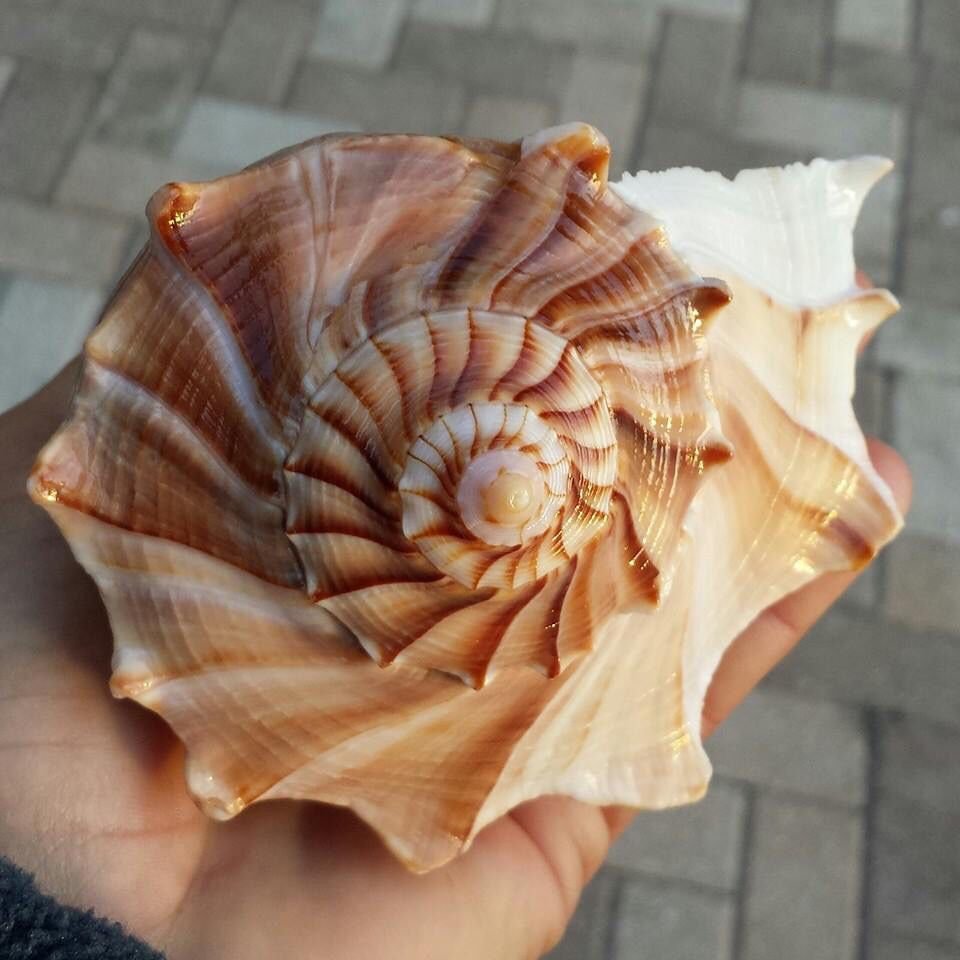
Scientific Name: Buccinum undatum
Class: Gastropoda
Diet: Carnivore
The whelk is a sea snail with a sturdy, spiral shell that protects its soft body. Unlike many grazing snails, it is a predator and scavenger of the seafloor.
Moreover, the whelk uses its shell for defense and its rasping tongue, or radula, to bore into the shells of other mollusks. It can retreat fully into its shell when threatened.
Whelks inhabit coastal and offshore waters, especially in cooler seas, feeding on clams, worms, and carrion.
As predators and scavengers, whelks help balance seafloor communities. Overharvesting for food pressures some whelk populations.
Fun Fact: A whelk can drill a neat hole through another mollusk’s shell to reach the soft meat inside.
Giant Clam
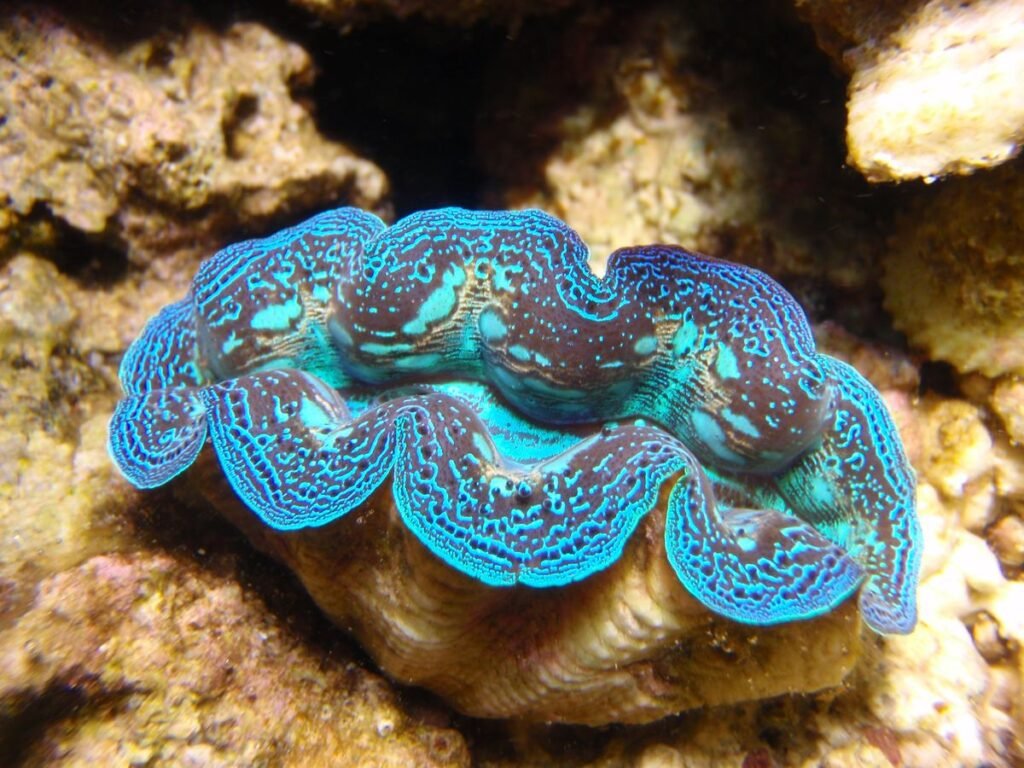
Scientific Name: Tridacna gigas
Class: Bivalvia
Diet: Filter feeder
The giant clam is the largest bivalve in the world, with a massive shell that can measure over a meter across. Its huge, ridged shells protect a colorful, fleshy body inside.
Interestingly, the giant clam gets much of its food from algae living in its tissues, which produce energy from sunlight. It also filters plankton from the water like other clams.
Giant clams inhabit warm, shallow coral reefs of the Indo-Pacific, anchored in place for their entire lives.
As reef dwellers, giant clams help build and enrich coral ecosystems. Overharvesting has made them Vulnerable.
Fun Fact: A giant clam can weigh over 200 kilograms and live for more than 100 years on the reef.
Cowrie
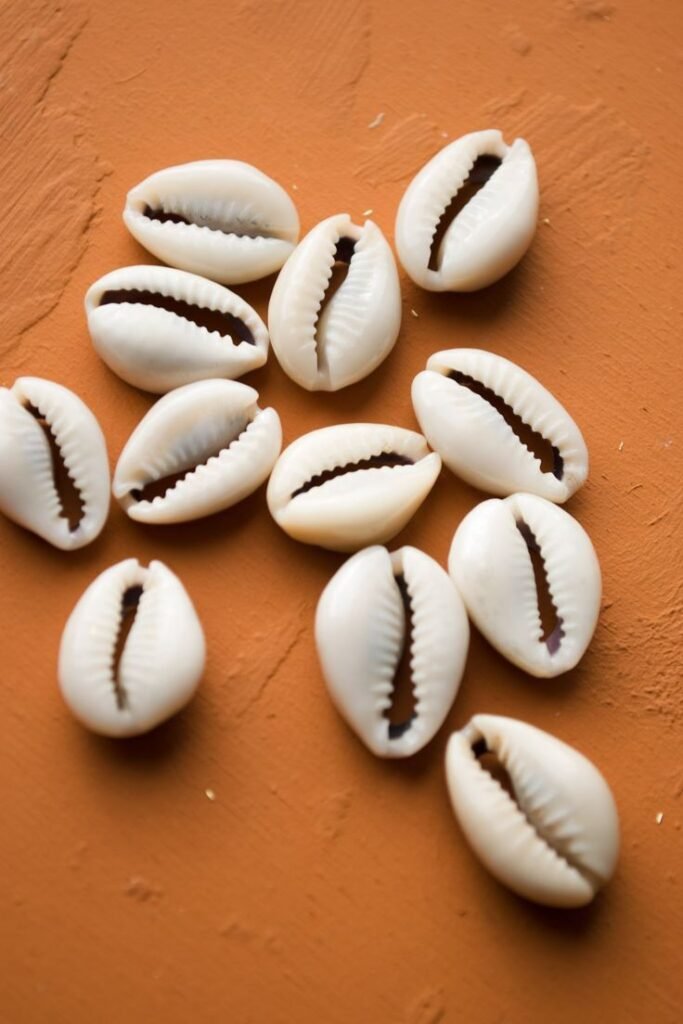
Scientific Name: Cypraea tigris
Class: Gastropoda
Diet: Omnivore
The cowrie is a sea snail celebrated for its glossy, egg-shaped shell with a smooth, polished surface. Its beautiful patterned shell has been admired by humans for thousands of years.
Moreover, the living cowrie covers its shiny shell with a soft mantle that keeps it clean and vibrant. When threatened, it withdraws fully into the shell for protection.
Cowries inhabit warm, shallow tropical waters, especially coral reefs, feeding on algae and small organisms.
As grazers, cowries are part of healthy reef ecosystems. Collection for their prized shells can pressure some local populations.
Fun Fact: Cowrie shells were once used as money in many parts of Africa, Asia, and the Pacific.
Read: Animals With Sharp Teeth
Read: Animals With Long Tail
Read: Animals That Eat Coconuts
Read: Animals That Eat Cactus
Read: Animals With No Tails
Frequently Asked Questions
Conclusion
From ancient nautiluses to armored armadillos, animals with shells reveal one of nature’s most successful survival strategies. Each species whether a filter-feeding oyster, a shell-borrowing hermit crab, or a century-old giant tortoise relies on its protective covering to survive predators, weather, and the challenges of its habitat. These shells also serve surprising extra roles, from purifying water to controlling buoyancy.

2 Comments