Top 12 Animals That Don’t Drink Water (With Images)
How can any creature survive without ever taking a drink of water? It sounds impossible, yet some of nature’s most resourceful animals do exactly that. The animals that don’t drink water have evolved astonishing ways to get every drop they need from their food, their surroundings, or even their own bodies. Far from a weakness, this ability lets them thrive in scorching deserts and dry landscapes where water is almost nonexistent.
From a tiny rat that never sips to a lizard that drinks through its skin, these animals reveal the incredible power of adaptation. Let’s explore the most remarkable animals that survive without drinking water and the secrets behind their success.
Quick List Table
| Rank | Animal Name | Scientific Name |
|---|---|---|
| 1 | Kangaroo Rat | Dipodomys species |
| 2 | Koala | Phascolarctos cinereus |
| 3 | Thorny Devil | Moloch horridus |
| 4 | Addax | Addax nasomaculatus |
| 5 | Fennec Fox | Vulpes zerda |
| 6 | Dorcas Gazelle | Gazella dorcas |
| 7 | Desert Jerboa | Jaculus jaculus |
| 8 | Springbok | Antidorcas marsupialis |
| 9 | Sand Cat | Felis margarita |
| 10 | Desert Tortoise | Gopherus agassizii |
| 11 | Gila Monster | Heloderma suspectum |
| 12 | Namib Desert Beetle | Stenocara gracilipes |
Kangaroo Rat
Scientific Name: Dipodomys species
Class: Mammalia
Diet: Herbivore (seeds)
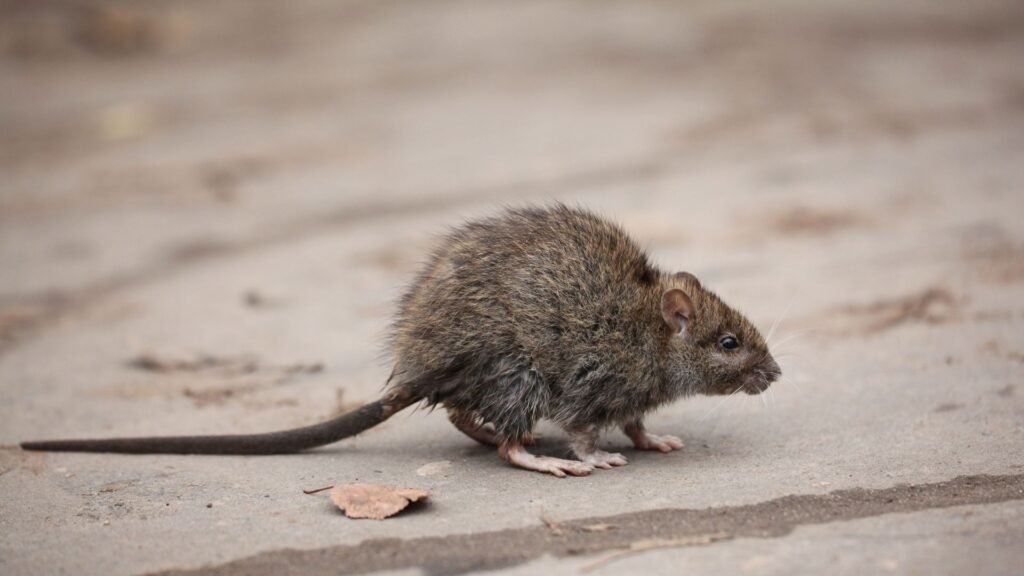
The kangaroo rat is the ultimate example of an animal that never drinks water. It survives entirely on the moisture within its food. This tiny desert rodent is a marvel of water conservation.
Interestingly, the kangaroo rat produces water internally by breaking down the dry seeds it eats, a process called metabolic water. Its kidneys are so efficient that its urine is highly concentrated, wasting almost no moisture. It even avoids the heat by staying in cool burrows.
Kangaroo rats live in the deserts of western North America. As herbivores, they feed mainly on dry seeds, which they store in their burrows.
Moreover, kangaroo rats disperse seeds and are prey for many desert predators. They remain common across their arid range.
Fun Fact: A kangaroo rat can live its entire life without ever drinking a drop of water.
Koala
Scientific Name: Phascolarctos cinereus
Class: Mammalia
Diet: Herbivore (eucalyptus leaves)
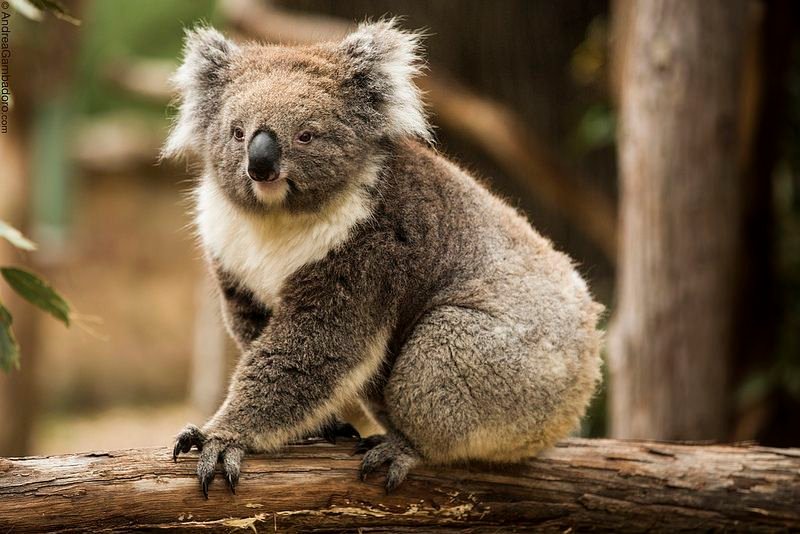
The koala famously gets most of its water from the leaves it eats. Its very name is often linked to the idea of “no drink.” It rarely needs to seek out water.
Interestingly, the koala absorbs moisture from eucalyptus leaves, which can be more than half water. For much of its life it drinks little to none, relying on its leafy diet. In times of extreme heat or drought, however, it will drink when it must.
Koalas live in the eucalyptus forests of eastern and southern Australia. As herbivores, they feed almost entirely on eucalyptus leaves.
Moreover, koalas are icons of Australia’s woodlands and indicators of forest health. Habitat loss, bushfires, and disease have made them vulnerable.
Thorny Devil
Scientific Name: Moloch horridus
Class: Reptilia
Diet: Carnivore (ants)
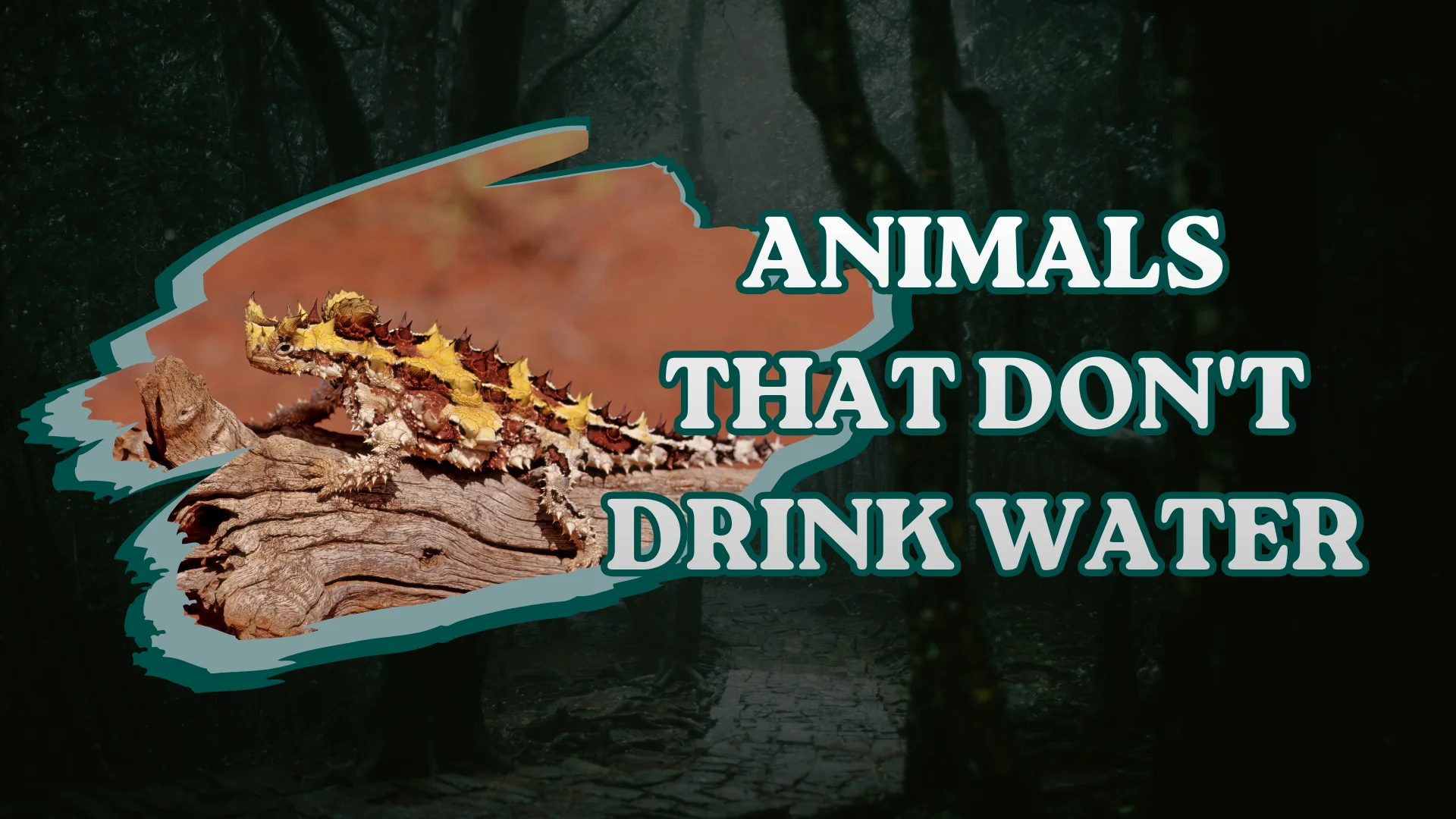
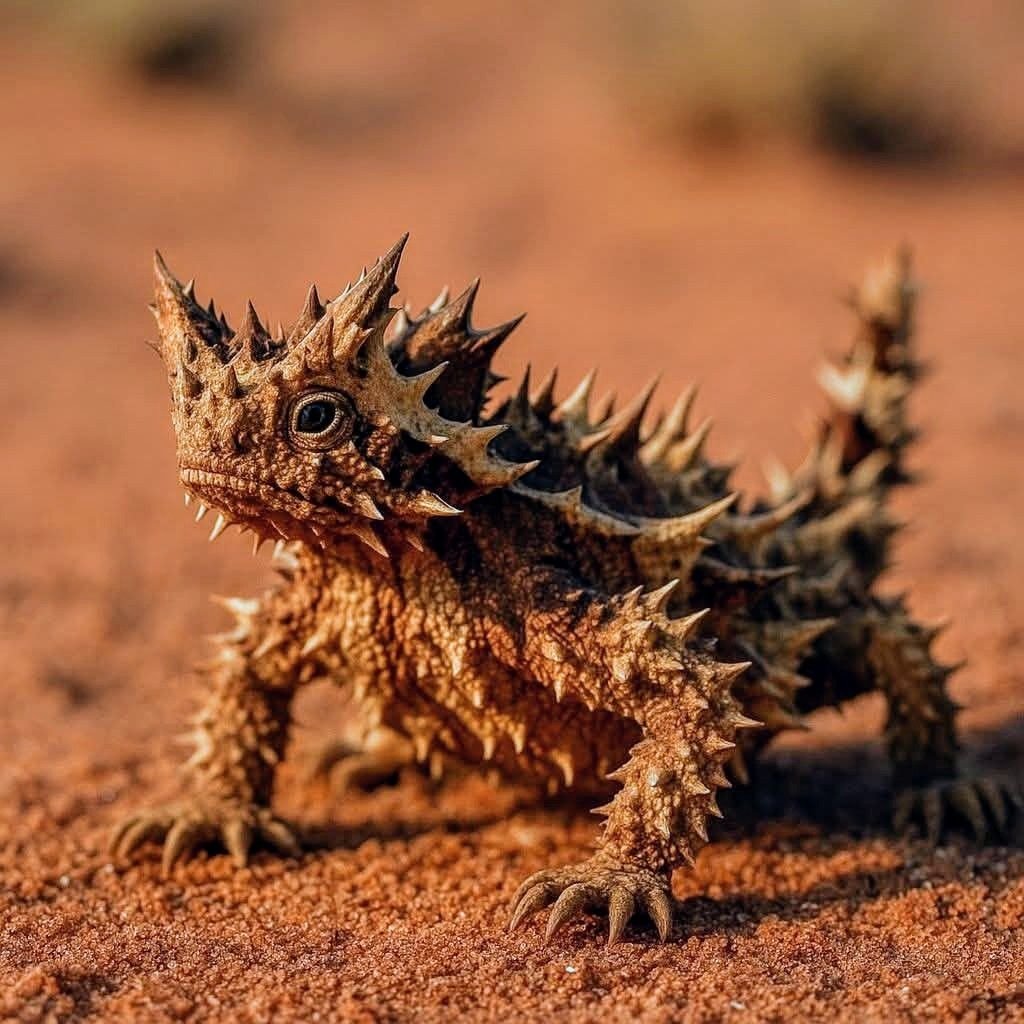
The thorny devil is a desert lizard that drinks through its skin rather than its mouth. It collects water from any moisture it touches. This astonishing ability lets it survive in arid Australia.
What sets the thorny devil apart is its water-channeling skin. Tiny grooves between its scales draw water by capillary action from dew, rain, or damp sand straight to its mouth. It never needs to take a traditional drink.
Thorny devils live in the arid scrublands and deserts of Australia. As insectivores, they feed almost entirely on ants, eating thousands each day.
Moreover, thorny devils help control ant populations. They remain fairly widespread across their dry range.
Fun Fact: The thorny devil collects water in skin grooves that channel it straight to its mouth.
Addax
Scientific Name: Addax nasomaculatus
Class: Mammalia
Diet: Herbivore
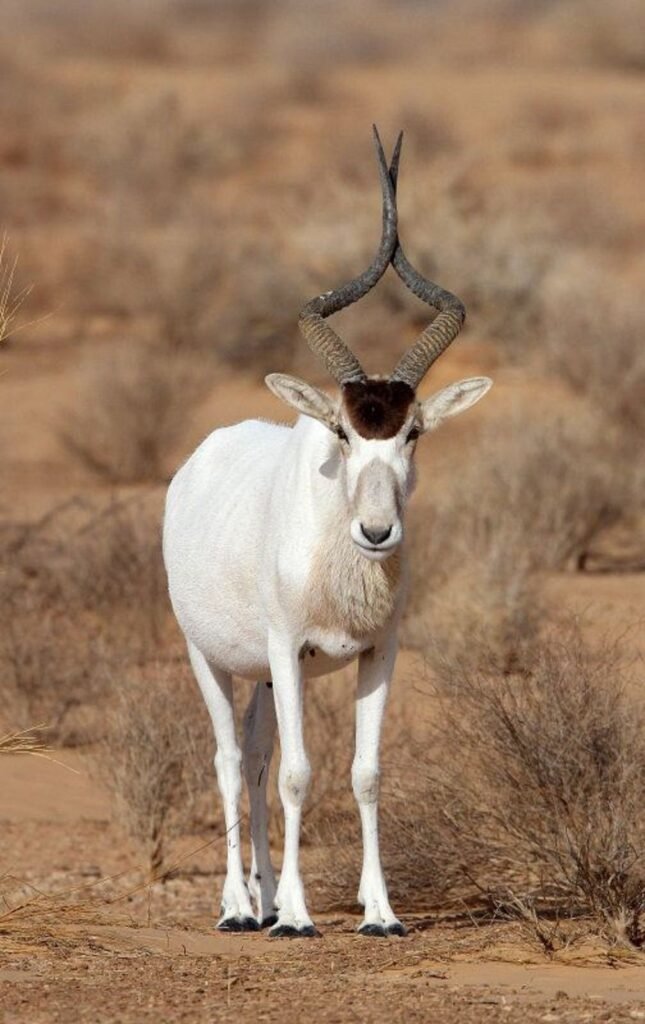
The addax, or white antelope, can survive almost entirely without drinking water. It gets nearly all its moisture from desert plants. This makes it one of the most drought-adapted mammals.
Interestingly, the addax obtains water from the grasses and shrubs it eats, even from plants that seem completely dry. Its body is finely tuned to conserve every drop. It can go long periods, sometimes its whole life, without drinking.
Addax once roamed across the Sahara but now survive in tiny numbers in remote deserts. As herbivores, they feed on desert grasses and shrubs.
Moreover, the addax is a keystone of the desert ecosystem. Overhunting and habitat disturbance have made it critically endangered.
Fennec Fox
Scientific Name: Vulpes zerda
Class: Mammalia
Diet: Omnivore
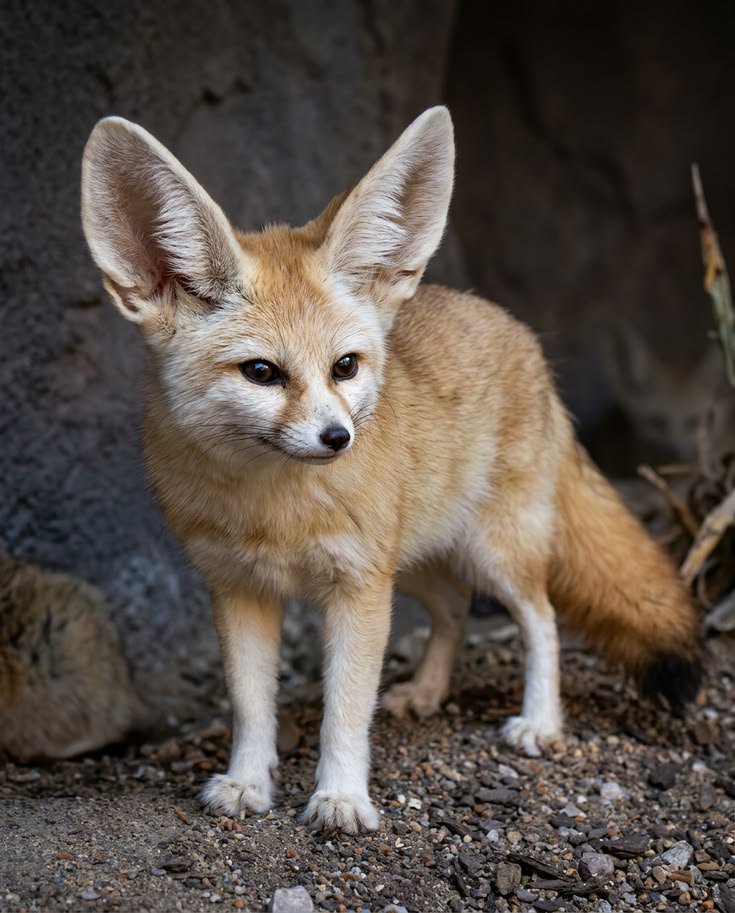
The fennec fox is a tiny desert fox that can survive without drinking water. It draws moisture from its food. Its body is superbly adapted to the dry Sahara.
What sets the fennec fox apart is its efficient water use. It gets water from the plants, insects, and small animals it eats, and its kidneys conserve moisture tightly. Its huge ears also release heat, helping it stay cool.
Fennec foxes live in the deserts of North Africa. As omnivores, they eat insects, small animals, and plants.
Moreover, fennec foxes help control insect and rodent populations. They remain fairly common across their desert range.
Fun Fact: The fennec fox’s huge ears release body heat, helping it survive without much water.
Dorcas Gazelle
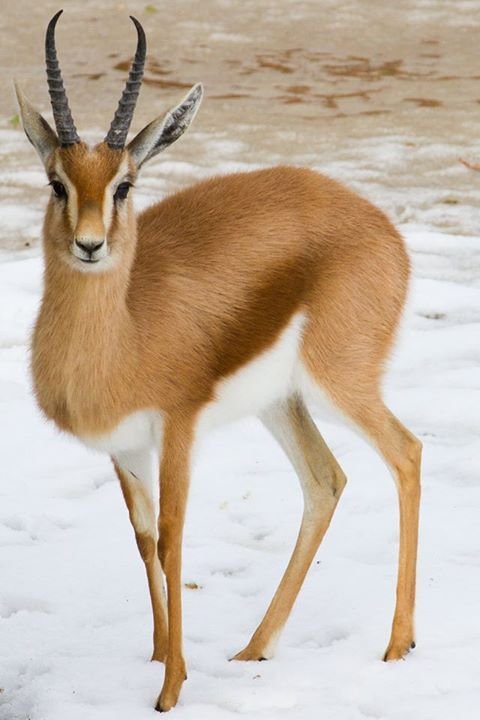
Scientific Name: Gazella dorcas
Class: Mammalia
Diet: Herbivore
The dorcas gazelle is a small antelope that can live without ever drinking water. It gets all its moisture from desert plants. This makes it perfectly suited to arid lands.
Interestingly, the dorcas gazelle obtains water from the leaves, flowers, and pods it eats. Its body conserves moisture so well that it rarely needs to drink. It can even reduce water loss by adjusting its behavior in the heat.
Dorcas gazelles live in the deserts and semi-deserts of North Africa and the Middle East. As herbivores, they feed on desert vegetation.
Moreover, dorcas gazelles are important prey and shape desert plant life. Habitat loss and hunting have made them a species of concern.
Desert Jerboa
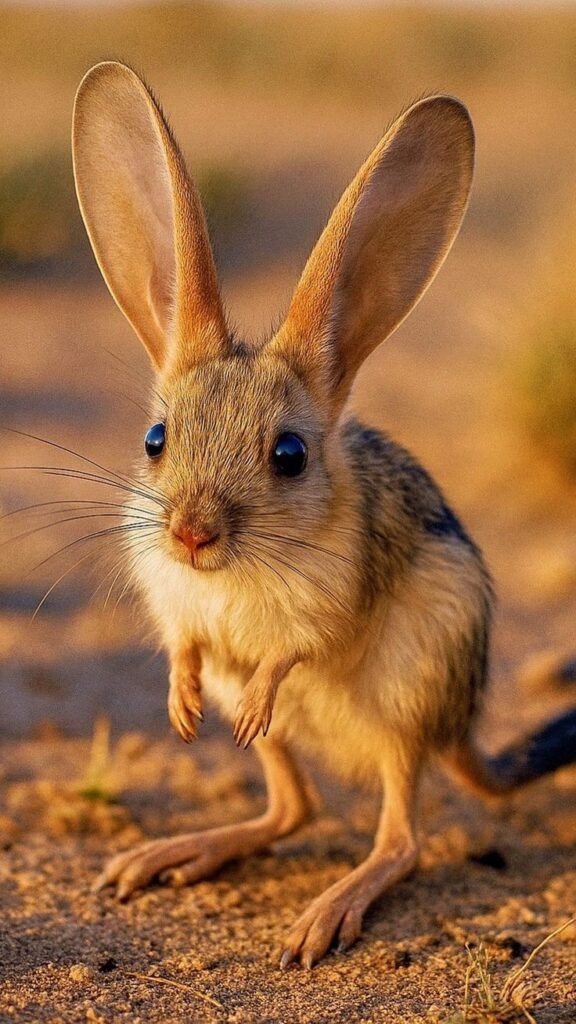
Scientific Name: Jaculus jaculus
Class: Mammalia
Diet: Herbivore (seeds, plants)
The desert jerboa is a hopping rodent that survives without drinking water. Like the kangaroo rat, it lives on the moisture in its food. It thrives in some of the driest places on Earth.
What sets the jerboa apart is its metabolic water production. It creates water internally from the dry seeds and plants it eats. Its efficient kidneys and nighttime habits help it conserve every drop.
Desert jerboas live in the deserts of North Africa and Asia. As herbivores, they feed on seeds, roots, and desert plants.
Moreover, jerboas disperse seeds and are prey for desert predators. They remain common across their arid range.
Fun Fact: The jerboa’s long hind legs let it hop far across the desert in search of seeds.
Springbok
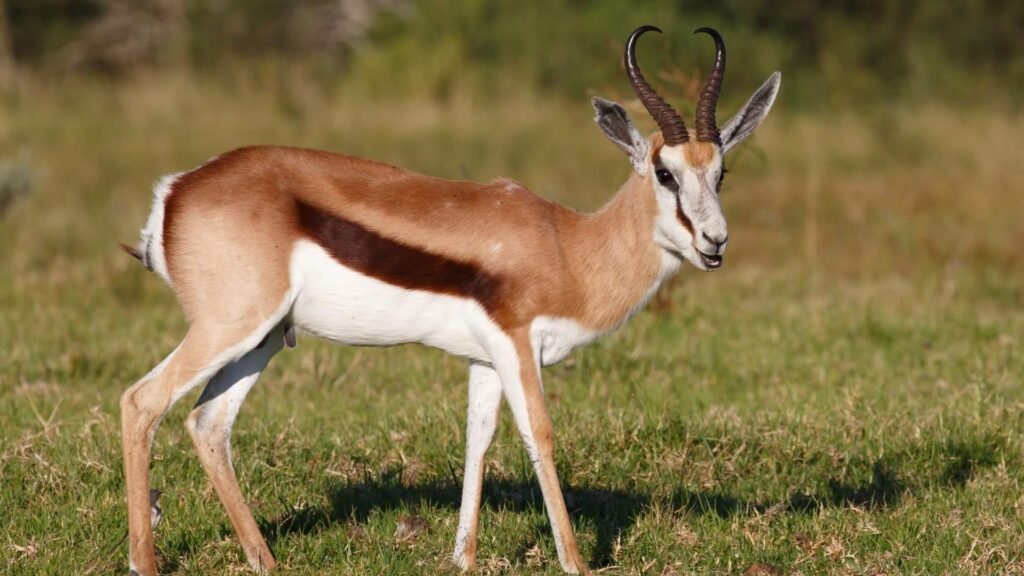
Scientific Name: Antidorcas marsupialis
Class: Mammalia
Diet: Herbivore
The springbok is a graceful antelope that can survive without drinking water for long periods. It draws moisture from the plants it eats. This helps it thrive in dry southern Africa.
Interestingly, the springbok obtains water from succulent plants and roots, feeding at times when they hold the most moisture. It can go without drinking for extended periods, sometimes years, in the wild. Its body is finely tuned for dry conditions.
Springbok live in the grasslands and semi-deserts of southern Africa. As herbivores, they feed on grasses, shrubs, and roots.
Moreover, springbok shape vegetation and are important prey. They remain widespread and abundant across their range.
Fun Fact: Springbok can go for very long periods without drinking, getting water from succulent plants.
Sand Cat
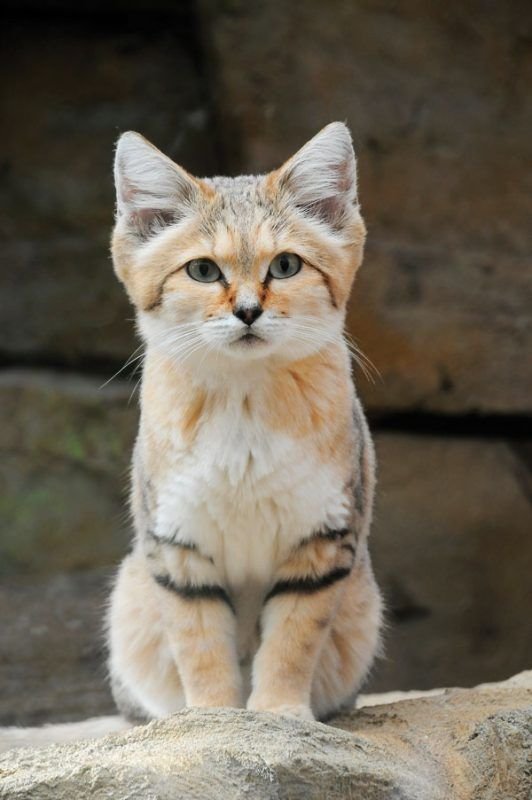
Scientific Name: Felis margarita
Class: Mammalia
Diet: Carnivore
The sand cat is a small desert cat that can survive without drinking water. It gets its moisture from the prey it hunts. This lets it thrive in harsh, waterless deserts.
What sets the sand cat apart is its reliance on prey for hydration. It obtains water from the bodies of the rodents, birds, and reptiles it eats. Its thick foot fur protects it from hot sand as it hunts.
Sand cats live in the deserts of North Africa, the Middle East, and Central Asia. As carnivores, they hunt small animals mostly at night.
Moreover, sand cats help control rodent and reptile populations. They remain elusive but fairly widespread across their range.
Desert Tortoise
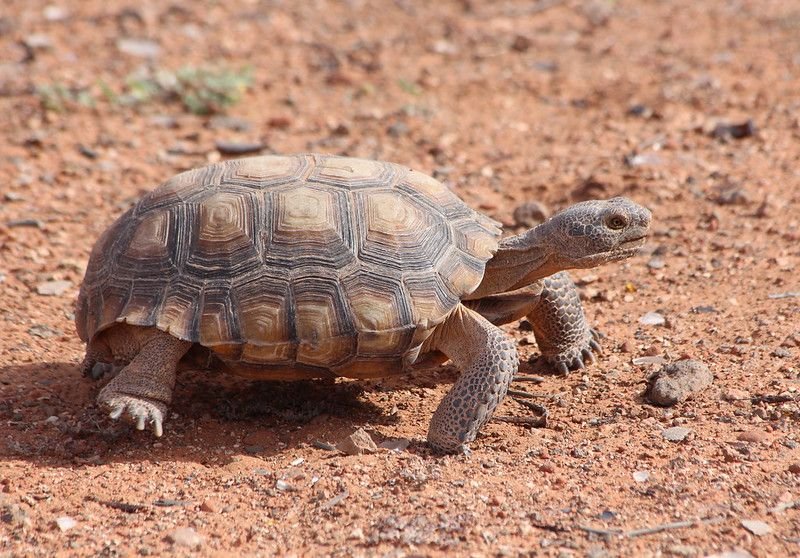
Scientific Name: Gopherus agassizii
Class: Reptilia
Diet: Herbivore
The desert tortoise can go a year or more without drinking water. It gets moisture from the plants it eats and stores water in its body. This makes it a true desert survivor.
Interestingly, the desert tortoise stores water in its bladder, drawing on this reserve during long dry spells. It gains most of its moisture from wildflowers and grasses. It spends much of its life in cool burrows to avoid the heat.
Desert tortoises live in the deserts of the southwestern United States and Mexico. As herbivores, they feed on grasses, wildflowers, and cactus.
Moreover, desert tortoises shape plant life and their burrows shelter other animals. Habitat loss has made them a threatened species.
Fun Fact: The desert tortoise stores water in its bladder to survive long, dry desert spells.
Gila Monster
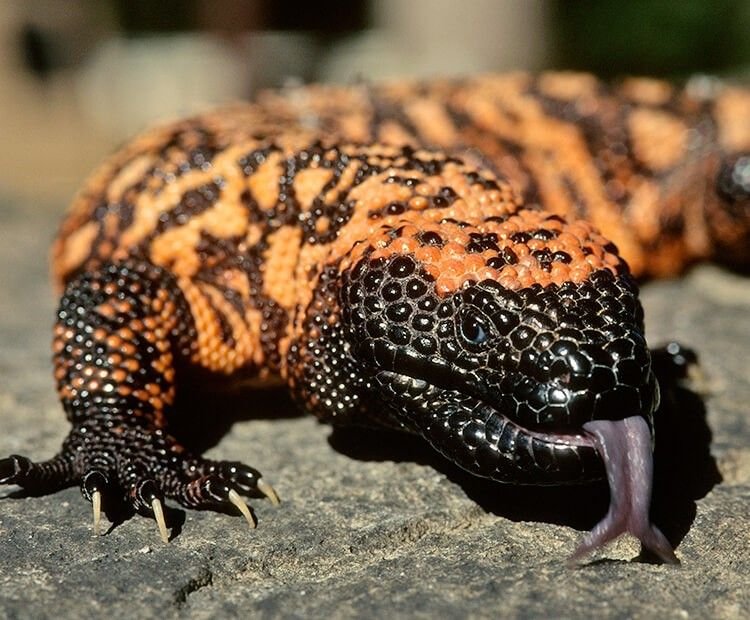
Scientific Name: Heloderma suspectum
Class: Reptilia
Diet: Carnivore (eggs, small animals)
The Gila monster rarely needs to drink water, thanks to its remarkable ability to store it. It gets moisture from its prey and holds reserves in its body. This helps it survive the harsh desert.
What sets the Gila monster apart is its fat-storing tail and efficient body. It obtains water from the eggs and animals it eats and stores energy and moisture for lean times. It spends most of its life underground, conserving resources.
Gila monsters live in the deserts of the southwestern United States and northern Mexico. As carnivores, they eat eggs, young birds, and small mammals.
Moreover, Gila monsters help control small-animal populations. Habitat loss has made them a protected species in parts of their range.
Namib Desert Beetle
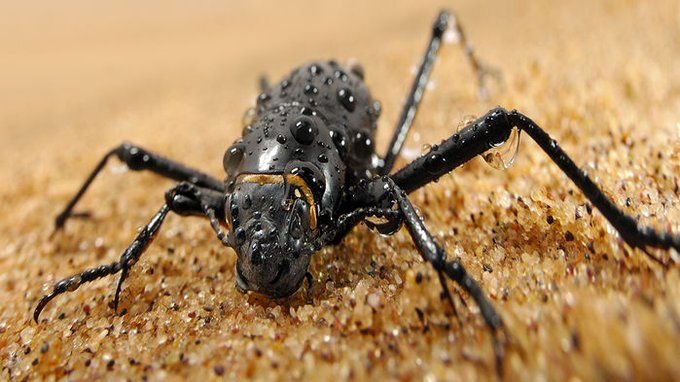
Scientific Name: Stenocara gracilipes
Class: Insecta
Diet: Detritivore (organic matter)
The Namib desert beetle survives without drinking by harvesting water from fog. It collects tiny droplets on its own body. This ingenious trick lets it live in one of the driest deserts on Earth.
Interestingly, the beetle climbs a dune and tilts its body into the morning fog. Water droplets collect on bumps on its back, then run down channels straight to its mouth. This “fog-basking” gives it the water it needs.
Namib desert beetles live in the fog-swept dunes of the Namib Desert in southern Africa. As detritivores, they feed on wind-blown plant matter and detritus.
Moreover, these beetles are a famous example of desert adaptation. Their fog-harvesting has even inspired human water-collection technology.
Fun Fact: The Namib beetle collects drinking water from fog on the bumps of its own back.
Read: Animals That Are Loners
Read: Animals That Can Climb Trees
Read: Animals That Eat Grass
Read: Animals That Eat Bananas
Read: Animals That Eat Snakes
Frequently Asked Questions
Conclution
From the kangaroo rat that never sips to the beetle that drinks from fog, the animals that don’t drink water reveal the astonishing power of adaptation. By drawing moisture from food, producing it internally, or harvesting it from the air, these creatures thrive where water is almost nonexistent. Their remarkable strategies allow them to survive in the world’s harshest deserts and dry lands.