Top 12 Animals That Eat Fish (With Images)
What does it take to catch a meal that darts, slips, and swims for its life? Across rivers, lakes, and oceans, a remarkable group of hunters has mastered the art of catching fish. The animals that eat fish, known as piscivores, use talons, beaks, teeth, and dazzling speed to seize their slippery prey. Far more than simple hunters, these animals help keep aquatic ecosystems in balance.
From a grizzly bear snatching salmon mid-leap to a kingfisher diving like an arrow, fish-eaters come in every form. Let’s explore the most skilled animals that eat fish and the incredible adaptations that make them such successful anglers of the wild.
Quick List Table
| Rank | Animal Name | Scientific Name |
|---|---|---|
| 1 | Grizzly Bear | Ursus arctos horribilis |
| 2 | Bald Eagle | Haliaeetus leucocephalus |
| 3 | Osprey | Pandion haliaetus |
| 4 | Common Kingfisher | Alcedo atthis |
| 5 | Great Blue Heron | Ardea herodias |
| 6 | Bottlenose Dolphin | Tursiops truncatus |
| 7 | North American River Otter | Lontra canadensis |
| 8 | Great White Pelican | Pelecanus onocrotalus |
| 9 | Harbor Seal | Phoca vitulina |
| 10 | African Penguin | Spheniscus demersus |
| 11 | Gharial | Gavialis gangeticus |
| 12 | Nile Crocodile | Crocodylus niloticus |
Grizzly Bear
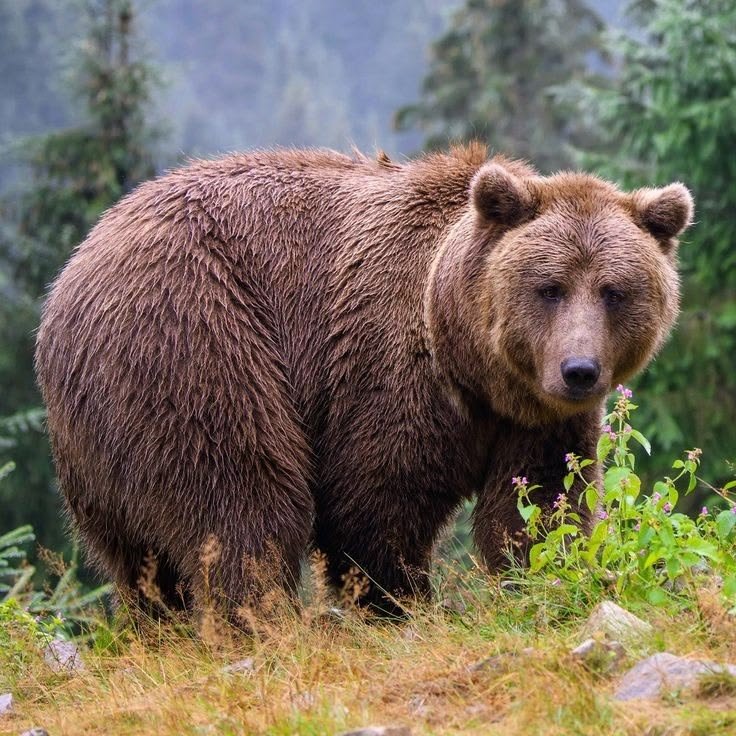
Scientific Name: Ursus arctos horribilis
Class: Mammalia
Diet: Omnivore
The grizzly bear is one of the most iconic fish-eaters in the world. During salmon runs, it catches fish by the dozens. This feast is vital for building fat before winter.
Interestingly, grizzlies use several techniques to catch salmon, from snatching leaping fish mid-air to pinning them underwater. The rich, fatty fish provide essential energy before hibernation. Bears may eat dozens of salmon in a single day.
Grizzly bears live in the forests, mountains, and coasts of North America. As omnivores, they eat fish, plants, insects, and small animals.
Moreover, grizzlies carry salmon carcasses into forests, fertilizing the land with nutrients. Habitat loss has reduced their range, though they remain iconic.
Fun Fact: Grizzlies fertilize entire forests by carrying salmon carcasses far from the river.
Bald Eagle
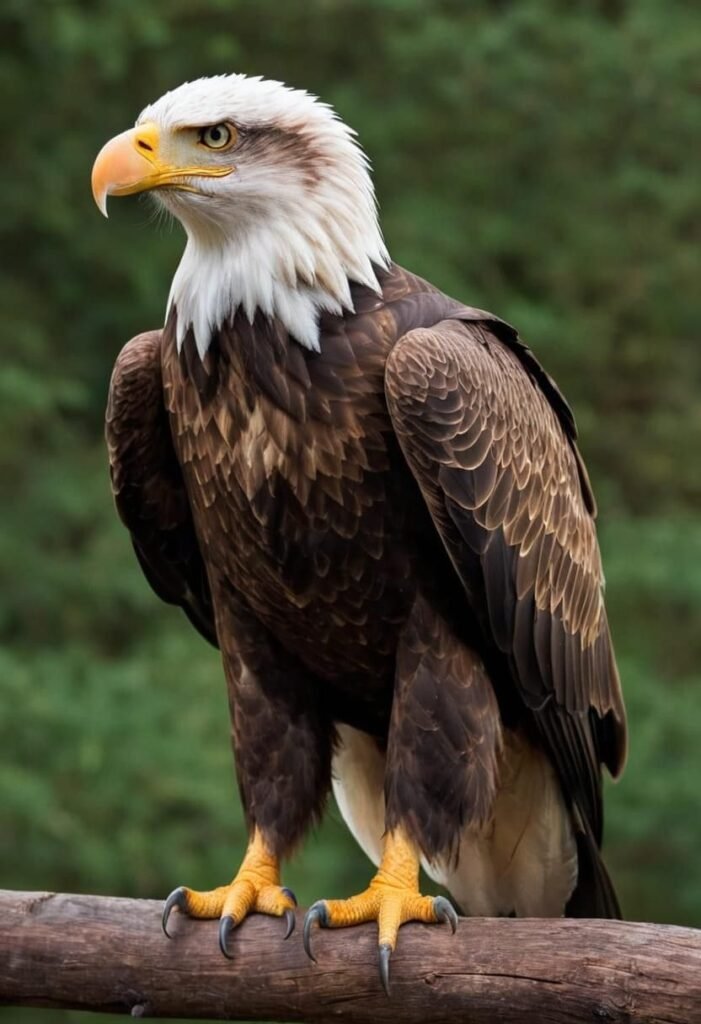
Scientific Name: Haliaeetus leucocephalus
Class: Aves
Diet: Carnivore (fish, birds)
The bald eagle is a powerful raptor and expert fisher. It swoops down to snatch fish from the water’s surface with its talons. Fish make up a large part of its diet.
What sets the eagle apart is its keen eyesight and powerful grip. Spotting fish from high above, it dives and grabs them with sharp talons. Its rough foot pads help it hold onto slippery prey.
Bald eagles live near rivers, lakes, and coasts across North America. As carnivores, they hunt fish and birds and also scavenge.
Moreover, bald eagles are a conservation success and a national symbol. Once endangered, they have made a remarkable recovery.
Osprey
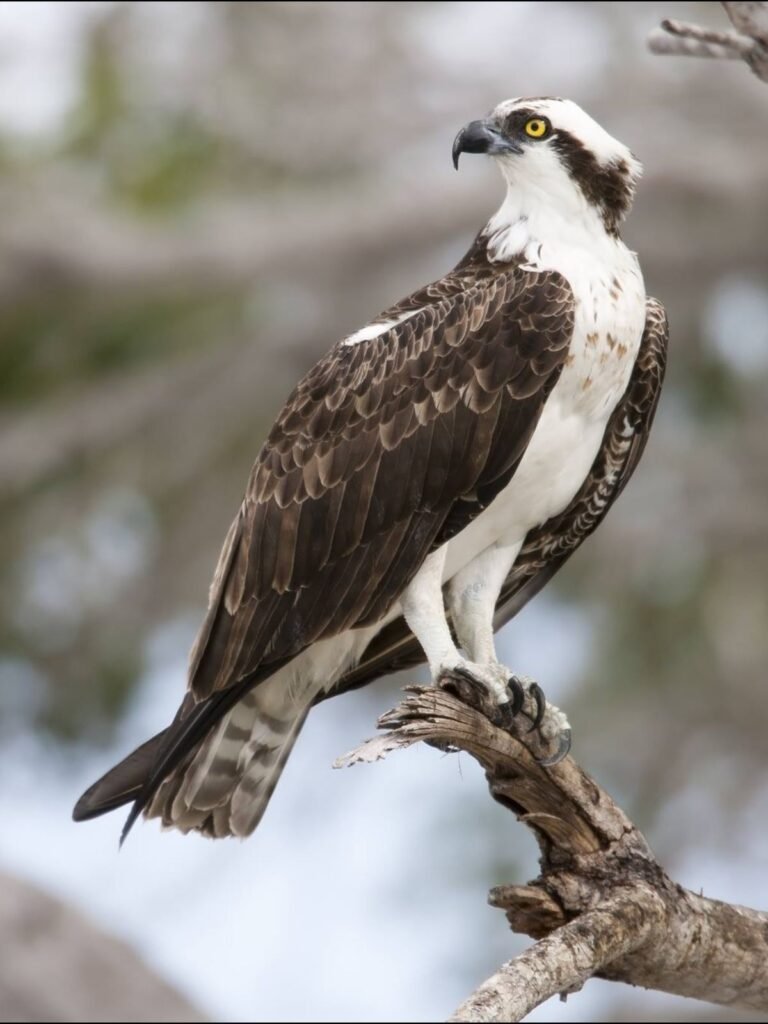
Scientific Name: Pandion haliaetus
Class: Aves
Diet: Carnivore (fish)
The osprey is a raptor so specialized that fish make up almost its entire diet. It plunges feet-first into the water to grab its prey. Few birds are such dedicated fishers.
Interestingly, the osprey has reversible outer toes and spiny foot pads to grip slippery fish. It hovers, then dives dramatically, sometimes plunging completely underwater. It carries fish headfirst to reduce drag in flight.
Ospreys live near water almost worldwide, from lakes and rivers to coasts. As piscivores, they hunt fish of many kinds near the surface.
Moreover, ospreys are indicators of healthy waterways. Once harmed by pesticides, they have recovered strongly in many regions.
Fun Fact: The osprey can rotate an outer toe to grip slippery fish with two claws in front and two behind.
Common Kingfisher
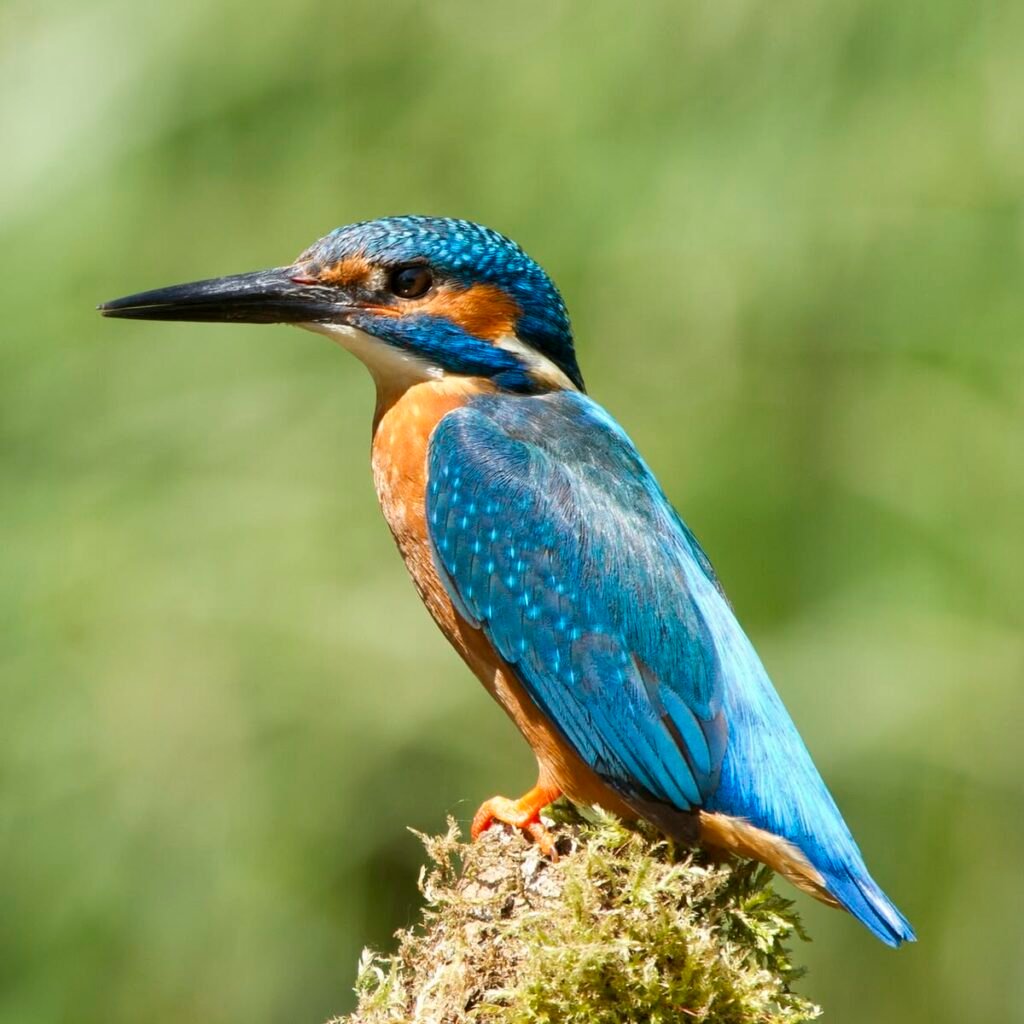
Scientific Name: Alcedo atthis
Class: Aves
Diet: Carnivore (fish, insects)
The common kingfisher is a tiny, jewel-colored bird and a master fisher. It dives like an arrow to catch small fish. Its speed and precision are remarkable for its size.
What sets the kingfisher apart is its lightning dive. Perched above the water, it plunges headfirst to seize a fish, then returns to its perch to swallow it. Special eyes help it judge depth despite the water’s surface.
Common kingfishers live near rivers, streams, and lakes across Europe and Asia. As carnivores, they hunt small fish and aquatic insects.
Moreover, kingfishers indicate clean, healthy waterways. Pollution and habitat loss can affect their populations.
Fun Fact: A kingfisher can dive and catch a fish in under a second, barely making a splash.
Great Blue Heron

Scientific Name: Ardea herodias
Class: Aves
Diet: Carnivore (fish, amphibians)
The great blue heron is a patient, skilled fisher of shallow waters. It stands motionless before striking with a lightning jab. Fish are a mainstay of its diet.
Interestingly, the heron waits perfectly still until a fish swims near, then spears or grabs it with its sharp bill. Its long legs let it wade into the water to hunt. It swallows fish whole, headfirst.
Great blue herons live near lakes, rivers, marshes, and coasts across North and Central America. As carnivores, they hunt fish, frogs, and small animals.
Moreover, herons help balance fish and amphibian populations. They remain common across their range.
Bottlenose Dolphin
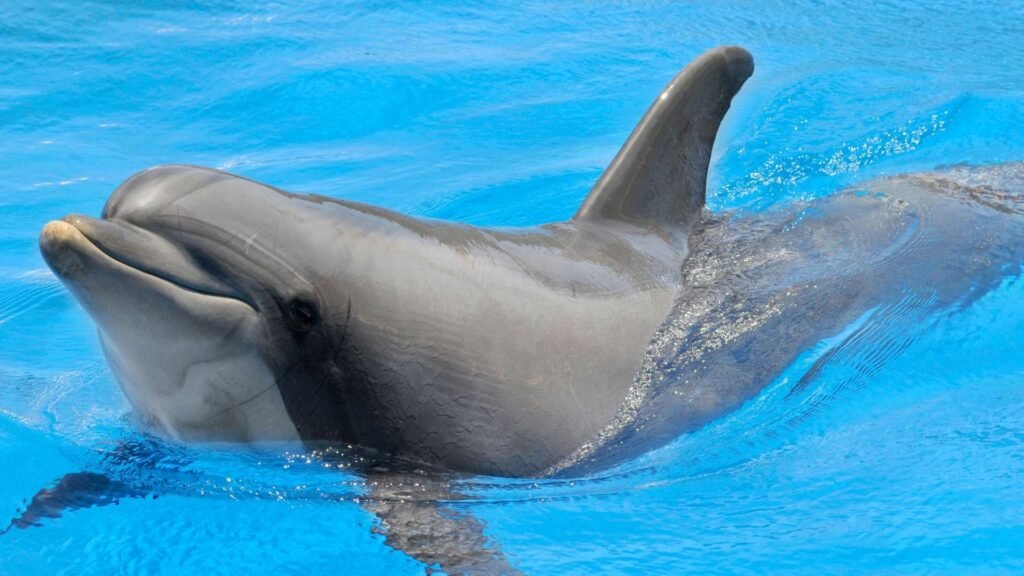
Scientific Name: Tursiops truncatus
Class: Mammalia
Diet: Carnivore (fish, squid)
The bottlenose dolphin is one of the ocean’s most intelligent fish hunters. It uses teamwork and clever tricks to catch its prey. Fish form the core of its diet.
What sets the dolphin apart is its cooperative hunting. Pods herd fish into tight balls, and some dolphins stir up mud rings to trap them. They use echolocation to find fish even in murky water.
Bottlenose dolphins live in temperate and tropical oceans worldwide. As carnivores, they hunt fish and squid in coastal and open waters.
Moreover, dolphins are top predators that reflect ocean health. Pollution, fishing nets, and noise remain ongoing threats.
Fun Fact: Some dolphins stir up rings of mud to trap fish, then snatch them as they leap out.
North American River Otter
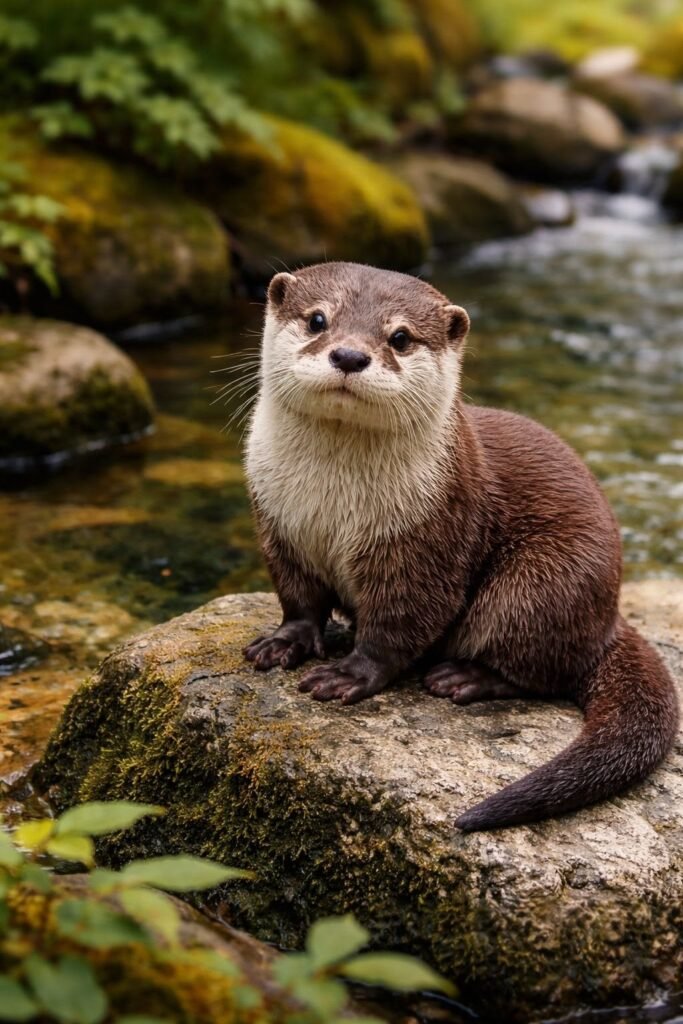
Scientific Name: Lontra canadensis
Class: Mammalia
Diet: Carnivore (fish, crustaceans)
The North American river otter is an agile, playful fisher of freshwater. It dives repeatedly to chase down fish. Its speed underwater makes it a skilled hunter.
Interestingly, the otter’s streamlined body, webbed feet, and whiskers help it catch fish. Its whiskers sense movement in the water, guiding it to prey. It often eats its catch while floating on its back.
River otters live in clean rivers, lakes, and wetlands across North America. As carnivores, they hunt fish, frogs, and crayfish.
Moreover, otters are indicators of healthy waterways. Pollution and habitat loss once harmed them, though many populations have recovered.
Great White Pelican
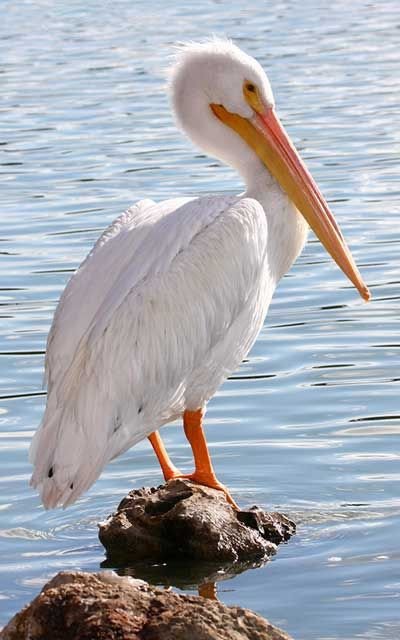
Scientific Name: Pelecanus onocrotalus
Class: Aves
Diet: Carnivore (fish)
The great white pelican is a large waterbird that scoops up fish in its huge throat pouch. It often fishes in coordinated groups. Fish make up nearly its entire diet.
What sets the pelican apart is its enormous bill and stretchy pouch. It dips its bill into the water like a net, catching fish and draining the water before swallowing. Groups sometimes herd fish into the shallows together.
Great white pelicans live near lakes, rivers, and coasts across Africa, Europe, and Asia. As piscivores, they eat large amounts of fish daily.
Moreover, pelicans help balance fish populations in their wetlands. They remain widespread, though some colonies face habitat pressure.
Fun Fact: A pelican’s throat pouch can hold more fish and water than its own stomach.
Harbor Seal
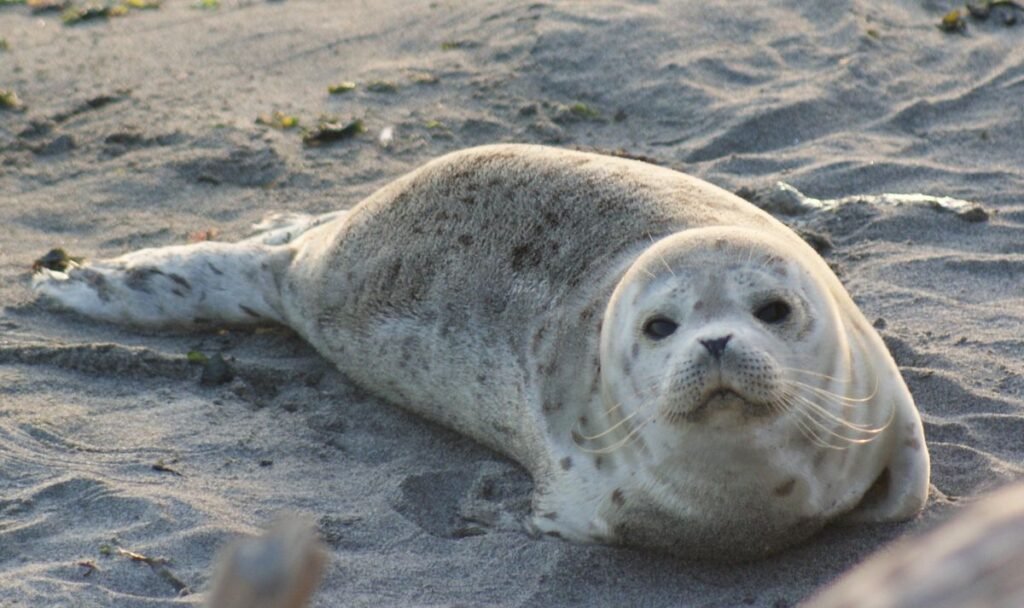
Scientific Name: Phoca vitulina
Class: Mammalia
Diet: Carnivore (fish)
The harbor seal is a sleek marine mammal that feeds mainly on fish. It dives skillfully to hunt in coastal waters. Fish are the heart of its diet.
Interestingly, the harbor seal uses its sensitive whiskers to detect the trails left by swimming fish. Its streamlined body makes it a swift, agile diver. It can stay underwater for many minutes while hunting.
Harbor seals live along the coasts of the Northern Hemisphere. As carnivores, they hunt fish and sometimes squid and crustaceans.
Moreover, seals are important predators and indicators of coastal health. They remain widespread across their range.
African Penguin
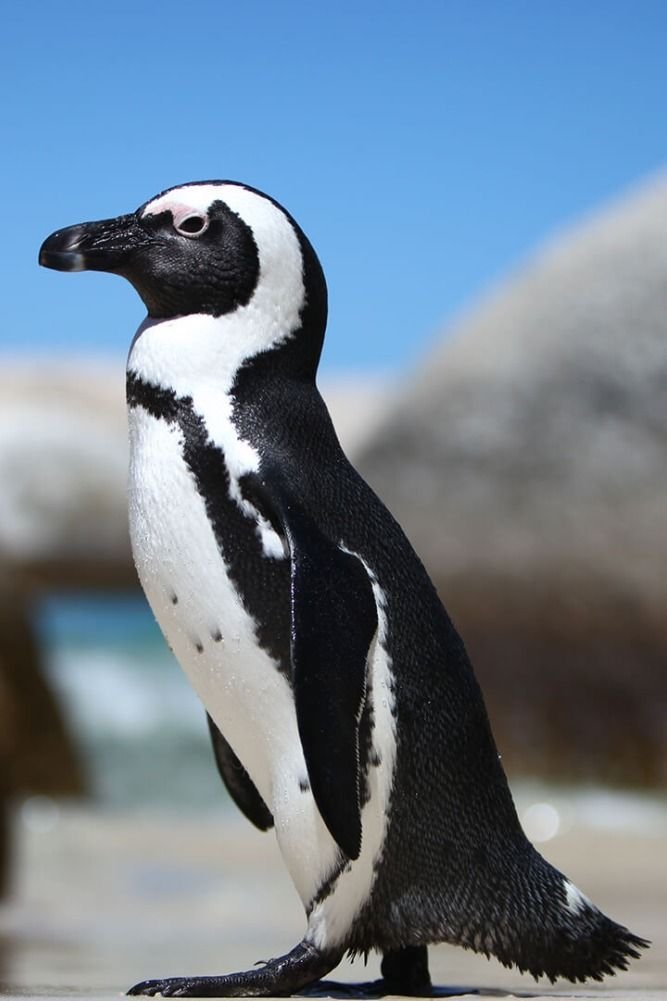
Scientific Name: Spheniscus demersus
Class: Aves
Diet: Carnivore (fish)
The African penguin is a flightless bird that “flies” underwater to catch fish. It hunts small schooling fish with speed and agility. Fish are its primary food.
What sets this penguin apart is its swimming skill. Using its flipper-like wings, it darts after sardines and anchovies in swift, twisting chases. It can dive many times in a single hunting trip.
African penguins live along the coasts of southern Africa. As piscivores, they feed mainly on small schooling fish.
Moreover, penguins are indicators of ocean health. Overfishing and habitat loss have made the African penguin endangered.
Fun Fact: African penguins can swim at bursts of up to 20 kilometers per hour to catch fish.
Gharial
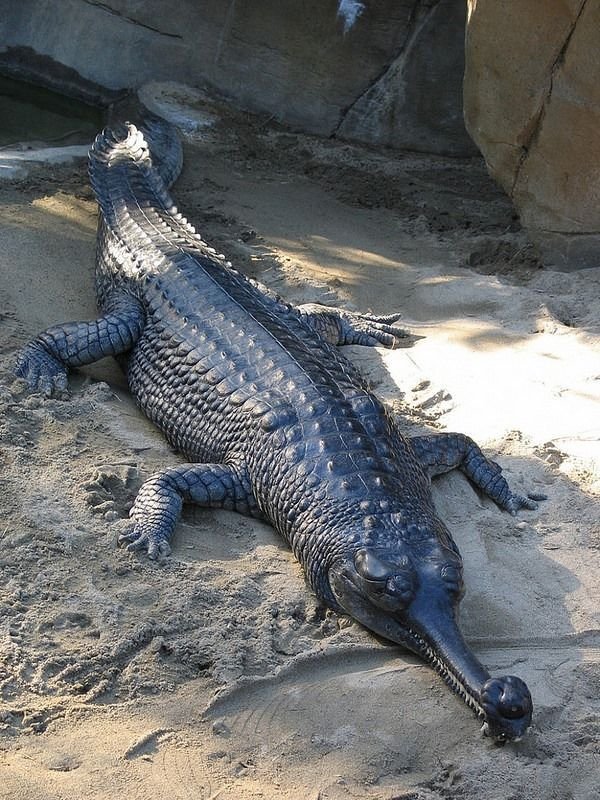
Scientific Name: Gavialis gangeticus
Class: Reptilia
Diet: Carnivore (fish)
The gharial is a crocodilian so specialized that it eats almost nothing but fish. Its long, narrow snout is built for catching them. Few reptiles are such dedicated fish-eaters.
Interestingly, the gharial’s slender jaws, lined with sharp interlocking teeth, sweep sideways through the water to snap up fish. This shape offers little resistance, letting it strike quickly. It swallows fish headfirst.
Gharials live in the rivers of the Indian subcontinent. As piscivores, they hunt fish in deep, fast-flowing waters.
Moreover, gharials are indicators of healthy river systems. Habitat loss and fishing nets have made them critically endangered.
Nile Crocodile
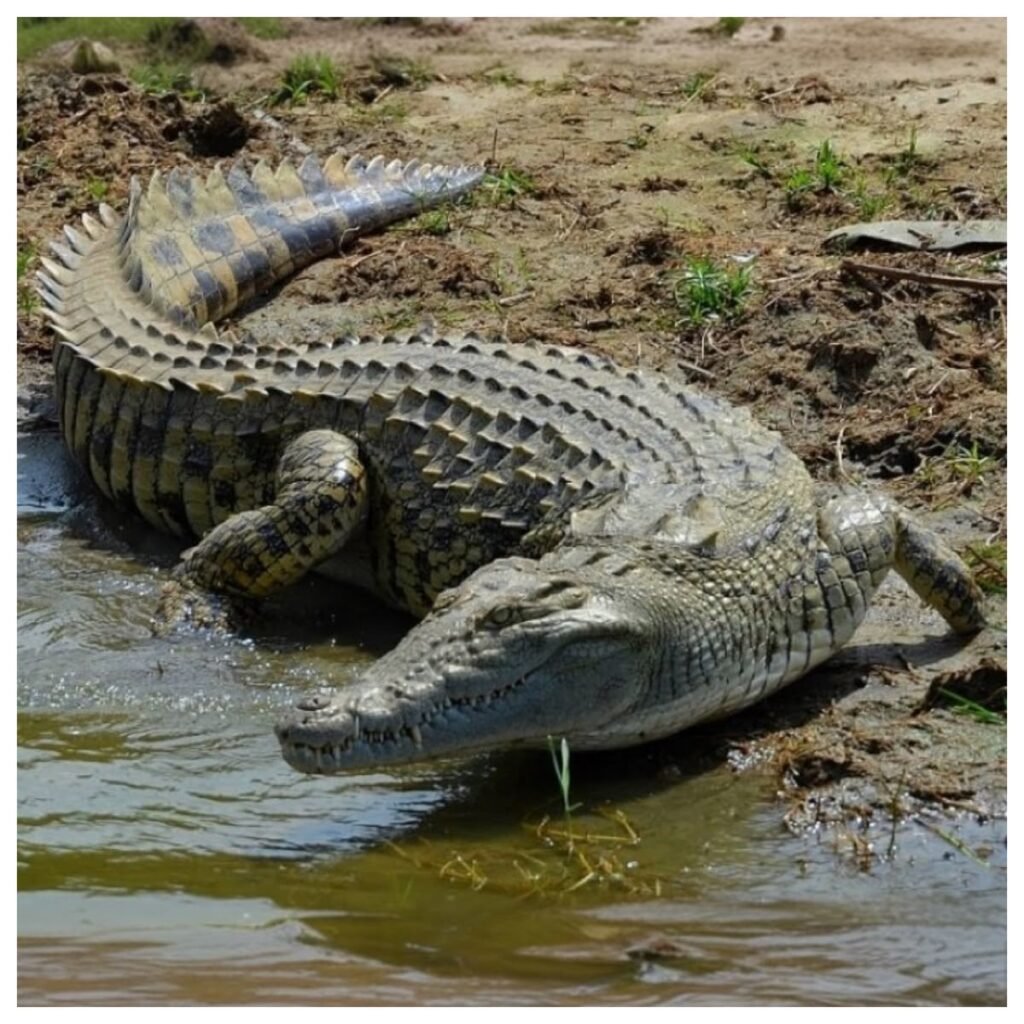
Scientific Name: Crocodylus niloticus
Class: Reptilia
Diet: Carnivore
The Nile crocodile is a powerful predator that eats large amounts of fish. Though it hunts many animals, fish are a major part of its diet. It uses clever tactics to catch them.
What sets the crocodile apart is its patience and power. It sometimes uses its body and tail to herd fish into the shallows, then snaps them up. Its cone-shaped teeth grip slippery prey firmly.
Nile crocodiles live in rivers, lakes, and wetlands across sub-Saharan Africa. As carnivores, they eat fish, birds, and mammals.
Moreover, crocodiles are keystone predators that keep fish and other populations in balance. They face pressure from habitat loss and human conflict.
Fun Fact: Nile crocodiles sometimes herd fish toward the shallows using their bodies and tails.
Read: Animals That Look Like Dogs
Read: Animals That Look Like Cats
Read: Animals with No Teeth
Read: Aggressive Animals in the World
Read: Animals That Live on Mountains
Frequently Asked Questions
Conclution
From the salmon-catching grizzly to the diving kingfisher, the animals that eat fish reveal an astonishing range of hunting skills. Each has evolved specialized tools and tactics, from talons and pouches to echolocation and needle-sharp teeth, to master their slippery prey. As piscivores, these animals help keep fish populations healthy and aquatic ecosystems in balance. Yet many, including gharials and African penguins, now face serious threats from overfishing and habitat loss. By protecting rivers, lakes, and oceans, we help ensure these remarkable fishers continue to thrive for generations to come.