Top 15 Animals Like Hamsters in The World (With Images)
Did you know that the hamster’s famous cheek pouches can stretch all the way back to its shoulders? With its small, round body, stubby tail, and food-stuffing habits, the hamster has many relatives and look-alikes across the rodent world. Most are fellow small rodents that share its burrowing lifestyle, cheek pouches, or fuzzy charm, while a few simply resemble it.
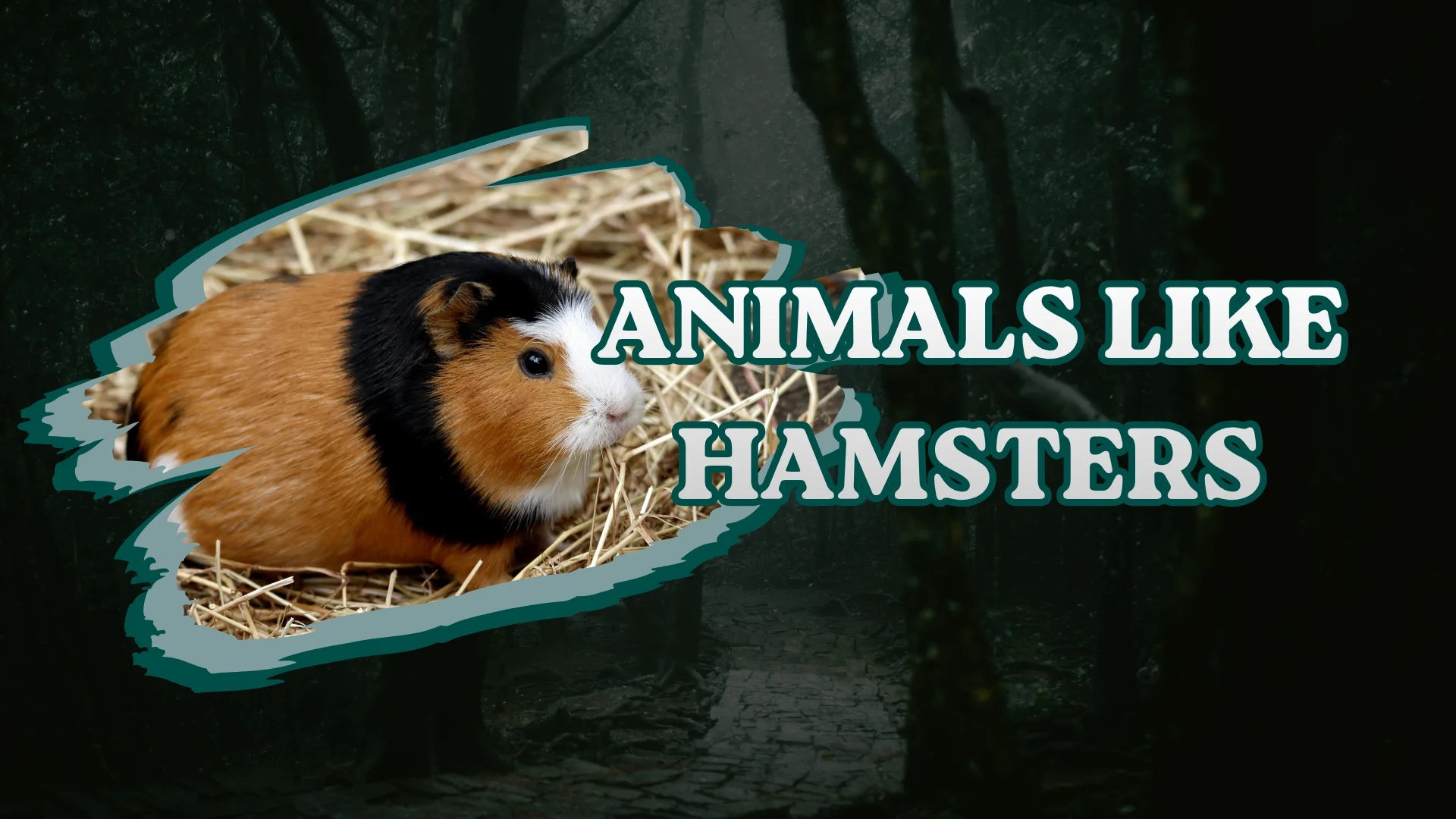
These tiny, energetic creatures are found on nearly every continent. In this guide, we’ll explore the top 15 animals like hamsters, uncovering how they compare and why so many little animals share the hamster’s adorable design.
List of Animals Like Hamsters
| Rank | Animal | Scientific Name |
|---|---|---|
| 1 | Gerbil | Meriones unguiculatus |
| 2 | Guinea Pig | Cavia porcellus |
| 3 | House Mouse | Mus musculus |
| 4 | Vole | Microtus arvalis |
| 5 | Norway Lemming | Lemmus lemmus |
| 6 | Chipmunk | Tamias striatus |
| 7 | Chinchilla | Chinchilla lanigera |
| 8 | Degu | Octodon degus |
| 9 | Hazel Dormouse | Muscardinus avellanarius |
| 10 | Prairie Dog | Cynomys ludovicianus |
| 11 | Pika | Ochotona princeps |
| 12 | Ground Squirrel | Ictidomys tridecemlineatus |
| 13 | Brown Rat | Rattus norvegicus |
| 14 | Jerboa | Jaculus jaculus |
| 15 | Harvest Mouse | Micromys minutus |
Gerbil
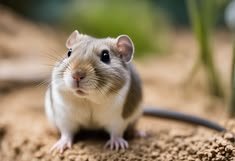
Scientific Name: Meriones unguiculatus
Class: Mammalia
Diet: Omnivore
The gerbil is one of the animals most like a hamster, sharing a similar small size, soft fur, and love of burrowing. Both are popular, easy-to-keep pets.
Interestingly, unlike the tail-less-looking hamster, the gerbil has a long, furry tail and is active during the day. It is a social animal that prefers to live with others.
Gerbils originate from the dry grasslands and deserts of Asia and Africa, feeding on seeds, grains, and plants.
As seed-eaters, gerbils are part of their desert ecosystems. Widespread and popular as pets, they are of Least Concern.
Fun Fact: A gerbil digs elaborate tunnel systems and can thump its hind legs to warn others of danger.
Guinea Pig
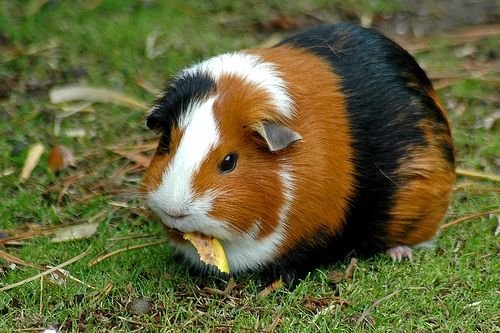
Scientific Name: Cavia porcellus
Class: Mammalia
Diet: Herbivore
The guinea pig is a small, round rodent often kept alongside hamsters as a gentle pet. It shares the hamster’s cuddly appearance and love of nibbling.
Moreover, unlike the solitary hamster, the guinea pig is highly social and enjoys company. It communicates with a range of squeaks, purrs, and whistles.
Originally from the Andes of South America, guinea pigs now live worldwide as pets, feeding on hay, grasses, and vegetables.
As domesticated herbivores, guinea pigs have a long history alongside humans. Their gentle nature makes them ideal companions.
Fun Fact: A happy guinea pig “popcorns,” leaping joyfully into the air when it is excited.
House Mouse
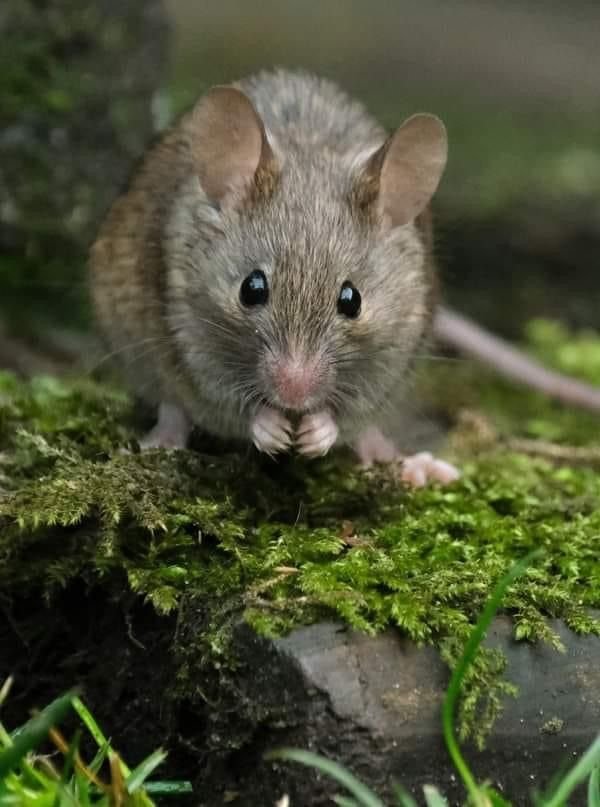
Scientific Name: Mus musculus
Class: Mammalia
Diet: Omnivore
The house mouse is a tiny rodent that closely resembles a small, slender hamster. Both are quick, curious, and comfortable living close to humans.
Interestingly, unlike the stocky hamster, the mouse has a long, thin tail and a more delicate build. It is an excellent climber and can squeeze through tiny gaps.
House mice inhabit nearly every environment on Earth, from fields and forests to homes, feeding on seeds, grains, and scraps.
As prey, mice are a crucial food source for countless predators. Adaptable and widespread, they are of Least Concern.
Fun Fact: A house mouse can squeeze through a gap no wider than a pencil to reach food and shelter.
Vole

Scientific Name: Microtus arvalis
Class: Mammalia
Diet: Herbivore
The vole is a small, stout rodent that looks like a hamster with a slightly longer tail. In fact, voles and hamsters belong to the same broad rodent family.
Moreover, like the hamster, the vole is a burrower that tunnels through grass and soil. It is a busy little forager, active both day and night.
Voles inhabit grasslands, woodlands, and farmlands across the Northern Hemisphere, feeding on grasses, roots, and seeds.
As prey animals, voles are vital to many predators, from owls to foxes. Widespread and abundant, they are of Least Concern.
Fun Fact: Voles create networks of “runways” through the grass, worn smooth by their constant travels.
Norway Lemming
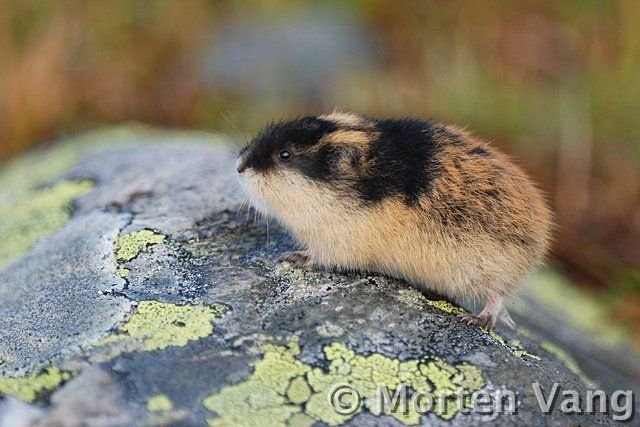
Scientific Name: Lemmus lemmus
Class: Mammalia
Diet: Herbivore
The Norway lemming is a small, round Arctic rodent closely related to the hamster. It shares the same chunky body and burrowing habits.
Interestingly, like the hamster, the lemming stays active through winter, tunneling under the snow. It is famous for dramatic population booms rather than the myth of mass suicides.
Norway lemmings inhabit the tundra and mountains of Scandinavia, feeding on grasses, mosses, and sedges.
As prey animals, lemmings are central to Arctic food webs, feeding owls, foxes, and more. They are of Least Concern.
Fun Fact: The famous myth that lemmings leap off cliffs in mass suicide is completely false.
Chipmunk
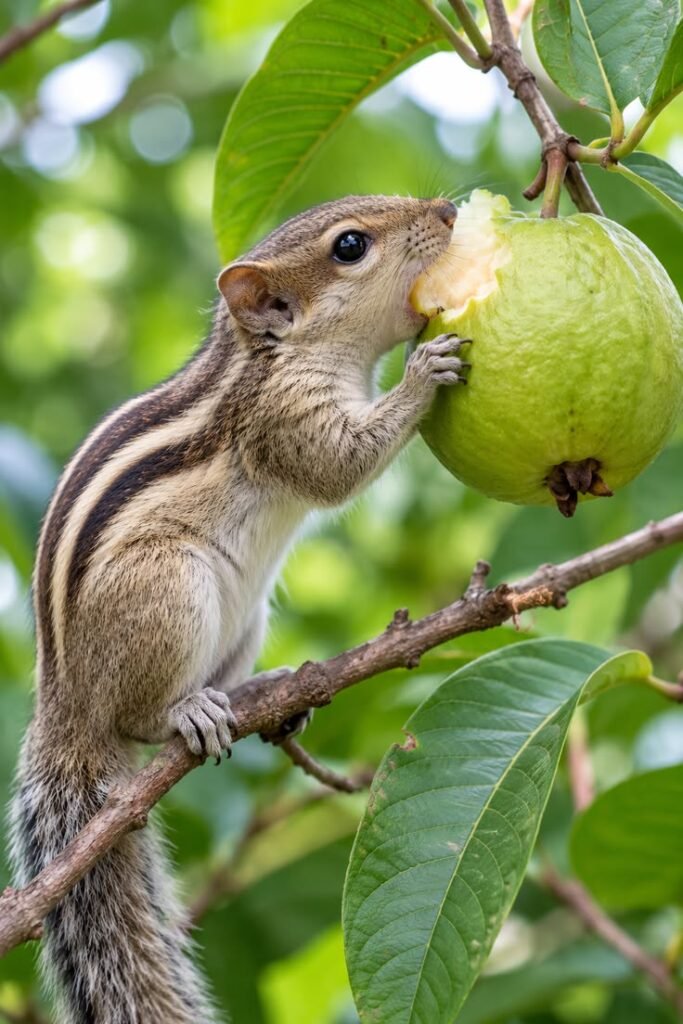
Scientific Name: Tamias striatus
Class: Mammalia
Diet: Omnivore
The chipmunk is a striped rodent that shares one of the hamster’s most famous features: stretchy cheek pouches for carrying food. Both love to gather and store snacks.
Moreover, unlike the nocturnal hamster, the chipmunk is active during the day. It stuffs its cheeks with seeds and nuts to stash away in its burrow.
Chipmunks inhabit forests, woodlands, and gardens across North America and parts of Asia, feeding on seeds, nuts, fruit, and insects.
As seed gatherers, chipmunks help disperse plants and seeds. Widespread and adaptable, they are of Least Concern.
Fun Fact: A chipmunk can stuff its cheek pouches with food until they swell to three times the size of its head.
Chinchilla

Scientific Name: Chinchilla lanigera
Class: Mammalia
Diet: Herbivore
The chinchilla is a soft, round rodent kept as a pet much like the hamster, but with far denser, plusher fur. It is famous for having the softest fur of any land mammal.
Interestingly, like the hamster, the chinchilla is mostly nocturnal and loves to burrow and hide. It can also live much longer, sometimes up to 15 years or more.
Chinchillas inhabit the rocky mountain slopes of South America, feeding on plants, seeds, and grasses.
As small herbivores, chinchillas are part of their mountain ecosystems. Sadly, hunting for their fur has made wild chinchillas Endangered.
Fun Fact: A chinchilla bathes not in water but by rolling in fine volcanic dust to keep its fur clean.
Degu
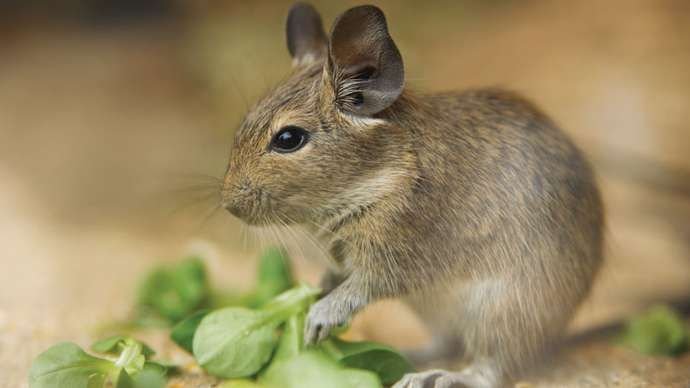
Scientific Name: Octodon degus
Class: Mammalia
Diet: Herbivore
The degu is a small, round rodent that resembles a hamster or a chinchilla, with dense fur and large eyes. It is increasingly popular as a pet.
Moreover, unlike the nocturnal hamster, the degu is active during the day and highly social. It lives in family groups and communicates with a range of sounds.
Degus inhabit the scrublands and grasslands of Chile in South America, feeding on grasses, seeds, and bark.
As social herbivores, degus shape their habitats and are prey for many predators. Widespread across their range, they are of Least Concern.
Fun Fact: Degus are one of the few rodents that can see ultraviolet light, which they use in communication.
Hazel Dormouse
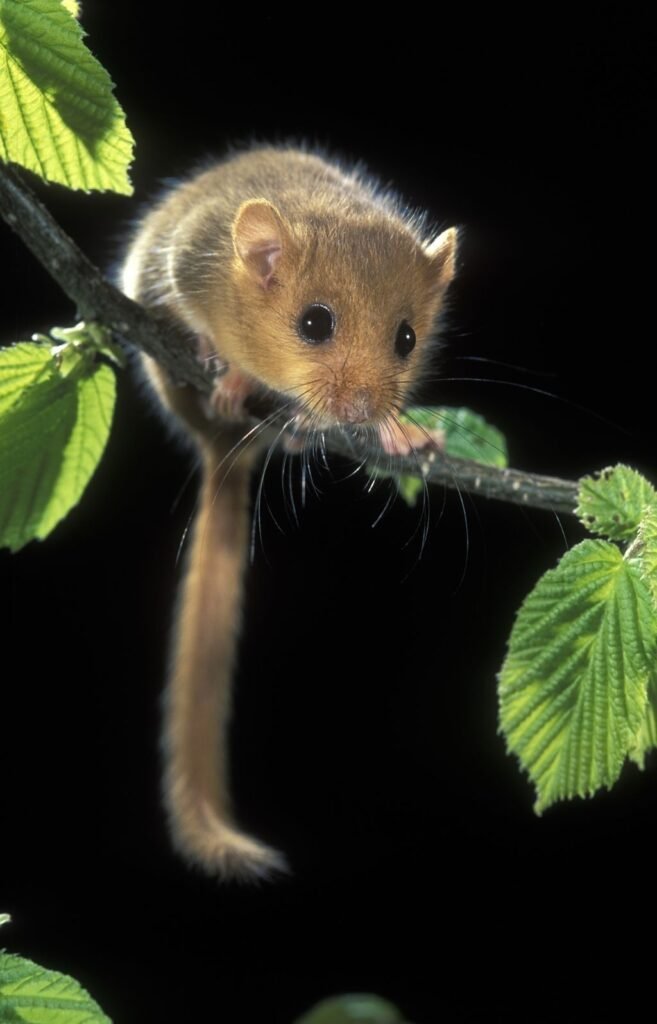
Scientific Name: Muscardinus avellanarius
Class: Mammalia
Diet: Omnivore
The hazel dormouse is a tiny, fuzzy rodent that reminds many people of a hamster crossed with a squirrel. Both are small, round, and love to gather food.
Interestingly, like the hamster, the dormouse stashes food and shelters in cozy nests. It is famous for sleeping, hibernating for up to six months of the year.
Hazel dormice inhabit the woodlands and hedgerows of Europe, feeding on nuts, berries, flowers, and insects.
As seed and fruit eaters, dormice help disperse plants. Habitat loss has made them a species of conservation concern.
Fun Fact: The hazel dormouse can spend three-quarters of its life asleep, between hibernation and daily naps.
Prairie Dog
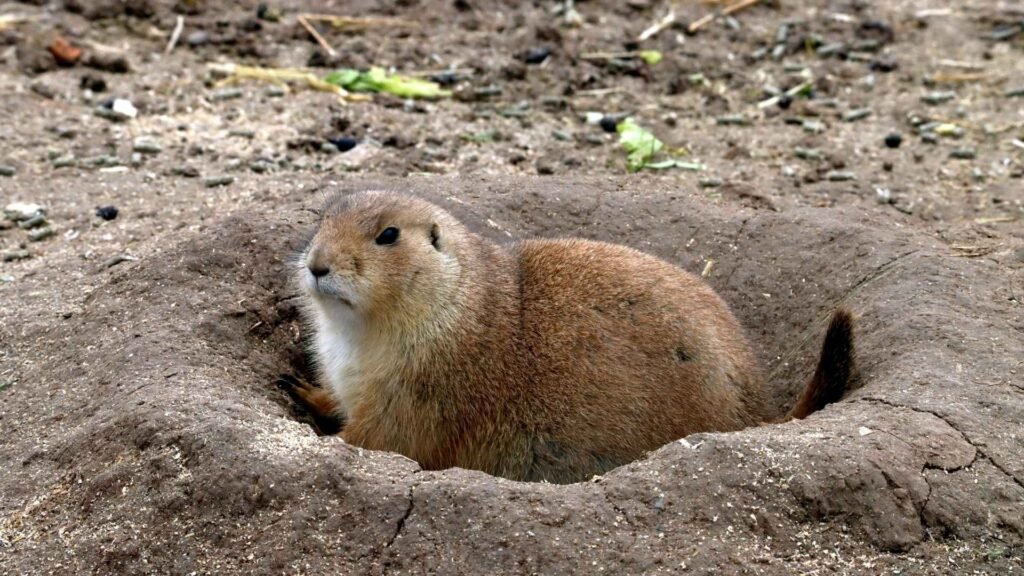
Scientific Name: Cynomys ludovicianus
Class: Mammalia
Diet: Herbivore
The prairie dog is a burrowing rodent that, like the hamster, has cheek pouches and a love of digging. It is larger and far more social, however.
Moreover, unlike the solitary hamster, prairie dogs live in vast underground “towns.” They post lookouts that bark warnings to alert the whole colony.
Prairie dogs inhabit the grasslands and prairies of North America, feeding on grasses, seeds, and roots.
As burrowing herbivores, prairie dogs are a keystone species supporting many other animals. Habitat loss has reduced many populations.
Fun Fact: Prairie dogs have one of the most complex animal languages known, with distinct calls for different predators.
Pika

Scientific Name: Ochotona princeps
Class: Mammalia
Diet: Herbivore
The pika is a small, round mountain animal that looks like a tailless hamster, though it is actually related to rabbits. It shares the hamster’s habit of gathering and storing food.
Interestingly, like the hamster, the pika collects food to survive lean times, drying “haypiles” of plants for winter. It stays active all year among mountain rocks.
Pikas inhabit rocky mountain slopes across Asia and North America, feeding on grasses, herbs, and wildflowers.
As alpine herbivores, pikas are important prey and sensitive indicators of climate change. Rising temperatures threaten many populations.
Fun Fact: Despite looking like a rodent, the pika is more closely related to rabbits and hares.
Ground Squirrel
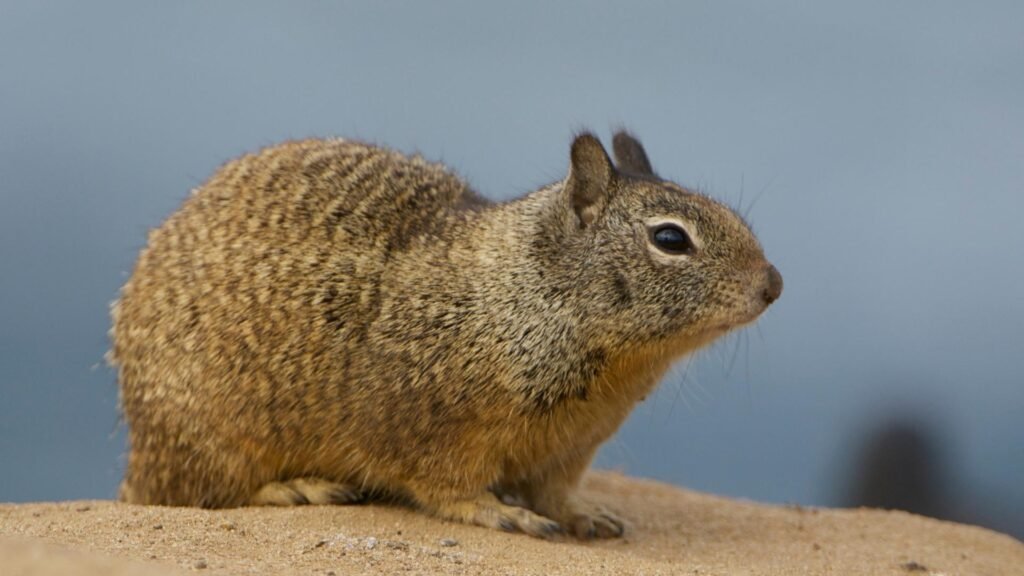
Scientific Name: Ictidomys tridecemlineatus
Class: Mammalia
Diet: Omnivore
The ground squirrel is a small, burrowing rodent that, like the hamster, has cheek pouches for carrying food. It stores seeds and nuts for later.
Moreover, unlike the nocturnal hamster, the ground squirrel is active during the day and often hibernates through winter. It stands upright to watch for danger.
Ground squirrels inhabit the grasslands and prairies of North America, feeding on seeds, insects, and plants.
As prey and seed dispersers, ground squirrels are part of the food web. Widespread and adaptable, they are of Least Concern.
Fun Fact: During hibernation, a ground squirrel’s heart rate can drop from hundreds of beats per minute to just a few.
Brown Rat
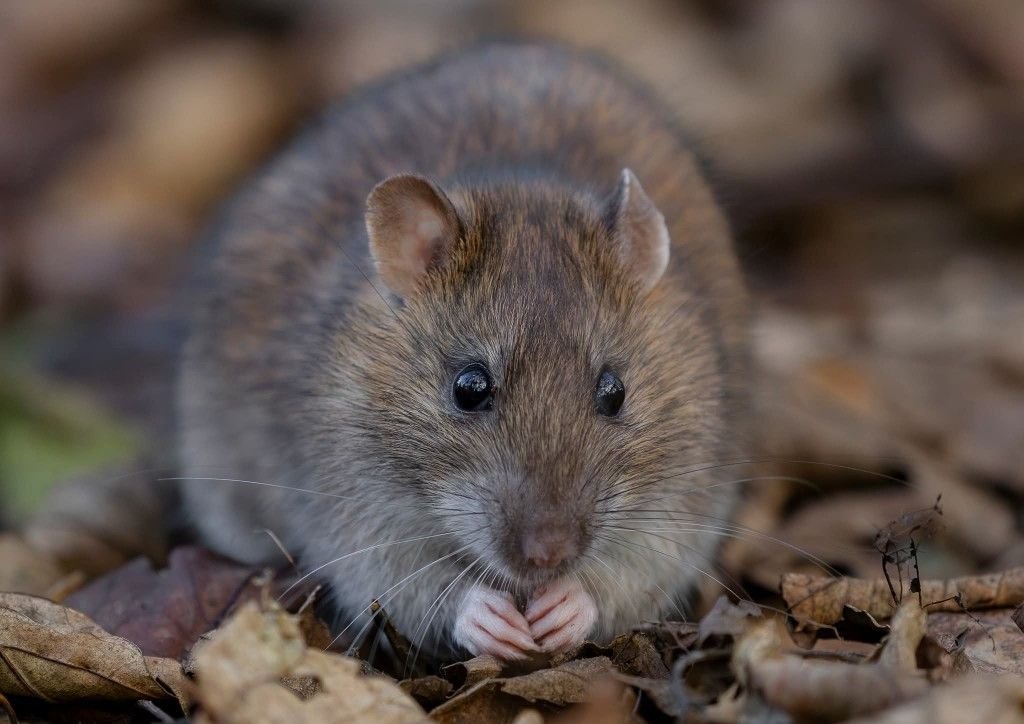
Scientific Name: Rattus norvegicus
Class: Mammalia
Diet: Omnivore
The brown rat is a rodent that resembles a large, long-tailed hamster and is often kept as a pet in its “fancy rat” form. Both are intelligent and adaptable.
Interestingly, unlike the solitary hamster, the rat is highly social and remarkably clever. Pet rats are known for their playful, affectionate personalities.
Brown rats inhabit nearly every environment on Earth, especially cities, feeding on almost anything.
As adaptable omnivores, rats are widespread and successful. Their intelligence makes them valuable in research and popular as pets.
Fun Fact: Rats are so intelligent they can learn their names, solve puzzles, and even laugh when tickled.
Jerboa
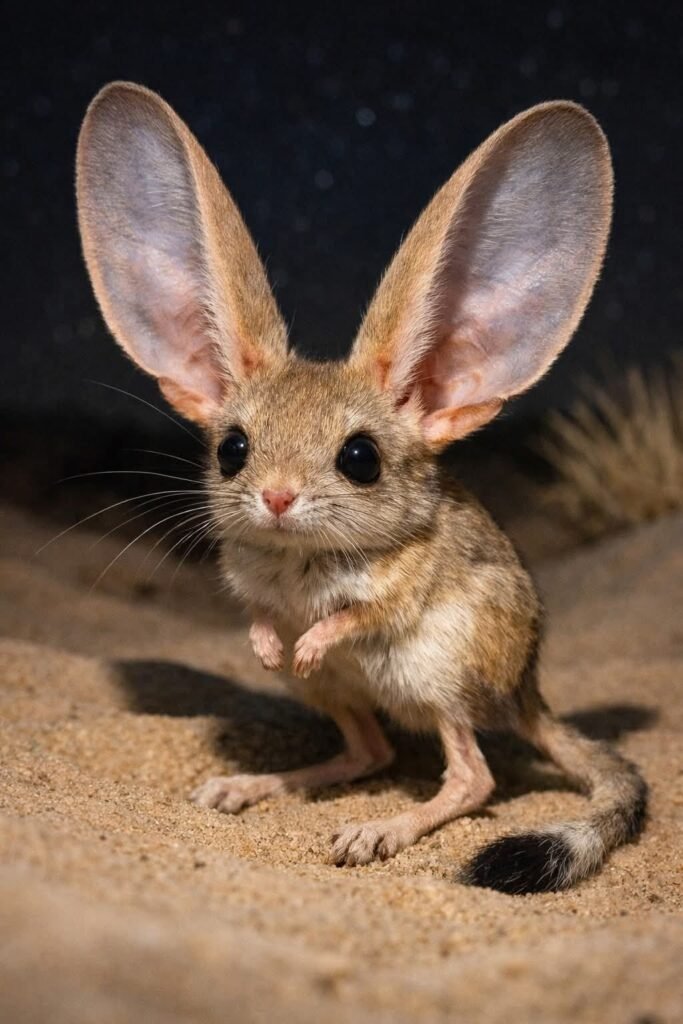
Scientific Name: Jaculus jaculus
Class: Mammalia
Diet: Omnivore
The jerboa is a tiny desert rodent that resembles a hamster crossed with a kangaroo, with a round body and long hind legs. It is a charming, hopping little animal.
Moreover, unlike the scurrying hamster, the jerboa moves by hopping on its long back legs. This lets it bound quickly across open desert to escape predators.
Jerboas inhabit the deserts and dry regions of North Africa and Asia, feeding on seeds, plants, and insects.
As seed-eaters, jerboas are part of their desert ecosystems. Widespread across their range, they are of Least Concern.
Fun Fact: A jerboa can leap up to three meters in a single bound to escape danger in the open desert.
Harvest Mouse
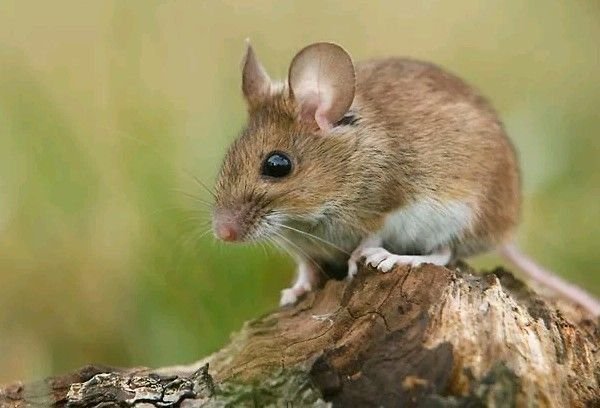
Scientific Name: Micromys minutus
Class: Mammalia
Diet: Omnivore
The harvest mouse is one of the smallest rodents in the world and looks like a miniature, delicate hamster. Both are tiny, round, and endearing.
Interestingly, unlike the burrowing hamster, the harvest mouse is an expert climber. It weaves round nests among tall grass stalks and uses its tail to grip as it climbs.
Harvest mice inhabit grasslands, reed beds, and fields across Europe and Asia, feeding on seeds, insects, and grains.
As tiny seed-eaters, harvest mice are part of the food web. Habitat loss threatens some populations.
Fun Fact: The harvest mouse is light enough to climb and feed on a single swaying stalk of wheat.
Read: Animals Like Mongoose in The World
Read: Animals That Are Skinny in The World
Read: Weakest Animals in The World
Read: Snakes With Triangular Heads
Read: Animals Like Meerkats in The World
Frequently Asked Questions
Conclusion
From the burrowing gerbil to the hopping jerboa, the world is full of animals that resemble the hamster. Each species whether a food-hoarding chipmunk, a soft-furred chinchilla, or a tiny harvest mouse shares the hamster’s small size, busy nature, or love of gathering food. Most are fellow rodents, while a few, like the pika, simply evolved a similar look. Many of these little animals are also beloved pets, while their wild relatives play vital roles as prey and seed-spreaders.