
Top 15 Animals Like Groundhogs in The World (With Images)
Did you know that the groundhog is actually a type of giant ground squirrel and a close cousin of the mountain marmot? Also called a woodchuck, the groundhog is a stocky, burrowing rodent with powerful claws and a love of digging. Many other animals share its chunky body, digging habits, and burrowing lifestyle, from true marmot relatives to look-alike rodents around the world.
In this guide, we’ll explore the top 15 animals like groundhogs, uncovering how they compare and why so many creatures share the groundhog’s sturdy, tunnel-digging design.
List of Animals Like Groundhogs
| Rank | Animal | Scientific Name |
|---|---|---|
| 1 | Alpine Marmot | Marmota marmota |
| 2 | Yellow-bellied Marmot | Marmota flaviventris |
| 3 | Prairie Dog | Cynomys ludovicianus |
| 4 | Pocket Gopher | Geomys bursarius |
| 5 | Ground Squirrel | Ictidomys tridecemlineatus |
| 6 | Beaver | Castor canadensis |
| 7 | Muskrat | Ondatra zibethicus |
| 8 | Nutria | Myocastor coypus |
| 9 | Capybara | Hydrochoerus hydrochaeris |
| 10 | Chipmunk | Tamias striatus |
| 11 | Pika | Ochotona princeps |
| 12 | Wombat | Vombatus ursinus |
| 13 | American Badger | Taxidea taxus |
| 14 | Hoary Marmot | Marmota caligata |
| 15 | Mountain Beaver | Aplodontia rufa |
Alpine Marmot
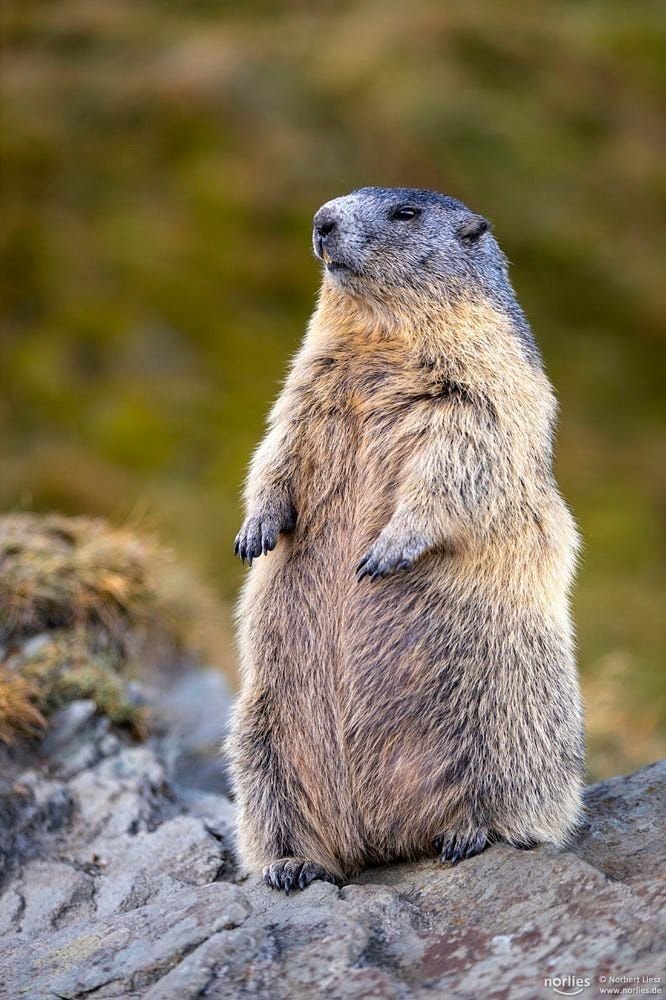
Scientific Name: Marmota marmota
Class: Mammalia
Diet: Herbivore
The Alpine marmot is the groundhog’s closest relative, belonging to the very same genus, Marmota. It shares the same stocky body, powerful claws, and burrowing habits.
Interestingly, like the groundhog, the Alpine marmot hibernates through winter and lives in extensive burrow systems. It gives loud whistles to warn its family of approaching danger.
Alpine marmots inhabit the mountain meadows and slopes of the European Alps, feeding on grasses and herbs.
As burrowing herbivores, marmots aerate the soil and shape their alpine habitats. Widespread across their range, they are of Least Concern.
Fun Fact: The groundhog is simply a North American marmot, making it a direct cousin of the Alpine marmot.
Yellow-bellied Marmot
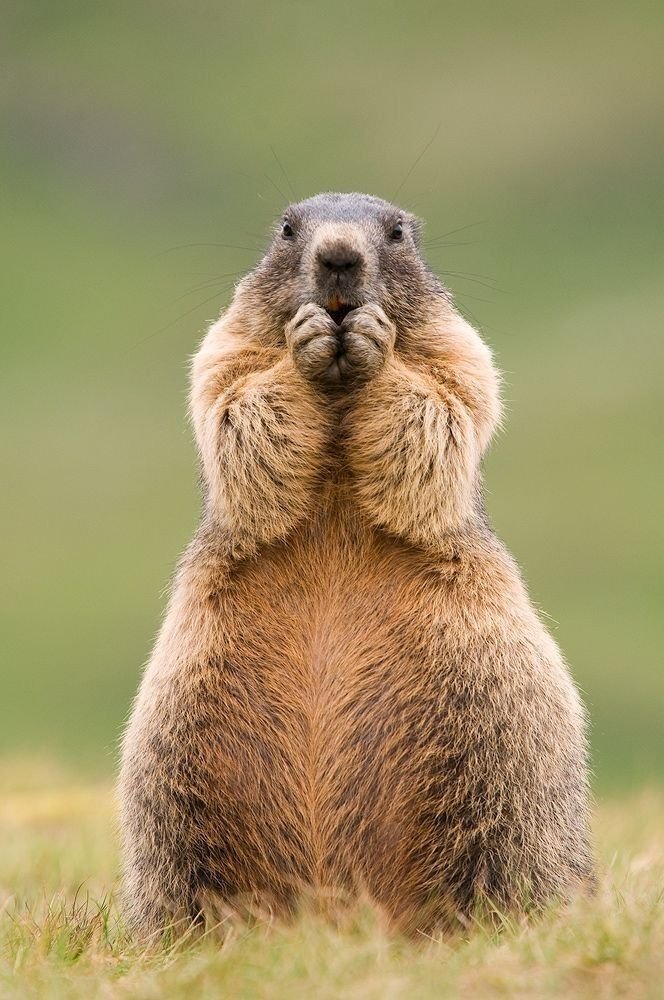
Scientific Name: Marmota flaviventris
Class: Mammalia
Diet: Herbivore
The yellow-bellied marmot is another close groundhog relative, sharing its chunky build and love of digging. It is sometimes called a “rock chuck.”
Moreover, like the groundhog, it hibernates for much of the year and suns itself on rocks. It lives in colonies with a network of burrows for shelter and safety.
Yellow-bellied marmots inhabit the mountains and grasslands of western North America, feeding on grasses, flowers, and seeds.
As burrowing herbivores, marmots shape their habitats and provide homes for other species. Widespread across their range, they are of Least Concern.
Fun Fact: The yellow-bellied marmot can hibernate for up to eight months of the year in cold mountain regions.
Prairie Dog
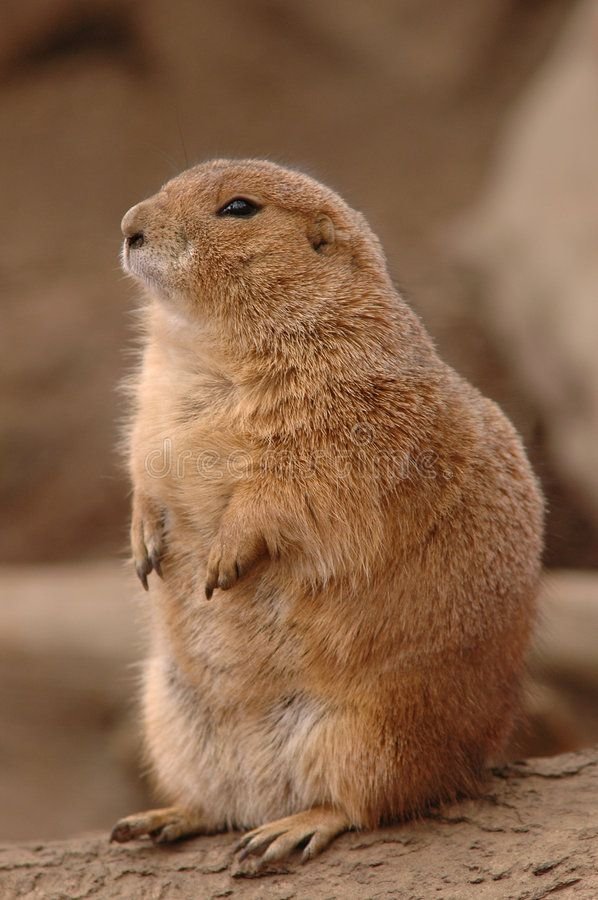
Scientific Name: Cynomys ludovicianus
Class: Mammalia
Diet: Herbivore
The prairie dog is a social, burrowing rodent closely related to the groundhog, both members of the squirrel family. It shares the groundhog’s digging skills and alert nature.
Interestingly, unlike the mostly solitary groundhog, prairie dogs live in huge underground “towns.” They post lookouts that bark warnings to alert the whole colony.
Prairie dogs inhabit the grasslands and prairies of North America, feeding on grasses, seeds, and roots.
As burrowing herbivores, prairie dogs are a keystone species that supports many other animals. Habitat loss has reduced many populations.
Fun Fact: Prairie dogs have one of the most complex animal languages known, with distinct calls for different predators.
Pocket Gopher
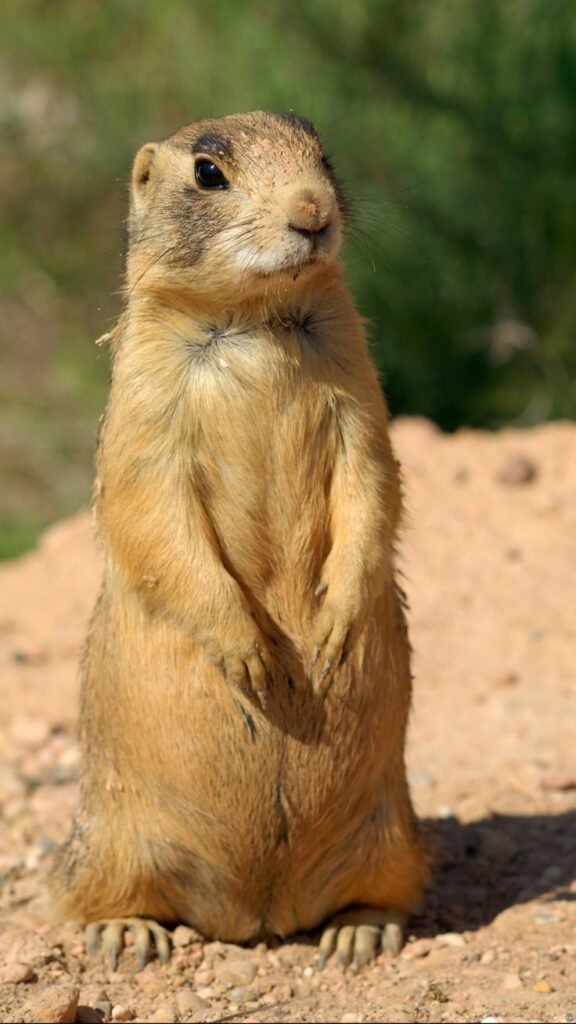
Scientific Name: Geomys bursarius
Class: Mammalia
Diet: Herbivore
The pocket gopher is a burrowing rodent often confused with the groundhog, sharing its coarse brown fur and love of digging. It is, however, much smaller.
Moreover, like the groundhog, the pocket gopher spends most of its life underground. It has special fur-lined cheek pouches for carrying food, which groundhogs lack.
Pocket gophers inhabit the grasslands and farmlands of North America, feeding on roots, tubers, and plants.
As diggers, pocket gophers aerate the soil and shape their habitats. Widespread across their range, they are of Least Concern.
Fun Fact: A pocket gopher can move soil weighing many times its own body weight while tunneling underground.
Ground Squirrel
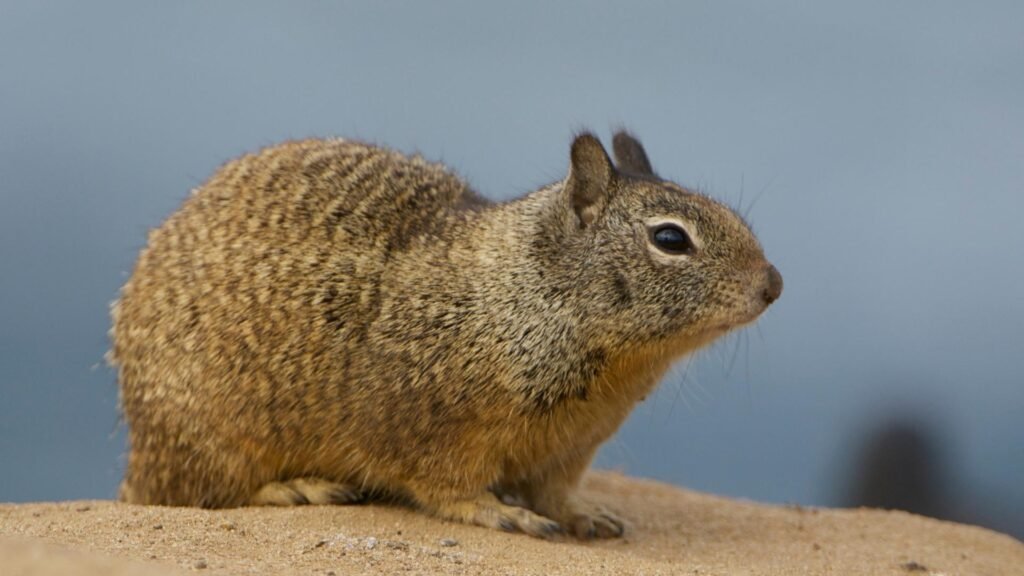
Scientific Name: Ictidomys tridecemlineatus
Class: Mammalia
Diet: Omnivore
The ground squirrel is a small burrowing relative of the groundhog, sharing the same squirrel-family roots. It has a similar habit of digging and standing upright to watch for danger.
Interestingly, like the groundhog, many ground squirrels hibernate through the cold months. They dig extensive burrows and forage for seeds, insects, and plants.
Ground squirrels inhabit the grasslands and prairies of North America, feeding on seeds, insects, and plants.
As prey and seed dispersers, ground squirrels are part of the food web. Widespread and adaptable, they are of Least Concern.
Fun Fact: During hibernation, a ground squirrel’s heart rate can drop from hundreds of beats per minute to just a few.
Beaver
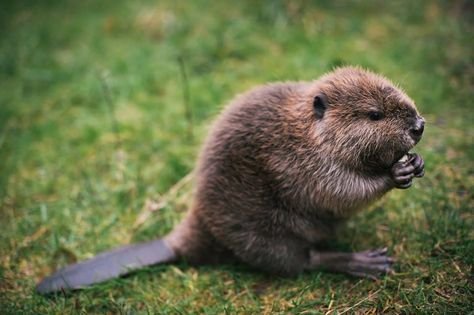
Scientific Name: Castor canadensis
Class: Mammalia
Diet: Herbivore
The beaver is a large rodent sometimes compared to the groundhog because of its stocky, brown-furred body and strong claws. Both are skilled builders and diggers.
Moreover, unlike the land-dwelling groundhog, the beaver is semi-aquatic and builds dams and lodges in water. Its flat tail and webbed feet make it a superb swimmer.
Beavers inhabit rivers, streams, and wetlands across North America and Eurasia, feeding on bark, leaves, and aquatic plants.
As nature’s engineers, beavers build dams that create wetlands supporting countless species. Widespread today, they are of Least Concern.
Fun Fact: The beaver is the largest rodent in North America, far bigger than a groundhog.
Muskrat
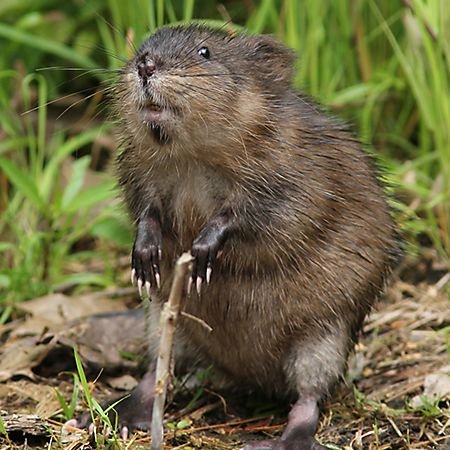
Scientific Name: Ondatra zibethicus
Class: Mammalia
Diet: Herbivore
The muskrat is a burrowing rodent often mistaken for a small groundhog or beaver. It shares a similar chunky body and brown fur.
Interestingly, unlike the land-loving groundhog, the muskrat is semi-aquatic and lives in wetlands. It swims well and builds its home in or beside the water.
Muskrats inhabit the wetlands, ponds, and rivers of North America and parts of Eurasia, feeding on aquatic plants and small animals.
As wetland dwellers, muskrats help shape their marshy habitats. Widespread and adaptable, they are of Least Concern.
Fun Fact: A muskrat can stay underwater for up to 15 minutes while foraging in its wetland home.
Nutria
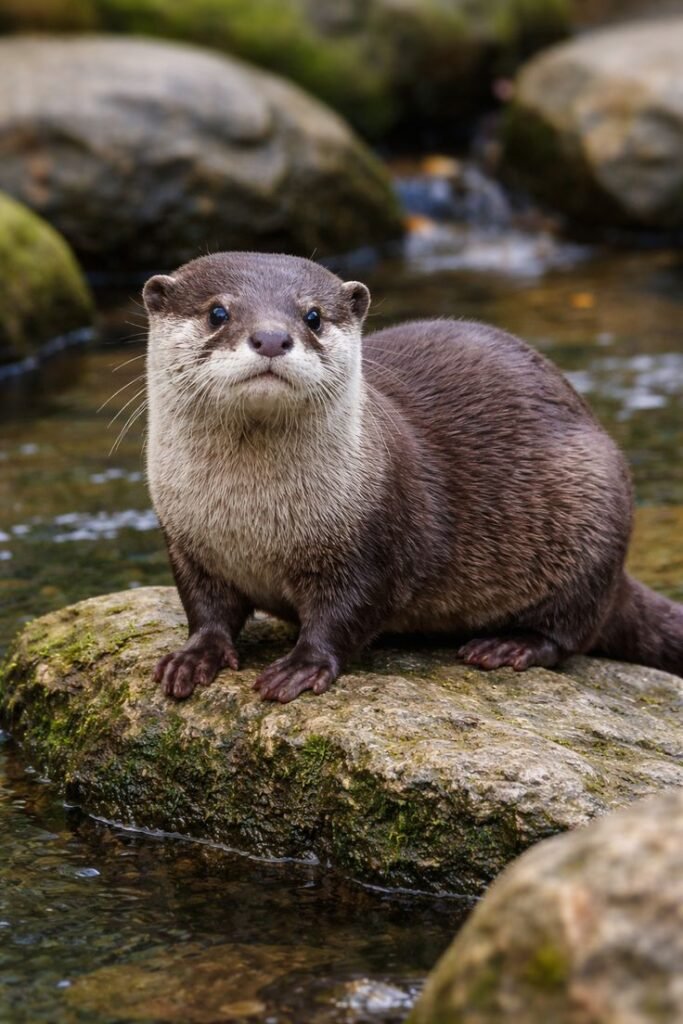
Scientific Name: Myocastor coypus
Class: Mammalia
Diet: Herbivore
The nutria, or coypu, is a large semi-aquatic rodent that resembles a groundhog or beaver with its stocky body and brown fur. It has distinctive orange front teeth.
Moreover, like the groundhog, the nutria digs burrows, but it prefers riverbanks and wetlands. Its burrowing can damage levees and banks, making it invasive in some regions.
Nutria are native to South America but have spread worldwide, feeding on aquatic plants and roots.
As wetland grazers, nutria shape their habitats, though as invaders they can harm native ecosystems. They are widespread and abundant.
Fun Fact: The nutria’s bright orange teeth get their color from a special iron-rich, enamel coating.
Capybara
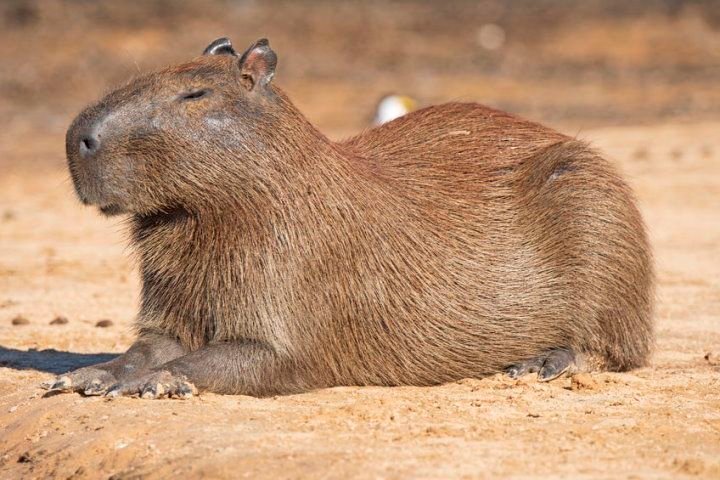
Scientific Name: Hydrochoerus hydrochaeris
Class: Mammalia
Diet: Herbivore
The capybara is the world’s largest rodent and looks like a giant, long-legged groundhog. It shares the same barrel-shaped body and gentle, grazing nature.
Interestingly, unlike the burrowing groundhog, the capybara is semi-aquatic and lives near water. It is a superb swimmer and often rests in rivers and wetlands.
Capybaras inhabit the wetlands, rivers, and grasslands of South America, feeding on grasses and aquatic plants.
As grazers and prey, capybaras are central to their ecosystems. Currently of Least Concern, they depend on healthy wetlands.
Fun Fact: A capybara can weigh over 60 kilograms, making it many times larger than a groundhog.
Chipmunk
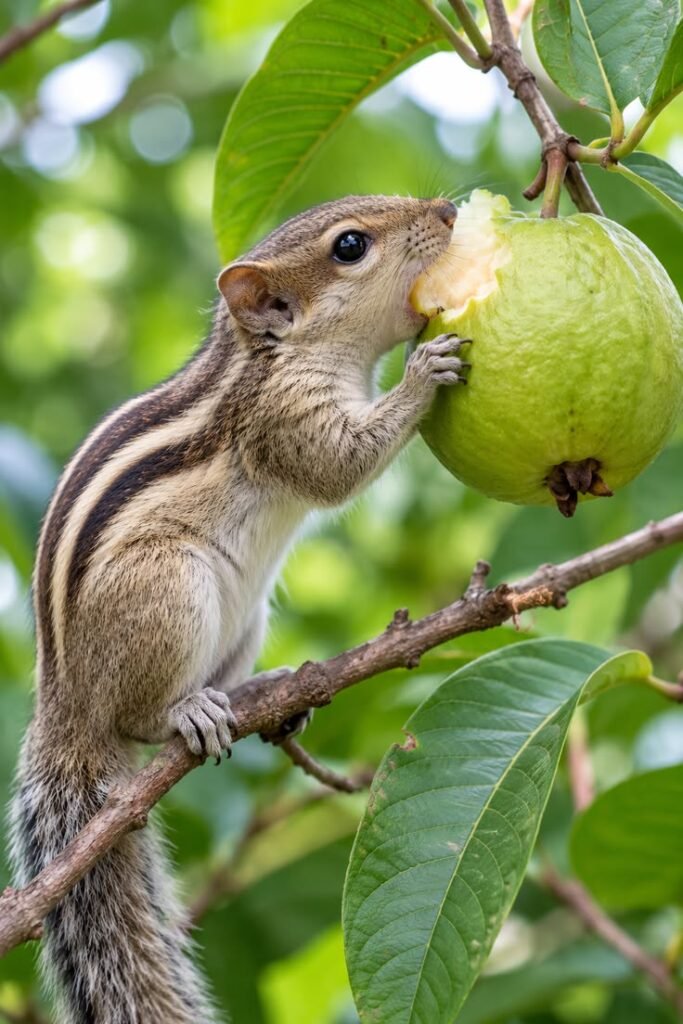
Scientific Name: Tamias striatus
Class: Mammalia
Diet: Omnivore
The chipmunk is a small, striped relative of the groundhog in the squirrel family. Though much smaller, it shares the habits of digging burrows and gathering food.
Moreover, like the groundhog, the chipmunk stores food and shelters underground. It stuffs its cheek pouches with seeds and nuts to carry back to its burrow.
Chipmunks inhabit forests, woodlands, and gardens across North America and parts of Asia, feeding on seeds, nuts, fruit, and insects.
As seed gatherers, chipmunks help disperse plants and seeds. Widespread and adaptable, they are of Least Concern.
Fun Fact: A chipmunk can stuff its cheek pouches with food until they swell to three times the size of its head.
Pika

Scientific Name: Ochotona princeps
Class: Mammalia
Diet: Herbivore
The pika is a small, round mountain mammal that resembles a miniature groundhog, though it is actually related to rabbits. It shares the groundhog’s habit of living among rocks and burrows.
Interestingly, unlike the hibernating groundhog, the pika stays active all winter. It gathers “haypiles” of dried plants in summer to eat through the cold months.
Pikas inhabit rocky mountain slopes across Asia and North America, feeding on grasses, herbs, and wildflowers.
As alpine herbivores, pikas are important prey and sensitive indicators of climate change. Rising temperatures threaten many populations.
Fun Fact: Despite looking like a rodent, the pika is more closely related to rabbits and hares.
Wombat
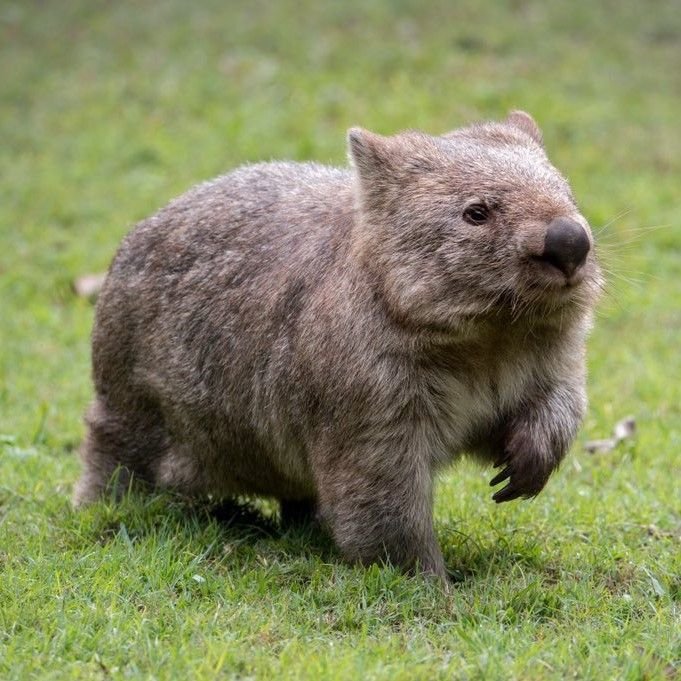
Scientific Name: Vombatus ursinus
Class: Mammalia
Diet: Herbivore
The wombat is a stocky, burrowing marsupial that looks remarkably like an oversized groundhog. Both have chunky bodies, short legs, and powerful digging claws.
Moreover, like the groundhog, the wombat digs extensive underground burrow systems. Despite the striking resemblance, it is a marsupial and not related to the rodent groundhog at all.
Wombats inhabit the forests, grasslands, and mountains of southern and eastern Australia, feeding on grasses and roots.
As burrowing herbivores, wombats aerate the soil and create shelters used by other animals. Habitat loss and disease threaten some populations.
Fun Fact: Wombats are the only animals known to produce cube-shaped droppings.
American Badger
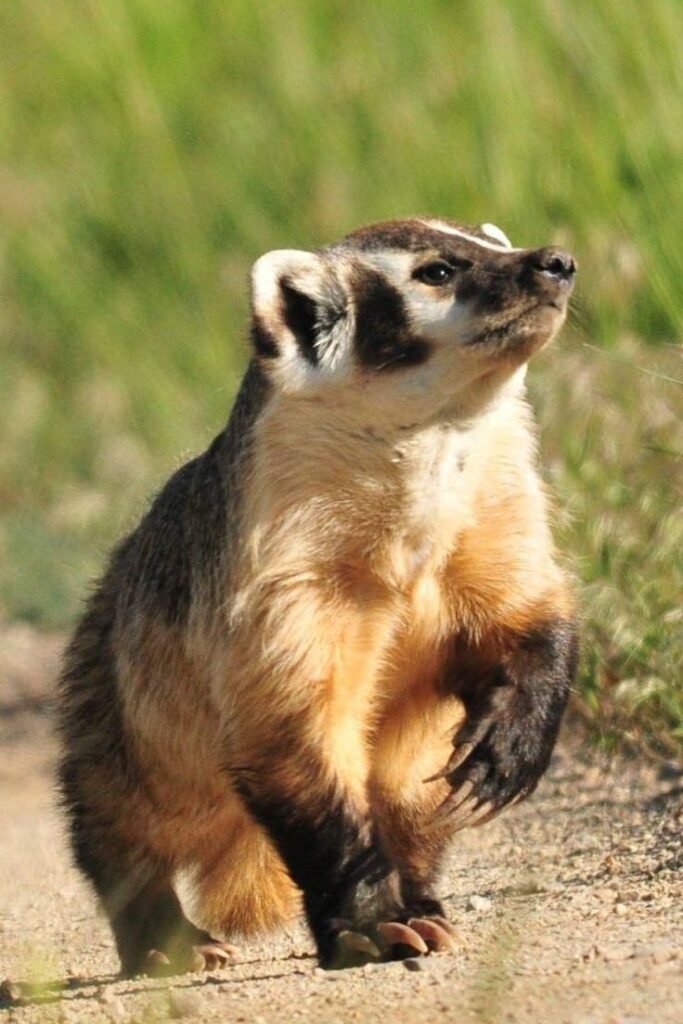
Scientific Name: Taxidea taxus
Class: Mammalia
Diet: Carnivore
The American badger is a powerful digger sometimes confused with the groundhog because both make burrows and have squat, low bodies. However, the badger is a carnivore, not a rodent.
Interestingly, unlike the plant-eating groundhog, the badger digs mainly to hunt burrowing prey. Its strong claws let it excavate soil at astonishing speed.
American badgers inhabit the grasslands and plains of North America, hunting ground squirrels, prairie dogs, and other small animals.
As diggers and predators, badgers help control rodents and shape the soil. Widespread across their range, they are of Least Concern.
Fun Fact: The American badger sometimes teams up with coyotes to hunt, combining digging power with speed.
Hoary Marmot
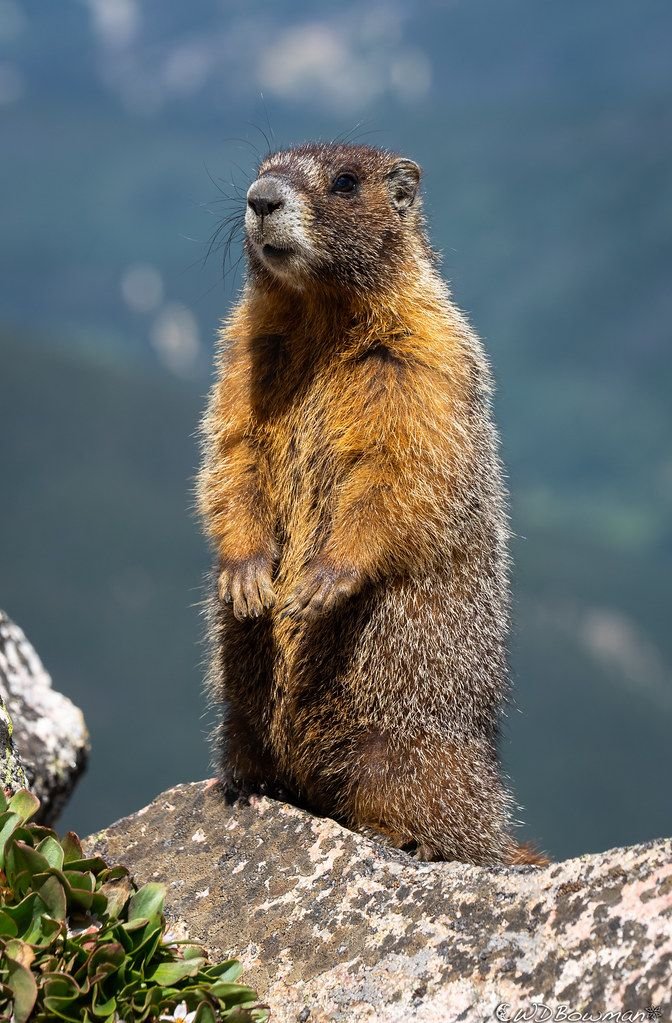
Scientific Name: Marmota caligata
Class: Mammalia
Diet: Herbivore
The hoary marmot is a large groundhog relative from the mountains of North America, sharing the same genus and stocky build. It is one of the biggest ground squirrels.
Moreover, like the groundhog, the hoary marmot hibernates and lives in rocky burrows. It is famous for its loud, shrill whistle, which earns it the nickname “the whistler.”
Hoary marmots inhabit the alpine meadows and rocky slopes of northwestern North America, feeding on grasses and flowers.
As burrowing herbivores, marmots shape their alpine habitats. Widespread across their range, they are of Least Concern.
Fun Fact: The hoary marmot’s piercing whistle can echo across mountain valleys to warn of danger.
Mountain Beaver
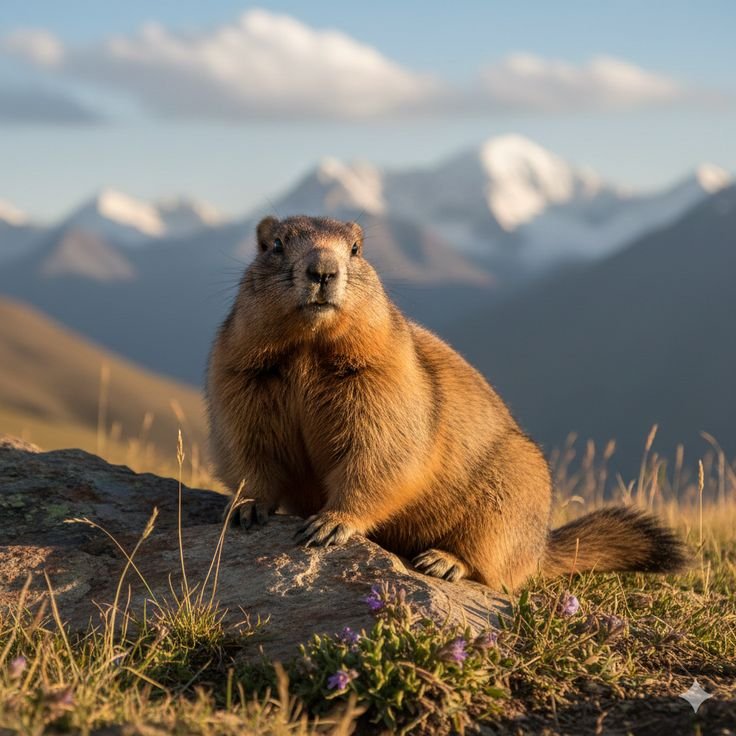
Scientific Name: Aplodontia rufa
Class: Mammalia
Diet: Herbivore
The mountain beaver is a stocky, burrowing rodent that looks like a tailless groundhog. Despite its name, it is not a true beaver and is considered one of the most primitive living rodents.
Interestingly, like the groundhog, the mountain beaver digs extensive burrow systems and feeds on plants. It is a shy, rarely seen animal of damp forests.
Mountain beavers inhabit the moist forests of western North America, feeding on ferns, shoots, and other plants.
As burrowing herbivores, mountain beavers aerate the soil in their forest homes. They are currently of Least Concern.
Fun Fact: The mountain beaver is considered a “living fossil,” one of the oldest rodent lineages still alive today.
Read: Animals Like Foxes
Read: Animals Like Ferrets
Read: Scary Animals in The World
Read: Small Monkey Breeds in The World
Read: Chubby Animals in The World
Frequently Asked Questions
Conclusion
From true cousins like the marmot and prairie dog to look-alikes like the wombat and mountain beaver, the world is full of animals that resemble the groundhog. Each species whether a whistling marmot, a dam-building beaver, or a burrowing wombat shares the groundhog’s sturdy body, digging skills, and love of underground living.
One Comment