
Top 20 Most Docile Animals in the World (With Images)
Did you know that some of the world’s largest creatures are also its gentlest, approaching humans with calm curiosity rather than fear or aggression? Docile animals move through life with a quiet, peaceful nature, rarely showing hostility even when they easily could. Far from being weak, this gentleness is often rooted in a plant-based diet, a relaxed lifestyle, or generations of trust alongside humans.
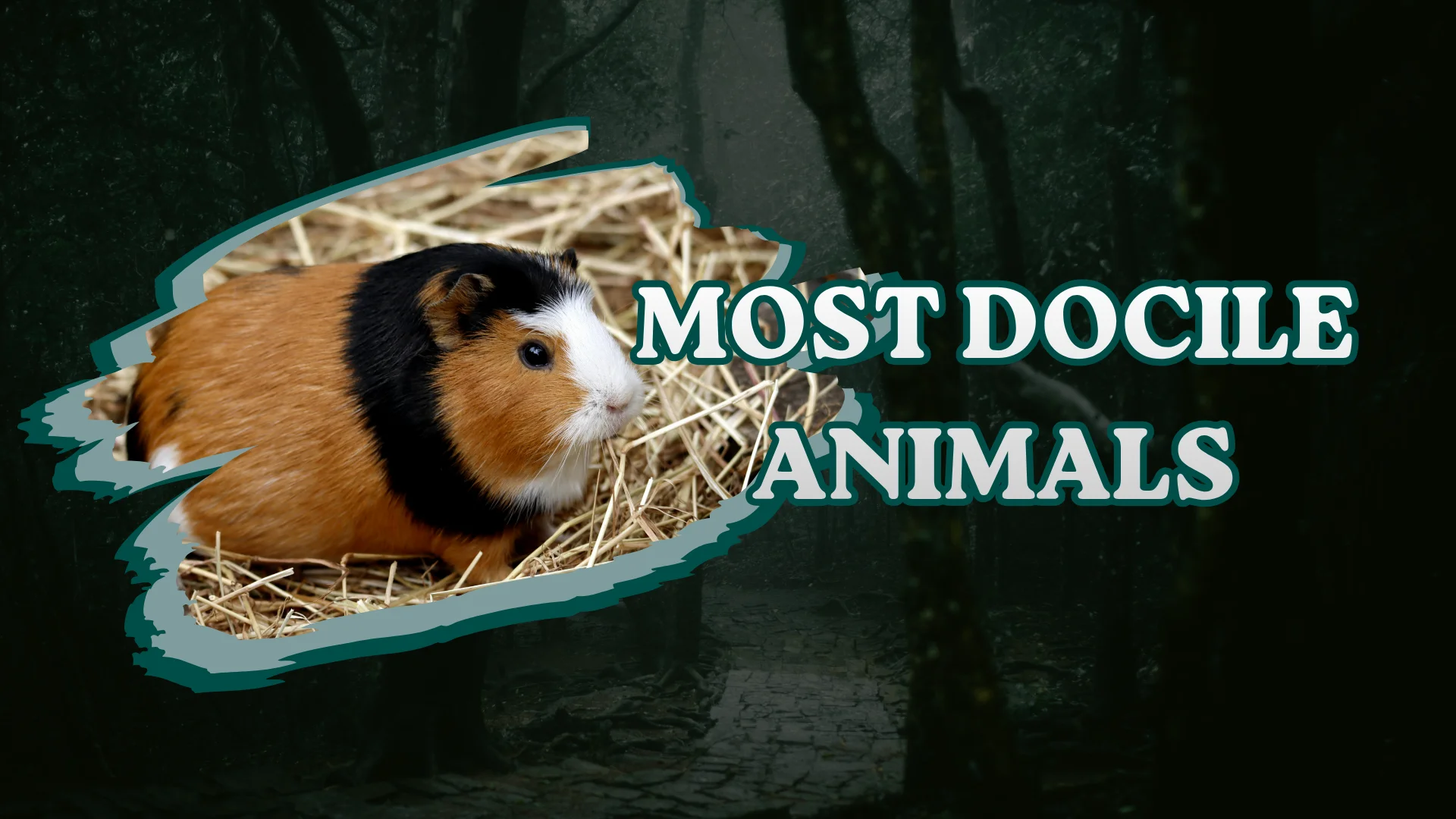
From serene sea cows to cuddly companions, these calm creatures remind us of nature’s softer side. In this guide, we’ll explore the top 20 most docile animals in the world, uncovering what makes them so gentle and why these peaceful species deserve our care and protection.
List of Most Docile Animals in the World
| Rank | Animal | Scientific Name |
|---|---|---|
| 1 | Capybara | Hydrochoerus hydrochaeris |
| 2 | Manatee | Trichechus manatus |
| 3 | Cow | Bos taurus |
| 4 | Sloth | Bradypus variegatus |
| 5 | Guinea Pig | Cavia porcellus |
| 6 | Rabbit | Oryctolagus cuniculus |
| 7 | Alpaca | Vicugna pacos |
| 8 | Golden Retriever | Canis lupus familiaris |
| 9 | Giant Tortoise | Aldabrachelys gigantea |
| 10 | White-tailed Deer | Odocoileus virginianus |
| 11 | Giant Panda | Ailuropoda melanoleuca |
| 12 | Dolphin | Tursiops truncatus |
| 13 | Llama | Lama glama |
| 14 | Sheep | Ovis aries |
| 15 | Horse | Equus caballus |
| 16 | Koala | Phascolarctos cinereus |
| 17 | Giraffe | Giraffa camelopardalis |
| 18 | Quokka | Setonix brachyurus |
| 19 | Whale Shark | Rhincodon typus |
| 20 | Ragdoll Cat | Felis catus |
Capybara
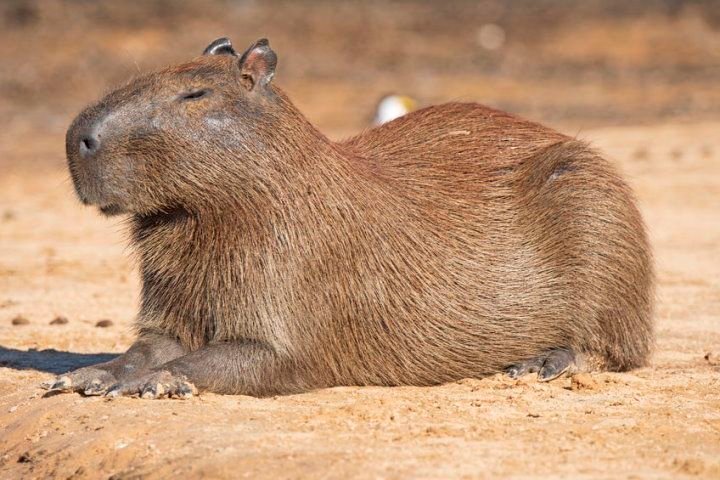
Scientific Name: Hydrochoerus hydrochaeris
Class: Mammalia
Diet: Herbivore
The capybara is famous for its calm, gentle temperament and emotionally steady nature. As the world’s largest rodent, it remains remarkably peaceful, often seen relaxing with birds and other animals resting on its back.
Interestingly, the capybara’s docile nature is tied to its plant-based diet. Since it doesn’t need to hunt or defend kills, it lives free of aggressive pressure, spending its days grazing calmly.
Capybaras inhabit the wetlands, rivers, and grasslands of South America, feeding on grasses and aquatic plants.
As gentle grazers and prey, capybaras are central to their ecosystems. Currently of Least Concern, they depend on healthy wetlands and waterways.
Fun Fact: Capybaras are so laid-back that many other species, from monkeys to birds, treat them like living furniture.
Manatee
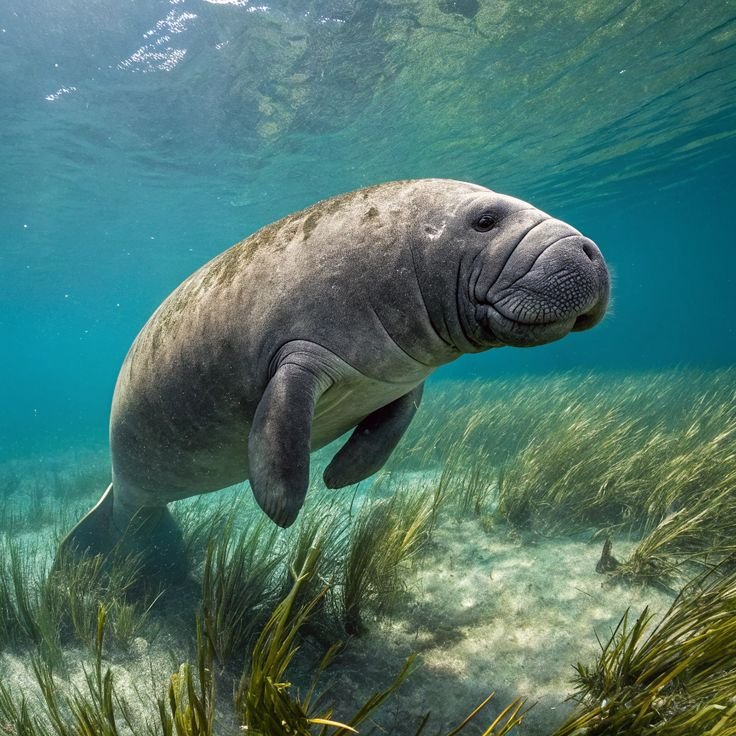
Scientific Name: Trichechus manatus
Class: Mammalia
Diet: Herbivore
The manatee, often called the “sea cow,” is a true gentle giant of the marine world. It sometimes approaches human swimmers with calm curiosity when it feels safe and unthreatened.
Moreover, the manatee’s serene nature comes from its slow lifestyle. A low metabolic rate keeps it in a kind of permanent slow motion, resulting in behavior that reads as profoundly peaceful.
Manatees inhabit the warm coastal waters, rivers, and springs of the southeastern United States, the Caribbean, and parts of South America.
As voracious grazers, manatees keep waterways healthy. Boat collisions and habitat loss have made them Vulnerable.
Fun Fact: A manatee can eat up to 10% of its body weight in aquatic plants every single day.
Cow
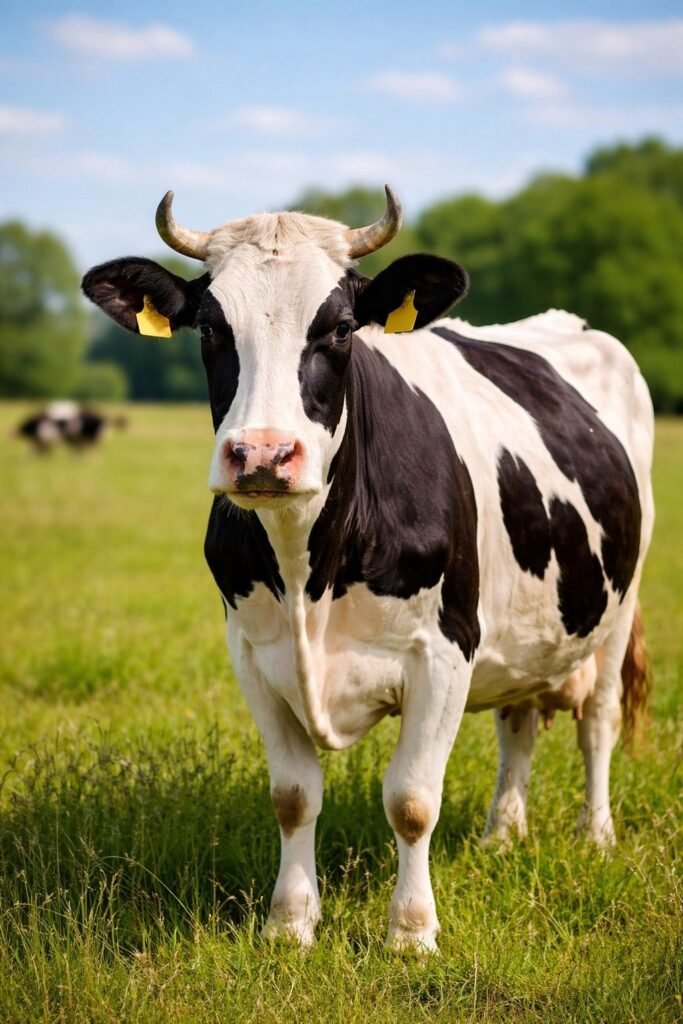
Scientific Name: Bos taurus
Class: Mammalia
Diet: Herbivore
The cow is one of the most docile animals in the world, known for its gentle, easygoing temperament. Calm and patient, it has lived peacefully alongside humans for thousands of years.
Interestingly, cows are also deeply social and emotional. They form close friendships within the herd, groom one another, and show a quiet, affectionate side to those who care for them.
Cows are raised worldwide as livestock, grazing on grasses and other vegetation across farms and pastures.
As domesticated grazers, cows have supported human societies for millennia. Their gentle nature makes them one of the most trusted farm animals.
Fun Fact: Cows have best friends and can become stressed when separated from their favorite companions.
Sloth
Scientific Name: Bradypus variegatus
Class: Mammalia
Diet: Herbivore
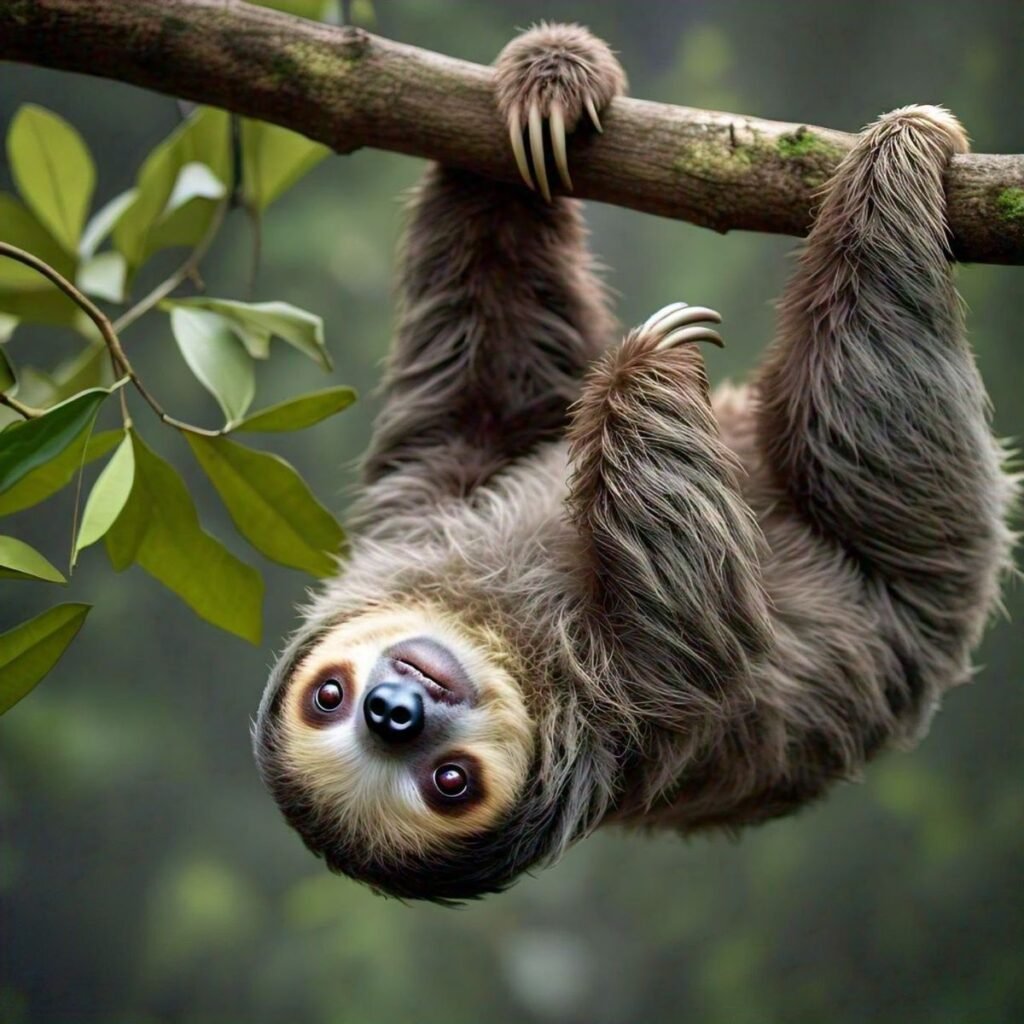
The sloth is a supremely docile creature, so calm that it spends up to 20 hours a day resting. Sloths raised around people tend to cling gently and show little fear.
Moreover, the sloth’s peaceful nature comes from its ultra-slow lifestyle. Living high in the trees and eating only leaves, it has no need for aggression or haste.
Sloths inhabit the tropical rainforests of Central and South America, spending nearly their entire lives in the canopy.
As gentle herbivores, sloths support a tiny ecosystem in their fur. Deforestation is their greatest threat, shrinking the trees they depend on.
Fun Fact: A sloth is so relaxed and slow-moving that algae actually grows on its fur, giving it green camouflage.
Guinea Pig
Scientific Name: Cavia porcellus
Class: Mammalia
Diet: Herbivore
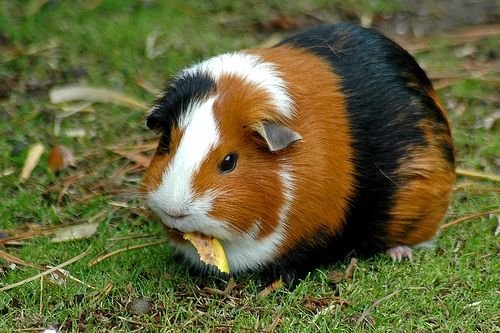
The guinea pig is a small, sociable rodent that thrives on gentle handling and human companionship. Calm and affectionate, it responds warmly to careful, kind treatment.
Interestingly, guinea pigs are highly social and communicate through a range of soft squeaks and purrs. They enjoy the company of both humans and fellow guinea pigs, rarely showing aggression.
Originally from the Andes of South America, guinea pigs now live worldwide as beloved pets, feeding on hay, grasses, and vegetables.
As domesticated herbivores, guinea pigs have a long history alongside humans. Their gentle nature makes them ideal companions, especially for families.
Fun Fact: Guinea pigs “popcorn,” leaping joyfully into the air when they feel happy and content.
Rabbit
Scientific Name: Oryctolagus cuniculus
Class: Mammalia
Diet: Herbivore
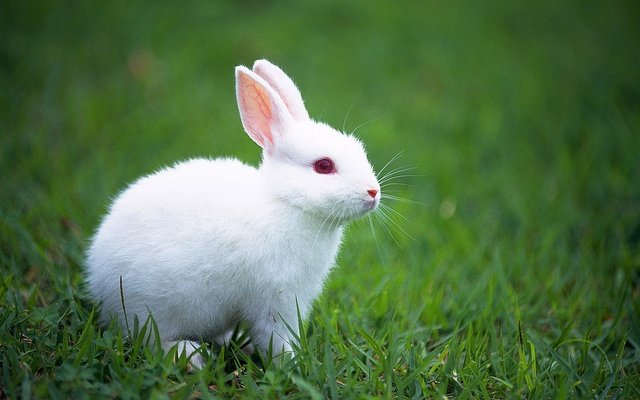
The rabbit is soft, cuddly, and incredibly gentle, with an affectionate and playful nature. Domestication has made it especially docile and friendly toward humans.
Moreover, rabbits are social animals that enjoy interacting and playing with both people and other rabbits. With gentle handling, they become trusting and calm companions.
Domestic rabbits are kept worldwide as pets, descended from the European rabbit, and feed on hay, grasses, and leafy greens.
As gentle herbivores, rabbits are cherished companions. Their wild relatives play important roles as prey in many ecosystems.
Fun Fact: A happy rabbit performs a joyful twisting jump in the air known as a “binky.”
Alpaca
Scientific Name: Vicugna pacos
Class: Mammalia
Diet: Herbivore
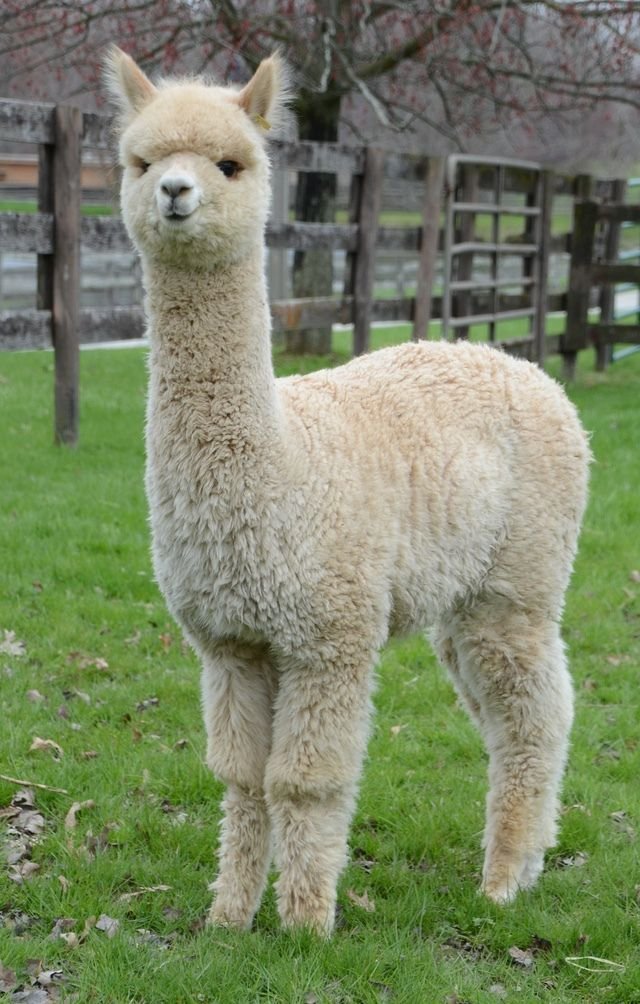
The alpaca is a gentle, curious creature often used as a therapy animal thanks to its calming presence. With soft fur and a mild temperament, it is beloved for its peaceful nature.
Interestingly, alpacas are social herd animals that communicate with soft humming sounds. They are naturally cautious rather than aggressive, rarely posing any threat to humans.
Alpacas originate from the high Andes of South America and are now kept worldwide for their wool and companionship, grazing on grasses.
As domesticated grazers, alpacas have supported Andean communities for thousands of years. Their gentle nature makes them wonderful therapy and farm animals.
Fun Fact: Alpacas hum to express curiosity, contentment, or mild concern, creating a soothing, gentle sound.
Golden Retriever

Scientific Name: Canis lupus familiaris
Class: Mammalia
Diet: Omnivore
The golden retriever has been bred specifically for its docile, patient, and affectionate personality. Renowned for its gentleness, it is a favorite family companion, especially around children.
Moreover, the golden retriever’s calm, friendly nature makes it one of the best therapy and assistance dogs in the world. It is eager to please and rarely shows aggression.
Golden retrievers are kept worldwide as companion, service, and therapy dogs, thriving in active, loving homes.
As loyal companions, golden retrievers exemplify the gentle bond between humans and dogs. Their patient temperament makes them ideal for families and support roles.
Fun Fact: Golden retrievers are so gentle they can be trained to carry delicate objects, even a raw egg, without breaking them.
Giant Tortoise
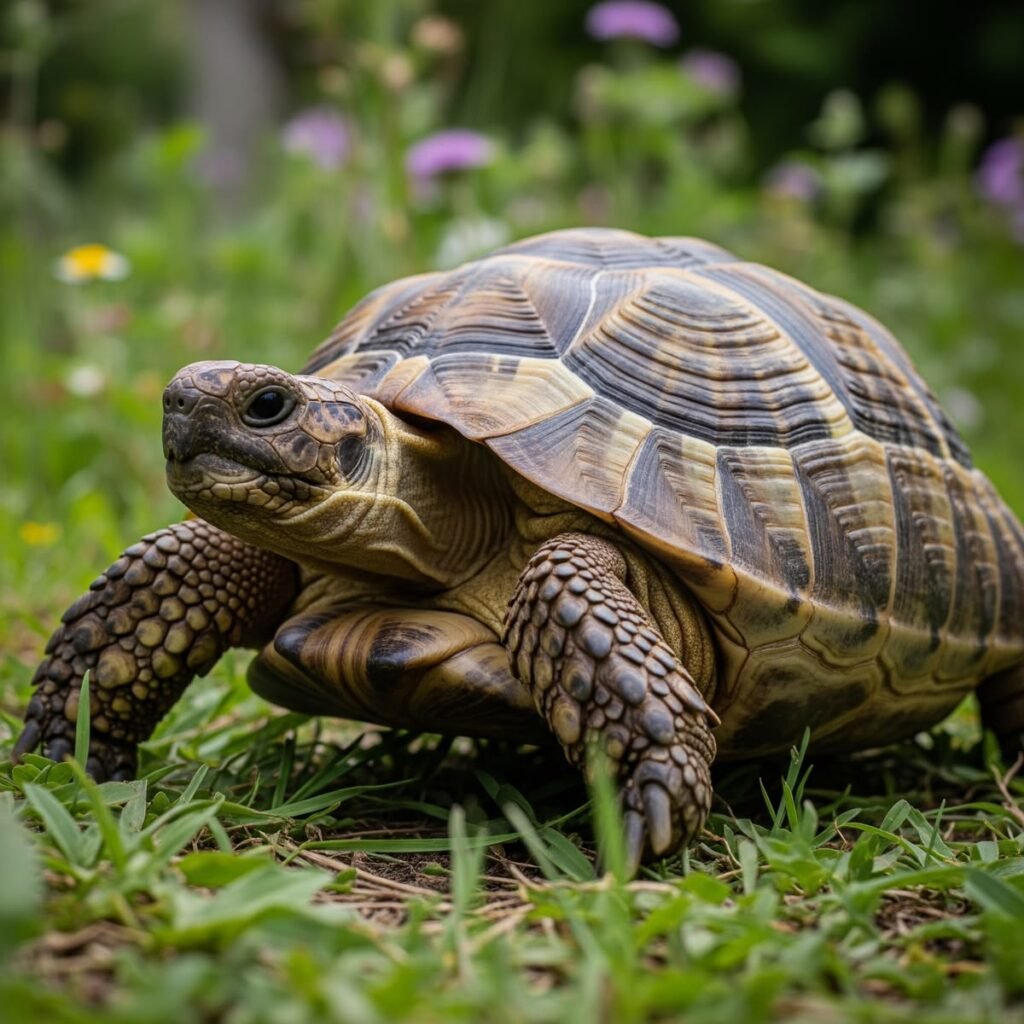
Scientific Name: Aldabrachelys gigantea
Class: Reptilia
Diet: Herbivore
The giant tortoise is one of the most serene and docile animals on Earth, living a slow, tranquil life. Gentle and unhurried, it shows little fear and often tolerates human presence calmly.
Interestingly, the giant tortoise’s peaceful nature is matched by its incredible lifespan, often exceeding 100 years. With no need to rush or hunt, it lives in placid, plant-eating contentment.
Giant tortoises are found mainly on the Galápagos Islands and Aldabra Atoll, grazing on grasses, leaves, and cacti.
As grazers, giant tortoises shape island vegetation and disperse seeds. Habitat loss and past hunting have made several species Vulnerable.
Fun Fact: Some giant tortoises have lived for well over 150 years, making them among the longest-lived animals on Earth.
White-tailed Deer
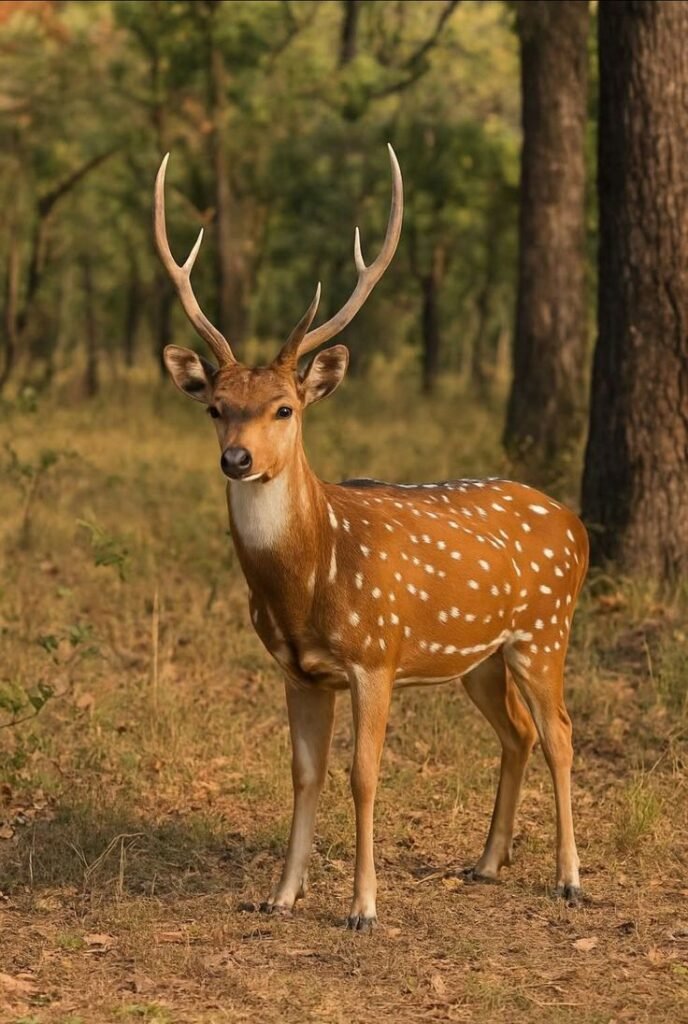
Scientific Name: Odocoileus virginianus
Class: Mammalia
Diet: Herbivore
The white-tailed deer is a gentle grazer that moves gracefully through forests and fields. Its quiet presence and watchful eyes reflect a calm, peaceful nature.
Moreover, the deer’s docility is tied to its role as a prey animal. Rather than fight, it relies on alertness and swift, graceful escape, avoiding confrontation whenever possible.
White-tailed deer inhabit the forests, grasslands, and farmlands of the Americas, browsing on leaves, twigs, fruit, and grasses.
As browsers, deer shape plant communities and support predators. Widespread and adaptable, they are of Least Concern.
Fun Fact: A white-tailed deer can leap up to 10 feet high and 30 feet in a single graceful bound.
Giant Panda
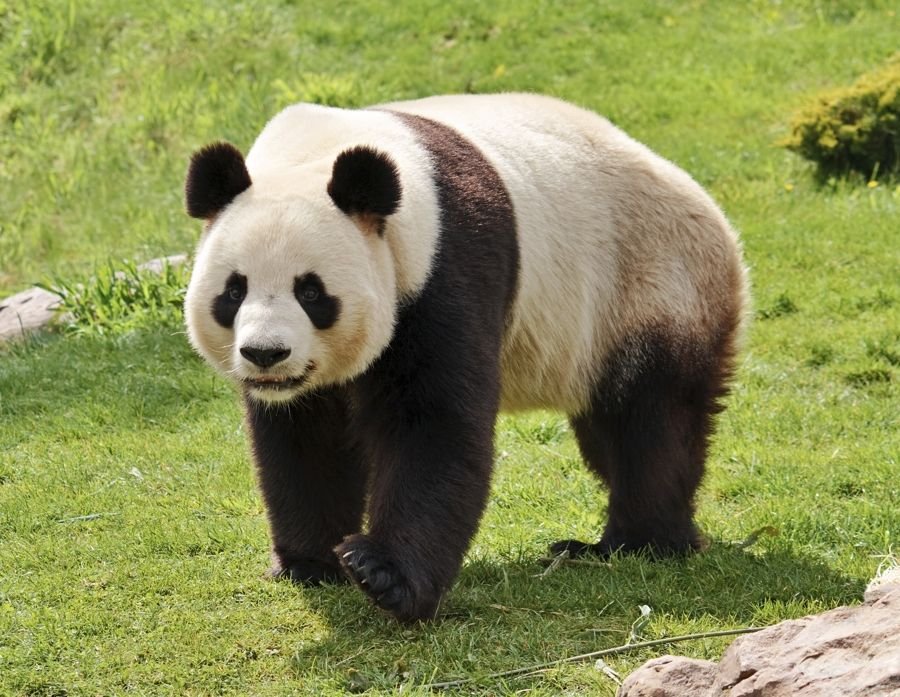
Scientific Name: Ailuropoda melanoleuca
Class: Mammalia
Diet: Herbivore
The giant panda is a timid, peaceable animal that avoids confrontation whenever possible. Despite its powerful build, it lives a calm, solitary life centered on eating bamboo.
Interestingly, the panda’s docile nature reflects its low-energy, plant-based lifestyle. With little need to compete or fight, it spends most of its time quietly munching in the forest.
Giant pandas inhabit the misty mountain forests of central China, depending almost entirely on bamboo for food.
As bamboo consumers, pandas help shape forest growth. Thanks to conservation efforts, they were downgraded from endangered to Vulnerable.
Fun Fact: A giant panda spends up to 14 hours a day peacefully eating bamboo in the solitude of the forest.
Dolphin

Scientific Name: Tursiops truncatus
Class: Mammalia
Diet: Carnivore
The dolphin is a highly intelligent, sociable animal known for its gentle, friendly interactions. It lives in close-knit pods and often shows curiosity and warmth toward humans.
Moreover, dolphins display remarkable empathy and cooperation. They help injured pod members, play together, and have even been known to protect swimmers, reflecting their gentle intelligence.
Bottlenose dolphins inhabit temperate and tropical oceans worldwide, favoring coastal waters, bays, and estuaries rich in fish and squid.
As intelligent marine predators, dolphins help maintain balance in ocean food webs. Pollution and fishing nets remain ongoing threats.
Fun Fact: Dolphins call each other by unique “signature whistles,” much like using individual names.
Llama
Scientific Name: Lama glama
Class: Mammalia
Diet: Herbivore
The llama is a gentle, curious creature with a calming presence, often used as a therapy animal. Its soft fur and mild temperament make it a favorite among gentle giants.
Interestingly, llamas are intelligent and social, communicating through soft hums. They are naturally calm and only become defensive when provoked or overburdened.
Llamas inhabit the high mountains of South America and are kept worldwide as pack and therapy animals, grazing on grasses and shrubs.
As sure-footed working animals, llamas have carried loads across the Andes for centuries. Their gentle nature also makes them excellent guardians for other livestock.
Fun Fact: Llamas are protective guardians and are often used to watch over flocks of sheep and goats.
Sheep
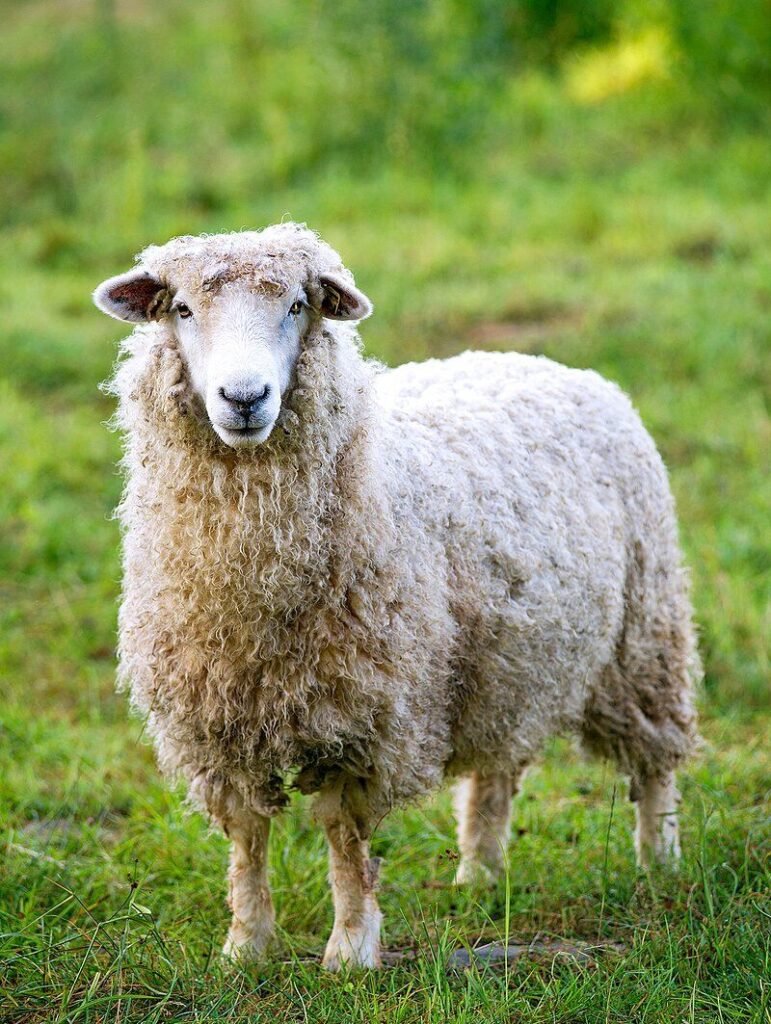
Scientific Name: Ovis aries
Class: Mammalia
Diet: Herbivore
The sheep is a gentle, mild-mannered animal that prefers the safety of the flock to any kind of conflict. Calm and peaceful, it rarely shows aggression toward humans.
Moreover, the sheep’s docility is rooted in its strong flocking instinct. It feels secure in a group and avoids confrontation, relying on numbers and gentleness for survival.
Sheep are raised worldwide as livestock, grazing on grasses and other low vegetation across pastures and hillsides.
As domesticated grazers, sheep have provided wool and food for thousands of years. Their gentle temperament makes them one of the calmest farm animals.
Fun Fact: Sheep have excellent memories and can recognize dozens of individual faces, both sheep and human.
Horse
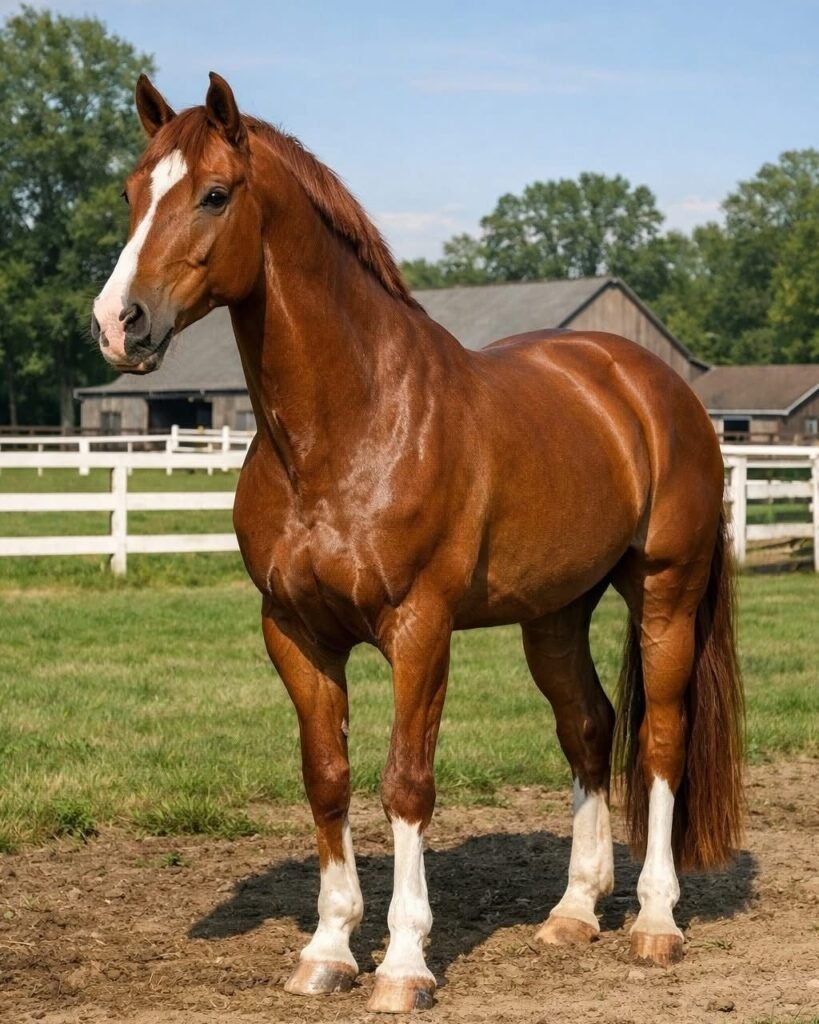
Scientific Name: Equus caballus
Class: Mammalia
Diet: Herbivore
The horse, especially gentle breeds, is known for its calm, patient, and cooperative nature. Many horses form deep, trusting bonds with the people who care for them.
Interestingly, the horse’s docility is built on sensitivity and trust. It reads human emotions closely and responds gently when treated with kindness and respect.
Horses are kept worldwide for work, sport, and companionship, grazing on grasses and hay across pastures and stables.
As partners to humans for thousands of years, gentle horses are widely used in therapy and riding programs. Trust and patience bring out their calmest nature.
Fun Fact: Therapy horses can sense human emotions and are used to comfort people dealing with stress and trauma.
Koala
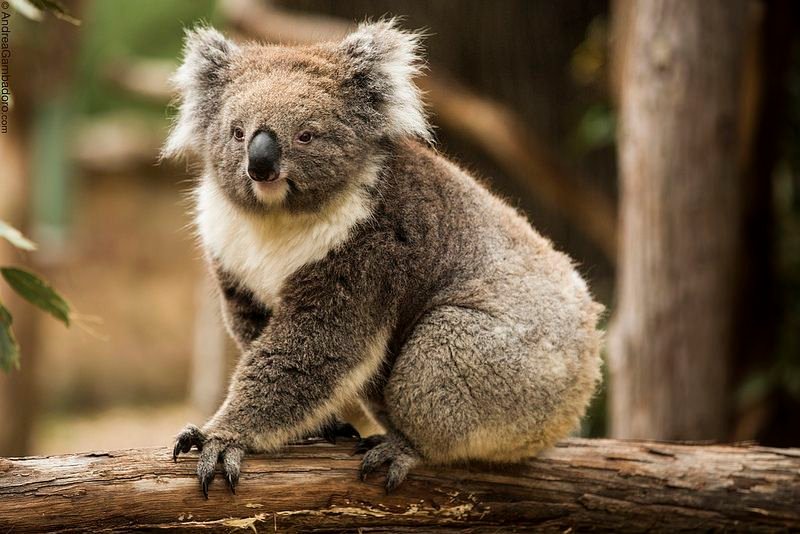
Scientific Name: Phascolarctos cinereus
Class: Mammalia
Diet: Herbivore
The koala is a calm, docile marsupial that spends most of its life resting quietly in eucalyptus trees. Slow-moving and gentle, it rarely displays any aggression.
Moreover, the koala’s peaceful nature comes from its low-energy diet. Eucalyptus leaves provide little fuel, so it sleeps up to 20 hours a day and moves in gentle, unhurried motions.
Koalas inhabit the eucalyptus woodlands of eastern and southeastern Australia, feeding almost exclusively on eucalyptus leaves.
As specialized browsers, koalas are woven into the health of their forests. Bushfires, disease, and habitat loss have made some populations Endangered.
Fun Fact: Koalas rarely drink water, getting most of their moisture directly from eucalyptus leaves.
Giraffe
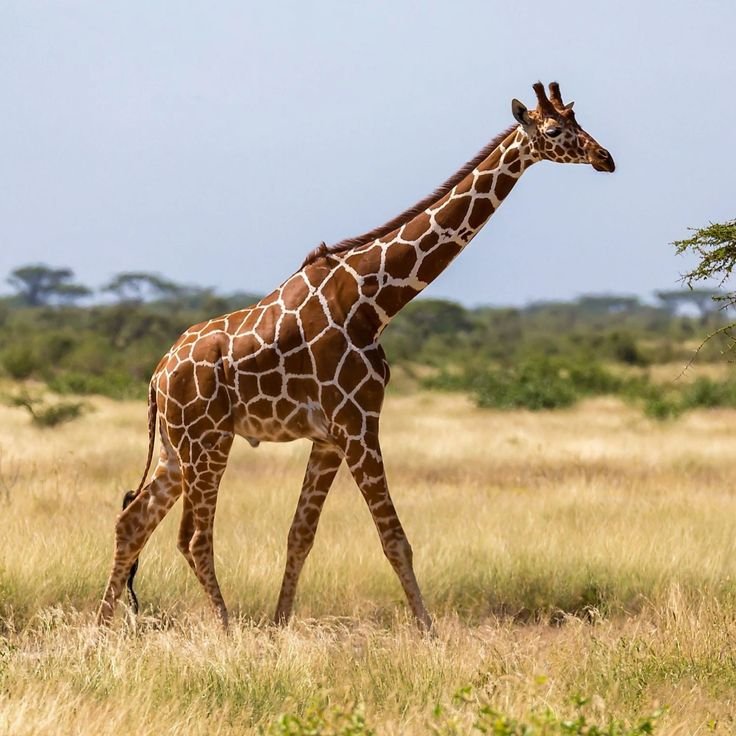
Scientific Name: Giraffa camelopardalis
Class: Mammalia
Diet: Herbivore
The giraffe is a true gentle giant, towering peacefully over the savanna without seeking conflict. Calm and quiet, it prefers to browse leaves rather than confront other animals.
Interestingly, the giraffe’s docile nature is matched by its silent communication. It uses body language and low-frequency sounds, avoiding aggression except in rare contests between males.
Giraffes inhabit the savannas and open woodlands of sub-Saharan Africa, browsing on acacia leaves high above other herbivores.
As tall browsers, giraffes shape tree growth and disperse seeds. Habitat loss and poaching have made them Vulnerable.
Fun Fact: Despite standing up to 18 feet tall, giraffes are gentle browsers that rarely act aggressively.
Quokka
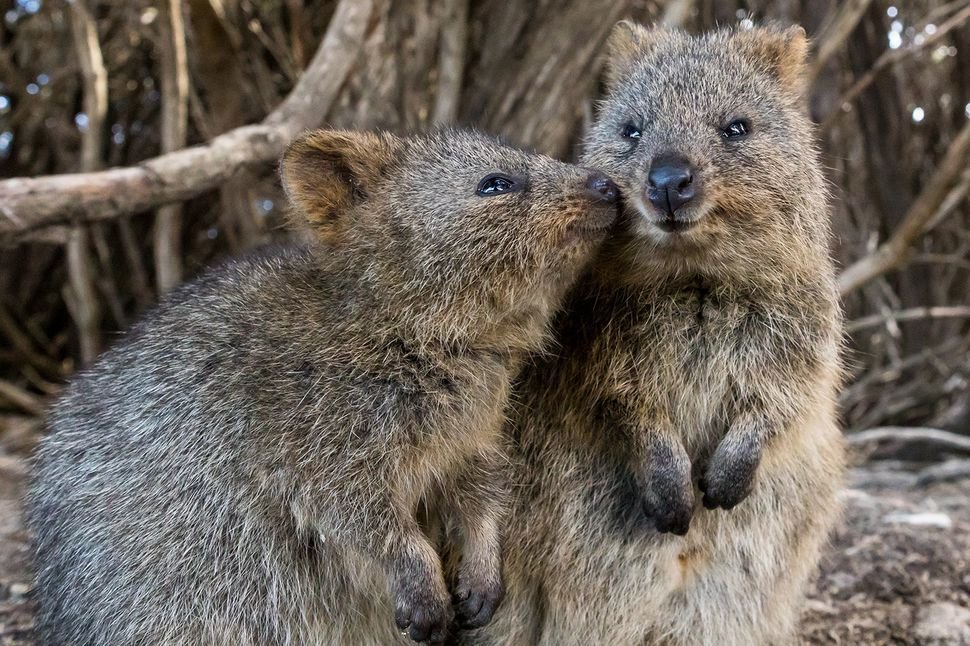
Scientific Name: Setonix brachyurus
Class: Mammalia
Diet: Herbivore
The quokka is famous for its friendly, approachable nature and its permanent “smile.” Gentle and unafraid, it often comes remarkably close to visitors on its island home.
Moreover, the quokka’s docility comes from evolving with few natural predators on its islands. This has left it calm and curious rather than fearful around people.
Quokkas live on a few islands off Western Australia, especially Rottnest Island, feeding on grasses, leaves, and shrubs.
As grazers, quokkas help shape their island vegetation. Habitat loss and introduced predators have made them Vulnerable.
Fun Fact: The quokka is often called “the happiest animal in the world” because of its cheerful, smiling face.
Whale Shark
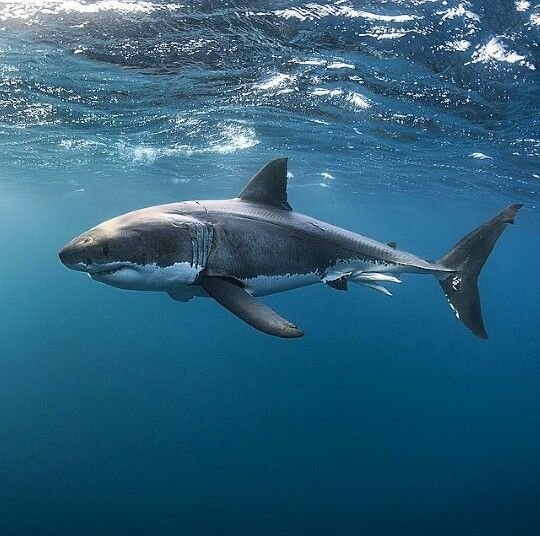
Scientific Name: Rhincodon typus
Class: Chondrichthyes
Diet: Carnivore
The whale shark is the largest fish in the ocean, yet it is astonishingly gentle. Despite its enormous size, it poses no threat to humans and often swims calmly alongside divers.
Interestingly, the whale shark’s docile nature suits its filter-feeding lifestyle. It cruises slowly with its huge mouth open, quietly straining plankton and tiny fish from the water.
Whale sharks roam warm tropical oceans worldwide, often gathering where plankton blooms provide abundant food.
As filter feeders, whale sharks reflect the health of ocean ecosystems. Sadly, they are Endangered, threatened by ship strikes and fishing.
Fun Fact: Each whale shark has a unique pattern of spots, like a fingerprint, used to identify individuals.
Ragdoll Cat
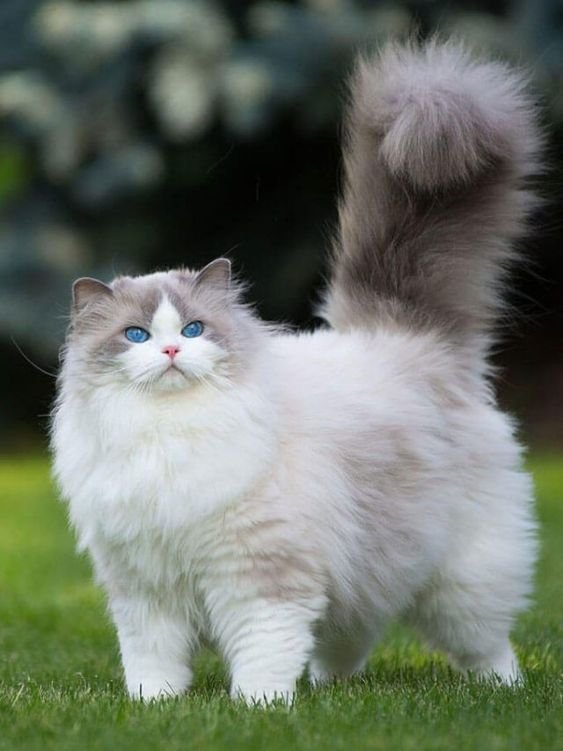
Scientific Name: Felis catus
Class: Mammalia
Diet: Carnivore
The Ragdoll cat is one of the most docile domestic cat breeds, famous for going limp and relaxed when picked up. Its name comes from this floppy, gentle, and trusting behavior.
Moreover, the Ragdoll is affectionate, calm, and eager for human company. Unlike many independent cats, it seeks out cuddles and follows its owners from room to room.
Ragdoll cats are kept worldwide as gentle companions, bred specifically for their calm, loving temperament.
As a domesticated breed, the Ragdoll shows just how gentle a cat can be. Its trusting nature makes it a wonderful family pet, especially for children.
Fun Fact: A Ragdoll cat often relaxes so completely in a person’s arms that it flops like a soft, cuddly toy.
Read: Animals Like Weasels
Read: Scavenger Birds in The World
Read: Clumsy Animals in The World
Read: Birds With Long Necks
Read: Slowest Animals in the World
Frequently Asked Questions
Conclusion
From serene capybaras to gentle whale sharks, the world’s most docile animals prove that calmness is a strength all its own. Each species whether a cuddly rabbit, a peaceful giant tortoise, or a friendly dolphin brings a soothing gentleness that has earned our affection and trust. Their docile natures, often born of herbivorous diets or generations alongside humans, remind us of the tender side of the animal kingdom.

3 Comments