
Top 12 Animals That Eat Oranges in The World (With Images)
Did you know that some monkeys peel an orange with their hands almost exactly the way humans do? Oranges are sweet, juicy, and bursting with vitamin C, making them a tempting treat for many animals. While the tough peel and tangy taste keep some creatures away, plenty of others happily feast on this citrus fruit, from clever primates and colorful birds to squirrels, deer, and insects.
In this guide, we’ll explore the top 12 animals that eat oranges, uncovering which creatures enjoy this citrusy snack and how they get to the juicy flesh inside.
List of Animals That Eat Oranges in The World
| Rank | Animal | Scientific Name |
|---|---|---|
| 1 | Monkey | Macaca mulatta |
| 2 | Squirrel | Sciurus carolinensis |
| 3 | Fruit Bat | Pteropus |
| 4 | Deer | Odocoileus virginianus |
| 5 | Parrot | Psittacidae |
| 6 | Raccoon | Procyon lotor |
| 7 | Opossum | Didelphis virginiana |
| 8 | Rat | Rattus rattus |
| 9 | Bird (Oriole) | Icterus galbula |
| 10 | Ant | Formicidae |
| 11 | Bear | Ursus americanus |
| 12 | Tortoise | Testudo |
Monkey
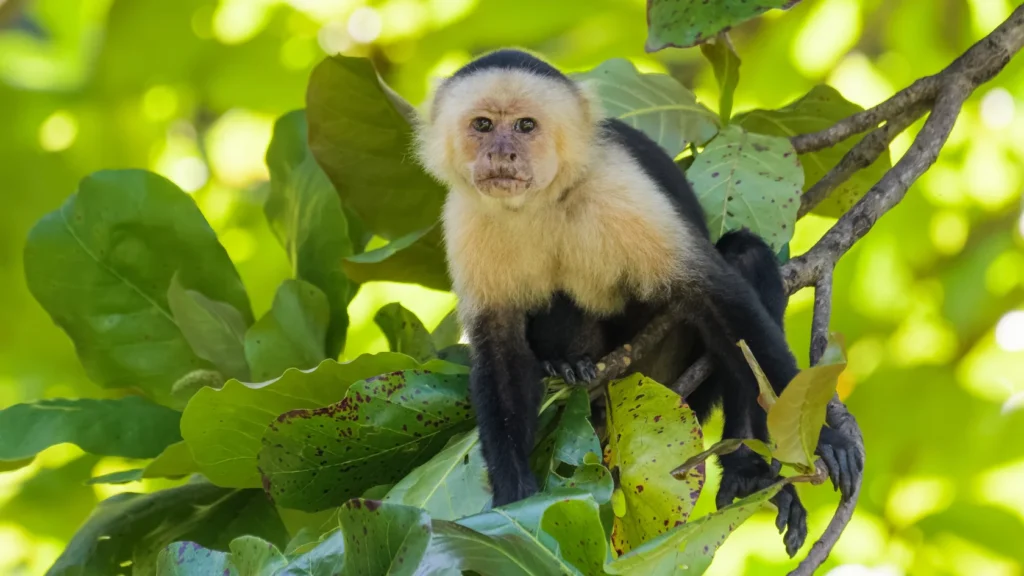
Scientific Name: Macaca mulatta
Class: Mammalia
Diet: Omnivore
The monkey is one of the most enthusiastic orange eaters, often peeling the fruit with its nimble hands. Many primates love citrus.
Interestingly, the monkey uses its dexterous fingers to peel oranges much like humans do, then eats the juicy segments. In orchards, monkeys can be persistent fruit raiders.
Monkeys inhabit forests and grasslands across Asia, Africa, and the Americas, feeding on fruit, seeds, and small animals.
As fruit-eaters, monkeys help disperse seeds through the forest. Many species remain common, though some face habitat loss.
Fun Fact: Some monkeys peel oranges with their hands almost exactly the way people do, avoiding the bitter rind.
Squirrel
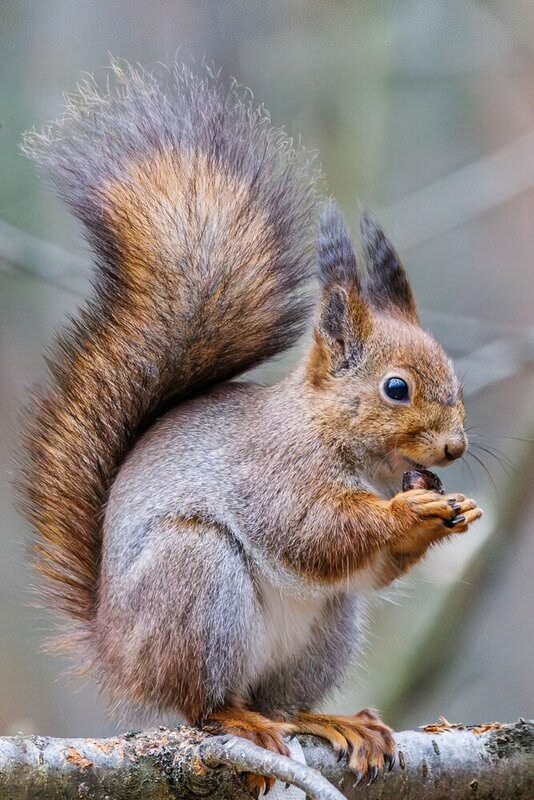
Scientific Name: Sciurus carolinensis
Class: Mammalia
Diet: Omnivore
The squirrel will happily gnaw into oranges to reach the sweet flesh and juice inside. It is an opportunistic fruit eater.
Moreover, the squirrel uses its sharp teeth to chew through the peel and feast on the pulp. In citrus-growing areas, squirrels can damage the fruit on the trees.
Squirrels inhabit forests, parks, and gardens worldwide, feeding on nuts, seeds, and fruit.
As foragers, squirrels help disperse seeds. They are widespread and of Least Concern.
Fun Fact: Squirrels are drawn to the sugary juice of oranges and will chew right through the peel to reach it.
Fruit Bat
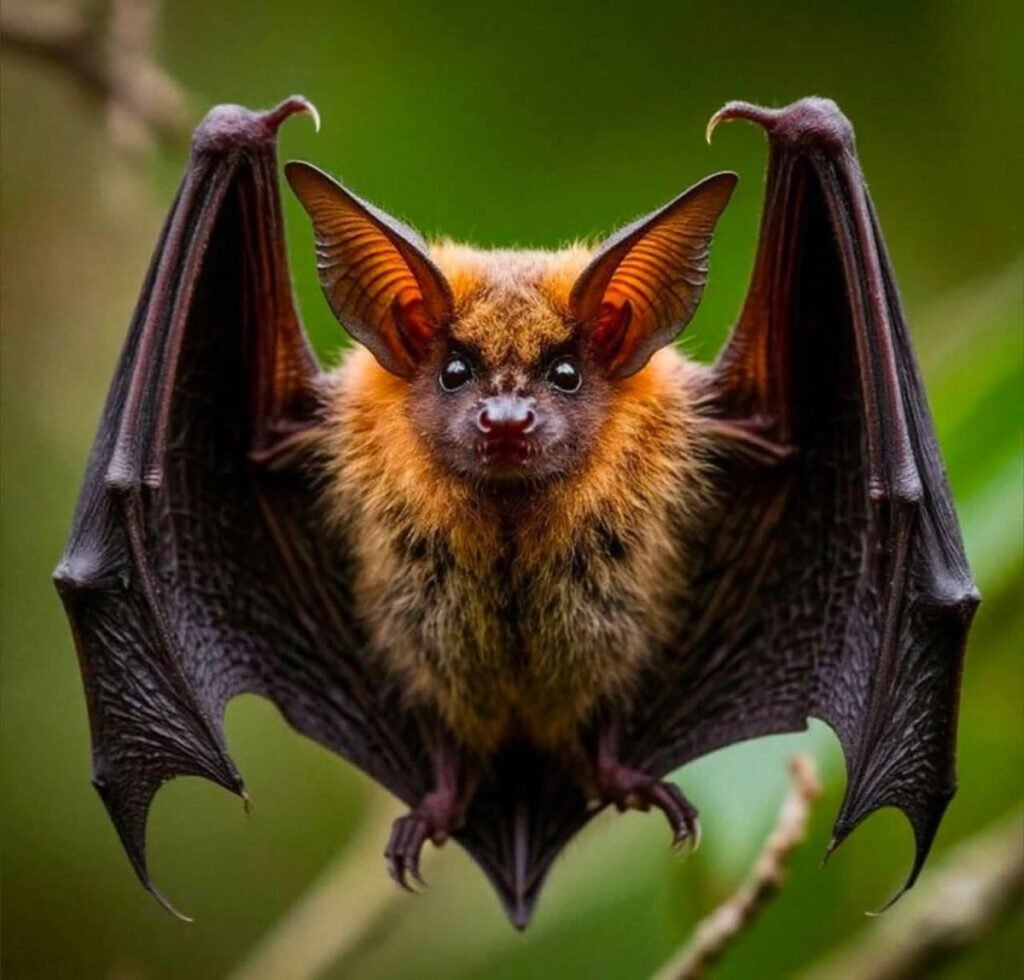
Scientific Name: Pteropus
Class: Mammalia
Diet: Frugivore
The fruit bat, or flying fox, feeds on oranges and other juicy fruits at night. It is an important seed disperser.
Interestingly, the fruit bat squeezes the juice and soft pulp from oranges, often spitting out the fibrous parts. It travels long distances, spreading seeds as it goes.
Fruit bats inhabit tropical and subtropical regions across Asia, Africa, and Australia, feeding on fruit, nectar, and flowers.
As seed dispersers and pollinators, fruit bats are vital to healthy forests. Some species are threatened by hunting and habitat loss.
Fun Fact: Fruit bats often chew fruit to extract the juice, then spit out the dry pulp in small pellets.
Deer
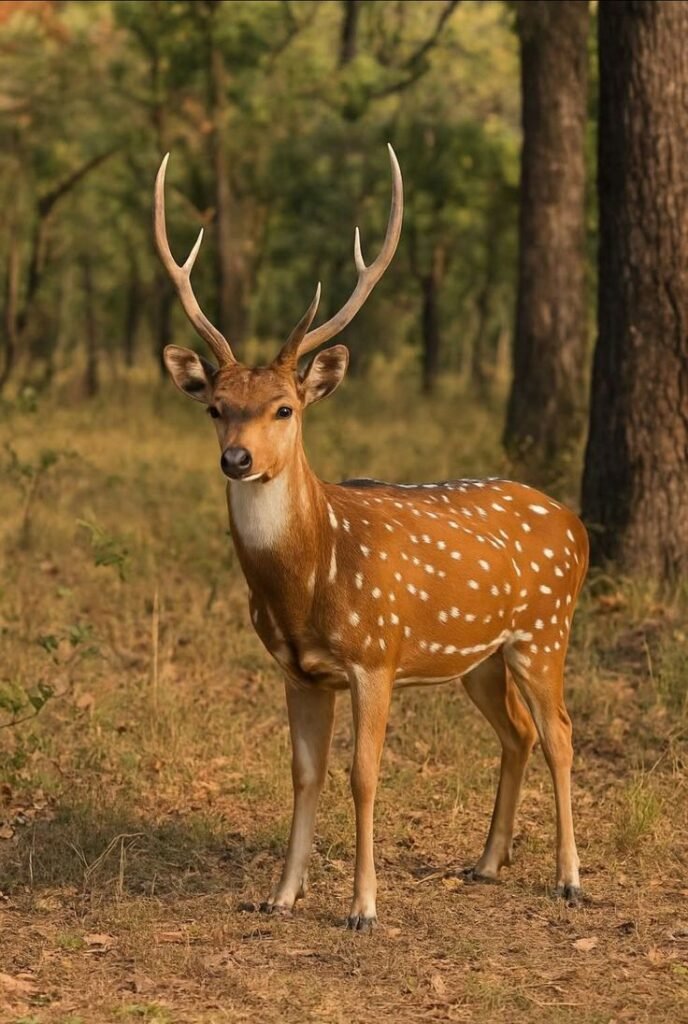
Scientific Name: Odocoileus virginianus
Class: Mammalia
Diet: Herbivore
The deer will eat oranges when they fall to the ground or grow within reach. It enjoys the sweet fruit as a treat.
Moreover, the deer eats whole oranges, peel and all, especially fallen fruit in and around orchards. Citrus provides a sweet, hydrating snack.
White-tailed deer inhabit forests, farmland, and grasslands across the Americas, browsing on plants, crops, and fruit.
As browsers, deer help disperse seeds and shape plant growth. They are widespread and of Least Concern.
Fun Fact: Deer will eat oranges peel and all, and fallen citrus is a favorite snack near groves and gardens.
Parrot
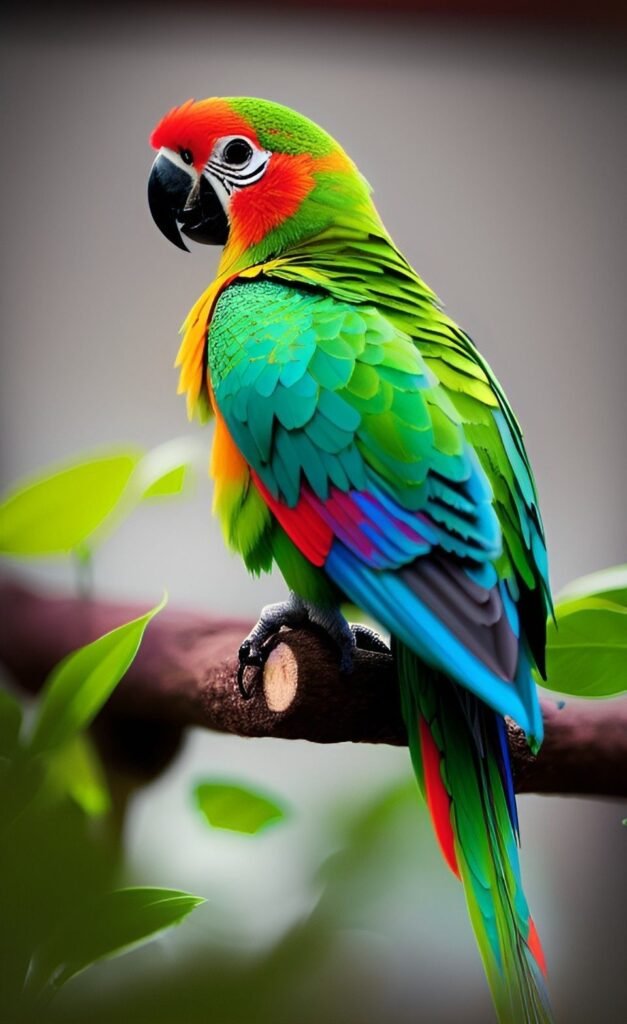
Scientific Name: Psittacidae
Class: Aves
Diet: Omnivore
The parrot is a colorful bird that loves juicy fruits like oranges. Citrus is a common treat for both wild and pet parrots.
Interestingly, the parrot uses its strong, curved beak to tear through the peel and eat the flesh. Oranges provide a healthy dose of vitamin C and natural sugars.
Parrots inhabit tropical and subtropical regions worldwide, feeding on fruit, seeds, nuts, and flowers.
As fruit-eaters, parrots help disperse seeds. Some species are threatened by habitat loss and trapping.
Fun Fact: Oranges are a popular, vitamin-rich treat for pet parrots, though the seeds are usually removed for safety.
Raccoon
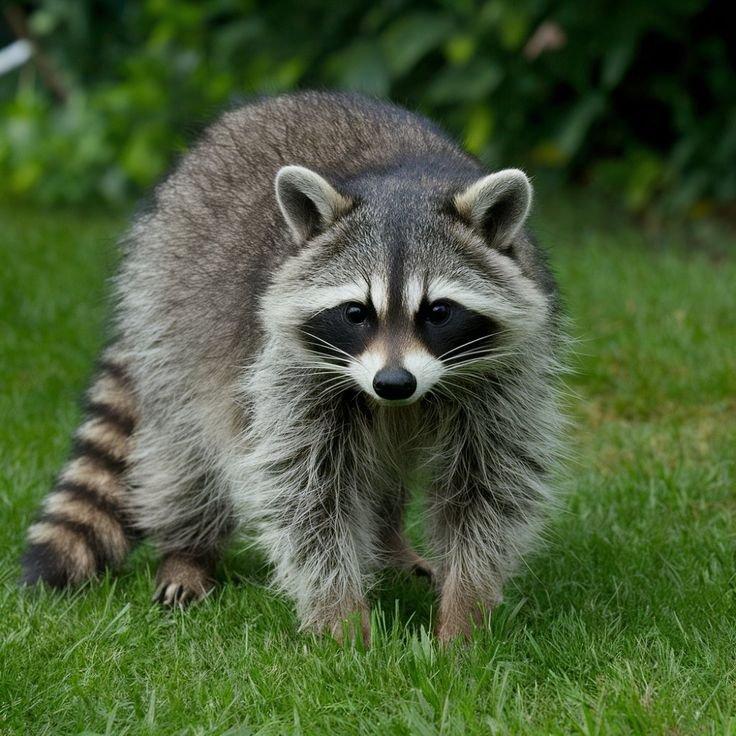
Scientific Name: Procyon lotor
Class: Mammalia
Diet: Omnivore
The raccoon is a clever omnivore that will eat oranges and other fruit when available. It uses its nimble paws to handle food.
Moreover, the raccoon peels and pulls apart oranges with its dexterous hands to reach the juicy flesh. It readily raids gardens, orchards, and compost for sweet fruit.
Raccoons inhabit forests, wetlands, and cities across North America, feeding on almost anything.
As adaptable omnivores, raccoons help disperse seeds. They are widespread and thriving.
Fun Fact: A raccoon’s sensitive, hand-like paws let it peel and pull apart oranges with surprising skill.
Opossum

Scientific Name: Didelphis virginiana
Class: Mammalia
Diet: Omnivore
The opossum is a nocturnal marsupial that eats oranges and other fruit as part of its varied diet. It forages after dark.
Interestingly, the opossum will eat fallen and overripe oranges, helping clean up rotting fruit. As North America’s only marsupial, it isn’t picky about its meals.
Opossums inhabit forests, farmland, and suburbs across the Americas, feeding on fruit, insects, and small animals.
As scavengers, opossums help clean up their environment and control pests. They are widespread and common.
Fun Fact: Opossums eat huge numbers of ticks and pests, making them surprisingly helpful garden visitors.
Rat
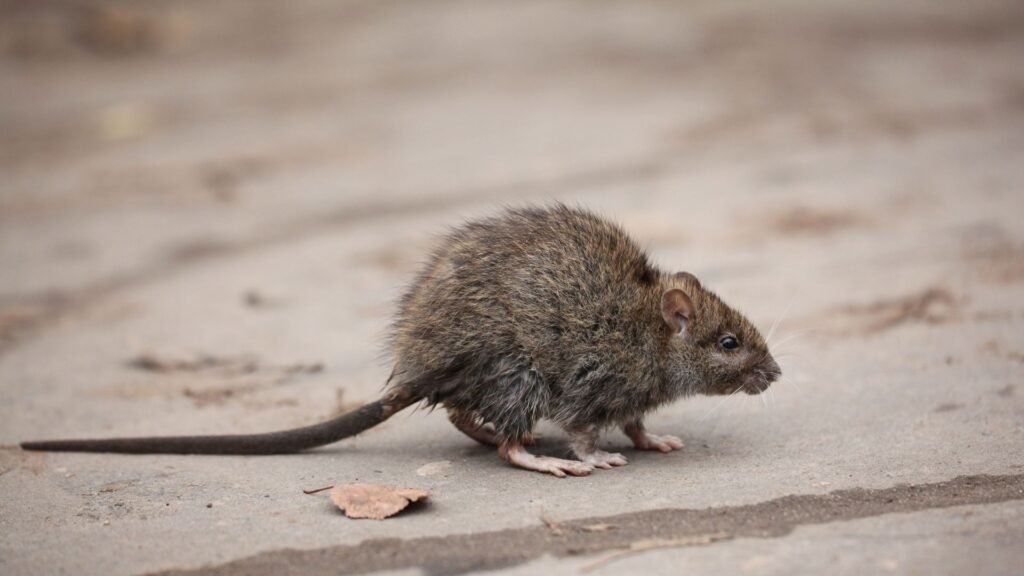
Scientific Name: Rattus rattus
Class: Mammalia
Diet: Omnivore
The rat is an adaptable rodent that gnaws into oranges to reach the sweet flesh. It is a common orchard and garden pest.
Moreover, the rat uses its sharp teeth to chew through the peel and eat the pulp, often hollowing out the fruit. It is drawn to the sugar and moisture inside.
Rats inhabit cities, farms, and forests worldwide, feeding on fruit, grains, and almost anything else.
As adaptable rodents, rats can be pests but also serve as prey for many predators. They are widespread and abundant.
Fun Fact: Rats will hollow out an orange from the inside, leaving the peel looking almost untouched.
Baltimore Oriole
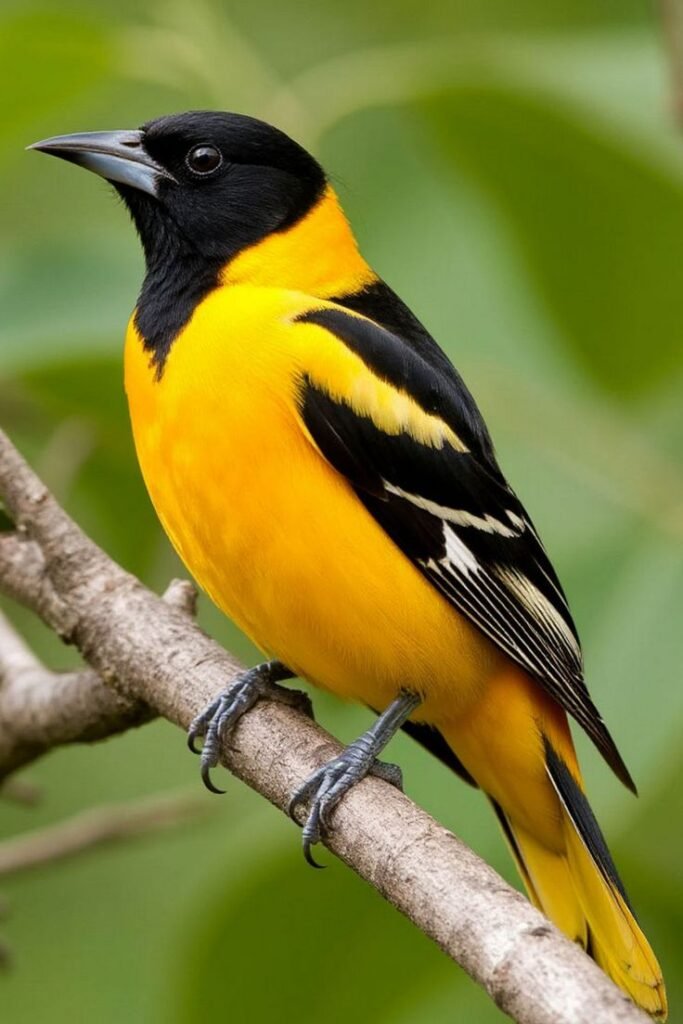
Scientific Name: Icterus galbula
Class: Aves
Diet: Omnivore
The Baltimore oriole is a bright orange bird that famously loves eating oranges. Citrus is one of its favorite foods.
Interestingly, the oriole is so fond of oranges that people attract them by putting out orange halves. It sips the juice and eats the soft pulp with its slender beak.
Baltimore orioles inhabit woodlands, gardens, and parks across North America, feeding on fruit, nectar, and insects.
As fruit and nectar eaters, orioles help pollinate and disperse plants. They remain widespread and of Least Concern.
Fun Fact: Bird lovers attract Baltimore orioles by simply setting out orange halves, one of the birds’ favorite treats.
Ant
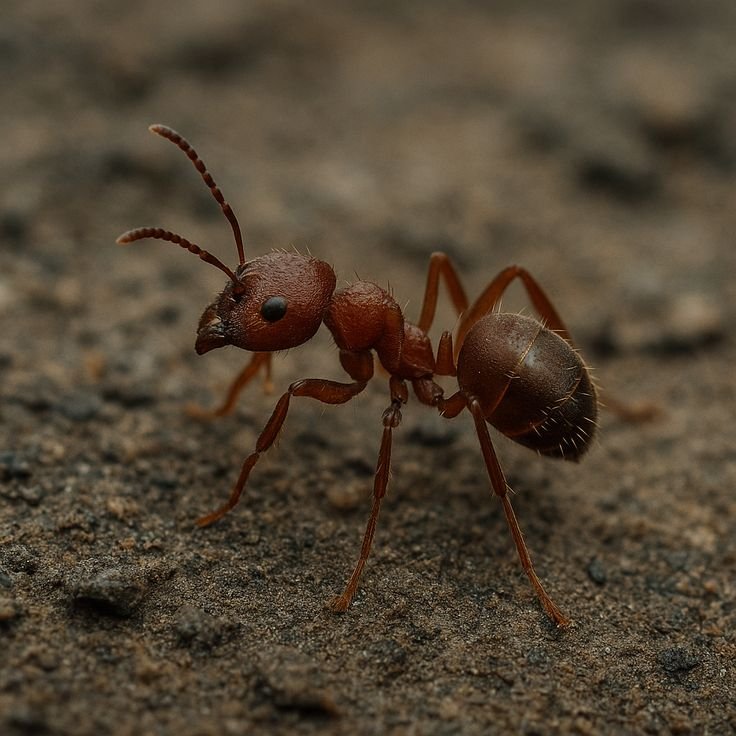
Scientific Name: Formicidae
Class: Insecta
Diet: Omnivore
The ant is drawn to the sweet juice of oranges, especially damaged or overripe fruit. Sugar is a favorite ant food.
Moreover, ants swarm over cracked or fallen oranges to feed on the sugary juice. They can quickly cover a piece of ripe fruit left outdoors.
Ants inhabit nearly every land habitat on Earth, feeding on sugars, seeds, insects, and scraps.
As scavengers, ants help clean up and recycle organic matter. They are among the most successful animals on the planet.
Fun Fact: Ants are so attracted to citrus sugar that a single dropped orange slice can draw a whole trail of them.
Black Bear
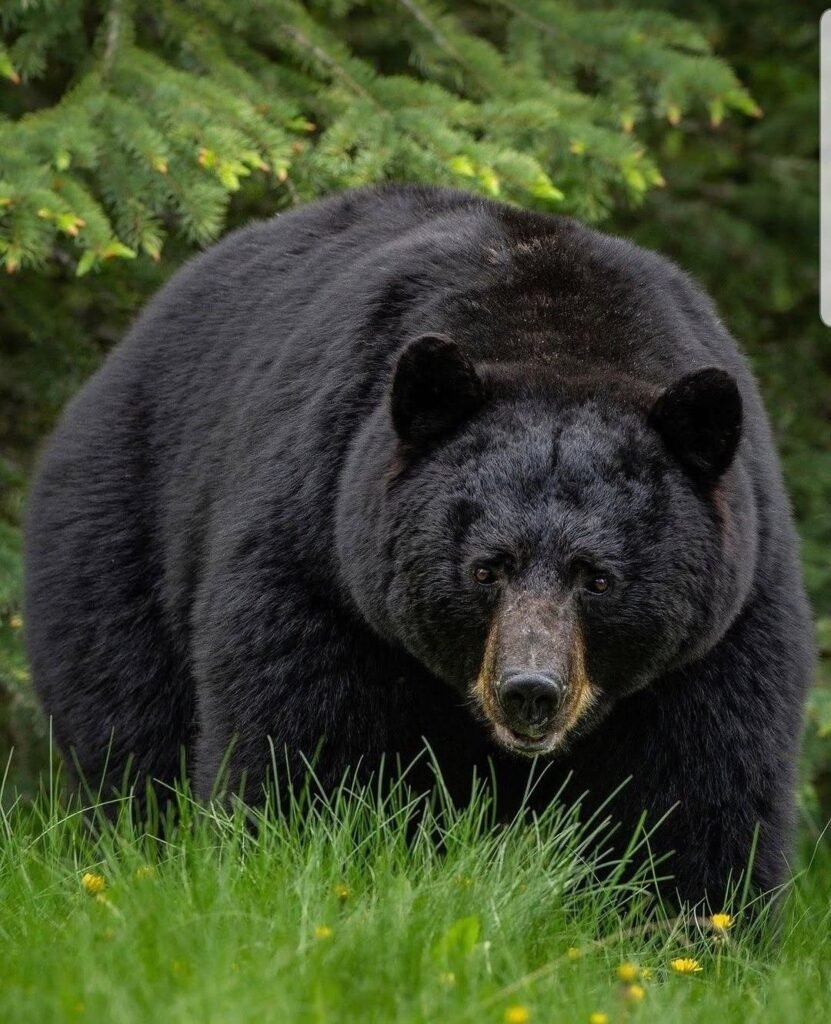
Scientific Name: Ursus americanus
Class: Mammalia
Diet: Omnivore
The black bear is a large omnivore that will eat oranges and other fruit when it finds them. It has a strong sweet tooth.
Interestingly, the bear eats oranges whole, drawn to their sugar and moisture. It may raid orchards or campsites in search of sweet food.
Black bears inhabit forests across North America, feeding on berries, nuts, insects, and fruit.
As opportunistic omnivores, black bears help disperse seeds. They remain widespread and of Least Concern.
Fun Fact: Bears have an excellent sense of smell and can detect ripe fruit like oranges from over a mile away.
Tortoise
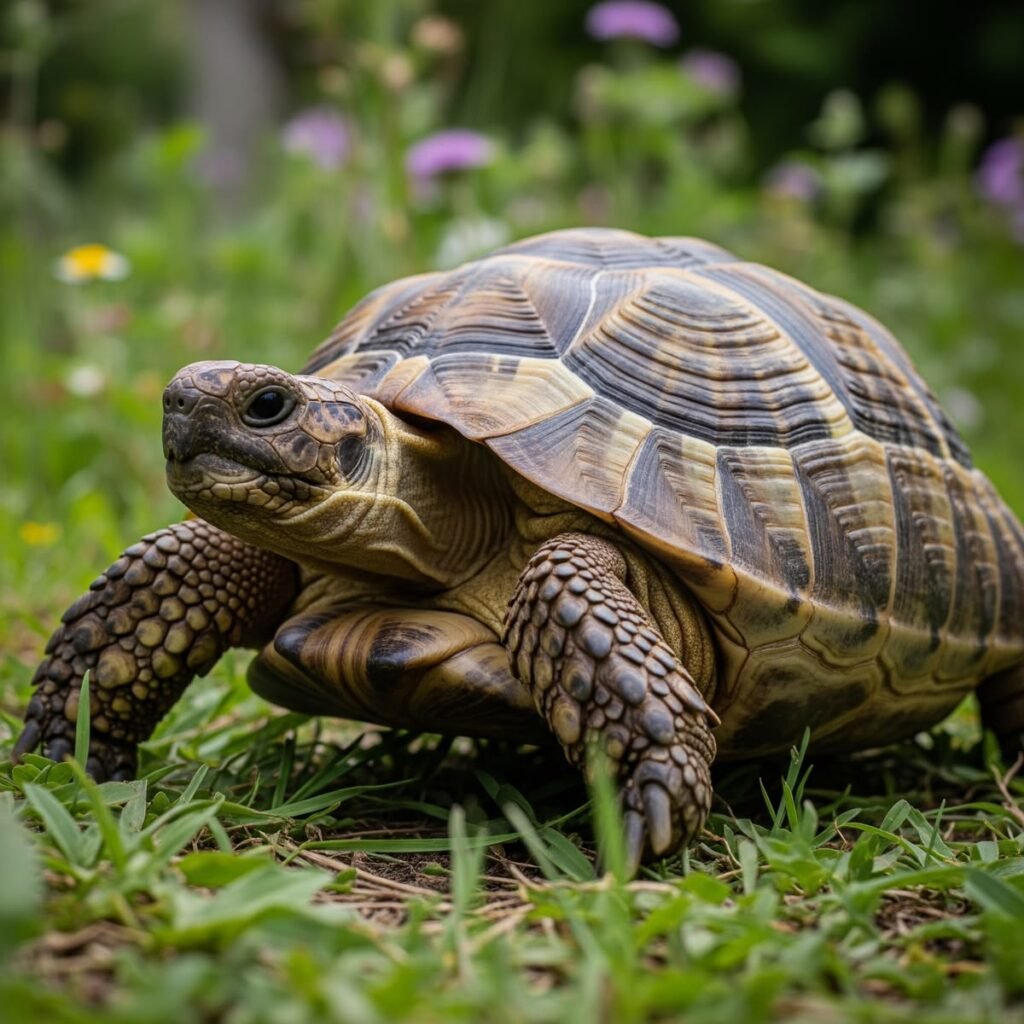
Scientific Name: Testudo
Class: Reptilia
Diet: Herbivore
The tortoise enjoys oranges as an occasional juicy treat, though citrus is only a small part of its diet. It relishes the sweet flesh.
Moreover, the tortoise slowly munches on orange segments with its beak-like mouth. Because citrus is acidic, it’s best fed to tortoises only in small amounts.
Tortoises inhabit grasslands, deserts, and forests across many parts of the world, feeding mainly on plants and fruit.
As herbivores, tortoises help disperse seeds and shape plant life. Many species are threatened by habitat loss.
Fun Fact: While tortoises enjoy oranges, too much citrus can upset their stomachs, so it’s given only as a rare treat.
Read: Animals That Look Like Rats
Read: Ugliest Animals in the World
Read: Most Colorful Animals in the World
Read: Animals with Long Tongues
Read: Slowest Animals in the World
Frequently Asked Questions
Conclusion
Oranges may have a tough peel and a tangy bite, but that doesn’t stop a wide range of animals from enjoying this sweet, juicy fruit. From hand-peeling monkeys and orange-loving orioles to squirrels, deer, and even bears, many creatures are drawn to citrus for its sugar, moisture, and nutrients.
One Comment