Top 12 Animals That Eat Bees (With Images)
Who would dare to make a meal out of a stinging bee? Surprisingly, many animals do, braving painful stings for a protein-rich prize. The animals that eat bees have developed clever tricks to catch, disarm, and swallow their buzzing prey without getting hurt. Bees offer valuable nutrition, and their hives promise even more in the form of larvae and honey.
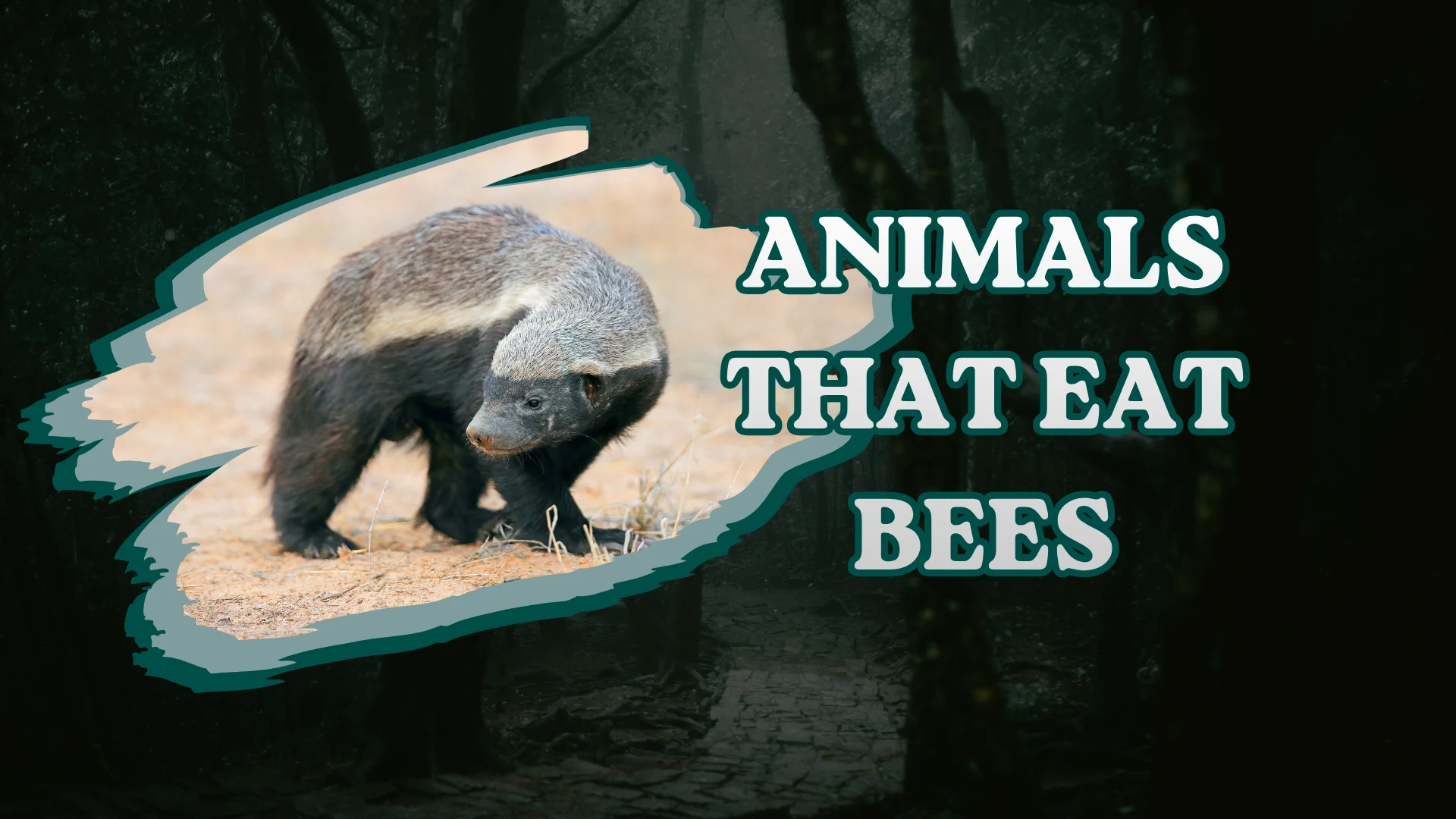
From a brightly colored bird that whacks the sting out of a bee to a badger that raids entire hives, bee-eaters are as resourceful as they are bold. Let’s explore the most fascinating animals that eat bees and the astonishing ways they turn a stinging insect into dinner.
Quick List Table
| Rank | Animal Name | Scientific Name |
|---|---|---|
| 1 | European Bee-Eater | Merops apiaster |
| 2 | Honey Badger | Mellivora capensis |
| 3 | European Honey Buzzard | Pernis apivorus |
| 4 | Sun Bear | Helarctos malayanus |
| 5 | Striped Skunk | Mephitis mephitis |
| 6 | Praying Mantis | Mantis religiosa |
| 7 | Crab Spider | Misumena vatia |
| 8 | Green Darner Dragonfly | Anax junius |
| 9 | Summer Tanager | Piranga rubra |
| 10 | European Badger | Meles meles |
| 11 | Eastern Kingbird | Tyrannus tyrannus |
| 12 | Common Toad | Bufo bufo |
European Bee-Eater
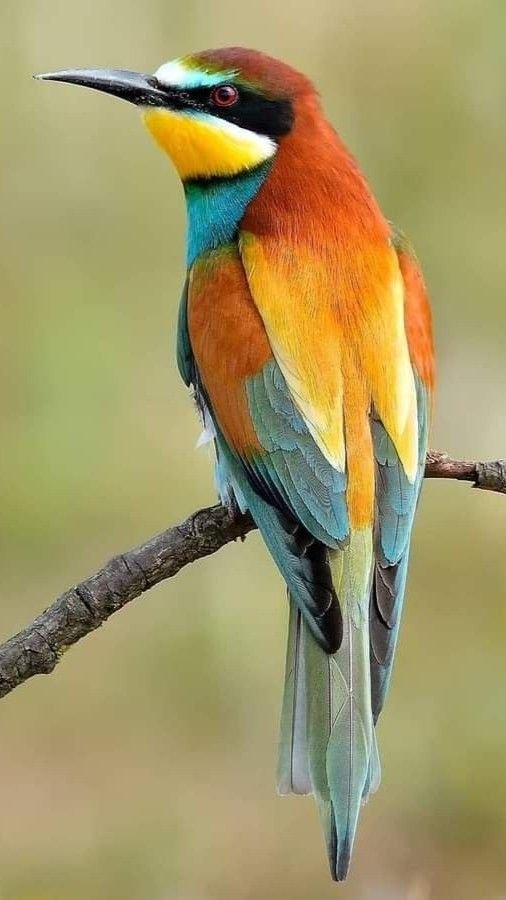
Scientific Name: Merops apiaster
Class: Aves
Diet: Carnivore (insects)
The European bee-eater is a beautifully colored bird that specializes in eating bees. As its name suggests, bees are a major part of its diet. It is perhaps the ultimate bee predator.
Interestingly, the bee-eater catches bees in mid-air, then removes the sting before eating. It rubs and beats the bee against a branch to squeeze out the venom. This clever technique lets it feast on bees safely.
European bee-eaters live in the warm, open landscapes of Europe, Asia, and Africa. As insectivores, they hunt bees, wasps, and other flying insects.
Moreover, bee-eaters help control insect populations across their range. They remain widespread, migrating with the seasons.
Fun Fact: A bee-eater beats a bee against a branch to remove its sting before swallowing it.
Honey Badger
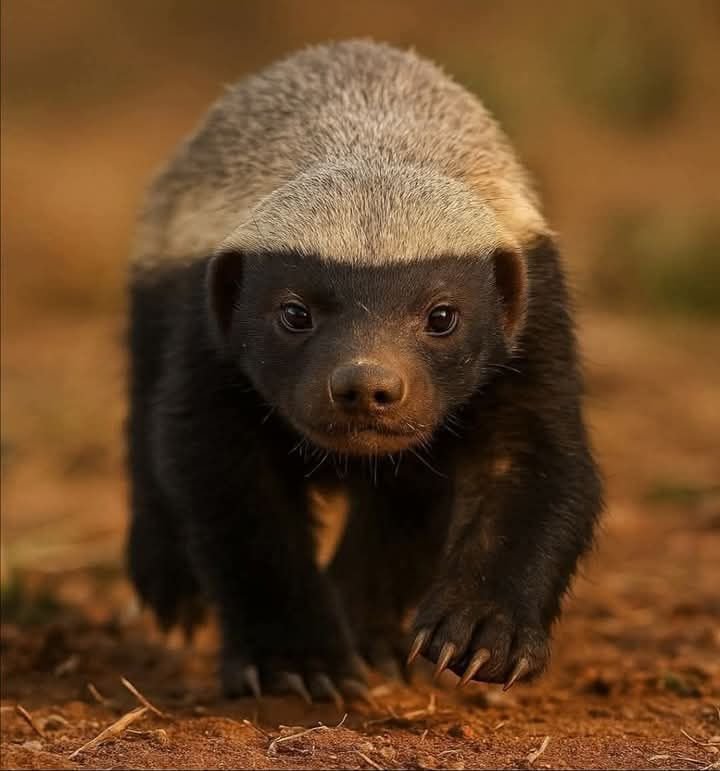
Scientific Name: Mellivora capensis
Class: Mammalia
Diet: Omnivore
The honey badger raids beehives for both bees and their honey. It braves countless stings for the reward inside. Its fearless nature makes it a notorious hive raider.
What sets the honey badger apart is its thick, tough hide, which resists most stings. It tears open hives to reach the larvae, honey, and bees within. Few insects can deter its determined assault.
Honey badgers live across Africa, the Middle East, and parts of Asia. As omnivores, they eat insects, small animals, snakes, and honey.
Moreover, honey badgers help control insect populations. They remain widespread and adaptable across their large range.
European Honey Buzzard
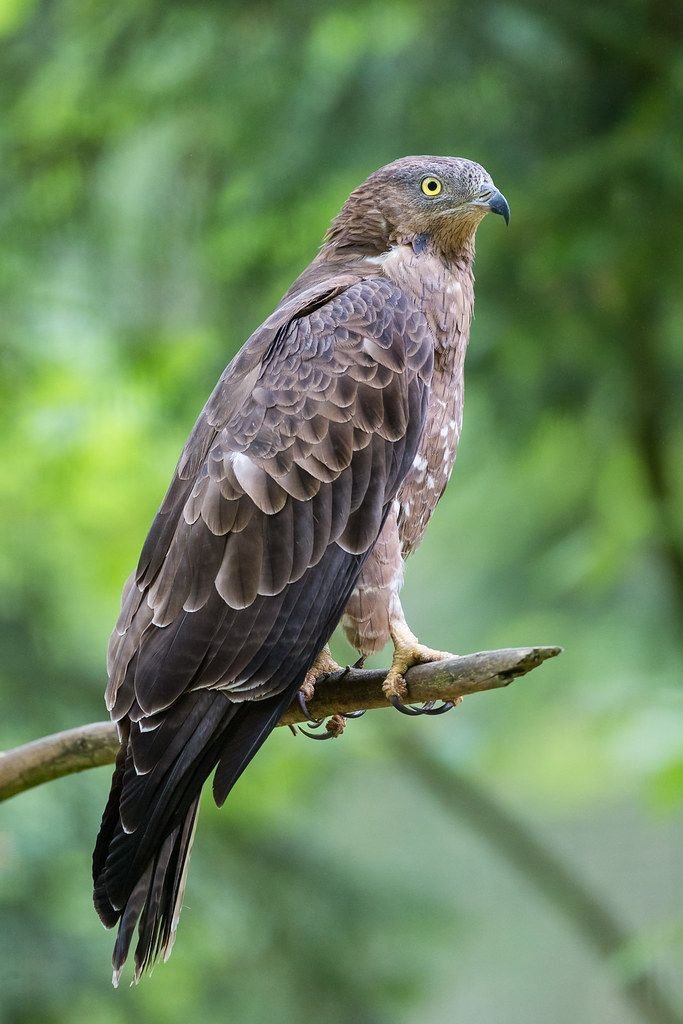
Scientific Name: Pernis apivorus
Class: Aves
Diet: Carnivore (insects, larvae)
The European honey buzzard is a raptor that specializes in raiding the nests of bees and wasps. It feeds mainly on their larvae. Despite its name, it targets nests rather than honey.
Interestingly, the honey buzzard digs into underground nests to reach the grubs inside. Dense, scale-like feathers around its face help protect it from stings. It is remarkably resistant to attacks from angry insects.
European honey buzzards live in the woodlands of Europe and Asia, migrating to Africa. As insectivores, they feed on the larvae of bees and wasps.
Moreover, honey buzzards help control bee and wasp populations. Habitat loss can affect their numbers in some regions.
Fun Fact: Dense facial feathers help shield the honey buzzard from stings as it raids nests.
Sun Bear
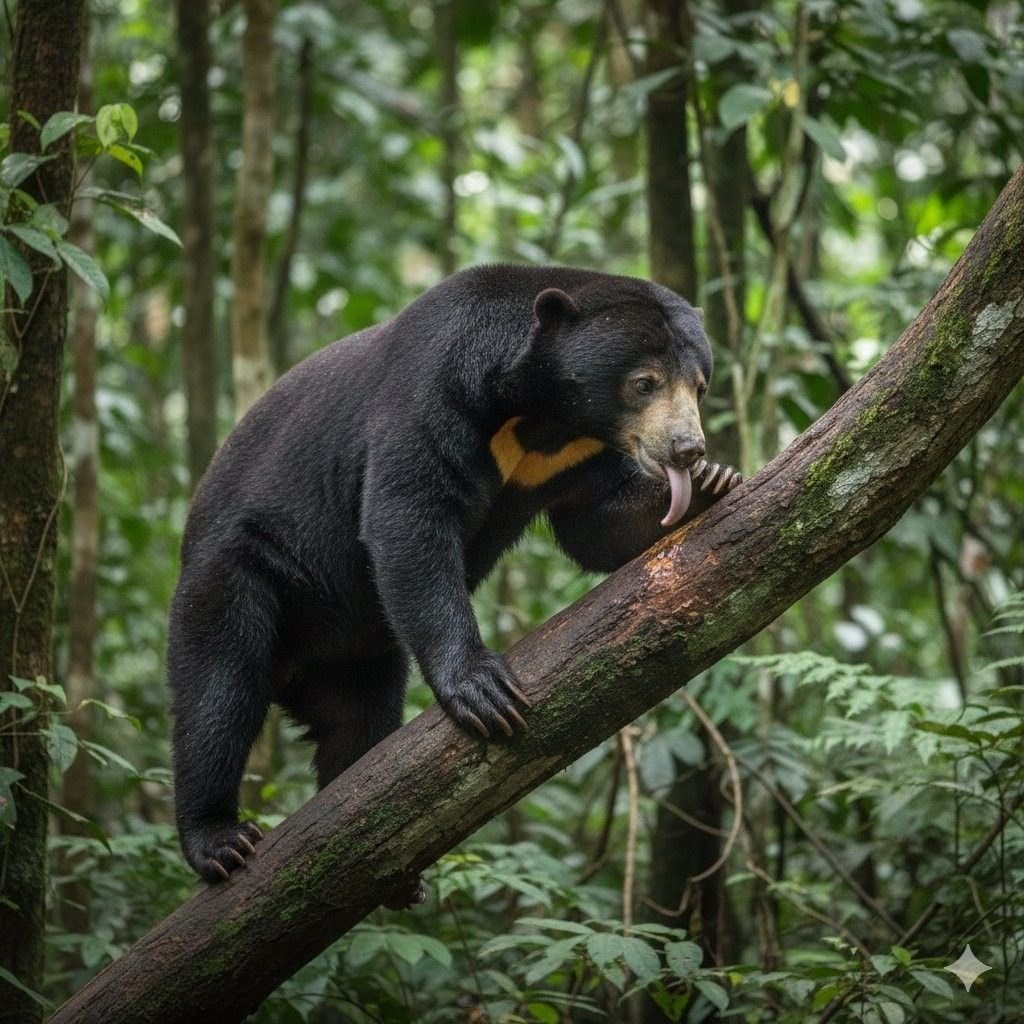
Scientific Name: Helarctos malayanus
Class: Mammalia
Diet: Omnivore
The sun bear raids beehives for bees, larvae, and honey. Its long tongue is perfect for reaching inside. Bees and their sweet hoard are a favorite treat.
What sets the sun bear apart is its remarkable tongue, the longest of any bear relative to size. It uses powerful claws to tear open hives, then laps up the contents. Its thick fur offers some protection from stings.
Sun bears live in the tropical forests of Southeast Asia. As omnivores, they feed on honey, insects, fruit, and small animals.
Moreover, sun bears disperse seeds and help control insect populations. Deforestation and poaching have made them vulnerable.
Striped Skunk
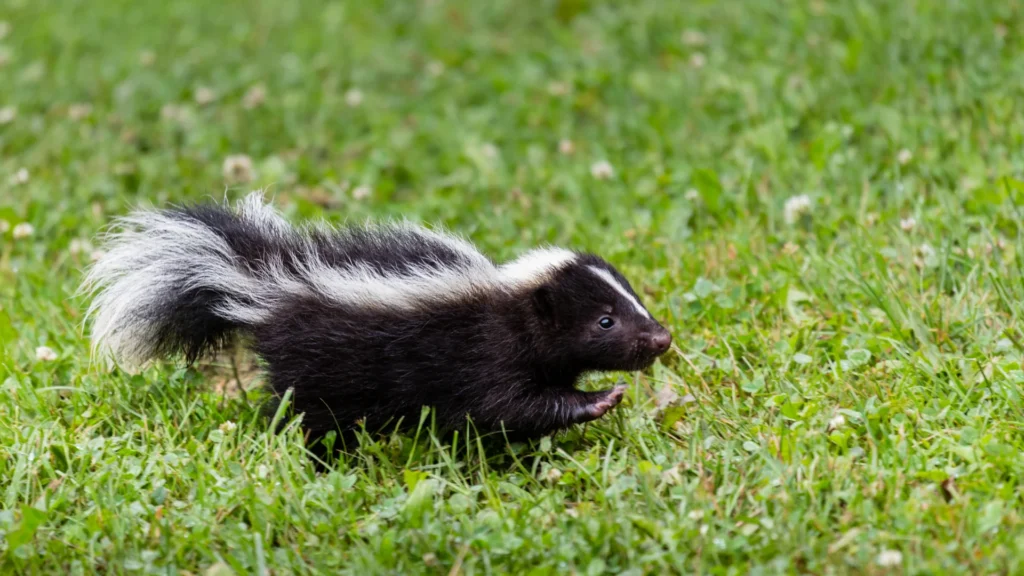
Scientific Name: Mephitis mephitis
Class: Mammalia
Diet: Omnivore
The striped skunk is known to raid beehives to eat bees. It scratches at the hive to draw the bees out. Bees are a nutritious part of its varied diet.
Interestingly, the skunk scratches at a hive entrance and eats the guard bees that come to investigate. It seems relatively unbothered by stings on its face and body. This lets it feed on bees others avoid.
Striped skunks live across North America, in forests, grasslands, and suburbs. As omnivores, they eat insects, small animals, fruit, and bees.
Moreover, skunks help control insect populations. They remain common and adaptable across their range.
Praying Mantis
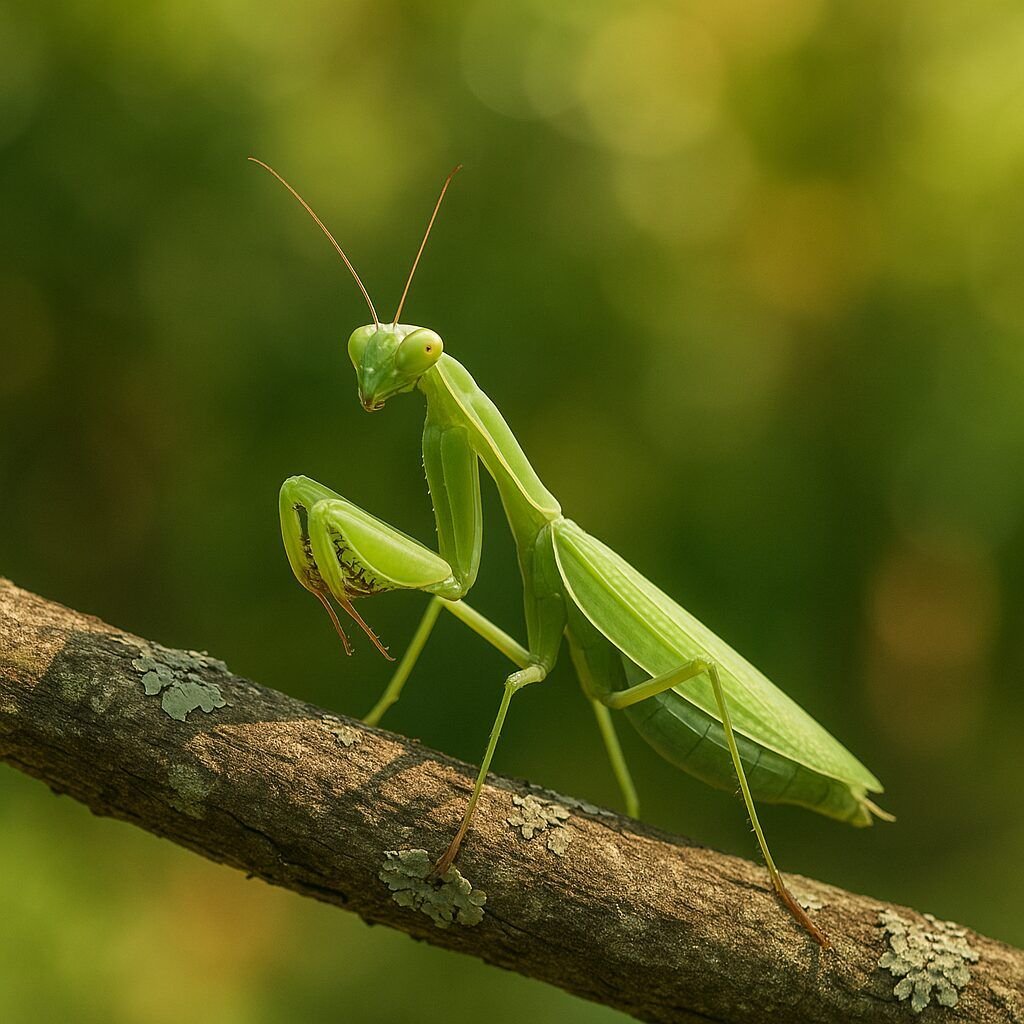
Scientific Name: Mantis religiosa
Class: Insecta
Diet: Carnivore (insects)
The praying mantis is a patient predator that readily catches and eats bees. It ambushes them among the flowers. Bees are a common catch for this stealthy hunter.
What sets the mantis apart is its lightning-fast strike. Waiting motionless near blossoms, it snatches visiting bees with its spiked forelegs. It holds the bee firmly and eats it before the sting can be used.
Praying mantises live in gardens, grasslands, and forests around the world. As carnivores, they eat bees and other insects.
Moreover, mantises help control insect populations and are welcomed in gardens. They remain widespread across many regions.
Fun Fact: A praying mantis can snatch a flying bee from the air with its spiked forelegs.
Crab Spider
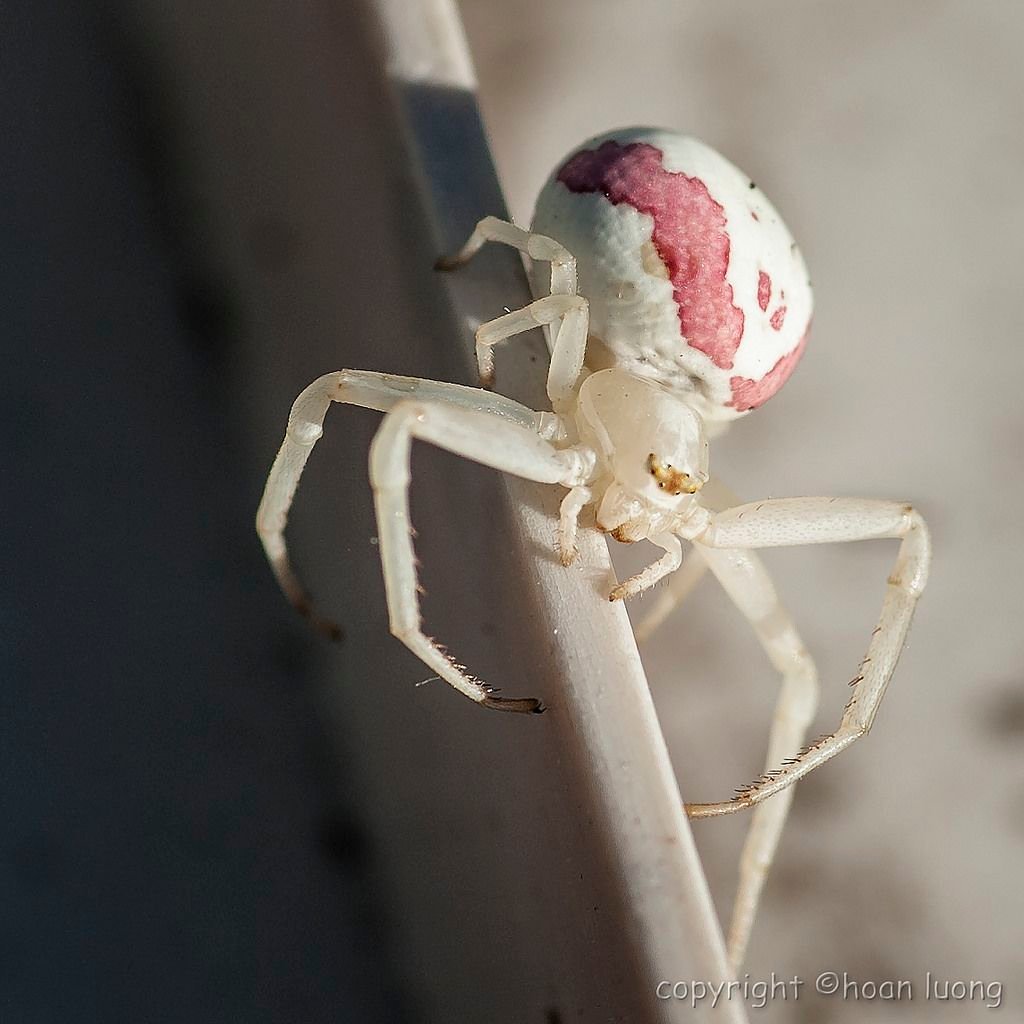
Scientific Name: Misumena vatia
Class: Arachnida
Diet: Carnivore (insects)
The crab spider is a flower-dwelling hunter that ambushes bees. Camouflaged on blossoms, it strikes visiting pollinators. Bees are among its favorite prey.
Interestingly, the crab spider can change color to match the flower it sits on, becoming nearly invisible. When a bee lands to feed, it seizes the insect and delivers a venomous bite. It can capture bees far larger than itself.
Crab spiders live in meadows and gardens across North America and Europe. As carnivores, they prey on bees and other flower-visiting insects.
Moreover, crab spiders are part of the delicate balance of flower ecosystems. They remain common across their wide range.
Green Darner Dragonfly
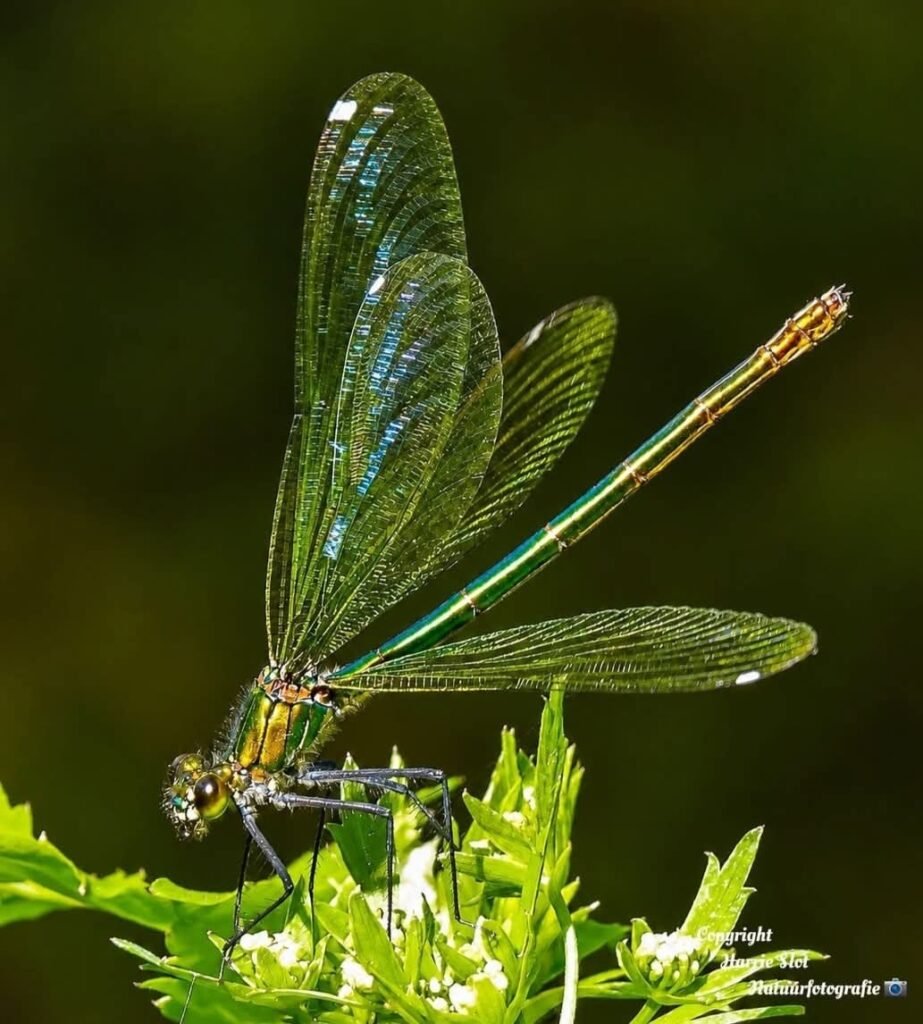
Scientific Name: Anax junius
Class: Insecta
Diet: Carnivore (insects)
The green darner dragonfly is a swift aerial hunter that catches bees in flight. It snatches them from the air with ease. Bees are among the many insects it eats.
What sets the dragonfly apart is its incredible flying skill. With keen eyes and agile wings, it captures bees mid-air using its basket-shaped legs. It is one of the fastest and most precise insect hunters.
Green darner dragonflies live near ponds, lakes, and wetlands across North America. As carnivores, they hunt bees, flies, and other flying insects.
Moreover, dragonflies help control insect populations, including pests. They remain common near freshwater habitats.
Fun Fact: A dragonfly catches flying prey by scooping it up in a basket formed by its legs.
Summer Tanager
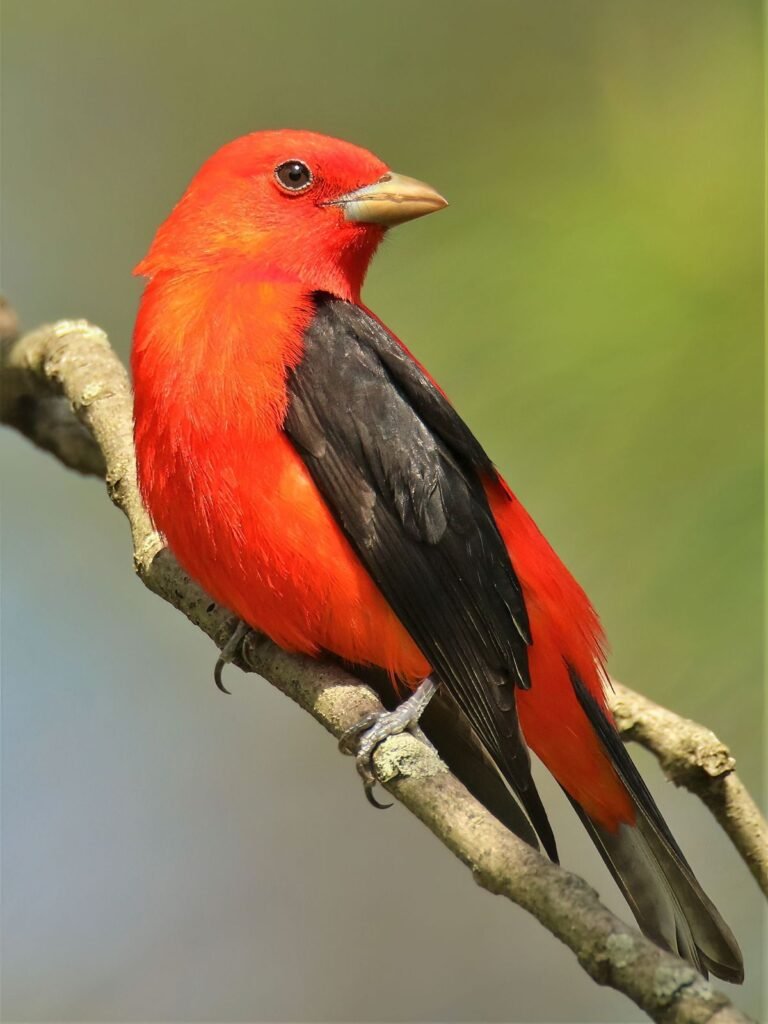
Scientific Name: Piranga rubra
Class: Aves
Diet: Omnivore (insects, fruit)
The summer tanager is a striking red bird that specializes in eating bees and wasps. It hunts them with practiced skill. Bees are a favorite food during the warmer months.
Interestingly, the summer tanager catches bees in flight, then beats them against a branch to remove the sting. It is one of the few birds that regularly targets stinging insects. This skill lets it feast where others cannot.
Summer tanagers live in the woodlands of the Americas, migrating with the seasons. As omnivores, they eat bees, wasps, and fruit.
Moreover, summer tanagers help control bee and wasp populations. They remain fairly common across their range.
Fun Fact: The summer tanager is one of the few birds that specializes in eating bees and wasps.
European Badger
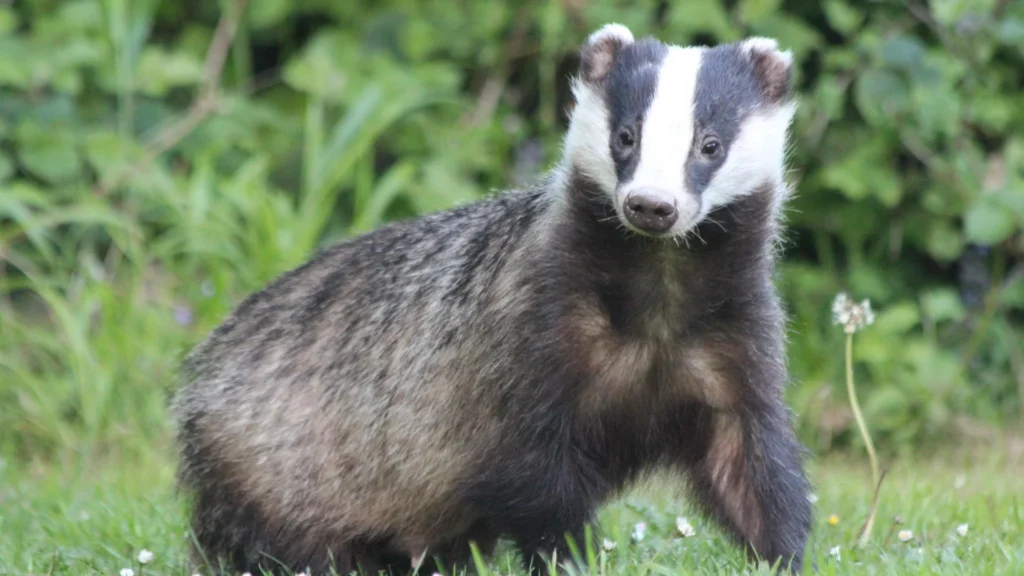
Scientific Name: Meles meles
Class: Mammalia
Diet: Omnivore
The European badger is a strong digger that raids bumblebee and wasp nests. It uncovers the nests to eat the larvae. Bees and their grubs are a rich, seasonal food.
What sets the badger apart is its powerful claws and digging strength. It excavates underground nests to reach the brood inside, enduring stings along the way. Its thick fur and tough skin offer some protection.
European badgers live in the woodlands and grasslands of Europe. As omnivores, they eat earthworms, insects, small animals, and nest larvae.
Moreover, badgers help control insect populations and aerate soil. They remain widespread across much of their range.
Eastern Kingbird
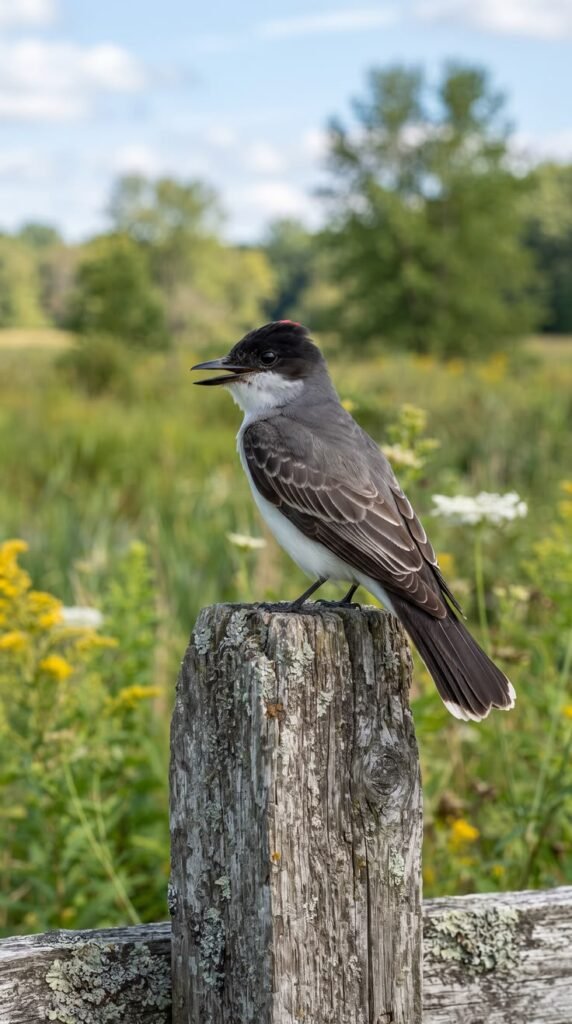
Scientific Name: Tyrannus tyrannus
Class: Aves
Diet: Insectivore (also fruit)
The eastern kingbird is a bold flycatcher that snaps up bees on the wing. It sallies out from a perch to catch them. Bees are part of its insect-rich diet.
Interestingly, the kingbird perches in the open and darts out to grab passing bees and other insects. It returns to its perch to handle the prey before eating. Its aggressive, agile flight makes it a skilled hunter.
Eastern kingbirds live in open country across North America, migrating south for winter. As insectivores, they eat bees, flies, and other flying insects.
Moreover, kingbirds help control insect populations. They remain common across their wide range.
Common Toad
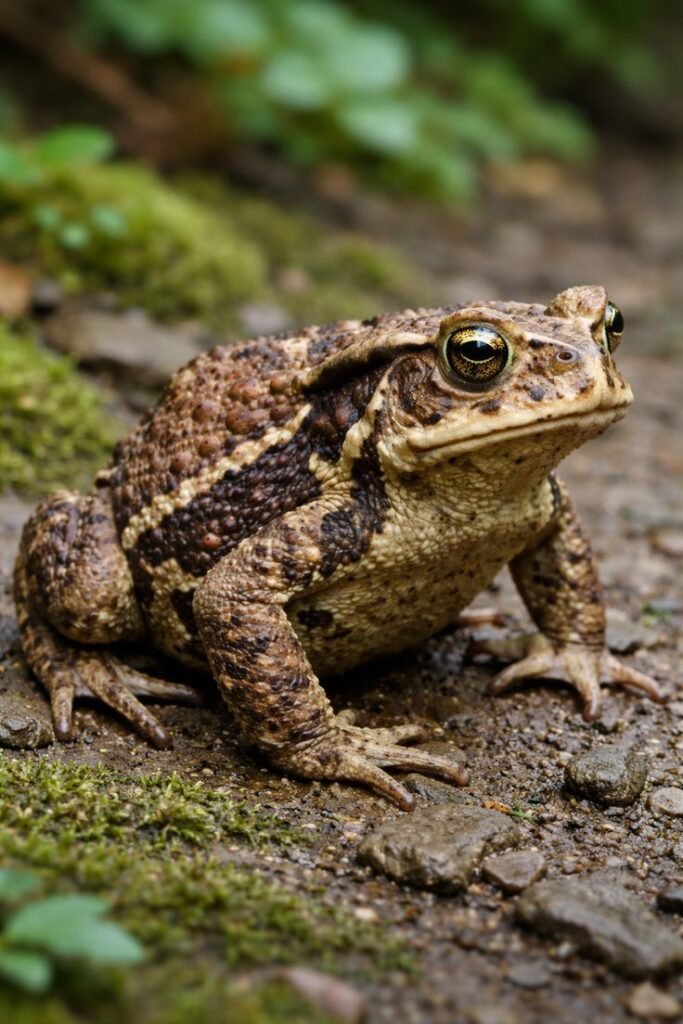
Scientific Name: Bufo bufo
Class: Amphibia
Diet: Carnivore (insects)
The common toad is a patient predator that will eat bees when they come within reach. It snaps them up with a sticky tongue. Bees are one of many insects in its diet.
What sets the toad apart is its indiscriminate appetite. Sitting near flowers or hives, it flicks out its tongue to grab passing bees. It swallows them whole, seemingly untroubled by stings inside its mouth.
Common toads live in gardens, woodlands, and wetlands across Europe and Asia. As carnivores, they eat insects, worms, and other small invertebrates.
Moreover, toads help control garden pests and insects. They remain widespread across much of their range.
Fun Fact: A toad will flick out its sticky tongue to snap up a passing bee in an instant.
Read: Animals That Look Like Cats
Read: Animals with No Teeth
Read: Aggressive Animals in the World
Read: Animals That Live on Mountains
Read: Animals That Eat Corn in The World
Frequently Asked Questions
Conclusion
From the colorful bee-eater to the fearless honey badger, the animals that eat bees show remarkable ingenuity in turning a stinging insect into a meal. Through clever techniques, protective armor, and sheer boldness, these predators safely feast on bees, larvae, and honey. As part of natural food webs, they help keep insect populations in balance across their habitats.