
Top 12 Animals with Long Tongues (With Images)
What if your tongue was longer than your entire body? For some animals, an extraordinarily long tongue is the key to survival. The animals with long tongues use these remarkable tools to catch insects, reach hidden nectar, grip leaves, and even groom themselves. Far from a curiosity, a long tongue is a finely tuned adaptation shaped by an animal’s diet and habitat.
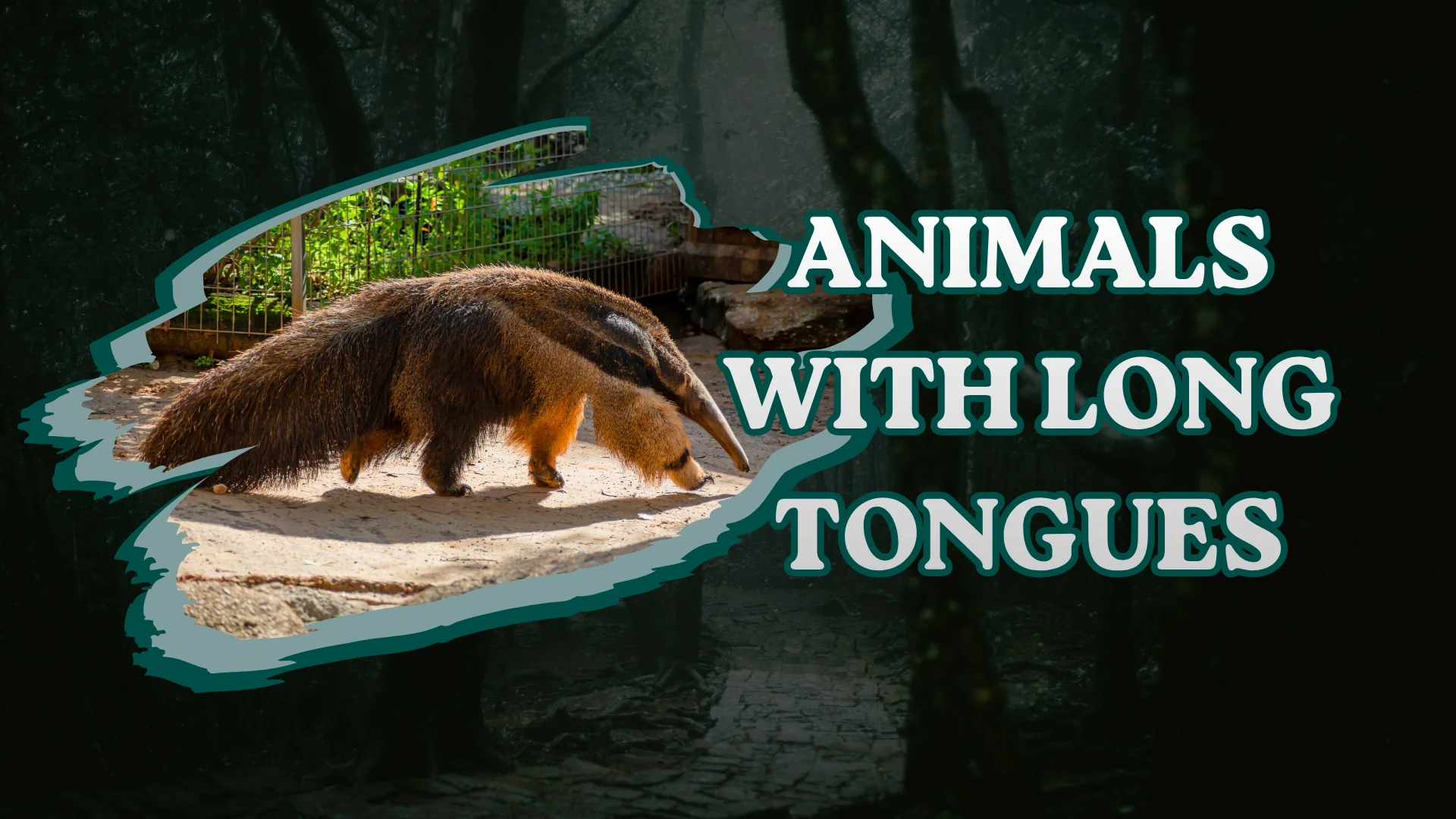
From an anteater that laps up thousands of ants to a bat with a tongue longer than its skeleton, these creatures reveal nature’s inventive engineering. Let’s explore the most impressively tongued animals on Earth and the clever ways they put these tools to work.
Quick List Table
| Rank | Animal Name | Scientific Name |
|---|---|---|
| 1 | Giant Anteater | Myrmecophaga tridactyla |
| 2 | Panther Chameleon | Furcifer pardalis |
| 3 | Giraffe | Giraffa camelopardalis |
| 4 | Okapi | Okapia johnstoni |
| 5 | Sun Bear | Helarctos malayanus |
| 6 | Tube-Lipped Nectar Bat | Anoura fistulata |
| 7 | Pileated Woodpecker | Dryocopus pileatus |
| 8 | Giant Pangolin | Smutsia gigantea |
| 9 | Aardvark | Orycteropus afer |
| 10 | Blue-Tongued Skink | Tiliqua scincoides |
| 11 | Honey Possum | Tarsipes rostratus |
| 12 | Sword-Billed Hummingbird | Ensifera ensifera |
Giant Anteater
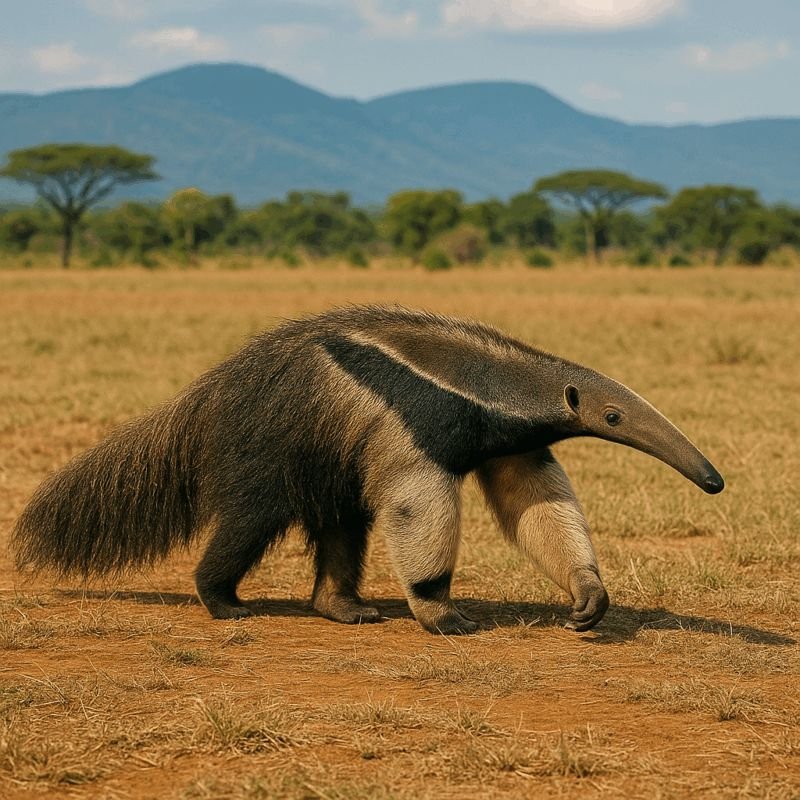
Scientific Name: Myrmecophaga tridactyla Class: Mammalia Diet: Carnivore (insects)
The giant anteater wields one of the most impressive tongues in the animal kingdom, stretching up to 60 centimeters long. This slender, sticky tongue is perfectly designed to raid ant and termite nests. It defines the anteater’s entire way of life.
Interestingly, the anteater can flick its tongue in and out up to 150 times per minute. Coated in sticky saliva and tiny backward-facing spines, it traps thousands of insects in a single feeding session. The anteater has no teeth and relies entirely on this remarkable tool.
Giant anteaters live in the grasslands and rainforests of Central and South America. As insectivores, they consume tens of thousands of ants and termites each day, moving between nests to avoid depleting any one colony.
Moreover, anteaters help regulate insect populations across their range. Habitat loss and hunting have made them vulnerable, highlighting the need to protect their grassland homes.
Fun Fact: A giant anteater can eat up to 30,000 ants and termites in a single day.
Panther Chameleon
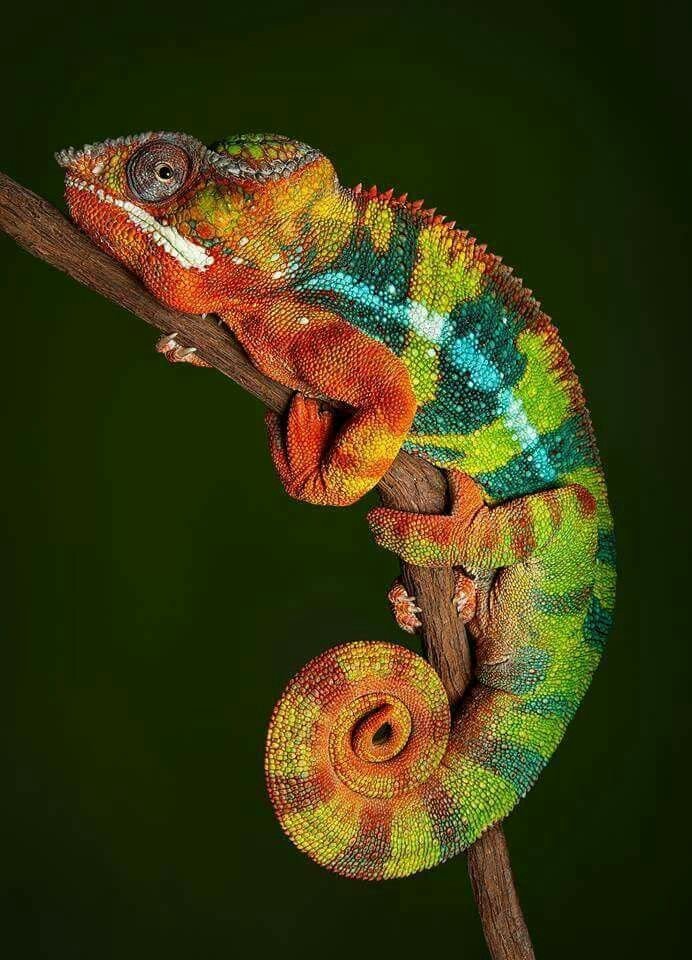
Scientific Name: Furcifer pardalis Class: Reptilia Diet: Carnivore (insects)
The panther chameleon possesses a tongue that can shoot out longer than its own body. In a fraction of a second, it launches this tongue to snatch unsuspecting prey. This lightning strike is one of nature’s fastest feeding movements.
What sets the chameleon apart is the explosive power of its tongue. Special muscles and elastic tissue act like a spring, propelling the sticky tip toward insects with astonishing acceleration. The prey is caught and reeled back before it can react.
Panther chameleons live in the tropical forests of Madagascar. As insectivores, they ambush flies, crickets, and other bugs from a careful, camouflaged perch among the leaves.
Beyond their remarkable tongues, chameleons help control insect populations. Deforestation and the pet trade put pressure on many chameleon species across their island home.
Giraffe
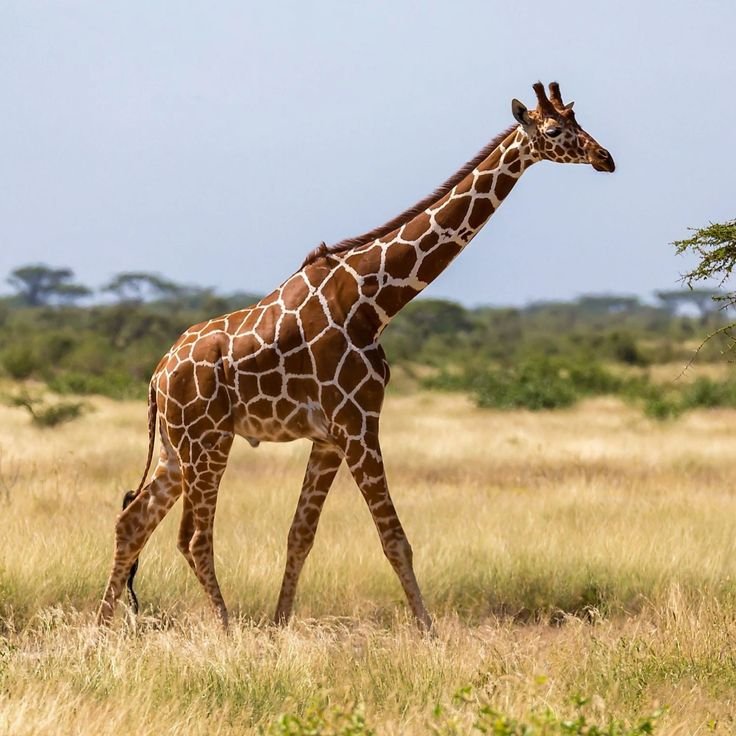
Scientific Name: Giraffa camelopardalis Class: Mammalia Diet: Herbivore
The giraffe has a remarkably long, prehensile tongue that can reach up to 50 centimeters. Dark purple-black in color, it is built to strip leaves from thorny branches. This flexible tool helps the giraffe feed where few other animals can.
Interestingly, the giraffe’s tongue is tough and dexterous enough to wrap around branches and pluck leaves between sharp thorns. Its dark pigmentation is thought to protect it from sunburn during long hours of feeding. It can even use its tongue to clean its own ears.
Giraffes roam the savannas and open woodlands of sub-Saharan Africa. As herbivores, they browse mainly on acacia leaves, reaching foliage high above the ground that other grazers cannot access.
Moreover, giraffes shape the trees they feed on and support their ecosystems. Habitat loss and poaching have caused declines, making their conservation increasingly important.
Fun Fact: A giraffe’s tongue is dark purple, likely to protect it from sunburn while feeding.
Okapi
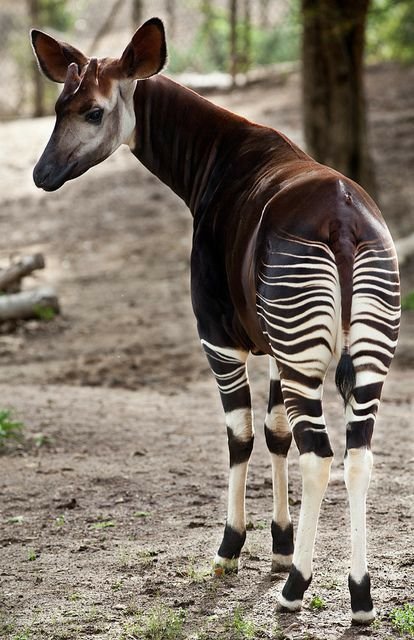
Scientific Name: Okapia johnstoni Class: Mammalia Diet: Herbivore
The okapi, a relative of the giraffe, has a long, flexible tongue up to 30 centimeters. Bluish-black and prehensile, it is used to grasp leaves and buds. This tongue is so long the okapi can lick its own eyes and ears.
What sets the okapi apart is how it uses its tongue for both feeding and grooming. It wraps the tongue around foliage to pull leaves free and cleans its face and ears with remarkable precision. Its striped hindquarters give it zebra-like camouflage.
Okapis live in the dense rainforests of the Democratic Republic of the Congo. As herbivores, they browse on leaves, buds, and fruit in the shadowy forest understory.
Beyond their beauty, okapis are seed dispersers and indicators of forest health. Habitat loss and civil unrest have made them endangered and difficult to protect.
Sun Bear
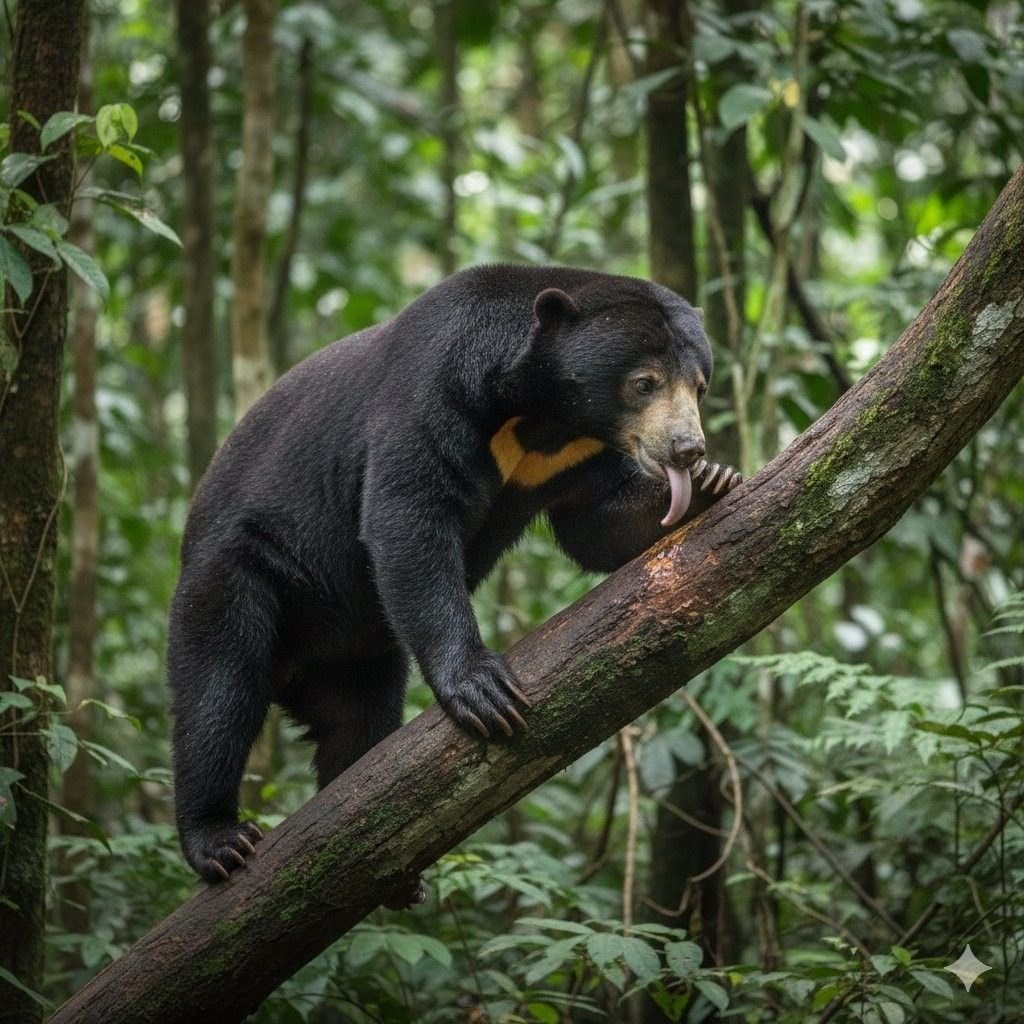
Scientific Name: Helarctos malayanus Class: Mammalia Diet: Omnivore
The sun bear has the longest tongue relative to body size of any bear, reaching up to 25 centimeters. This slender tongue is perfect for extracting honey and insects from tight spaces. It earns the sun bear its nickname, the “honey bear.”
Interestingly, the sun bear uses its long tongue to probe deep into beehives, termite mounds, and tree hollows. Combined with powerful claws for tearing open nests, it can reach food other animals cannot. This makes it a resourceful forest forager.
Sun bears live in the tropical forests of Southeast Asia. As omnivores, they feed on honey, insects, fruit, and small animals, playing an important role in the rainforest ecosystem.
Moreover, sun bears disperse seeds and help control insect populations. Deforestation and poaching have made them vulnerable across much of their range.
Fun Fact: The sun bear’s long tongue makes it a master honey thief, earning it the name “honey bear.”
Tube-Lipped Nectar Bat
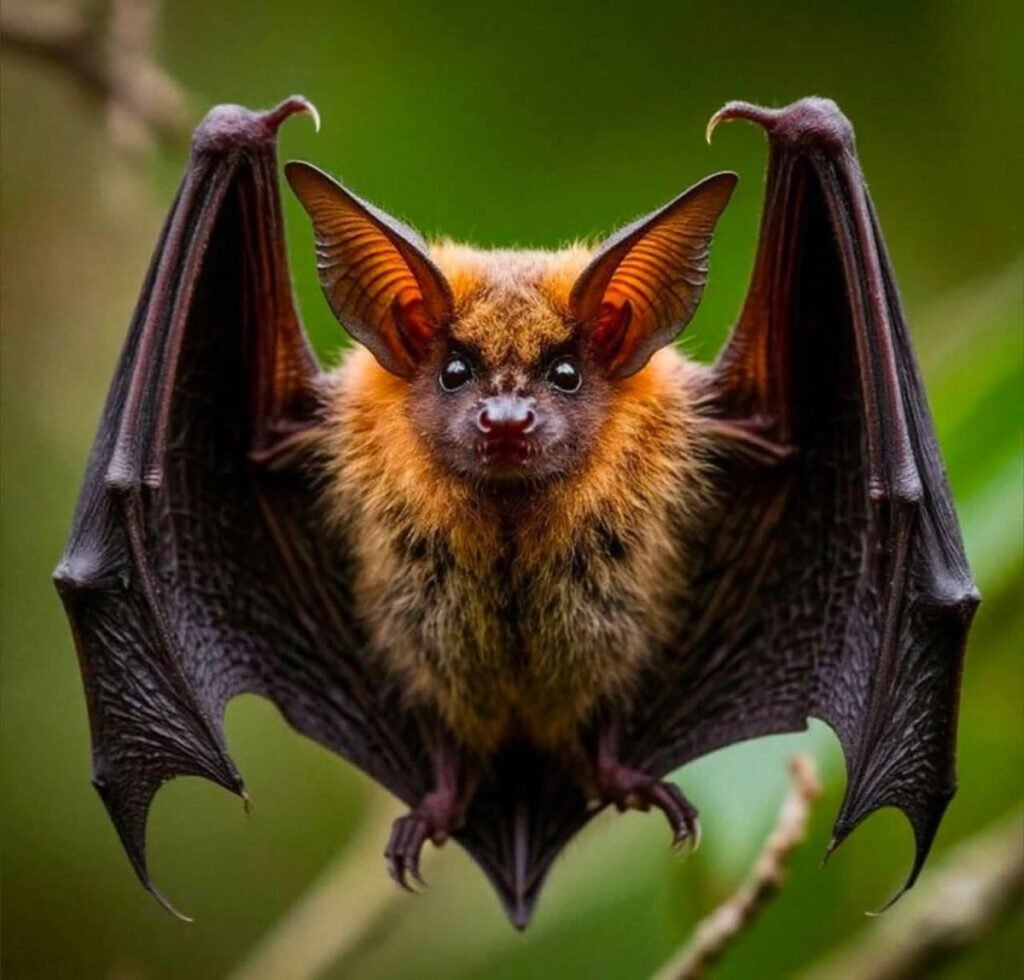
Scientific Name: Anoura fistulata Class: Mammalia Diet: Herbivore (nectar)
The tube-lipped nectar bat holds the record for the longest tongue relative to body length of any mammal. Its tongue can be one and a half times the length of its entire body. This extraordinary feature is a marvel of evolutionary adaptation.
What sets this bat apart is where it stores such a long tongue. When not in use, the tongue retracts deep into the bat’s ribcage, near its heart. This lets it reach nectar in flowers too deep for any other pollinator.
Tube-lipped nectar bats live in the cloud forests of the Andes in Ecuador. As nectar feeders, they pollinate specific long, tubular flowers that depend almost entirely on them.
Moreover, this bat is a vital pollinator with a unique partnership to a single flower species. Habitat loss in the Andes threatens this delicate relationship.
Pileated Woodpecker
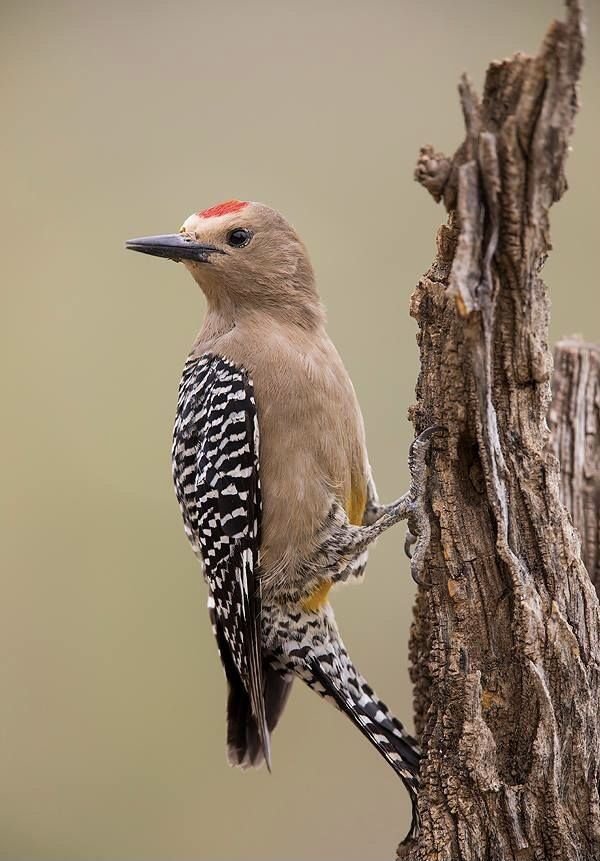
Scientific Name: Dryocopus pileatus Class: Aves Diet: Omnivore (insects, fruit)
The pileated woodpecker hides a surprisingly long tongue that extends far beyond its beak. Sticky and barbed at the tip, it reaches deep into wood to extract insects. This tongue is key to the bird’s remarkable feeding style.
Interestingly, the woodpecker’s tongue is so long it wraps around the back of its skull when retracted. This clever anatomy also cushions the brain against the impact of hammering. The barbed tip spears ants and grubs hidden inside trees.
Pileated woodpeckers live in the mature forests of North America. As omnivores, they feed mainly on carpenter ants and beetle larvae, along with fruit and nuts.
Moreover, woodpeckers create nest holes used by many other animals, shaping forest ecosystems. They remain fairly common in healthy woodland habitats.
Fun Fact: A woodpecker’s tongue wraps around its skull, helping cushion its brain while hammering.
Giant Pangolin
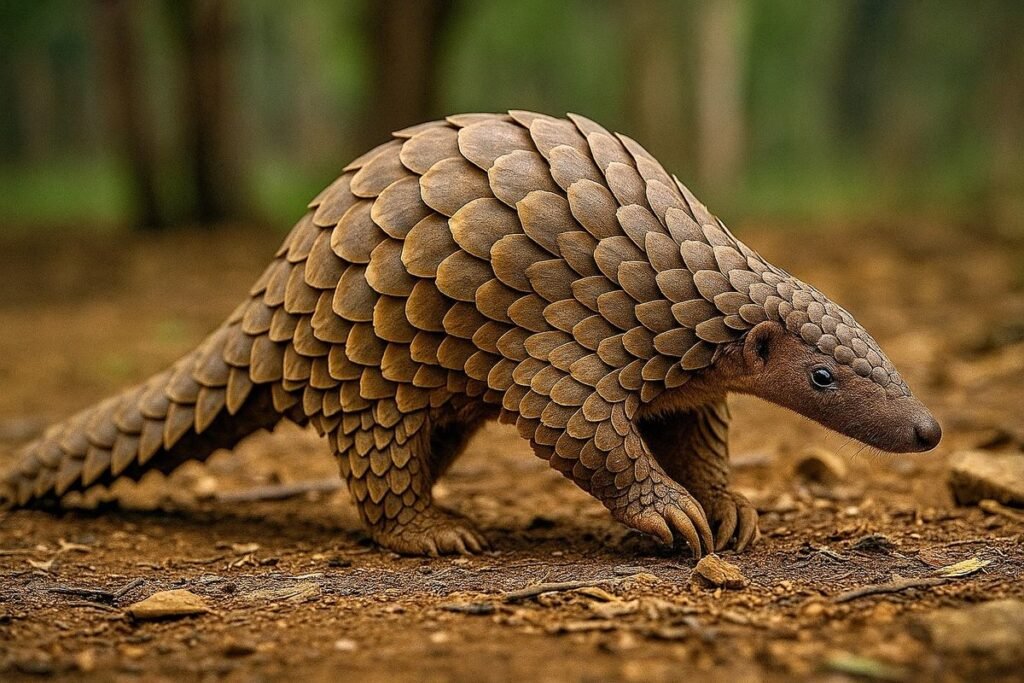
Scientific Name: Smutsia gigantea Class: Mammalia Diet: Carnivore (insects)
The giant pangolin has an astonishing tongue that can be longer than its own body. This slender, sticky tongue is used to raid ant and termite nests. It is essential to the pangolin’s specialized insect diet.
What sets the pangolin apart is the anatomy of its tongue. It is rooted deep inside the body, near the pelvis, allowing it to extend an extraordinary length. Like the anteater, the pangolin has no teeth and swallows insects whole.
Giant pangolins live in the forests and savannas of central and West Africa. As insectivores, they feed on ants and termites, digging into nests with powerful claws.
Moreover, pangolins help control insect populations across their habitat. Tragically, they are among the most trafficked mammals on Earth, making them critically threatened.
Aardvark
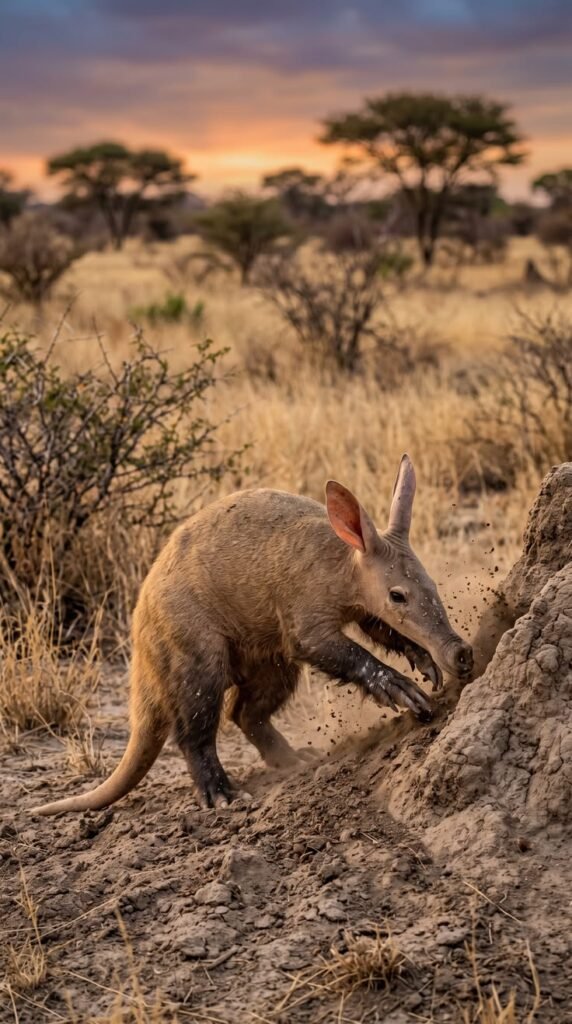
Scientific Name: Orycteropus afer Class: Mammalia Diet: Carnivore (insects)
The aardvark uses a long, sticky tongue up to 30 centimeters to hunt ants and termites. Snakelike and coated in saliva, it sweeps through nests to trap insects. This tongue is central to the aardvark’s nightly foraging.
Interestingly, the aardvark combines its long tongue with powerful digging claws. It breaks open termite mounds, then laps up the insects with rapid flicks of its tongue. It can consume tens of thousands of insects in a single night.
Aardvarks live across much of sub-Saharan Africa, in savannas and grasslands. As insectivores, they feed almost entirely on ants and termites, digging burrows that shelter many other animals.
Moreover, aardvarks are ecosystem engineers whose burrows benefit countless creatures. They remain fairly widespread, though habitat change can affect local populations.
Fun Fact: Abandoned aardvark burrows provide shelter for warthogs, hyenas, and many other animals.
Blue-Tongued Skink
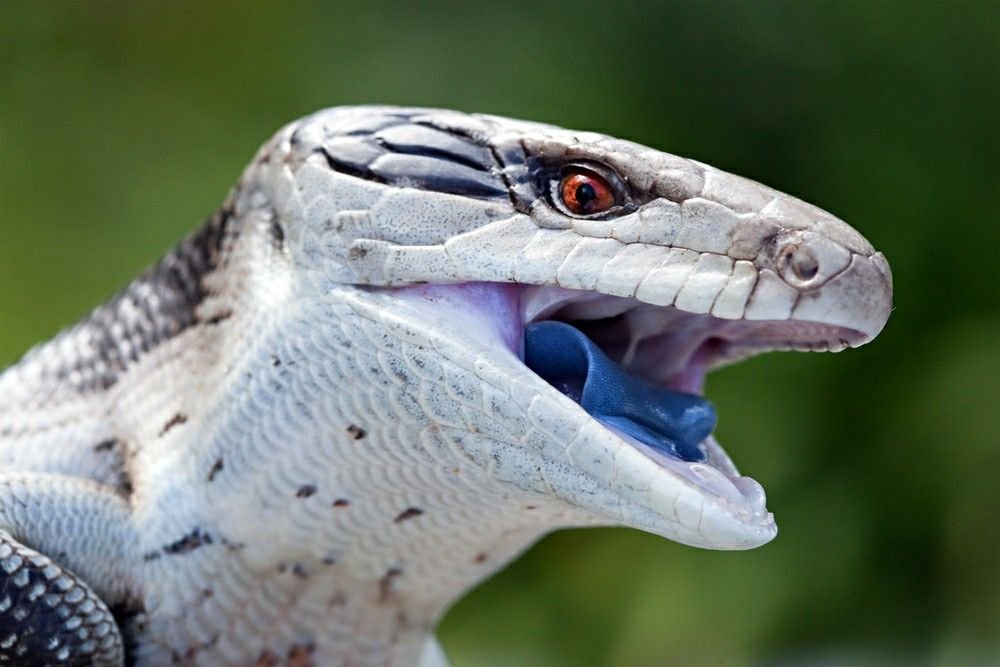
Scientific Name: Tiliqua scincoides Class: Reptilia Diet: Omnivore
The blue-tongued skink is famous for its broad, vivid blue tongue. While not the longest, its striking tongue plays a surprising role in survival. This bold blue flash is one of the reptile world’s best defenses.
What sets the skink apart is how it uses its tongue as a warning. When threatened, it opens its mouth and sticks out the bright blue tongue to startle predators. The sudden flash of color can buy it precious seconds to escape.
Blue-tongued skinks live across Australia and parts of Indonesia, in forests, grasslands, and gardens. As omnivores, they eat insects, snails, fruit, and flowers, foraging slowly along the ground.
Moreover, these skinks help control insect and snail populations. They remain common and are popular, gentle reptiles across their range.
Honey Possum
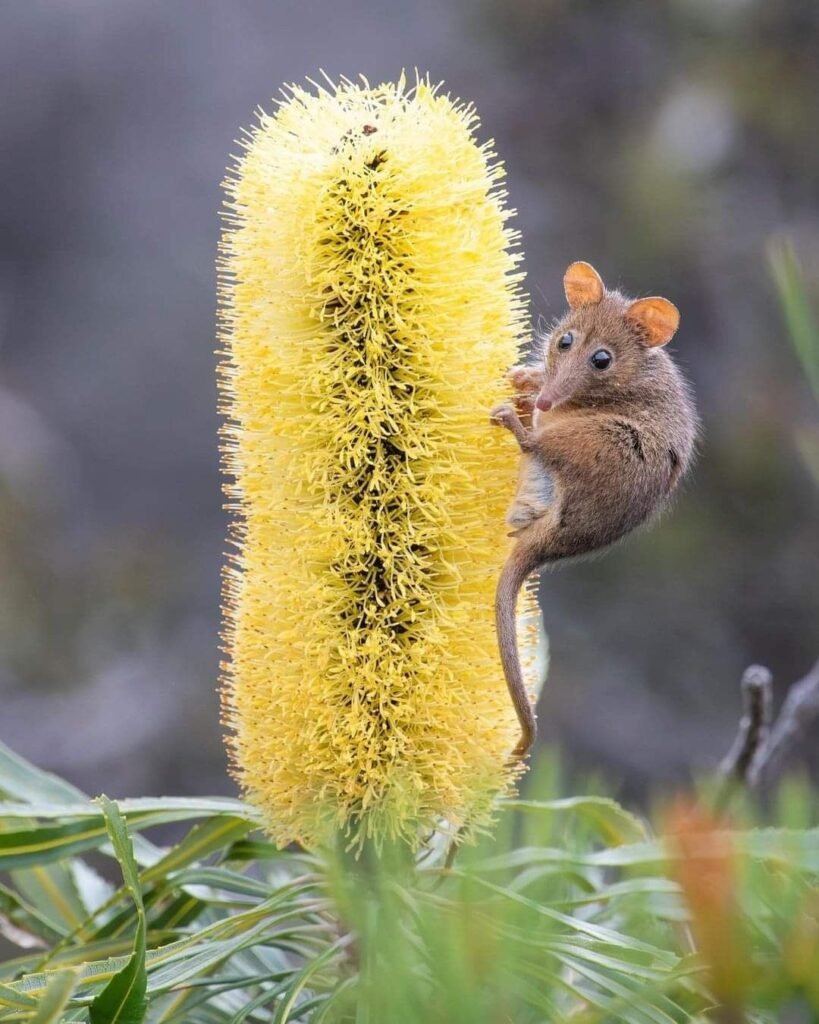
Scientific Name: Tarsipes rostratus Class: Mammalia Diet: Herbivore (nectar, pollen)
The honey possum is a tiny marsupial with a long, brush-tipped tongue built for feeding on nectar. Despite its minute size, its tongue reaches deep into flowers with ease. This delicate tool sustains one of the few nectar-feeding mammals.
Interestingly, the honey possum’s tongue has a bristly tip that soaks up nectar and pollen like a brush. It survives almost entirely on this liquid diet, needing no other major food source. Its pointed snout helps it probe blossoms.
Honey possums live in the heathlands of southwestern Australia. As nectar feeders, they depend on a year-round supply of flowering plants, which they help pollinate as they feed.
Moreover, the honey possum is an important pollinator of native Australian plants. Its reliance on specific habitats makes it sensitive to bushfires and land clearing.
Fun Fact: The honey possum is one of the very few mammals that survives almost entirely on nectar.
Sword-Billed Hummingbird
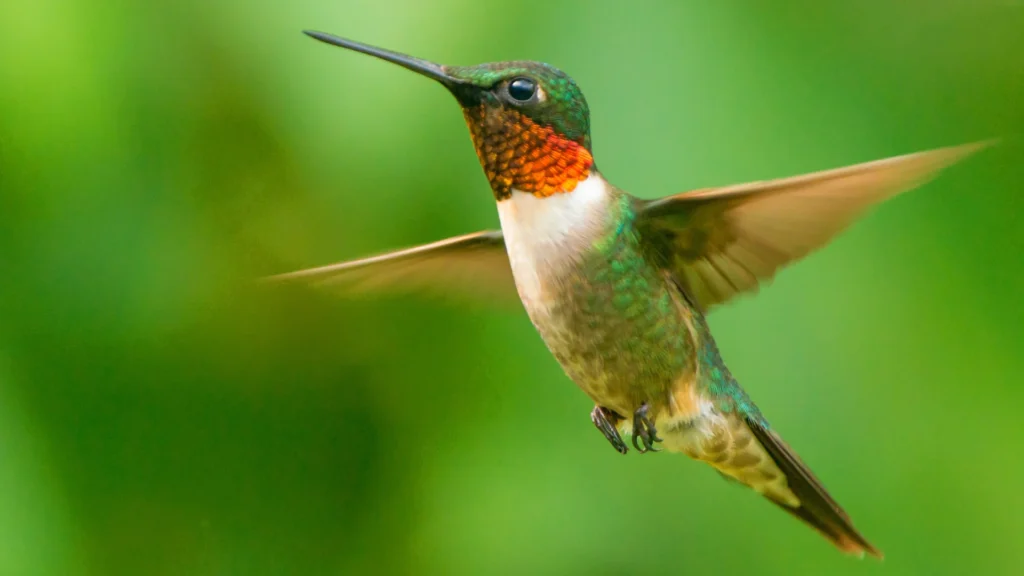
Scientific Name: Ensifera ensifera Class: Aves Diet: Omnivore (nectar, insects)
The sword-billed hummingbird pairs an enormous bill with a long, extendable tongue. Together they reach nectar hidden deep inside the longest flowers. This unique combination makes it a specialist among hummingbirds.
What sets this bird apart is that its bill is longer than its own body, the only bird for which this is true. Its long tongue extends even further to lap up nectar. This lets it feed from flowers no other hummingbird can reach.
Sword-billed hummingbirds live in the high Andes of South America. As nectar feeders, they pollinate long, tube-shaped flowers, supplementing their diet with small insects.
Moreover, this hummingbird is a crucial pollinator uniquely matched to certain flowers. Habitat loss in the Andes poses a growing threat to this special partnership.
Read: Animals That Are Loners
Read: Animals That Can Climb Trees
Read: Animals That Eat Grass
Read: Animals That Eat Bananas
Read: Animals That Eat Bananas
Frequently Asked Questions
Conclusion
From the anteater’s insect-catching flick to the nectar bat’s record-breaking reach, the animals with long tongues showcase evolution’s endless creativity. Each tongue is precisely tuned to its owner’s diet, unlocking food sources that would otherwise be out of reach. In doing so, these animals pollinate flowers, control insects, and sustain the ecosystems they inhabit.
One Comment