
Top 18 Scavenger Birds in The World (With Images)
Did you know that scavenger birds are so important they act as nature’s cleanup crew, stopping the spread of deadly diseases? These remarkable birds feed on carrion, the remains of dead animals, recycling nutrients back into the environment and keeping ecosystems healthy. From soaring vultures with bald heads to clever crows and bone-eating bearded vultures, scavenger birds have evolved amazing tools for finding and devouring carcasses.
In this guide, we’ll explore the top 18 scavenger birds in the world, uncovering how they find food and why these underrated birds are so vital to life on Earth.
List of Scavenger Birds in The World
| Rank | Animal | Scientific Name |
|---|---|---|
| 1 | Griffon Vulture | Gyps fulvus |
| 2 | Andean Condor | Vultur gryphus |
| 3 | California Condor | Gymnogyps californianus |
| 4 | Marabou Stork | Leptoptilos crumenifer |
| 5 | Turkey Vulture | Cathartes aura |
| 6 | Common Raven | Corvus corax |
| 7 | American Crow | Corvus brachyrhynchos |
| 8 | Bearded Vulture | Gypaetus barbatus |
| 9 | Bald Eagle | Haliaeetus leucocephalus |
| 10 | Black Kite | Milvus migrans |
| 11 | Crested Caracara | Caracara plancus |
| 12 | Herring Gull | Larus argentatus |
| 13 | Eurasian Magpie | Pica pica |
| 14 | King Vulture | Sarcoramphus papa |
| 15 | White-backed Vulture | Gyps africanus |
| 16 | Egyptian Vulture | Neophron percnopterus |
| 17 | Common Buzzard | Buteo buteo |
| 18 | Hooded Vulture | Necrosyrtes monachus |
Griffon Vulture
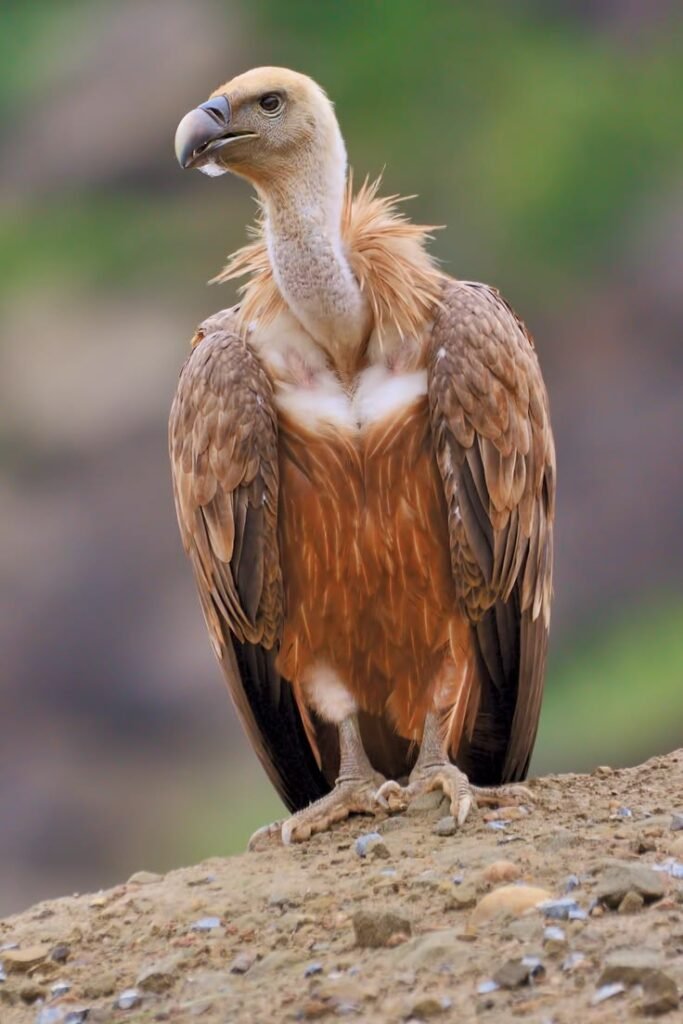
Scientific Name: Gyps fulvus
Class: Aves
Diet: Carnivore
The griffon vulture is a classic scavenger, gathering in large flocks at carcasses across mountains and plains. It can gorge on huge amounts of meat in one sitting.
Interestingly, the griffon vulture’s bald head keeps it clean while feeding deep inside a carcass. It soars for hours on rising air, scanning the ground for its next meal.
Griffon vultures inhabit mountains, plains, and open country across parts of Europe, Africa, and Asia, feeding almost entirely on carrion.
As nature’s cleanup crew, vultures prevent the spread of disease by consuming dead animals. Poisoning and habitat loss threaten many vulture species.
Fun Fact: A griffon vulture can spot a carcass from several kilometers up while soaring high in the sky.
Andean Condor
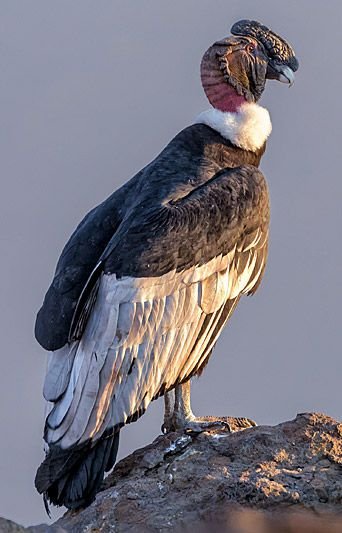
Scientific Name: Vultur gryphus
Class: Aves
Diet: Carnivore
The Andean condor is one of the largest flying birds in the world, with a wingspan of over ten feet. It is a majestic high-altitude scavenger.
Moreover, the condor soars on mountain air currents, barely flapping, as it searches for carcasses. Its enormous wings let it glide for hours over the Andes.
Andean condors inhabit the mountains and coasts of South America, feeding mainly on carrion.
As scavengers, condors help clean up carcasses and recycle nutrients. Habitat loss and poisoning have made them Vulnerable.
Fun Fact: The Andean condor can soar for over 150 kilometers without flapping its wings even once.
California Condor
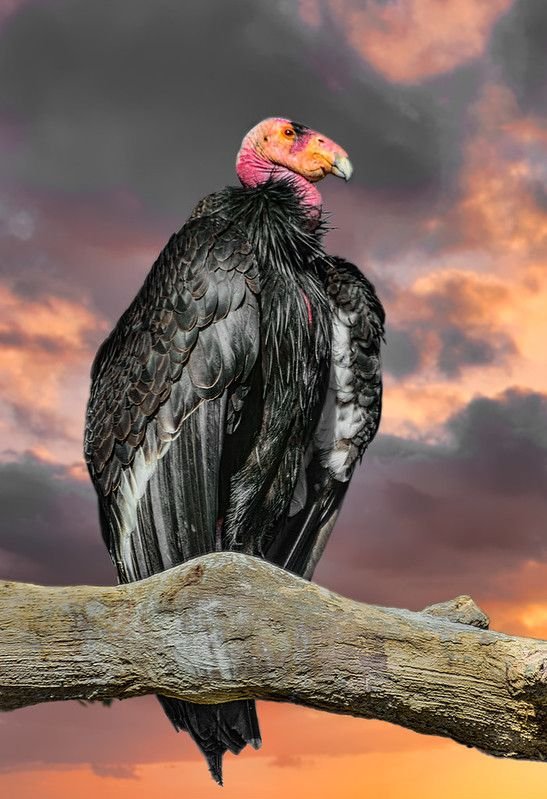
Scientific Name: Gymnogyps californianus
Class: Aves
Diet: Carnivore
The California condor is North America’s largest land bird and a critically important scavenger. It nearly vanished before being saved by conservation.
Interestingly, the condor feeds entirely on carrion, using its huge wings to soar vast distances in search of carcasses. Every wild bird today descends from a tiny rescued population.
California condors inhabit the mountains and canyons of the western United States, feeding on carrion.
As scavengers, condors help clean up carcasses. Once down to just 27 birds, they remain Critically Endangered despite a remarkable recovery.
Fun Fact: In the 1980s, every California condor on Earth was brought into captivity to save the species from extinction.
Marabou Stork
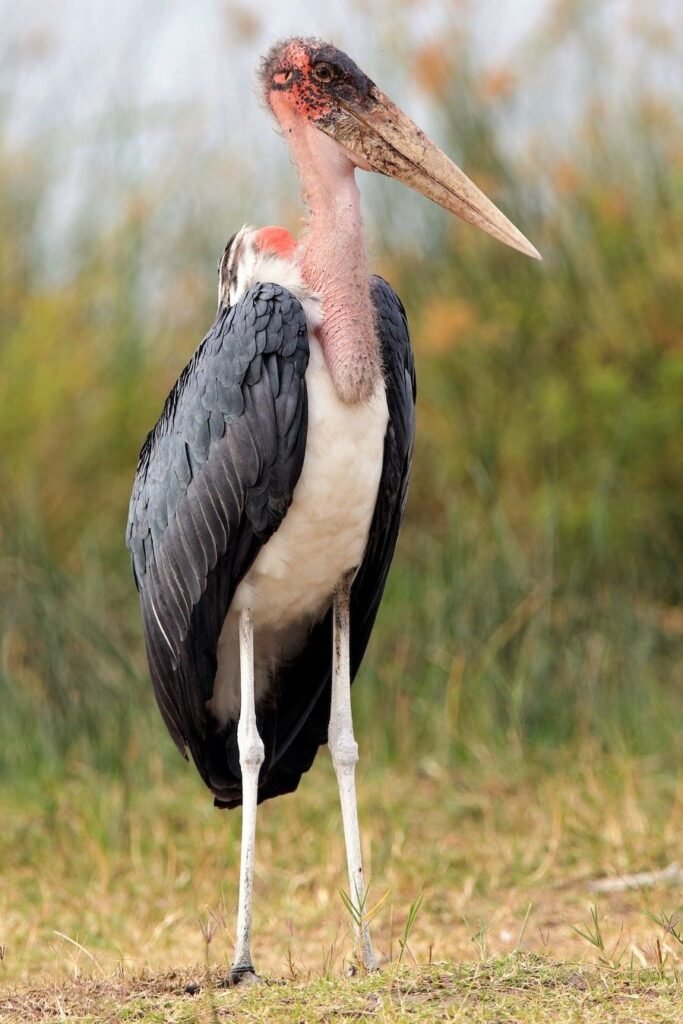
Scientific Name: Leptoptilos crumenifer
Class: Aves
Diet: Carnivore
The marabou stork is a huge, bald-headed scavenger often seen at carcasses alongside vultures. It is one of the largest storks in the world.
Moreover, because it lacks a vulture’s hooked, tearing bill, the marabou often waits for vultures to open a carcass first. It then steals exposed pieces of meat.
Marabou storks inhabit the savannas, wetlands, and open areas of sub-Saharan Africa, feeding on carrion, fish, and scraps.
As scavengers, marabou storks help clean up carcasses and limit disease. Widespread across their range, they are of Least Concern.
Fun Fact: The marabou stork is nicknamed the “undertaker bird” for its hunched posture and dark, cloak-like wings.
Turkey Vulture
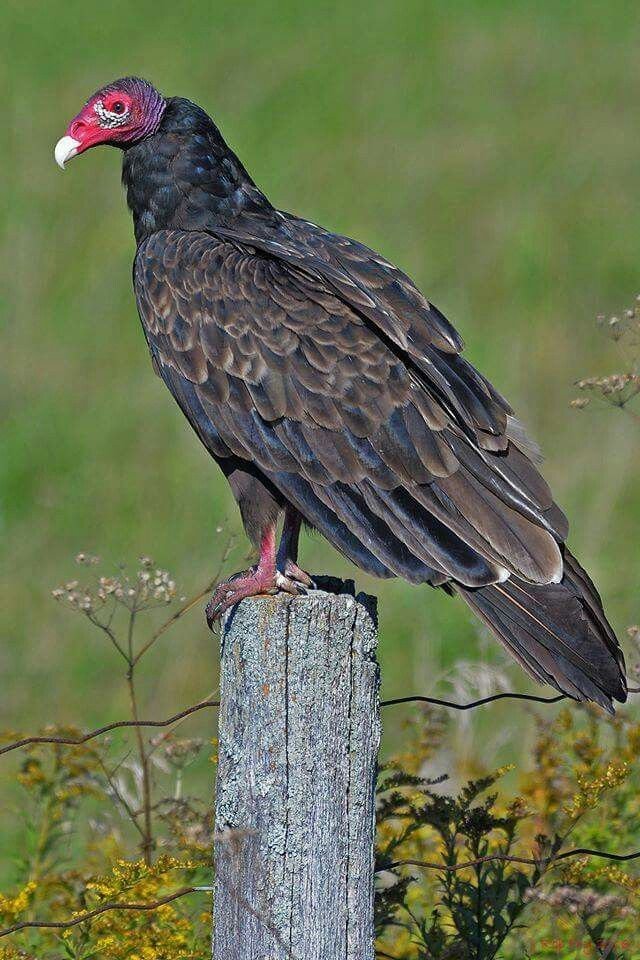
Scientific Name: Cathartes aura
Class: Aves
Diet: Carnivore
The turkey vulture is a widespread scavenger famous for its extraordinary sense of smell. Unlike most birds, it can smell a carcass from far away.
Interestingly, the turkey vulture detects the scent of decay drifting on the wind, then follows it to hidden carcasses. This makes it one of the few birds that hunts by smell.
Turkey vultures inhabit forests, deserts, and open country across the Americas, feeding almost entirely on carrion.
As scavengers, turkey vultures help clean up carcasses and recycle nutrients. Widespread and thriving, they are of Least Concern.
Fun Fact: A turkey vulture can smell a dead animal from over a mile away, even hidden beneath a forest canopy.
Common Raven
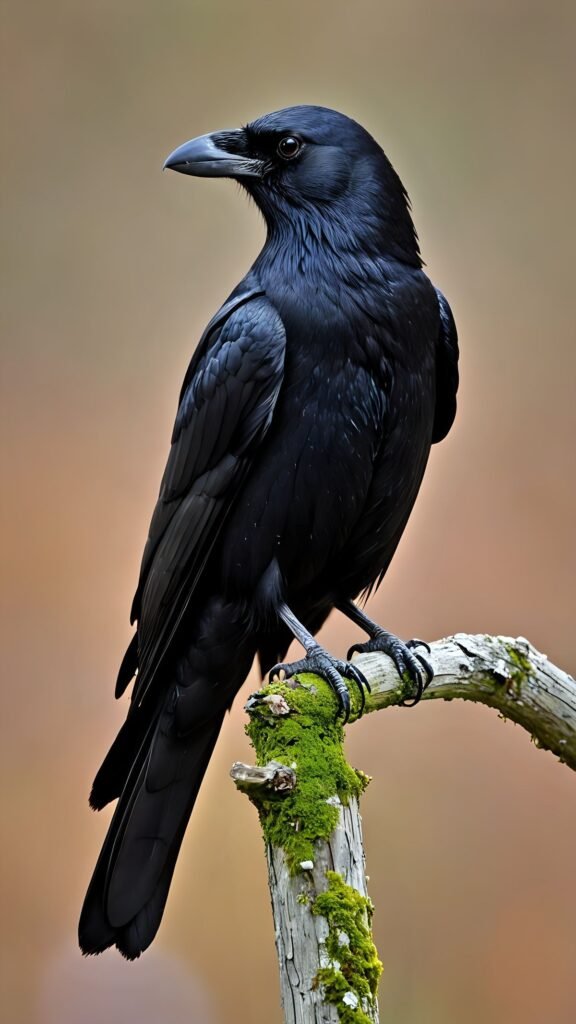
Scientific Name: Corvus corax
Class: Aves
Diet: Omnivore
The common raven is a large, intelligent scavenger that readily feeds on carrion and scraps. It is one of the smartest birds in the world.
Moreover, the raven often follows wolves and other predators to feed on their kills. Its cleverness helps it find and exploit food that other scavengers miss.
Common ravens inhabit forests, mountains, deserts, and cities across the Northern Hemisphere, feeding on almost anything.
As adaptable omnivores, ravens help clean up carrion and control pests. Widespread and successful, they are of Least Concern.
Fun Fact: Ravens are so clever they can solve complex puzzles and even plan ahead for future events.
American Crow
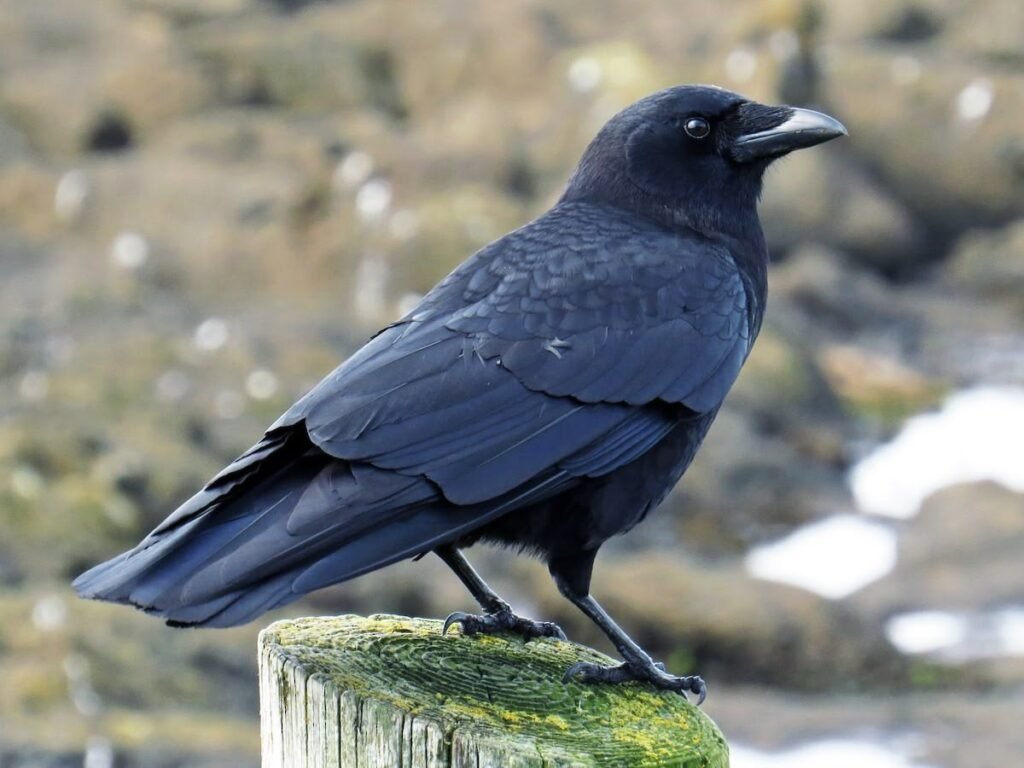
Scientific Name: Corvus brachyrhynchos
Class: Aves
Diet: Omnivore
The American crow is a highly opportunistic scavenger often seen feeding on roadkill and scraps. Its intelligence makes it a versatile survivor.
Interestingly, the crow will eat almost anything, from carrion to garbage to predator leftovers. It quickly learns where food can be found and remembers it.
American crows inhabit forests, farmland, and cities across much of North America, feeding on almost anything.
As adaptable omnivores, crows help clean up waste and control pests. Widespread and thriving, they are of Least Concern.
Fun Fact: Crows can recognize individual human faces and even hold grudges against people who have wronged them.
Bearded Vulture
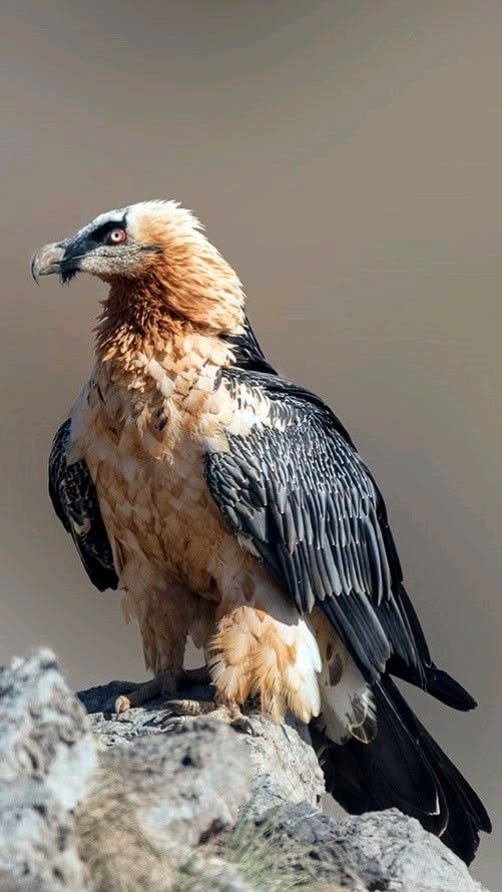
Scientific Name: Gypaetus barbatus
Class: Aves
Diet: Carnivore
The bearded vulture, or lammergeier, is a unique scavenger that feeds almost entirely on bones. It is the only animal with such an unusual diet.
Moreover, the bearded vulture drops large bones from great heights onto rocks to shatter them. It then eats the exposed marrow, which its powerful stomach acid can digest.
Bearded vultures inhabit the high mountains of Europe, Africa, and Asia, feeding mainly on bones and bone marrow.
As scavengers, bearded vultures clean up the last remains of carcasses. Habitat loss and poisoning have made them Near Threatened.
Fun Fact: The bearded vulture’s diet is up to 90% bone, which it shatters by dropping onto rocks from high in the air.
Bald Eagle
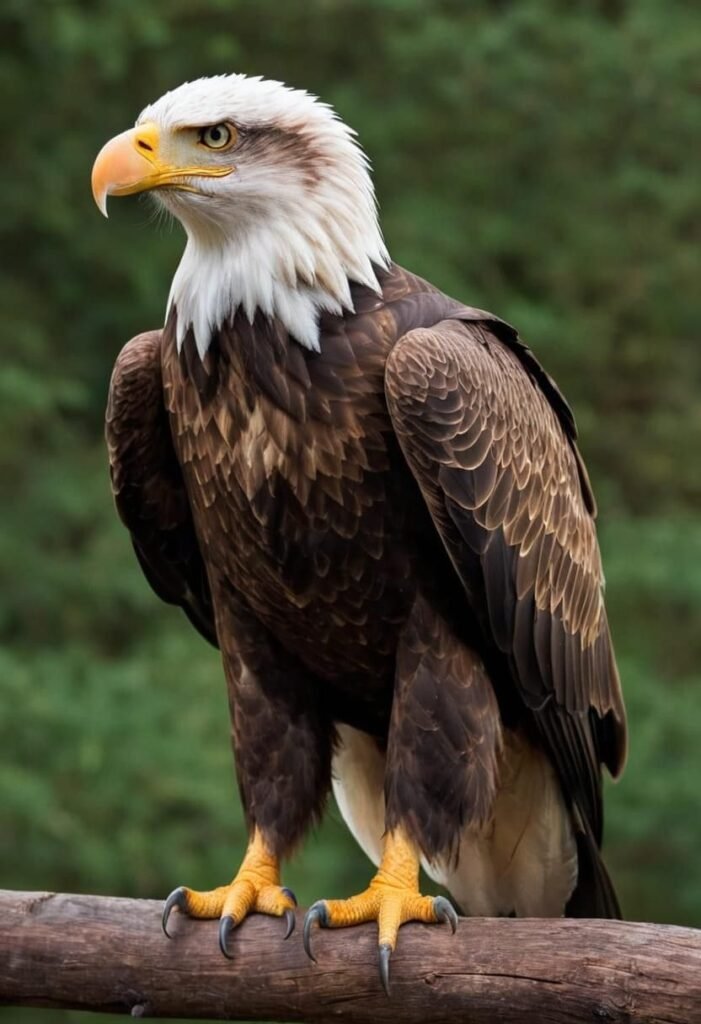
Scientific Name: Haliaeetus leucocephalus
Class: Aves
Diet: Carnivore
The bald eagle is a powerful bird of prey that is also a frequent scavenger. Carrion makes up a surprising share of its diet.
Interestingly, the eagle will readily feed on dead fish and animals, and it often steals food from other birds. Scavenging saves it the effort of hunting live prey.
Bald eagles inhabit coasts, lakes, and rivers across North America, feeding on fish, birds, small mammals, and carrion.
As apex predators and scavengers, eagles help balance ecosystems. Once endangered, they have made a remarkable recovery and are of Least Concern.
Fun Fact: Carrion is estimated to make up around a quarter of a bald eagle’s diet, especially in winter.
Black Kite
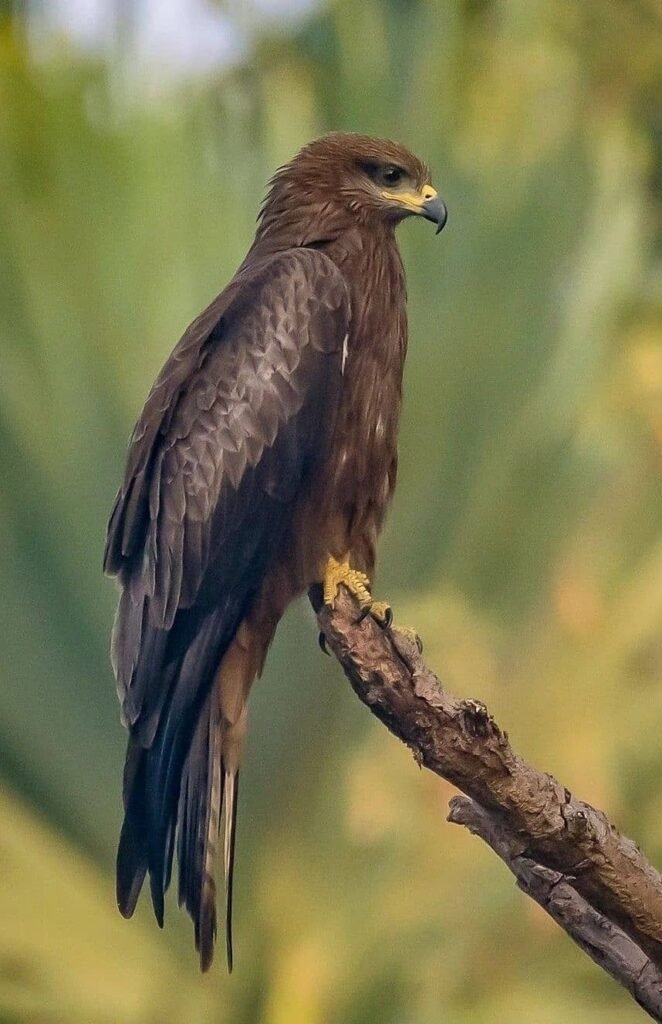
Scientific Name: Milvus migrans
Class: Aves
Diet: Carnivore
The black kite is one of the most widespread scavenging birds of prey, found across Europe, Asia, and Africa. It thrives around towns and cities.
Moreover, the black kite feeds mainly on carrion but also snatches scraps, fish, and small animals. It is often seen circling over rubbish dumps and roadsides.
Black kites inhabit open country, wetlands, and urban areas across three continents, feeding on carrion and small prey.
As scavengers, black kites help clean up carrion and waste. Widespread and adaptable, they are of Least Concern.
Fun Fact: In some regions, black kites gather in huge flocks of thousands to scavenge around cities and dumps.
Crested Caracara
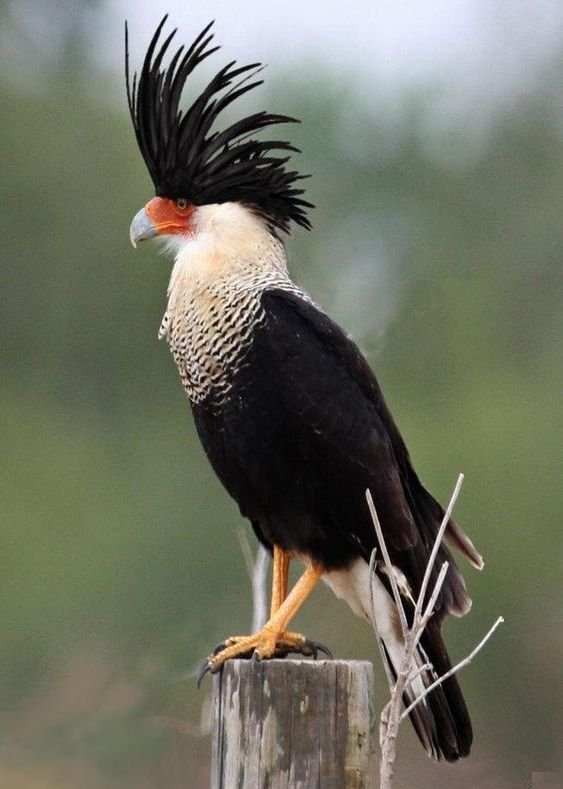
Scientific Name: Caracara plancus
Class: Aves
Diet: Carnivore
The crested caracara is an unusual bird of prey that scavenges mostly on foot. Unlike most raptors, it prefers walking to soaring.
Interestingly, the caracara strolls across open ground looking for carrion and small animals. It often shows up at carcasses and roadkill alongside vultures.
Crested caracaras inhabit prairies, scrublands, farmlands, and deserts of the Americas, feeding on carrion and small prey.
As scavengers, caracaras help clean up carrion. Widespread across their range, they are of Least Concern.
Fun Fact: The crested caracara is sometimes called the “Mexican eagle” and appears on Mexico’s national symbols.
Herring Gull
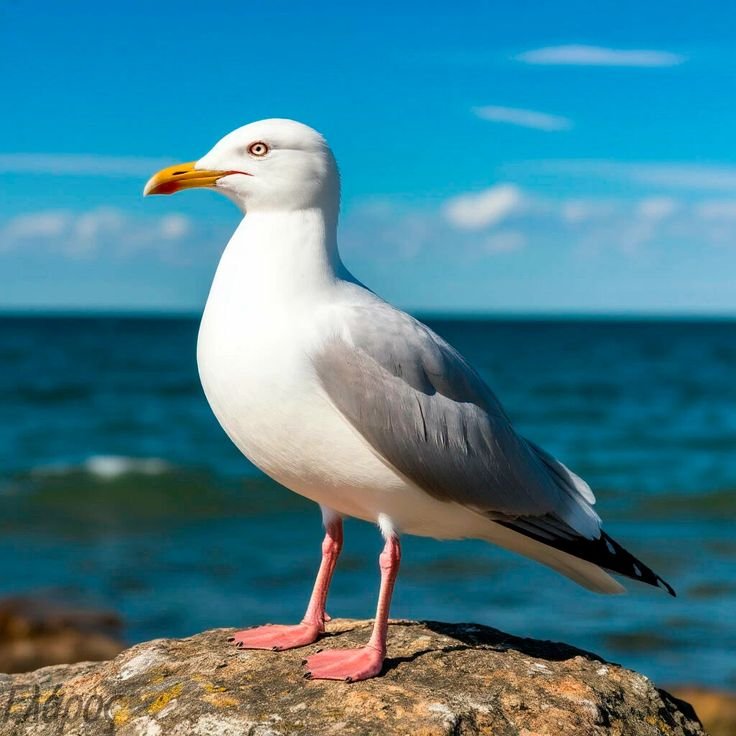
Scientific Name: Larus argentatus
Class: Aves
Diet: Omnivore
The herring gull is a cunning coastal scavenger that eats carrion along with almost anything else. It is a familiar sight around harbors and beaches.
Moreover, the gull snatches scraps, steals food, and feeds on dead fish and animals. Its boldness and adaptability make it a highly successful opportunist.
Herring gulls inhabit coasts, harbors, and inland areas across the Northern Hemisphere, feeding on fish, scraps, and carrion.
As opportunistic feeders, gulls help clean up waste and carrion. Widespread and adaptable, they are of Least Concern.
Fun Fact: Herring gulls are clever enough to drop shellfish onto rocks to crack them open for the meat inside.
Eurasian Magpie
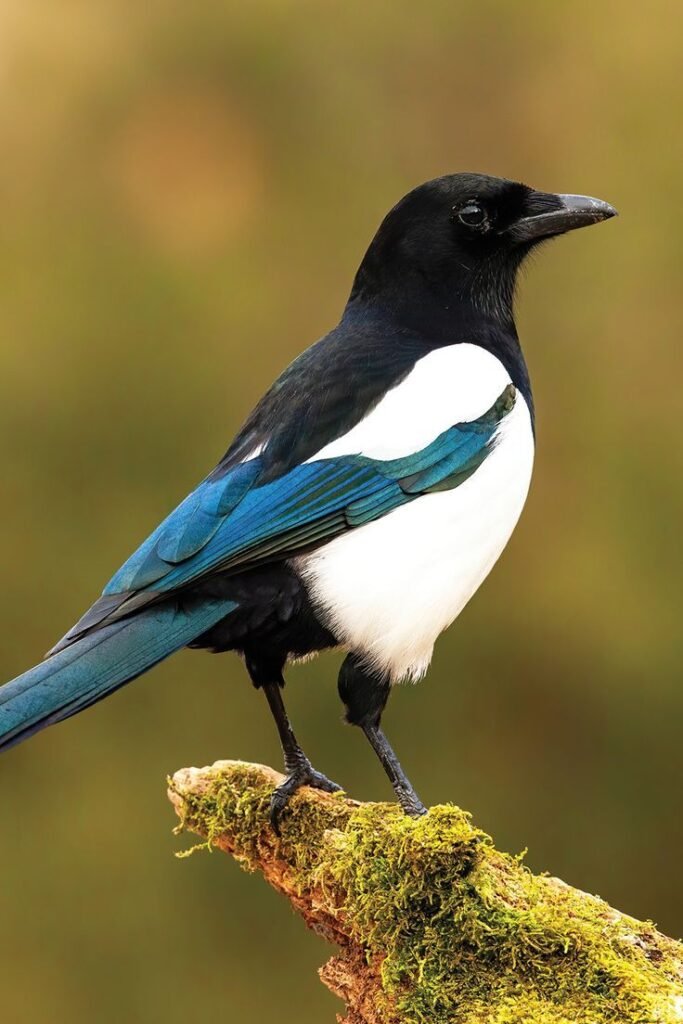
Scientific Name: Pica pica
Class: Aves
Diet: Omnivore
The Eurasian magpie is a clever, black-and-white scavenger that readily feeds on carrion and scraps. It is one of the most intelligent birds.
Interestingly, the magpie will eat roadkill, insects, eggs, and human leftovers. Its sharp mind helps it find and exploit almost any food source.
Eurasian magpies inhabit woodlands, farmland, and urban areas across Europe and Asia, feeding on a wide range of foods.
As adaptable omnivores, magpies help clean up waste and control pests. Widespread and thriving, they are of Least Concern.
Fun Fact: The magpie is one of the few animals that can recognize itself in a mirror, a sign of self-awareness.
King Vulture
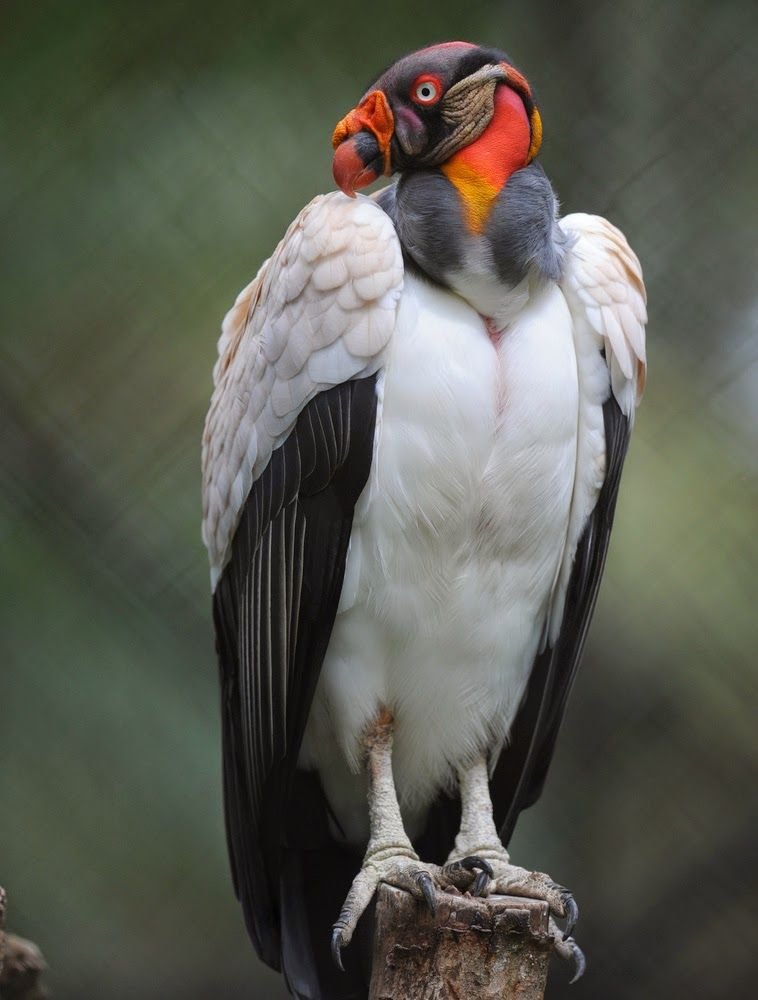
Scientific Name: Sarcoramphus papa
Class: Aves
Diet: Carnivore
The king vulture is a strikingly colorful scavenger of Central and South American forests. Its bright, wrinkled head sets it apart from other vultures.
Moreover, the king vulture’s strong bill lets it tear open tough carcasses that smaller vultures cannot. Other vultures often wait for it to open a carcass first.
King vultures inhabit the rainforests and savannas of Central and South America, feeding on carrion.
As scavengers, king vultures help clean up carcasses. Widespread across their range, they are of Least Concern.
Fun Fact: The king vulture’s name may come from the way smaller vultures step aside to let it feed first.
White-backed Vulture
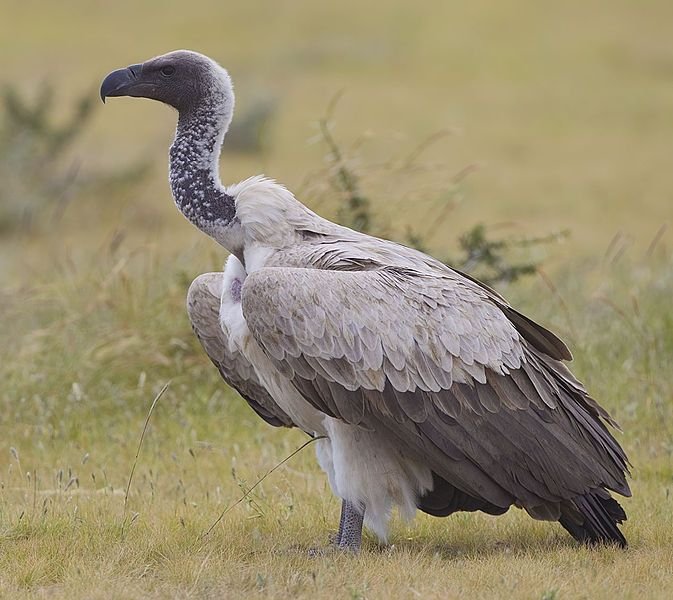
Scientific Name: Gyps africanus
Class: Aves
Diet: Carnivore
The white-backed vulture is one of Africa’s most common vultures and a vital scavenger of the savanna. Large flocks descend on carcasses to feed.
Interestingly, the white-backed vulture can strip a carcass to the bone with astonishing speed. Its work is crucial for cleaning up the plains after predators feed.
White-backed vultures inhabit the savannas and woodlands of sub-Saharan Africa, feeding almost entirely on carrion.
As scavengers, they prevent the spread of disease by consuming dead animals. Poisoning has caused steep declines, making them Critically Endangered.
Fun Fact: A flock of white-backed vultures can strip a large carcass down to bones in as little as half an hour.
Egyptian Vulture
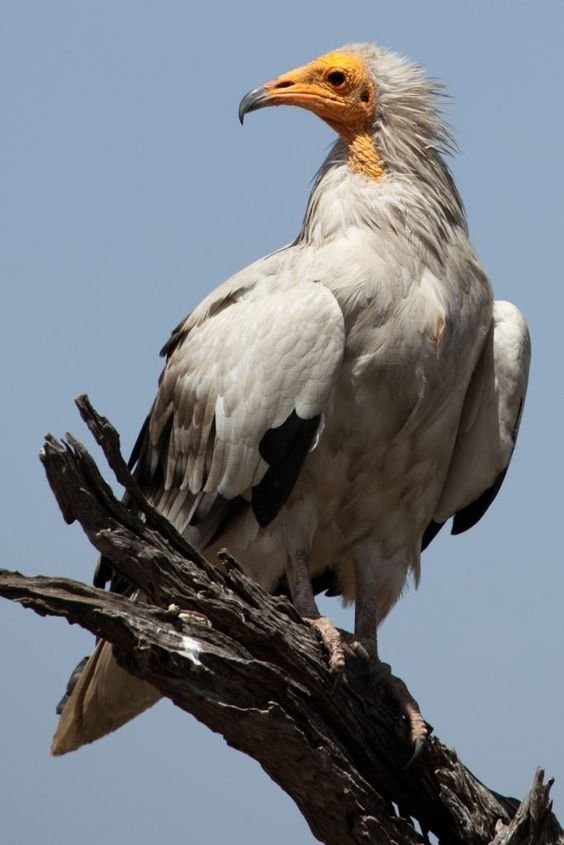
Scientific Name: Neophron percnopterus
Class: Aves
Diet: Carnivore
The Egyptian vulture is a small, clever scavenger famous for using tools. It is one of the few birds known to do so.
Moreover, the Egyptian vulture picks up stones and throws them to crack open tough ostrich eggs. It also feeds on carrion, scraps, and small animals.
Egyptian vultures inhabit dry, open country across Africa, Europe, and Asia, feeding on carrion and eggs.
As scavengers, they help clean up carcasses and waste. Poisoning and habitat loss have made them Endangered.
Fun Fact: The Egyptian vulture throws stones to smash open ostrich eggs, a rare example of tool use in birds.
Common Buzzard

Scientific Name: Buteo buteo
Class: Aves
Diet: Carnivore
The common buzzard is a bird of prey that also scavenges, especially when live prey is scarce. It readily feeds on carrion and roadkill.
Interestingly, while the buzzard usually hunts rodents and small animals, it will happily eat dead ones. This flexibility helps it survive lean times.
Common buzzards inhabit forests, farmlands, and open country across Europe and Asia, feeding on small animals and carrion.
As predators and scavengers, buzzards help control rodents and clean up carcasses. Widespread and thriving, they are of Least Concern.
Fun Fact: The common buzzard is one of the most widespread birds of prey in Europe, often seen soaring over fields.
Hooded Vulture
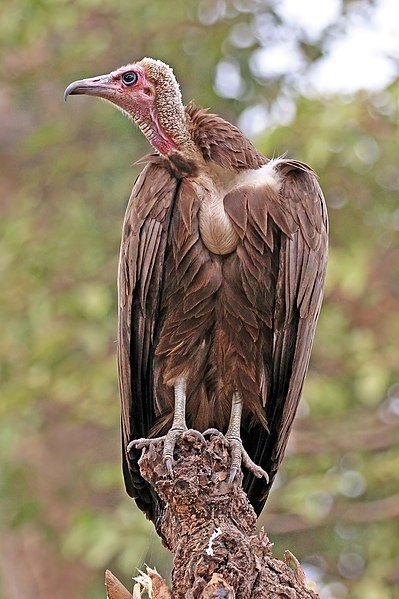
Scientific Name: Necrosyrtes monachus
Class: Aves
Diet: Carnivore
The hooded vulture is a small African scavenger often found near villages and towns. Its slender bill lets it pick at scraps others leave behind.
Moreover, the hooded vulture frequently feeds at the edges of carcasses, cleaning up small pieces of meat. It also scavenges at markets, slaughterhouses, and rubbish tips.
Hooded vultures inhabit the savannas, forests, and towns of sub-Saharan Africa, feeding on carrion and scraps.
As scavengers, they help clean up waste and prevent disease. Poisoning and persecution have made them Critically Endangered.
Fun Fact: The hooded vulture’s thin bill is perfect for reaching scraps of meat that larger vultures cannot pick out.
Read: Animals Like Groundhogs
Read: Animals Like Foxes
Read: Animals Like Ferrets
Read: Small Monkey Breeds in The World
Read: Chubby Animals in The World
Frequently Asked Questions
Conclusion
From soaring condors to clever crows, the world’s scavenger birds are among nature’s most valuable, if underappreciated, workers. Each species whether a bone-cracking bearded vulture, a stone-throwing Egyptian vulture, or a smell-tracking turkey vulture plays a vital role in recycling nutrients and keeping ecosystems clean and disease-free. Without them, carcasses would pile up and dangerous diseases could spread.
One Comment