
Top 12 Ugliest Animals in the World (With Images)
Is any animal truly ugly, or does every odd feature hide a clever purpose? The natural world is full of creatures whose looks might make us wince, yet each one is a marvel of survival. The ugliest animals in the world sport wrinkled skin, bulging eyes, strange noses, and other unusual features, all shaped by evolution for a reason.
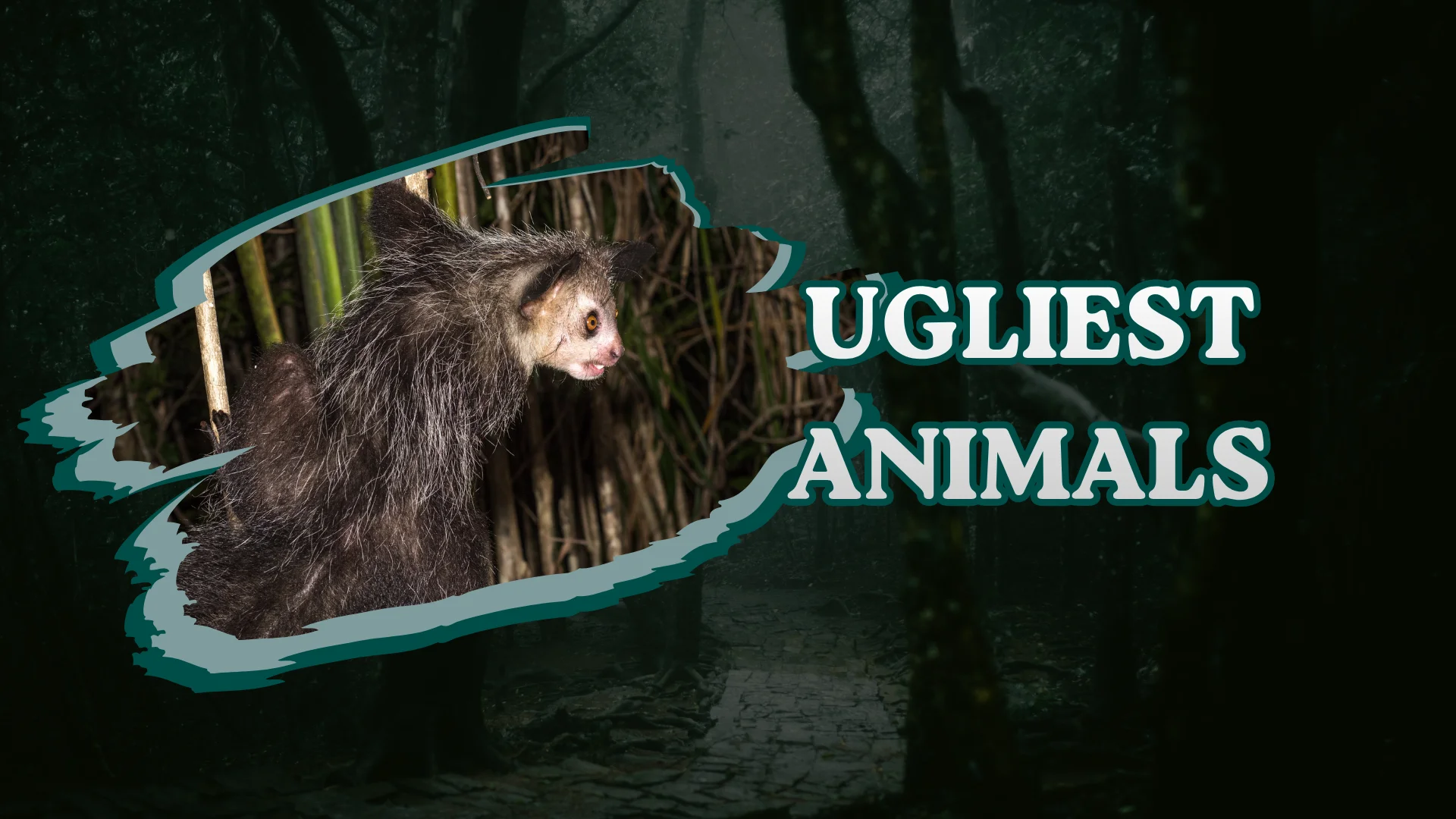
Far from flaws, these quirks help them hunt, hide, and thrive in extreme environments. From a droopy deep-sea fish to a mole with a star-shaped nose, these animals prove that beauty is only skin deep. Let’s explore the most wonderfully strange animals on Earth and the brilliant adaptations behind their looks.
Quick List Table
| Rank | Animal Name | Scientific Name |
|---|---|---|
| 1 | Blobfish | Psychrolutes marcidus |
| 2 | Naked Mole-Rat | Heterocephalus glaber |
| 3 | Aye-Aye | Daubentonia madagascariensis |
| 4 | Proboscis Monkey | Nasalis larvatus |
| 5 | Warthog | Phacochoerus africanus |
| 6 | Star-Nosed Mole | Condylura cristata |
| 7 | Marabou Stork | Leptoptilos crumenifer |
| 8 | Deep-Sea Anglerfish | Melanocetus johnsonii |
| 9 | Matamata Turtle | Chelus fimbriata |
| 10 | Hagfish | Myxini |
| 11 | Turkey Vulture | Cathartes aura |
| 12 | Chinese Crested Dog | Canis lupus familiaris |
Blobfish

Scientific Name: Psychrolutes marcidus
Class: Actinopterygii
Diet: Carnivore (small invertebrates)
The blobfish is often crowned the ugliest animal in the world for its droopy, gelatinous face. Out of water, it looks like a sad, melting blob. Yet this appearance is entirely misleading.
Interestingly, the blobfish only looks this way when brought to the surface. In its deep-sea home, immense pressure gives it a normal, fish-like shape. Its jelly-like body lets it float just above the seafloor without wasting energy.
Blobfish live in the deep waters off Australia and New Zealand. As carnivores, they eat small invertebrates that drift within reach.
Moreover, the blobfish is a reminder that appearances can be deceiving. Deep-sea trawling poses a threat to this little-known fish.
Fun Fact: The blobfish only looks “ugly” at the surface; deep down, it appears like a normal fish.
Naked Mole-Rat
Scientific Name: Heterocephalus glaber
Class: Mammalia
Diet: Herbivore (roots, tubers)
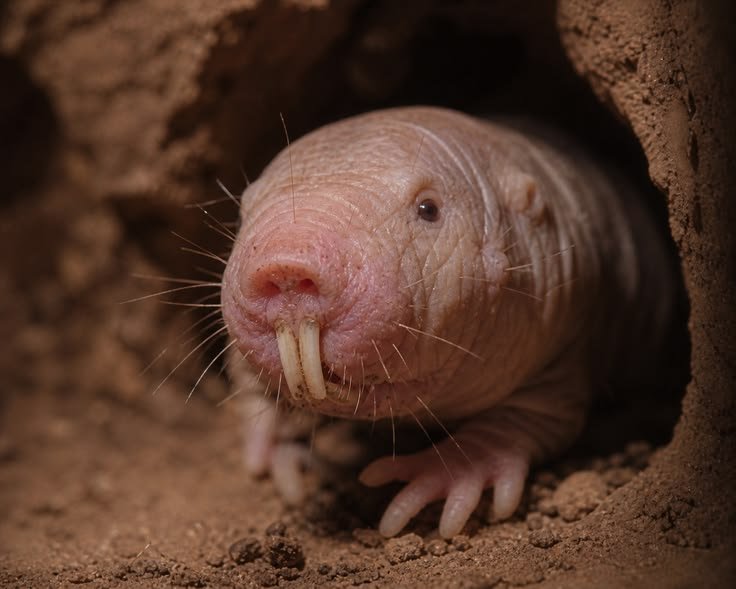
The naked mole-rat is famous for its wrinkled, hairless, pinkish body and buck teeth. It looks like a tiny sausage with oversized teeth. Yet this odd creature is a scientific wonder.
What sets the naked mole-rat apart is its remarkable biology. It lives in underground colonies like an insect, resists cancer, tolerates low oxygen, and can live for decades. Its bare skin suits its warm, dark burrows.
Naked mole-rats live in the dry grasslands of East Africa. As herbivores, they feed on roots and tubers found underground.
Moreover, naked mole-rats fascinate scientists studying aging and disease. They remain common within their range.
Fun Fact: The naked mole-rat can live over 30 years and rarely gets cancer.
Aye-Aye
Scientific Name: Daubentonia madagascariensis
Class: Mammalia
Diet: Omnivore (insects, fruit)
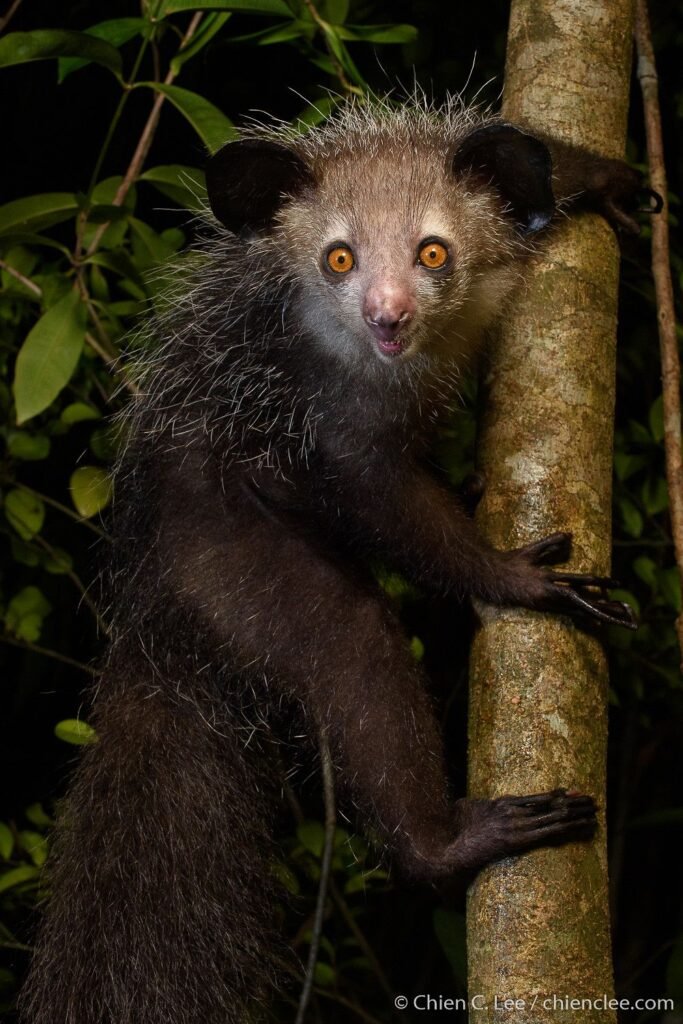
The aye-aye is a strange-looking primate with huge eyes, big ears, and a long, bony middle finger. Its wild appearance has even led to superstition. Yet each feature is a clever tool.
Interestingly, the aye-aye uses its thin middle finger to tap on wood and listen for grubs hidden inside. It then gnaws a hole and fishes out the insects. This unique “percussive foraging” fills the role woodpeckers play elsewhere.
Aye-ayes live in the rainforests of Madagascar. As omnivores, they eat insect larvae, fruit, seeds, and nectar.
Moreover, aye-ayes help control insect populations. Habitat loss and persecution have made them endangered.
Fun Fact: The aye-aye taps trees and listens for hollow spots to find hidden grubs.
Proboscis Monkey
Scientific Name: Nasalis larvatus
Class: Mammalia
Diet: Herbivore (leaves, fruit)
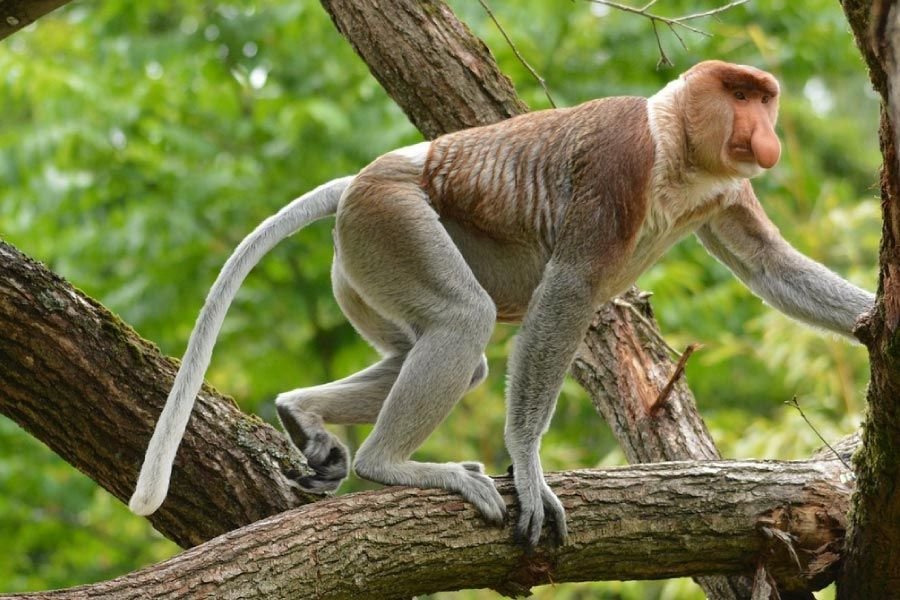
The proboscis monkey is known for the male’s enormous, drooping nose. This oversized feature gives it a comical appearance. Yet the big nose serves an important purpose.
What sets the proboscis monkey apart is that its huge nose amplifies its calls and attracts mates. The larger the nose, the more impressive the male appears. It also has a large belly for digesting tough leaves.
Proboscis monkeys live in the mangroves and rainforests of Borneo. As herbivores, they feed mainly on leaves and unripe fruit.
Moreover, proboscis monkeys help disperse seeds. Deforestation has made them an endangered species.
Fun Fact: A male proboscis monkey’s big nose makes his mating calls louder and more impressive.
Warthog
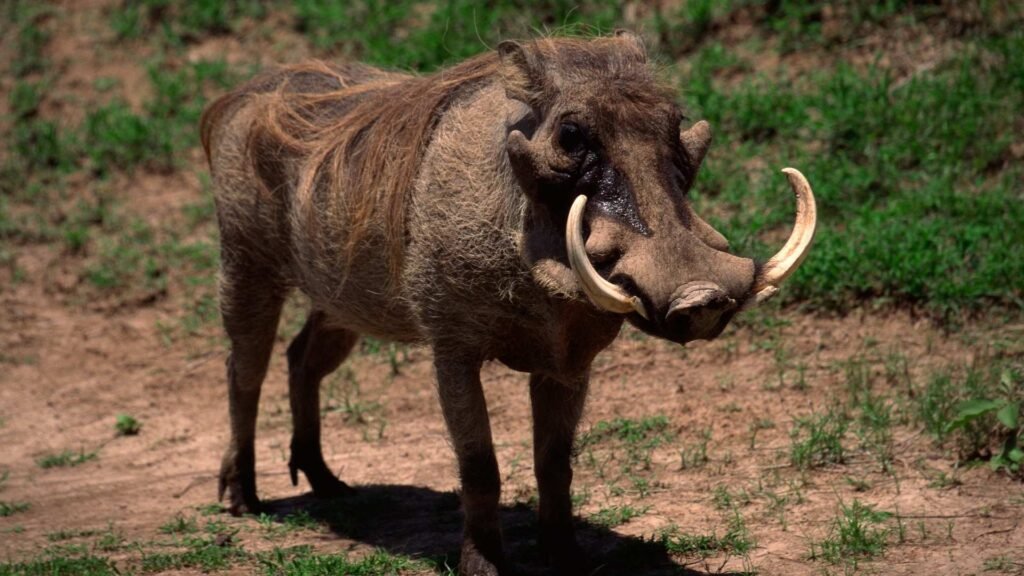
Scientific Name: Phacochoerus africanus
Class: Mammalia
Diet: Omnivore
The warthog is often called ugly for its warty face, tusks, and bristly mane. Its rugged looks are famous across Africa. Yet every feature helps it survive.
Interestingly, the warthog’s facial “warts” are protective pads that shield it during fights. Its tusks defend it from predators, and it kneels on padded knees to graze. Despite its looks, it is a hardy and successful animal.
Warthogs live in the savannas and grasslands of sub-Saharan Africa. As omnivores, they eat grass, roots, fruit, and small animals.
Moreover, warthogs shape vegetation and are prey for large predators. They remain widespread and abundant.
Fun Fact: A warthog often kneels on padded front knees to graze on short grass.
Star-Nosed Mole
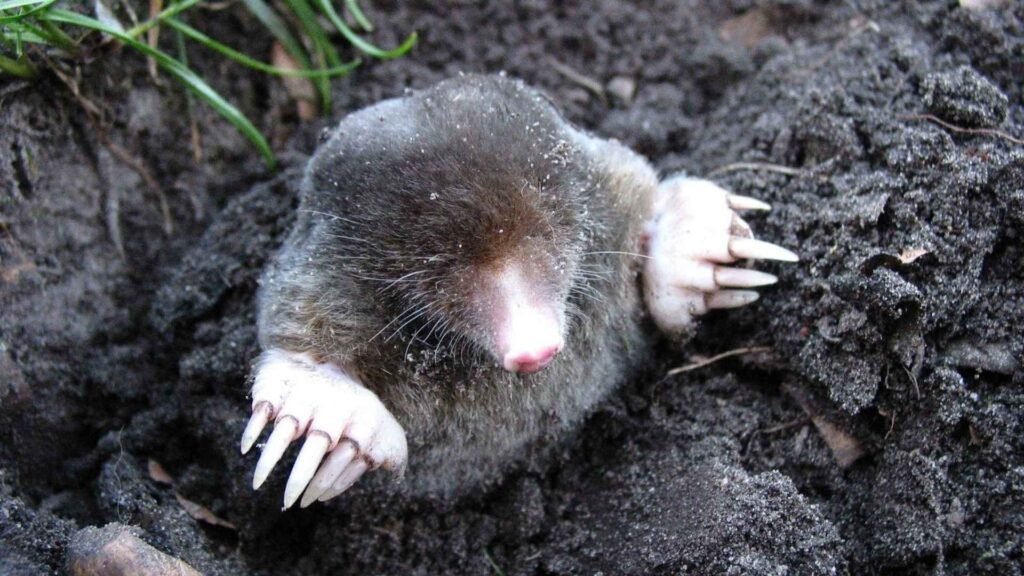
Scientific Name: Condylura cristata
Class: Mammalia
Diet: Carnivore (invertebrates)
The star-nosed mole has a bizarre ring of fleshy tentacles around its nose. This star-shaped snout looks alien and strange. Yet it is one of the most remarkable sense organs in nature.
What sets the star-nosed mole apart is its incredibly sensitive nose. The 22 tentacles are packed with touch receptors, letting it identify and eat prey faster than almost any other mammal. It can even smell underwater by blowing and inhaling bubbles.
Star-nosed moles live in the wetlands and forests of North America. As carnivores, they hunt worms, insects, and other invertebrates.
Moreover, star-nosed moles help control invertebrate populations. They remain fairly common across their range.
Fun Fact: The star-nosed mole can identify and eat prey in under a quarter of a second.
Marabou Stork
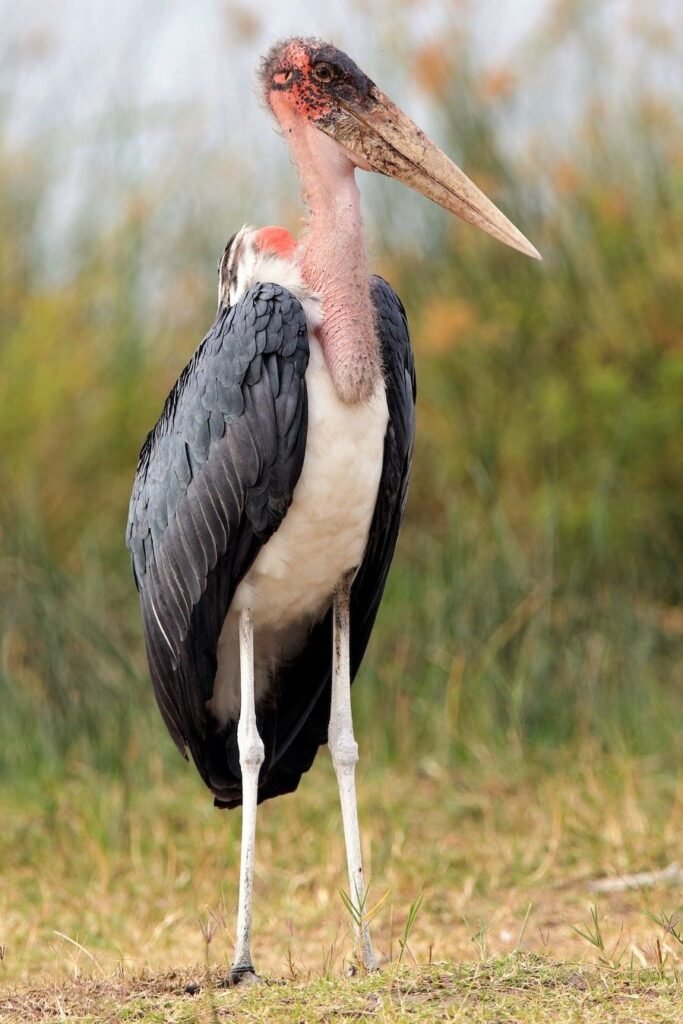
Scientific Name: Leptoptilos crumenifer
Class: Aves
Diet: Carnivore (carrion)
The marabou stork is often called the “undertaker bird” for its grim, hunched look. With its bald head and dangling throat pouch, it seems distinctly unlovely. Yet it plays a vital cleanup role.
Interestingly, the marabou stork’s bald head helps it stay clean while feeding on carrion. Its huge throat pouch is used in displays. As a scavenger, it removes carcasses and waste from the landscape.
Marabou storks live in the savannas and wetlands of sub-Saharan Africa. As scavengers, they feed on carrion, scraps, and small animals.
Moreover, marabou storks help clean the environment and limit disease. They remain widespread across their range.
Fun Fact: The marabou stork’s bald head keeps it clean while feeding on messy carrion.
Deep-Sea Anglerfish
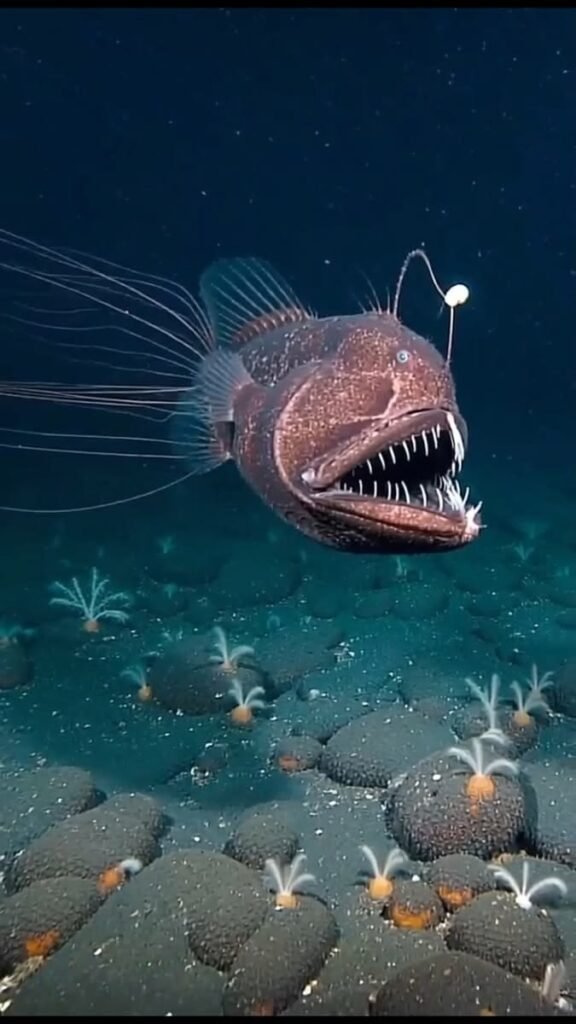
Scientific Name: Melanocetus johnsonii
Class: Actinopterygii
Diet: Carnivore
The deep-sea anglerfish is a nightmarish-looking fish with a huge mouth and needle-like teeth. Its glowing lure and gaping jaws make it look fearsome. Yet its features are perfect for the deep.
What sets the anglerfish apart is its glowing lure, used to attract prey in total darkness. Its enormous mouth and expandable stomach let it swallow prey larger than itself. In the food-poor deep, these adaptations are essential.
Deep-sea anglerfish live in the crushing depths of oceans worldwide. As carnivores, they eat whatever prey they can catch.
Moreover, anglerfish are key predators of the deep-sea food web. Living in a remote realm, they face few direct threats from humans.
Fun Fact: The anglerfish’s glowing lure is powered by bioluminescent bacteria living inside it.
Matamata Turtle
Scientific Name: Chelus fimbriata
Class: Reptilia
Diet: Carnivore (fish)
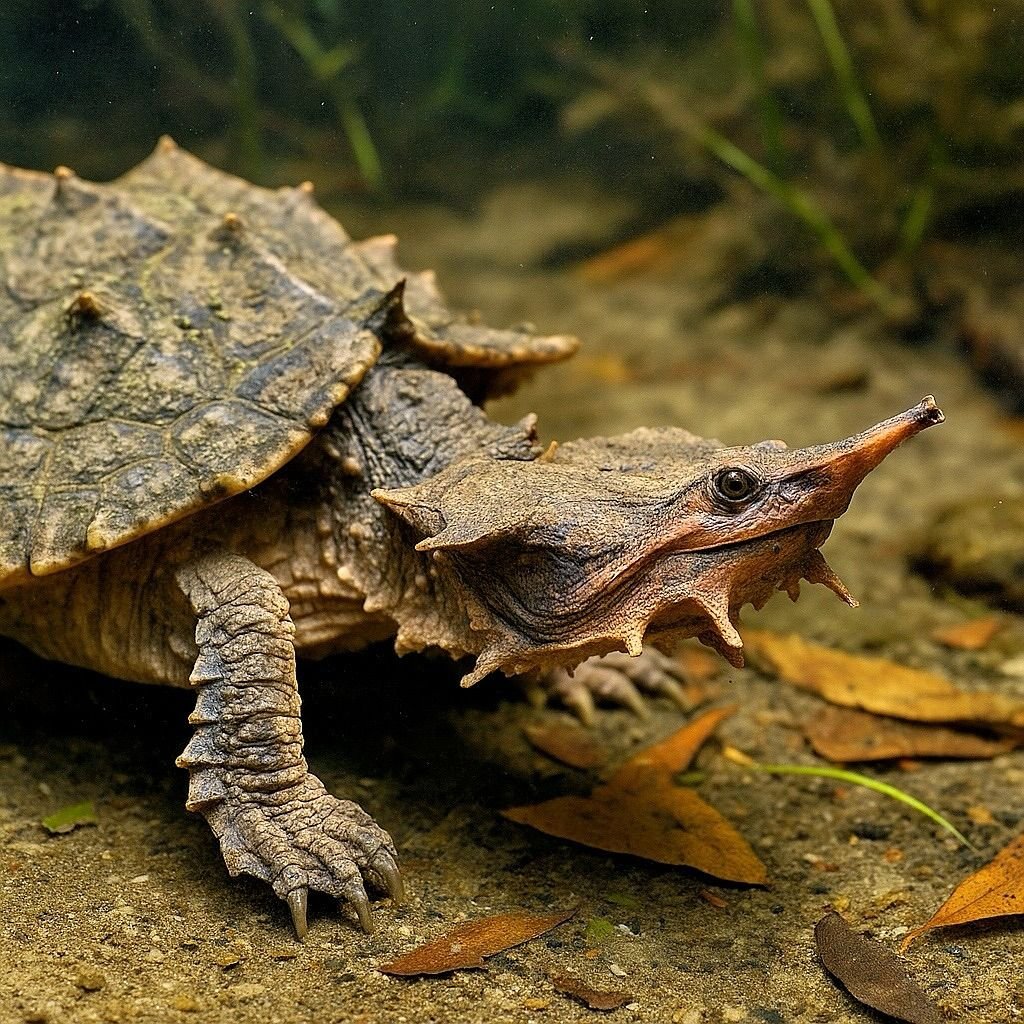
The matamata turtle has a flat, knobby head and a rough, bark-like shell. It looks like a pile of dead leaves and debris. Yet this strange appearance is brilliant camouflage.
Interestingly, the matamata’s leaf-like look lets it hide perfectly on the riverbed. When a fish swims near, it opens its huge mouth to suck in the prey whole. Its snorkel-like nose lets it breathe without moving.
Matamata turtles live in the slow rivers and swamps of South America. As carnivores, they feed mainly on fish.
Moreover, matamatas help balance fish populations. They remain fairly common within their range.
Fun Fact: The matamata looks like a pile of leaves to ambush fish that swim too close.
Hagfish
Scientific Name: Myxini
Class: Myxini
Diet: Carnivore (carrion, worms)
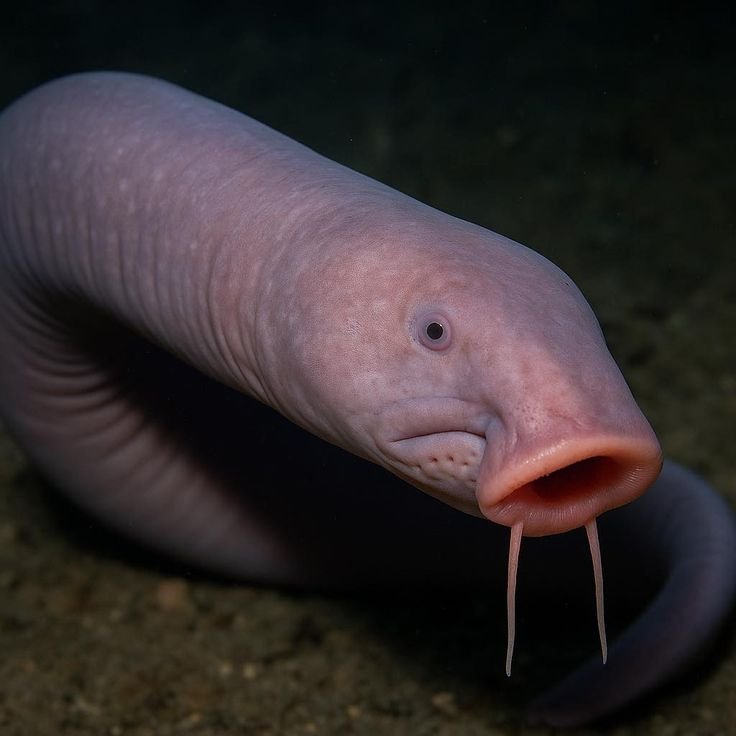
The hagfish is an eel-like creature often called one of the ugliest and slimiest animals. It has no jaws and a wrinkled, pinkish body. Yet it has some astonishing abilities.
What sets the hagfish apart is its incredible slime defense. When threatened, it releases huge amounts of slime that clog a predator’s gills. It also ties itself in knots to clean off and to feed on carcasses.
Hagfish live on the seafloor in oceans around the world. As scavengers, they feed on dead animals and marine worms.
Moreover, hagfish help recycle nutrients on the seafloor. They remain common in deep waters worldwide.
Fun Fact: A single hagfish can produce enough slime to fill a bucket in moments.
Turkey Vulture
Scientific Name: Cathartes aura
Class: Aves
Diet: Carnivore (carrion)
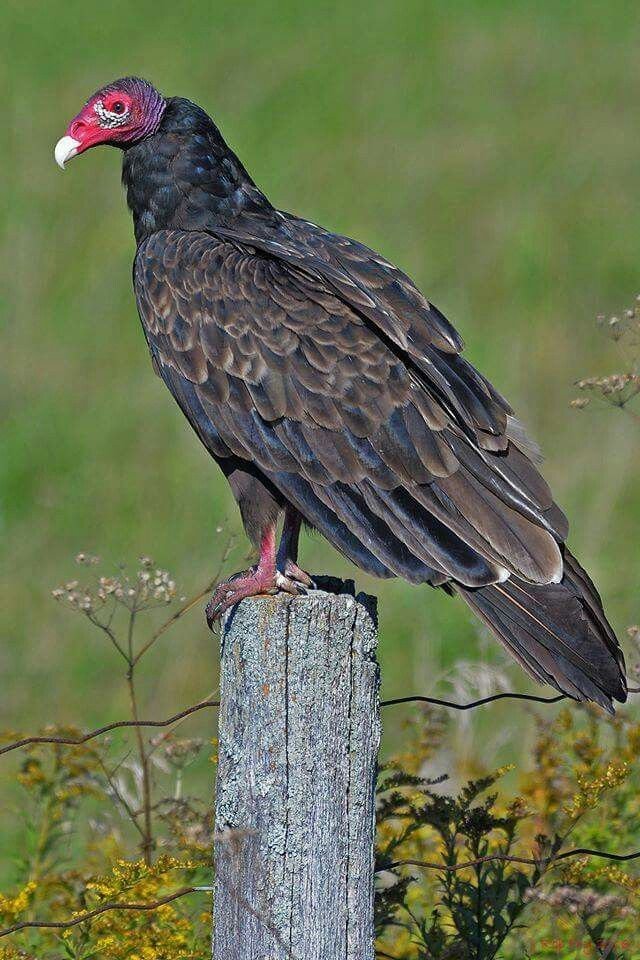
The turkey vulture is often seen as ugly for its bald, red head and hunched posture. Its featherless face looks unappealing to many. Yet it is a vital and highly skilled scavenger.
Interestingly, the turkey vulture’s bald head stays clean while feeding on carrion, and it has an exceptional sense of smell. It can detect a carcass from great distances. Its soaring flight lets it search wide areas with little effort.
Turkey vultures live across the Americas, in forests, deserts, and open country. As scavengers, they feed almost entirely on carrion.
Moreover, turkey vultures clean the landscape and limit the spread of disease. They remain abundant across their range.
Fun Fact: The turkey vulture can smell a carcass from over a kilometer away.
Chinese Crested Dog
Scientific Name: Canis lupus familiaris
Class: Mammalia
Diet: Omnivore
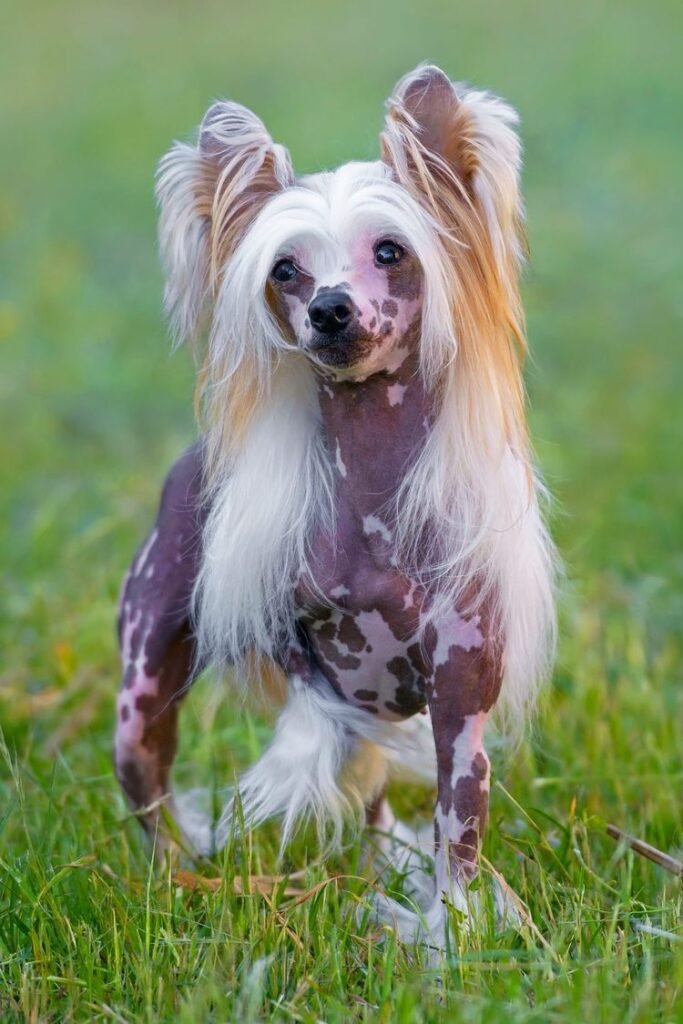
The Chinese crested dog is a mostly hairless breed often featured in “ugliest dog” contests. With its bare skin and tufts of hair, it looks unusual. Yet it is a beloved and affectionate companion.
What sets the Chinese crested apart is its hairless body with soft tufts on the head, feet, and tail. Its bare skin needs special care and sun protection. Despite its odd looks, it is gentle and devoted.
Chinese crested dogs are kept as companion pets around the world. As omnivores, they thrive on balanced diets like other dogs.
Moreover, this breed shows how “ugliness” can be endearing and full of personality. As a domestic dog, it is cherished by its owners.
Fun Fact: The Chinese crested dog frequently wins “world’s ugliest dog” contests, to its owners’ delight.
Read: Animals Like Groundhogs
Read: Animals Like Foxes
Read: Animals Like Ferrets
Read: Scary Animals in The World
Read: Animals That Are Skinny
Frequently Asked Questions
Conclusion
From the droopy blobfish to the tufted Chinese crested dog, the ugliest animals in the world remind us that beauty is truly in the eye of the beholder. Each strange feature, whether a giant nose, bald head, or wrinkled skin, is a clever adaptation shaped by evolution for survival. Far from flaws, these quirks help their owners hunt, hide, clean the landscape, and thrive in extreme places.

3 Comments